History History 6 min read

Why didn’t the British burn Monticello during the Revolutionary War?
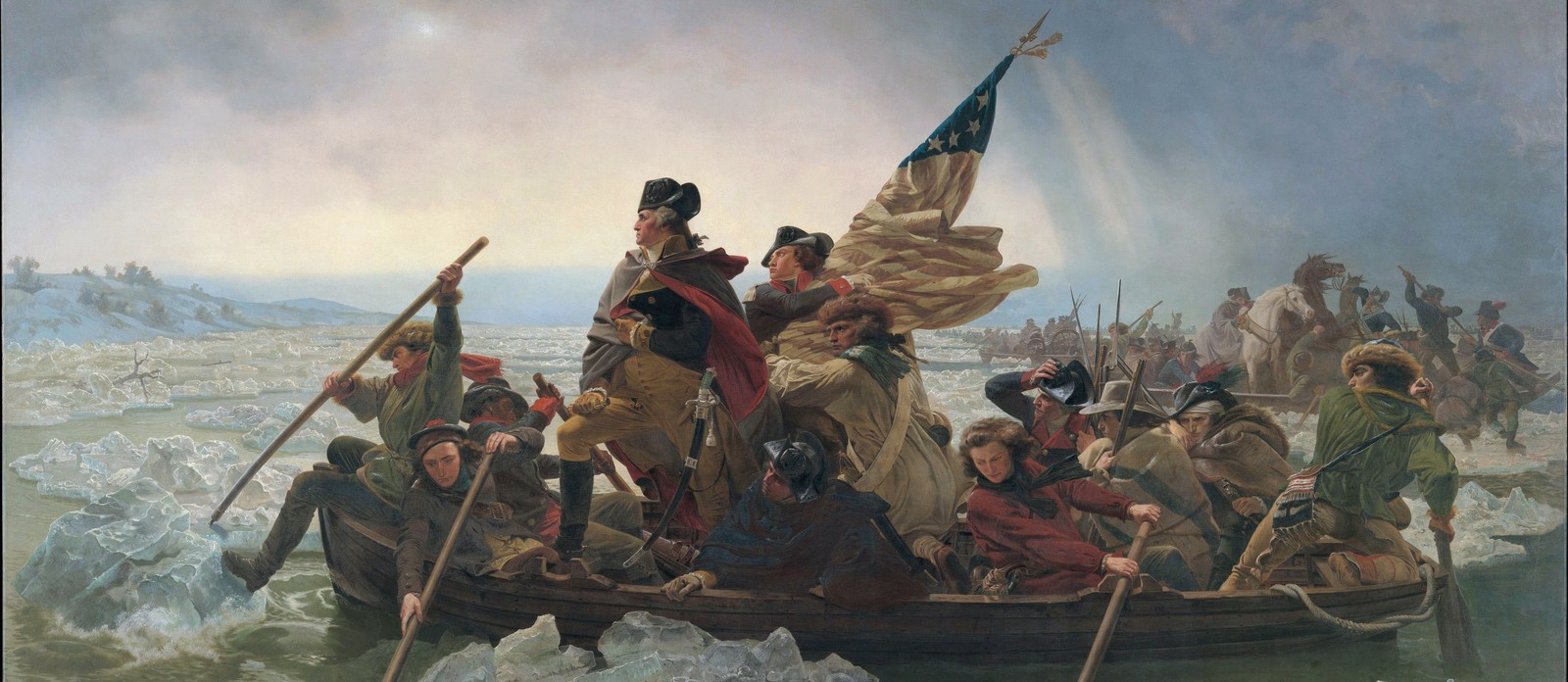
Image: Emanuel Leutze, CC0, via Wikimedia Commons

Our history textbooks do a great job narrating the major battles and political triumphs of the American Revolution, but they often avoid the nitty-gritty details. The truth is, the fight for independence was a messy conflict fought by spies, double agents, and players with opaque motives. Even after 250 years, historians are still trying to solve some of the war’s deepest enigmas. Here are ten of the most fascinating unsolved mysteries from the American Revolution.

1
Who fired the shot heard ‘round the world?
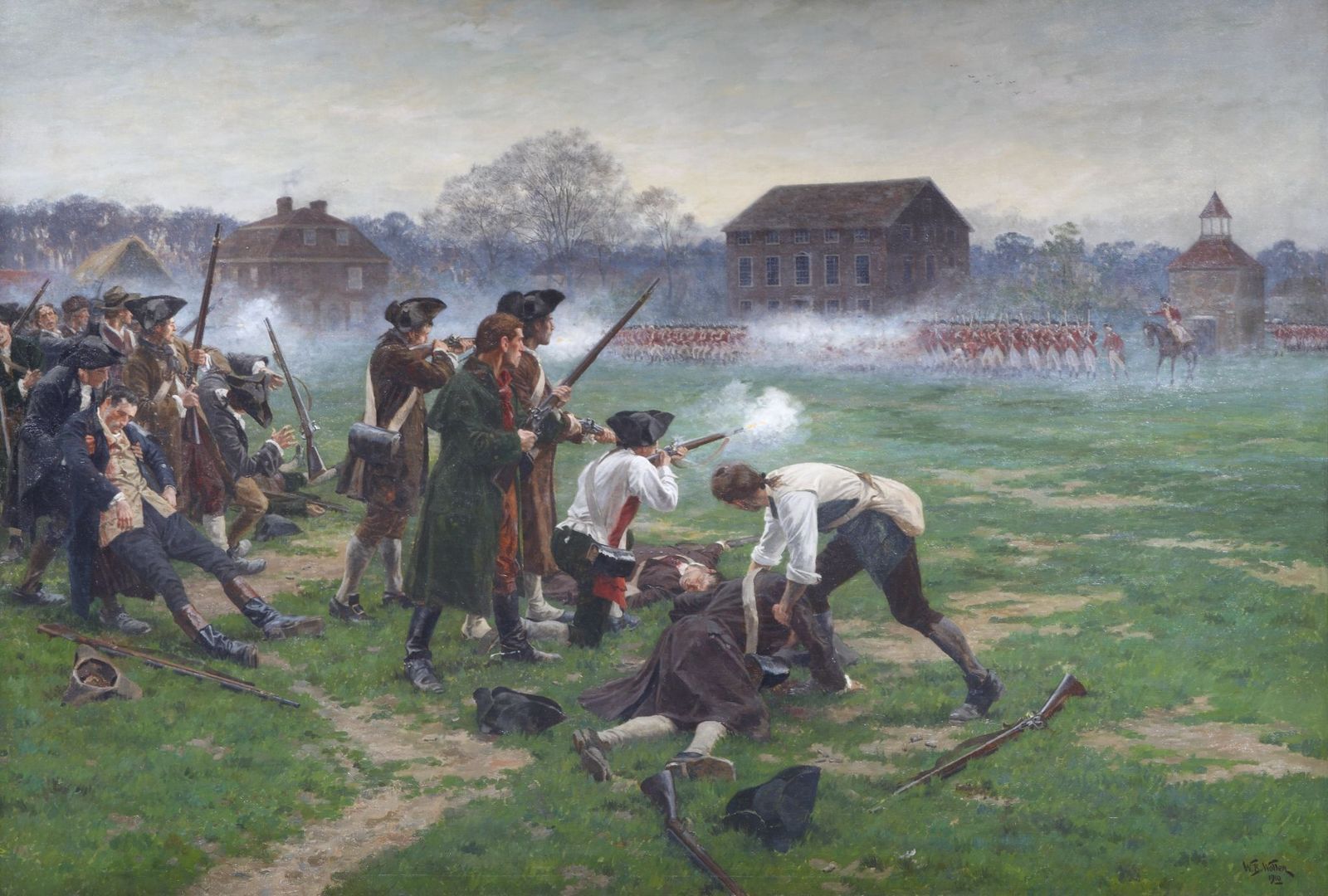
Image: William Barnes Wollen, Public domain, via Wikimedia Commons

The war began on the morning of April 19, 1775, when a small group of local militia faced a column of British Redcoats. The American commander, Colonel John Parker, ordered his men to disperse. The British commander, Major John Pitcairn, ordered his troops to hold their fire. Both sides wanted to avoid a bloodbath.

Suddenly, a shot of gunfire was heard through the air. In the confusion, British soldiers charged with bayonets. Who pulled that first trigger? Some accounts suggest a gunman fired from behind a nearby wall. Others claim a fleeing prisoner sparked the chaos. Because both sides swore under oath that they didn’t shoot first, the catalyst of the war remains a mystery.

2
Who betrayed Nathan Hale?
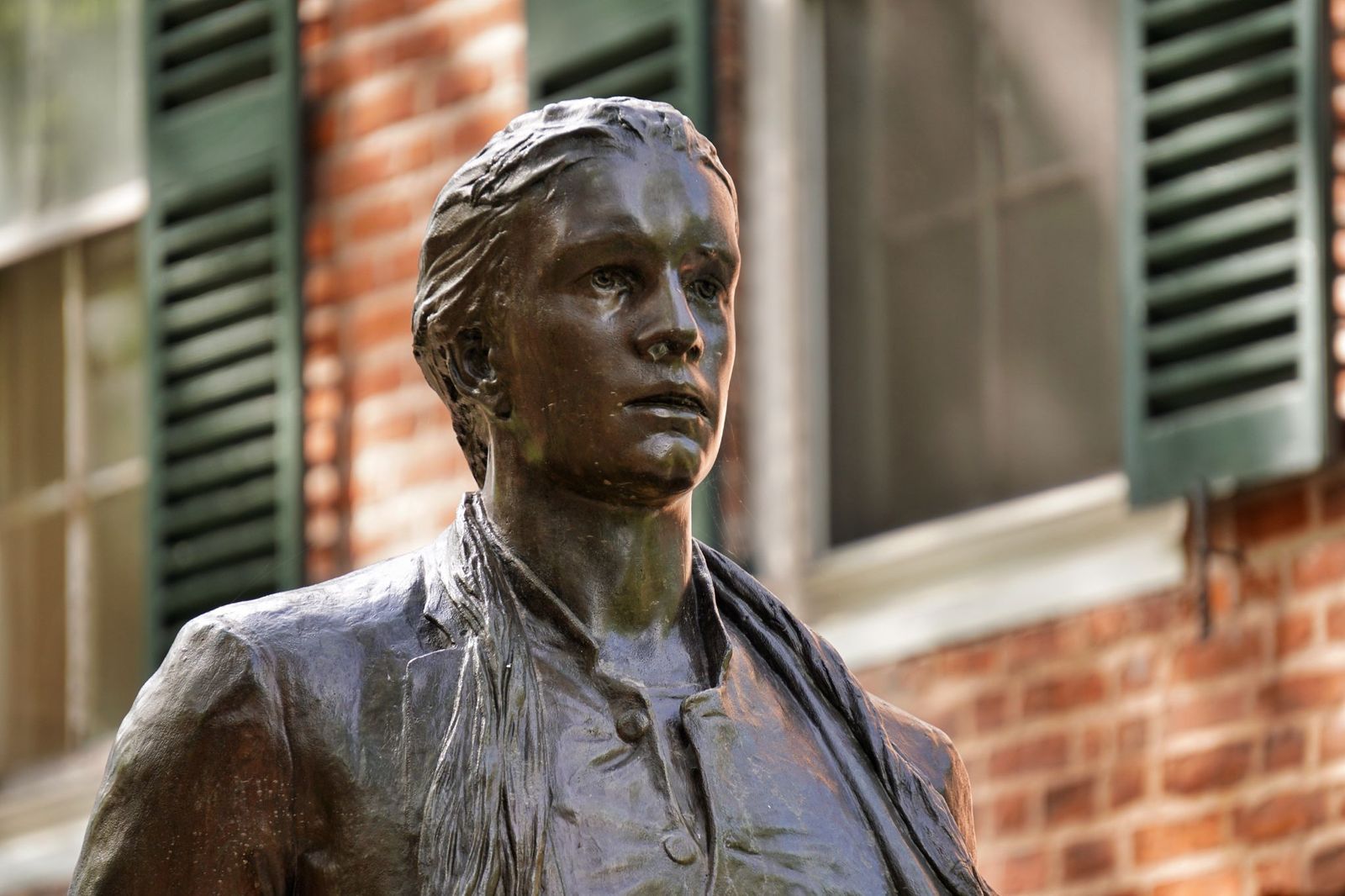
Image: Helioscribe

Nathan Hale is considered one of America’s first tragic heroes. A young Connecticut schoolteacher turned army captain, Hale volunteered to infiltrate British-occupied New York City to gather intelligence. He was an amateur spy, and it didn’t take long for the enemy to catch him with compromising notes hidden in his shoes. He was hanged the next morning, at age 21.

The mystery lies in exactly how he was caught. One theory points to his own cousin, Samuel Hale, a Loyalist who allegedly spotted Nathan in a tavern and reported it to British authorities. Another theory suggests he was tricked by Major Robert Rogers, a legendary British counter-insurgency commander who supposedly suspected Hale and got him to confess his mission over drinks.

3
Who burned New York City in 1776?
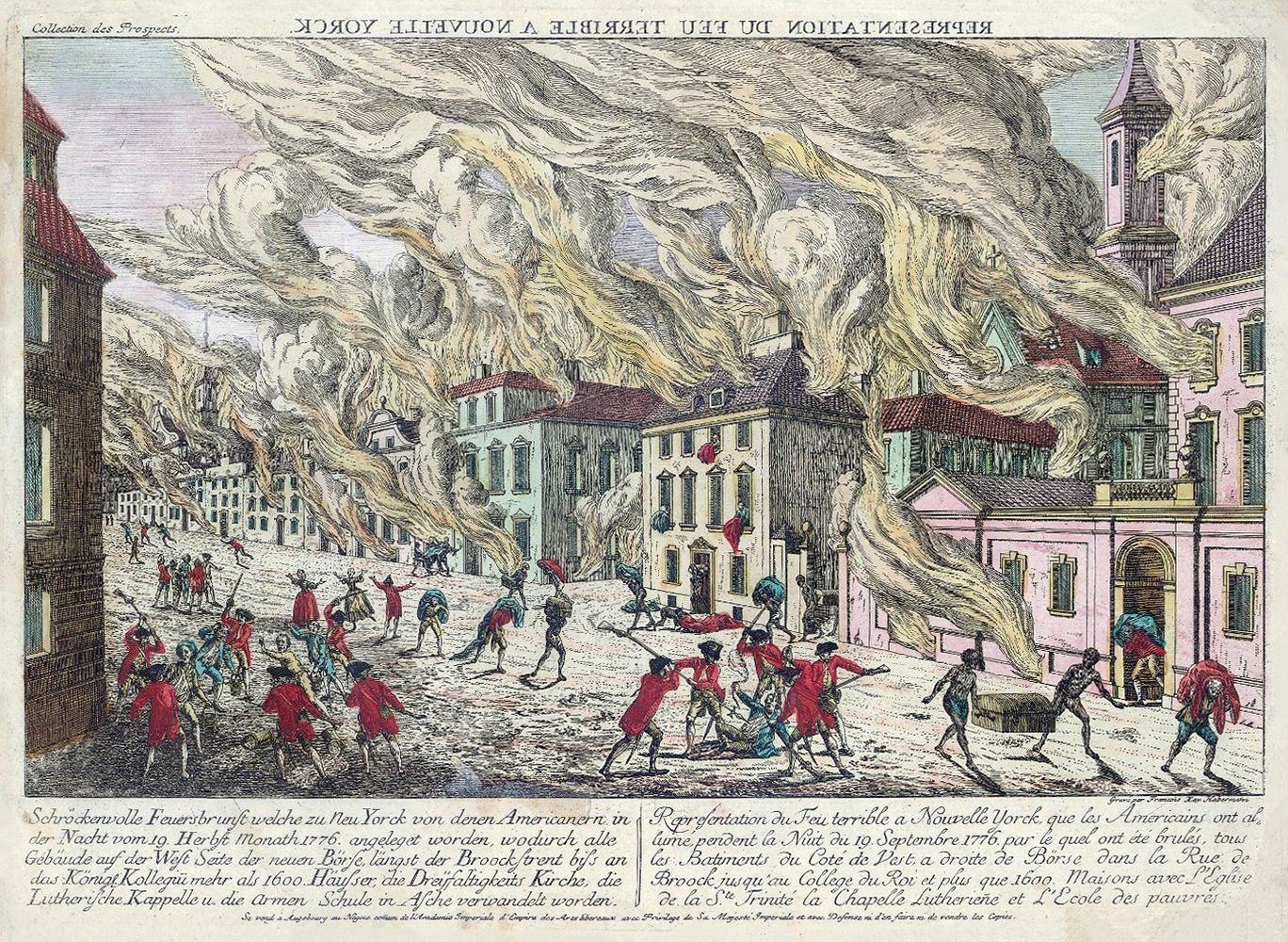
Image: Franz Xaver Habermann, Public domain, via Wikimedia Commons

On September 21, 1776, just days after Nathan Hale’s execution, a fire broke out in the middle of the night. The Great Fire consumed a third of New York City, destroying hundreds of buildings and critical port facilities just when the British military was going to start using the city as their winter base.

The British blamed American arsonists and arrested over 200 people, but no one was ever convicted. Interestingly, George Washington and his collaborators previously debated burning the city, though the Continental Congress ultimately forbade it. Washington publicly denied any involvement, although he privately confessed that the fire was a stroke of luck. Was it a genuine accident, or did radical Patriots take matters into their own hands?

4
Who was Agent 355?

Image: ozrimoz

George Washington’s most successful intelligence network was the Culper Spy Ring, which operated in New York. The ring used an intricate system of invisible ink, hidden drop boxes, and complex ciphers. In their master codebook, the number 355 stood simply for "lady."

Agent 355 was a brilliant female operative who provided vital intelligence. Because her identity was protected by the ring’s leaders, her true name was never written down. Scholars have spent centuries debating whether she was a prominent Loyalist society woman secretly sympathetic to the Patriots, a member of the prominent Floyd family, or a composite character representing multiple female informants.

5
The mystery of Silas Deane
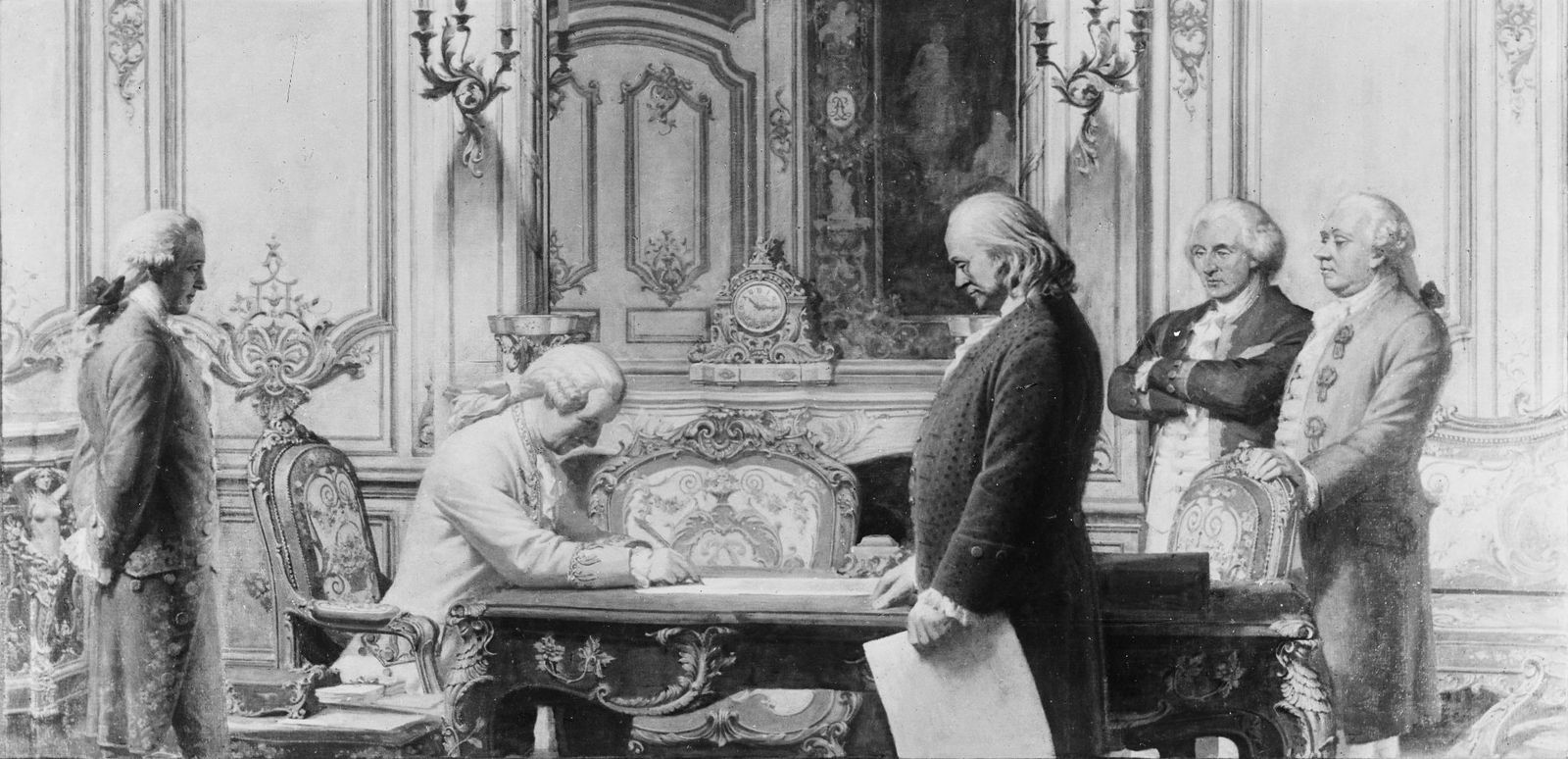
Image: Charles Elliott Mills, Public domain, via Wikimedia Commons

Silas Deane was a Connecticut merchant sent by Congress to France in 1776 as America’s first secret diplomat. He performed well at first, successfully securing shipments of French arms and recruiting foreign officers such as the Marquis de Lafayette. However, he fell into a bitter political dispute with fellow diplomat Arthur Lee, who accused Deane of financial fraud.

Totally in disgrace, a ruined Deane spent years in European exile trying to clear his name. In 1789, when he was 51, he boarded a ship to return to the United States for a congressional hearing. Hours into the voyage, he became ill and died. According to rumors, he had been poisoned. Modern historians suspect his close friend and assistant, Edward Bancroft—a British double agent—murdered Deane to keep him from exposing his wartime espionage.

6
Who told the Patriots in Boston that the British were coming?
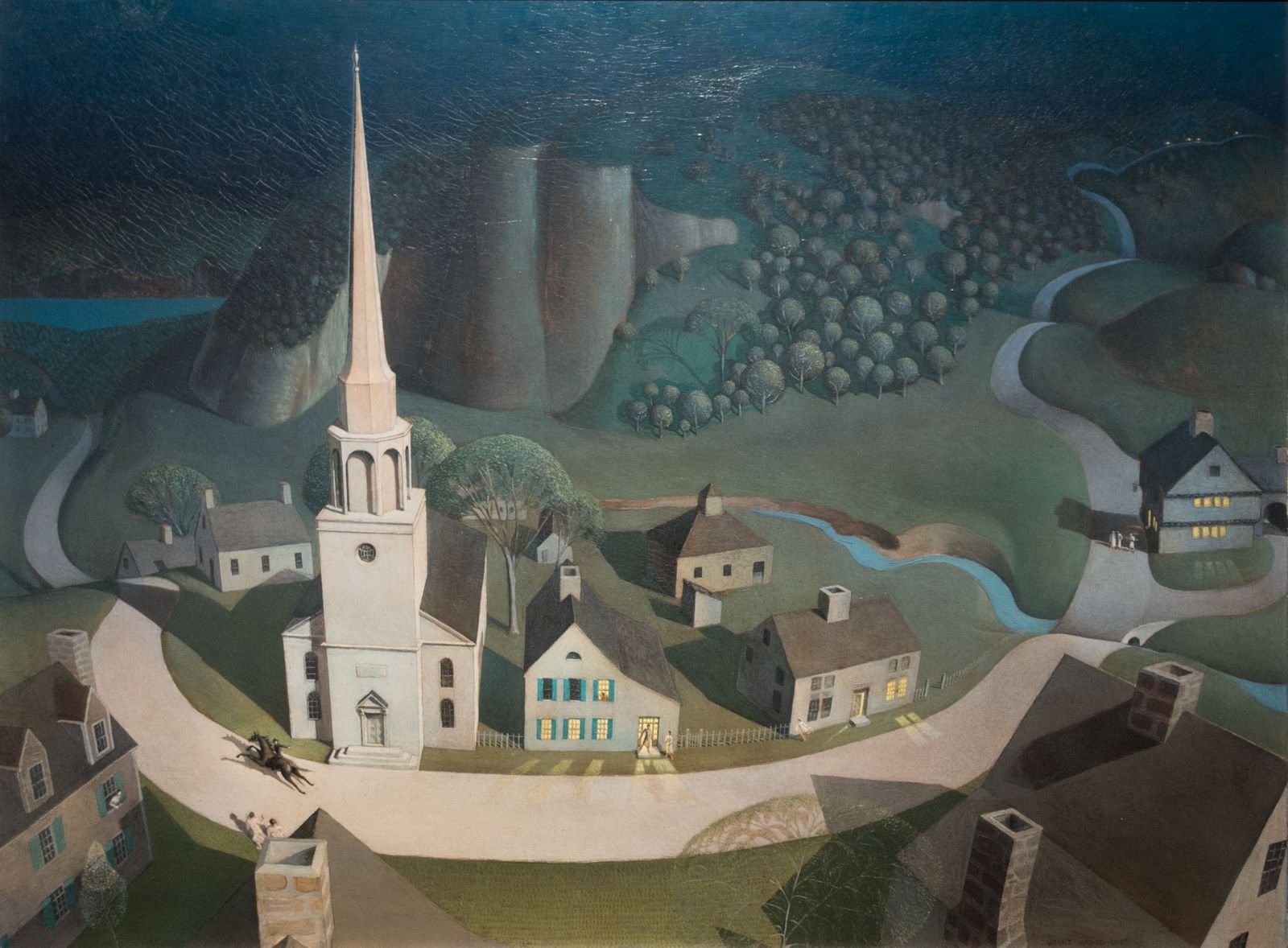
Image: Grant Wood, Public domain, via Wikimedia Commons

Before Paul Revere could take his historic midnight ride, someone had to give the Patriots the warning. On the night of April 18, 1775, Dr. Joseph Warren received precise intelligence that British troops were preparing to march on Lexington and Concord to arrest rebel leaders.

Who leaked this military plan? History has pointed at Margaret Kemble Gage, the American-born wife of the British Commander-in-Chief, General Thomas Gage. Margaret was torn between her love for her husband and her devotion to the land. While her involvement has never been proven, General Gage notably sent his wife away to England shortly after the leak.

7
Was Charles Lee a traitor?
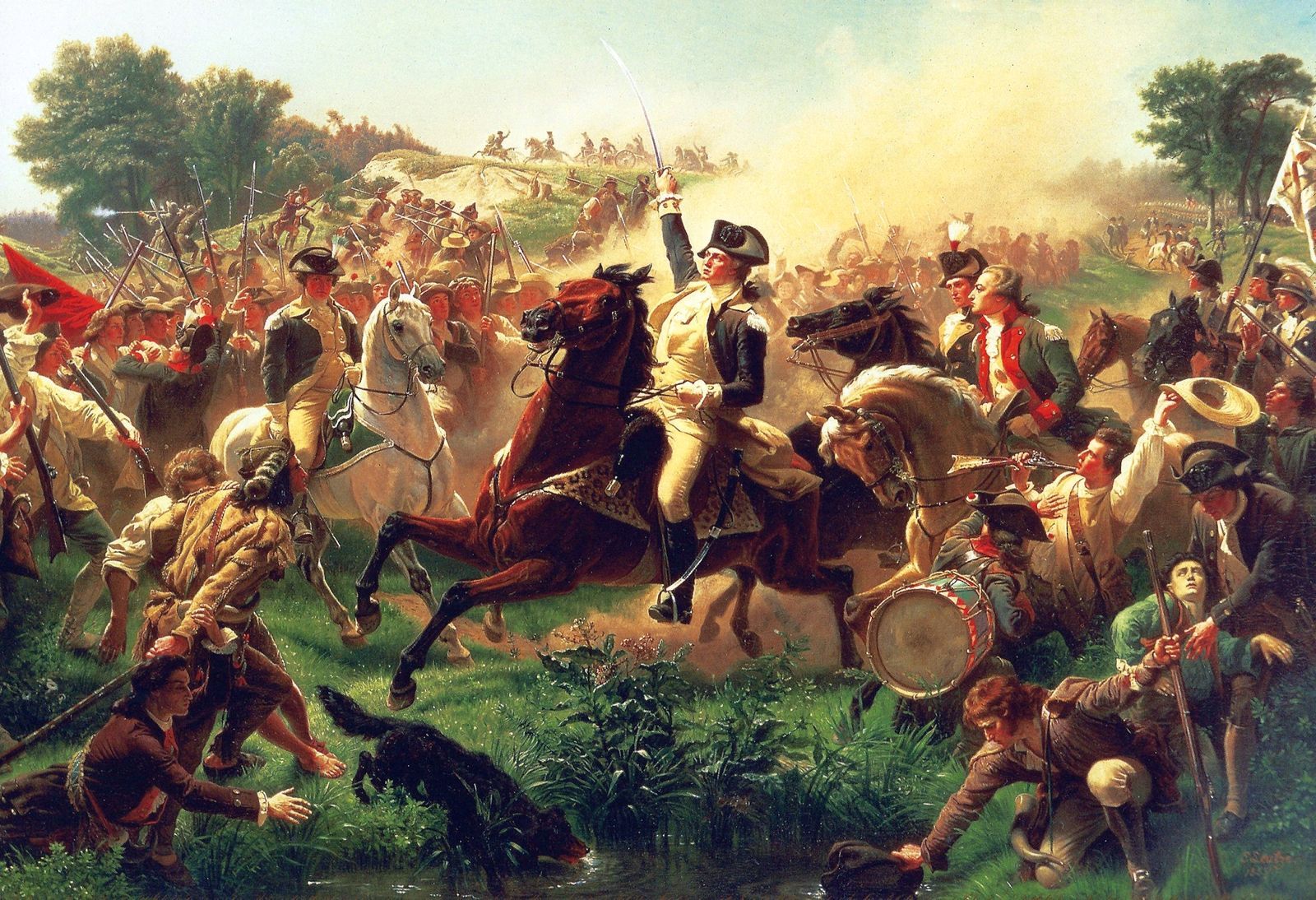
Image: Emanuel Leutze, Public domain, via Wikimedia Commons

General Charles Lee was George Washington’s second-in-command and an experienced military officer. He was also arrogant and frequently criticized Washington’s leadership. In late 1776, Lee was captured by the British in a New Jersey tavern while writing a letter complaining about Washington's deficiencies.

He was exchanged back to the Americans a year later, but his career ended after he disobeyed Washington’s orders at the Battle of Monmouth in 1778. The mystery arose 80 years later, when a lost document surfaced. The document, written in Lee’s own handwriting, outlined a detailed military strategy for the British to defeat the Continental Army. Was Lee a traitor, or was it a strategy to manipulate his captors?

8
Why didn’t the British burn Monticello?
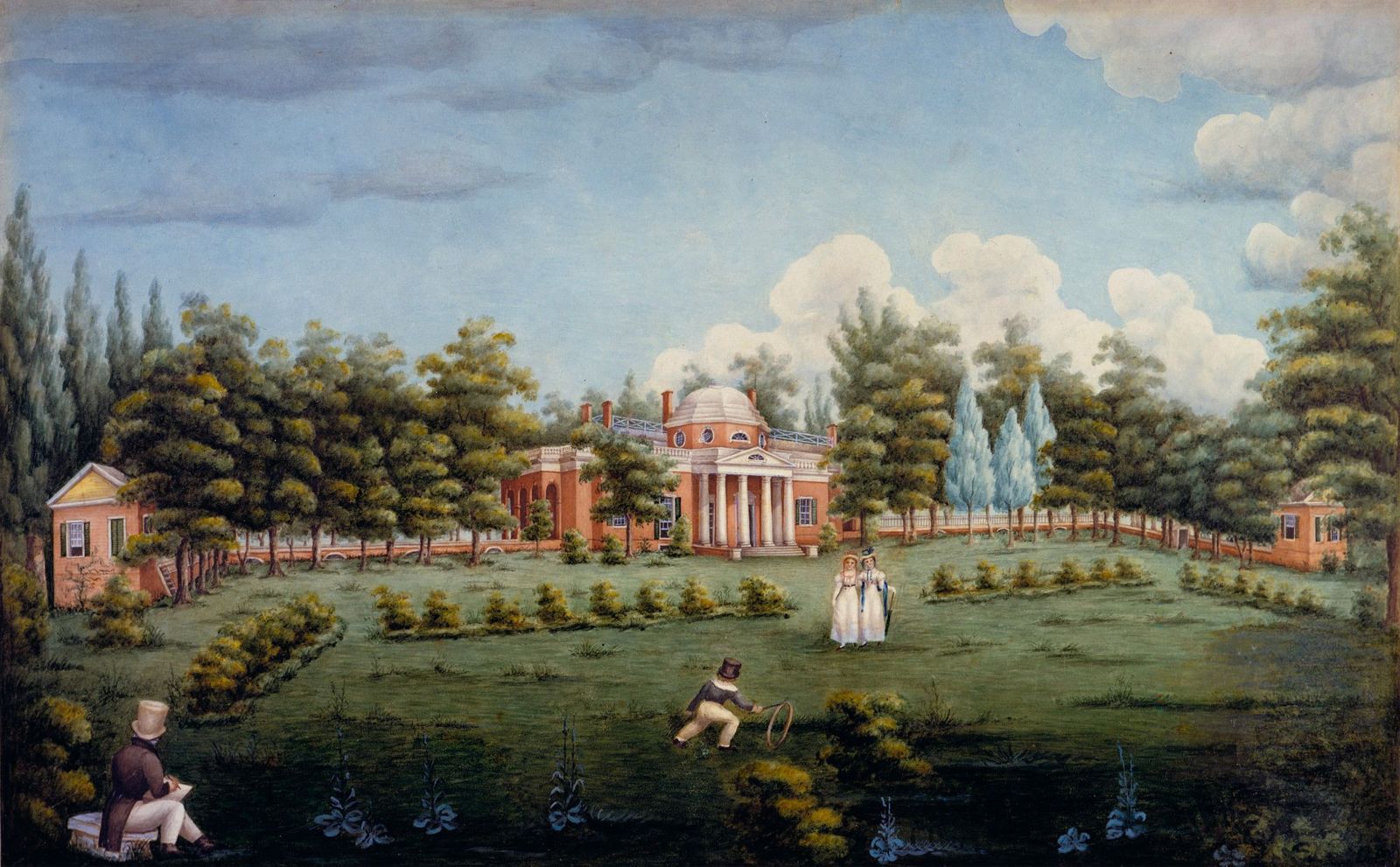
Image: Jane Pitfield Peticolas, Public domain, via Wikimedia Commons

In June 1781, the British cavalry leader Banastre Tarleton—called by Americans "Bloody Tarleton" for his brutal tactics—led a raid on Charlottesville, Virginia. His main objective was to capture Thomas Jefferson, the author of the Declaration of Independence and the state’s governor.

Jefferson managed to escape Monticello, and when Tarleton’s troops occupied his famous estate, they left it entirely untouched. Given that the British often burned the properties of prominent leaders, sparing Monticello was very unusual.

9
Who was Jane McCrea?
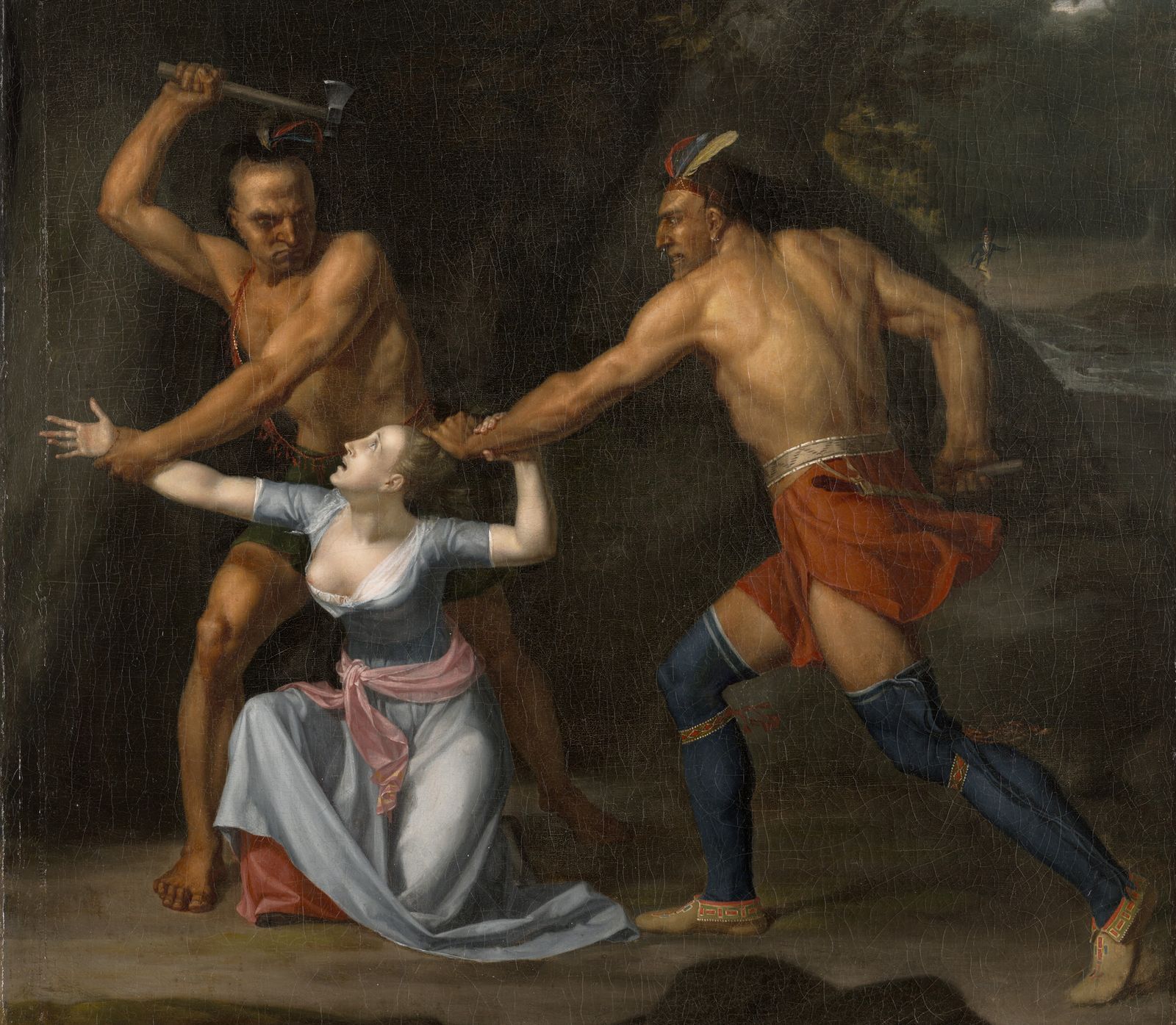
Image: John Vanderlyn, Public domain, via Wikimedia Commons

Jane McCrea was a young woman from a Loyalist family who was engaged to a lieutenant in the British army. In the summer of 1777, she was taken by Native American warriors allied with British General John Burgoyne's advancing army. Shortly after, she was found dead and scalped.

The Patriots turned her death into a propagandistic victory, using the story to terrify frontier colonists into joining the militia. But who actually killed Jane? The native scouts claimed she was accidentally shot by stray bullets fired by pursuing American soldiers. Other accounts insisted she was murdered during an argument between two native factions. The truth remains buried in the fog of war.

10
What happened to Benjamin Church?
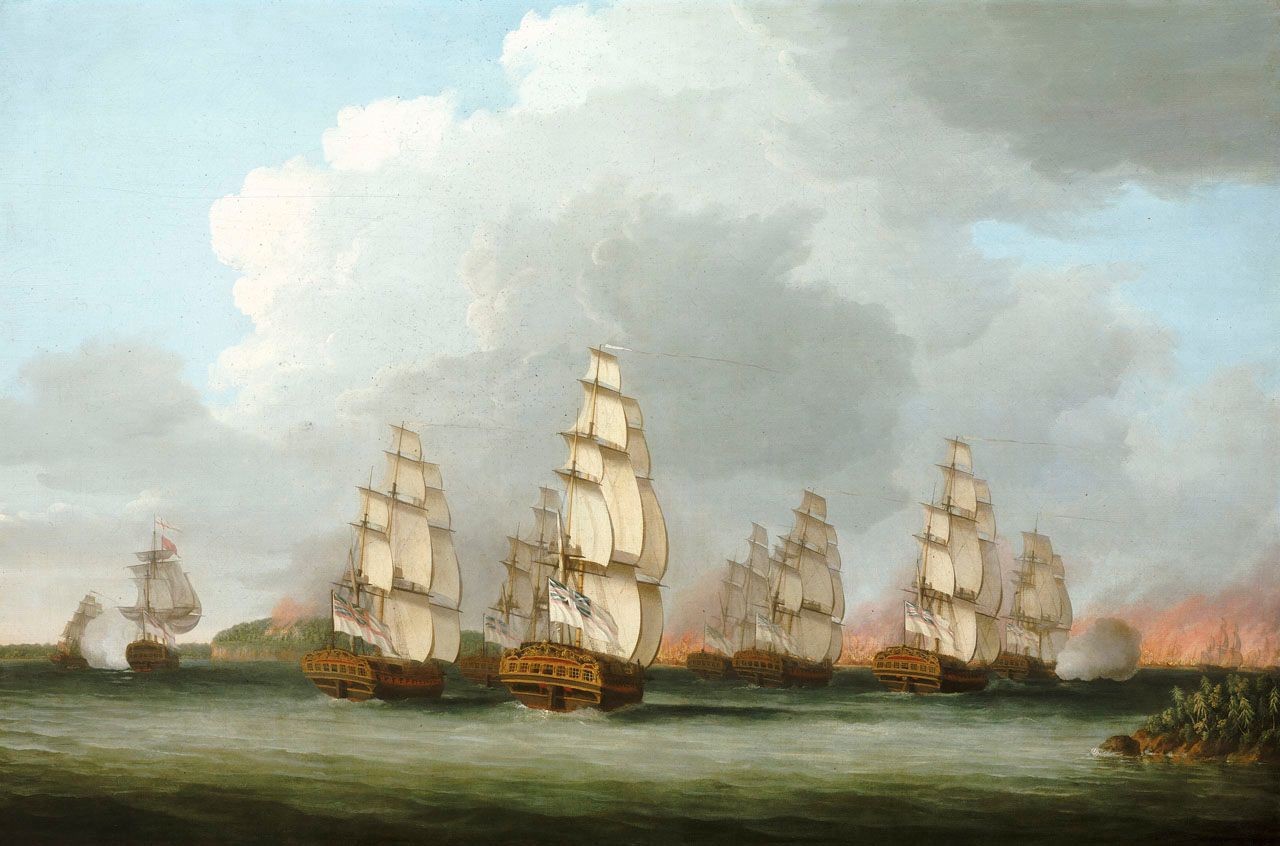
Image: Dominic Serres, Public domain, via Wikimedia Commons

Dr. Benjamin Church was a prominent member of the Boston Sons of Liberty and served as the first Surgeon General of the Continental Army. He was also a traitor. In 1775, Washington’s intelligence team intercepted a coded letter written by Church containing vital information about American troop numbers.

Church was arrested, tried, and sentenced to confinement. In 1778, because of his poor health, he was banished from Massachusetts and boarded a merchant ship bound for the West Indies. The ship sailed into the Atlantic and was never seen again. Did the vessel sink, or did Church use his British connections to stage his disappearance and flee to Europe?
History History 7 min read

Like you've never seen it before

Why did Lincoln keep a Confederate bill? 10 shocking Civil War facts

Image: Schriever, James B., photographer, Public domain, via Wikimedia Commons

The Civil War is one of the most studied chapters in American history. We've learned about its battles, generals, and figures in school, books, movies, and documentaries. But beyond the famous stories lies a fascinating world of little-known facts that changed the country forever. From the nation's first official paper money to the surprising origins of everyday conveniences, here are 10 incredible Civil War stories that will make you see this defining chapter of American history in a whole new way.

1
The Wilmer McLean paradox

Image: Civil War Glass Negatives, Public domain, via Wikimedia Commons

Do you believe in fate? If not, maybe this story will change your mind.

When the Civil War began, Wilmer McLean was an ordinary 47-year-old man living with his family in Manassas, Virginia. But during the First Battle of Bull Run on July 21, 1861, his house was taken over and used as Confederate headquarters. Hoping to escape the war, McLean moved his family 120 miles away to the quiet village of Appomattox Court House. It seemed like the perfect decision, until history caught up with him. Four years later, the war ended exactly where McLean thought he had found peace. On April 9, 1865, General Robert E. Lee surrendered to Ulysses S. Grant, just in the parlor of McLean's new home. As McLean later joked, "The war began in my front yard and ended in my front parlor."

2
Lincoln's Confederate bill

Image: Carol M. Highsmith, Public domain, via Wikimedia Commons

On April 14, 1865, just five days after Confederate General Robert E. Lee surrendered to Union General Ulysses S. Grant, President Abraham Lincoln was shot by actor and Confederate sympathizer John Wilkes Booth during a performance of Our American Cousin at Ford's Theatre in Washington, D.C.

When authorities searched Lincoln's pockets that night, they found the everyday items you'd expect: spectacles, a pocketknife, a handkerchief embroidered with his initials, a watch fob, a sleeve button, and a leather wallet. But one discovery stunned them. Inside the wallet was a Confederate five-dollar bill, the only currency Lincoln was carrying. Historians believe he picked it up as a souvenir during his recent visit to Richmond, the former Confederate capital.

3
Women disguised themselves to fight

Image: Sarah Emma Evelyn Edmonds, Public domain, via Wikimedia Commons

It's well known that women played a vital role in the US Civil War, serving as nurses, spies, and organizers. Clara Barton, a famous example, brought supplies to wounded soldiers on the battlefield and later founded the American Red Cross. But there's another interesting female role that many people have never heard of.

We’re talking about the thousands of women who disguised themselves as men so they could fight. One of the best-documented was Sarah Emma Edmonds, who enlisted in the Union Army under the name Franklin Thompson. Serving as a soldier, nurse, and spy, she fought in major campaigns, including the First Battle of Bull Run and the Peninsular Campaign. After contracting malaria in 1863, she left her unit rather than risk being exposed in a military hospital and was charged with desertion. Years later, her fellow soldiers testified on her behalf, and in 1884, Congress granted her an honorable discharge and a military pension.

4
Brothers on opposite sides

Image: Mathew Benjamin Brady, Public domain, via Wikimedia Commons

The Civil War didn't just divide the nation; it tore families apart. Few stories capture that tragedy better than this one.

The sons of prominent Kentucky Senator and passionate Unionist John J. Crittenden, brothers Thomas Leonidas Crittenden and George Bibb Crittenden, both became generals… but fought on opposite sides of the war. George served as a Confederate major general, commanding troops at the Battle of Mill Springs, while Thomas became a Union major general, fighting in major campaigns including Shiloh, Stones River, and Chickamauga. While they never directly faced each other on the battlefield, their choices caused immense emotional and social fractures within their family. Both survived the war, and today, they are buried in the same Frankfort State Cemetery, finally reunited in the soil of their home state.

5
Standardized clothing sizes

Image: Valentin Ivantsov

When was the last time you had a suit or dress made just for you? Today, we simply walk into a store and buy the size that fits, but before the Civil War, that wasn't how Americans bought clothes.

Before the 1860s, most clothing was custom-made by tailors or sewn at home. But that became a major problem when the war began, and the Union suddenly had to outfit more than a million soldiers. Measuring and tailoring every uniform by hand was impossible. Instead, military officials collected thousands of body measurements, identified common size patterns, and created one of the first standardized sizing systems: Small, Medium, and Large. After the war, clothing manufacturers adopted the same templates for civilian garments, helping give birth to America's modern ready-to-wear clothing industry.

6
Postal home delivery system

Image: Wolfgang Vrede

Today, having letters and packages delivered right to your front door is so routine that we rarely stop to think about it. But for many years of American history, that convenience didn't exist.

Before the Civil War, Americans had to pick up their mail at the local post office. When the war began, families desperate for news of sons, husbands, and fathers crowded into post offices, often waiting for hours. Seeing the heartbreaking scenes, Cleveland postal clerk Joseph Briggs began delivering letters directly to people's homes, sparing families long waits and needless anguish. His neighborhood deliveries were such a success that they inspired Postmaster General Montgomery Blair and Congress to create the nationwide Free City Delivery Service on July 1, 1863.

7
The US first official paper money

Image: National Museum of American History, Public domain, via Wikimedia Commons

Today, most of our money exists in a digital form. However, when we picture money, we still think of dollar bills and coins. They've been part of our lives for so long that it's hard to imagine a time when the US government didn't print paper money at all. But that time did exist.

Before the Civil War , the federal government issued no standardized national paper currency. It minted gold, silver, and copper coins, while Americans relied on thousands of different banknotes printed by private, state-chartered banks, many of them unreliable and prone to failure. Everything changed in 1861 , when the Union needed money to finance the war. Congress authorized the first federal paper currency, known as Demand Notes, followed by Legal Tender Notes in 1862. Americans soon nicknamed them "greenbacks" because of their green ink, a name that has survived ever since.

8
A town changing hands 10 times

Today, US Route 50 follows much of the old Northwestern Turnpike, a historic road linking Winchester, Virginia, with Parkersburg on the Ohio River. But during the Civil War, living along that route was anything but convenient.

Because the turnpike provided access to the Shenandoah Valley, the Baltimore & Ohio Railroad, and key mountain passes, the town of Romney (now in West Virginia) became a strategic prize for both the Union and the Confederacy. As armies pushed forward and fell back, each side repeatedly captured and abandoned the town. While most cities and regions remained firmly on the same side for the entire war, historians generally agree that Romney changed hands at least 10 times, making it one of the most frequently occupied towns of the Civil War.

9
The war with the most Medals of Honor

Image: Alexeinikolayevichromanov, CC BY-SA 4.0, via Wikimedia Commons

The Medal of Honor is the nation's highest military award for valor. During the Civil War, about 1,525 service members received it. That may not sound extraordinary… until you compare it with every major American war that followed.

The numbers are striking: 126 Medals of Honor were awarded in World War I, 464 in World War II, and 266 during the Vietnam War. A total of 856 combined, far fewer than in the Civil War alone. But there’s a reason for that. The Medal of Honor was created during the Civil War; at the time, it was the only US military decoration for valor. With no other awards recognizing battlefield heroism, it was presented under standards that were far broader than those adopted in later wars.

10
Can openers

Image: OlegD

It's hard to imagine a kitchen without a can opener. But surprisingly, canned food existed for decades before anyone invented it.

Although canned food had been around since the early 1800s, people often had to open cans with a hammer and chisel. That finally changed when American inventor Ezra J. Warner patented the first practical can opener in 1858. Even then, it remained a curiosity until the Civil War, when the huge demand for canned rations, including Gail Borden's condensed milk for Union troops, made it indispensable. The war turned the can opener from a strange invention into an everyday tool, paving the way for the handheld versions we still use today.

History History 4 min read

U.S. presidents had odd habits that not many people know about

Image: Jane Simoes

The Oval Office has seen its share of dignified statesmen, but behind those serious portraits lie some seriously entertaining stories . Did you know Ronald Reagan kept his desk perpetually stocked with jelly beans, or that John Quincy Adams had a habit of stripping down for a morning swim in the Potomac? Something nobody can deny is that our commanders-in-chief have been refreshingly, hilariously human.

1
Ronald Reagan: The Jelly Bean Fanatic

Image: Patrick Fore

Ronald Reagan kept a jar of jelly beans on his desk in the Oval Office and on Air Force One . Blueberry was his favorite flavor, and 3.5 tons of jelly beans were shipped to Washington for his 1981 inauguration.

The Jelly Belly company even created a special blueberry flavor just for Reagan's presidential inauguration. Cabinet meetings apparently featured bowls of the colorful candies, and Reagan would munch on them during crucial policy discussions.

2
John Quincy Adams: The Naked Swimmer

Image: Axel Korolkoff

John Quincy Adams had a rather unusual morning routine that would absolutely not fly today. The sixth president would wake up early, walk down to the Potomac River, strip off all his clothes, and go for a refreshing swim .

Legend has it that a female reporter once caught wind of this habit and sat on his clothes until he agreed to give her an interview. Adams apparently took it in stride, though one imagines the Secret Service would have a collective heart attack if any modern president tried this stunt.

3
Teddy Roosevelt: The One-Man Zoo

Image: Vincent van Zalinge

Theodore Roosevelt ran a wildlife sanctuary at the White House . His kids had a veritable menagerie that included a badger, guinea pigs, snakes, and even a one-legged rooster. There are also claims that he kept a bear and a hyena in the House. Oh, and let's not forget about the pony that his son Quentin once took up in the White House elevator.

When President Roosevelt's son Archie fell ill and was confined to bed, his brothers Kermit and Quentin decided to cheer him up by bringing their pony, Algonquin, up to his room via the White House elevator. The plan nearly backfired, though: Algonquin became so captivated by his own reflection in the elevator mirror that getting him out proved to be quite the ordeal.

4
Thomas Jefferson: Ice Cream Pioneer

Image: Brooke Lark

After his time in France, Jefferson returned with a fancy ice cream recipe and became one of the first Americans to popularize it . He reportedly had an 18-step process for making the stuff.

The Founding Father loved ice cream so much that he designed a special ice house at Monticello, though its purpose went beyond just frozen treats. The structure stored ice and snow harvested from the Rivanna River to refrigerate fresh dairy and meats throughout the year, with ice cream being just one of the delicacies it made possible.

5
Andrew Jackson: Profanity Parrot Owner

Andrew Jackson's pet parrot, Poll, learned a colorful vocabulary from Old Hickory himself. When Jackson died in 1845, the parrot attended his funeral. Unfortunately, as some witnesses declared, Poll had to be removed from the service because the bird wouldn't stop cursing loudly at the mourners.

You have to wonder what that scene was like—somber grieving interrupted by a parrot dropping f-bombs left and right. It's both mortifying and hilarious to imagine the reverend trying to continue the eulogy while this feathered menace squawks profanities from the corner.

6
Gerald Ford: The Model President

Image: Thomas J. O'Halloran, photographer, Public domain, via Wikimedia Commons

Before Gerald Ford became president, he was a legitimate male model . In the 1940s, the future president appeared on the cover of Cosmopolitan magazine.

Ford had been a star football player at the University of Michigan, and his athletic build and fame caught the attention of photographers. He modeled to make extra money, appearing in fashion spreads and looking quite dashing, we might add.

7
LBJ: The Presidential Prankster

Image: David Clode

Lyndon B. Johnson owned an amphibious car that could drive on both land and water. His favorite party trick was to drive guests around his Texas ranch and then pretend the brakes had failed as they headed straight toward a lake . People would scream in terror as the car splashed into the water.

Then, to everyone's shock and relief, the car would simply start floating. Johnson would burst into laughter while his passengers tried to recover from their near-death experience.

8
William Howard Taft: Bathtub Troubles

Image: Brandi Alexandra

William Howard Taft was America's heaviest president, weighing in at around 340 pounds. The most famous anecdote about him involves getting stuck in the White House bathtub , though historians debate whether this actually happened. What's definitely true is that he had a custom bathtub installed that could fit four normal-sized men.

9
Calvin Coolidge: The Prankster President

Image: Brian Lundquist

There are claims that Calvin Coolidge would sometimes press all the buttons on his desk to summon his staff, then hide to watch them run around confused, looking for him . Very mature, Mr. President.

Coolidge also had a pet raccoon named Rebecca, who walked on a leash around the White House grounds. Silent Cal might not have talked much, but his actions —and his choice in pets— spoke volumes about his quirky sense of humor.

10
Jimmy Carter: UFO Witness

Image: Albert Antony

Jimmy Carter once filed an official report claiming he saw a UFO . In 1969, before becoming president, Carter and a group of people in Georgia witnessed a strange, bright light in the sky that changed colors and moved in unusual ways. He was so convinced of what he saw that he filed paperwork with the International UFO Bureau.

Carter promised during his campaign that if elected, he would release all government information about UFOs. Once in office, though, he was reportedly told some things were too classified even for the president.

Explore more American facts

Choose your favorite category!

General
General

As American as apple pie—the very best America has to offer!

Culture
Culture

Delve into the astounding richness of American lore.

Geography
Geography

Hop in and explore vast and diverse American landscapes.

History
History

Discover the key moments that shaped the United States.