General General 4 min read

American uniqueness

10 things America does differently from the rest of the world

Image: Shamblen Studios

The U.S. is a unique country in many ways , but some of these might shock tourists and foreigners because they differ from how they are done in other parts of the world. From etiquette rules to cooking styles to how to record a date, America has its own way of doing certain things . Let’s have a look at some of them!

1
Measuring

Image: Annie Spratt

This is a difference most Americans are aware of: most countries use the metric system rather than U.S. customary units, and most use Celsius instead of Fahrenheit. Countries such as the UK and Canada still use some imperial units in everyday life, but they mainly use the metric system. Another measure that confuses foreigners is the particular way ingredients are measured in American recipes, which often use cups, tablespoons, and teaspoons rather than measurements by weight.

Fun fact: The only other countries that use the Imperial system officially are Liberia and Myanmar.

2
Sales tax

Image: Zoshua Colah

Do you find having to calculate sales taxes annoying? That’s a unique American experience. In the majority of the world, the price you see is the price you pay , because it has the sales tax already added.

Why is it different in America? Sales taxes vary across states , so retailers find it easier to showcase the base price and then calculate the total at checkout.

3
Cutlery use

Image: Anna Kumpan

Many Americans abroad are surprised by the realization that not everyone uses a knife and fork in the same way they do . In fact, no one else does. While most Americans have learned the American style —also called the zig-zag or fork switching method— that involves using the fork in the left hand for cutting and then changing it to the right to pick up the food, European and Latin American countries don’t do this . It might seem like a small difference, but it completely changes the way you eat.

4
Iced drinks

Image: Battlecreek Coffee Roasters

Do other countries not have ice? They do, but they don’t necessarily assume everyone will want it. While serving water and other beverages with ice is customary in America, in many other countries, you need to request it —even during the hottest of summers.

But even if you get ice, many times you will need to specify the amount : the same drink that would be filled with ice cubes in America might come to you with just two or three cubes elsewhere.

5
Date formatting

Image: Waldemar

The U.S. is not completely alone on this one, but there’s a difference big enough to be worth mentioning. The standardized way of recording the date in America is month-day-year , a convention also followed by some Caribbean and Asian countries. But in the rest of the Western world, the conventional format is day-month-year , which can lead to confusion for Americans. In most Asian countries , the most commonly used format is year-month-day .

6
The word ‘American’

Image: frank mckenna

In the English language, ‘American’ is the only way to refer to people with U.S. citizenship . Other words, such as ‘Usian’ or ‘Unitedstatian’ have been proposed, but never stuck. This is why many Americans are surprised when other countries —Latin American countries in particular— use ‘American’ for anyone in the American continent , or continents, another big difference. In most European and Latin American countries, there is a different word for U.S. citizens, such as the Spanish ‘estadounidense’ or the Portuguese ‘estadunidense’ .

7
Moving out at 18 years old

Image: Dina Badamshina

This one is not so black and white, but more like a general tendency. Compared with most of Europe, Latin America, and Asia, Americans give serious consideration to the possibility of moving out after high school. Not everyone does, and not everyone can afford it, but it's fairly common.

In other countries, young adults generally move out if their job or education requires it , but they tend to stay at home a few more years if they can.

8
Driving a car as a teenager

Image: Dan Gold

America is quite car-centric , especially if you live outside of the big cities. While not everyone can afford to have a personal car —even a second-hand one—, it is common for 16 and 17-year-olds to legally drive their parents’ car, or save for their own.

In the rest of the world, the chances of high schoolers driving themselves to school are much lower, as most countries don’t allow underage kids to get a driving license .

9
Solo cups

Image: Artem Beliaikin

Do plastic cups exist outside of the U.S.? They do, but they are not as iconic or as widely used as Solo cups, introduced in the 1970s as a disposable but sturdy cup for parties and events. Many foreigners visiting America are surprised when they realize that solo cups are a real thing , and not something that just happens in movies.

10
Filing taxes

Image: Olga DeLawrence

Taxes in the U.S. are not that different from taxes in other countries, except for how they are filed . During tax filing season, thousands of Americans direct their efforts to ensure they have properly reported their income and that their return will match the IRS’s data.

In other parts of the world, however, the one responsible for calculating and filing taxes is the government , while citizens merely corroborate that everything is in order.

History History 2 min read

Homegrown sounds

How America invented 10 of the world’s biggest music genres

Image: Daniel Angele

If the U.S. has exported anything in abundance, it’s music. From Delta blues to disco, America has shaped the global soundscape with genres that reflect its history, struggles, and triumphs. Join us as we explore 10 of the most influential music styles born on American soil.

1
Blues

Image: Ahmed Rizkhaan

Originating in the Deep South during the late 19th century, blues evolved from African American work songs, spirituals, and field hollers. More often than not, it channeled pain and the harsh realities of life in a segregated America. Formally, its 12-bar blues structure and expressive guitar playing influenced countless other genres, from rock and roll to jazz.

2
Jazz

Image: Carol Highsmith's America

Born in New Orleans in the early 20th century, jazz blended African rhythms, blues, and brass band traditions. It was a revolutionary genre defined by improvisation and syncopation. Great figures like Louis Armstrong and Duke Ellington helped jazz spread worldwide, becoming a symbol of American creativity.

3
Rock and Roll

Image: Ana Grave

Emerging in the 1950s, rock and roll combined elements of blues, gospel, and rhythm and blues to create a high-energy, powerful sound . It soon became the voice of a new, rebellious generation. Pioneers like Elvis Presley, Chuck Berry, and Little Richard became universally beloved legends, forever altering the course of popular music.

4
Country

Image: Ben White

Originating in the southern United States, country music evolved from folk ballads and fiddle tunes brought by European immigrants. Initially, the genre focused on stories about blue-collar American life but later expanded to include love ballads and dance tunes. Today, it remains one of the most popular genres in the U.S.

5
Bluegrass

Image: Priscilla Du Preez

A fast-paced, acoustic offshoot of country, bluegrass emerged in the 1940s thanks to Bill Monroe and his Blue Grass Boys. Drawing from Irish and Scottish folk traditions, it prominently features stringed instruments like the banjo, mandolin, and fiddle. A true heartland gem, bluegrass continues to thrive on festival circuits worldwide.

6
Rhythm and Blues

Image: Matthijs Smit

Rhythm and Blues, or R&B, evolved from blues and jazz in the 1940s, featuring soulful vocals and a strong, "insistent" backbeat. Though its boundaries have been historically difficult to define, it laid the foundation for rock, soul, and funk while remaining a powerhouse in American music for generations.

7
Gospel

Image: Iyinoluwa Onaeko

Rooted in African American church traditions, gospel music emerged in the early 20th century, blending spirituals with blues and jazz influences. Artists like Mahalia Jackson and The Staple Singers were among the first to bring gospel beyond church walls, paving the way for future soul and rock musicians.

8
Soul

Image: Kobe Subramaniam

A direct descendant of gospel and R&B, soul music took center stage in the 1960s with its mix of emotional vocals and deep grooves. Legends like Aretha Franklin and James Brown defined the genre, influencing everything from funk to modern pop.

9
Funk

Image: Krisztián Reischl

Emerging in the 1960s, funk placed a strong emphasis on groove and rhythm, featuring heavy basslines and syncopated beats made for dancing. Pioneers like James Brown, Parliament-Funkadelic, and Sly & The Family Stone helped popularize the genre, whose infectious rhythms later influenced disco, hip-hop, and even rock.

10
Disco

Image: Honey Fangs

Rising in the 1970s, disco blended soul, funk, and Latin influences into a beat-driven, club-friendly sound. More than just a music genre, it became a cultural movement centered on dance, freedom, and glamour. At its peak, artists like Donna Summer and the Bee Gees dominated the airwaves.

Culture Culture 8 min read

Iconic fails

Fired, broke, rejected: The secret past of America's most beloved icons

Image: Uuganbayar

Being told "no" can sting at any age, especially after putting time, money, or pride into something. But some of America’s most familiar names heard it over and over. Thomas Edison was dismissed as a poor student, Elvis was reportedly told to return to truck driving, and Stephen King nearly threw his first best-seller away. Their stories get even more surprising from there. Here are 10 Americans whose biggest setbacks were simply the first step towards success.

1
Abraham Lincoln

Image: Hermosa_Chris

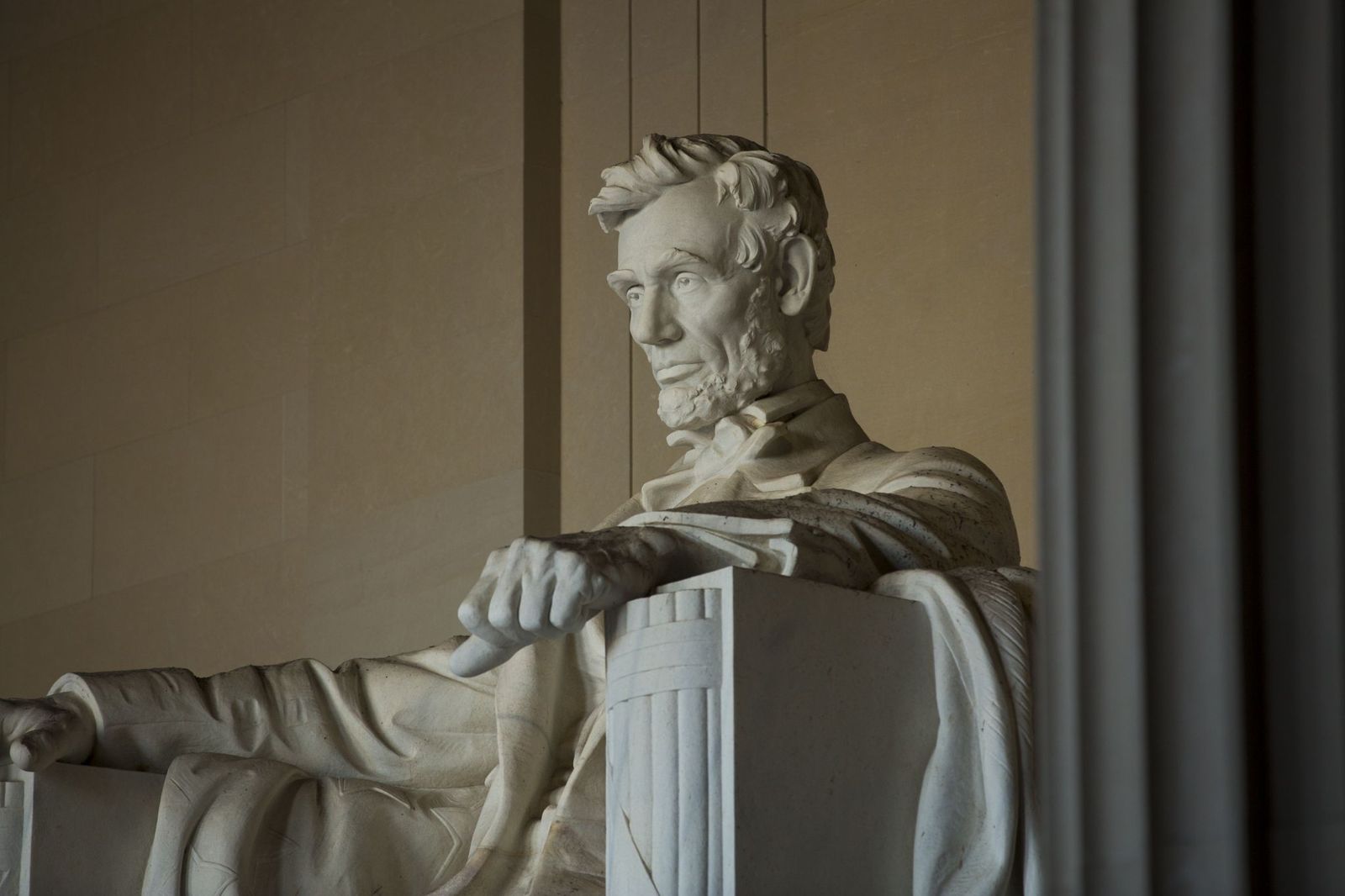
Political life usually comes with a few disappointing election nights. Long before he was memorialized on Mount Rushmore, Abraham Lincoln spent decades collecting setbacks.

He went into business with a partner in Illinois in 1833 by purchasing a general store. Known as the Berry and Lincoln store, the enterprise failed due to poor sales, leaving him in debt for years. He ran for the state legislature and lost. He served in the Illinois militia during the Black Hawk War in 1832 and was demoted from captain to private. Over the following years, he ran for office again and again, including two unsuccessful bids for the U.S. Senate, and lost most of them. Regardless of that, he kept showing up, and in 1860, he won the presidency and went on to guide the country through the Civil War and end slavery. Friends who knew him in his Illinois years later said what stood out most wasn’t his brilliance, but how he never let defeat be the last word.

2
Elvis Presley

Image: Loredana Sangiuliano

Picture a then-unknown Elvis Presley in 1954, long before the jumpsuits, sold-out arenas, and screaming fans. He was only 19 and still trying to figure out where his unusual blend of country, blues, and rhythm and blues belonged.

Elvis had just released his first single and was invited to perform at the Grand Ole Opry in Nashville, a stage that represented the pinnacle of country music. He sang a rockabilly-tinged version of "Blue Moon of Kentucky," and the traditional Opry crowd, expecting straight bluegrass, gave him little more than polite applause. According to Opry lore, talent director Jim Denny told him afterward that he wasn’t going to make it as a singer and should go back to driving a truck. Elvis was so shaken that he reportedly cried the whole drive home to Memphis. He never performed at the Opry again. But two years later, "Heartbreak Hotel" hit number one, and Elvis Presley became one of the best-selling solo music artists in history, forever known as the King of Rock and Roll.

3
Thomas Edison

Image: Dennis MacDonald

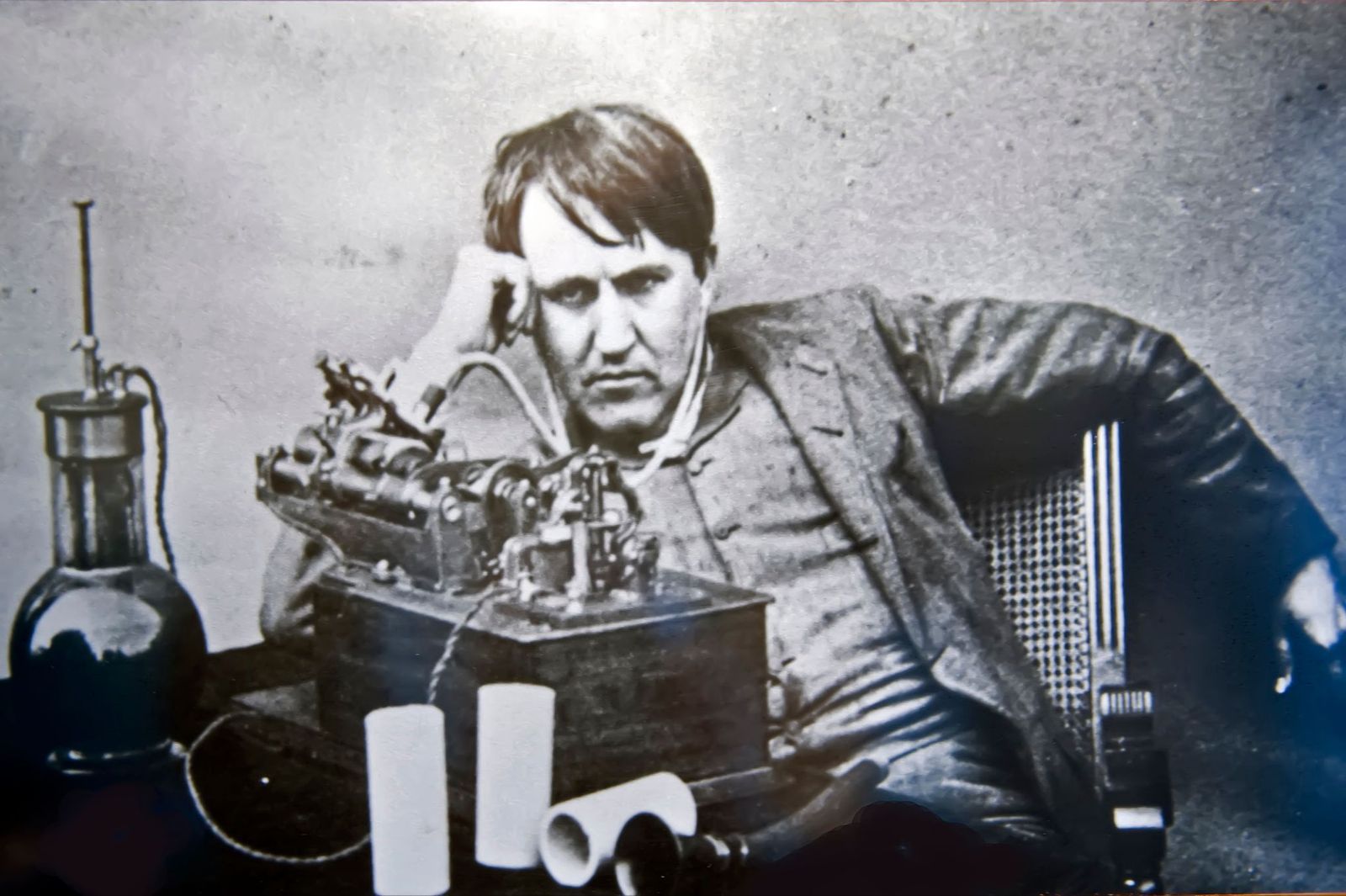
Thomas Edison struggled in the classroom. By the age of 12, he was partially deaf and easily distracted , and after only three months, in 1854, Nancy Edison, his mother, took charge of his education at home after a teacher sent him home with a note calling him "too difficult to teach." Much of his learning came at home through reading, experimenting, and satisfying his endless curiosity. As a young man, he also had trouble finding the right fit in the working world. Popular accounts say he was fired from two jobs because employers considered him unproductive. None of that matched what came next: Edison became an extraordinarily prolific inventor and eventually held 1,093 U.S. patents. His work included the phonograph, improvements to electric lighting, and motion-picture technology.

4
Lucille Ball

Image: rewelda

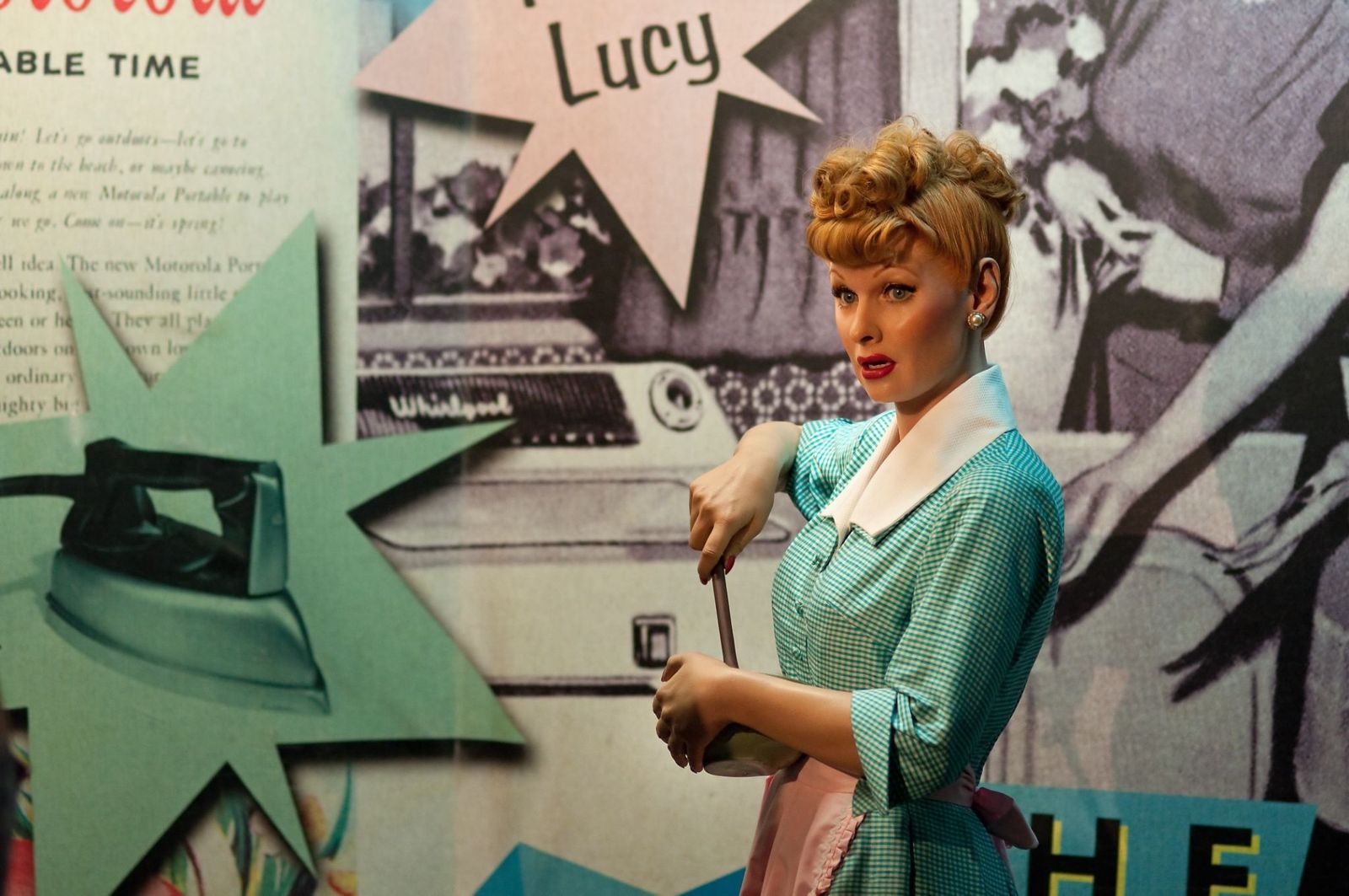
If you watched I Love Lucy , you know Lucille Ball was capable of turning a simple household mishap into complete comic chaos. But as a teenager, Ball was not yet the performer who commanded a room.

As a young woman, Lucille Ball enrolled at the Johnny Murray Anderson School for the Dramatic Arts in New York in 1926, at the age of 15, hoping to become an actress. Her instructors weren’t exactly encouraging. She was reportedly considered too shy and too timid for the stage and was advised to consider a different line of work entirely. She spent years afterward modeling and taking small, unremarkable film roles, far from stardom. Ball eventually found her footing not in dramatic film but in comedy and television, where her fearless physical humor became her signature. In 1951, she co-created and starred in I Love Lucy with then-husband Desi Arnaz, and it became one of the most successful sitcoms in television history.

5
Henry Ford

Image: Rawpixel.com

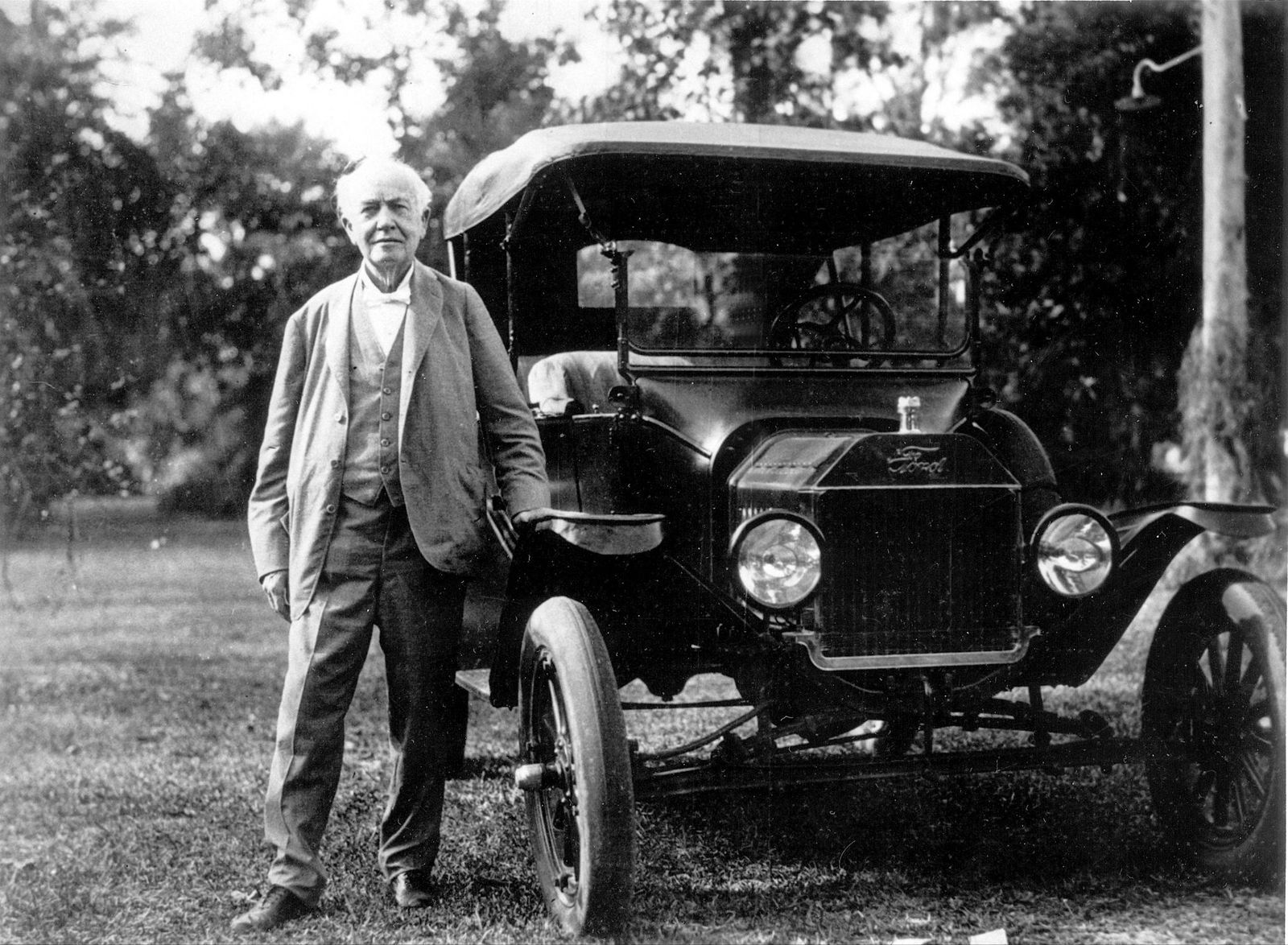
Buying a new car today can make it easy to forget how experimental the automobile business once was. Around the turn of the 20th century, companies started and collapsed, and Henry Ford was one of those business owners who had to reinvent himself more than once.

Ford’s first venture, the Detroit Automobile Company, launched in 1899 and folded within two years , undone by vehicles that were too expensive and too slow to build. His backers pushed him out. He tried again with the Henry Ford Company, but it ended the same way, with investors losing patience and Ford losing control of the business bearing his own name. By 1902, he had two failed automakers behind him and no company at all. For the third time, in 1903, Ford started again. This time, he focused on building one dependable, affordable car and figuring out how to produce it faster than anyone thought possible. That car was the Model T, and the assembly line method he built around it didn’t just save Ford Motor Company; it changed how the entire world manufactures goods.

6
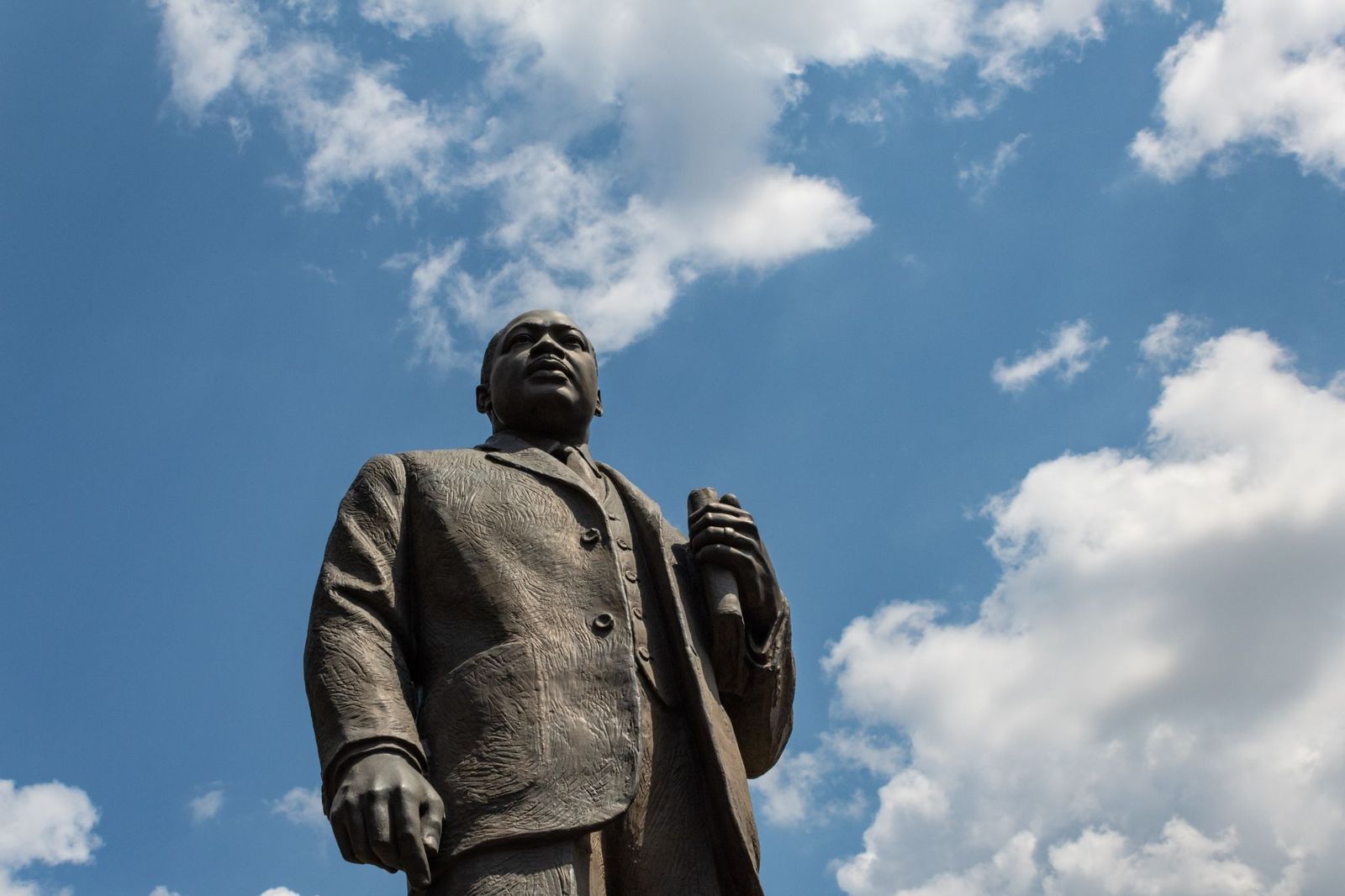
Martin Luther King Jr.

Image: NatalieSchorr

It’s weird to think that one of history’s greatest orators struggled in a classroom. But that’s exactly where Martin Luther King Jr.’s path began.

As a first-year student at Crozer Theological Seminary in the late 1940s, King took a course in public speaking and received a grade of C , a modest mark for a young man who hadn’t yet found his voice. He kept working at it throughout seminary, refining the cadence and clarity that would later define his preaching. Within a decade, that same voice was leading the Montgomery bus boycott and delivering the "I Have a Dream" speech to hundreds of thousands of people at the March on Washington in 1963, becoming one of the most recognized voices of the 20th century.

7
Oprah Winfrey

Image: Peter Serocki

Considering how controlled news anchors’ expressions used to be, Oprah Winfrey’s early career sounds almost like a casting mistake.

In 1976, a 22-year-old Winfrey moved to Baltimore to co-anchor the evening news at WJZ-TV. The fit was rocky from the start. Her delivery was warmer and more emotional than the traditional hard-news style the format called for, and station management eventually pulled her off the anchor desk, with one producer reportedly calling her unfit for television news. It could’ve ended her career in broadcasting entirely. Instead, WJZ moved her to a struggling daytime talk show called People Are Talking . There, freed from reading headlines in a flat, detached tone, Oprah’s natural warmth turned into her greatest asset. The local talk show became the blueprint for The Oprah Winfrey Show , which ran for 25 years and made her one of the most influential media figures in American history.

8
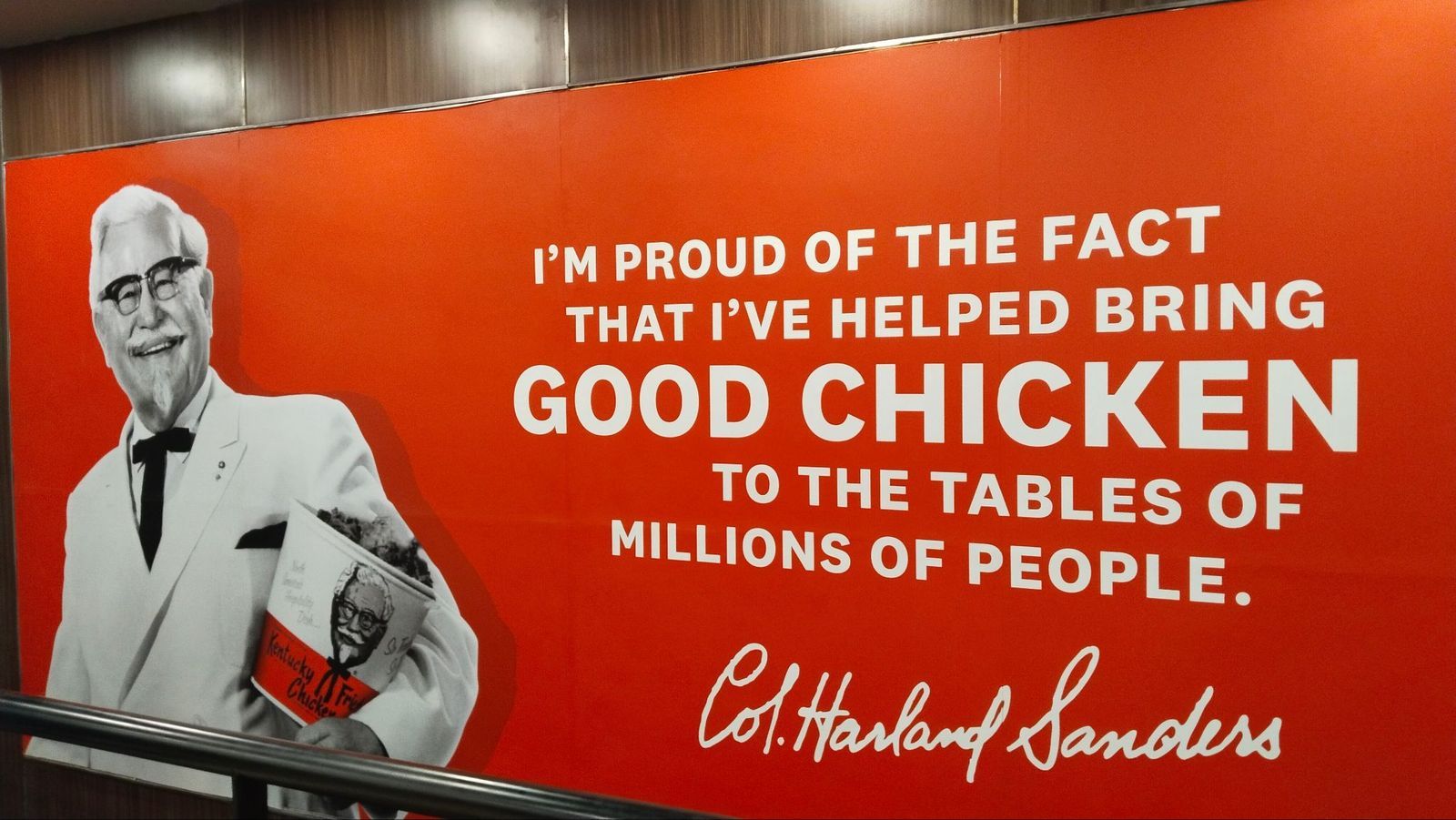
Colonel Harland Sanders

Image: Farantb

Imagine reaching 65 and deciding that instead of settling into retirement, it’s time to travel around the country trying to convince restaurant owners to serve a recipe. Harland Sanders made exactly that decision.

By his mid-sixties, Sanders had lived through a string of failed jobs and businesses , and the small Kentucky restaurant where he’d perfected his fried chicken recipe closed after a new highway diverted its traffic away. Broke and living on a modest Social Security check, he decided to take his recipe on the road, driving from restaurant to restaurant and offering to share it in exchange for a small cut of sales. As the legend goes, he heard "no" more than a thousand times before a restaurant in Utah finally said yes in 1952. That handshake deal became the first Kentucky Fried Chicken franchise. Within a decade, hundreds of KFC restaurants dotted the country, and the white-suited Colonel Sanders (who died in 1980 at age 90) became one of the most recognizable faces in American food.

9
Stephen King

Image: George Koroneos

You’ve probably read Carrie , or watched It , but before he became a household name in modern terror, Stephen King was a young writer trying to get his work published.

In the early 1970s, King was teaching high school in his home state of Maine and writing in his spare time, often in a trailer with his wife and young kids nearby. He wrote a novel about a bullied teenage girl with telekinetic powers, but after around 30 rejection letters from publishers, he gave up on it and threw the manuscript in the trash . His wife, Tabitha, fished the pages back out and encouraged him to finish it, believing in the book even when he didn’t. That story became Carrie , published in 1974. It launched King’s career and eventually sold millions of copies, kicking off a body of work that would make him one of the most successful and prolific authors in American history.

10
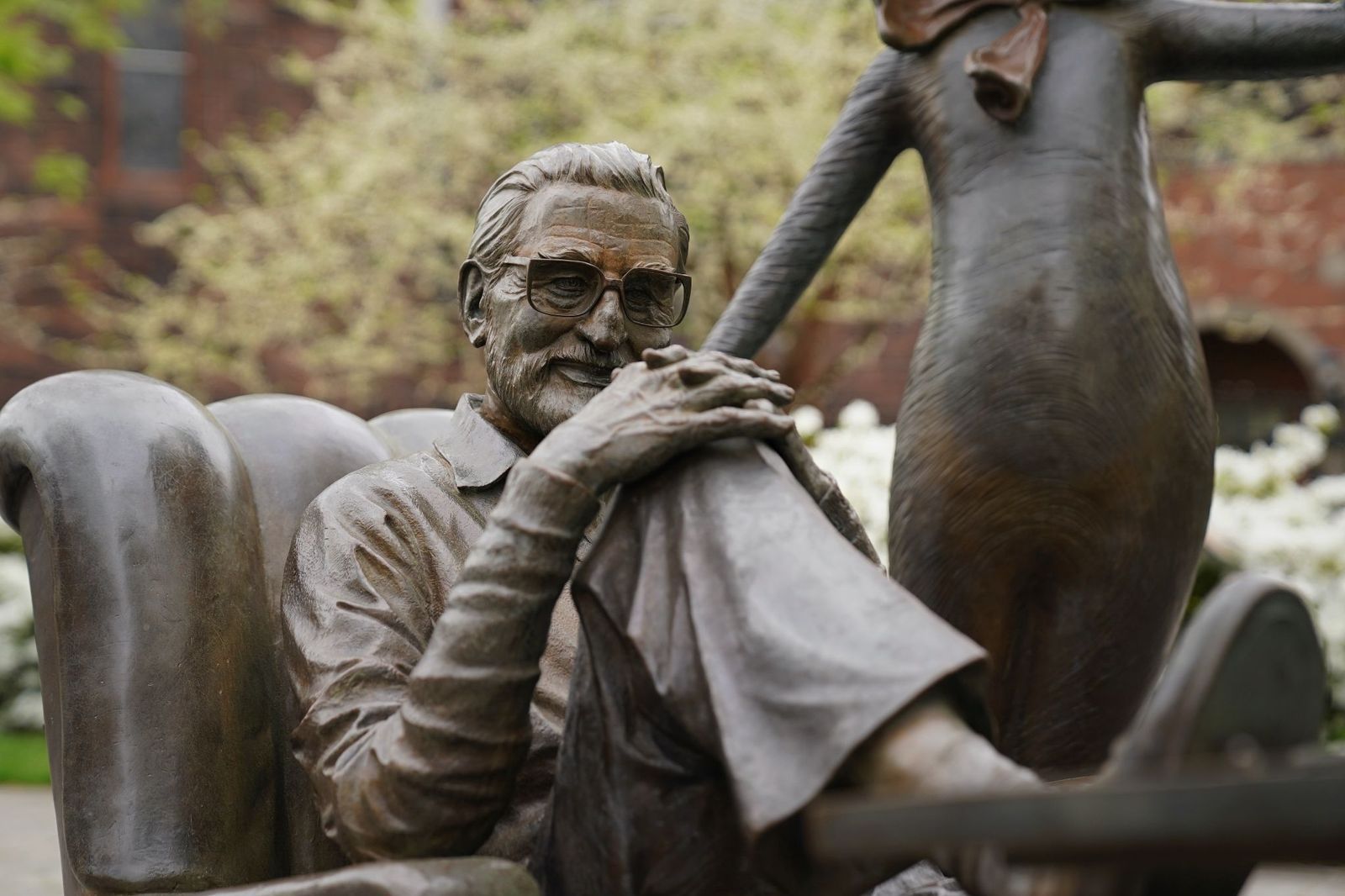
Dr. Seuss (Theodor Geisel)

Image: NatalieSchorr

You may think publishing more than 50 books was easy for Dr. Seuss. But back when he was known as Theodor Geisel, his work got rejected dozens of times.

In the 1930s, Geisel wrote and illustrated a whimsical children’s book called And to Think That I Saw It on Mulberry Street. Publisher after publisher turned it down, reportedly around 27 of them, saying it was too different from anything else on the market. As the story goes, Geisel was walking down a New York street, manuscript in hand and ready to give up, when he ran into an old college acquaintance who happened to work at a publishing house and offered to take a look. That chance meeting led to the book’s publication in 1937. It launched Dr. Seuss’s career, which would go on to include classics like The Cat in the Hat and Green Eggs and Ham , beloved by generations of kids and their grandparents alike.

11
Frederick Smith (FedEx)

Image: Yau Ming Low

Today, overnight shipping is so ordinary that a package arriving the next morning (if not on the same day) barely raises an eyebrow. In the 1960s, reliably moving urgent packages overnight across the country was a very different proposition.

In 1965, as an undergraduate at Yale, Smith wrote an economics term paper describing a delivery service that would route urgent packages through one central hub by plane rather than relying on passenger airlines. His professor wasn’t convinced the idea was practical and marked the paper with a C. Smith went on to serve in the Marine Corps in Vietnam, but the idea from that paper never left him. In 1971, he founded Federal Express, built exactly around the hub-and-spoke concept he’d once sketched out for a grade. FedEx now moves millions of packages a day across the globe, and Smith spent the rest of his life running the company he first imagined as a 21-year-old college student.

Explore more American facts

Choose your favorite category!

General
General

As American as apple pie—the very best America has to offer!

Culture
Culture

Delve into the astounding richness of American lore.

Geography
Geography

Hop in and explore vast and diverse American landscapes.

History
History

Discover the key moments that shaped the United States.