History History 6 min read

The forgotten seconds in command

10 facts you didn't know about America's second in command

Image: Brandon Mowinkel

How many vice presidents do you remember? We know that several presidents served initially in the number two role, and that a few of them had to step up to the presidential office due to death or resignation. But beyond that, what else is there to know? Well, many things, but we’ll stick to unusual facts and circumstances. Which one was accused of murder? Why are they called Veep? Were they always chosen by their party? Let’s dive into some interesting Vice Presidents of the U.S.

1
The criminal Veep
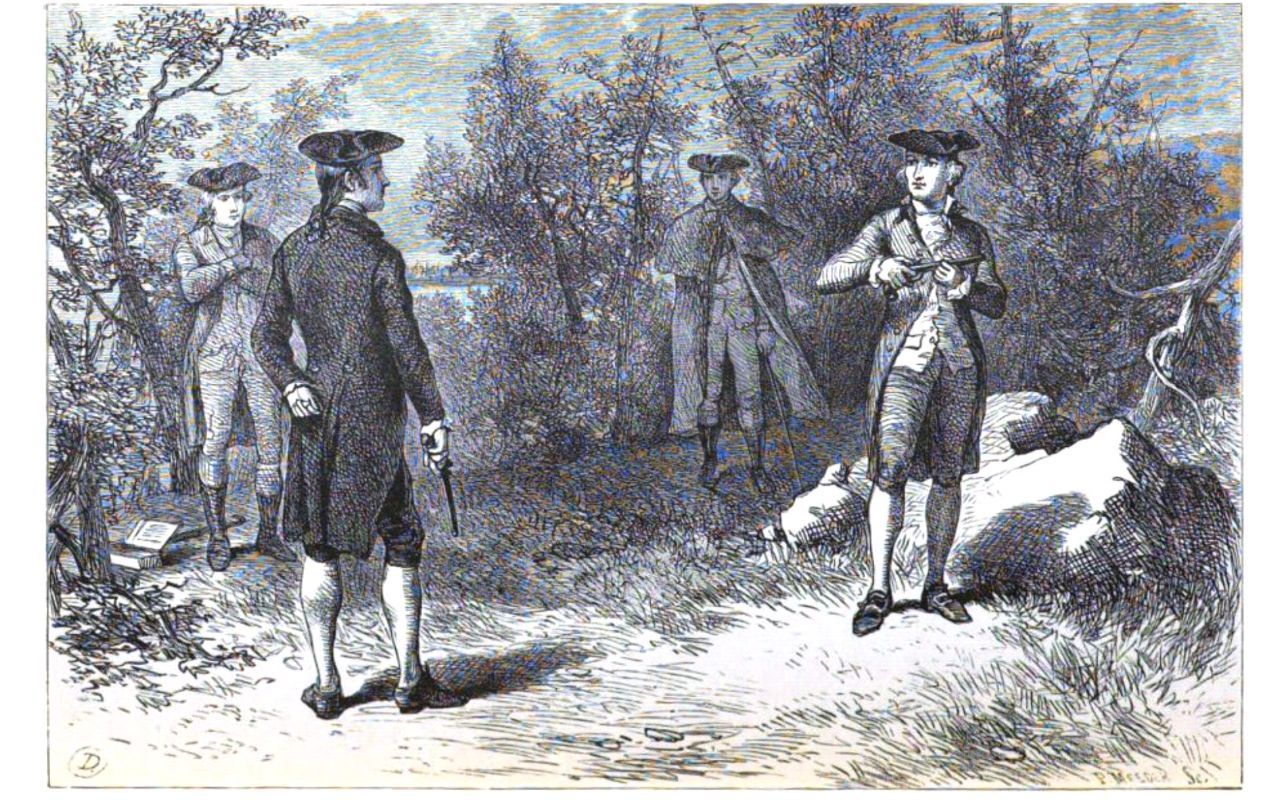
Image: See page for author, Public domain, via Wikimedia Commons

America never lacked politicians who were suspected criminals —vice presidents included— but not every day is the second most important person in the nation formally accused of murder. It is a known fact that Aaron Burr, America’s third vice president, fatally shot founding father Alexander Hamilton in a duel in 1804. What many don’t know is that he was formally indicted for that murder in New York and New Jersey , but he fled to South Carolina and never stood trial, and the charge was eventually dropped. He was also accused of treason, but we can’t say that he was unique among politicians in that sense.

2
The first Veep that was actually elected
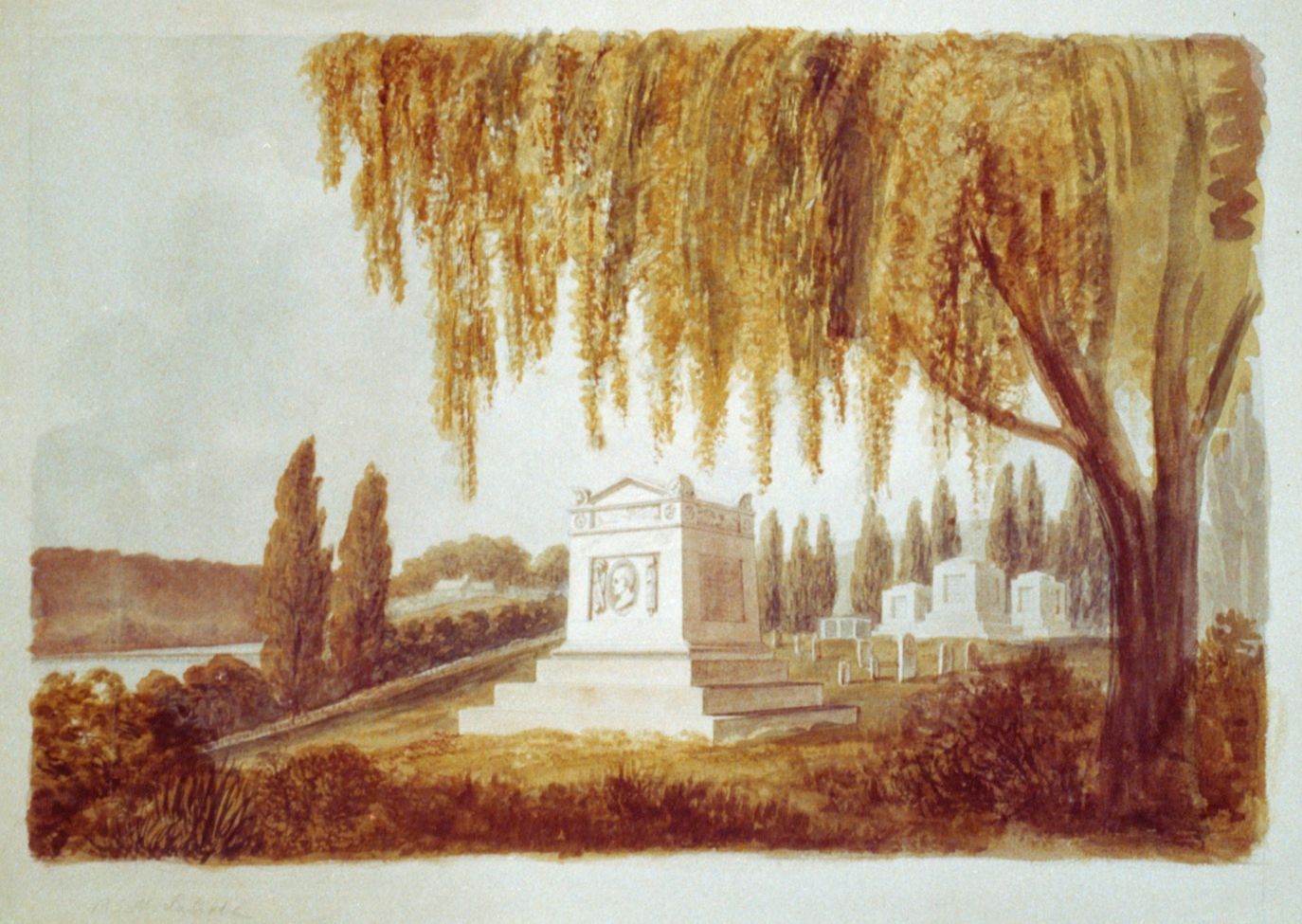
Image: Benjamin Henry Latrobe, Public domain, via Wikimedia Commons

Did you know that, in the beginning, vice presidents were not elected as running mates of a presidential candidate? For the first three presidencies, the position was filled by the runner-up, which created endless conflicts. After all, who wants to work with the guy who beat you? After Thomas Jefferson struggled to govern with Aaron Burr as his second, he pushed for the 12th Amendment, which allowed vice presidents to be elected on their own . For his next term, Jefferson chose George Clinton as running mate —not only because he was popular, but also because his age (65 years old) made it unlikely that he would challenge Jefferson’s successor, James Madison, for the presidency. In the end, Jefferson didn’t have to worry about it because Clinton was the first vice president to die while in office in 1812.

3
The unelected Veep
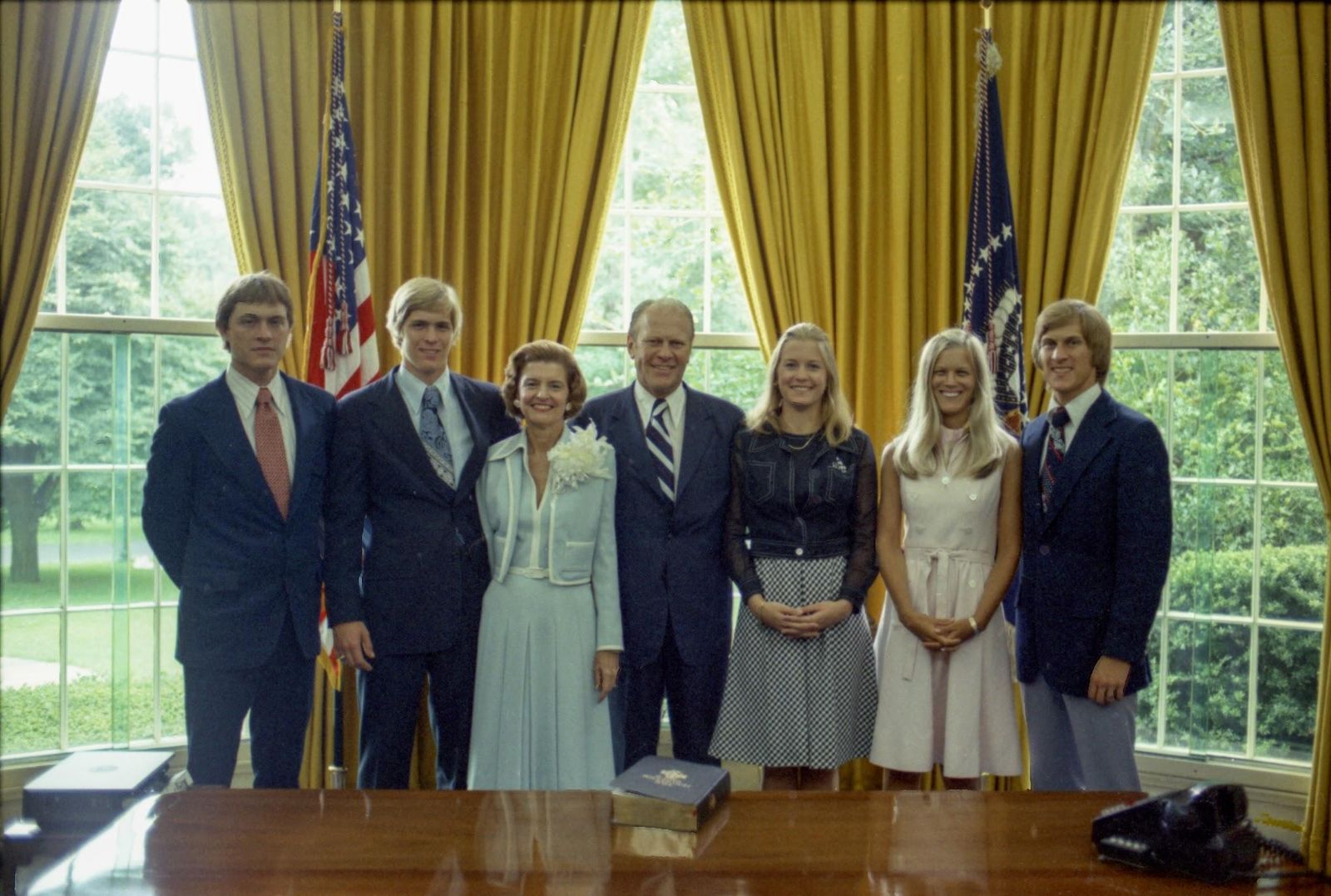
Image: White House, Public domain, via Wikimedia Commons

In 1973, Vice President Spiro Agnew resigned under accusations of corruption. The newly ratified 25th Amendment stated that the president, Richard Nixon, had to nominate someone for the position, to be later ratified by Congress. He chose Gerald Ford, at the time the House Minority Leader , and widely respected by his peers. Less than a year later, Nixon was forced to resign due to the Watergate scandal, and Ford assumed the presidency, making him the only vice president and president who was not elected.

4
The first Veep to have a ‘Second Gentleman’
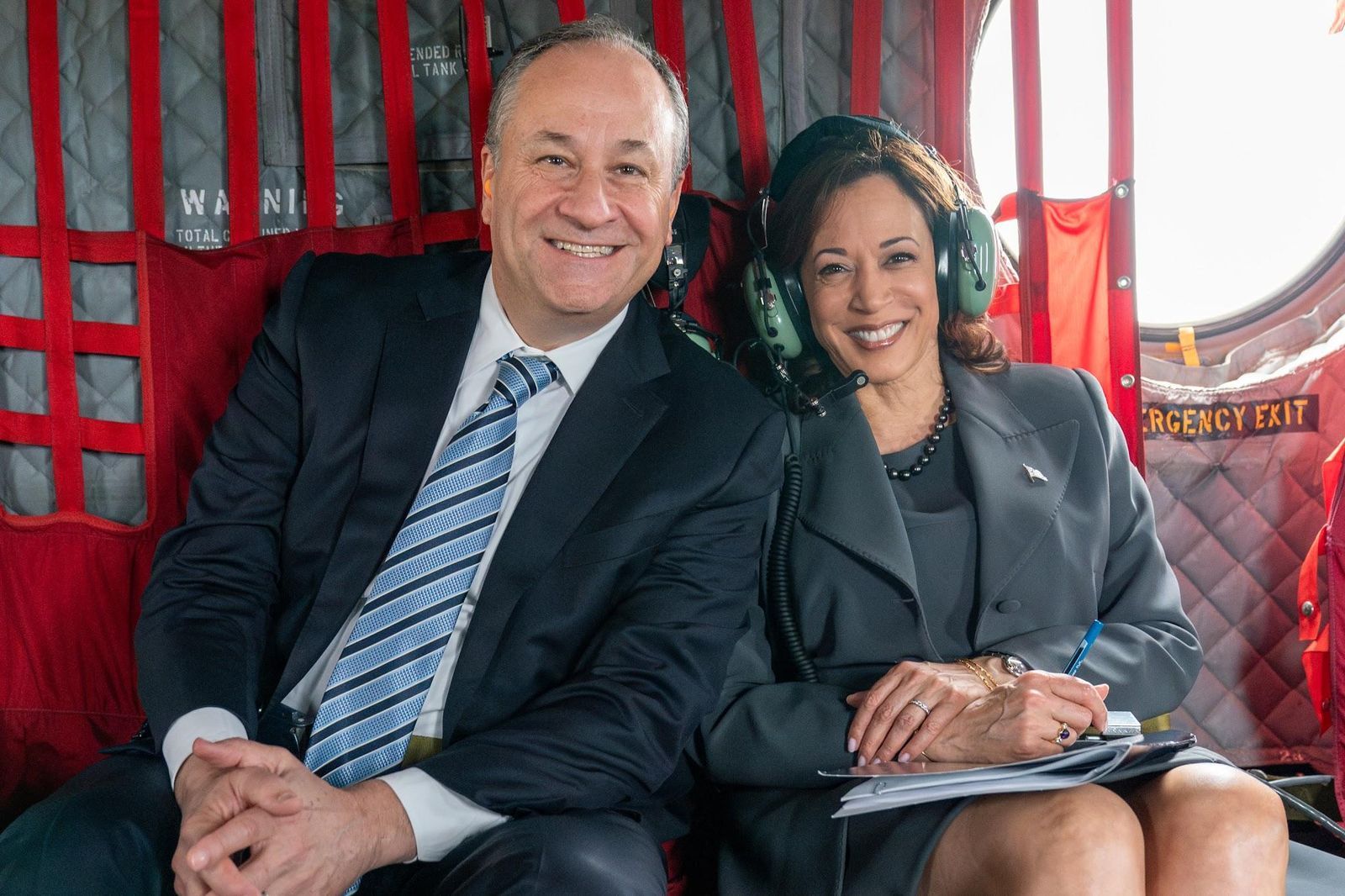
Image: The White House, Public domain, via Wikimedia Commons

We’ve had many memorable First Ladies in our history, but, seeing that we never had a female President, we don’t know what that role would look like in a reversed situation. But what about a Second Gentleman? In 2021, Kamala Harris was the first woman to serve as Vice President, and her husband, Doug Emhoff, became the first ‘Second Gentleman’ of the nation , which meant that the acronym for the position (SLOTUS) had to be updated to SGOTUS.

5
The first Veep to be a proper Veep
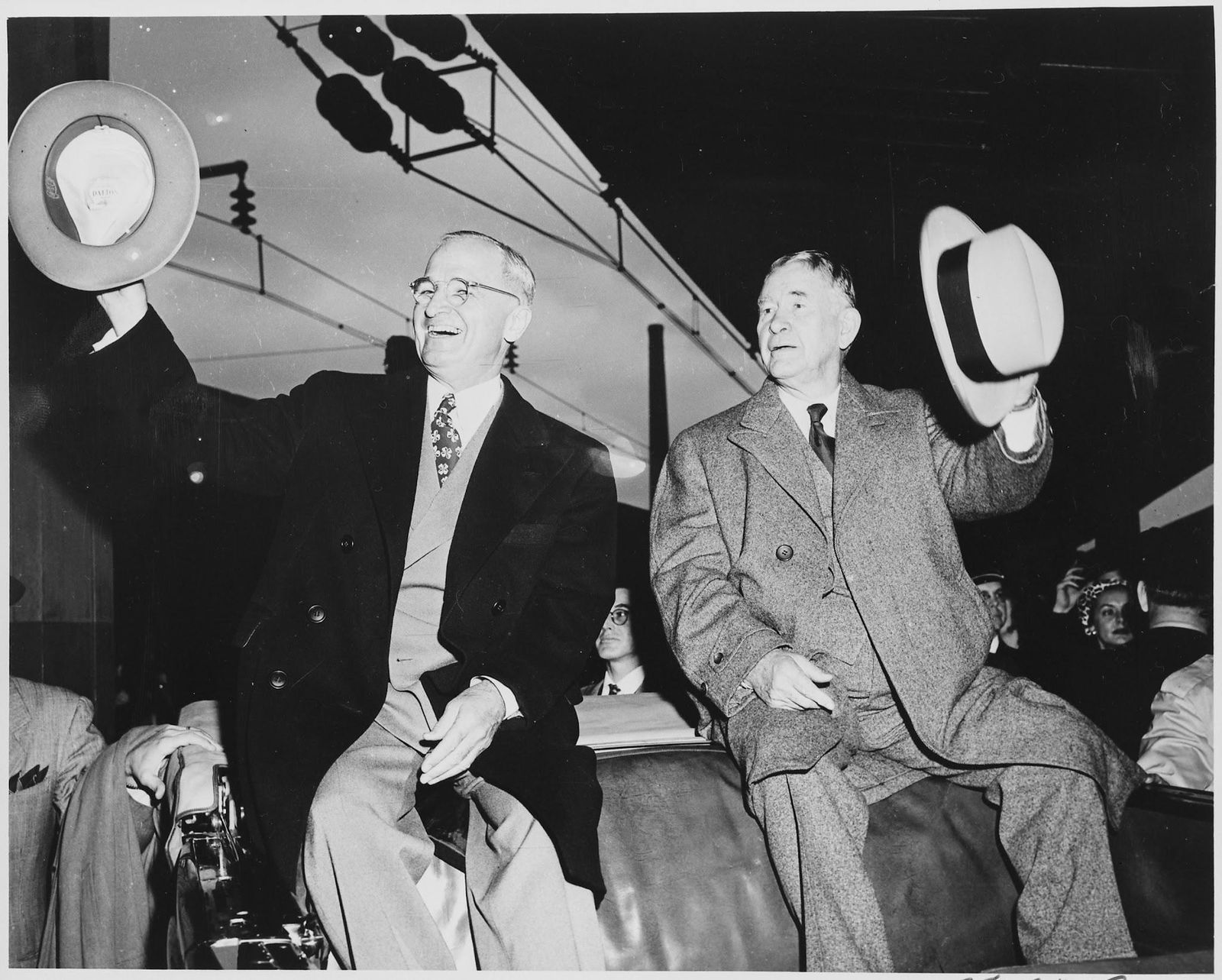
Image: Abbie Rowe, Public domain, via Wikimedia Commons

Where does the use of "Veep" for vice president come from? In 1949, Alben W. Barkley was elected as VP under President Harry S. Truman. Barkley thought that ‘Mr. Vice President’ was a mouthful, and it sounded too formal. His grandson suggested the term Veep (after the VP initialism) , which became popular when Barkley told the story to the press. Although the following vice president, Richard Nixon, refused to use the term out of respect for Barkley, it has become the common phrase used to informally refer to vice presidents.

6
The shortest Veep-to-President pipeline
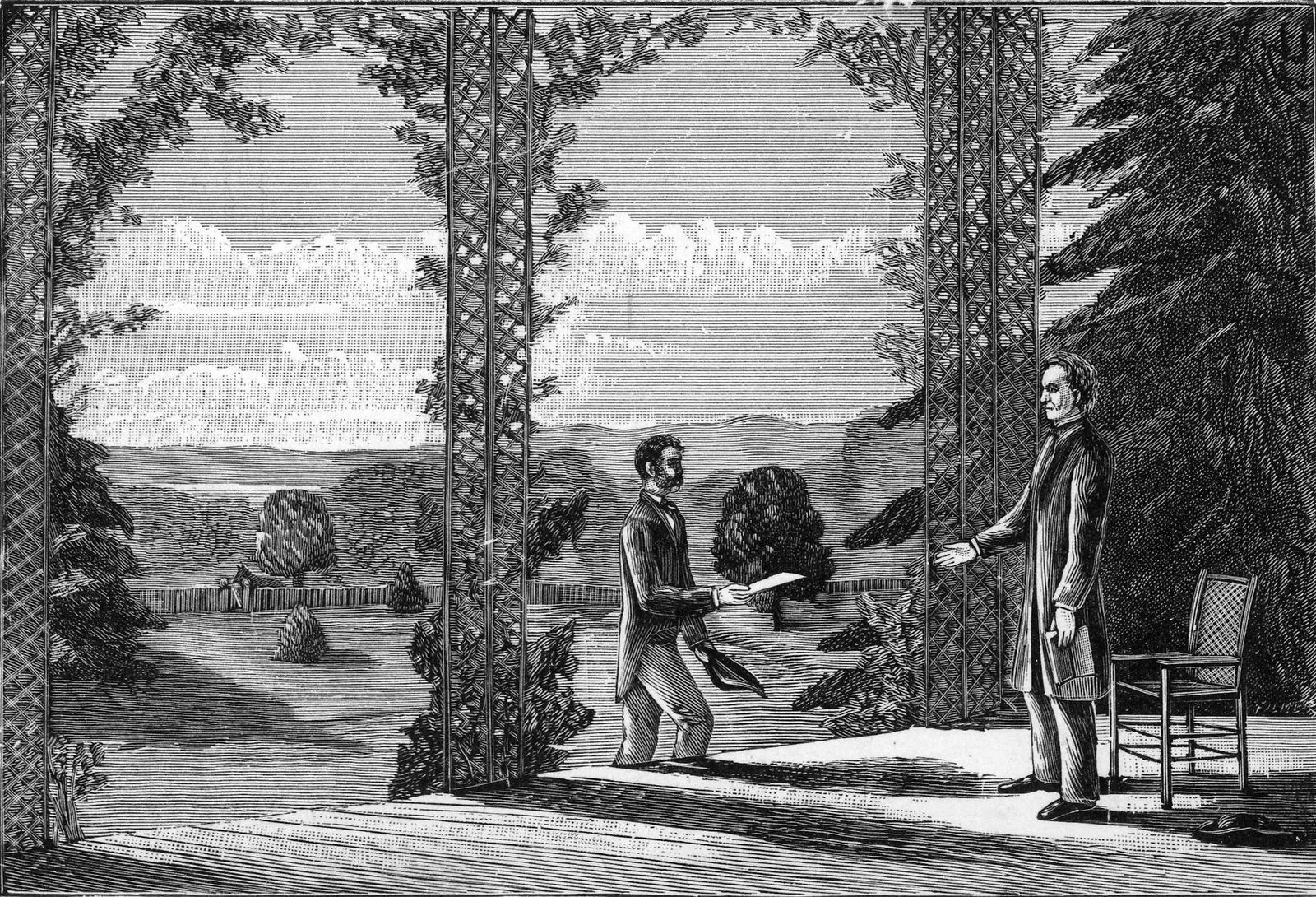
Out of the fifteen vice presidents to later become president, nine of them did so due to the president dying or resigning. The 10th Vice President, John Tyler, was not only the first Veep to assume the role after the President’s death, but also the Veep with the shortest tenure in American history. After only 31 days in office, in 1841, he became president due to the passing of William Henry Harrison , setting the precedent that vice presidents who assumed the presidency were official and not just acting presidents.

7
The first Veep to live at Number One Observatory Circle
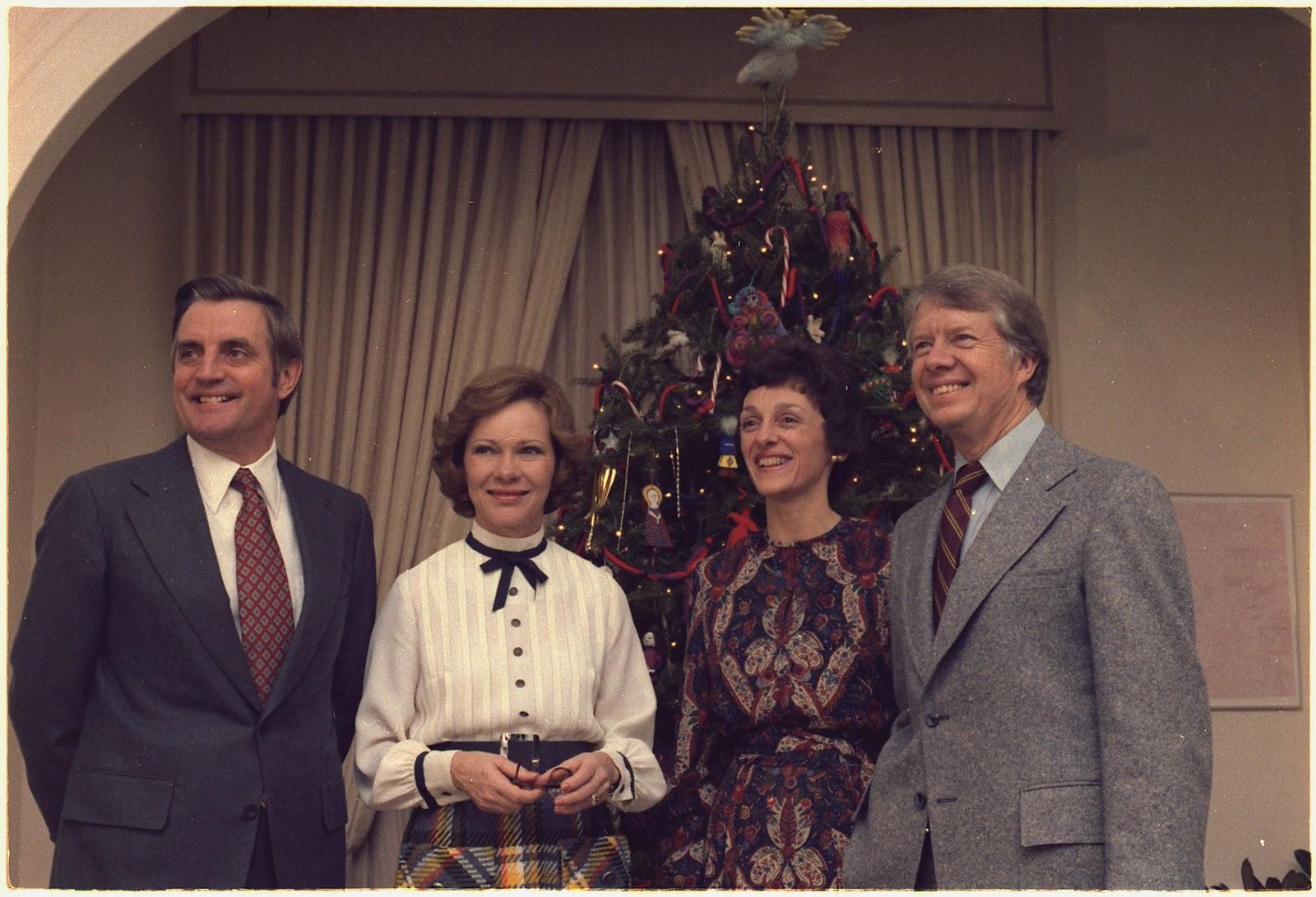
Image: National Archives and Records Administration, Public domain, via Wikimedia Commons

Unlike presidents, vice presidents didn’t always have an official residence. Up until 1974, when Congress designated Number One Observatory Circle as the official residence of the vice president , Veeps lived in their own houses. At the time, Vice President Nelson Rockefeller refused to move in and only used the house for entertaining guests. Walter Mondale was the first vice president to officially move in with his family in 1977.

8
The Veeps that had to step down
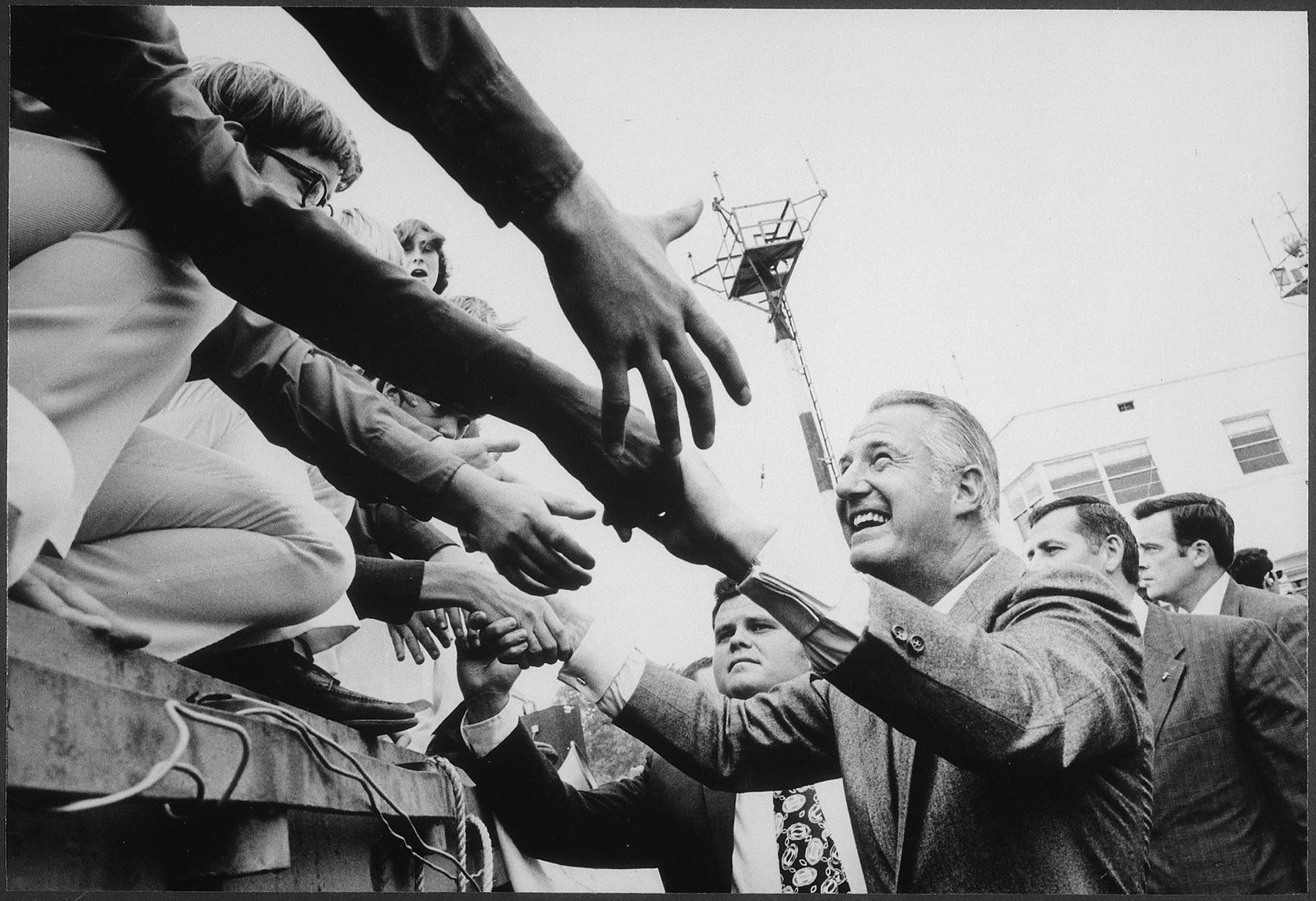
Image: Karl Schumacher, Public domain, via Wikimedia Commons

Only two out of the 50 vice presidents in American history resigned their position. In 1832, Andrew Jackson’s vice president, John C. Calhoun, resigned during his second term to accept a seat in the Senate after a series of political differences with Jackson. In 1973, Spiro Agnew was accused of corruption and bribery , and charged with tax evasion. He resigned and pleaded no contest to the charges. His President, Richard Nixon, would also resign less than a year later.

9
The Nobel Veeps
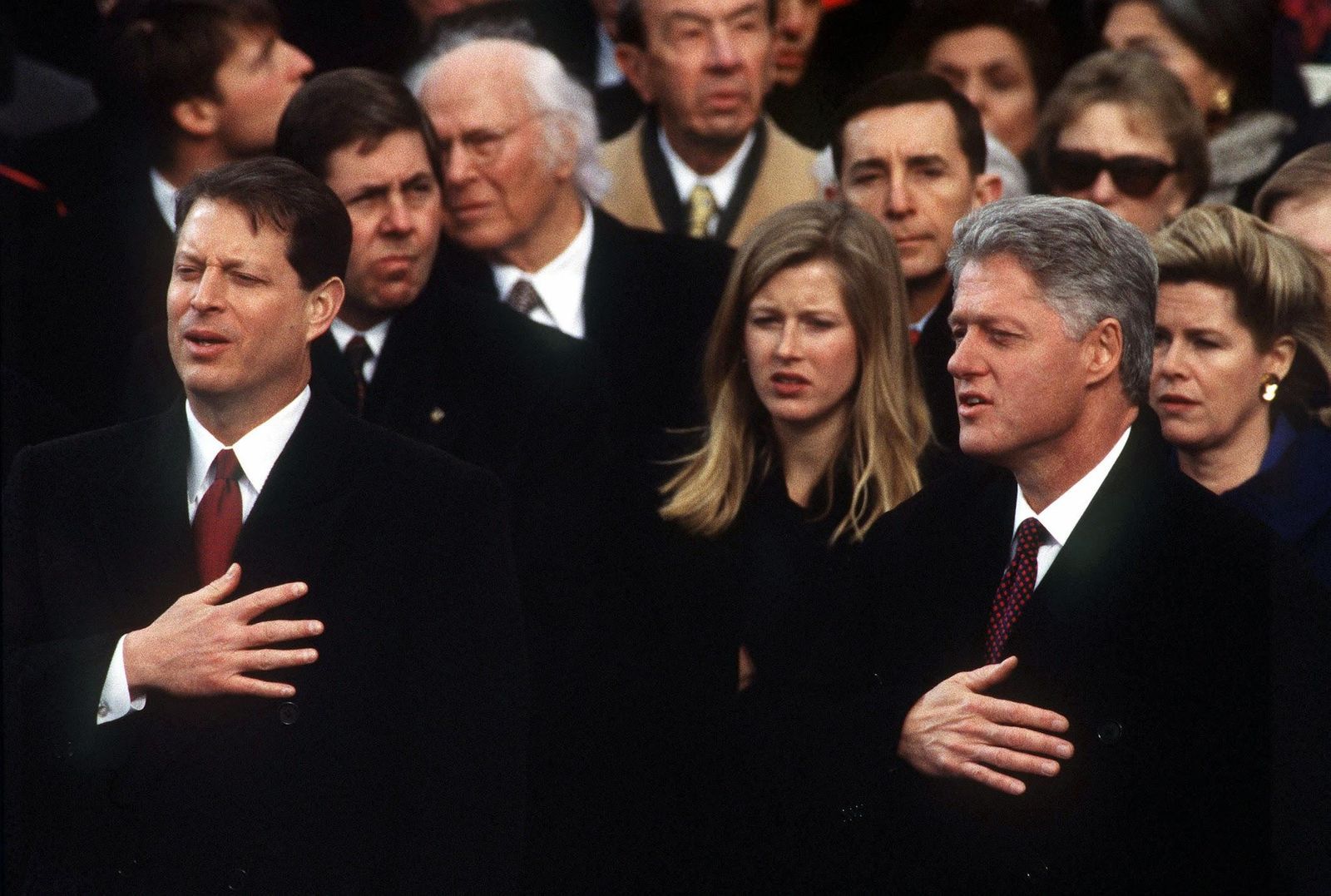
Image: MSGT Fernando Serna, USAF, Armed Forces Inaugural Committee, Public domain, via Wikimedia Commons

Only two vice presidents were awarded the Nobel Peace Prize: Charles G. Dawes received the prize in 1925 for the "Dawes Plan", an initiative to stabilize the German economy after WWI , while Al Gore received it in 2007 —jointly with the Intergovernmental Panel on Climate Change— for his efforts towards the conscientization of man-made climate change . Some also include Theodore Roosevelt in this list on account of his having served as vice president, but at the moment of receiving the prize in 1906, he was serving his second term as president.

10
The youngest and oldest Veeps
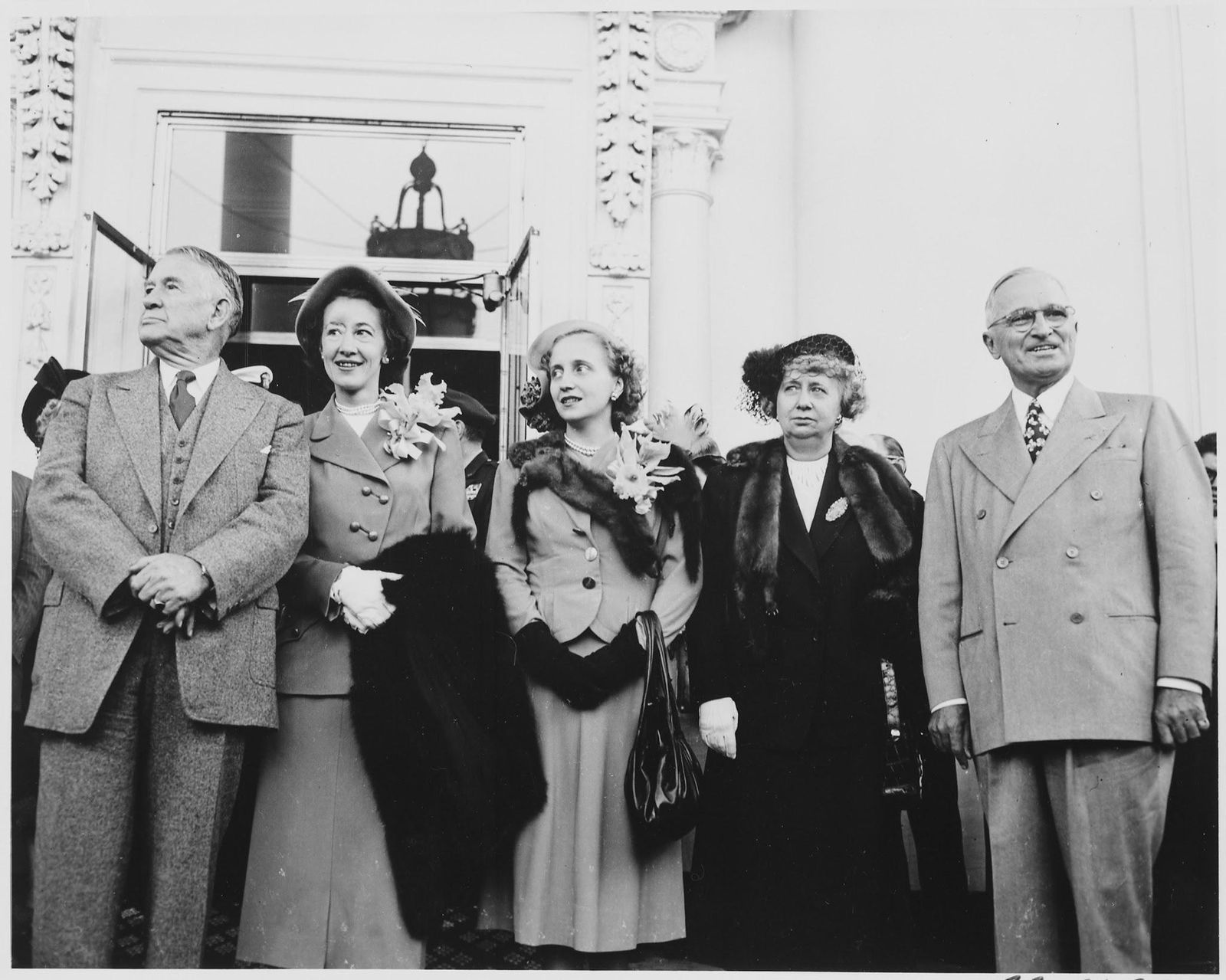
Image: Abbie Rowe, Public domain, via Wikimedia Commons

According to the Constitution, the minimum age requirement for the vice president is 35 years old. The youngest ever vice president in office was John C. Breckinridge at 36 years old , serving under James Buchanan in 1857, followed by Richard Nixon and J.D. Vance, who both assumed the role at 40 years old. The oldest vice president to take office was Alben Barkley, who in 1949 served under Harry S. Truman at 71 years old , followed by Charles Curtis at 69 years old.

Culture Culture 4 min read

Hollywood wars

Frank Sinatra had a rival: 10 celebrity feuds you won't believe

Image: Justin Aikin

It happens to everyone: you get along better with some people than with others. Among celebrities, it’s no different: clashing egos, feuds, and rivalries are far from uncommon. From endless disputes over trivial matters to major betrayals and public fights, today we’re going to look back at 10 celebrity rivalries that made headlines. If you think celebrity feuds can’t surprise you anymore, think again.

1
Marlon Brando vs. Frank Sinatra

Image: Dushawn Jovic

Frank Sinatra and Marlon Brando are names that hardly go unnoticed anywhere in the world. These stars of music and cinema crossed paths during the filming of Guys and Dolls in 1955, and it didn’t take long for a clash of egos. Brando’s method-acting style often conflicted with Sinatra’s more traditional approach, while Sinatra saw Brando’s performance as pure pretension. Their very different ways of thinking and working led to a long-standing animosity that lasted for years and, according to some sources, included everything from insults to threats.

2
Betty White vs. Bea Arthur

Image: Joshua Hoehne

It’s hard to believe that these two women, who played best friends on The Golden Girls (1985-1992), couldn’t stand each other in real life. Apparently, Bea Arthur, who was more reserved, was often irritated by Betty White’s cheerful, outgoing humor. According to people who worked on the set, the two actresses didn’t get along at all, but they remained totally professional, and we have to admit that, on this side of the screen, you’d never know it.

3
Joan Crawford vs. Bette Davis

Image: philippe collard

Joan Crawford and Bette Davis were divas of Hollywood’s Golden Age, both highly successful and Oscar winners. Ironically, it was their similarities that led to one of the most famous feuds in the industry, as professional competition slowly turned into personal resentment. In 1962, they finally worked together on What Ever Happened to Baby Jane? , and according to reports, fights, insults, pranks, and even acts of sabotage were constant throughout filming.

4
Debbie Reynolds vs. Elizabeth Taylor

Image: Satria Aditya

Love triangles don’t exist only in fiction. And that’s what happened between Debbie Reynolds and Elizabeth Taylor. The two were close friends before Elizabeth had an affair with Debbie’s husband, singer Eddie Fisher. The scandal ended Reynolds’ marriage in the late 1950s and dominated headlines and magazine covers.

Surprisingly, it didn’t end there. Years later, Reynolds reached out, and the two actresses reconciled. Their bond was sealed when they worked together on These Old Broads (2001), a comedy written by Carrie Fisher, one of the daughters Reynolds had with Eddie Fisher.

5
Johnny Carson vs. Joan Rivers

Image: Ioann-Mark Kuznietsov

American late-night television wouldn’t be the same without Johnny Carson and Joan Rivers. Carson was the king of TV, hosting The Tonight Show for 30 years, while Rivers was a frequent guest host. Their friendship ended when Rivers accepted her own competing show on Fox. Carson reportedly never forgave her and banned her from The Tonight Show for the rest of his life.

6
Sylvester Stallone vs. Arnold Schwarzenegger

Image: Nemesia Production

Sylvester Stallone and Arnold Schwarzenegger are undeniable icons of action cinema, which boomed in the 1980s and 1990s. But the battles weren’t just on screen; they spilled into real life. The two actors developed a long-running rivalry fueled by intense professional competition to be seen as the ultimate action star and land the biggest roles. They often criticized each other on TV and clashed at public events, but over the years, tensions eased, and these rivals eventually became close friends.

7
Madonna vs. Elton John

Image: Jason Leung

The music world is not immune to feuds. In fact, one of the most famous rivalries unfolded in pop music between two giants of the genre: Madonna and Elton John. The fight began in the early 2000s, when Elton publicly criticized the Queen of Pop, accusing her of lip-syncing. Although the tension lasted for years, there is good news: in 2025, the British singer apologized to Madonna, and the two reconciled, announcing it in a post on her Instagram.

8
Richard Gere vs. Sylvester Stallone

Image: Markus Spiske

The Terminator wasn’t Stallone’s only rival. The star of Rocky also had a major feud with Richard Gere that nearly turned into a real fistfight. Tension began while filming The Lords of Flatbush (1974), when Stallone reportedly felt Gere was showing off in his role and openly criticized him. Things boiled over during a lunch break in a car, when Gere splashed mustard on Stallone, who reacted by elbowing him and throwing him out of the vehicle. The incident ultimately led to Gere being let go from the film.

9
Magic Johnson vs. Larry Bird

Image: Markus Spiske

Two NBA superstars collided in the 1980s. We’re talking about Magic Johnson and Larry Bird, who had different playing styles and approaches to the game and were constantly compared by the press and the public. This intense on-court rivalry eventually jumped off the court, creating real personal tension between them. Over time, however, both stars lowered their guard, grew closer, and ultimately formed a strong friendship.

10
Sarah Jessica Parker vs. Kim Cattrall

Image: Kit Suman

Although Carrie and Samantha were best friends on Sex and the City , the actresses behind them didn’t share that bond in real life. The rivalry reportedly began during filming, as they never got along. Kim Cattrall openly criticized the pay gap between Sarah Jessica Parker and the rest of the cast, and these professional tensions gradually turned personal. Cattrall later stated, "We were never friends," and after the series ended, their relationship did not improve.

Geography Geography 5 min read

Route 66 is not here

Which is the loneliest road in America? 10 scenic and uncrowded routes

Image: Tomas Anunziata

The vast roads of America boast hundreds, possibly thousands, of beautiful scenic roads for visitors to travel and enjoy. But in the age of Instagram—where every gorgeous sunset or idyllic lake must be photographed and shared with the world—it can be difficult to delight in the natural wonders of the road with a sense of calm and solitude. Thankfully, there are still gorgeous stretches of land that, for some reason, have yet to capture the attention of the masses and remain relatively undisturbed. So, make haste and hurry to discover these 10 beautiful scenic routes before the smartphone-yielding hordes find them!

1
The Loneliest Road, Nevada

Image: Jake Blucker

Nevada is a state that offers plenty of wide, ample, and uncrowded places, for sure. The US Route 50 cuts through the heart of the state, offering solitude and stark desert beauty. The name "Loneliest Road in America" was bestowed upon this route by a 1986 Life magazine article claiming that there was not much to see—but that claim couldn’t be further from the truth.

Route 50 has plenty of ghost towns, historic mining communities, stunning state parks, unsurpassed recreational opportunities , and a selection of authentic Sagebrush Saloons.

2
Eastern Sierra Scenic Byway, California

Image: Joris Beugels

Yes, the Pacific Coast Highway, stretching along the coast of California, is one of the most famous and beautiful road trips in the world. But, as evidenced by the diverse landscapes of the Eastern Sierra Scenic Byway, the Golden State has so much more to offer.

Alpine lakes, rugged peaks, and desert expanses make up a jaw-dropping panorama all along the eastern side of the Sierra Nevada mountain range . The elevated mountainous terrain also offers breathtaking views of Mono Lake, whose famous salt waters are visible from miles away.

3
The Blues Highway, Tennessee, and Louisiana

Image: Tanner Boriack

It may sound like the title of a movie, or an album but, in this case, at least, the Blues Highway is a real road, stretching from Nashville, Tennessee, to New Orleans, Louisiana. Also known as Highway 61, this iconic route passes through Delta Blues landmarks, the French Quarter in New Orleans, and the historic jazz legacy of Preservation Hall.

As for natural beauty along the way, the Mississippi’s Natchez Trace Parkway offers a look into the area’s Native American history, as well as features stunning views of southern cypress swamps.

4
The San Juan Skyway, Colorado

Image: Maeghan Smulders

A spectacularly scenic high-elevation drive, the San Juan Skyway loop provides breathtaking views and access to historic mining towns. The route goes along U.S. Route 550 from Durango to Silverton, Ouray, and Ridgway, and then along Colorado State Highway 62 to Placerville, Colorado State Highway 145 to Telluride, Rico, Dolores, and Cortez, before completing the loop back to Mancos and Durango via U.S. Route 160.

Along this 236-mile journey, which takes about six hours to drive, you'll encounter, subalpine forests, historic mountain towns, expansive cattle ranges, and prehistoric Native American ruins.

5
High Peaks Scenic Byway, New York

Image: Kevin Wiegand

The drive along the Adirondack Mountains is not named High Peaks Scenic Byway for nothing. This upstate New York route is a short, but stunning slice of nature. Coming in at just under 30 miles long, the byway begins in the town of Keene and runs to Lake Placid, leading travelers along the highest peaks of the Adirondacks, by breathtaking bodies of water such as Chapel Pond and Roaring Brook Falls, and through charming towns and dense forests.

There are plenty of places to pull over and take in the fresh air and scenery along the drive, as well as numerous trails for those seeking more active adventures such as canoeing, biking, fishing, or cross-country skiing.

6
The Black Hills, South Dakota

Image: mary stahl

There is so much more to the Black Hills than Mount Rushmore. This isolated mountain range in western South Dakota and northeastern Wyoming covers an area 125 miles long and 65 miles wide. It encompasses rugged rock formations, canyons and gulches, otherworldly buttes, open grassland parks, tumbling streams, deep blue lakes, and intricate cave systems.

The name "Black Hills" originates from the Lakota term Paha Sapa, meaning "hills that are black." Seen from a distance, these pine-covered hills, rising several thousand feet above the surrounding prairie, appear dark, almost black.

7
North Shore Scenic Drive, Minnesota

Image: Joe Pohle

The Great Lakes boasts countless scenic drives, and the North Shore Scenic Drive is among the most spectacular. Stretching approximately 154 miles from Duluth, Minnesota, to the Canadian border, the route offers unparalleled views of the northern shores of Lake Superior .

The drive takes travelers through charming towns and rugged coastal landscapes , with plenty of opportunities to stop for food and drink while also taking in expansive forests, cascading waterfalls, and beaches studded with colorful agate stones.

8
Trail of the Ancients Scenic Byway, New Mexico

Image: Maddy Baker

The Trail of the Ancients is a scenic byway winding through the rugged landscapes of the Four Corners region, where the states of New Mexico, Arizona, Colorado, and Utah meet. The byway unveils ancient cliff dwellings, underground constructions, and intricate rock art, providing a glimpse into the ancient culture that once thrived in the area.

At the heart of the trail lies New Mexico’s Chaco Culture National Historical Park, known for its intricate stone ruins of what was once a major gathering place for the ancestral Puebloans.

9
The Finger Lakes Loop, New York

Image: Jametlene Reskp

The Finger Lakes region in upstate New York has plenty of wineries, waterfalls, and charming villages waiting to be discovered. Visitors can explore the area by car, spend the day on a bicycle, take a hike in the woods, paddle on kayak adventures, or tour the many wineries— offering endless opportunities for exploration.

This four-season playground is framed by some of Mother Nature’s finest work, with eleven freshwater lakes fanning out like fingers across the region.

10
Medicine Wheel Passage Scenic Byway, Wyoming

Image: Dan Meyers

Medicine Wheel Passage Scenic Byway is a section of US 14A that ends just west of the boundary for Bighorn Canyon National Recreation Area. At 27 miles, the steep, two-lane stretch travels among soaring mountain peaks, high-altitude deserts covered in grass and sagebrush, as well as conifer and aspen forests.

The byway gets its name from the Medicine Wheel, a sacred and historic limestone circle that sits near the summit of Medicine Mountain. American Indians constructed the wheel in stages sometime over the last 1,000 years, and still use it for ceremonies today.

Explore more American facts

Choose your favorite category!

General
General

As American as apple pie—the very best America has to offer!

Culture
Culture

Delve into the astounding richness of American lore.

Geography
Geography

Hop in and explore vast and diverse American landscapes.

History
History

Discover the key moments that shaped the United States.