Culture Culture 6 min read

From Braveheart to JFK: 10 movies that got history completely wrong Braveheart to JFK : 10 movies that got history completely wrong
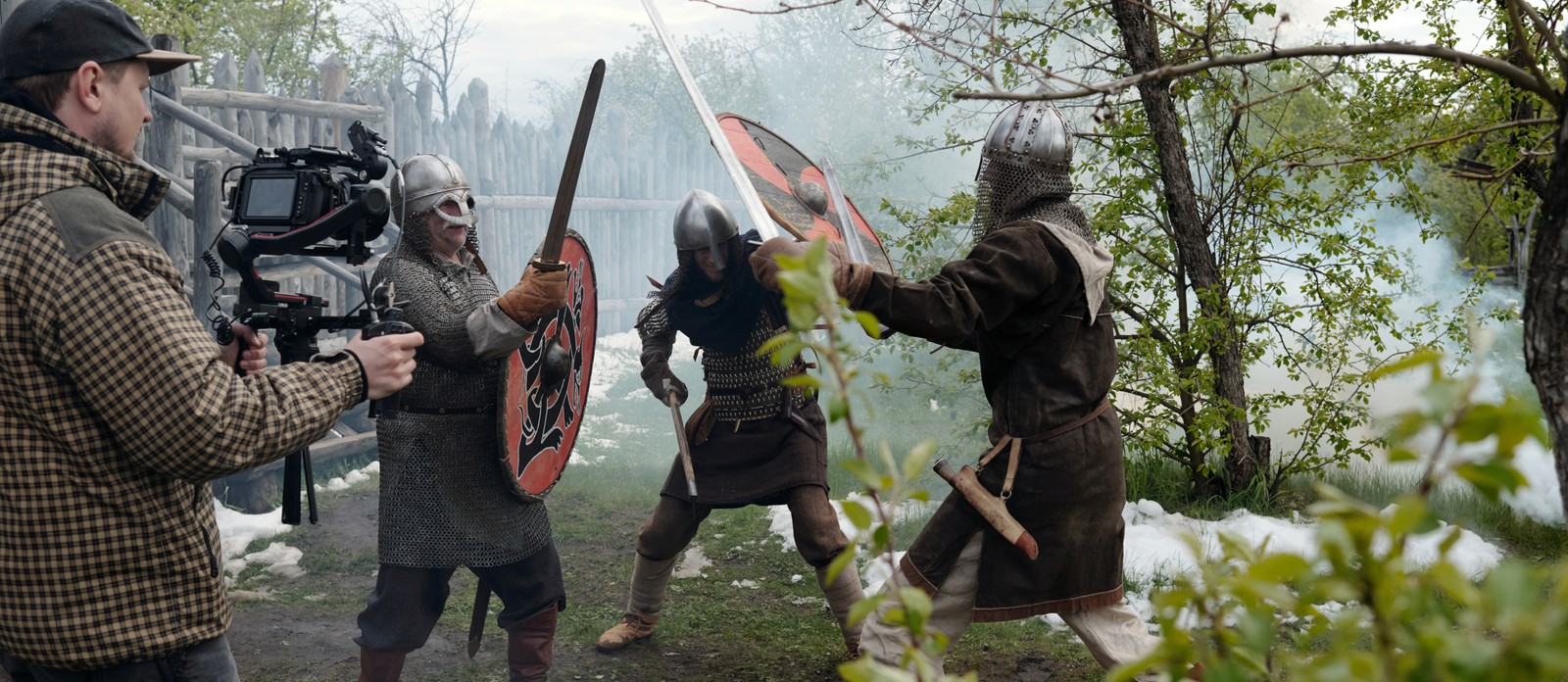
Image: Pressmaster

Hollywood often prioritizes spectacle and drama over strict historical accuracy. Period epics tend to win big at the Academy Awards, but their relation to real-world events ranges from artistic license to complete fabrication. These ten celebrated films delivered unforgettable cinema, yet failed all history tests.

1
Titanic (1997)
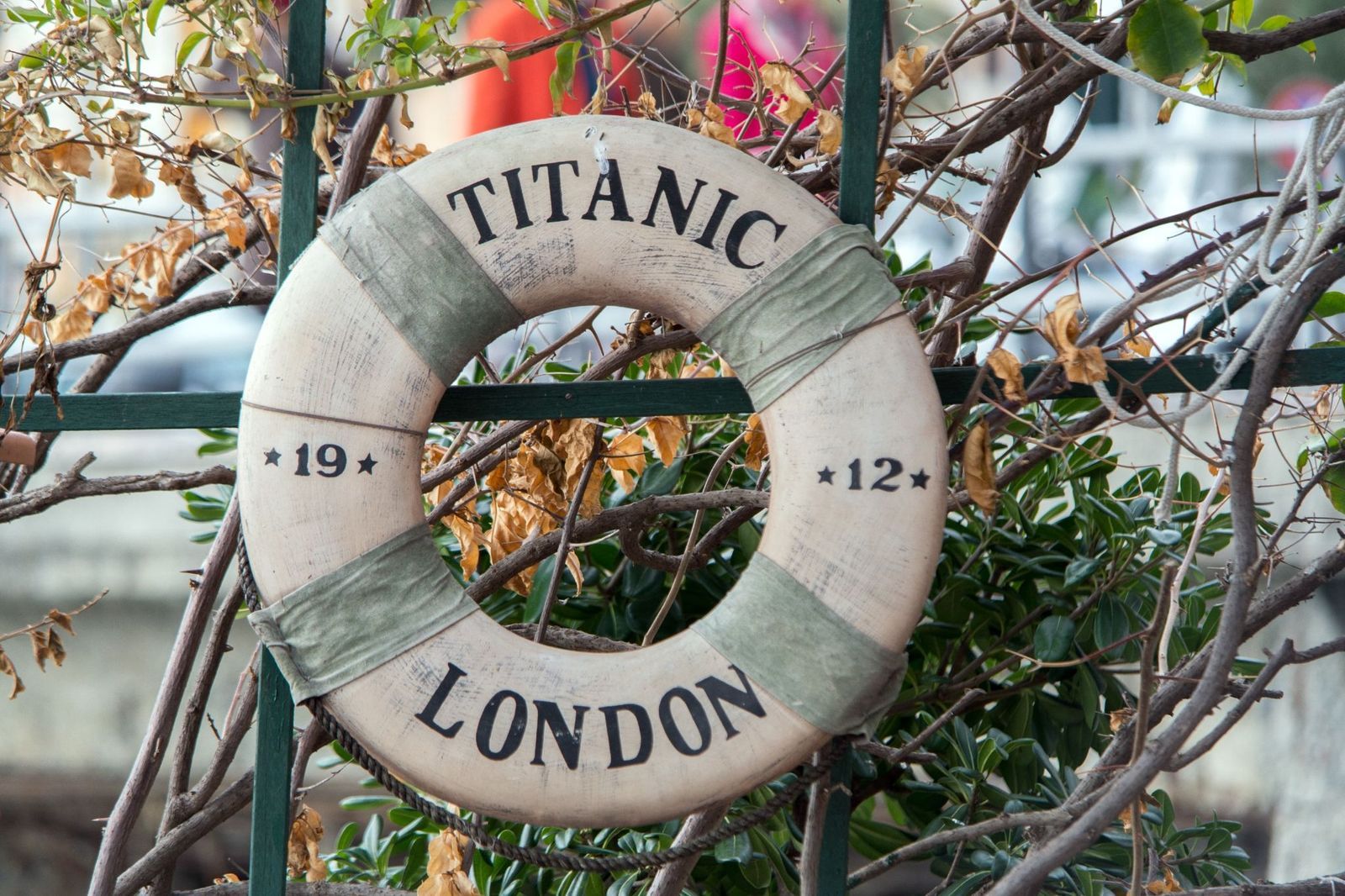
Image: Andrea Izzotti

James Cameron’s Oscar-winning blockbuster frames the tragic 1912 sinking around the fictional romance of Jack (Leonardo DiCaprio) and Rose (Kate Winslet), while depicting real-life First Officer William Murdoch (Ewan Stewart) accepting bribes, shooting passengers, and taking his own life.

When the film premiered in 1997, the portrayal of Murdoch caused significant outrage. Survivor accounts prove the First Officer acted heroically, working tirelessly to launch lifeboats and saving hundreds of lives before dying in the freezing Atlantic. Additionally, third-class passengers were not locked below deck by armed guards as portrayed in the movie. _Titanic_’s producers eventually traveled to Murdoch’s hometown of Dalbeattie, Scotland, to issue an official apology to his descendants.

2
Braveheart (1995)
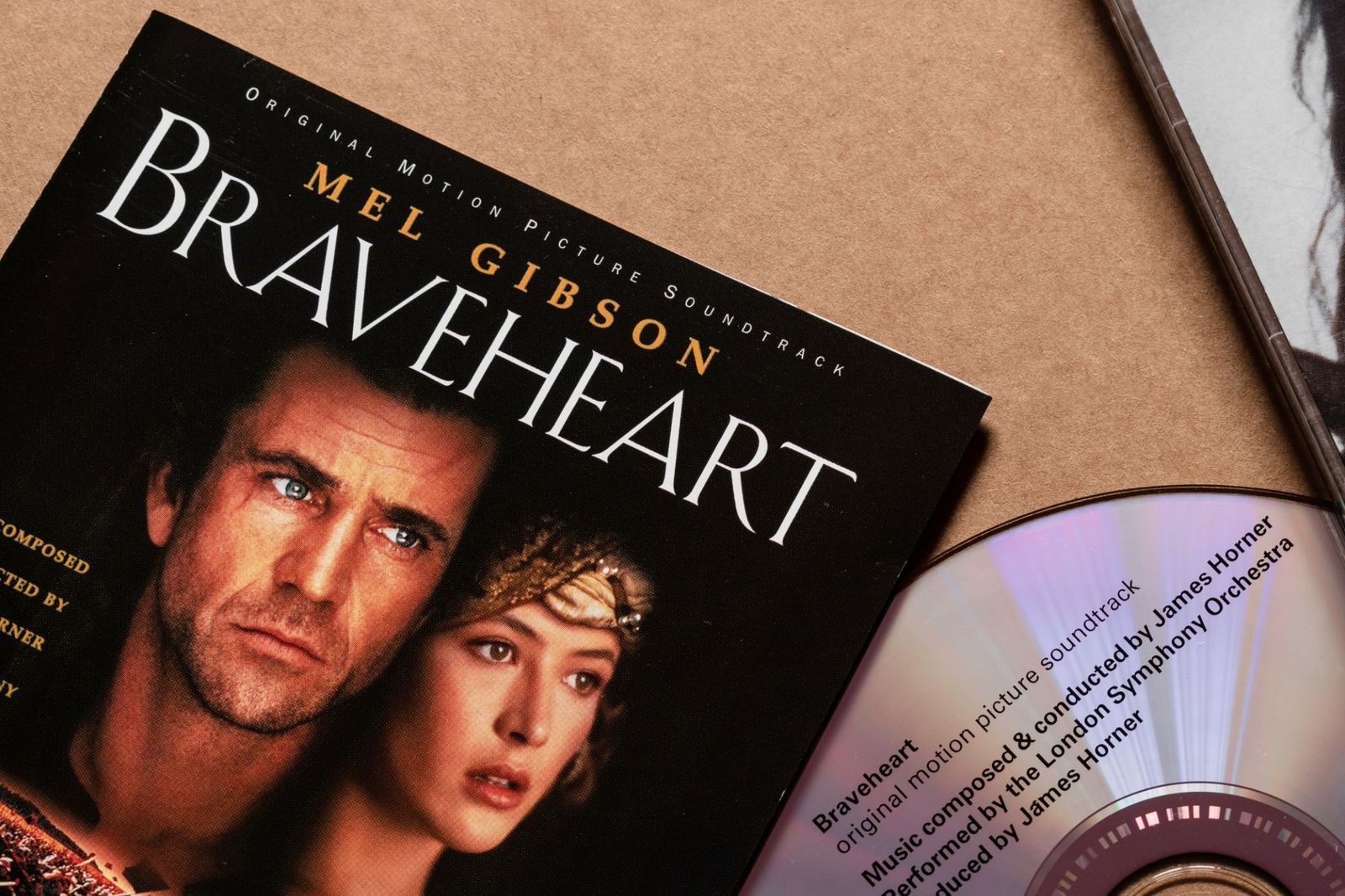
Image: Snap Spot

Mel Gibson’s epic depicts William Wallace leading a 13th-century Scottish rebellion against English rule, wearing belted plaid kilts and seducing Isabella of France (Sophie Marceau).

Many details in the film are inaccurate. For example, Scots didn’t wear kilts until the 16th century, nearly 300 years after Wallace’s death. Furthermore, Isabella was roughly three years old and living in France during Wallace’s rebellion, making the affair impossible.

3
Pearl Harbor (2001)

Image: Gary Ell, USAF, Public domain, via Wikimedia Commons

In Michael Bay’s romantic war drama, Rafe McCawley (Ben Affleck) and Danny Walker (Josh Hartnett) face Japanese Zero fighters, join the British Eagle Squadrons before the U.S. enters World War II, and witness direct attacks on civilian medical units.

In real life, U.S. Army Air Corps officers like Rafe were legally forbidden from joining Britain’s Eagle Squadrons while the United States remained neutral. During the December 7, 1941 raid, the Japanese prioritized attacking battleships, airfields, and fuel depots, and they didn’t target field hospitals or civilian nurses as depicted in the film. Also, President Franklin D. Roosevelt’s (Jon Voight) dramatic moment where he stands up out of his wheelchair to inspire his cabinet never occurred.

4
Pocahontas (1995)
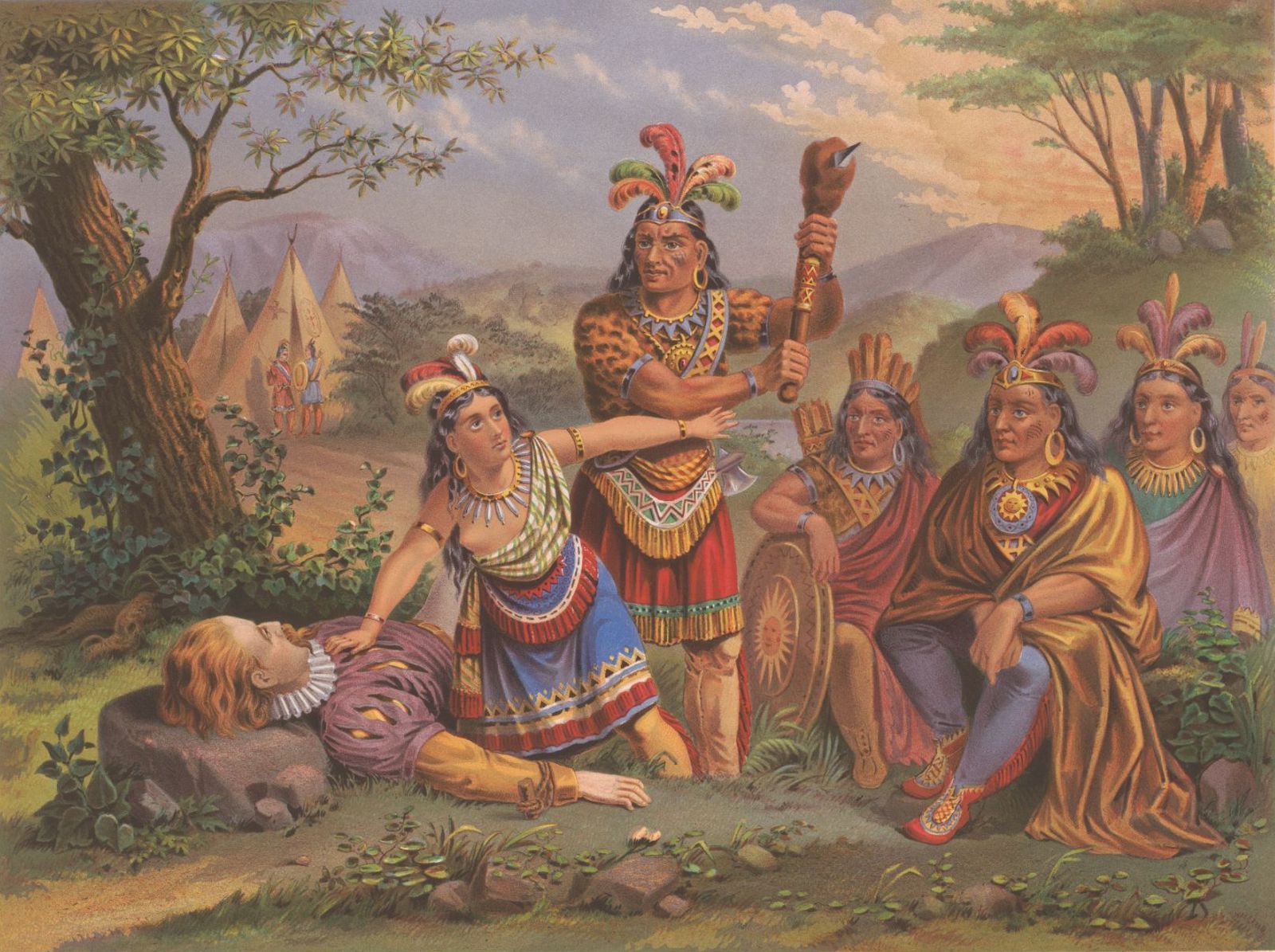
Image: New England Chromo. Lith. Co., Public domain, via Wikimedia Commons

Disney’s animated film famously tells the story of a young Powhatan woman named Pocahontas who falls in love with the English explorer Captain John Smith, helping to promote peace between their two cultures.

When John Smith arrived in Virginia in 1607, Pocahontas (whose actual name was Matoaka) was only around 10 to 12 years old, while Smith was a 27-year-old soldier, and there was no romantic relationship between them. Smith’s famous account of Pocahontas saving his life by placing her head over his is debated by modern historians, who view it as either a misunderstanding of a tribal adoption ceremony or an invention in his later writings. Pocahontas was later captured by English settlers, held for ransom, converted to Christianity, and married tobacco merchant John Rolfe before dying in England at age 21.

5
Gladiator (2000)
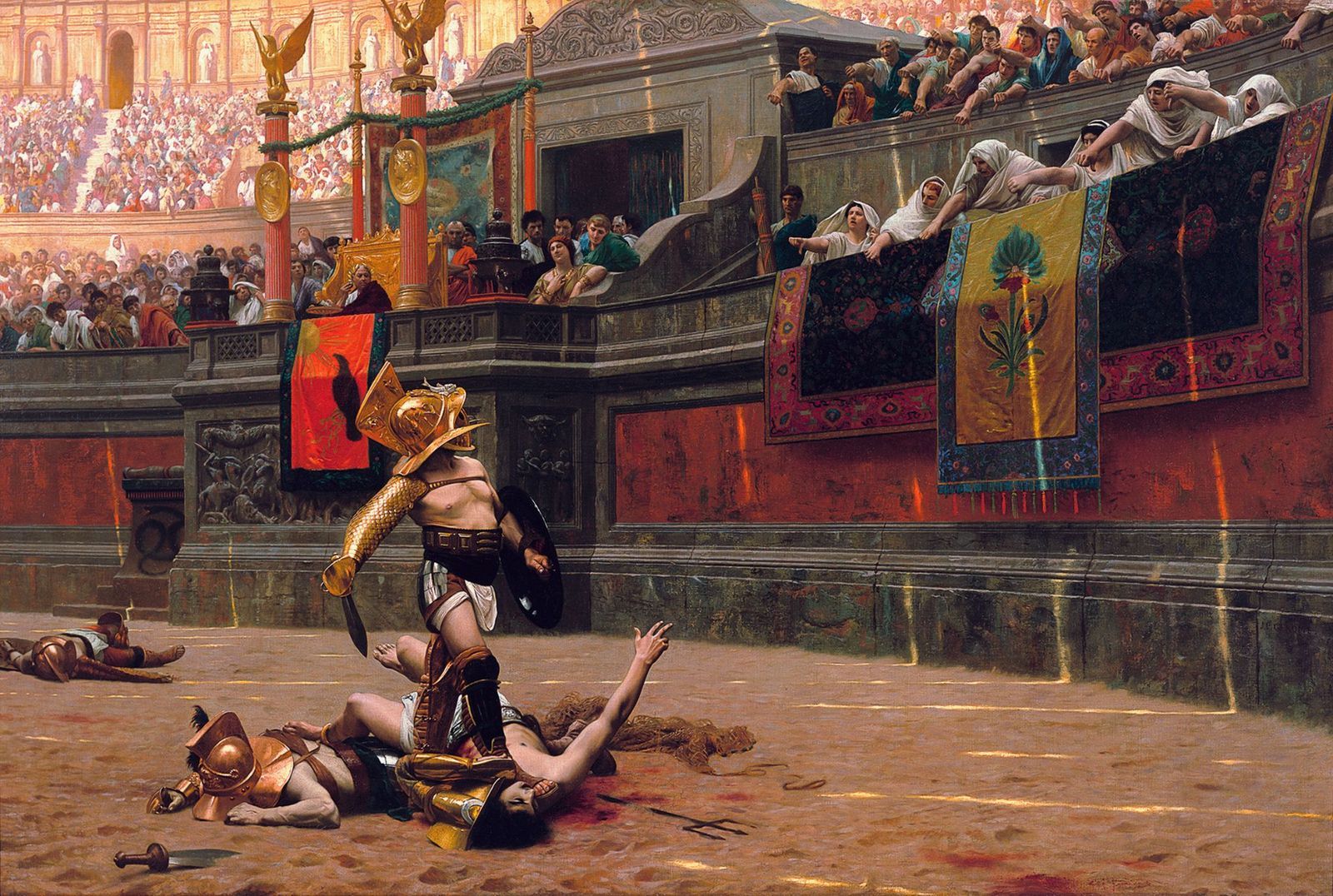
Image: Jean-Léon Gérôme, Public domain, via Wikimedia Commons

The plot of Gladiator revolves around Maximus Decimus Meridius (Russell Crowe) when he witnesses Emperor Marcus Aurelius (Richard Harris) being smothered to death by his son Commodus (Joaquin Phoenix), who seizes the throne, rules as a tyrant, and is later killed in gladiatorial combat inside the Colosseum.

In reality, Marcus Aurelius was never murdered by his son; he died of an infectious illness in 180 AD. Commodus had already been co-emperor for three years before his father’s death. Far from an usurpation, Commodus ruled Rome for 12 years. He didn’t die in the sands of the arena either: he was strangled in his bath by his wrestling partner, Narcissus, during a palace coup. Moreover, Roman gladiatorial fights were officiated sporting events, not chaotic deathmatches.

6
Shakespeare in Love (1998)
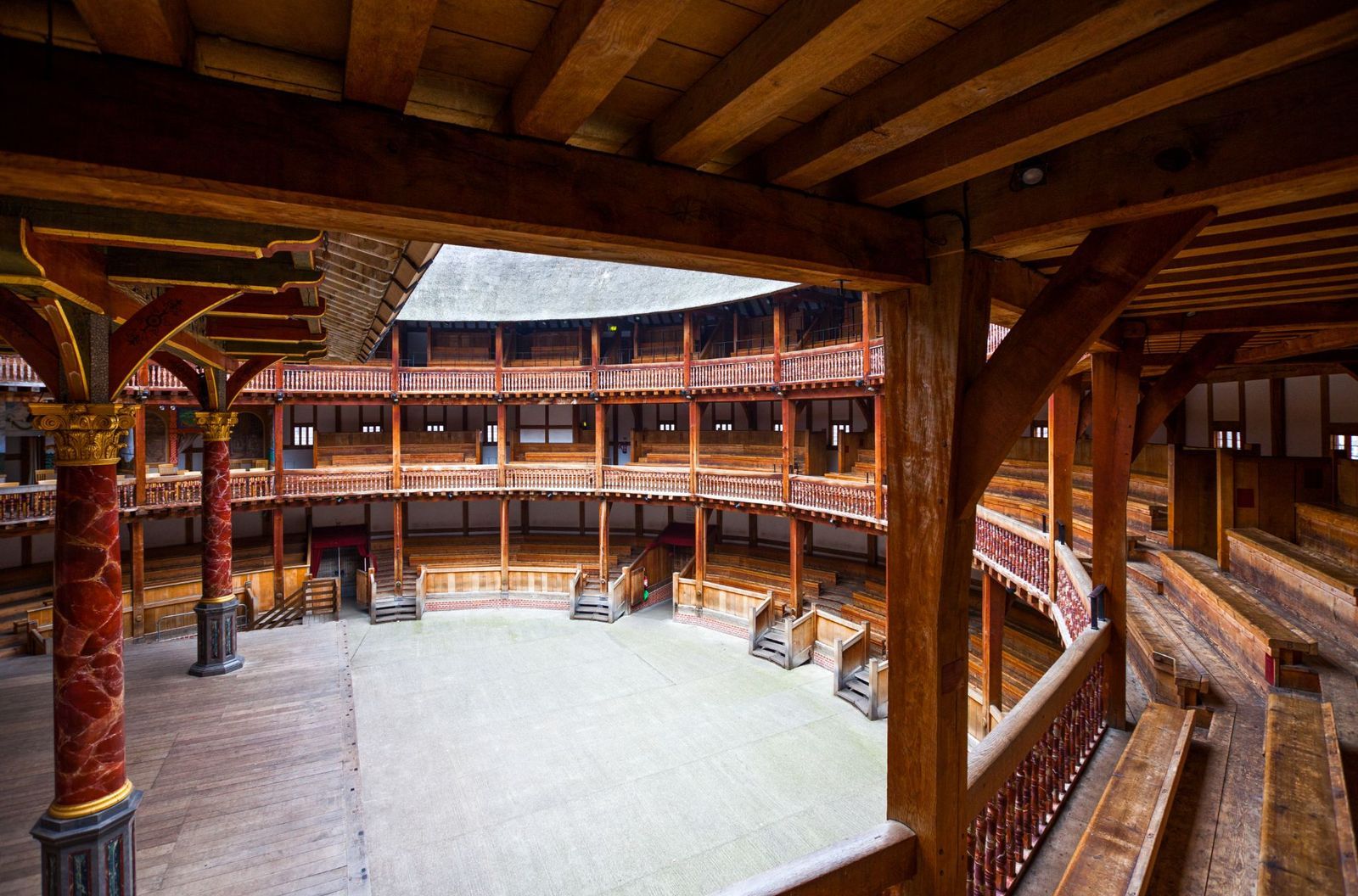
Image: Gimas

A young William Shakespeare (Joseph Fiennes) suffers from writer’s block until he meets aristocrat Viola de Lesseps (Gwyneth Paltrow), who disguises herself as a man to act on stage, inspiring him to write Romeo and Juliet .

Almost the entire narrative is historical fiction. Viola de Lesseps never existed, and Romeo and Juliet wasn’t inspired by a secret love affair. Women were indeed banned from performing on the Elizabethan stage, but monarchs like Queen Elizabeth I never attended public theaters, which were considered unsafe and unhygienic. Instead, theater companies were hired to give private performances at court. Furthermore, by the mid-1590s, Shakespeare was already married to Anne Hathaway and was an established playwright in London, not an impoverished unknown struggling for ideas.

7
A Beautiful Mind (2001)
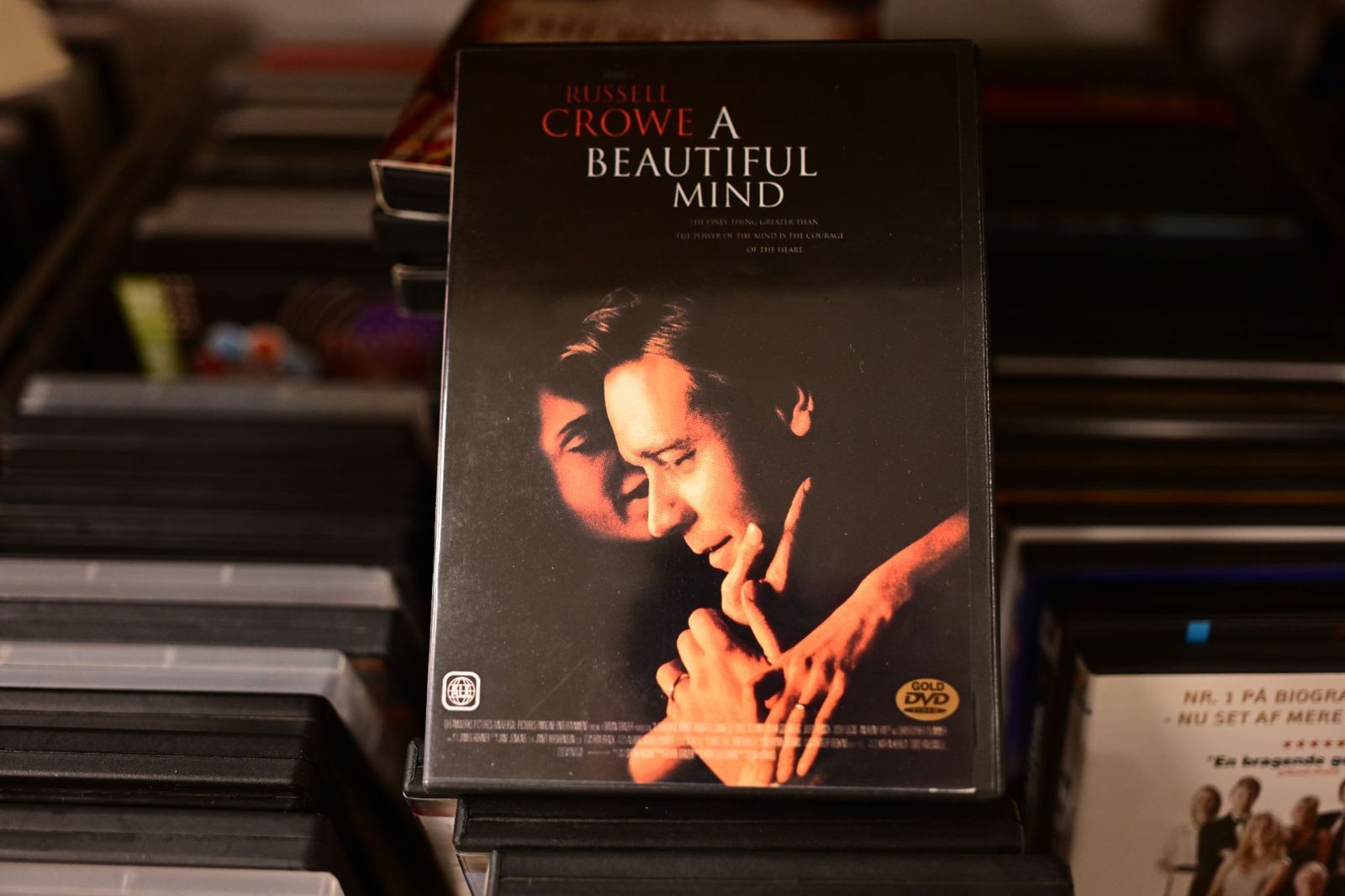
Image: Woodan

Ron Howard’s biopic presents John Nash (Russell Crowe) battling schizophrenia. In the film, the Nobel Laureate mathematician has vivid visual hallucinations of a college roommate, a young girl, and a secret government handler.

It is true that John Nash lived with paranoid schizophrenia, but his hallucinations were auditory and delusional (he heard voices and believed extraterrestrial beings were communicating through newsprint). Filmmakers acknowledged altering his symptoms because visual figures were easier to convey on screen. The film also sugarcoated Nash’s personal life, omitting his first child born out of wedlock, his divorce from his wife Alicia, and his intimate relationships with other men.

8
JFK (1991)
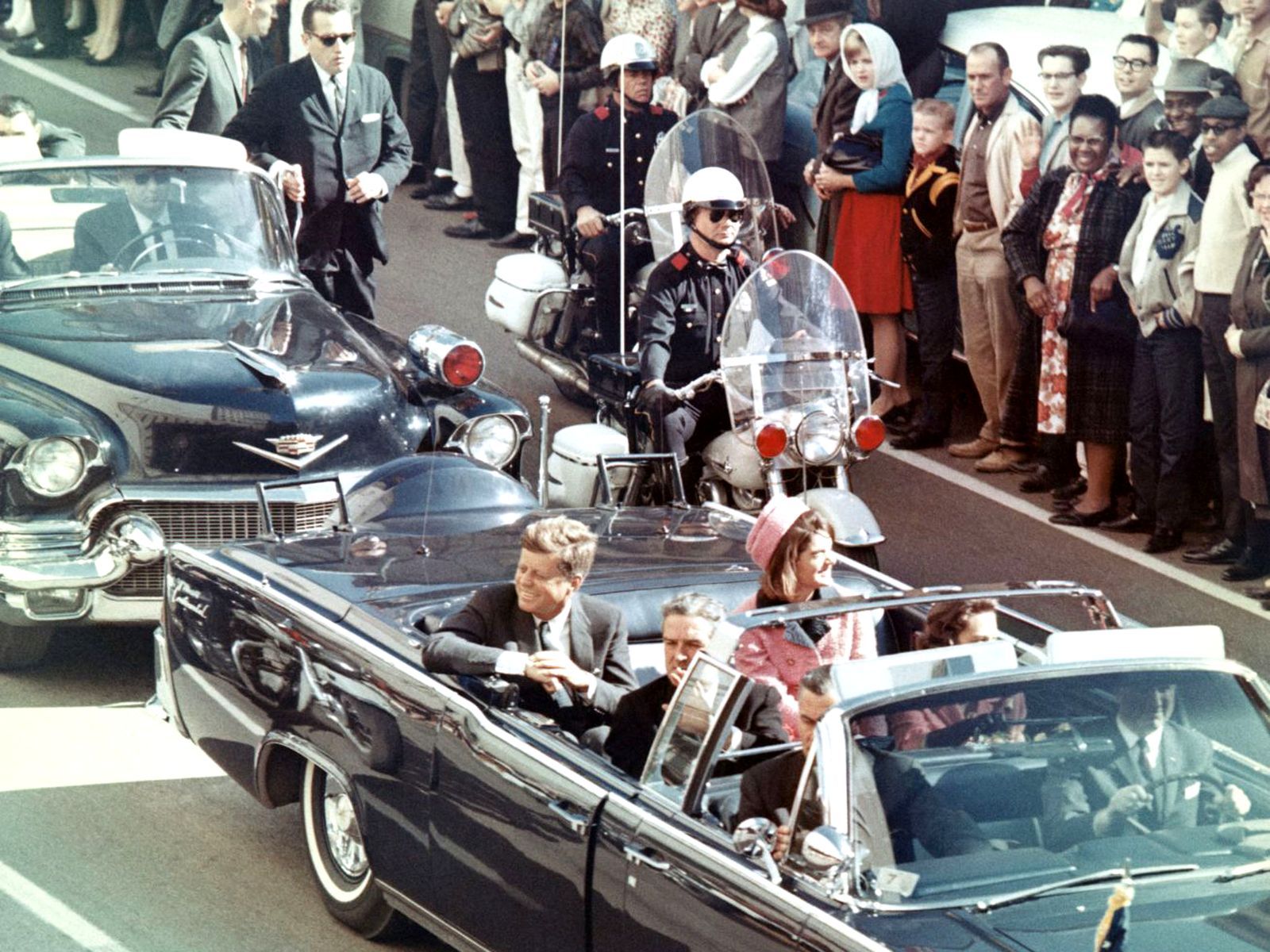
Image: Walt Cisco, Dallas Morning News, Public domain, via Wikimedia Commons

Director Oliver Stone follows New Orleans District Attorney Jim Garrison (Kevin Costner) as he uncovers a conspiracy behind President John F. Kennedy’s 1963 assassination involving the CIA, FBI, military leaders, and Vice President Lyndon B. Johnson.

Historians criticize JFK for presenting discredited conspiracy theories as historical facts. Key characters in the film (such as Donald Sutherland’s "Mr. X") were complete fabrications. Garrison’s actual prosecution of businessman Clay Shaw was based on dubious testimony and resulted in Shaw’s acquittal in under an hour. The narrative of a multi-agency coup remains unsupported by official evidence, yet the film prompted the release of classified records under the JFK Records Act.

9
The Sound of Music (1965)
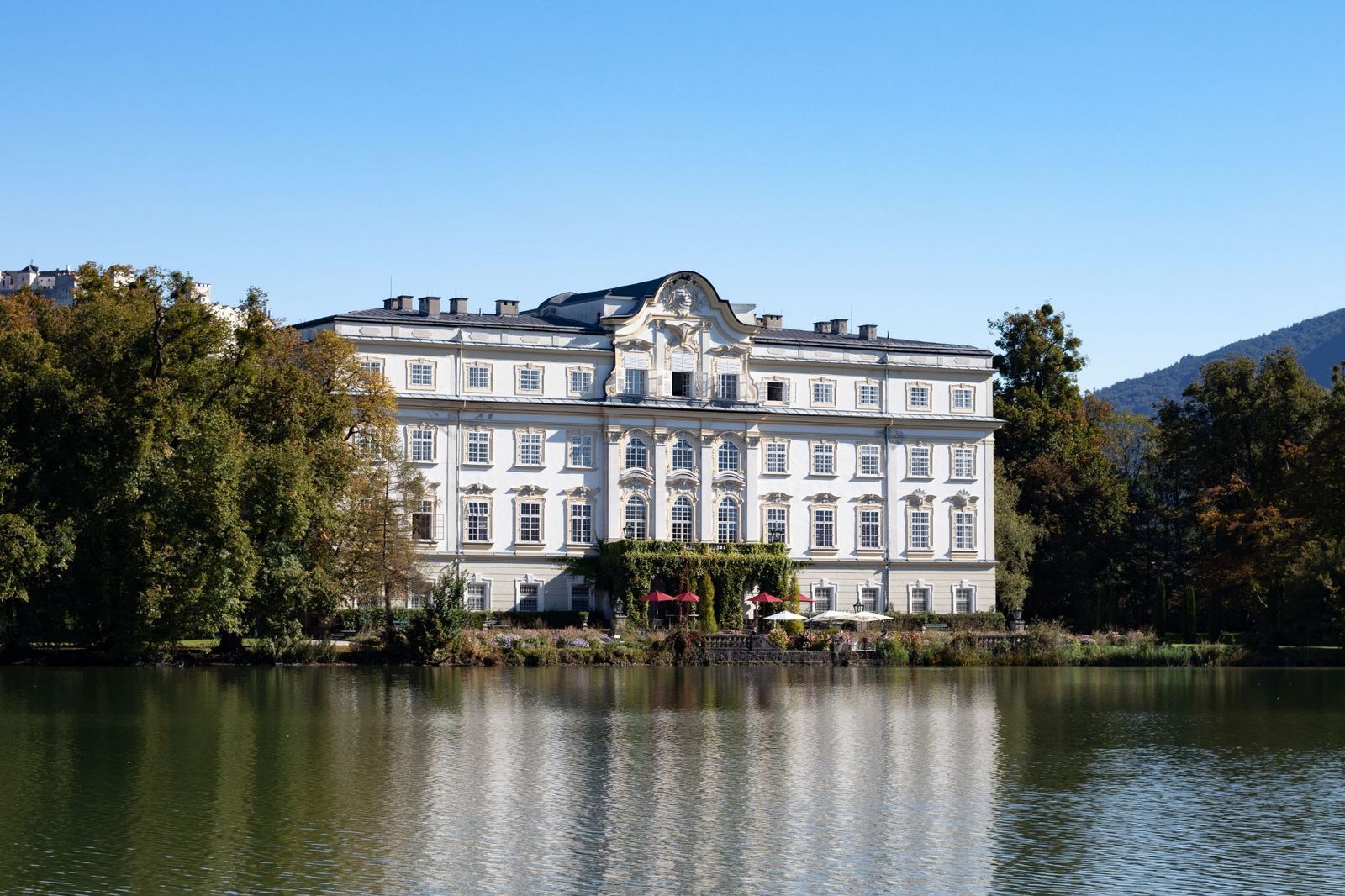
Image: HEakin

In the iconic film The Sound of Music , governess Maria (Julie Andrews) teaches naval Captain von Trapp’s seven children to sing and helps the family escape the 1938 Nazi annexation of Austria by hiking over the Alps into Switzerland.

Had the von Trapp hiked over the mountains behind their house in Salzburg, they would have walked straight into Nazi Germany near Hitler’s mountain retreat at Berchtesgaden. In real life, the family walked to their local train station and boarded a train to Italy before emigrating to the United States. Also, the personalities were reversed: the real Captain von Trapp was warm and musical, whereas Maria was strict. What’s more, the couple had already been married for over ten years before leaving Austria.

10
Saving Private Ryan (1998)
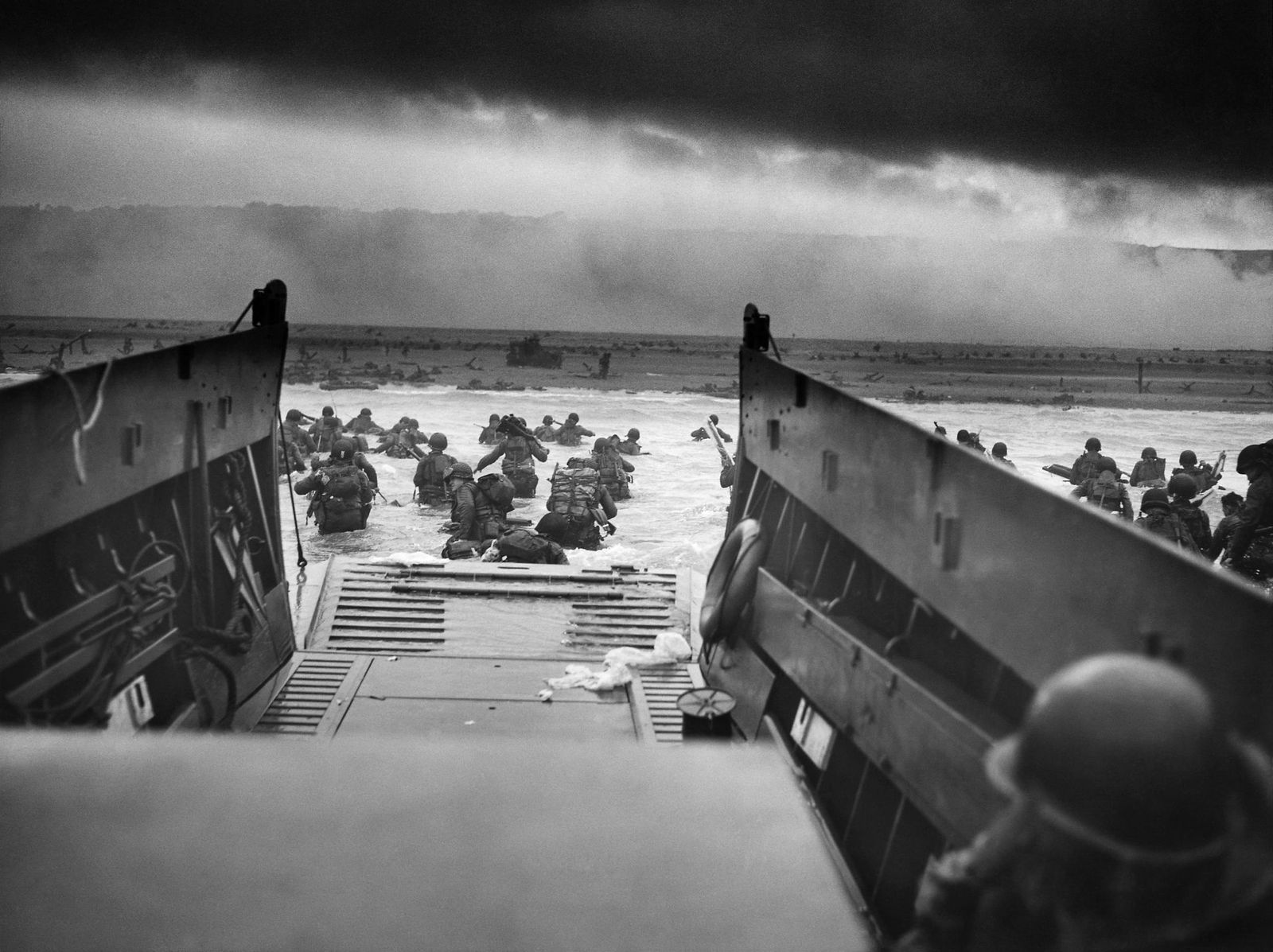
Image: National Archives and Records Administration, Public domain, via Wikimedia Commons

The opening D-Day landing sequence in Saving Private Ryan is praised by military veterans for its technical realism, but the film’s core premise is fictional. Following the invasion at Omaha Beach, Captain Miller (Tom Hanks) leads a U.S. Army Ranger squad into enemy territory in Normandy to find Private James Ryan (Matt Damon), whose three brothers were killed in action.

The plot is loosely inspired by the real-life Niland brothers, but the U.S. military never dispatched an entire squad on a dedicated search mission through enemy lines to extract a single private. Additionally, the final battle in the fictional town of Ramelle overstates the ability of infantry small arms against heavy German armor, which in reality was neutralized by artillery and tactical air strikes.

General General 4 min read

Fast-food flops

Do you recall these 11 big McDonald's menu fails?

Image: Lucas van Oort

Around 2014, McDonald's received a lot of criticism for not including healthier, more nutritious options on its menu, especially for kids. In response, the company embarked on a mission to create bubblegum-flavored broccoli. Needless to say, it was a complete failure. But this was not the only unsuccessful attempt to introduce new recipes and flavors. Throughout its several decades of existence, the Golden Arches has ventured into a wide variety of products that didn’t receive the expected reception. Do McPizza, Hula Burger, or McDLT ring a bell? Join us as we look back at 11 McDonald's products that were complete misfires!

1
McLean Deluxe

Image: Szabo Viktor

Remember the low-fat diet craze of the 1990s? Well, McDonald's was no stranger to it. To attract customers seeking "healthier" options, Mickey D's introduced the McLean Deluxe—a supposedly lighter burger than the Big Mac . The patty, developed by food scientists at Auburn University, was made with 90% meat and seaweed extract.

The company’s intentions were noble, but most consumers weren’t convinced by the "low fat but tastes great" slogan. Apparently, it was not tasty enough for the American palate and was ultimately pulled from stores in 1996 .

2
McHotDog

Image: sstoyanov

It doesn’t seem far-fetched for McDonald's to offer a hot dog on its menu. Yet, for many years, the company avoided it because Ray Kroc—the man who transformed McDonald's into the megafranchise we know today—had banned them on the grounds that sausages were of questionable quality.

Despite his reservations, McDonald's introduced the McHotDog in several locations in the mid-1990s. For unknown reasons, however, the product never took off. Have you ever tried it? What did you think?

3
McDLT

Image: Aaron Boucicault

No, it has nothing to do with Subway's BMT or the classic BLT sandwich. The McDLT, introduced in 1984, was a lettuce and tomato burger with only one novelty: it was sold in a Styrofoam container, separated in two, and you had to assemble it yourself.

The most likely reason for the McDLT’s demise was the backlash against Styrofoam in the late 1980s, due to its environmental impact. And let’s be honest—how many people actually want to assemble their own hamburger?

4
Hula Burger

Image: Irene Kredenets

Long before vegan options became popular, Ray Kroc attempted to offer a meatless option for Roman Catholics to eat during Lent. Introduced in 1963, the Hula Burger was essentially a cheeseburger with a slice of pineapple instead of a meat patty.

The idea was a complete flop and was quickly replaced by the Filet-O-Fish, which served the same purpose but was much better received by the public.

5
McLobster

Image: ucomedia

Believe it or not, McDonald's once had a lobster roll on its menu. Introduced in 1993, the McLobster was a sandwich served in a hot dog bun with lobster sauce and shredded lettuce.

Why did it fail? Mostly because of the price . Not only was it expensive for a fast food chain, but if you wanted lobster, you’d probably go to a seafood restaurant instead—don’t you agree?

6
Arch Deluxe

Image: HamZa NOUASRIA

Flavor-wise, the burger "with the grown-up taste" was decent enough, the problem was the marketing campaign that went along with it. The Arch Deluxe was designed for adults , featuring more sophisticated and expensive ingredients.

However, the ads showed Ronald McDonald engaging in adult activities and young rappers saying, "Yuck," which failed to resonate with anyone. The product flopped and was discontinued in 2000 . After all, no matter how old we are, when we go to McDonald's, we all want to feel like kids again.

7
McPizza

Image: dankeck, CC0, via Wikimedia Commons

In hindsight, McDonald's should have stuck to selling burgers. But we have to give them credit for trying something different. In the late 1980s, the Golden Arches attempted to expand its menu with dinner options, introducing the McPizza. Sold only after 4 p.m. , it was heavily promoted through a major marketing campaign.

However, it was doomed to fail. Pizza takes much longer to prepare than a burger, and most people prefer to buy theirs from traditional pizza parlors. The McPizza was discontinued around 2000 and hasn’t returned to the menu since.

8
McPasta

Image: Lance Lozano

Just as pizza was a bad idea, offering pasta dishes at a burger joint was an even bigger stretch. Since the 1970s , McDonald's has attempted to market pasta, adding items like spaghetti and meatballs, lasagna, and fettuccine to its menu.

Needless to say, despite multiple attempts, all of McDonald's pasta products eventually flopped.

9
Onion Nuggets

Image: Brett Jordan

In 1975, a year after Burger King debuted its famous Onion Rings, McDonald's introduced Onion Nuggets. As the name suggests, this side dish consisted of small, fried onion pieces .

Unfortunately for vegetable lovers, Onion Nuggets were not as successful as their ring-shaped competitors and were finally removed from the menu in the mid-1980s. Just a few months later, McDonald's launched Chicken McNuggets, which proved to be a far bigger success.

10
McSalad Shakers

Image: Hermes Rivera

It seems that most of McDonald's attempts to offer healthier options were fruitless. The McSalad Shakers were salads sold in plastic cup-like containers that you had to shake to distribute the dressing evenly.

Although they featured three appealing flavors—Chef, Grilled Chicken Caesar, and Garden—McSalad Shakers lasted only a few years on the market. In 2003, the cups were replaced by traditional bowls, which, you’ll probably agree, make much more sense.

11
McDonaldland Cookies

Image: 三岁 陈

It remains a mystery why this item disappeared from the McDonald's menu, as it was a favorite among many for years. First introduced in 1974, this dessert consisted of crunchy lemon-flavored cookies shaped like the classic McDonaldland characters—Grimace, Hamburglar, The Fry Kids, Birdie, and Ronald himself!

McDonaldland Cookies came with the Happy Meal but were discontinued in the early 2000s , likely due to health concerns. The good news is, if you want to bring back this childhood flavor, you can still find them in Australia!

Geography Geography 3 min read

Let’s go book-gazing!

Beyond books: 11 breathtaking libraries you are going to want to visit

Image: Clay Banks

Whether you're a book lover or not, there's something magical about stepping into a beautiful library—the scent of old volumes, the quiet hum of readers, and the sheer architectural grandeur. Some libraries across the US are among the most enchanting places you can walk into. Here is a list of 11 stunning libraries worth exploring, even if you're not a bookworm!

1
Library of Congress

Image: Vincent Yuan @USA

Of course—the beating heart of American knowledge! As the largest library in the country and the world , it holds millions of books, rare manuscripts, and historical treasures.

Its grandeur isn’t just in its collection. Take the Thomas Jefferson Building: with its elaborate ceilings, marble columns, and frescoes, stepping inside feels like walking into a cathedral. Ever wanted to see an original Gutenberg Bible? This is the place.

2
New York Public Library

Image: Ran Ding

Patience and Fortitude stand guard—those are the two iconic stone lions flanking the entrance. The New York Public Library’s main branch is a true city landmark.

Step inside the Stephen A. Schwarzman Building, with its grand marble-lined halls and sweeping staircases. Don’t miss the Rose Main Reading Room —an awe-inspiring space adorned with murals, chandeliers, and rows of inviting wooden tables.

3
Boston Public Library

Image: Wendy Wei

A library so impressive it feels like it should charge an admission fee—but lucky for us, it doesn’t! Established in 1848, it was the first large free municipal library in the United States.

It’s home to Bates Hall, a stunning reading room with soaring barrel-vaulted ceilings and warm oak tables—a dream setting for book lovers.

4
Seattle Central Library

Image: Sylvia Yang

A sharp contrast to the historic beauties on this list, but no less worthy of inclusion. The Seattle Central Library is a futuristic masterpiece.

Designed by renowned architect Rem Koolhaas, its bold glass-and-steel exterior is impossible to miss. Inside, multi-level platforms create a space that feels more like a sci-fi movie set than a traditional library.

5
Geisel Library at the University of California, San Diego

Image: Jeremy Huang

Named after none other than Dr. Seuss himself (real name: Theodor Geisel) and his wife, Audrey, this library looks like something straight out of a sci-fi novel.

Its unique Brutalist-meets-futuristic design makes it one of UCSD’s most recognizable landmarks. It houses an extensive collection—but let’s be honest, the main draw is the building itself. It’s an architectural oddity that feels both retro and futuristic at the same time.

6
George Peabody Library

Image: Elijah Hail

Some libraries feel grand, but this one feels magical . Tucked away in Baltimore, the George Peabody Library is known for its soaring atrium, lined with six stories of cast-iron balconies adorned with gilded accents.

The library’s collection specializes in 19th-century literature—but honestly, most visitors come just to soak in its beauty. It’s a book lover’s dream come to life.

7
Iowa State Law Library

Image: Muhammed A. Mustapha

Hidden inside the Iowa State Capitol in Des Moines, this library is a Victorian-era gem —think spiral staircases, intricate ironwork, and rows of leather-bound books stretching to the ceiling.

It may be lesser-known than others on this list, but it perfectly illustrates how libraries can be both functional and visually captivating. This setting alone makes you not mind so much having to do legal research.

8
Beinecke Rare Book & Manuscript Library

Image: Tim Bish

This is no ordinary library—as you can plainly see. It’s an architectural marvel . Located at Yale University, the Beinecke Library is famous for its translucent marble panels, which bathe the interior in a soft, golden glow.

9
Morgan Library & Museum

Image: mana5280

Walking into the Morgan Library feels like stepping into a European palace—pure Gilded Age opulence with ceiling frescoes, carved wood, and velvet drapes.

Originally J.P. Morgan’s personal book collection , it is now a New York City landmark and museum showcasing rare manuscripts, original works by Dickens and Austen, and even handwritten music by Mozart!

10
William W. Cook Legal Library

Image: Mathew Schwartz

Some law libraries are dull and purely functional. This is not one of them. Located at the University of Michigan, the Cook Legal Library is a Gothic gem with towering stained-glass windows, massive oak tables, and cathedral-like reading halls.

The architecture alone makes studying law feel a bit more poetic, but it’s also one of the finest academic law libraries in the country.

11
Suzzallo and Allen Libraries

Image: Cameron Stewart

This one looks like a place to learn witchcraft and sorcery, doesn’t it? Part of the University of Washington in Seattle, the Suzzallo and Allen Libraries feature a Reading Room that is a Gothic architectural masterpiece, with soaring ceilings and stained-glass windows .

Explore more American facts

Choose your favorite category!

General
General

As American as apple pie—the very best America has to offer!

Culture
Culture

Delve into the astounding richness of American lore.

Geography
Geography

Hop in and explore vast and diverse American landscapes.

History
History

Discover the key moments that shaped the United States.