History History 3 min read

Words that made history

Yes, they really said that: 10 presidential quotes we can't forget

Image: Charly Álvarez

There's no doubt that words are powerful, and some have changed the world. For better or worse, some quotes by US presidents are forever inscribed in history books and the citizens' memory. From George Washington to JFK, join us in exploring 10 unforgettable quotes from our nation's leaders.

1
"The only thing we have to fear is fear itself"
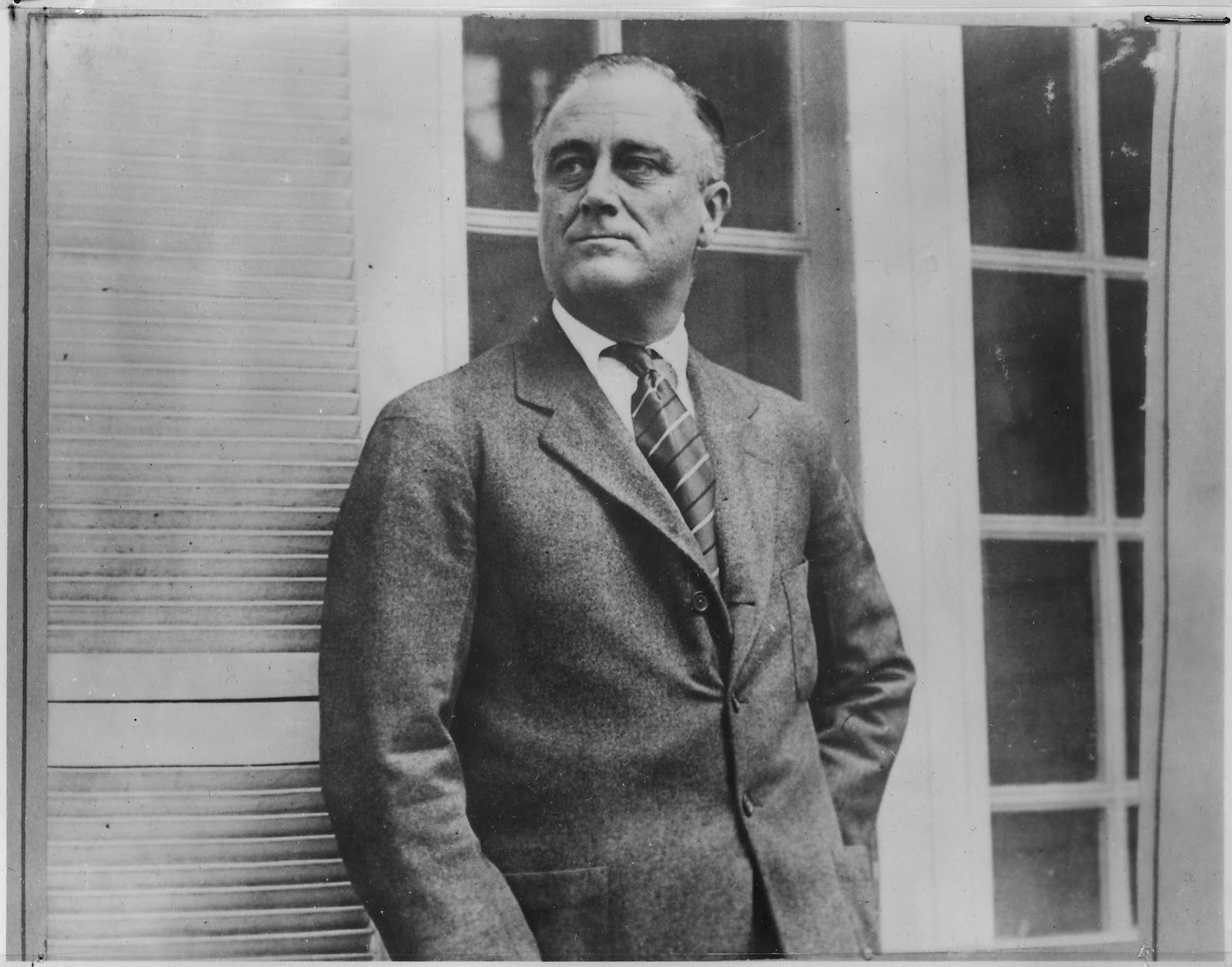
Image: National Archives and Records Administration, Public domain, via Wikimedia Commons

Franklin D. Roosevelt, the 32nd president of the United States, delivered a phrase in his first inaugural address that would be remembered forever. On March 4, 1933, at the height of the Great Depression, he proclaimed, "The only thing we have to fear is fear itself," with the aim of inspiring a nation in crisis to embrace courage and hope.

2
"Ask not what your country can do for you…"
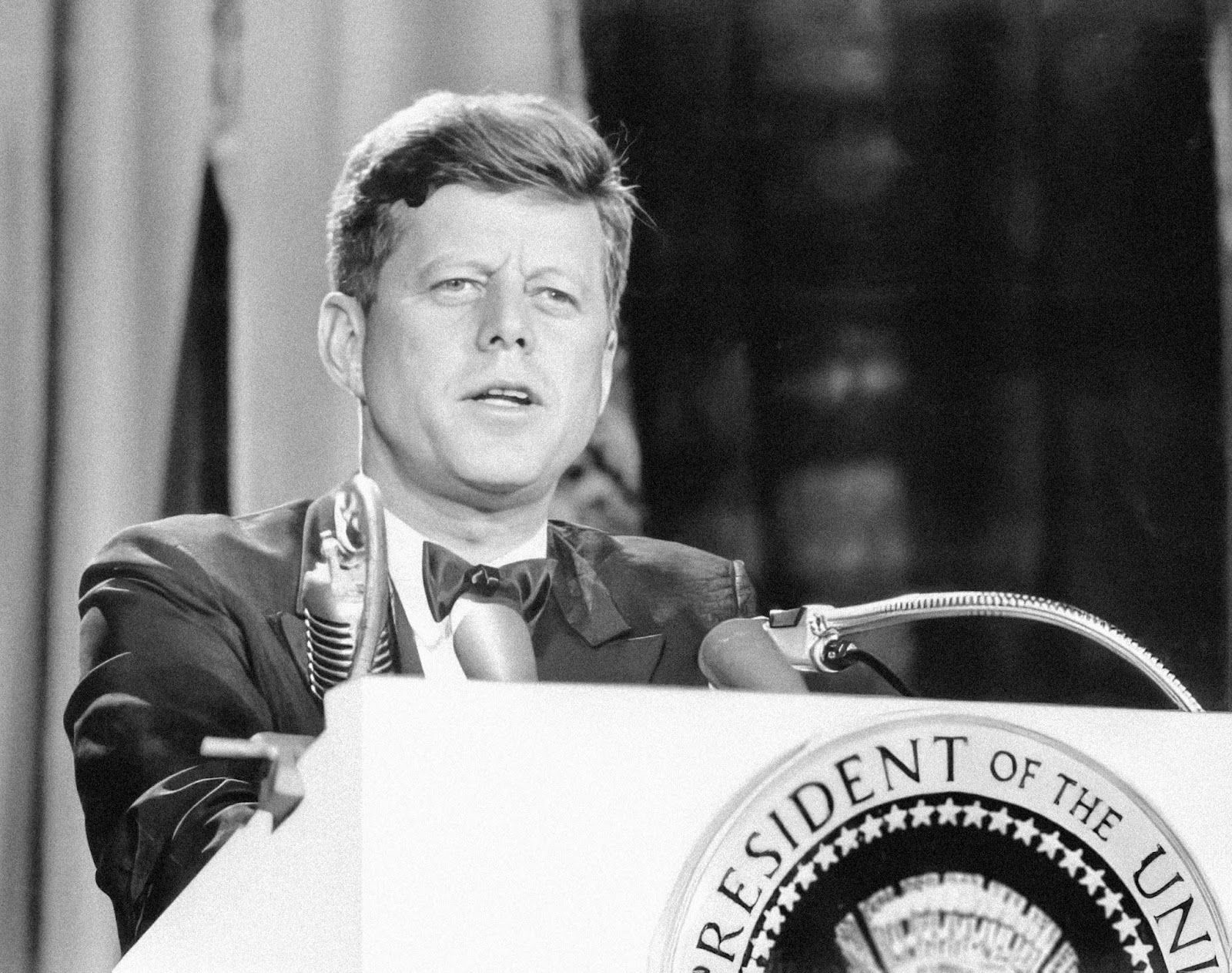
Image: Florida Memory

The Cold War, international tensions, and civil rights struggles were shaking the nation when John F. Kennedy delivered his unforgettable inaugural address on January 20, 1961. Calling on Americans to take personal responsibility and contribute actively to the nation, he gave one of the most famous lines in American history: "Ask not what your country can do for you—ask what you can do for your country."

3
"Speak softly and carry a big stick…"
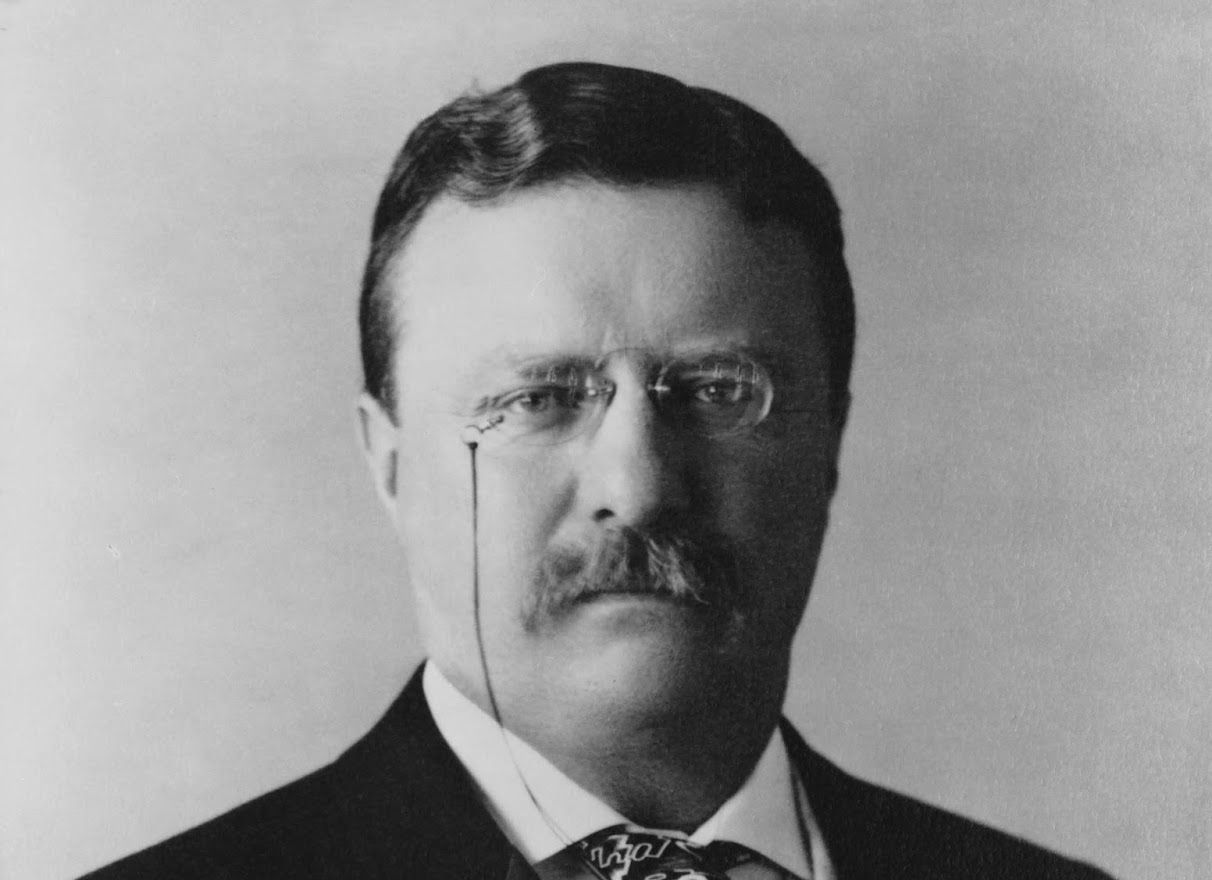
Image: Pach Brothers, Public domain, via Wikimedia Commons

F.D. wasn't the only Roosevelt with memorable quotes. Before him, Teddy Roosevelt made his mark, but he was a bit blunter. The 26th president first said, "Speak softly and carry a big stick; you will go far" in a public speech in 1901. With that line, he described his approach to foreign policy, which later became known as "Big Stick diplomacy."

4
"A house divided against itself cannot stand"
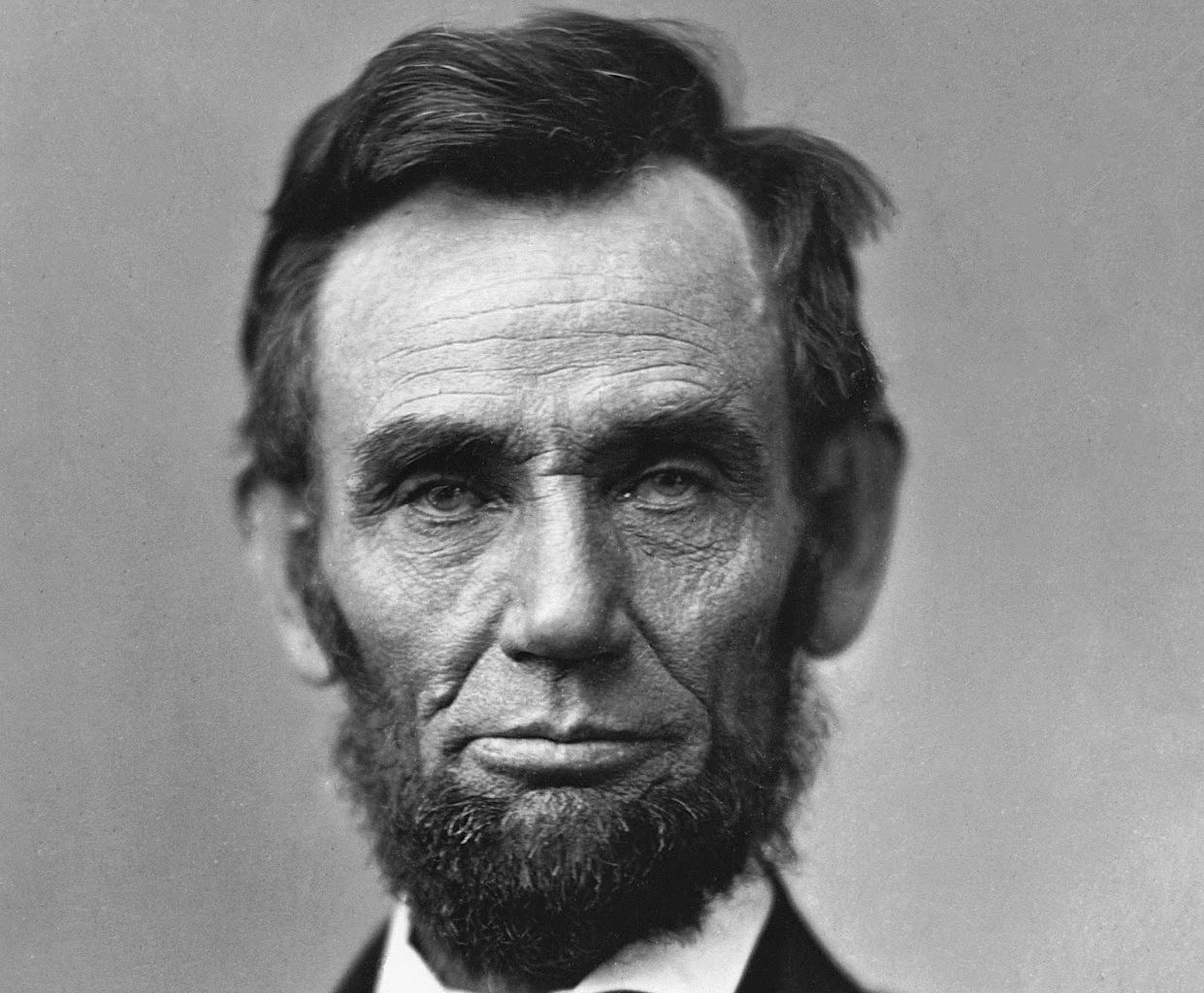
Image: Alexander Gardner, Public domain, via Wikimedia Commons

Abraham Lincoln gave us iconic words even before becoming president. In 1858, while accepting the Illinois Republican Party's nomination for the US Senate, he declared, "A house divided against itself cannot stand." The Civil War had not yet begun, but the nation was already deeply divided. This powerful line helped elevate Lincoln's reputation, paving the way for his election as president in 1860.

5
"We choose to go to the Moon"
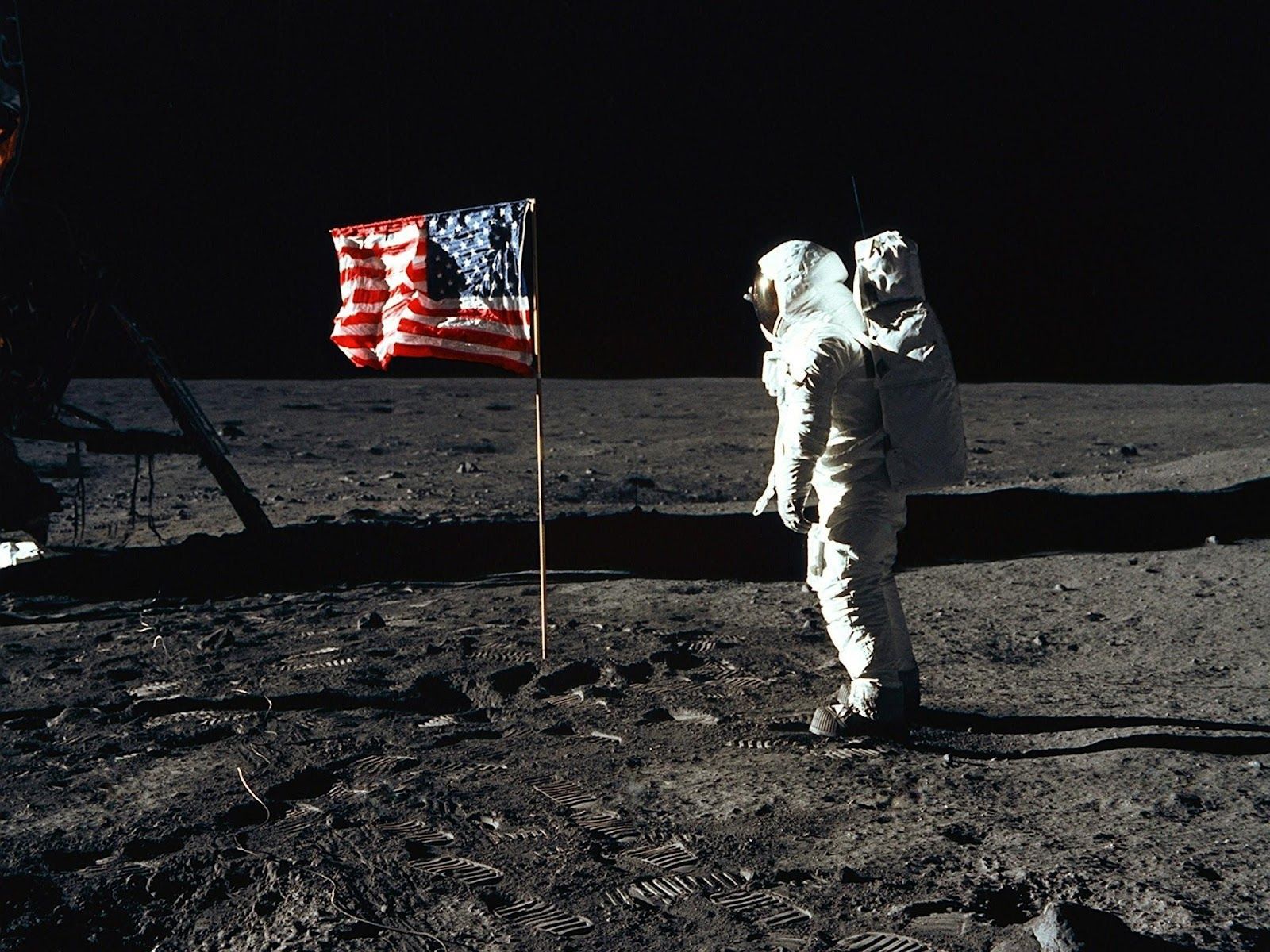
Image: NASA

As expected, John F. Kennedy appears more than once on this list. This time, with a phrase that would kick off one of the greatest achievements in US and human history: the moon landing. During a speech at Rice University on September 12, 1962, in Houston, Texas, he said: "We choose to go to the Moon in this decade and do the other things, not because they are easy, but because they are hard." And history proved him right.

6
"Mr. Gorbachev, tear down this wall!"

Image: Michael Evans, Public domain, via Wikimedia Commons

Ronald Reagan also gave the world memorable quotes, including this famous one addressed to Soviet leader Mikhail Gorbachev during a speech at the Brandenburg Gate in West Berlin on June 12, 1987. Two years later, the Berlin Wall was brought down by the citizens themselves.

7
"The buck stops here"
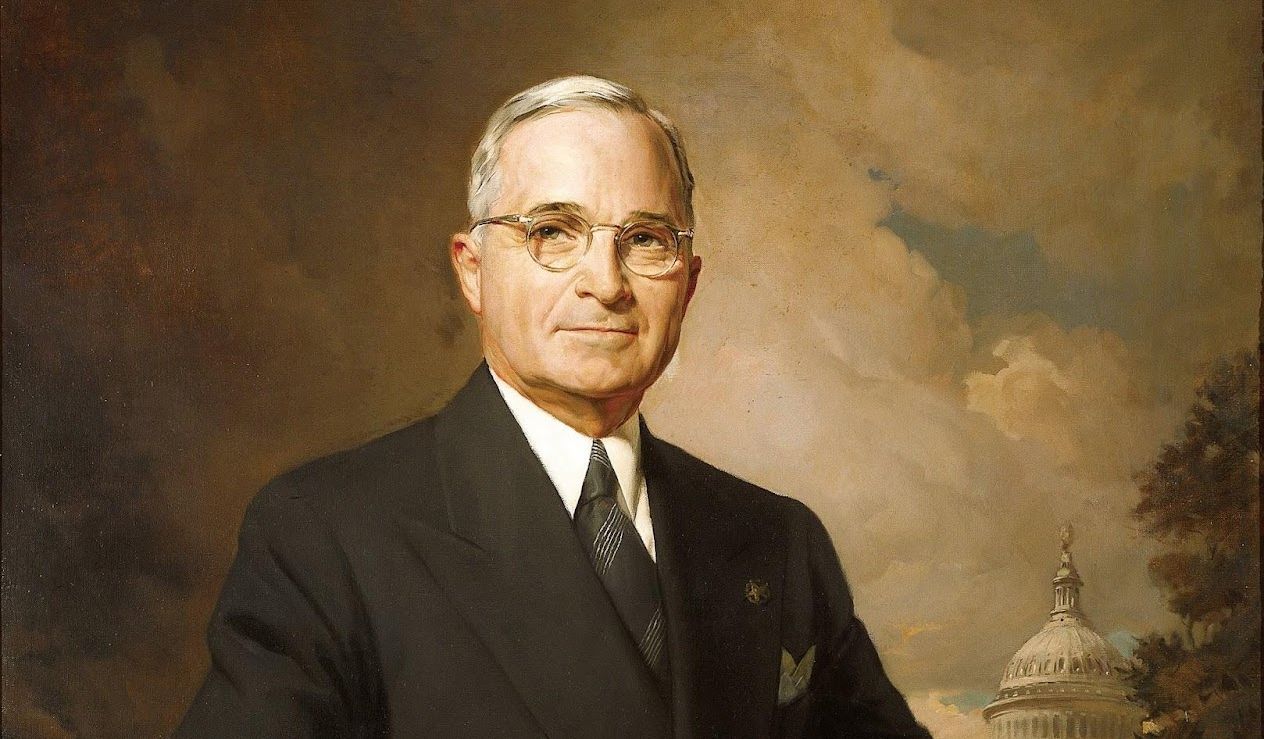
Image: Greta Kempton, Public domain, via Wikimedia Commons

Displayed in his office, Harry S. Truman had the phrase: "The buck stops here." After assuming the presidency following Franklin D. Roosevelt's death, Truman had to face critical decisions at the end of World War II. The famous line reflected his belief in taking personal responsibility for decisions rather than shifting blame.

8
"Liberty, when it begins to take root…"
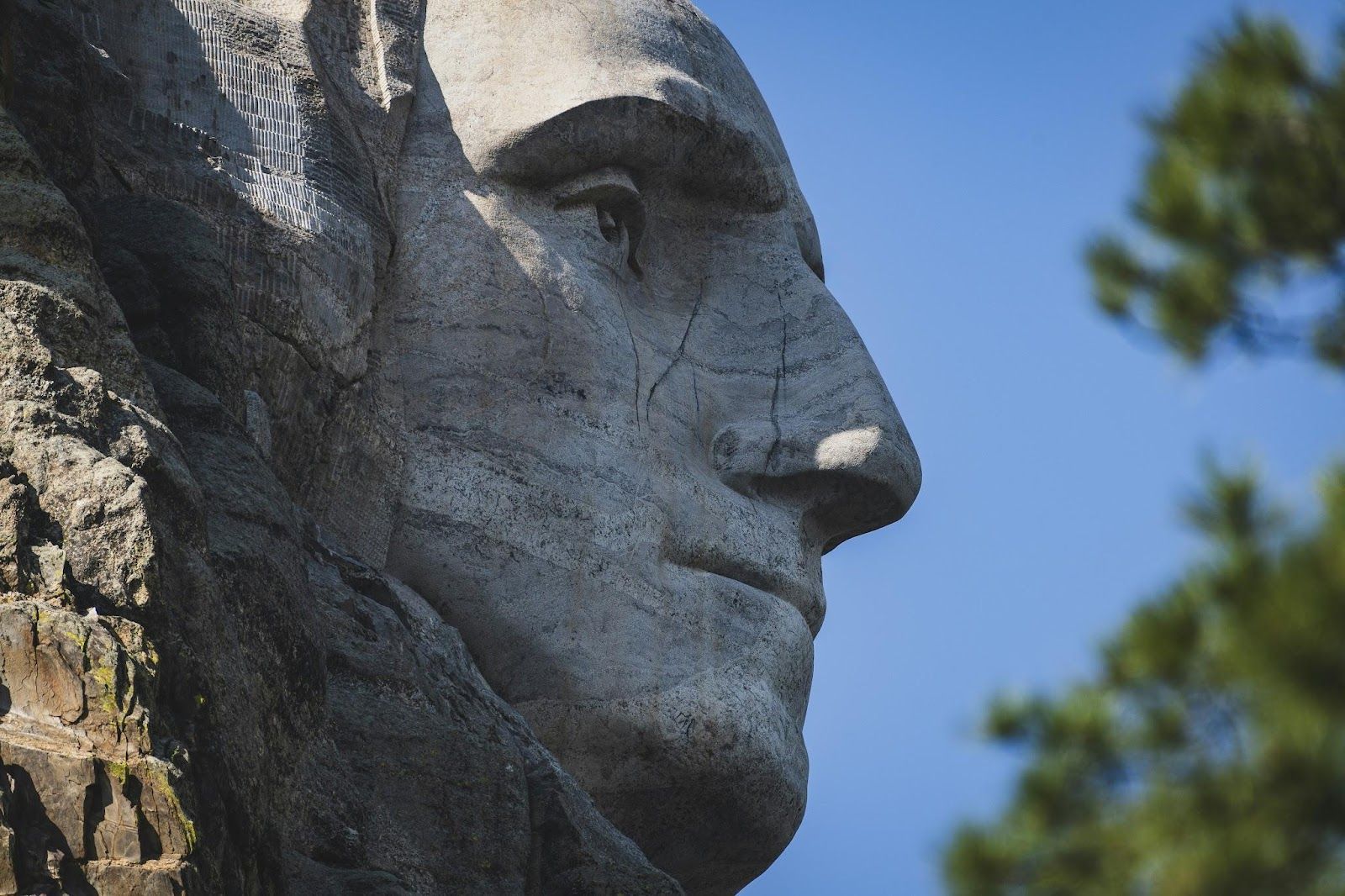
Image: Jon Sailer

Washington shared this idea in 1785 in a letter to Alexander Hamilton, shortly after the end of the American Revolutionary War. In it, he clearly expressed his vision for the young nation, whose principles would be rooted in the power of liberty and freedom.

9
"If your actions inspire others to dream more…"
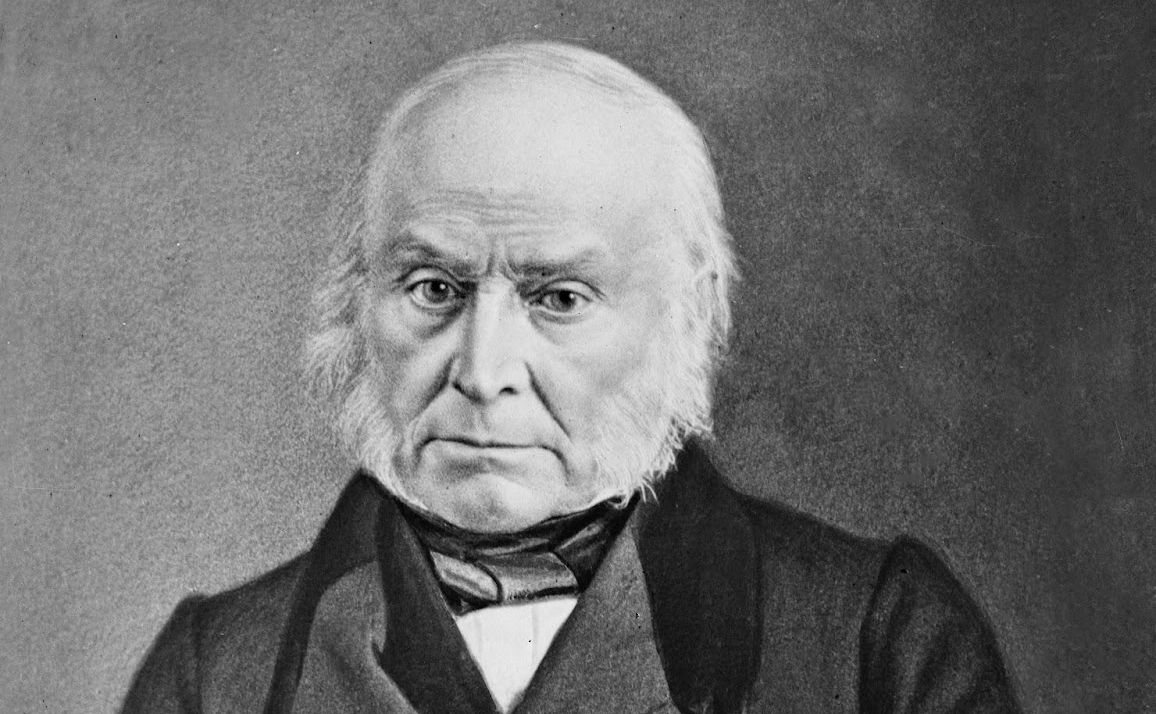
Image: Julielangford, Public domain, via Wikimedia Commons

John Quincy Adams, the 6th President of the United States, gave us one of the most inspiring quotes: "If your actions inspire others to dream more, learn more, do more, and become more, then you are a leader." Thus, he defined leadership as a moral responsibility, one that motivates and uplifts others.

10
"Happiness and moral duty are inseparably connected"
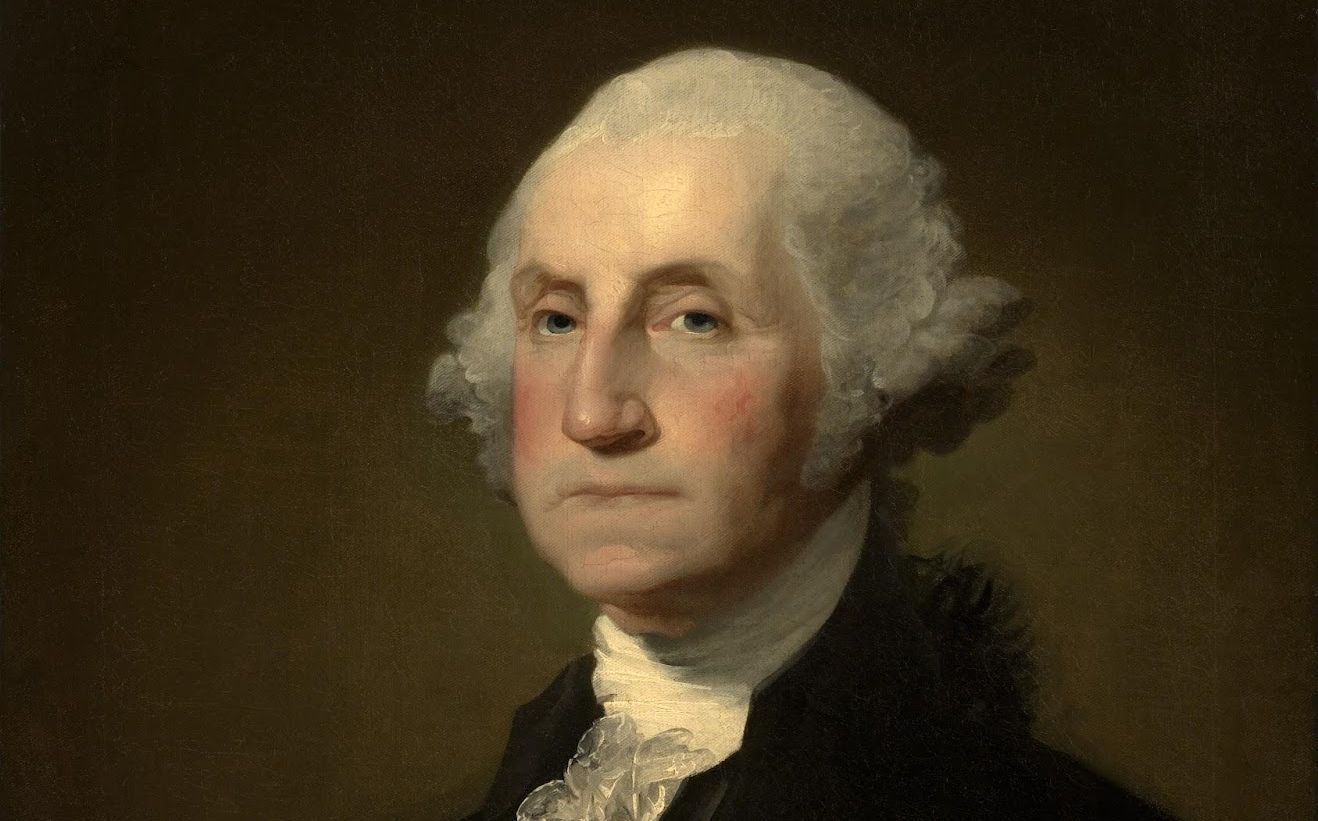
Image: Gilbert Stuart, Public domain, via Wikimedia Commons

In his 1796 Farewell Address, George Washington captured the guiding principles of his presidency with this phrase. For the first US president, fulfilling moral duties and, above all, acting with integrity were inseparable from true happiness.

Geography Geography 7 min read

LAND OF GHOSTS

Would You Visit Any of These Haunted Spots?

Image: Rythik

In the land of the free and the home of the brave, beneath the stars and stripes, lies a tapestry woven with threads of history, mystery, and the supernatural . From coast to coast, the United States boasts an array of haunted spaces like Alcatraz, or the Myrtles Plantation, where the echoes of the past reverberate through time, inviting the curious to delve into realms unknown.

In this article, we’ll go through the shadows and unveil the chilling tales of America’s most haunted spots . Join us if you dare!

1
The Stanley Hotel - Estes Park, Colorado

Image: Fern M. Lomibao

The majestic Rocky Mountains of Colorado, surrounded by towering peaks and crisp mountain air already set a specific scenario, don’t they? Now, in that already eerie landscape emerges The Stanley Hotel . If the name doesn’t ring a bell already, you can probably recognize it as the one in the novel-based movie "The Shining." But let us tell you, the real-life tales of this place are even more hair-raising than anything King could dream up.

Built by F.O. Stanley, a man with a penchant for the paranormal, the Stanley Hotel is dripping with history and intrigue.

Only a few steps inside it and you’ll feel it, an otherworldly vibe that sends shivers down your spine . Some say it’s the owner’s ghost lingering around. Others swear they’ve encountered apparitions wandering the corridors, lost souls searching for peace. Whatever it is, only the boldest souls will dare to find out, are you one of those?

2
Eastern State Penitentiary - Philadelphia, Pennsylvania

Image: Lance Anderson

Philadelphia is full of spots that witnessed the history of the country’s Independence. Amidst the cobblestone alleyways and colonial charm lies a place shrouded in darkness: Eastern State Penitentiary.

Once hailed as a revolutionary institution for its innovative approach to incineration, the Eastern State now stands as a crumbling relic of the past. But don’t let its dilapidated facade fool you, this place is teeming with ghostly energy.

Step through the iron gates, and you’ll feel it immediately, a sense of unease you can’t just shake. They say the spirits of former inmates still haunt these crumbling halls , trapped between this world and the next.

Eastern State Penitentiary is a playground for the paranormal enthusiast. But beware, for not all who enter emerge unscathed. Are you brave enough to confront the ghosts of the Eastern State? Yours is the choice!

3
The Myrtles Plantation - St. Francisville, Louisiana

Image: David Hertle

In the heart of the south, you will find sprawling plantations and moss-draped oak trees. It is a picture-perfect scene straight out of a Southern Gothic novel. But, within the beauty lies a dark secret: The Myrtles Plantation.

At plain sight, this place seems like something out of a fairytale , it has stately columns and picturesque gardens. But that is not all, this place has a sinister side as well and the feeling you are not alone is always there.

But perhaps the most chilling part of all is the infamous "mirror room," where the spirits of the dead are said to be trapped for all eternity . If you are craving a taste of Southern hospitality with a side of spine-tingling thrills, the Myrtles Plantation awaits.

4
The Queen Mary - Long Beach, California

Image: Bradley Pisney

The history behind RMS Queen Mary takes different turns, from luxurious to creepy in just one lifetime. Initially, this ship served in the war, and it later transitioned to its opulent role, welcoming esteemed passengers across the vast seas. This first part of its story is not free of tragedy and mystery. For example, one incident involves a sailor who met his end crushed by a door in the engine room , while others recount the loss of children in the ship’s pool.

As of 1967, the Queen Mary belongs to Long Beach which acquired it and transformed it into a hotel that continues to charm guests to this da y. Yet, along with its hospitality, the ship harbors whispers of spectral inhabitants, ghostly remnants of its tumultuous past.

However, they have used it to its favor since the ship offers a visit and guided tours to explore the place around, ghosts and everything!

5
Alcatraz Island - San Francisco, California

Image: Rodrigo Soares

The San Francisco Bay, the iconic Golden Bridge, PIER 39, San Francisco is filled with marvelous places to visit . Just as marvelous is the fact that one of the scariest spots, not to mention haunted, is located there as well. Just the name is creepy enough, don’t you think so?

Alcatraz was once the prison where America’s most notorious criminals were sent. And, today, it is home to a thousand ghostly anecdotes. According to them, Alcatraz is haunted by the ghosts of its former inmates, who weren’t necessarily meek as lambs!

The curious thing is that it’s not just the prisoners who refuse to leave, or at least that’s what one can assume. Visitors and park rangers alike have reported eerie encounters with unexplained phenomena, especially inexplicable sounds echoing through the empty corridors.

6
The Whaley House - San Diego, California

Image: Phil Hearing

In 1857, against the backdrop of San Diego’s burgeoning landscape, Thomas Whaley built up his family house on the historic ground of the city’s original public gallows. Now, legend has it that as soon as they settled into their new abode, Whaley began to experience mysterious phenomena , to say the least. He reported hearing the echoing footsteps of "Yankee" Jim Robinson, a notorious drifter, who met his end at the very site four years prior to the construction of the house.

However, the haunting tales did not cease with Robinson’s spectral presence. Tragedy seemed to shadow the Whaley family, with a series of untimely deaths and suicides befalling several members of the family inside the house. To this day, whispers persist of apparitions roaming the halls, often accompanied by the unmistakable scent of cigar smoke and heavy perfume.

7
San Fernando Cathedral - San Antonio, Texas

Image: Priscilla Fraire

San Fernando Cathedral stands as the oldest church in the state, it hosts the unique El Mariachi Mass every Sunday. Its Gothic Revival architecture is a sight to behold. However, as darkness falls, the atmosphere around it takes on a creepy aura and only the bravest souls are willing to venture onto its myth-laden grounds.

In 1936, during structural renovations, construction workers made a chilling discovery near the altar: bones, nails, and tattered military uniforms, believed by some to have belonged to three soldiers of the Alamo.

Since the unsettling event, reports of shadowy futures and orbs appearing in photographs have circulated among visitors, along with sightings of ghosts within the church itself. Among these spectral sightings are accounts of mysterious men dressed in black and hooded figures reminiscent of monks, adding to the cathedral’s mystique.

8
Sheffield Island Lighthouse - Norwalk, Connecticut

Image: Randy Laybourne

This lighthouse was erected in 1868 and it served as a beacon for ships navigating the waters to reach Sheffield Island , a mere 45-minute ferry journey from South Norwalk. This historic landmark harbors a somber history.

In 1972, tragedy struck when the lighthouse’s original keeper passed away under mysterious circumstances while scanning the horizon with a spyglass, his demise shrouded in unanswered questions. Nearly two decades later, in 1991, an archaeologist conducting preservation work on the site uncovered unsettling occurrences. Eerie melodies, distant pleas for assistance, and the unmistakable sound of a foghorn.

Legend has it these phenomena are attributed to the relentless spirit of Captain Robert Sheffield, the enigmatic figure who acquired the islands in the early 1800s and reputedly possessed a penchant for peculiar musical instruments, adding an aura of mystique to this maritime marvel.

9
Winchester Mystery House - San Jose, California

Image: Kelly Zhang

The Winchester Mystery House stands as a testament to Sarah Winchester's unique response to tragedy. After losing her husband and child, Sarah was convinced by a seer that her family's demise was orchestrated by vengeful spirits seeking retribution for deaths caused by Winchester rifles.

Intending to keep these spirits at bay, she embarked on an elaborate construction project that resulted in the eerie mansion known today . Among its unsettling features are staircases leading to nowhere, doors opening onto solid walls, and windows revealing hidden passages, all perpetuating the house's mystique and intrigue.

Exploring this enigmatic abode offers a glimpse into Sarah Winchester's profound grief and her quest for solace among the paranormal.

10
Emily’s Bridge - Stowe, Vermont

Image: Xiaocong Yan

In picturesque Stowe, Vermont, located among the charming covered bridges that dot New England’s landscape, there is one that harbors a chilling tale: Emily’s Bridge.

It is only 50 feet long, but this bridge has become synonymous with a tragic legend dating back to the mid-1800s.

As the story goes, a young woman named Emily was meant to rendezvous with her lover there for an elopement, but he never arrived . Devastated Emily took her own life, by hanging herself from the rafters. Yet, her spirit is said to linger, casting a sinister presence over the bridge. Locals tell Emily’s ghost allegedly torments passersby by clawing at their cars and leaving behind scary scratches.

Among the tales of spectral hauntings, sightings of a ghostly figure in white and inexplicable sounds echoing from the tunnel only add to the bridge’s macabre mystique.

History History 6 min read

Saddle up, partner

Do you know what cowboy life was like? These 11 facts might surprise you

Image: Jordan Crawford

"Oh, give me a home where the buffalo roam,

Where the deer and antelope play,

Where never is heard a discouraging word

And the sky is not clouded all day."

Home on the range - Traditional

If you grew up **dreaming of "being a cowboy and loving the cowboy ways"**—just like the great Willie Nelson sang—maybe that’s the life for you! But not everything is rosy in a cowboy’s life. Behind the romanticized image of wide-open ranges and carefree cattle drives lies one of the toughest jobs ever known. From brutal weather to dangerous animals—and lawless characters of all kinds —those who took this path had their strength, endurance, and grit tested daily. Here are 11 facts that reveal just how grueling life was for these iconic figures of America’s West.

1
Relentless weather

Image: Donnie Rosie

"There's a blizzard coming on, how I'm wishing I was home

For my pony's lame, and he can't hardly stand.

Listen to that norther sigh, if we don't get home we'll die.

But it's only seven miles to Mary Ann's"

The Blizzard - Jim Reeves

Across the plains from Texas to Montana, cowboys faced everything nature could throw at them —from scorching sun to freezing snowstorms and deadly tornadoes. The elements were a constant, unforgiving adversary in this rugged way of life.

Cowboys had to fear not only for their own lives but also for the lives of their cattle —and reining in a panicked herd during a lightning storm was certainly no walk in the park. Even today, with modern gear and technology, those who still drive cattle must rely on their instincts and skill to survive in the wilderness.

2
Dangerous animals

Image: Duncan Sanchez

"Lightning a flashin' everywhere

Thunder a rollin' through the air

Wind and rain, cattle look insane

This herd might stampede tonight"

Stampede - Sons of the Pioneers

Just as the weather tested their endurance, managing both wild and domesticated animals was no easy task. From wild predators to angry bulls, nervous bucks, and rattlesnakes hiding in the tall grass, the cowboy’s world was full of lethal threats.

Stampedes could scatter thousands of cattle in seconds, leaving riders vulnerable to trampling or injury. Even on the relative safety of the ranch, one wrong move could quickly end in tragedy.

3
Limited medical care

Image: Mathieu Stern

"Far away from his New England,

'Neath the southern sultry skies,

On the banks of a little river

They lay him down to die"

The Dying Cowboy - Traditional

An inherently dangerous job, cowboy life inevitably meant that injury was part of the work. Falling from a horse or taking a kick could incapacitate a cowboy for days or weeks, and with no formal workers’ compensation, many had to keep working despite the pain.

Cuts, broken bones, and infections could quickly turn deadly without proper treatment. Many cowboys learned rudimentary medical skills themselves or relied on frontier doctors with minimal supplies. Even today, those working in remote areas are hours away from medical help.

4
Grueling work hours

Image: Bailey Alexander

"Oh say, little dogies, why don't you lay down? [...]

My horse is leg-weary and I'm awful tired

But if I let you get away, I'm sure to get fired

Bunch up, little dogies, bunch up"

Night Herding Song - Harry Stephens

Cattle drives demanded 14 to 18-hour days with barely any rest. Cowboys often worked dawn till dusk, and sometimes even through the night.

The long days involved walking alongside thousands of cattle, breaking trail, and maintaining herd order. Sleep was often just a few hours, squeezed in wherever possible on the open range or near a campfire.

5
Horseback riding

Image: Jon Sailer

"He started his long ride in Prescott

The sun was a hundred or more

On down he rode at full gallop

Into the flat desert floor"

Ride, Cowboy, Ride - Marty Robbins

That brings us to the next point… all of that had to be done on horseback, and let me tell you, riding a horse for hours on end is much harder than it looks! Expert riders may make it seem effortless, but it’s far from easy.

Cowboys needed strong legs, resilient backs, and excellent balance. Horses could become tired or lame, but the cowboy had to press on regardless, often swapping mounts to keep the drive moving.

6
Limited food options

Image: Blake Carpenter

"Bacon and beans most every day

Soon to be eating that prairie hay"

Chisholm Trail - Traditional

Meals were often sparse and repetitive, mostly beans, salted meat, and hardtack. Cooking was done over open fires, with limited tools, and fresh food was a luxury rarely available.

Preserving meat through salting or smoking was essential for long drives. Still, fresh produce was so scarce that vitamin deficiencies—and even scurvy—could develop in some cases.

7
Water scarcity

Image: Jonathan Greenaway

"All day I've faced a barren waste

Without the taste of water

Cool water

Old Dan and I with throats burned dry"

Cool Water - Bob Nolan

Particularly in the arid southern regions of the West, finding clean water was a daily struggle for both cowboys and cattle—a dry creek could mean the difference between reaching the next stop or falling behind entirely.

While most cowboys were savvy navigators of their regions and often knew where to find drinking water, water holes could still be miles apart, forcing long detours or risky stops. Drinking from stagnant sources carried serious risks, including dysentery, cholera, and other waterborne diseases that could quickly incapacitate both men and animals.

8
Long, dusty trails

Image: Bailey Alexander

"The blue skies have failed so we're on our last trail

Underneath these dusty skies

These ain't tears in my eyes

Just sand from these dusty skies"

Dusty Skies - Bob Wills

Cattle drives could stretch over 1,000 miles, with cowboys and their herds enduring endless dust and scorching heat along the trail.

Prolonged exposure to dust caused respiratory problems and irritated eyes, which is why many cowboys tried to limit their exposure using bandanas or makeshift rags to cover their faces. The same cloth also provided protection from the unforgiving sun and drying wind.

9
Lawlessness and violence

Image: Jon Sailer

"Texas Red had not cleared leather

When a bullet fairly ripped

And the ranger's aim was deadly,

with the big iron on his hip"

Big Iron - Marty Robbins

As beautiful and serene as the open range was, the West was also full of danger—outlaws, land disputes, and conflicts over cattle and water were common. Far from the comforts of civilization, the strong arm of the law was often hours or days away, making gunfights, rustling, and revenge killings part of everyday reality.

Cowboys frequently carried firearms for protection, relying on their own skills and the support of their fellow riders to maintain some measure of security on the frontier.

10
Working for dust and pennies

Image: Ashim D’Silva

"And I nearly starved to death, boys

He did mistreat me so

And I never saved a dollar

In the pay of Diamond Joe"

Diamond Joe - Traditional

Despite the danger and hard work, cowboys earned little—sometimes as low as $25 a month, and that was when the boss was being somewhat fair!

The job was seasonal and unstable, with no benefits or retirement plans, so many worked well into old age. Some took on multiple jobs or moved frequently just to get by. Far from lucrative, the cowboy lifestyle was often endured only by those who loved the work or had nowhere else to turn.

11
Isolation and loneliness

Image: Luke Schlanderer

"Cowboys are special with their own brand of misery

From bein' alone too long

You can die from the cold in the arms of a night, man

Knowin' well that your best days are gone"

My Heroes Have Always Been Cowboys - Willie Nelson

While the near-mythological image of the cowboy paints him as a lone, self-reliant hero, the reality is that cowboys depended heavily on one another. Even so, the work could be deeply isolating. Weeks could pass without seeing a town, friends, or family, as they roamed vast, empty landscapes.

This constant solitude often weighed on their mental health, but many fought the loneliness of the trail with campfire songs shared among fellow cowhands or by writing letters to their loved ones.

Explore more American facts

Choose your favorite category!

General
General

As American as apple pie—the very best America has to offer!

Culture
Culture

Delve into the astounding richness of American lore.

Geography
Geography

Hop in and explore vast and diverse American landscapes.

History
History

Discover the key moments that shaped the United States.