Geography Geography 4 min read

New identities

Rebranded: 10 US cities that changed their names and the reasons why!
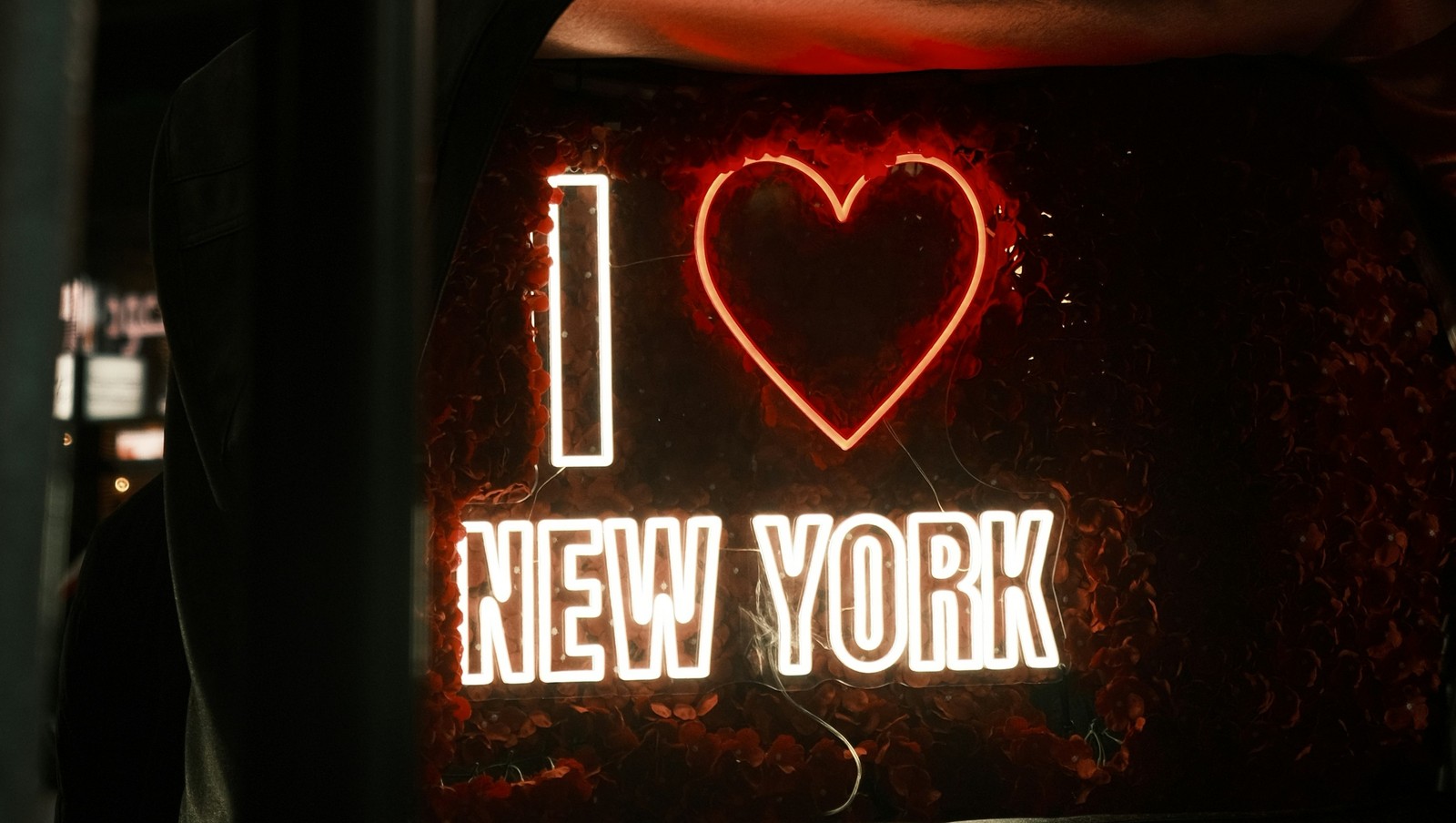
Image: Jon Tyson

Can you picture cheering for the New Amsterdam Giants or the Jernigan Magic ? We can’t either! Cities like New York, Orlando, and Los Angeles are staples of American identity—we can’t imagine the country without them. But believe it or not, some of these cities had different names in the past! Join us as we explore 10 US cities that once went by different names and discover the reasons behind their transformations.

1
Los Angeles, California

Image: Venti Views

The Spanish settlers who arrived in the area in the 18th century originally named it El Pueblo de Nuestra Señora la Reina de los Ángeles , which translates to "The Town of Our Lady the Queen of the Angels." Elegant, but kind of a mouthful for a town name! Over time, the Spanish name stuck, but it was shortened to the more practical "Los Angeles." The city officially adopted this name when it was incorporated in 1850, the same year California became a state.

2
New York City, New York

Image: Colton Duke

Before becoming the one and only New York we know today, the city went by a different name. In the 17th century, the Dutch settlers who arrived in the area called it New Amsterdam . However, when the English seized control in 1664, they renamed it New York in honor of the Duke of York.

3
Seattle, Washington

Image: Michael Discenza

Seattle is more than its iconic Space Needle; it has a long history that shaped the city we know today. When European settlers arrived in the area in 1851, they named their settlement New York and added the Chinook word Alki , meaning "by and by," "someday," or "later," suggesting it would one day become as big as New York City. However, in 1852, they changed the settlement’s name to Seattle in honor of Chief Sealth, a Duwamish and Suquamish leader.

4
Portland, Oregon

Image: Zack Spear

Early settlers referred to the area as The Clearing because it stood out from the dense forests typical of the Pacific Northwest. But in 1845, an event occurred that would change everything. Portland’s two founders, Asa Lovejoy from Boston, Massachusetts, and Francis W. Pettygrove from Portland , Maine, each wanted to name the new settlement after their hometown. So how did they decide? Simple: they flipped a coin . Of course, you know who won!

5
Kansas City, Missouri

Image: Farhodjon Chinberdiev

Kansas City was originally founded as the Town of Kansas in 1850, named for its location near the Kansas River. As it quickly grew, it was reincorporated just three years later as the City of Kansas . Finally, in 1889, it officially became Kansas City.

Fun fact: Kansas City, Missouri, was actually founded before the state of Kansas!

6
Charleston, South Carolina

Image: Tyrone Sanders

Before it became the city we know today, Charleston had another name, though not so different. When it was first settled in 1670, the English named it Charles Town in honor of King Charles II. However, over time, the name gradually evolved in pronunciation to Charleston. In 1783, after the Revolutionary War, the city was officially renamed Charleston.

7
San Diego, California

Image: Sean Mullowney

San Diego was the first site on the US West Coast settled by Europeans, which is why it's often called "the Birthplace of California." When Spanish explorers arrived in the area in 1542, they named the bay after a different saint: San Miguel . But years later, in 1602, explorer Sebastián Vizcaíno renamed it San Diego, in honor of San Diego de Alcalá (Saint Didacus of Alcalá).

8
Orlando, Florida

Image: Aditya Vyas

In 1840, the first settlers arrived in what we know today as Orlando. They were the Jernigan family, who named the place after themselves. A post office with that name was even established in 1850. However, about 6 years later, Jernigan officially changed to Orlando. Although the exact reason isn't entirely clear, there are several theories. A popular one claims it was named after Orlando Reeves, a soldier who may have died in the area during the Seminole Wars. Another well-known theory suggests the name came from Orlando , a character in Shakespeare’s As You Like It .

9
Cincinnati, Ohio

Image: Matt Koffel

In the 1780s, the first settlement in this area was called Losantiville , a name created from a mix of words meaning "The town opposite the mouth of the Licking River." But in 1790, the first governor of the Northwest Territory, who was also a member of the Society of the Cincinnati (named in honor of the Roman general Lucius Quinctius Cincinnatus), disliked Losantiville and decided to change it to its present name.

10
Atlanta, Georgia

Image: Christopher Alvarenga

Atlanta didn't just have one or two names; it had three! By the mid-19th century, the area where the city stands today had become a transportation hub where several railroad lines converged. Because of this, in 1837, the area was called Terminus , meaning "the end of the line." Then, in 1843, the name was changed to Marthasville , in honor of Martha, the daughter of Georgia Governor Wilson Lumpkin. Finally, just two years later, the city was renamed Atlanta. This name is believed to be a shortened form of "Atlantic," referring to the Western and Atlantic Railroad.

Geography Geography 4 min read

Summoning freshwater landscapes

Which one is the “Queen of American Lakes”? Most visited lakes in the US

Image: Mathilda Khoo / Kalen Emsley

The seaside and mountains often take the crown as the most popular spots in our country. But with their hiking trails, glistening waters, and quaint coastal towns, the country’s lakes are never far behind. Let’s take a look at the 15 most visited lakes in the U.S. How many have you been to?

1
#15 - Lake Michigan (Illinois, Indiana, Michigan, Wisconsin)

Image: Adam Bouse

Lake Michigan is a stunning natural treasure. Towering sand dunes, pristine beaches, and urban centers line up along its shores. Visitors flock to breathtaking hiking trails, like the ones in Sleeping Bear Dunes National Lakeshore .

The lake's expanse touches several major cities, including Chicago, Milwaukee, and Traverse City, which explains the endless flow of tourists arriving each year.

2
#14 - Flathead Lake (Montana)

Image: Josiah Gardner

Flathead Lake is a peaceful haven nestled between Glacier National Park and the Mission Mountains. Its vast, crystal-clear waters are ideal for boating, fishing, swimming, and kayaking.

Surrounding small towns like Polson and Bigfork welcome visitors with their charming shops, restaurants, and art galleries. Visitors can also join boat excursions to Wild Horse Island, where bighorn sheep and wild horses roam.

3
#13 - Lake Champlain (New York, Vermont)

Image: Ronan Furuta

Lake Champlain is the choice for history fans. Its guided tours explore the region’s rich history , including Revolutionary War sites and stories of naval battles fought on the lake.

The lake spans the border between New York and Vermont, with nearby towns such as Burlington and Plattsburgh, which offer waterfront dining and quaint streets.

4
#12 - Grand Lake (Colorado)

Image: Ellery Sterling

This is the largest natural lake in Colorado. Right by Rocky Mountain National Park, Grand Lake offers a serene escape into the state’s breathtaking wilderness.

The town of Grand Lake is also known for its historic boardwalk and artistic community . The area is particularly popular during winter when visitors can enjoy snowshoeing, ice fishing, and proximity to ski resorts.

5
#11 - Lake Okeechobee (Florida)

Image: Heiner

Known as Florida’s "Inland Sea," Lake Okeechobee is the state’s largest freshwater lake.

Herons, egrets, and ospreys can be spotted here. The lake also offers some of the best bass fishing in the country, which has turned it into a world-famous spot for fishing enthusiasts.

6
#10 - Lake George (New York)

Image: Bill Alexy

Sparkling waters surrounded by the Adirondacks, Lake George was dubbed the " Queen of American Lakes ." Visitors know it as a perfect spot for hiking, boating, and camping. The village of Lake George is a lively hub with restaurants, shops, and events like the annual Adirondack Balloon Festival.

7
#9 - Crater Lake (Oregon)

Image: velichor

Famous for its deep blue color and clarity, Crater Lake is the centerpiece of Crater Lake National Park. The lake formed within a collapsed volcano and is the deepest in the United States. Visitors can take guided boat tours to Wizard Island or explore hiking trails around the caldera.

8
#8 - Lake Powell (Arizona, Utah)

Image: Carmel Rossen

Lake Powell is a man-made reservoir straddling the Arizona-Utah border. It attracts approximately two million visitors yearly. A unique sight, this beloved destination is lined with striking geological formations like Rainbow Bridge, one of the world’s largest natural arches.

9
#7 - Lake Superior (Michigan, Minnesota, Wisconsin)

Image: Hans Isaacson

Of course, it’s on the list: Lake Superior is the largest of the Great Lakes and the world’s largest freshwater lake by surface area . Its vast expanse is lined with forests, rocky cliffs, and sandy beaches.

Visitors explore spots like Apostle Islands National Lakeshore, with its sea caves and historic lighthouses, or the charming town of Duluth, Minnesota, known for its shipping heritage and beautiful harbor.

10
#6 - Lake Havasu (Arizona, California)

Image: Jack Nueva

Lake Havasu straddles the Arizona-California border and offers an array of activities, from jet skiing and paddleboarding to relaxing on its sandy beaches. The nearby Lake Havasu City hosts famous events, including a hot air balloon festival and classic car shows.

11
#5 - Lake Tahoe (California, Nevada)

Image: Artur Westergren

In summer, visitors flock to Lake Tahoe's beaches for swimming, kayaking, and paddleboarding, while winter transforms the area into a skiing and snowboarding paradise . Nestled in the Sierra Nevada mountains, Lake Tahoe is renowned for its crystal-clear waters and vibrant nightlife.

12
#4 - Lake Mead (Nevada, Arizona)

Image: Brett Funk

Lake Mead is a reservoir formed by the Hoover Dam on the Colorado River. It’s not just the largest reservoir in the country by volume , but also a popular recreational hotspot.

Its sprawling waters and rugged desert surroundings attract boaters, anglers, and hikers, and its proximity to Las Vegas has certainly helped attract tourists.

13
#3 - Lake Erie (Michigan, Ohio, Pennsylvania, New York)

Image: Nicholas Mullins

As one of the Great Lakes, Lake Erie combines stunning coastal scenery with wineries and charming towns like Put-in-Bay, where visitors can tour historical sites and enjoy waterfront dining. The lake is also known for its diverse fish population, which has turned it into a top destination for anglers .

14
#2 - Lake Washington (Washington)

Image: Henry Fraczek

Lake Washington, near Seattle, is surrounded by affluent neighborhoods and parks. The lake is also home to floating homes , famously featured in the movie Sleepless in Seattle .

Visitors can explore nearby attractions like the University of Washington Arboretum and take guided boat tours offering views of Mount Rainier and the Seattle skyline.

15
#1 - Lake of the Ozarks (Missouri)

Image: Davis Patton

Known for its distinctive serpentine shape, Lake of the Ozarks features over 1,100 miles of shoreline. Osage Beach serves as the main hub for dining, shopping, and nightlife.

Another popular attraction is its nearby caves , some with unique phenomena like the Angel Showers, a constant shower of water dripping from the solid rock ceiling.

Culture Culture 5 min read

Jefferson uncovered

Jefferson: 10 fun facts about the Founding Father you thought you knew!

Image: David Trinks

We all know Thomas Jefferson, the Founding Father, the main author behind the Declaration of Independence, the third President of the United States, and the man who spearheaded the Louisiana Purchase. But in addition to all these impressive titles, Jefferson was also a man of many talents, tastes, interests, hobbies, and a few curious anecdotes. If you want to know more about The Sage of Monticello, stick around as we share 10 fascinating facts about the great Thomas Jefferson!

1
The sweet tooth

Image: Michelle Tsang

What's your favorite ice cream flavor? With so many options available today, it's hard to choose just one, right? Like us, Thomas Jefferson also loved ice cream. Not only that, he's often credited with making this treat famous in America.

The third US president discovered his sweet tooth during his time in France. It's impossible not to imagine Jefferson doing important paperwork with a bowl of ice cream on his desk. In addition, it's said that he often served the sweet dessert to his guests at the White House.

And that’s not all! A recipe for vanilla ice cream, handwritten by Jefferson himself, is still kept to this day in the Library of Congress.

2
The handshaker

Image: Erika Fletcher

It seems that Jefferson was a man who set trends and influenced fashions. Ice cream wasn’t the only custom that spread across the country thanks to him.

Today, the handshake is a very common and popular form of greeting. But this was not always the case. Before Jefferson's presidency, handshakes were less frequent, and people often used other formal greetings, such as bowing.

Jefferson argued that handshakes were horizontal and, therefore, more democratic. This belief illustrates how he integrated his principles into every aspect of his life, even small habits and customs.

3
The friend

Image: Joanna Kosinska

Thomas Jefferson and John Adams first met in 1775 at the Continental Congress in Philadelphia. Despite their differences, they liked and respected each other. Together, they were part of the committee that drafted the Declaration of Independence in 1776 and became even closer when they both served as diplomats in Europe during the 1780s. Jefferson later served as vice president to his friend Adams when the latter took office in 1797. Although they drifted apart after Adams' presidency, they reconciled in 1812, and their regular letters returned.

As if all this weren’t enough, they both died on the same day. And not just any day—both passed away on July 4, 1826, the 50th anniversary of the Declaration of Independence.

4
The polyglot

Image: Thomas Kelley

Can you speak more than one language? It's hard not to be impressed when you see a bilingual person developing their skills, right? And then there are those who speak three or four languages!

In this regard, Jefferson’s case is remarkable. The third president of our country was fluent in no less than six languages! In addition to his mother tongue, English, and the widely spoken French (which he used during his time as American minister to France in the 1780s), Jefferson also had strong skills in Latin, Ancient Greek, Italian, and Spanish. Furthermore, some sources suggest he also knew some German. A true polyglot!

5
The musician

Image: Baher Khairy

During his childhood in Virginia, Thomas Jefferson developed a strong interest in and passion for music. Music was a fundamental element in his home, and this art form was also a main part of his education.

The Father of the Declaration of Independence played the violin perfectly. His father, Peter Jefferson, taught him to play this instrument when Thomas was very young, and his talent only grew over the years.

Less frequently than the violin, Jefferson also played the cello—another stringed instrument known for its sophistication.

6
The architect

Image: Richard Hedrick

Jefferson's talents were even more varied! He was not only a polyglot and a musician but also an accomplished architect.

Thomas Jefferson played a major role in the design and construction of his plantation home in Virginia, the magnificent Monticello, which would later earn him one of his famous nicknames. Inspired by classical and Renaissance architecture, Monticello is considered one of the greatest works of American architecture. To add further merit to his work, Jefferson began the design of the plantation and its house in 1768, when he was only 25 years old!

Fun fact: Today, Monticello is a UNESCO World Heritage Site.

7
The family man

Image: Heike Mintel

If you're a family person, you'll love this aspect of Thomas Jefferson.

In addition to politics, business, and his many talents, Thomas Jefferson was also a devoted family man—and, we must say, he had quite a large family. But how big was his family? Jefferson was born to Peter Jefferson and Jane Randolph Jefferson and was the third of ten siblings.

In 1772, he married Martha Wayles Skelton, with whom he had six children. However, only two daughters survived to adulthood: Martha and Mary, who also gave him many grandchildren.

8
The farmer

Image: Stephen Radford

Agriculture was central to Jefferson's vision at the national policy level and also in his personal life.

Monticello was not only his home but also a 5,000-acre plantation where he experimented with different crops, including wheat, corn, tobacco, and various vegetables and fruits.

In addition, he was also an enthusiast of flower gardens. His interest in horticulture led him to import seeds and plants from around the world to experiment with in America!

9
The pet lover

Image: Dawn McDonald

Among his many qualities, his appreciation for animals truly stood out.

At Monticello, he had a variety of farm animals, including geese, turkeys, chickens, horses, cows, and pigs, all of which played an important role in maintaining the plantation. But his true love was for horses. He loved riding and spending time with them, both at his home in Virginia and even during his presidency.

It’s also said that he had a soft spot for birds. One of his most beloved pets was a mockingbird named Dick, who, according to historians, was allowed to fly around the house. Cute, isn't it?

10
The astronomer

Image: Matthew Ansley

Jefferson's interests and passions were not limited to earthly matters. In fact, he was an amateur astronomer. The stars and the cosmos sparked a deep curiosity in him.

In line with this interest, he developed a taste for telescopes, through which he could approach that mysterious object of study. He had several telescopes in his house and would spend hours and hours observing the night sky.

This inclination played a key role in the famous Lewis and Clark Expedition (1804-1806), as it’s believed that Jefferson provided precise astronomical guidance and instructions to the two explorers.

Explore more American facts

Choose your favorite category!

General
General

As American as apple pie—the very best America has to offer!

Culture
Culture

Delve into the astounding richness of American lore.

Geography
Geography

Hop in and explore vast and diverse American landscapes.

History
History

Discover the key moments that shaped the United States.