Culture Culture 3 min read

A-Listers ahead

From Spielberg to King: Who are Hollywood’s “Powers that Be”?
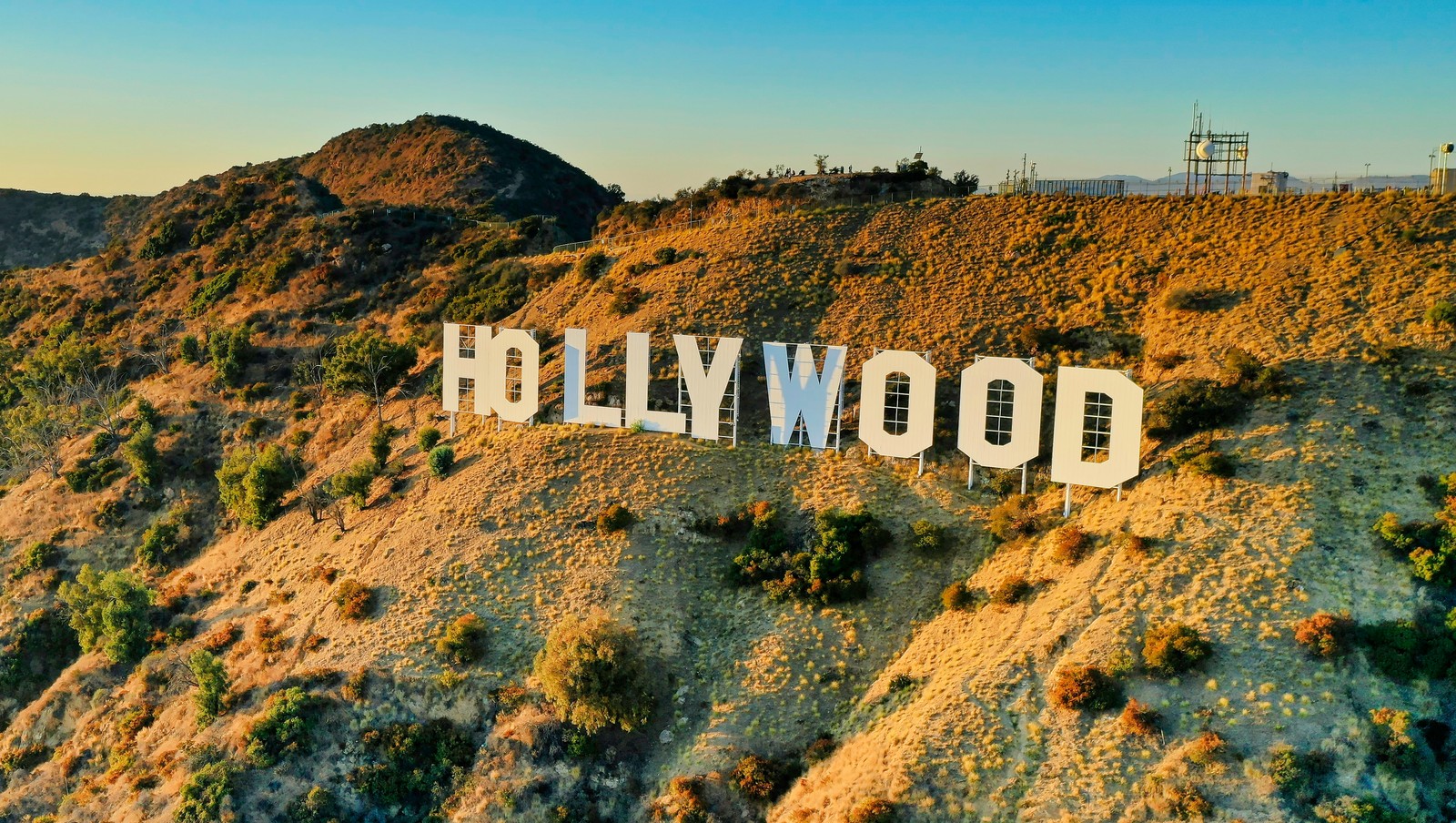
Image: Venti Views

If you have ever wondered who decides who wins an Oscar or why a certain movie had a sequel, you are not alone. Hollywood is filled with big fish who make billion-dollar decisions every day. Some of the names in this list you will know for sure, some will sound familiar, perhaps from the end credits of some film, and some you have probably never heard of. But they are all big Hollywood players who can shift tides, shape cultural trends, and make stars (or break them).

1
Kathleen Kennedy

Image: Thea Hdc

Kathleen Kennedy has been a part of many of the greatest movies of the last 35 years. She’s been involved with almost every Steven Spielberg movie since Raiders of the Lost Ark, but also Back to the Future, The Goonies, The Sixth Sense, and The Curious Case of Benjamin Button , to name a few. Also, she is the president of Lucasfilm following its sale to Disney.

2
Reed Hastings

Image: Jakob Owens

Netflix’s co-founder Reed Hastings is a big name in the entertainment business, helping distribute some of the world’s most-viewed television shows over the last years.

With a background in technology and software, Hastings capitalized on the changing media consumption behaviors and created something that took the media business by storm.

3
Bob Iger

Image: Clyde He

Quite probably the most influential person in Hollywood, Bob Iger presides over the industry’s largest and most influential entertainment business, the Disney brand. Add 21st Century Fox, Star Wars, Marvel, Pixar , and a few other things, and you have a modern-day media empire.

4
Kevin Feige

Image: Brands&People

Arguably the most successful film producer of all time, Kevin Feige has championed the superhero cinematic universe that has swept over Hollywood in the last decades, whether you like it or not.

5
Dana Walden

Image: J. Schiemann

Dana Walden was a key figure in Disney's acquisition of 20th Century Fox TV , which she built into a powerhouse over two decades. She is also in charge of ABC Studios, ABC Entertainment, Freeform, and Hulu .

6
Oprah Winfrey

Image: Ioann-Mark Kuznietsov

A true household name, Oprah Winfrey is one of America’s most trusted stars . She also writes bestsellers, has her own cable network (OWN), and is involved in infinite ventures in the entertainment landscape.

7
J.J. Abrams

Image: Billy Freeman

The name behind some of the biggest blockbusters of the last 30 years, J.J. Abrams, is one of the most sought-after directors and producers in all of Hollywood. He is responsible for movies like Armageddon, several Mission: Impossible installments, and a couple of Star Wars films , to name a few.

8
Shonda Rhimes

Image: Jakob Owens

As the creator and showrunner of Grey’s Anatomy, Bridgerton, Scandal, Private Practice, How to Get Away with Murder , and many other series, Shonda Rhimes has been a strong presence in Hollywood since the early 2000s and has been featured multiple times in the Times 100 Most Influential People on the World list.

9
Steven Spielberg

Image: Mirko Fabian

Probably the person most of us would expect to be on this list, Steven Spielberg has shaped America and the world’s pop culture with some of the most successful and influential films ever made . His presence has been a force to be reckoned with and a strong influence in Hollywood since the mid-1970s.

10
James Cameron

Image: Kyle Loftus

The man behind blockbusters like Titanic, Terminator, and Avatar , among many others, has kept himself busy diving to the deepest point in the ocean, creating documentaries, series, producing, directing, writing, and more for a few decades now and his work is embedded in pop culture, in a similar way to Spielberg and our next entry.

11
Stephen King

Image: Vitalii Onyshchuk

The man responsible for some of the biggest film classics, not just in the horror genre but in many others as well, didn’t even intend to go into the movie business in the first place.

As one of America’s more successful contemporary writers, Stephen King has created stories that started as bestsellers and eventually found their way into Hollywood. From Carrie, Cujo, Pet Sematary, The Shining, to Shawshank Redemption, The Green Mile, Stand By Me , and countless others, his stories are the basis for some of the biggest blockbusters that Hollywood has ever seen.

Geography Geography 4 min read

Explore USA!

National Parks 101: Learn how to make the most out of your next visit

Image: Kristina Wagner

The infinite generosity of America’s great outdoors is almost impossible to fully embrace. Its landscapes offer some of the most varied experiences available anywhere in the world, and the national parks are arguably the best places to explore them. These natural wonders draw huge crowds year after year, so some basic tips can help you make the most of your visit. Take a look at the following 15!

1
Choose your destination

Image: Annie Spratt

Unless they have a specific destination in mind, narrowing down the large list of national parks should be the first item on the list of any aspiring visitor. Fortunately, the National Park Service has a helpful section on its website called 'Find A Park,' which allows users to select a park from the list or search for parks by state, activity, or topic.

Once you've decided where you're headed, check for maps, calendars, directions, hiking trails, and operating hours. Additionally, when choosing your perfect destination, consider exploring some under-the-radar parks, which might offer more solitude and less crowded experiences.

2
Check the weather

Image: Inge Maria

Almost nobody wants to be caught off guard by rain when spending time outdoors. Therefore, always check the weather conditions in advance so you can prepare accordingly or reschedule if necessary.

Even if the weather seems favorable in the morning, a thunderstorm could roll in during the afternoon, so it’s best to be prepared.

3
Pack smart

Image: Alice Donovan Rouse

Life in nature is not the same as life in the city. As basic as that statement might seem to most, watching people attempt to hike through rocky trails in impractical footwear reminds us that perhaps it isn’t so obvious.

Therefore, when exploring nature, make sure to bring durable, comfortable gear . Essentials include hiking boots, sunscreen, waterproof jackets, and layered clothing. Even if you don't plan to be out for long, always bring essential supplies like a first aid kit, water, and snacks whenever you visit a national park.

4
Link parks together

Image: John Matychuk

Many parks in the U.S. are within a short driving distance of each other , so it is always a good idea to visit several national parks in the same area. This way, you’ll experience a bunch of different landscapes in one single trip.

5
Historic accommodations

Image: Igor Chitz

Many national parks have historic lodges within their grounds . Featuring natural materials and stunning designs, these accommodations offer a unique experience worth staying in for a night or two. Keep in mind that booking a room can be challenging, and availability may be limited.

6
Free nature

Image: Kalen Emsley

In a world where almost everything comes with a price, it’s refreshing to know that most national parks are free . And the ones that do, charge a modest fee, ranging from $5 to $35, which typically covers up to seven days for an entire carload of people.

7
Pets

Image: Jamie Street

Our furry friends aren’t always welcome in national parks. If you're traveling with pets, be sure to check the park’s policies. Many parks allow pets on leashes in certain areas , such as campgrounds, and some even offer kennels. However, it’s important to research this in advance.

8
Try to avoid peak seasons

Image: Sebastian Enrique

The summer months are typically the busiest time of year at national parks . Visiting popular parks during the off-season means fewer crowds and lower rates. October is considered an ideal time to visit most national parks, as it’s quieter and the weather is pleasant.

Even if you visit a national park during the high season, you can still avoid crowds by arriving early in the morning before most tourists or visiting in the middle of the week to avoid the weekend rush.

9
Tours and campground reservations

Image: Yuriy Rzhemovskiy

In the same vein as the peak season commentary, making tour and campground reservations is always a good idea. Accommodations tend to fill up early, but online reservations are easy to make . Booking in advance will ensure you get the accommodations and experiences you want.

10
Check out the visitor center

Image: Blake Wisz

While many people tend to pass by the visitor center kiosk without giving it a second glance, doing so at a national park can be a very useful stop. You can pick up maps, guides, and up-to-the-minute information on everything from road conditions to hiking trails, as well as learn about special programs offered at the park.

11
Ask the locals

Image: Taylor Flowe

Nobody knows more about the parks than the park rangers who work there every day. They are highly knowledgeable about everything there is to know about their park and are always ready to assist visitors in any way they can.

12
Keep your distance from animals

Image: Elizabeth Meyers

This should be a no-brainer, but it's worth repeating: be respectful of wild animals and keep your distance. The animals you may encounter in some national parks are not captive in a zoo. These animals are in their natural habitat and behave accordingly .

13
Respect nature

Image: harun asrori

Another simple tip: national parks are protected areas where the preservation of nature and entire ecosystems is critical. Therefore, it's essential to follow all park rules during your visit , including staying on designated trails, respecting wildlife, not littering, and being considerate of fellow travelers. This way, national parks will continue to thrive for generations to come.

14
Be mindful of campfires

Image: roya ann miller

Continuing with the obvious tips, we can't leave this one out: unattended campfires pose a serious threat. Help prevent forest fires by never lighting campfires in prohibited areas and always ensuring that authorized fires are properly extinguished.

15
Embrace the digital disconnect

Image: Philip Smart

National parks are places where visitors go to connect with nature, not with their cell phones. Besides, cell service in these areas is often limited. The last tip on this list is always an obvious one, at least for us: put your phone aside and experience the world with your own eyes , which have a much better quality than the best phone ever built.

Culture Culture 7 min read

The Crossroads of the World

From "Satan's Circus" to 50 million visitors: 10 Times Square secrets

Image: Roberto M.

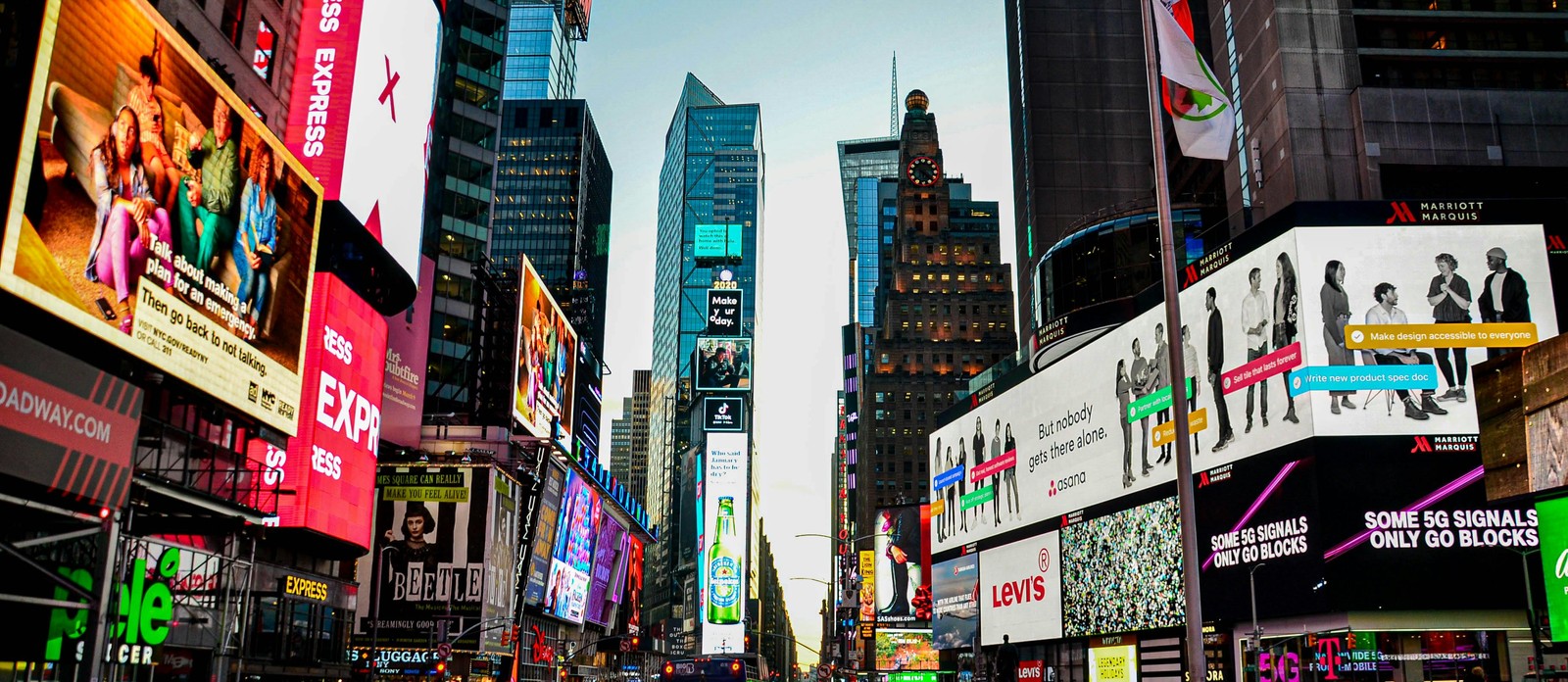
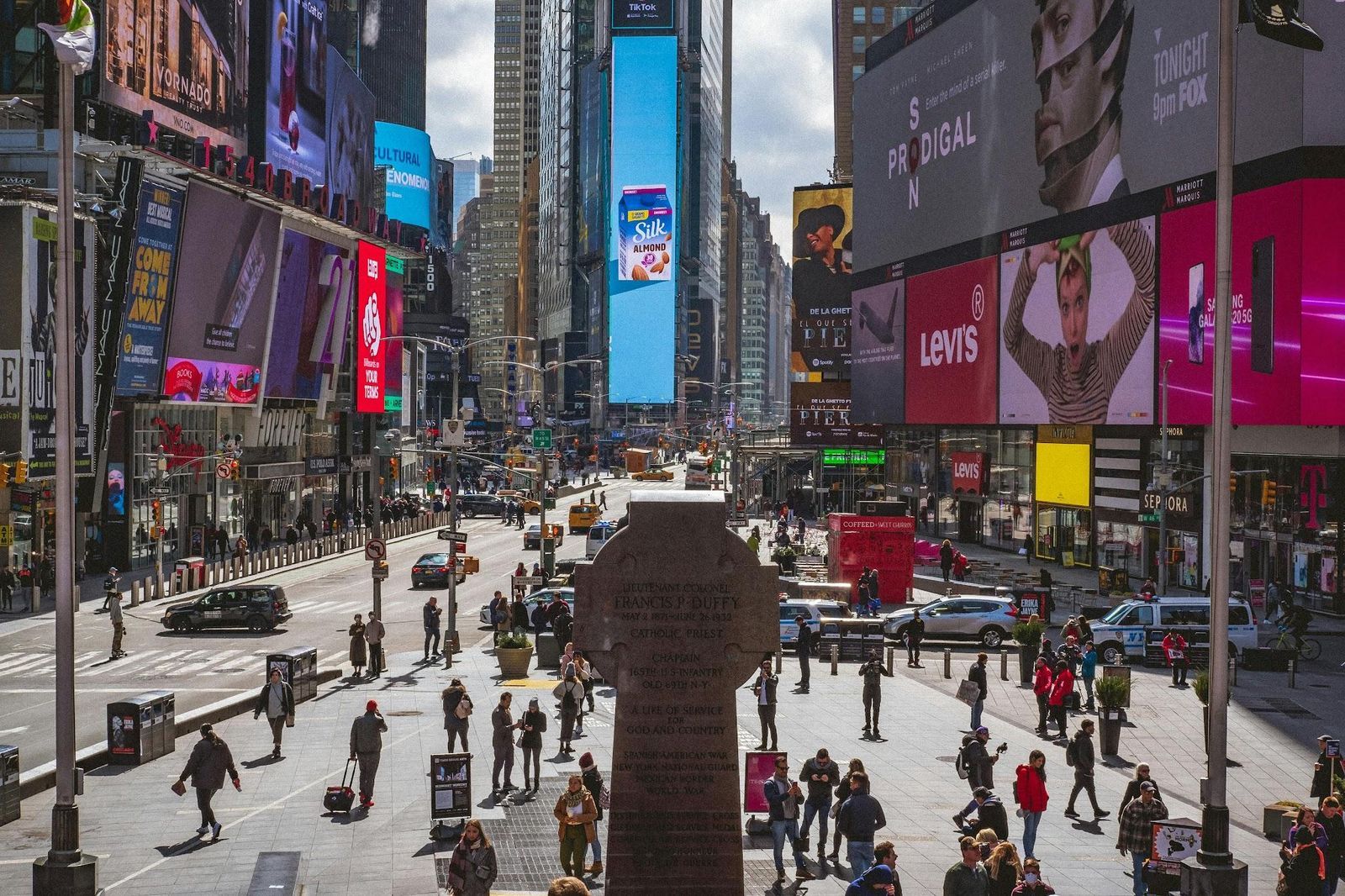
You've seen Times Square on TV a thousand times. You may have even stood there. But there are plenty of secrets about the site that most people don’t know. For example, the building that the world watches every New Year's Eve is almost empty inside. The red stairs everyone poses on are actually a roof. The ball only exists because the city banned fireworks in 1907. And before any of that, the neighborhood was so vice-ridden that locals called it "Satan's Circus." Here are 10 facts about the most visited place in America.

1
The ball drop only exists because the city banned fireworks

Image: Anthony Quintano, CC BY 2.0, via Wikimedia Commons

New Year’s Eve celebrations began in Times Square as early as 1904. That year, New York Times owner Adolph Ochs threw an extravagant fireworks party to christen the paper’s new headquarters.

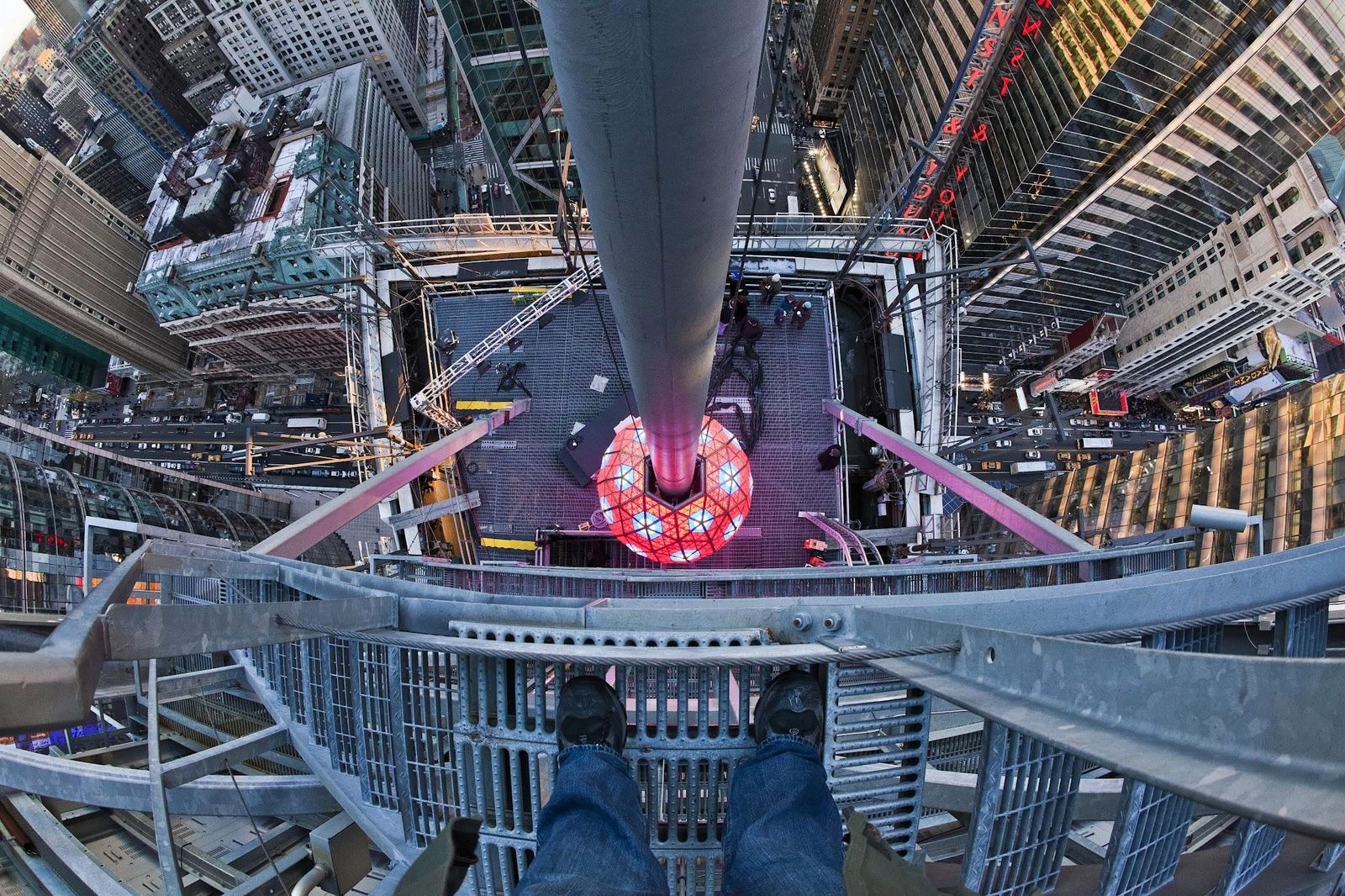
Two years later, the city banned fireworks over fire hazard concerns. Ochs’ chief electrician, Walter Palmer, proposed a "time-ball" to replace the pyrotechnics. This would imitate a navigational device used by ships. So, on December 31, 1907, a 700-pound iron-and-wood ball, five feet in diameter, lit by 100 twenty-five-watt bulbs, made its first descent from the flagpole atop One Times Square.

The tradition has continued every year since, except in the wartime dimouts of 1942 and 1943. Today’s ball is the ninth version and is the largest ever: 12.5 feet wide, weighing 12,350 pounds, and covered in 5,280 handcrafted Waterford crystal discs.

2
It used to be called "Satan’s Circus"

Image: Miscellaneous Items in High Demand, PPOC, Library of Congress, Public domain, via Wikimedia Commons

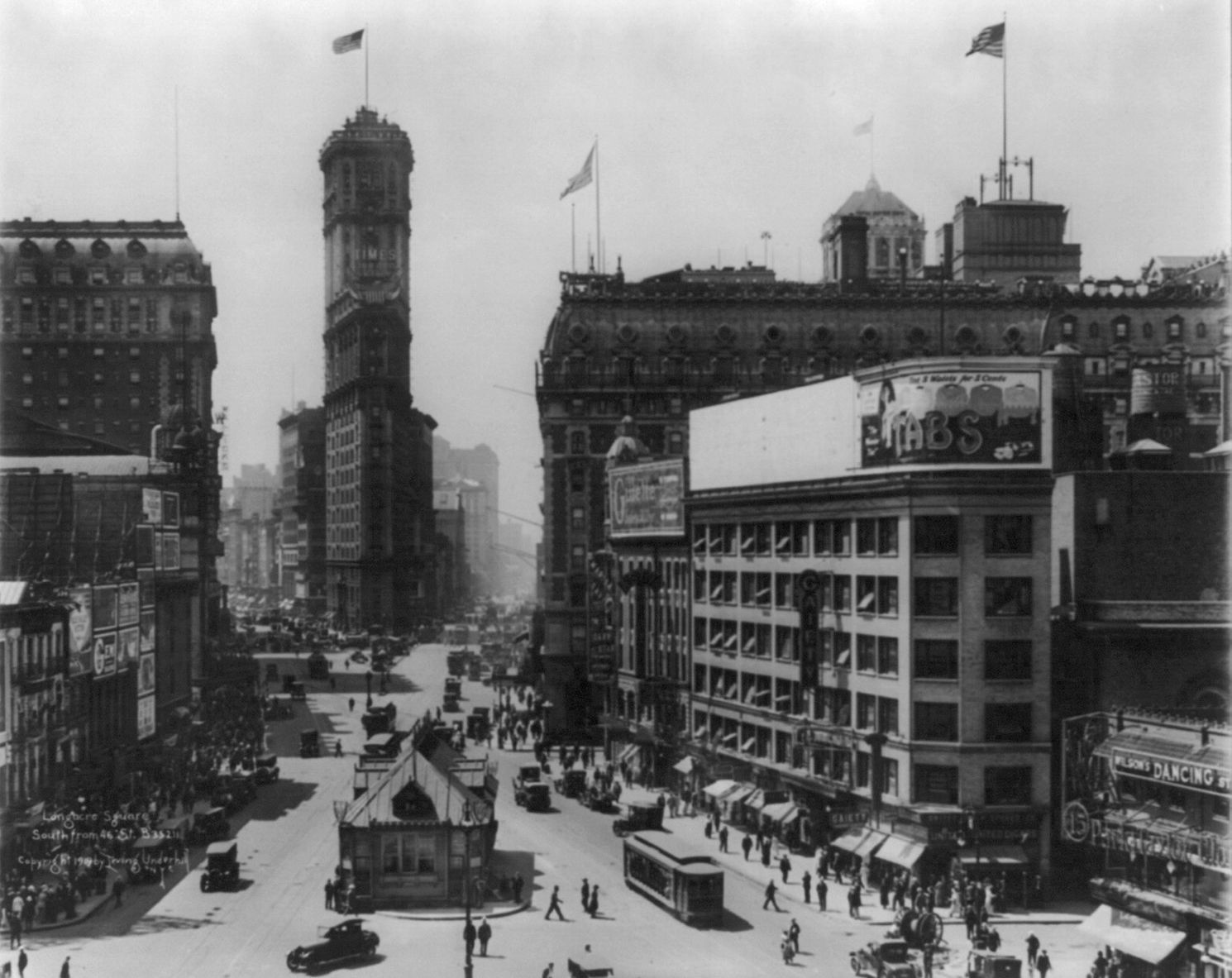
The area was once called Longacre Square, named after London’s carriage district, because the neighborhood was the center of New York City’s horse carriage industry. It was also one of the most vice-ridden corners of Manhattan. In 1901, the surrounding blocks contained 132 brothels and at least as many saloons. Police called the area "the Tenderloin." Locals called it "Satan’s Circus."

The transformation began when the New York Times decided to build its new headquarters there, betting on the city’s first subway line, which was already planned to run beneath the block. In 1904, the area was officially renamed Times Square in a public ceremony. Later that year, the newspaper moved into its gleaming new tower, then the city’s second-tallest building. The Times only stayed there for 9 years before relocating to larger offices on West 43rd Street. But the name it left behind proved permanent.

3
It was once one of the most dangerous blocks in America

Image: Charles A. Pickup

While it lost its "Satan’s Circus" nickname long ago, the tourist-friendly Times Square most visitors know today is almost unrecognizable from what it was just four decades ago. By 1984, more than 2,300 crimes were being committed every year within a single-block radius.

The streets were dominated by drug dealers, street crime, porn and peep show theaters, and open prostitution. The TKTS discount theater ticket booth, opened in 1973, was conceived as an emergency measure, an attempt to pull foot traffic back into a neighborhood that businesses had abandoned. The City of New York and the State of New York, as well as private investors and the non-profit Times Square Alliance, collaborated to reduce the crime rate and welcome the commerce and brands that eventually turned Times Square into a tourist hub.

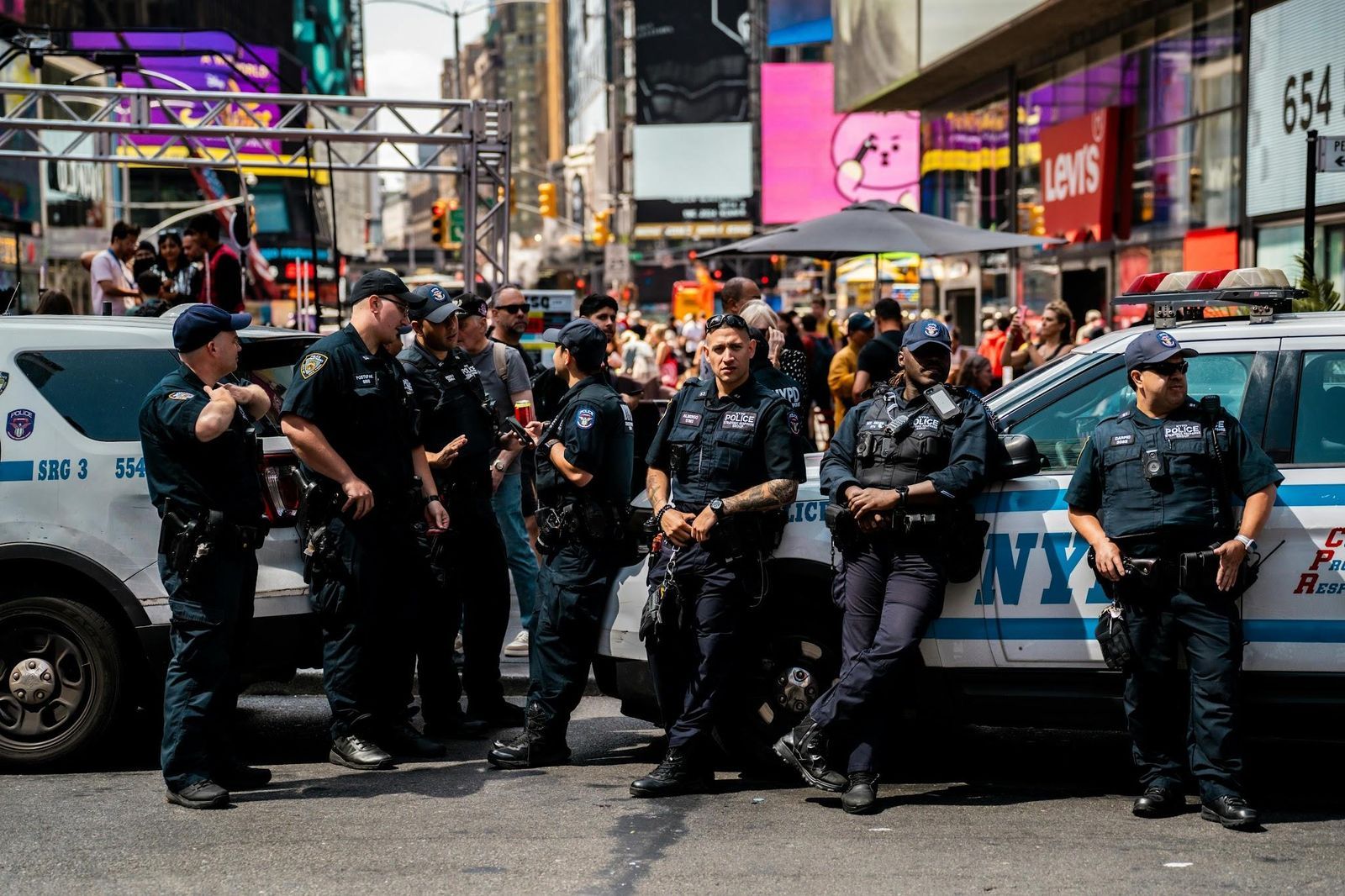
By 2001, major felony offenses had fallen 62.3% from their 1993 peak. Today, Times Square is one of the most policed and most surveilled public spaces in the United States, with a dedicated NYPD substation on the premises. The same block that was America’s most notorious danger zone now draws 50 million visitors a year.

4
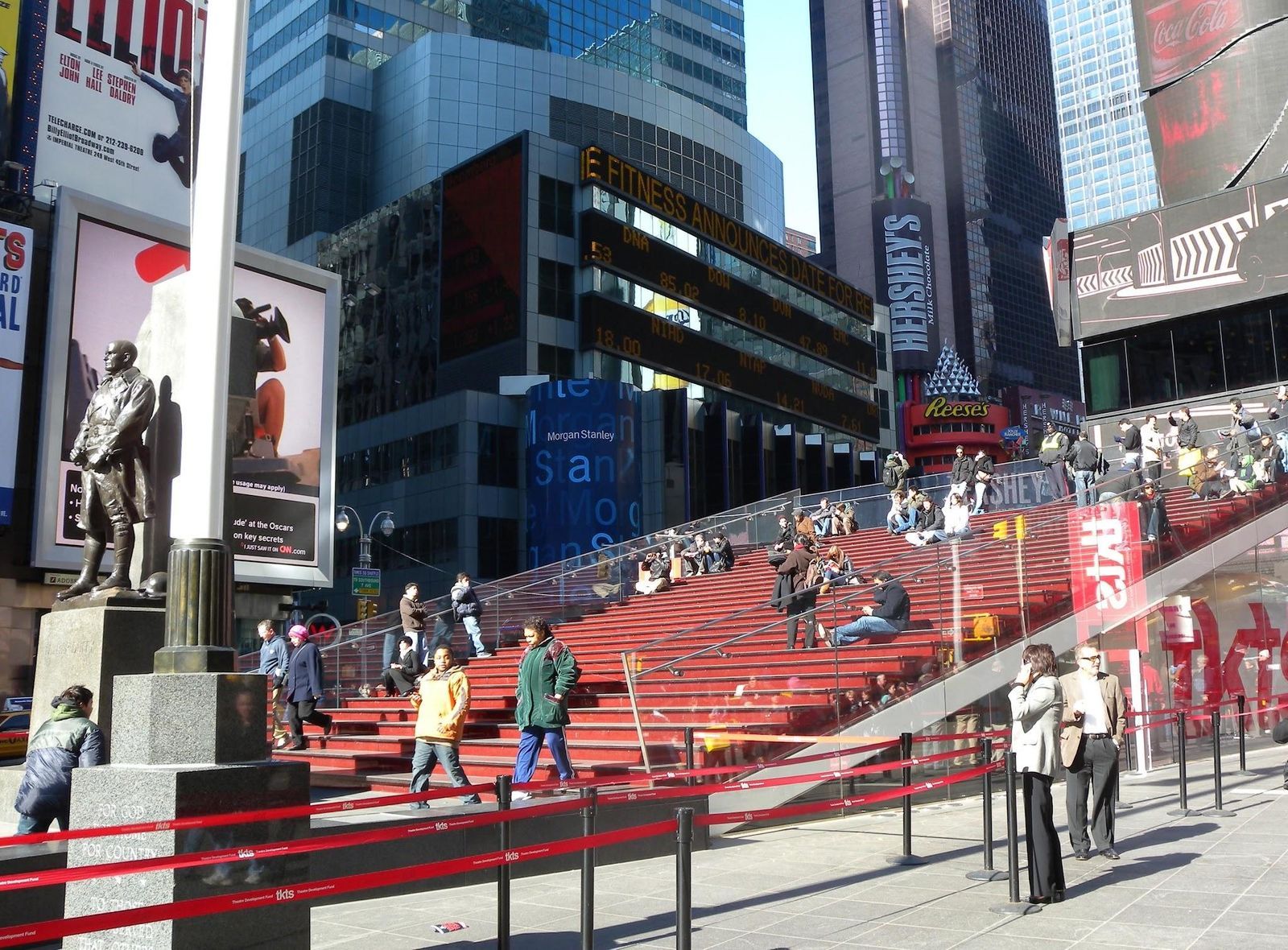
The TKTS red stairs are actually a roof

Image: Jim.henderson, Public domain, via Wikimedia Commons

Most of the millions of tourists who climb the famous ruby-red stairs in Times Square assume they’re just a viewing platform. In fact, they’re a roof. Underneath the 27 steps sits the TKTS booth, operated by the Theatre Development Fund, where theatergoers can buy same-day Broadway and off-Broadway tickets at discounts of up to 50%.

In 1999, a design competition was held for a permanent replacement. The winning concept proposed building the new booth’s roof as a public staircase. It would be a bleacher-style ascent that would give visitors an elevated vantage point over the square. The structure was completed in October 2008. It glows red at night because it is lit entirely from below. About 13,000 people walk past it every day.

5
New York City law requires the lights to stay on

Image: Luke Miller

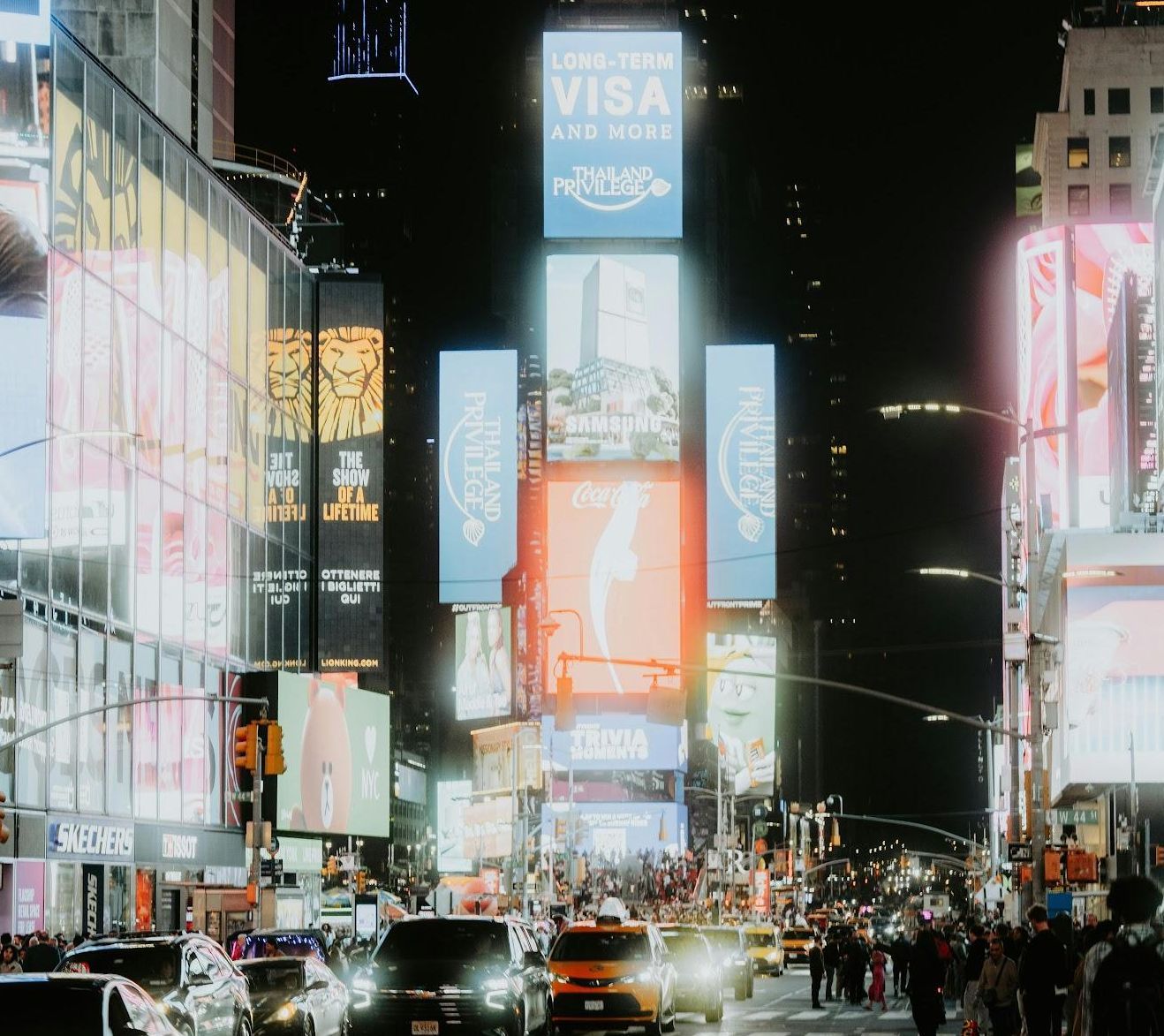
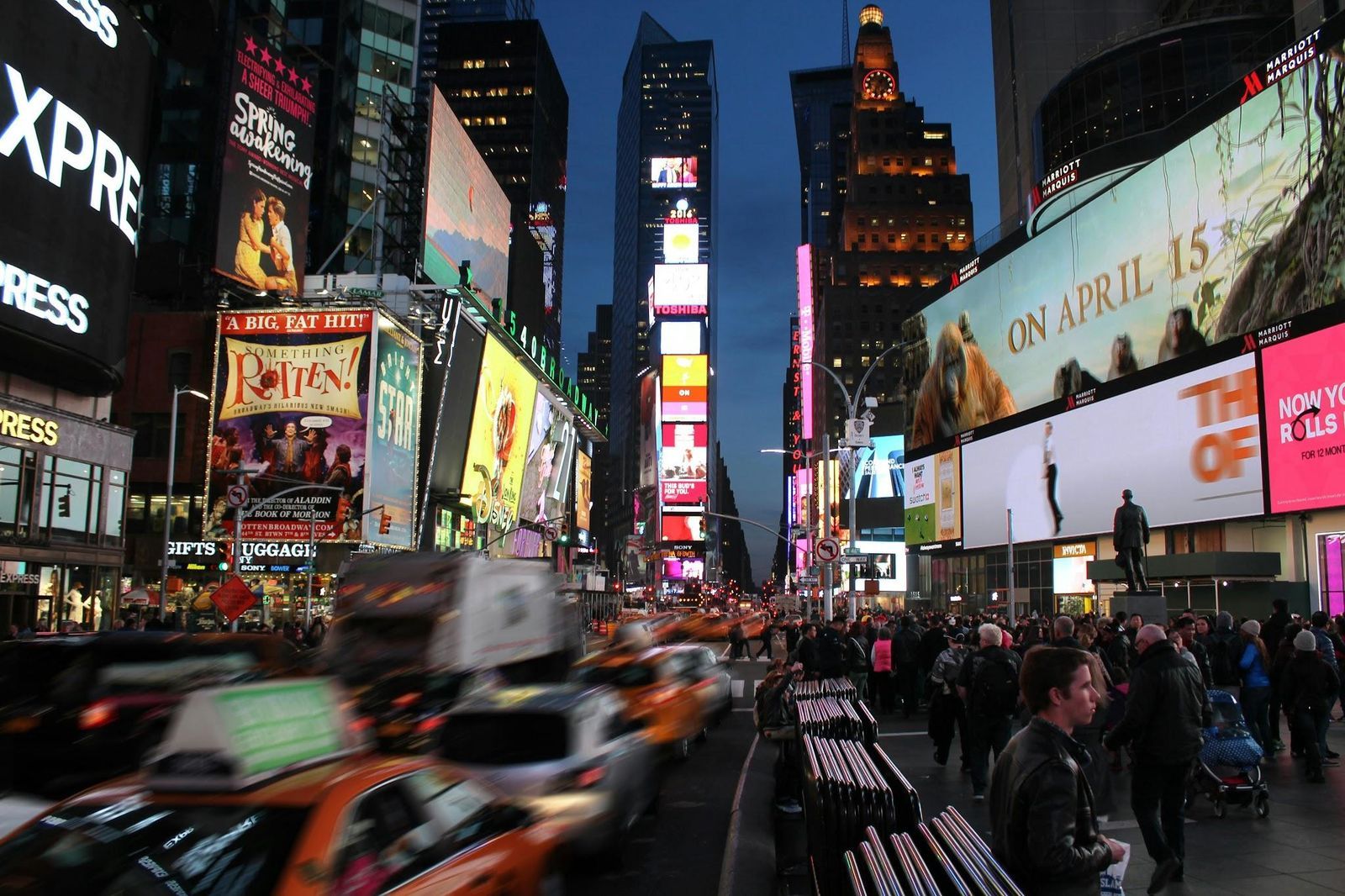
Did you know that Times Square stays aglow by law? A 1987 New York City zoning ordinance requires all new developments and major enlargements on blocks in the area, with frontage on Seventh Avenue or Broadway, to include large-scale illuminated signage.

The regulation was introduced to protect the district’s visual character after years of blank-faced modernist towers had dulled its energy. Buildings are legally required to display a minimum illuminated surface area, and signage must remain lit during designated hours.

6
The most famous building there is almost empty

Image: Quick PS

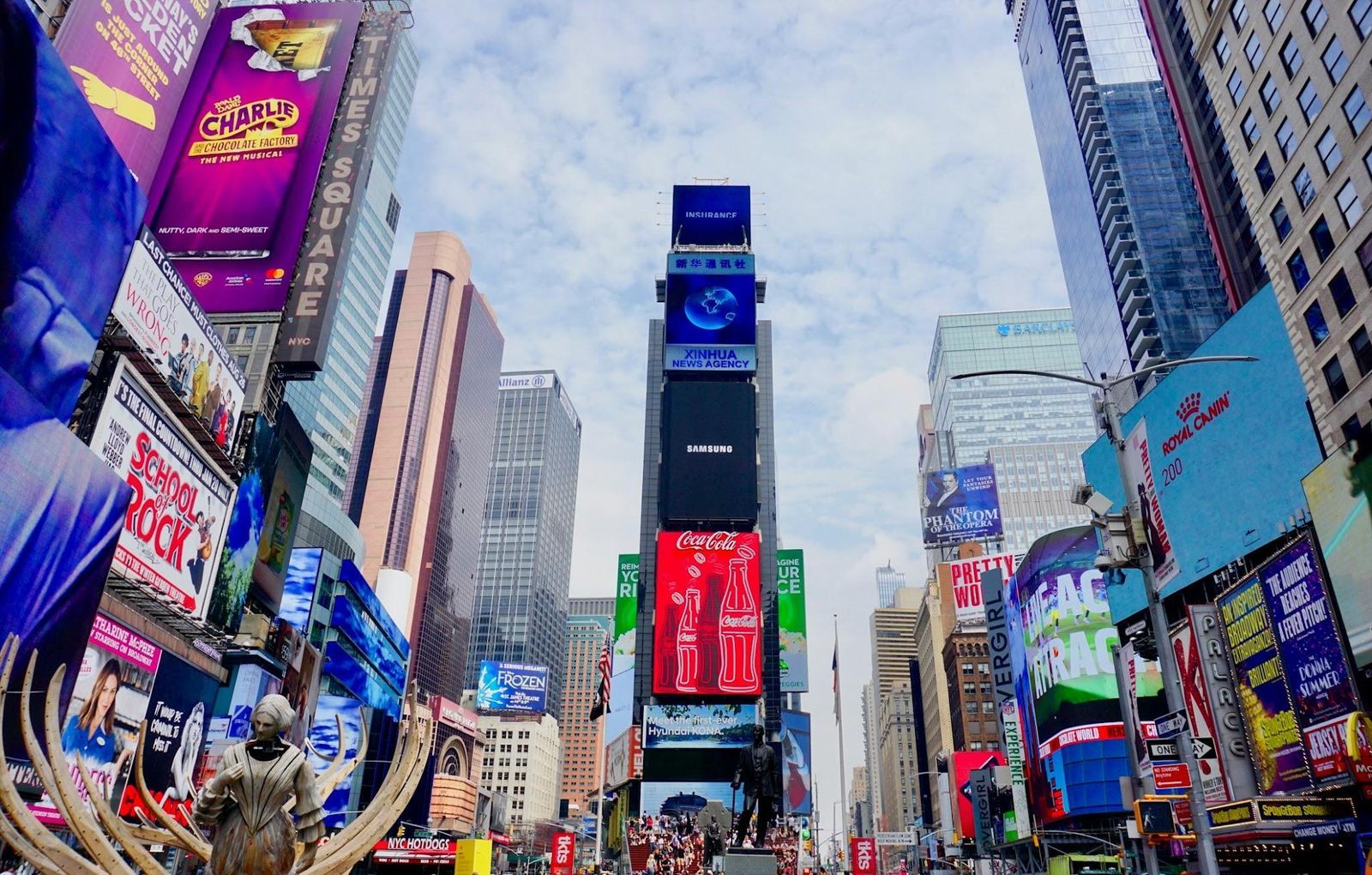
One Times Square building is famous; the whole world watches the ball drop from it every New Year's Eve. But few people know that it’s all but empty inside. It has no regular office tenants. Its upper floors are largely unused.

When the New York Times vacated in 1913, the building passed through several owners and eventually became what it is today: a structure whose primary economic purpose is its skin. Still, the billboard faces on its exterior generate millions of dollars per year — a single advertising slot can command upwards of $4 million annually. In effect, One Times Square is a 25-story billboard dressed as a skyscraper.

7
50 million people visit every year, more than all Disney Parks combined

Image: Benoit Dujardin

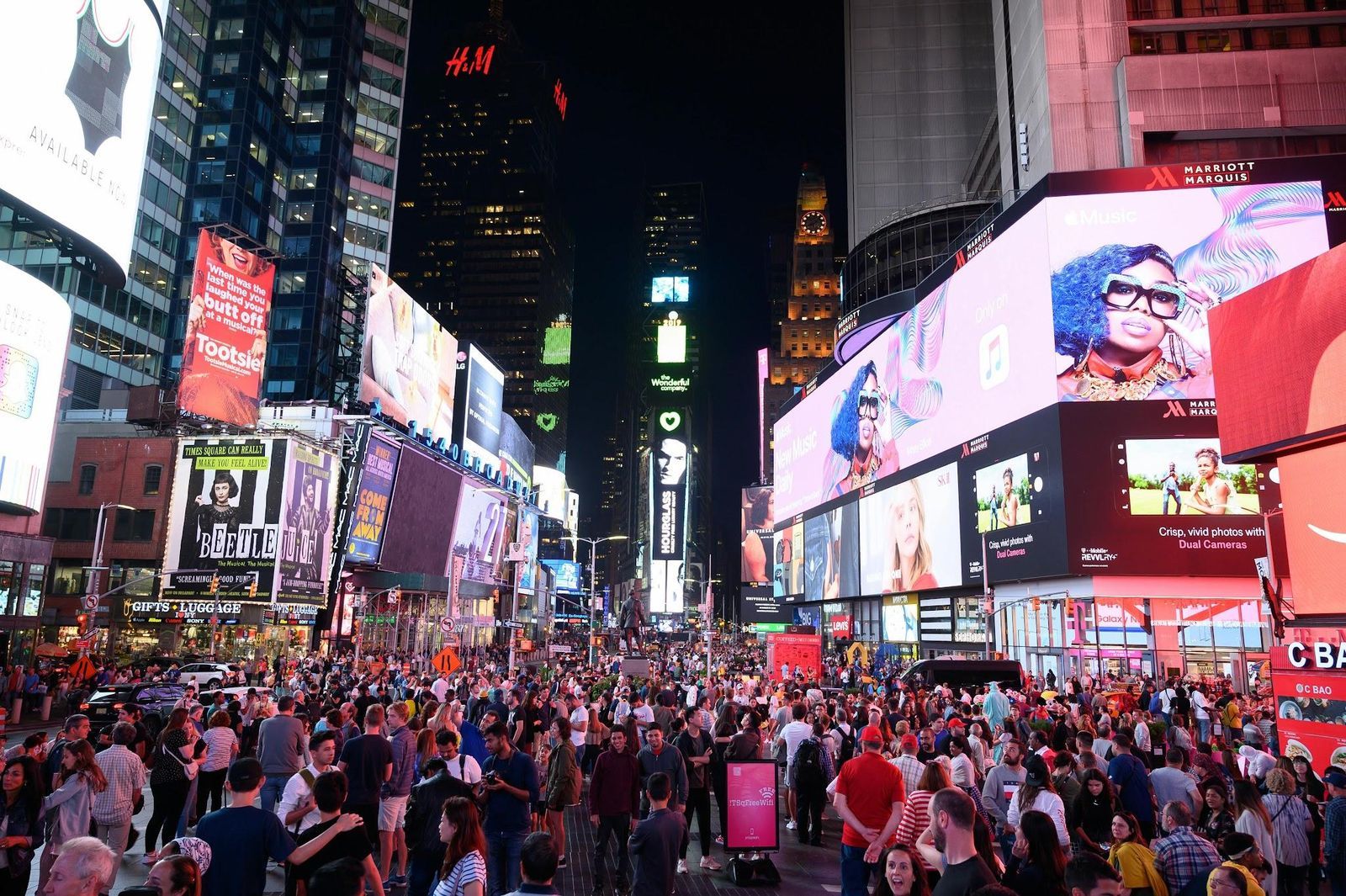
Times Square draws an estimated 50 million visitors annually —more than all Disney theme parks worldwide combined. On a typical day, approximately 330,000 people pass through. On peak days, that number exceeds 460,000.

Its official website notes that more people walk through Times Square each year than live in the entire country of Iceland. Visitor spending totals roughly $4.8 billion per year, and for every dollar a tourist spends anywhere in New York City, approximately 22 cents are spent within Times Square’s few blocks.

After a dip during the pandemic, tourism to New York City has rebounded strongly, with the city welcoming over 65 million visitors in 2025 and projecting 67 million in 2027. Times Square remains the single biggest draw within the city, accounting for a disproportionate share of that spending.

8
It’s not actually a square; it’s two triangles

Image: Cesar Done

Geometrically speaking, Times Square is not a square. It’s more like a bowtie; two elongated triangles formed where Broadway, a diagonal road that predates the Manhattan street grid by centuries, cuts across Seventh Avenue.

The city’s famous grid was laid out by the Commissioners’ Plan of 1811. Broadway, an ancient Indigenous trade route that became a colonial road, was already there and simply too important to straighten. Every point where it crosses a major avenue creates an irregular intersection, and Times Square is the most famous of them.

9
It has witnessed incredible moments in American history

Image: Victor Jorgensen, Public domain, via Wikimedia Commons

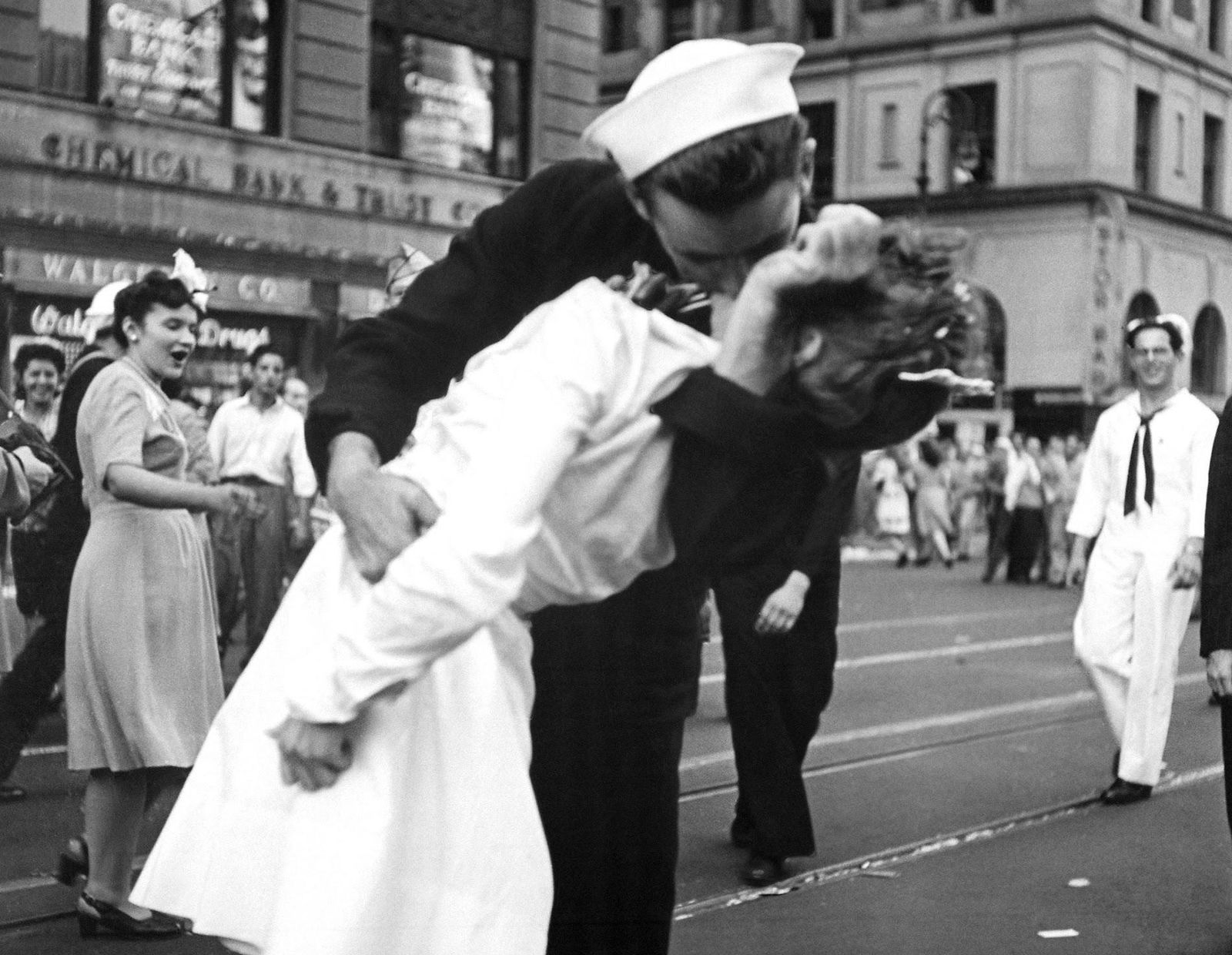
Times Square has functioned, again and again, as the place where Americans gather when history breaks. On May 8, 1945, a.k.a. V-E Day, crowds flooded the streets to celebrate the end of the war in Europe. Three months later, on August 14, 1945, a.k.a. V-J Day, the moment Japan’s surrender was announced, ending World War II entirely, the square erupted again.

Life magazine photographer Alfred Eisenstaedt was in the crowd and photographed a sailor spontaneously grabbing a nurse in white uniform and kissing her, an image published in the magazine. Also, on December 31, 1999, the world watched Times Square’s ball drop as the year 2000 arrived and Y2K fears proved unfounded.

10
Buildings are required by law to display bright signage

Image: Owen Barker

The exterior of a Times Square building generates more revenue per square foot than almost any interior use could. Running a single billboard requires no HVAC, no tenant improvements, no elevator maintenance, no building management. It requires a screen and electricity. The result is a district where the most valuable real estate in America is literally the surface of things.

Building owners sometimes spend tens of millions of dollars on facade renovations not to improve the building but to improve the view of the building.

Explore more American facts

Choose your favorite category!

General
General

As American as apple pie—the very best America has to offer!

Culture
Culture

Delve into the astounding richness of American lore.

Geography
Geography

Hop in and explore vast and diverse American landscapes.

History
History

Discover the key moments that shaped the United States.