General General 3 min read

Partners in mischief

Could you name these unforgettable sidekicks without their heroes?

Image: Joseph Pearson

Not everyone can be the main act, and that’s perfectly fine. Some of the most memorable moments in TV, film, and music come from the ones standing just off-center: The loyal, goofy, brave, or sometimes downright ridiculous sidekicks who make our favorite heroes shine. Let’s take a walk down memory lane and look back on a few of the best second figures who often stole the show.

1
Robin, Batman’s boy wonder
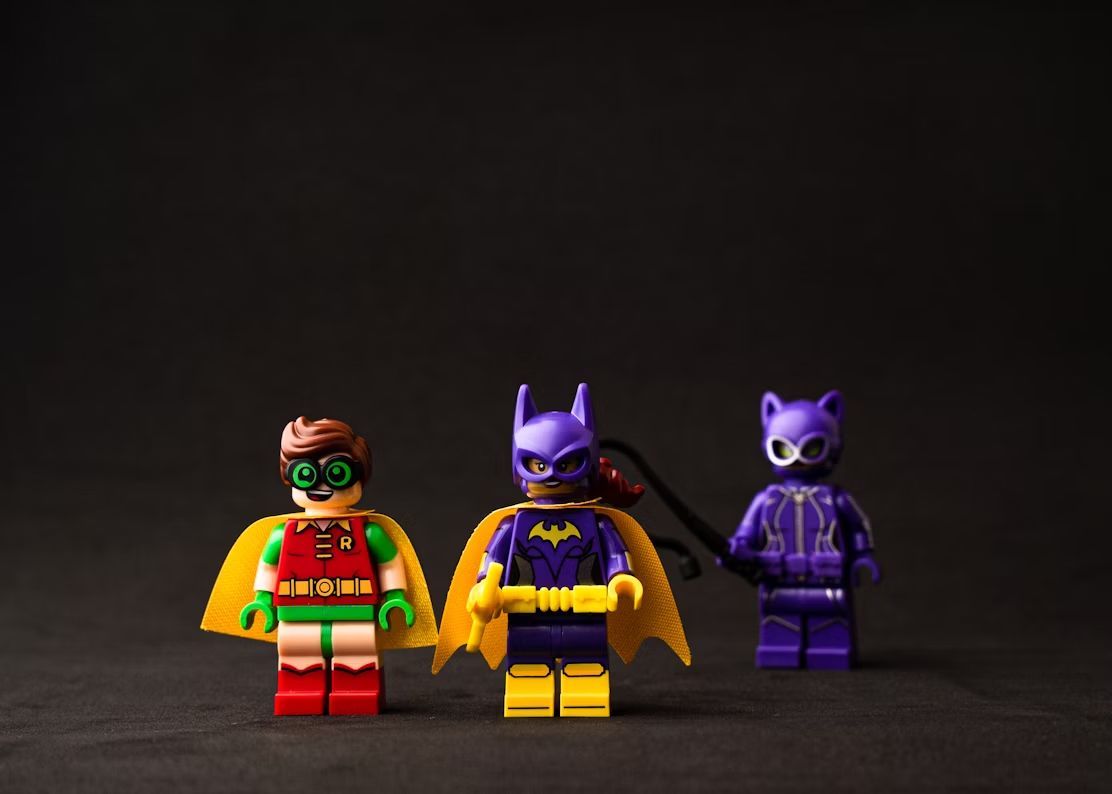
Image: Studbee

Holy teamwork! Since his first comic book appearance in 1940, Robin has been Batman’s dependable backup even when things got rough. Sure, he often found himself tied up by villains, but his bravery and quick wit always made him the perfect No. 2. Whether it’s Dick Grayson, Jason Todd, or any of the Robins since, the Boy Wonder brought heart to Gotham’s dark nights.

2
Tonto, The Lone Ranger’s trusted partner
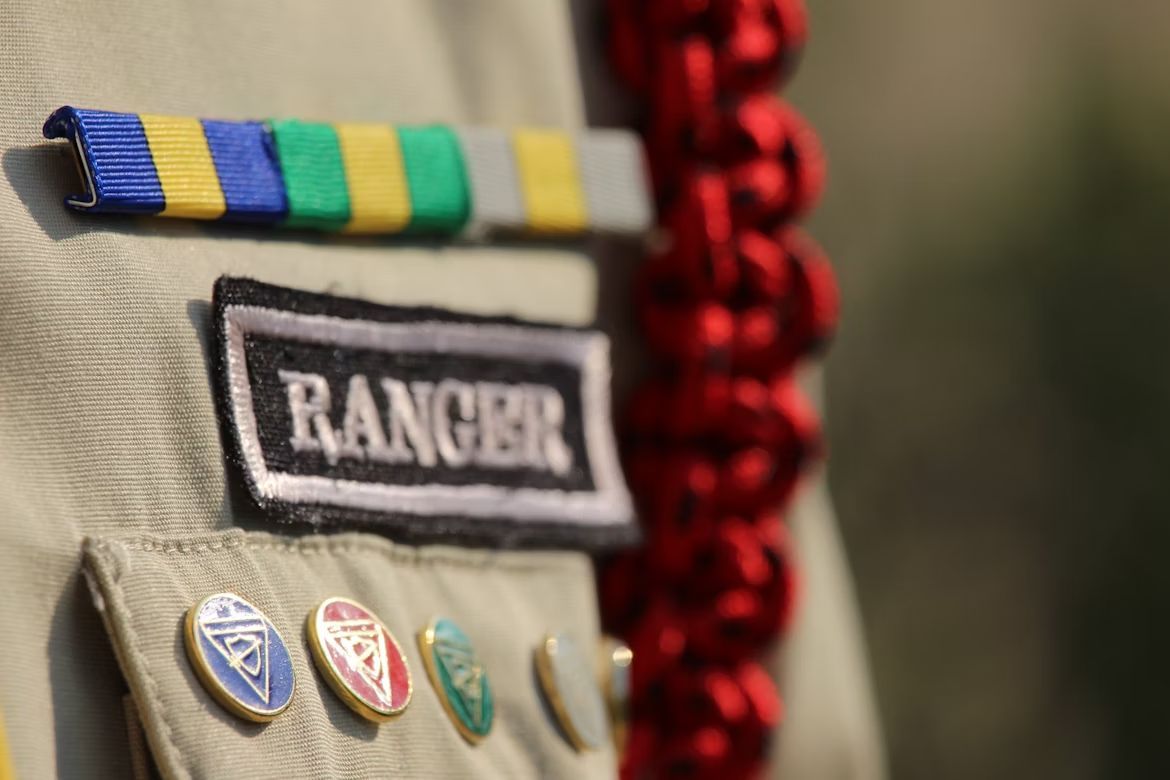
Image: V

Long before duos like Batman and Robin hit the screen, there was Tonto. Played by Jay Silverheels, this brave and loyal companion stood by the Lone Ranger through thick and thin. He didn’t just tag along; he was the Ranger’s conscience, guide, and moral compass. Without Tonto, the masked man would have been just another cowboy in the desert.

3
Ethel Mertz, Lucy’s partner in chaos
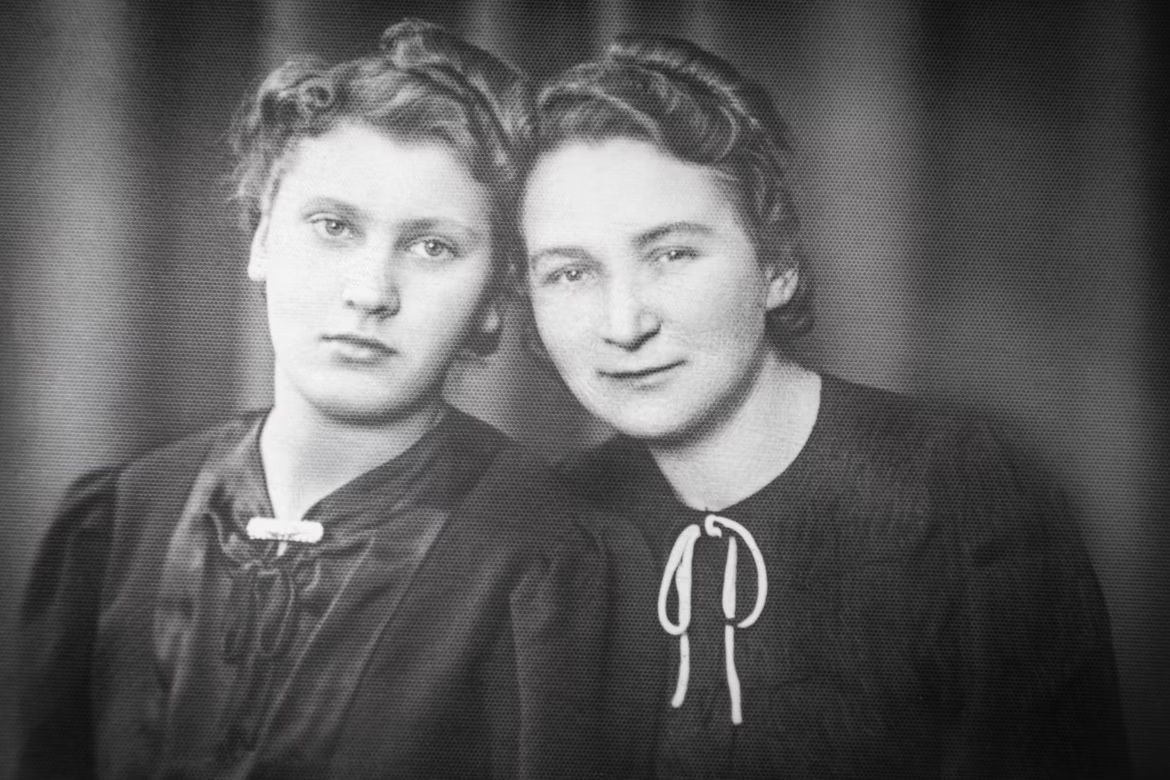
Image: Pawel Czerwinski

When it comes to classic comedy duos, Lucy and Ethel take the cake. Ethel Mertz was the level-headed neighbor every mischievous friend needs. She complained, she warned, and yet, she always joined in on Lucy’s hair-brained adventures. Let’s be honest, without Ethel, Lucy’s messes wouldn’t have been half as funny.

4
Piglet, small in size, big in heart

Image: Taha

In the Hundred Acre Wood, courage doesn’t come from being big or brave; it comes from being there. Piglet’s tiny voice and timid ways make him easy to overlook, but his loyalty to Winnie-the-Pooh is second to none. When he takes Pooh’s paw and says, "I just wanted to be sure of you," it melts every heart.

5
Ed Norton, Ralph Kramden’s comic counterpart

Image: Aleks Dorohovich

From The Honeymooners , Ed Norton was the easygoing neighbor who kept Ralph Kramden’s temper in check most of the time. Played by Art Carney, Norton’s goofy charm made him one of TV’s most lovable sidekicks. When Ralph barked, "Get out!" we all knew Ed would be back by breakfast.

6
Barney Fife, Mayberry’s greatest deputy
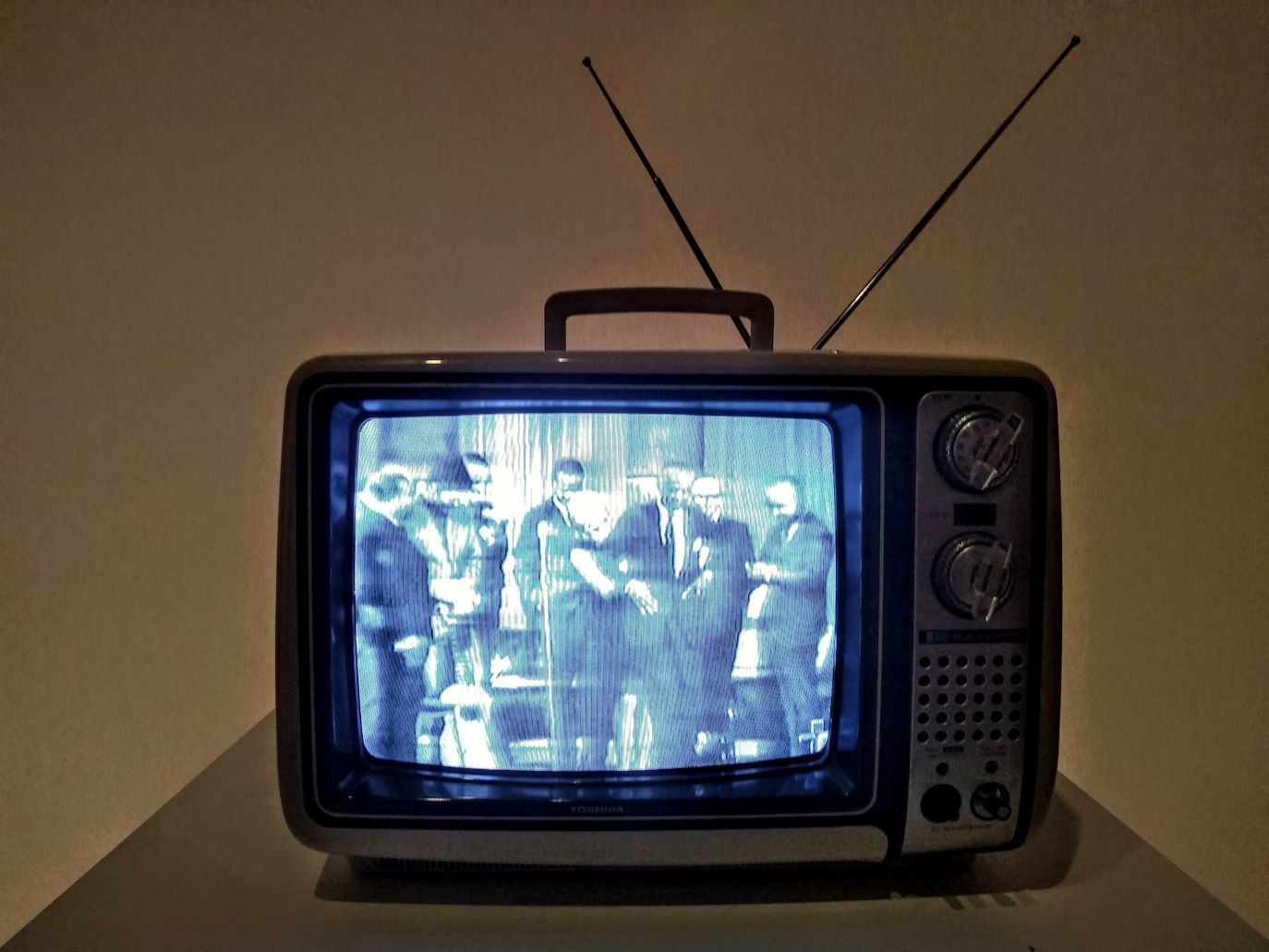
Image: Bruna Araujo

Every small town has that one guy who means well but causes chaos. For The Andy Griffith Show , that was Barney Fife. Don Knotts’ Barney turned bumbling into an art form: nervous, loyal, and always just one mistake away from disaster. Andy’s patience made for perfect chemistry, and together they gave us some of TV’s most wholesome laughs.

7
Art Garfunkel, the harmony behind the melody

Image: Marius Masalar

Paul Simon may have written most of the hits, but without Art Garfunkel’s golden voice, those songs wouldn’t have soared. Bridge Over Troubled Water still gives goosebumps thanks to Art’s heartfelt delivery. His harmonies gave Paul’s lyrics wings, and even though Simon got most of the credit, Garfunkel made sure the music had a soul.

8
George Costanza, Jerry Seinfeld’s lovable disaster

Image: freestocks

George Costanza was the friend you couldn’t live with or without. Selfish, neurotic, and hopelessly insecure, he somehow made Jerry appear to be the most well-adjusted man in New York. Jason Alexander turned George’s every meltdown into a comedy masterclass. As sidekicks go, he’s the one who proves misery really does love company.

9
Chewbacca, Han Solo’s fuzzy conscience
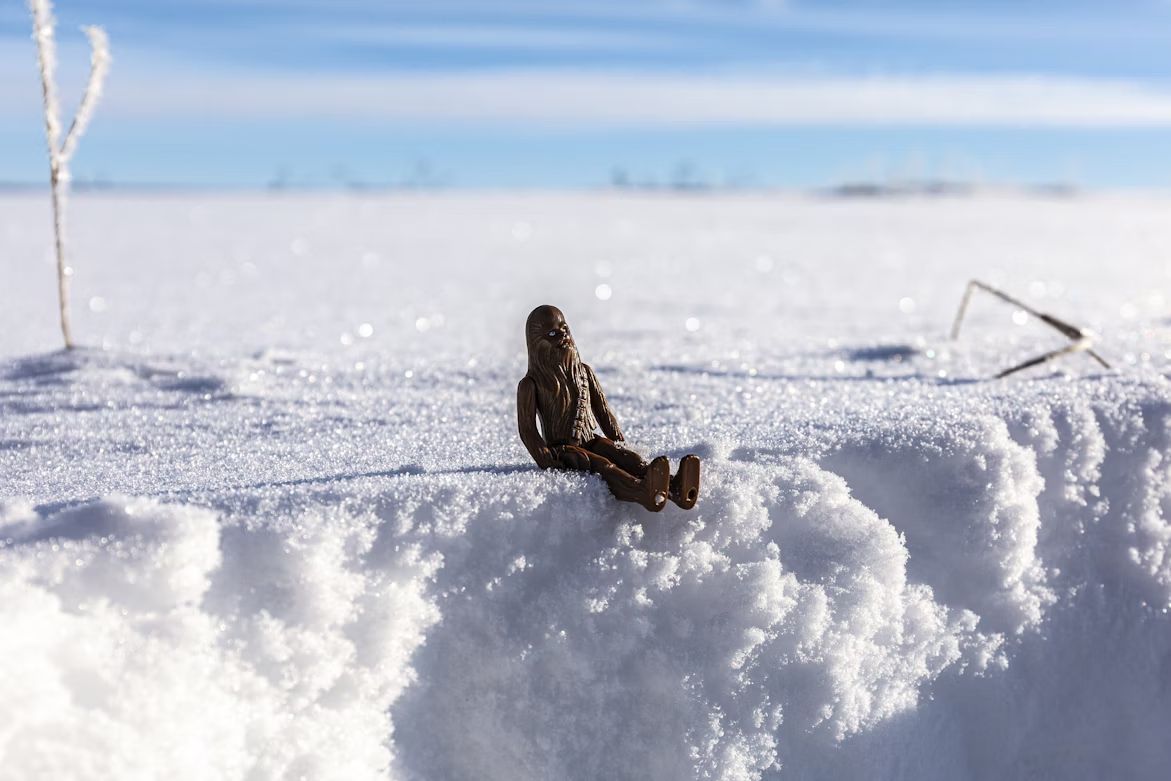
Image: Justin Wilkens

Who needs words when a growl says it all? Chewbacca was more than Han Solo’s co-pilot; he was his moral compass, mechanic, and best friend rolled into one very hairy package. Brave, loyal, and endlessly patient, Chewie made the galaxy far, far away feel a little more human.

10
Donkey, the heart of Shrek
Image: Dovydas Žilinskas

If there’s one friend who’ll stick with you no matter how grumpy you are, that’s Donkey. Voiced by Eddie Murphy, this chatterbox proves that friendship can melt even an ogre’s heart. He sang, he talked (a lot!), and he taught us that everyone deserves to be loved… How could we not love him?

Culture Culture 6 min read

Outlaws & Cowboys

Saddle up: Here are 10 of the most iconic figures of the American West

Image: Zeynep Sude Emek

American Wild West stories are fascinating but would be incredibly boring without the men and women who roamed the untamed frontier in search of new opportunities. Their activities ranged from lawmen and gunslingers to ranchers, gamblers, farmers, rodeo stars, bounty hunters, and outlaws. Join us to learn about the lives of 10 cowboys (and cowgirls!) who helped shape our nation’s cultural landscape.

1
"Buffalo Bill" Cody

Image: Illinois State University, Public domain, via Wikimedia Commons

If we had to name the most famous cowboy in history , Buffalo Bill Cody would probably be a top contender. Throughout his lifetime, Cody greatly contributed to shaping the image we have of the American West.

Born in Iowa in 1846, he earned his nickname while working for the Union Pacific Railway, where railroad workers were amazed by his hunting skills. But history had bigger plans in store for Cody, and he would soon become an actor , traveling throughout the eastern United States performing plays based on stories of the Wild West for more than 30 years.

Eventually, poor business management and a certain change in popular interests led Buffalo Bill to ruin and he retired from show business just two months before his death in 1917. He was, however, mourned by millions of people who considered him a hero.

2
John Henry "Doc" Holliday

Image: Mehmet Turgut Kirkgoz

John Henry "Doc" Holliday was born in 1851 in Griffin, Georgia, into a wealthy family. He earned his Doctor of Dental Surgery degree in Philadelphia but was shortly thereafter diagnosed with tuberculosis and advised to live in the drier, hotter climate of the West.

In Dallas, Texas, he pursued his trade as a dentist but also discovered saloons and whiskey. Soon, realizing that gambling could be much more lucrative than dentistry, he began his professional gambling career.

The rest of his life was spent among crooks, gunfights, and jailmates in New Mexico, Arizona, and California. At only 36 years old, his lungs could not keep up with his gunslinging way of life and he finally met his death in 1887 in a hotel bed in Colorado. It is said that his last words were, "This is funny."

3
Butch Cassidy and The Sundance Kid

Image: yavuz pancareken

The lives of Butch Cassidy and The Sundance Kid became legendary pretty quickly. As early as 1903, their exploits inspired the first modern film —Edwin S. Porter's _The Great Train Robbery_— and since then, their adventures have not ceased to be portrayed by popular culture. In a way, they symbolize the definitive end of the romanticized Western era at the hands of 20th-century industrialization and urbanization.

Both cowboys were members of a gang known as "The Wild Bunch," which earned them a reputation as bank and train robbers. According to lore, after several years of crime and run-ins with the law, the bandits managed to escape to Latin America. Eventually, they were caught and killed in Bolivia in 1908. The fact that their graves were never found helped fuel the myth that they had, in fact, returned to the United States and lived in anonymity for many more years.

4
Jesse James

Image: Steve

Jesse James's life is one of the most emblematic of the Wild West. His criminal career began after his involvement with pro-Confederate guerrillas during the Civil War. Along with the Younger brothers, he created a gang with which they robbed banks, trains, stagecoaches, and stores from Iowa to Texas and from Tennessee to California.

It is believed that throughout the years they netted more than a quarter of a million dollars. Despite the gory nature of their heists and murders, the gang often had public sympathy.

Jesse's death is as controversial as his life. At only 34 years old, he was shot in the back by one of his gang partners, who hoped to obtain a state reward in exchange for his betrayal. The public was not happy with the government conspiring to assassinate a citizen, no matter how criminal, and the matter became a scandal, resulting in Jesse James's rise to mythical status.

5
Annie Oakley

Image: International Film Service, Public domain, via Wikimedia Commons

From an early age, Phoebe Anne Oakley Moses, better known as Annie Oakley, took up hunting to help support her family. At the age of fifteen, she won a competition against the famous marksman Frank Butler, to whom she later married. Together, they appeared in several exhibitions across the country and, in 1885, joined Buffalo Bill's Wild West show.

Annie was able to open the edge of a letter, shatter glass balls thrown in the air, and hit dimes held between her husband's fingers or apples placed in her poodle's mouth by shooting from 30 paces away. Her life was so rich and fascinating that she was the inspiration for several movies and plays.

6
Billy the Kid

Image: See page for author, Public domain, via Wikimedia Commons

According to legend, Henry McCarty, better known as Billy the Kid, killed at least 21 people during his career as a notorious outlaw in New Mexico. However, he cemented his place in the pantheon of frontier legends not so much for his murders as for his personality and incredible marksmanship skills.

Born in the late 1850s in the Irish slums of New York City, McCarty had to reinvent himself as a gunslinger after the death of his mother when he was just a teenager. His life and the events surrounding his death at the hands of legendary lawman Pat Garrett were immortalized in numerous films, books, and songs. In fact, Billy the Kid holds the record as the most portrayed individual in cinematic history.

7
Lucille Mulhall

Image: Melissa Walsh

By 1900, split riding skirts allowed women to compete in rodeos without shocking Victorian-era audiences. But the truth is that women have been participating in exhibitions even in the early days of the Old West.

Lucille Mulhall is considered America's first legendary cowgirl. Born in 1885, Lucille grew up on her family's ranch in Oklahoma, where she acquired her incredible cattle-roping skills. She began performing in shows as a teenager and, throughout her career, competed in many rodeos, setting a few roping world records.

8
Belle Starr

Image: Pixabay

Perhaps the most famous female gunslinger in the history of the West was Myra Maybelle Shirley Reed Starr, better known as Belle Starr. Born in Missouri in 1848, Belle had a fairly well-to-do childhood and was a bright student. However, when her family moved to Texas after the Civil War, the young girl stumbled upon the James-Younger gang. After falling in love with Cole Younger, she became a member of the gang.

That love affair didn't last long, but a few others followed, which led her to live outside the law for the rest of her life. Her alleged riding and gun skills increased her fame throughout the country, turning her into a legend.

9
Wyatt Earp

Image: National Archives at College Park, Public domain, via Wikimedia Commons

Wyatt Earp belonged to a large family whose members were famous for being gunfighters, gamblers, bison hunters, miners, and lawmen. While all were notorious Wild West characters, it was Wyatt's exploits that have gone down in history. His life is testimony to the ambiguity that prevailed at a time when there was no distinction between upholding the law and transgressing it.

After a long life traveling the American West as a deputy sheriff, bounty hunter, and saloon owner, in 1905 Wyatt settled permanently in Los Angeles, California. He became a film consultant in Hollywood, befriending producers, directors, and actors. It is even said that John Wayne took Earp’s stories as inspiration for some of the tough characters he portrayed on the big screen.

10
"Wild Bill" Hickok

Image: Turuncu Sakal

James Butler Hickok, better known as "Wild Bill," is a legendary folk hero thanks to the many stories that romanticized his life as a soldier, gunslinger, gambler, marshal, and actor. Over the years, his adventures have been retold numerous times in pop culture. The truth is that Hickok did more in his thirty-nine years of life than most who lived twice as long.

Since his birth in Illinois in 1837, he is said to have been involved in some of the most dramatic and, at the same time, most spectacular events in the history of the Wild West. His death, unsurprisingly, is also legendary. In 1876, while playing a game of poker in a saloon in Deadwood, Dakota Territory, a man named Jack McCall shot him in the back of the head. The cards he was holding at the time —two pairs of Aces and black Eights— became the well-known "dead man's hand."

General General 3 min read

Life finds a way

From raccoons to foxes: take a look at 12 types of "urban wildlife"

Image: jennifer uppendahl

For many Americans, seeing a black bear scratching its back on a pole in a city street is not that strange. Many mammals, birds, reptiles, and insects that eat a wide variety of foods are moving in and changing their behaviors as they learn urban survival skills.

1
Coyotes

Image: Ray Hennessy

Coyotes have a natural talent for survival, and they are built to thrive in any environment, including cities where food is readily available everywhere.

As it has been noticed multiple times, coyotes have deciphered how semaphors work and wait for the red light to cross the street.

2
Black bears

Image: Bruce Warrington

Studies have shown that female black bears living in urban areas aged one to one and a half years weighed nearly twice as much as their country counterparts. Some of those urban female bears produced cubs, while none of the rural bears of the same age reproduced.

Curiously, bears seem to know when it is trash day and will scavenge for food in trash cans on those dates specifically.

3
Raccoons

Image: Ralf Volkmer

Raccoons that live in urban environments are more exploratory than their country cousins, taking more time to investigate the squares. Some raccoons even figure out how to yank bungee cords off of trash cans .

These city animals are also more social, traveling in pairs more often than their rural relatives.

4
Bald eagles

Image: Alexas_Fotos

Believe it or not, in the 1960s, the bald eagle was on the verge of extinction due to the use of pesticides. But since those pesticides have been banned, their population has rebounded, and they're no longer on the list of endangered species.

City eagles need only a place to nest and a clean source of food, which can even be a trashcan, and they’ve figured out how to use city infrastructure like cellphone towers, bridges, and cranes along waterways .

5
Pigeons

Image: Dawood Javed

Possibly the most urban animal on the list, aside from rats, pigeons are uniquely suited to urban life. They can recognize human faces , so they know which people have fed them before.

These creatures have an incredible ability to distribute themselves, so there are never more pigeons than available food. A park with twice as much food as another park will also have twice as many pigeons.

6
Booklice

Image: Brett Jordan

Whether we see it or not, our homes are filled with insect life. One of them, booklice, has found that the starch in book bindings makes an ideal food source.

Booklice have adapted to suck the moisture directly out of the air and can live off that vapour for three weeks, avoiding dehydration.

7
Squirrels

Image: Mark Brennan

Squirrels and urban environments have gotten along for a long time now. There’s ample food and shelter, and few natural predators. They’ve learned to live in much greater densities in cities than they do in other environments, and they can tell which humans will feed them .

8
Sparrows

Image: Carlos Quintero

The sparrows that live in New York City have become night owls, staying out later to feed because the bright lights around buildings draw plenty of insects .

9
Rats

Image: Joshua J. Cotten

Almost no one would call a rat clean, but contrary to popular belief, city rats tend to carry fewer diseases and parasites than rural ones because they have less contact with livestock excrement from farms, and their human neighbors don’t harbor many parasites.

10
Ospreys

Image: KaroGraphix Photography

Ospreys have seen their numbers grow in North America partially because they have forsaken trees in favor of building their 250-pound nests on power poles, cell phone towers, channel markers , and other human-made structures.

11
Crows

Image: Veronica Dudarev

Crows are very smart creatures, and they have learned to use the city infrastructure to their advantage. These birds drop nuts and bones from great heights to crack the hard outer shells so that they can reach the food inside. City crows simply drop the previously impenetrable food into the street and let the cars crack it open .

12
Tomcods

Image: John Werner

Nature can adapt to almost anything, and tomcods are living proof of this. A very polluted segment of the Hudson River is home to these humble fish, who have adapted to its contaminated waters through genetic variations that allow them to thrive in such conditions.

Explore more American facts

Choose your favorite category!

General
General

As American as apple pie—the very best America has to offer!

Culture
Culture

Delve into the astounding richness of American lore.

Geography
Geography

Hop in and explore vast and diverse American landscapes.

History
History

Discover the key moments that shaped the United States.