The Westward expansion
Was the Wild West really wild? 10 myths debunked
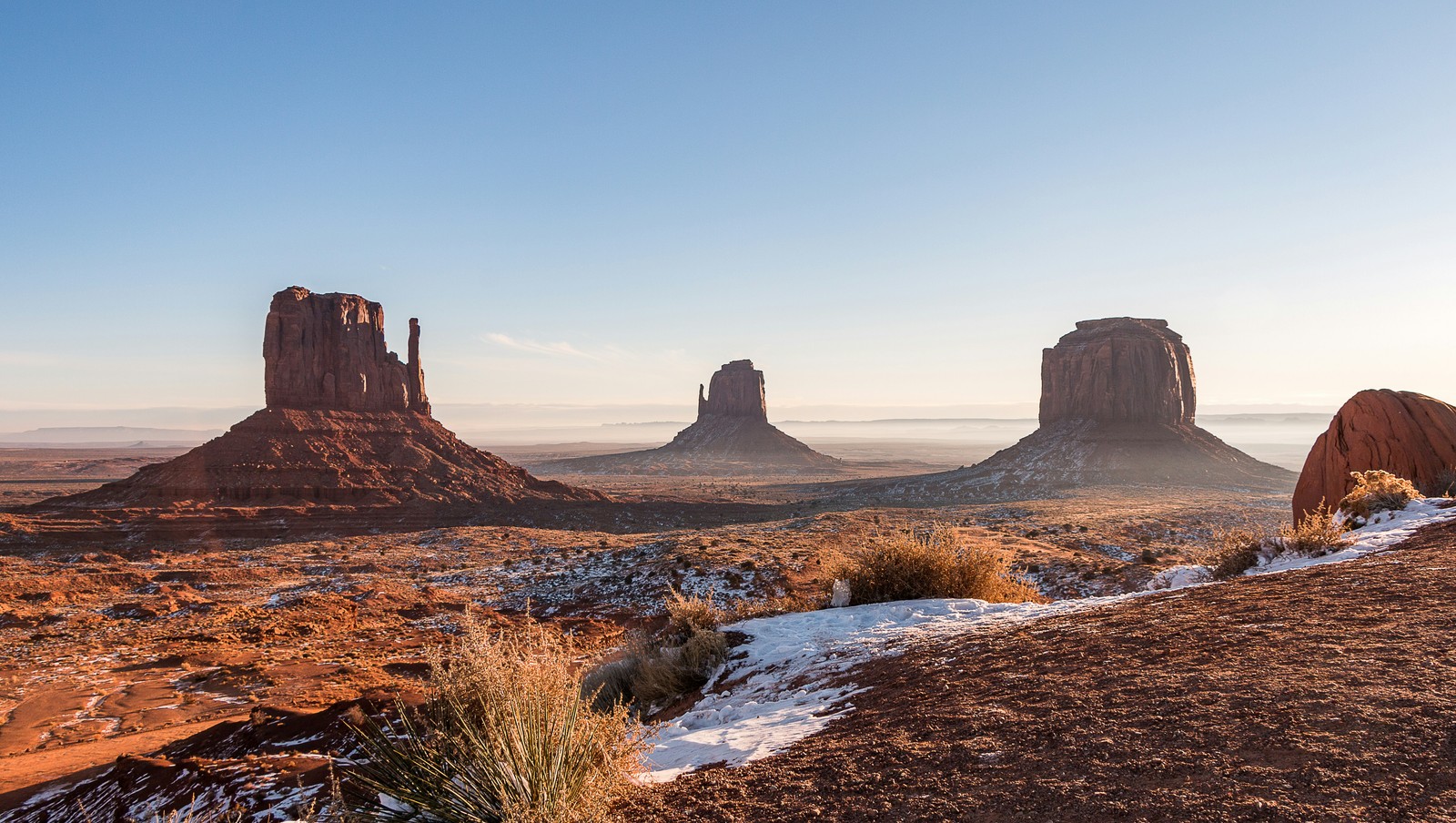
Image: Cayetano Gil
The American West has been so romanticized and misrepresented in movies, TV shows, books, and pop culture that we might not realize what’s truth and what’s myth. We have come to think of it as a place of both opportunity and chaos , with robbers running rampant and settlers constantly fighting with Native Americans. But was this true? Is all we know about the Wild West a tall tale? Let’s find out!
1
The Wild West was wild
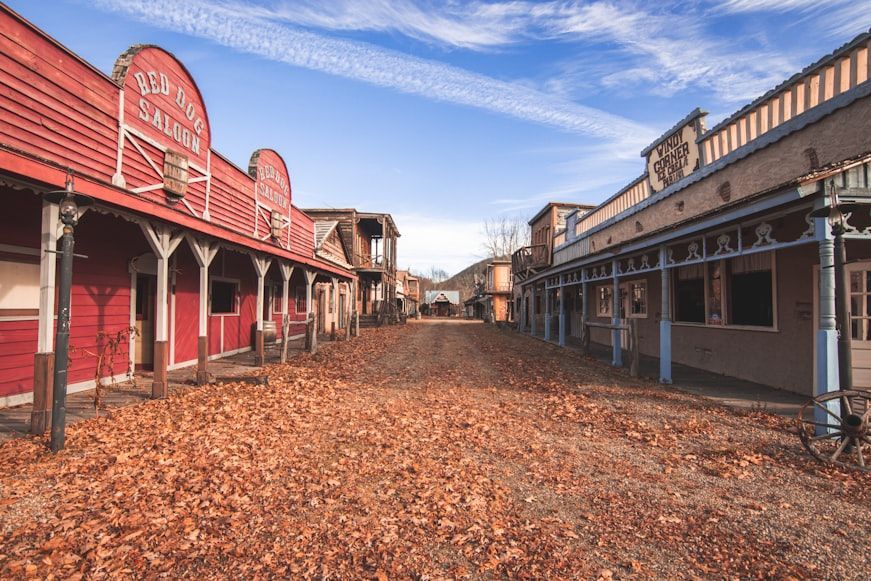
Life in the West certainly wasn’t as chaotic and unruly as Hollywood would have us believe. Most of the challenges experienced by the people were those of any settler in a distant place: hard labor, harsh weather conditions, loneliness, petty thefts, and uncertainty. Dangerous conflicts certainly arose, but they were not a daily occurrence.
2
Gold was easily found

Beginning in the year 1848, gold discoveries inspired a series of rushes that contributed to the Westward expansion, but fewer people actually became rich from the so-called boom. Gold in large quantities was rare to come by , and the overpopulation of prospectors diminished the chances of gathering enough gold to make the labor worth it. In addition to this, shopkeepers demanded outrageous food prices, which consumed the little wealth that prospectors managed to gather.
3
Wild West towns were lawless
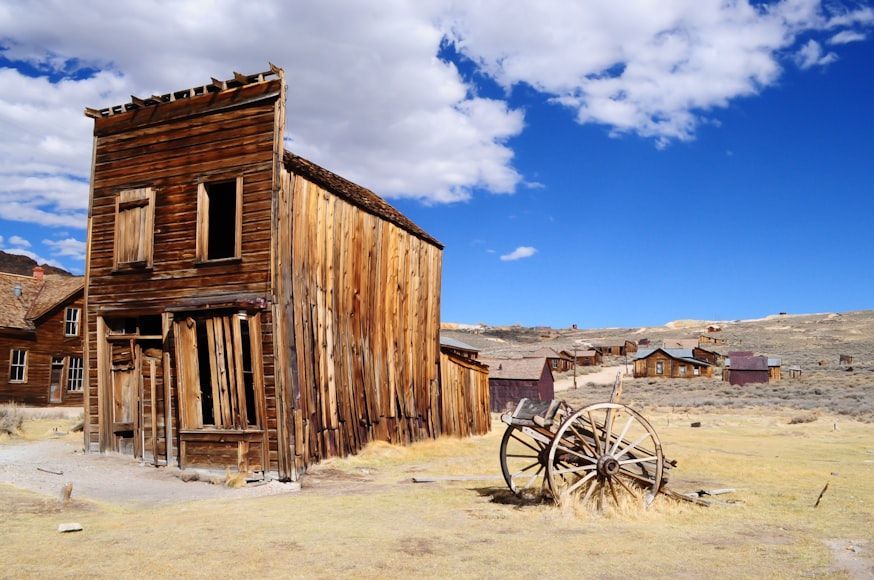
While they had their fair share of gunmen and robbers, towns in the Wild West had lower violence rates than big cities . Following the law was essential for the new settlements to thrive, and public order was maintained through the joint effort of marshals, sheriffs, Army soldiers, and private citizens. While the bad reputation of some towns was justified, they were the exception rather than the norm.
4
There was endless free land for the taking
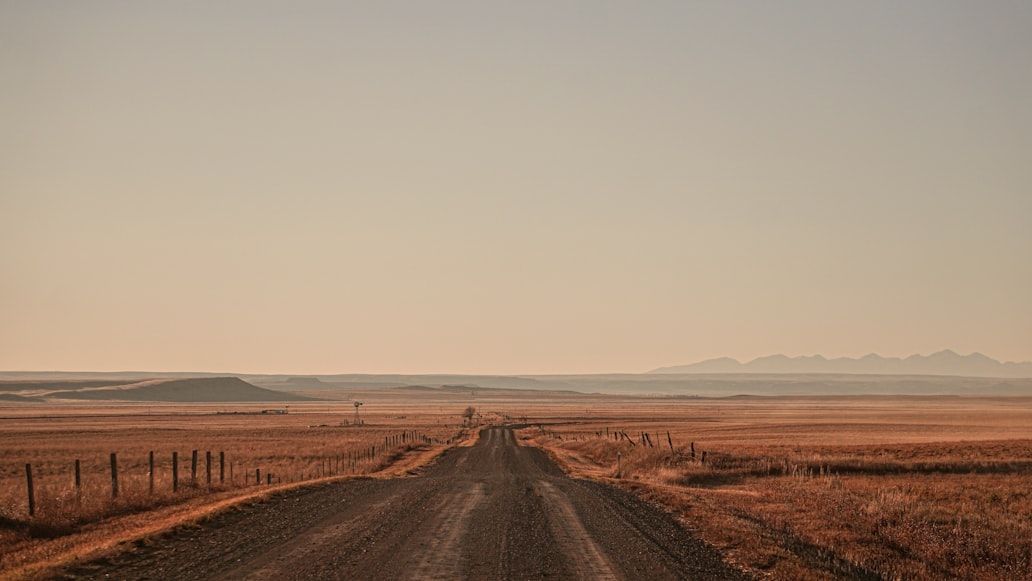
The West was vast, but it was certainly occupied . Thousands of Native Americans were forcefully displaced, confined to reservations, or forced to assimilate to make way for those arriving. Many settlers were not aware of, nor complicit in this injustice —especially immigrants coming from afar— but others believed they were entitled to the land, even at the cost of native lives.
5
Everyone owned a gun

Pistols and rifles have become synonymous with the Wild West, but they weren’t as common as one might think. While they were a useful protection on the range or while travelling, they were usually forbidden in town , so cowboys and travellers had to check them in the sheriff’s office upon arrival.
6
Settlers and Native Americans fought constantly

Native Americans who were not displaced or confined to reservations were not necessarily hostile towards settlers. In fact, many of them were open to coexistence and trade with communities that didn’t pose a threat . The majority of their confrontations were with government forces, usually as a result of broken treaties and empty promises.
7
Cowboy hats were the norm

Stetsons, or cowboy hats, might be the quintessential headgear of the modern cowboy, but they were not the standard in the Wild West. Bowler hats, Army caps, and Mexican-style sombreros were far more common choices at the time. In fact, the Stetson brand wasn’t established until 1865.
8
Violence was the main cause of death
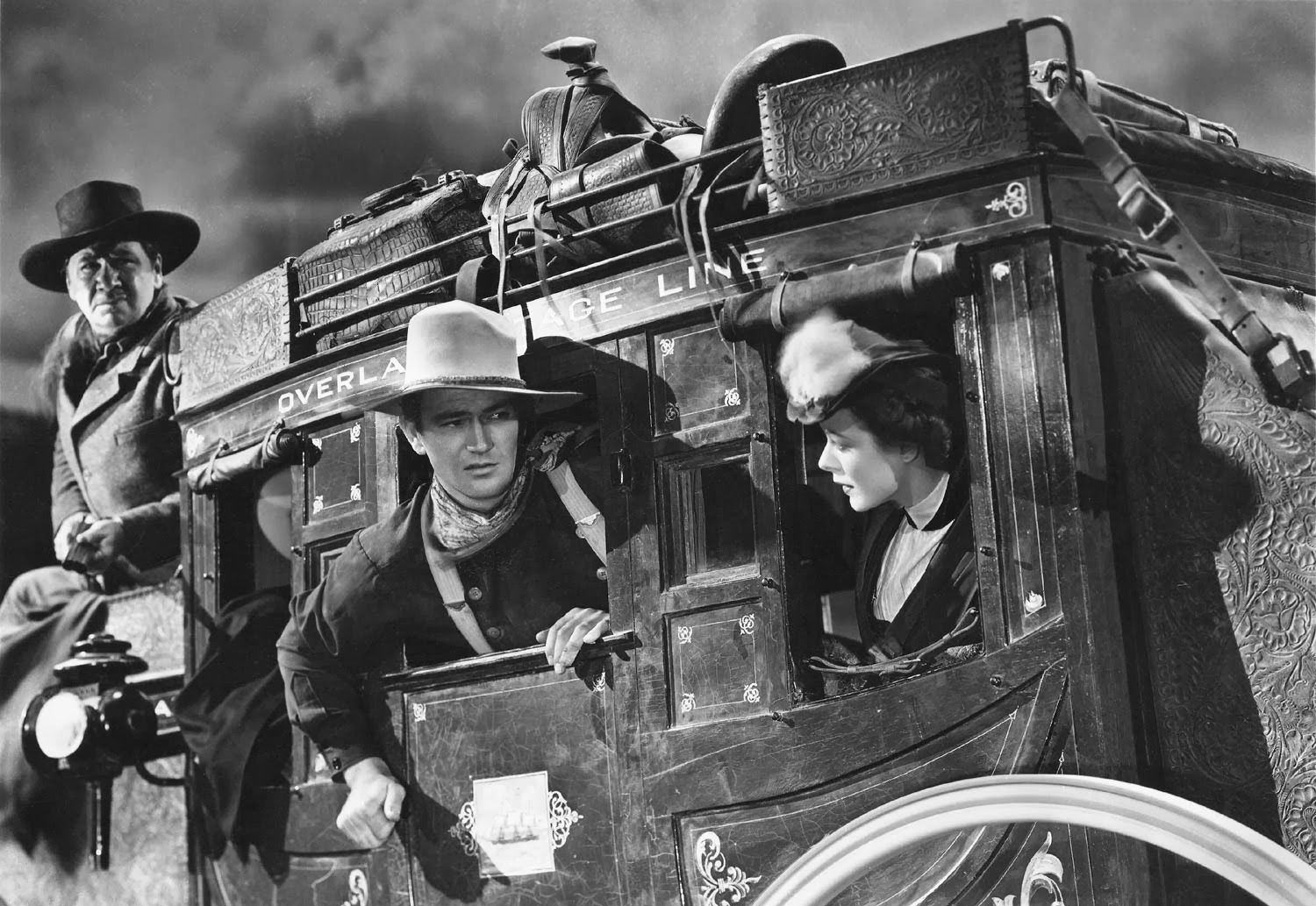
The Wild West was not as unruly as it is portrayed, and the chances of dying in a duel or a highway robbery were not as high as one would imagine. The main cause of death was disease , either caused by the harsh circumstances, the lack of sanitary conditions, or the spread of viruses and infections before the advent of modern medicine.
9
The Pony Express was the main communication service
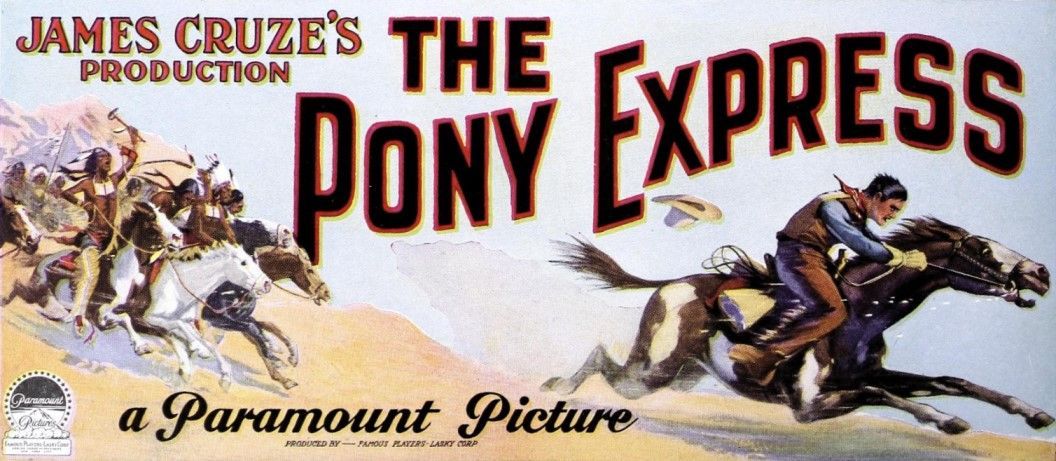
The Pony Express and its riders revolutionized communication in the Wild West. Beginning operations in 1860, it reduced the travel time of messages between the East and West coasts to about ten days . However, its existence was short-lived: After merely 18 months of operations, the company went bankrupt when a telegraph line was established.
10
Banks in the Wild West were easy targets for robbers
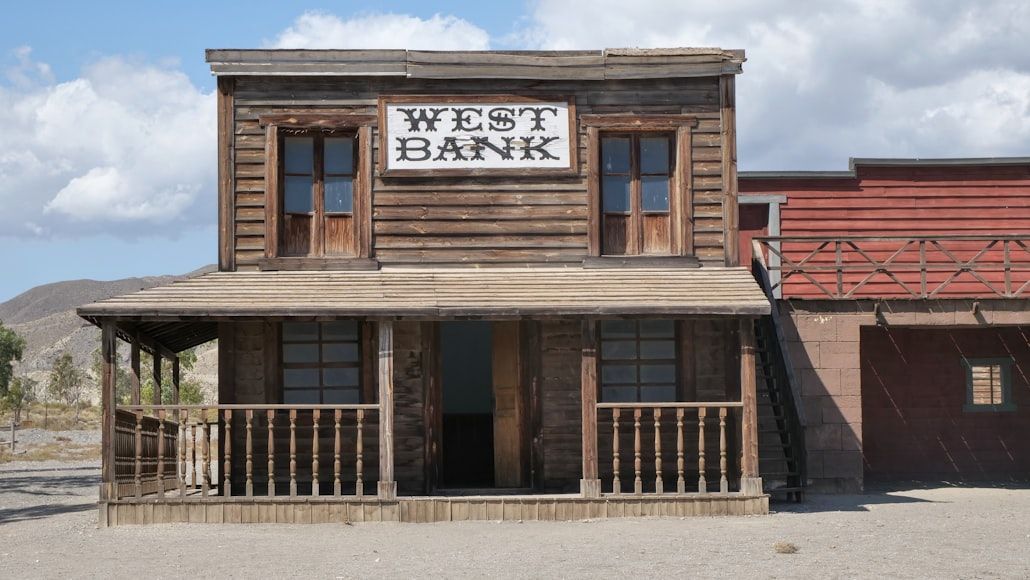
Movie westerns would have us believe that bank robberies were a daily occurrence in the Wild West, but nothing could be further from the truth. Though there were heists carried out by famous outlaws, bank robberies were far from common , and train and stagecoach robberies were more likely to happen.