Hidden from the public
What's hidden beneath the National Mall? It's not what you think
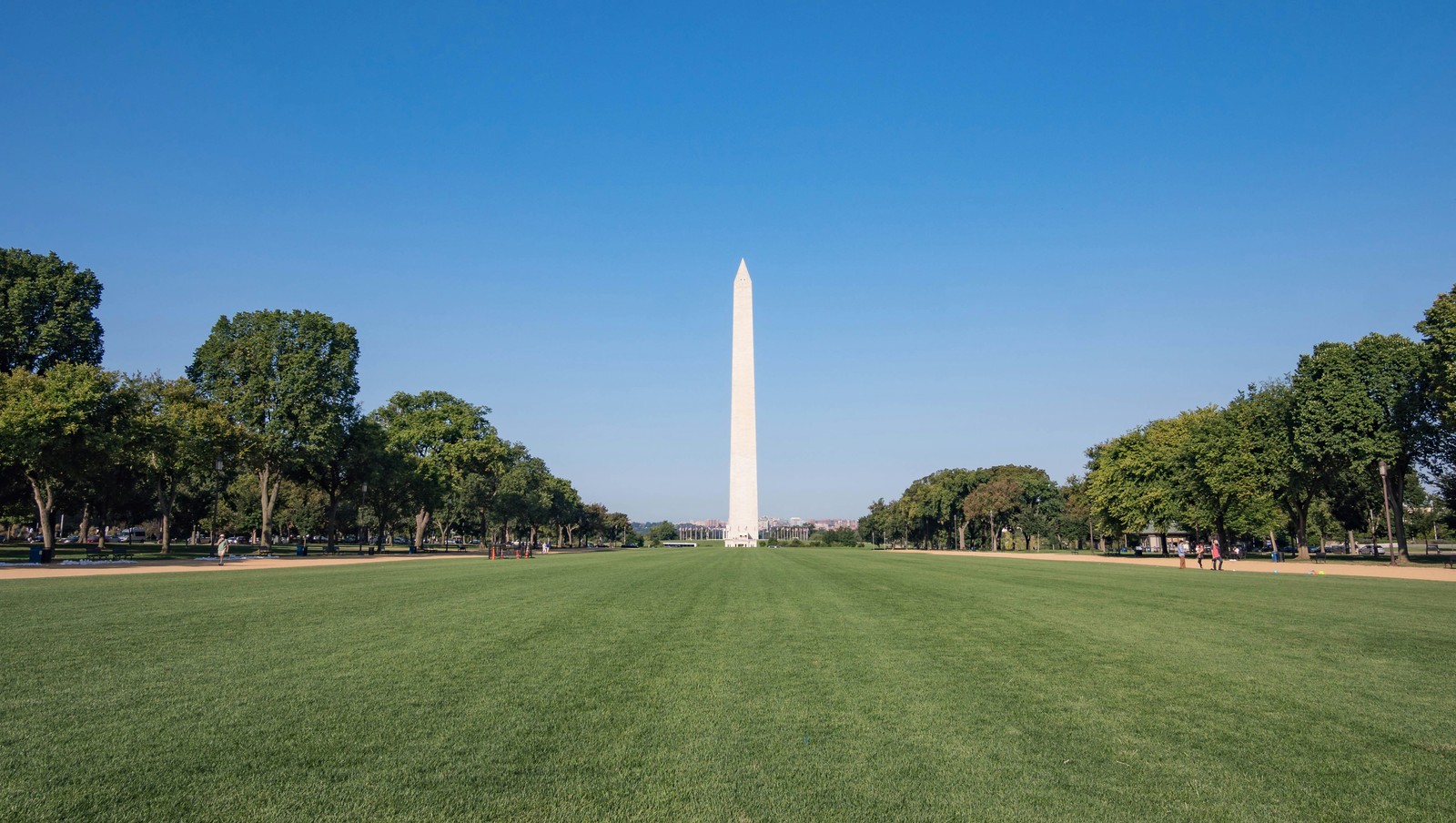
Image: Sonder Quest
Cities like Washington, DC, Philadelphia, and Boston feel so famous that it’s easy to think there’s nothing left to discover in them. But with centuries of history behind them, they’re full of secrets most people never learn about. From underground tunnels linking iconic buildings to hidden rooms inside famous landmarks, today we’re uncovering 10 hidden spots and historical secrets of the cities you thought you knew.
1
National Mall’s hidden tunnel (Washington, DC)
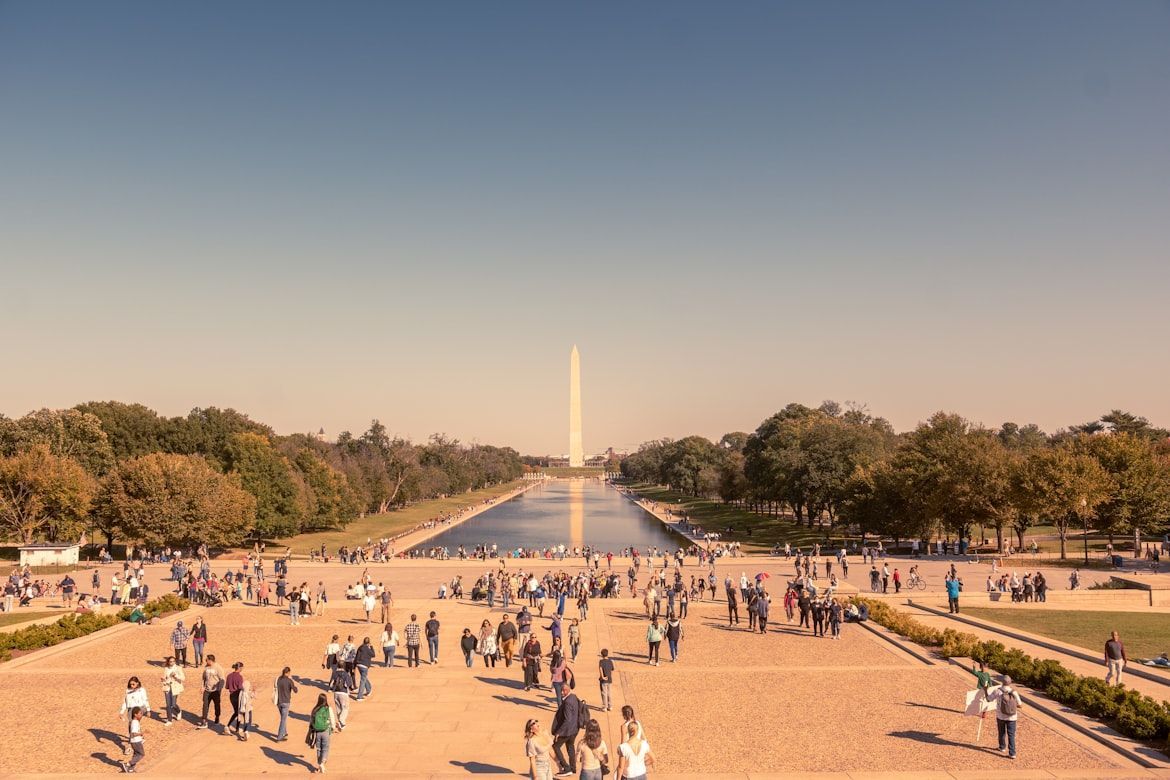
The National Mall landscape in Washington, DC, is so familiar that it’s hard to imagine anything hidden beneath it, but there is more going on below the surface than most visitors realize.
Beneath parts of the Mall, a network of underground tunnels connects buildings like the Smithsonian Institution Building, a.k.a "The Castle", with other Smithsonian facilities, including the National Museum of Natural History. They’re mainly used for utilities, secure staff access, and behind-the-scenes operations that keep the museums running smoothly.
2
Mount Rushmore’s secret chamber (Keystone, SD)
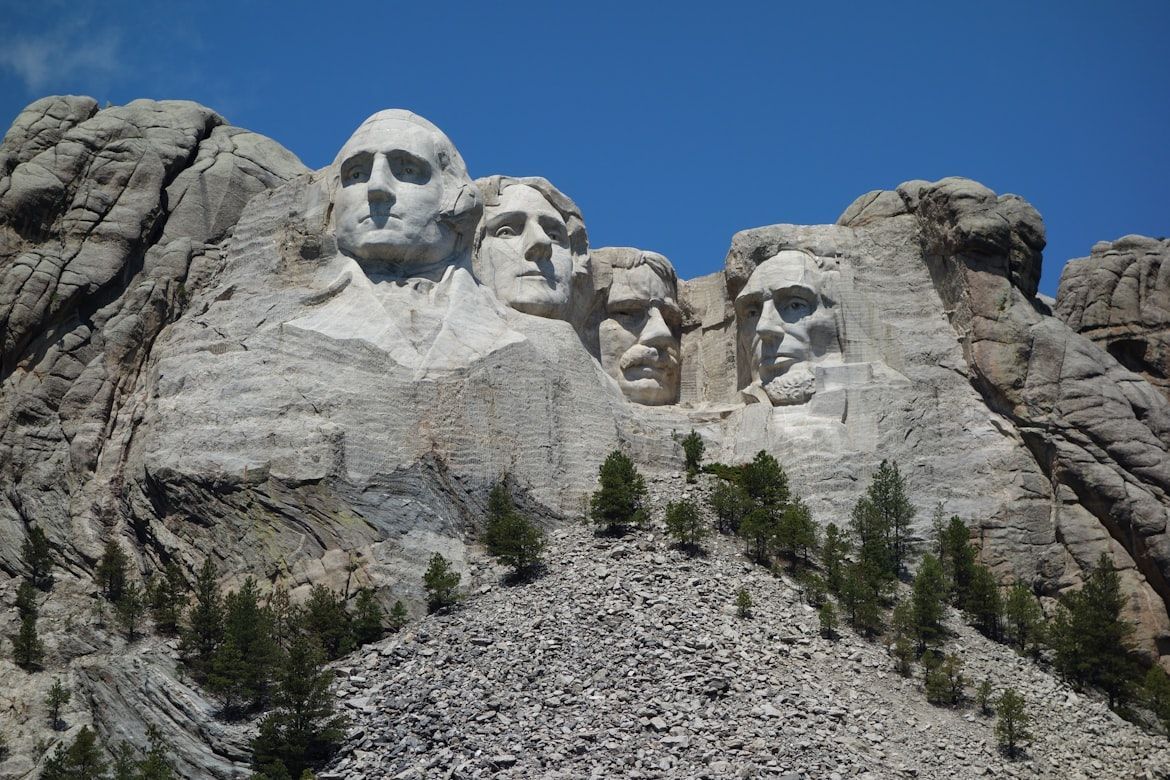
When you look at Mount Rushmore, the first thing you notice is the four faces of George Washington, Thomas Jefferson, Theodore Roosevelt, and Abraham Lincoln, but there’s more than meets the eye. Hidden behind Lincoln’s head is a secret chamber known as the "Hall of Records," a place visitors have rarely ever seen. It was the idea of sculptor Gutzon Borglum, who imagined it as a grand room to hold important US documents and tell our story as a country. Construction began with that goal, but the project was never completed. Today, the chamber remains unfinished, but it's there, waiting to be visited someday.
3
The Las Vegas sign is in another city (technically, Paradise, NV)
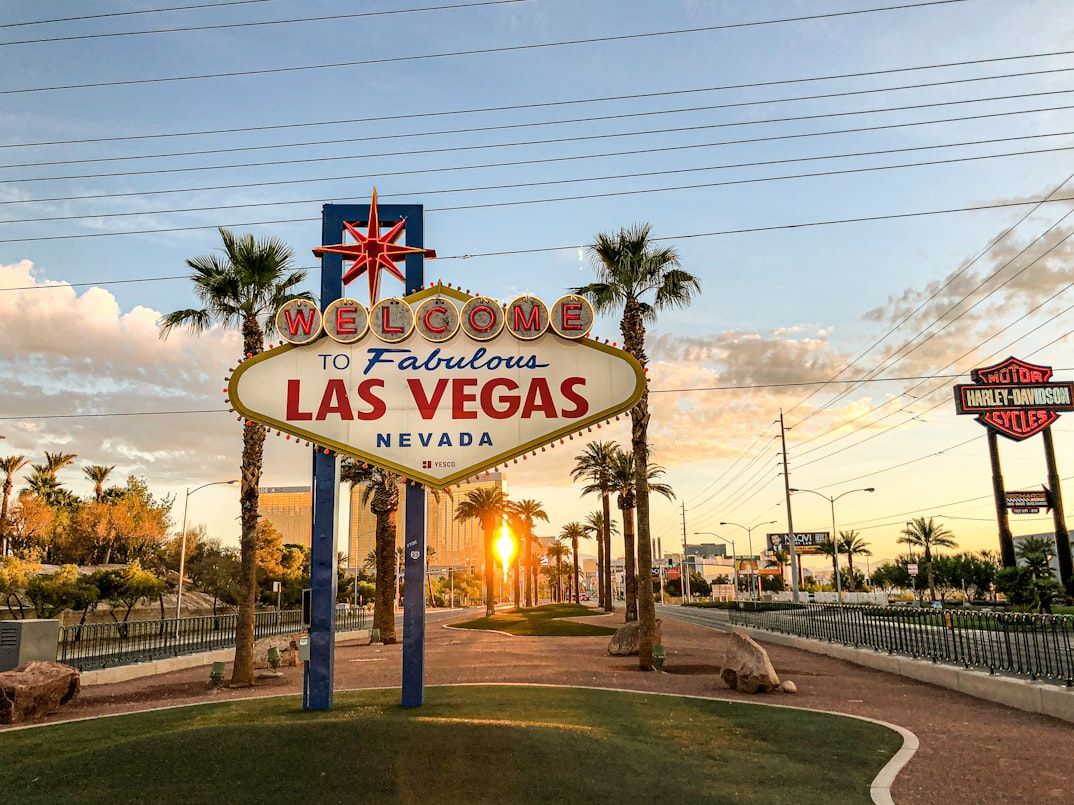
Do you have the classic picture in front of the iconic "Welcome to Fabulous Las Vegas" sign? If you snapped it and then drove to another city, we hate to break it to you, but you weren’t in Las Vegas.
The famous sign, installed in 1959, actually sits a couple of miles outside the city limits. In fact, the sign and most of the Strip are technically located in the towns of Paradise and Winchester, unincorporated communities in Clark County, Nevada, not within Las Vegas itself. And that’s no accident: much of the Strip and its casinos were originally developed outside the city in the 1950s to avoid municipal taxes and regulations.
4
Fragments of the Antarctic ice sheets (Denver, CO)
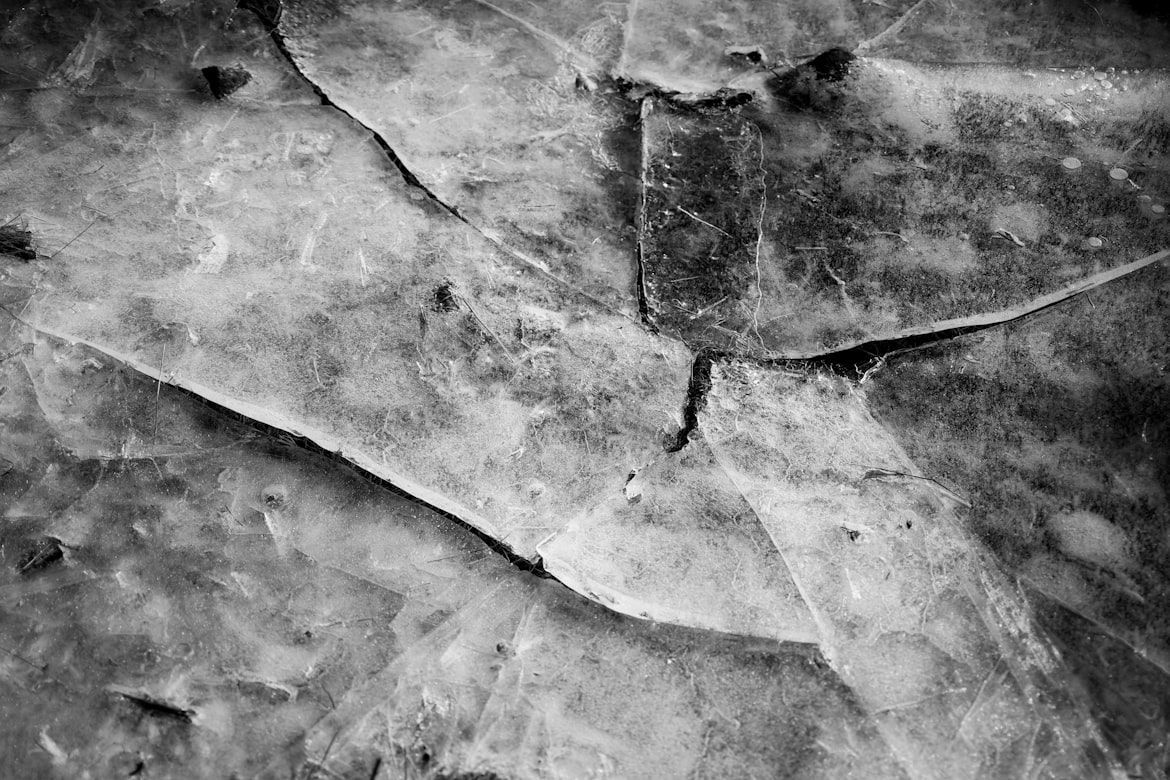
Did you know that the Mile High City stores miles of ice from Greenland and Antarctica? Ok, but how?
At Denver’s National Ice Core Laboratory, part of the Federal Science Center, the ice is kept at around -32.8°F. Researchers study it not just to understand Antarctica itself, but also to inspect Earth’s history. Some of these blocks of ice are hundreds of thousands of years old, and from them, scientists can reconstruct ancient temperatures, track greenhouse gas levels, and even identify major volcanic eruptions preserved in the layers.
5
The hatch at the top of City Hall Tower (Philadelphia, PA)
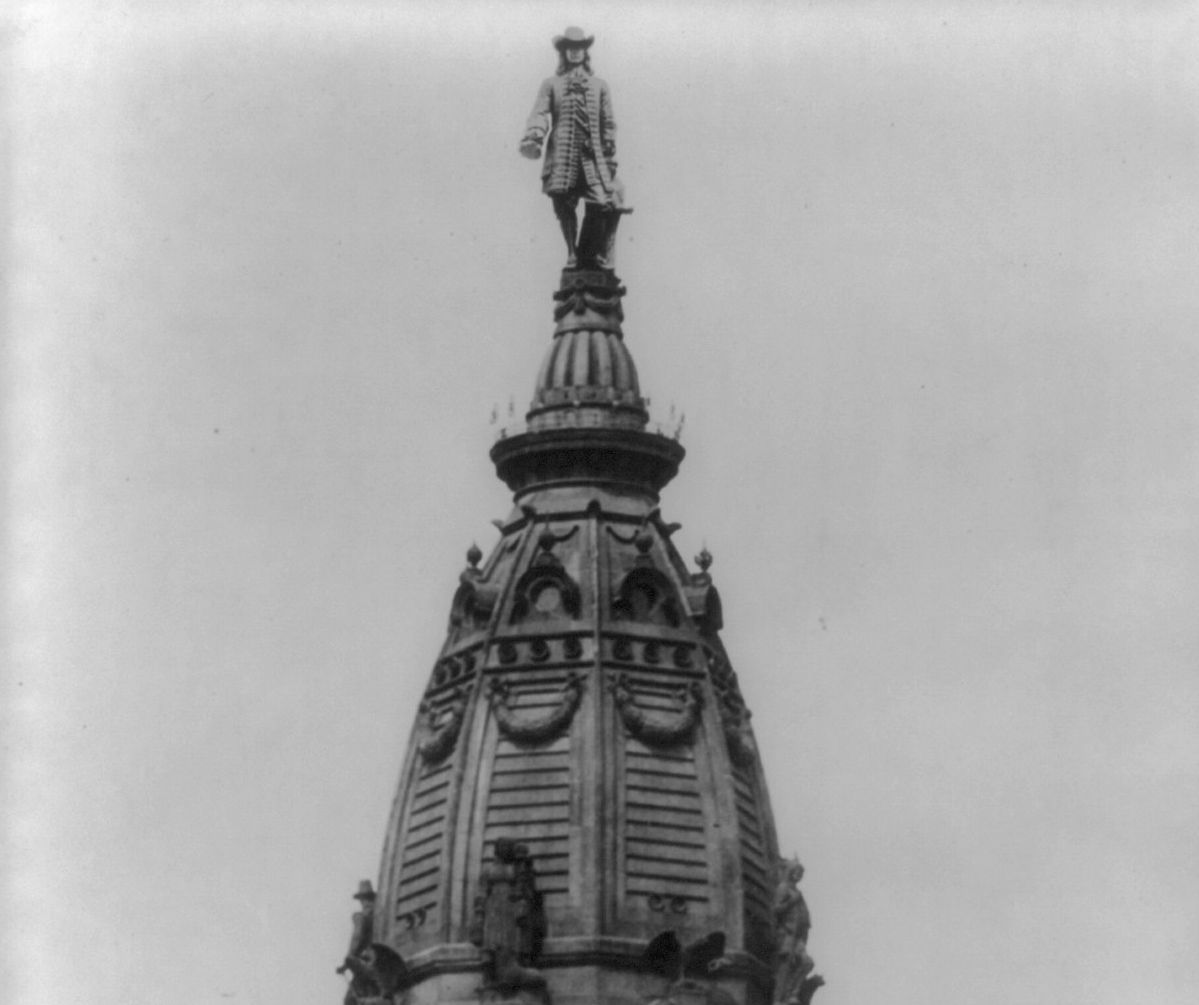
Counting the statue of William Penn at its summit, the tower of Philadelphia City Hall rises about 548 feet, making it the tallest municipal building in the United States. But hidden high above the street, the statue conceals a little-known secret.
At its base is a small hatch, originally built to give workers access for maintenance. It offers an incredible vantage point over the city, but getting there isn’t easy. To reach it, you have to climb narrow stairways and walk through tight, elevated passageways. Would you dare give it a try?
6
A 112,544 square-foot underground bunker (White Sulphur Springs, WV)
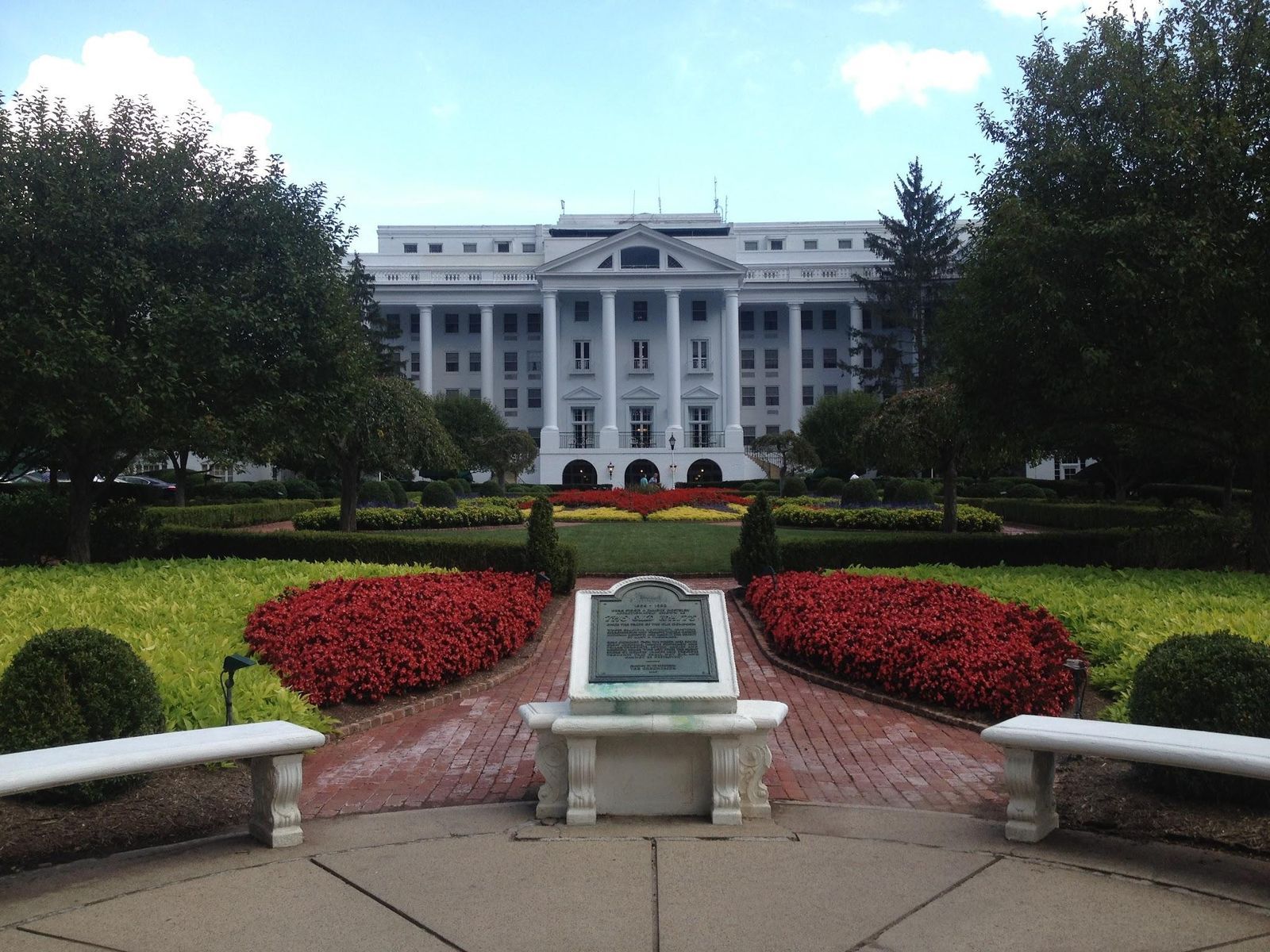
The tense atmosphere and threats of the Cold War led to the construction of thousands of underground bunkers across the US. And one of the most impressive is right beneath the Greenbrier Resort in White Sulphur Springs, West Virginia.
Buried 720 feet into the hillside, this 112,544-square-foot bunker was created to shelter all 535 members of the US Congress in the event of a nuclear attack. Built between 1958 and 1961, it was sealed behind a 25-ton blast door, and it remained a protected secret for more than 30 years.
7
Catacombs underneath City Market (Indianapolis, IN)
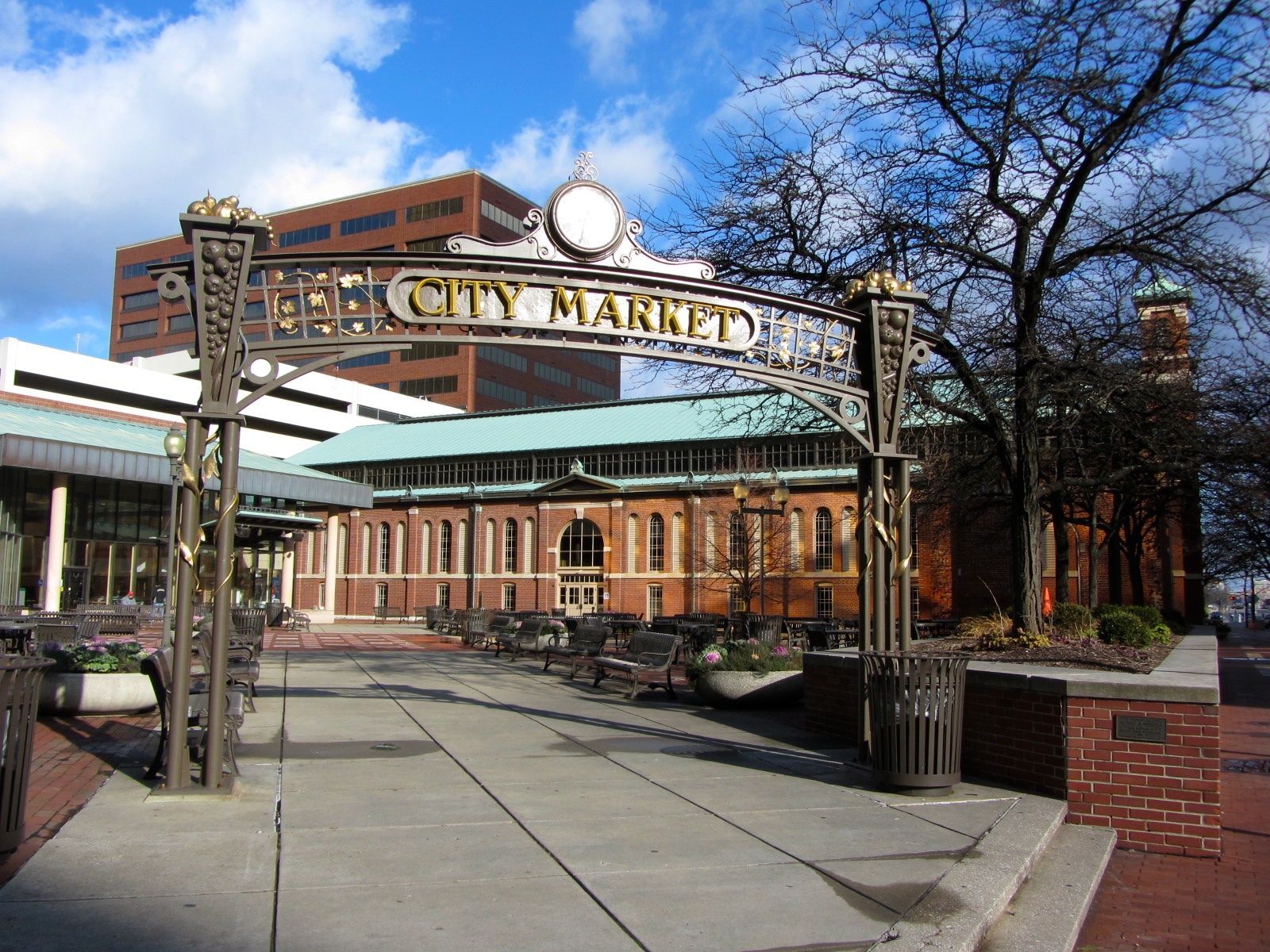
In downtown Indianapolis, the City Market has been a gathering place since 1886, filled with local vendors, cafés, and shops. But there’s more to it than what you see above ground. Beneath the market lies a network known as the City Market’s "catacombs."
Despite the name, the reality isn't quite so macabre; they’re a series of brick archways that once supported Tomlinson Hall, a huge market building demolished in the mid-20th century. Today, this underground space remains as a hidden piece of the city’s past, but unlike many places on this list, it’s occasionally open for guided tours.
8
One of history's biggest art heists (Boston, MA)
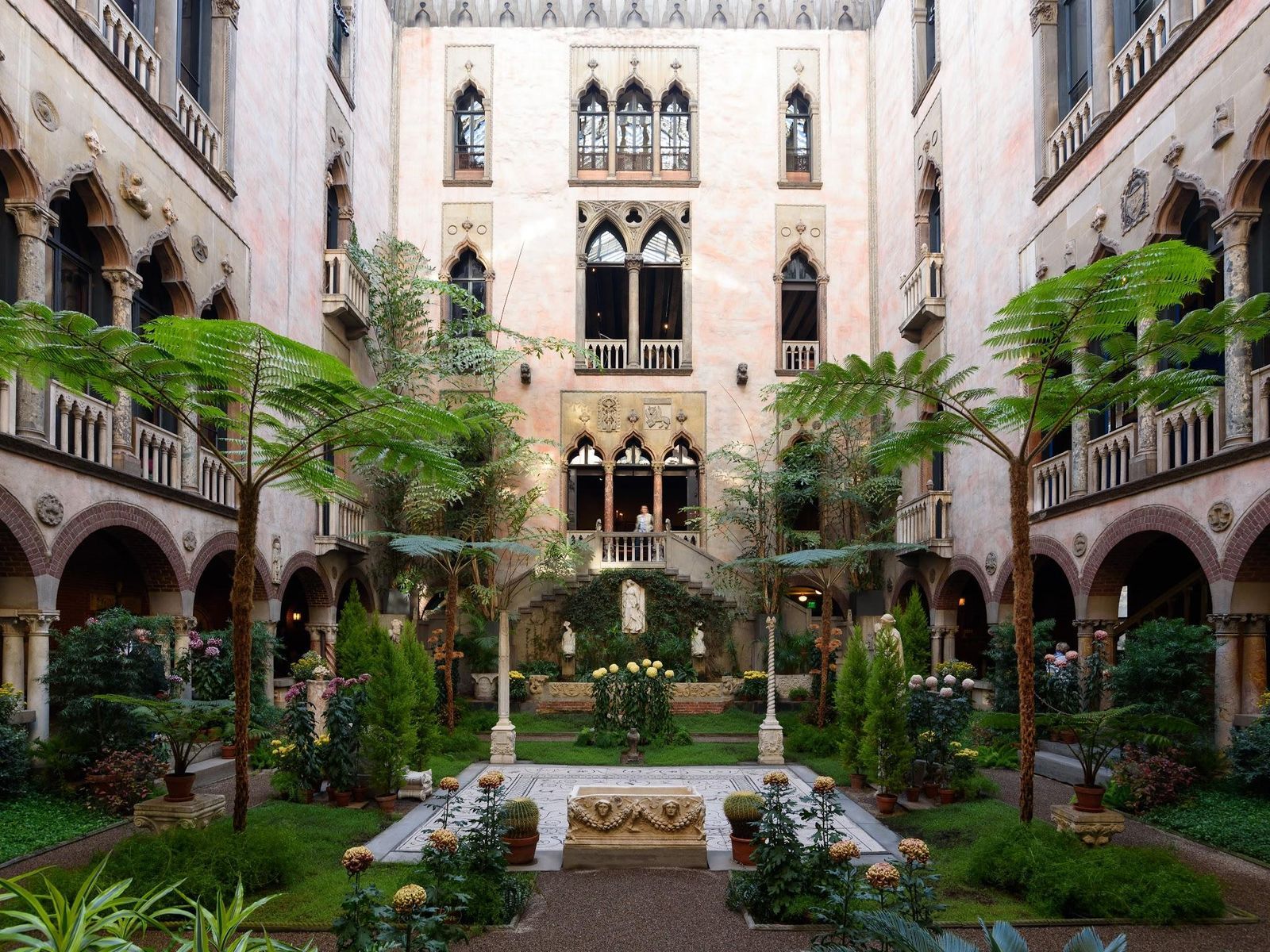
We all know Boston as the "birthplace of the American Revolution," home to events like the Boston Massacre and the Boston Tea Party. But there’s another chapter of its history you don’t hear about as often.
Just over 30 years ago, Boston was the scene of one of the biggest art heists in history. In the early hours of March 18, 1990, two men disguised as police officers entered the Isabella Stewart Gardner Museum, overpowered the guards, and stole 13 invaluable works of art, including pieces by Vermeer, Degas, Rembrandt, and Manet. To this day, the case remains unsolved, and a multi-million-dollar reward is still offered for information.
9
One of the quietest places on Earth (Minneapolis, MN)
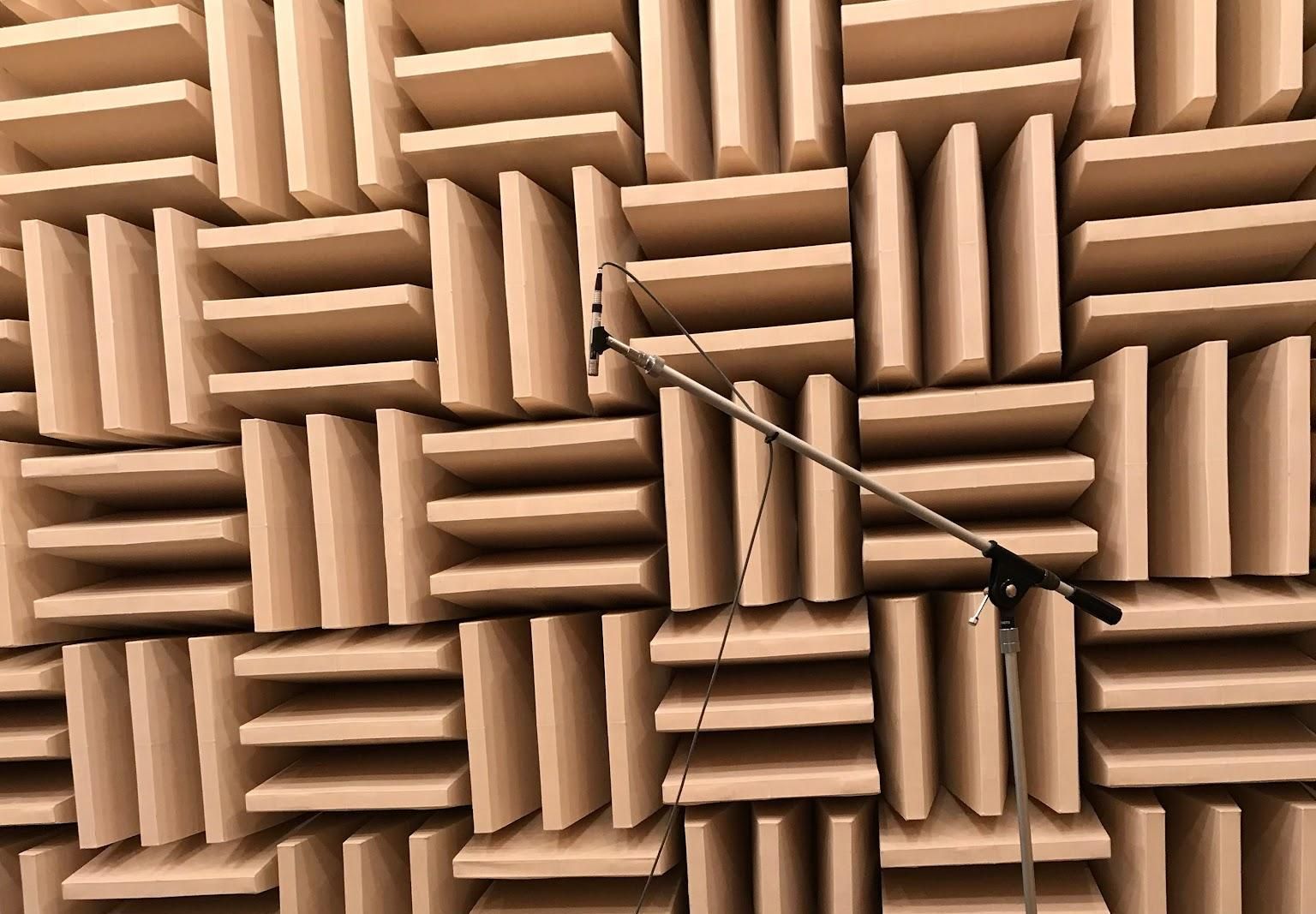
Where do you think the quietest places on Earth are? You might imagine remote landscapes far from civilization, but one of them is actually right in Minneapolis, Minnesota.
Inside Orfield Laboratories, there’s a room with no windows or natural light, an anechoic chamber that absorbs nearly all sound. That’s right: it blocks almost every noise, making the space even quieter than a vacuum. Visitors say the silence is so intense that you can hear your own heartbeat and even the faintest movements of your body. Simply incredible.
10
A strange law (Los Angeles, CA)
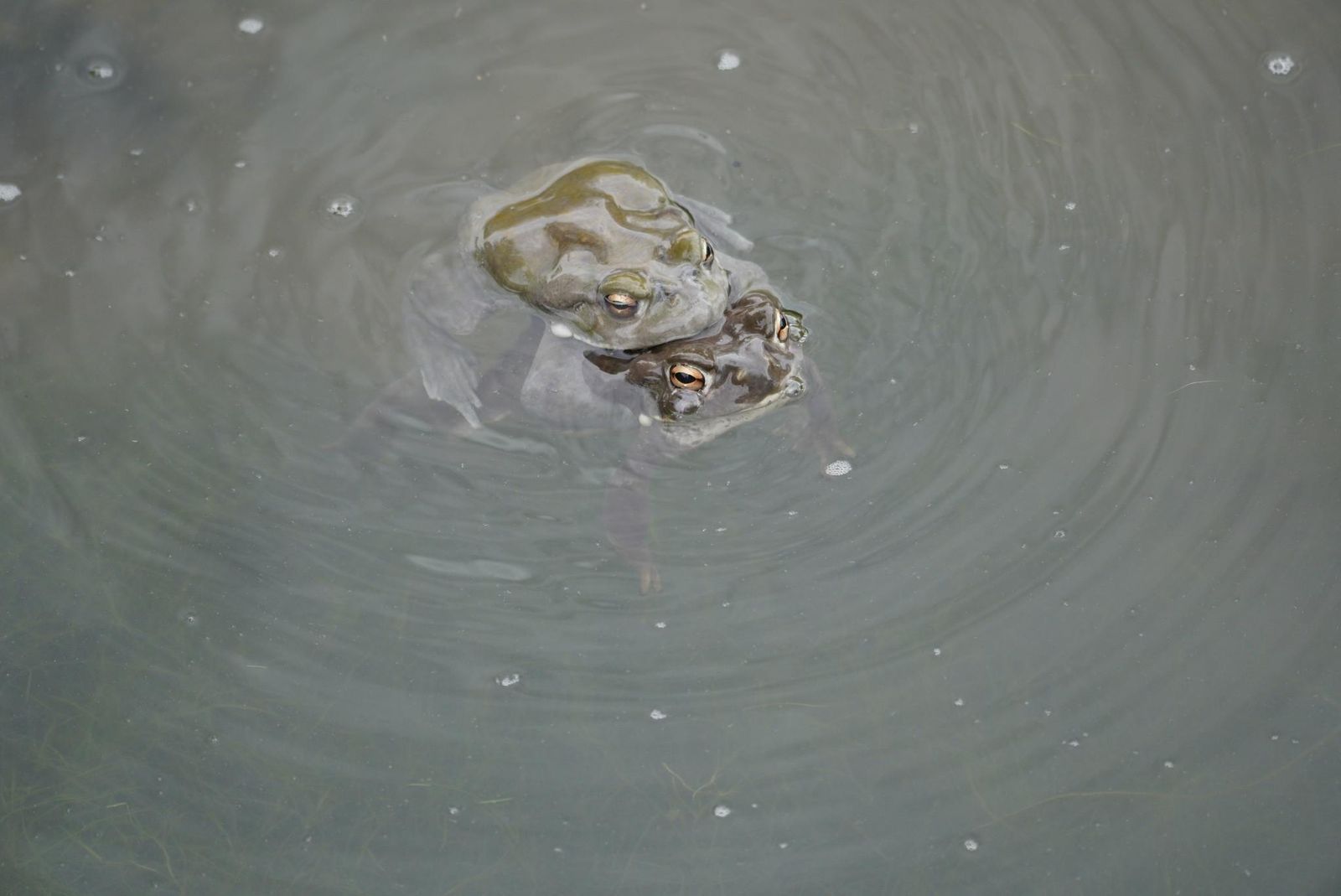
Why would a city actually pass an ordinance saying that licking toads is a bad idea? That’s Los Angeles, a place full of quirks, some charming, some downright strange. Even its laws can be unusual.
The Colorado River toad, found in parts of California, secretes chemicals that can have powerful psychoactive effects on humans. Because of the risks, both possession and use of this substance are illegal statewide. In 1994, cases occurred, including a teacher who was arrested for possessing the toad substance. But Los Angeles went a step further, passing an ordinance that specifically bans licking these amphibians. And let’s be honest, the poor toad probably doesn’t enjoy it either.