General General 4 min read

1982’s movie classics

Can you believe these 10 classic movies were all released in 1982?
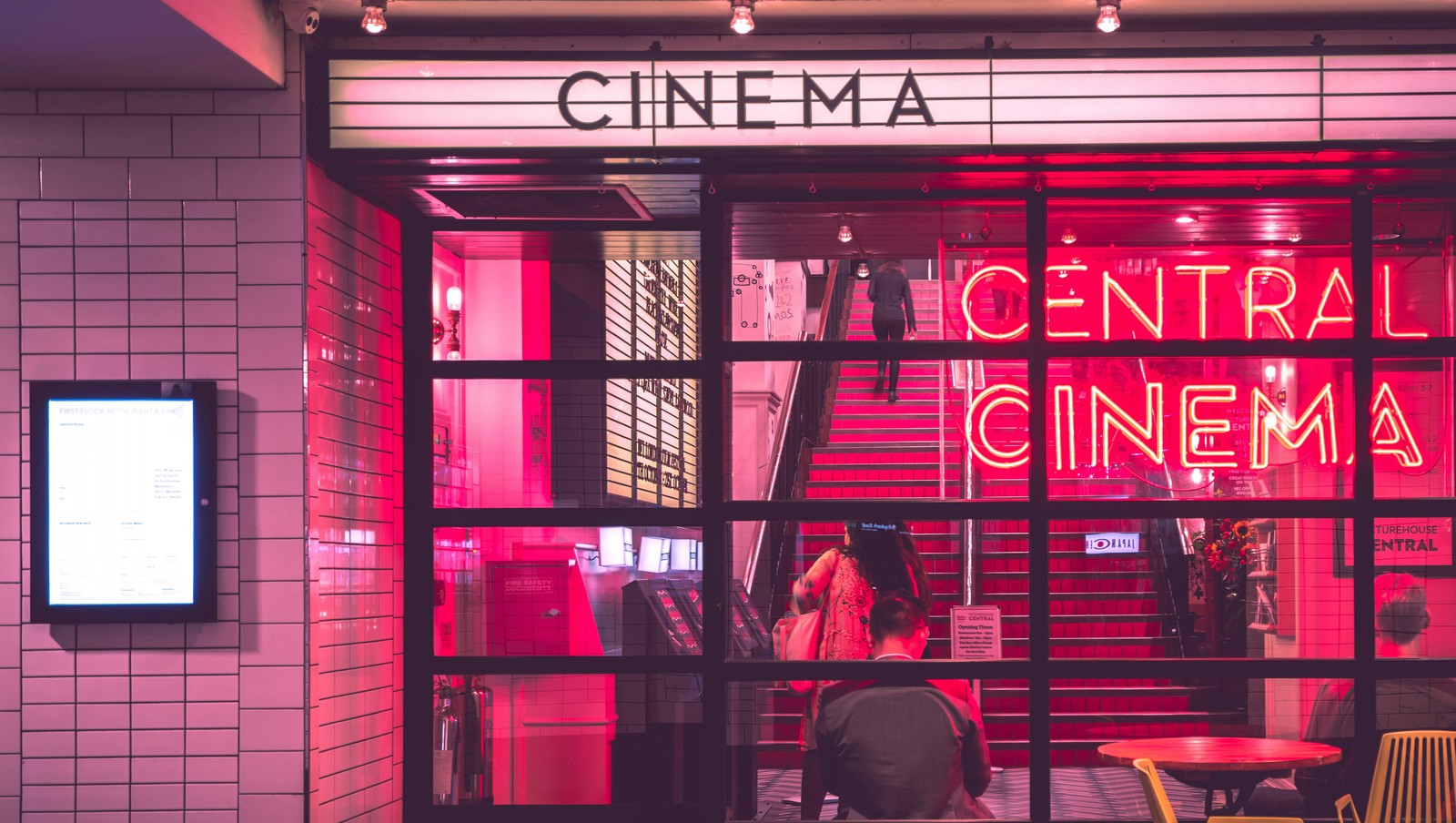
Image: Myke Simon

What happened in 1982? During President Ronald Reagan’s second year in office, Grace Kelly died at 52 in a car accident, the UK defeated Argentina in the Falklands War, Michael Jackson released Thriller , and Prince released 1999 as the first compact discs were sold commercially. It was also a landmark year in cinematic history — see the surprising number of all-time classic movies that were released in 1982, from sci-fi to comedy to romantic dramas.

1
E.T. the Extra-Terrestrial
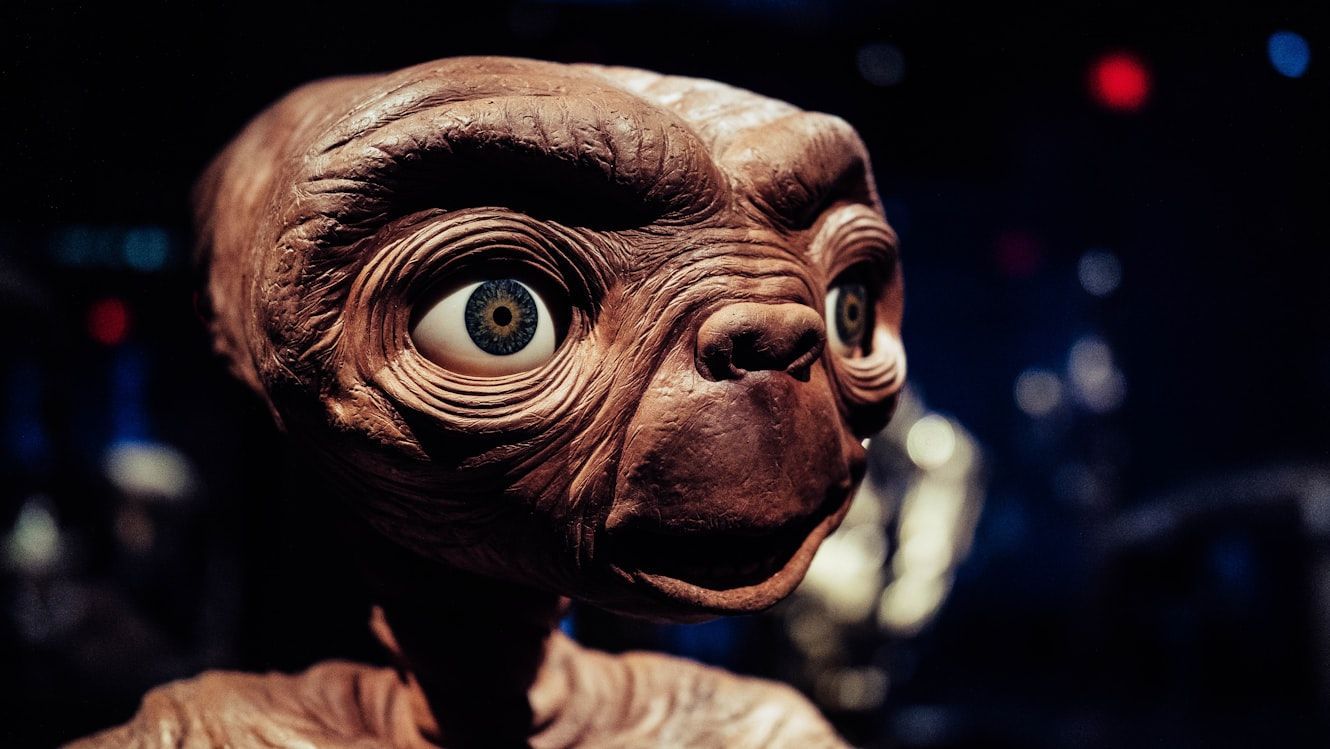
Image: Rick L

In the same year that Michael Jackson’s Thriller was released, an 11-year-old Henry Thomas starred as Elliot, a young boy who befriends an extraterrestrial stranded in his backyard, and helps him find his way home.

Directed by Steven Spielberg, this science fiction classic was filmed in chronological order to ensure the young cast (which also included a then-unknown Drew Barrymore) could perform convincingly. After Star Wars’ big debut in 1977, E.T. held the record for the highest-grossing film of all time until Spielberg’s own Jurassic Park surpassed it in 1993.

2
Fast Times at Ridgemont High
Image: Tim Mossholder

Did you know this movie is Nicolas Cage's professional debut? He was about 17 -18 years old and played one of Spicoli’s (Sean Penn) stoner friends, called "Bad Bud". This coming-of-age comedy drama features early appearances by future stars like Penn, Eric Stoltz, and Jennifer Jason Leigh.

3
Tootsie
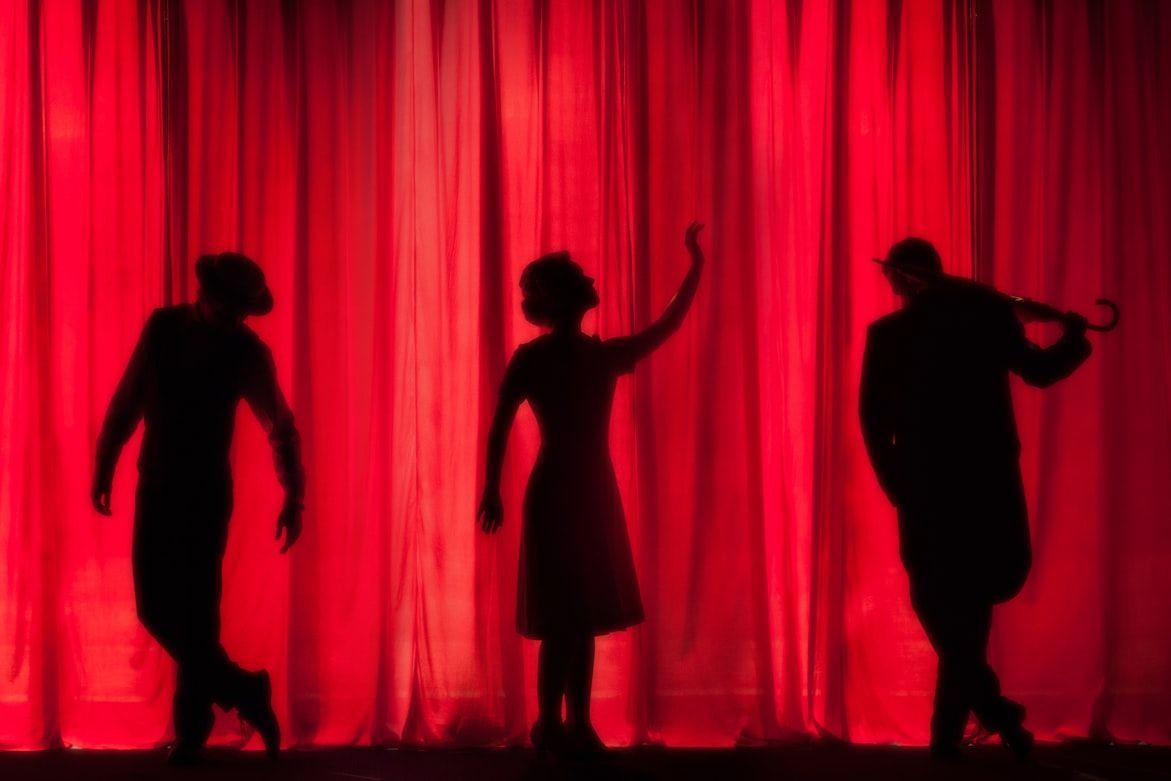
Image: Kyle Head

Tootsie is a satirical romantic comedy starring Dustin Hoffman as Michael Dorsey, a struggling actor who disguises himself as "Dorothy Michaels" to land a role on a soap opera. His success brings complications when he falls in love, putting both his career and his secret at risk. Jessica Lange later won the Academy Award for Best Supporting Actress for her role in the film.

4
Blade Runner
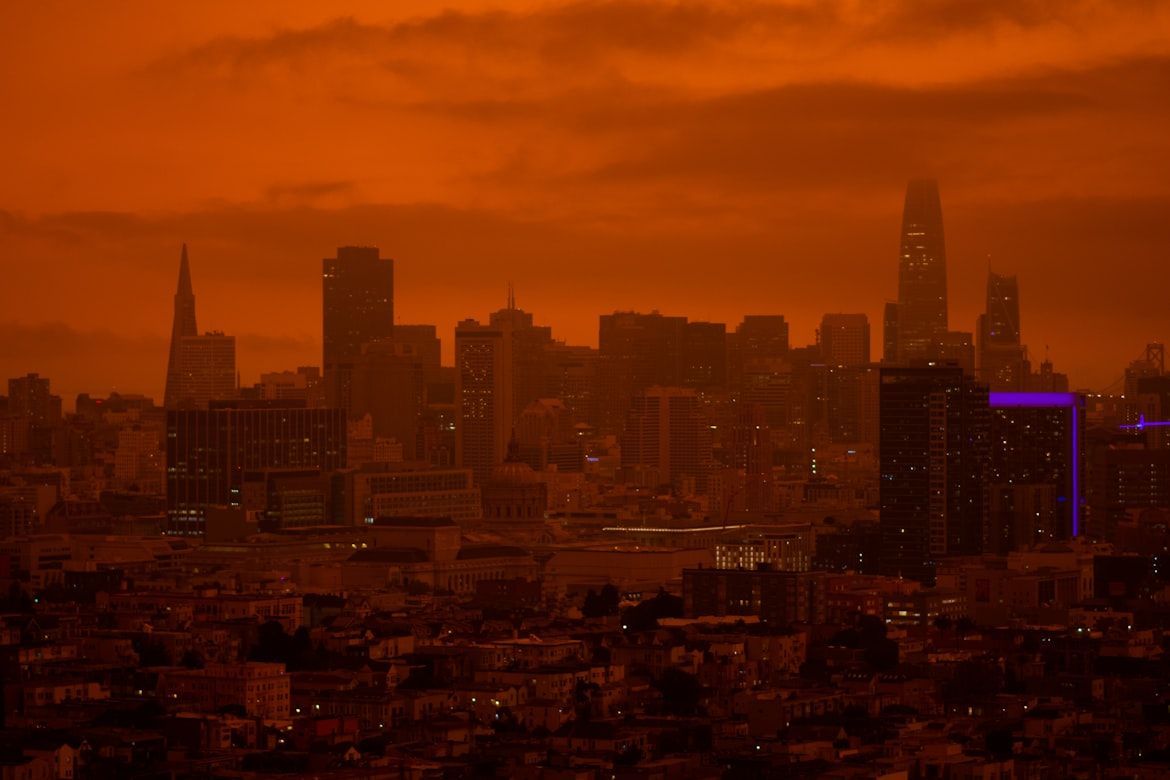
Image: Patrick Perkins

Directed by Ridley Scott, this futuristic science fiction classic starring Harrison Ford, Rutger Hauer, and Sean Young is set in a dystopian 2019 Los Angeles, where replicants (synthetic humans) are bio-engineered to work on space colonies. But when one group of rebellious replicants escapes back to Earth, policeman Rick Deckard (Ford) is in charge of hunting them down.

5
Rocky III
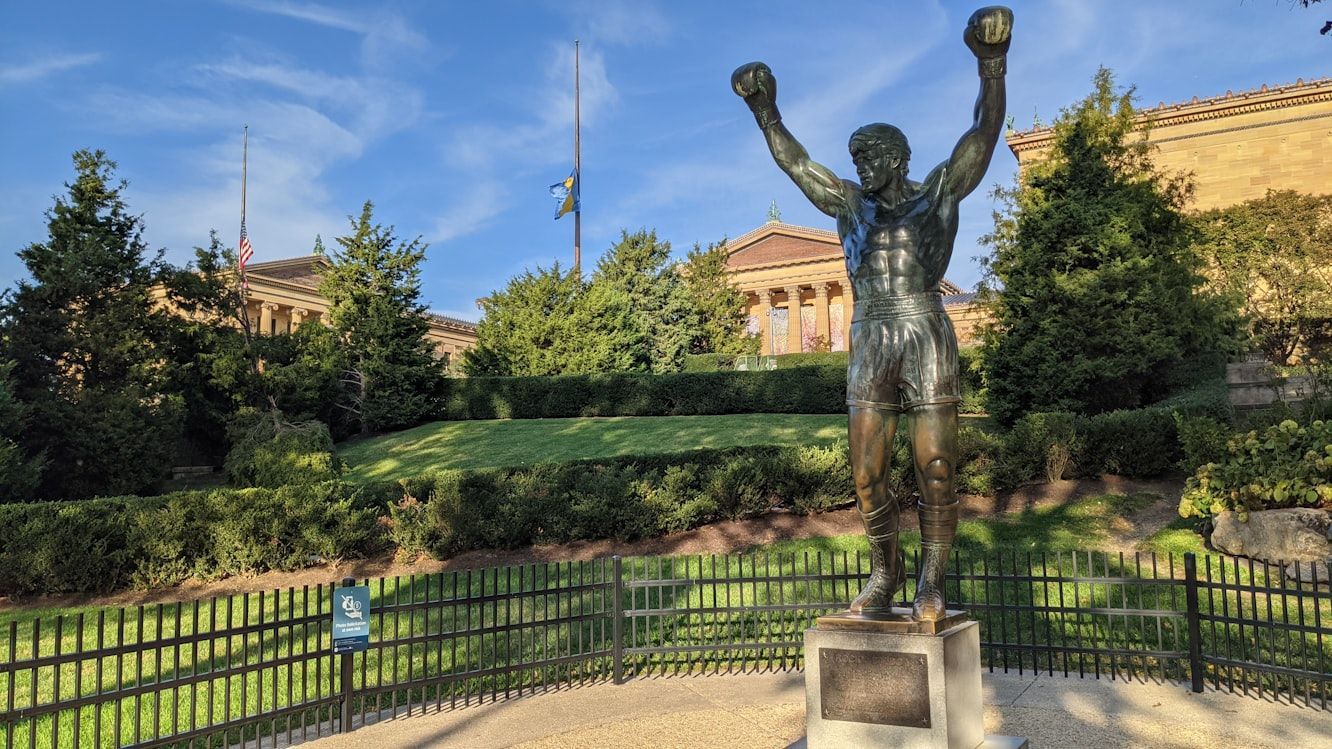
Image: Teitur Hansen

Rocky Balboa (Sylvester Stallone), now wealthy and complacent as champion, loses both his mentor Mickey and his title to his younger rival, Clubber Lang (Mr. T). With Apollo Creed’s help, he fights to regain his discipline and reclaim his championship.

The third installment of this sports drama trilogy , written, directed, and starring Stallone, was released on May 28, 1982.

6
Poltergeist

Image: m wrona

Because Steven Spielberg was contractually unable at the time to direct another movie other than E.T the Extra-Terrestrial, Tobe Hooper was chosen to direct the film. This supernatural horror film won the BAFTA Award for Best Special Visual Effects and was nominated for the Academy Award in the same category, losing to E.T the Extra-Terrestrial the next year.

7
An Officer and a Gentleman
Image: Specna Arms

On August 13, 1982, An Officer and a Gentleman hit theaters. This romantic drama , directed by Taylor Hackford and starring Richard Gere and Deborah Winger, follows the story of a Navy recruit who signs up for the Aviation Academy, where he learns to relate to others and finds love. It was a critical success and became the third highest-grossing film of 1982, after Tootsie and E.T the Extra-Terrestrial.

8
Gandhi
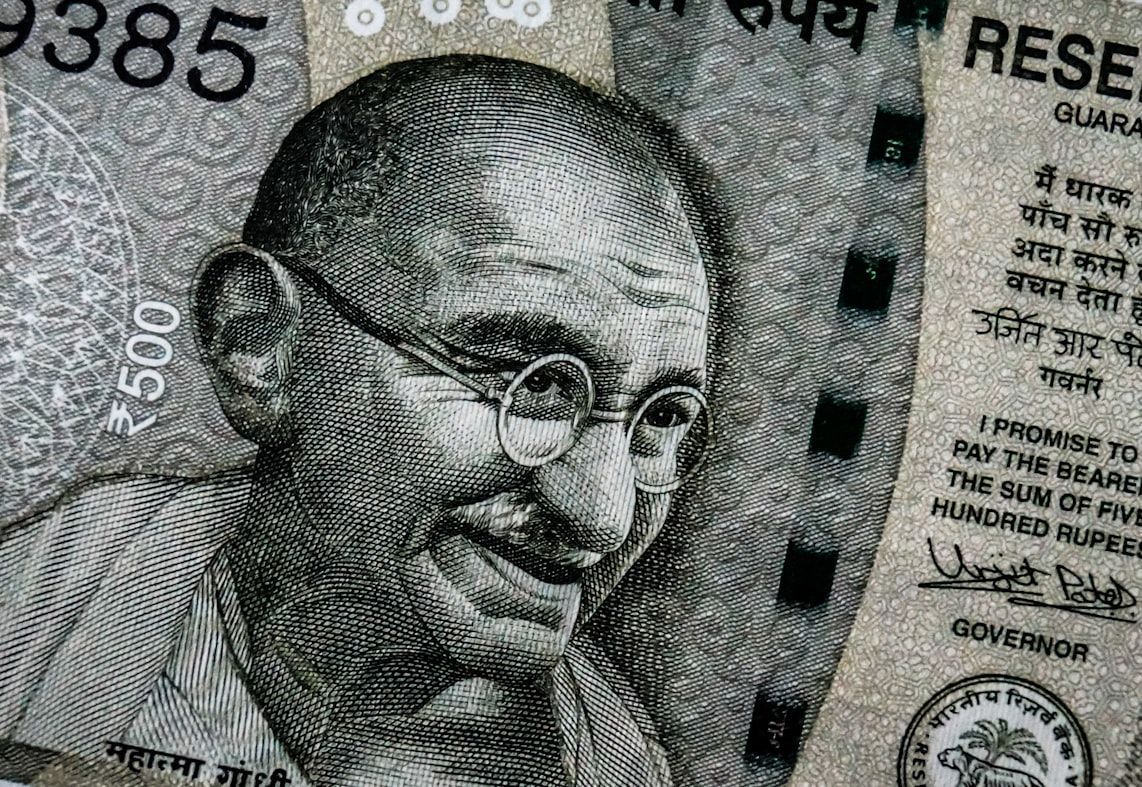
Image: Ishant Mishra

While science fiction was blowing everyone’s minds, this historical epic captured audiences’ hearts despite its 3-hour, 20-minute runtime. Ben Kingsley won both the Academy Award and the BAFTA Award for Best Actor in a Leading Role. The biographical drama follows the key moments of Mahatma Gandhi’s life, from resisting British rule to leading India toward independence.

9
The Thing

Image: Nathan Duck

Directed by John Carpenter, this sci-fi horror story is all about paranoia and mistrust during the Cold War era. In an isolated Antarctic base, the crew is hunted by a shape-shifting alien that can transform into the shape of any living organism it consumes. Paranoia erupts as the isolated scientists, led by MacReady (Kurt Russell), realize anyone could be the creature, leading to everyone's distrust and desperation.

At release, The Thing was overshadowed by E.T. the Extra-Terrestrial , but it later gained a strong cult following through TV and home video.

10
Tron
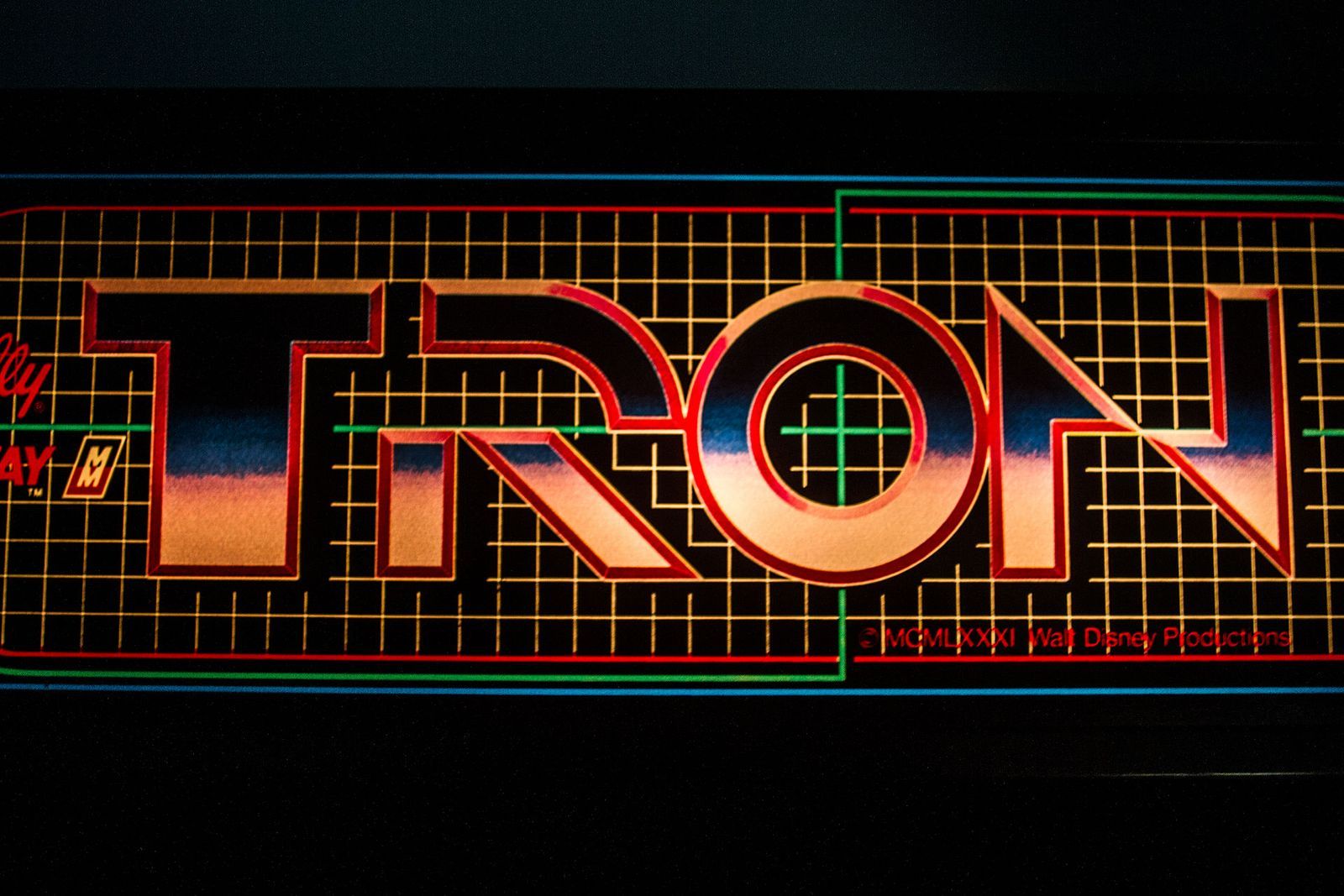
Image: TRON

Steven Lisberger drew inspiration for this science fiction adventure from the early video game Pong (1972). Combining groundbreaking animation with live action , the film was released on July 9, 1982, and became an influence on future animated filmmaking.

After discovering his work has been stolen, computer engineer Kevin Flynn (Jeff Bridges) attempts to hack into his company’s network, only to become trapped in a digital world.

History History 4 min read

American athletic history

Who did America defeat in "The Miracle on Ice"?

Image: Fredrick Lee

Sports have a remarkable way of keeping us on the edge of our seats during an exciting game, filling our hearts with joy when we see our country claim victory. With that in mind, the sports moments we’ve selected are among the most iconic American wins in history. However, we’re putting a twist on this: While we undoubtedly celebrate the incredible Americans behind these achievements, we’ve decided to highlight those who were defeated by the United States in these legendary contests.

Can you remember the teams and athletes who fell to America in these unforgettable moments? Let’s find out! You’ll find the answers at the end of this quiz, so keep reading!

1
The Miracle on Ice

Image: Jerry Yu

We begin with an unforgettable underdog story. At the 1980 Winter Olympics in Lake Placid , New York , the United States faced what many considered a leviathan in ice hockey history. Adding to the challenge, the American team was composed mostly of 21-year-olds, making it the youngest U.S. squad in Olympic history . Yet, against all odds, these determined players triumphed over a heavily favored opponent in what became known as the " Miracle on Ice ."

Do you remember which formidable rival they defeated?

2
Rumble in the Jungle

Image: Attentie Attentie

Many sports historians consider " The Rumble in the Jungle " to be the greatest boxing match in history. Held in 1974 in what is now the Democratic Republic of the Congo, this legendary bout cemented Muhammad Ali’s place in boxing history. Even more impressively, Ali’s victory came against an undisputed and undefeated heavyweight champion, whom he knocked out in the eighth round.

Though he is not as widely remembered as "The Greatest," this American boxer is still regarded as one of the best fighters of his generation. Can you guess his name?

3
Michael Jordan’s Last Shot

Image: Mike Von

It’s no exaggeration to say that Michael Jordan completely revolutionized basketball worldwide. Over his 15-season career , he delivered countless jaw-dropping moments. As you’d expect, choosing just one was no easy task, but we ultimately selected what is now known as Michael’s "Last Shot."

In the final seconds of the 1998 NBA Finals against the Utah Jazz , Jordan sank a game-winning shot that secured the Bulls’ victory. While you already know which team he scored against, there’s a certain player who is always featured in retellings of this iconic moment. Do you know who we’re talking about?

4
Serena Williams’ Golden Medal in London

Image: Josephine Gasser

What can be said about Serena Williams that hasn’t already been said? Arguably the greatest American tennis player in history, Williams’s career is a collection of remarkable achievements. However, we’ve chosen to highlight one of her later triumphs—her dominant performance at the 2012 London Olympics , where she became only the second woman to complete a career Golden Slam in singles.

Even more impressive was the way she secured her victory, defeating her opponent 6-0, 6-1 to claim the gold medal. Do you know who she faced in that historic match?

5
Michael Phelps's record-breaking achievements in Beijing 2008

Image: Gentrit Sylejmani

During the 2008 Beijing Olympics, the world was introduced to Michael Phelps , an affable kid from Baltimore who achieved the impossible: breaking seven world records and earning eight gold medals —the first step in his journey to becoming the most decorated Olympian of all time.

Phelps’s incredible feats often overshadow his competitors, so we thought we’d take a moment to recognize the swimmers who came close but couldn’t overcome " The Baltimore Bullet ." Do you remember them?

Answers:

6
Miracle on Ice - Soviet Union

Image: Markus Spiske

If you guessed that the Soviet Union was the Goliath defeated by the American team at the Winter Olympics, you were right! At the time of the match, the Soviet team was a four-time defending gold medalist and the heavy favorite to win. Although the United States pulled off a legendary upset, the victory didn’t come easily . The game was a thrilling showdown , with the American team scoring the decisive goal exactly 10 minutes before the final buzzer.

7
Rumble in the Jungle - George Foreman

Image: Johann Walter Bantz

Known as " Big George ," Texas-born boxer George Foreman was defeated by Muhammad Ali in the legendary "Rumble in the Jungle." As mentioned earlier, Ali’s victory was even more remarkable given Foreman’s dominance in the sport—he was a two-time world heavyweight champion , an Olympic gold medalist , and the favorite to win the match. Today, Foreman is remembered not only for his boxing achievements but also for his entrepreneurial success: Since 1994, his iconic George Foreman Grill has sold over 100 million units.

8
Last shot - Bryon Russell

Image: Markus Spiske

The play that would become known as " The Last Shot " began when Michael Jordan stole the ball from Karl Malone and raced down the court. Before taking the shot, he swiftly dodged Utah Jazz defender Bryon Russell , causing him to trip and fall. By the time Russell got back on his feet, the ball was already soaring through the air, swishing through the net and sealing victory for the Bulls.

9
Serena Williams’ Golden Medal - Maria Sharapova

Image: Valentin Balan

Throughout their careers, Serena Williams and Maria Sharapova maintained a high-profile rivalry as two of the biggest names in women’s tennis. Fortunately for tennis lovers everywhere, the 2012 Olympics brought these titans head-to-head, and while Serena dominated the match , it was far from the end of Sharapova’s career—she continued to showcase her talent until retiring in 2020.

10
Michael Phelps - László Cseh and Milorad Čavić

Image: Serena Repice Lentini

As mentioned earlier, Michael Phelps' historic victories at the 2008 Beijing Olympics were unprecedented, and narrowing it down to just one of his competitors wouldn't do justice to the event. Instead, we’d like to highlight a few remarkable runner-ups. Hungarian swimmer László Cseh secured multiple silver medals, often finishing just fractions of a second behind Phelps . Meanwhile, Serbian swimmer Milorad Čavić lost the 100m butterfly by an astonishing one-hundredth of a second —though he still managed to break the European record in the process.

Geography Geography 4 min read

Before GPS: Clever tricks Americans used to navigate the open road

Image: T.H. Chia

Image: T.H. Chia

Before smartphones and GPS started telling us where to turn, getting across the country required a little planning and a few clever tricks to remember the route. Travelers relied on paper maps, strangers on the road, and even public phone booths to stay on course. If your destination ever depended on the directions of a stranger, you’ll probably enjoy remembering a few of these clever tricks!

1
The MapQuest printout ritual

Image: José Martín Ramírez Carrasco

For many travelers, the trip really began here: sitting at the computer just minutes before leaving and printing turn-by-turn directions from MapQuest. The printed pages listed every step of the route, including the distance between each turn. This method was probably the one that marked the transition from traditional paper navigation to modern GPS systems.

2
Free maps at gas stations

Image: Jean-christophe Gougeon

Back in the 1920s, advertising executive William Akin came up with an idea to promote the new Gulf Refining Company gas stations. At the time, drivers still had to buy gasoline in five-gallon containers because service stations were uncommon. Akin proposed distributing free local maps in each area where these Gulf stations were located.

The idea spread quickly, and other gas companies soon adopted the same strategy. Over time, gas stations became natural stops for travelers, and many stations eventually began selling maps instead of giving them away.

3
The American Automobile Association Trip Triks

Image: Mike Mozart

No way you forgot this one! If you were a member of the American Automobile Association, you had access to Trip Triks: spiral-bound booklets customized for each traveler’s route. AAA staff highlighted the exact path on the map, marking gas stations, hotels, and attractions along the way.

4
Lost? Find a phone booth

Image: jerry chen

Lost in the big city? Step into a phone booth. Back then, many phone booths had maps inside showing nearby streets and landmarks. If you were lost, all you had to do was step inside, and within a few minutes, the problem was solved. The good news was that big cities had a phone booth on almost every major corner and intersection, so if the one you stopped by was already taken, you only had to walk a few steps to find another.

5
The thick book that lived in every car

Image: Bromley Atlases

The city street atlas. One of the best companions for drivers, if not the very best. These thick books showed detailed maps of entire cities, page by page. If you spotted a street sign but had no idea where you were, you could look up that street in the atlas index. It would point you to the exact page and grid where the street appeared, helping you figure out your next move. Do you remember flipping through a street atlas to find your way across a city?

6
Asking locals for directions

Image: Deva Darshan

Following directions back then required a bit of blind faith. You might hear something like, "Drive a few miles and turn left when you see the church," or "After the green restaurant, take the second road on the right." In rural areas, where road signs were scarce, a local’s guidance was often the best map you could get. Sometimes those directions were the only way to find a place that didn’t appear on any map. Have you ever followed directions like these and hoped for the best?

7
The co-pilot seat

Image: Xia Hua

This trick required teamwork. If you weren’t traveling alone, one passenger was usually designated as the "navigator." Their role? Reading the map, watching for road signs, and warning the driver about upcoming turns. A good navigator also had to learn the driver’s rhythm: when to speak up, when to stay quiet, and how quickly directions needed to be given. The best driver–navigator pairs worked together almost like Batman and Robin.

8
The Rand McNally Road Atlas

Image: GeoJango Maps

The Rand McNally Road Atlas is one of the most iconic travel tools in American road trip history. The atlas includes detailed maps of every state, showing highways, towns, and points of interest across the United States. For decades, it was a common sight in glove compartments and truck cabins, guiding travelers from city to city. Unlike digital navigation, the atlas allowed drivers to see the entire route and explore alternative roads along the way. Even today, many travelers still keep one as a backup option when cell service or GPS fails.

9
Following highway numbers

Image: Anne Nygård

During the era of long road trips, drivers didn’t worry much about street names. Instead, they followed highway numbers. If you got on the right road, like Route 66 or U.S. Route 1, you could relax and stay on it for miles and miles, sometimes across several states. As long as the number on the signs stayed the same, you knew you were still on the right path. This approach later helped inspire the Interstate Highway System, which made traveling across the country even easier.

10
The church, the bridge, the water tower

Image: Anders Jildén

Here's one of the classic road trip tricks: remembering landmarks along the road. This method required both memory and self-trust. Instead of coordinates or exact addresses, travelers remembered particular spots. They learned to look for things that stood out, like churches, bridges, water towers, or unusual buildings. When you reached the right one, you knew when it was time to turn. What landmarks did you rely on the most?

Explore more American facts

Choose your favorite category!

General
General

As American as apple pie—the very best America has to offer!

Culture
Culture

Delve into the astounding richness of American lore.

Geography
Geography

Hop in and explore vast and diverse American landscapes.

History
History

Discover the key moments that shaped the United States.