Say cheese!
Did you know American cheese is not actually cheese?
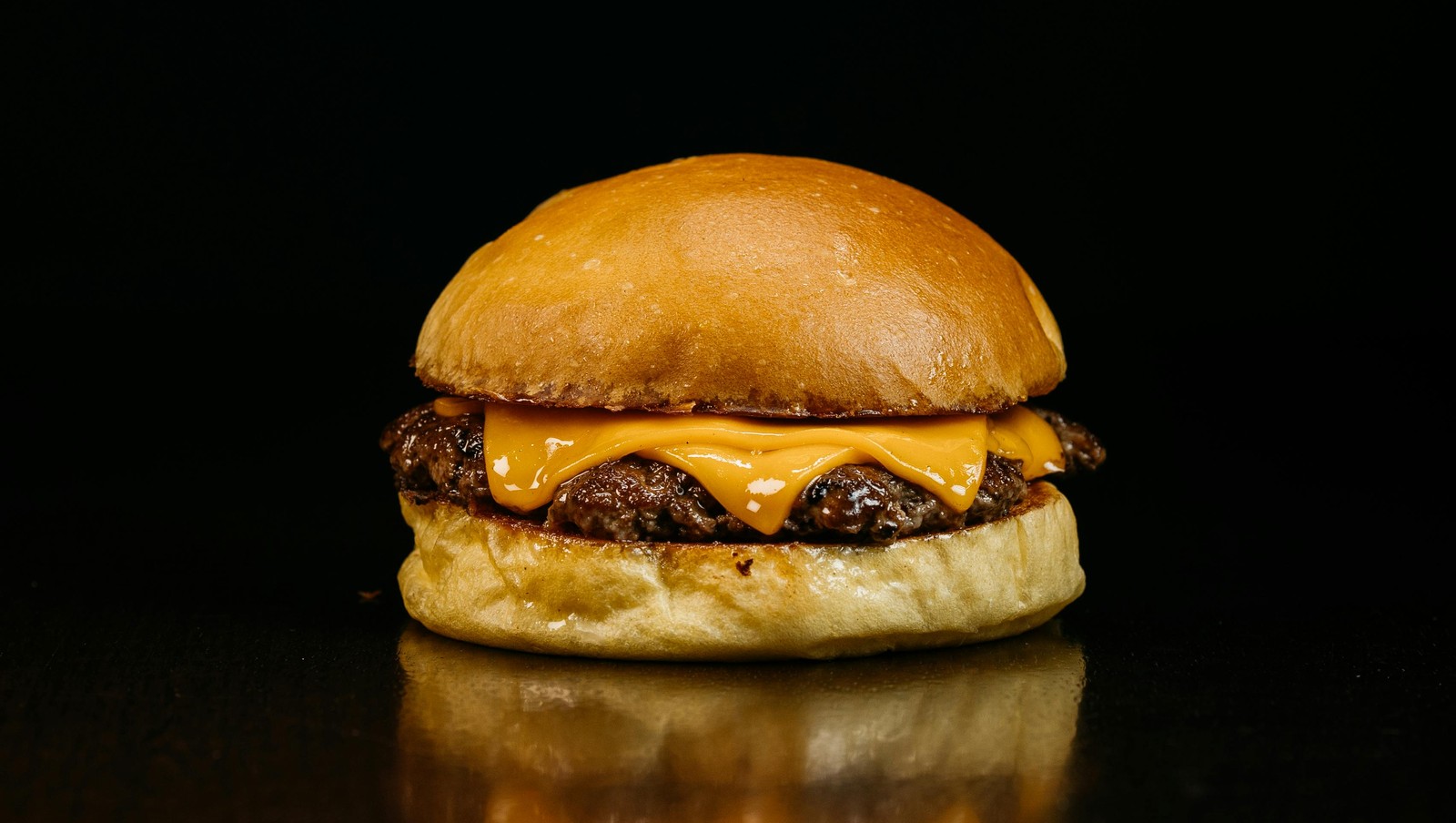
Image: Jonathan Borba
Few foods trigger as much heated debate as the neon-orange, perfectly square slice of American cheese. To culinary purists, it’s an industrial piece of rubber. But to the backyard grill master and the late-night grilled cheese enthusiast, it is a scientific masterpiece of consistency and meltability. The truth is, American cheese has been both witness and party to U.S. history, from World War I to Apollo missions. Before you peel back the wrapper on your next slice, let’s dive into 10 mind-melting facts that prove American cheese is one of the most fascinating—and misunderstood—innovations in food history.
1
It was invented in Switzerland
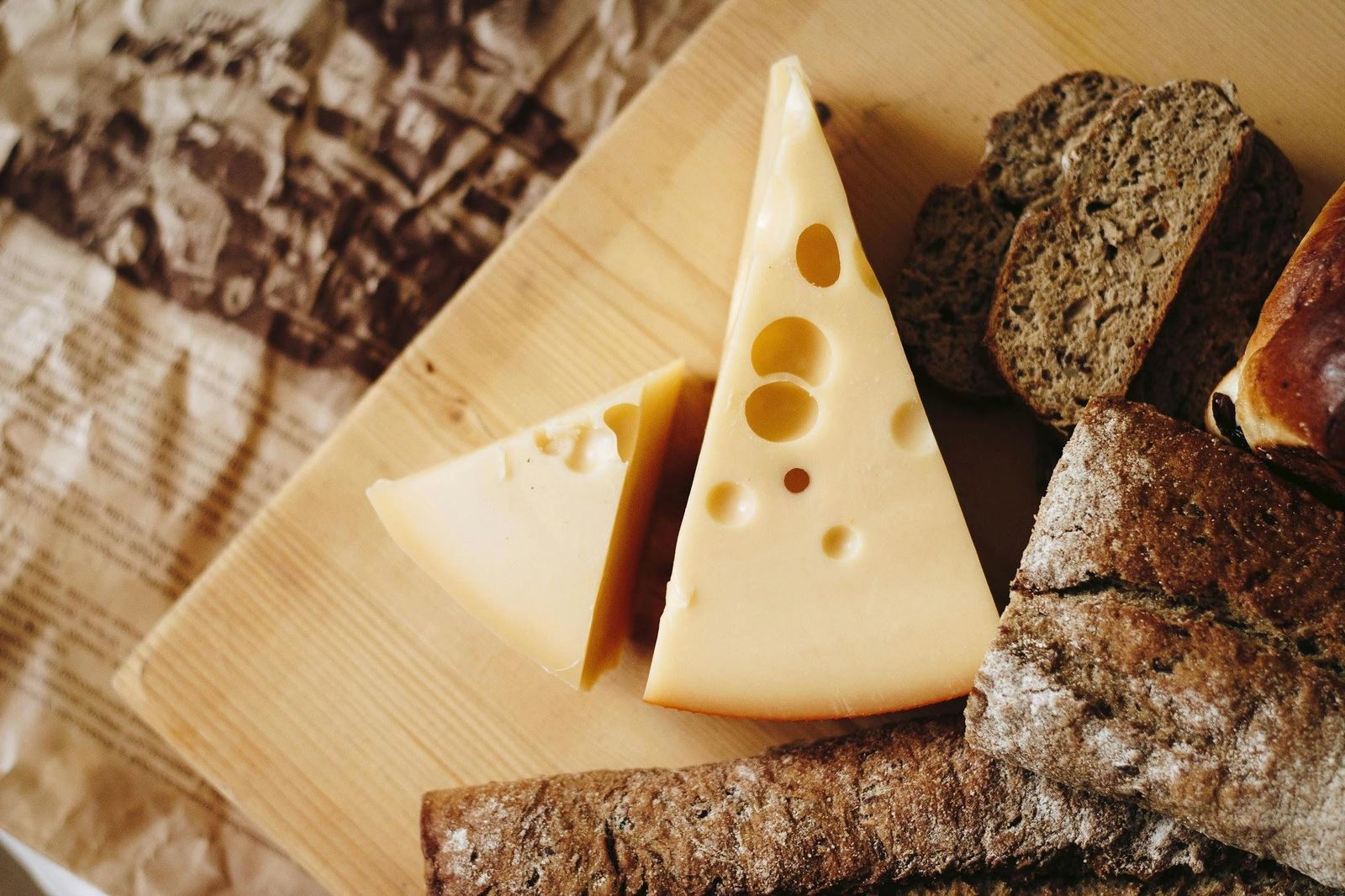
While the name suggests a US origin, the technology that created American cheese actually began in the heart of the Alps. It was developed in 1911 by Swiss researchers Walter Gerber and Fritz Stettler, who were looking for a way to extend the shelf life of their country’s famous Emmental cheese.
The problem with traditional cheese is that it eventually dries out, molds, or separates into a greasy mess when heated. By shredding the cheese, adding sodium citrate, and heating it, the Swiss duo discovered they could create a stable, smooth product that didn't separate. While they weren't trying to create "American" cheese as we know it today, their emulsification process laid the foundational science for every single-wrapped slice produced today.
2
It was popularized by a Canadian
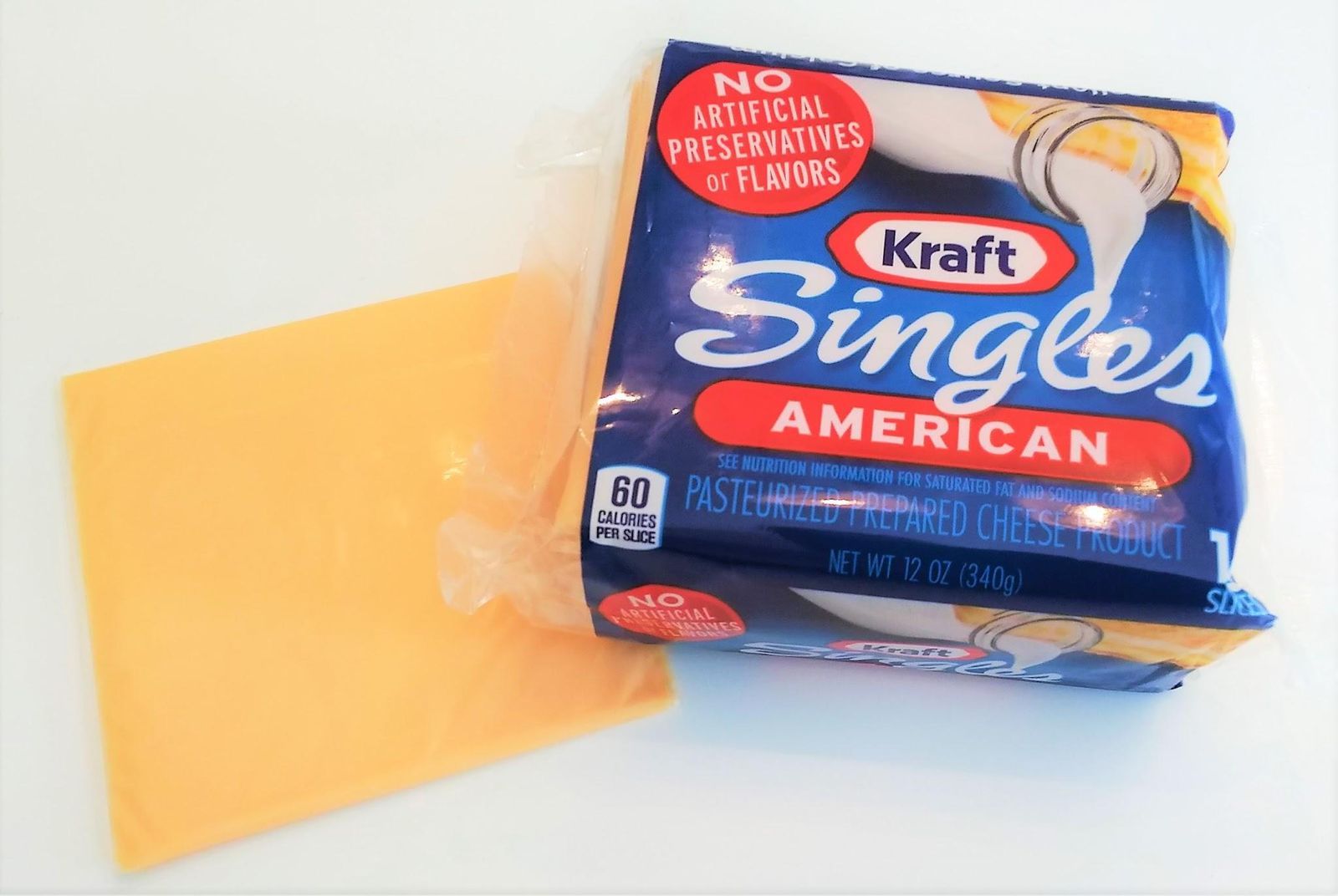
The man responsible for the global dominance of American cheese was James L. Kraft. Ring any bells? Kraft was a Canadian immigrant who moved to Chicago in 1903. While he didn't invent the concept of processed cheese, he perfected the industrial scale of its production and marketing.
Kraft noticed that retailers struggled with cheese spoilage; if a wheel of cheddar didn't sell quickly, it was a total loss. He experimented with various methods of heating and blending cheese until he found a formula that could be canned and shipped long distances without spoiling. In 1916, he received a patent for his "processed cheese," and during World War I, the U.S. government purchased millions of pounds of it for soldiers, cementing its privileged place in the American diet.
3
It was almost called "Embalmed Cheese"
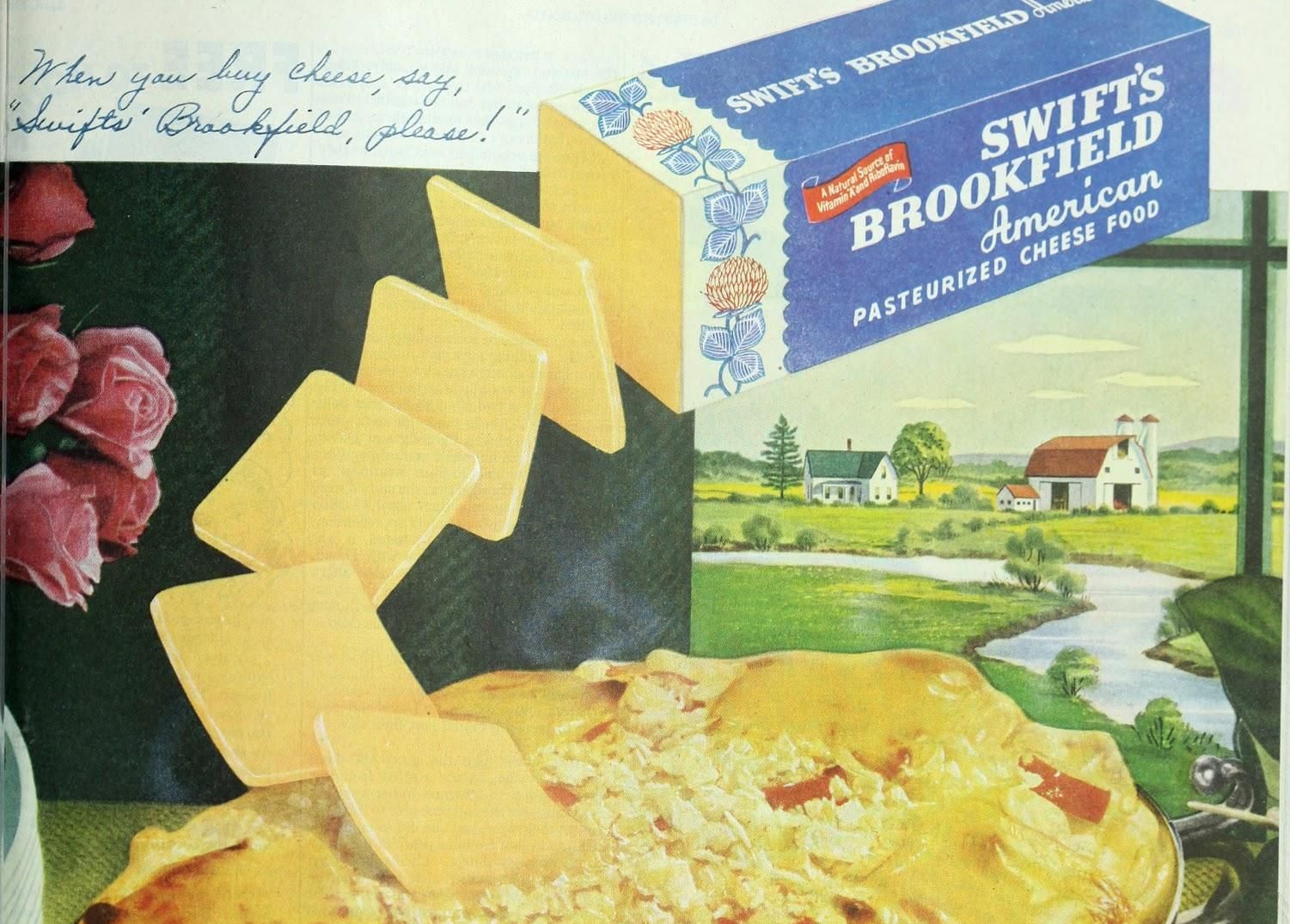
When processed cheese first hit the market, it had its detractors. Traditional cheesemakers were horrified, and so were pure food advocates. These critics argued that the product shouldn't even be called cheese. They’ve even gone so far as to call it "embalmed cheese" because of its unnaturally long shelf life and the chemical emulsifiers used to keep it stable. Yet, Kraft’s marketing prowess and the sheer convenience of the product ultimately won the naming battle. At least in the court of public opinion.
4
Technically, it isn’t cheese
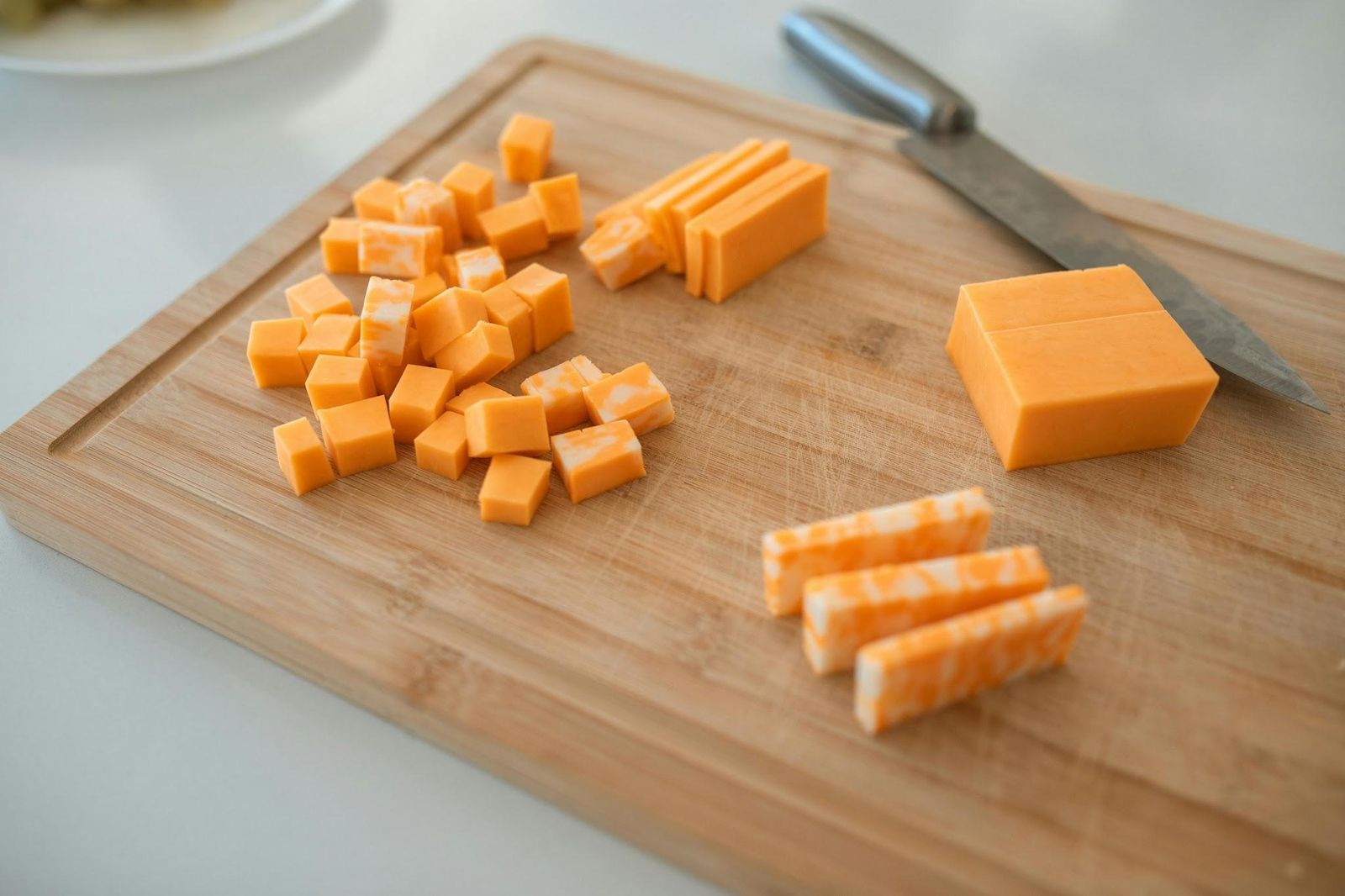
Kraft may have won the battle among the people, but legally, American cheese is not considered cheese. If you look closely at the packaging, you will rarely see the word "cheese" on its own. Because of strict FDA regulations, most varieties are legally classified as "Pasteurized Process Cheese Product" or "Pasteurized Process American Cheese Food."
To be labeled "cheese," a product must be made primarily of milk, salt, and enzymes. Processed American cheese, however, is made by blending real cheese—usually cheddar or Colby—with emulsifying salts, whey, and sometimes extra milk or fats.
5
Any cheese can be made into American cheese
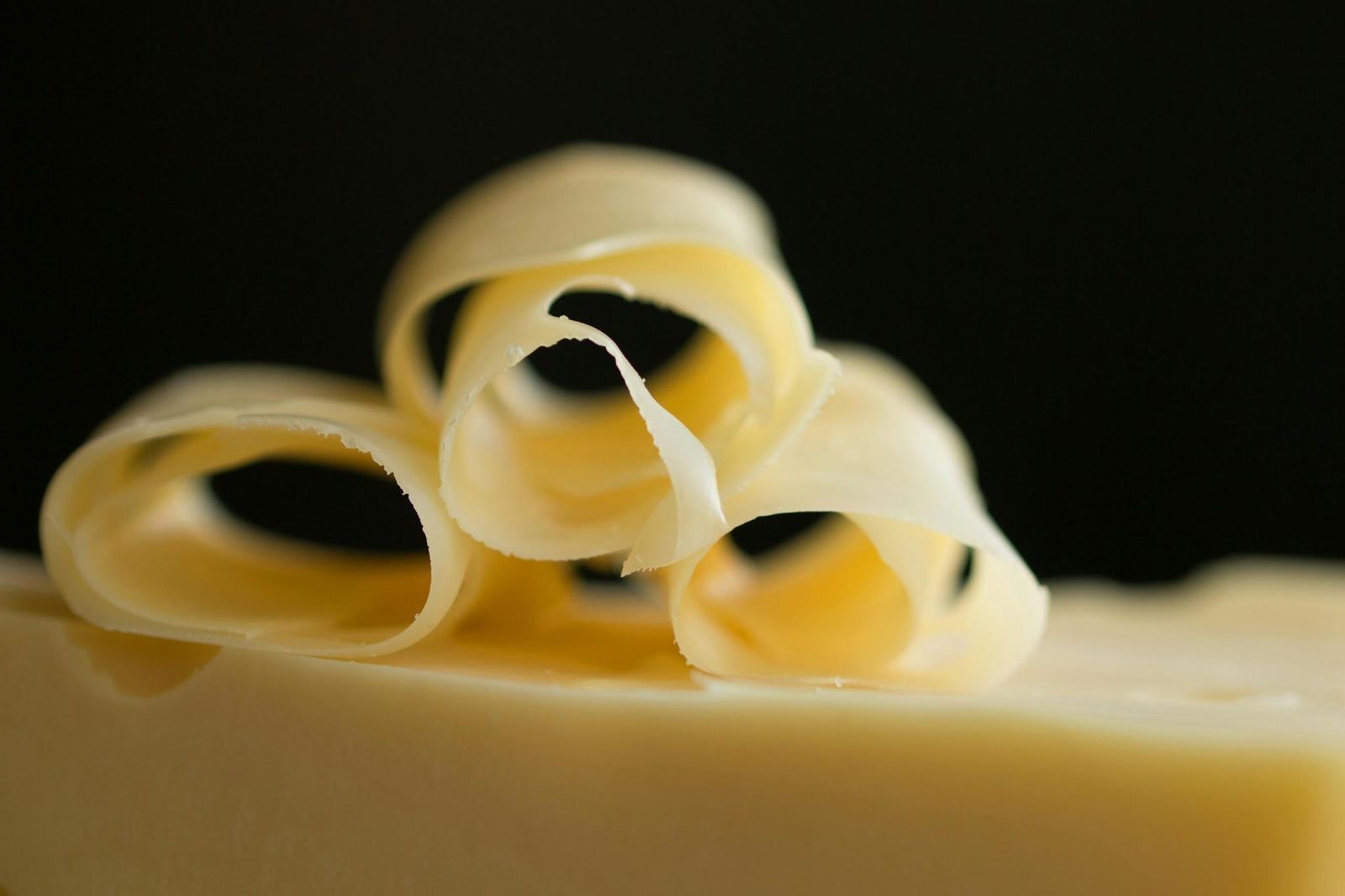
The term "American cheese" refers more to a process than a specific flavor. In theory, you could make "American-style" brie, blue cheese, or parmesan. The defining characteristic is the addition of an emulsifier, which breaks down the proteins and allows the fats and water to stay together.
In fact, some high-end chefs now make their own artisanal American cheese with aged cheddars processed with sodium citrate to create a slice that has the complex flavor of an expensive block but the melting point of a Kraft Single.
6
It isn’t naturally yellow
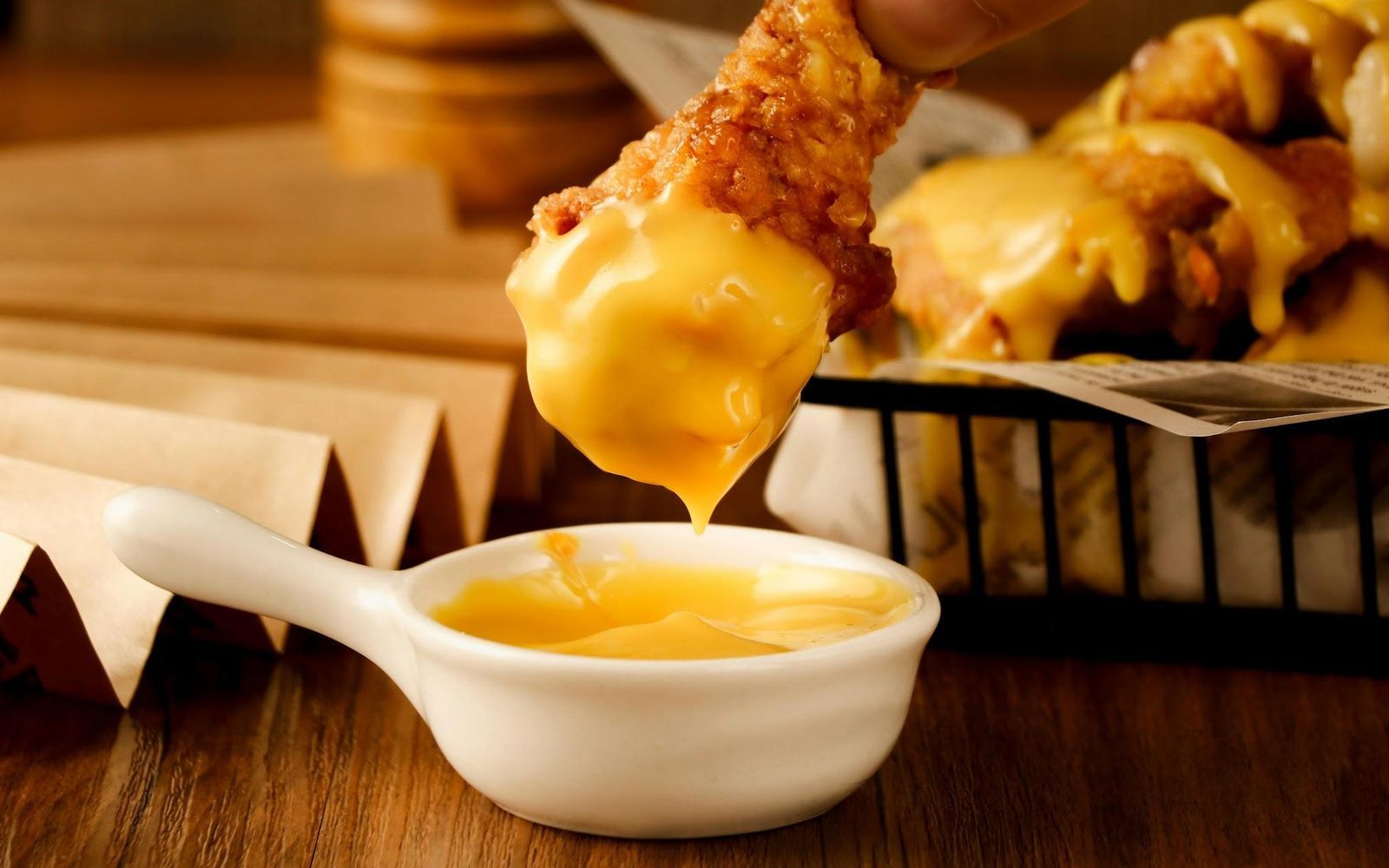
The vibrant orange-yellow hue of American cheese is entirely a cosmetic choice. Traditionally, cheese color varied by the season; when cows ate fresh grass in the summer, their milk contained more beta-carotene, leading to a naturally yellowish cheese. To make their cheese look high-quality all year round, cheesemakers began adding dyes.
American cheese takes this tradition to the extreme. It is typically colored with annatto, a seed from the achiote tree. Without this dye, American cheese would be a pale, creamy white, which is how it is sold in many delis as "White American". Yes, that’s right, there is no flavor difference between the white and yellow versions.
7
It has an extremely low melting point
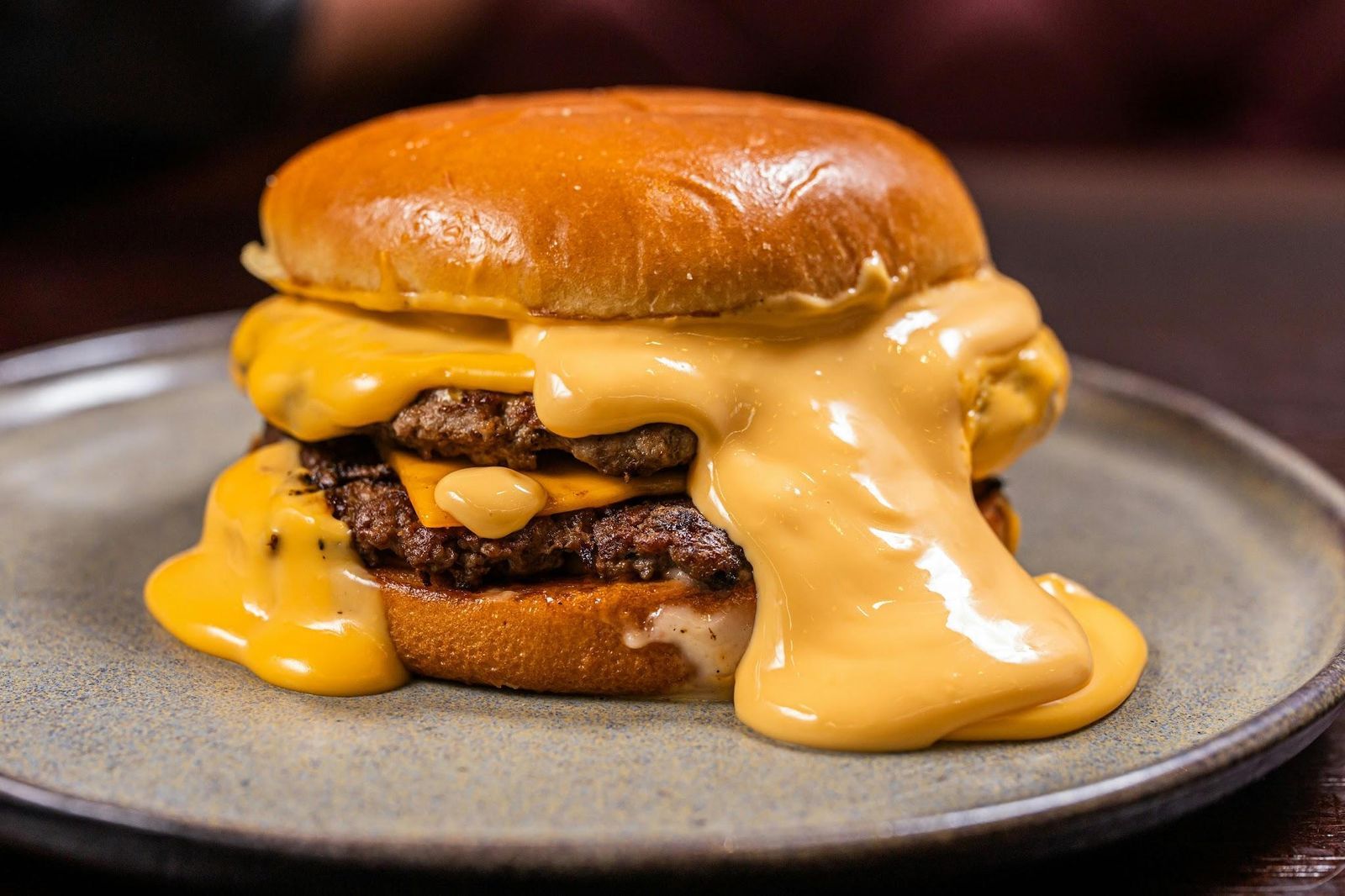
The scientific superpower of American cheese is its meltability. Traditional cheeses have a protein structure that tightens when heated, which is why a slice of aged cheddar on a burger often results in an oily puddle and a rubbery clump.
Because of the emulsifying salts, the proteins in American cheese can withstand heat without clumping together. This gives it an incredibly low and stable melting point, transforming the slice into a silky sauce. This is why it remains the undisputed king of grilled cheese sandwiches.
8
It’s been in space
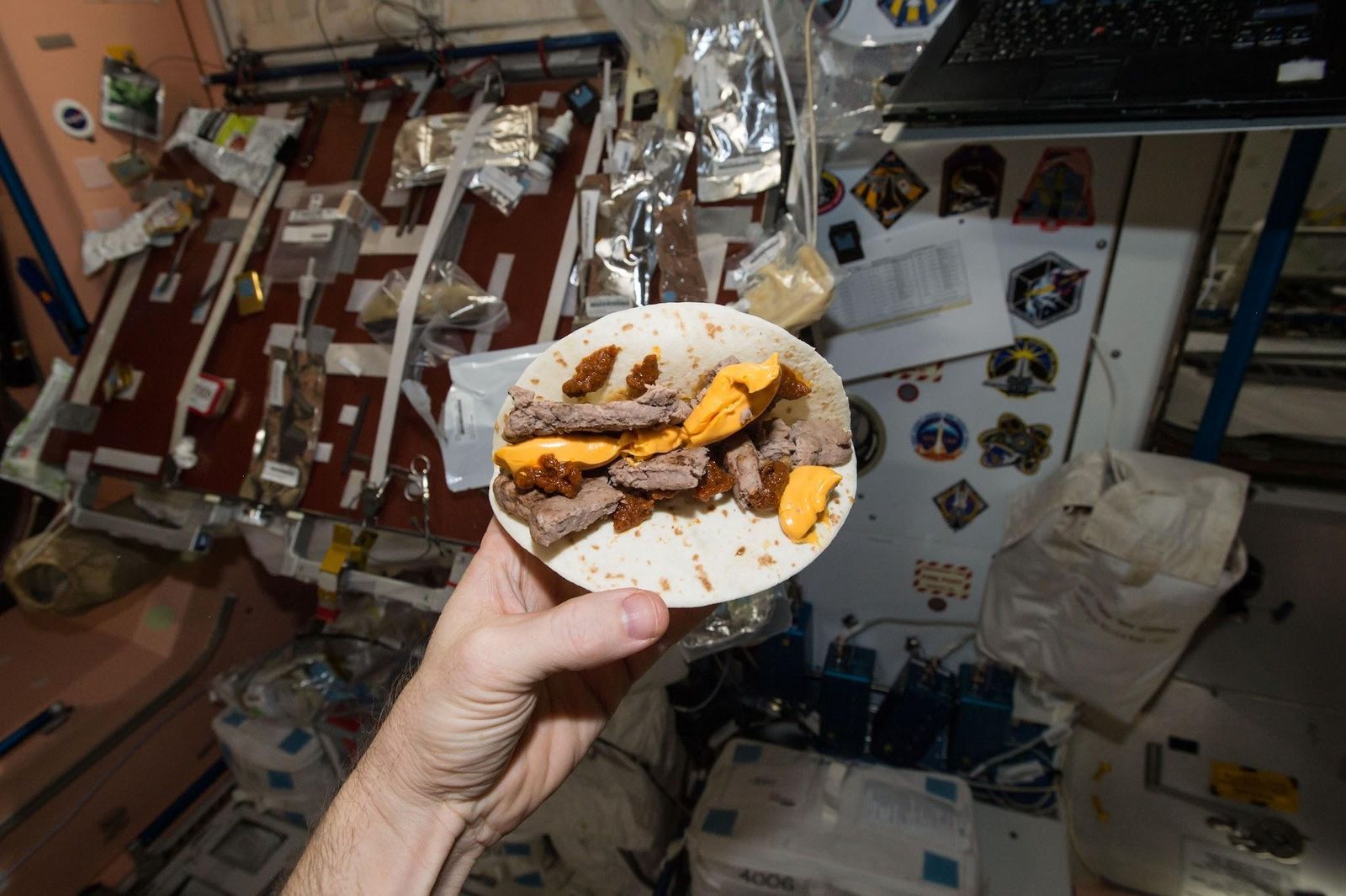
When you're hurtling through orbit in a cramped capsule, you need food that is stable, easy to eat, and won't crumble into thousands of tiny, electronics-clogging pieces. American cheese fit the bill perfectly for early NASA missions.
Processed cheese in tubes or cubes was a staple of the Apollo missions. Because it doesn't separate or sweat oil in varying temperatures and pressures, it was one of the few dairy products that could reliably provide flavor and calcium to astronauts.
9
It helped bring cheese to the masses
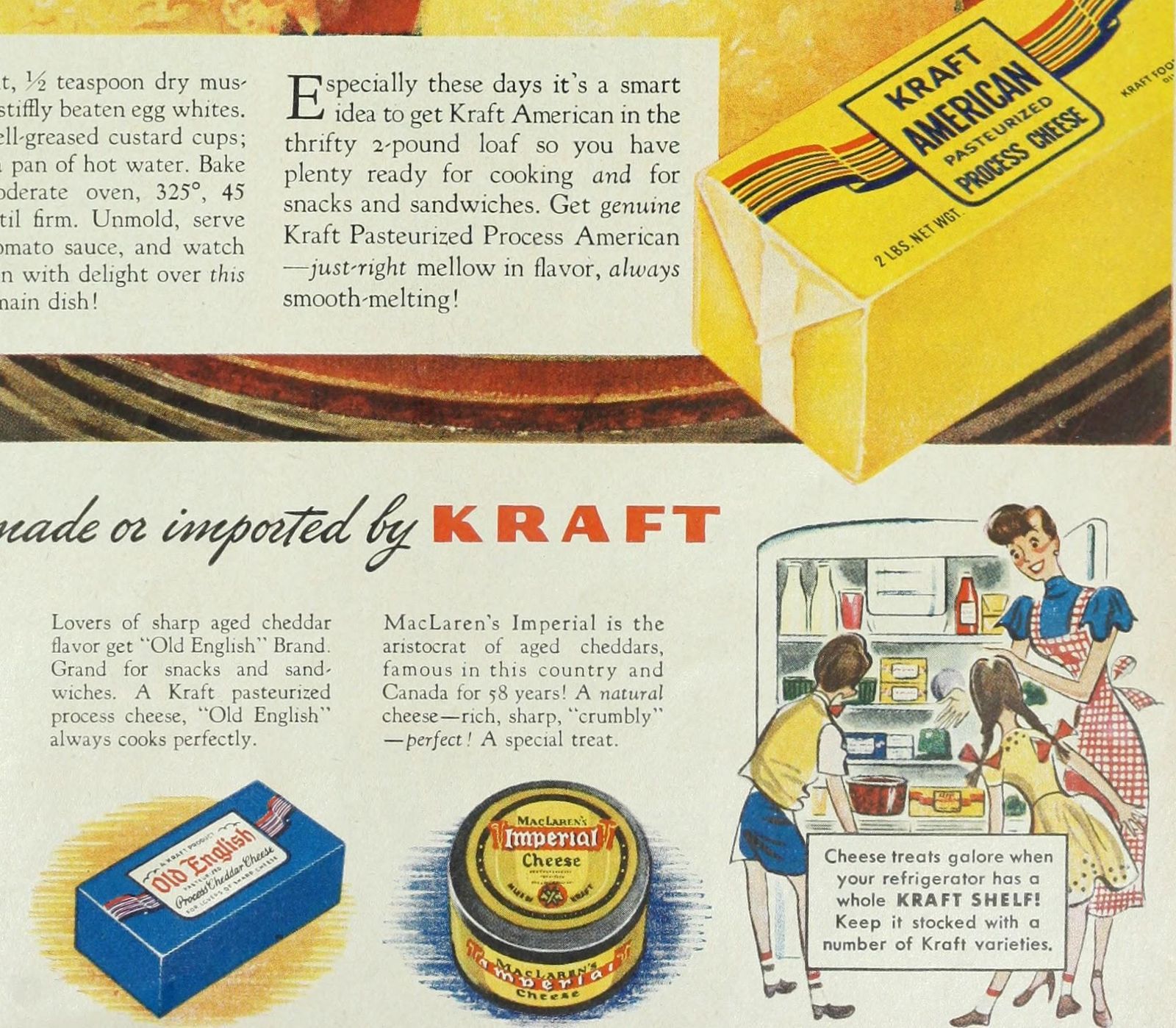
Before the advent of processed cheese, cheese was often a seasonal luxury. It was difficult to transport, expensive to store, and highly variable in quality. James L. Kraft’s invention changed that. By creating a product that was uniform in flavor and shelf-stable, he made cheese affordable and accessible to every corner of the United States.
10
The U.S. Government once gave it out
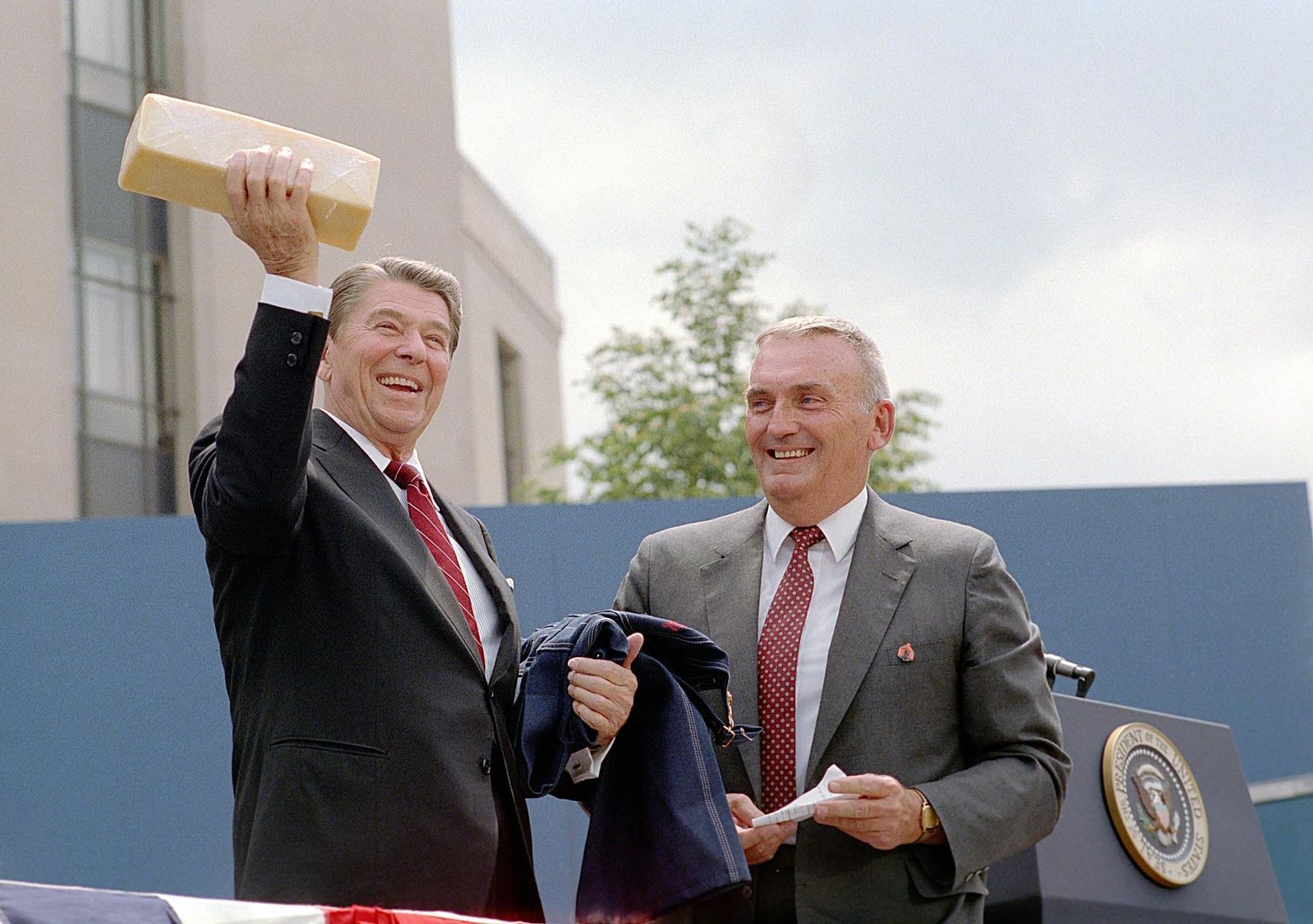
The U.S. government not only bought tons of American cheese during World War I. In the 1980s, the term "government cheese" became a thing. During a period of dairy surpluses, the government bought millions of pounds of cheese to prop up prices for struggling farmers.
To avoid letting it rot, the Reagan administration began distributing five-pound blocks of cheese to low-income families, seniors, and schools. For many who grew up in that era, that pale orange processed cheese was a lifesaver.