History History 5 min read

Believe it or not!

Falling babies, twins separated at birth, & more: 10 amazing coincidences
Image: Jan Canty

Some of us believe in coincidences, some don’t. But either way, incredible things do happen from time to time, and America has no shortage of them. Some involve famous presidents, others, ordinary people caught in extraordinary situations, but all of them show us that strange coincidences can sometimes shape real life.

1
The Civil War began and ended on Wilmer McLean’s property
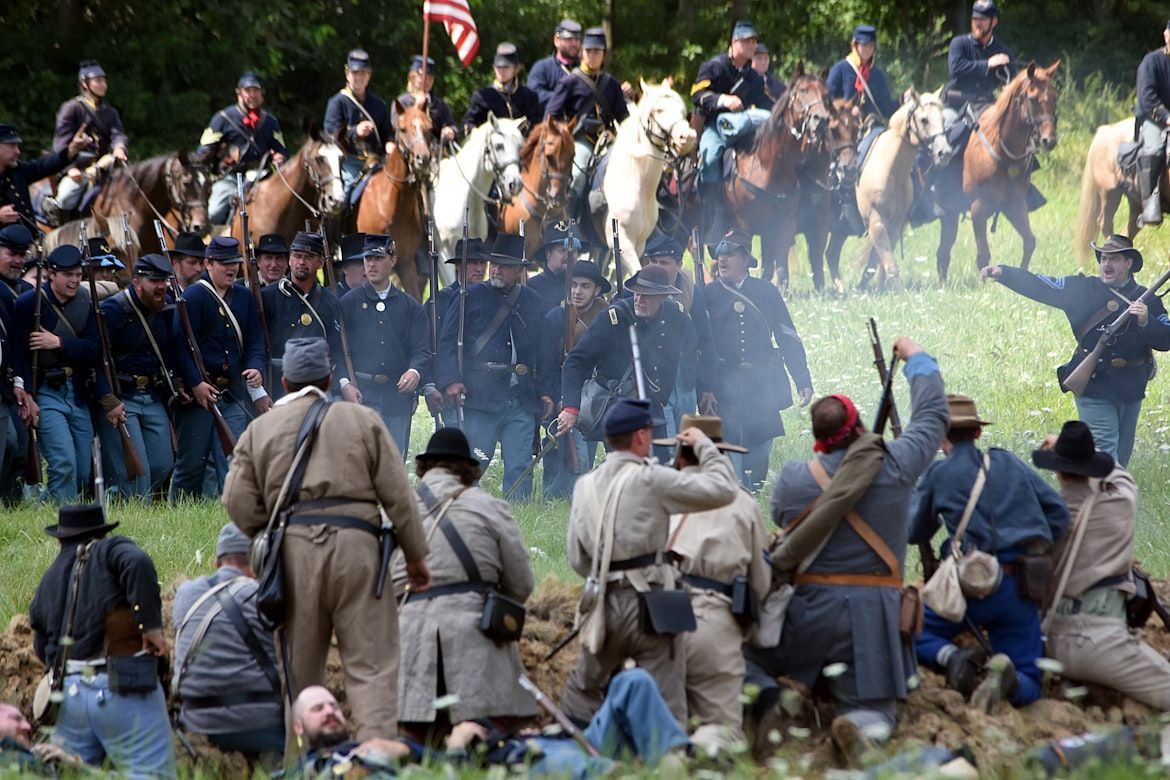
Image: Chris Chow

Virginia businessman Wilmer McLean tried to escape the Civil War by moving away from Manassas after the First Battle of Bull Run erupted near his home in 1861. Confederate General P.G.T. Beaugard even used McLean’s house as headquarters, and a Union cannonball crashed through his kitchen.

McLean relocated about 120 miles south to Appomattox Court House, hoping for peace. Instead, on April 9, 1865, Robert E. Lee surrendered to Ulysses S. Grant in McLean’s parlor, effectively ending the war. McLean later joked that the war "began in my front yard and ended in my front parlor."

2
A bullet links the first and last soldiers who lost their lives in the Civil War
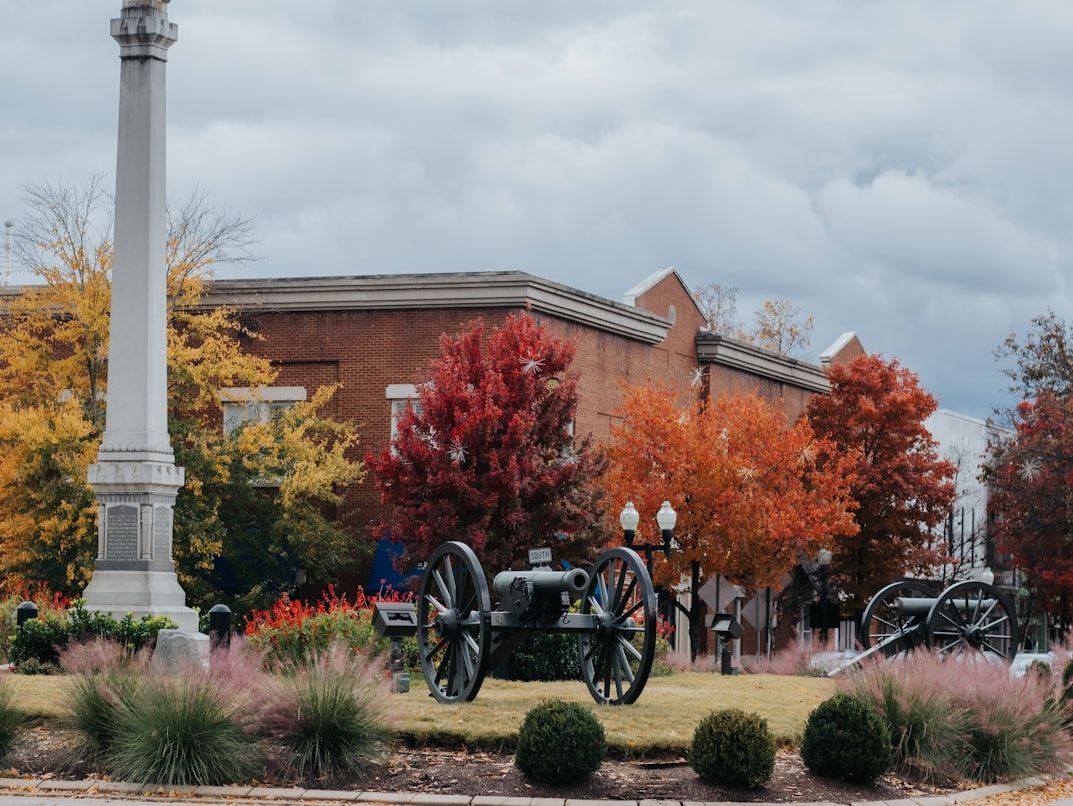
Image: Elijah Crouch

One long-circulated Civil War story claims that the bullet removed from the first Union casualty was later melted and reused years afterward, eventually ending with the life of one of the final soldiers of the conflict . Historians debate parts of the tale, but it became one of the war’s more enduring legends.

The coincidence works as a reflection on how Americans tried to make sense of the terrible human cost of the war. More than 600,000 people lost their lives in the conflict, making it the deadliest war in U.S. history.

3
A baby fell from a building twice, on the same man

Image: Jamie Coupaud

In Detroit, during the 1930s, street sweeper Joseph Figlock reportedly became part of a bizarre accident when a baby fell from an apartment window and landed on him . The child survived, and so did Figlock.

About a year later, the same child allegedly fell from the same building again and once again landed on Figlock . Newspapers at the time treated the story as one of the strangest coincidences ever recorded in America. One might argue that street sweepers spend a disproportionate amount of time on the same streets, but the situation is still quite incredible.

4
Anthony Hopkins accidentally found the exact book he needed

Image: Omar David Sandoval Sida, CC BY-SA 4.0, via Wikimedia Commons

While preparing for the 1972 film The Girl from Petrovka , actor Anthony Hopkins searched London bookstores for a rare copy of George Feifer’s novel. After failing to locate one anywhere, he sat down on the subway and noticed a forgotten copy of the tome in question lying on a bench .

Months later, Hopkins met Feifer himself and learned that the author had lent his annotated personal copy to a friend, who had lost it on the London Underground. The abandoned copy Hopkins found turned out to be that exact copy.

5
John Wilkes Booth is in one of Abraham Lincoln’s last photographs
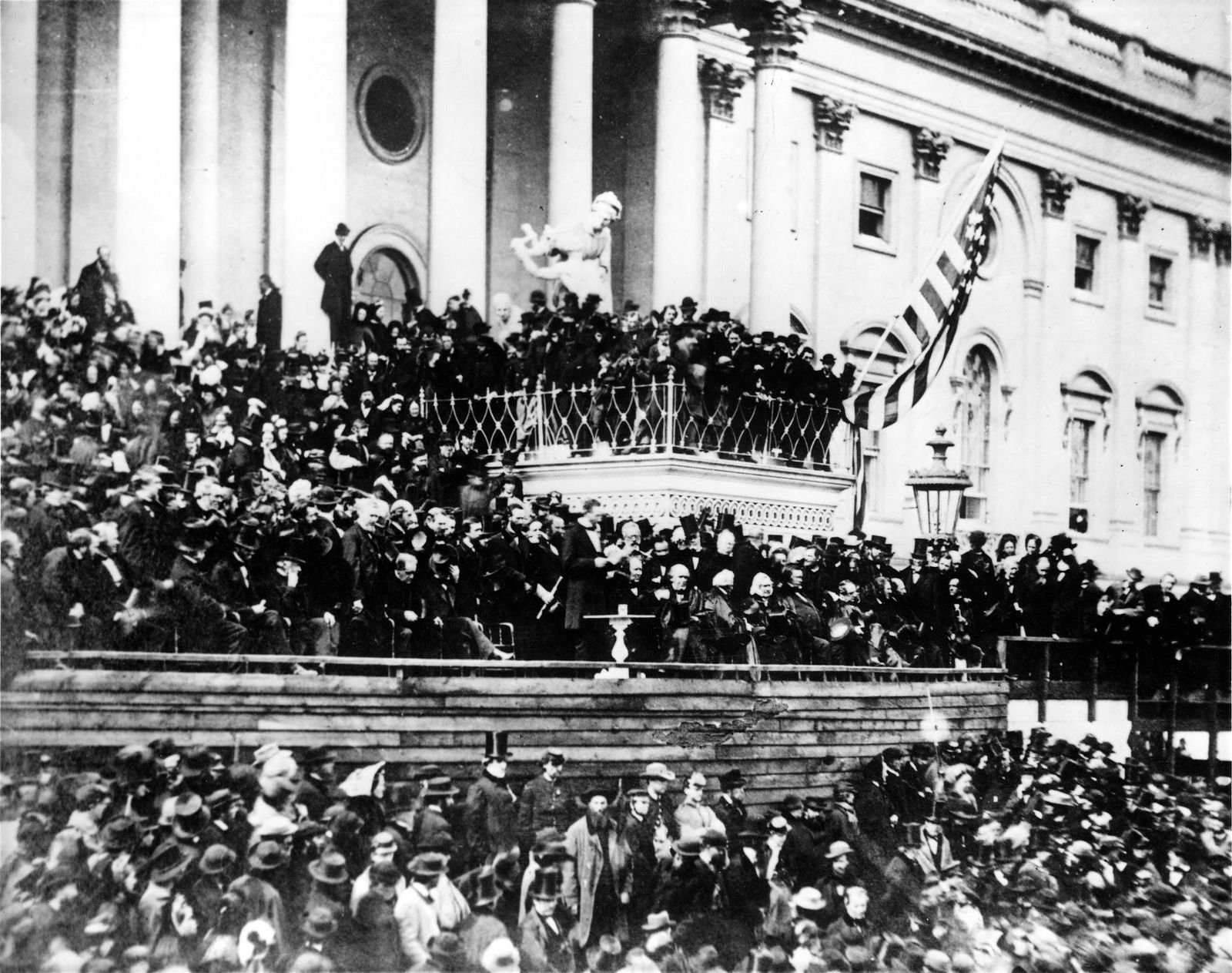
Image: Alexander Gardner, Public domain, via Wikimedia Commons

John Wilkes Booth was already a nationally famous actor before assassinating President Abraham Lincoln in April 1865. Because of that fame, photographers had captured detailed images of Booth years before the crime that made him infamous.

One especially eerie coincidence is that Booth appears in photographs connected to Lincoln’s second inauguration festivities shortly before the crime took place . Historians later realized that the future assassin had unknowingly been documented near the President before he changed history forever.

6
A woman survived all three major White Star ship disasters
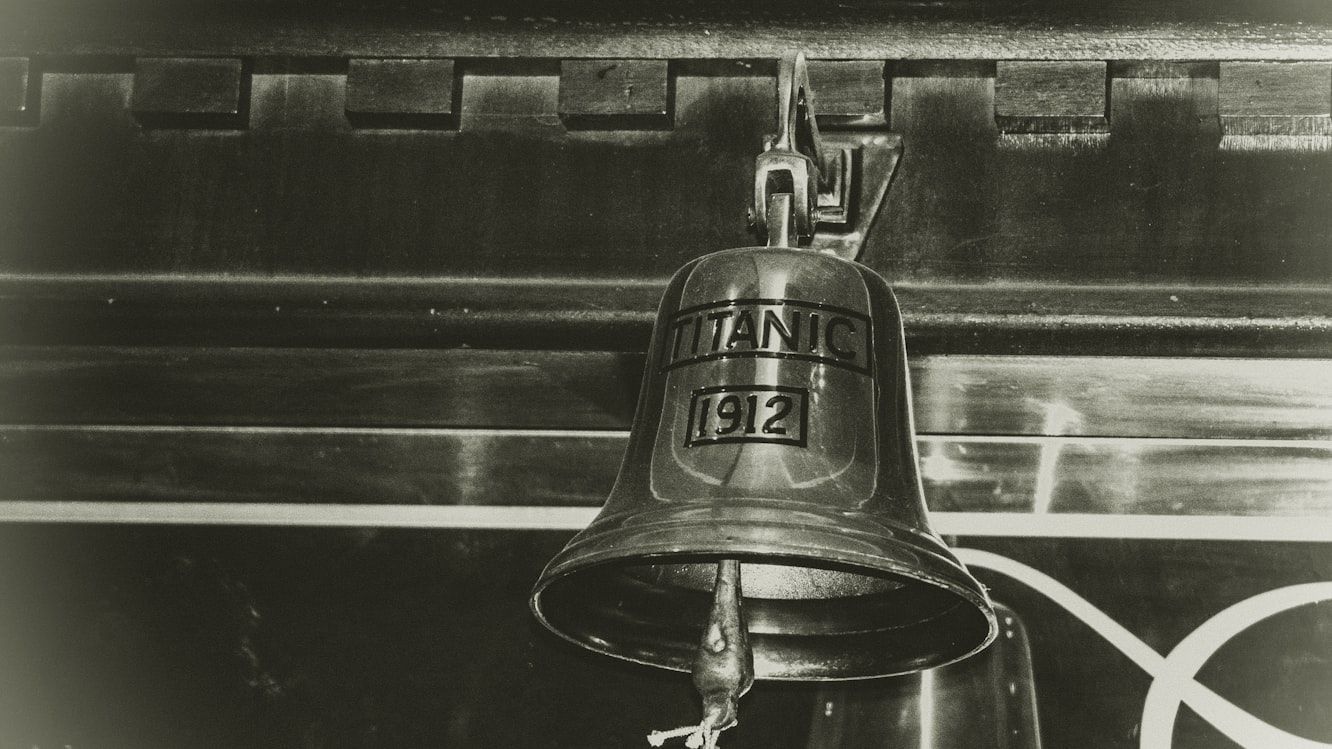
Image: K. Mitch Hodge

Violet Jessop worked as a stewardess for the White Star Line, the company behind the Olympic-class ocean liners. In 1911, she was on board the RMS Olympic when it collided with another ship.

In 1912, she survived the sinking of the Titanic . Four years later, in 1916, during World War I, she was aboard the HMS Britannic when it struck a mine and sank in the Aegean Sea. Jessop survived all three disasters and later became known as "Miss Unsinkable."

7
Theodore Roosevelt’s speech manuscript helped stop a bullet
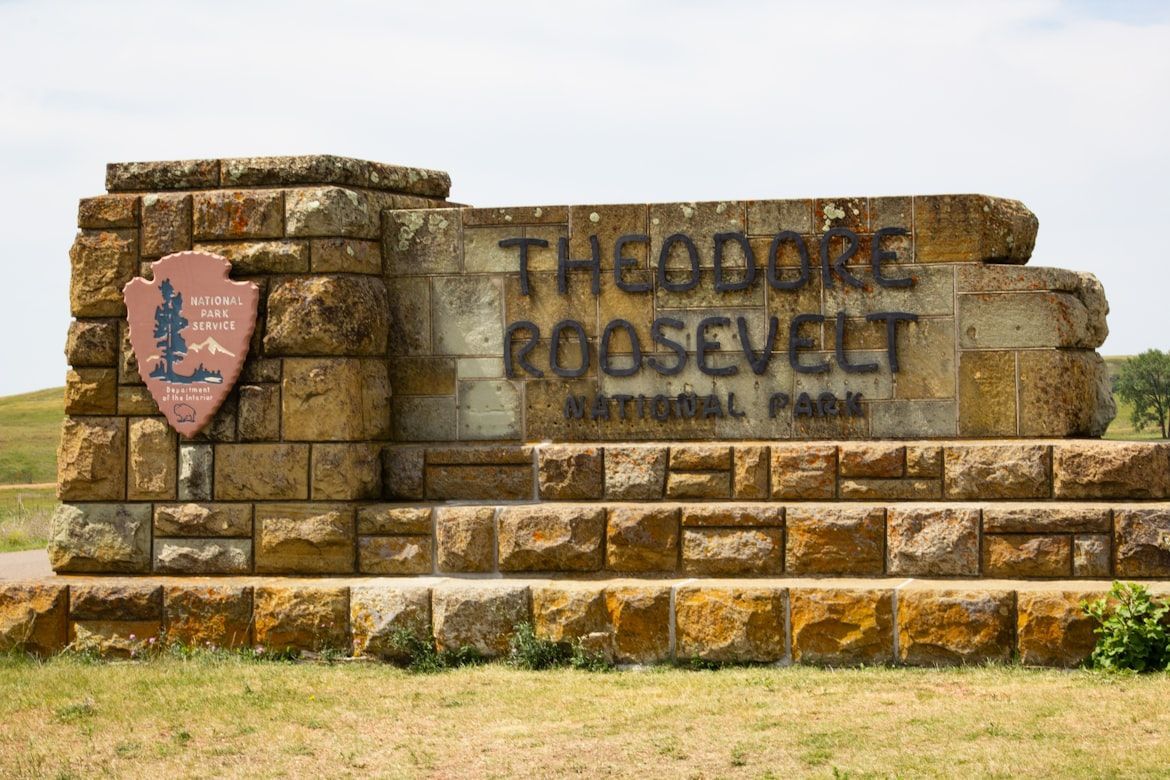
Image: Ryan Stone

During the 1912 presidential campaign, former President Theodore Roosevelt was shot in Milwaukee before giving a speech. The bullet first passed through a folded 50-page speech manuscript and Roosevelt’s metal eyeglass case in his breast pocket.

The thick stack of papers slowed the bullet enough that Roosevelt survived . Remarkably, he still delivered the speech, speaking for about 90 minutes (those 50 pages were no joke) before seeking medical treatment. Doctors later decided that the bullet was safer left inside his chest permanently.

8
A man unknowingly photographed his own future car accident
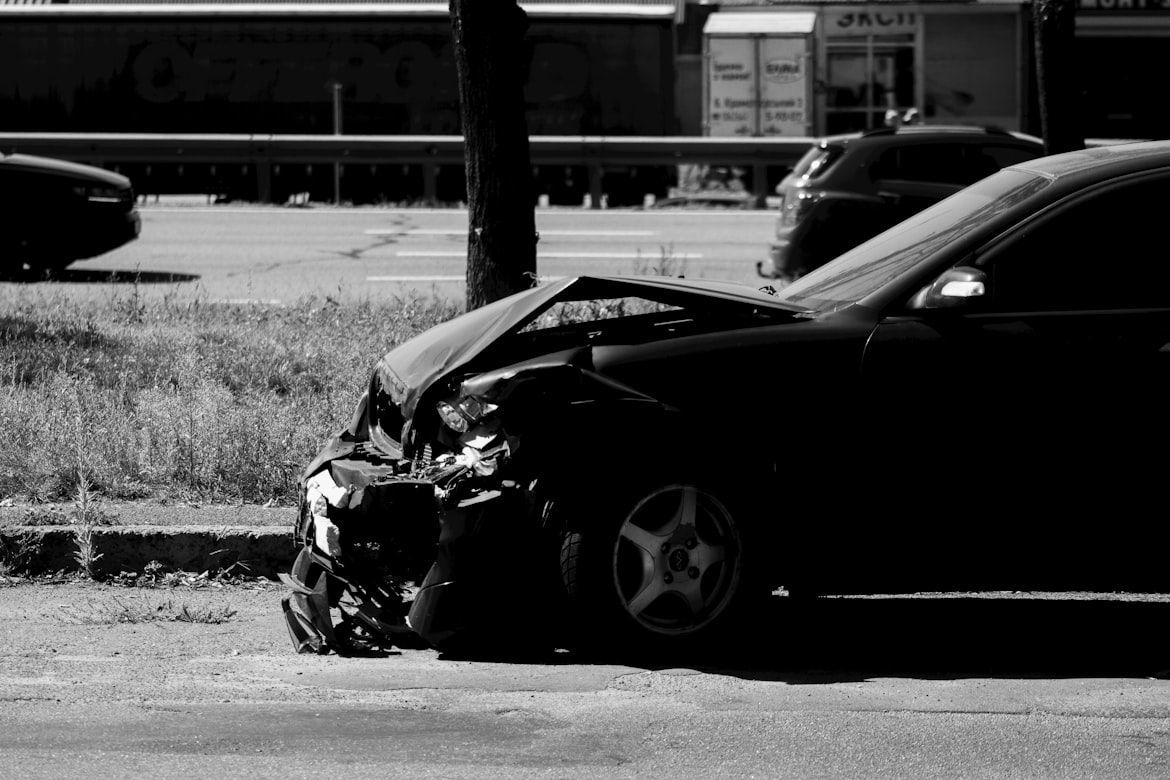
Image: Volodymyr Kozhevnikov

In the 1970s, amateur photographer Robert Landsburg reportedly took pictures of everyday traffic while experimenting with a new camera. After developing the film later, he realized one image showed the exact intersection where he would soon be involved in a collision .

The eerie coincidence became famous because the photograph captured the other vehicle that would later crash into his own car.

9
The "Jim Twins" lived nearly identical lives without knowing each other

Image: Eduardo Barrios

Identical twins Jim Lewis and Jim Springer were separated at birth in Ohio in 1940 and adopted by different families. Amazingly, both adoptive families independently named the boys James. The twins did not meet again until they were 39 years old.

When reunited in 1979, they discovered a shocking number of similarities. Both had married women named Linda, later remarried women named Betty, owned dogs named Tony, drove similar cars, and even suffered from the same headaches .

10
The Wizard of Oz costume accidentally belonged to the book’s author
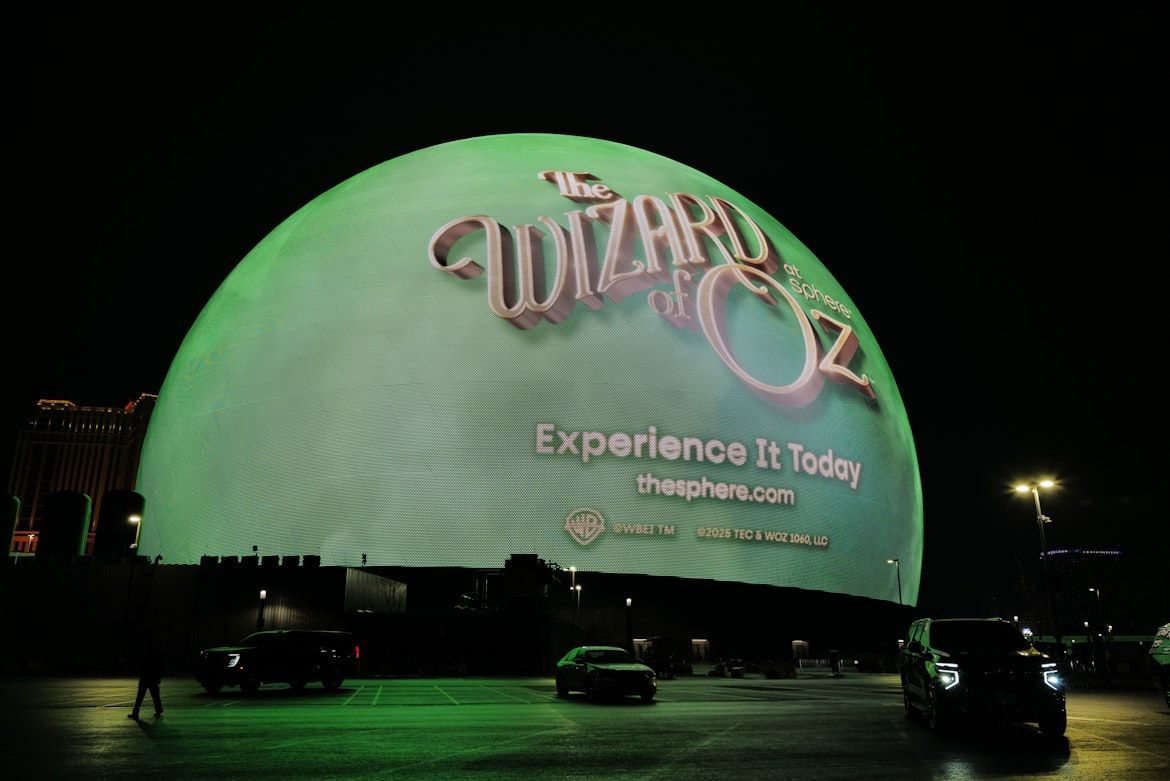
Image: Chuang XY

While filming The Wizard of Oz in 1938, costumers searched for an old-looking coat for actor Frank Morgan, who played both Professor Marvel and the title character. Costume staff reportedly bought several secondhand jackets from a thrift store in Los Angeles and picked one that looked perfect for the Marvel role.

Later, while examining the coat, the team discovered a label sewn inside with the name "L. Frank Baum", author of The Wonderful Wizard of Oz . Baum’s widow later confirmed that the jacket had indeed belonged to her late husband.
Culture Culture 5 min read

Why does Japan eat KFC for Christmas? The answer will shock you!

Image: Nixx Photography

When you think of fast-food royalty, few figures are as universally recognizable as Colonel Harland Sanders. With his iconic white suit, black string tie, and goatee, his image is plastered across tens of thousands of Kentucky Fried Chicken (KFC) locations around the globe. Yet, behind that grandfatherly smile lies a corporate history filled with drama, secret recipes, and unusual marketing decisions. Here are 10 mindblowing facts about KFC and its legendary founder.

1
A rivalry becomes a business success

Image: Unclear, likely someone from the family of Colonel Sanders, Public domain, via Wikimedia Commons

During the Great Depression, Harland Sanders ran a humble Shell station in Corbin, Kentucky. Back then, business was cutthroat, and Sanders found himself in a bitter feud with Matt Stewart, a rival gas station owner who kept painting over Sanders’ highway signs to redirect traffic. After several warnings went unheard, Sanders marched over to confront Stewart.

When Stewart was caught in the act, a physical confrontation quickly escalated. Stewart drew a pistol and shot a Shell manager who was accompanying Sanders, killing him on the spot. Sanders retaliated by firing back and wounding Stewart, who was later arrested and sentenced to prison for murder. With his main competitor safely behind bars, Sanders was able to expand his service station, perfect his pressure-frying method, and ultimately transform his business into a massive commercial success.

2
The KFC you know today exists thanks to Wendy’s

Image: Pavlovska Yevheniia

Although you may view KFC and Wendy’s as distinct competitors, the reality is that the chicken giant owes its structural identity to Dave Thomas, the founder of Wendy’s. In the 1960s, Thomas worked as a head chef and regional manager for the Colonel’s franchises.

He was a marketing whiz who personally convinced Colonel Sanders to star in his own television commercials, cementing his status as a living mascot. Furthermore, Thomas created the iconic red and white striped bucket design. He became so wealthy from his shares and success at KFC that he used his payout to establish his own burger empire, Wendy’s, in 1969.

3
The secret recipe's security

Image: Patcharaporn Puttipon4289

The legendary blend of "11 herbs and spices" is one of the most famously guarded secrets. Did you know KFC keeps the recipe locked inside a top-secret vault at the corporate headquarters in Louisville, Kentucky?

The vault, encased in thick layers of concrete, is protected by motion sensors, security cameras, and 24/7 guards. To ensure the formula is never leaked, KFC splits the production pipeline: two different companies are hired to mix separate halves of the spice blend. Neither company knows the other's ingredients, and a computer system automatically combines the two halves before the seasoning is shipped out to individual franchises.

4
KFC for Christmas in Japan

Image: Tricky_Shark

In the United States, a Christmas dinner consists of roasted turkey or ham. In Japan, however, Nativity food comes in a cardboard bucket. This wild tradition dates back to 1974, sparked by Takeshi Okawara, the manager of the country's first KFC branch.

After overhearing homesick Western expats lamenting how difficult it was to source a holiday turkey in Japan, Okawara launched the national "Kentucky for Christmas" campaign, which exploded into a cultural phenomenon. Today, an estimated 3.6 million Japanese families celebrate Christmas Eve with KFC, with patrons placing their orders months in advance to avoid long lines.

5
Colonel Sanders hated KFC

Image: WayneRay, CC BY-SA 4.0, via Wikimedia Commons

By 1964, 73-year-old Colonel Snaders felt he was no longer cut out for the pace of corporate life. He sold the Kentucky Fried Chicken company to a group of investors for $2 million, under a contract that allowed the brand to continue using his likeness.

As executives changed the original recipes to cut costs, Sanders grew to hate the food KFC was serving. He began travelling the country, showing up unannounced at franchises to taste the food, throw public tantrums, and openly tell the media that the new gravy tasted like "wallpaper paste" or "sludge". He even attempted to open a rival restaurant and sued KFC for using his image, leading the company to counter-sue him. Eventually, KFC paid him an additional million dollars just to stop making public scenes.

6
KFC Double Down

Image: Boyloso

KFC has never been afraid of pushing nutritional boundaries, but in 2010 they certainly hit another level. The Double Down features bacon, Monterey Jack cheese, and a Colonel's special sauce encased between two seasoned, crispy slabs of fried chicken breast instead of bread buns.

The item sparked a media frenzy, with health advocates calling it a dietary disaster and foodies treating it as a dare. Ultimately, it proved to be a commercial hit. As it turns out, when it comes to extreme fast food, consumers are more than willing to ignore the carbs in favor of deliciousness.

7
That time KFC ran out of chicken

Image: richardjohnson

A fried chicken restaurant running out of its main ingredient sounds like a nightmare, but in 2018, it became real for KFC in the United Kingdom. In an effort to optimize logistics and save money, management switched its delivery contract to DHL. The transition went completely wrong, resulting in a supply chain jam that left over 900 UK locations with no chicken to fry.

Hundreds of stores were forced to shut down temporarily, sparking nationwide outrage, with desperate citizens even calling the police to complain. KFC managed to restore its reputation by leaning into self-deprecating humor, purchasing newspaper advertisements that featured an empty bucket rearranged to read "FCK".

8
The problem with the slogan in Chinese

Image: Patcharaporn Puttipon4289

When international fast food brands began expanding into foreign territories in the late 1980s, errors were very common. KFC experienced this firsthand when it opened its first store in Beijing, China, in 1987. The company wanted to proudly display its world-famous catchphrase, "Finger-Lickin' Good", to tempt local diners.

Unfortunately, due to an oversight in Mandarin translation, the slogan was literally translated to "Eat Your Fingers Off". While the phrase initially startled and amused local consumers, the brand quickly corrected the translation mishap to something more culturally appropriate and appetizing.

9
KFC's video game

Image: Ratana21

Decades after the Colonel’s passing, KFC’s marketing division decided to lean into modern internet subcultures. In 2019, the brand shocked the gaming community by releasing an official, anime-style video game titled I Love You, Colonel Sanders! A Finger Lickin’ Good Dating Simulator.

Developed as a visual novel, the free game places the player in a culinary school alongside a young and handsome romanticized version of Colonel Sanders. The goal of the game is to successfully navigate cooking school battles while attempting to woo the chicken chef. Against all odds, the game became a viral sensation.

10
KFC releases its own console

Image: Pixel-Shot

Following the unexpected success of their video game, KFC’s marketing team announced the KFConsole in 2020. Many assumed it was an April Fool’s joke, but it turned out to be a genuine gaming PC.

The most bizarre feature of the console is its custom "Chicken Chamber". This specialized compartment uses the heat generated by the computer’s internal components to keep pieces of fried chicken warm and crispy while you play video games.

History History 4 min read

Weird America

Prepare to be shocked: these 10 American mysteries remain unsolved

Image: Susan Q Yin

Everyone loves a good mystery, and American history is teaming with fascinating examples. From vanished aviators to secret codes and missing treasures, these real stories have puzzled experts for decades. Some are dark, others simply strange, but all remain open chapters in our past. Take a look at the following 10 unsolved mysteries. Which ones did you already know?

1
The disappearance of Amelia Earhart (1937)

Image: Job Vermeulen

The first entry on our list is dedicated to a world-renowned flight pioneer, Amelia Earhart, who vanished while attempting to become the first woman to fly around the globe , leaving behind only fragments of her plane and endless speculation. Radio failure, poor visibility, and fuel issues are speculated to be contributing factors to her disappearance.

Even with modern technology and repeated searches, no one has ever found definitive proof of what happened to Amelia or her aircraft.

2
The D.B. Cooper hijacking (1971)

Image: Christine Trefalt

In 1971, Dan Cooper, a seemingly quiet man, boarded a plane in Portland, Oregon, which he promptly hijacked when the aircraft was in the air. He demanded $200,000 over the radio.

The plane landed in Seattle, where authorities met his demands. Cooper released all 36 passengers in exchange for the cash and parachutes. He then ordered the remaining crew to fly toward Mexico City at a low altitude and slow speed. Somewhere over southwest Washington, he lowered the aircraft's aft stairs and jumped into the freezing night, never to be seen again.

3
The disappearance of Jimmy Hoffa (1975)

Image: Pavel Inozemtsev

The powerful union leader left a Detroit restaurant in 1975 and simply vanished . Witnesses last saw him standing by his car in the restaurant’s parking lot, and investigators believe he was coaxed into a car by people he recognized, thinking the meeting location had changed. He was never seen again. Searches in fields, lakes, and construction sites turned up nothing. To this day, it remains one of the most famous unsolved mysteries in American history.

Rumors range from mob connections to government cover-ups, but none have been proven. Ever since then, Hoffa’s name has become shorthand for anything that disappears without a trace.

4
The Yuba County Five (1978)

Image: Sebastian Unrau

In what came to be known as "America’s Dyatlov Pass", five friends vanished after attending a basketball game in the town of Chico, California. Months later, the bodies of four members of the group were found in the mountains under mysterious conditions .

The remaining member of the original party was never located, and their strange route into deep snow remains unexplained.

5
The Sodder Children (1975)

Image: Marita Kavelashvili

A fire destroyed the Sodder family home in West Virginia, but five children were never found among the remains of the house. Because of physical inconsistencies at the scene and strange sightings afterward, the family always believed they survived.

Over the years, strange sightings and letters fueled hope and confusion alike, but no real evidence has ever been found. Because of these clues, the Sodders never held a funeral and instead famously erected a billboard on Route 16, offering a reward for information and keeping the case in the public eye for decades.

6
The Springfield Three (1992)

Image: David Holgerson

On a warm summer night in 1992, Sherrill Sherrill Levitt, her daughter Suzie, and Suzie's friend Stacy vanished from their home in Springfield, Missouri, leaving behind their cars, purses, and even the family dog .

Friends arriving the next morning found the house empty but unlocked. Despite thousands of leads, no evidence or remains have surfaced. The case remains one of the most talked-about disappearances in small-town America to this day.

7
The Gardner Museum Heist (1990)

Image: Dannie Jing

Back in 1990, two men dressed as police officers entered Boston’s Isabella Stewart Gardner Museum and stole 13 works of art worth over $500 million .

No piece has ever been recovered. Empty frames still hang on the museum walls, a quiet tribute to one of history’s most expensive thefts.

8
The Max Headroom broadcast hijack (1987)

Image: Rubenz Arizta

1980s television viewers might remember Max Headroom as a somewhat clumsy computer AI TV personality and ad spokesperson. In 1987, Chicago viewers were startled when a strange figure wearing a Max Headroom mask interrupted TV broadcasts with odd messages .

The stunt lasted only seconds, but no one was ever caught or identified. It remains one of the strangest unsolved moments in television history.

9
The Great Lakes ghost ships

Image: Kyle Larivee

Over the years, s everal ships have vanished or been found adrift on the Great Lakes , their crews gone without explanation. Cold weather, sudden storms, and superstition all play roles in the stories, but some cases defy logic. The vast inland seas are simply too big to be accessible with the current technology.

Among the most notable unsolved cases, we can mention Le Griffon, a ship that vanished during her maiden voyage in 1679, the SS Banockburn, known as the "Flying Dutchman of Lake Superior," disappeared during a storm in 1902, or the SS Chicora, a luxury steamer lost in a violent winter gale while carrying a cargo of flour, in 1895.

10
The Dulce Base Mystery

Image: Pict4life

Beginning in the 1970s, a constant array of strange lights, unmarked aircraft, and talk of secret tunnels near the town of Dulce has fueled decades of conspiracy theories in this otherwise quiet area to this day.

While skeptics blame radar tests or imagination, locals still report odd sightings in the desert skies.

Explore more American facts

Choose your favorite category!

General
General

As American as apple pie—the very best America has to offer!

Culture
Culture

Delve into the astounding richness of American lore.

Geography
Geography

Hop in and explore vast and diverse American landscapes.

History
History

Discover the key moments that shaped the United States.