Culture Culture 4 min read

Just recently legal

10 everyday things once banned in America
Image: Amigo Mobility

If you had to name something that’s illegal or banned in America, buying margarine or playing pinball probably wouldn’t be at the top of the list. But they were, and not so long ago. From buying alcohol to freestyling the National Anthem to swearing in public, many harmless, surprising activities were once outlawed, and offenders risked fines or jail time. Let’s have a look.

1
Buying alcohol (but not drinking it)
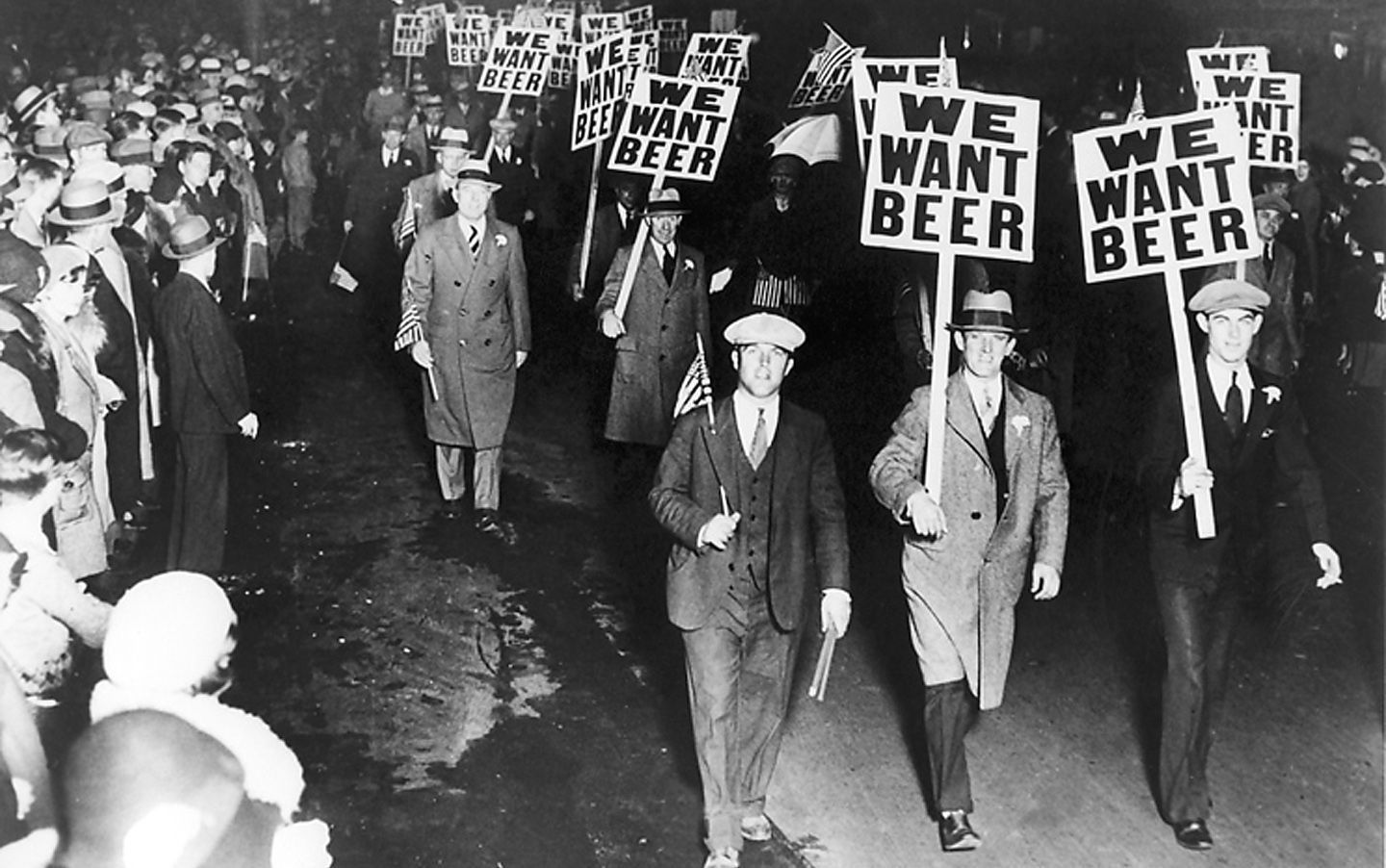
Image: https://www.loc.gov/item/99405158/, Public domain, via Wikimedia Commons

Everyone knows that alcohol was banned during the Prohibition Era (1920–1933), but what about it was illegal? The 18th Amendment banned the manufacture, sale, and transportation of liquor, but drinking it in the comfort of your home was perfectly legal. Now, if you wanted to get your hands on it, you usually had to resort to not-so-legal means, such as speakeasies or bootleggers.

2
Shopping on a Sunday

Image: Alexander Faé

Enjoying some retail therapy on the weekends is not uncommon nowadays, but there was a time when you could only do it on a Saturday. Blue laws, also known as Sunday laws, were statutes that restricted commercial and recreational activities on Sundays , from buying alcohol to hunting, to ensure rest on the Lord’s day. Most blue laws were repealed in the 1960s, but some counties and states still enforce them to some extent.

3
"Modifying" the National Anthem
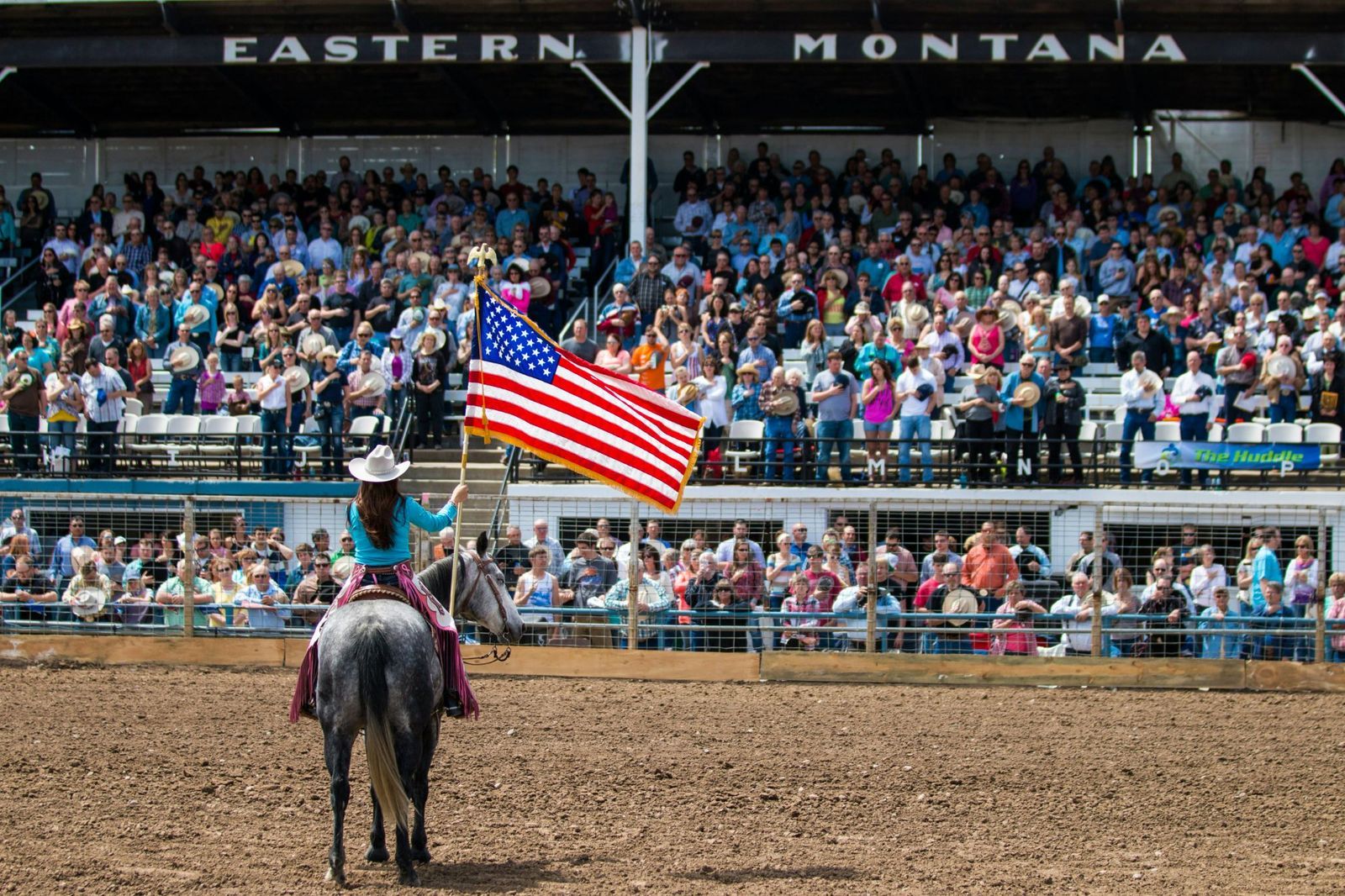
Image: Daniel Lloyd Blunk-Fernández

The National Anthem deserves respect—in fact, making a musical arrangement for it or playing only a part was once illegal. In the early 20th century, many states passed laws against the "musical desecration" of the Star-Spangled Banner , which outlawed embellishing the melody, using it as part of a medley, or dancing to its tune. These laws are no longer standing, and all etiquette regarding the National Anthem is voluntary for civilians.

4
Voting as an 18-year-old
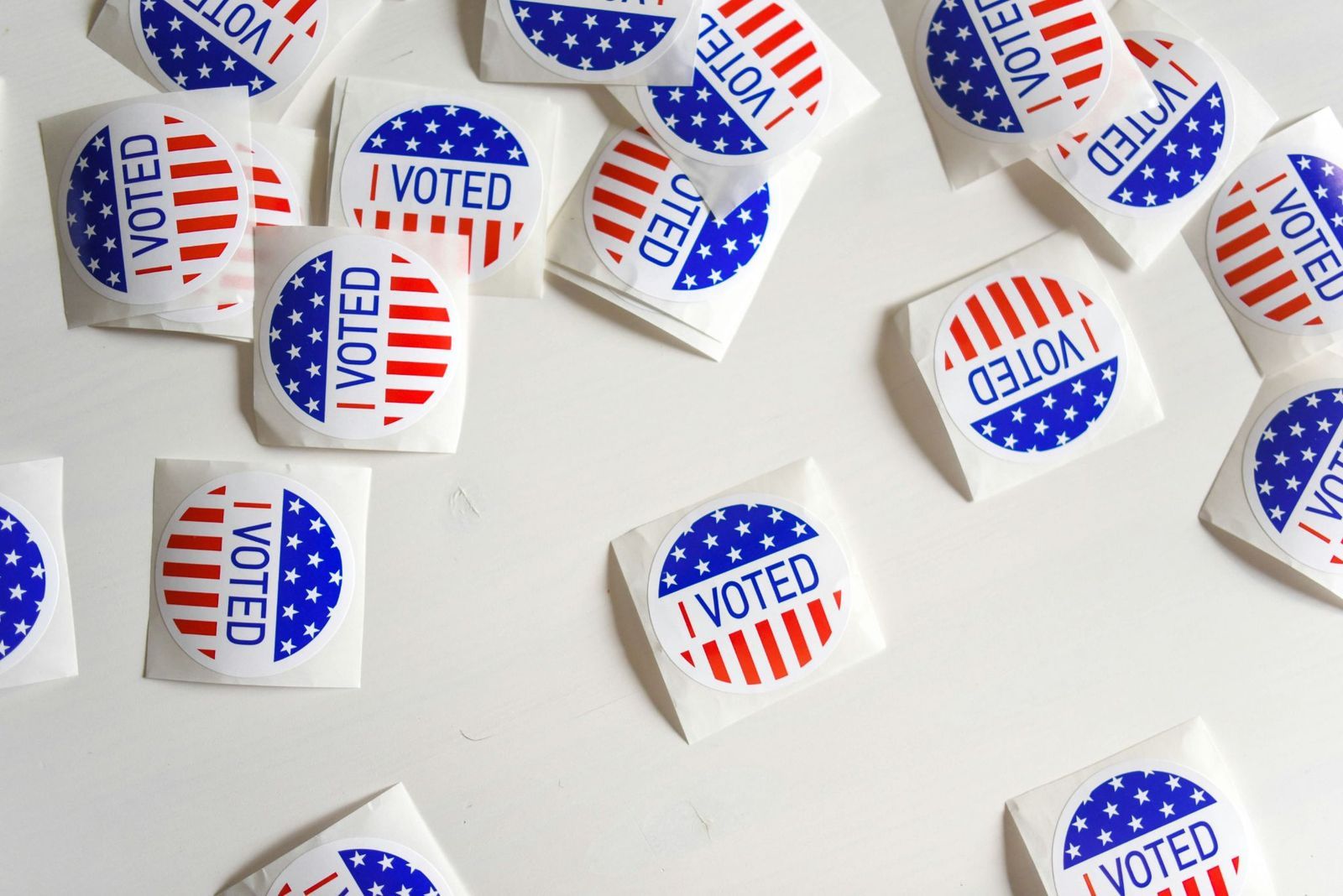
Image: Element5 Digital

Although there is no consensus among states about the legal age of majority, there is a national standard when it comes to voting in state and federal elections, something all Americans can do at 18 years old. However, this is a relatively new development. The 26th Amendment, which lowered the voting age from 21 to 18, was passed in 1971 as a result of controversies surrounding the Vietnam War draft of young men who were not entitled to the vote.

5
Swearing in public
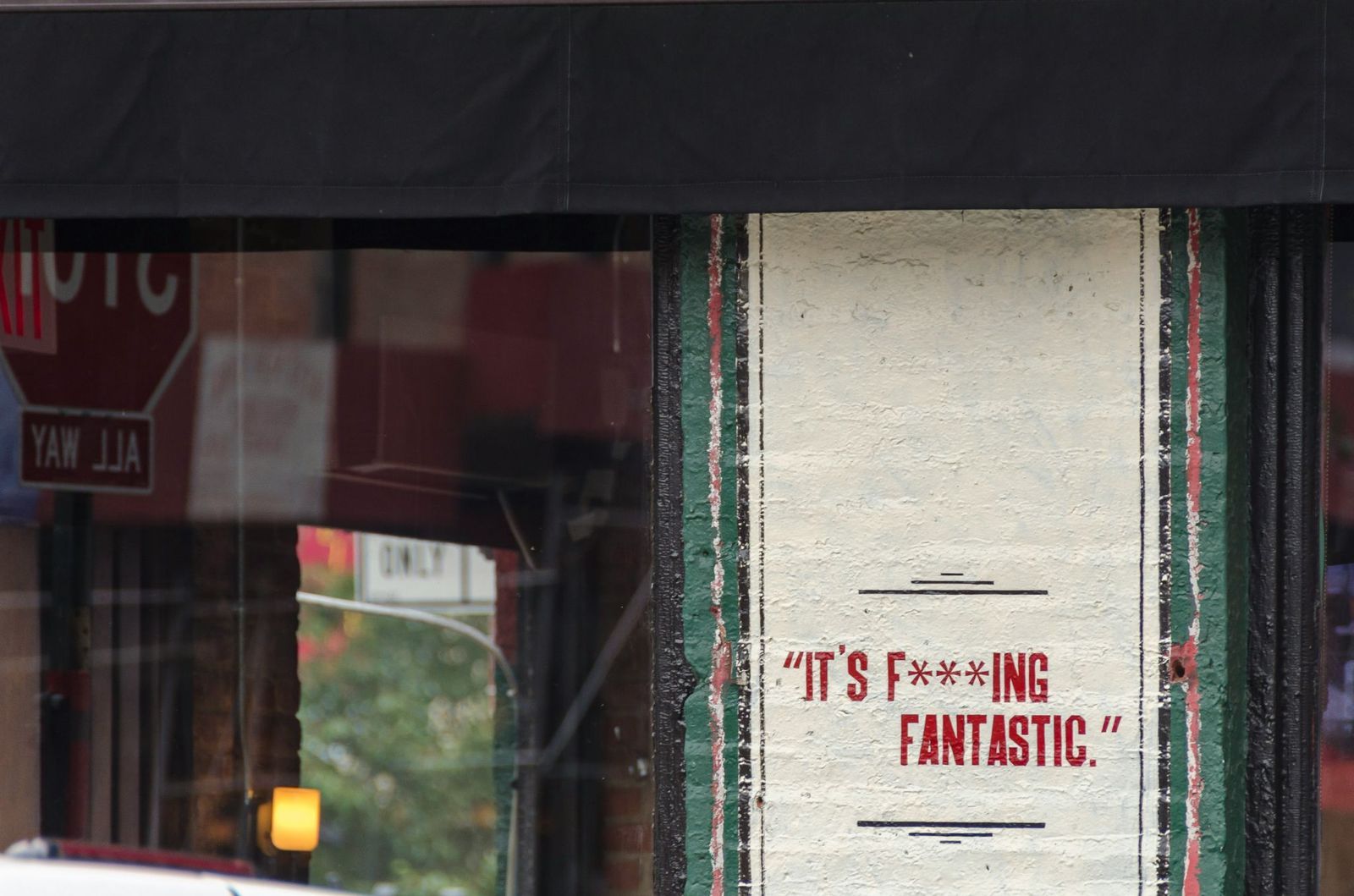
Image: Etienne Girardet

While federal laws against profanity are unconstitutional under the First Amendment, several states have passed statutes against public swearing and indecent language . While most of these statutes have not been enforced for decades, you’d be surprised to know that they were still standing in states such as California, Virginia, and Michigan within the past decade.

6
Margarine
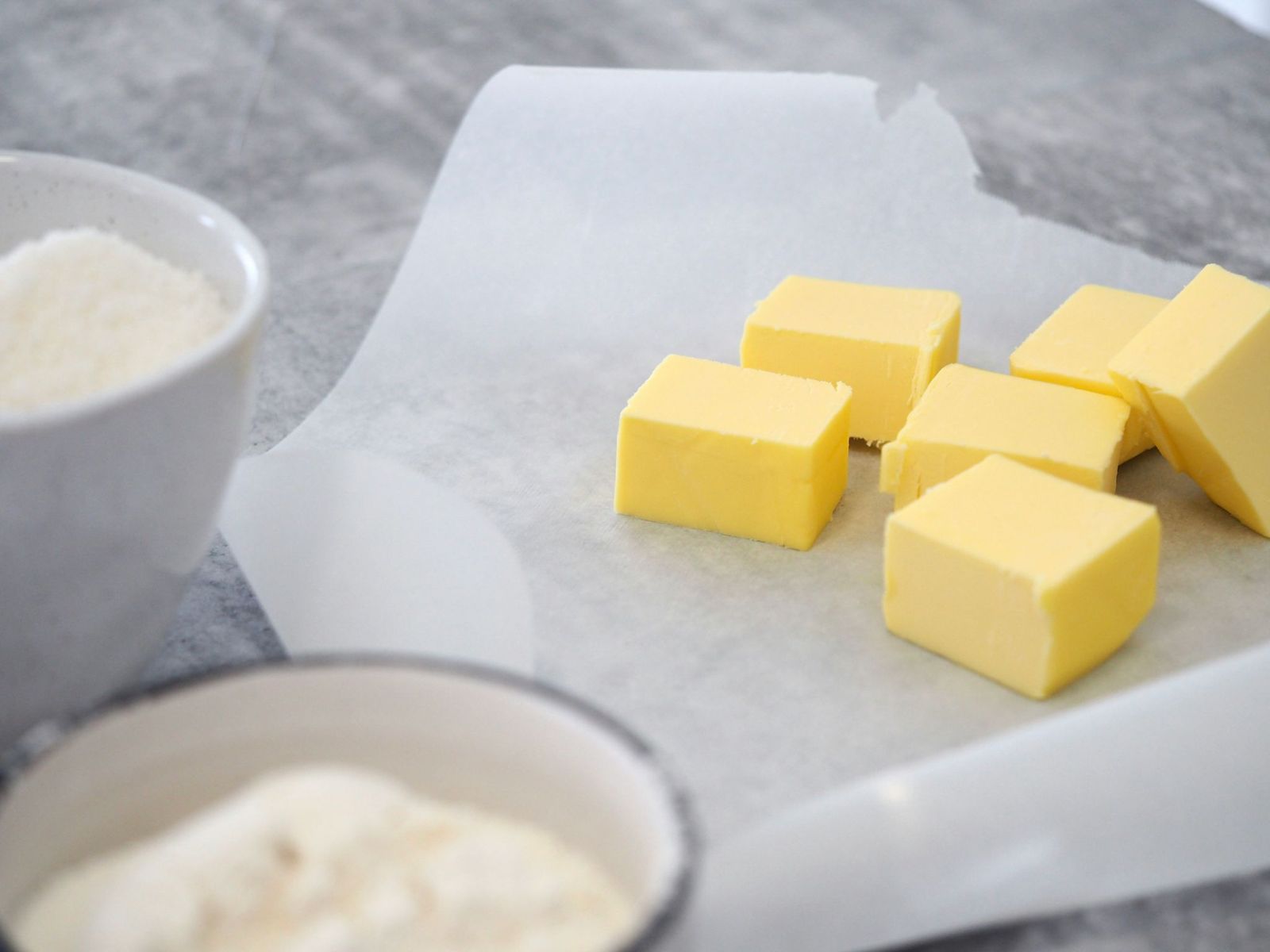
Image: Jess Bailey

D id you know that margarine was banned or severely restricted until the 1950s? In the late 19th century, many states banned the sale of margarine to protect the butter industry, while others allowed its sale on the condition that it was dyed pink to render it unappealing. Margarine with a butter-like appearance could sometimes be sold with an added tax. In 1950, President Harry Truman passed the Margarine Act, lifting all bans and taxes on yellow margarine.

7
Wearing pants as a woman

Image: Nikita Chaturov

Wearing pants as a woman was never banned or criminalized on a federal level, but most states outlawed it with crossdressing laws and ordinances. In 1923, the US Attorney General stated that it was legal for women to wear pants in public, but this was not a federal law, which meant that state ordinances still stood. Although women's pants became standard during World War II, many places—such as the U.S. Senate—still banned them until the 1990s.

8
Eating popcorn at the movies
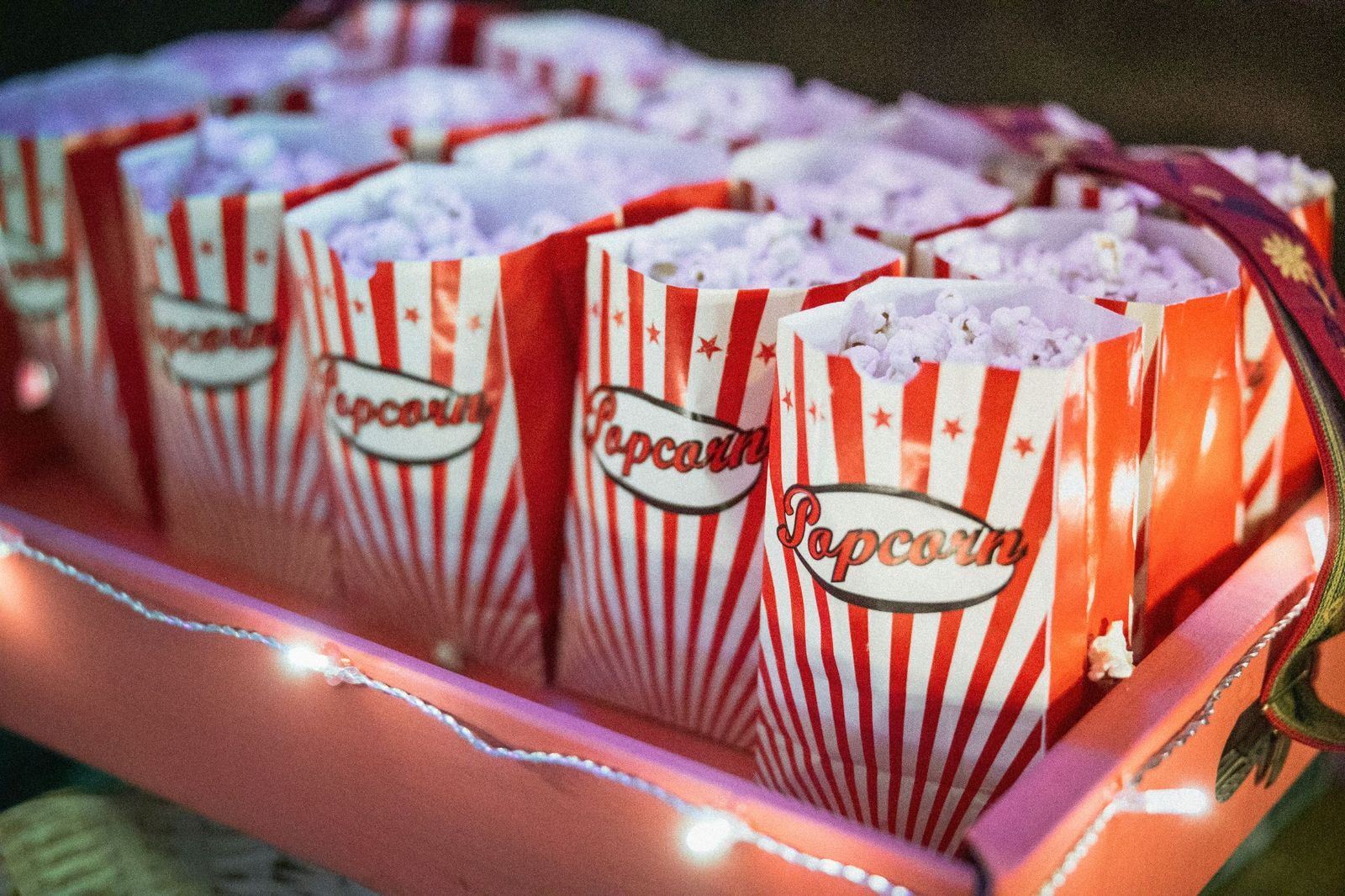
Image: Corina Rainer

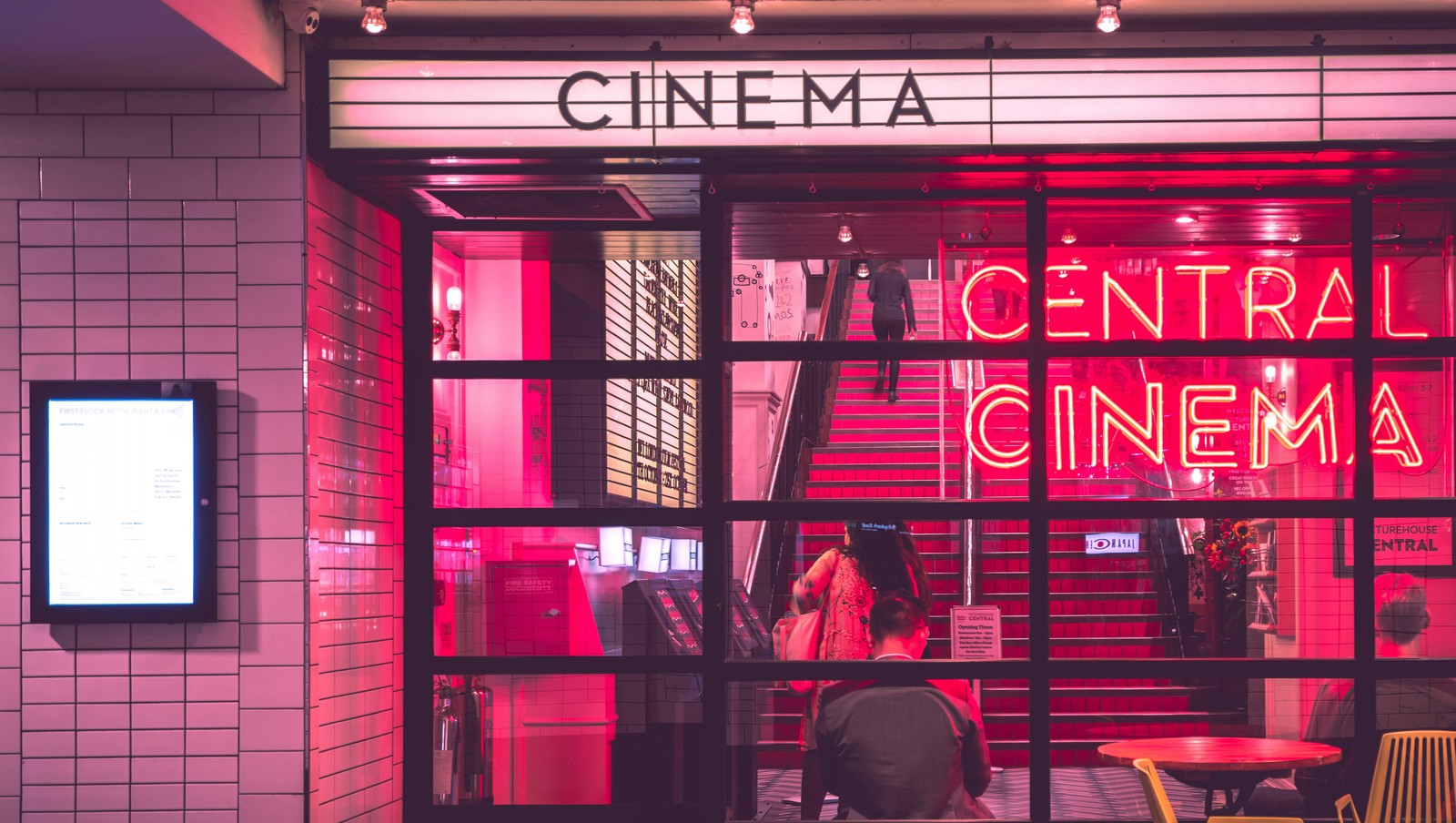
There was never a law or a statute banning popcorn at the cinema, but not for lack of trying. During the Silent Era of Hollywood, food was banned inside most theaters, and popcorn was the public enemy #1 due to the noise . When did it become a movie staple? With the introduction of sound in film, the crunching of popcorn was less of an issue, and street vendors started selling it outside cinemas. Eventually, theaters realized that there was major profit in snacks and started selling them, at a huge markup, in the theater.

9
Pinball machines
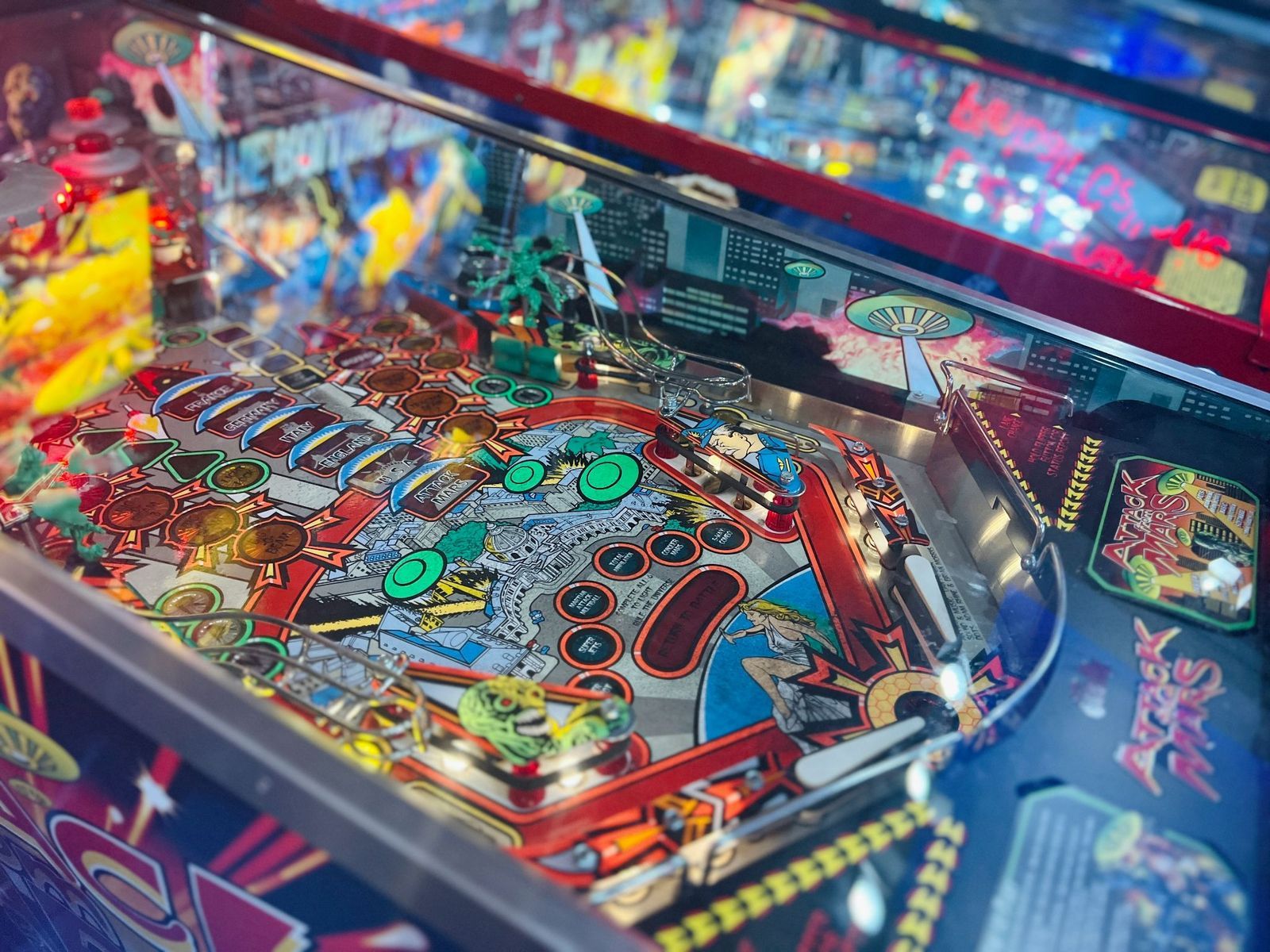
Image: Patrick Von

In what was known as the ‘Pinball Prohibition’, cities all across America made pinball machines illegal. The rationale was that pinball machines were gambling devices and were used by the mafia to lure children into illegal gambling . Luckily, most anti-pinball laws were repealed in the late 1970s.

10
Owning gold
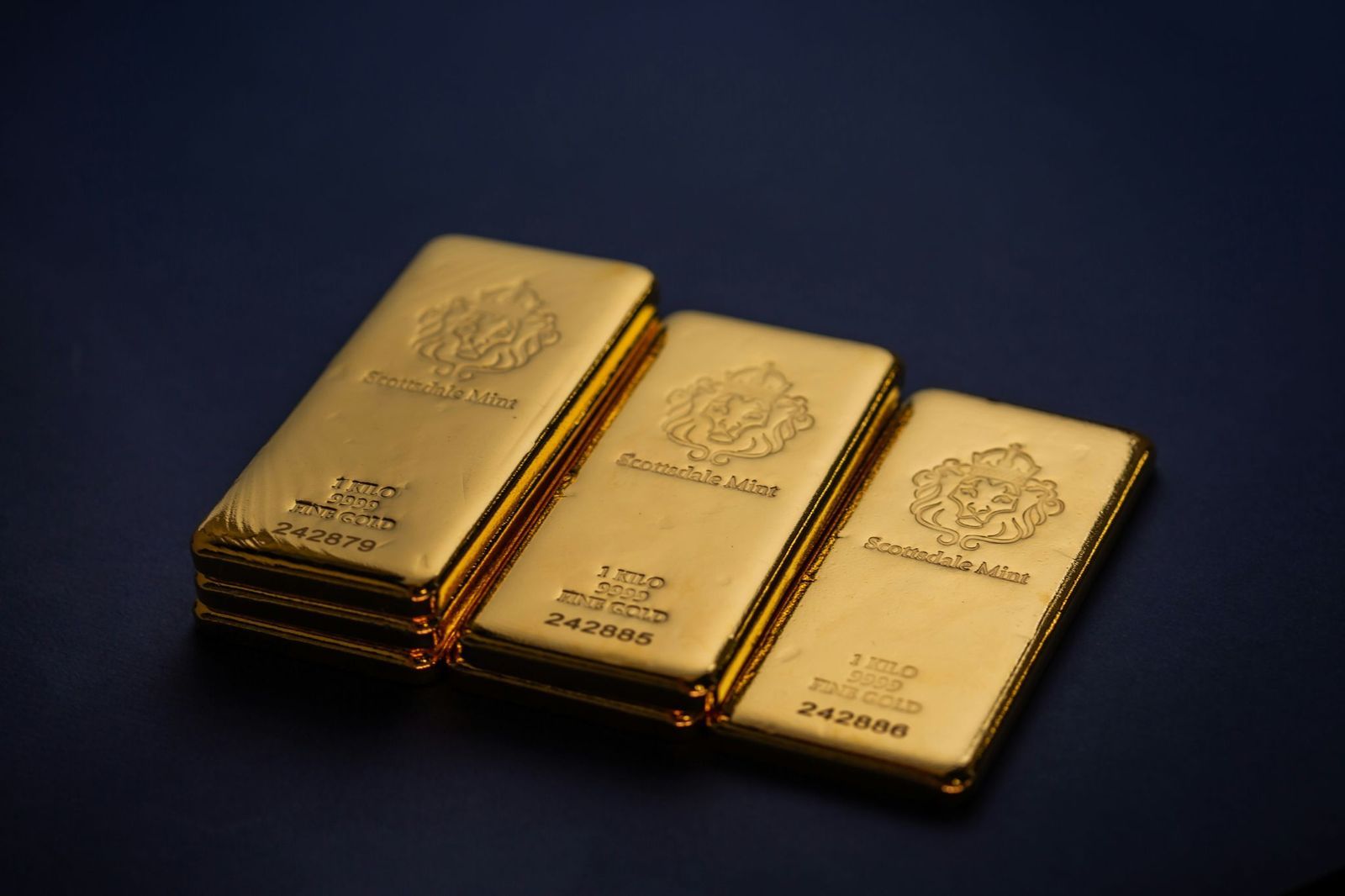
Image: Scottsdale Mint

There are several things that regular citizens can’t legally own, but why gold? In 1933, President Franklin D. Roosevelt signed an executive order that banned private ownership of gold —though small amounts of gold jewelry were allowed—to prevent "hoarding". Citizens were required to turn in their gold to the Federal Reserve, and would receive $20.67 per ounce. Gold ownership was made legal again by President Gerald Ford in 1975.
General General 3 min read

Holiday curiosities

10 Thanksgiving facts you'll be thankful to know!

Image: Element5 Digital

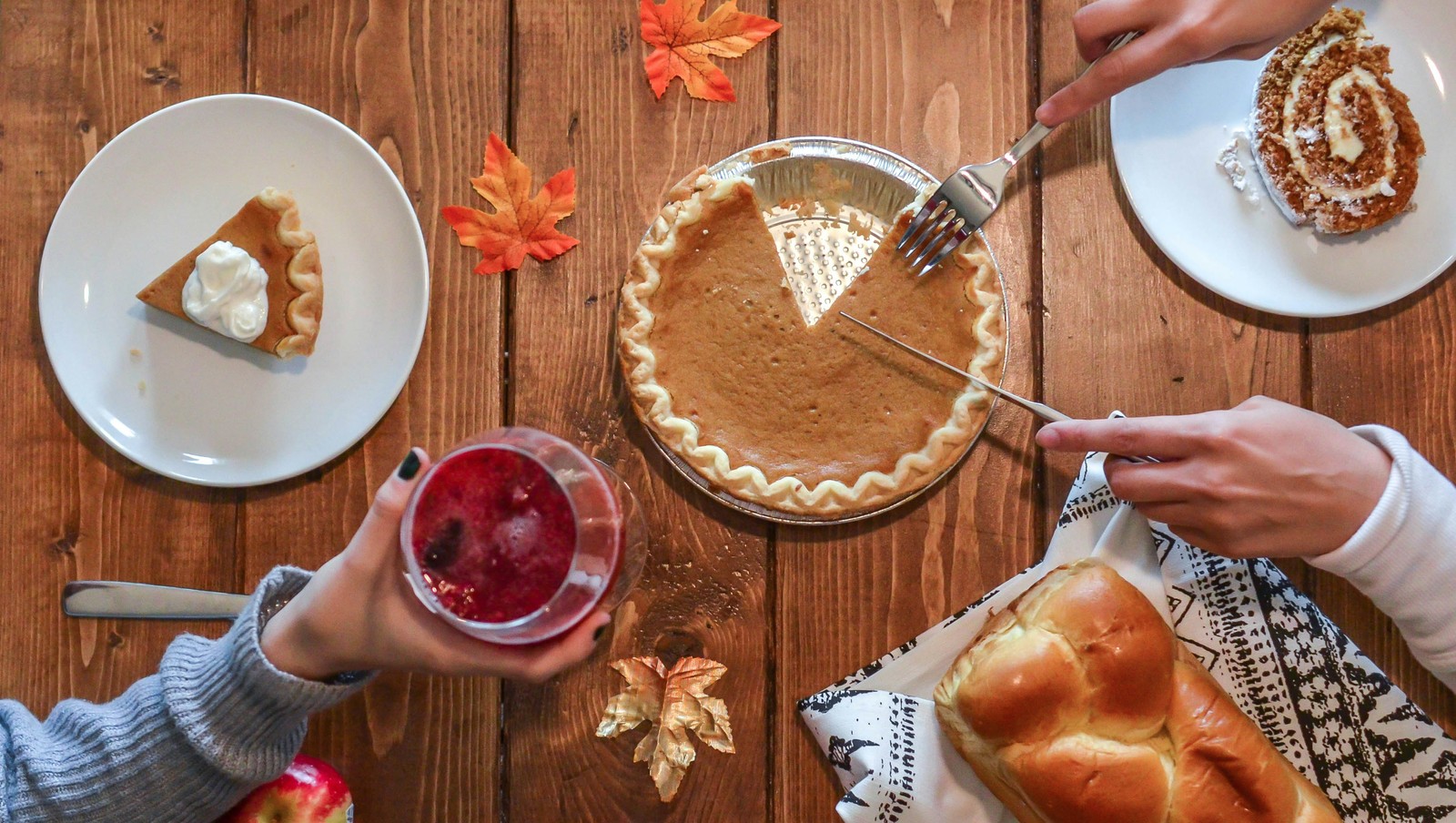
On Thanksgiving Day, Americans gather with family and friends to enjoy a big dinner, watch parades, and catch football games. But this holiday isn't just about traditions and history; there's a lot of fun and surprises too. You might never guess which profession works overtime while everyone else is out chasing Black Friday deals! Read on to discover 10 fun facts about Thanksgiving you probably didn't know!

1
Bussy day

Image: Imani

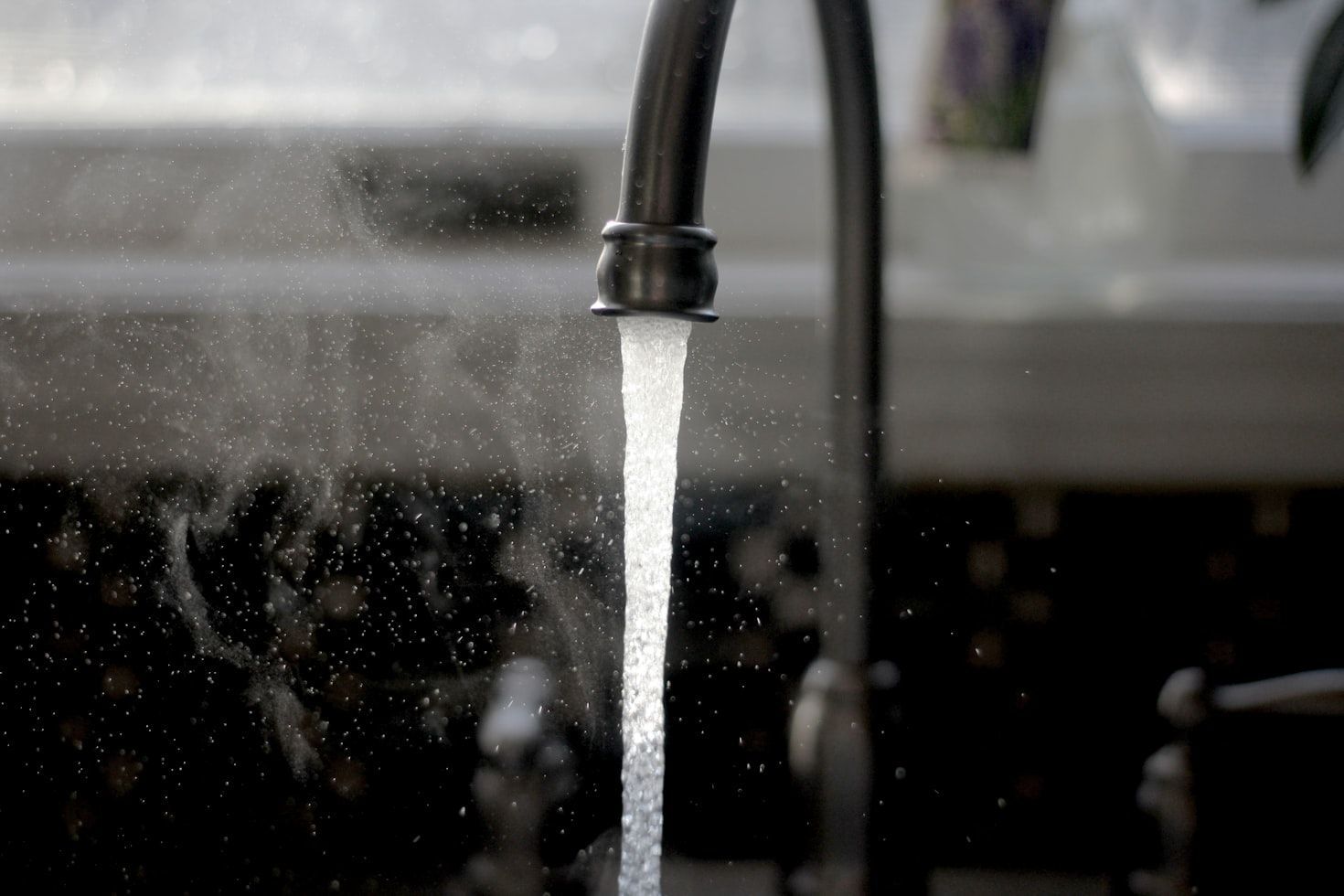
Many of us spend the day after Thanksgiving relaxing or shopping. But this is not the case for plumbers. In fact, Black Friday is the busiest day of the year for these professionals. The reasons are all too common: clogged kitchen drains, overworked garbage disposals, and toilet troubles.

2
Leftovers vs. dinner

Image: Jed Owen

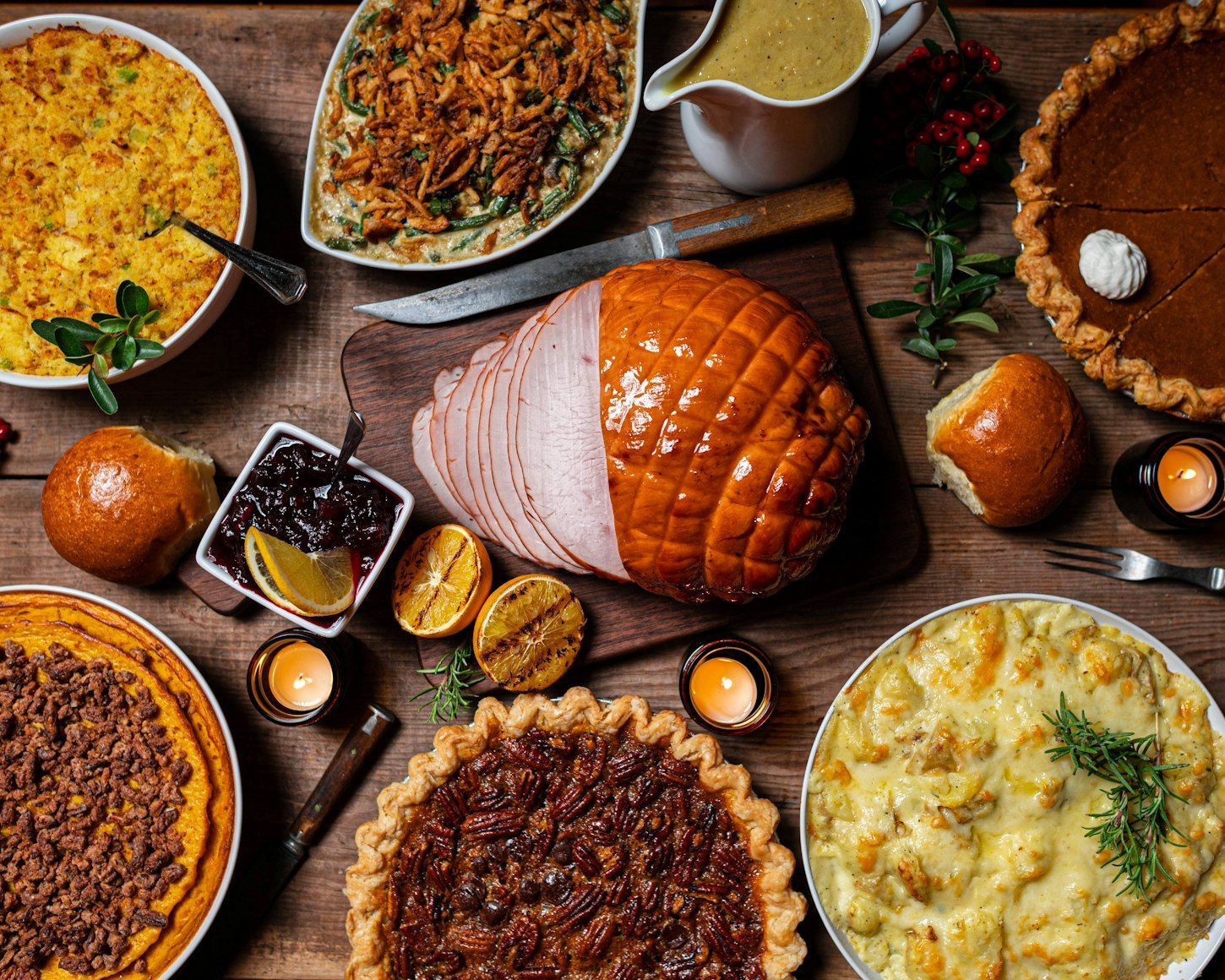
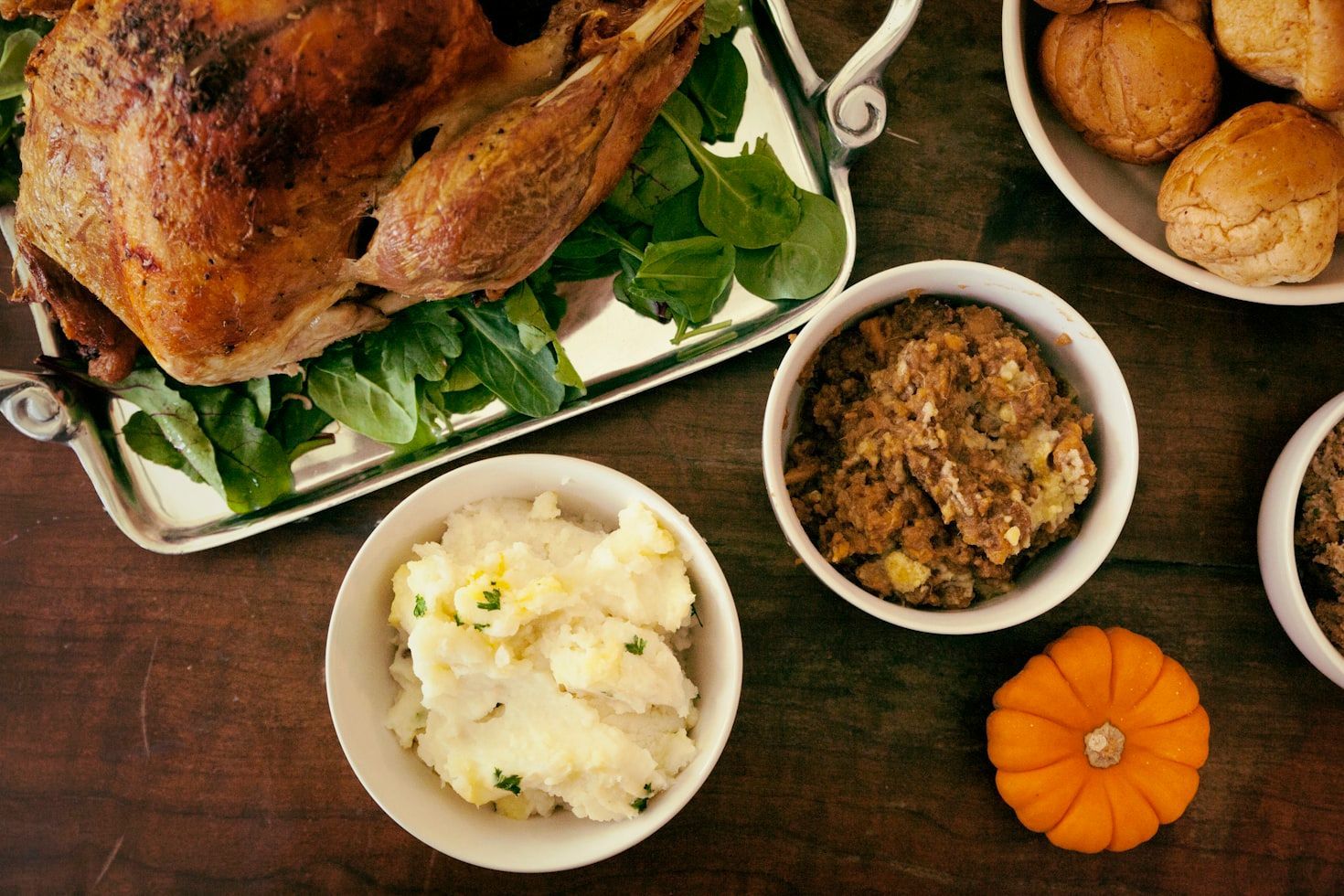
Stuffing, turkey, mashed potatoes, gravy, cranberry sauce, green bean casserole, and pumpkin pie are just a few of the classic food staples we enjoy on Thanksgiving. And as delicious as that feast is, studies show most Americans actually prefer the leftovers the next day! It seems there's something special about waking up and finding that delicious meal waiting for you in the fridge.

3
A caloric day

Image: Jessica Christian

There's no denying that on Thanksgiving, we often surrender to an extra slice of pie or one more piece of turkey than usual. According to the Calorie Control Council, Americans consume between 3,000 and 4,500 calories on Thanksgiving (not counting the leftovers waiting to be eaten the next day!). For comparison, medical guidelines often recommend between 1,600 and 3,000 calories for most healthy adults.

4
Thankful crowd

Image: Carson Masterson

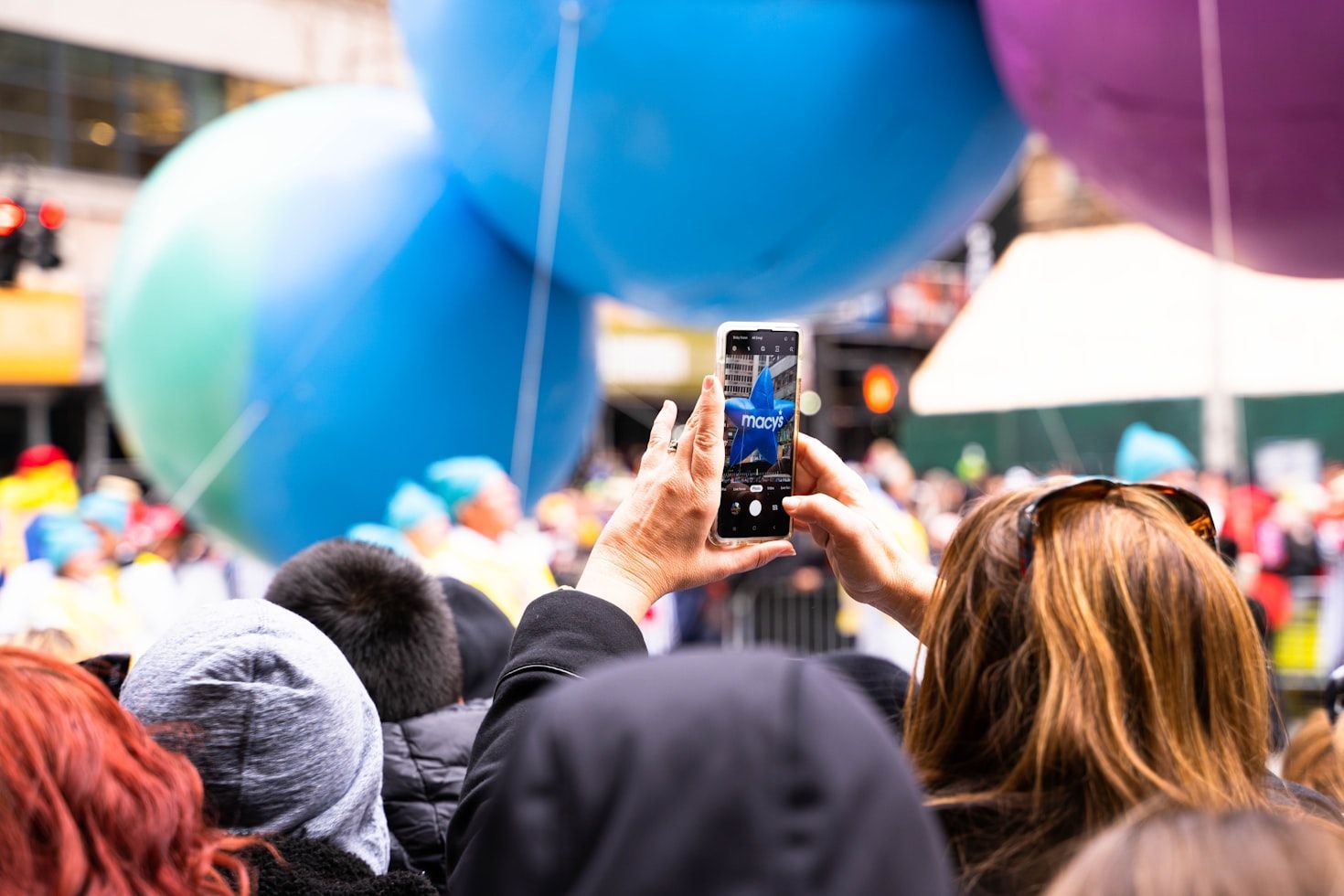
Macy's Thanksgiving Day Parade is definitely a spectacular event you don't want to miss. We all know it's massive, but can you guess how many people actually attend in person? About 3.5 million! Not the best place if you're not a fan of crowds. When the parade started in 1924, the number of spectators was far smaller; around 10,000 people gathered to watch.

5
Green Bean Casserole

Image: Meghan Schiereck

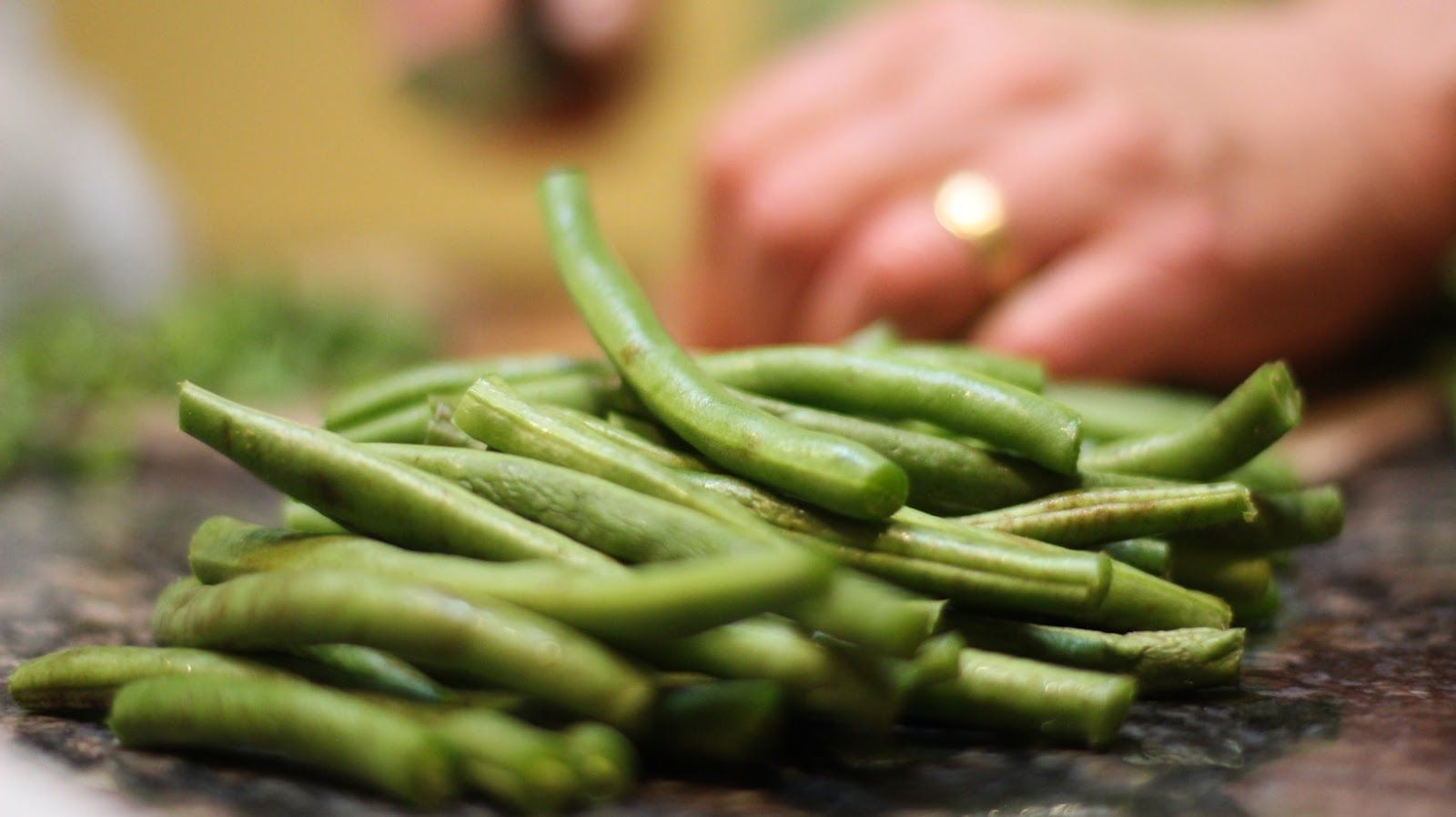
Although it's now a Thanksgiving staple we can't imagine the holiday without, green bean casserole was actually invented in 1955! That's right; it was the brainchild of Dorcas Reilly, who worked for the Campbell Soup Company. Its success probably comes from the delicious flavor, quick prep, and simple ingredients: green beans, cream of mushroom soup, and crispy fried onions.

6
Turkey or not?

Image: Megan Watson

While turkey is the main dish on most tables, surprisingly, 12% of Americans choose to skip it during the holiday. The reasons? Endless. Some prefer other dishes, others follow vegetarian diets, some want to save room for dessert, and others avoid turkey for reasons we'll reveal in the next section!

7
Drowsy dinner

Image: Sander Sammy

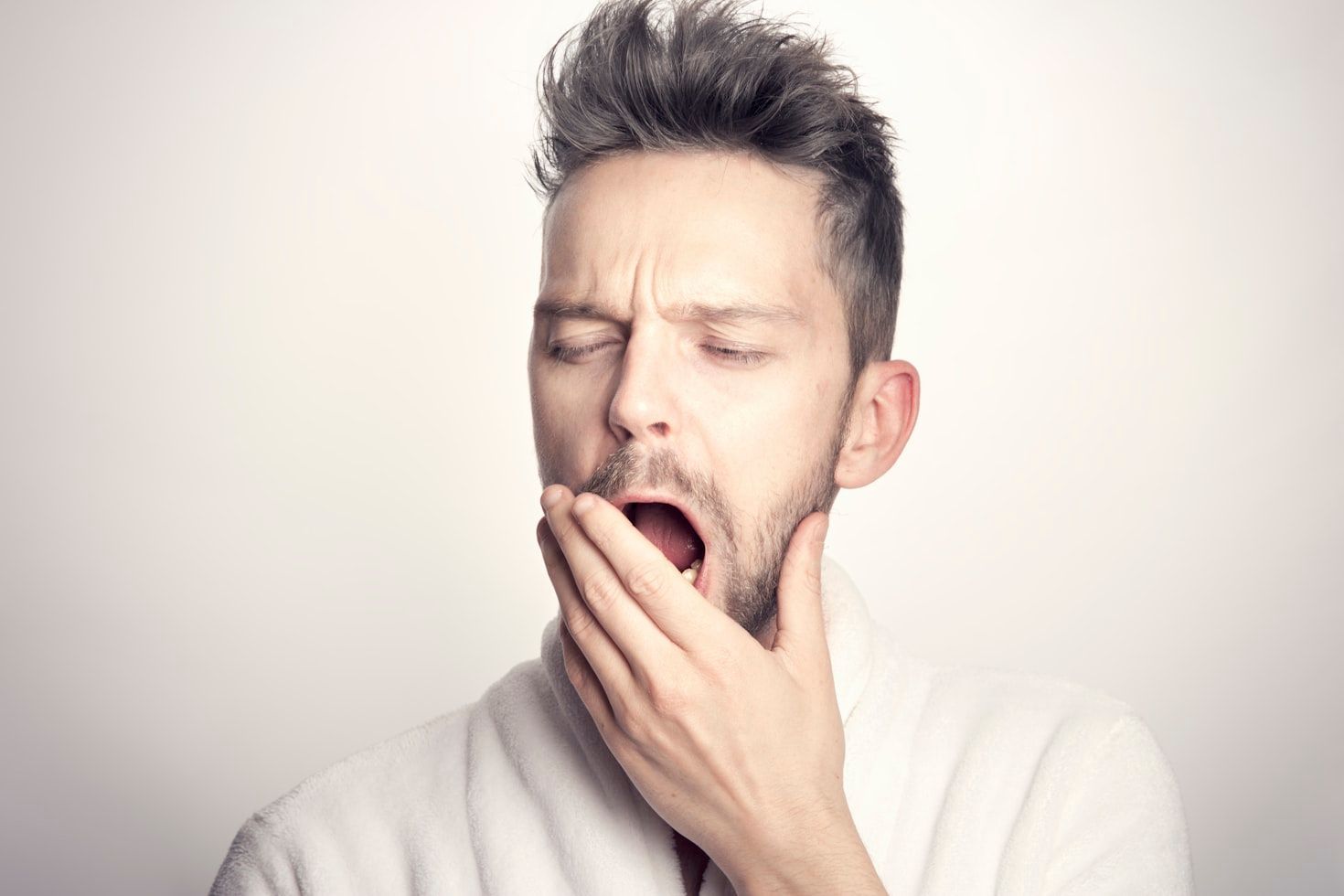
Feeling like taking a nap after Thanksgiving dinner? Don't worry, you're not alone. While it's true that turkey contains tryptophan, a natural sleep aid, the present amount isn't any higher than in other birds, and a few bites shouldn't make you drowsy. What actually happens is that we eat a lot of calories in a short period, which slows down our metabolism and makes us sleepy.

8
Americans' favorite

Image: Philippe Murray-Pietsch

If you thought turkey was everyone's favorite, you might want to think again! It turns out that a majority of Americans actually prefer stuffing. Specifically, 56% of Americans say they like side dishes more than turkey. For many, sides have become the real star of the meal.

9
Thanks to a miscalculation

Image: Ana Maltez

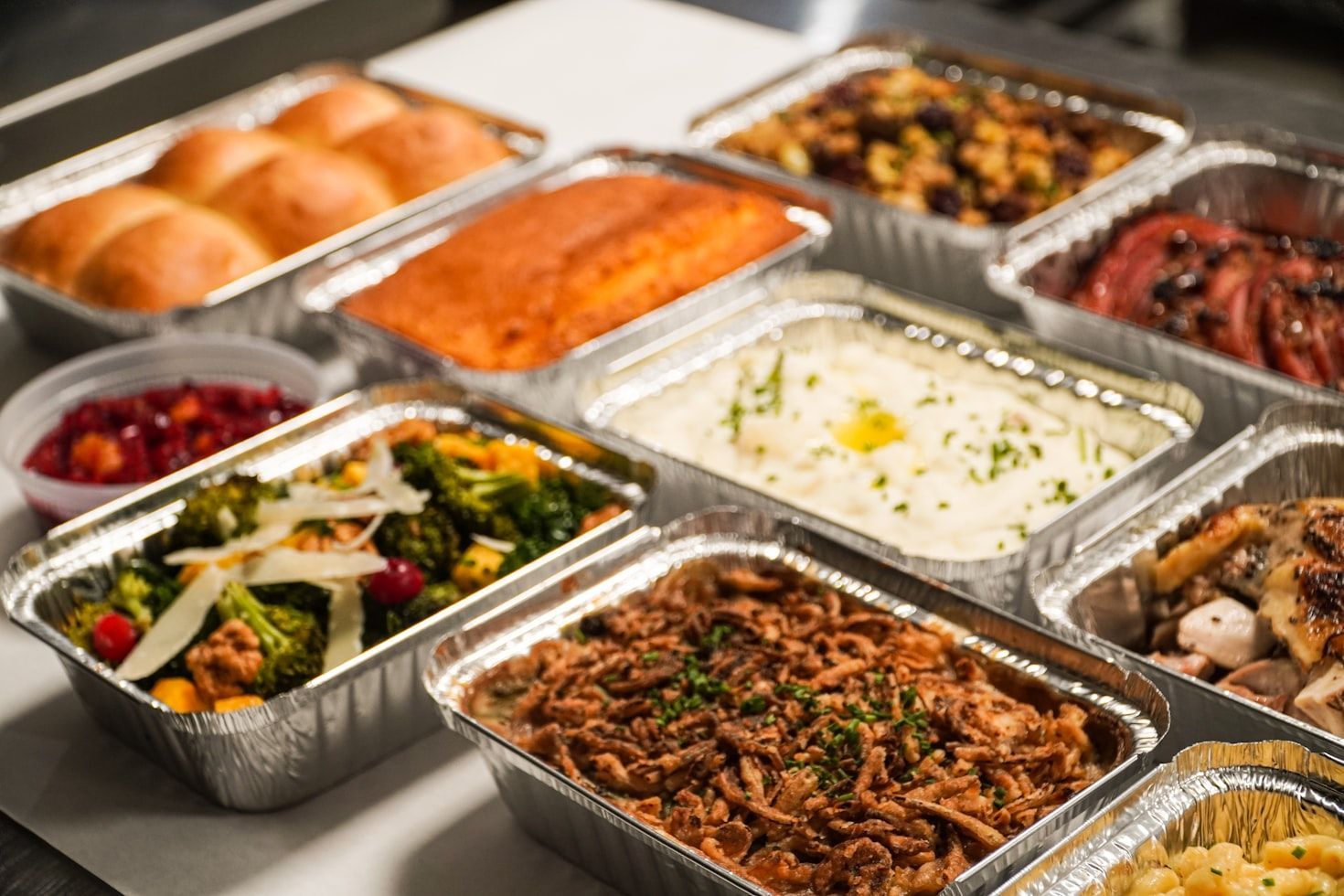
The story goes that in the 1950s, the Swanson Company overestimated how much turkey Americans would eat during the holiday and ended up with about 260 tons of frozen leftovers. But a clever salesman came to the rescue: inspired by airline meals, he suggested packaging the turkey in trays with classic sides like stuffing and peas. The result: in late 1953, Swanson launched the first TV-Dinner, and the rest is history!

10
100,000 turkey-related questions

Image: Miryam León

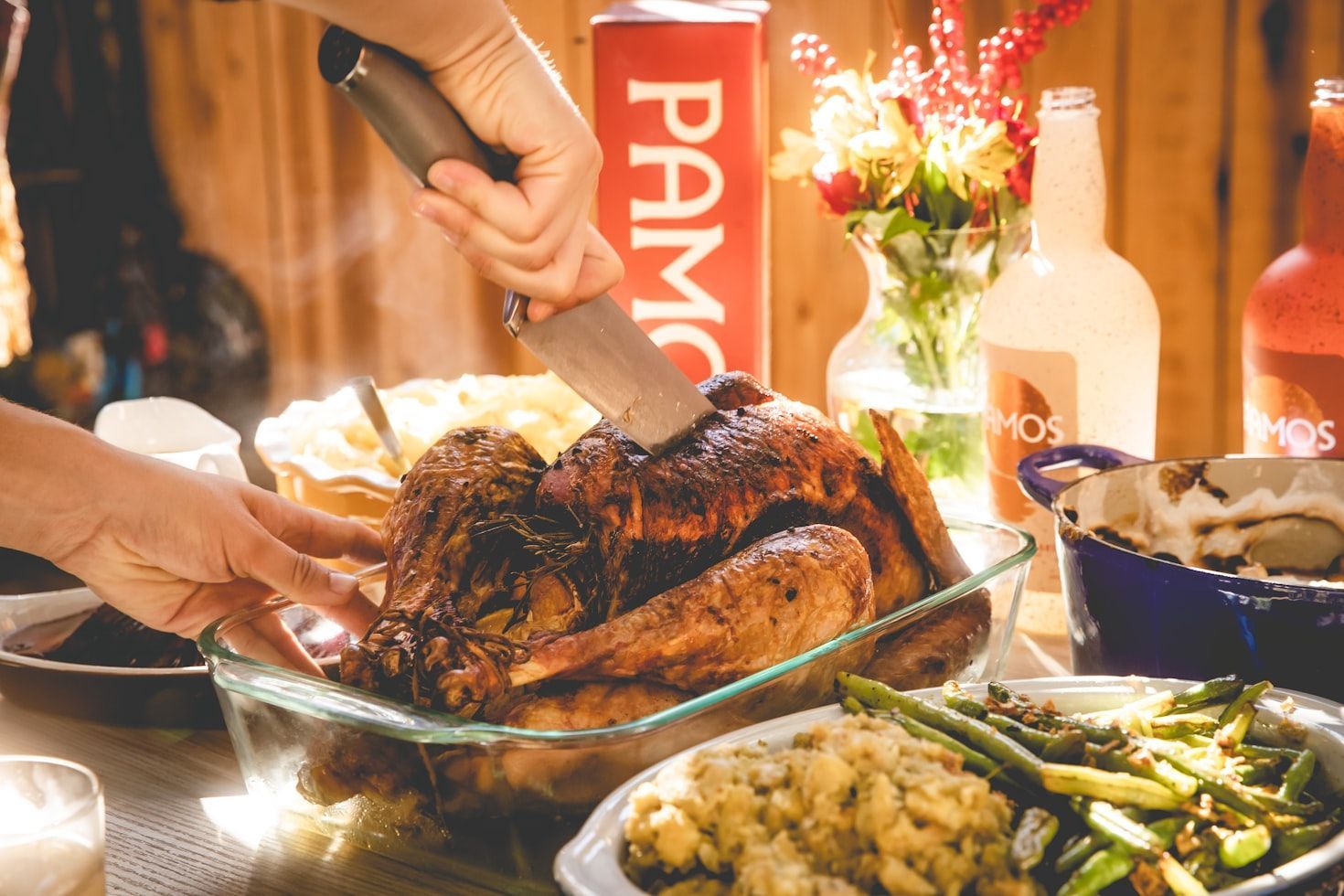
Even though the tradition has been around for many years, people still have many questions about their Thanksgiving turkey. In fact, the Butterball Turkey Talk Line —a legendary Thanksgiving hotline— answers more than 100,000 turkey-related questions every year! Some of the most common include: "How much turkey should I buy?" and "When and how do I thaw a turkey?"

General General 3 min read

Secret tracks

What's the meaning behind the acorns in Grand Central Terminal?

Image: Lāsma Artmane

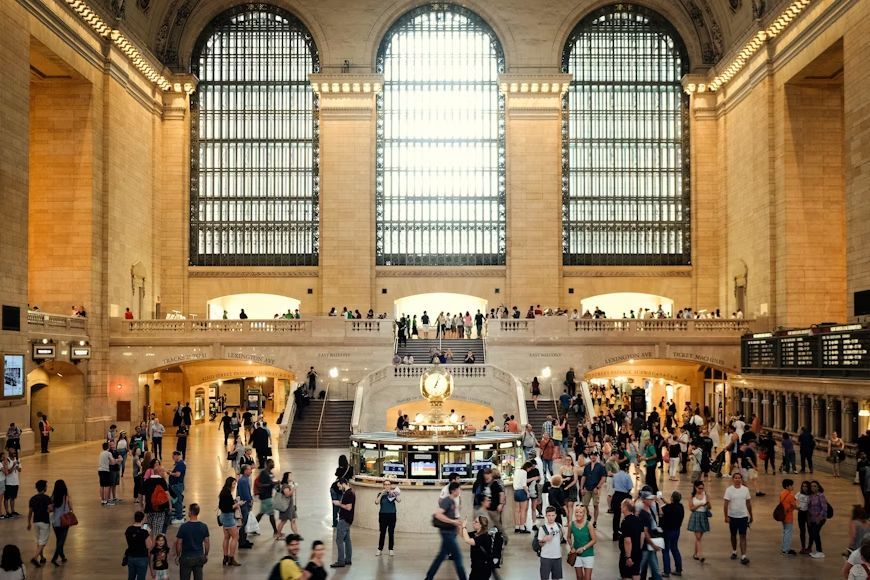
Ever since its public opening in 1913, Grand Central Terminal has been a living piece of New York history. Millions of travelers pass through its marble halls each year, but few realize just how many surprises hide behind those iconic clocks and grand archways. From secret tunnels to a bar tucked inside an old tycoon’s office, Grand Central holds more than a century’s worth of hidden stories waiting to be uncovered. Let’s take a closer look.

1
A bar hidden in plain sight

Image: Jad Limcaco

Most visitors know the famous Oyster Bar, but few stumble upon The Campbell, an elegant lounge tucked inside Grand Central. Originally the office of 1920s finance tycoon John W. Campbell , this spot sat forgotten for decades until 1999, before being restored to its former Jazz Age glory. Step inside today, and you’ll find velvet couches, grand rugs, and cocktails that make you feel like you’ve time-traveled back to the roaring 1920s.

2
Two clocks worth a fortune?

Image: DAVID NIETO

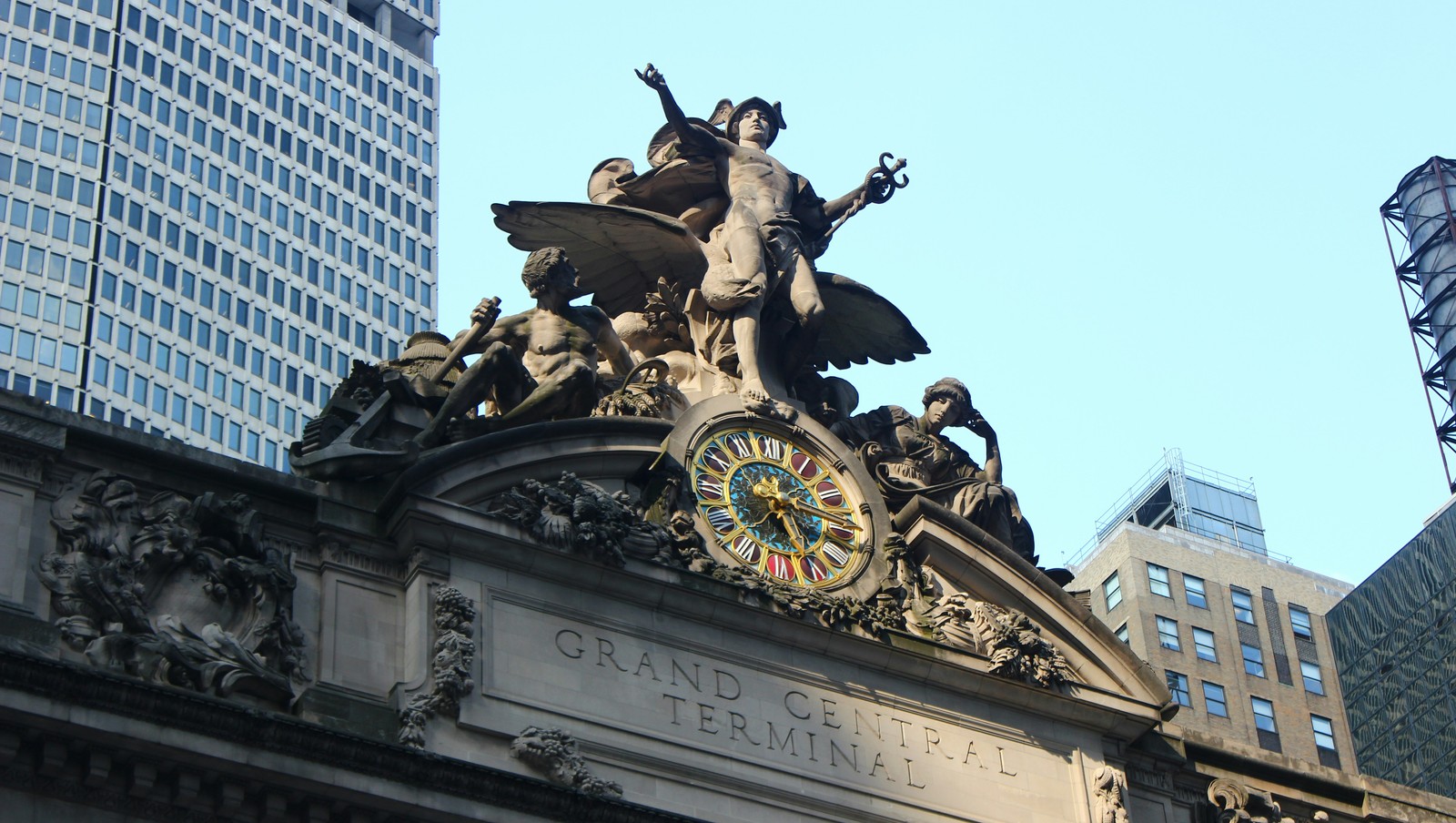
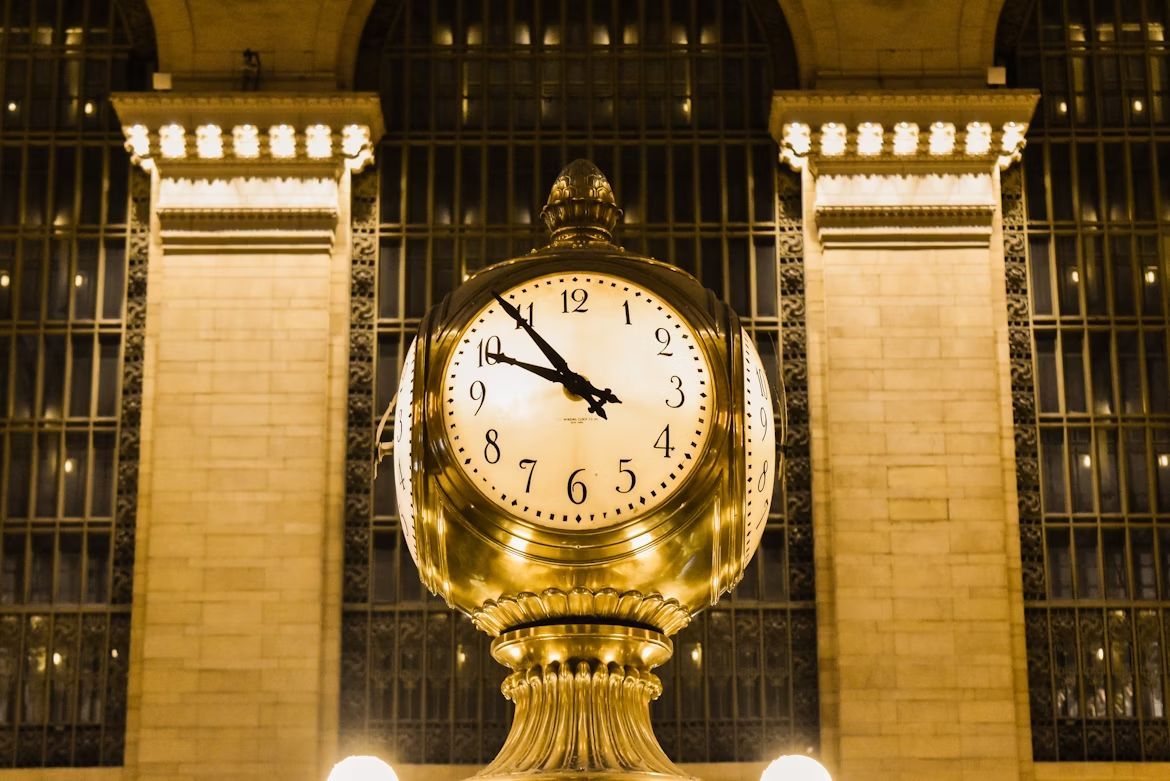
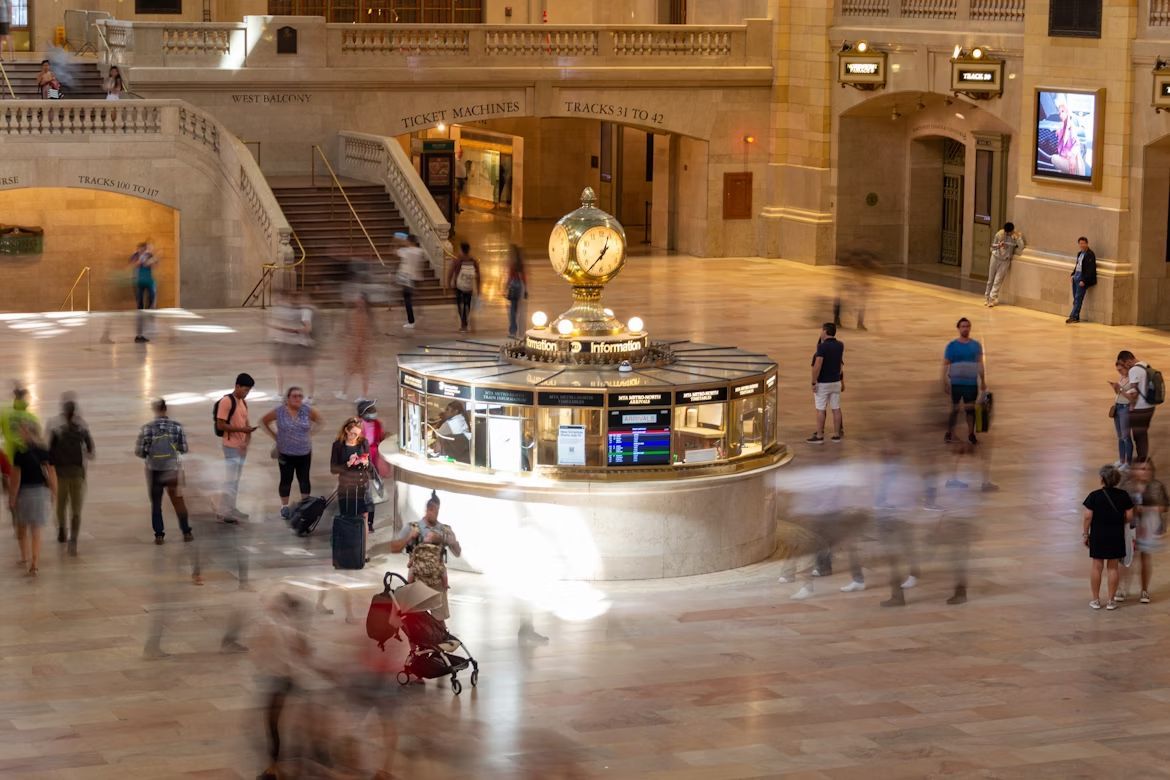
Grand Central has one of the most valuable clocks in the world , although there’s a myth that says there are two. The Tiffany clock outside towers 14 feet across, framed by Roman gods carved in stone. This clock is worth around $20 million. Inside the terminal, the four-faced opal clock crowns the information booth. Contrary to popular belief, this clock was not made of an actual opal, but out of opal glass, so there’s nothing priceless about it.

3
Hidden oaks and acorns

Image: David Vives

Take a closer look around, and you’ll start spotting oak leaves and acorns carved into chandeliers, railings, and stonework. These aren’t random designs. They’re a nod to the Vanderbilt family’s symbol: The acorn. The family funded the terminal’s construction in 1871 and wanted everyone to know it. Now, their family symbol quietly decorates every corner of their legacy.

4
The mysterious whispering gallery

Image: Thierry Biland

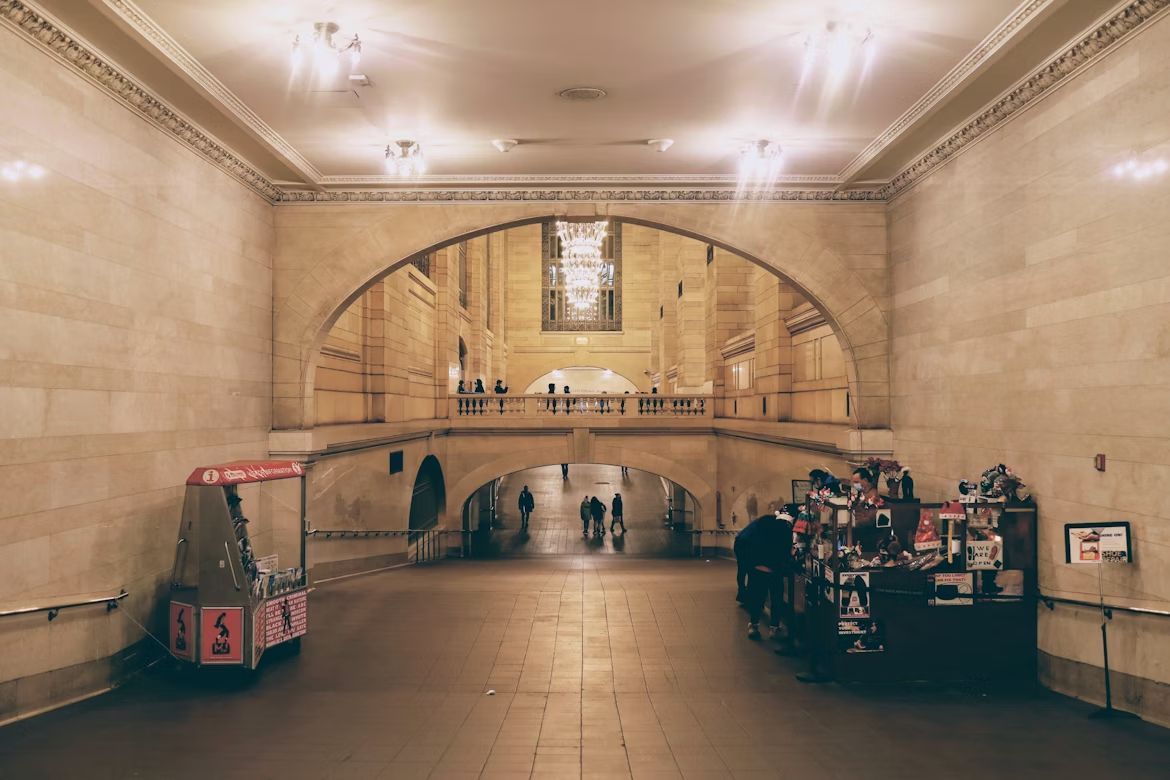
If you whisper into one corner of the tiled archway near the Oyster Bar, someone standing diagonally across can hear you perfectly. The "Whispering Gallery" is one of Grand Central’s quirkiest secrets . The Guastavino tiles that make up the arched ceiling carry sound in an odd way, creating an intimate little magic trick, though no one really knows whether it was designed that way or just a happy accident.

5
A sky painted backward

Image: Alexa Soh

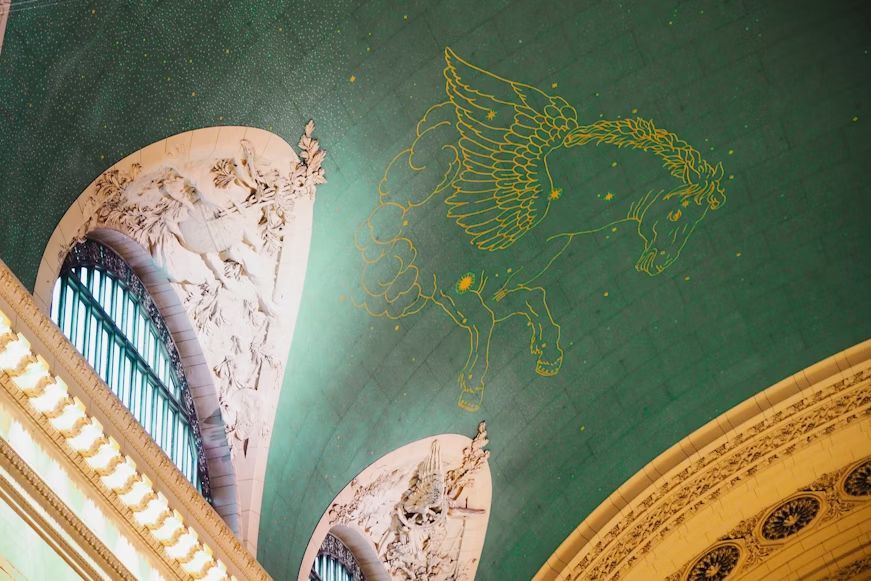
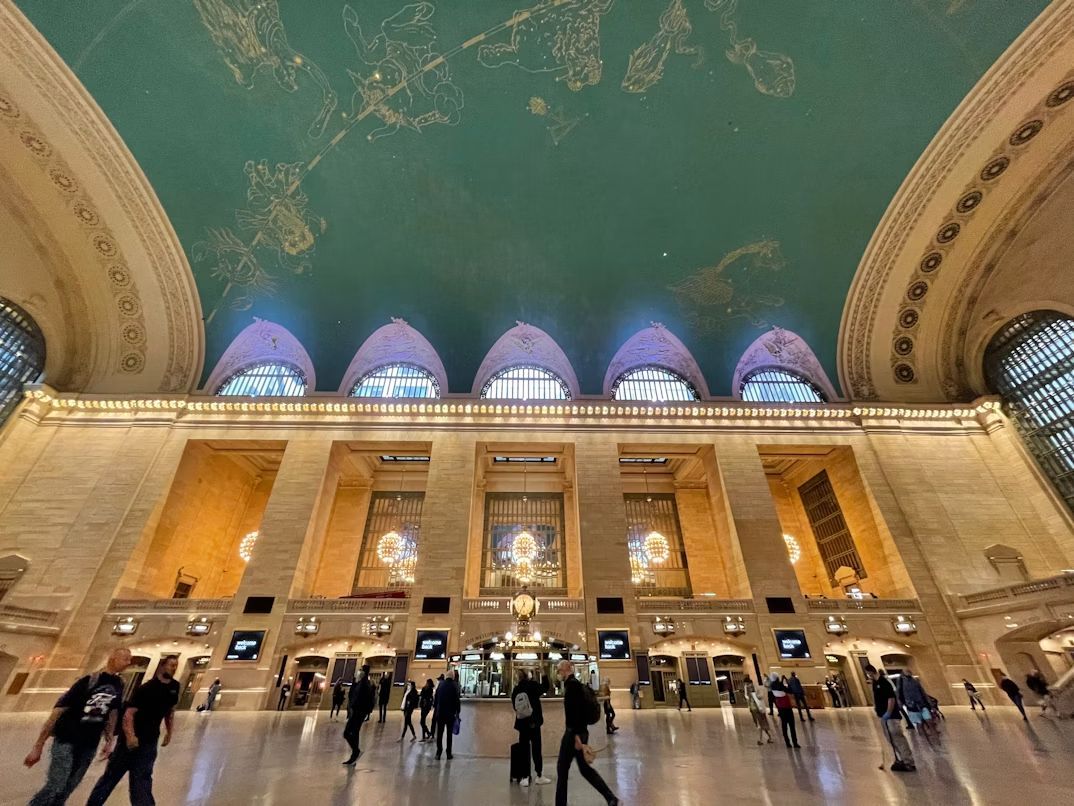
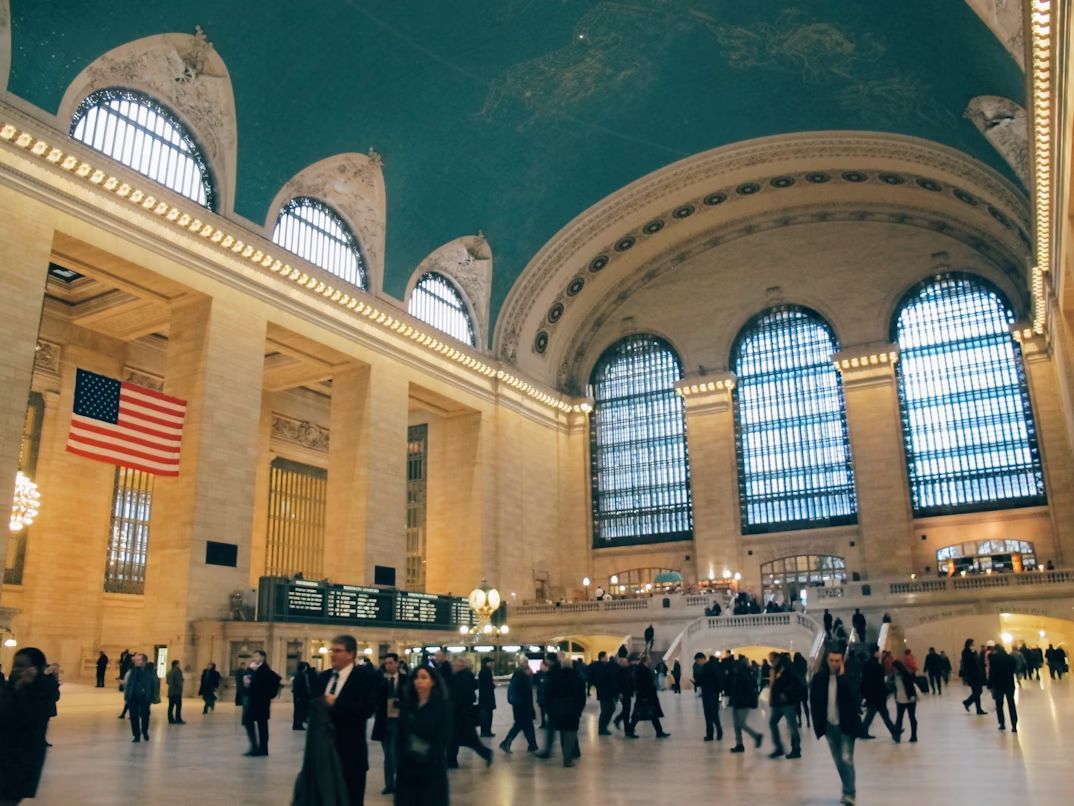
Look up, and you’ll see the breathtaking celestial mural that covers the concourse ceiling. But here’s the kicker: the constellations are painted backwards . Whether it was a mistake or an artistic choice remains debated, but the Vanderbilts claimed it was intentional—to give us the "divine perspective" of looking down at the heavens. Either way, it’s still one of the most photographed ceilings in the world.

6
Game, set, match (inside a train station)

Image: lauren barton

If you think tennis in a train terminal sounds impossible, think again. The Vanderbilt Tennis Club, perched on Grand Central’s fourth floor, is open to the public . You can book a court, take a lesson, or just peek inside to see this unexpected slice of luxury tucked away above the bustling commuters below.

7
Secret walkways above the windows

Image: Mitch Hodiono

Those grand arched windows in the main concourse aren’t just decorative; they hide narrow walkways used by staff to move unseen between offices . These catwalks give a bird’s-eye view of the terminal, though they’re strictly off-limits to the public. Only a select few with key passes get to experience the view from up there.

8
A hidden entrance to the Waldorf

Image: David Jones

Deep beneath Grand Central lies Track 61, a secret passage that once connected directly to the Waldorf Astoria Hotel. It was used by VIPs who preferred to travel without public attention —most famously, President Franklin D. Roosevelt, who used it to conceal his polio and wheelchair from the public eye. Today, it’s sealed off, but the legend remains.

9
Almost lost to the wrecking ball

Image: Reiseuhu

In the 1960s, plans were made to tear down Grand Central and replace it with skyscrapers. After the destruction of Penn Station in 1963, New Yorkers were not having it. Thanks to the efforts of preservationists , Grand Central was saved and officially declared a landmark in 1967. Their fight ensured we could still enjoy one of the city’s true architectural gems.

10
A 21st-century makeover

Image: Dominic Kurniawan Suryaputra

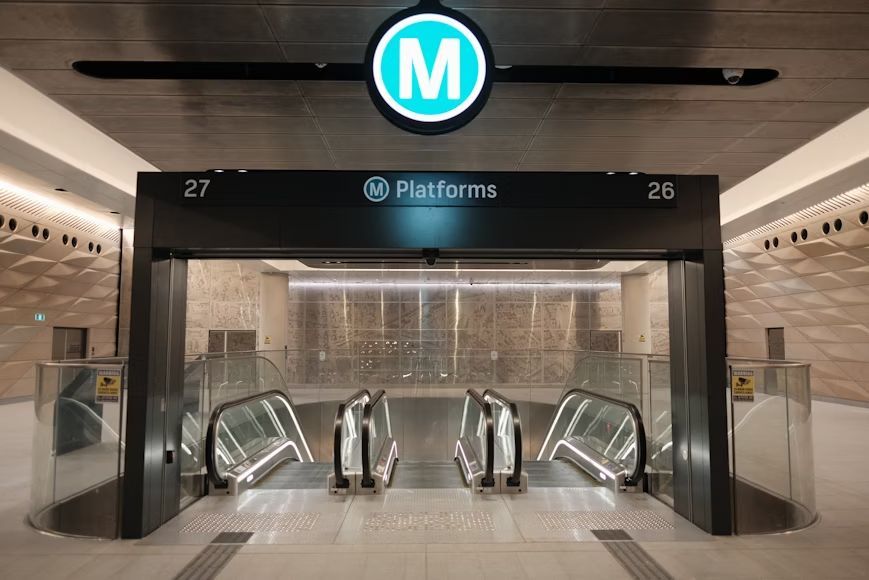
While much of Grand Central dates back to 1913, its evolution continues. The massive East Side Access Project, completed in 2023, added a new terminal for Long Island Rail Road passengers, complete with 40 miles of new track buried beneath Park Avenue. It’s a modern expansion of a century-old masterpiece.

Explore more American facts

Choose your favorite category!

General
General

As American as apple pie—the very best America has to offer!

Culture
Culture

Delve into the astounding richness of American lore.

Geography
Geography

Hop in and explore vast and diverse American landscapes.

History
History

Discover the key moments that shaped the United States.