History History 5 min read

First Family, regular domestic problems

They did WHAT to the White House? Adams wouldn't even recognize the place
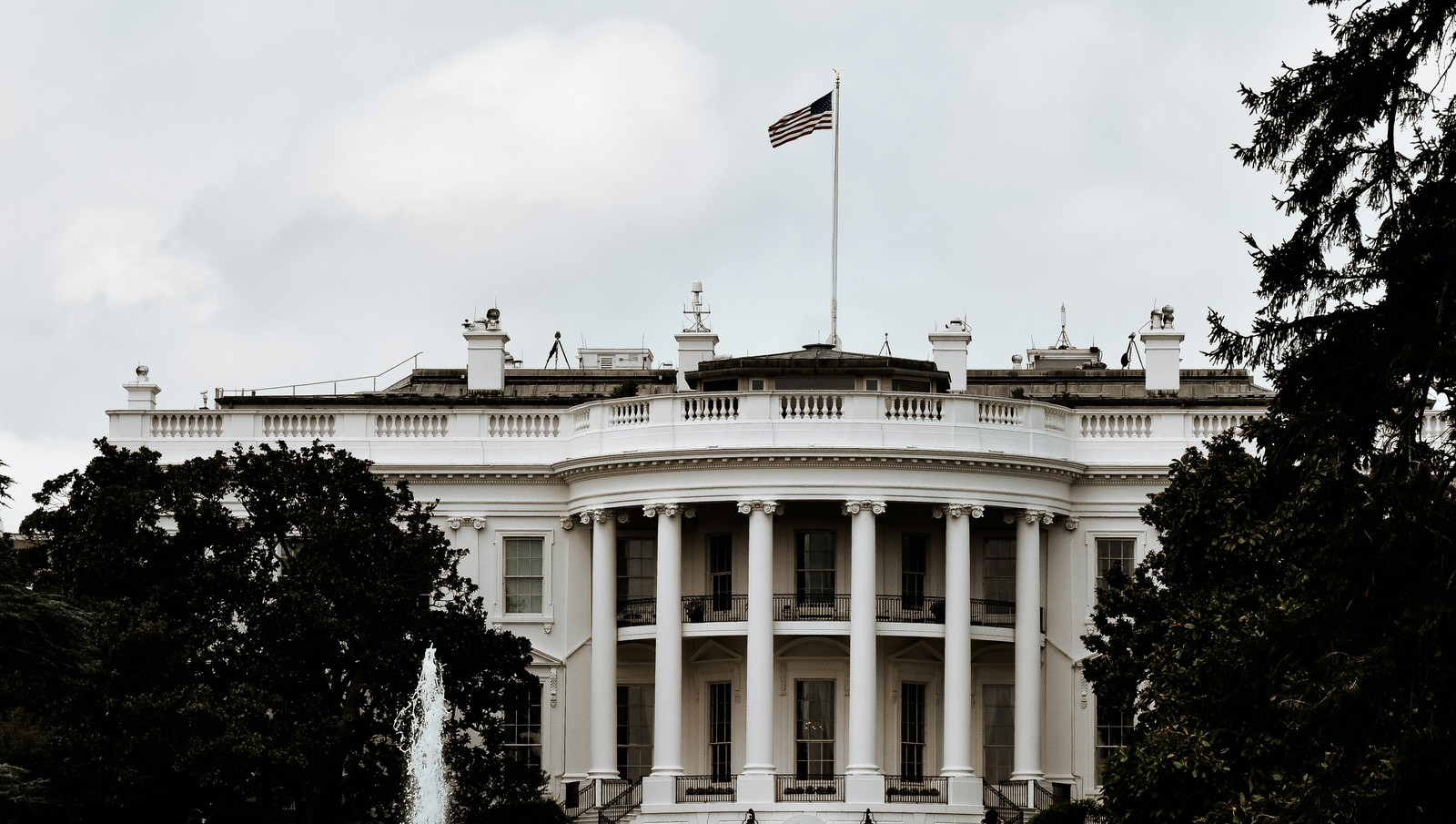
Image: Edoardo Cuoghi

Since 1800, the house at 1600 Pennsylvania Avenue has served as the president’s official residence. In the more than 200 years since, the presidential mansion has seen it all, from being set on fire by British forces to having planes crash on its lawn. Each administration has left its mark on the White House, with many presidents and first ladies expanding, renovating, and reimagining it while creating new traditions and customs. Let’s dive into 10 ways First Families changed the presidential residence.

1
New Year Reception (John and Abigail Adams)

Image: Ray Hennessy

John Adams was the first U.S. president to live in the White House—then referred to as the President’s Palace or the Presidential Mansion—alongside his wife, Abigail, who played a significant role in furnishing the newly built residence.

On New Year’s Day in 1801, the Adamses held a public reception for anyone who wanted to shake hands with the president and his wife. This tradition continued (with some interruptions) until 1932, when it was ended by Franklin D. Roosevelt, who allegedly wanted to avoid being seen using a wheelchair.

2
Indoor Toilets (Thomas Jefferson)
Image: Tim Mossholder

When Thomas Jefferson assumed the presidency, he discovered that the White House lacked indoor plumbing, toilets, and had only an outdoor wooden privy. He ordered the construction of two "water closets," one on each side of the residence.

During Jefferson’s tenure, the White House underwent several modernizations, including improvements to the lighting system, the kitchen, and exterior features such as gutters. He also had an outdoor wine cellar built to store his extensive collection.

3
White House China (James Monroe)
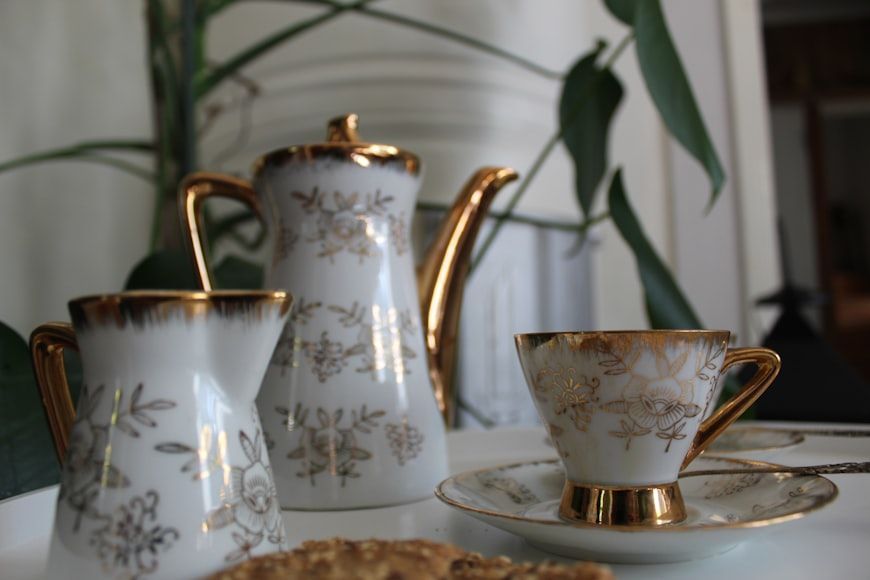
Image: Anne Nygård

Did you know the White House has a special room dedicated to displaying the porcelain sets designed for each administration? The tradition of commissioning presidential china designs started in 1817, with President James Monroe.

Monroe’s china was designed and crafted in Paris, featuring an eagle carrying a red, white, and blue banner inscribed with "E Pluribus Unum." Following criticism over the presidential mansion’s purchase of foreign-made goods, Congress decided that future presidential china should be manufactured in the United States, though some presidential couples still chose to commission French china.

4
The Library (Abigail Fillmore)

Image: Iñaki del Olmo

When Millard and Abigail Fillmore moved into the White House, their approach to decoration and improvement differed from that of previous First Families. None of them came from a wealthy background, so they prioritized expanding the heating system and modernizing the kitchen.

More interested in intellectual pursuits than in socializing, Abigail noticed that the Presidential Mansion lacked a library and set out to create one. She personally organized the room, selected the books, and arranged them to her liking. The library became her main parlor, where she received literary figures of the time and listened to music.

5
Floral Arrangements (Lucy Webb Hayes)

Image: Alexander Simonsen

A passionate abolitionist and the first First Lady to earn a college degree, Lucy Webb Hayes moved into the White House at the end of the Reconstruction era, and after a highly controversial election. With limited funds to renovate the presidential mansion, Mrs. Hayes found ingenious ways to conceal holes in the carpets and worn-down furniture.

Lucy Hayes was the first president’s wife to be referred to as "First Lady." She made several improvements to the White House, but she is most remembered for turning the billiard room into a greenhouse filled with flowers, which she then used for floral arrangements for the residence.

6
The West Wing (Theodore Roosevelt)
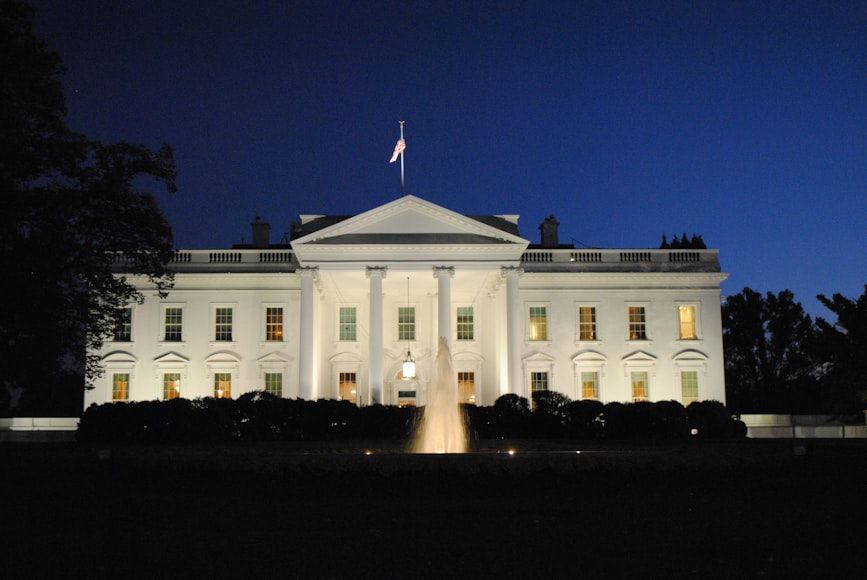
Image: Tabrez Syed

We all know that the West Wing is where the presidential office is located, but not everyone knows that it was not part of the original design of the White House. Before 1902, the president’s offices were located on the second floor.

When Theodore Roosevelt moved into the White House, he discovered there wasn’t enough space for his six children and the growing staff. His wife, Edith, suggested that the second floor be converted entirely into family living quarters and that the offices be moved elsewhere. The West Wing was then built as a temporary structure on the site of the old stables, but in the end, it became a permanent fixture of the residence.

7
The Oval Office (William Taft)

Image: Benjamin Ashton

This office is known as the place where major decisions are made, but it wasn’t part of the White House’s original design. When President William Taft decided to make the temporary West Wing permanent, he also doubled its size and created the first Oval Office.

Its distinctive shape was inspired by the semicircular Blue Room in the main residence, where presidents traditionally received guests. That design, in turn, paid homage to the bow windows from which George Washington once greeted visitors at his presidential homes in New York and Philadelphia.

8
Interior Reconstruction (Harry S. Truman)
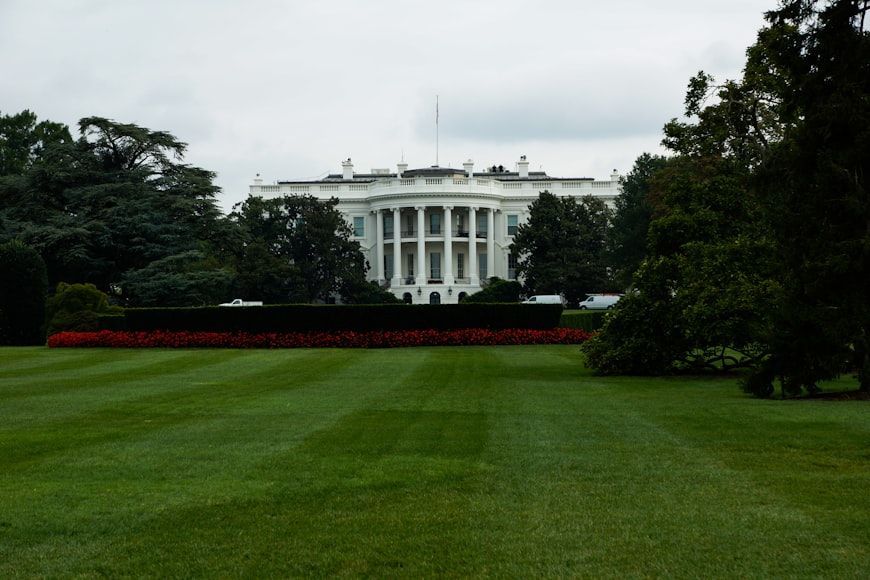
Image: Philipp Katzenberger

By 1949, the White House had endured a century and a half of wars, fires, political scandals, and modernization. With few renovations made during the Great Depression and World War II, President Truman and his family moved into a mansion that was literally falling apart—it was declared unsafe after a piano leg crashed through the floor of the family quarters.

The Trumans moved across the street during the three years the reconstruction took place. Due to the need for extensive renovations, a total demolition of the building was considered but not enacted. In the end, the decision was to preserve the exterior walls and completely rebuild and expand the interior.

9
Themed Christmases (Jackie Kennedy)

Image: freestocks

The White House’s themed Christmas celebrations are now a beloved tradition, complete with a spectacular tree and elaborate decorations. This lovely tradition was started in 1961 by Jackie Kennedy, who then chose The Nutcracker as a theme, and featured decorations crafted by disabled and elderly citizens.

Since then, First Families have carried on the themed Christmas tradition, honoring topics and interests relevant to the nation and highlighting causes dear to the presidential family.

10
Office of the First Lady (Rosalynn Carter)
Image: Jean-Louis Paulin

First Ladies have always played an important role in supporting the president, managing the Presidential Mansion, and championing various causes. However, this role wasn’t always officially recognized or included in the White House budget.

Although some First Ladies before her had hired official staff, Rosalynn Carter was the first to organize hers into a formal Office of the First Lady , complete with departments dedicated to press, social causes, campaigns, and community outreach.

History History 6 min read

Behind the everyday

Brilliant minds that changed our lives: check 10 American creations!

Image: Bruno Cervera

Let’s be real, American inventors have given us some pretty amazing stuff over the years. Consider how the Walker Method was a blessing for black women’s hair, or how praised the Kodak camera was and still is. All these things made America what it is. And the best part? Many of these creations have become so much a part of our daily routines that we don’t even stop to think about where they came from! So, grab your favorite drink, kick back, and let’s take a look at 10 American inventors whose brilliant ideas have changed the game in ways no one saw coming!

1
The Walker Method by Madame C. J. Walker

Image: TopSphere Media

It was Einstein who said that in the midst of every crisis lies an opportunity, and if he said so, it must have been for good reason. Or so thought Madam C.J. Walker, born Sarah Breedlove, who turned her personal hair loss struggles into a revolutionary business.

Do you know how hair is different for everyone? Well, she created a specialized hair care system for Black women that included pomade, a specific brushing technique, and heated combs. She called it the "Walker Method," and it was all about creating confidence while taking care of hair. Walker’s products became wildly popular because she also empowered others by training saleswomen and teaching them entrepreneurial skills.

2
Portable fridge by Frederick Jones

Image: Eric Prouzet

Frederick Jones’ brilliance lies in his ability to solve real-world problems—like the need to transport perishable goods safely (or keeping our soda cold at the beach).

During World War II, he developed portable refrigeration units, developed during World War II, made it possible to transport food, blood, and medicine to soldiers on the frontlines. This invention didn’t just change the war effort; it revolutionized how we transport essentials today.

A self-taught engineer, Jones received over 60 patents, many related to refrigeration but also to X-ray machines and engines. His cooling technologies still affect our daily lives, from grocery stores to hospital supplies. With his work, Jones quietly transformed modern logistics. He showed us that staying cool under pressure can lead to incredible things!

3
Ironing board by Sarah Boone

Image: Eric Vö

We get so used to certain everyday objects, that we usually forget (or not even think about) who was the brilliant mind behind them. Take the ironing board, for example, have you ever wondered who made ironing a little easier?

Well, the creator was Sarah Boone, a dressmaker who improved the basic ironing board design.

In the late 1800s, ironing clothes meant laying them flat on a wooden plank which was, ultimately, awkward and inefficient. Boone improved it with a design of a curved, padded board that fit better inside dresses and allowed for easier pressing.

It was collapsible for storage, a feature we still appreciate today. Boone’s 1892 patent made her one of the first Black women in America to secure such recognition. Thanks to her, ironing boards became a must in every home and, ironing, an easier task for everyone!

4
Electronic television by Philo T. Farnsworth

Image: Muhammed ÖÇAL

Philo T. Farnsworth might not be a household name, but his creation certainly is. Farnsworth is responsible for the first electronic television. As a young boy, Farnsworth’s dream was to transmit images electronically, and in 1927, that is exactly what he did.

Life was not fair with him so, although much of his career was spent in legal battles defending his invention, his technology paved the way for modern broadcasting. Beyond television, Farnsworth also contributed to radar and nuclear fusion research. While RCA eventually marketed the first home televisions, Farnsworth’s work was the true foundation of it all. So, turn your modern TV on and cheer to Philo!

5
Super Soaker by Lonnie Johnson

Image: Michael Starkie

Not all inventions are created in a lab, some of them happen by accident, like Lonnie Johnson’s Super Soaker! While working on a heat pump for NASA, Johnson came up with a new idea in his bathroom. When a powerful jet of water shot out of his experimental device, he realized he had a potential toy in his hands.

After tweaking the design, he sold it to the Larami Corporation in 1989, and the Super Soaker became a backyard sensation. Ever since, millions of kids (and adults, don’t deny it!) have enjoyed epic water fights thanks to this fun twist of fate.

6
Kodak Moments: George Eastman’s Picture-Perfect Idea

Image: britt gaiser

Photography wasn’t always as simple as point-and-shoot, but George Eastman changed that forever. In the late 1800s, he invented the Kodak camera and made it affordable and easy for the average person to snap photos. His invention included a roll-holder device and a new type of flexible film, which made cameras lighter and more portable. Before Eastman, photography was a complicated process reserved for professionals, as you can imagine.

But by 1900, with the launch of the Brownie camera, every man and woman could document their everyday lives. Eastman’s vision of making photography "as convenient as the pencil", as he put it, became a reality. Now, every selfie we take can be traced back to his work.

7
Handy pencil sharpener by John Lee Love

Image: Detmold

Next time you sharpen a pencil, thank John Lee Love for making it a whole lot easier. This talented carpenter and inventor patented a portable pencil sharpener that was rather similar to the ones we use today.

Originally known as the "Love Sharpener," his design was simple, yet genius: The main benefit was it could fit in your hand and didn’t require much effort. Before his invention, sharpening a pencil meant dealing with large, bulky devices. He fully understood it’s the small details that make life easier and more effective so, his invention was, as we can see today, highly popular!

8
Sewing machine by Isaac Singer

Image: Claudio Schwarz

Don’t we all have a mother or grandmother who wouldn’t just put away their Singer machine? Well, the name Singer is nothing less than its creator’s last name. Isaac Singer’s sewing machine invention didn’t just change fashion, it changed the whole industry.

His design from 1850 included a presser foot and could sew 900 stitches per minute, a huge improvement compared to previous models. Singer’s machine was versatile too, able to sew curves, not just straight lines, making it easier to tackle a wide range of garments. Now, about the company, that was the result of his connection with Edward Clark, together they turned the invention into a household name.

9
Model T by Henry Ford

Image: Nadine E

Some creations are popular worldwide, but they started in our country and no article about our inventions would be complete without mentioning the assembly line by Henry Ford. Ford invented the car, that’s right, and thanks to it he put the whole country on wheels with the Model T. This car represented the first affordable vehicle for the everyday American.

As if that wasn’t enough, Ford’s biggest breakthrough came five years later, in 1913 with the moving assembly line, which cut production time and reduced the cost of manufacturing. This meant more Americans could own cars, changing life as we knew it. Before Ford, cars were luxury items for the rich, but the Model T and the way it was manufactured made personal transportation accessible.

10
Apple computer by Steve Jobs

Image: Tetsuya Tomomatsu

Sadly, Steve Jobs was not the inventor of the first computer ever. However, alongside Steve Wozniak, they brought computers out of laboratories and into our homes.

Up until this moment, computers were not an everyday object and even if that wasn’t until later, the path’s first steps were taken by this dynamic duo.

In 1976, they started Apple Computers in Jobs’ family garage. They created machines that were more affordable and user-friendly than anything else at the time. Their first major hit was the Apple II, which helped define the personal computer market.

Jobs left the company and came back a few years later but, the rest, from the Mac, to the iPod, to the iPad and every cellphone every year, is simply history!

History History 3 min read

Say what?!

Believe it or not, these foods were once marketed as health remedies

Image: Barnabas Davoti

For much of American history, grocery staples didn’t just promise flavor, they also claimed to heal. Yes, you read that right: before strict regulations, inventors, pharmacists, health reformers, and plain snake oil salesmen pushed new products as cures for nerves, digestion, or things as abstract as "vitality". Take a look at 11 everyday food items that were once considered medicinal.

1
Coca-Cola

Image: Artem Beliaikin

The first item in our list is one of the most famous examples. Created in 1886 by a pharmacist named John Pemberton, Coca-Cola was introduced as a nerve tonic meant to calm headaches and boost energy . Early ads called it a "brain elixir," and it was sold from pharmacy counters.

Over time, the drink’s medicinal claims faded as its sweet and refreshing flavor alone won over the public.

2
Grape-Nuts

Image: Mona Bernhardsen

Grape-Nuts arrived in 1897 with big promises about health benefits, including digestion and even appendicitis . Ads insisted on its remarkable healing power.

As science advanced, the claims faded, but the cereal stayed popular. Its crisp texture and hearty flavor became the true selling point once the medicinal hype fell through.

3
Corn flakes

Image: Deepak N

Developed at the Battle Creek Sanitarium, Kellogg’s Corn Flakes were created as a bland, calming food meant to improve digestion and overall health . They were part of a larger awareness movement.

The cereal’s simple crunch won broad appeal, and the medical message softened. It ultimately became the breakfast staple that we know today.

4
Ovaltine

Image: pariwat pannium

Introduced in the early 1900s, Ovaltine claimed to boost strength, improve sleep, and support children’s growth . It was marketed as a malt-based health enhancer.

As breakfast habits changed, Ovaltine’s tine softened, but its cozy appeal endured. It became more of a nostalgic treat than a serious health product.

5
7-Up

Image: Shawn Powar

This one had some backing to its claims. When 7-Up was launched in 1929, it contained lithium citrate, an ingredient used in mood-stabilizing treatments . Early advertising pitched it as a mood-lifting, calming tonic.

As formulas changed and regulations grew, the lithium disappeared, and 7-Up’s identity shifted. It ultimately took its place as a crisp lemon-lime soda with no therapeutic claims.

6
Jell-O

Image: Girl with red hat

When Jell-O debuted, it was pitched as a pure, digestible food for children and invalids . Doctors were encouraged to recommend it as a gentle nourishment.

Its colorful aspect soon eclipsed any medicinal sales angle. Today, Jell-O is tied to family gatherings, not medicinal prescriptions.

7
Fig Newtons

Image: Armando Brenlha

Early ads promoted Fig Newtons as a digestive biscuit thanks to their fruit filling . They were considered easy to assimilate and helpful for regularity issues.

Modern marketing focuses on wholesome snacking rather than health claims. Their soft, chewy texture is their lasting appeal.

8
Marshmallow candy

Image: Ricardo Loaiza

Before becoming modern candy, marshmallow confections were sold in pharmacies as throat soothers made from marshmallow root. They were considered medicinal lozenges.

As recipes changed, and gelatin replaced the plant extract, their purpose shifted entirely. Today, they’re tied to desserts and campfires.

9
Peanut butter

Image: Towfiqu barbhuiya

Health reformers promoted peanut butter as a protein-rich substitute for meat , ideal for the ill or elderly who struggled with chewing. It was part of a therapeutic diet.

Soon, its versatility outshone its medicinal beginnings. Peanut butter became beloved for sandwiches and snacks rather than health regimens.

10
Ginger Ale

Image: Nancy Hughes

Ginger Ale entered the market positioned as a stomach soother . Ginger’s long-standing reputation as a digestive remedy made the drink appealing to pharmacies.

Over time, ginger ale settled into its role as a refreshing mixer and comfort beverage. Its gentle reputation lingers, though it’s no longer pitched as a medical aid.

11
Welch’s Grape Juice

Image: Callum Hill

Welch’s promoted grape juice as a pure, healthful alternative to alcohol . Early ads suggested it supported vitality and overall well-being.

Its wholesome image stuck, though the medical claims did not. Today, Welch’s is associated more with family and wholesome habits than with old health ideals.

Explore more American facts

Choose your favorite category!

General
General

As American as apple pie—the very best America has to offer!

Culture
Culture

Delve into the astounding richness of American lore.

Geography
Geography

Hop in and explore vast and diverse American landscapes.

History
History

Discover the key moments that shaped the United States.