Culture Culture 6 min read

Wartime Inventions

Why M&M's never melt in your hand: 10 wartime inventions
Image: Shutterstock

The phrase "Necessity is the mother of invention" is especially apt during wartime. During World War II, for example, soldiers needed lots of things to survive that didn’t exist yet. These inventors weren’t just scientists: mothers, businessmen, and car companies joined the challenge, too. When the Army asked, they took action and invented these 10 products that remained part of our everyday lives long after wartime.

1
Duct Tape Was Made to Protect Ammunition Cases
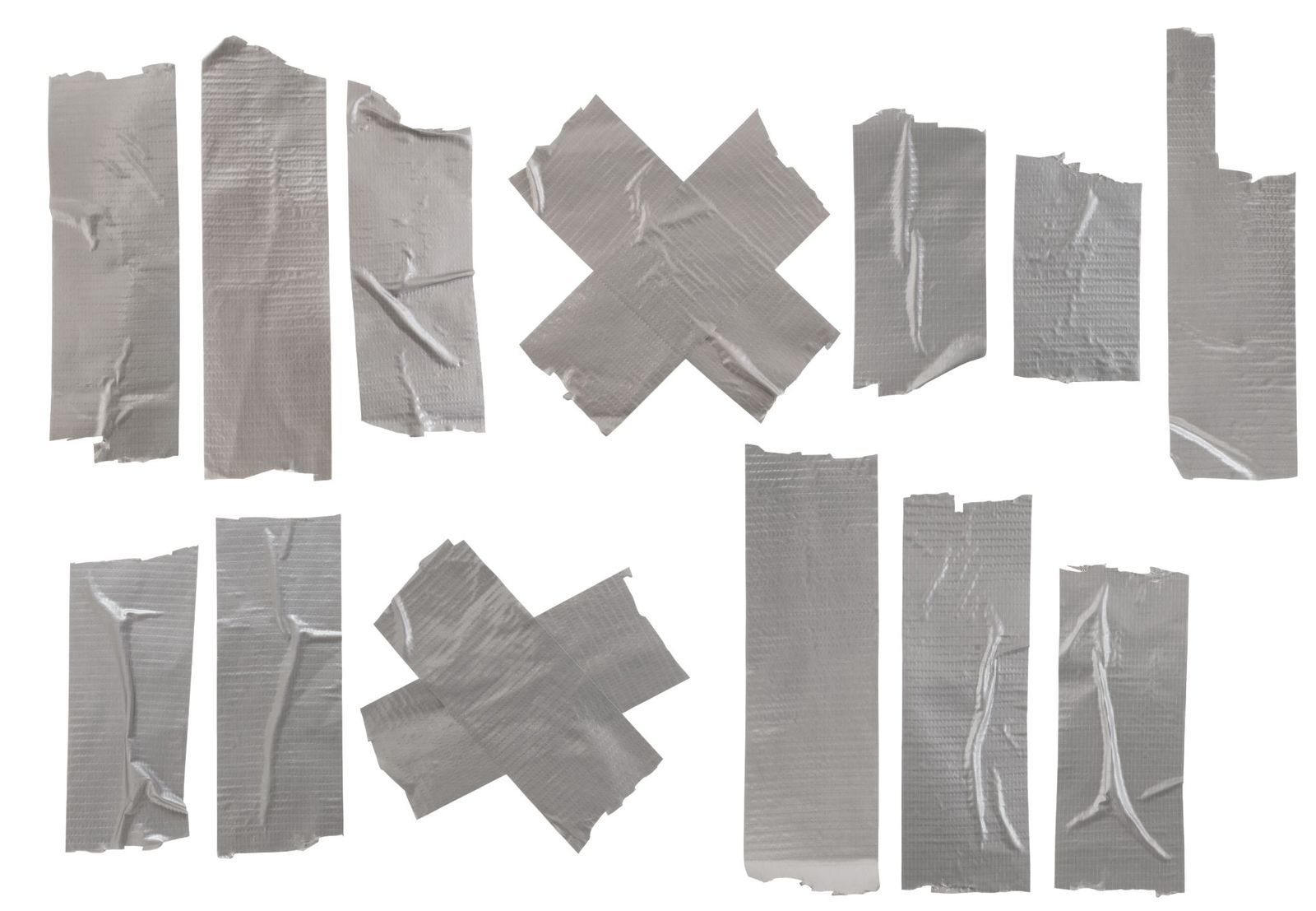
Image: Shutterstock

During World War II, the ammunition boxes sent to American troops were sealed with paper tape and dipped in wax to keep water out. Soldiers were supposed to pull a small paper tab to open them quickly. But the thin tape could tear, leaving them struggling to reach the ammunition. Vesta Stoudt, who packed and inspected these boxes at the Green River Ordnance Plant in Illinois, recognized this danger. She also had two sons serving in the U.S. Navy, so she devised a solution.

Stoudt proposed replacing the paper tape with a strong, waterproof cloth tape that soldiers could easily pull off. As she had no response from her supervisors, she wrote directly to President Franklin D. Roosevelt, including drawings of her idea. Roosevelt sent the proposal to the War Production Board, which asked a Johnson & Johnson operating company to manufacture the tape. It not only worked, but troops soon used the strong tape to repair boots and fix military vehicles too. Today, duct tape is still the solution to many everyday repairs.

2
M&M’s Were Designed With Soldiers in Mind
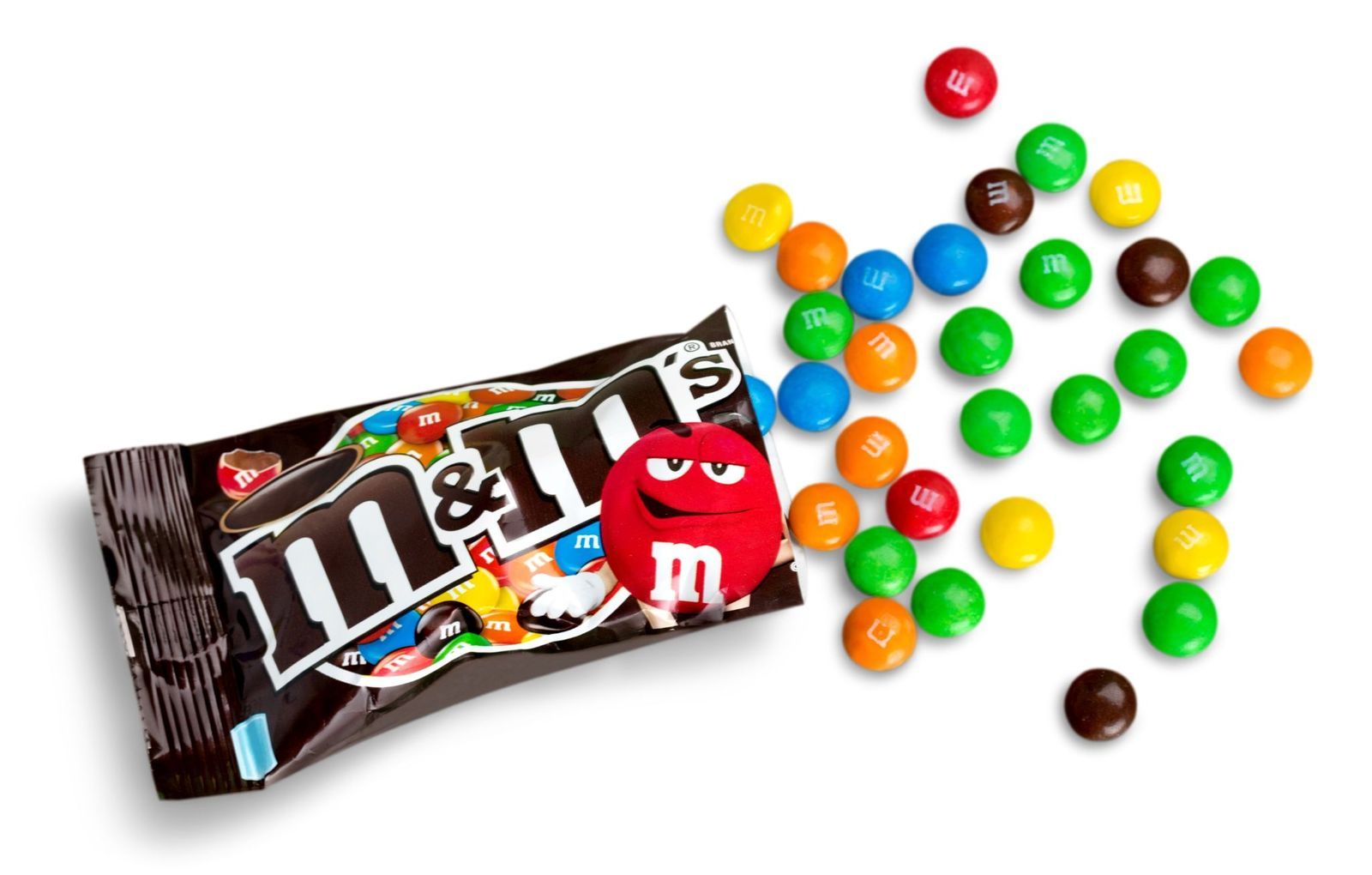
Image: Shutterstock

You probably remember the iconic M&M's slogan "melts in your mouth, not in your hand." Well, this characteristic was intentionally created for troops, allowing them to eat chocolate even under the hot sun.

When businessman Forrest Mars Jr. was travelling to Spain in the late 1930s during the Spanish Civil War, he observed how soldiers ate chocolate encased in sugar shells. The sugar crust prevented the chocolate from melting, and soldiers could enjoy the treat, even in hot temperatures. Mars soon partnered with Bruce Murrie, the son of Hershey's president, to secure a steady supply of chocolate for American troops. Their collaboration led to the creation of M&Ms, named after the initials of their last names. By 1947, the candy was made available to the public.

3
The Jeep Was Built for the U.S. Army
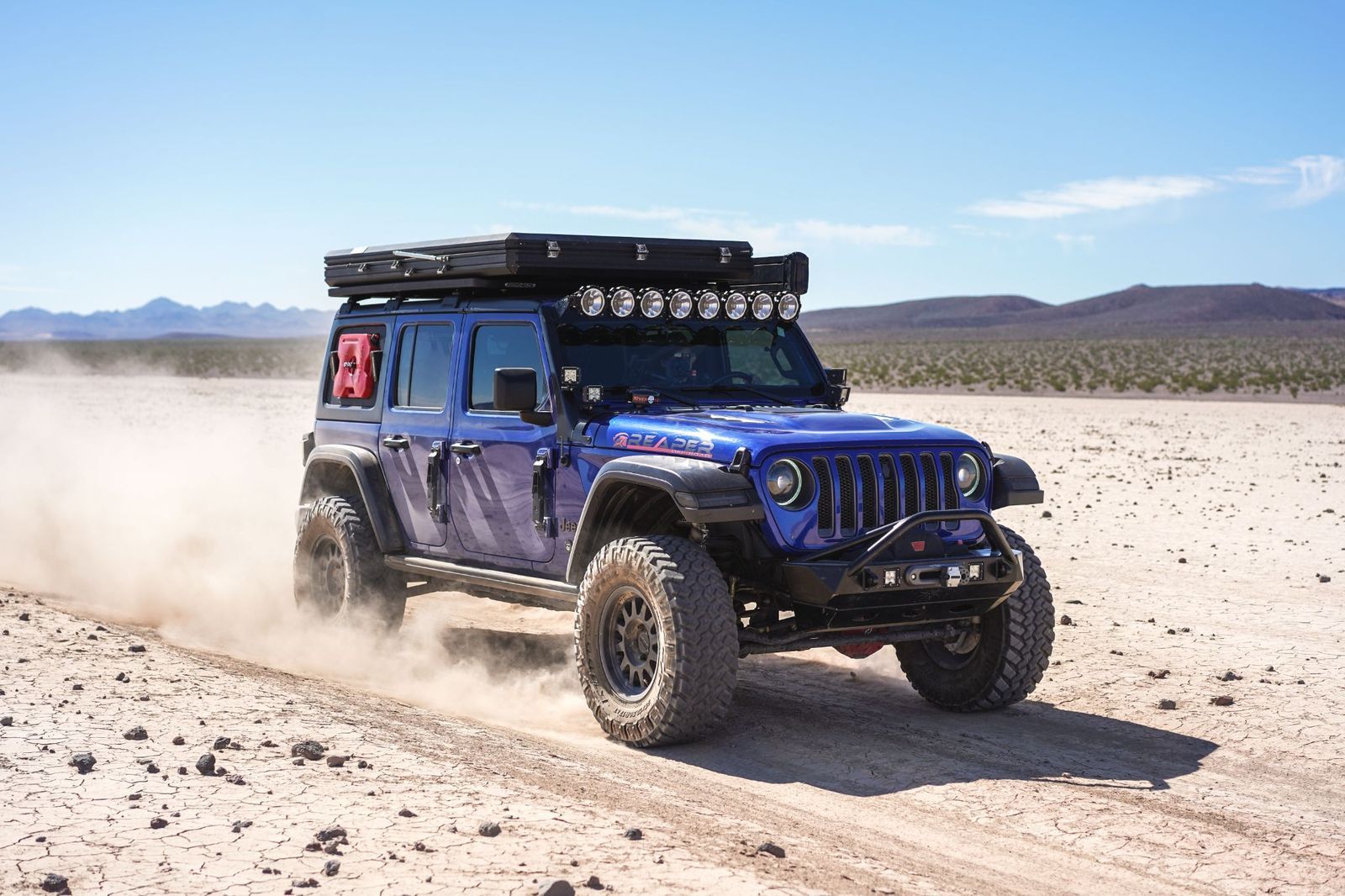
Image: Shutterstock

In 1940, the U.S. Army asked automakers to create a small four-wheel-drive vehicle that could carry soldiers across rough terrain. Bantam, Willys, and Ford entered the competition, and Willys won the main production contract. However, the final Willys MB also borrowed some of Ford’s flat grille and hood fastener design.

The new Jeep could travel through mud, climb steep roads, and reach places trucks couldn’t. Soldiers and mechanics could repair it quickly, and its parts were easy to remove and replace. Soldiers liked it so much that demand continued after they returned home, and Willys introduced the civilian CJ-2A in 1945 shortly after the war ended. The modern Jeep Wrangler still carries the same adventurous spirit.

4
The Slinky Started With a Naval Engineer’s Spring
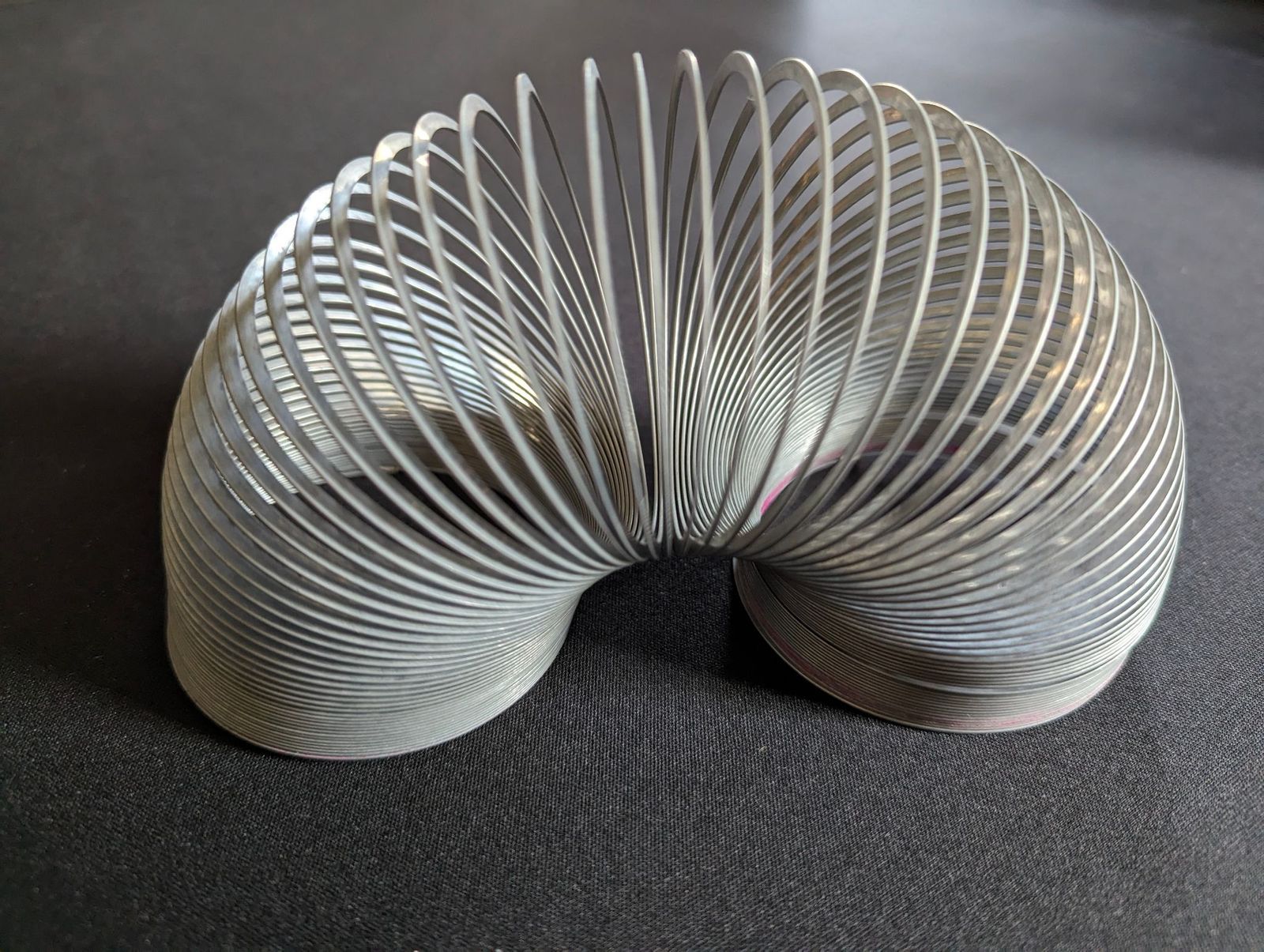
Image: Shutterstock

In 1943, naval engineer Richard James was developing a spring to keep equipment steady on ships during rough seas. One day, he knocked one of his experimental springs onto the floor. Instead of falling in one place, it moved end over end. James rapidly realized its potential as a toy.

He spent the next two years finding the right size and tension for the spring. His wife, Betty, named it "Slinky," because of its smooth movement, and they introduced it to the market in 1945. But shoppers were confused and didn’t know what to make of it at first. The situation changed after James demonstrated it at a Philadelphia department store: all 400 Slinkys were sold in less than two hours.

5
Super Glue Emerged From Wartime Research
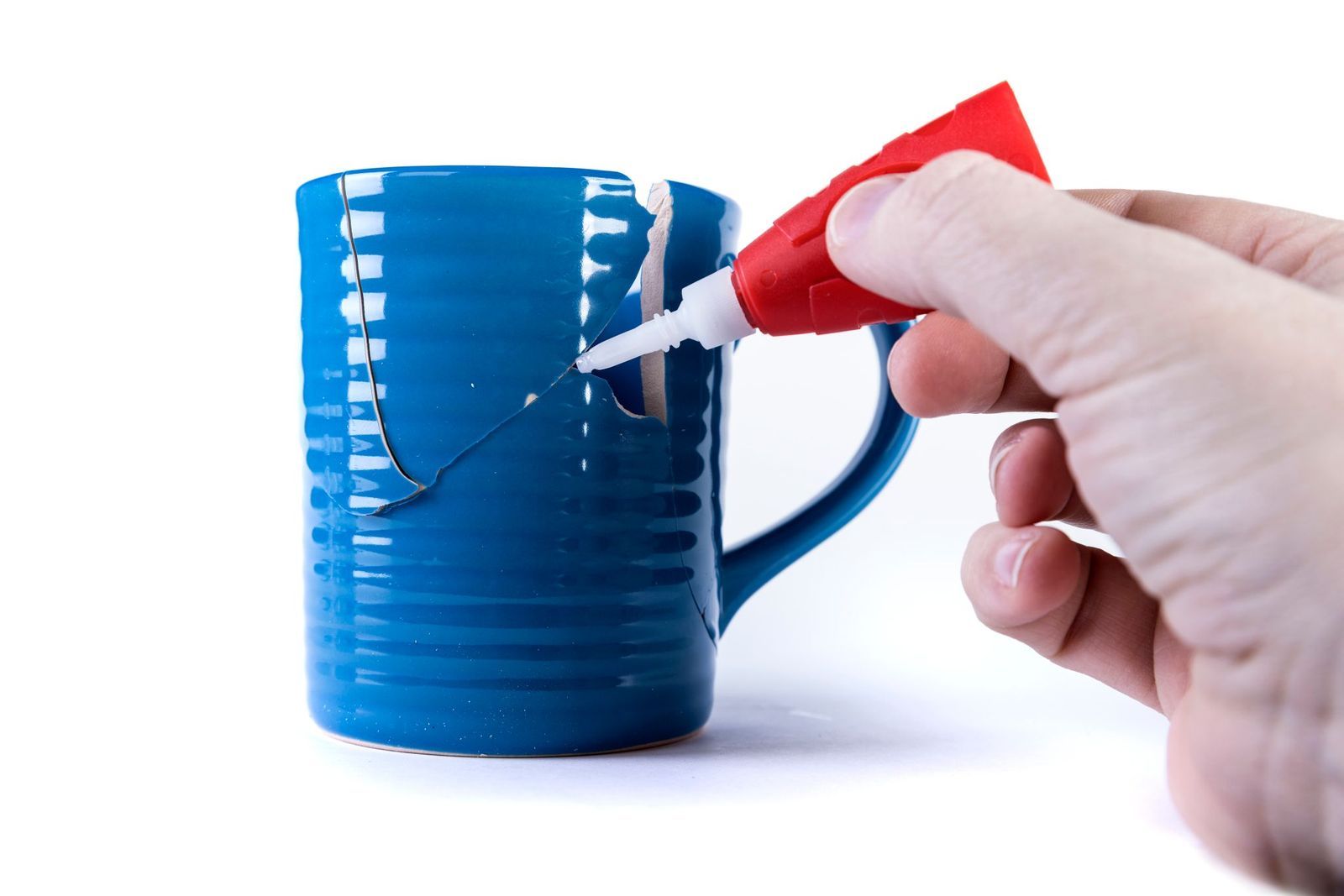
Image: Shutterstock

Today, we use Super Glue to repair broken items, for crafting, woodworking, and for countless quick fixes. But in 1942, chemist Harry Coover created it while trying to make a clear plastic for military gunsights during World War II. He was testing chemicals called cyanoacrylates when his team found that they stuck to almost everything they touched. As that feature made them unsuitable for the original project, the researchers moved on.

Coover encountered the chemicals again in 1951 while his team was developing materials for jet canopies. This time, he realized that their powerful bond was useful because it required no heat or pressure. Kodak later refined the adhesive and released it as Eastman 910 in 1958. That accidental discovery became widely known as Super Glue.

6
Silly Putty Grew Out of a Search for Synthetic Rubber
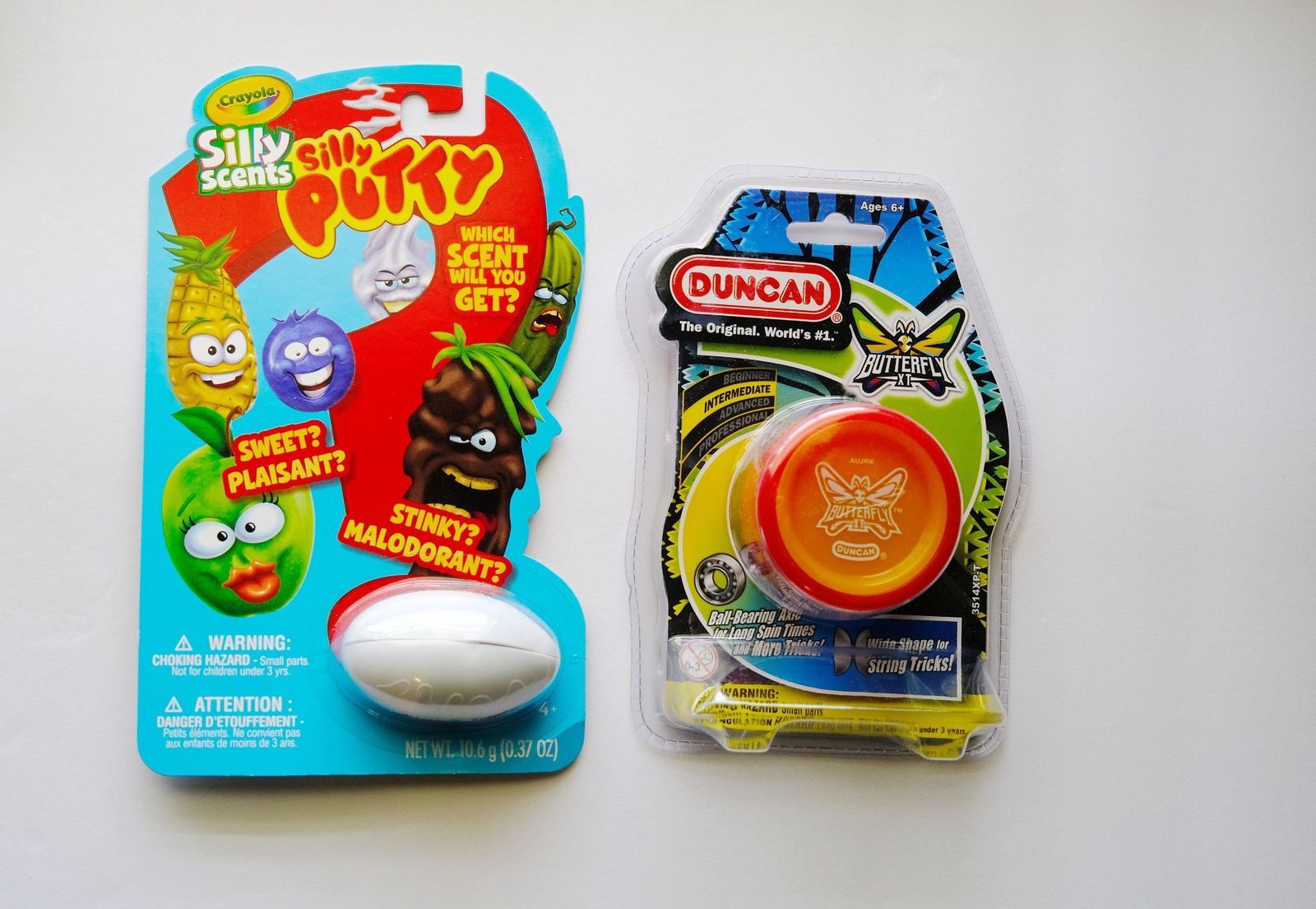
Image: Shutterstock

Silly Putty is that stretchy stuff that comes in plastic eggs and bounces and bends, depending on how you pull it. It was created during World War II, when rubber was needed for tires, boots, gas masks, and other military supplies. Japan’s expansion in Asia cut the United States off from much of its natural rubber, so American scientists were forced to look for a replacement.

In 1943, General Electric engineer James Wright mixed boric acid with silicone oil and created a strange, elastic material. It bounced higher than rubber, but it wasn’t strong enough for the military’s needs. General Electric shared samples with scientists, hoping someone might find a practical use for it. Meanwhile, people began passing it around at parties for fun. At one of them, hosted by a General Electric executive, businessman Peter Hodgson watched guests play with it, recognized its potential as a toy, named it Silly Putty, and in 1950, he commercialized it.

7
Frozen Orange Juice Was Developed for American Troops
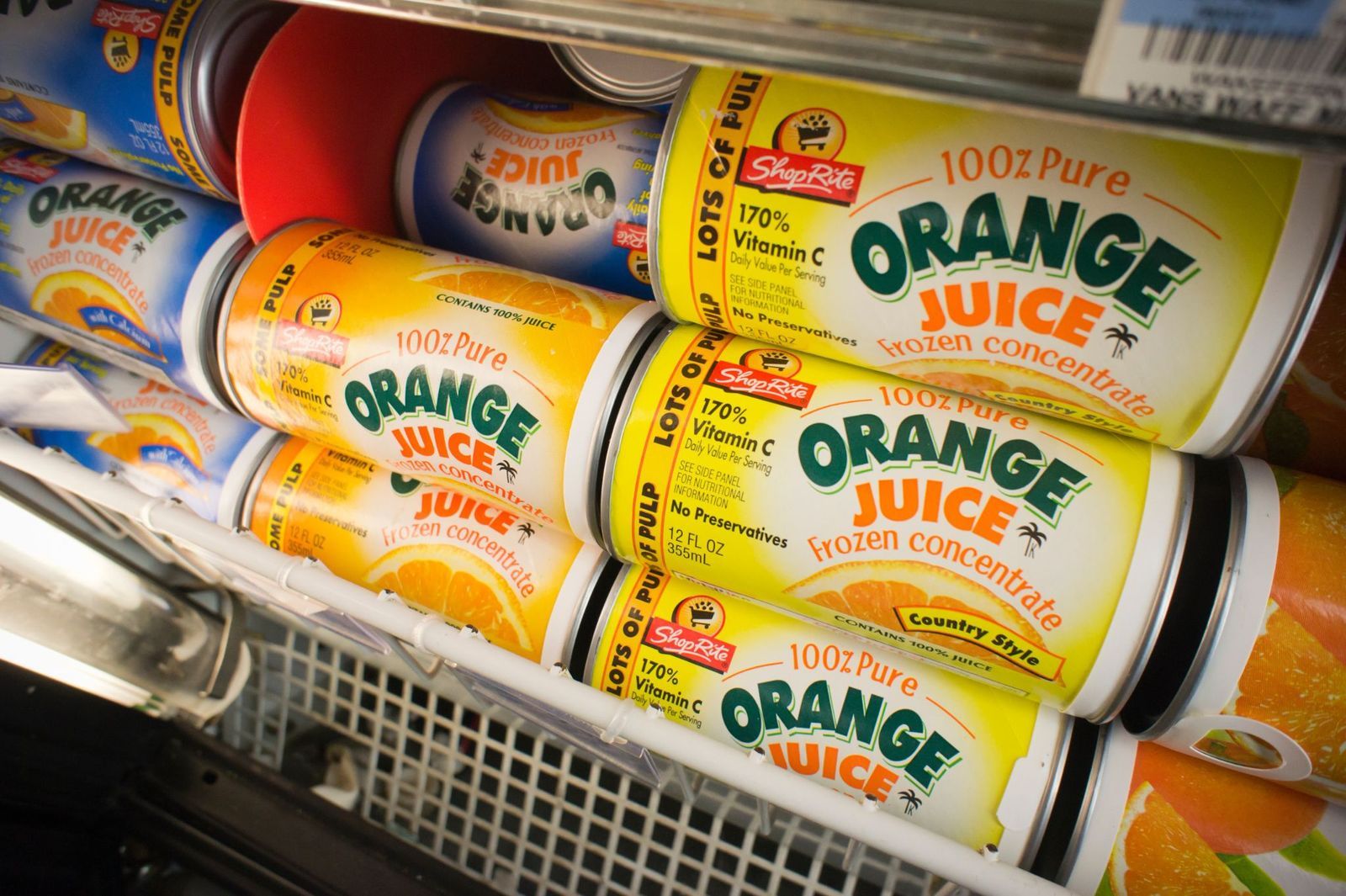
Image: Shutterstock

Orange juice provides vitamin C, which supports the immune system and helps the body heal wounds. During World War II, the military understandably needed to make sure troops received enough vitamin C. However, regular frozen juice lost its fresh taste during storage and transport, sometimes developing a flavor compared to turpentine. So in 1942, the Army asked researchers to create a frozen version that could travel without losing its flavor.

And by 1945, scientists of the Department of Agriculture removed water from fresh juice at low temperatures and then added a little fresh juice back into the concentrate. The process preserved the orange oils responsible for its familiar taste. The Army ordered 500,000 pounds, but the war ended before the product could be delivered. Instead, it reached American grocery stores in 1946 under the name Minute Maid and soon became a breakfast favorite.

8
Penicillin Became Widely Available Through U.S. Wartime Production
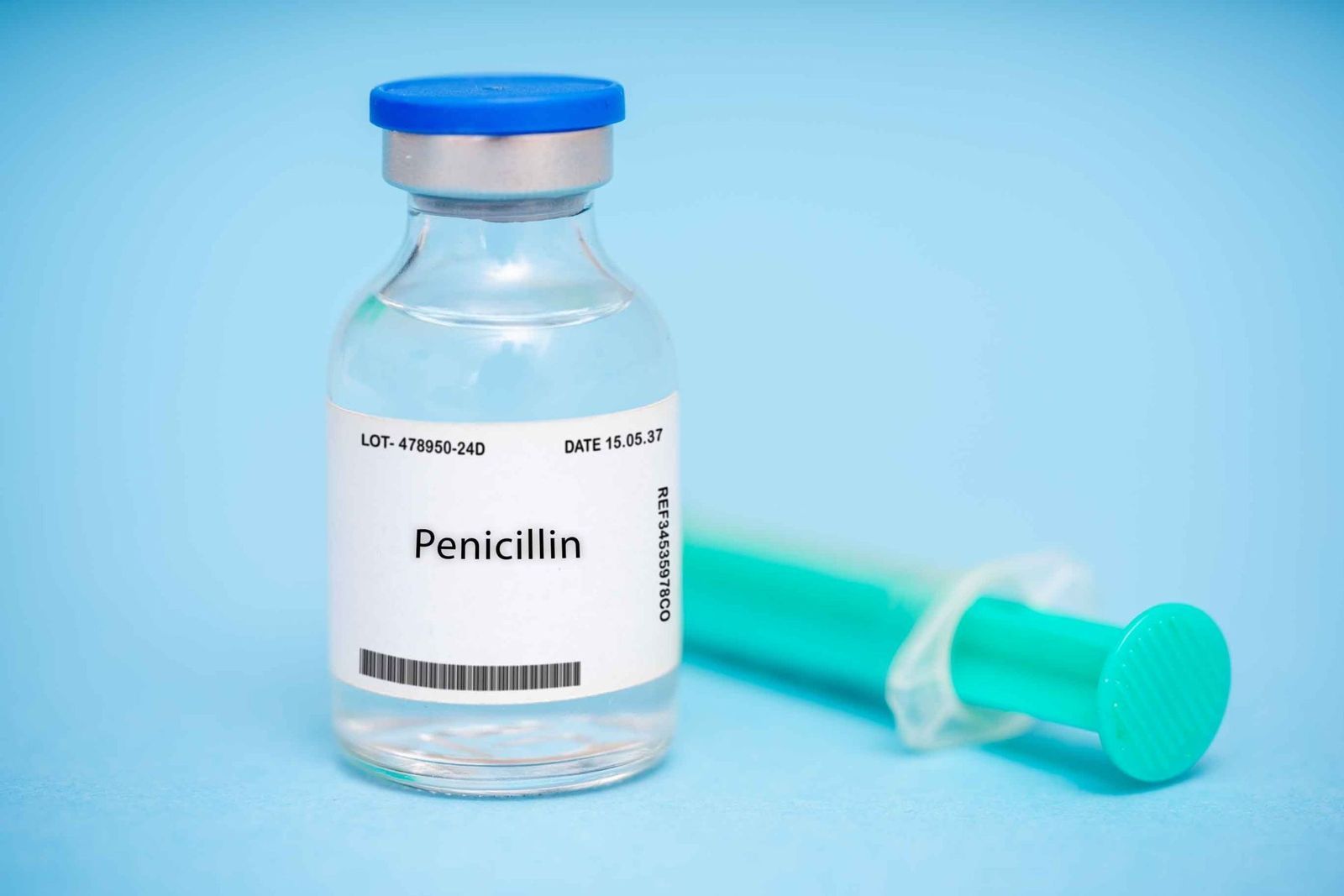
Image: Shutterstock

Penicillin offered a powerful solution to bacterial infections, which could otherwise turn a small wound deadly. But there was still one major problem: even a small amount took a lot of time and effort to produce. With thousands of wounded troops needing treatment during combat, the Allies had to find a way to produce much more of it.

British researchers brought their work to the United States, where government laboratories and drug companies took on the challenge. Scientists then found that growing the mold in deep tanks with a corn-based liquid produced much larger amounts . By 1944, American factories were making enough penicillin to treat Allied troops wounded during the D-Day invasion.

9
Aerosol Bug Spray Protected Soldiers From Insects
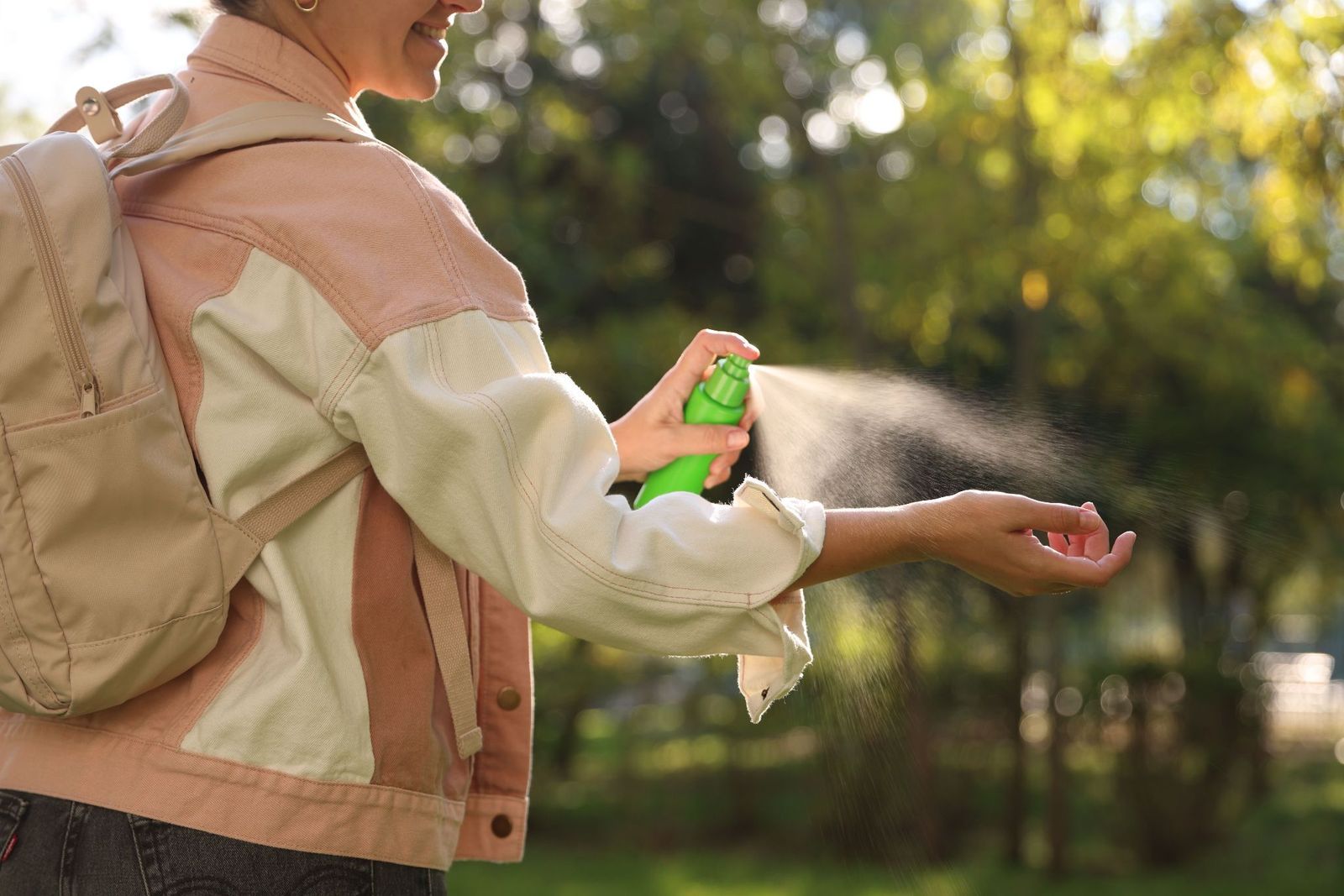
Image: Shutterstock

A mosquito bite wasn’t just annoying during war; it could literally take a soldier out of action. In tropical regions, mosquitoes carried malaria and other diseases that sickened lots of soldiers. An easy way to kill insects in tents and planes was needed, and large sprayers weren’t that practical.

Department of Agriculture researchers Lyle Goodhue and William Sullivan developed a small pressurized canister that released insecticide as a fine mist. Nicknamed the "bug bomb," it allowed troops to spray an entire space in seconds. It was patented in 1943, and more than 40 million cans were produced for military use during the war. It didn’t take long for that same technology to be used for home repellents.

10
Synthetic Rubber Kept American Vehicles Moving
Image: Shutterstock

A great number of wartime items needed natural rubber. — to make tires, hoses, engine belts, seals, life rafts, gas masks, and many other waterproof parts . But after Japan captured major rubber-producing areas in Southeast Asia, the U.S. lost access to most of its supply. Recycling and rationing efforts helped, but it wasn’t enough.

The government took action and brought oil, chemical, and tire companies together to build a synthetic-rubber industry at home. Made mostly from petroleum-based chemicals, the new material could do many of the same jobs as natural rubber. U.S. production grew from only 230 tons in 1941 to more than one million tons in 1945. Synthetic rubber kept military vehicles moving during the war and remained essential for tires and other everyday products afterward.

General General 7 min read

Made in the US

Inventing America: Discover the roots of these 10 national classics

Image: Tara Winstead

Ever wonder how everyday favorites like the Frisbee, Gatorade, or even the Zamboni came to be? Behind each one is a quirky story of chance, innovation, and a bit of luck, like most of the best inventions! From playground toys to sports essentials, these simple creations have become cultural icons. Let’s take a look at the surprising origins of these classic inventions and the clever minds that brought them to life. You might be amazed by how much history is hidden in the things we love!

1
The frisbee

Image: Robin Jonathan Deutsch

The best things are often created by accident, and you never know when that accident will strike. For example, did you know the Frisbee was born from a humble cake pan?

In 1938, Fred Morrison and his girlfriend were tossing a pan around on a beach in Connecticut when a passerby offered to buy it. That moment sparked an idea that stayed with Morrison through his service in World War II, where he learned about aerodynamics and began to dream of creating the perfect flying disk. After several failed attempts, he finally hit on a design in the 1950s, calling it the "Pluto-Platter."

Enter Wham-O, a company known for quirky toys like the Hula-Hoop. They bought the rights in 1957, gave it the now-iconic name "Frisbee" (inspired by Yale students tossing pie tins from the Frisbie Pie Company), and refined the design. The Frisbee took off—quite literally—spinning its way into parks, beaches, and backyards across America.

2
The slinky

Image: Adam Valstar

The slinky was also the result of accidental creativity in 1943 when Richard James, a naval engineer, knocked a spring off a shelf and noticed it "walked" in a curious way. Intrigued, he refined the design, and with his wife Betty’s help, they turned it into a toy sensation. Although the name was purely her idea!

In 1945, a demo at Gimbels Department Store sold 400 units in 90 minutes, and the Slinky quickly became a household name.

Without going into too much detail, Richard later took a wrong turn, and it was Betty who stepped in as CEO, saving the company from financial ruin. She even commissioned the iconic Slinky jingle! Under her leadership, the Slinky sold 300 million units before she finally sold the company in 1998. Talk about female power, huh?

3
The Ferris wheel

Image: Steve Shreve

Did you know the Ferris wheel was named after a person? That person was George Ferris who, in 1893, introduced the Ferris wheel at the Chicago Columbian Exposition.

Ferris, a young engineer, proposed the idea of a massive steel wheel that would rival the Eiffel Tower both in size and symbolism. He certainly set quite the challenge for himself!

Though initially rejected, Ferris funded his own research to prove the design’s safety, and his persistence paid off. The Ferris wheel became the star attraction—naturally since it stood 250 feet tall and offered visitors a thrilling 20-minute ride for fifty cents.

Sadly, Ferris’s success was short-lived. After the fair, he faced legal battles and financial ruin, and so the original wheel had one last appearance at the St. Louis World's Fair in 1904 before being destroyed.

4
Gatorade

Image: Jacob Rice

Sports legends become such because they strive to get better. And because they had a good coach who had their back. An example of a coach who went above and beyond was that of Florida’s football team.

In 1965, the Florida Gators’ football coach asked a group of professors if there was a way to help players reload fluids lost during games. Led by Dr. Robert Cade, the team created a mix of water, sodium, sugar, and lemon juice, later called "Gatorade," you can imagine why.

Of course, the first few versions tasted awful, but after some adjustments, the drink became more palatable. The Gators credited their improved performance, including their 1967 Orange Bowl win, to this new beverage.

No gatekeeping on the teams’ side, word spread, and by 1970, Gatorade was under the national spotlight when the Kansas City Chiefs used it in their Super Bowl victory.

5
The super ball

Image: Shubham Dhage

Some toys became popular after being discovered to be useless for anything else! That was the case with the Super Ball.

In 1964, chemist Norman Stingley invented a unique synthetic rubber but couldn't find an industrial use for it. However, he quickly found a solution: he turned to Wham-O, the toy company behind the Hula-Hoop and they released the Super Ball in 1966. The ball, made from the secret ingredient "Zectron," could bounce to incredible heights.

Aside from the fun, we have something else to thank the Super Ball for—it inspired the name of one of the biggest events in sports today. Lamar Hunt, owner of the Kansas City Chiefs, saw his daughter play with the toy and jokingly suggested to NFL Commissioner Pete Rozelle that the first championship game between the NFL and AFL should be called the "Super Bowl." The rest is history!

6
Fritos

Image: Roberto Carlos Román Don

Few things are as American as snacks, don’t you think? Let’s take a look at how Fritos came to be!

In 1932, Charles E. Doolin, a San Antonio confectioner, was looking for a new product when he bought a fried corn recipe from a man named Gustavo Olguin for $100.

After tweaking the recipe, Doolin created bite-sized corn chips called Fritos, which quickly became a hit. By 1933, Fritos were being mass-produced, and Doolin pioneered new marketing strategies, like direct stocking and placing clip-racks near cash registers—making his product even more accessible. (We all fall for that one, don’t deny it!)

But that’s not all. Doolin’s business success led him to invest in Disneyland, where his "Casa de Fritos" restaurant accidentally gave birth to Doritos.

7
Crossword puzzle

Image: Ross Sneddon

It feels like the crossword puzzle has been around forever, but it wasn’t actually invented until 1913. Arthur Wynne, working for the New York World newspaper, was asked to create a challenging puzzle for the "Fun" section. The concept of fun is indeed a time-sensitive concept!

The inspiration came from a childhood word game: he designed a puzzle with clues instead of words and the first crossword was published on December 21, 1913. Want to hear a fun fact? One of the clues was "What this puzzle is." The answer? "Hard."

And this invention is full of interesting tidbits. For instance, the name "Cross-word" was the result of a typing mistake—but it stuck! And, over a hundred years later, here we are!

8
Alka-Seltzer

Image: Daniel Gregoire

Alka-Seltzer was born in 1928 when Hub Beardsley, president of the Dr. Miles Medical Company, noticed a local newspaper staff staying healthy during a flu epidemic. The editor told him their secret: aspirin with baking soda dissolved in water. Inspired by this, Beardsley asked his chief chemist, Maurice Treneer, to create a remedy based on the idea, leading to a compound of aspirin, bicarbonate of soda, and Vitamin C. When Beardsley tested it on flu sufferers, the results were promising—and Alka-Seltzer was born.

You can imagine what happened next, a strong advertising campaign in the 1930s, turned Alka-Seltzer into the go-to remedy for everything from colds to hangovers. The company rebranded as Miles Laboratories in 1935 and was later acquired by Bayer in 1979. Even today, Alka-Seltzer remains a staple of American medicine cabinets.

9
Zamboni

Image: Aleksi Partanen

One would think that a machine like the Zamboni, which is used to make ice smooth was created in a place like Alaska, right? Or at least a place where snow is present almost all year round. Surprisingly, it wasn’t—the Zamboni was invented in sunny Paramount, California.

Frank Zamboni, a man who came from the ice and refrigeration business, built the machine to save time at his Skateland Skating Rink. Before the Zamboni, resurfacing the ice was a 90-minute task done manually by five workers. Can you imagine how tedious that must have been?

Using parts from an airplane, oil derrick, Jeep, and wooden bin, Zamboni created a machine that could clean and smooth the ice in only a few minutes. Realizing its potential, Zamboni turned his invention into a business, with the first orders coming from Olympic skater Sonja Henie and the Chicago Black Hawks.

10
Baseball scoreboard

Image: Taiki Ishikawa

It goes without saying that baseball is one of Americans’ favorite pastimes. Everything about it is fun; it’s not just the game.

In the late 1800s, English immigrant Harry M. Stevens saw that and made the most of it. After moving to Ohio, Stevens started a business providing food and drinks at baseball games and eventually secured contracts with major league ballparks. While he’s often credited with popularizing the hot dog, his real innovation was the creation of the modern baseball scorecard. Using Henry Chadwick's shorthand scoring system, Stevens designed a simple grid fans could use to track the game. Does the phrase "You can't tell the players without a scorecard" ring any bells?

Stevens’s scorecard caught on, and fans began scoring games themselves. Today, his scorecard system is still in use, and we all love it!

Geography Geography 5 min read

Walk-in worlds

From Legos to fire-breathing dragons: 10 theme parks and fairs in the US

Image: Samuel Ramos

Ever strolled through a world built entirely of candy? Or Legos? America’s amusement parks and fairs have turned fantasy into reality, one quirky attraction at a time. Here, you’ll find theme parks crafted with movie-set detail, festival grounds that are an ode to traditional foods, and attractions that make visitors lose track of time. Walk through a neon-lit world, grab a 15-inch corn dog, and let’s dive into these places that aren’t just for kids—they’re playgrounds for the kid in everyone.

1
Disneyland

Image: David Guerrero

Let’s start with "The Happiest Place on Earth" itself. The first theme park to be envisioned and built by creative tycoon Walt Disney was Disneyland, the one still located in Anaheim, California. It features a range of themed lands such as Fantasyland or Adventureland, and includes main attractions that are widely famous. Who hasn’t heard the "It’s a Small World" song, whether or not they’ve been on the ride?

Five more Disney parks went on to be opened in the United States, including Animal Kingdom and EPCOT. All of them feature parades, character meet-and-greets, and attractions that invite visitors to immerse themselves in the spirit of Disney films .

2
Legoland

Image: Clyde He

Legos began as small, colorful playthings for children—but they have grown into a whole subculture of their own. Fans who have spent decades inventing and carrying out new designs for their colored blocks dream of visiting the theme park one day. The first Legoland opened in Europe, but the California park debuted over 20 years ago and has been expanding ever since.

It features 9 sectors with over 60 rides, shows, and attractions, all themed around popular Lego sets and characters, such as the Dragon Coaster and Lego Ninjago The Ride. A standout feature is Miniland USA, which displays miniature Lego replicas of famous American landmarks like the Golden Gate Bridge and New York City. The park was so successful that similar resorts have since opened in Florida and New York.

3
The Big E

Image: Zachary DeBottis

The Big E, officially known as the Eastern States Exposition, is held between September and October in West Springfield, Massachusetts . It’s the largest agricultural fair in the northeastern United States, aiming to boast the best of New England culture, food, agriculture, and entertainment.

The fair features state-specific buildings representing all six New England states, each offering regional foods and crafts. The fairgrounds also host a large midway with rides, games, and live performances, as well as livestock shows, parades, and a variety of exhibitions. One of the biggest favorites of the 1.5 million visitors who attend each year is the Big E Cream Puff , a popular treat that’s been served since 1926.

4
Wizarding World of Harry Potter

Image: Aditya Vyas

A round-the-clock fire-breathing dragon , spell-casting spots, immersive stores and alleys, along with themed rides and roller coasters—these can all be found at The Wizarding World of Harry Potter, located within Universal Orlando Resort in Florida and Universal Studios Hollywood in California.

The park's concept is to transport visitors into the magical universe of J.K. Rowling's books and films, featuring recreated settings such as Hogsmeade Village, Hogwarts Castle, and Diagon Alley. Guests can also enjoy interactive experiences, like purchasing magical wands or sampling "butterbeer," a beverage made using a closely guarded secret recipe.

5
Arizona State Fair

Image: PONCIANOMX

Arizona State Fair is held annually in Phoenix. It traditionally combines agricultural exhibits, concerts, and carnival rides, with attractions such as livestock shows, rodeos , and demolition derbies, as well as thrilling roller coasters and rides for all ages.

The fair receives around 1 million visitors a year, who love its diverse range of deep-fried and unique fair foods. A main attraction is the iconic "La Grande Wheel," one of the largest traveling Ferris wheels in North America, standing at an impressive height of 130 feet.

6
Dollywood

Image: Adam Kring

The only singer-songwriter to have her own theme park is Dolly Parton. Dollywood is located in her home state of Tennessee, in Pigeon Forge. It is open from March to early January, with seasonal festivals and special events throughout the year. The family-friendly theme park is nestled in the Smoky Mountains , themed around Appalachian culture and the life of country music star Dolly Parton.

Originally, it was a small attraction called "Rebel Railroad," until it was purchased and rebranded by Dolly Parton in the 1980s. Today, it boasts a mix of roller coasters, craft demonstrations, and live entertainment, including bluegrass and gospel music. Dolly herself is known to make surprise appearances at the park, events affectionately referred to by fans as " Dolly Sightings. "

7
Hersheypark

Image: mjimages

Hershey's Chocolate Bar is another American favorite with its own theme park. Hersheypark is located in Hershey, Pennsylvania, and is a family-friendly amusement park that blends thrilling rides, water attractions, and entertainment, all themed around "The Great American Chocolate Bar. "

"Candymonium" is one of its iconic rollercoasters, and it also features a large water park called The Boardwalk. Hersheypark offers live shows, character meet-and-greets, and a range of dining options that highlight Hershey's chocolate and sweets. It opened in the early 1900s as a leisure area for employees of Hershey, starting as a small picnic area with a carousel. Now, it receives around 3 million visitors yearly!

8
State Fair of Texas

Image: Zabdiel Gonzalez

The State Fair of Texas is celebrated every year in Dallas, Texas. Another fair to celebrate the large state's rich history and cultural heritage, traditionally held in its home Fair Park , which has been expanded over the years to accommodate the growing attendance.

Beyond the live music and carnival rides, the fair is known for its iconic "Big Tex," a 55-foot-tall cowboy figure that serves as the fair's mascot. Another classic of the fair is the competition for the best new fried food item; past winners have included fried butter and fried Coca-Cola.

9
Puyallup Fair

Image: Scott Webb

The Puyallup Fair, officially known as the Washington State Fair, is held annually in Puyallup, Washington. One of the largest fairs in the Pacific Northwest, it features popular attractions like thrilling rides on the Midway , concerts by famous artists, and unique competitions such as pie-eating contests and rodeos.

The fair is also known for its iconic "Giant Pumpkin Contest," where the growers of the largest pumpkins are rewarded. Additionally, the fair hosts a "Food Truck Frenzy," offering a chance to try various local food trucks alongside traditional fair fare. The fair also includes a unique event called the "Farm & Garden Show," where visitors can learn about sustainable farming and gardening practices.

10
Seaworld

Image: J.U.L.Ö

SeaWorld can be found in Florida and Texas, but the first and most iconic park is the one in San Diego, California. This amusement and marine zoological park is known for its aquatic life exhibits, thrilling rides, and live entertainment featuring sea animals. Visitors can enjoy roller coasters like "Mako" and "Kraken," as well as interactive exhibits where they can get close to dolphins, sea lions, and other marine animals.

The park also hosts educational shows about animal behavior and conservation efforts. SeaWorld has played a significant role in animal preservation and has rescued thousands of marine animals over the years, including seals, sea turtles, and birds. In recent years, the park has also introduced virtual reality experiences to immerse visitors into underwater worlds.

Explore more American facts

Choose your favorite category!

General
General

As American as apple pie—the very best America has to offer!

Culture
Culture

Delve into the astounding richness of American lore.

Geography
Geography

Hop in and explore vast and diverse American landscapes.

History
History

Discover the key moments that shaped the United States.