Culture Culture 4 min read

What represents us

10 state symbols that are out of the ordinary
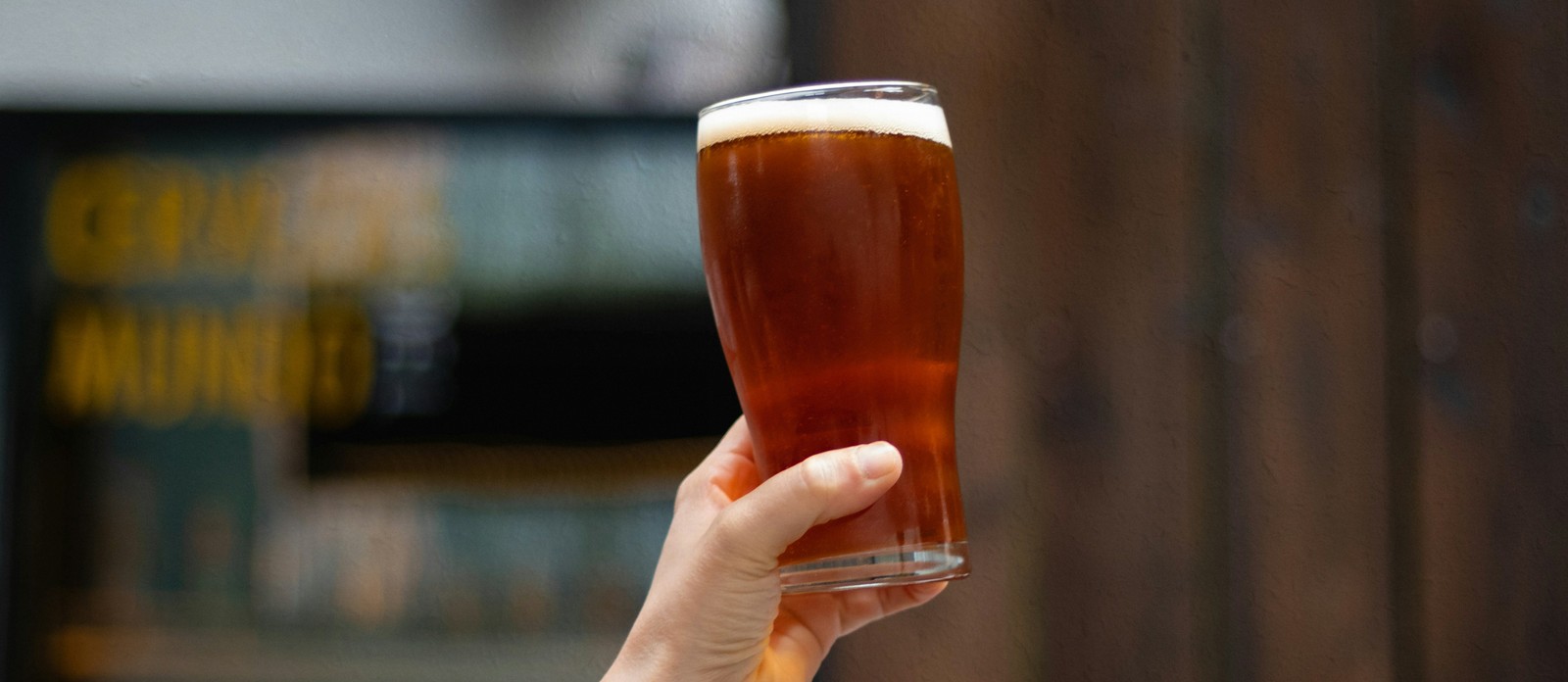
Image: tito pixel

Every American state has unique traits that set it apart from the other forty-nine, and its official symbols reflect them. Seals, mottos, and flags represent a state's identity and history, as well as the shared culture and traditions of its residents. But some of these symbols go beyond seals, flags, and nicknames into categories such as official microbe, state toy, snack, or cartoon character. What state picked jousting as their sport? Where is Jell-O the official snack? Here are 10 state symbols that are more than a little out of the ordinary.

1
Oregon: Official microbe
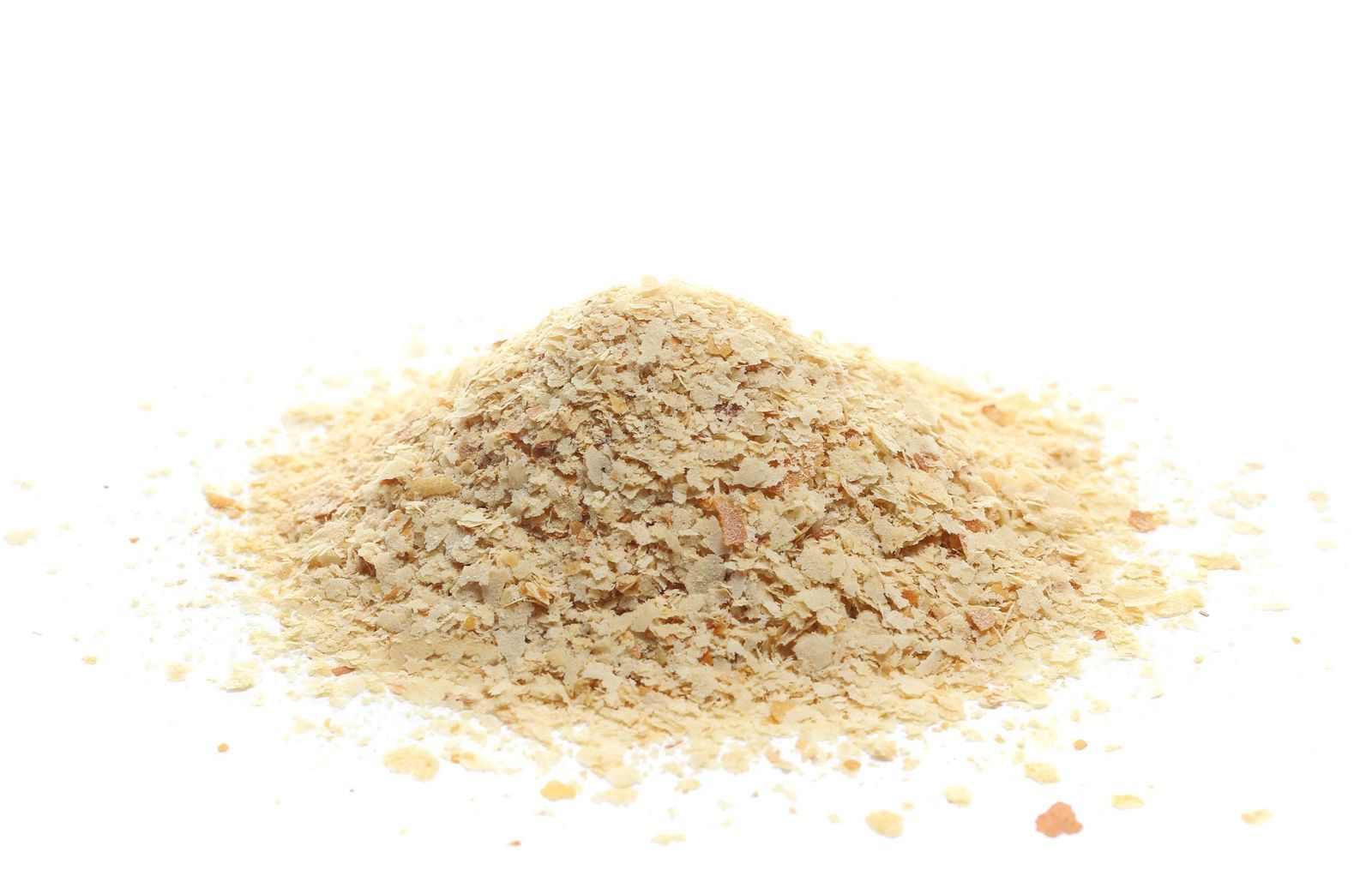
Image: xpixel

In 2013, Oregon became the first state to declare an official state microbe, Saccharomyces cerevisiae . While this might seem bizarre, it relates to an important part of Oregonian identity: their craft beer. Commonly known as brewer's yeast or baker's yeast, Saccharomyces cerevisiae is a fungus instrumental to brewing and winemaking , and therefore a key element in Oregon’s history and economy.

2
Nebraska: Kool-Aid, official soft drink
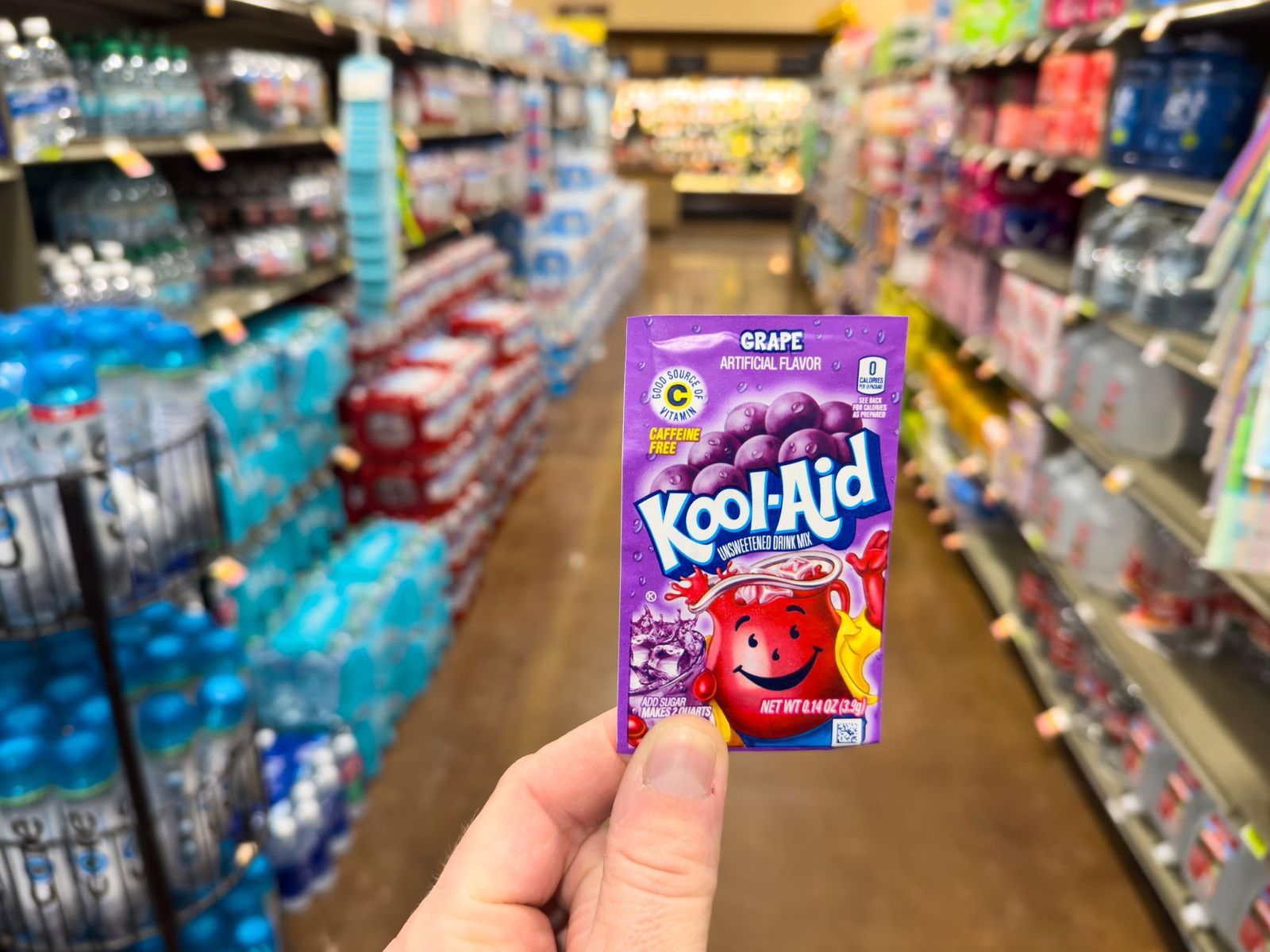
Image: ZikG

As the birthplace of Kool-Aid, Nebraska has made sure to include this popular drink among its symbols. Nebraska is one of at least 20 states with milk as their official beverage, but Kool-Aid has a category of its own. Designated as the state’s official soft drink , it is celebrated annually in the city of Hastings, where it was developed in 1927.

3
Maryland: Jousting, official sport
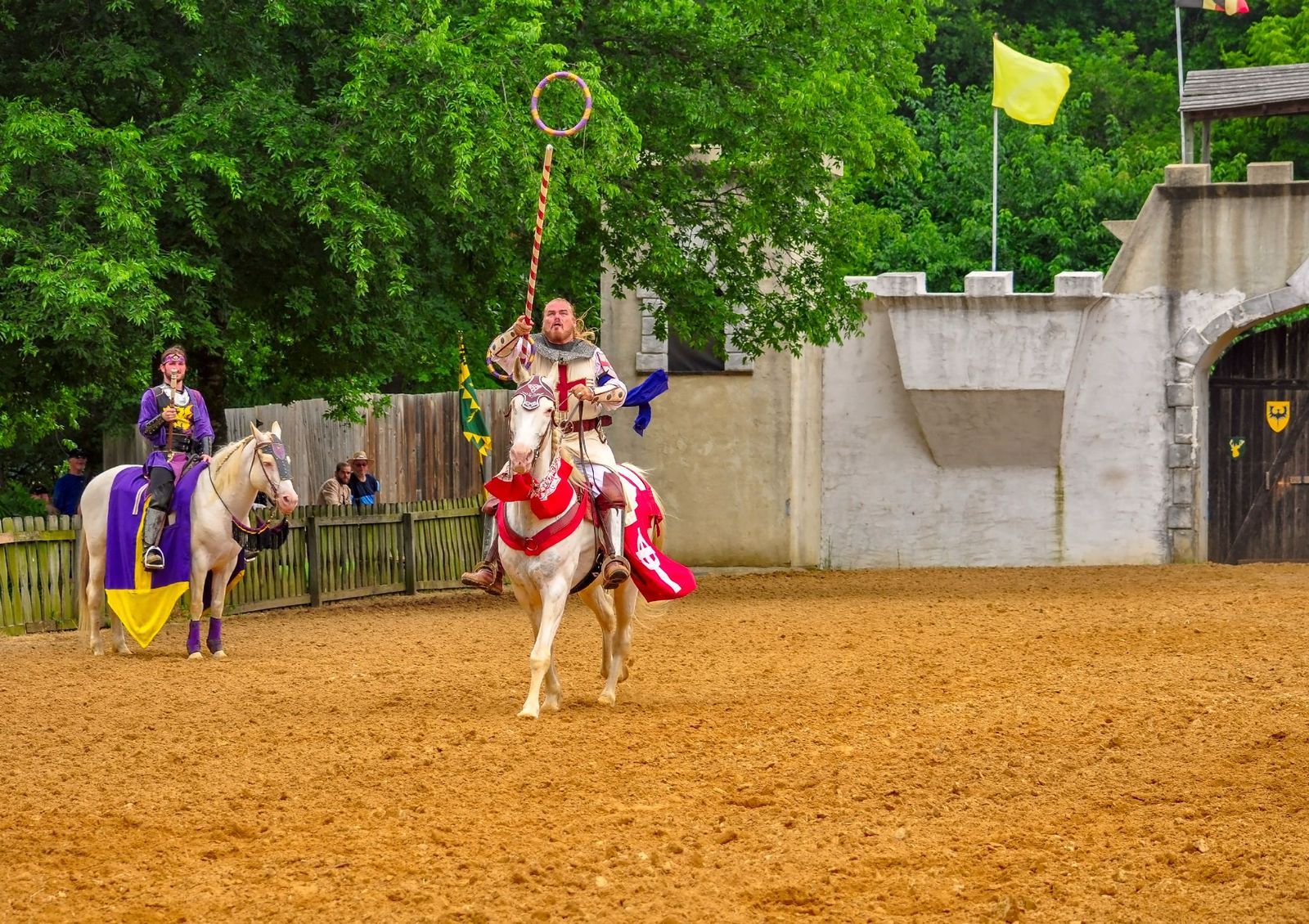
Image: Grossinger

Maryland was the first state to adopt an official state sport in 1962, and the choice was peculiar, but rooted in the state’s history. Jousting was brought from England by Maryland’s first governor, Cecil Calvert, second Lord Baltimore (1605–1675). Originally a combat sport between mounted knights, it developed into a show of horsemanship where mounted contestants try to spear hanging rings , and became extremely popular among farmers in the 19th century. For those not interested in medieval tournaments, Maryland has also chosen Lacrosse as its official team sport.

4
Illinois: Tully Monster, official fossil
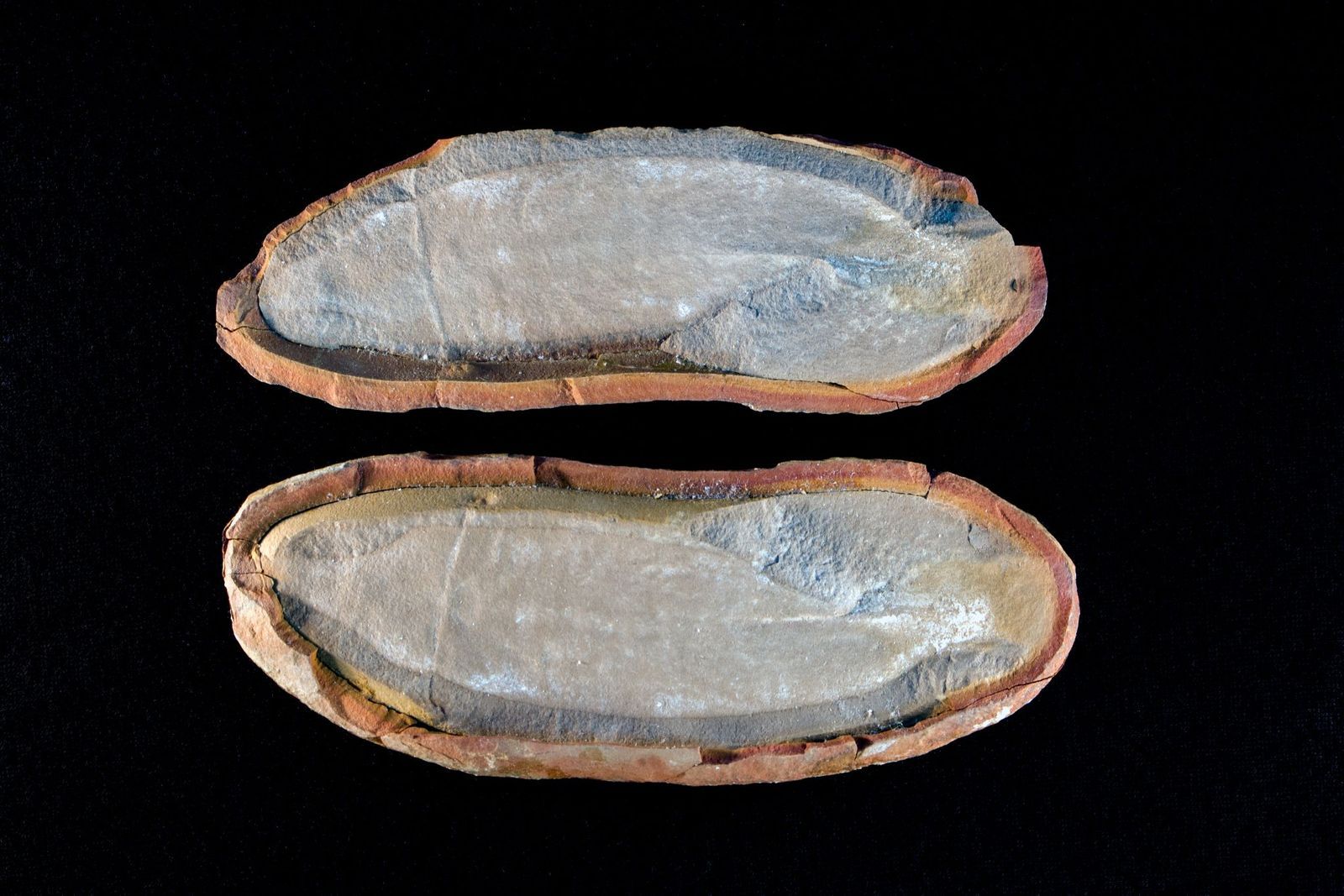
Image: Kimberly Boyles

Despite its name, the Tully Monster is not Illinois’ official cryptid, but its official fossil. Discovered in 1958 in a coal mine by Francis Tully, it is believed to have lived around 300 to 310 million years ago. Going by the scientific name Tullimonstrum , the Tully monster was a marine creature, although scientists are unable to determine if it was a vertebrate or invertebrate. The Tully monster is the only fossil that is native to Illinois, and has become a local celebrity.

5
Utah: Jell-O, official snack
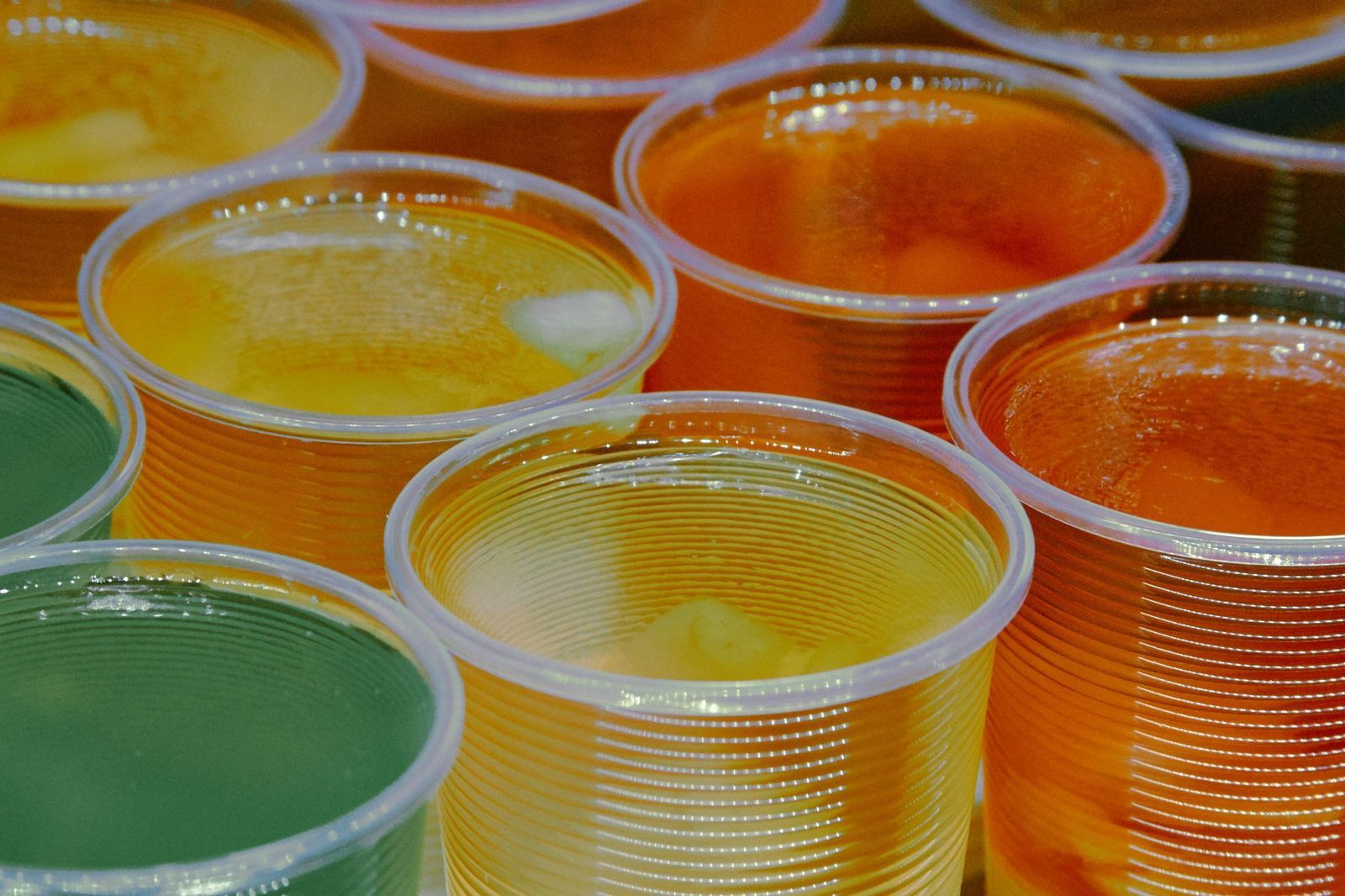
Image: Girl with red hat

Jell-O is a beloved snack for many Americans, but Utah leads the race when it comes to consumption, which has led to the designation of Jell-O as the state’s official snack. But why is this dessert so popular among Utahns? According to some sources, Jell-O’s marketing in the 1960’s was centered around being affordable, tasty, and light, which made it perfect for Mormon families with many children.

6
Tennessee: "My Homeland, Tennessee" and 15 other official songs
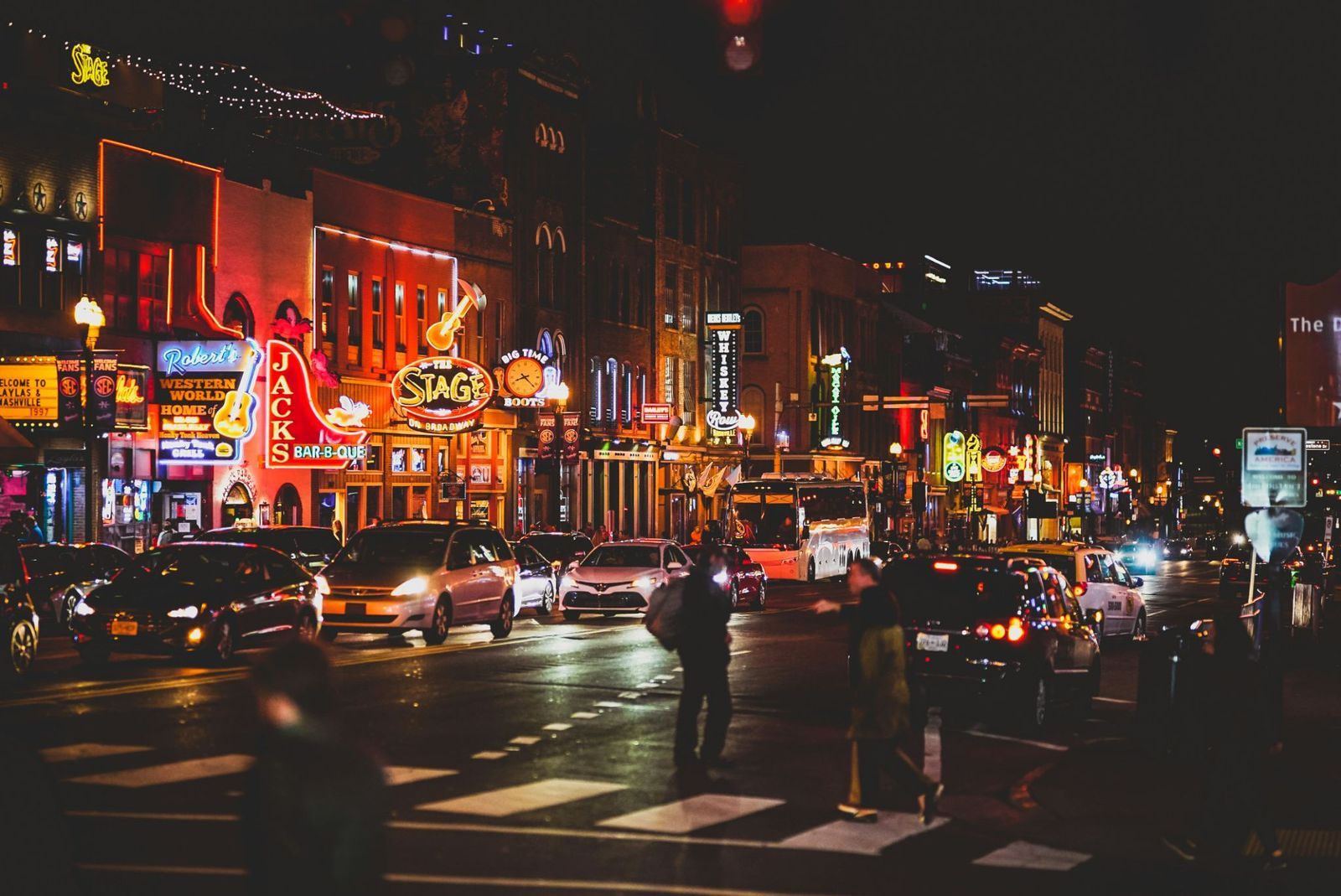
Image: Chad Morehead

Forty-nine out of 50 states have an official song (New Jersey is the exception), and some have even two or three. Tennessee, however, has 16 different officially designated state songs , which shouldn’t come as a surprise considering the state’s musical history, especially when it comes to country music. The first designated song, "My Homeland, Tennessee", was adopted in 1925. In 1996, the song "A Tennessee Bicentennial Rap: 1796-1996" was adopted during the bicentennial celebration of the state, under the special title of "official bicentennial rap song".

7
Mississippi: Teddy bear, official toy
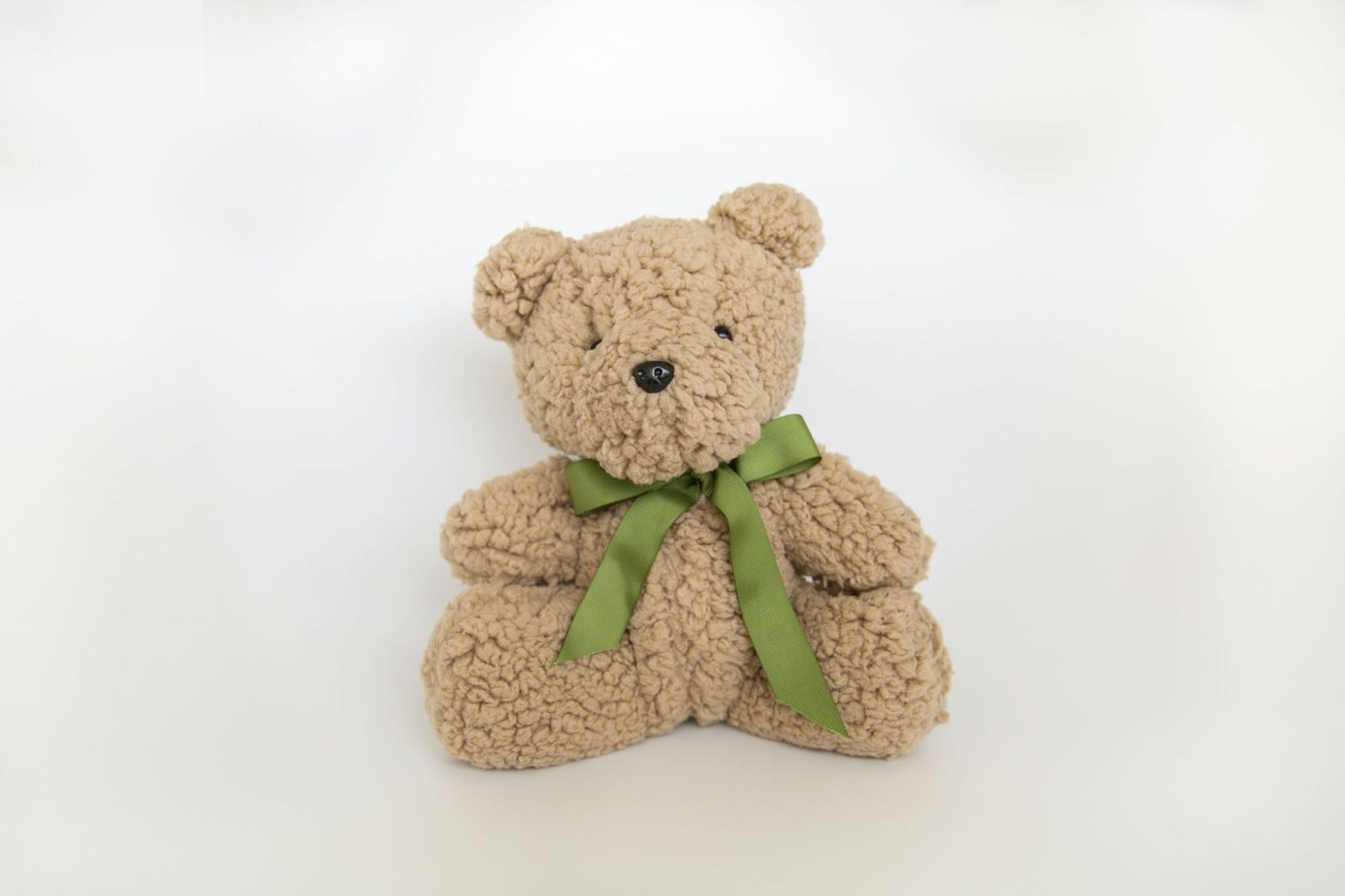
Image: Izabelly Marques

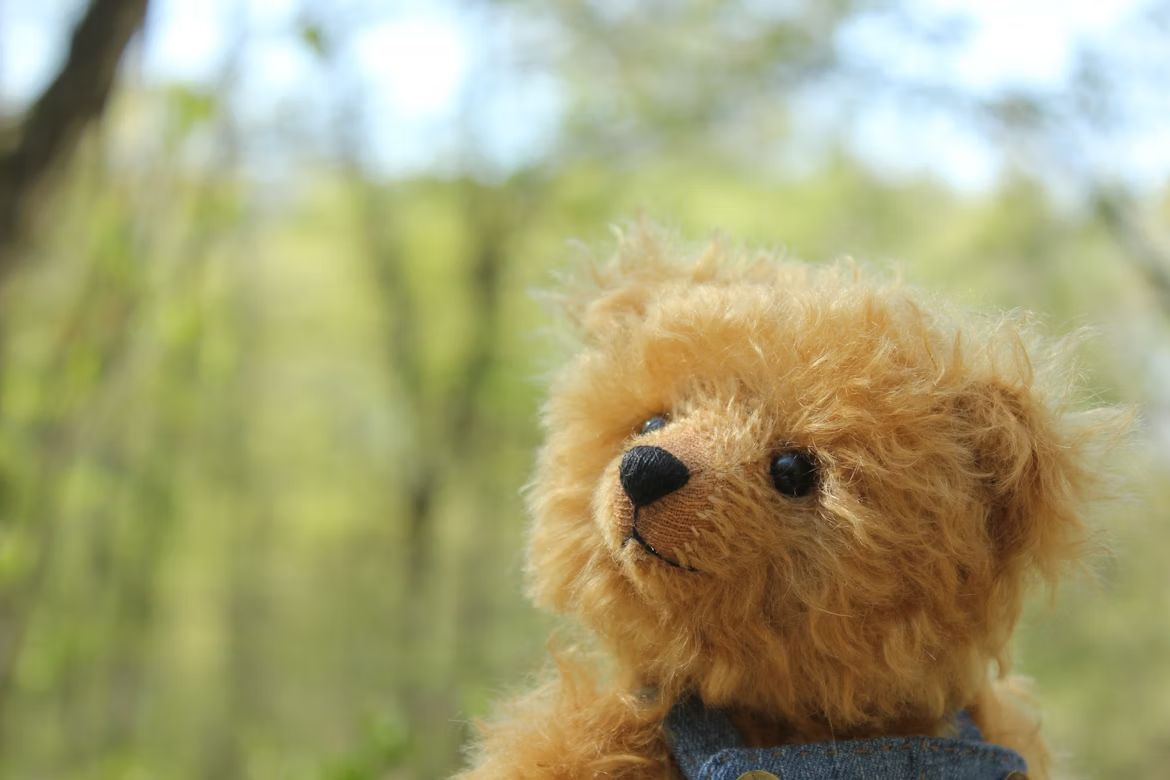
You might know that teddy bears owe their name to President Theodore Roosevelt, but did you know that the story behind it happened in Mississippi? During a hunting trip in the Mississippi Delta in 1902, Roosevelt famously refused to shoot a bear that had been injured and tied for the sole purpose of him shooting it — which he considered to be unsportsmanlike . After a cartoon poked fun at the incident, a New York City store owner started selling stuffed bear toys under the name "Teddy’s bears". In honor of the Mississippian origin of the toy, teddy bears were designated the official state toy of Mississippi in 2002.

8
New Mexico: Tarantula hawk wasp, official insect

Image: Artush

Most states have a designated official insect, usually some species of butterfly, bee, or an equally lovely insect. New Mexico, however, stands out from the rest with its choice of the tarantula hawk wasp, named after their behavior of paralyzing tarantulas to hunt them . An insect key in controlling the spider population of the Southwest, it was chosen as part of an elementary school kids' initiative, where three insect candidates were chosen and voted on in schools across the state.

9
Oklahoma: Gusty, official cartoon character

Image: Aree_S

Oklahoma’s official cartoon character, Gusty, a lively and round wind figure who changes according to the weather, was actually born in Kansas under the name "Windy". Drawn by meteorologist Don Woods as part of his TV weather forecast, it was redesigned and renamed "Gusty" when Woods moved to Oklahoma and to a new TV channel. A part of Oklahoma’s weather reports for 35 years, Gusty was designated as the state’s official cartoon character in 2005.

10
Vermont: Maple, state flavor

Image: Olivka888

Maple is a recurring theme in New England and Northeastern state symbols, usually as a tree. The state of Vermont has the sugar maple as its official state tree, but has also designated maple as its state flavor, the only state to have this category. But unusual symbols seem to be the norm in Vermont: when declaring apple pie as the official state pie (surprisingly not shared with other states), the law explicitly stated that Vermonters should make a "good faith effort" to serve it accompanied by milk, vanilla ice cream, or half an ounce of cheddar cheese.

General General 5 min read

WHEN WAS YOUR LAST VISIT TO THE MALL?

Did You Know These 10 Huge Malls Are Closed Or Closing Its Doors?

Image: Christian Wiediger

There is no "Too big to fail" in the world of retail. Even big businesses, with access to deep pockets, market research, and countless advisors, can bite the dust just like your local corner store. Or, perhaps, not in exactly the same way, but with very similar results.

The huge malls built in the 70s, 80s, and 90s have been enduring traffic decline for a couple of decades now, due to the rise of online shopping which, along with the rising price of property taxes, costs, rent, and vacancy, the COVID-19 pandemic and a few other factors, these commercial behemoths have been forced to close their doors. Take a look at ten of these once-bustling buildings and see if you ever frequented one of them.

1
Randall Park Mall, Ohio

Image: Carl Raw

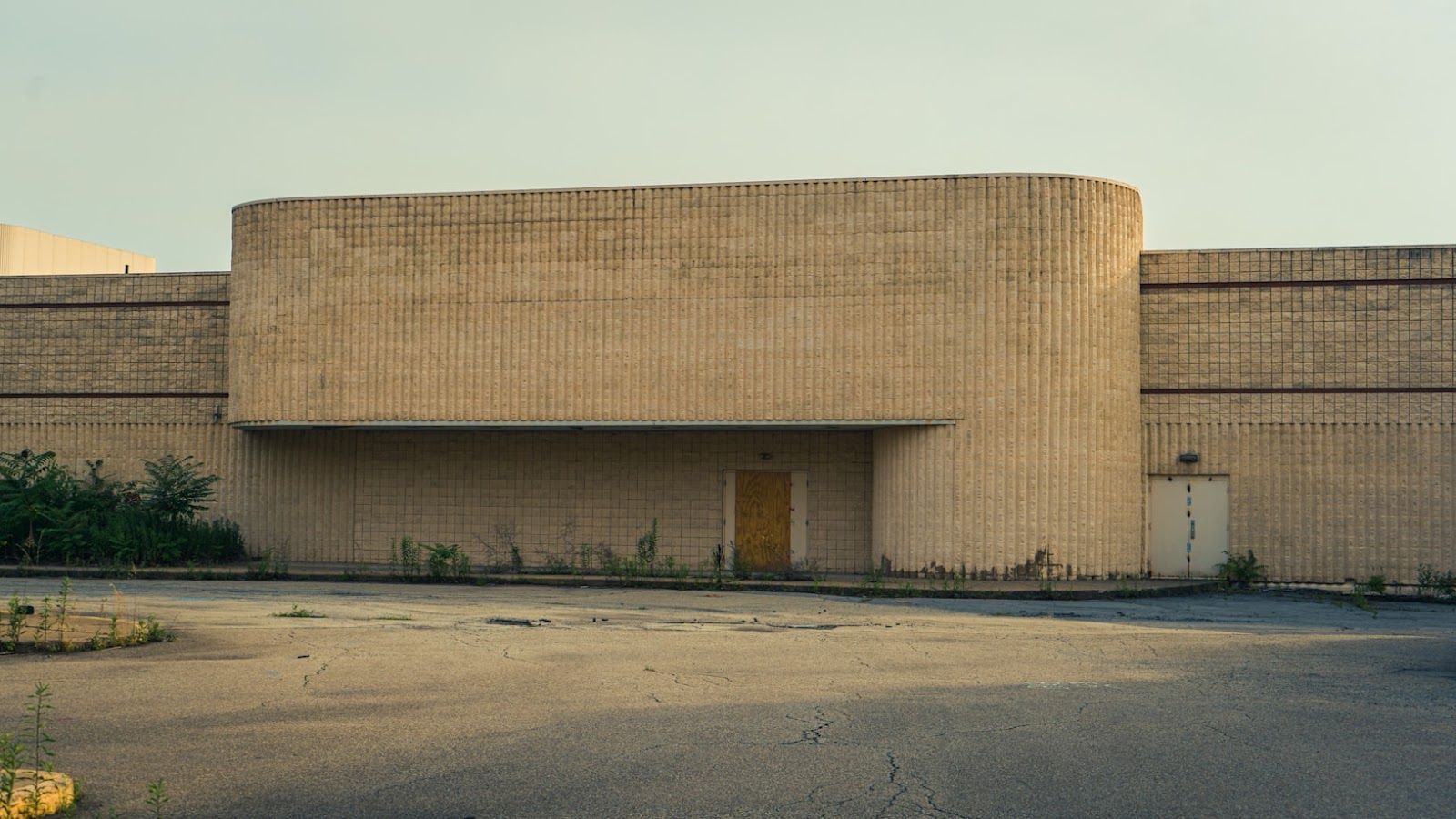
Randall Park Mall opened in 1976 when huge retail complexes were designed to be at the heart of their communities. It was one of the largest indoor malls in the country, with more than 200 shops. However by 2009, following years of declining business and the more immediate impact of the Great Recession, Randall Park Mall closed its doors.

Encompassing nearly 2.2 million square feet of space and reportedly costing $175 million to build, Randall Park Mall was deemed such a colossal miscalculation that it closed after only 33 years in operation and was demolished before reaching forty years.

2
Circle Centre Mall, Indiana

Image: Michael Weidemann

Circle Centre opened to the public on September 8, 1995, incorporating existing downtown structures such as the former L. S. Ayres flagship store. Real efforts were made in its design to incorporate historic elements, such as the retention of the facades of buildings that had previously existed on the site.

Most malls rely on their department and anchor stores to survive, but, with the closure of Nordstrom in 2011 and of Carson's on April 29, 2018, the mall has been left without any department stores. In response to the changing retail conditions, the mall has explored non-traditional uses; for example, in 2014 The Indianapolis Star moved its offices into part of the space vacated by Nordstrom.

3
East Hills Shopping Center, Missouri

Image: Alexander Kovacs

East Hills Shopping Center is an enclosed shopping mall that opened in 1965, as one of the first malls in the Midwestern U.S. After enjoying several decades of success during the early days of malls, East Hills lost many tenants throughout the 1990s.

The COVID-19 pandemic brought many businesses to a close. On August 27, 2022, Dillard's permanently closed its doors followed by Party City in April 2023. The mall currently features JCPenney as its only anchor tenant.

4
Exton Square Mall, Pennsylvania

Image: mostafa meraji

The Exton Square Mall opened its doors in March 1973. Among its earlier memories, it holds the distinction of hosting the first Chick-fil-A restaurant on its premises.

In recent years, the mall has experienced an increase in vacancy rates, due to declining mall traffic and ongoing competition from the larger King of Prussia mall located 14 miles away. Many of the remaining stores are non-traditional tenants such as medical offices, a chess club, an art studio and gallery, and a chamber of commerce office.

5
Pittsburgh Mills Galleria, Pennsylvania

Image: Alexander Kovacs

Pittsburgh Mills Galleria is a dead mall that opened to much fanfare on July 14, 2005, but it never achieved the success its owners had hoped for. Only a year after opening, Lucky Strike Lanes closed and was eventually replaced with two restaurants and a banquet hall.

As of February 2023, there are only about 20 stores left, including 6 major chain stores. The food court, which once housed two full-service restaurants, a Starbucks, 10 counter restaurants, and several push-cart vendors, is now completely vacant.

6
Midway Mall, Ohio

Image: Pascal Bernardon

Midway Mall originally opened on September 22, 1966. Its anchor stores were Higbees, JCPenney, and Sears but over the years, brands changed and eventually left. As of 2023, with former anchor Dunham's Sports closing its branch there, it is considered a dead mall.

In 2023, the Lorain County Port Authority voted to buy and develop the mall site but, on May 1, 2024, the port authority sold the property to Industrial Commercial Properties, which intends to turn the mall into an industrial park.

7
Signal Hill Mall, North Carolina

Image: Ervan Sugiana

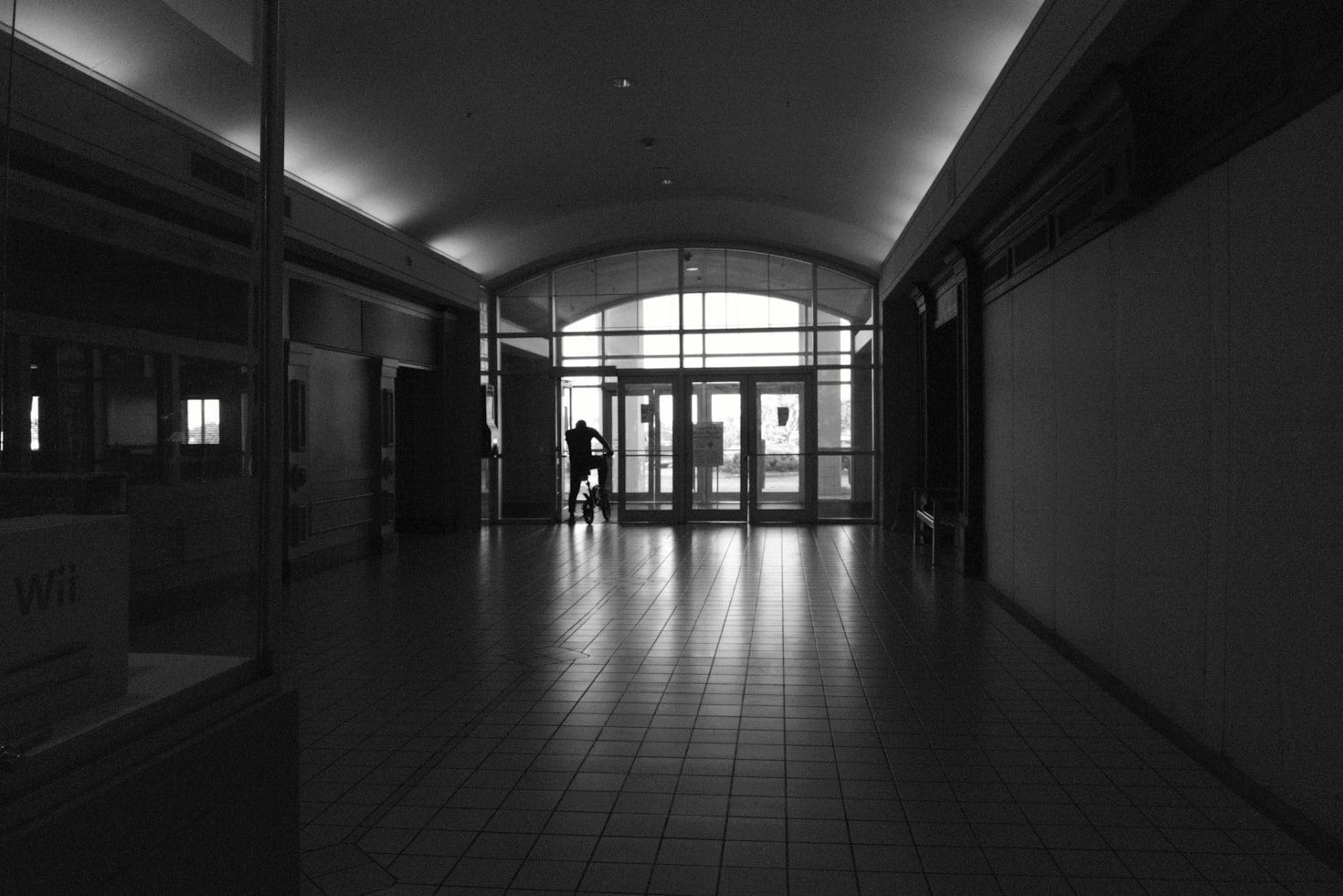
Signal Hill Mall was a regional enclosed shopping mall that opened in 1973 with more than 40 stores. The mall experienced a great deal of decline since the 2010s, losing most of its major stores throughout the decade and receiving significant media attention as an example of what is popularly known as a dead mall.

As of 2022, the mall has continued to decline, and despite discussions about the possibility of the mall being repurposed for non-retail use, nothing has been done. The mall is occasionally used as a space for community and recreational events by Statesville residents but that is all the activity on its premises.

8
Century III Mall, Pennsylvania

Image: Raymond Kotewicz

The eighth entry on this list hailing from Pennsylvania is an already abandoned mall. Century III Mall was built on a former slag dump and it operated from 1979 to 2019 - almost 40 years, which is not a bad number for a mall. It was the third-largest shopping mall in the world when it opened, but it has since been surpassed by much larger malls.

Following a similar route to the ones we have seen before, its occupancy rate fell from 40 percent in January 2016 to 10 percent by December 2017. Demolition of the mall began on March 26, 2024, starting with the attached external parking garage structure, but it will take a year until the entire structure is gone.

9
Gwinnett Place Mall, Georgia

Image: Casey Lovegrove

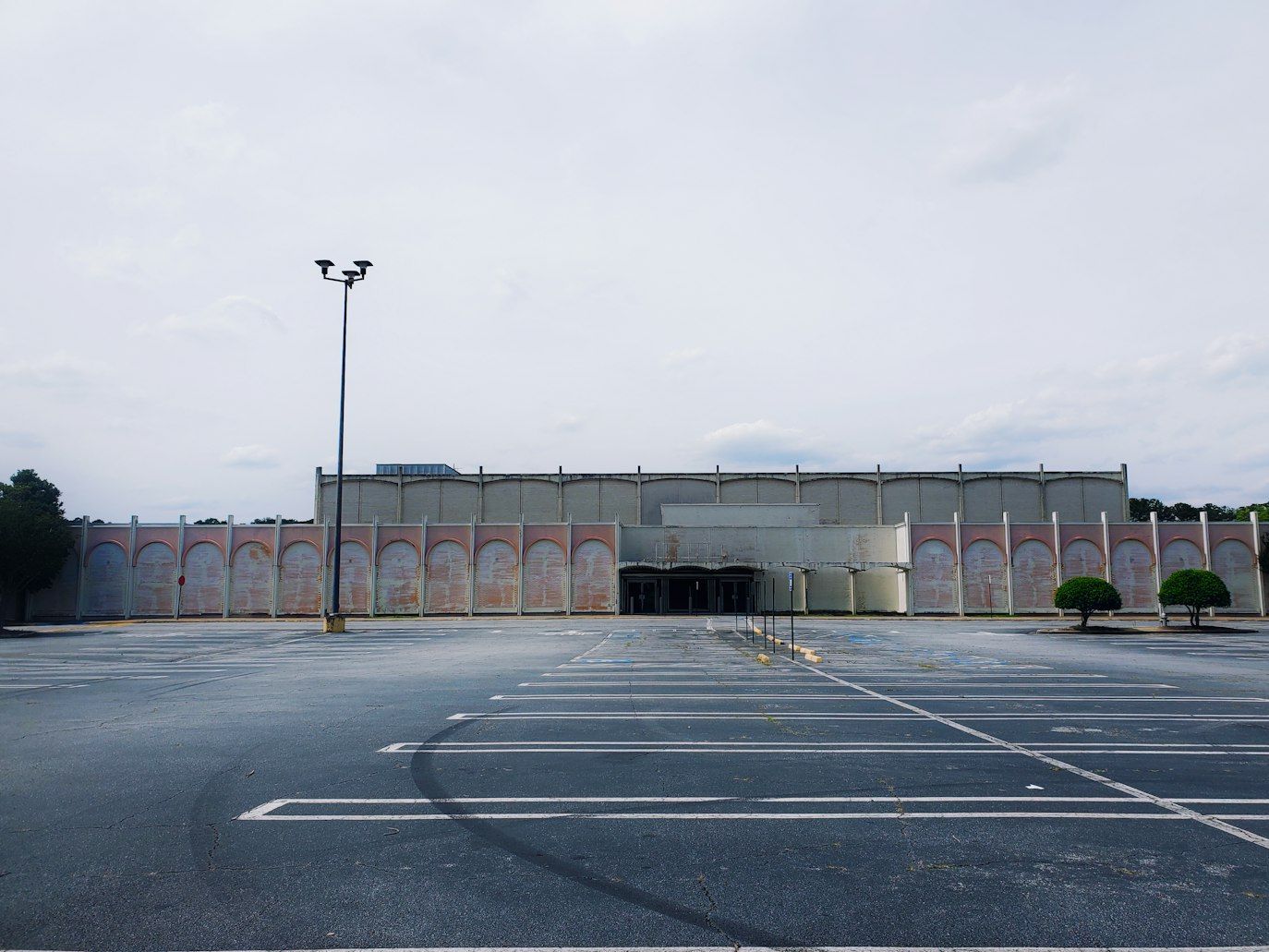
Stranger Things fans might recognize this building as the "Starcourt Mall" featured in the third season of the series. Once the leading mall in the region, Gwinnett Place Mall is now largely vacant.

It was challenged by the openings of the Mall of Georgia in 1999 and Sugarloaf Mills in 2001 and lost a large part of its customer base. It also failed to attract any new anchor stores for several years. In 2008, Gwinnett Technical College opened an International Education Center in the mall, where students take foreign language classes. Not much of a mall anymore.

10
Hawthorne Plaza Shopping Center, California

Image: David Valentine

Let us close the list with Hawthorne Plaza , an abandoned enclosed shopping mall with 134 stores that opened in February 1977. It included an indoor mall with three anchor stores and freestanding stores. Despite its initial popularity, the mall went into decline in the 1980s and 1990s.

The number of occupied stores declined from 130 in the late 1980s to around 70 in 1998. The mall's final anchor, JCPenney, closed in 1998 and the mall itself closed in 1999. The southern section of the mall across from the parking structure was demolished in 1998 and rebuilt as a strip mall. It currently includes a supermarket, a pharmacy, and some small restaurants.

General General 5 min read

Childhood collectibles turned gold

Ten American toys from the '70s and '80s that are now worth a fortune

Image: Huy Hung Trinh

Remember when your biggest worry was whether Mom would buy you that awesome toy you saw on Saturday morning cartoons? Well, if you held onto those childhood treasures (or if your parents saved them in the attic), you might be sitting on a small fortune . The toys that defined our generation have become hot collectibles, and some are worth serious cash today.

1
Star Wars Action Figures

Image: Brian McGowan

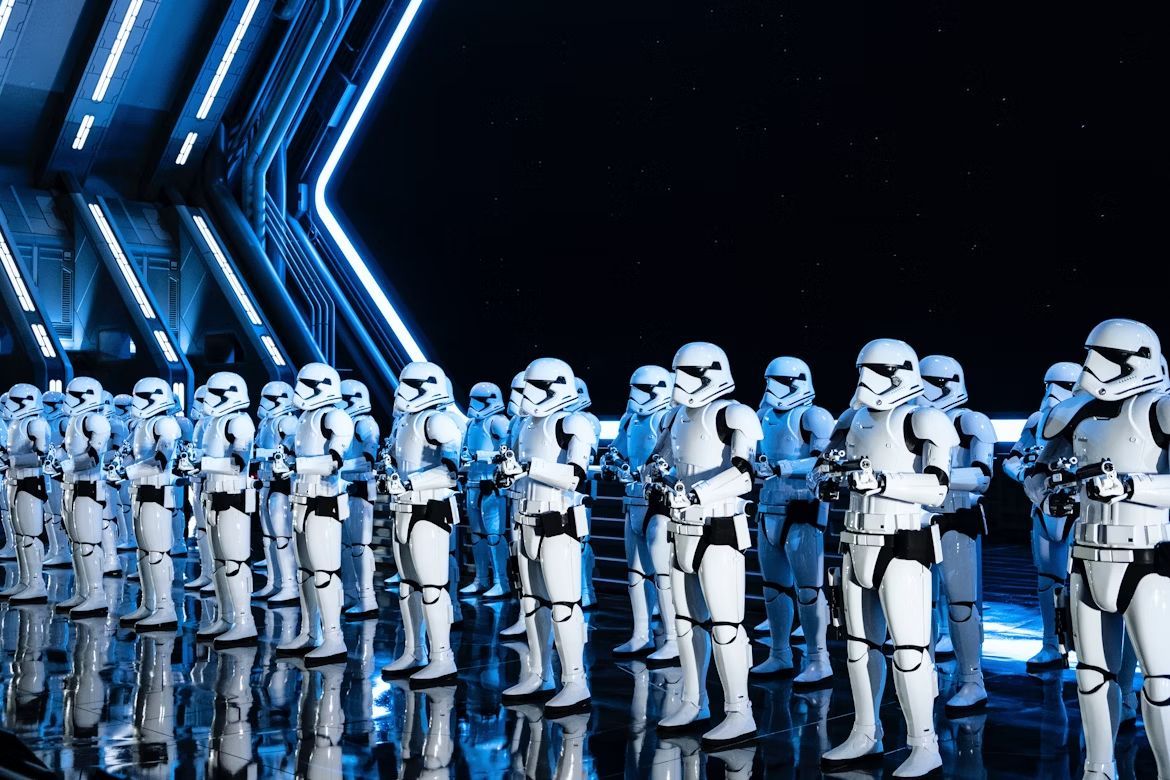
Those little plastic heroes from a galaxy far, far away weren't just toys: they were pure magic in your hands. Whether you had Luke Skywalker, Darth Vader, or the hard-to-find Boba Fett, these 3.75-inch figures from Kenner turned your bedroom floor into epic space battles.

Fast forward to today, and collectors are paying top dollar for these nostalgic treasures. A mint-condition figure still in its original packaging can fetch hundreds or even thousands of dollars . Even loose figures in decent shape can bring in $20 to $100 each, depending on the character. The rarest pieces, like the vinyl-caped Jawa or the rocket-firing Boba Fett prototype, have sold for tens of thousands at auction.

2
Cabbage Patch Kids

Image: Missouri Historical Society, Public domain, via Wikimedia Commons

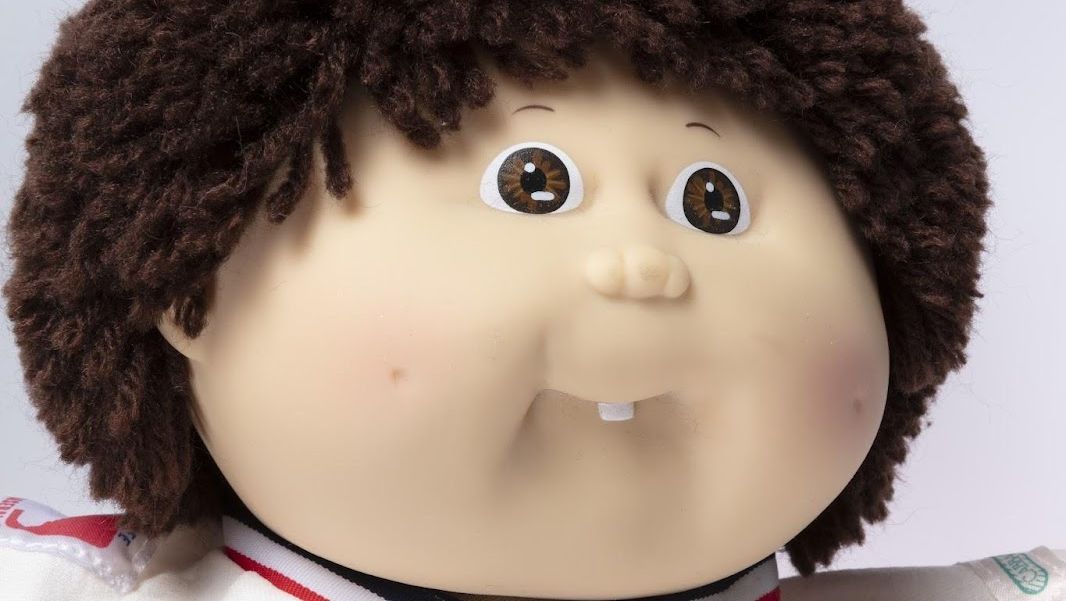
The madness of 1983 is hard to forget—parents literally fighting in toy store aisles to grab one of these wrinkly-faced dolls for Christmas. With their yarn hair, chubby cheeks, and unique names, these dolls weren't just toys; they were family members who went everywhere with you.

Original Cabbage Patch Kids from the early '80s, especially the ones made by Coleco, are now highly sought after by collectors. Dolls in excellent condition with their original boxes and paperwork can sell for $100 to $500 , while rare editions or special characters can go for much more.

3
Atari 2600 Game Cartridges

Image: Alejandro Hikari

This chunky, black console with the wood paneling was the coolest thing you could own in the late '70s and early '80s. Games like Pac-Man, Space Invaders, and Pitfall! kept you glued to the TV for hours, even though the graphics were basically colored blocks moving around the screen.

Today, common titles might only fetch $5 to $20, but rare games can sell for hundreds or even thousands . The holy grail is "Air Raid," one of the rarest games ever made, which has sold for over $30,000.

4
Strawberry Shortcake Dolls

Image: Subhabrata Chowdhury

Strawberry Shortcake burst onto the scene in 1980 with her red hair, freckles, and signature striped stockings. Soon she had a whole crew of fruity friends like Blueberry Muffin, Raspberry Tart, and Huckleberry Pie.

These scented dolls from the original Kenner line are now collectible gems. Mint-condition dolls in their original packaging can sell for $50 to $200, depending on the character . Even loose dolls in good shape with their original outfits can bring in $20 to $50 each, especially if they still have a hint of that fruity smell.

5
Hot Wheels and Matchbox Cars

Image: I Nyoman Adi Wiraputra

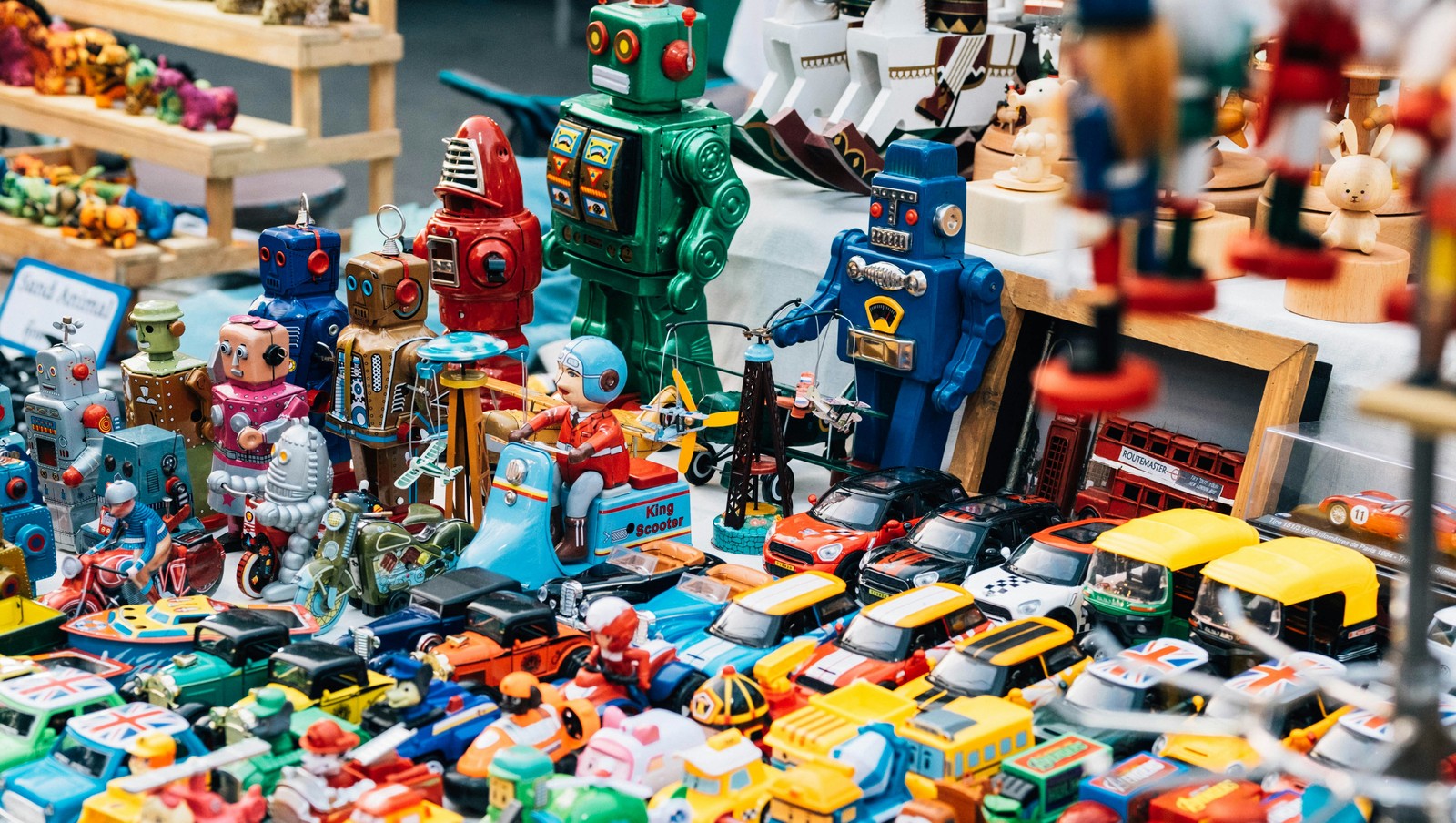
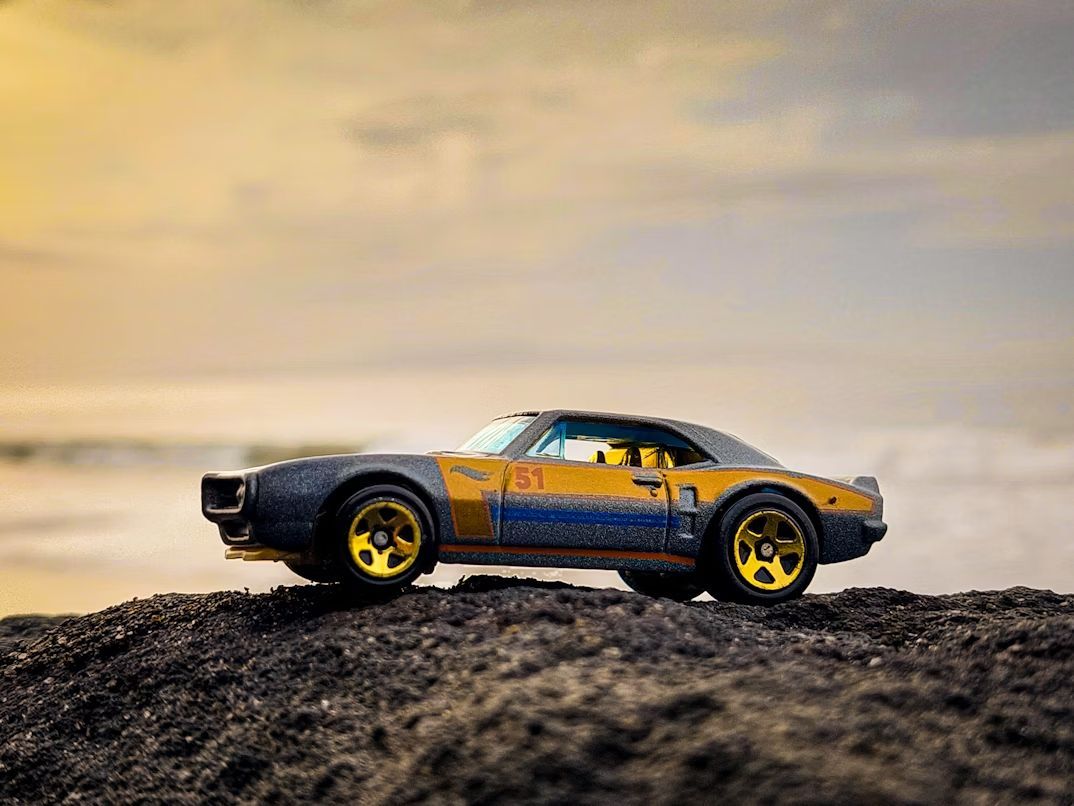
Your collection probably sprawled across your bedroom floor in an elaborate city of orange tracks, loop-de-loops, and imaginary highways. Hot Wheels from Mattel and Matchbox cars from Lesney were the must-have toys for any kid who loved vehicles.

A single rare Hot Wheels car, like a 1968 "Cheetah" base Python or certain Redline editions, can sell for $100 to $1,000 or more . Even common models in excellent condition with their original packaging can fetch $10 to $50.

6
Transformers

Image: Arseny Togulev

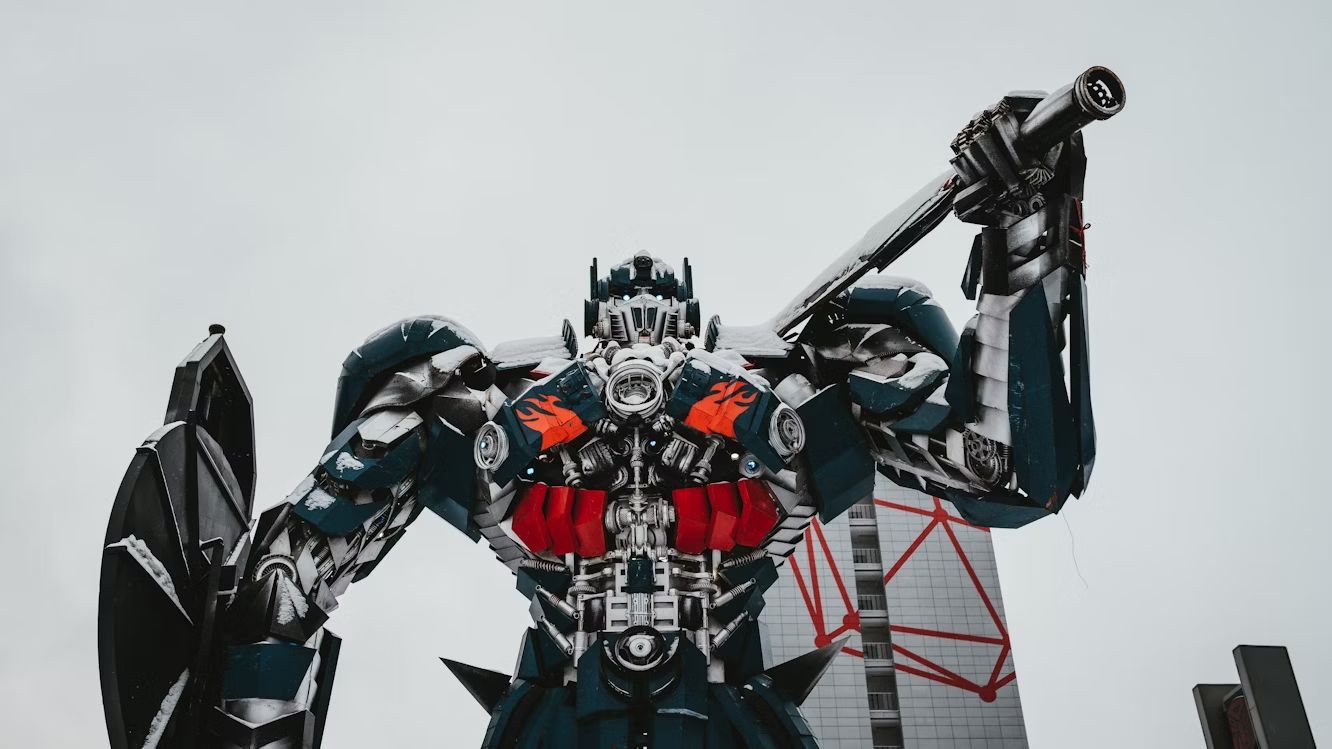
"More than meets the eye!" That wasn't just a catchy tagline—it was the truth. Transformers were toys that did double duty: a cool robot that could morph into a vehicle, cassette player, or dinosaur with just a few twists and clicks.

Original Generation 1 Transformers from the mid-'80s are now hot collectibles. Figures in good condition with all their parts intact can sell for $50 to $200, while rare characters or complete sets in original packaging can go for much more . Optimus Prime in his original box can fetch $500 to $1,000 or higher.

7
G.I. Joe: A Real American Hero

Image: Justin Wilkens

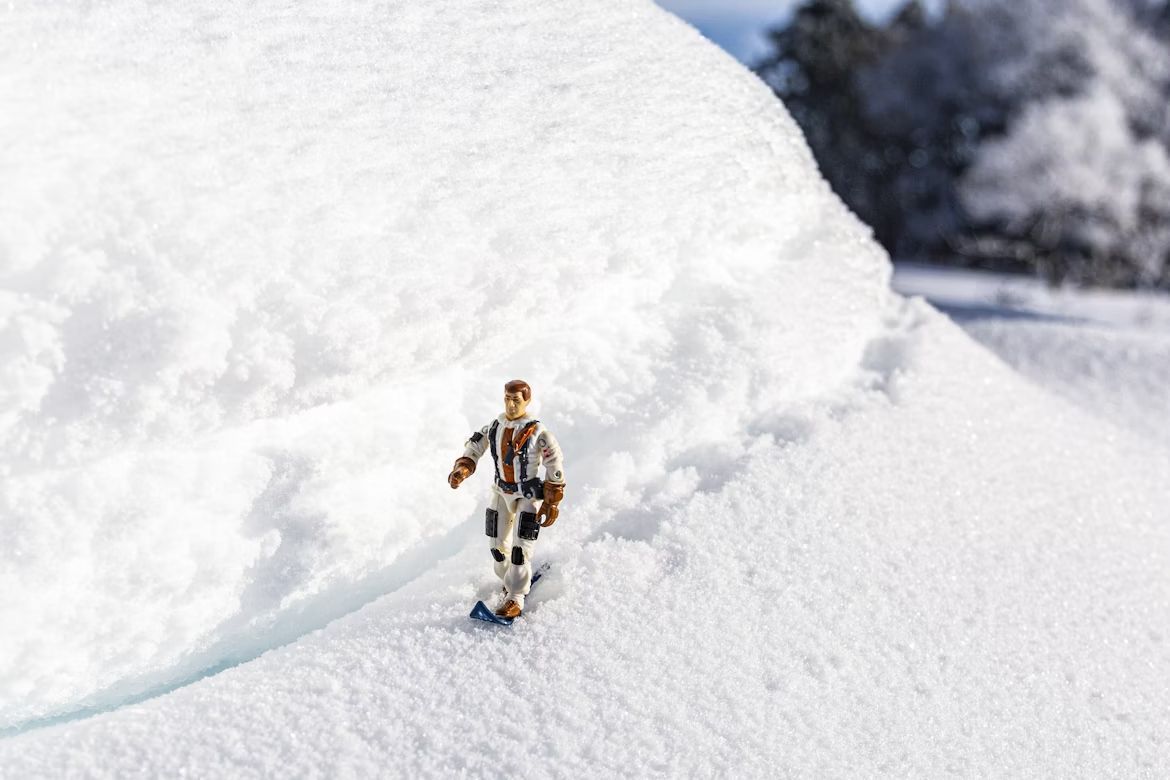
The 1980s reboot of G.I. Joe brought the action figure down from 12 inches to a more manageable 3.75 inches, and kids went wild for them. Snake Eyes, Duke, Cobra Commander, and Storm Shadow became instant icons. These figures came with tons of accessories—guns, backpacks, helmets—that were ridiculously easy to lose.

Today's collectors are willing to pay good money for these patriotic warriors. Complete figures with all their original accessories can sell for $15 to $100 each, depending on rarity. Mint-on-card figures (still sealed in packaging) are where the real value lies, often fetching $50 to $300 or more for rare characters . The U.S.S. Flagg, if complete in its box, can sell for over $1,000.

8
My Little Pony

Image: Kateryna Hliznitsova

These colorful little horses with brushable manes and tails captured hearts when they debuted in 1983. Each pony had its own name, personality, and unique symbol on its flank.

Original Generation 1 ponies from the '80s are now beloved collectibles among a dedicated fanbase. Common ponies in good condition can sell for $10 to $30 each, while rare ponies, especially those from early releases or special editions, can go for $100 to $500 .

9
Rubik's Cube

Image: William Warby

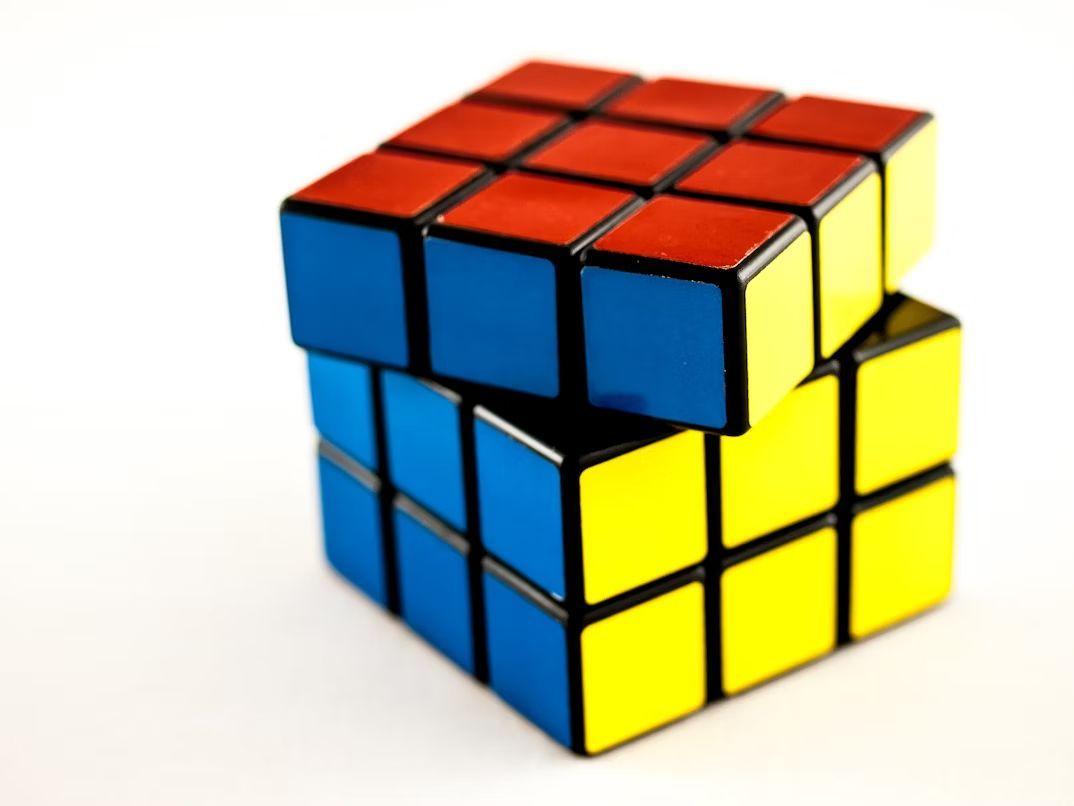
The Rubik's Cube became a sensation in 1980, and suddenly everyone was twisting and turning those colorful squares, trying to get each side to match. Some kids could solve it in minutes; most of us just peeled off the stickers and stuck them back on in the right places (come on, you know you did it).

Original Rubik's Cubes from the early '80s, especially early editions made in Hungary, have become collectible. While standard cubes aren't worth a fortune, vintage ones in pristine condition with original packaging can sell for $50 to $150 . Special editions, like the original wooden prototype or cubes signed by inventor Ernő Rubik, are worth much more.

10
Care Bears

Image: Oxana Lyashenko

These huggable bears with symbols on their bellies taught us about feelings and friendship. Each Care Bear represented a different emotion or value: Tenderheart Bear had a heart, Grumpy Bear had a rain cloud, and Cheer Bear had a rainbow. The stuffed animals, along with the TV shows and movies, made Care Bears a phenomenon.

Vintage Care Bears from the original 1983 Kenner line are now sought-after collectibles. Plush bears in excellent condition with their original tags can sell for $30 to $100, while rare bears or special editions can go higher. Complete sets, limited editions like the birthday bears, or bears with rare belly badges are particularly prized.

Explore more American facts

Choose your favorite category!

General
General

As American as apple pie—the very best America has to offer!

Culture
Culture

Delve into the astounding richness of American lore.

Geography
Geography

Hop in and explore vast and diverse American landscapes.

History
History

Discover the key moments that shaped the United States.