Geography Geography 5 min read

Extraordinary secrets about the capitals of the United States

The only state capital without a McDonald's and 11 other fun facts
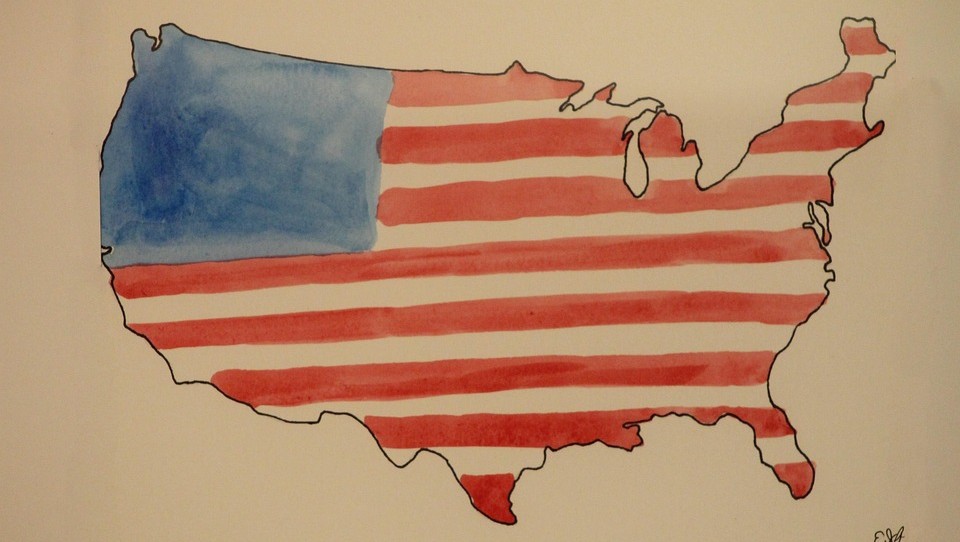
Image: AmericanBenchCraft

Can you guess which is the only U.S. capital built on top of an extinct volcano? What about which is the oldest state capital, the least populated, or the one with the coldest temperature? If you're dying to know the answers to these questions, read on to discover 12 fun facts about our state capitals that you probably didn't know!

1
Jackson, Mississippi

Image: Engineers' office, department of Tennessee, Public domain, via Wikimedia Commons

Did you know Jackson, Mississippi, is named after the 7th U.S. President, Andrew Jackson? It is one of the four state capitals named after American presidents —the other three are Jefferson City (Missouri), Lincoln (Nebraska), and Madison (Wisconsin).

Jackson is the only U.S. capital built on top of an extinct volcano. Interestingly, during the Civil War, the city was burned by Union troops, giving it the nickname "Chimneyville". In addition, Jackson is best known for being the center of the civil rights movement during the 1950s and 1960s.

2
Santa Fe, New Mexico

Image: Wendy Shervington

Founded by Spanish colonists in 1610 as the capital of the colony of New Mexico, Santa Fe is the oldest U.S. city that still functions as a state capital today.

But that's not the only peculiarity of this quaint city with a temperate climate and a unique historical and cultural richness. At 7,000 feet above sea level, Santa Fe is also the highest U.S. capital.

3
Honolulu, Hawaii

Image: Daniel Lee

Known for its spectacular beaches and rich cultural heritage, Honolulu is the only state capital not on the North American mainland. Considered the birthplace of modern surfing, it also has the highest average annual temperature of any U.S. state capital.

But those aren't the only interesting facts about Hawaii's capital. Here are a few equally (or more) crazy ones: it hosts the only royal palace in the United States (Iolani Palace), the island is made up of volcanic soil, and it houses the world's largest open-air shopping mall (Ala Moana Center).

4
Annapolis, Maryland

Image: Terry Granger

Annapolis is a historic city on the shores of the Chesapeake Bay, known for its colonial architecture, nautical tradition, and academic value. But did you know it is also the smallest U.S. capital by land area? Just 6.7 square miles!

Annapolis was also one of the nine capitals the United States has had throughout its history. For nine months during the Revolutionary War, Maryland's current state capital served as the seat of the Confederation Congress.

5
Bismarck, North Dakota
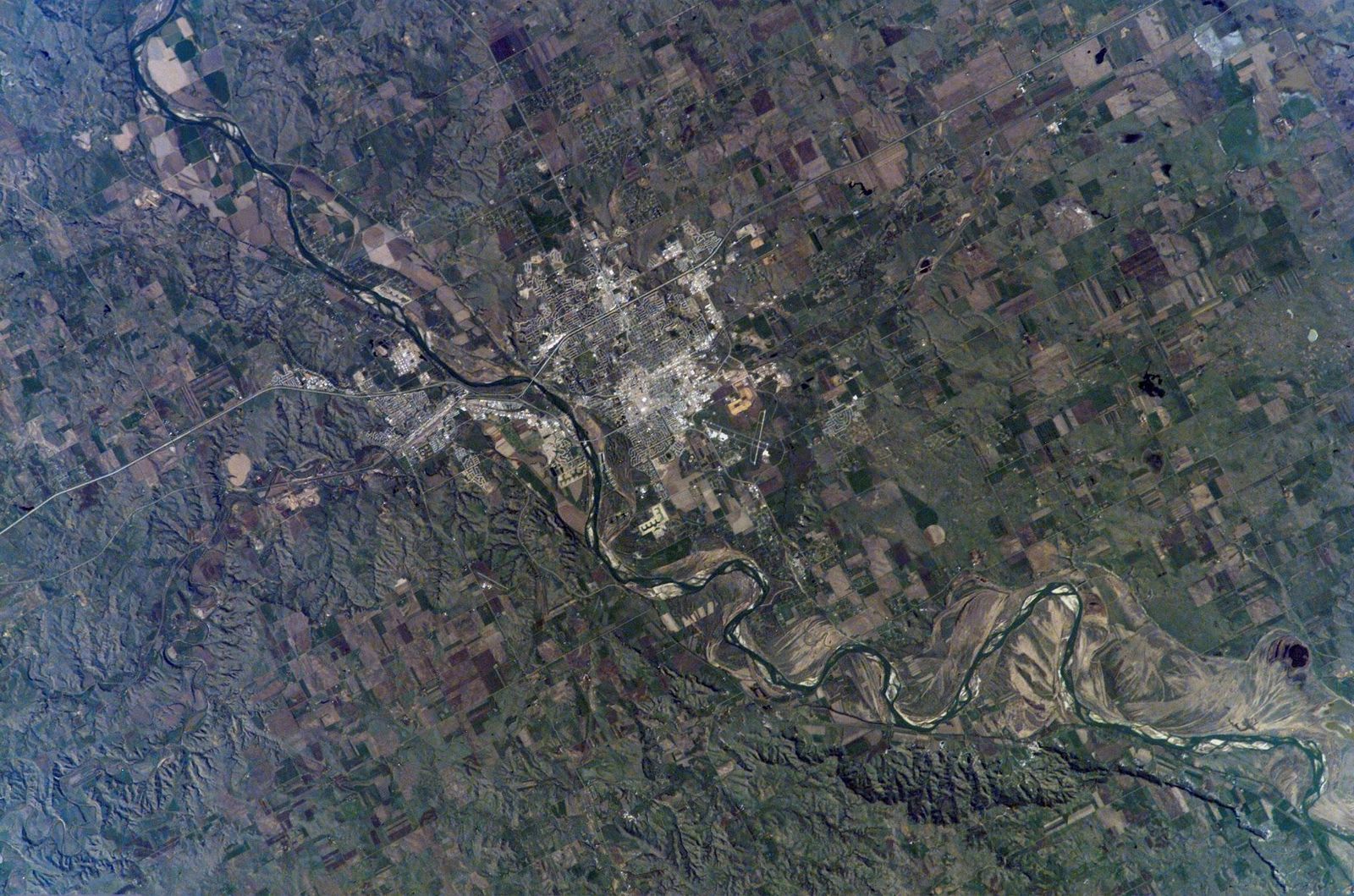
Image: NASA Astronaut, Public domain, via Wikimedia Commons

If you thought Juneau, Alaska, had the lowest average winter temperature of all state capitals, think again! It's actually Bismarck, North Dakota, where the coldest temperature ever recorded was -45°F. Imagine that!

Bismarck was founded in 1872 on the banks of the Missouri River. The city was named after Otto von Bismarck, the chancellor of Germany, to attract German investors. Another fun fact? In 1930, Bismarck and Fargo had a dispute, known as the "Capitol Tower War," over which city should be the state capital.

6
Charleston, West Virginia
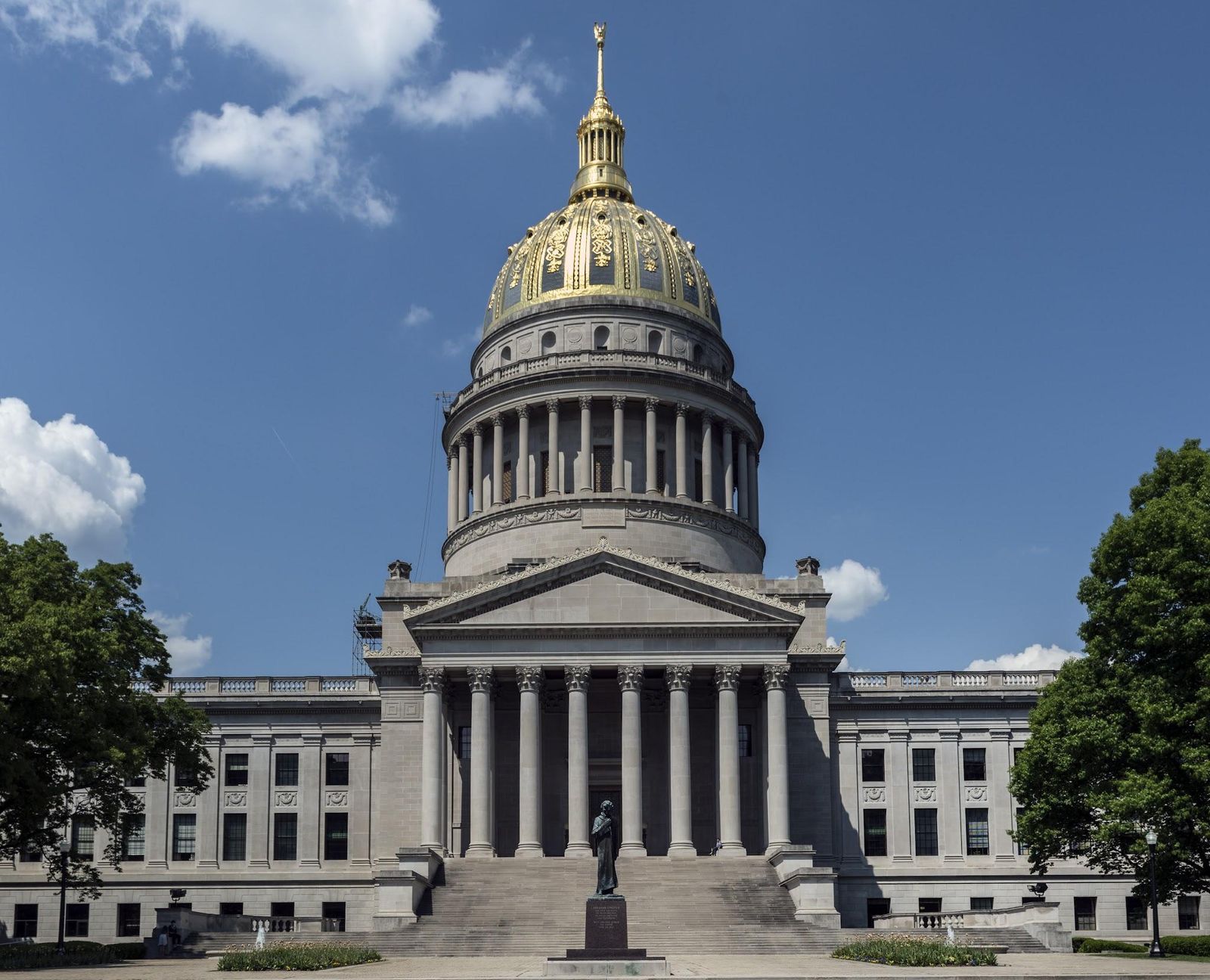
Image: Carol M. Highsmith, Public domain, via Wikimedia Commons

Did you know that the original name of West Virginia's capital was Charles Town in honor of the father of Colonel George Clendenin, one of the first settlers?

Charleston is best known for offering a unique combination of history, culture, and outdoor adventure.

7
Hartford, Connecticut

Image: Balazs Busznyak

Founded in 1635, Connecticut's capital is one of the oldest cities in the U.S. Hartford is known for being a key cultural center in New England. It was the home of writer Mark Twain and is home to historic sites such as the State Capitol, the Harriet Beecher Stowe House, and Bushnell Park, the oldest public park in the country.

Hartford is also called the "insurance capital of the world" due to the presence of major insurance companies. But the city's most curious fact is that it was where Teddy Roosevelt, aboard the Columbia Electric Victoria Phaeton, took the first presidential automobile ride in history!

8
Harrisburg, Pennsylvania

Image: Katherine McAdoo

Pennsylvania's capital city is best known for its role in the Civil War and the Underground Railroad. Located on the banks of the Susquehanna River, Harrisburg has been an important center of transportation and commerce. Today, it is known for its historic architecture, museums, and special events.

Harrisburg is also home to the longest stone arch bridge in the world, the Rockville Bridge, built in 1902. Oh, and in 1979, it came close to a nuclear disaster due to the accident at the Three Mile Island plant, the worst in U.S. history —but that's a longer story for another article!

9
Olympia, Washington

Image: Peter Robbins

Located at the southern tip of Puget Sound, Washington's state capital is known for its natural beauty and vibrant culture. But did you know Olympia is the northernmost state capital in the contiguous U.S.?

Oh, and it's also a great place to try some of the best craft beer in the country.

10
Salt Lake City, Utah
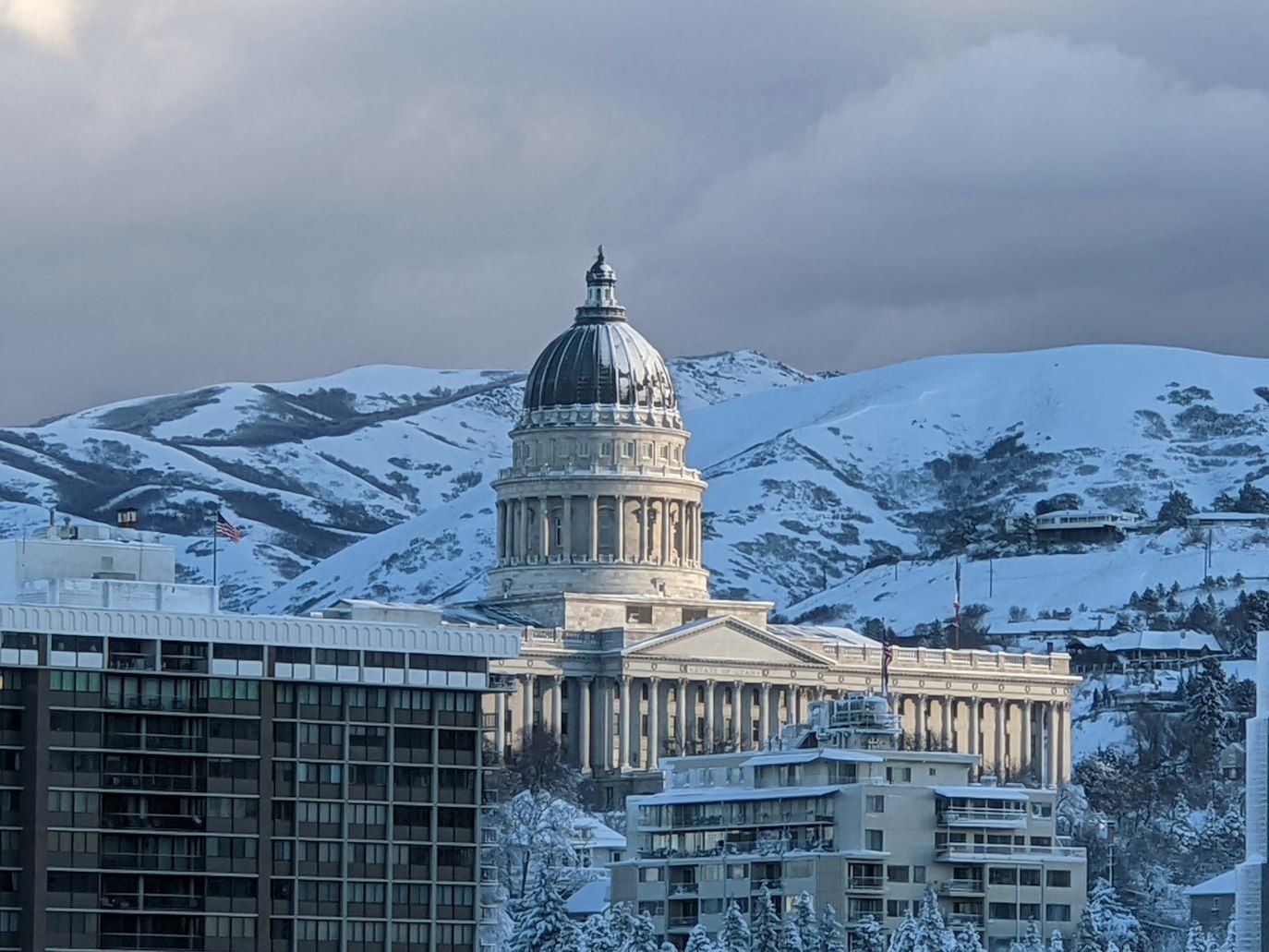
Image: Cong Wang

Utah's state capital is popular for being one of the best places to ski in the United States. But that's not all! Salt Lake City is also the only state capital with three words in its name. Have you ever thought about that?

It has the largest Mormon population in the country and is the world headquarters of the Church of Jesus Christ of Latter-day Saints. Another fun fact? Salt Lake City is home to more plastic surgeons per capita than any other state capital!

11
Montpelier, Vermont

Image: John Holm

Named after the French city of the same name, Montpelier is the least populated state capital, with a population of just 7,900. Probably for that reason, Vermont's capital prides itself on its small local businesses: it is the only state capital that doesn't have a McDonald's or a Starbucks. Could you live without these fast food chains? It doesn't have a Walmart store either!

12
Topeka, Kansas

Image: Nils Huenerfuerst

Topeka, Kansas’s state capital, has several interesting tidbits. For example, did you know its name, of Native American origin, means "a good place to dig potatoes"? Interesting, don’t you think?

In 2010, Topeka temporarily changed its name to "Google, Kansas" to attract the attention of the internet giant and become the capital city of fiber optics. Frivolous facts aside, Topeka was also very important in the history of the civil rights movement.
History History 8 min read

Stories of forgiveness

The 10 most controversial presidential pardons in US history

Image: National Archives & Records Administration, Public domain, via Wikimedia Commons

Most people think a presidential pardon is a simple act of mercy. But these 10 stories show that the decision goes deeper than that. Did you know a man sentenced to hang in 1830 turned down his pardon, and the Supreme Court said he had every right to? That a boxer's 1913 conviction was cleared 72 years after his death? Or that the only president ever to resign was forgiven before a single charge was filed against him? Each of these stories contains a detail many Americans ignore. Read on to learn more about these controversial cases of presidential pardons.

1
George Wilson (1830): The man who refused his own pardon

Image: WB2 23:48, 22 July 2005 (UTC) copied from en:United States Capitol, Public domain, via Wikimedia Commons

In 1829, George Wilson and his accomplice James Porter robbed a U.S. mail carrier in Pennsylvania. Both were convicted in May 1830 on six counts, including putting the carrier's life in jeopardy, and sentenced to hang within weeks.

Porter was executed on schedule. But Wilson's influential friends petitioned President Andrew Jackson, who granted Wilson a formal pardon in June 1830, saving him from the gallows. Then Wilson did something that had never happened before in American history: he refused it.

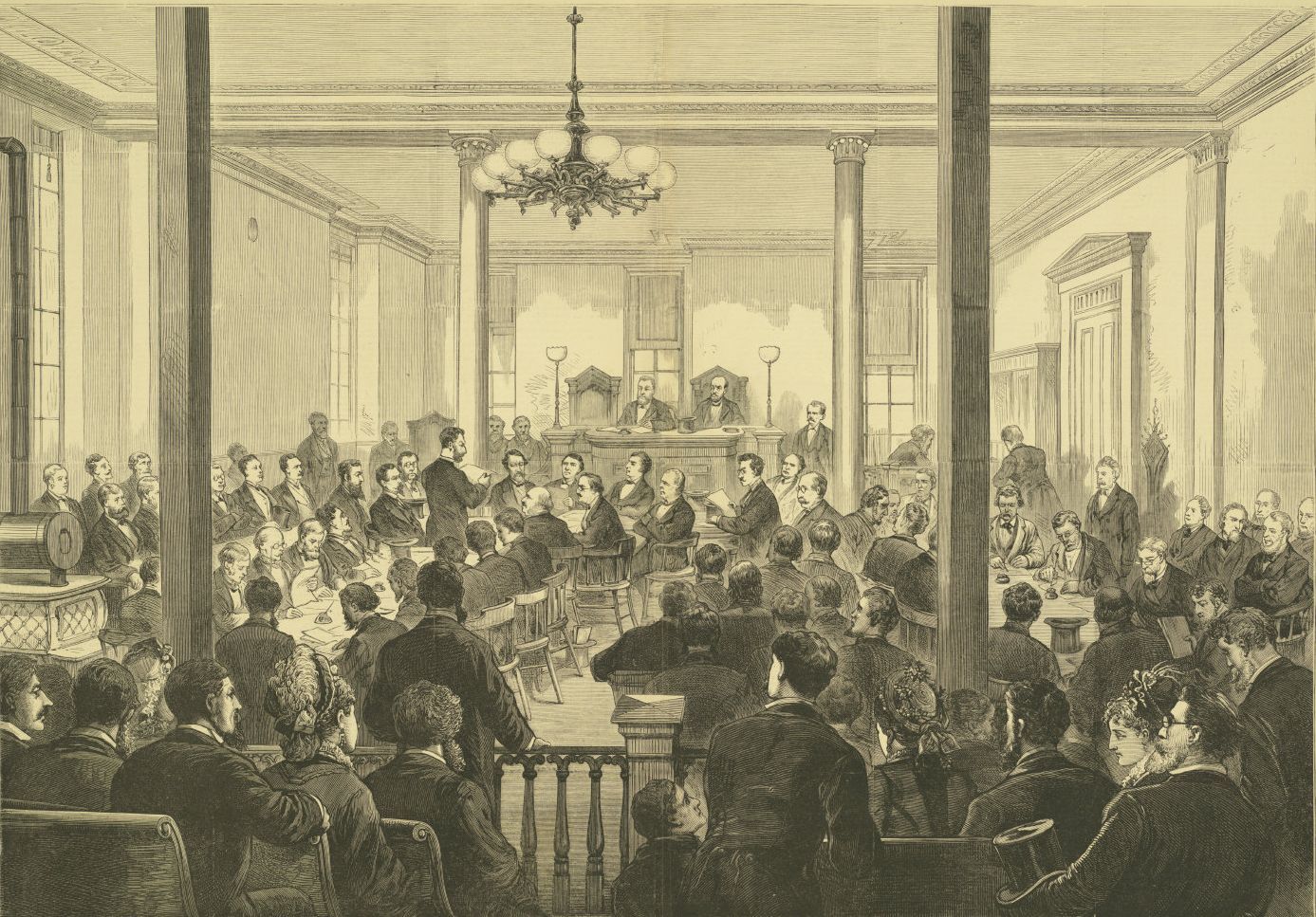
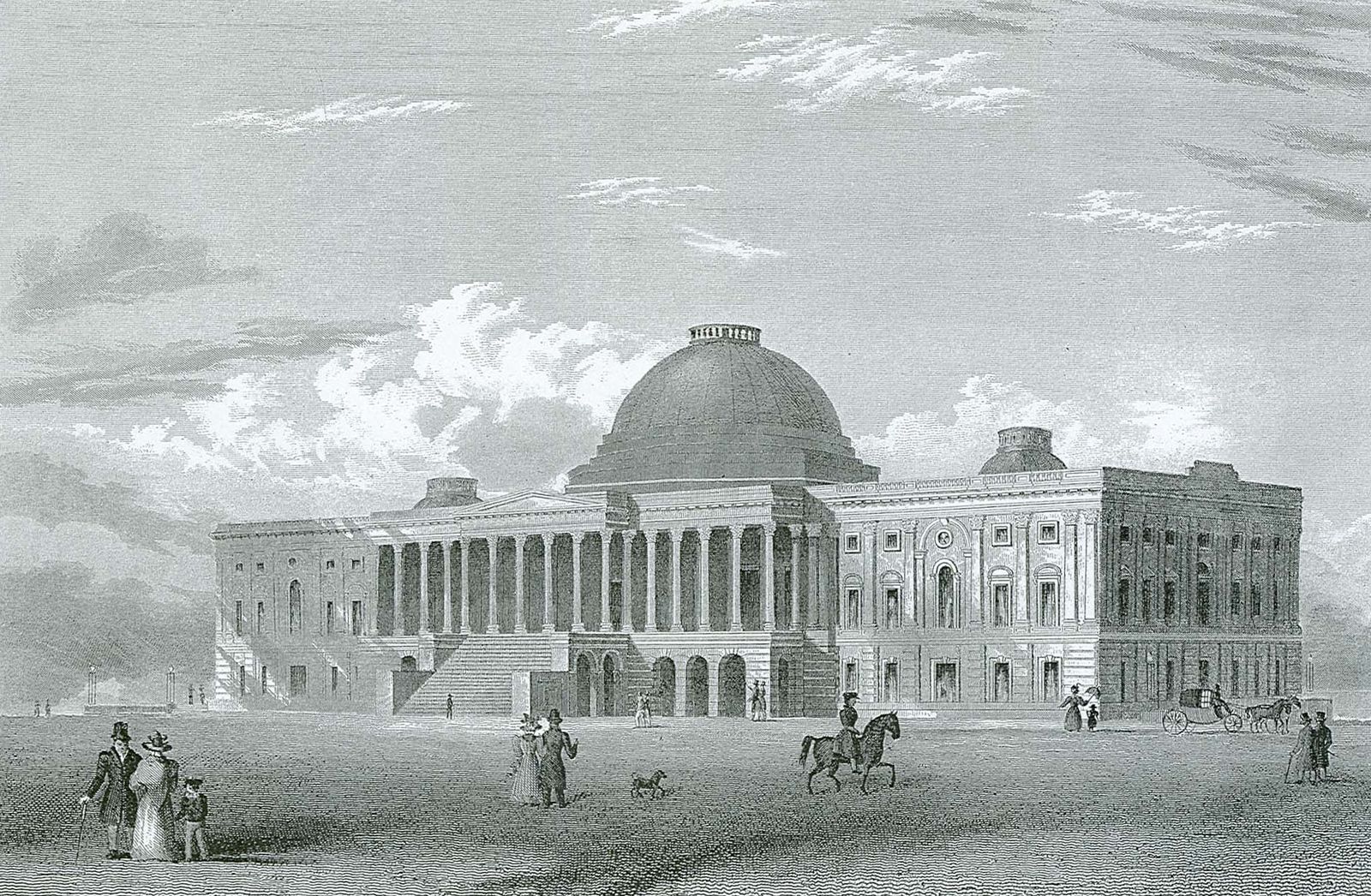
The case was so unprecedented that it reached the Supreme Court in 1833, housed at the Capitol in Washington, D.C., as illustrated above. Chief Justice John Marshall ruled that the pardon couldn’t be valid without acceptance. However, Wilson was never executed. He served his prison sentence and was eventually pardoned a second time by President Martin Van Buren in 1841.

2
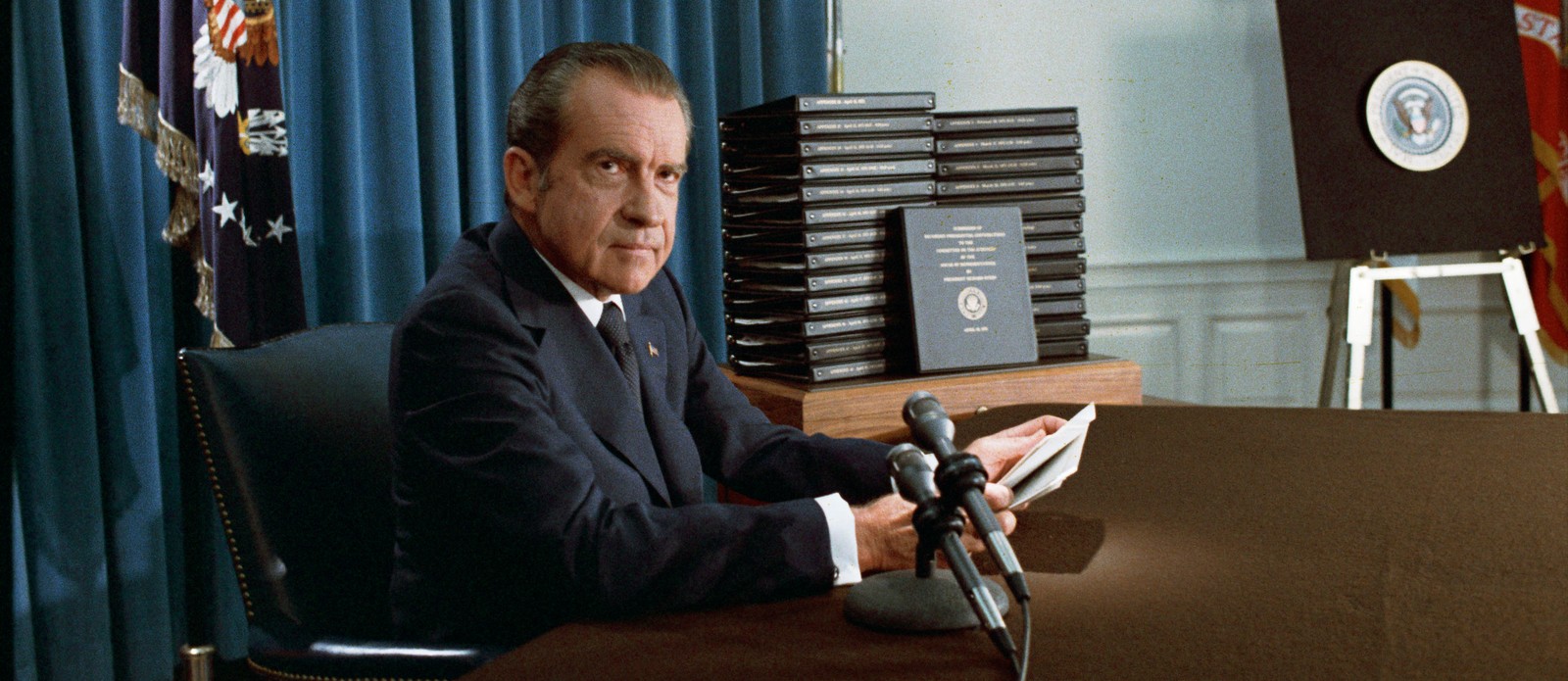
Richard Nixon (1974): The only president ever pardoned

Image: pingnews.com, Public domain, via Wikimedia Commons

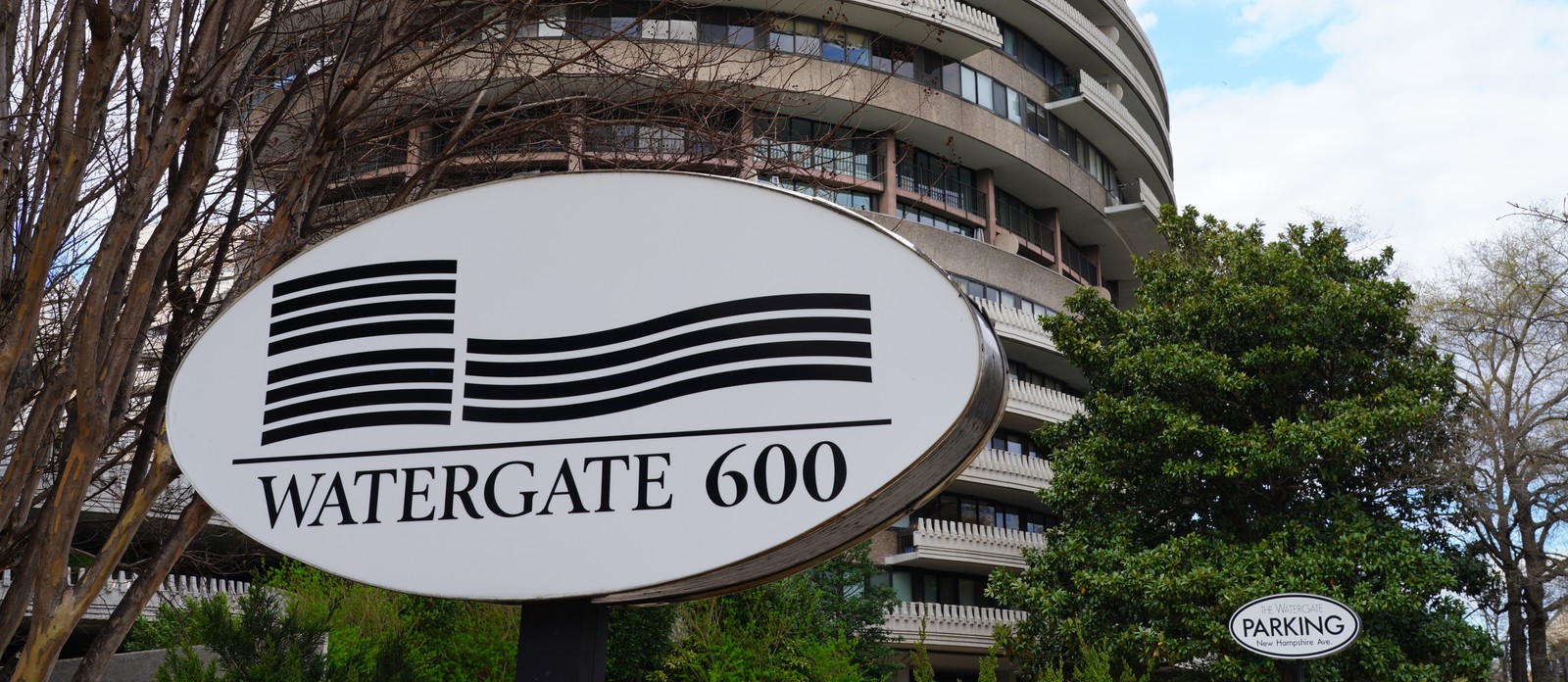
On the night of June 17, 1972, five operatives were arrested breaking into the Democratic National Committee offices at the Watergate complex in Washington, D.C. Investigations revealed that President Richard Nixon had known about the cover-up and actively participated in it. Facing near-certain impeachment, Nixon became the only U.S. president ever to resign from office, stepping down in 1974.

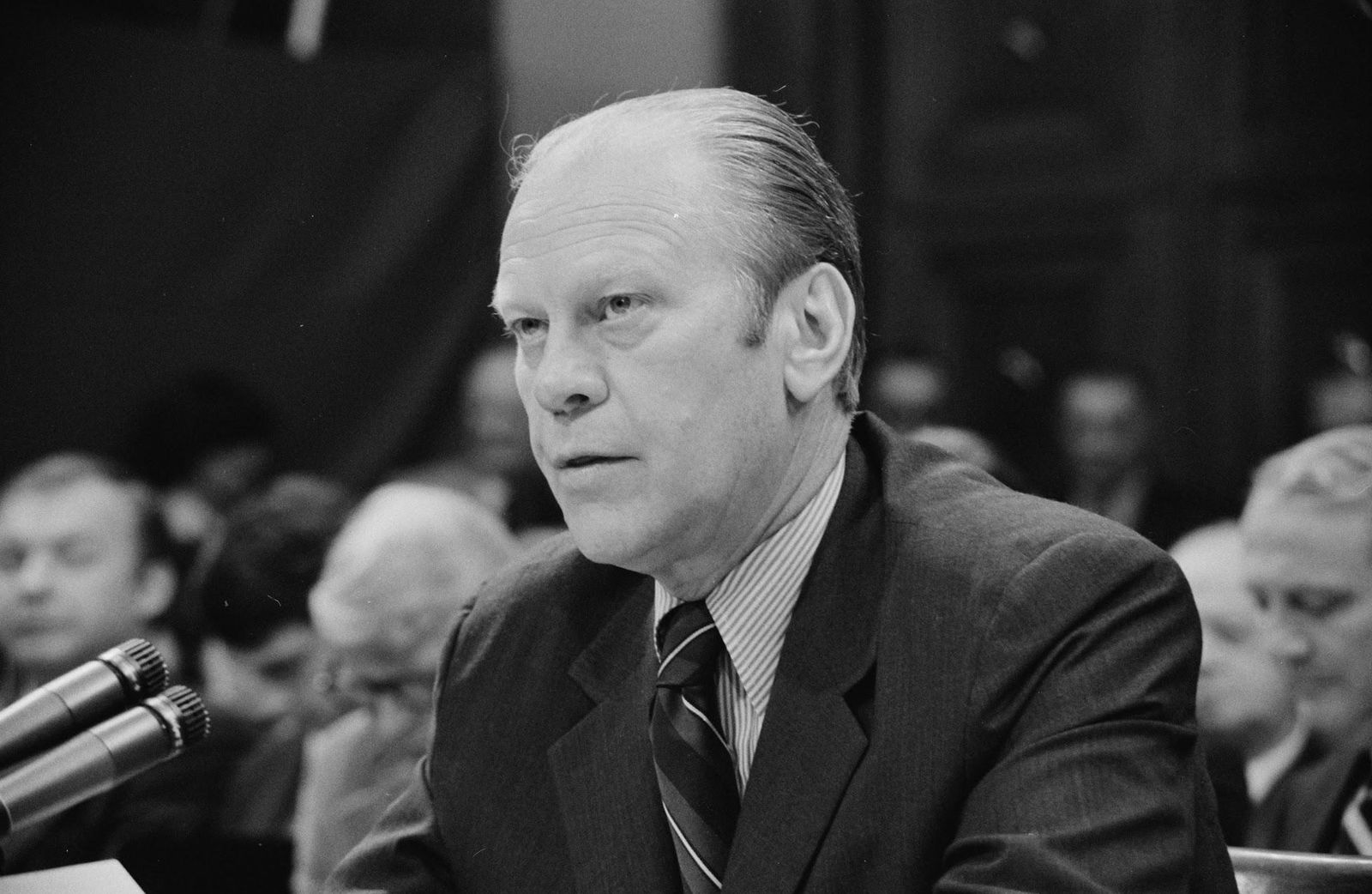
Just 30 days later, his successor Gerald Ford announced from the Oval Office that he was granting Nixon "a full, free, and absolute pardon" for all offenses against the United States committed between 1969 and 1974. No charges had even been filed. The decision was widely condemned. Many historians believe it cost Ford the 1976 presidential election to Jimmy Carter. Nixon accepted the pardon but never admitted criminal guilt, expressing only "regret" for how he had handled the situation.

3
Iva Toguri D'Aquino (1977): The woman they called "Tokyo Rose"

Image: See page for author, Public domain, via Wikimedia Commons

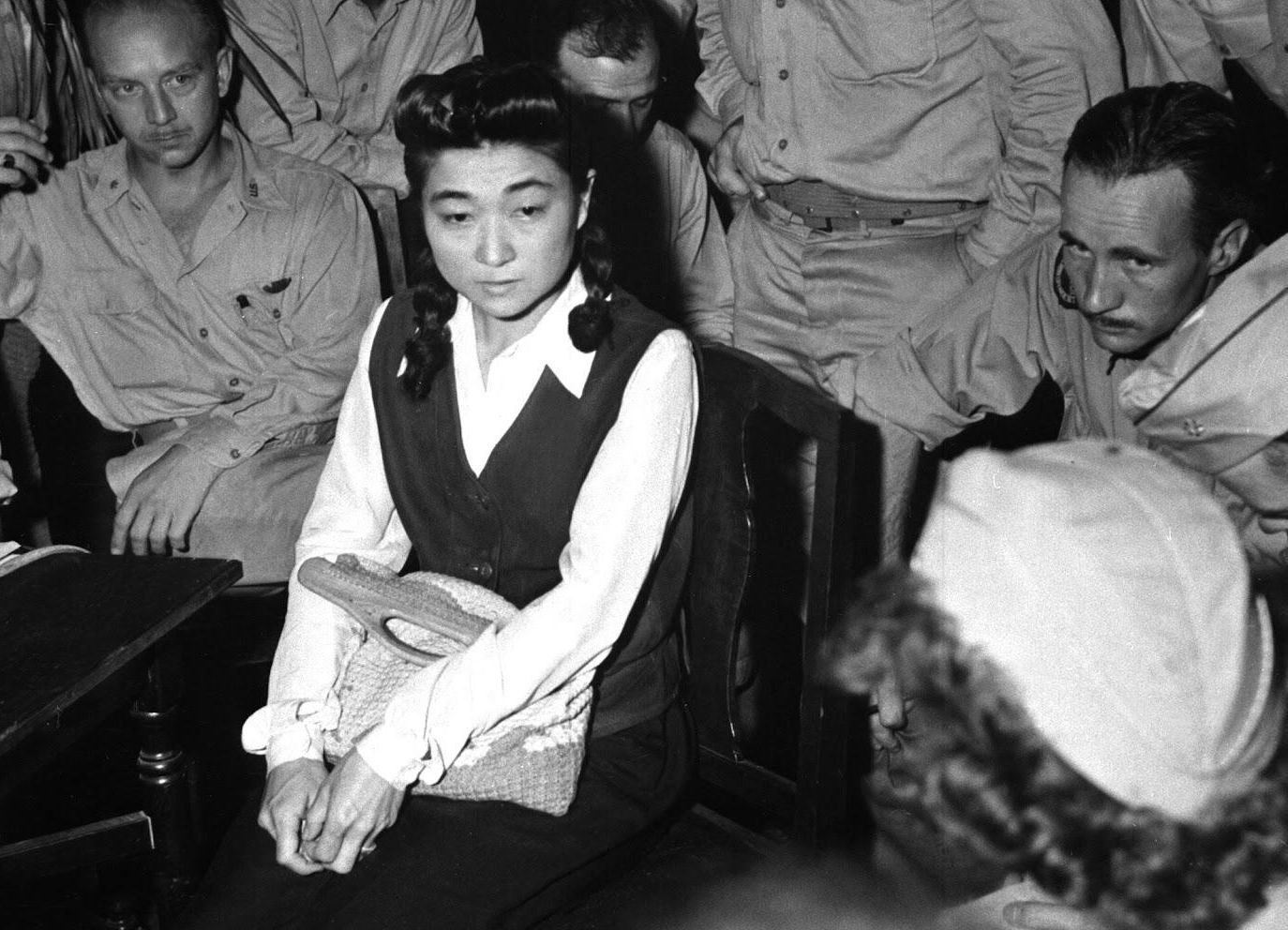
Iva Toguri D'Aquino was a Los Angeles-born 25-year-old visiting a sick relative in Japan when the attack on Pearl Harbor stranded her there in December 1941. The Japanese government declared her an enemy alien and coerced her into broadcasting on Radio Tokyo's Zero Hour program.

This was a Japanese psychological warfare strategy that utilized English-speaking women, eventually all referred to collectively as " Tokyo Rose," to broadcast demoralizing messages intended to weaken Allied troop morale. After Japan's surrender, journalists identified Toguri as one of the voices.

A jury convicted her of treason in 1949, and she was sentenced to 10 years in prison. She served six years. After a 1976 CBS 60 Minutes segment revealed key witnesses had lied, President Gerald Ford granted her a full and unconditional pardon in 1977, on his final day in office. It remains the only presidential pardon ever granted for a treason conviction in U.S. history.

4
Jack Johnson (2018): A champion pardoned 72 years after his death

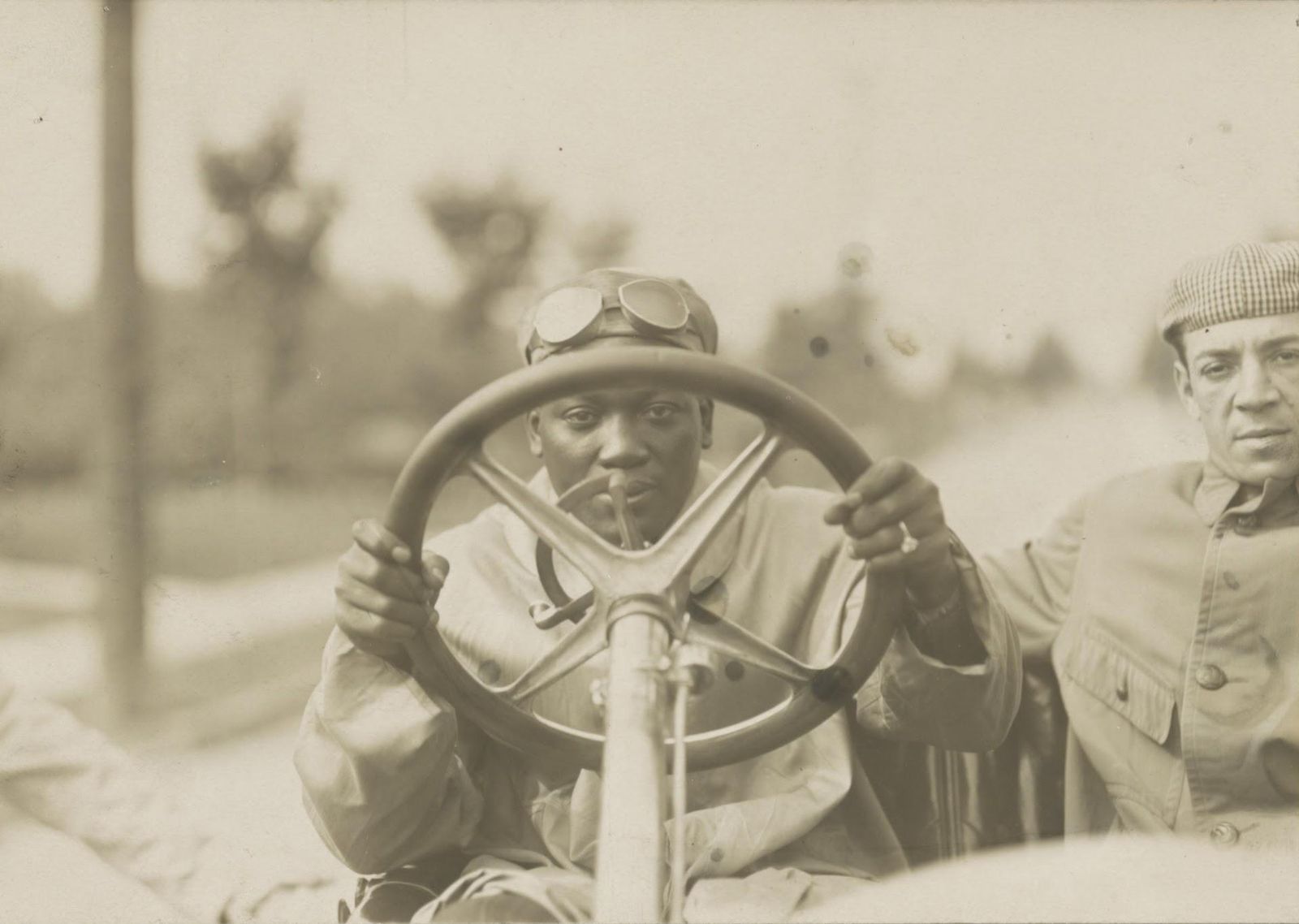
John Arthur "Jack" Johnson was the first Black man ever to hold the world heavyweight boxing championship. In May 1913, a jury convicted him under the Mann Act (a federal law against transporting women across state lines for "immoral purposes") for traveling with his white girlfriend, whom he had since married.

Johnson skipped bail, fled to Canada, and fought two world title defenses in Paris before losing the belt in Havana in 1915. He surrendered to U.S. authorities in 1920 and served nearly a year in Kansas. He died in a car crash at age 68 in North Carolina in 1946.

After years of bipartisan lobbying and a call from actor Sylvester Stallone, President Trump signed Johnson's posthumous pardon in the Oval Office in 2018, 105 years after the conviction.

5
Samuel Mudd (1869): The doctor who set the assassin's leg

Image: unattributed, Public domain, via Wikimedia Commons

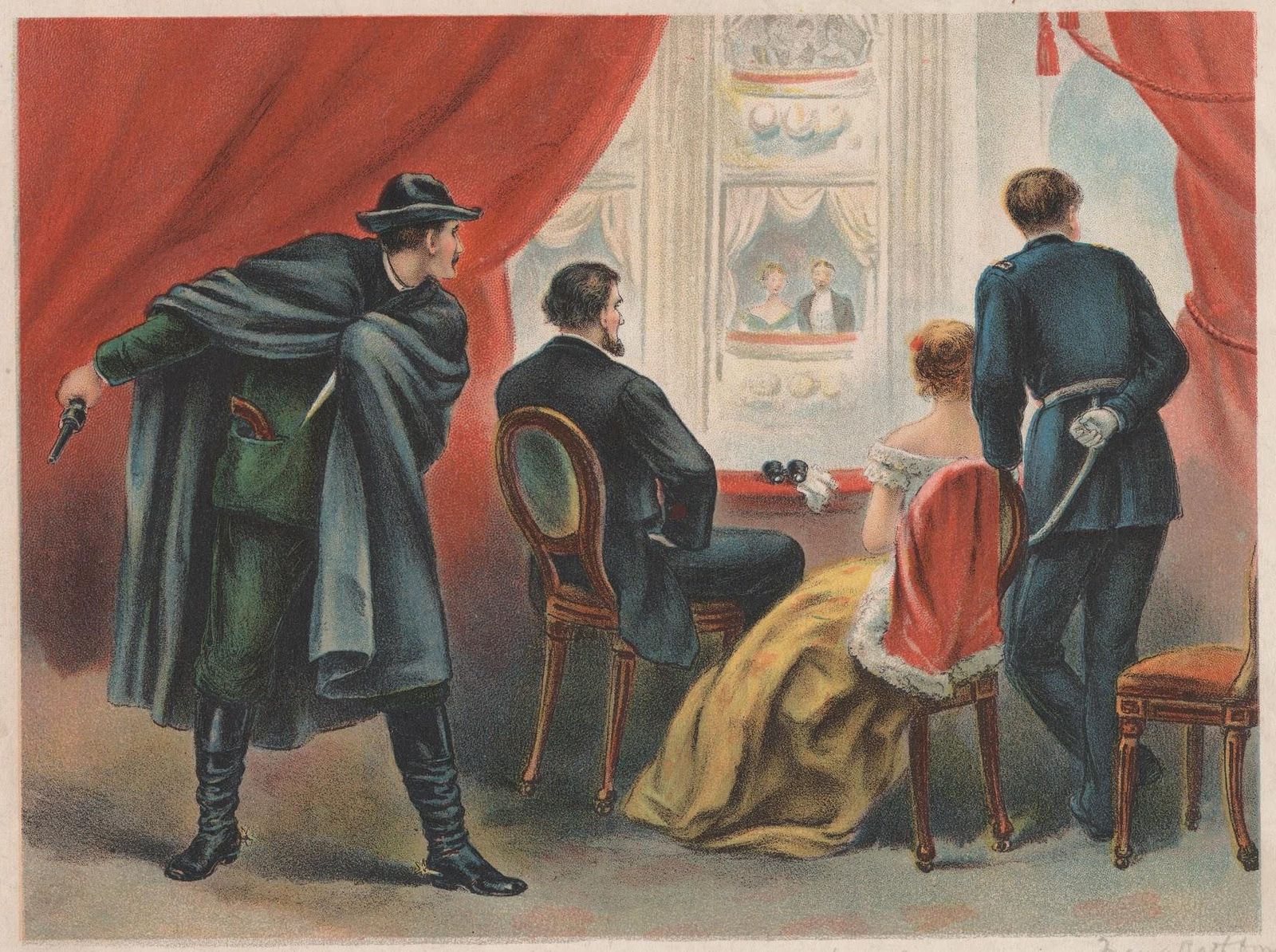
Hours after John Wilkes Booth shot President Abraham Lincoln at Ford's Theatre in Washington, D.C., one April night in 1865, Booth arrived at the Maryland farm of Dr. Samuel Mudd with a broken leg.

Mudd set the fracture and gave Booth shelter. When investigators linked Mudd to Booth, including through prior meetings in 1864, he was tried by a military commission and convicted of conspiracy. Sentenced to life imprisonment with hard labor, he was sent to Fort Jefferson, a remote military prison on an island 70 miles west of Key West, Florida.

In 1867, a deadly yellow fever outbreak killed the prison's doctor. Mudd stepped in, treating patients and helping contain the epidemic. A petition signed by 299 enlisted men and officers was sent to President Andrew Johnson praising Mudd's courage. Johnson granted Mudd a full and unconditional pardon in 1869. Mudd was released on March 8 and returned to his Maryland farm. His conviction was never overturned; the pardon freed him, but the guilty verdict stood.

6
Marc Rich (2001): A fugitive pardoned on the last day

Image: William J. Clinton Presidential Library, CC0, via Wikimedia Commons

Marc Rich was a billionaire commodities trader indicted in 1983 on 65 counts, including tax evasion, wire fraud, and trading oil with Iran during the 1979–1981 hostage crisis. Before facing trial, Rich fled to Switzerland, where he remained a fugitive from U.S. justice for 17 years.

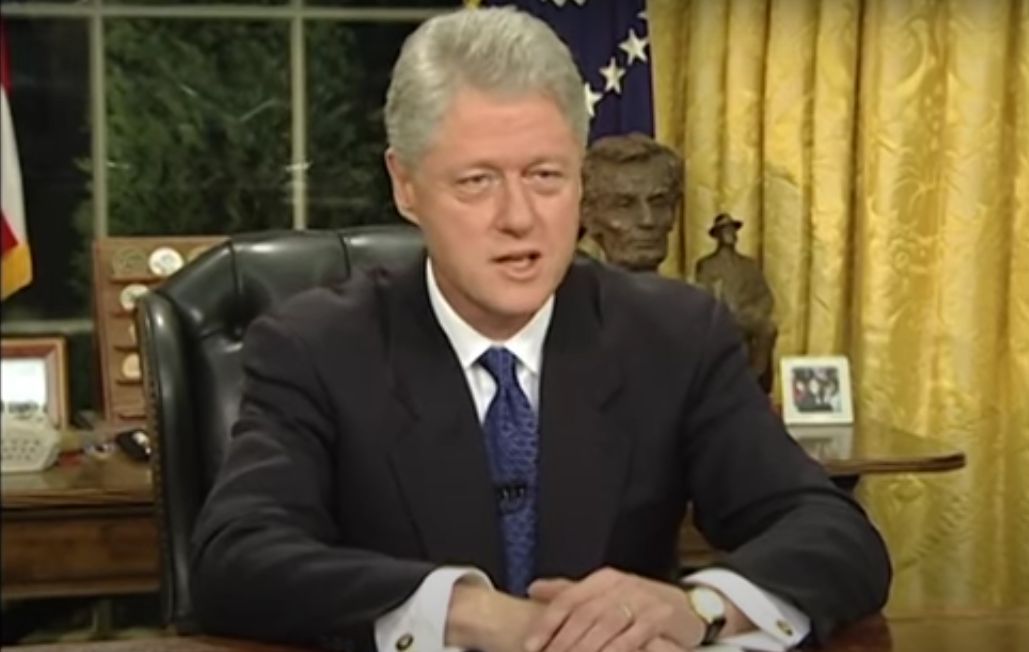
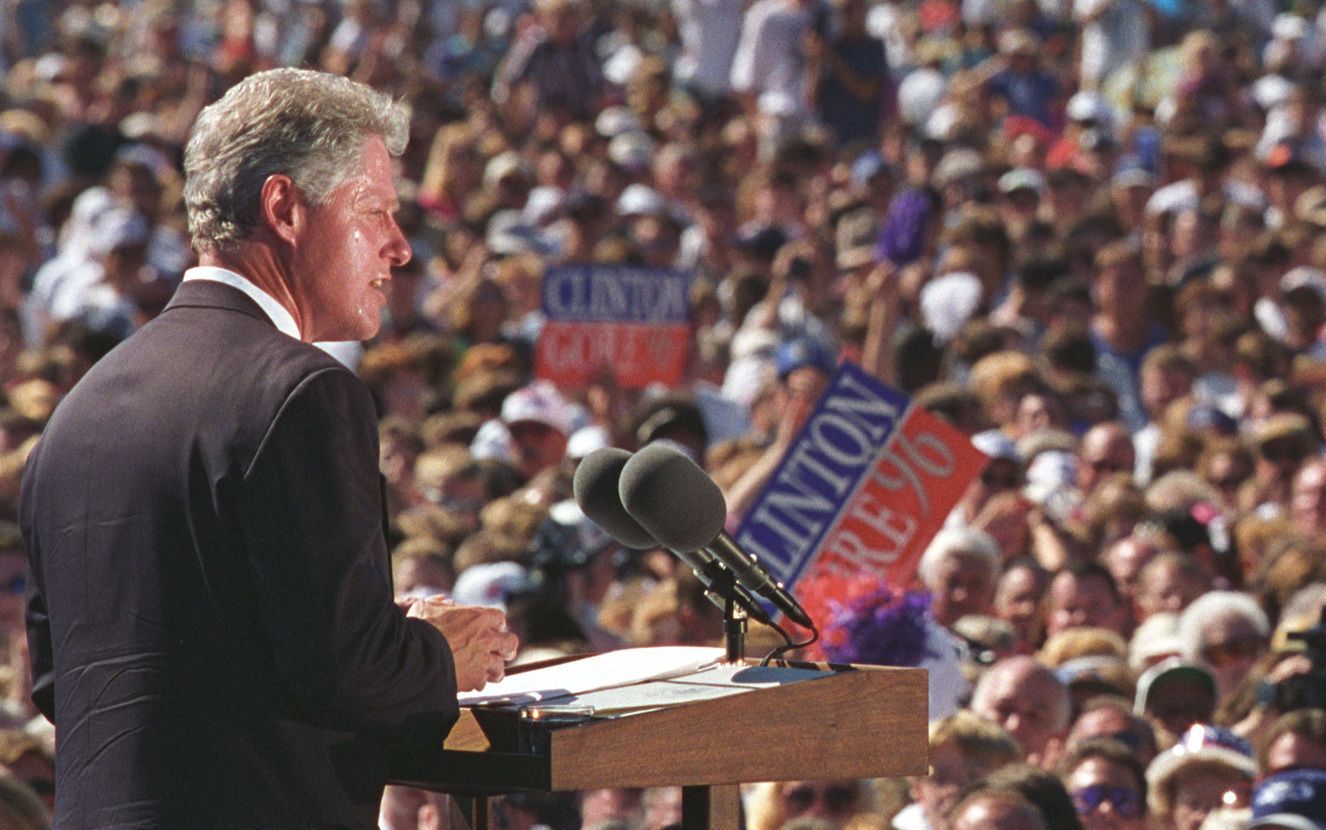
On January 20, 2001, his very last day in office, President Bill Clinton granted Rich a full pardon, bypassing the standard Justice Department review process. T he pardon ignited one of the biggest controversies of Clinton's presidency. Rich's ex-wife Denise had donated more than $1 million to Democratic causes and the Clinton Presidential Library.

A federal investigation led by prosecutor Mary Jo White was launched but ultimately found no criminal wrongdoing by Clinton. Clinton's own Justice Department had recommended against the pardon. Rich died in Switzerland in June 2013 at the age of 78, never having returned to the United States.

7
Patty Hearst (2001): From kidnapped heiress to bank robber

Image: See page for author, Public domain, via Wikimedia Commons

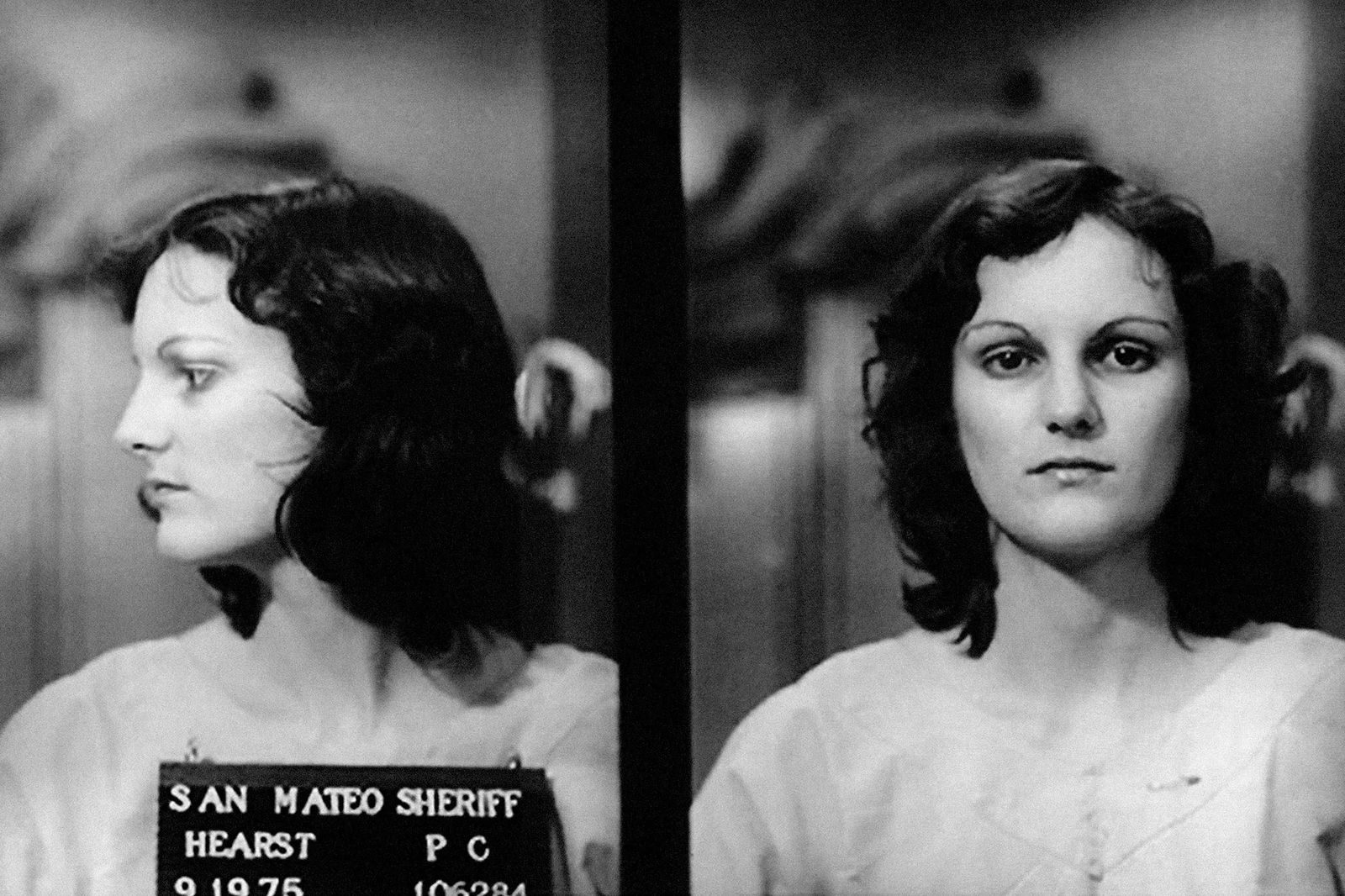
Patricia Hearst, the 19-year-old granddaughter of newspaper magnate William Randolph Hearst, was kidnapped from her apartment in Berkeley, California, in 1974. She was taken by a radical militant group called the Symbionese Liberation Army.

After weeks in captivity, in which she was kept in a closet, blindfolded, she appeared in a bank surveillance video holding a rifle and participating in the robbery of a bank in San Francisco. She was captured in September 1975. Her defense argued she had been brainwashed and acted under duress. A jury rejected that argument, and she was convicted of bank robbery in 1976 and sentenced to 7 years.

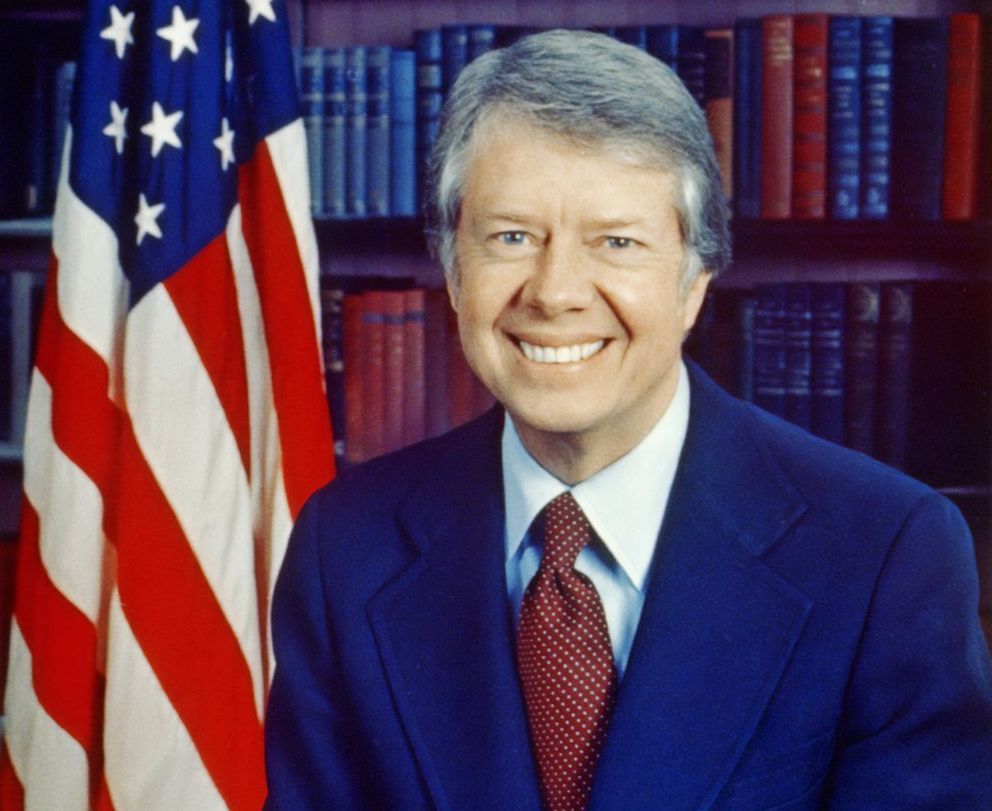
President Jimmy Carter commuted her sentence in 1979 after she had served approximately 22 months. She was released and married her former bodyguard. In January 2001, President Bill Clinton granted her a full pardon in the final hours of his presidency.

8
Vietnam Draft Evaders (1977): The biggest blanket pardon in U.S. history

Image: Library of Congress

On his first full day as president in 1977, Jimmy Carter signed Proclamation 4483, granting an unconditional pardon to all Americans who had violated the Military Selective Service Act in the span of U.S. involvement in Vietnam.

The government estimated that approximately 210,000 men had been formally accused of draft violations , while hundreds of thousands more had never been charged. Many had fled to other countries, roughly 90% to Canada, where they had been welcomed as legal immigrants.

Carter had campaigned openly on the promise, calling it necessary to heal a nation still divided by the war. The pardon did not extend to military deserters. Veterans' organizations were furious. Despite the backlash, an estimated 50,000 of those eligible chose to remain in Canada permanently, never returning home.

9
Scooter Libby (2007 / 2018): The spy scandal at the heart of the White House

Image: Russell F. Roederer, Public domain, via Wikimedia Commons

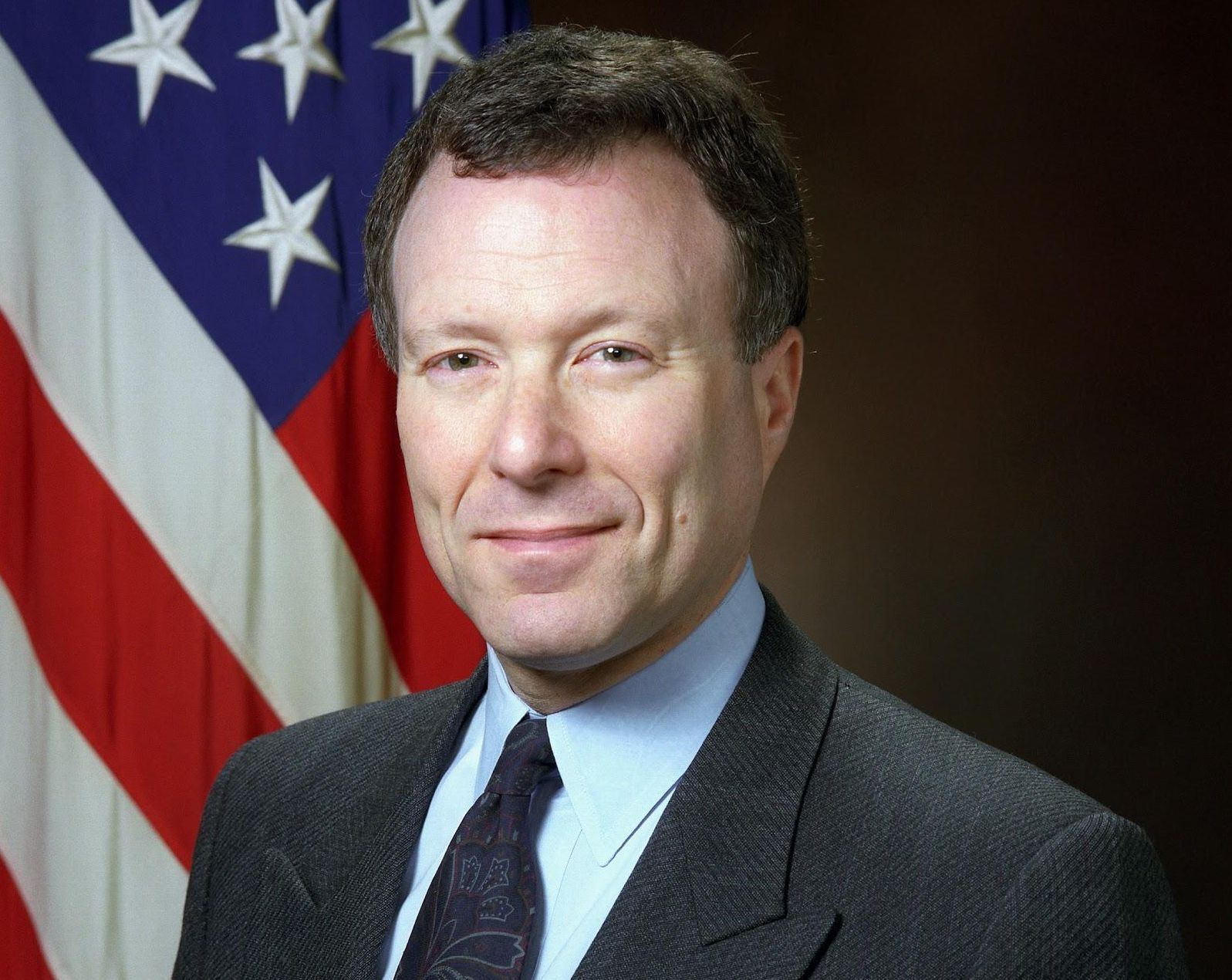
Lewis "Scooter" Libby served as Chief of Staff to Vice President Dick Cheney during the George W. Bush administration. In 2003, the identity of Valerie Plame (a covert CIA officer) was leaked to journalists, apparently in retaliation against her husband, former Ambassador Joseph Wilson, who had publicly challenged the administration's case for the Iraq War.

Though Libby was not charged with the leak itself, he was convicted in 2007 of four felony counts: obstruction of justice, two counts of perjury, and making false statements to the FBI. He was sentenced to 30 months in prison and fined $250,000. Later that same year, President Bush commuted Libby's prison sentence, calling it "excessive," but left the conviction, fine, and probation intact; he declined to grant a full pardon. Eleven years later, in 2018, President Donald Trump issued a full pardon, completely wiping Libby's record clean.

10
Roger Clinton (2001): The president's half-brother

Roger Clinton is the younger half-brother of President Bill Clinton. Roger was given the Secret Service code name "Headache" during his brother's administration. In 1984, Arkansas state police ran an undercover sting operation that caught Roger selling illegal drugs to an informant. He pleaded guilty in 1985 to charges of conspiracy to distribute drugs and served approximately one year in federal prison, completing his sentence in 1986.

14 years later, on his last day in office, President Clinton granted Roger a full pardon, clearing his criminal record. The pardon drew relatively little public outrage compared to the Marc Rich case.

History History 5 min read

What First Lady was accused of bigamy? 10 political crises

Image: EQRoy

From the founding era to the turn of the 21st century, political scandals have shaped public trust and dismantled entire careers. Looking back at ten of the most notorious political crises in American history reveals how the intersection of media and culture forces the nation to look in the mirror.

1
Rachel Jackson: A "Bigamy" scandal (1820s)

Image: L. Bernie Gallaher, Public domain, via Wikimedia Commons

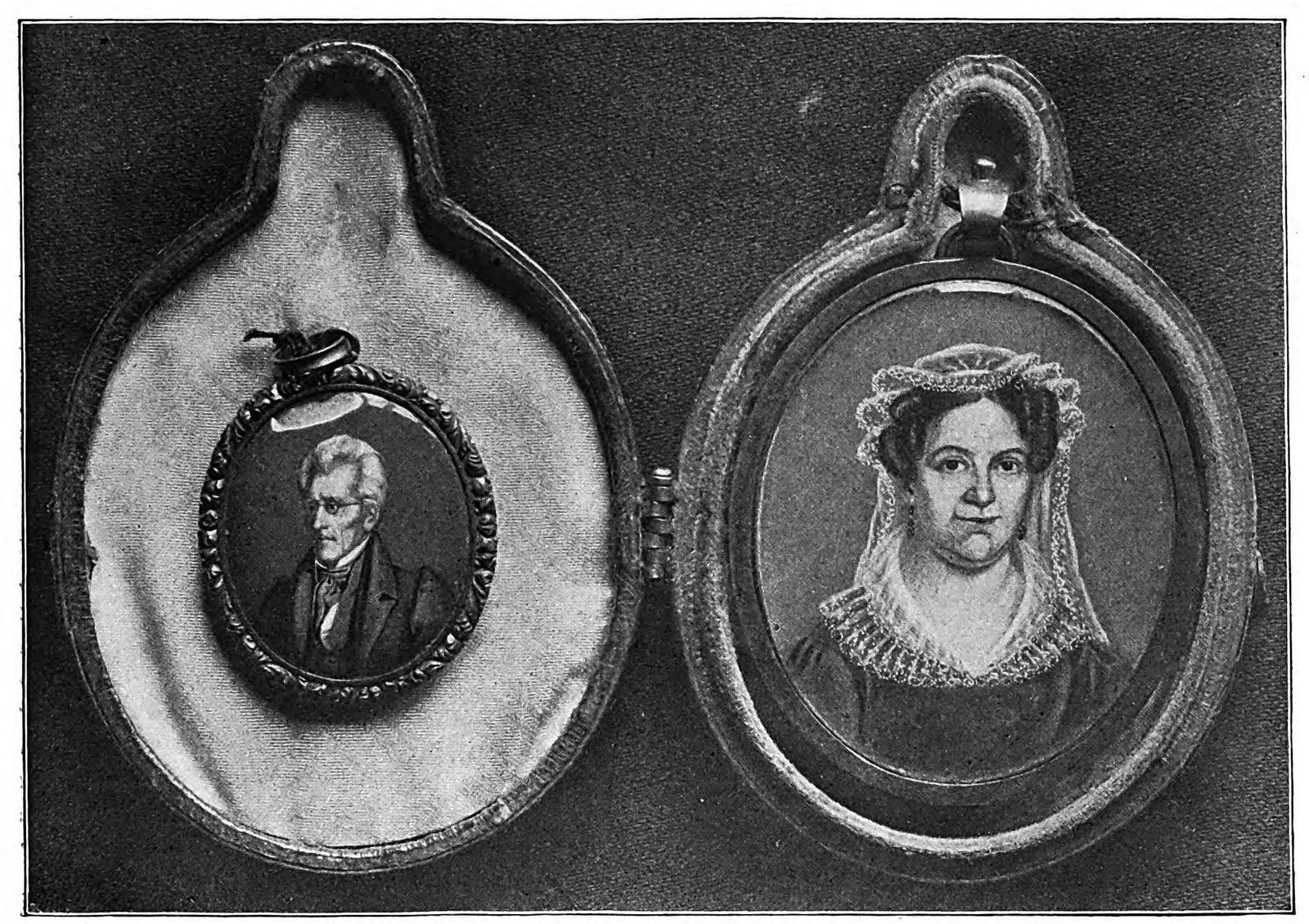
In 1791, a young Andrew Jackson married Rachel Donelson. Both believed her first husband, Captain Lewis Robards, had successfully finalized their divorce. Apparently, Robards didn’t file the petition, making her marriage to Jackson technically bigamous. Once the divorce went through in 1794, they officially remarried.

During the 1828 presidential campaign, Jackson’s political opponents used this legal mistake against him. They branded Rachel a loose woman and a bigamist in pamphlets scattered across the country. The intense public shaming broke her spirit and deteriorated her health. She suffered a fatal heart attack just days before Jackson’s inauguration, leaving the newly elected president heartbroken and extremely bitter toward his political rivals for the rest of his life.

2
Grover Cleveland’s illegitimate child (1884)

Image: Frank Beard, Public domain, via Wikimedia Commons

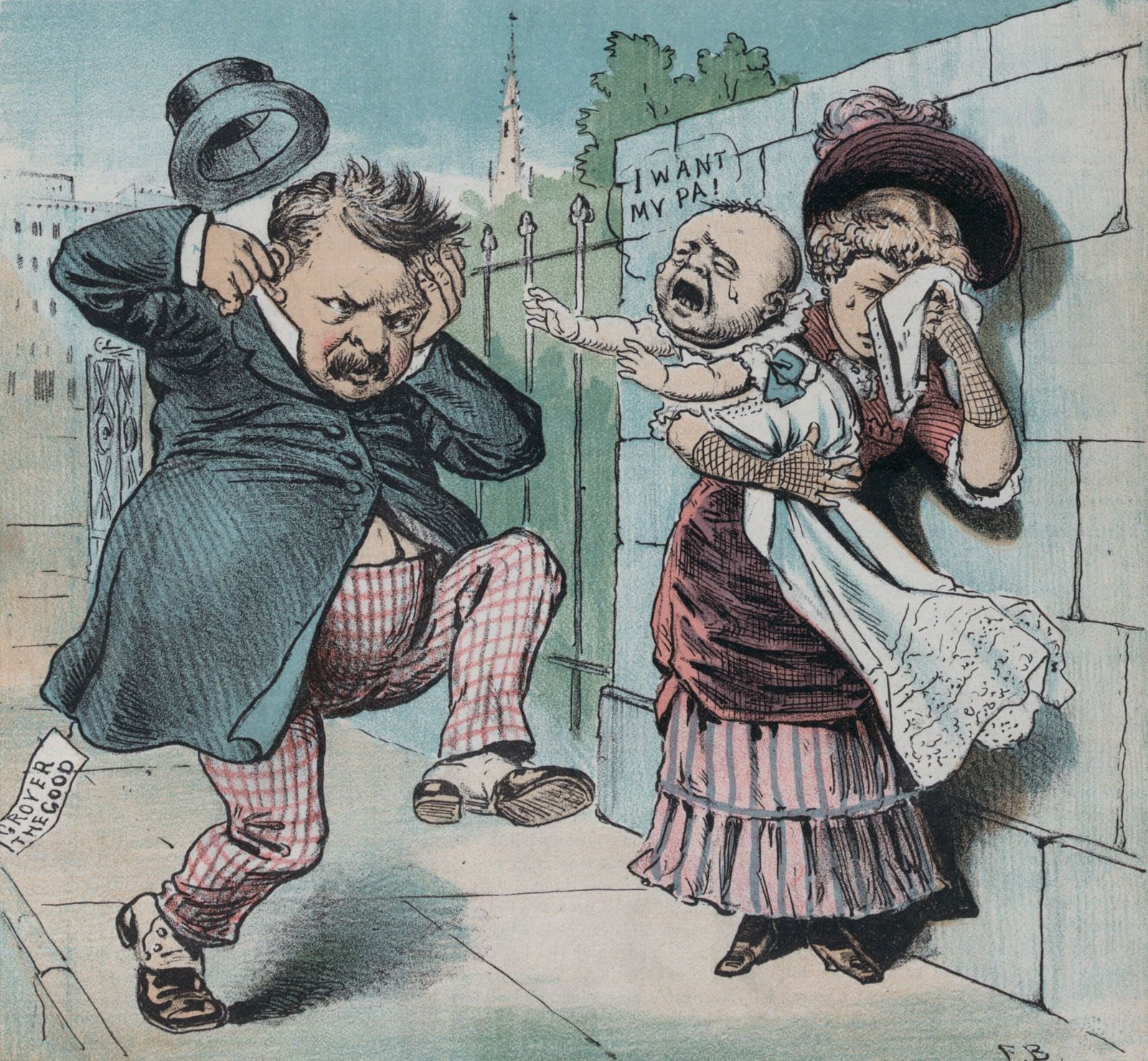
Decades later, another personal bombshell rocked another presidential race. Republican opponents revealed that Democratic nominee Grover Cleveland, a bachelor praised for his integrity, had fathered a child out of wedlock with a widow called Maria Halpin ten years before.

Republicans paraded through the streets chanting, "Ma, Ma, where’s my Pa?" Instead of denying the affair or trying to bury it, Cleveland instructed his campaign managers to do something radical: "Tell the truth." He admitted to supporting the child financially. His honesty caught his opponents off guard and won over voters who were tired of such dirty political tactics.

3
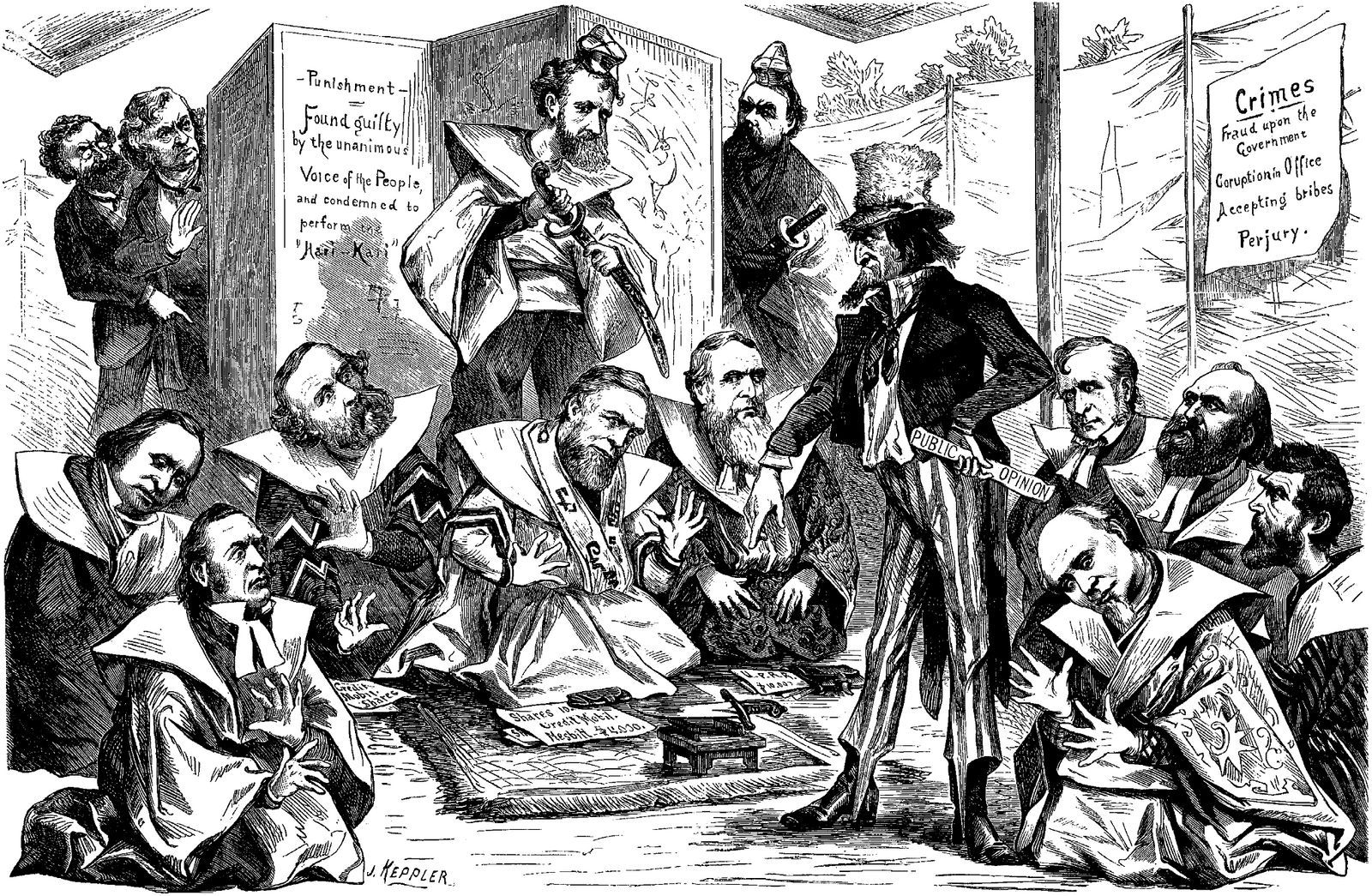
The Crédit Mobilier scandal (1872)

Image: Joseph Keppler, Public domain, via Wikimedia Commons

This particular scandal stands as one of the most shameless corporate schemes of the Gilded Age. Stockholders of the Union Pacific Railroad formed a fraudulent construction company called Crédit Mobilier of America . Then, they hired themselves to build the transcontinental railroad at inflated prices, pocketing tens of millions of dollars in federal subsidies.

To prevent Congress from investigating their profit margins, Congressman Oakes Ames distributed discounted shares of the company’s stock to influential politicians, including Vice President Schuyler Colfax. When the press exposed the story in 1872, the revelation that lawmakers were bribing themselves tarnished the legacy of the Ulysses S. Grant administration.

4
The Whiskey Ring scandal (1875)

Image: Cornell University Library, No restrictions, via Wikimedia Commons

A few years later, another financial disaster hit the Grant administration. The Whiskey Ring was a widespread conspiracy involving distillers, distributors, and internal federal tax officials who stole millions of dollars in liquor taxes.

Using a complex web of bribes and falsified records, the ring defrauded the U.S. Treasury. The scandal reached the inner circle of power when President Grant’s own private secretary, Orville Babcock, was indicted as a ringleader. Grant provided a deposition in his secretary’s defense. While this saved Babcock from prison, it permanently damaged the president’s reputation.

5
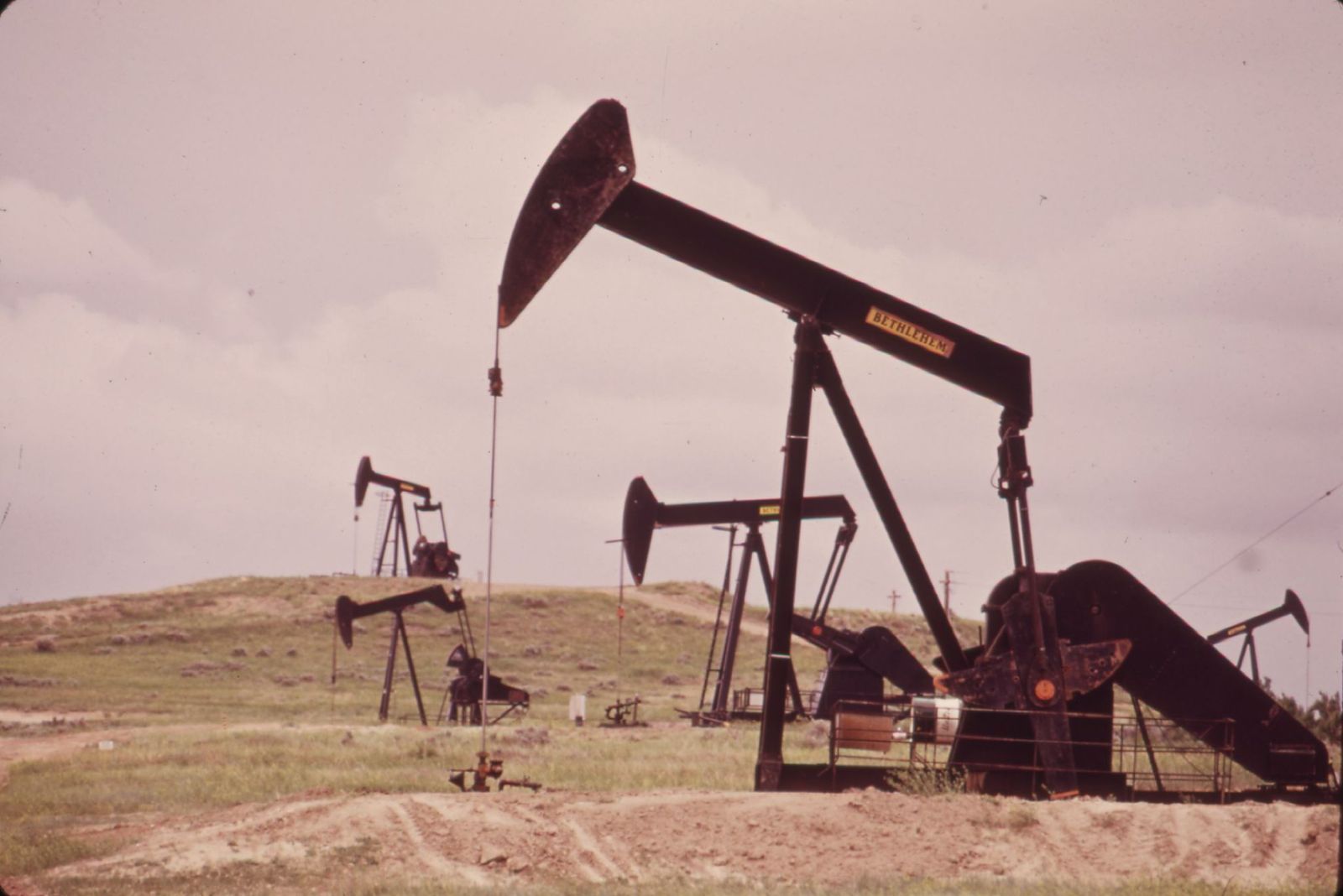
The Teapot Dome scandal (1920s)

Image: Boyd Norton, Public domain, via Wikimedia Commons

Until Watergate occurred, Teapot Dome was synonymous with political corruption. During the administration of Warren G. Harding, Secretary of the Interior Albert Fall took control of valuable federal oil reserves located at Teapot Dome, Wyoming, and Elk Hills, California.

Instead of opening these fields up for competitive bidding among energy companies, Fall secretly leased the drilling rights to private oil tycoons in exchange for more than $400,000 in bribes.

6
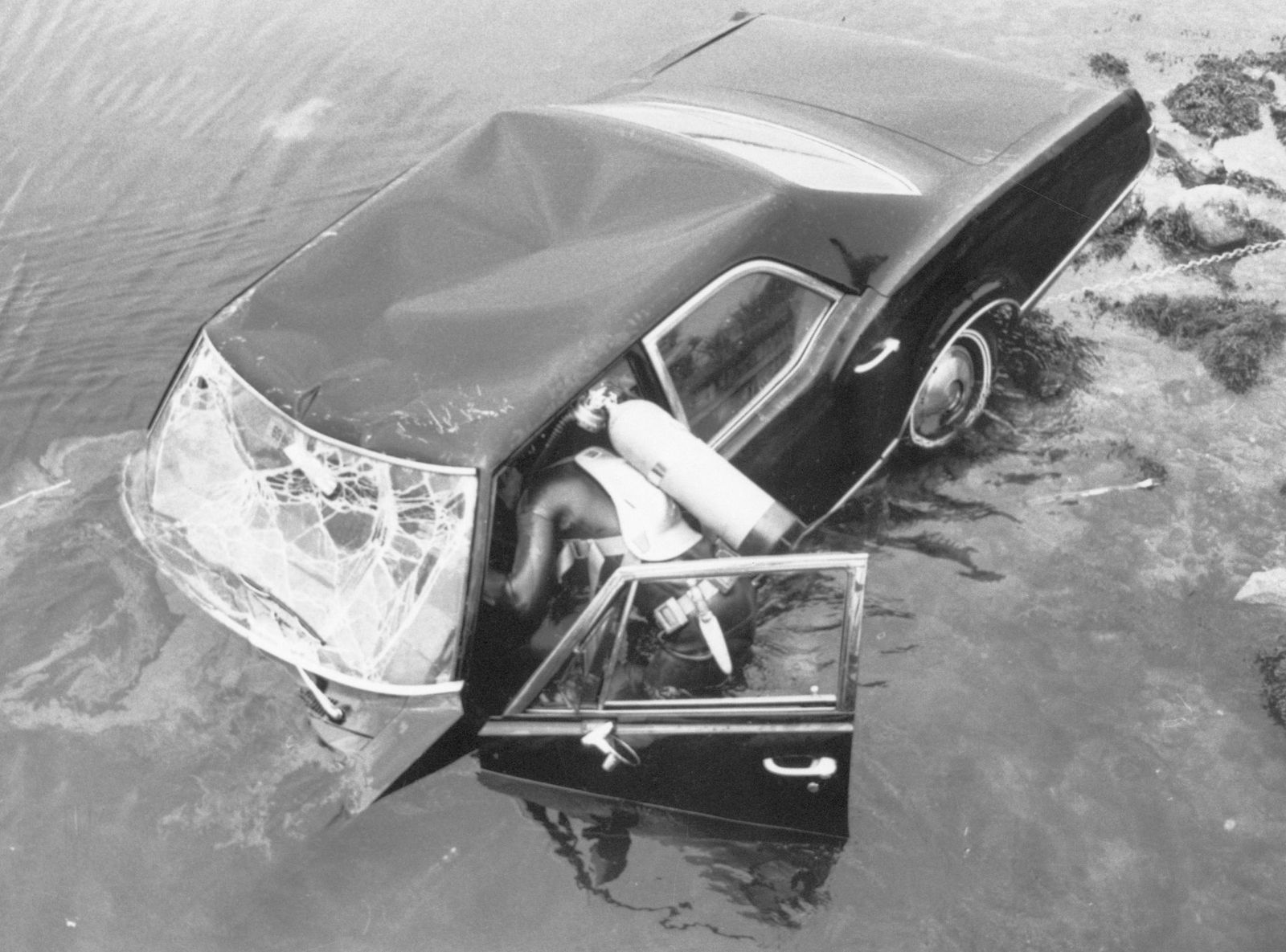
The Chappaquiddick incident (1969)

Image: United Press International, Public domain, via Wikimedia Commons

By the mid-20th century, the nature of political scandals shifted. Secrets began to involve personal crisis and tragic losses.

In July 1969, Senator Edward "Ted" Kennedy drove his car off a narrow wooden bridge on Chappaquiddick Island, Massachusetts. The vehicle overturned into a tidal pond, trapping and drowning his passenger, 28-year-old campaign worker Mary Jo Kopechne. Kennedy managed to escape but failed to report the fatal accident to the police for ten hours. Although he eventually pleaded guilty to leaving the scene of an accident, his delayed reaction ended his lifelong presidential ambitions.

7
The Pentagon Papers (1971)

Image: See page for author, Public domain, via Wikimedia Commons

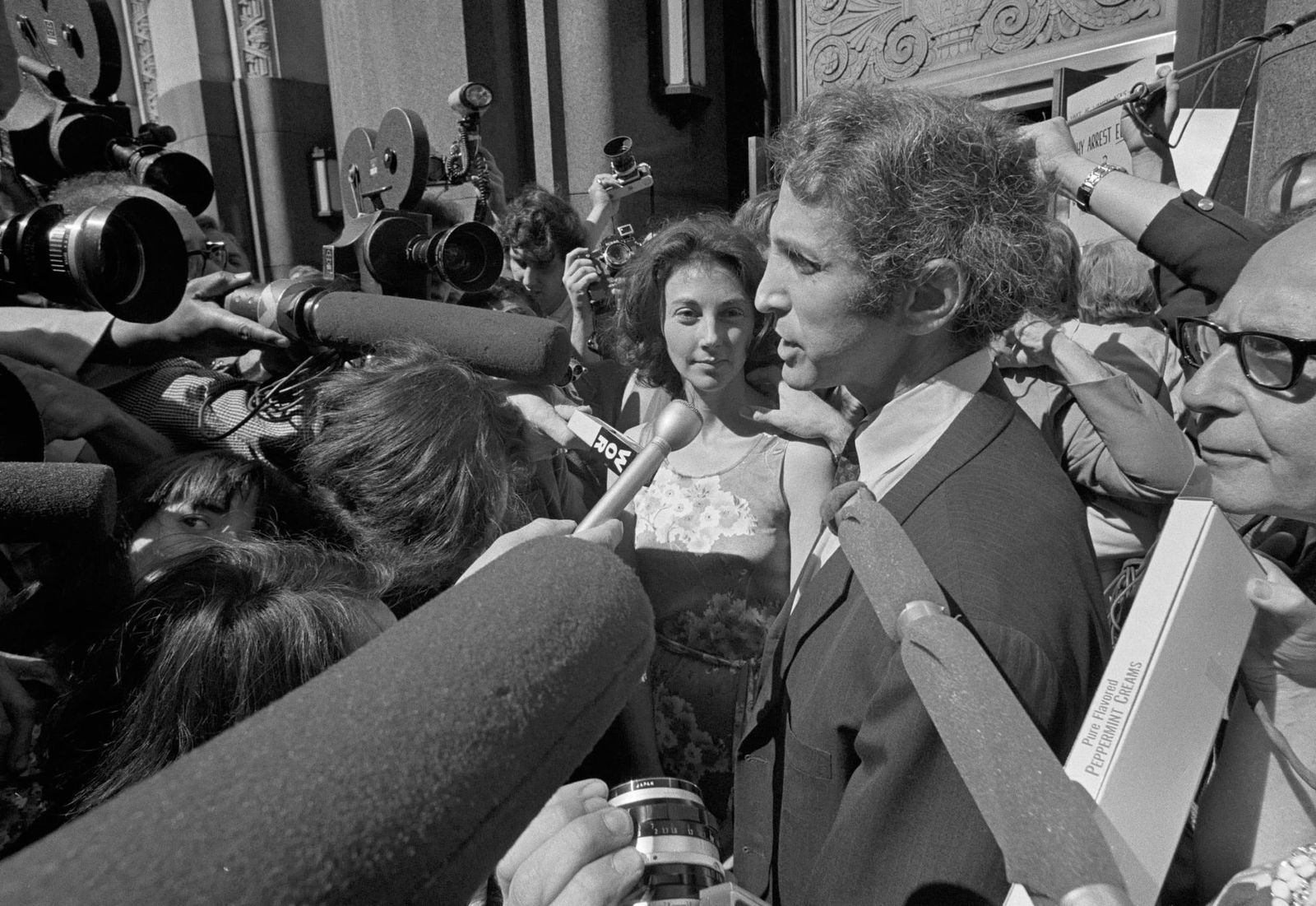
In 1971, military analyst Daniel Ellsberg felt the moral obligation to leak a top-secret 7,000-page Department of Defense study detailing U.S. political and military involvement in Vietnam from 1945 to 1967.

Published by The New York Times , the papers exposed a disturbing truth: successive administrations had systematically lied to both Congress and the American public. The documents proved that the government had expanded the war and increased troop counts while knowing that the conflict was unwinnable. The Supreme Court eventually rejected the government’s attempts to block the leaks, making a victory for freedom of the press.

8
The Watergate scandal (1972–1974)

Image: National Archives & Records Administration, Public domain, via Wikimedia Commons

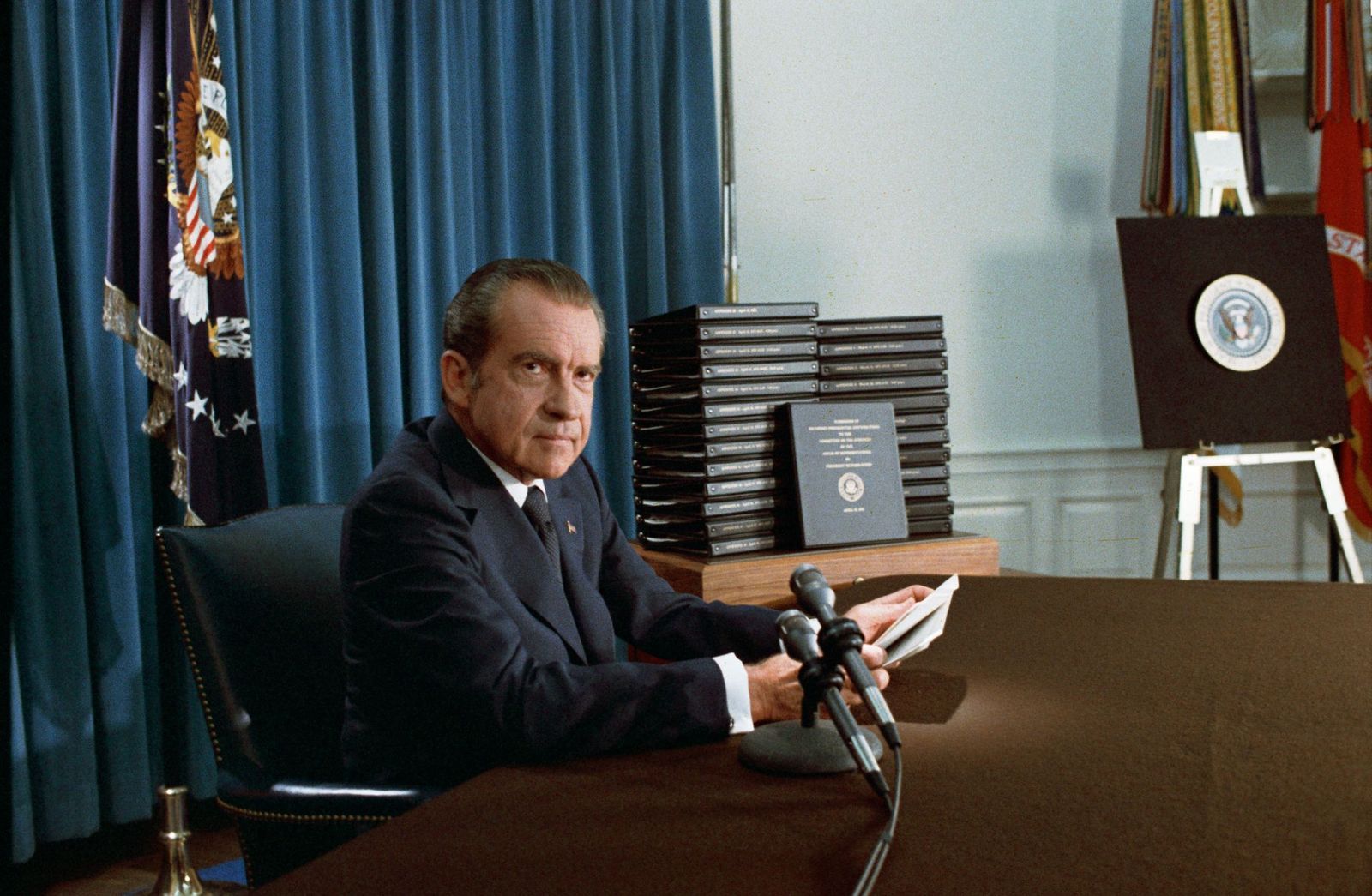
This is, probably, the ultimate American political scandal. In June 1972, five men were arrested breaking into the Democratic National Committee headquarters at the Watergate complex in Washington, D.C.

The break in itself was minor compared to the illegal cover-up orchestrated by President Richard Nixon and his collaborators. From paying hush money to instructing the CIA to block the FBI’s investigation, Nixon’s complicity was exposed via his own secret White House taping system. Facing impeachment and conviction by the Senate, Nixon became the first and only U.S. president to resign from office.

9
The "Keating Five" (Late 1980s)

Image: KonstantinChristian

During the Savings and Loan crisis of the late 1980s, five U.S. Senators—John McCain, Alan Cranston, Dennis DeConcini, John Glenn, and Donald Riegle—came under intense scrutiny.

The group was accused of intervening with federal banking regulators on behalf of Charles Keating, the chairman of Lincoln Savings and Loan, who had contributed to their political campaigns. Lincoln eventually collapsed, costing American taxpayers over $3 billion. Although the Senate Ethics Committee ultimately cleared the senators of corruption, they were publicly condemned.

10
The Bill Clinton–Monica Lewinsky affair (1998)

Image: Clinton White House, Public domain, via Wikimedia Commons

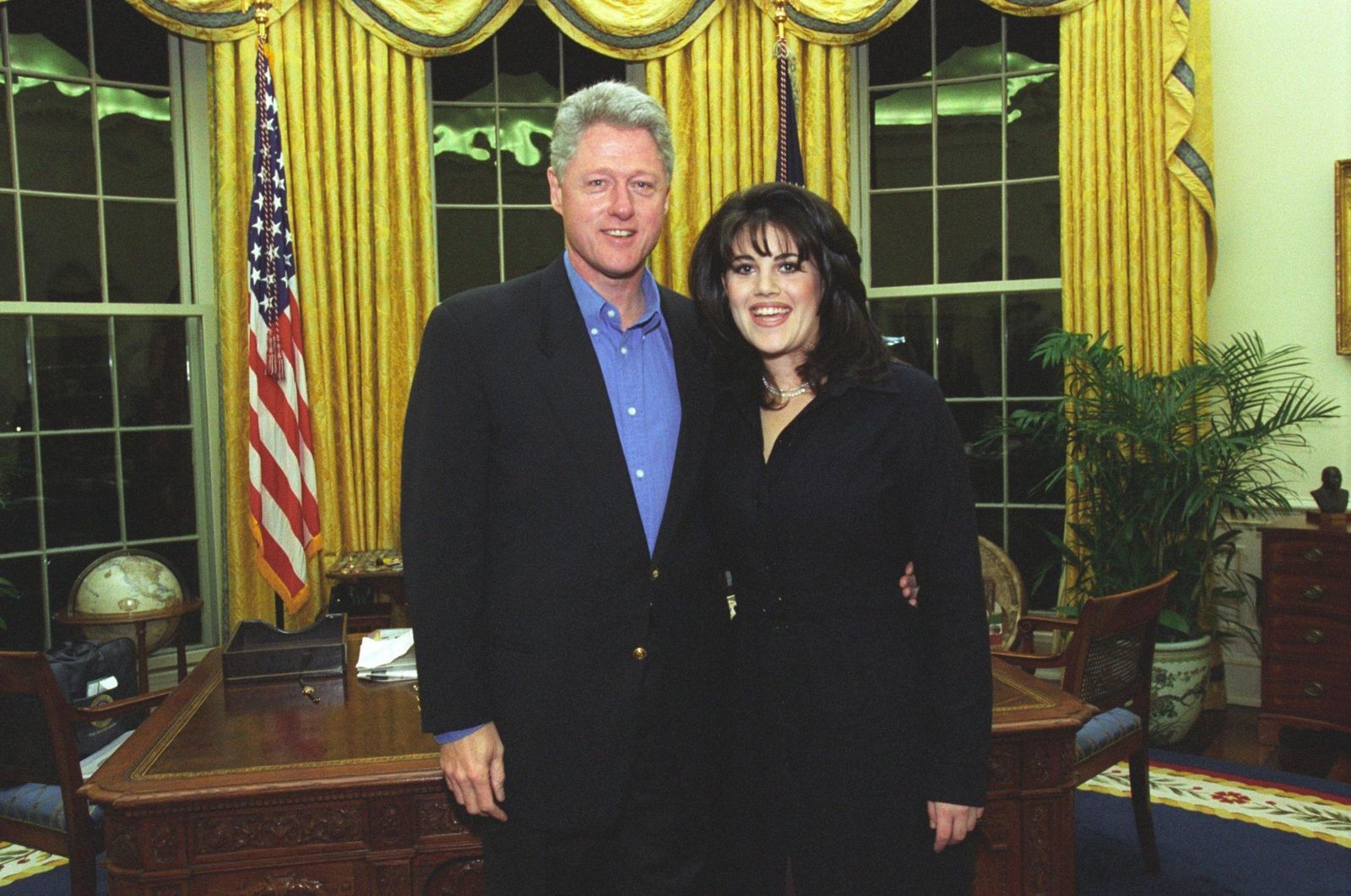
The 20th century ended with a scandal that blended personal infidelity with a constitutional crisis. In 1998, news broke that President Bill Clinton had an intimate relationship with a 21-year-old White House intern called Monica Lewinsky.

The affair turned into a legal battle when Clinton denied the relationship under oath during an unrelated sexual harassment lawsuit. The investigation led to Clinton’s impeachment by the House of Representatives on charges of perjury and obstruction of justice. The Senate ultimately acquitted him, yet he couldn’t bypass the media circus.

Explore more American facts

Choose your favorite category!

General
General

As American as apple pie—the very best America has to offer!

Culture
Culture

Delve into the astounding richness of American lore.

Geography
Geography

Hop in and explore vast and diverse American landscapes.

History
History

Discover the key moments that shaped the United States.