History History 7 min read

America's most famous names

Bill Clinton wasn't born Bill Clinton—and that's just the start
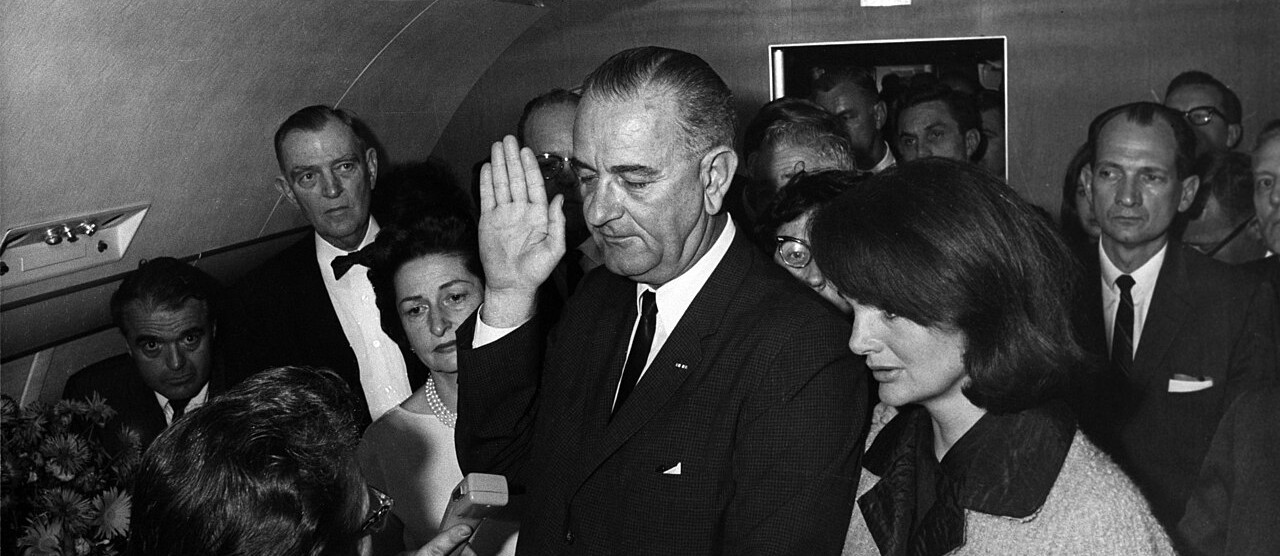
Image: Cecil W. Stoughton, Public domain, via Wikimedia Commons

What if we told you that Bill Clinton wasn't born "Bill Clinton"? Or that Harry S. Truman's famous middle initial didn't actually stand for anything? And would you believe Lyndon B. Johnson went three months without a name? We've known about America's presidents our entire lives, so it's easy to assume there's nothing left to learn about them. But behind some of the most familiar names in U.S. history are stories stranger than fiction. From accidental initials that lasted a lifetime to surnames that changed completely, here are 10 surprising stories behind the names of American presidents.

1
Bill Clinton
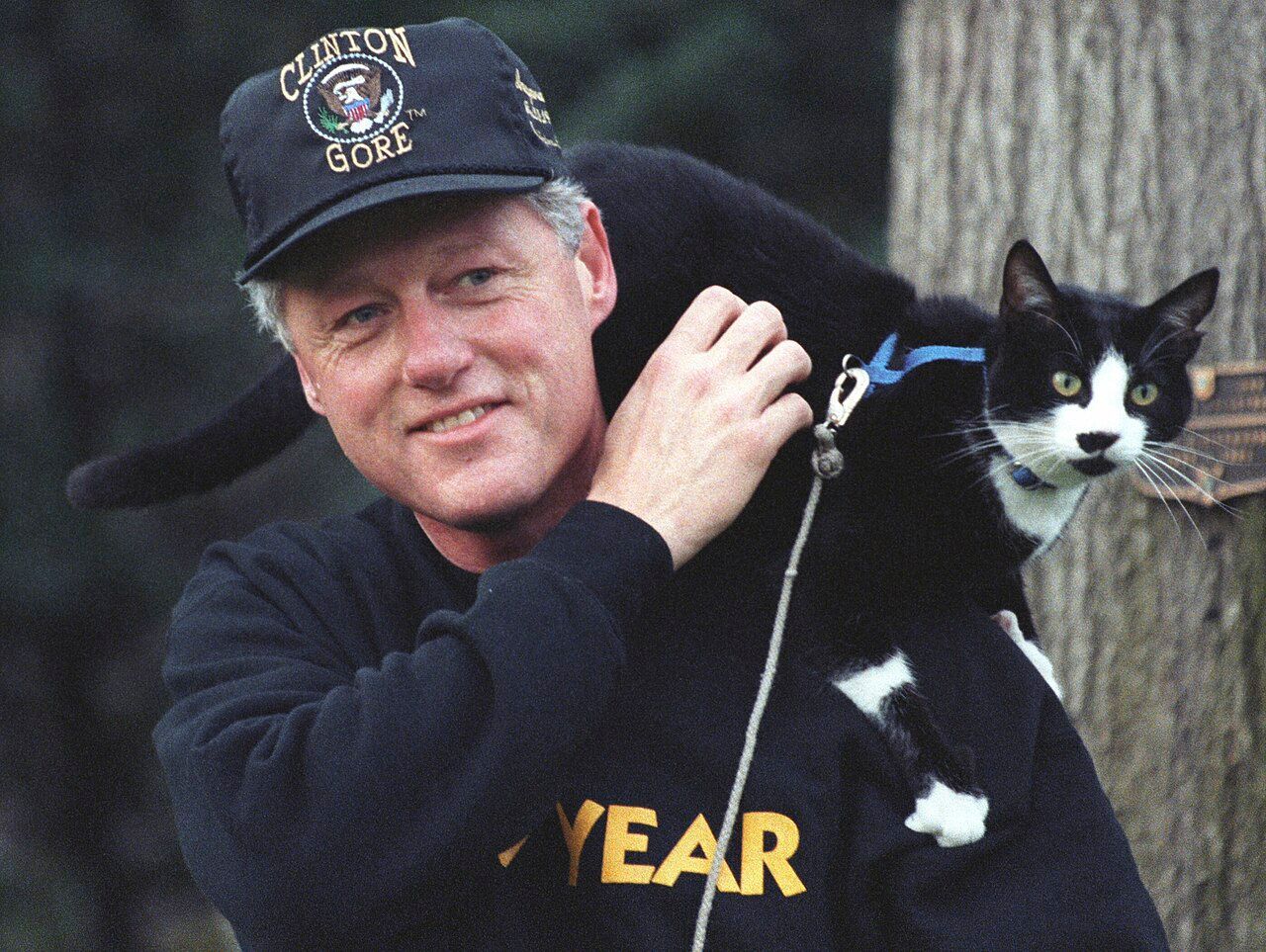
Image: National Archives and Records Administration, Public domain, via Wikimedia Commons

Have you heard of Bill Blythe? Probably not, but you definitely know who he is: Bill Clinton, the 42nd president of the United States.

Born William Jefferson Blythe III on August 19, 1946, in Hope, Arkansas, Clinton never knew his biological father, who passed away in a car accident three months before he was born. His mother, Virginia Cassidy Blythe, later married George Clinton. At 15 years old, Bill chose to take the surname Clinton, adopting the name of the man who had raised him .

2
Lyndon B. Johnson
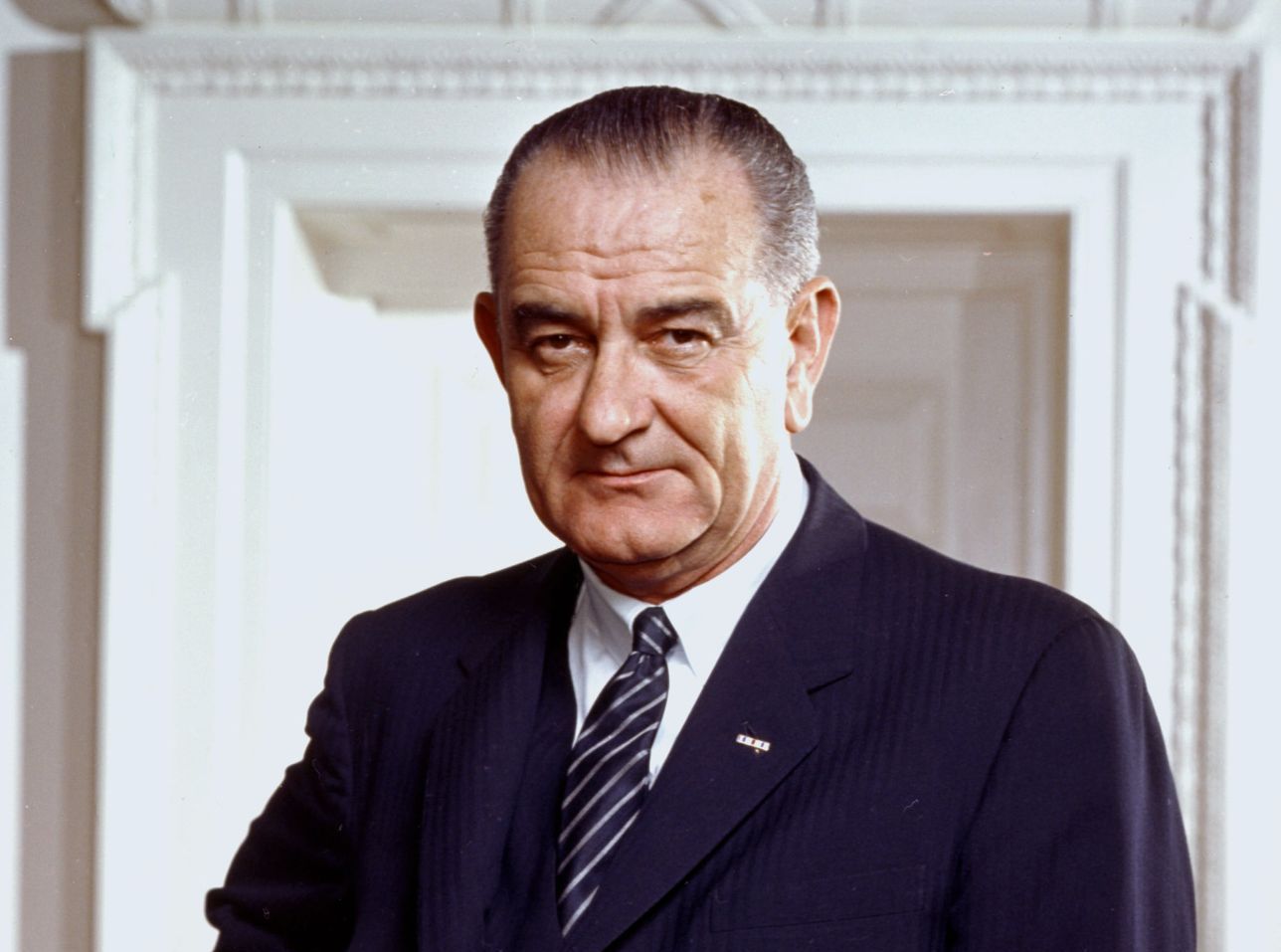
Image: Arnold Newman, Public domain, via Wikimedia Commons

Have you ever heard of a baby who went three months without a name ? As unusual as it sounds, one US president began life exactly that way.

The future Lyndon B. Johnson was born on August 27, 1908, near Stonewall, Texas. But instead of naming their newborn son, his parents found themselves in a standoff. According to historical records from the Miller Center at the University of Virginia, his mother, Rebekah Baines Johnson, wanted to name him Clarence, while his father, Sam Ealy Johnson, wanted the baby named after himself. Unable to agree, they left him officially unnamed, and for the first three months of his life, he was simply "Baby Boy Johnson." The deadlock finally ended when his mother gave in, and the future president was named Lyndon Baines Johnson , honoring Lyndon Baines, a family friend admired by his father.

3
Ulysses S. Grant
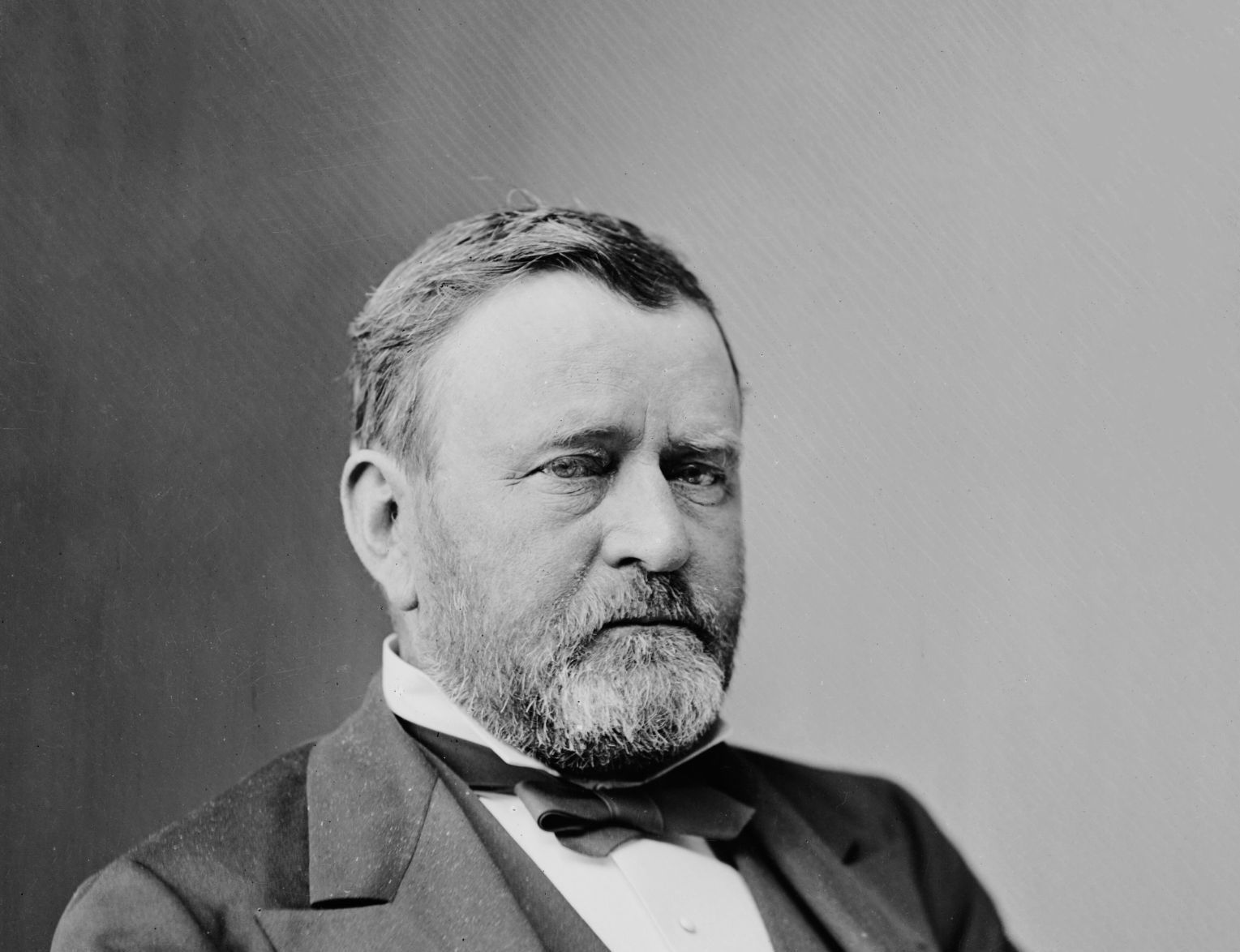
Image: Brady-Handy Photograph Collection, Library of Congress, Public domain, via Wikimedia Commons

The 18th president of the United States wasn't born with the name we all know. He was born on April 27, 1822, in Point Pleasant, Ohio, as Hiram Ulysses Grant. So where did the famous "S." come from?

The answer is a paperwork mistake. In 1839, Ohio Congressman Thomas Hamer nominated the 17-year-old Grant to the US Military Academy at West Point. Knowing the young man went by Ulysses and that his mother's maiden name was Simpson, Hamer accidentally wrote "Ulysses S. Grant" on the nomination. Grant considered correcting the error, but eventually gave up, for two main reasons. He disliked the initials of his birth name, "H.U.G.", so the mistake didn't bother him much. In addition, fixing it would have meant a mountain of paperwork that could have jeopardized his appointment to West Point. So he simply let the new name stand, and the accidental middle initial stayed with him for the rest of his life.

4
Harry S. Truman
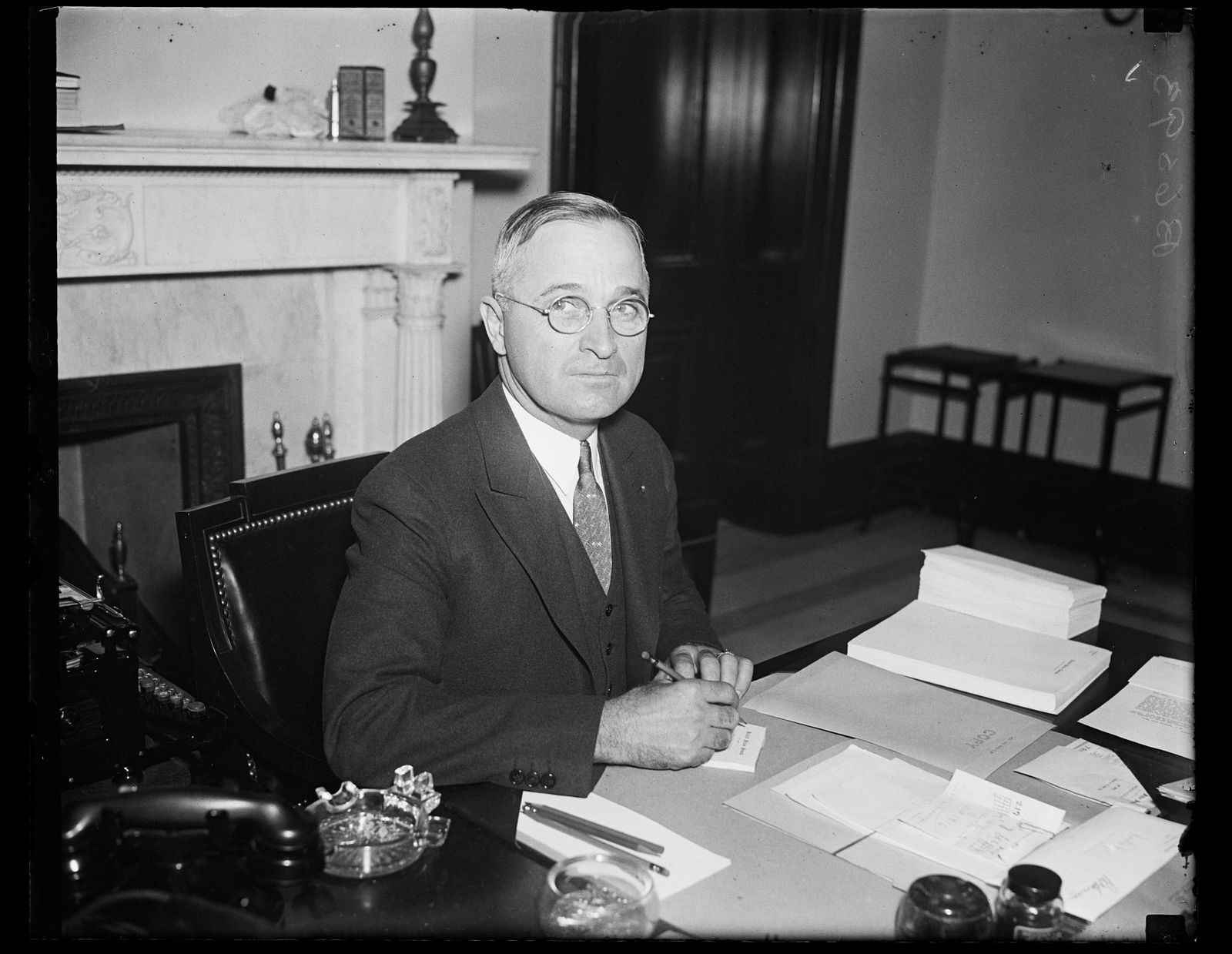
Image: Harris & Ewing, photographer, Public domain, via Wikimedia Commons

Harry S. Truman may have one of the strangest stories on this list.

His first name, Harry, honored his maternal uncle, Harrison "Harry" Young. His middle initial, however, didn't actually stand for anything. Truman's parents chose the "S" to honor both of his grandfathers, Anderson Shipp Truman and Solomon Young, without choosing one name over the other. In other words, the "S" wasn't short for Shipp or Solomon; it was simply "S". Truman himself usually wrote it without a period, since it wasn't an abbreviation. But after he became president, his staff encouraged him to add the period in official correspondence because it looked more conventional. That's why today he's almost always remembered as Harry S. Truman.

5
Dwight D. Eisenhower
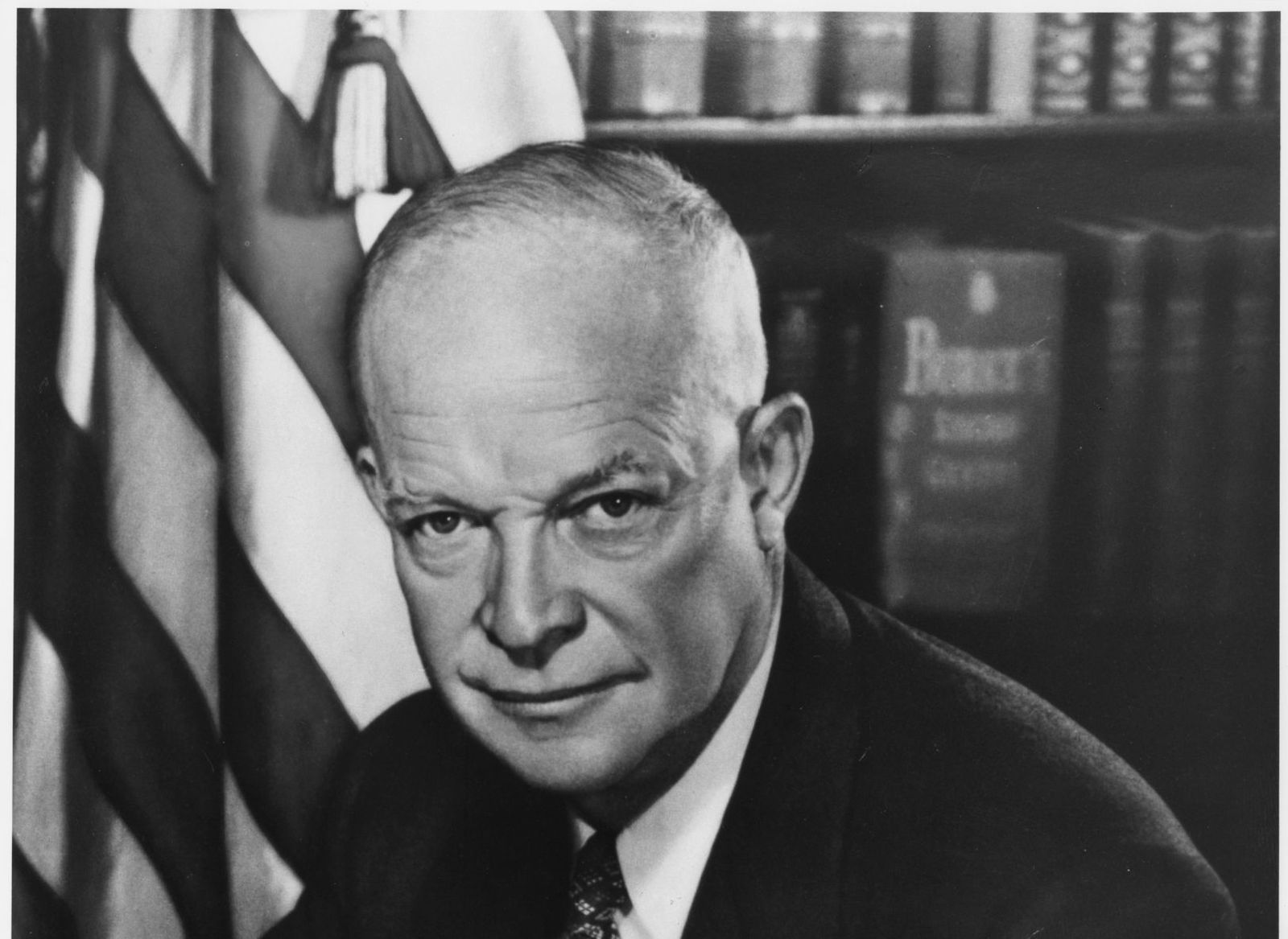
Image: National Archives at College Park, Public domain, via Wikimedia Commons

President Dwight D. Eisenhower is remembered for leading the nation through the Cold War and signing the Civil Rights Act of 1957. But there's one surprising detail about him that most people never hear.

The man we know as Dwight Eisenhower was actually born David Dwight Eisenhower on October 14, 1890, in Denison, Texas. Named after his father, David Jacob Eisenhower, he quickly ended up with a problem: there were now two Davids in the same household. To avoid the confusion, his mother, Ida, simply began calling her son Dwight instead. He went by his middle name as if it were his first for years, but the change didn't become official until he applied to West Point at age 20. Wanting his official records to match the name everyone already knew him by, he registered as Dwight David Eisenhower and made the switch permanent.

6
Gerald R. Ford
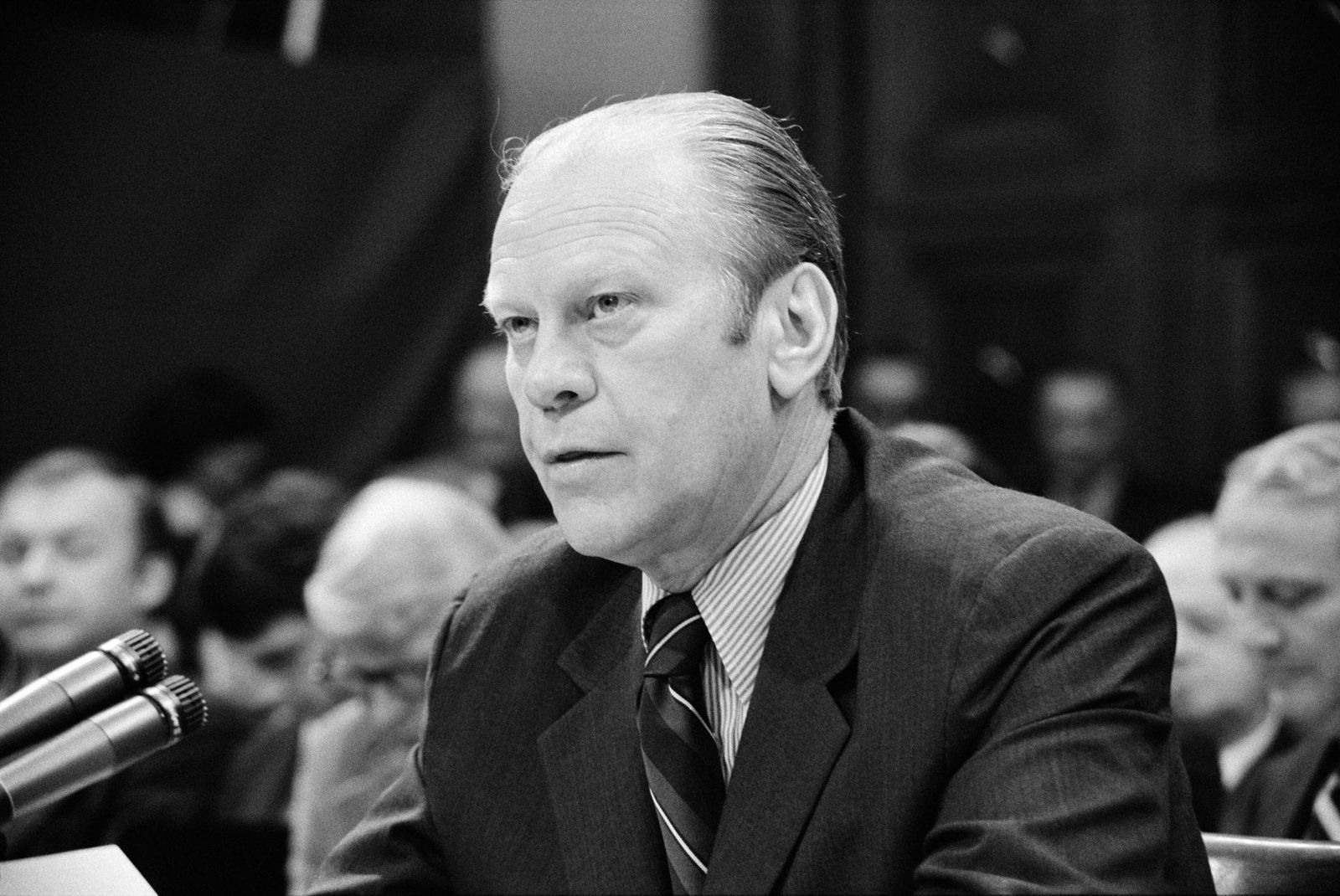
Image: Thomas J. O'Halloran, photographer, Public domain, via Wikimedia Commons

On July 14, 1913, a baby boy named Leslie Lynch King Jr. was born in Omaha, Nebraska, and 61 years later, he became the 38th president of the United States. If the name doesn't sound familiar, there's a good reason: he entered the White House under a completely different name.

Leslie Lynch King Jr. was named after his father. However, just 16 days after his birth, his mother, Dorothy, fled the marriage with her infant son to escape her abusive husband. Three years later, she divorced King and married Gerald Rudolph Ford, a paint salesman who raised the boy as his own. From then on, everyone knew him as Gerald Rudolph Ford Jr. , even though he didn't legally change his name until December 3, 1935, when he was 22 years old.

7
Ronald Reagan
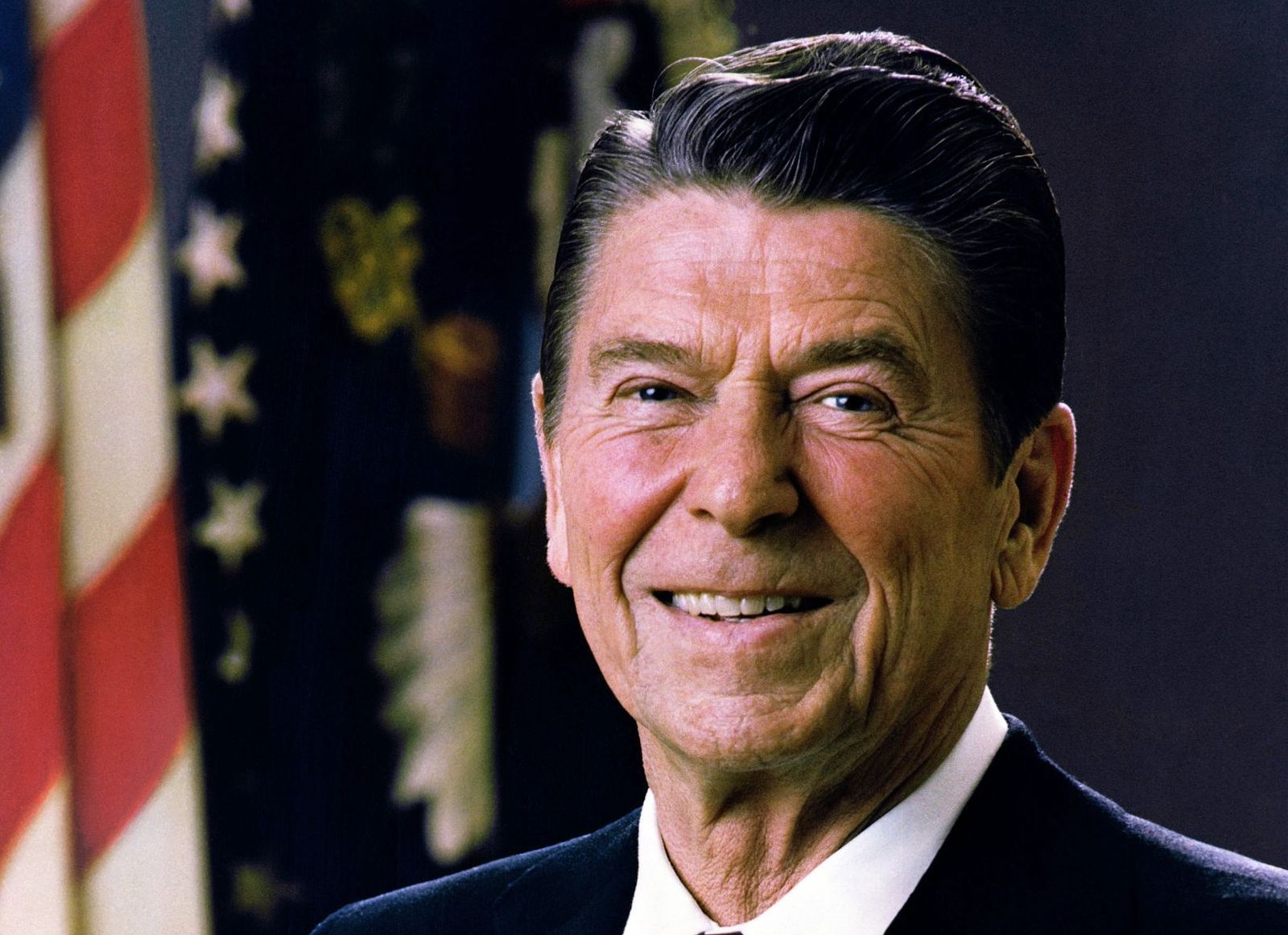
Image: Michael Evans, Public domain, via Wikimedia Commons

Have you ever heard of "Dutch" Reagan? Perhaps not, but that was in fact the childhood nickname of Ronald Reagan, the 40th president of the United States.

Born as Ronald Wilson Reagan on February 6, 1911, in Tampico, Illinois, Reagan got his nickname from his father, who thought his newborn son looked like a "fat little Dutchman." The moniker stuck almost immediately. As a boy, Reagan embraced it so completely that, according to his autobiographies and records at the Ronald Reagan Presidential Library, he disliked being called Ronald and insisted everyone call him Dutch instead. That changed only after he arrived in Hollywood in the late 1930s, when studio executives convinced him that "Dutch Reagan" wasn't exactly leading-man material.

8
Jimmy Carter
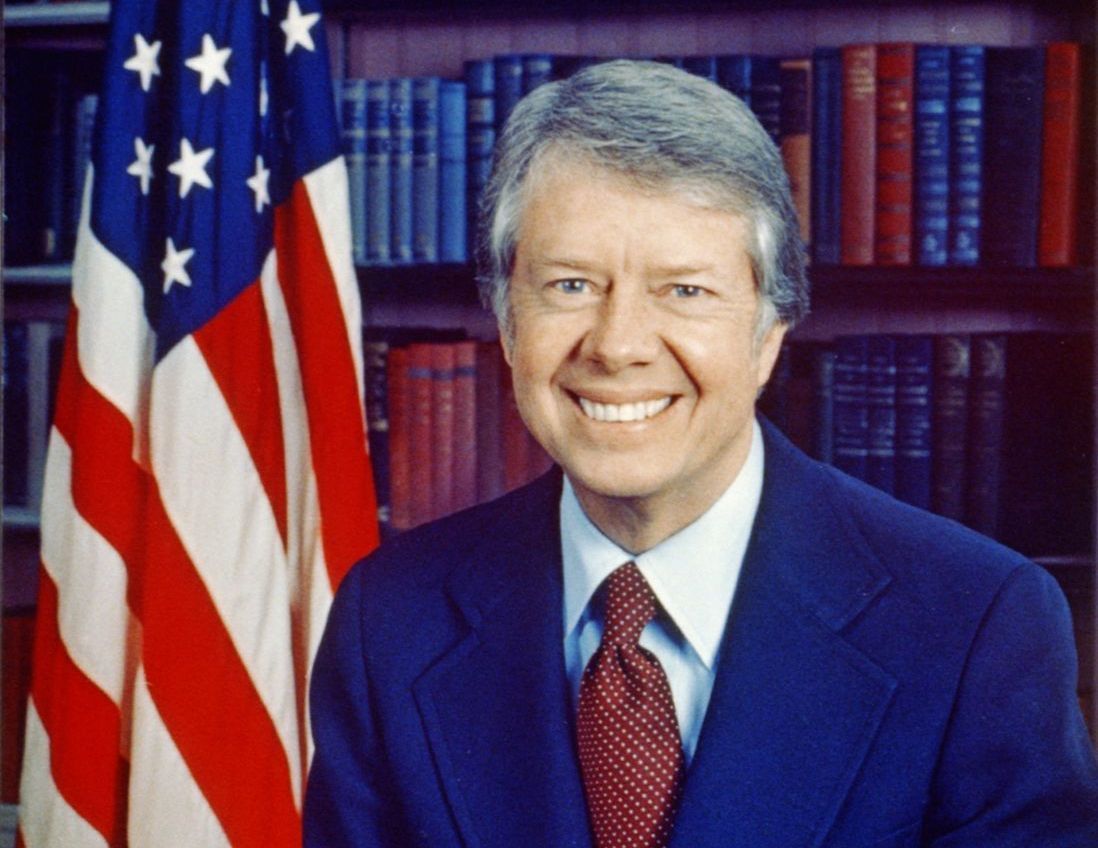
Image: White House, Public domain, via Wikimedia Commons

Born James Earl Carter Jr. on October 1, 1924, in Plains, Georgia, and named after his father, the future president had been called "Jimmy" almost from the day he was born.

Over the years, the nickname became the name he truly identified with. So when he took the presidential oath in 1977, Carter broke with tradition. Instead of using his formal first name like all the presidents, he was sworn in as Jimmy Carter, becoming the first (and still the only) US president to take the oath of office using a nickname rather than his legal name.

9
John Quincy Adams
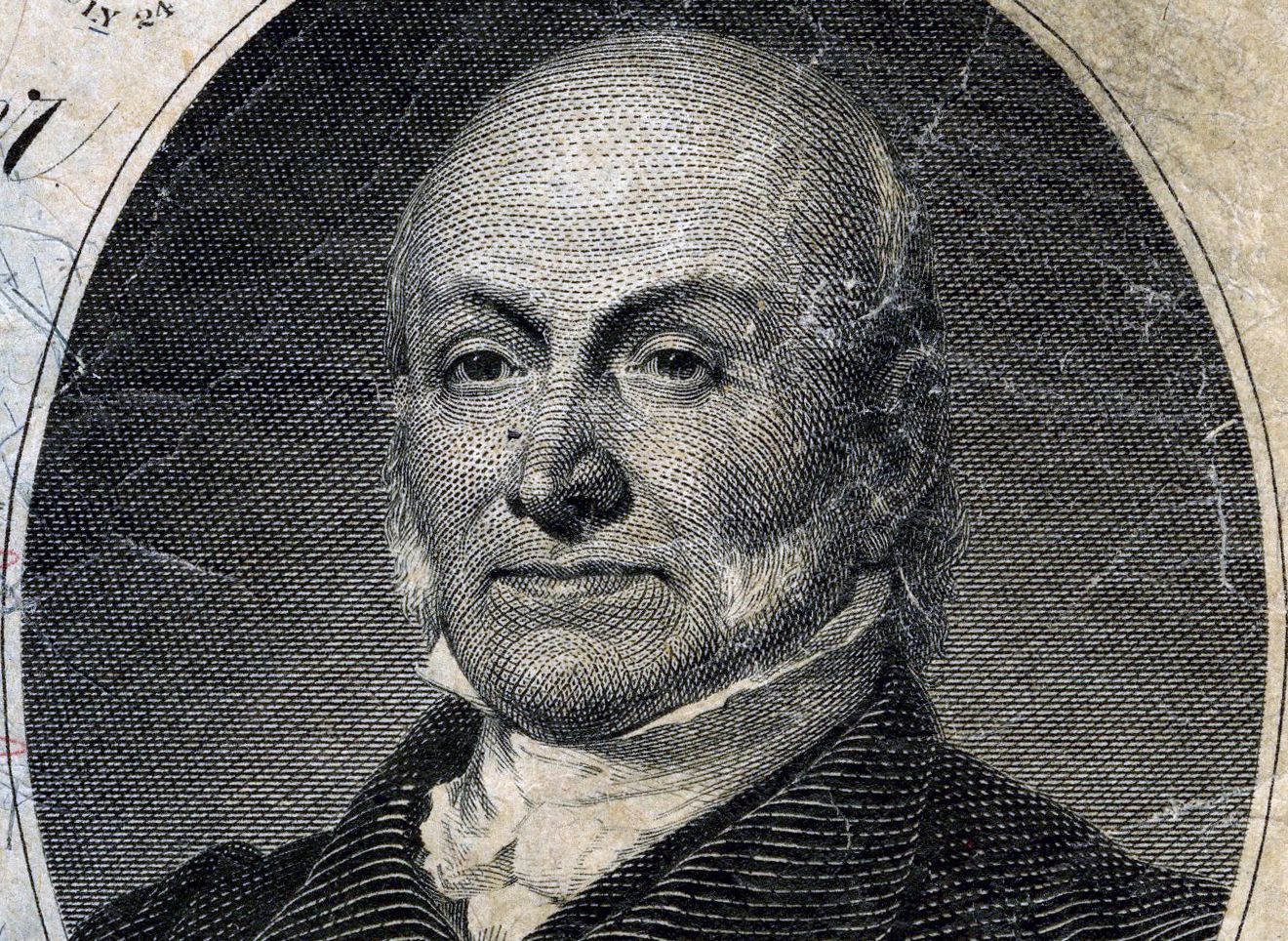
Image: National Museum of American History, Public domain, via Wikimedia Commons

The second president of the United States, John Adams, is one of the best-known Founding Fathers. His name is instantly recognizable to most Americans, and that's exactly why his son made an important decision about what he would be called.

John Quincy Adams was born on July 11, 1767, in the North Precinct of Braintree, Massachusetts, an area that was officially renamed Quincy in 1792. The nation's sixth president and the first son of a president to become president himself carried a name with a story. He was named not only after his father, but also after his maternal great-grandfather, Colonel John Quincy, who was gravely ill when the baby was born. Although Quincy was originally a family surname, it became the baby’s middle name. As an adult, he embraced all three names, John Quincy Adams, helping distinguish himself from his famous father while honoring both sides of his family.

10
Grover Cleveland
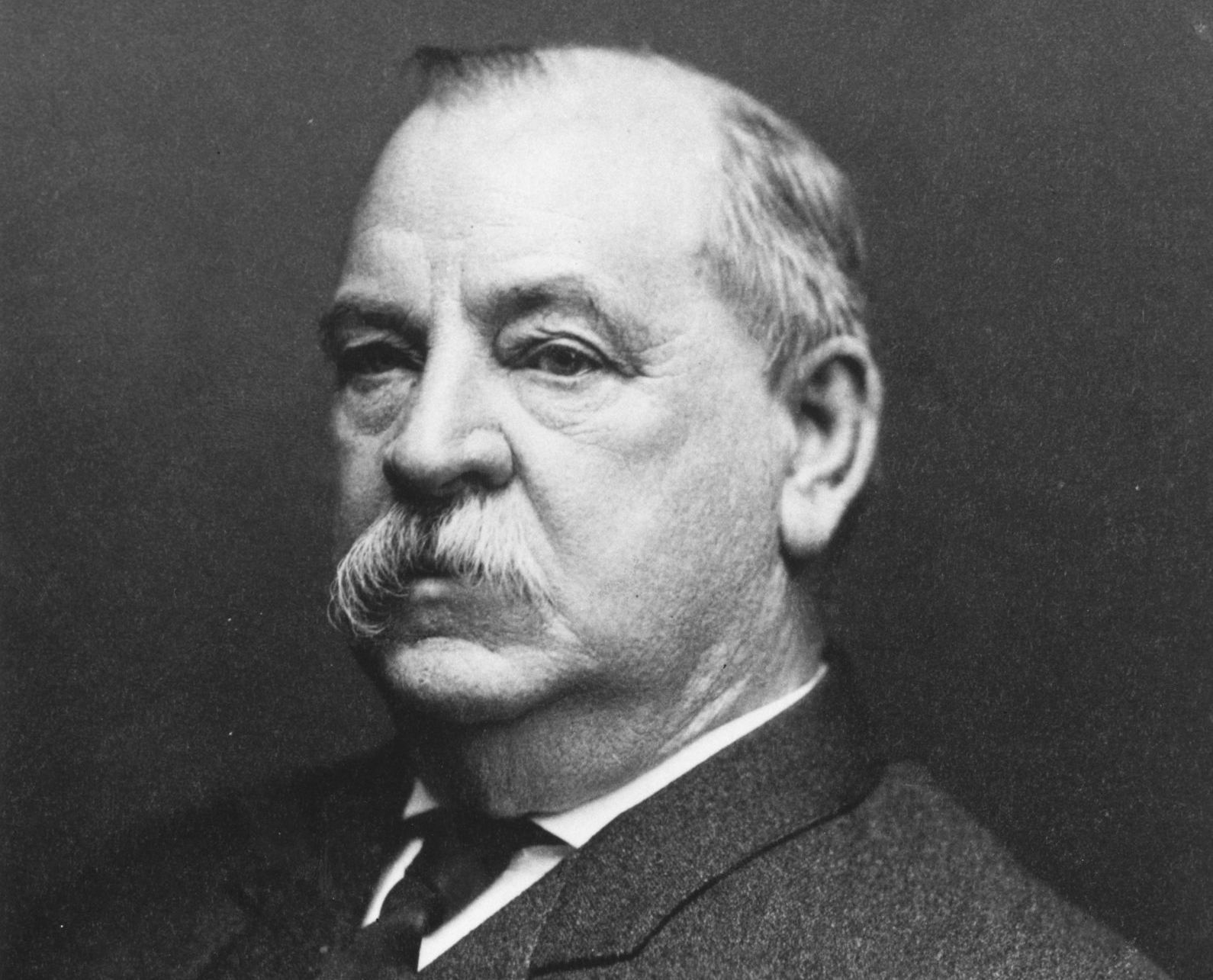
Image: National Archives at College Park, Public domain, via Wikimedia Commons

Most people have never heard of Stephen Cleveland, but mention Grover Cleveland, and they'll know exactly who you're talking about. The thing is, they're the same person.

Born on March 18, 1837, in Caldwell, New Jersey, the future 22nd and 24th president of the United States was actually named Stephen Grover Cleveland. His father, a Presbyterian minister, chose the name to honor Reverend Stephen Grover, the first pastor of the First Presbyterian Church in Caldwell, where he was serving at the time. As he grew older, however, Cleveland made an unusual choice: instead of going by his first name, Stephen, he adopted his middle name because he simply liked the sound of "Grover Cleveland" better.
Culture Culture 5 min read

Obsolete occupations

12 forgotten jobs that once existed and became obsolete

Image: Igor Saikin

At various points in history, people earned a living performing jobs that sound downright strange today. Folks once knocked on windows to wake strangers for work. Others spent their days resetting bowling pins by hand, lighting streetlamps at dusk, or harvesting ice from frozen rivers. Machines have certainly made life easier in many ways, but they have replaced the livelihood of many. Here’s a small handful of some forgotten jobs that were once fundamental to everyday life in America and elsewhere in the world.

1
Town crier

Image: Birmingham Museums Trust

In early American towns (and elsewhere in the world), before printed media and mass communication were the norm, news didn’t arrive through newspapers or broadcasts: it arrived by voice. Town criers walked streets ringing bells and loudly announcing public notices, laws, and important events . They were essential in communities where literacy was limited, and information traveled slowly.

2
Factory lectors

Image: Amsterdam City Archives

Nowadays, when you have some manual, boring labor to do, you can turn on the radio, listen to some music, or a podcast. Of course, that wasn’t an option once upon a time. In some factories, workers hired a lector to read aloud while they worked .

Starting in the mid 1800s and into the beginning of the 1900s, lectors in factories shared newspapers, novels, and political texts, keeping workers informed and entertained during long hours.

3
Elevator operator

Image: Possessed Photography

Using an elevator seems easy enough today, but for decades, elevators didn’t run themselves. Operators manually controlled speed, direction, and stopping points using levers and switches , while also greeting passengers and announcing floors.

In luxury hotels and department stores, a skilled, often uniformed operator was part of the experience, expected to be polite, precise, and calm under pressure. The job peaked in the early 20th century, especially in big cities like New York and Chicago.

4
Switchboard operator

Image: Matt Benson

For early telephone calls, switchboard operators had to manually plug cords into panels to link callers together . The occupation rose shortly after Alexander Graham Bell patented the telephone in the 1870s, and became a fundamental job until the middle of the following century, when direct dialing was introduced.

Most operators were women, chosen for their calm voices, speed, and courtesy. They often memorized local names, numbers, and even callers’ personal habits and routines.

5
Bowling pinsetter

Image: engin akyurt

In early bowling alleys, pins did not magically reset themselves via machines. Pinsetters stood behind the lanes, manually rearranging pins after every roll.

It was noisy, repetitive, and sometimes dangerous work, often done by teenagers . It was only in the 1950s that automatic pinsetting machines were introduced.

6
Lamplighter

Image: Jason Peter

Since the beginning of the 19th century, every evening, lamplighters walked city blocks, lighting gas lamps one by one . At dawn, they returned to extinguish them. This job was vital for public safety because the lights helped prevent crime and accidents in dark streets.

It wasn’t until the 1880s that the first electric streetlights were introduced in some cities, but they weren’t the norm until the 1950s. At that point, the cost of maintaining gas pipes had become too high compared to electricity, so the last gas lamps were removed.

7
Milkman

Image: Nationaal Archief

For the first half of the 20th century, the milkman was a familiar sight on American streets. He delivered fresh milk in glass bottles, leaving them in insulated boxes by the door. Many families depended on daily or near-daily deliveries, since refrigeration was limited or unreliable. By the 1940s, however, most American homes owned a refrigerator and the role of milkmen slowly faded.

8
Typist

Image: Denise Jans

There was a time, before computers, autocorrect, and AI, when offices relied on professional typists to produce everything from letters to legal documents. Many large companies employed entire "typing pools," rooms filled with workers trained to type quickly and accurately on typewriters. Precision mattered more than you may think; unlike today, mistakes on paper (rather than the screen) sometimes meant starting the document over.

9
Human computer

Image: Roman Mager

There was also a time when "computers" were people; their occupation was first mentioned in texts from 1613. Their role was to develop complex mathematical calculations by hand for scientific research, engineering projects, and more. Astronomers during the Renaissance, navigators during the Age of Exploration, and NASA space missions all relied on human computing for their operations.

Imagine that: teams worked through equations for hours or days, checking each other’s math for accuracy. During World War II and the early Cold War, this work was vital to national defense.

10
Knocker-upper

Image: Annie Spratt

Before the Industrial Revolution, most people woke up with the sun. However, by the early 1800s, when factory systems took hold of big cities, being even five minutes late ceased to be an option for workers. To avoid oversleeping, which could mean lost wages, they paid a person to wake them up.

Knocker-uppers walked neighborhoods early in the morning, tapping on windows with long poles or shooting dried peas through blowpipes . Eventually, alarm clocks were introduced in the late 1800s, and the need for this occupation started declining.

11
Telegraph operator

Image: Amsterdam City Archives

A case in which the occupation disappeared along with the technology. Before phones and instant messaging, the telegraph, which was invented in 1837, was the fastest way to send information across long distances.

Telegraph operators translated messages into Morse code , sending dots and dashes through wires that spanned the country. Speed and accuracy were critical, especially for news, business, and wartime communication. With the introduction of radio transmissions and telephones in the late 1800s, the service became more and more obsolete, although Western Union, the major telegraph service in the US, continued to operate until 2006.

12
Iceman

Image: Joy Ru

Finally, there were the icemen. Before refrigerators became household staples, the iceman was an essential figure in American daily life. He delivered massive blocks of ice straight to people’s homes .

These blocks kept food fresh and milk cold in an era before electric cooling. Ice was harvested from frozen lakes in winter, stored in insulated warehouses, and rationed carefully during warmer months.

General General 3 min read

Presidential bill

10 surprising things U.S. presidents actually pay for themselves!

Image: Allef Vinicius

You might think that once someone becomes president, the wallet goes into permanent retirement and everything becomes magically gratis. Think again. U.S. presidents pay for quite a few things out of pocket , and some will definitely surprise you. Here are 10 expenses that even the most powerful person in the country cannot avoid. Which one shocks you the most?

1
Groceries

Image: Maria Lin Kim

Sure, the kitchen is massive, and the chef is part of the deal. But when a new First Family moves into the White House, the fridge is not stocked. The President and their family pay for their own food, just like the rest of us. Former First Lady Michelle Obama confirmed it herself. No rent, sure, but groceries are their responsibility. Fair is fair, right?

2
Interior decorations

Image: Lucas de Moura

The White House has its official historic look, but every family wants to make it feel like home. Artwork, new drapes, or a different couch are all allowed, but none of it goes on the government’s tab. If the First Family wants it, they buy it.

3
Personal homes

Image: Patrick Perkins

Even though 1600 Pennsylvania Avenue is home base for four or eight years, the president still owns their personal home . All the upkeep, bills, and maintenance back home stay their responsibility.

4
Designer clothing

Image: Highlight ID

You might assume designers line up to dress presidents and first ladies for free. Not so. Any clothing they wear, whether off the rack or high fashion, comes out of their own funds . Sometimes designers lend outfits, but any fashion bills are never part of the White House budget.

5
Dry cleaning

Image: Anton Savinov

And speaking of clothing, special garments don’t clean themselves. While the White House has its own laundry, t he president and family pay for dry cleaning of personal items . Those designer suits and gowns come with a personal laundry tab.

6
Hairstylists

Image: Gabriela

Just like designer clothes, everything related to the First Family’s personal grooming is billed to them . When you’re photographed daily, hair matters. But those stylists? They’re not government employees. Every trim, blowout, and touch-up is paid for privately by the First Family.

7
Vacations and accommodations

Image: Rod Long

Yes, even presidents need a break. When the First Family travels on personal vacations, they foot the bill for their own lodging, food, and fun. Transport and security are covered, but hotels, dinners, and souvenirs? That’s on them.

8
Private events outside the White House

Image: Zoshua Colah

Presidents don’t exactly get to do whatever they please, but if they plan a private dinner or event away from official grounds , they’re responsible for the costs. No taxpayer-funded parties here.

9
Private staff

Image: DuoNguyen

On a similar note, whenever extra waiters, musicians, or planners for a private gathering in the White House are needed, those staff members are hired and paid by the First Family directly. Throwing a soiree at the Executive Mansion might sound glamorous, but the bill lands squarely in their own inbox.

10
Gifts for other dignitaries

Image: Nina Mercado

Diplomatic gifts are a tradition, and there’s even a special office that helps choose the perfect item for each foreign leader. Depending on the gift and especially if it’s a personal one, the President may have to pay for it themselves. As long as it is diplomatic, the Government pays for it, but if the gift is based on a personal relationship, that comes out of the Chief’s pocket.

Explore more American facts

Choose your favorite category!

General
General

As American as apple pie—the very best America has to offer!

Culture
Culture

Delve into the astounding richness of American lore.

Geography
Geography

Hop in and explore vast and diverse American landscapes.

History
History

Discover the key moments that shaped the United States.