Geography Geography 7 min read

DOMESTIC TRAVEL

Which Of These Local Hotspots Are You Visiting Next?

Image: Nik Shuliahin 💛💙

The reasons why people visit America are one too many to describe in just one article. Even domestic tourism moves millions of people (and dollars) around every single day in the country, and for good reason.

From East to West, North to South, you’ll find every landscape you can think of. But among those thousand landscapes ten cities stand out over the rest and, in this article, we’ll go over each one of them to see what makes them so great and why they are the ten most visited cities in America.

1
10. Honolulu, Hawaii

Image: Angela Bailey

Entering the heart of the Pacific can transport you to a world unlike any other, and Honolulu certainly lives up to its reputation as a destination for 2.7 million international travelers . With its backdrop of crystal-clear waters and the imposing presence of Diamond Head, nature's wonder is on full display. But Honolulu offers more than just beach vibes ; it's a journey through the rich history of the island chain.

Waikiki Beach draws crowds in droves, its allure immortalized in countless social media posts. And for those seeking a deeper dive into Hawaiian culture, the Bishop Museum stands as a treasure trove of artifacts and stories. Yet, to truly grasp the essence of Hawaii, one must experience the Merrie Monarch Hula Festival.

This place is in eternal improvement, always striving for better experiences for both locals and visitors.

2
9. Boston, Massachusetts

Image: Kareya Saleh

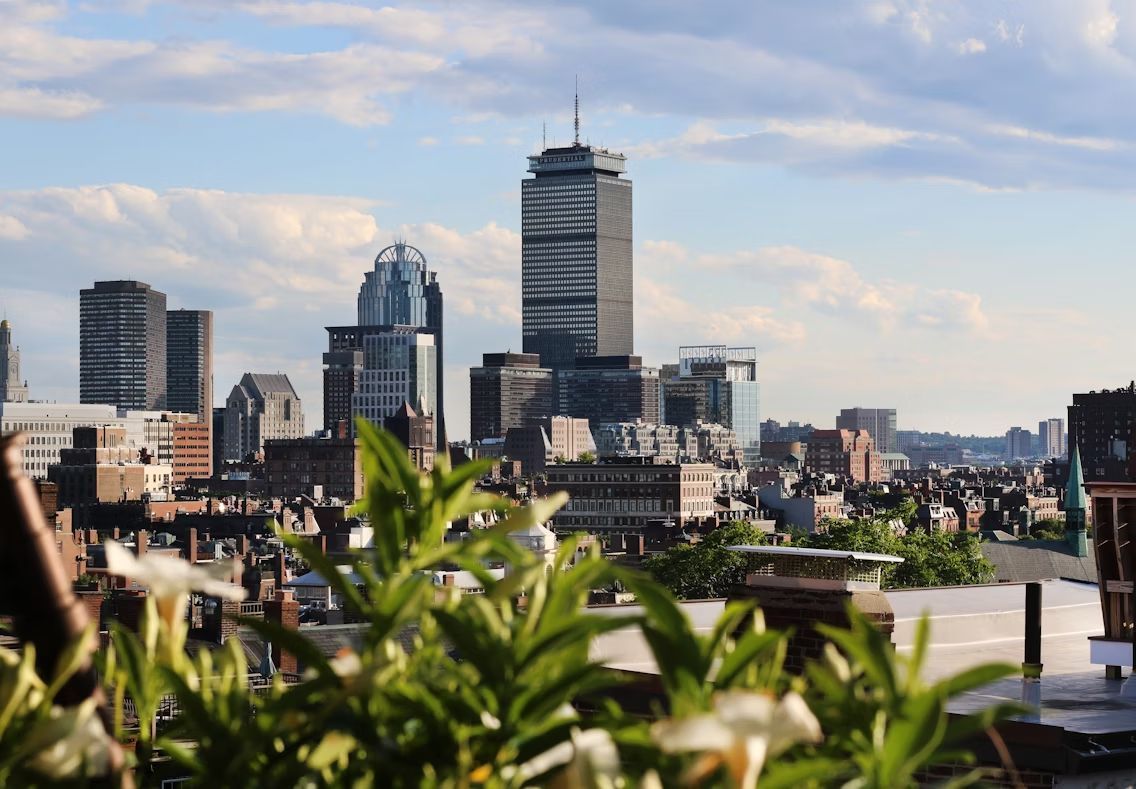
Boston is one of the most visited cities in the country because it combines the best in history, culture, and innovation. It has a rich past and a bustling present and even if there’s another city that never sleeps, Boston doesn’t stay quiet either.

On the one hand, there are several trails that invite visitors to learn not only about America’s history but also about the diverse communities living within the city and the innovations that society experienced over 400 years. These trails are the Freedom Trail, the Innovation Trail, and the Walking City Trail .

But that is not all, Boston also bustles with sport and athleticism and no visit to Boston is complete until tourists have experienced the Boston Marathon , one of the six Abbott World Marathon Majors.

3
8. Chicago, Illinois

Image: Sawyer Bengtson

Every year, over a million travelers from overseas flock to Chicago and it’s no surprise why since Chicago has it all.

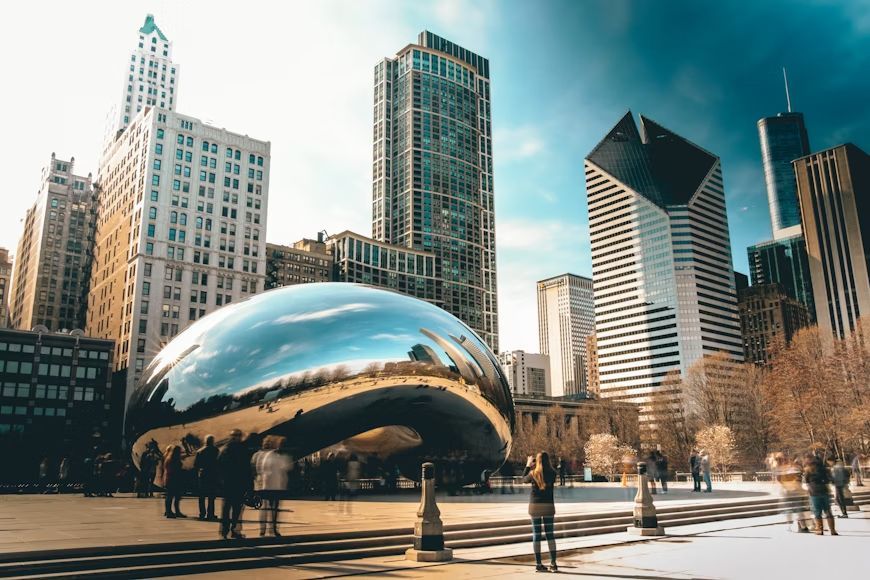
First let’s talk architecture, just a river cruise tour is enough to drop any visitor’s jaw with the stunning skyline that blends history with modernity in the most picturesque way.

Then there are also museums. The Field Museum, for example, houses a mind-boggling collection of over 40 million artifacts and specimens. Visitors could spend days there and still not see it all! And of course, Millennium Park is a must-visit to look at its iconic Cloud Gate structure, better known as The Bean.

However, no visit to Chicago is complete until one has a slice of pizza or a Chicago-style hot dog! Who doesn’t need one of those to charge up and continue their visit?

4
7. Washington, D.C.

Image: Maria Oswalt

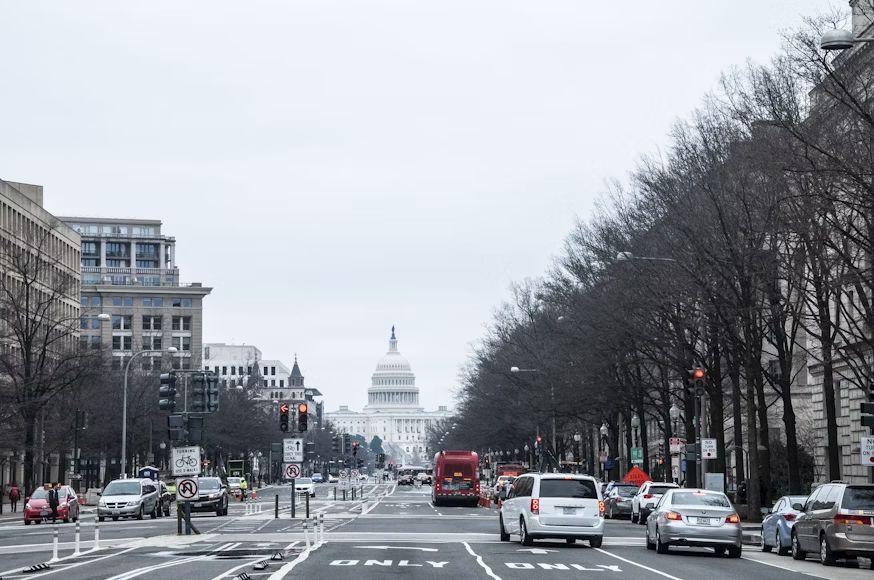
When travelers decide to include Washington D.C. in their itineraries, there’s not much planning to do, the city itself takes them along the most important spots around.

One can start at the iconic Washington Monument, smack dab in the heart of The Mall. From there, visitors find themselves surrounded by history and landmarks galore. The Lincoln Memorial, the White House, the Jefferson Memorial, and Tidal Basin. If that’s not enough, the Capitol is also there for tourists to see, and of course, the Martin Luther King, Jr. Memorial is a must.

Now, beyond the classics, there are also hidden gems to discover. For example, Planet Word, a funky museum that delves into the origins of language, has been housed in a historic schoolhouse since 2020. And for art lovers, the renovated National Museum of Women in the Arts is back in action.

5
6. Las Vegas, Nevada

Image: Grant Cai

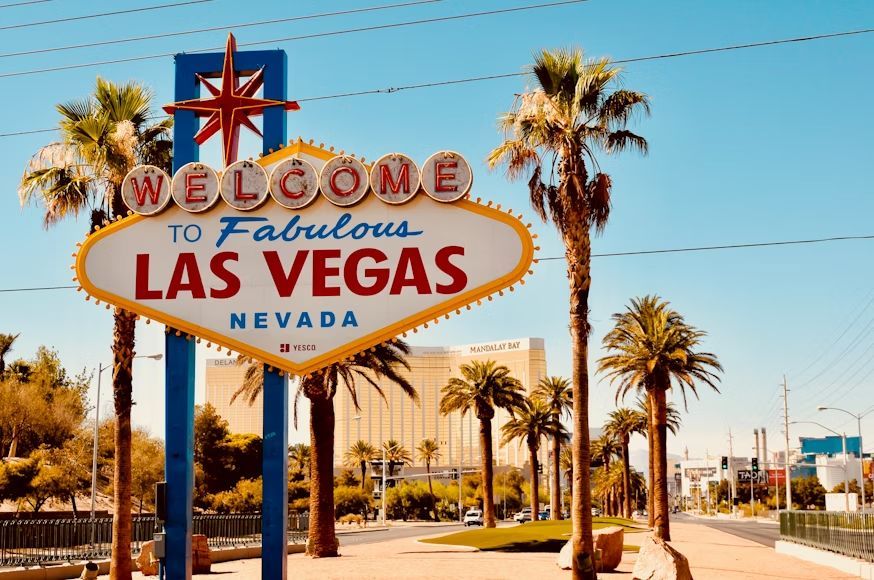
Las Vegas is a top contender in this ranking because of the different events you can witness there.

For example, the music scene is flourishing with epic concerts that take the stage of The Sphere. But beyond this, Vegas recently made waves with its inaugural Formula 1 Las Vegas Grand Prix and hosting the Super Bowl LVII.

For an unforgettable experience, no visitor can miss the Bellagio Fountains, depicted in many movies and TV shows throughout the years. These stunning water displays, set to music and lights, create a wonderful show right in the heart of Las Vegas.

Another must-see hotspot is the Fremont Street Experience. This vibrant, pedestrian-only street features a massive LED canopy that displays dazzling light shows, live music, and street performers!

6
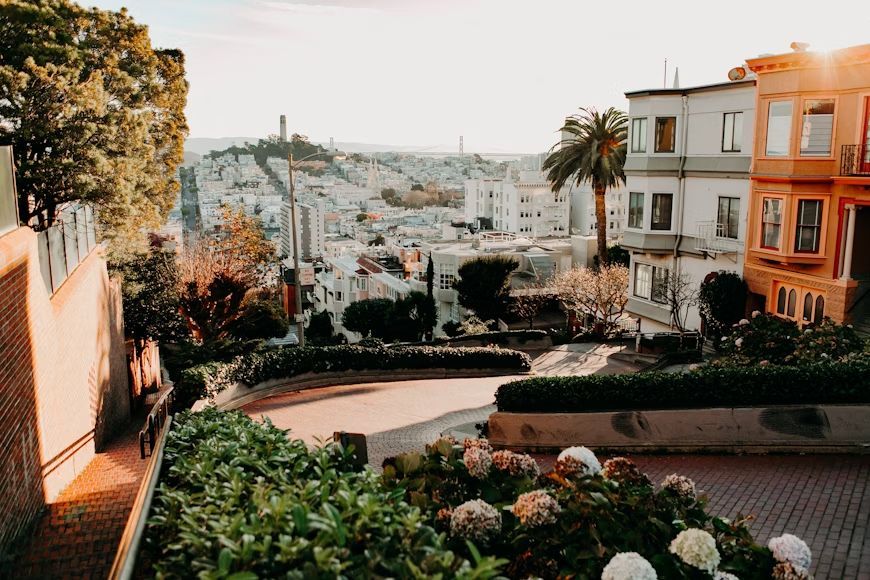
5. San Francisco, California

Image: Braden Collum

One visit to San Francisco is not enough, no matter how tight your itinerary is. Considering this, it’s no surprise it made it to the list of most visited cities in the U.S., it is jam-packed with iconic sights and experiences.

Travelers’ must-do list includes a ride on a cable car, a stroll down the famous Lombard Street, and a good view from the top of Coit Tower. Moreover, the Presidio Tunnel Tops has quickly become a favorite hangout spot, while the Landing at Leidesdorff offers cool pop-up cultural events.

If one is after views and sightseeing, crossing the Golden Gate is a plan you just cannot miss out on, its towering red spires against the backdrop of the bay are simply breathtaking. The Golden Gate Park also offers endless beauty to explore since it represents a sprawling oasis in the heart of the city.

7
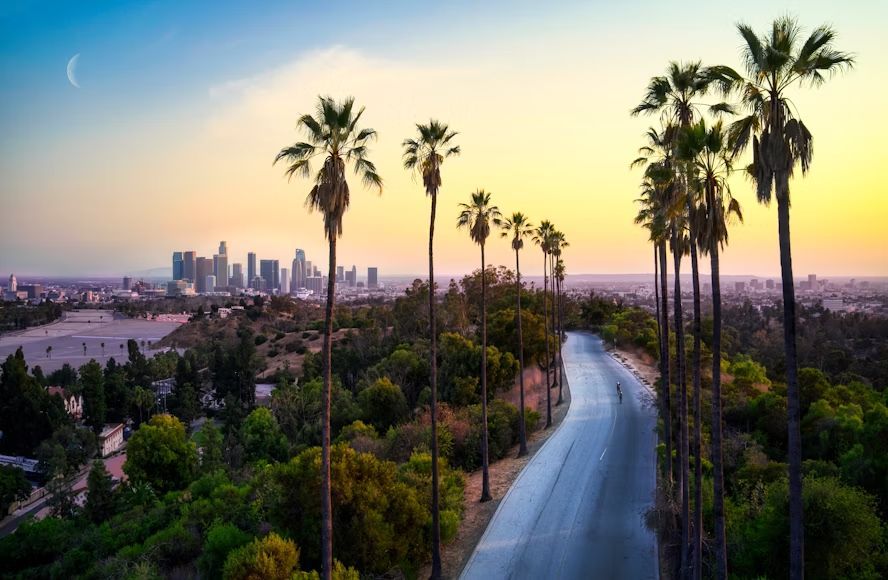
4. Los Angeles, California

Image: Venti Views

Los Angeles is the ultimate star-studded destination, drawing in millions of visitors each year. One of the city’s biggest draws is the Hollywood Walk of Fame, where you can stroll along the sidewalk and spot the stars of your favorite celebrities. Nearby, the legendary TCL Chinese Theater stands as a symbol of Hollywood’s golden era.

For thrill-seekers, L.A. houses Universal Studios Hollywood in which you can explore the Wizarding World of Harry Potter and get an inside look at how movies are made on the studio tour.

Of course, no trip to L.A. would be complete without a visit to its iconic beaches . From the bustling boardwalk of Venice Beach to the scenic shores of Malibu, there’s sun, sand, and surf to enjoy aplenty.

8
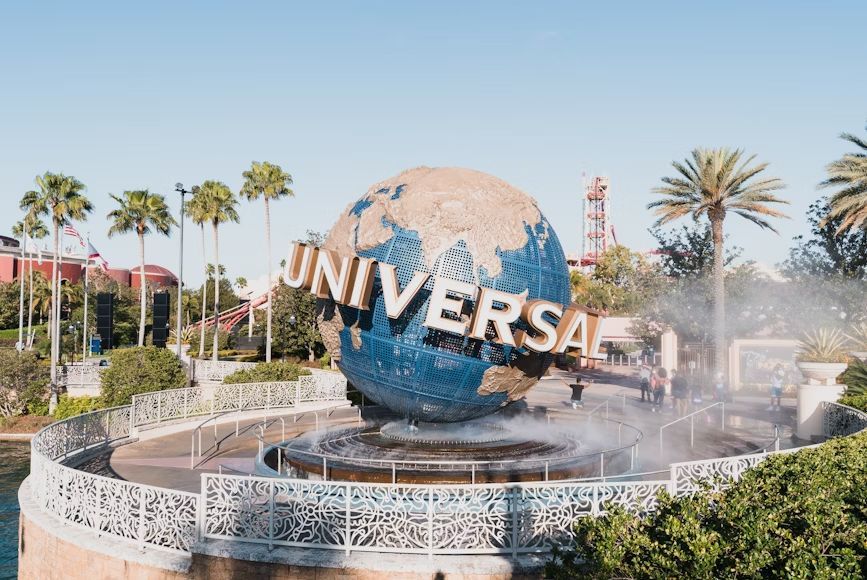
3. Orlando, Florida

Image: Aditya Vyas

Orlando is a magnet for families seeking endless fun, drawing millions of visitors worldwide every year. The city's iconic attractions like Walt Disney World, Universal Orlando Resort, SeaWorld Orlando, and Legoland Florida Resort keep the excitement going year-round.

Beyond the theme park thrills, Orlando offers a taste of nature too. Whether it's birding at Gatorland Bird Rookery, kayaking with Epic Paddle Adventures, or zip-lining at Central Florida Zoo & Botanical Garden , there's something for every nature enthusiast.

Plus, for those looking to explore beyond Orlando, the eco-friendly Brightline rail service connects Miami, Boca Raton, and West Palm Beach.

At first sight, Orlando might seem like the perfect place to visit with kids, but it’s actually the perfect scenario for adults and couples on a romantic getaway!

9
2. Miami, Florida

Image: aurora.kreativ

Miami is more than just beaches and parties, it is a cultural hotspot with endless things to see and do. Sure, South Beach and Ocean Drive are iconic, but Miami offers much more today.

Wynwood, once a neglected area, has blossomed into an art lover’s paradise. The Wynwood Walls boast 35,000 square feet of vibrant murals, making it the trendiest district in town. Don’t miss the Museum of Graffiti or the Nader Art Museum of Latin America.

Miami’s Magic City nickname is well-deserved with attractions like The Underline, a 10-mile-long urban park , opening in phases.

For a unique experience, check out Circ X, an avant-garde performance troupe that pushes the boundaries of traditional entertainment. Their shows are electrifying and unforgettable! Whether you are into art, nature, or luxury living, Miami is ready to receive every kind of visitor!

10
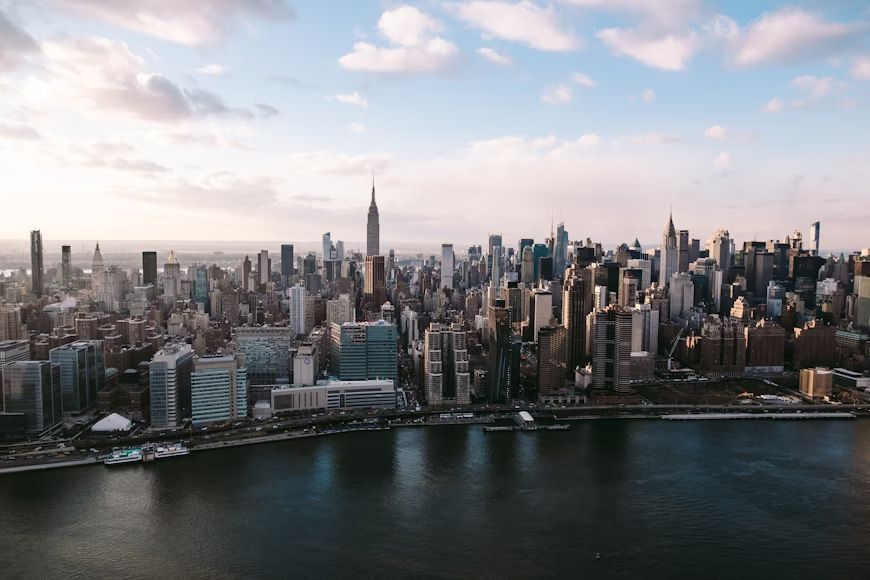
1. New York City, New York

Image: Thomas Habr

New York City, the Big Apple, or the city that never sleeps, whatever you call it, there’s no denying its status as a global icon. From towering skyscrapers to world-famous landmarks, New York offers a dizzying array of attractions that captivate millions of visitors each year.

Times Square is a classic with its dazzling lights and bustling energy, it is definitely a must for first-time visitors. Take a Broadway show, snap a selfie with the iconic billboards, and soak up the electrifying atmosphere.

For a bird's-eye view of the city, head to the top of the Empire State Building or One World Observatory, the panoramic views are simply breathtaking. And if the views are what you are after, you cannot miss the chance to take a ferry to the Statue of Liberty and Ellis Island. The Fifth Avenue, the Metropolitan Museum of Art, the Guggenheim Museum, and so much more to see!

New York is representative of the rest of the country, it is a melting pot of culture, cuisine, creativity, and more. The Big Apple never fails to leave a lasting impression!
History History 3 min read

Lawn and order

How the American lawn was born: 10 moments that shaped our frontyards

Image: Gunnar Ridderström

The American lawn didn’t sprout overnight. It grew from European ideals, industrial changes, suburban planning, and clever marketing. From elite colonial estates to postwar tract homes, each step shaped how grass became a national obsession. Here are 10 factual milestones that explain how a simple patch of green became a defining feature of U.S. domestic life.

1
European origins

Image: Martin Zenker

Lawns — and by lawns we mean closely mown grassy spaces — began appearing in 17th- and 18th-century Britain and France as signs of wealth. This was because only aristocrats or large estates could afford to keep grass short and manageable.

Before mechanized tools, scythes, shears, or grazing animals were used to maintain lawns, so turf was largely limited to those who could own the necessary manpower or animals. Early American colonists imported these aesthetics and tried to replicate them in their architecture and homes, albeit less formally.

2
Public parks set the bar

Image: Carl Newton

Early urban park designers, strongly influenced by European landscaping ideas, laid out wide expanses of turf in city parks, showing the public a "civilized" green aesthetic. That made clipped lawns part of the civic-space ideal, and not just a private luxury.

These parks helped cement the association between grass lawns, order, leisure, and modern urban life in American culture.

3
Mechanical breakthroughs

Image: Daniel Watson

In 1830, English engineer Edwin Beard Budding patented the first mechanical lawn mower, inspired by a wool-mill reel used to trim cloth.

Budding’s design used a cylinder of blades powered by a rear roller, making it easier to cut grass evenly, and largely replaced laborious scything or grazing, cutting down the cost of maintaining such status symbols in the process.

4
Et pluribus lawnus

Image: Gang Hao

Once affordable lawn mowers—including lighter push-mower variants in America—became popular, maintaining a lawn became feasible for aspiring middle-class homeowners.

This sparked a major transformation in both private and public architecture, as many well-to-do homes that before could not afford it began attempting to replicate the European lawn style in some fashion or another.

5
Suburban dreams

Image: Venrick Azcueta

For decades, lawns remained a steady feature of American architecture and green-space design; however, it wasn’t until after WWII that the true lawn boom began. Returning veterans and government-backed mortgages fueled rapidly expanding suburbs.

Developer William Jaird Levitt and his company built thousands of nearly identical homes, each with its own front and back lawn. By the 1950s and ’60s, lawns had become central to the "American Dream," symbolizing stability, middle-class respectability, and neighborhood uniformity.

6
A bit of chemical help

Image: Victor Furtuna

After the war, synthetic fertilizers (derived partly from wartime chemical technologies) became widely available to consumers, enabling lush, uniform lawns even in soil and climate conditions unsuited to grass.

This lowered the barrier to achieving a "perfect" lawn, further popularizing lawns as part of the American identity and raising the expectations of what the perfect lawn should look like.

7
Begone, pesky weeds!

Image: Dmitry Burdakov

In addition to fertilizers, in 1944, researchers discovered 2,4‑Dichlorophenoxyacetic acid (2,4-D), the first widely effective selective herbicide — killing broadleaf weeds while leaving grasses largely unharmed.

Deployed commercially soon after WWII, 2,4-D made maintaining uniform, weed-free lawns much easier and was quickly adopted in home lawn products.

8
Thou shalt keep thy lawn green

Image: Tiago Rodrigues

As suburbs proliferated, lawn maintenance became a shared social norm — homeowners' associations and neighborhood covenants often started to expect regular mowing and upkeep.

Keeping a well-groomed lawn became not just an aesthetic choice but also a mark of civic responsibility and conformity to norms.

9
Environmental worries

Image: Rémi Müller

By the mid- to late 20th century, the ecological cost of the lawn aesthetic became visible: heavy water use for irrigation, chemical runoff from fertilizers and herbicides, and reduced biodiversity as a consequence.

These drawbacks spurred both scientific and public debate about the sustainability of the traditional lawn model — especially in water-scarce regions, where it was both impractical and resource-intensive.

10
The birth of mixed lawns

Image: Ruben Sukatendel

Growing environmental awareness, droughts, and changing tastes have prompted many homeowners and municipalities to adopt drought-tolerant landscaping, native plants, or mixed-species yards instead of the traditional uniform turf.

As a result, today the "ideal lawn" is evolving as we speak: classic turfgrass still remains common, but alternative yard styles now offer more varied ecological, economic, and aesthetic options.

General General 4 min read

Hear them out!

Words of wisdom: These patriotic quotes will speak to your heart

Image: WikiImages

Patriotism isn’t just about fireworks and flags; it’s also about values, courage, and unity. From the Founding Fathers to modern leaders, American history is filled with powerful words and phrases that inspire reflection on freedom, bravery, and responsibility. These quotes speak to the American spirit, reminding us of who we are and what we stand for. Let’s explore these timeless expressions of patriotism and the wise people who said them!

1
Ralph Waldo Emerson

Image: Samantha Jean

Emerson, a celebrated essayist and poet, found joy in trying to describe the essence of the American spirit. His quote "America is another name for opportunity" reflects the belief that America is a land of boundless possibilities where dreams can take root and flourish.

His phrase is from the 19th century, and it resonates with the idea that hard work and determination can turn aspirations into reality. For many, this phrase embodies the American Dream—the promise of a better life through opportunity and perseverance. What do you think about it?

2
Elmer Davis

Image: Wesley Tingey

Elmer Davis, a journalist and WWII-era director of the Office of War Information, deeply understood the connection between freedom and bravery.

His quote "the land of the free… and the home of the brave," emphasizes that liberty doesn’t come without courage. In turn, it’s the bravery of those who defend it that keeps freedom alive.

Quite accurate if we think of the sacrifices many made to build the nation we cherish today. Don’t you agree?

3
John F. Kennedy

Image: History in HD

In his 1961 inaugural address, JFK delivered this unforgettable line: "Ask not what your country can do for you, but what you can do for your country." Do you remember who were the recipients of such a call?

This was a direct appeal to all Americans, to prioritize service over self-interest. It was a rallying cry during a time of change and uncertainty, inspiring citizens to contribute to the greater good. The underlying message? Patriotism isn’t passive, it’s about active participation.

4
Benjamin Franklin

Image: Adam Nir

Benjamin Franklin, one of America’s founding fathers, believed that liberty was the cornerstone of a great nation and we all agree with him! His quote, "Where liberty is, there is my country," underscores his commitment to freedom, wherever it might be found.

During the Revolutionary War, Franklin’s words carried immense weight, symbolizing the fight for independence. For Franklin, protecting freedom wasn’t just a right; it was a responsibility.

5
Calvin Coolidge

Image: William Rudolph

Coolidge, the 30th US president, had a no-nonsense approach to patriotism. To him, it wasn’t about grand gestures or flashy displays but about taking care of your community and nation. His quote, " Patriotism means looking out for your country ," reflects a practical, everyday kind of patriotism—one rooted in responsibility and mutual care.

From lending a hand to a neighbor to preserving natural resources, it’s all about the small acts of kindness that add up to a stronger country.

6
Frederick Douglass

Image: Tim Mossholder

Freedom and bravery are common in patriotic quotes, but Frederick Douglass, a former enslaved man turned abolitionist leader, understood the moral backbone a nation needs to thrive too.

His quote, "Honesty keeps the nation secure," reminds us that truthfulness and virtue are essential for lasting security and justice. His words challenge us to strive for integrity in our actions and decisions. After all, a nation built on truth is a nation that endures, don’t you agree?

7
Thurgood Marshall

Image: Jason Richard

Thurgood Marshall, the first Black Supreme Court Justice, spoke these powerful words about democracy: "Make it. Protect it. Pass it on."

His message is quite clear: democracy and responsibility go hand in hand. It requires effort to build, vigilance to protect, and a commitment to pass it down to future generations. In just three simple steps, he captured the essence of what it takes to sustain democracy—and it’s all up to us.

8
Eleanor Roosevelt

Image: Thomas Park

It was only right to include a woman in this article. Eleanor Roosevelt, First Lady, and human rights advocate, redefined the definition of patriotism to include dignity and equality for all.

Her quote, "True patriotism knows no borders," challenges us to think beyond national lines and embrace universal values like freedom and respect. Her words are a call to take patriotism—and the American ideals of dignity and growth—wherever we go, ensuring that everyone has the opportunity to thrive.

9
Thomas Wolfe

Image: Ian MacDonald

Novelist Thomas Wolfe had a poetic way of capturing the magic of America—and we love it. His quote, "Miracles happen all the time in America," celebrates the idea that this country is a land of endless possibilities, where the extraordinary can feel quite ordinary.

From scientific breakthroughs to everyday acts of kindness, Wolfe saw America as a place where hope and wonder flourish. No wonder we developed the whole concept of the American Dream, huh?

10
Robert Frost

Image: Wilson Hobbs

Another poet makes an appearance in this article—our beloved Robert Frost. He wasn’t afraid to speak his mind, and his quote, "Freedom lies in being bold," is all about that!

For him, freedom is closely tied to courage, and the willingness to take risks and stand firm in the face of adversity. Both in personal choices or collective action, Frost’s words value independence and self-expression.

11
Franklin D. Roosevelt

Image: Daniele La Rosa Messina

This might be the most powerful quote in the article. While the other phrases speak of freedom as something granted, FDR—a president who led America through the Great Depression and WWII—understood the hard work behind true freedom.

His quote, "Freedom must be achieved, not given," takes a step back and makes sure nobody takes it for granted!

Explore more American facts

Choose your favorite category!

General
General

As American as apple pie—the very best America has to offer!

Culture
Culture

Delve into the astounding richness of American lore.

Geography
Geography

Hop in and explore vast and diverse American landscapes.

History
History

Discover the key moments that shaped the United States.