General General 5 min read

Mysterious historic connections

100 Years apart: The Lincoln-Kennedy connection nobody can explain
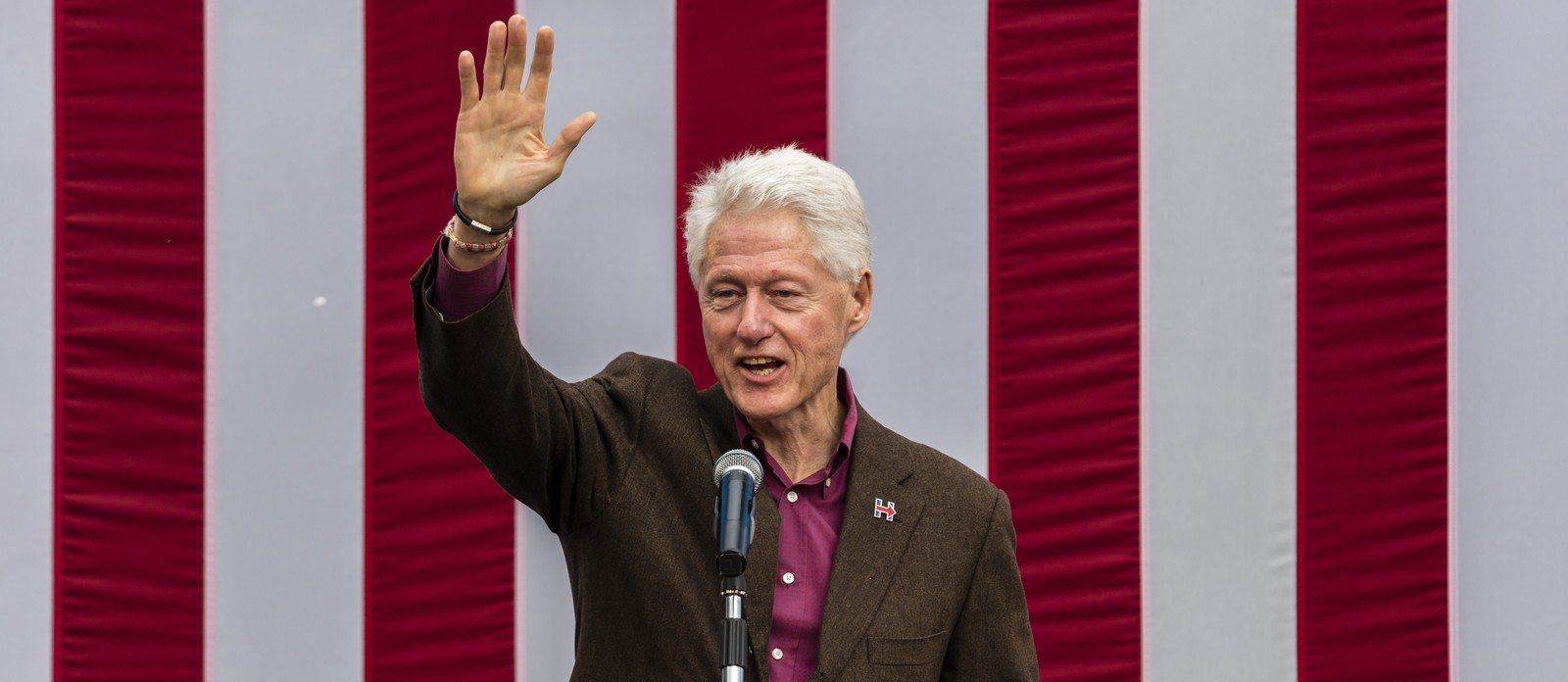
Image: Shutterstock

History is full of "Wait, that actually happened?" moments. Like finding out Lincoln and Kennedy shared the same tragic destiny , that Adams spent his last breath on Jefferson's name, not knowing his friend was already gone, or that Mark Twain called his own death years before it happened. Read on to discover 10 startling connections.

1
Abraham Lincoln and John F. Kennedy
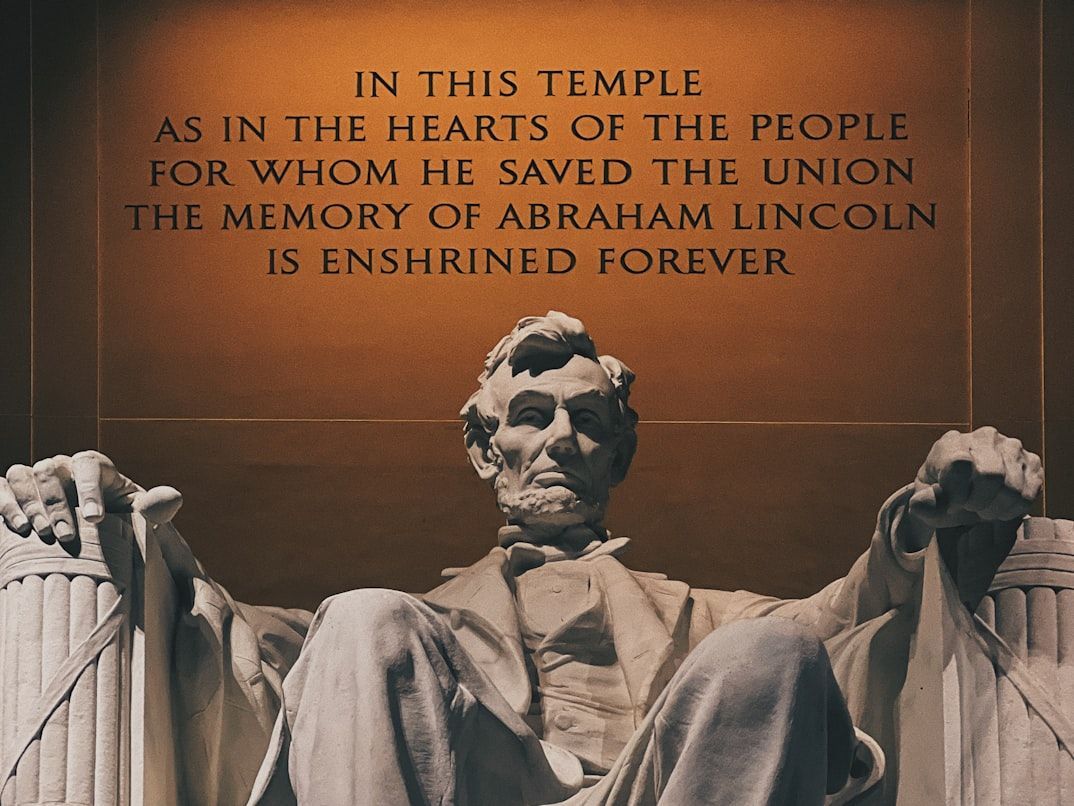
Image: Naomi August

Abraham Lincoln led the country through the Civil War in the 1860s, while John F. Kennedy governed during the Cold War and the civil rights movement of the 1960s. Both led the U.S. during make-or-break moments, and both were tragically assassinated while in office.

The major coincidence is the exact 100-year parallel in their timelines . Lincoln was elected to Congress in 1846, became president in 1861, and was killed at Ford's Theatre in Washington, D.C., on the night of April 14, 1865. Kennedy was elected to Congress in 1946, became president in 1961, and was shot while riding in the presidential motorcade in Dallas, Texas, in 1963. There is more: both men were shot on a Friday while sitting next to their wives. Lincoln was 56, while Kennedy was 46.

2
Jefferson and Adams
Image: 4300streetcar

Thomas Jefferson was born in Virginia in 1743 and was eight years younger than John Adams, who was born in Massachusetts in 1735. While Adams was a Federalist, Jefferson helped lead the Democratic-Republicans, and the bitter election of 1800 pushed them apart for years. Then, in 1812, Adams wrote to Jefferson, opening the door to a long exchange of letters that slowly repaired their friendship.

The tragic yet mysterious event came on July 4, 1826, exactly 50 years after the Declaration of Independence. Jefferson died in Virginia at age 83 of intestinal and kidney issues, and Adams died a few hours later in Massachusetts at age 90 due to heart failure. According to reports, Adams’s last words were "Thomas Jefferson survives," not knowing Jefferson had already died .

3
Monroe
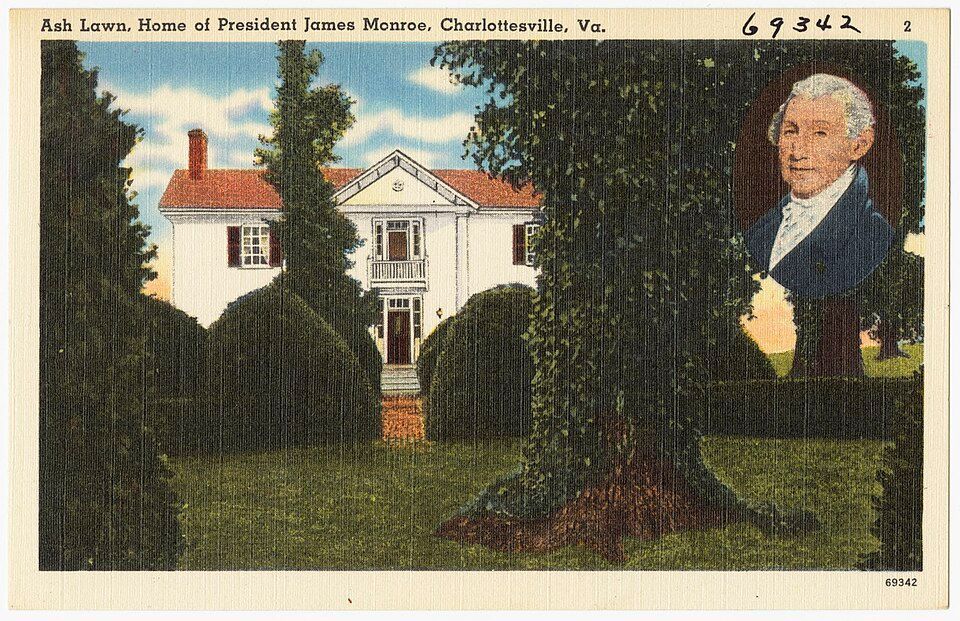
Image: Boston Public Library

James Monroe has more in common with Jefferson and Adams than you might think. He became the fifth president of the United States and is best remembered for the Monroe Doctrine, a major statement in American foreign policy.

Five years after Jefferson and Adams passed away, Monroe, 73, died on the same date in 1831, the 4th of July. This incident made him the third U.S. president to die on Independence Day.

4
Mark Twain
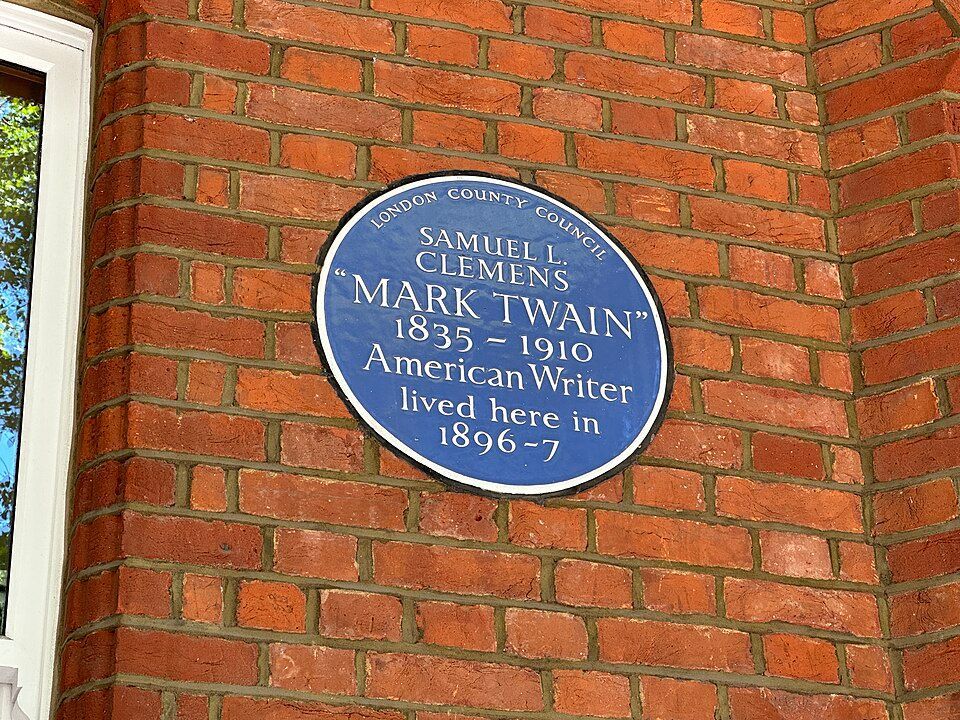
Image: Matt Brown

Mark Twain is one of America’s greatest authors, famous for such classics as The Adventures of Tom Sawyer and The Adventures of Huckleberry Finn .

The unusual coincidence is the timing of his life and death. Twain was born in 1835, the exact year Halley’s Comet passed by Earth. In 1909, he publicly joked that he came in with the comet and expected to die when it returned. In fact, his prediction came true: the comet returned to view in April 1910, and Twain died at age 74 of a heart attack the very next day.

5
Martin Luther King Jr. and Anne Frank
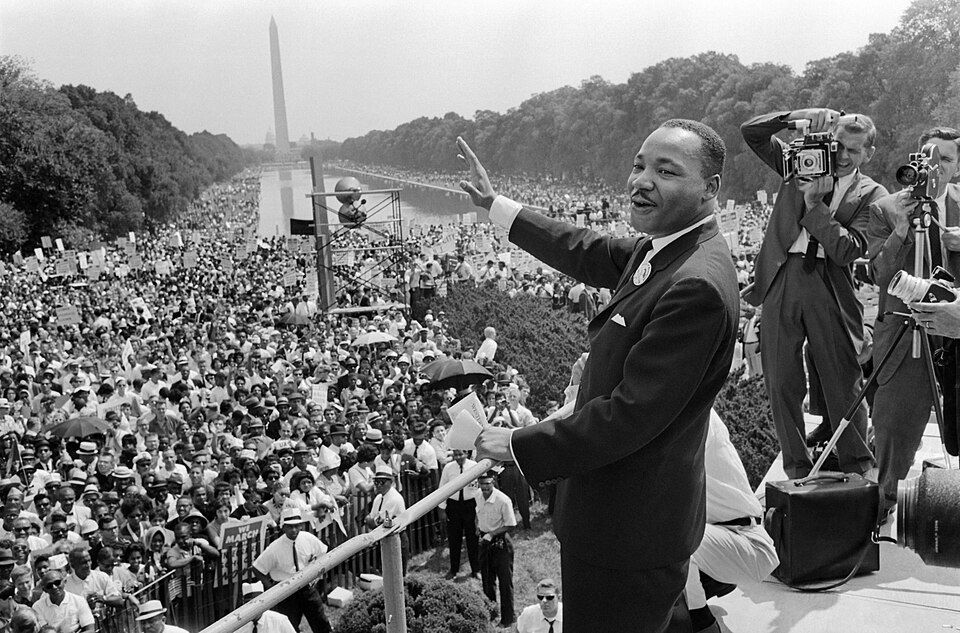
Image: National Park Service

Martin Luther King Jr. was the activist who led the American civil rights movement. Anne Frank was a young German Jewish girl whose hidden diary, discovered after her death, made her one of the most iconic figures of the Holocaust.

Because we remember Anne Frank as a teenager and Martin Luther King Jr. as an adult leader, it feels like they belong to two different eras. But the truth is, both were born in 1929, just a few months apart. Martin Luther King Jr. in January and Anne Frank in June.

6
Johnson and Clinton
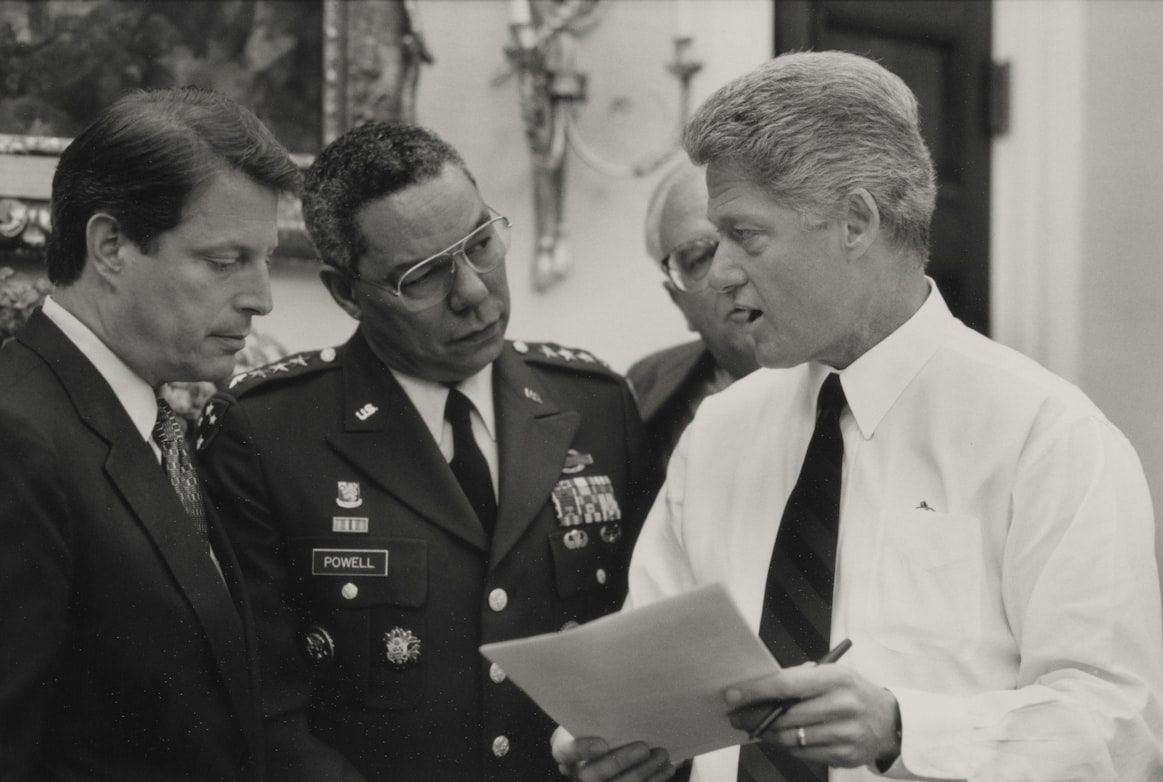
Image: Smithsonian

Andrew Johnson became president after Abraham Lincoln was assassinated, while Bill Clinton was the president who oversaw a massive economic boom in the 1990s. What do they have in common? Both men were impeached, but neither was removed from office.

Johnson’s case grew out of the fight over Reconstruction after the Civil War, especially his clash with Congress over how the South should be rebuilt. On the other hand, Clinton’s case came from a personal scandal, centered on accusations that he lied under oath and obstructed justice during the Monica Lewinsky investigation, which involved his relationship with a White House intern.

7
Theodore Roosevelt and Franklin D. Roosevelt
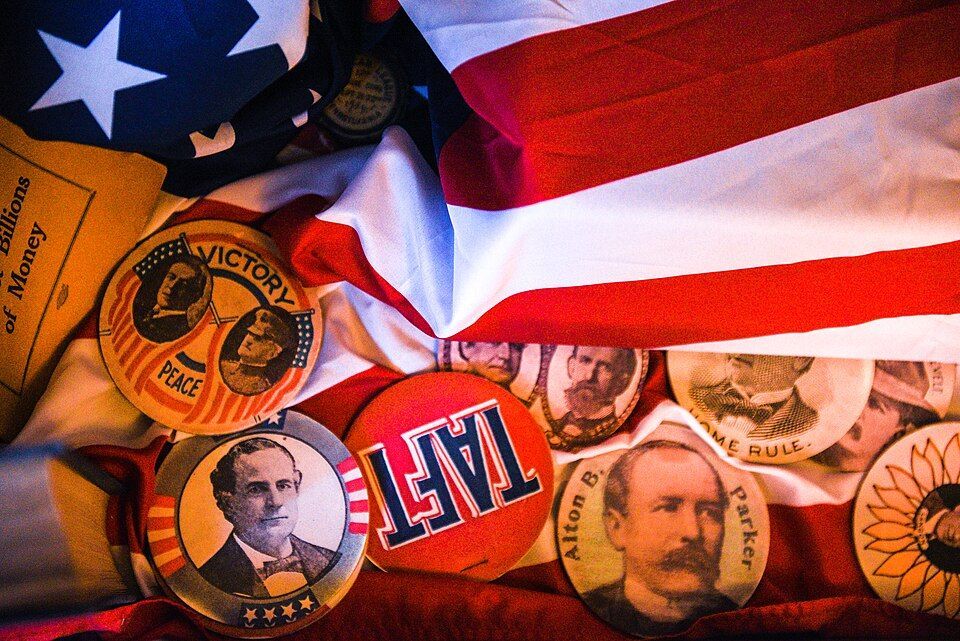
Image: PEO ACWA

Theodore Roosevelt was a president famous for his environmental conservation efforts and his "Square Deal" policies. Franklin D. Roosevelt guided America through its two biggest 20th-century crises: the Great Depression and World War II.

They were fifth cousins by blood from different branches of the New York Roosevelt family. However, the connection became even closer when Franklin married Theodore’s niece, Eleanor Roosevelt. Franklin once explained the relationship in court during Theodore Roosevelt’s 1915 libel trial, calling himself Theodore’s "fifth cousin by blood and nephew by law."

8
Theodore Roosevelt at Lincoln’s funeral
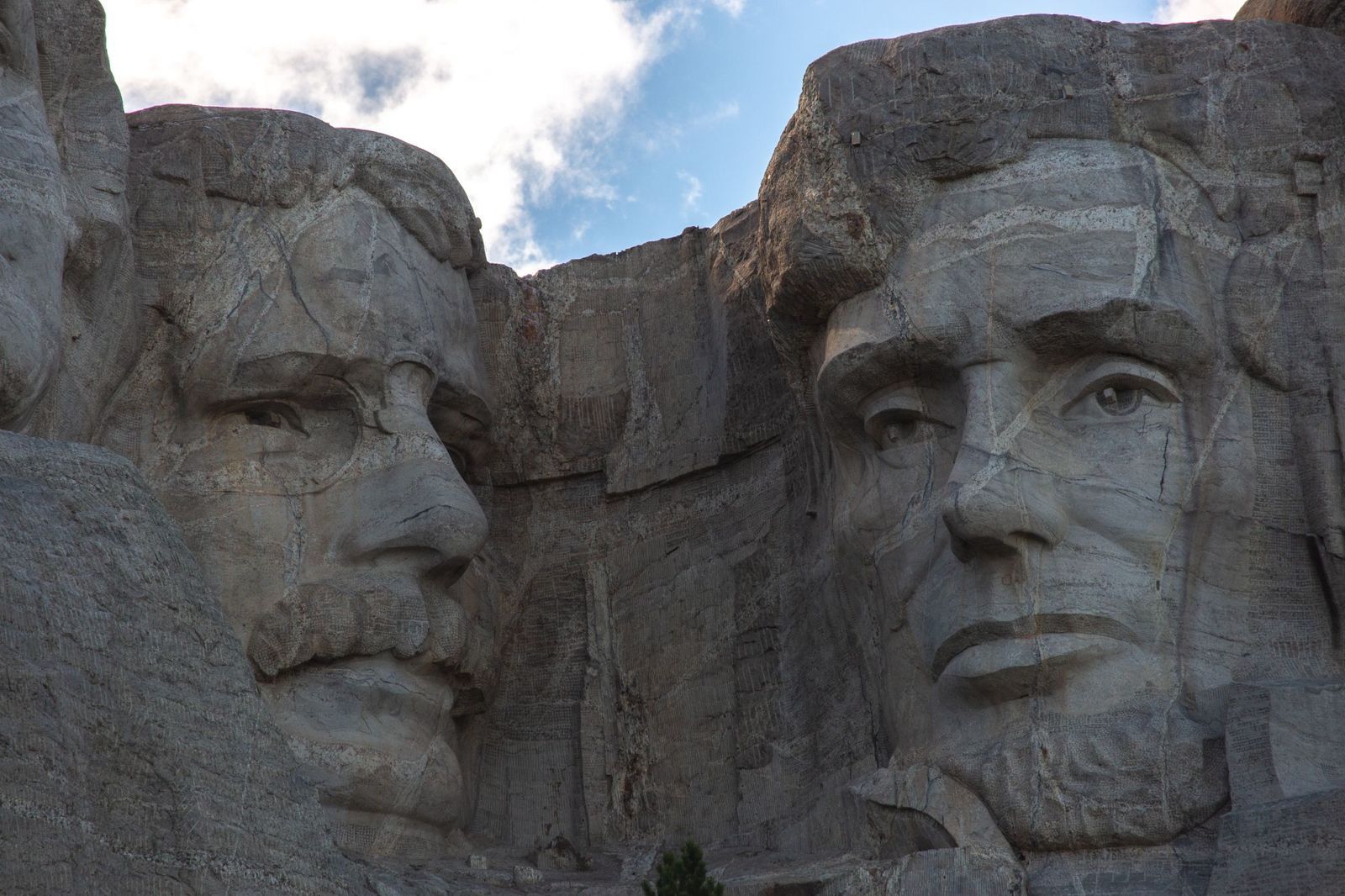
Image: Shutterstock

When Abraham Lincoln’s funeral procession passed through New York City in 1865, a small boy was watching from a window on Broadway. That boy was Theodore Roosevelt, not yet seven years old , standing in his grandfather’s house as the nation mourned its assassinated president.

Decades later, Roosevelt would become president himself after another assassination, when William McKinley was shot in 1901. The scene is striking: a future president watching the funeral of Abraham Lincoln decades before he would enter the White House after another president was assassinated.

9
Bill Clinton’s comeback
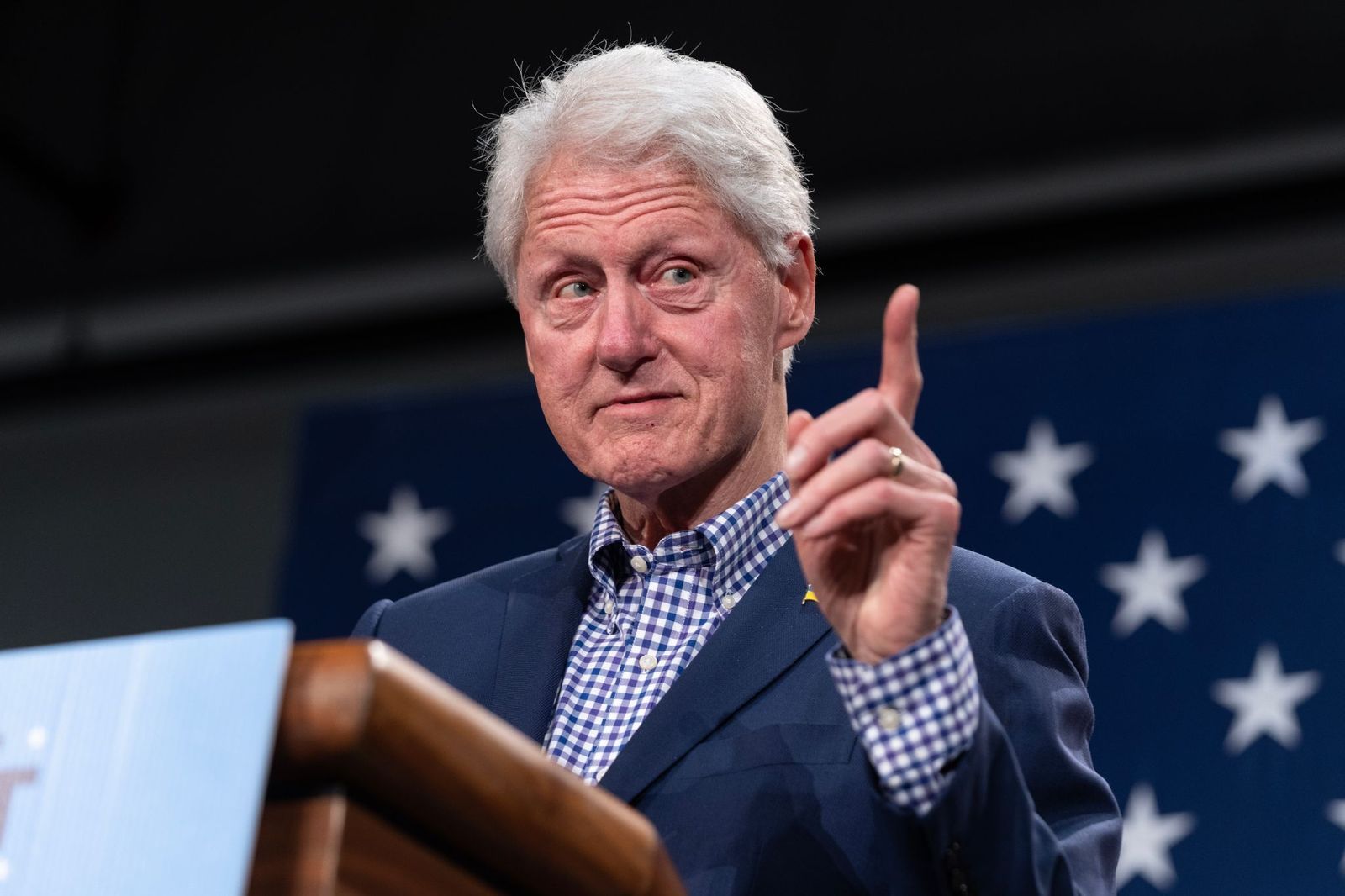
Image: Shutterstock

In 1988, Bill Clinton was a little-known governor from Arkansas when he gave the nominating speech for Michael Dukakis at the Democratic National Convention. Dukakis was the governor of Massachusetts and the Democratic nominee for president at that time. Apparently, the speech went on too long, and the crowd famously cheered when Clinton finally said, "In conclusion."

Four years later, Clinton returned to the same national stage as the Democratic nominee for president. The man who was first mocked for talking too long became one of the party’s most famous speakers. Later, he won two terms in the White House, and the rest is history.

10
General George Patton and James Dean
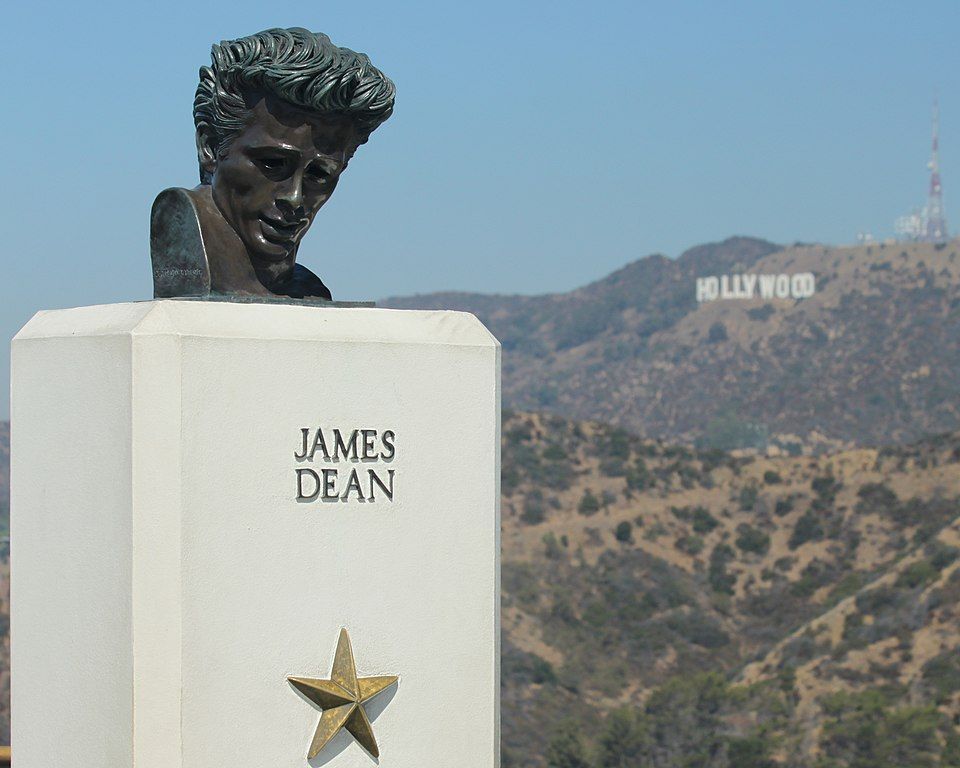
Image: Prayitno / Thank you for (12 millions +) view from Los Angeles, USA

George S. Patton was a famous U.S. Army General who led American troops to victory during World War II, while James Dean was a legendary Hollywood actor who became a cultural icon starring in films like Rebel Without a Cause .

Exactly ten years apart, Patton in 1945 and Dean in 1955, both men were involved in car accidents. In both crashes, the vehicles were not traveling at high speeds, and the other people involved survived, but Patton, 60, and Dean, 24, were the only individuals who suffered fatal injuries.
Geography Geography 4 min read

Discovering America

What's the easternmost point of the US? If you say Maine, think again!

Image: Jon Sailer

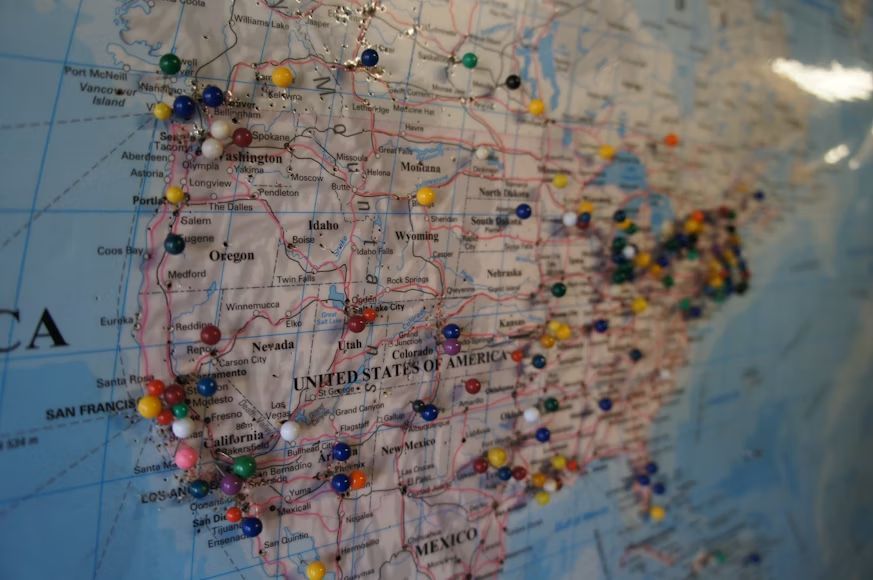
We’ve all picked up "facts" about the fifty states somewhere along the way, but not all of them hold up. Some are half-truths passed around for generations , others are just plain wrong. So, in an attempt to set the record straight once and for all, we’ve gathered some fun truths that clear up the biggest mix-ups about our states.

1
Arizona skips Daylight Saving Time

Image: Christoph von Gellhorn

This is partly true because most of the state doesn’t bother with Daylight Saving Time . They stopped changing the clocks back in 1967. The exception is the Navajo Nation, which stretches into Utah and New Mexico and keeps DST so all its communities stay on the same schedule. Now, as for the smaller Hopi reservation, inside the Navajo Nation, it sticks with Arizona time… Yes, quite confusing if you’re not a local.

2
Georgia isn’t really the Peach State

Image: Jessica Furtney

Georgia loves its peaches, sure, but the state’s top fruit money-maker is actually blueberries . In recent years, blueberries have brought in several times more cash for farmers than peaches. Meanwhile, California grows far more peaches than Georgia ever has. The nickname stuck from the old days when Georgia peaches were famous for their flavor, not their volume. So while the pride is real, the peaches aren’t quite the powerhouse people may think.

3
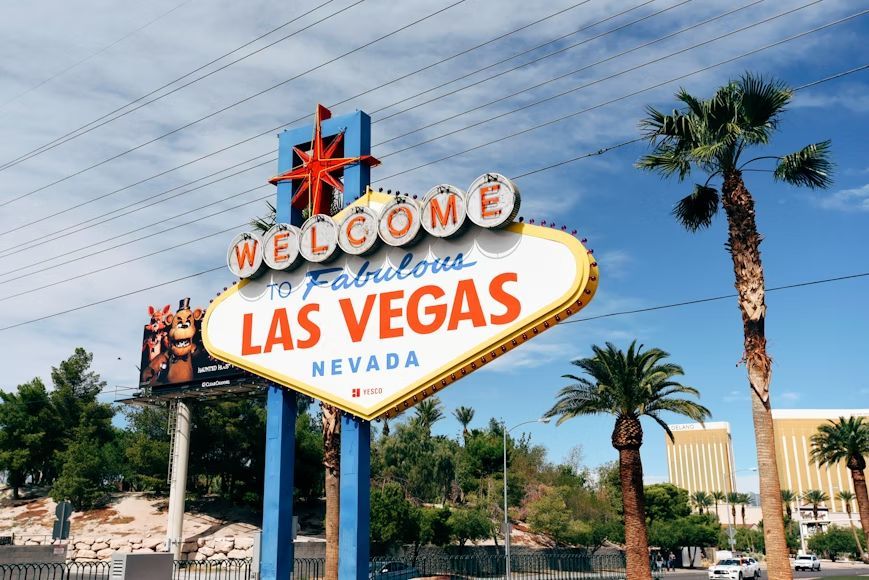
Nevada didn’t record the hottest US temperature

Image: tommao wang

You probably think of Nevada’s desert heat as unmatched, but the all-time record belongs to California’s Death Valley . In July 1913, it hit a mind-melting 134 degrees Fahrenheit, the hottest temperature not only in America but the hottest ever recorded on Earth!

4
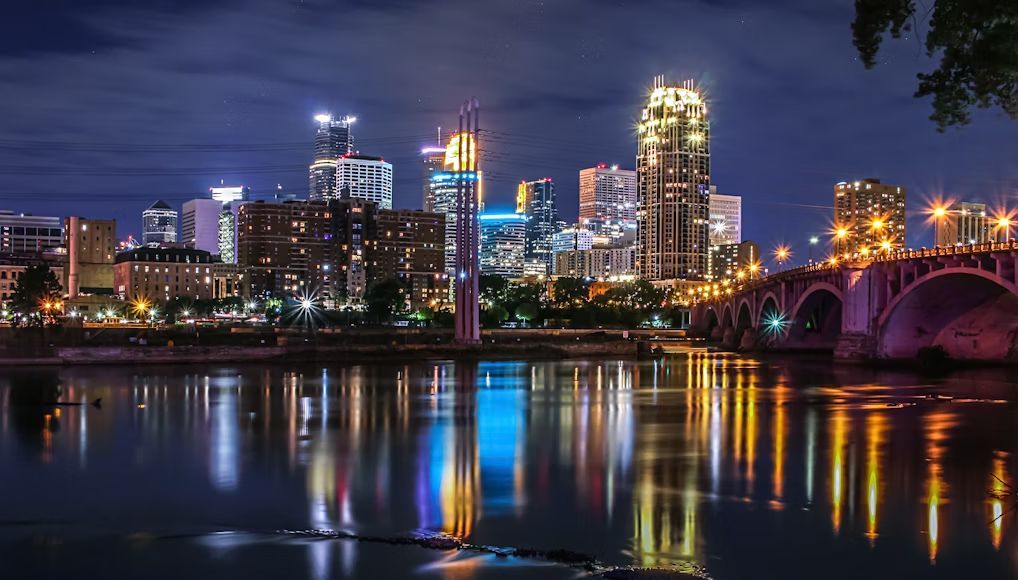
Minnesota doesn’t have the most lakes

Image: Tom Conway

Minnesota proudly calls itself the "Land of 10,000 Lakes," but that’s selling itself short… The real number is closer to 12,000. However, Alaska wins this battle . The state has more than 3 million lakes over five acres in size. In fact, Alaska contains over 40 percent of the nation’s surface water. If you love fishing, kayaking, or just staring at a quiet stretch of water, the true lake capital of America is far up north.

5
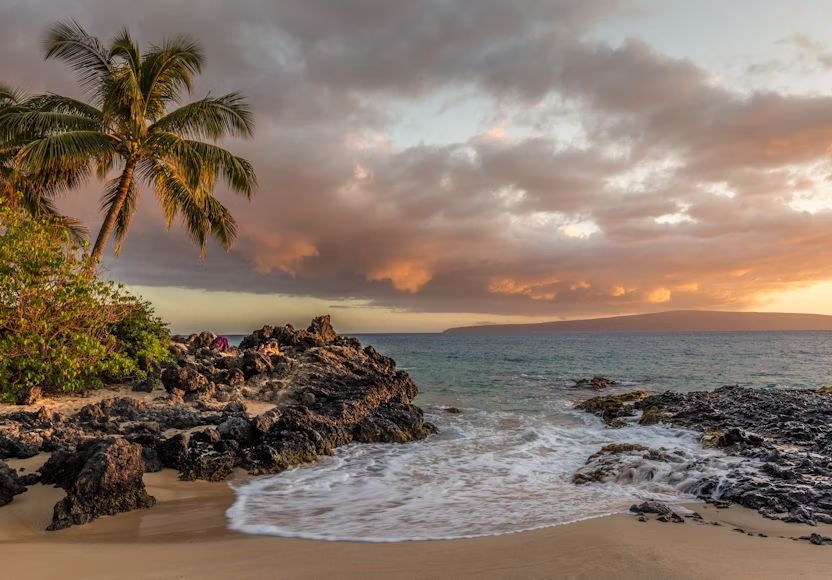
Pineapples aren’t native to Hawaii

Image: Christian Joudrey

Pineapples are everywhere in Hawaiian imagery, but the plant actually comes from South America , mainly Paraguay and southern Brazil. Spanish explorers likely brought them to Hawaii in the 1500s after spreading them across the Pacific to places like the Philippines and Guam. Hawaii’s climate turned out to be perfect for growing them and by the 1900s, the islands were producing so many pineapples that the fruit became a symbol of Hawaii itself.

6
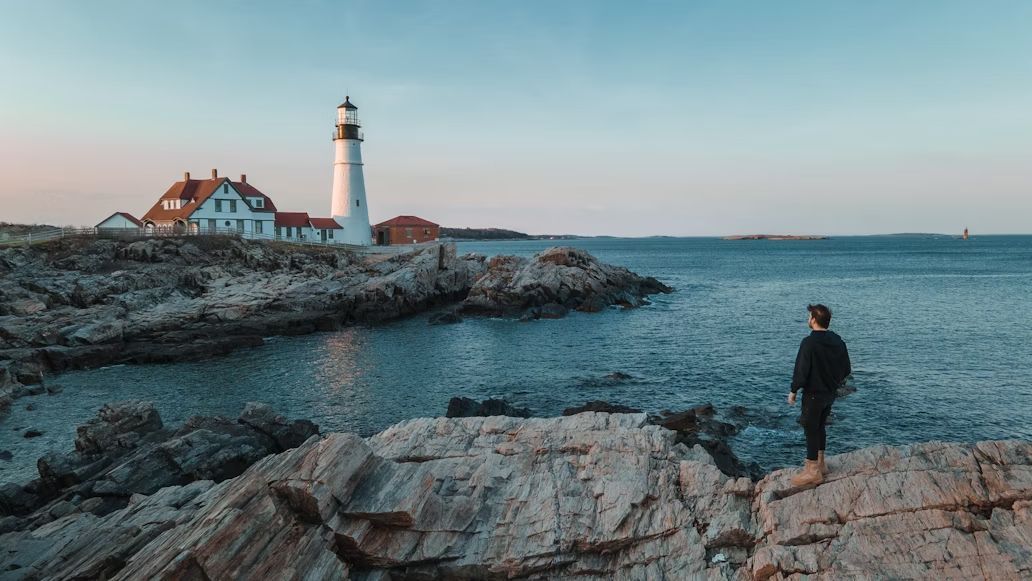
Maine isn’t the country’s easternmost point

Image: Chris Henry

If you’re a Geography geek, you’ll love this one. You might picture Maine’s rocky coast as the eastern tip of America, but the actual easternmost point is thousands of miles away, on Alaska’s Semisopochnoi Island in the Aleutians. How is that possible? Well, that’s because it crosses the 180th meridian, putting it in the Eastern Hemisphere. That means part of Alaska technically sits farther east than anywhere in Maine.

7
The biggest US earthquake didn’t happen in California

Image: Lala Miklós

California has suffered some big earthquakes in its history, but the most powerful earthquake in America struck Alaska in 1964 . It hit Prince William Sound with a magnitude of 9.2. It was so strong it shook the ground for four and a half minutes and triggered massive tsunamis. In today’s dollars, the damage would total more than $2 billion. Alaska sits on a collision zone of tectonic plates, making it one of the world’s most seismically active regions.

8
The Everglades isn’t America’s biggest swamp

Image: Joshua J. Cotten

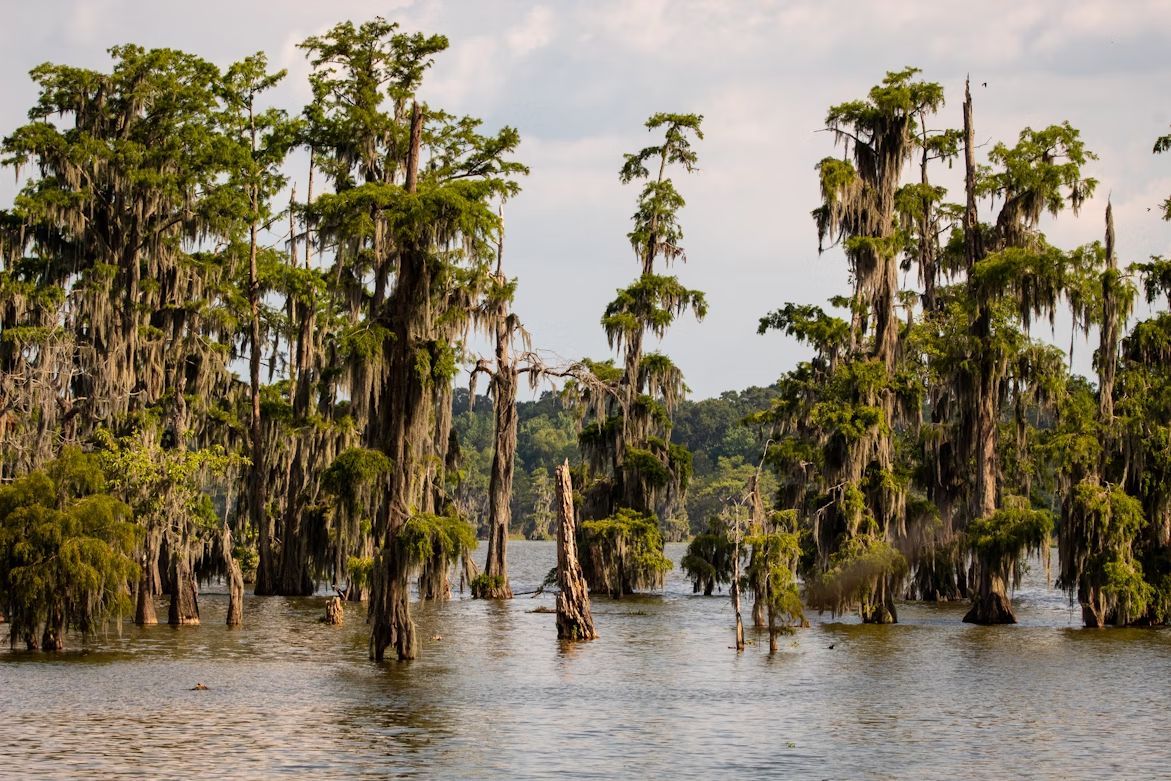
A lot of people picture the Florida Everglades when they think of swamps, but technically, the Everglades isn’t a swamp at all. The real title of the largest swamp in the United States goes to Louisiana’s Atchafalaya Basin , which spans about 1.4 million acres. This swamp has a vast mix of cypress forests, bayous, and marshes, and it’s more than twice as productive as the Everglades when it comes to wildlife and plant life.

9
Big cities aren’t always capitals

Image: Mackenzie Cruz

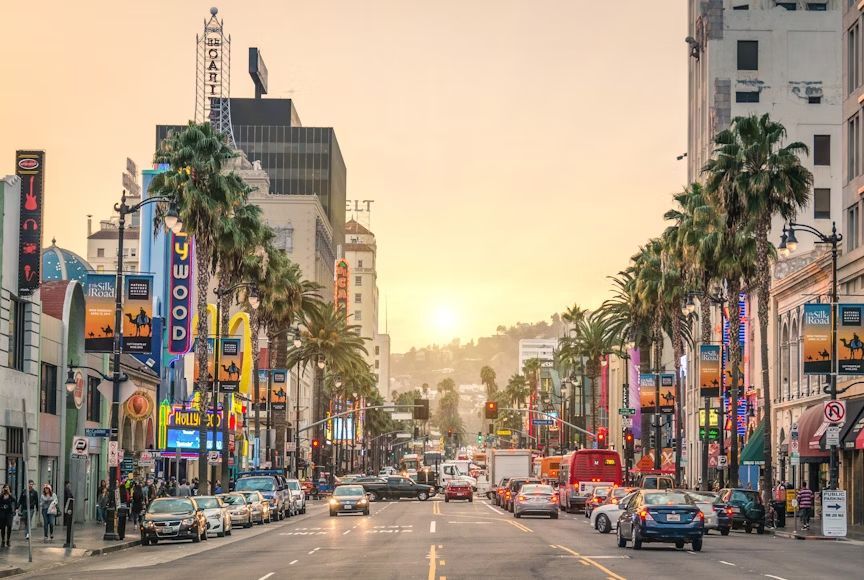
It surprises people how often the biggest city isn’t the state capital . New York City? Not the capital… Albany is. Chicago? Nope, that honor goes to Springfield. Pennsylvania’s capital isn’t Philly or Pittsburgh, it’s Harrisburg. Even California’s capital isn’t L.A. or San Francisco, it’s actually Sacramento. Out of fifty states, only seventeen have their most populous city as the capital.

10
Alaska isn’t divided into counties

Image: Rod Long

Alaska likes to do things its own way. Instead of counties, it’s split into boroughs , and a massive area known as the Unorganized Borough has no local government at all. People out there don’t pay property taxes, but that freedom comes with challenges, limited services, fewer job options, and tough living conditions.

Culture Culture 6 min read

The Five-Sided Puzzle Palace

A man lived there secretly? Stunning facts about the Pentagon

Image: Touch Of Light, CC BY-SA 4.0, via Wikimedia Commons

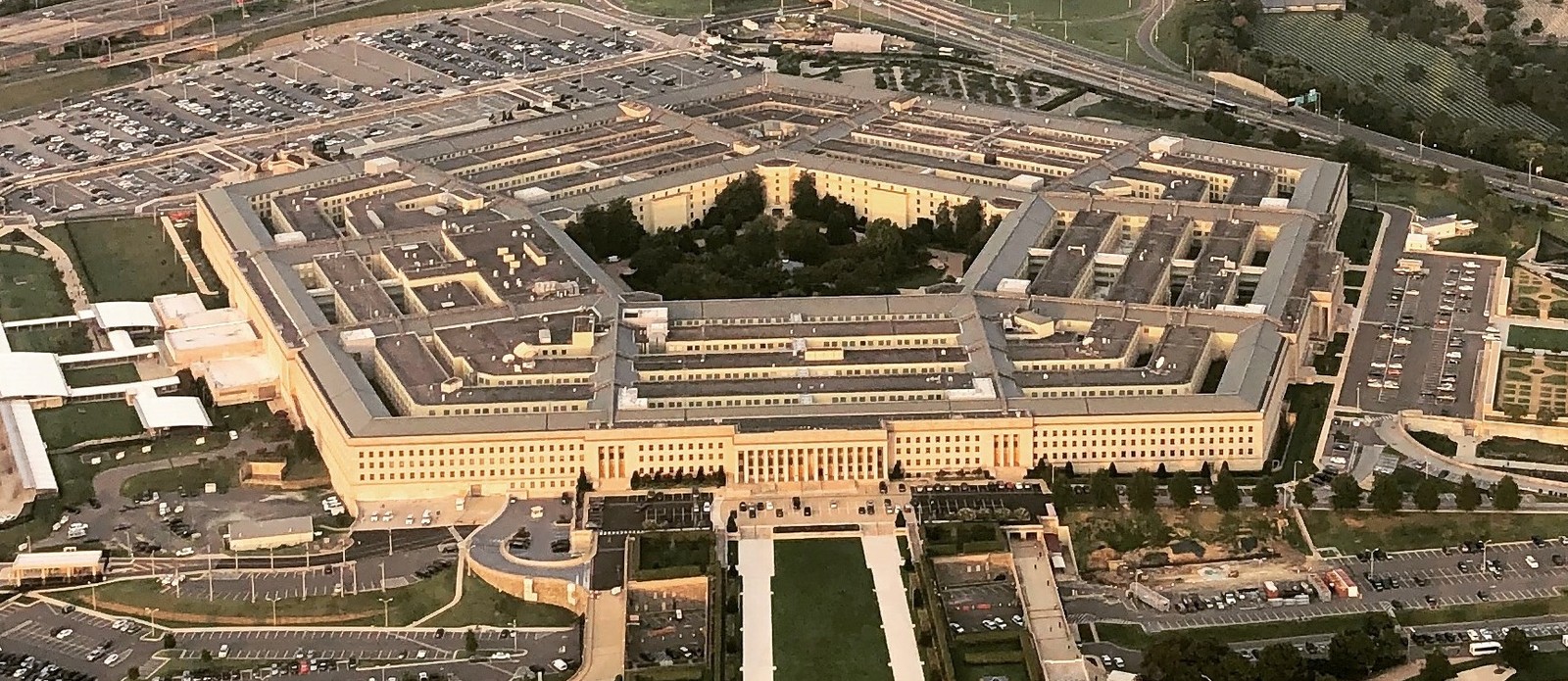
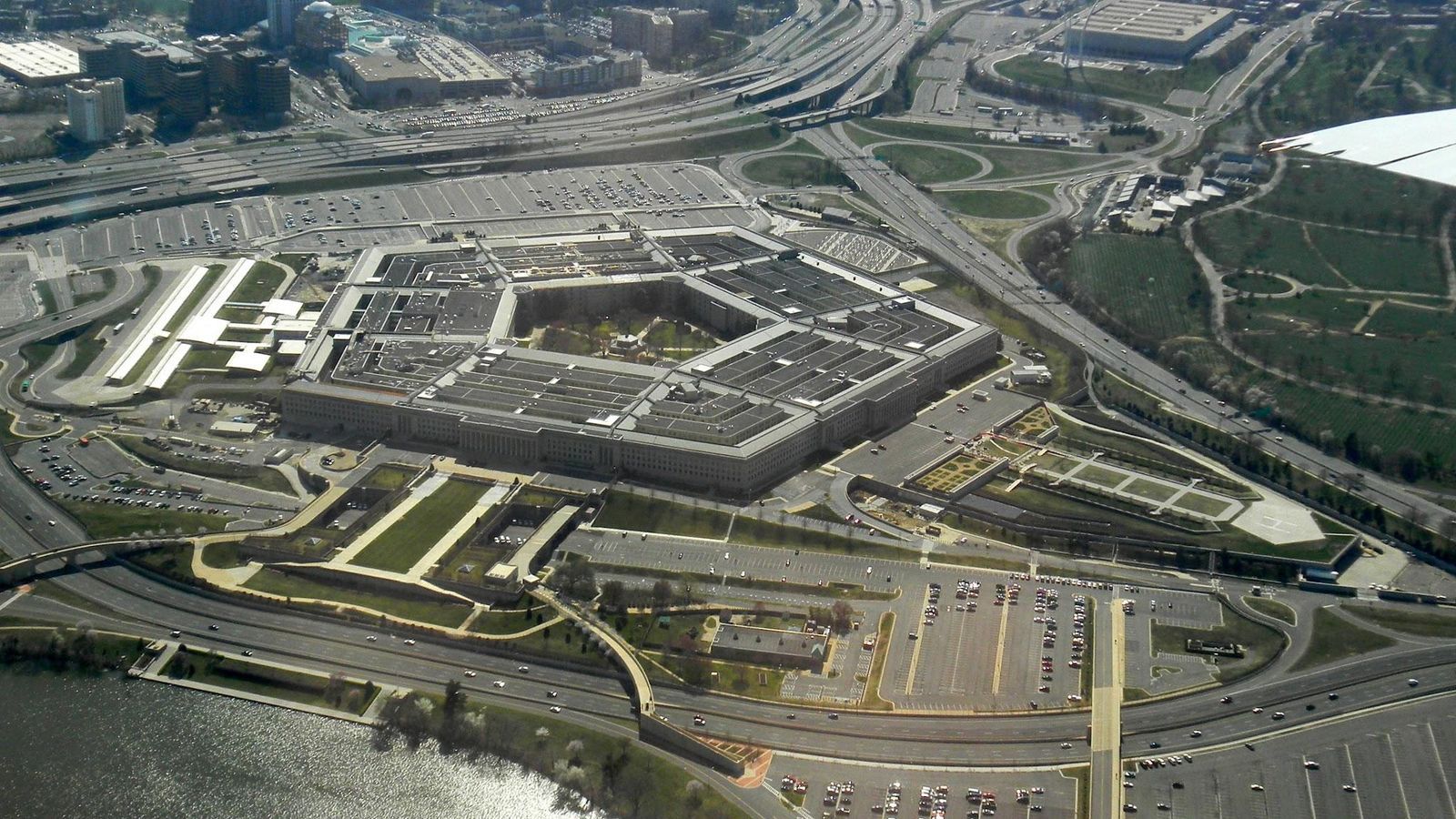
Did you know that construction on the Pentagon building began on September 11, 1941, exactly 60 years before it was attacked? The home of the US Department of Defense has stood for more than 80 years. Although its iconic shape is intriguing in itself, it hides deeper secrets that many Americans have never heard of. Did you know it feeds 26,000 people a day—at a McDonald's, a Five Guys, a Taco Bell, and over 30 other restaurants? Or that a man secretly lived inside its walls for years? Let’s dive into the Pentagon building’s secrets.

1
A renovation project saved thousands of lives on 9/11

Image: Office of the Secretary of Defense - Public Affair, Public domain, via Wikimedia Commons

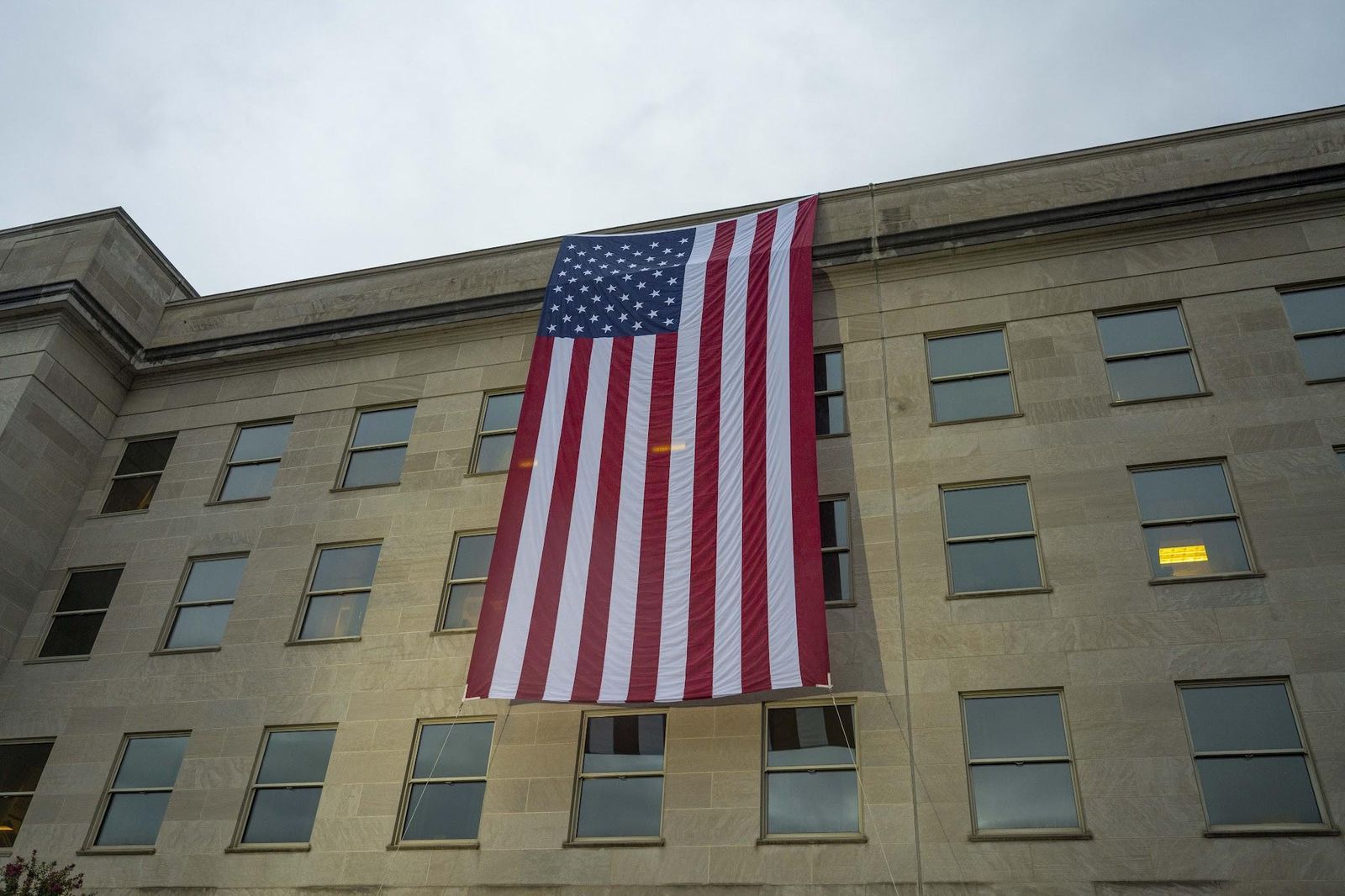
On September 11, 2001, American Airlines Flight 77 struck the Pentagon at 9:37 a.m., killing 189 people. Few people know this part: the death toll could have been much higher. But there was a renovation project underway at the time of the attacks.

The Pentagon’s five-sided structure is divided into five "wedges," and workers had been renovating them one at a time. Flight 77 struck the wedge that had just been completed. Of the 4,500 people who normally worked in that section, only about 800 had moved back in. Without the reinforced construction and the incomplete occupancy, experts believe the casualties would have been catastrophically higher.

2
The Cold War and the hot dog stand

Image: Anete Lusina

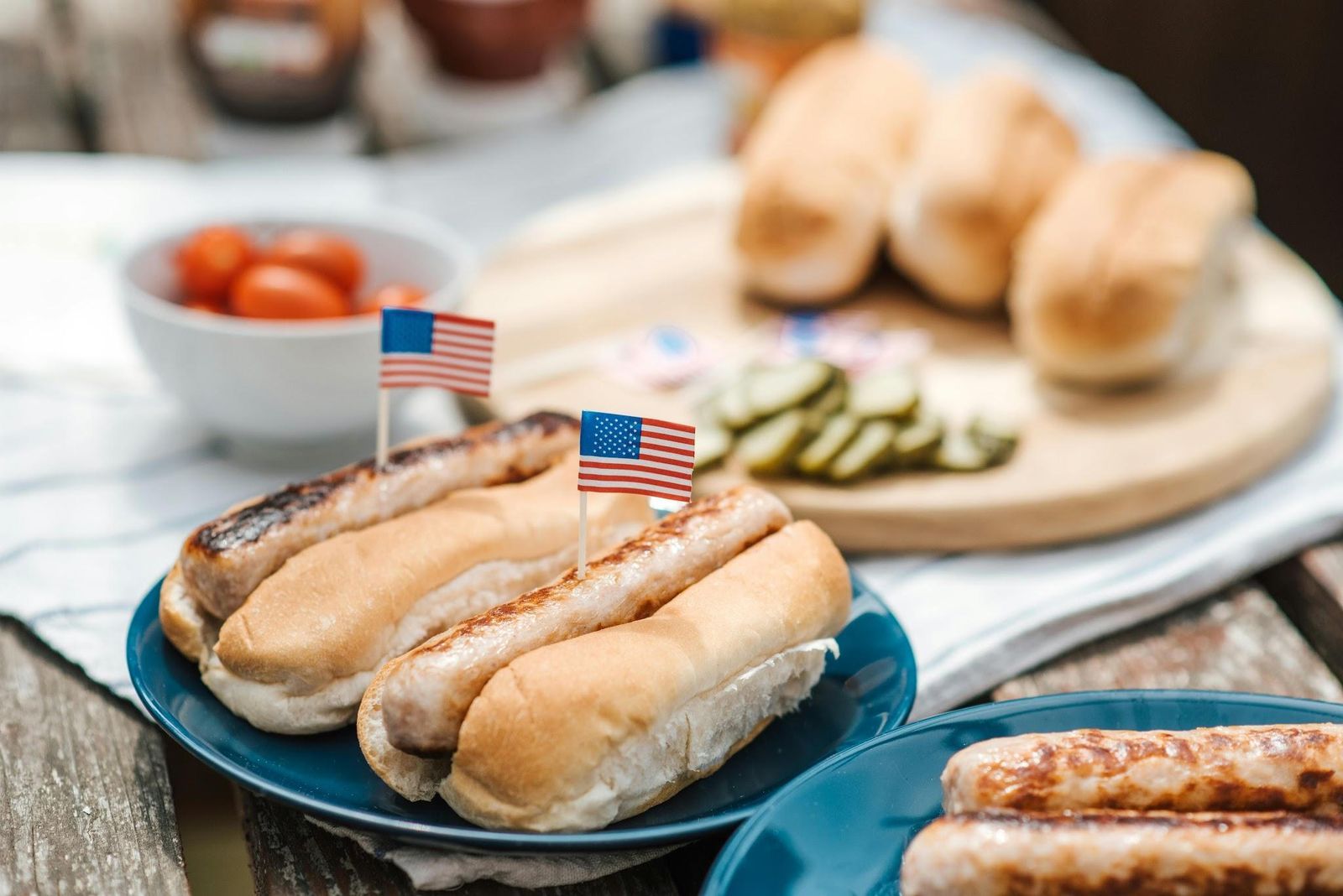
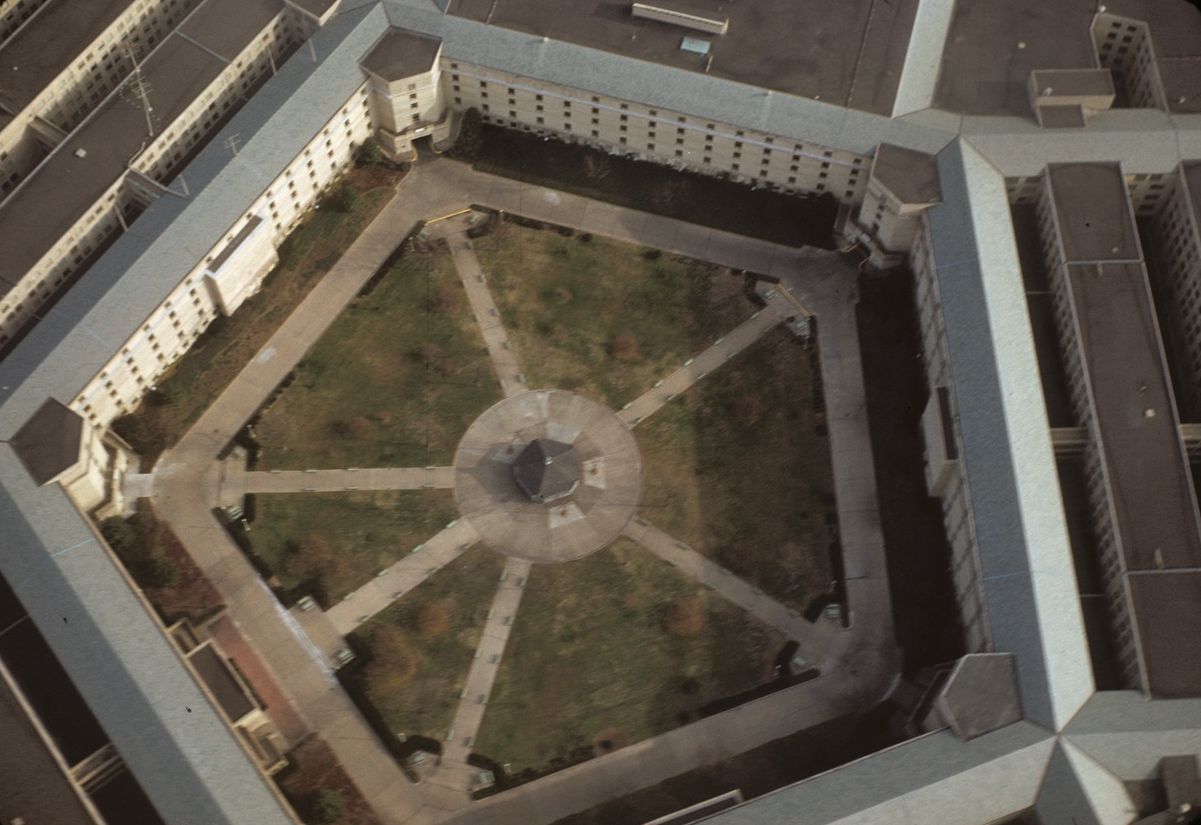
In the middle of the Pentagon’s five-acre center courtyard once stood a modest hot dog stand. According to a Cold War legend (one still retold by official Pentagon tour guides on every public tour), between the 60s and the 80s, Soviet satellite images tracked large groups of high-ranking military officials converging on that small building at the same time every day.

Soviet intelligence reportedly concluded the structure must be the entrance to some underground bunker in America. In reality, all it did was sell lunch. In 2006, the original stand was torn down, and a sandwich shop was built in its place.

3
Its construction began on September 11th, exactly 60 years before the attack

Image: Aber, Marilyn K., Public domain, via Wikimedia Commons

Builders broke ground on the Pentagon on September 11, 1941. That was exactly 60 years to the day before the September 11, 2001, terrorist attacks that would strike the same building.

Construction had been ordered by Army Brigadier General Brehon Somervell, who wanted a permanent headquarters for the Defense Department to replace its then-17 scattered offices across Washington, D.C.

The project was extraordinarily ambitious: plans called for the world’s largest office building to be completed in just 16 months. In the end, the conception, design, and construction of the entire Pentagon building took a total of 15 months.

4
The same person oversaw its construction and the Manhattan Project

Image: U.S. Army, Public domain, via Wikimedia Commons

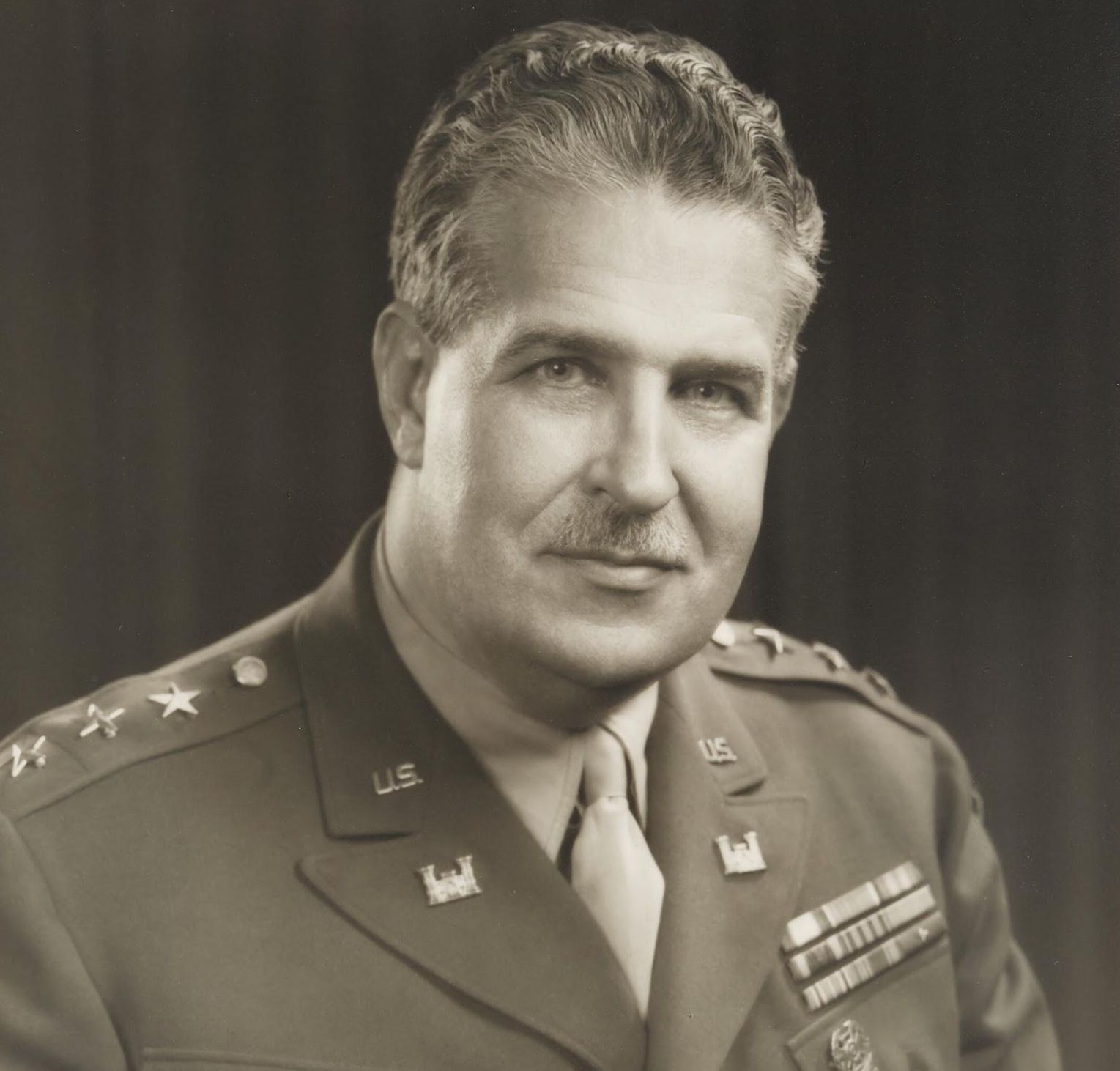
Colonel Leslie Groves of the Army Corps of Engineers took charge of Pentagon construction in August 1941. He worked six days a week and drove his team relentlessly, at one point employing more than 15,000 workers around the clock.

When the Pentagon was finished in January 1943, Groves was assigned to lead the Manhattan Project, America’s secret program to build the atomic bomb . His deputy, Captain Robert Furman, followed him into the Manhattan Project as chief of foreign intelligence. Together, the men who built the world’s largest office building went on to produce the weapon that ended World War II.

5
Why is it shaped like that?

Image: Boston Public Library, CC BY 2.0, via Wikimedia Commons

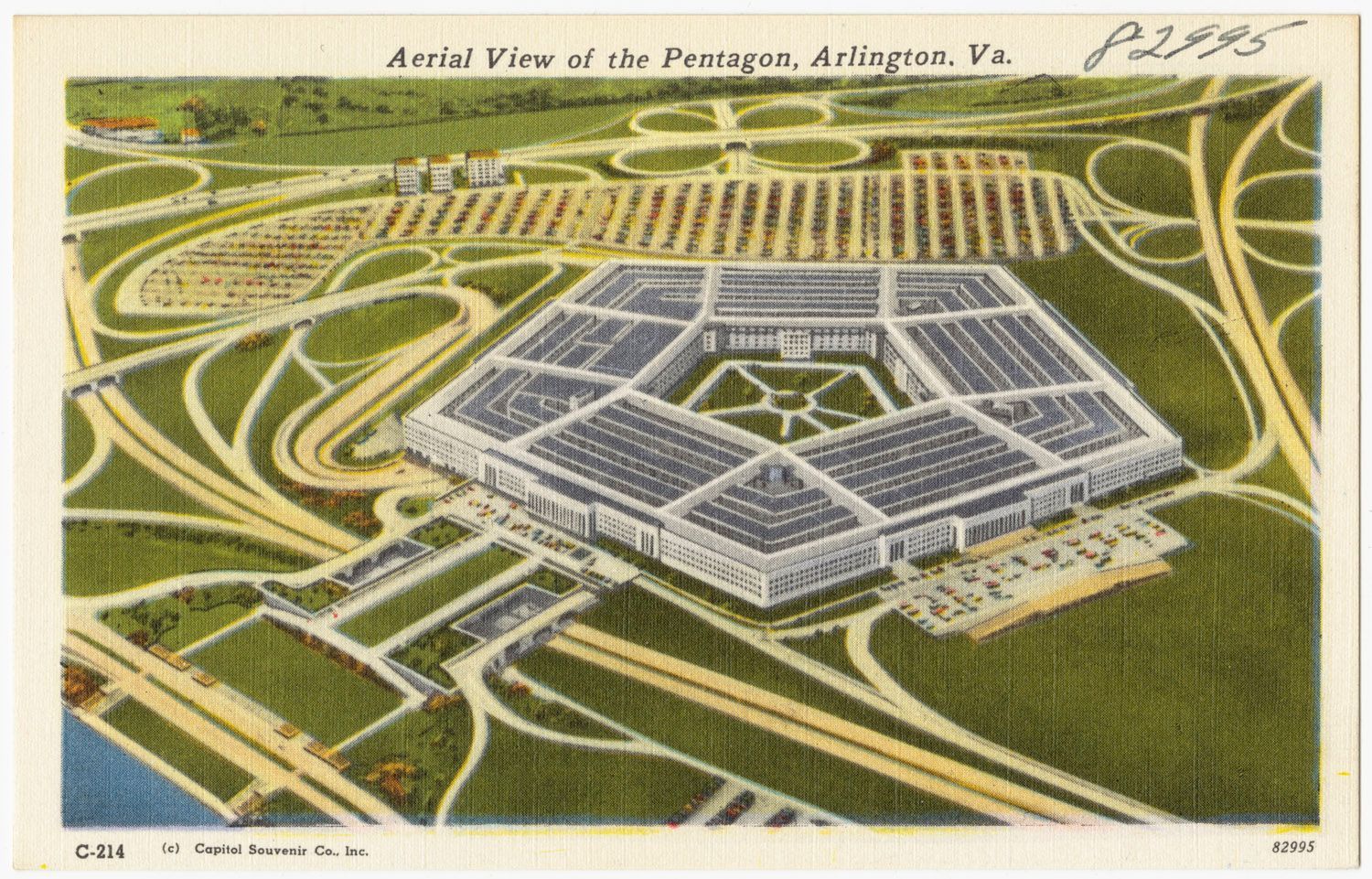
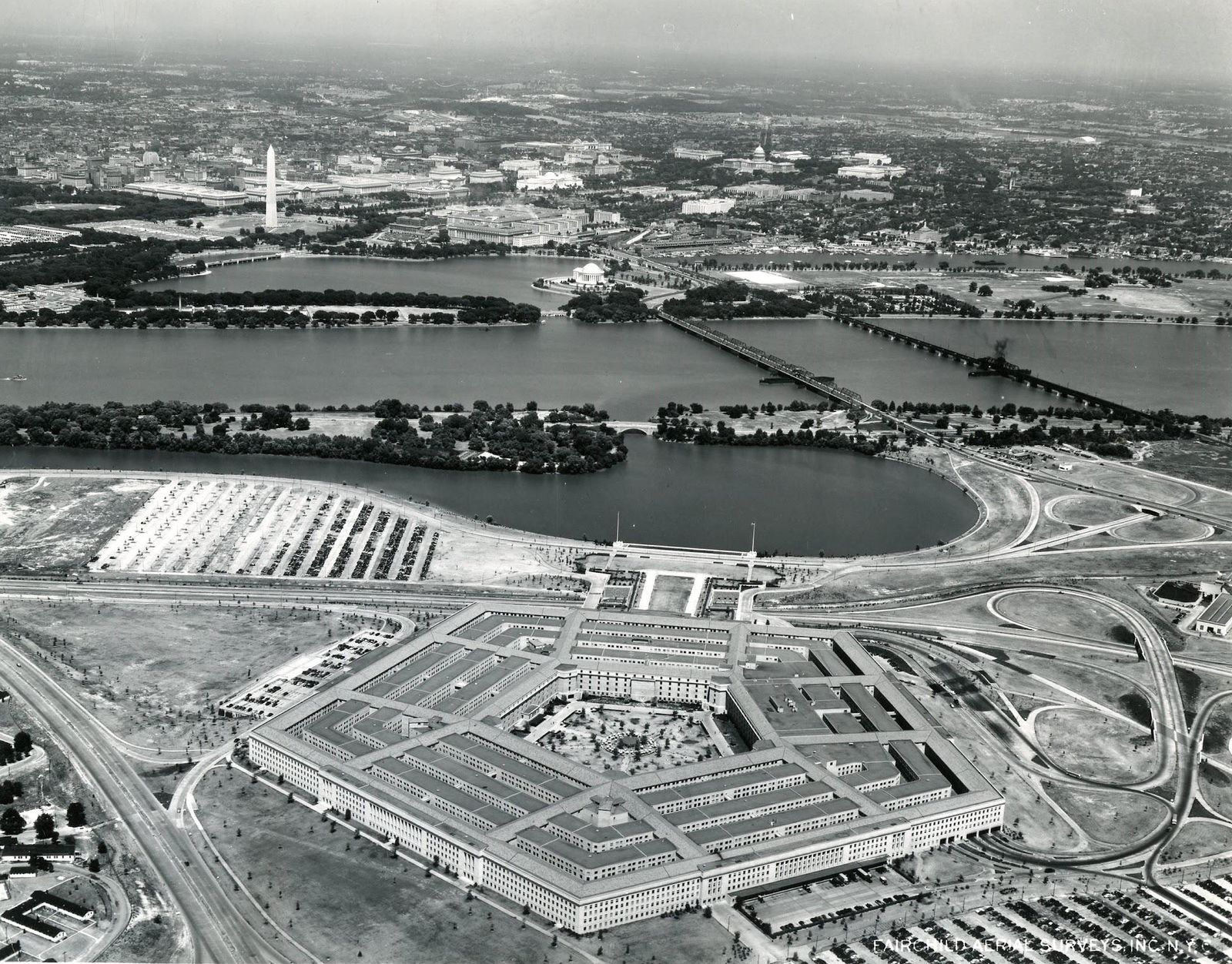
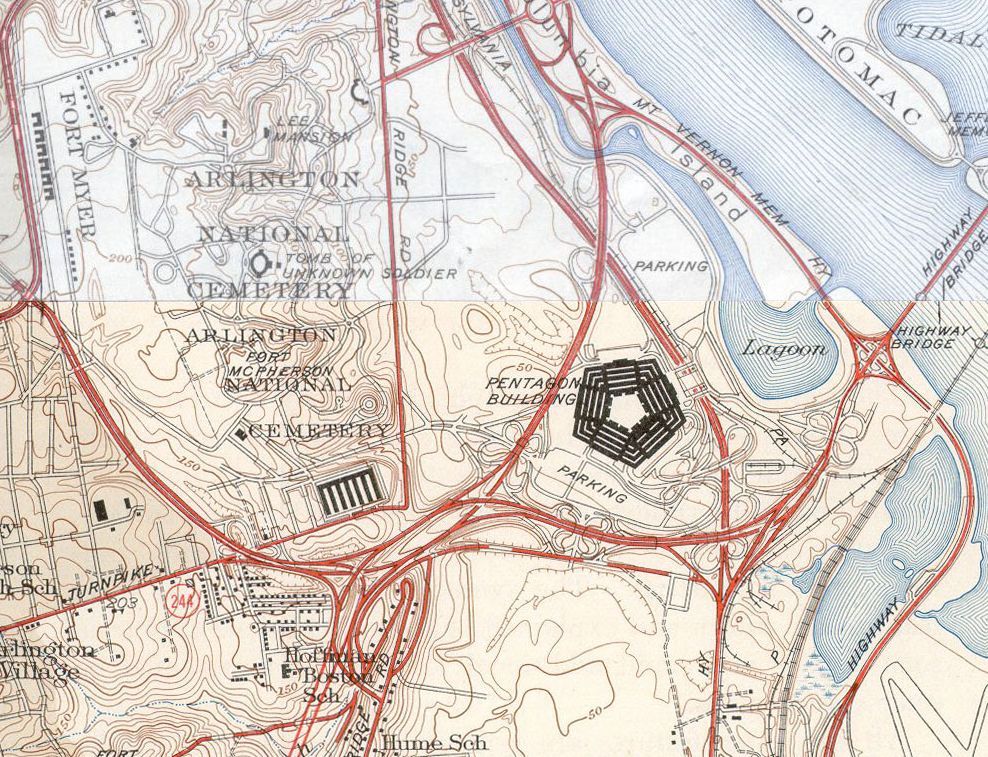
The Pentagon’s iconic five-sided shape was the consequence of a geographic accident. The original site selected for the building, near Arlington Cemetery, **happened to be bordered on five sides by roads. **Architects designed the structure to fit those boundaries, producing a pentagonal floor plan. Then President Franklin D. Roosevelt intervened: worried the massive building would obstruct the view of Washington, D.C. from Arlington, he ordered the site moved to its current location along the Potomac River. But the five-sided design had already been drawn up, and nobody changed it.

6
It was the first desegregated building in Virginia

Image: https://ddotlibrary.omeka.net/items/show/100, Public domain, via Wikimedia Commons

When the Pentagon was designed in 1941, segregation was the law in Virginia. Original plans called for doubled bathroom facilities: separate ones for Black and white employees, as required by Virginia statute. But President Roosevelt had signed Executive Order 8802 in June 1941, prohibiting racial discrimination in federal employment and government contracting.

As a federal building, the Pentagon was exempt from Virginia law. It became the only building in the state where segregation was not enforced. A fully desegregated federal workplace that opened in 1943. The doubled bathrooms were built anyway, as the plans were too far along to revise, but were never used as separately designated spaces.

7
Its construction was surprisingly frugal and incredibly fast

Image: See page for author, Public domain, via Wikimedia Commons

Ground broke on September 11, 1941, and construction finished on January 15, 1943, just 16 months later. More than 15,000 workers were on site around the clock. Wartime office shortages were so severe that employees moved into completed wings before the rest of the building was finished. Steel was too scarce to use extensively, so builders relied almost entirely on reinforced concrete. The 689,000 tons of sand and gravel required came directly from the nearby Potomac River, cutting transportation costs. The project was budgeted at $35 million, but the final bill was $63 million, which would translate to over $900 million in today’s dollars.

8
You can walk between its farthest points in only 7 minutes

Image: Bea A Carson, CC0, via Wikimedia Commons

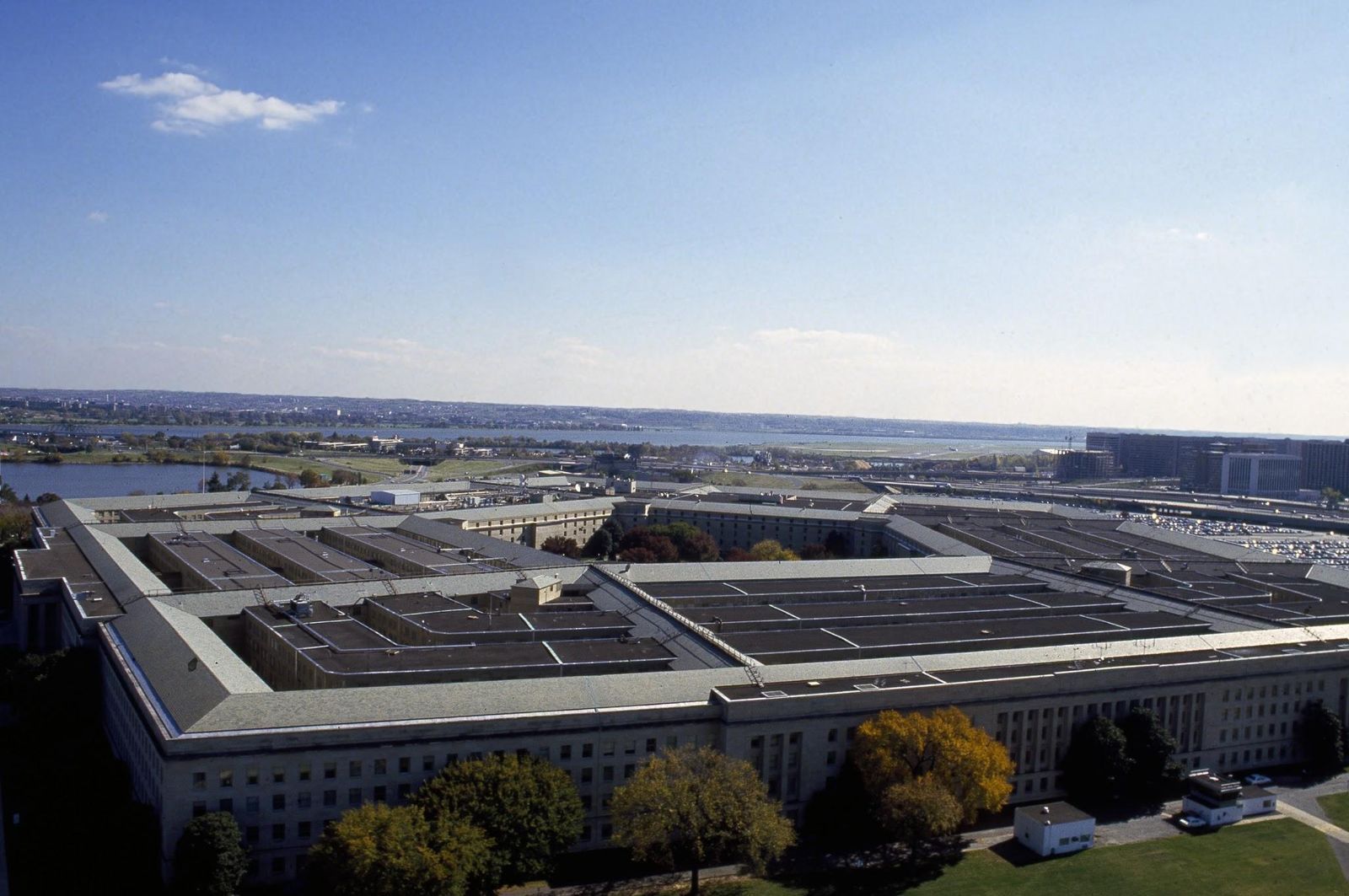
The Pentagon is the world’s largest low-rise office building: 6.5 million square feet of space, which is three times the total floor area of the Empire State Building. Each of its five outer walls is 921 feet long. It has 7,754 windows and 17.5 miles of corridors. Approximately 26,000 military and civilian employees report for work there every day.

Despite that scale, the building’s concentric ring design is so efficient that it takes only about seven minutes to walk between its two farthest points.

9
The man who secretly lived inside its walls

Image: Carol M. Highsmith, Public domain, via Wikimedia Commons

During construction, Colonel Groves drove his deputy, Captain Robert Furman, so relentlessly that Furman rarely left the building. To cope, Furman had contractors build him a small, windowless apartment hidden inside the walls of the Army’s Ordnance Division. In this private room, he could sleep and shower without leaving the premises.

When construction ended and personnel dispersed, knowledge of the hidden room was never passed on to building management. Months later, when Furman returned to Washington on Manhattan Project intelligence business, he found the apartment undiscovered and exactly as he’d left it.

For over a year, he would slip back to the Pentagon, pop open a wall panel, spend the night, and emerge in the morning with his suitcase. He was finally caught in 1943 and forced to surrender the keys. It was never disclosed whether the secret apartment was maintained or eventually absorbed back into the official floor plans.

10
It houses over 30 restaurants, including everyone's favorite chains

Image: Harrison Keely, CC BY 4.0, via Wikimedia Commons

The Pentagon feeds roughly 26,000 people a day, and its dining options read less like a military headquarters and more like a mall food court. The main Concourse Food Court, which opened in September 2009 and seats 875 people, is the largest of several dining areas.

Confirmed chains currently inside the building include McDonald’s, Five Guys, Subway, Popeyes, Starbucks (multiple locations), Dunkin’ (two locations), Panera Bread, Taco Bell, Panda Express, Baskin-Robbins, Potbelly, Jamba Juice, and Moe’s Southwest Grill, among others. The building also houses a CVS pharmacy, a florist, a jeweler, and a dry cleaner. In the summer of 2024, Potbelly became the first restaurant to open in the center courtyard. Yes, the very spot where the legendary Cold War hot dog stand once stood.

Explore more American facts

Choose your favorite category!

General
General

As American as apple pie—the very best America has to offer!

Culture
Culture

Delve into the astounding richness of American lore.

Geography
Geography

Hop in and explore vast and diverse American landscapes.

History
History

Discover the key moments that shaped the United States.