General General 5 min read

What really happened to Woolworth’s?
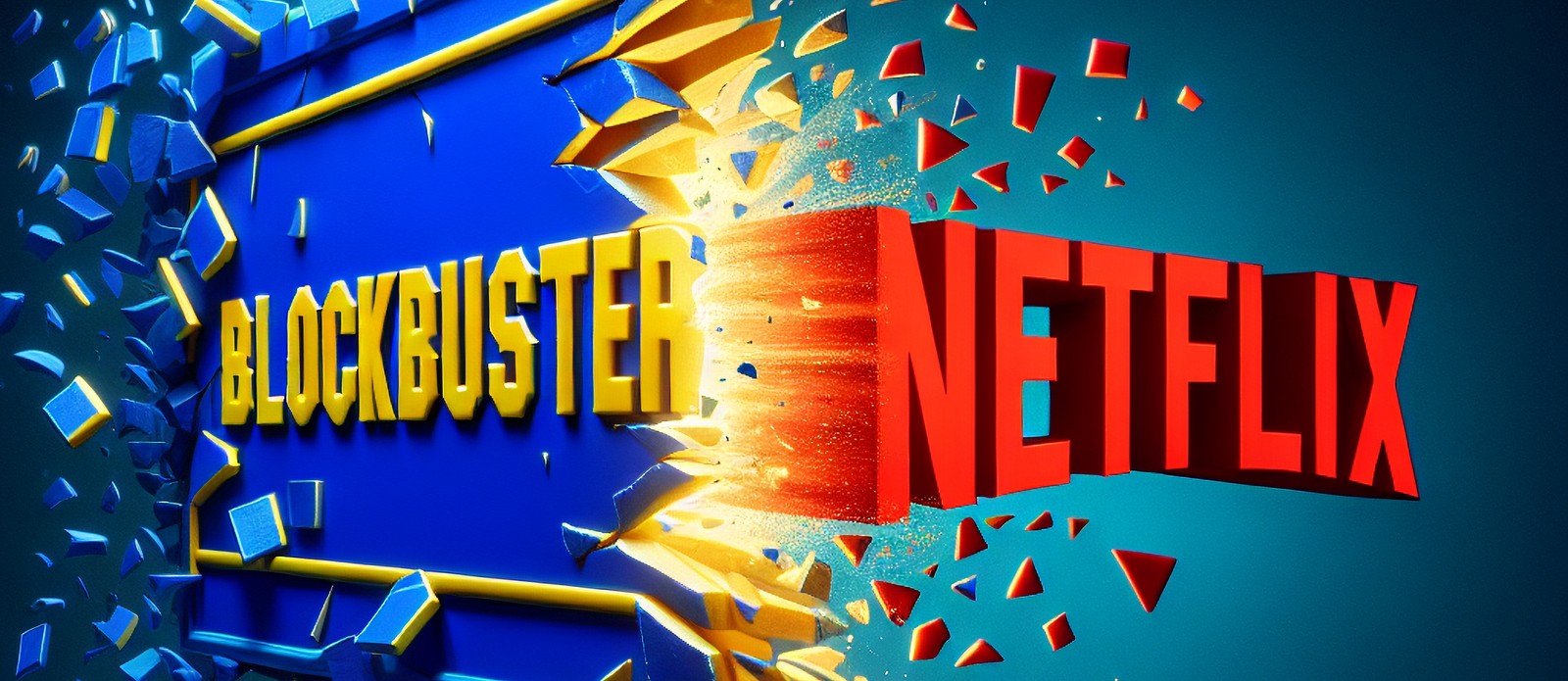
Image: Shutterstock AI Generator

Remember grabbing school supplies or a milkshake at Woolworth’s ? Stopping by Blockbuster to rent a movie for the weekend? Or doing your grocery shopping at A&P ? What happened to these once-ubiquitous stores we thought we couldn't live without? Keep reading to find out why these beloved chains disappeared.

1
Woolworth’s
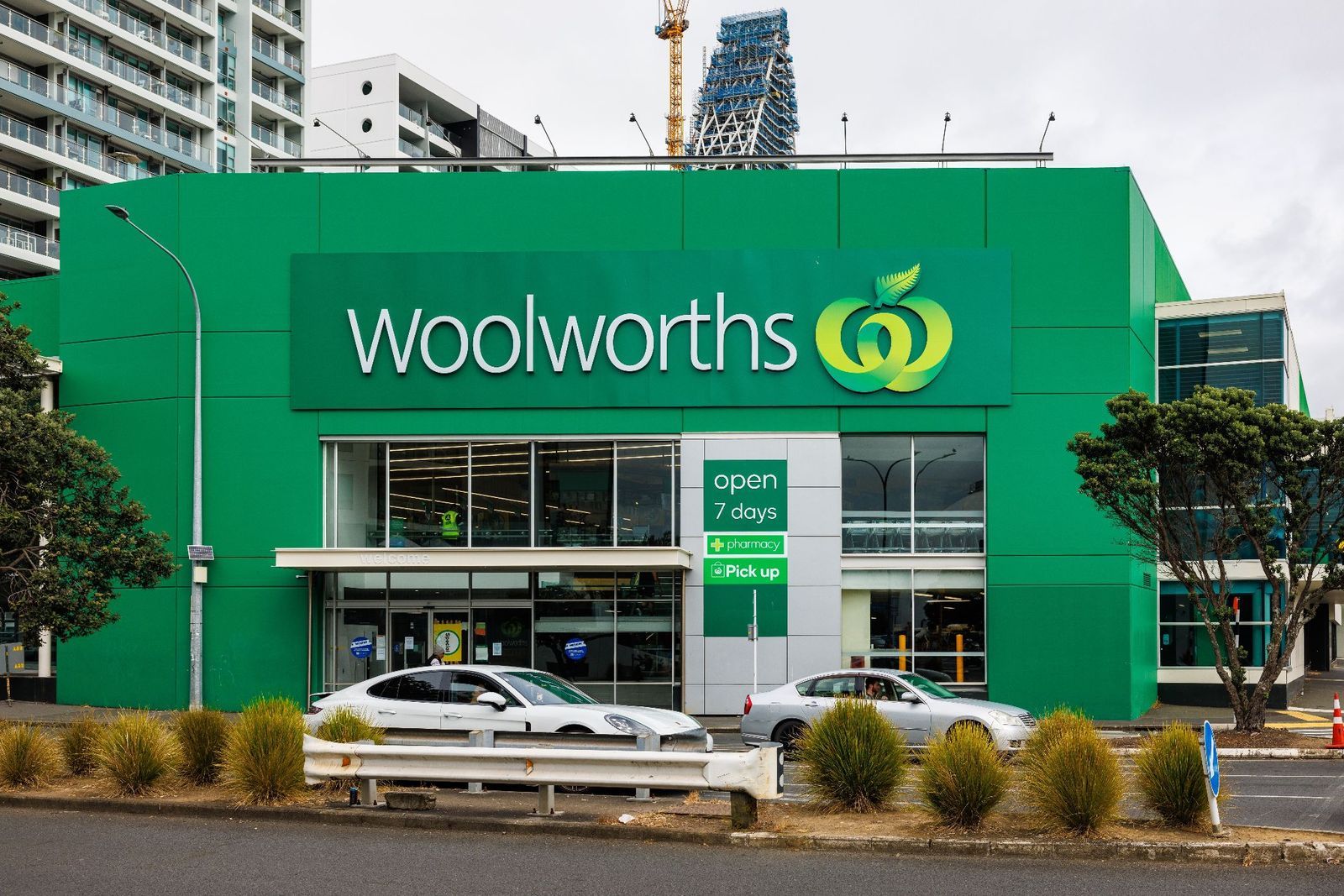
Image: ArDanMe

Woolworth’s was the place to buy everything from school supplies and toys to household goods and candy—or even to grab lunch. The first store opened its doors in Lancaster, Pennsylvania, in 1879. It was a five-and-dime shop, and the chain soon became one of America’s most recognizable retail names, with over 3,000 stores nationwide at its peak. So, why did it disappear?

With the steady rise of suburban shopping centers and large discount stores, Woolworth’s couldn’t keep up and began a slow decline in the 1960s that culminated in 1997, when it closed its final stores for good.

2
A&P

Image: Vladimka production

A&P used to be the spot to get everyday groceries. It began as a tea and coffee business in 1859 and later evolved into one of America’s biggest supermarkets with more than 16,000 stores in the country at its peak. But despite pioneering high-volume retailing, A&P couldn’t stick around.

Over the decades, newer competitors entered the market, and grocery shopping became more and more competitive. Walmart, Target, Aldi, Whole Foods—A&P failed to adapt and filed for bankruptcy twice, first in 2010 and again in 2015, and finally shut down in November 2015.

3
Blockbuster
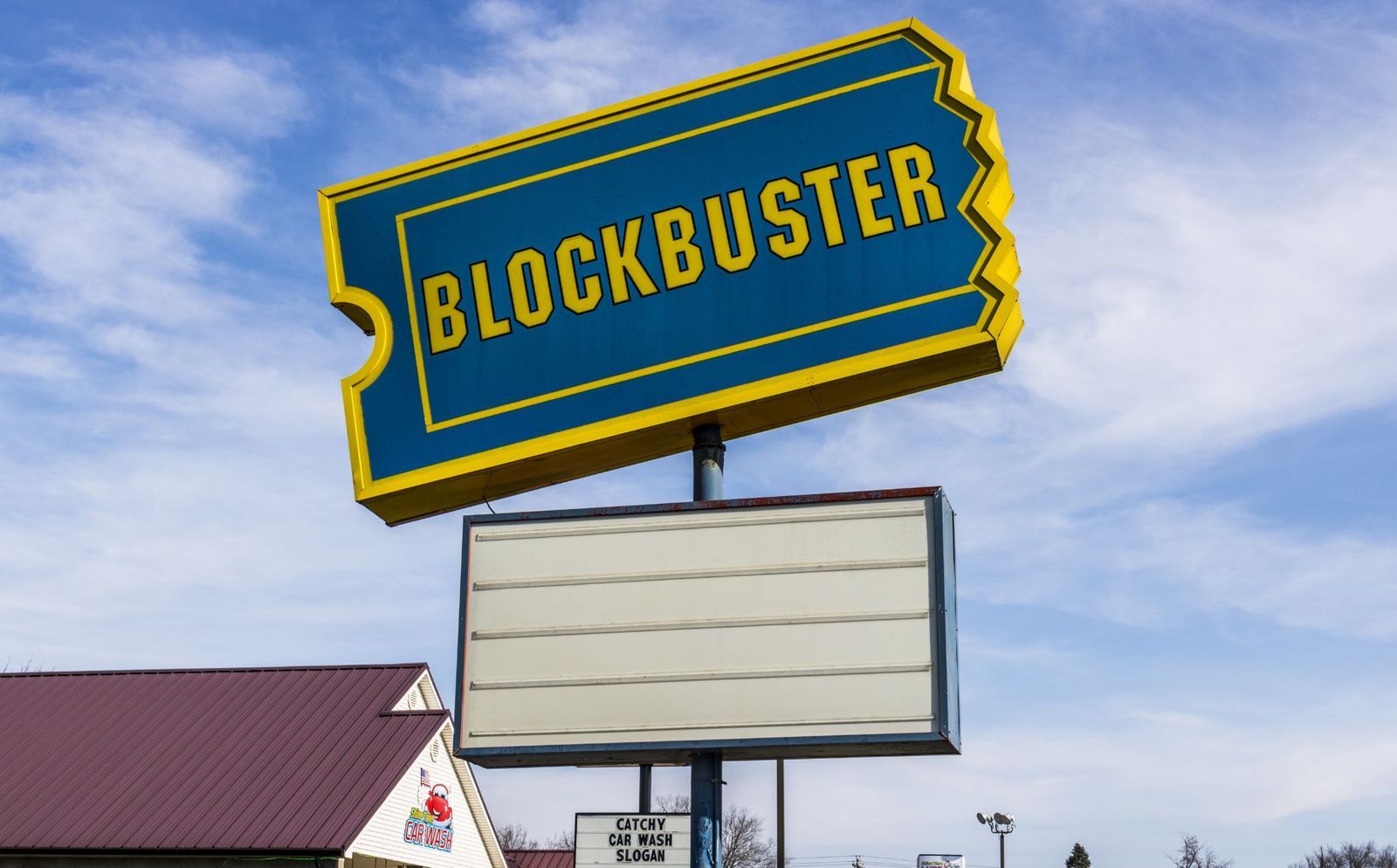
Image: Jonathan Weiss

Blockbuster was the go-to for movie rentals . It dominated the market with 9,100 stores worldwide by 2004, about $6 billion in revenue, and thousands of movies to choose from—it was hard to imagine Blockbuster ever falling, but it did.

The rapid advancement of technology hit Blockbuster hard, with newer options like DVD-by-mail services, Redbox kiosks, and the final blow: streaming services like Netflix, Amazon Prime Video, Disney+, and more. All Blockbuster corporate-owned stores closed by January 2014; however, you can still visit one holdout location in Bend, Oregon.

4
Montgomery Ward
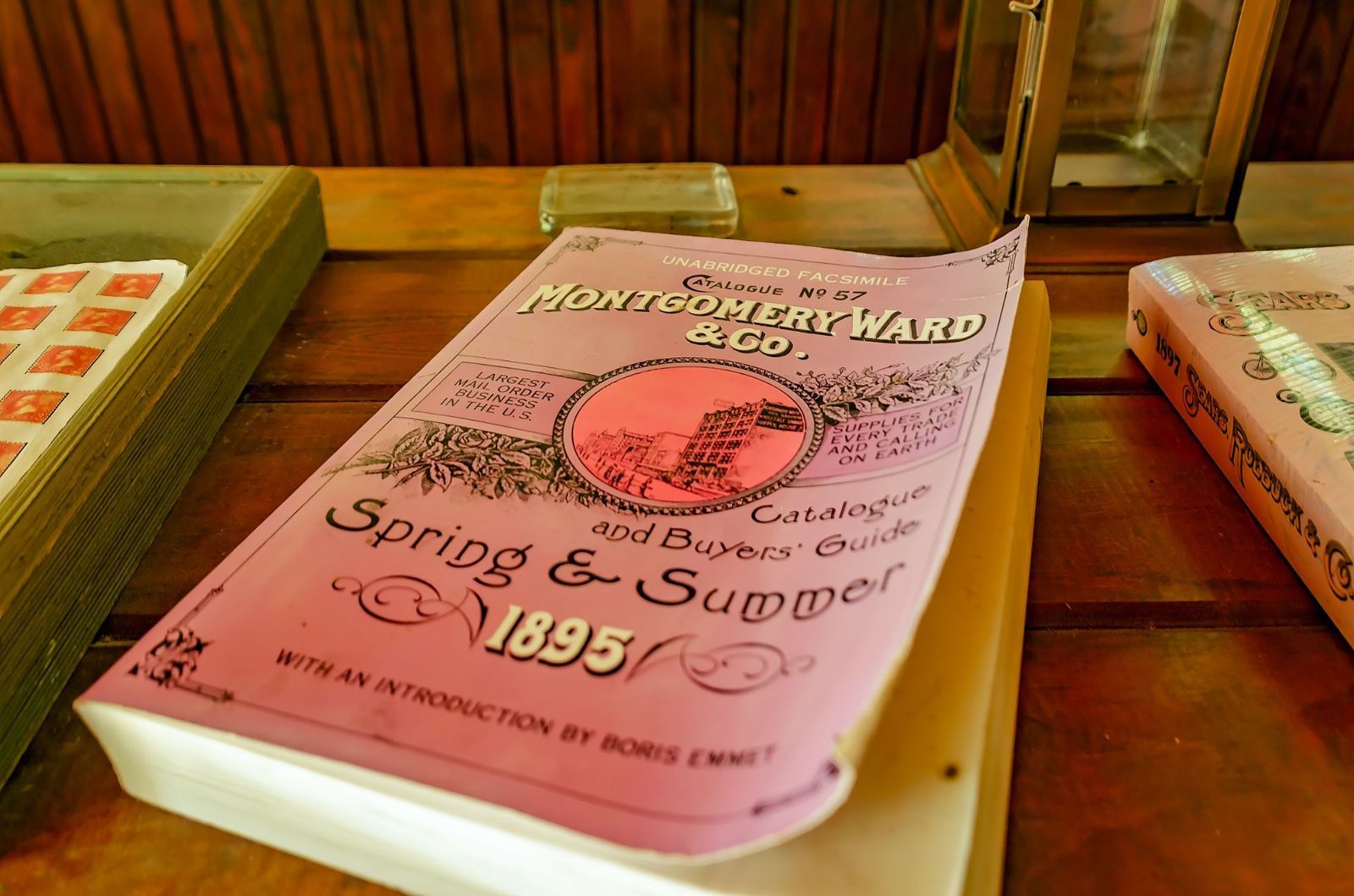
Image: Carmen K. Sisson

Long before Amazon, consumers could buy almost anything from Montgomery Ward from the comfort of their homes , and the company would ship it directly to them. It felt like online shopping before the internet. So why did it vanish?

To adapt to newer shopping habits, Montgomery Ward opened physical stores and started competing with brands like Sears; but once suburban malls and discount stores became widespread in the 1980s, Montgomery Ward couldn’t keep pace and eventually filed for bankruptcy in 1997 and again in 2001.

5
Circuit City
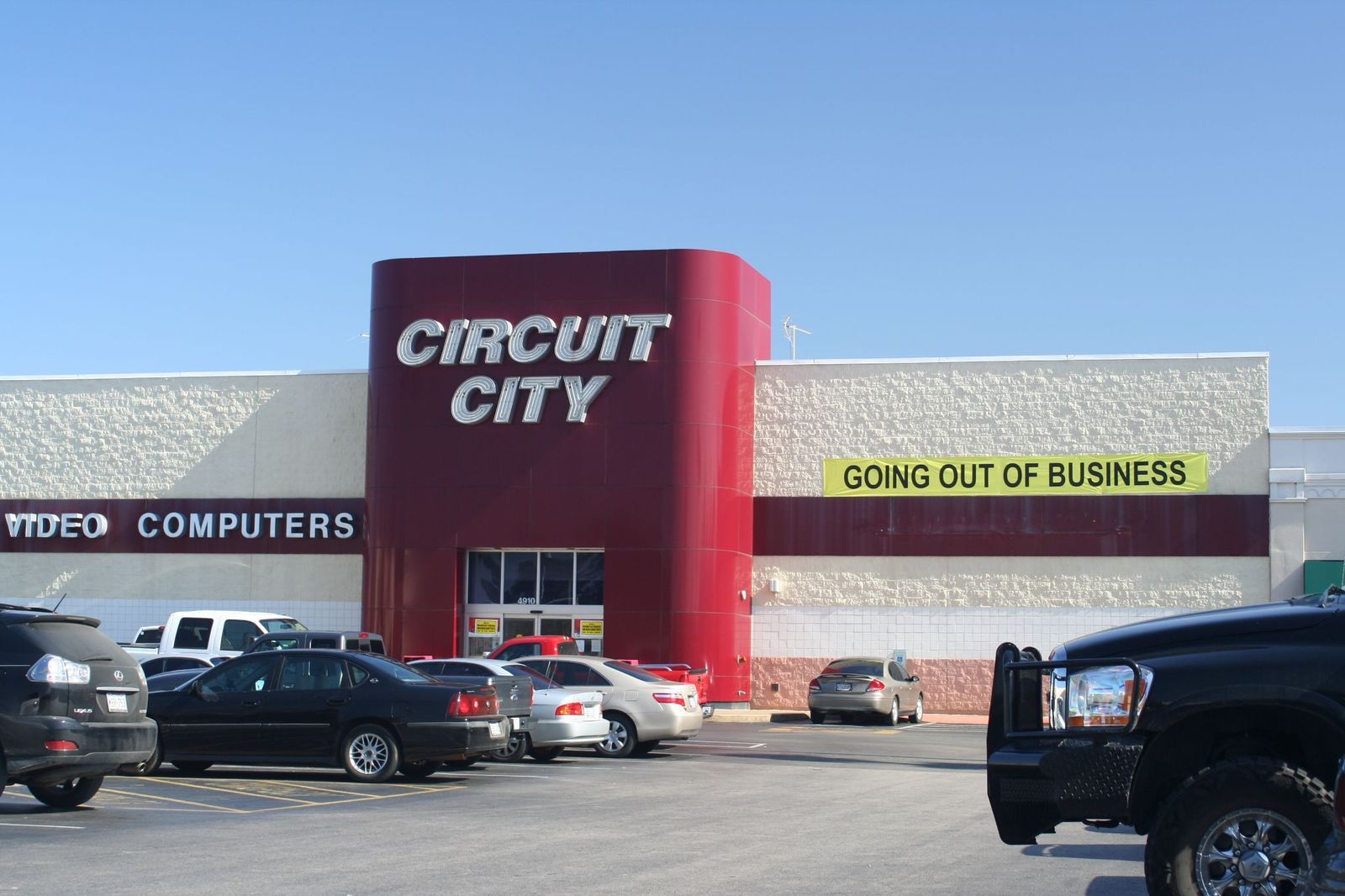
Image: LMPark Photos

Circuit City started in 1949 and quickly became the source for TVs, stereos, VCRs, video games, and just about every kind of electronics , especially during the 1980s. The company continued growing by the early 2000s, expanding to more than 600 stores, though one controversial decision made it trip and fall.

Circuit City was already struggling to compete with Best Buy and Walmart. And in 2007, it replaced its commissioned sales staff with low-paid hourly workers, damaging customer service—often considered one of Circuit City’s biggest strategic mistakes. By March 2009, the chain was gone.

6
Caldor
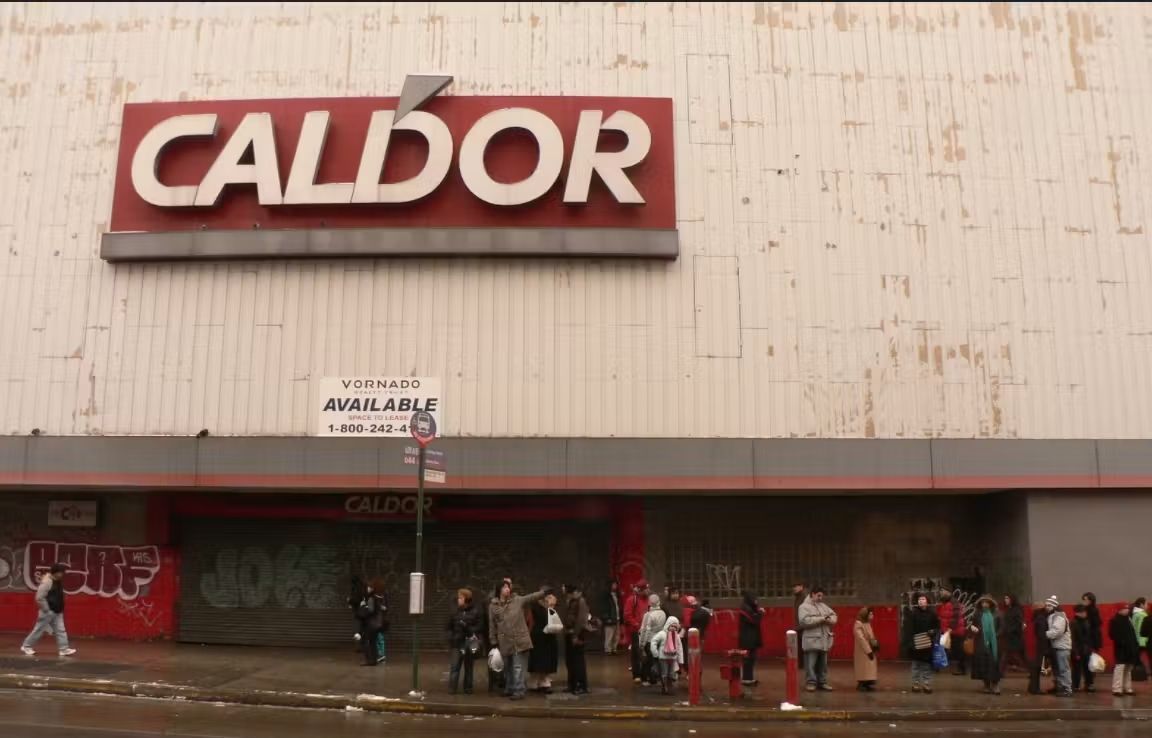
Image: CC: 2.0 Ian Westcott

There was a time when one trip to Caldor could cover almost everything on your shopping list. Founded in 1951, it became a major one-stop discount department store . By the 1990s, it had grown to more than 150 stores across New York, Connecticut, New Jersey, and Massachusetts, but in 1995 it filed for bankruptcy. What happened in between?

Big box stores like Walmart and Target were expanding rapidly, and Caldor simply fell behind as people moved toward newer retail formats that combined department stores and supermarkets. Plus, the company took on a lot of debt in 1991, which only made things worse. Caldor finally closed for good in 1999.

7
Borders
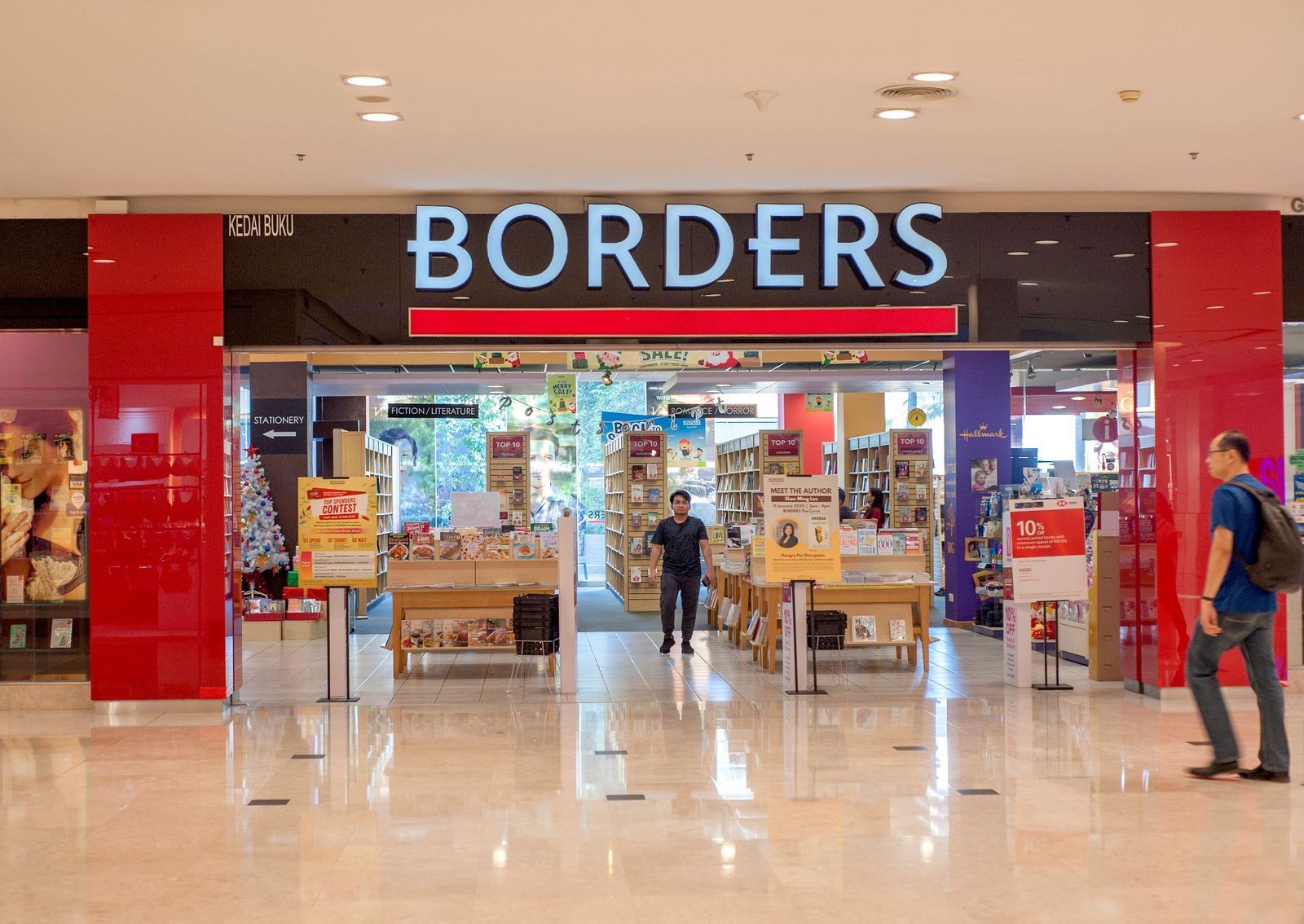
Image: Raymond Vong Photography

Borders is a reminder of a time when buying a book was an experience, rather than just clicking a few buttons online. It opened in 1971 and set itself apart from other modern bookstores. At Borders, you could spend an entire afternoon browsing not just books, but music and DVDs or even grabbing a coffee.

Around 2003–2004, Borders had more than 1,200 stores worldwide , but it failed to adapt to an inevitable growing trend: online book sales. Amazon eventually took over, and Borders couldn’t stay in the game, closing its final location in September 2011.

8
G.C. Murphy
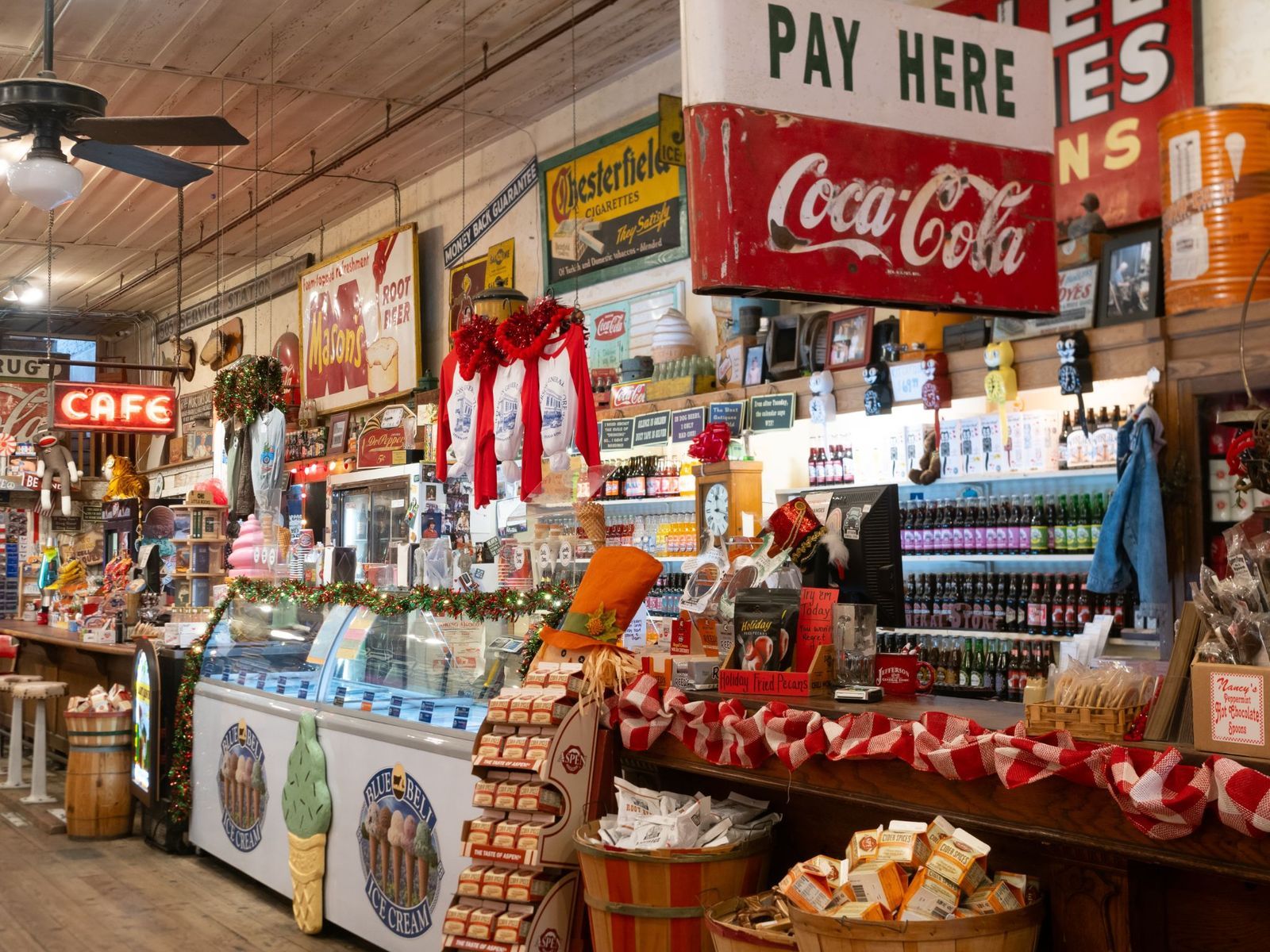
Image: Teresa Otto

Much like Woolworth’s, G.C. Murphy was a five-and-dime store that sold a little bit of everything and had lunch counters or snack bars where people would hang out. The company opened in 1906, and it operated more than 500 stores by 1976.

But once the traditional five-and-dime model came under pressure from discount giants, G.C. Murphy was forced to adapt. The chain did make some efforts and experimented with bigger stores and different formats, but it wasn’t enough, and G.C. Murphy filed for bankruptcy in 1985.

9
Zayre
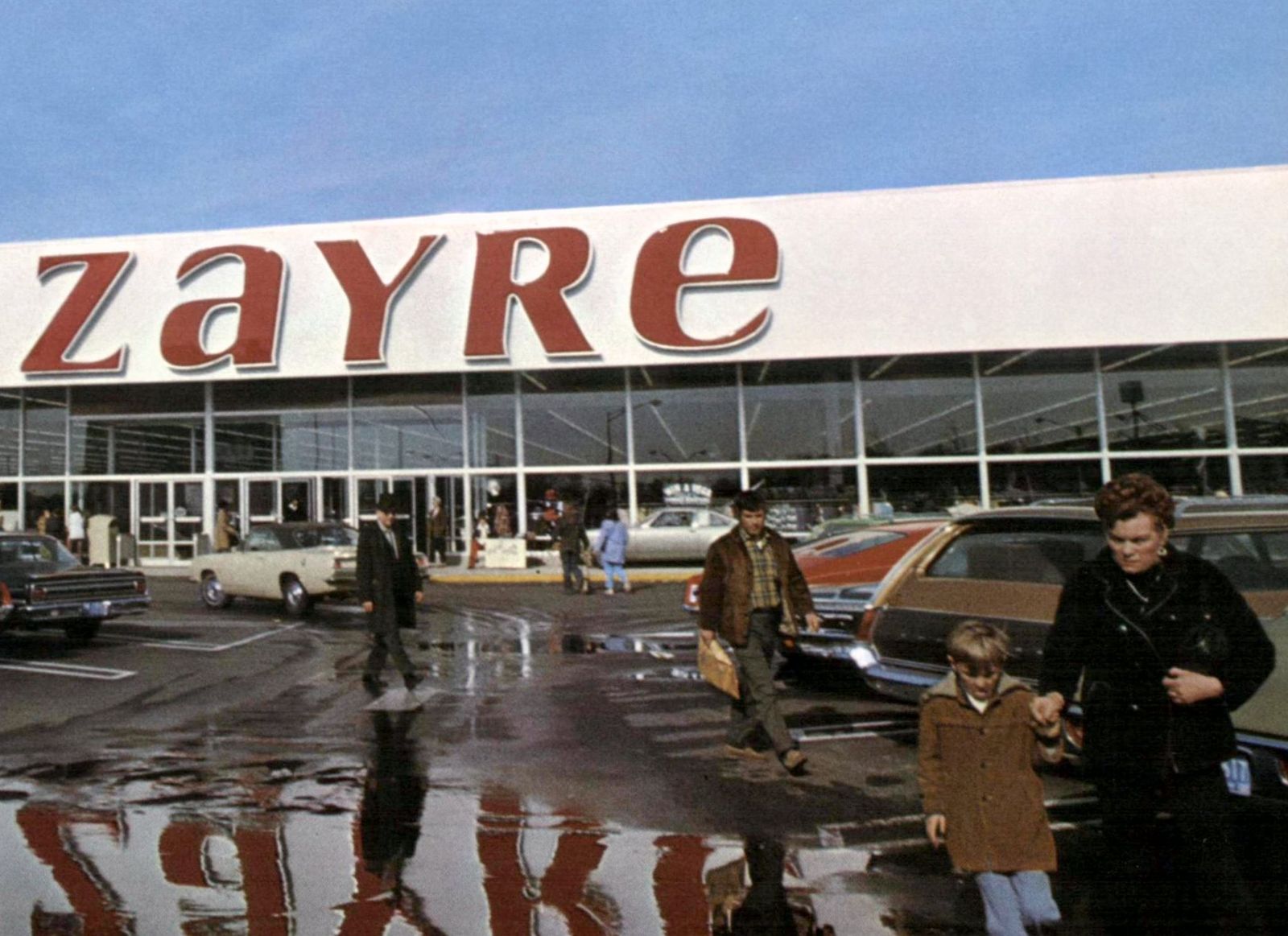
Image: Click Americana, CC BY 2.0, via Wikimedia Commons

Zayre entered the market in 1956 as a classic discount department store that looked more like a warehouse . It was a no-frills, self-service shopping experience with massive stores, wide-open interiors, and exposed ceilings where you could find lots of everyday items like clothing, household goods, or appliances at low prices.

While it was pretty successful, especially across the Northeast and Midwest, Zayre struggled to keep up with giants like Target. It tried to reinvent itself by founding TJ Maxx in 1977, but eventually sold the remaining Zayre stores to Ames in 1988, and the Zayre name vanished by 1990.

10
Service Merchandise
Image: Service Merchandise, Public domain, via Wikimedia Commons

Service Merchandise was founded in 1934 and, unlike typical retail stores, it introduced a strange new concept called the " catalog showroom " in 1960, where display floors showcased single working samples of products, and the actual inventory was stored in an adjacent backroom warehouse. Customers would look at a catalog, place an order, and an employee would bring it to them.

The concept proved successful, and Service Merchandise operated more than 400 showrooms by the mid-1990s. But Service Merchandise’s model meant longer waiting times, and traditional discount stores began offering a faster and easier shopping experience. The company tried to modernize by introducing electronic inventory systems, but it didn’t work out. By 2002, Service Merchandise was gone.
General General 5 min read

Have you visited any?

10 American food festivals worth traveling for

Image: Ashley Owen

From seafood extravaganzas to chocolate wonderlands, America knows how to throw a party around food . These festivals aren't just about eating, they're about celebrating regional flavors, quirky traditions, and the kind of community spirit that only emerges when thousands of people gather to worship their favorite ingredient.

1
Gilroy Garlic Festival - Gilroy, California

Image: Mitch Hodiondo

This July festival has been going strong since 1979, serving up everything from garlic fries to garlic-infused desserts that'll make you question everything you thought you knew about sweetness. The festival draws over 80,000 garlic enthusiasts who aren't afraid of a little breath situation.

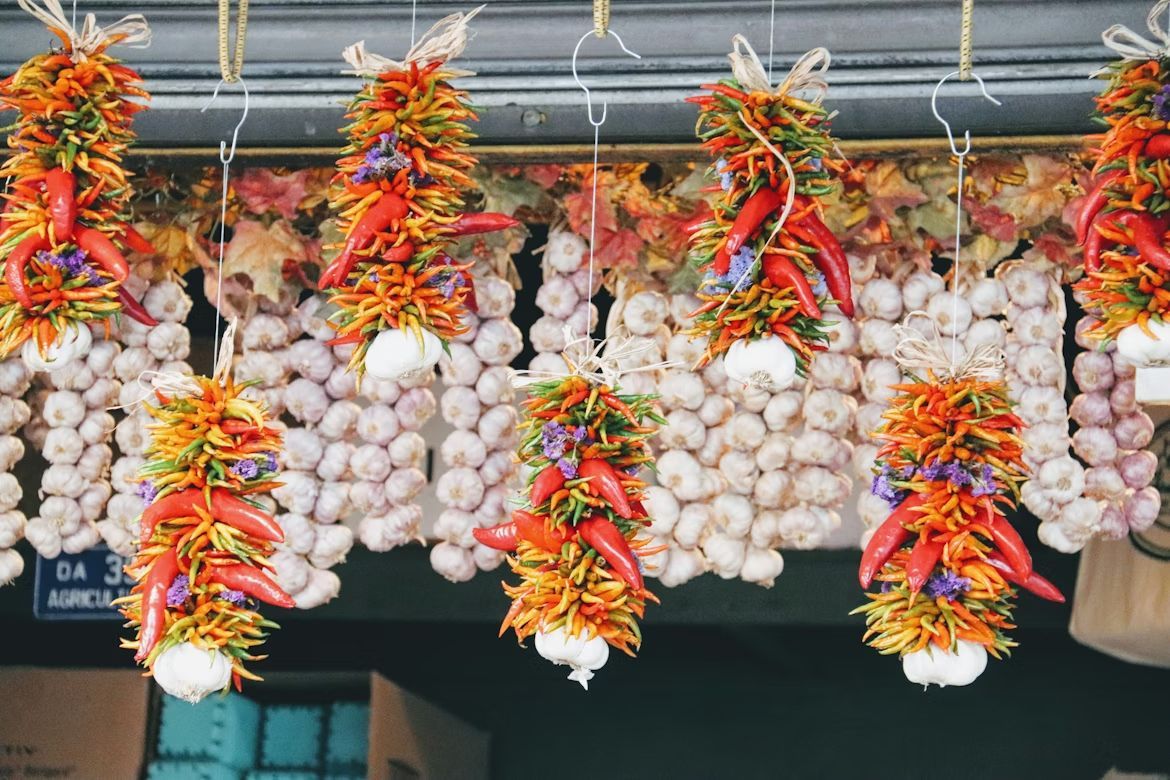
Beyond the obvious eating opportunities, you'll find cook-offs, live entertainment, and enough garlic braids to decorate every kitchen in America. The Miss Gilroy Garlic Festival Queen pageant is a real thing, and yes, contestants probably smell amazing.

2
Maine Lobster Festival - Rockland, Maine

Image: Michelle Tsang

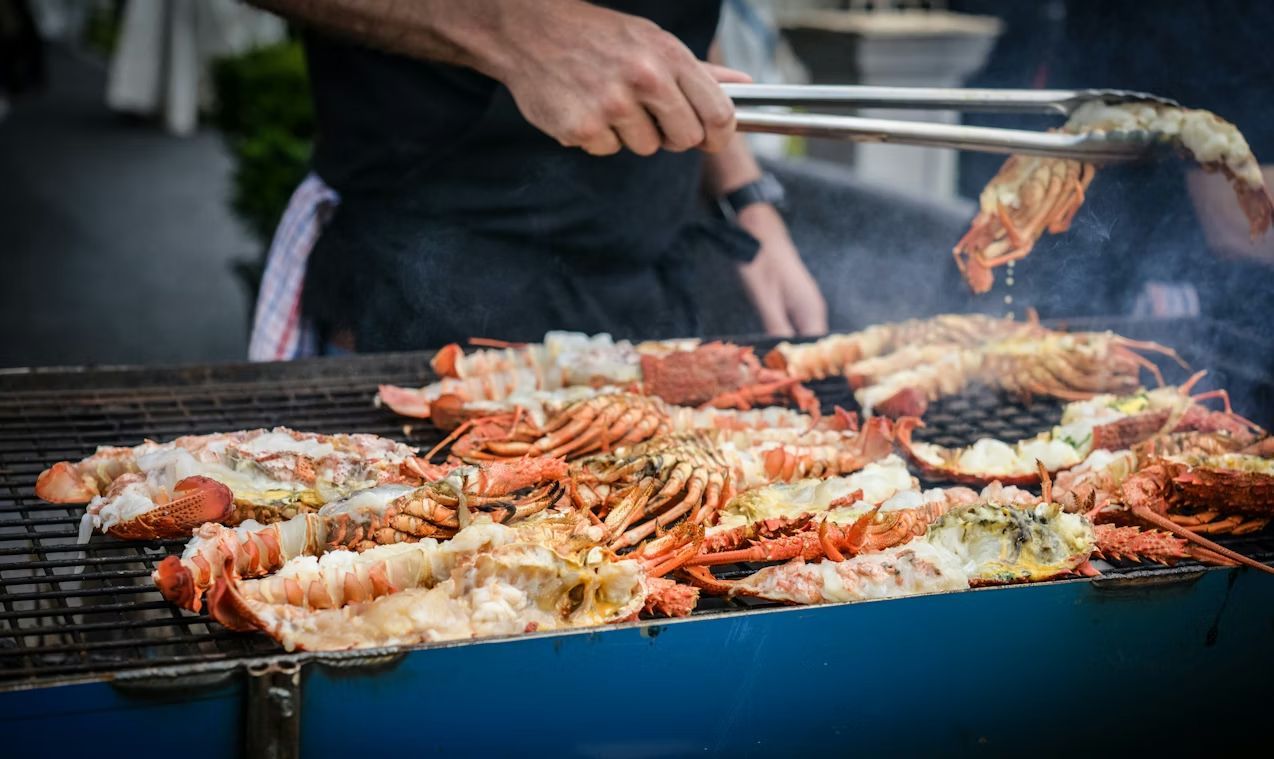
Every August, this coastal town transforms into lobster paradise, where over 20,000 pounds of the crustaceans meet their delicious destiny in a five-day celebration of all things clawed and buttery. The festival serves lobster every way imaginable: boiled, in rolls, and in bisque.

Between lobster courses, you can watch the Maine Sea Goddess Coronation, browse hundreds of arts and crafts vendors, or catch big-name musical acts on the harbor stage. The parade is a charming small-town affair that reminds you why these festivals beat fancy restaurants every time.

3
National Cherry Festival - Traverse City, Michigan

Image: Reza Yaghoobian

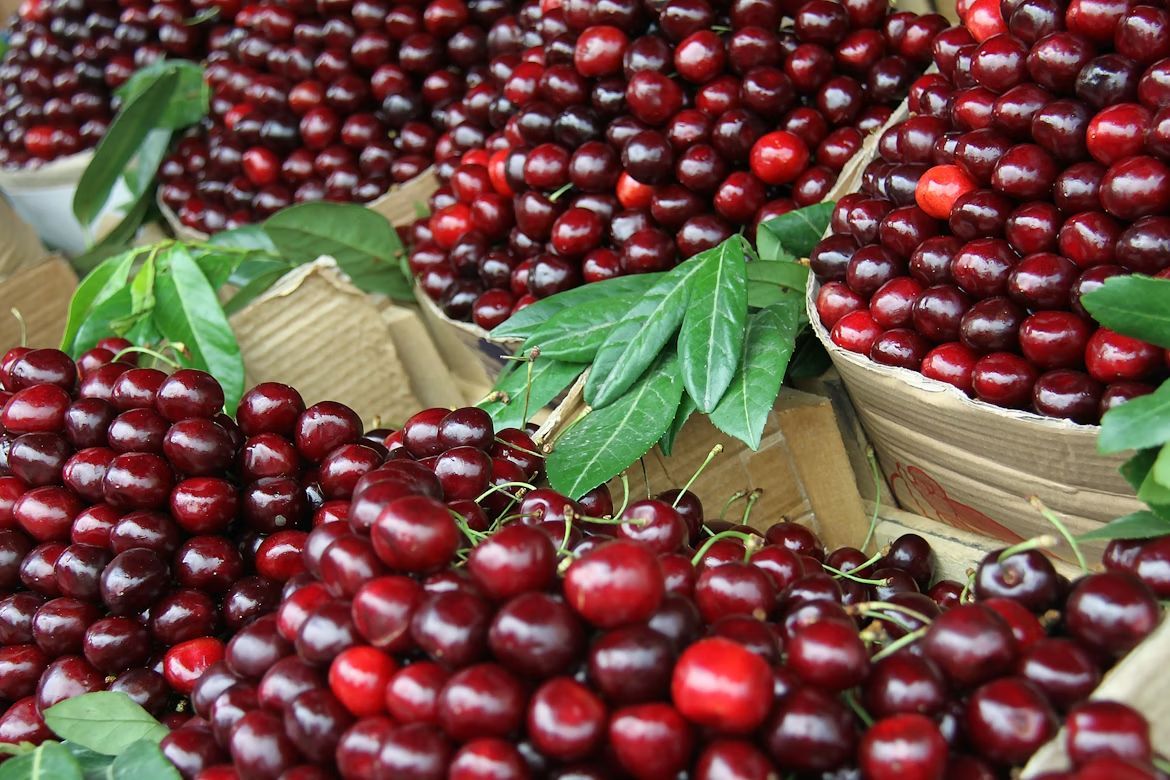
Michigan's cherry country goes absolutely bonkers every July with eight days of cherry-flavored everything in one of the prettiest settings you'll ever see. We're talking cherry pie-eating contests, cherry pancake breakfasts, cherry salsa, and enough cherry wine to make you wonder why you ever drank grape-based beverages.

The festival isn't just about cherries: there are air shows, parades, live concerts, and a sand sculpture contest that'll make you feel inadequate about your beach castle skills. You can even participate in the Very Cherry 5K if you want to pretend you're being healthy before eating your weight in cherry pie.

4
New Orleans Wine & Food Experience - New Orleans, Louisiana

Image: Yuri Krupenin

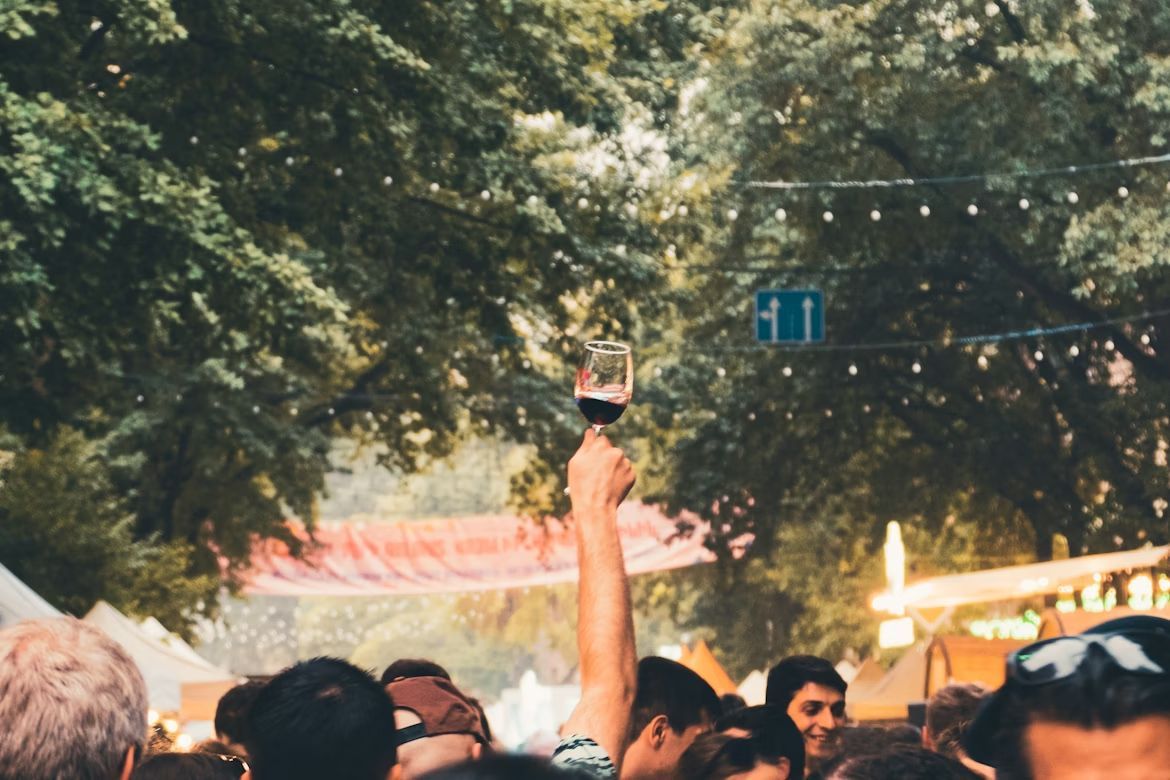
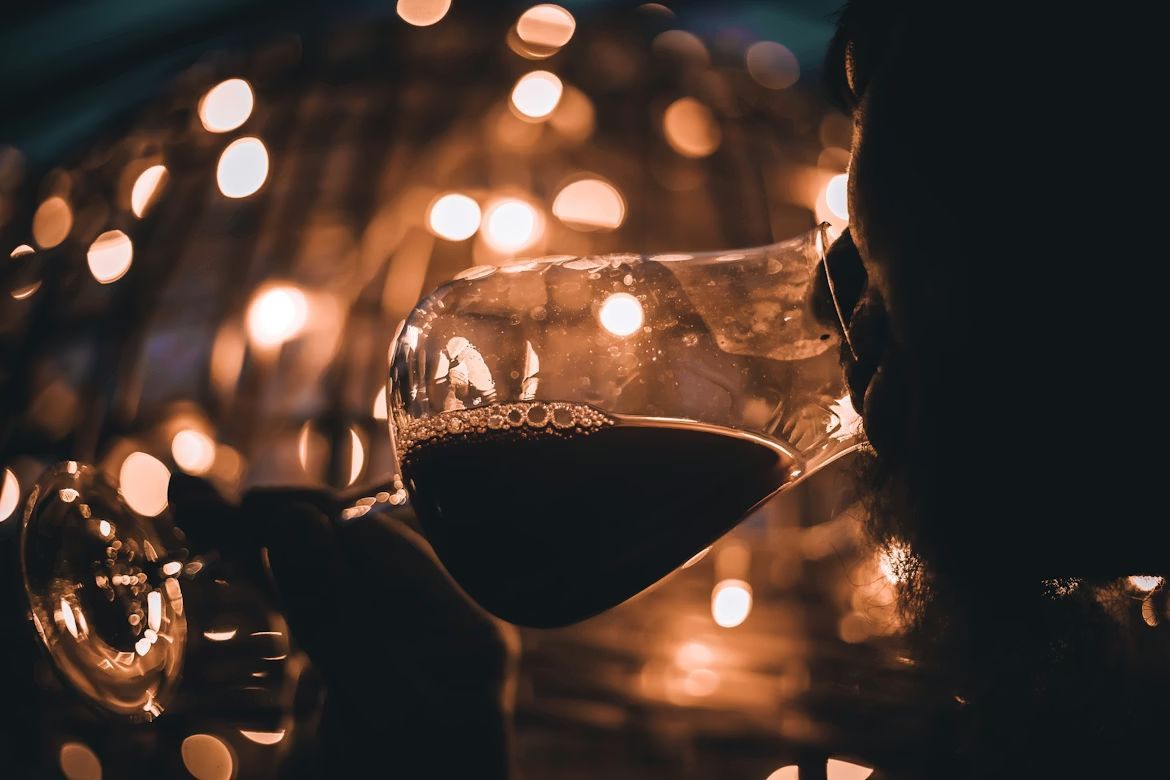
Every May, this city throws a five-day celebration that combines world-class wine with Creole and Cajun cuisine. This is a sophisticated affair with celebrity chef dinners, wine seminars, and events in stunning French Quarter locations that make you feel fancy even with hot sauce on your shirt.

The Royal Street Stroll is the main event, where you can sample dishes from over 50 restaurants while sipping wine and listening to jazz, because New Orleans doesn't do anything halfway. This festival showcases why New Orleans is considered one of America's greatest food cities.

5
Taste of Chicago - Chicago, Illinois

Image: Stéfano Girardelli

The Windy City hosts one of the world's largest food festivals every July, transforming Grant Park into a massive outdoor dining room where deep-dish pizza competes with Italian beef sandwiches for your affection. Since 1980, this free-admission festival has been drawing millions of visitors who want to sample Chicago's legendary food scene without the hassle of restaurant reservations.

With over 300 menu items from dozens of local restaurant s, you can eat your way through Chicago's diverse neighborhoods without leaving the park. There are cooking demonstrations from celebrity chefs, live music on multiple stages, and enough food vendors to ensure you'll need a nap by 2 PM.

6
Hatch Chile Festival - Hatch, New Mexico

Image: L'Odyssée Belle

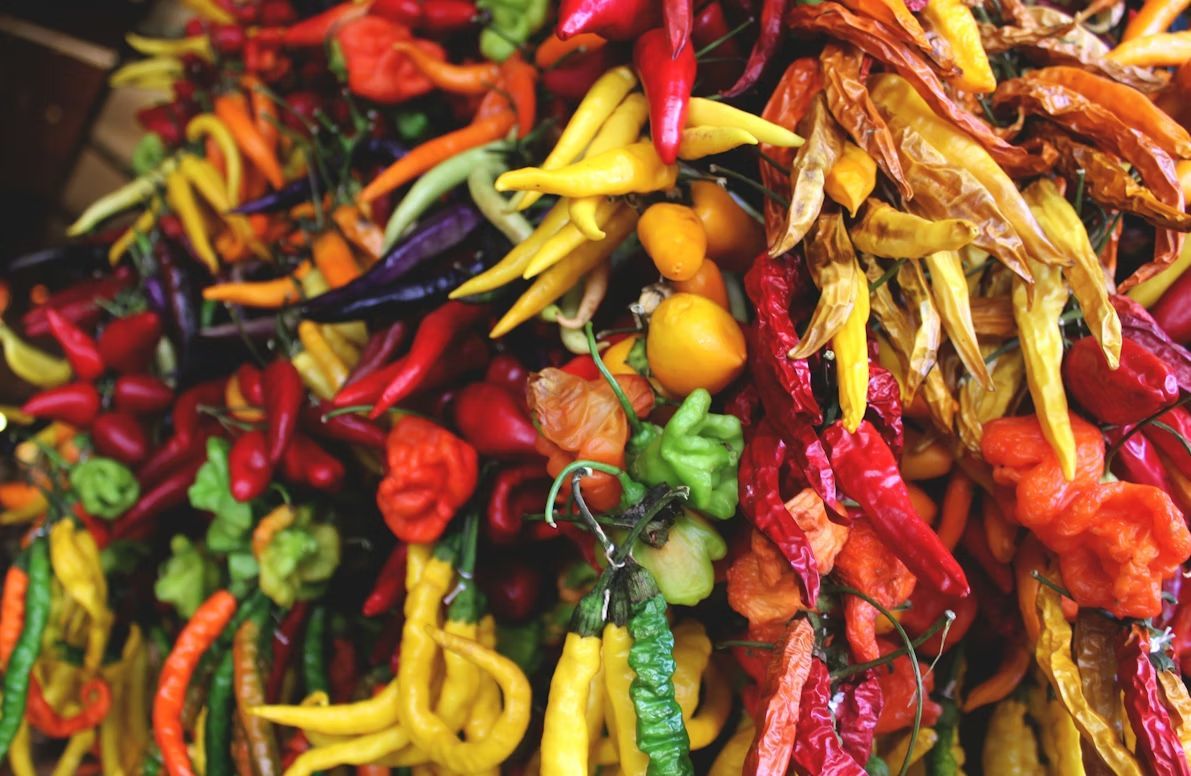
Every Labor Day weekend, this tiny town of 1,600 people swells to over 30,000 as chile pepper fanatics make their annual pilgrimage to the "Chile Capital of the World." The Hatch chile is famous for its unique flavor—earthy, smoky, and just spicy enough to make things interesting without requiring a fire extinguisher. You'll find them roasted, stuffed, turned into salsa, baked into bread , and mixed into ice cream for the adventurous.

The festival is wonderfully unpretentious, with a parade featuring the Chile Queen, live music, arts and crafts, and the kind of small-town charm that makes you want to move to New Mexico. Watching massive roasters tumble thousands of fresh chiles while their aroma fills the air is oddly mesmerizing.

7
Pebble Beach Food & Wine - Pebble Beach, California

Image: Phakphoom Srinorajan

This April event on the stunning Monterey Peninsula is where celebrity chefs, renowned winemakers, and beautiful people gather to celebrate the finer things in life. Set against the backdrop of Pebble Beach's legendary golf courses and dramatic coastline, this is food festival luxury at its finest, with Grand Tasting pavilions, intimate chef dinners, and wine seminars.

You might spot a celebrity chef or two wandering around, and the event attracts serious food lovers willing to splurge for unforgettable culinary experiences. From fresh seafood to innovative cuisine that looks too pretty to eat, this festival proves that California knows how to combine stunning scenery with exceptional food.

8
Vermont Cheesemakers Festival - Shelburne, Vermont

Image: Luba Glazunova

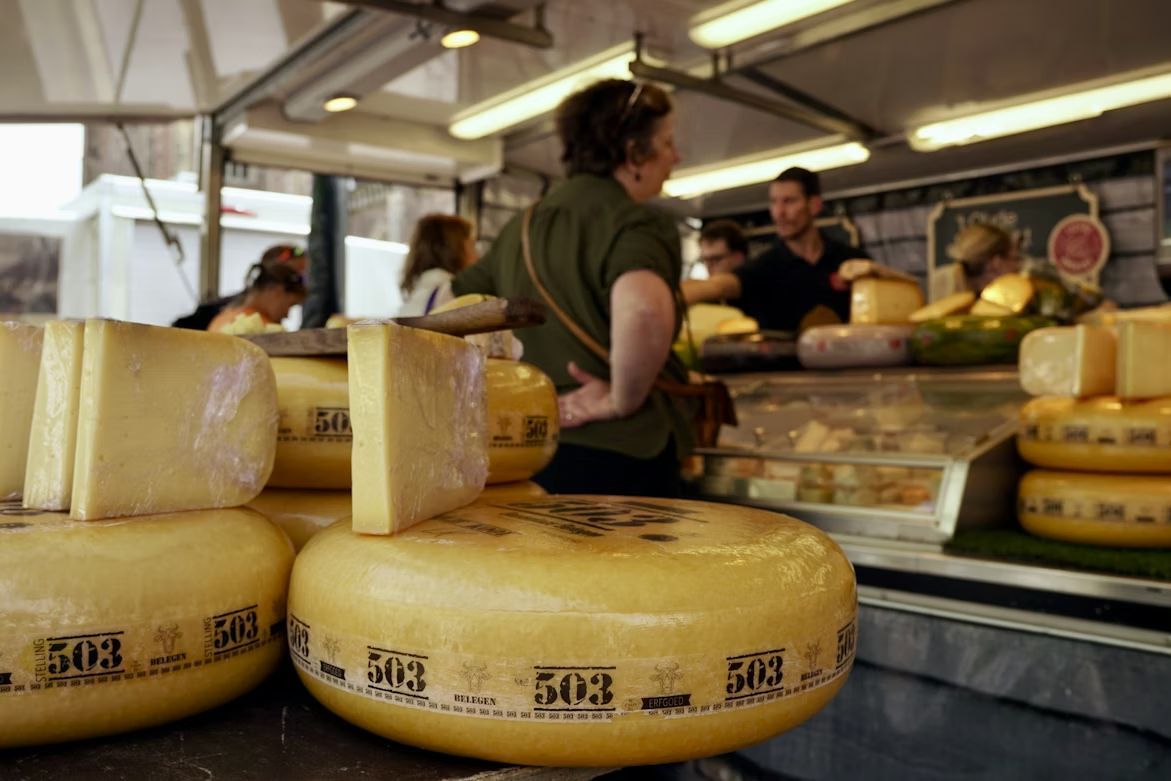
Every August, cheese lovers gather at Shelburne Farms, a stunning 1,400-acre estate overlooking Lake Champlain, for what might be the most civilized food festival in America. We're talking award-winning artisan cheeses from over 40 local cheesemakers, paired with local beers, ciders, and wines in a setting so picturesque you'll think you've wandered onto a movie set.

The festival celebrates Vermont's thriving cheese culture with tastings, demonstrations, and plenty of opportunities to chat with the actual cheesemakers who'll explain why their cheddar is superior to everyone else's (they're all correct, somehow). Live music, children's activities, and farm tours round out the experience, making it perfect for the whole family.

9
Epcot International Food & Wine Festival - Orlando, Florida

Image: Paul Lievens

Disney World's Epcot park transforms every fall into a global food court, with over 30 international marketplaces serving small plates from around the world. Running from late August through November, this is the longest food festival on our list, giving you plenty of chances to "drink around the world" while pretending you're culturally enriching yourself. From French wine to German beer to Canadian pretzel bread, you can passport-stamp your palate without airport security.

Sure, it's touristy, but it's also surprisingly delicious and incredibly convenient—where else can you eat in Morocco, drink in Italy, and catch fireworks over a lagoon all in one afternoon? Celebrity chef demonstrations, beverage seminars, and live concerts (included with park admission) make this festival a surprising value despite Disney's reputation for expensive hot dogs.

10
Boudin, Bourbon & Beer Festival - New Iberia, Louisiana

Image: Hybrid Storytellers

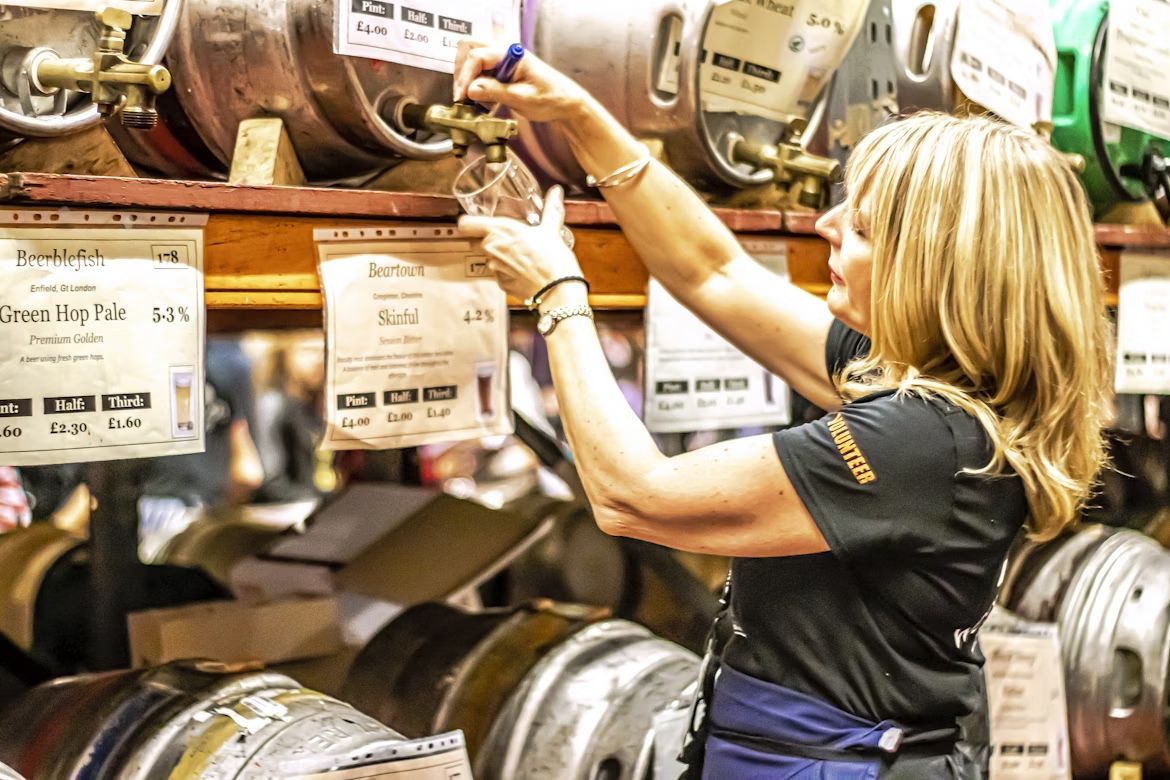
In October festival celebrates the holy trinity of Louisiana living: boudin sausage, bourbon, and beer. Held in the charming downtown district, this relatively new festival has quickly become a favorite for anyone who wants to experience authentic Cajun culture .

Local restaurants compete for the best boudin recipe while musicians play zydeco and Cajun music that'll have you dancing whether you know how or not. The bourbon and beer selections showcase both Louisiana craft beverages and national favorites, creating pairing opportunities you never knew you needed.

Culture Culture 2 min read

Wild words

Hold your horses! 10 phrases born on the American frontier

Image: Documerica

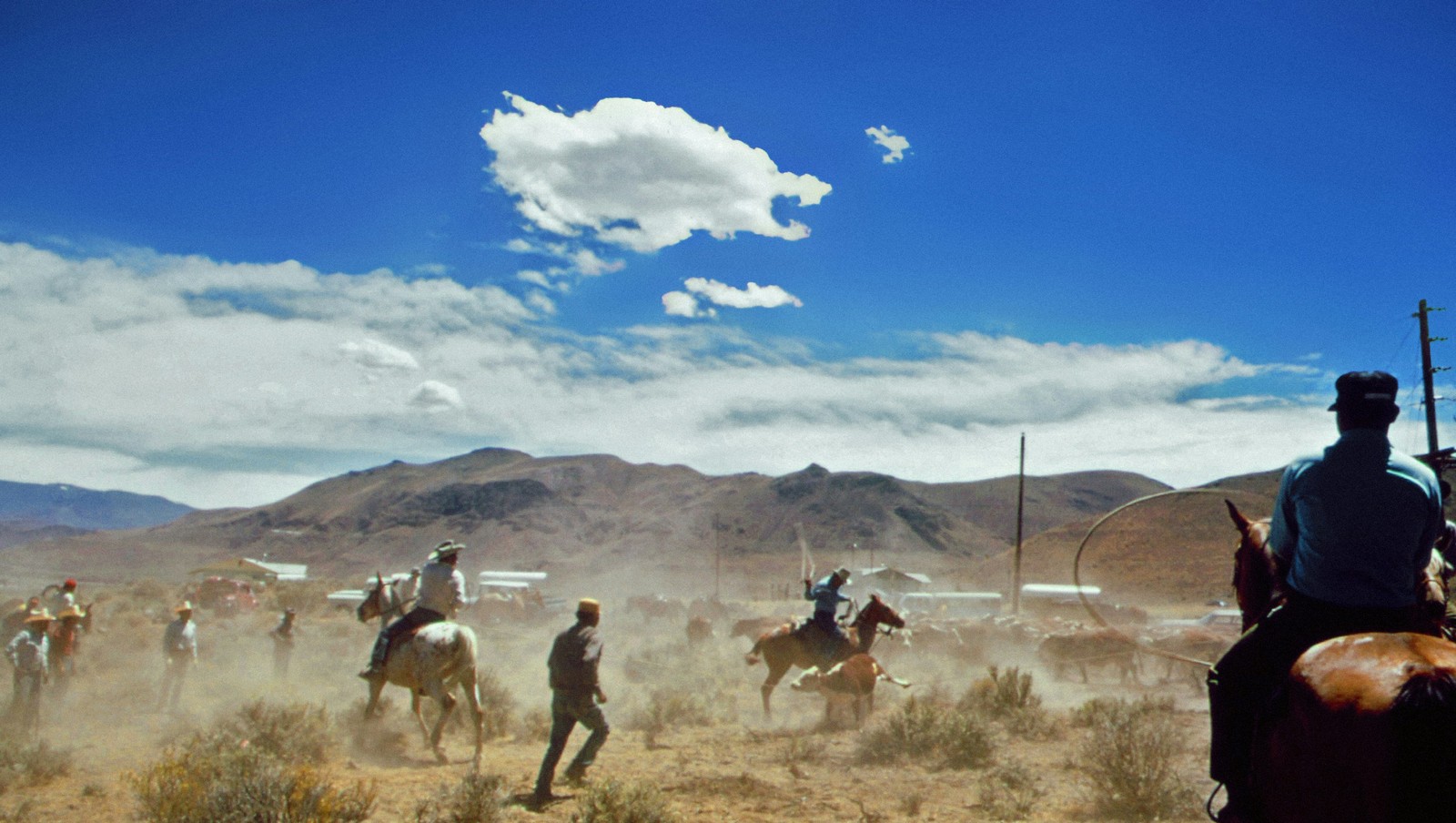
The American frontier shaped more than just maps—it shaped the way people talked. From cattle trails to mining camps, settlers coined many blunt and vivid expressions that have stuck. These everyday phrases still carry the grit of survival, the humor of hardship, and the improvisation of a world built fast. Here are 10 common sayings whose roots run straight into frontier soil.

1
Circle the wagons

Image: Dana Davis

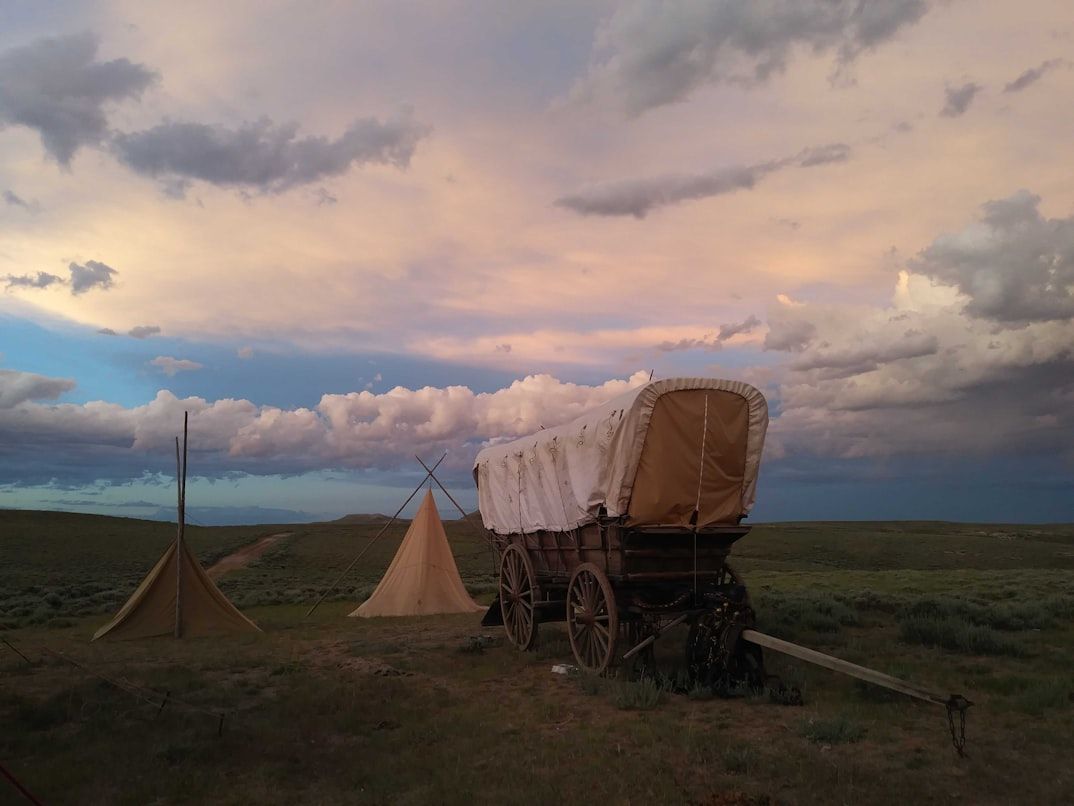
Pioneer wagon trains literally circled their wagons at night for protection.

Creating a closed ring helped shield families, livestock, and supplies from raids, wild animals, and harsh weather—and the formation later evolved into a metaphor for any type of unified, defensive action.

2
Hold your horses

Image: Cemrecan Yurtman

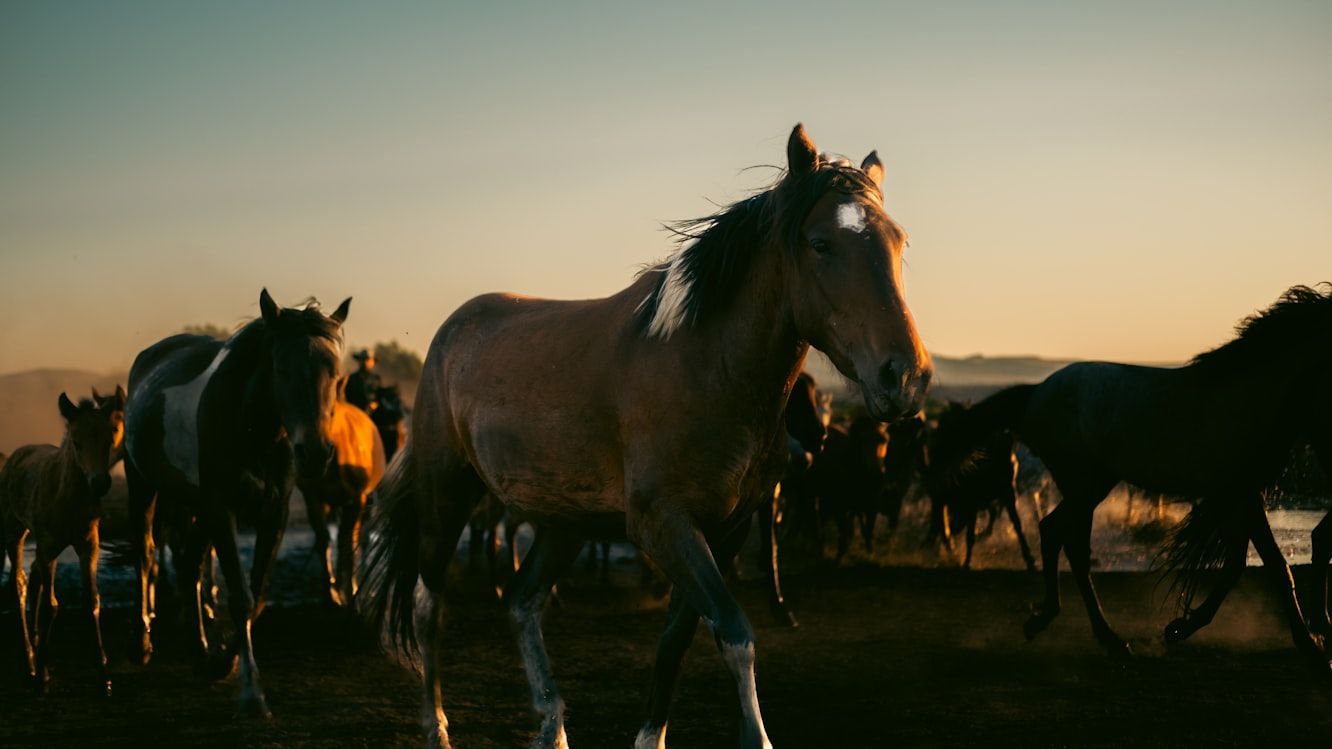
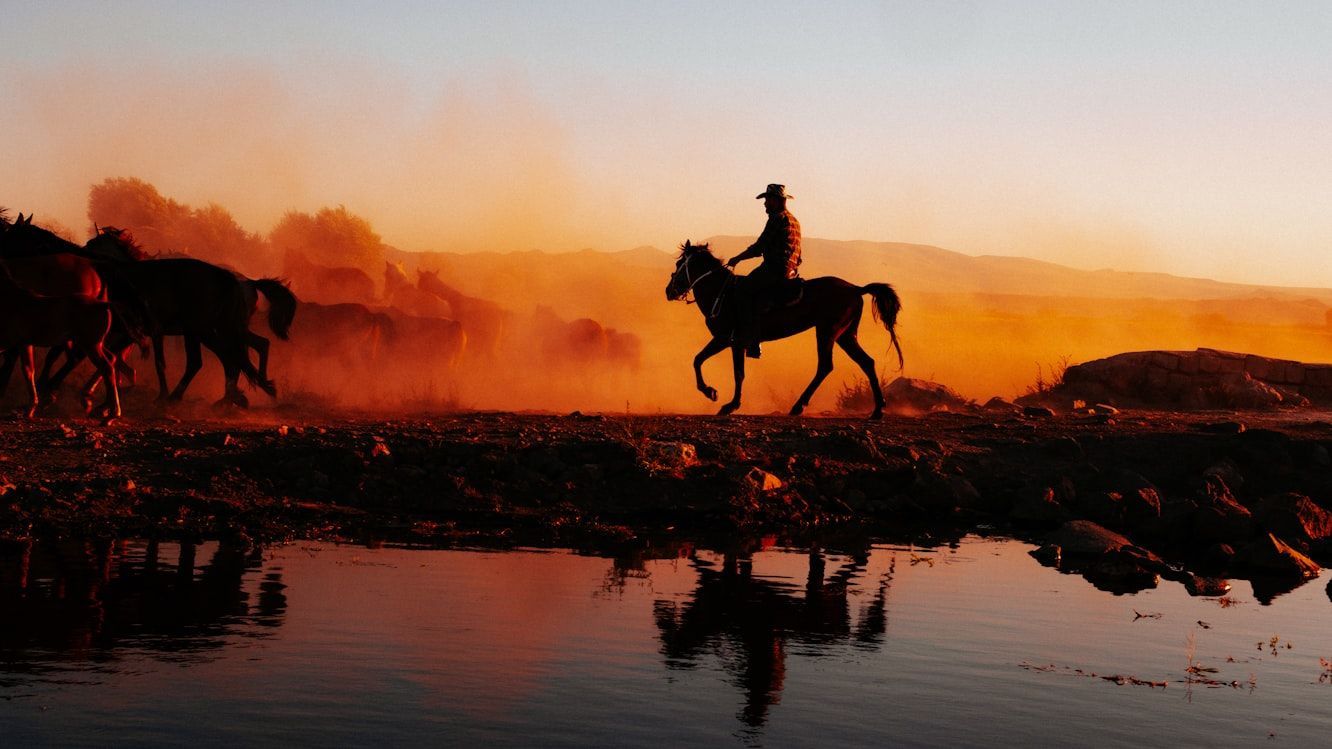
Frontier riders needed to keep horses steady at all times, but particularly in chaotic and potentially dangerous settings like stage stops and river crossings.

By the mid-1800s, the phrase became a common command, later evolving into a figurative call for patience.

3
On the warpath

Image: Andrew James

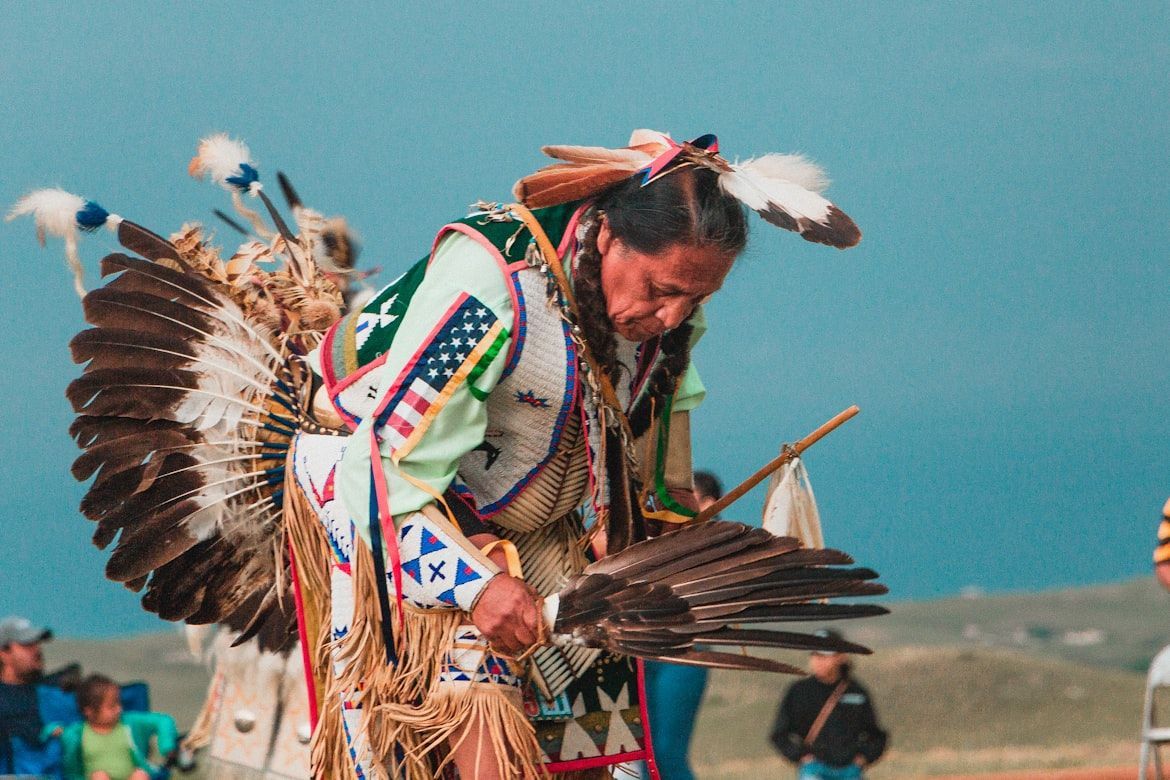
This term originated as an English rendering of a Native American expression for wartime mobilization—specifically the route or course taken toward an impending conflict.

Euro-American settlers later adopted the phrase, and by the late 19th, century newspapers were using it metaphorically to describe anyone behaving aggressively or angrily.

4
Branding iron

Image: Jonny Gios

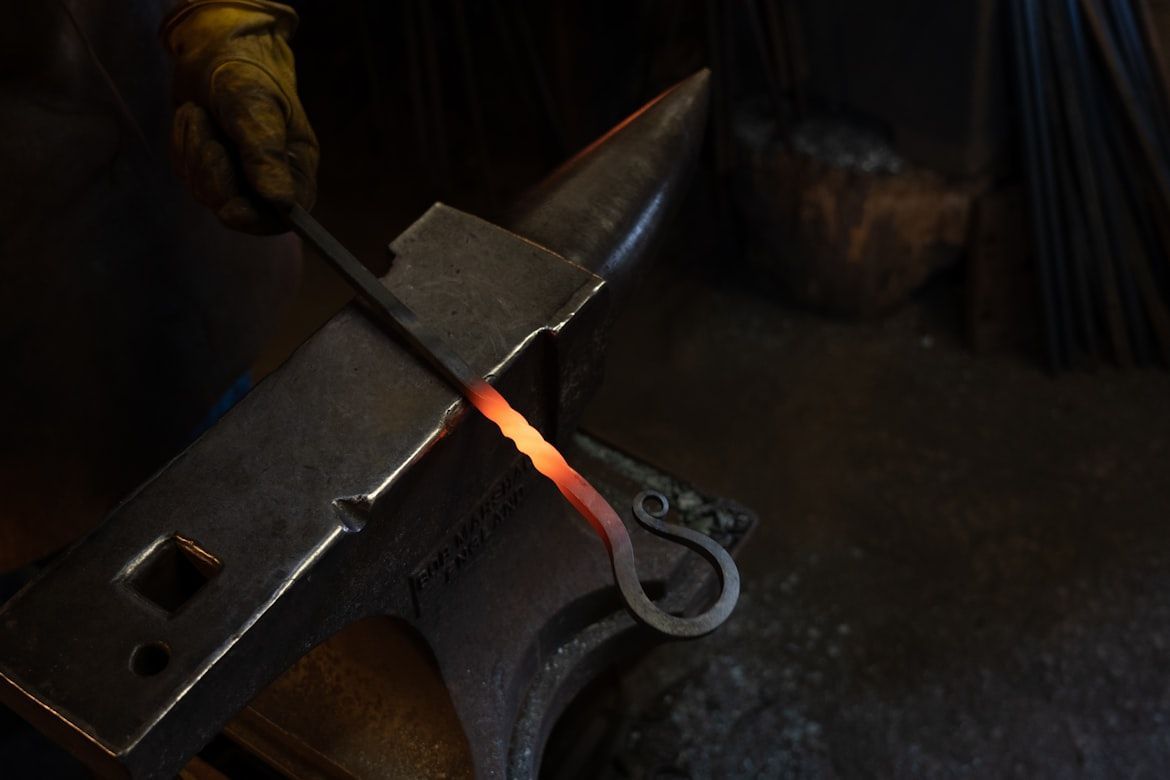
Ever wonder where the term "brand name" comes from? Frontier ranchers used heated irons to mark ownership on their cattle.

The idea of a distinctive identifying mark later moved into the commercial world, where "brand name" came to signify a recognizable product or company identity.

5
Come hell or high water

Image: Furkan Elveren

Ranchers driving cattle across rough terrain used this phrase to signal determination despite floods, storms, conflict, and whatever else the wild frontier could throw at them.

The earliest known printed use appears in an 1882 issue of The Burlington Weekly Hawk Eye, an Iowa newspaper. Railroads later adopted it in contracts requiring delivery despite natural obstacles.

6
Riding shotgun

Image: Paul Einerhand

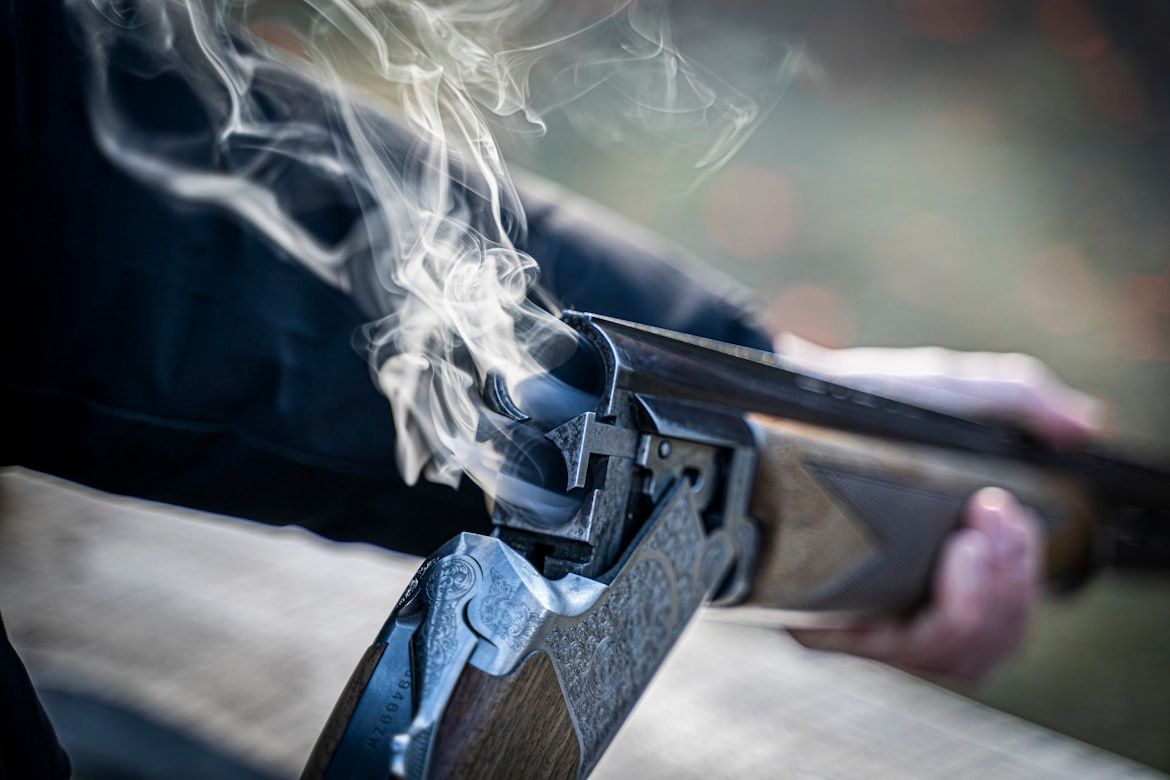
In Wyatt Earp’s era, the seat beside a stagecoach driver was reserved for an armed guard carrying a shotgun to deter bandits.

By the early 20th century, the job had vanished, but the expression endured as a casual claim for the front passenger seat.

7
Belly up to the bar

Image: Vidar Nordli-Mathisen

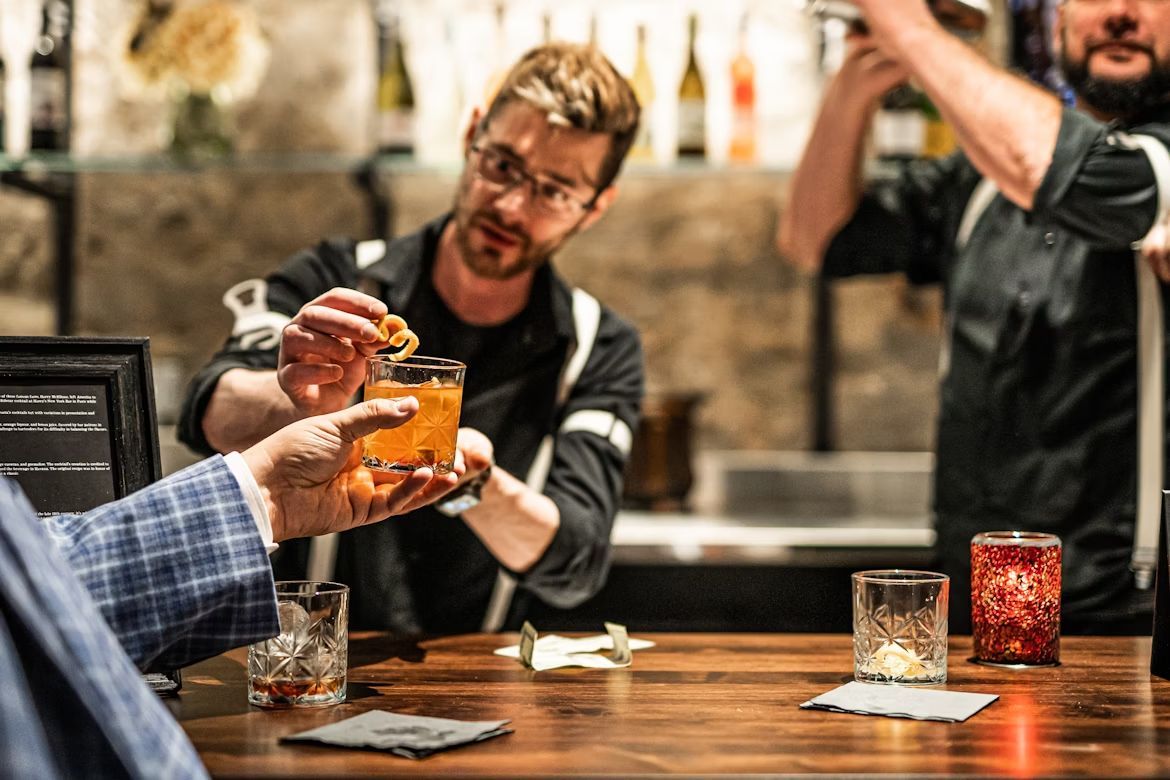
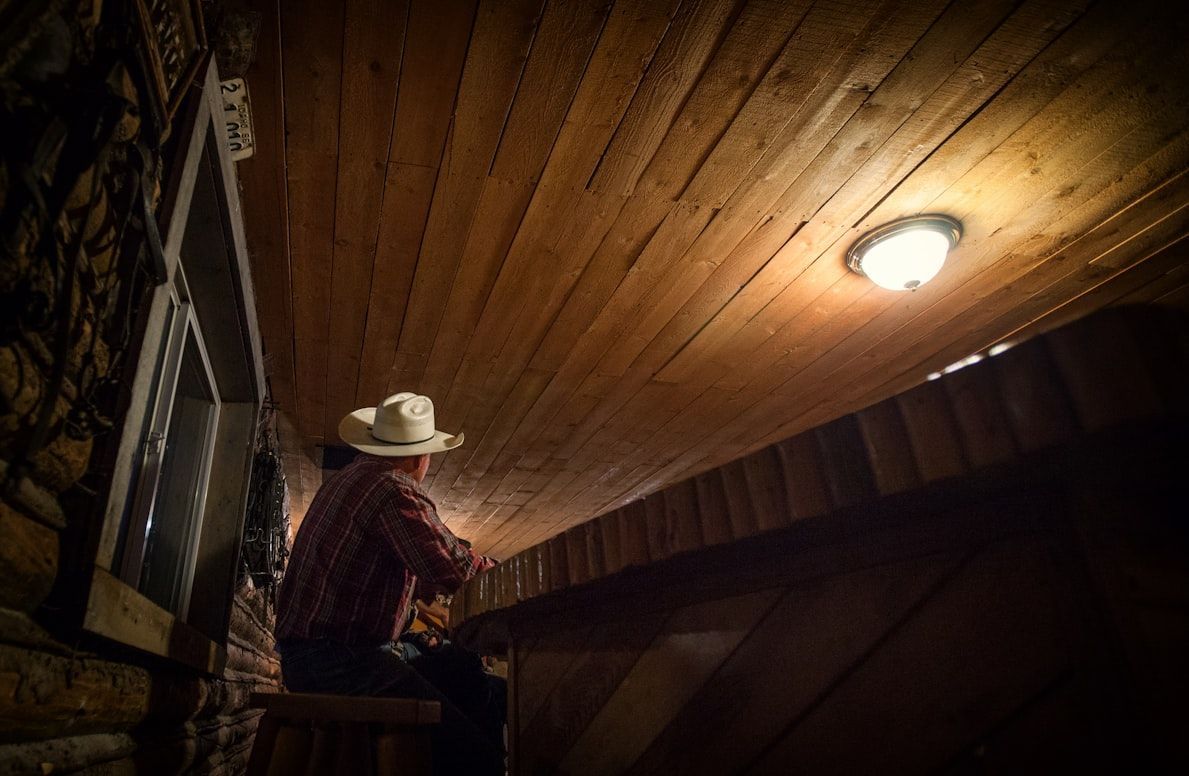
Saloon bars on the frontier often lacked stools, so patrons had to stand and lean their bellies directly against the counter.

The phrase soon came to mean approaching something boldly, whether at a bar or any other challenge.

8
Kick the bucket

Image: Lucas van Oort

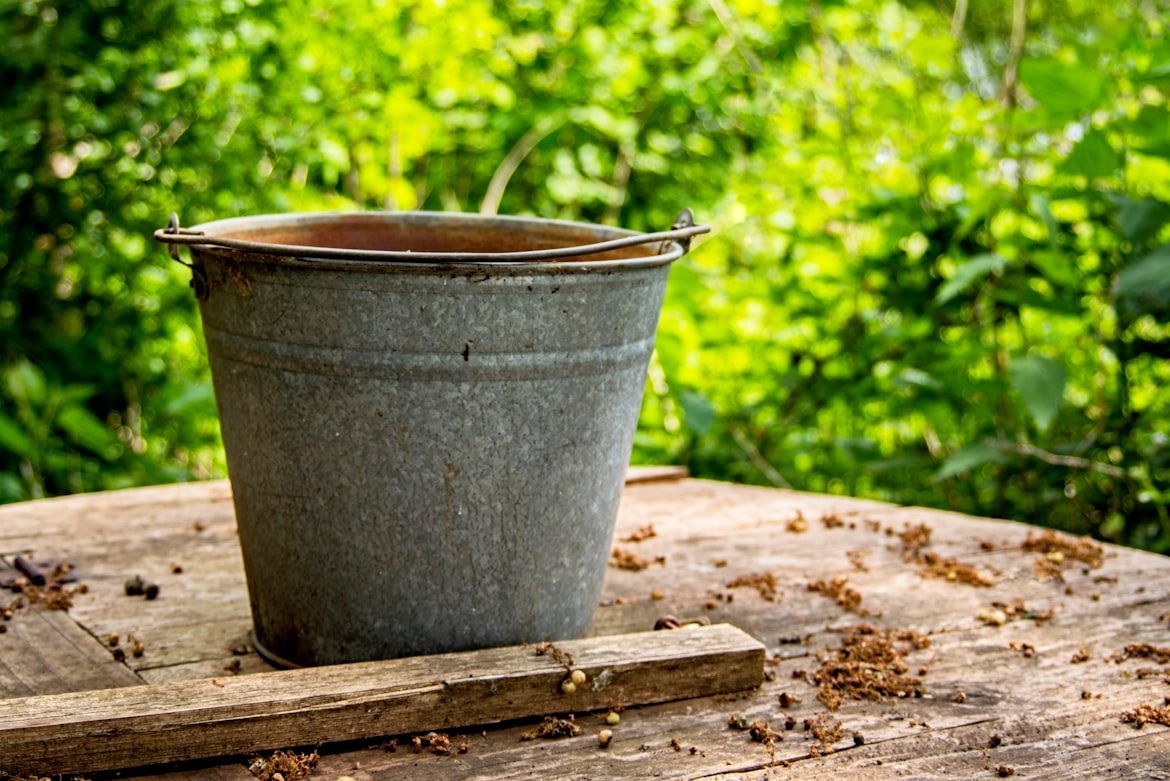
Rural butchers often suspended animals from a beam called a "bucket," and they sometimes kicked during slaughter.

The phrase was popular on farms and frontier towns, eventually becoming a euphemism for dying.

9
Dead ringer

Image: Annie Spratt

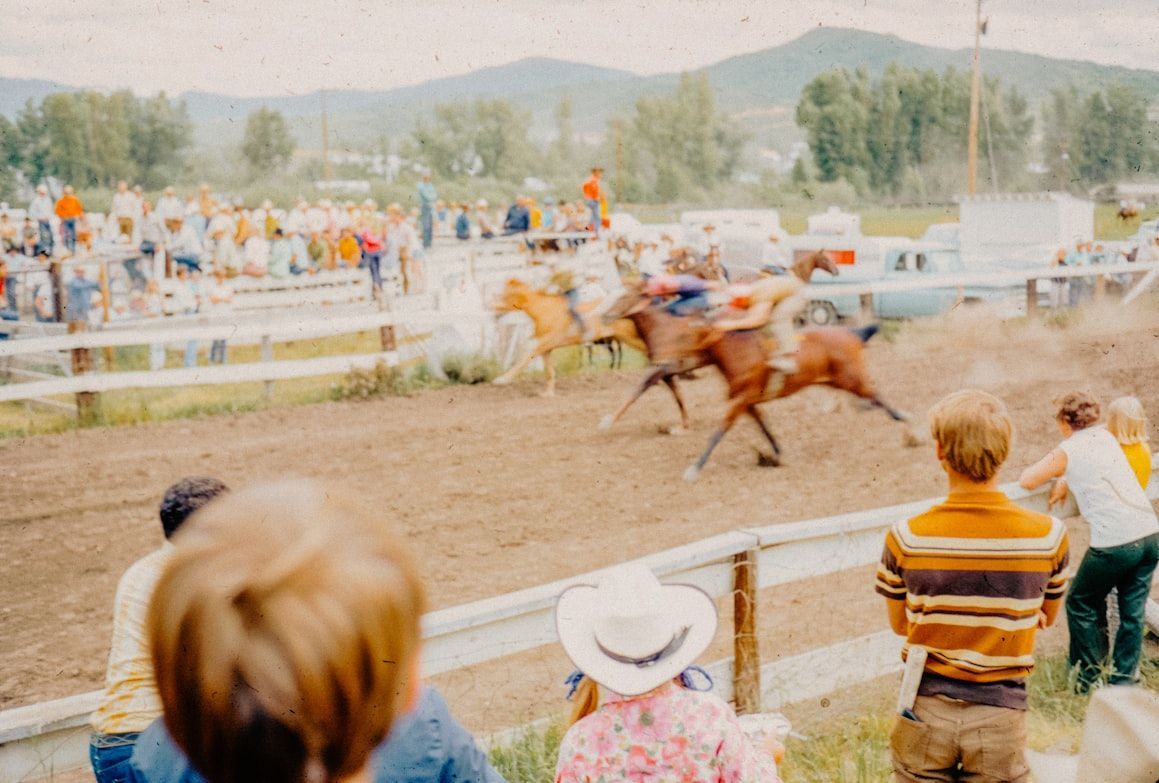
Frontier horse racers engaged in plenty of shady practices—and one of the most common was substituting a horse with a look-alike, a "ringer," to scam bets.

When the substitute was an exceptionally close match, it was called a "dead ringer," emphasizing its perfect likeness.

10
High noon

Image: CHUTTERSNAP

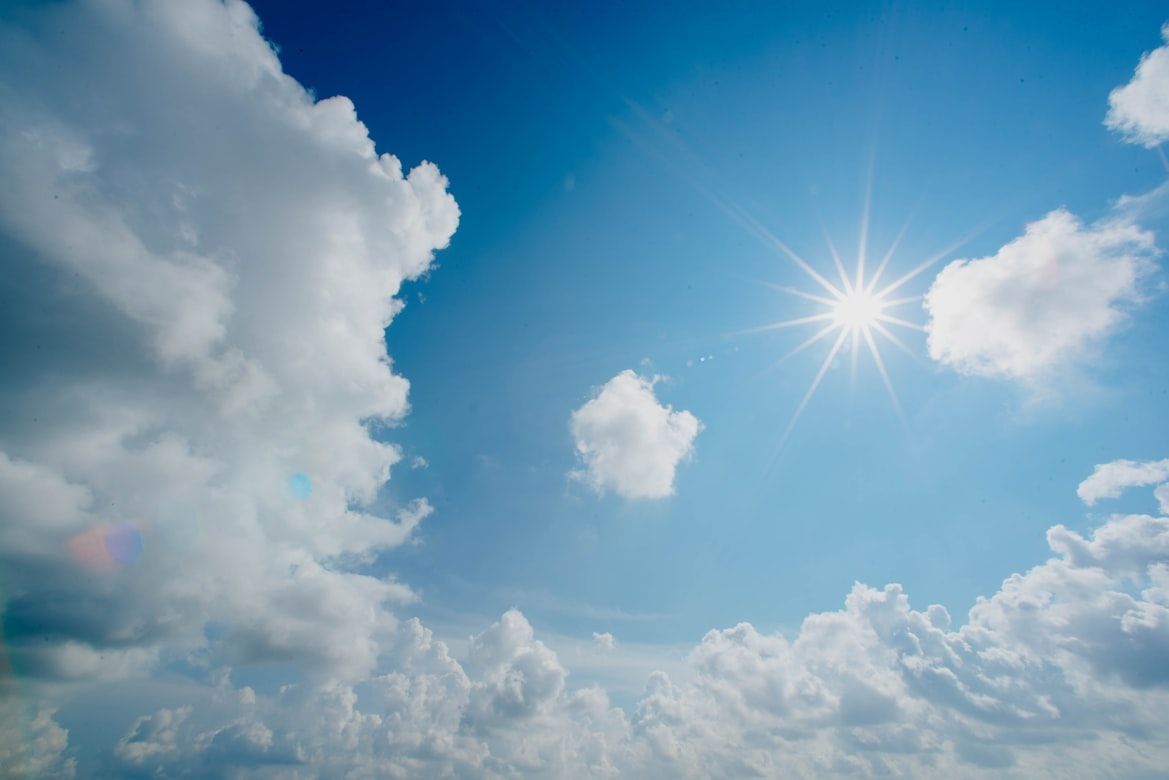
Before standardized clocks or reliable rail schedules, "high noon" was an easy way to tell time by noting the sun at its highest point.

It also became associated with showdowns and other events because midday offered the clearest visibility.

Explore more American facts

Choose your favorite category!

General
General

As American as apple pie—the very best America has to offer!

Culture
Culture

Delve into the astounding richness of American lore.

Geography
Geography

Hop in and explore vast and diverse American landscapes.

History
History

Discover the key moments that shaped the United States.