Culture Culture 5 min read

From E.T. to Roger Rabbit

Ten legendary movies from the 80s and the moments we never forgot
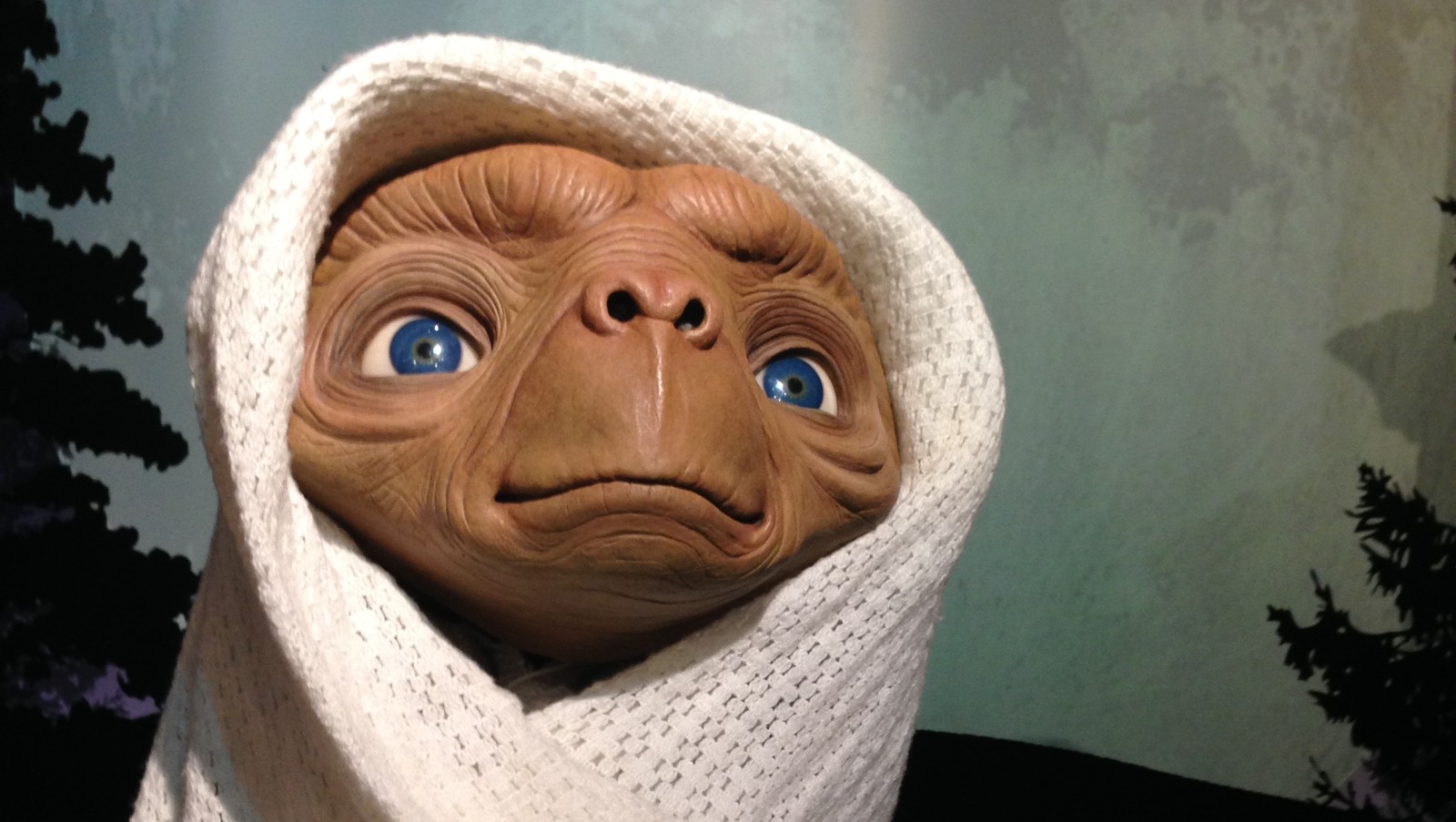
Image: Steven Miller, CC BY 2.0, via Wikimedia Commons

Have you ever walked out of a movie theater feeling like you've just witnessed an instant classic? As if you were enthralled by some intangible quality in the film's characters, music, or plot. Certainly, many of the most beloved Hollywood blockbusters of the 80s can be described exactly like that: enthralling instant classics. Let's take a trip down memory lane and dive right into these indelible films that defined an era.

1
E.T., the Extra-Terrestrial (1982)
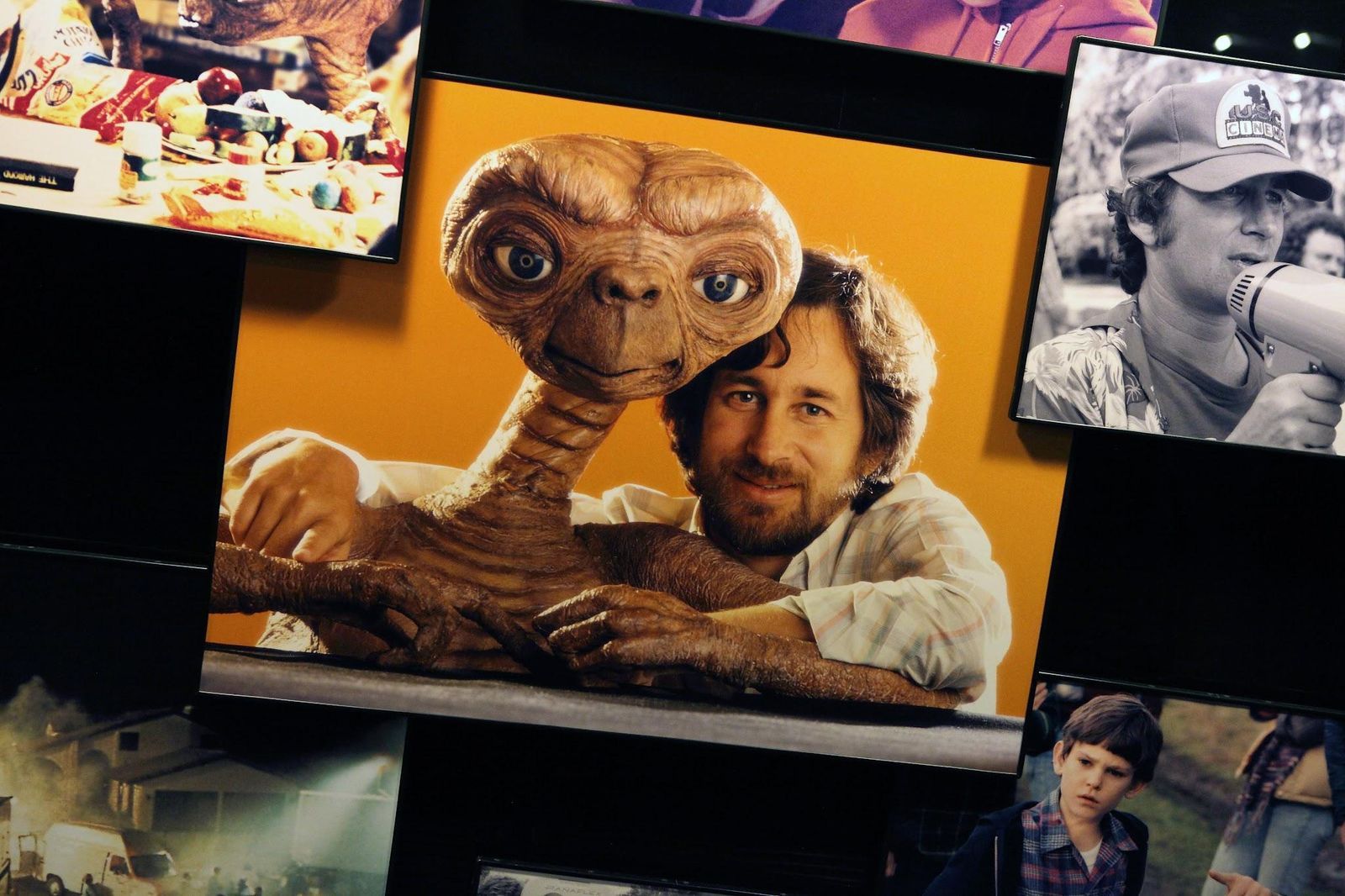
Image: Steven Miller, CC BY 2.0, via Wikimedia Commons

The friendship between Elliot and E.T. didn't just capture our hearts: it broke audience records, selling approximately 142 million tickets domestically, beating the incredibly successful Star Wars: A New Hope (1977). It held that record for over a decade, until Jurassic Park snatched the title in the 90s.

This Steven Spielberg classic starred Henry Thomas, Drew Barrymore when she was still a child, and it featured a soundtrack by composer John Williams that made the audience feel like they were flying on a bicycle along with Elliot and his extraterrestrial friend.

2
Star Wars: The Empire Strikes Back (1980)

Image: Alexander Popadin

Star Wars Episode V: The Empire Strikes Back contains one of the most famous lines in film history: "I am your father." The first installment of the Star Wars saga (later retitled as Star Wars Episode IV: A New Hope) had been the biggest film of the 70s. As soon as the decade changed, Empire brought millions of fanatics to the theatres again. It sold around 98 million tickets in the US and Canada.

Directed by Irvin Kershner and produced by George Lucas, the film reunited audiences with Mark Hamill, Harrison Ford, and Carrie Fisher. The story follows the Rebel Alliance on the run. Though slightly less commercially dominant than its predecessor, it was still one of the top-grossing films of the decade.

3
Indiana Jones and the Last Crusade (1989)
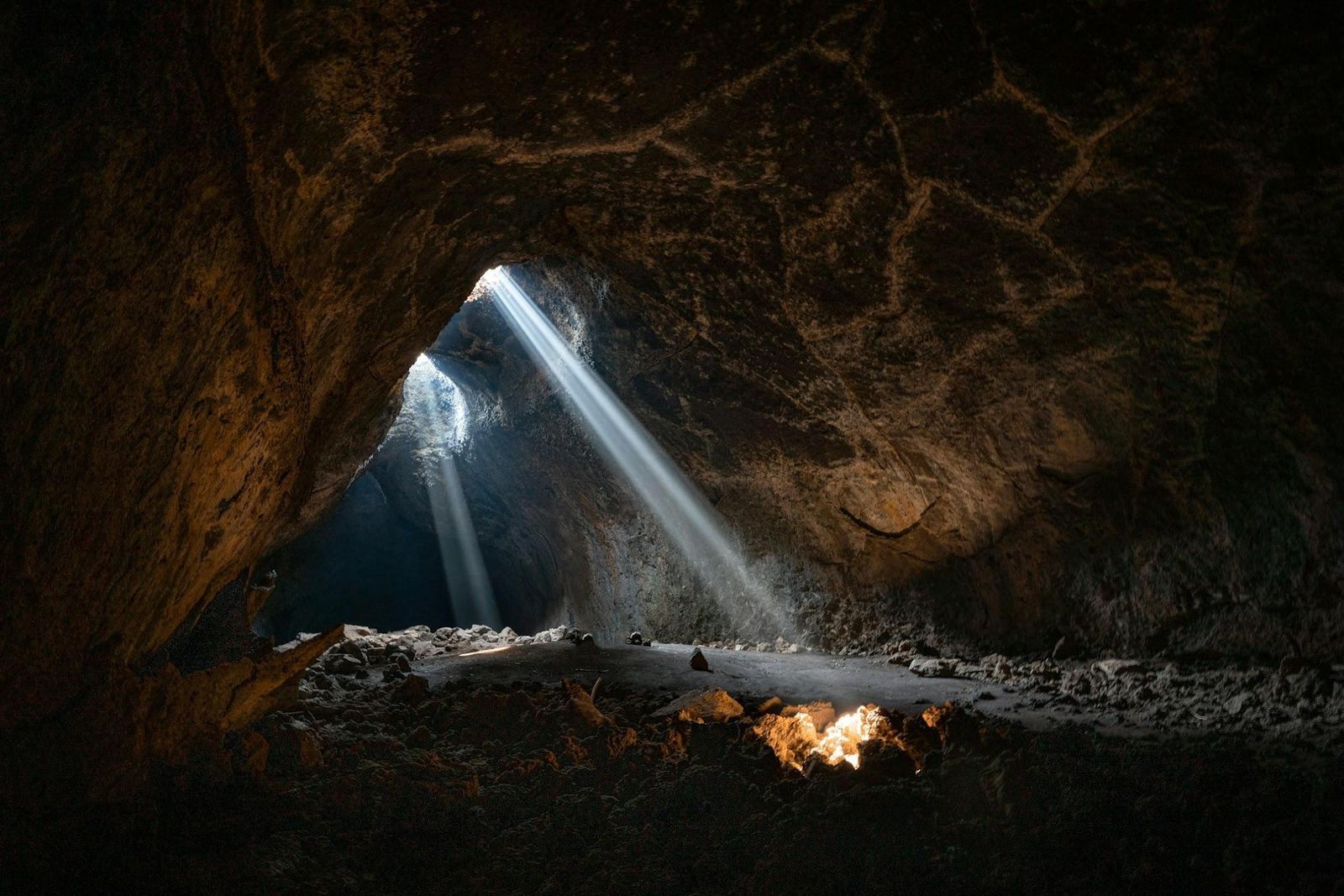
Image: Intricate Explorer

By the time Indiana Jones and the Last Crusade hit theaters in 1989, the fedora-wearing archaeologist was already a global icon, having charmed audiences in the first two installments.

Three of the big names that were involved in this production have already been mentioned on this list: Director Steven Spielberg, producer George Lucas, and star Harrison Ford. This time, he was joined by the great Sean Connery playing his father. This installment sold an estimated 49 million tickets domestically.

4
Batman (1989)
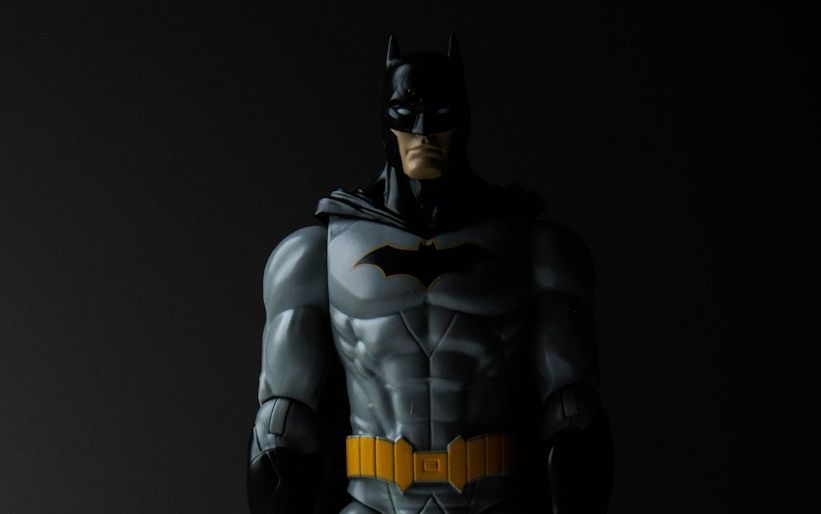
Image: Deepak Choudhary

When director Tim Burton took over the superhero’s story for this late-eighties movie, he gave a darker, stylized touch to the genre. Starring Michael Keaton as the Dark Knight alongside Jack Nicholson as the Joker, this film was a great departure from the comic book storytelling that audiences had gotten used to with the 60s iconic series in which Adam West played Gotham’s hero alongside Burt Ward as Robin.

The film sold around 62 million tickets locally and became the biggest commercial success of that year. Combined with an album filled with hits by superstar Prince, this movie was one of the first superhero blockbusters.

5
Back to the Future (1985)
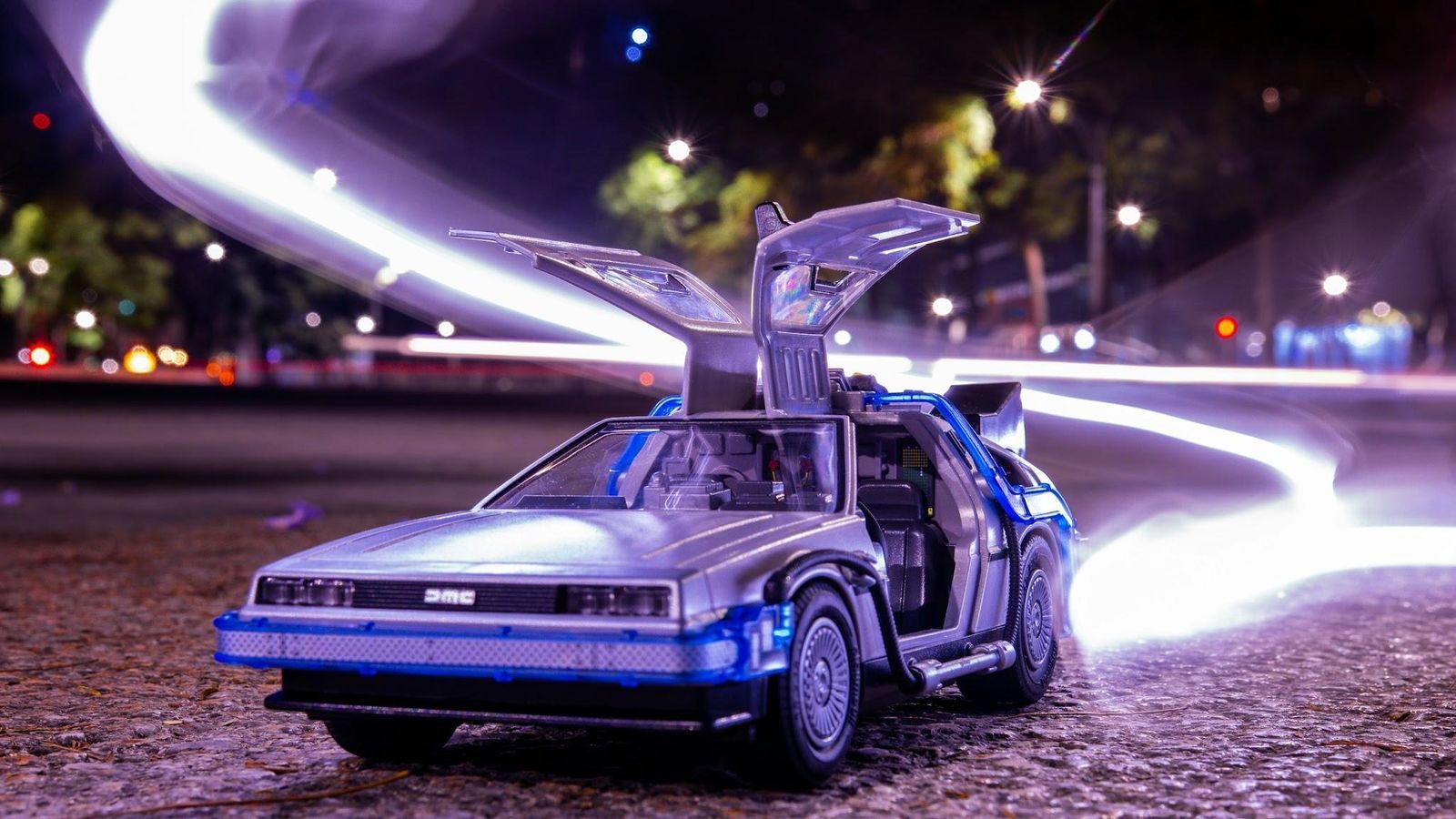
Image: Roger Ce

This movie took the concept of time travel and worked it into one of the most beloved films of an era. Directed by Robert Zemeckis and produced by Steven Spielberg, the film stars Michael J. Fox as Marty McFly, a teenager accidentally sent back to 1955 in a time-traveling DeLorean built by the eccentric Doc Brown , played by Christopher Lloyd.

It was the highest-grossing movie of ‘85, selling 59 million tickets domestically. Its mix of comedy, science fiction, and heartfelt scenes made it a classic viewers love to rewatch.

6
Top Gun (1986)
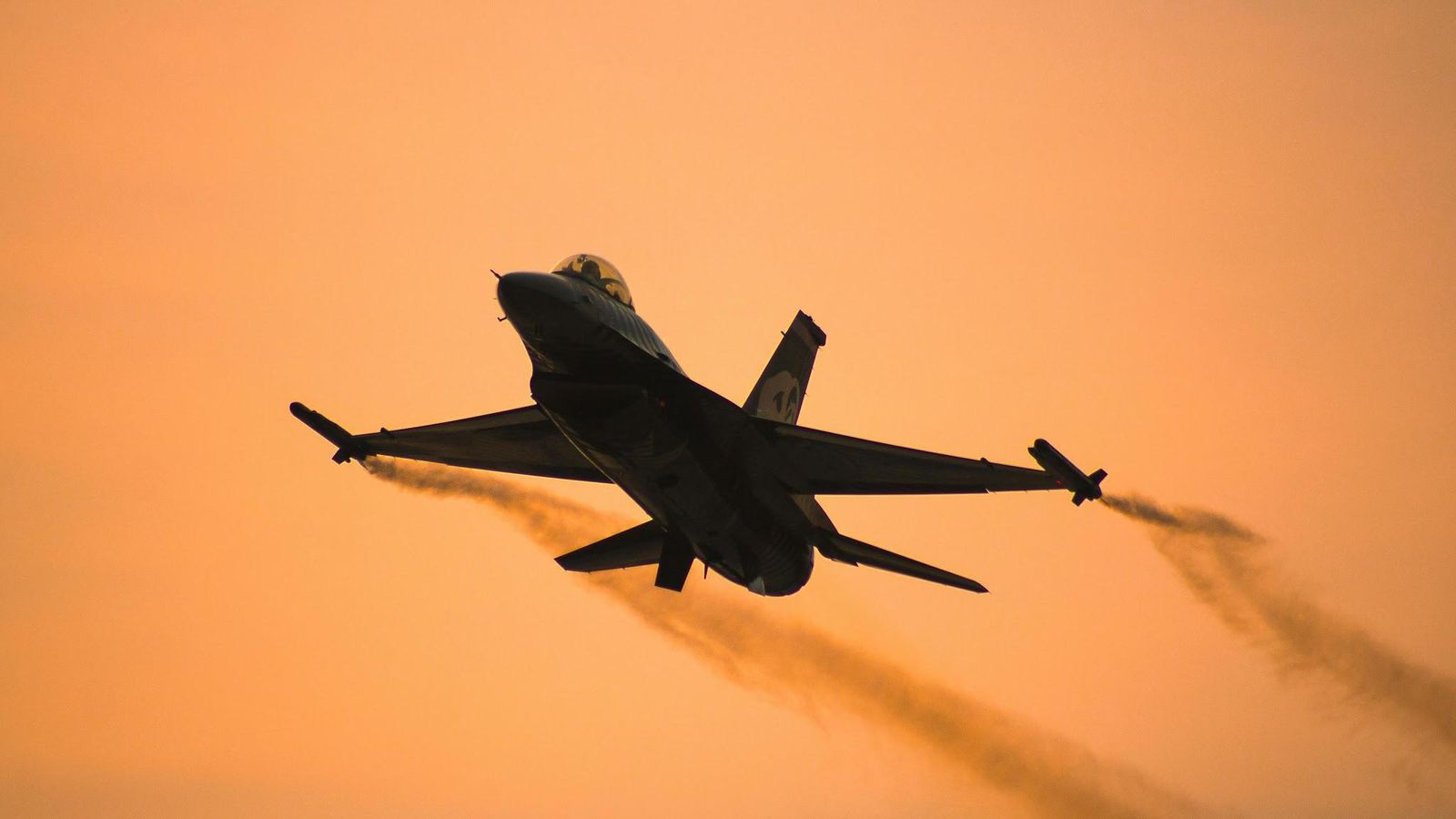
Image: UMUT DAĞLI

Naval aviation had never stirred as much popular interest as when Tom Cruise played the daring pilot Maverick in this film. It was the most successful film of 1986, selling approximately 47 million tickets.

The action film, with high-speed aerial sequences and a strong focus on competition and camaraderie, boosted Navy recruitment in the years that followed its release . It also popularized songs like "Take My Breath Away" and "Danger Zone," and cemented Ray-Ban’s aviator sunglasses as a cultural icon.

7
Ghostbusters (1984)

Image: Winston Chen

"Who you gonna call?" Directed by Ivan Reitman and starring Bill Murray, Dan Aykroyd, Harold Ramis, and Sigourney Weaver, this film became one of the most beloved and memorable comedies of the decade. It earned nearly $300 million worldwide and sold 71 million tickets in North America alone, making it a huge success for the era.

Its theme song, "Ghostbusters" by Ray Parker Jr., became a chart-topping hit, and the film’s imagery, from the Stay Puft Marshmallow Man to the proton packs, became instantly iconic.

8
Rain Man (1988)
Image: Aung Myint Oo

This one film managed to make an impact without lightsabers, time-traveling machines, spaceships, aliens, ghosts, or men in capes. Rain Man showed Hollywood that character-driven stories could still become big hits.

Directed by Barry Levinson, the film stars Tom Cruise and Dustin Hoffman as newfound brothers who must embark on a cross-country journey. Selling around 43 million tickets, it was the highest-grossing film of its year, which meant the audiences loved it. It also went on to win four Academy Awards, including Best Picture and Best Actor for Hoffman, which meant the critics loved it, too.

9
Who Framed Roger Rabbit (1988)
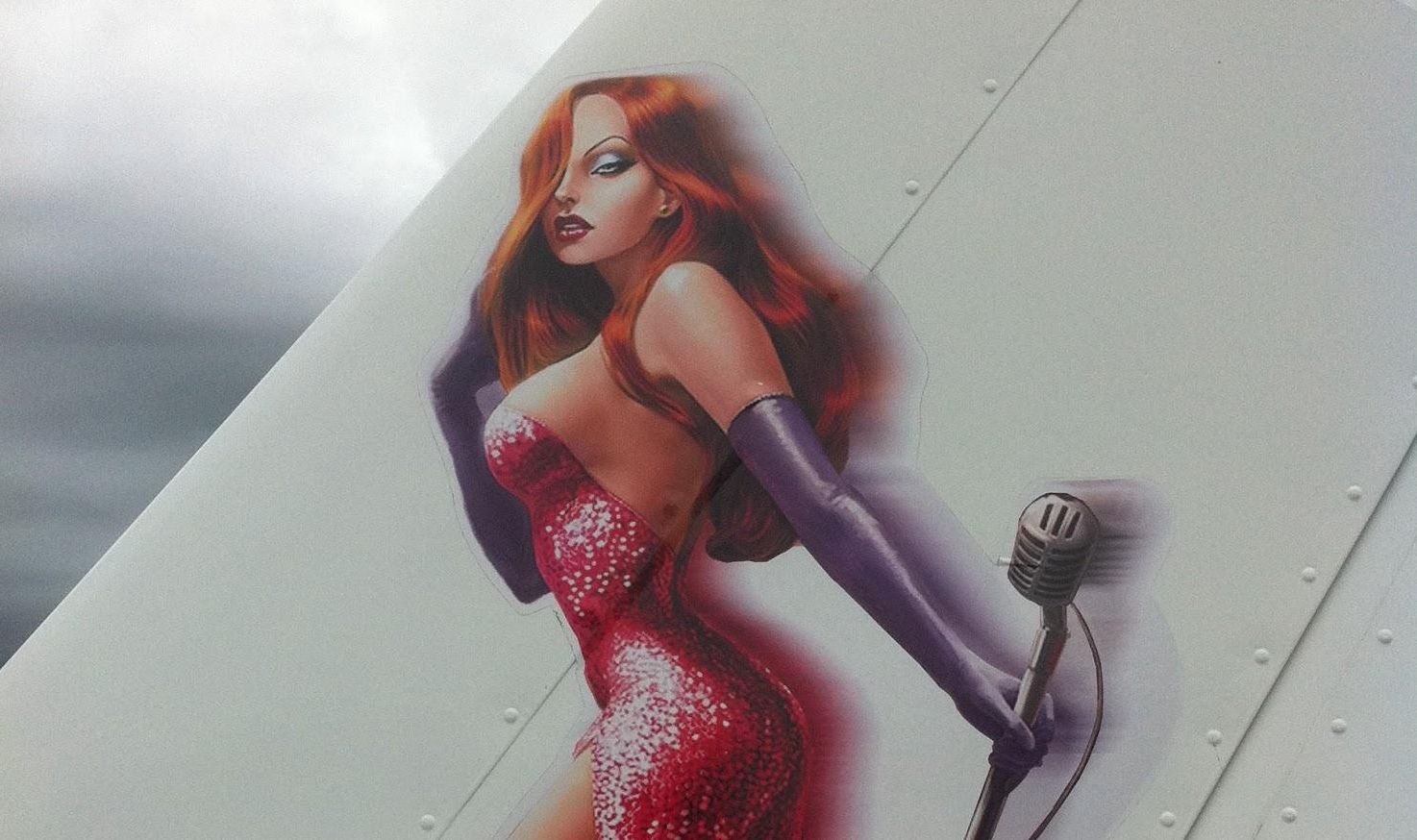
Image: aeroprints.com, CC BY-SA 3.0, via Wikimedia Commons

Blending live action with animation had worked very well for Mary Poppins in 1964. Who Framed Roger Rabbit pushed boundaries of the technology and put it in the service of a film aimed at an older audience.

Directed and produced by Robert Zemeckis and Steven Spielberg, respectively, it starred Bob Hoskins amid a world shared by "toons," cartoon characters, which included Roger Rabbit and Jessica Rabbit.

It was a major box office success, selling around 38 million tickets. It also won four Academy Awards, which praised its technical achievements.

10
Fatal Attraction (1987)

Image: Enfeng Tsao

Directed by Adrian Lyne, this film was a huge triumph for Paramount: Its production cost only $14 million, and it went on to earn $320 million globally. Infidelity and obsession are the main themes of this dramatic thriller that stars Michael Douglas and Glenn Close in a role that earned her an Academy Award nomination.

The film sold around 40 million tickets domestically. Its box office popularity was thanks to word of mouth, as people recommended this adult suspense movie in conversations.
History History 8 min read

Stories of forgiveness

The 10 most controversial presidential pardons in US history

Image: National Archives & Records Administration, Public domain, via Wikimedia Commons

Most people think a presidential pardon is a simple act of mercy. But these 10 stories show that the decision goes deeper than that. Did you know a man sentenced to hang in 1830 turned down his pardon, and the Supreme Court said he had every right to? That a boxer's 1913 conviction was cleared 72 years after his death? Or that the only president ever to resign was forgiven before a single charge was filed against him? Each of these stories contains a detail many Americans ignore. Read on to learn more about these controversial cases of presidential pardons.

1
George Wilson (1830): The man who refused his own pardon

Image: WB2 23:48, 22 July 2005 (UTC) copied from en:United States Capitol, Public domain, via Wikimedia Commons

In 1829, George Wilson and his accomplice James Porter robbed a U.S. mail carrier in Pennsylvania. Both were convicted in May 1830 on six counts, including putting the carrier's life in jeopardy, and sentenced to hang within weeks.

Porter was executed on schedule. But Wilson's influential friends petitioned President Andrew Jackson, who granted Wilson a formal pardon in June 1830, saving him from the gallows. Then Wilson did something that had never happened before in American history: he refused it.

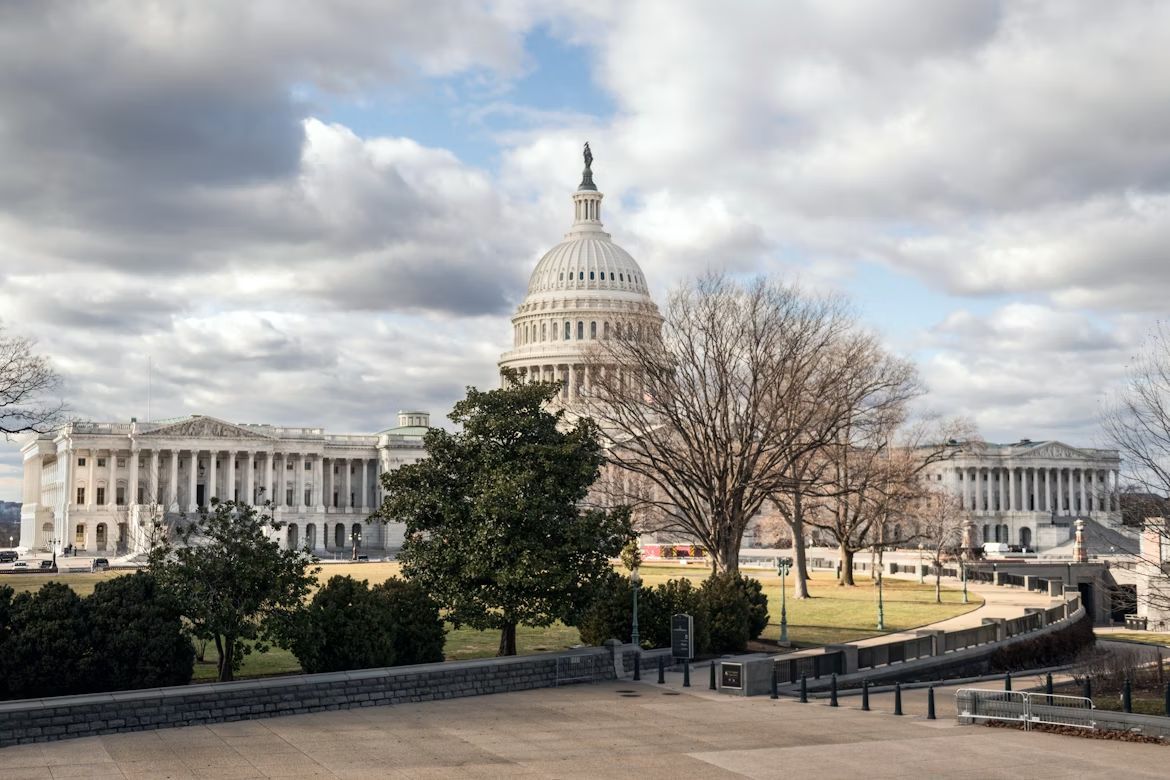
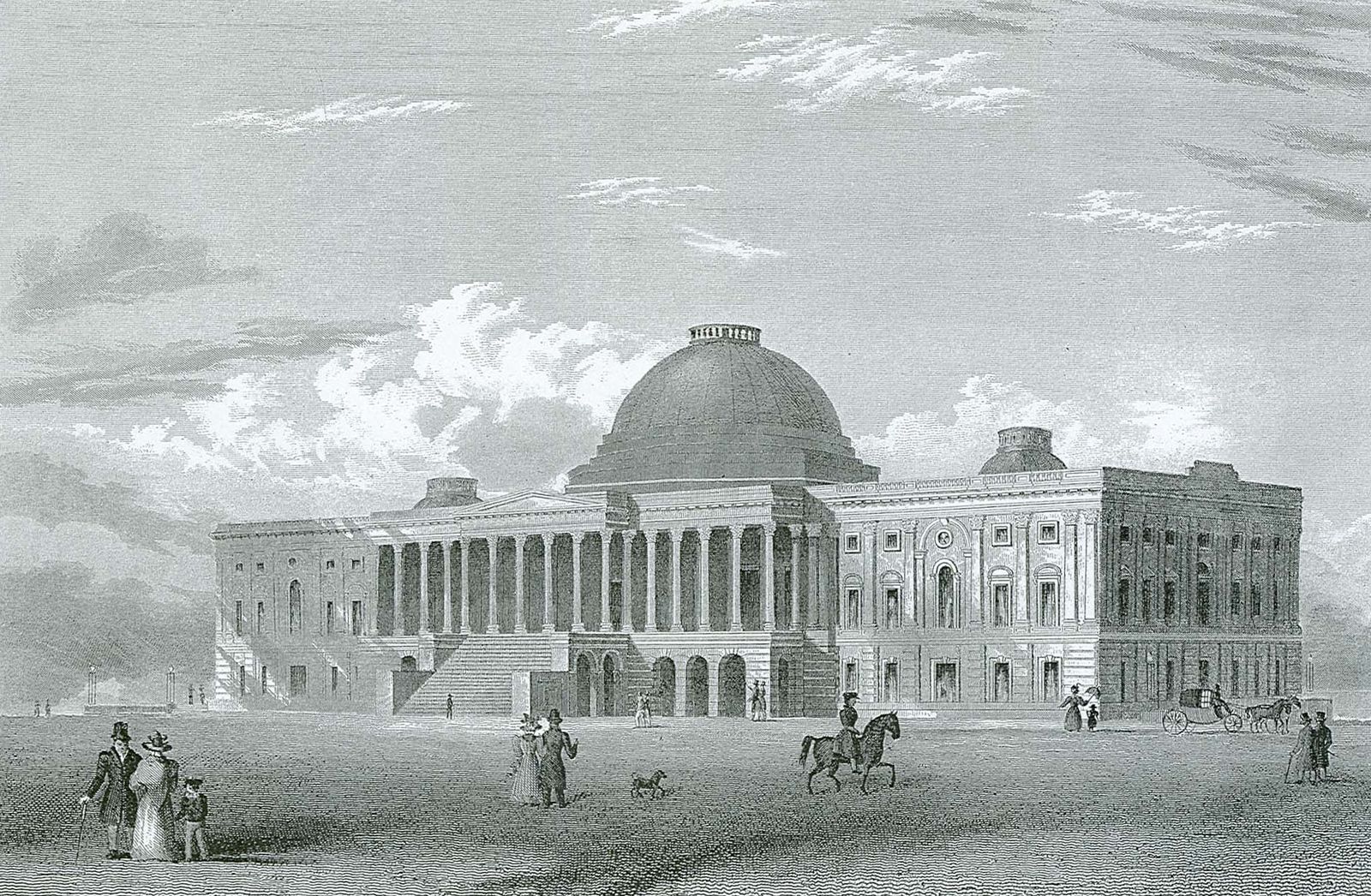
The case was so unprecedented that it reached the Supreme Court in 1833, housed at the Capitol in Washington, D.C., as illustrated above. Chief Justice John Marshall ruled that the pardon couldn’t be valid without acceptance. However, Wilson was never executed. He served his prison sentence and was eventually pardoned a second time by President Martin Van Buren in 1841.

2
Richard Nixon (1974): The only president ever pardoned

Image: pingnews.com, Public domain, via Wikimedia Commons

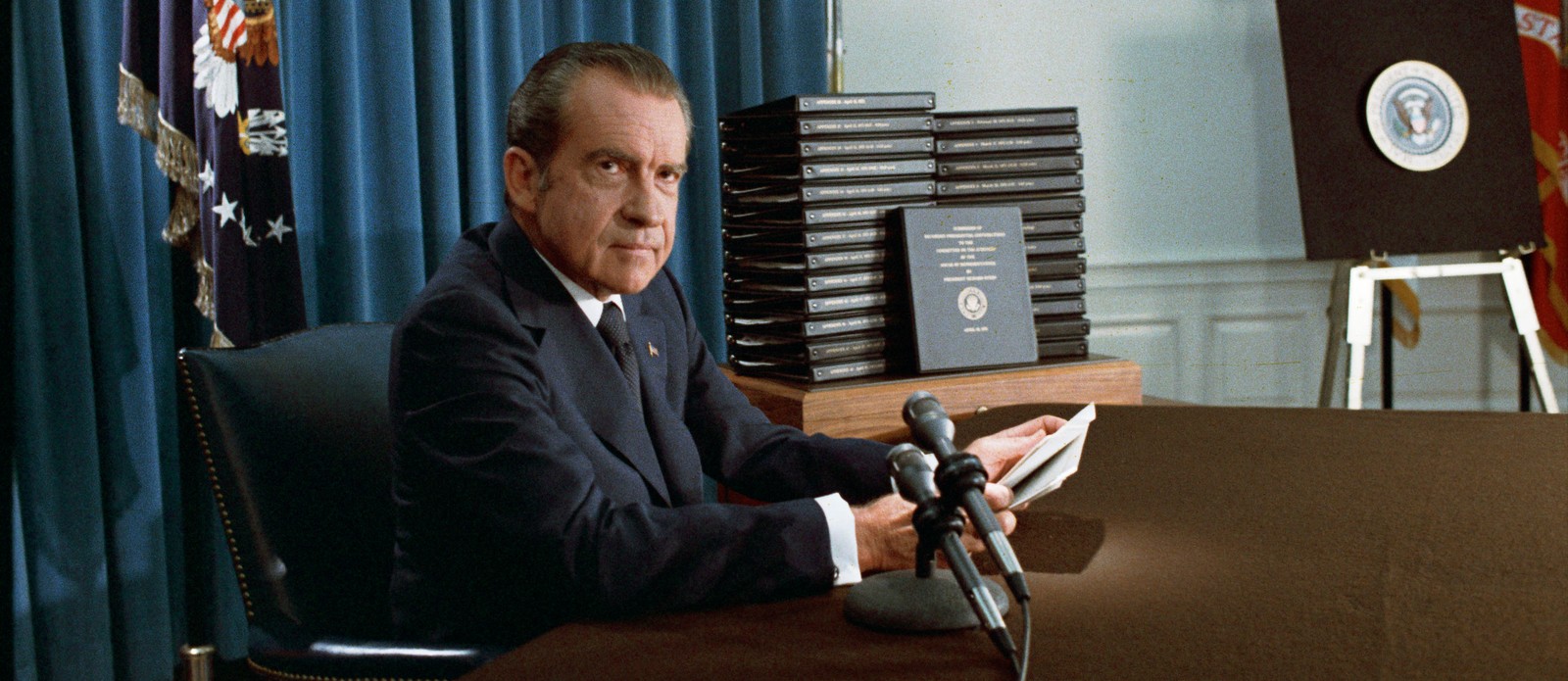
On the night of June 17, 1972, five operatives were arrested breaking into the Democratic National Committee offices at the Watergate complex in Washington, D.C. Investigations revealed that President Richard Nixon had known about the cover-up and actively participated in it. Facing near-certain impeachment, Nixon became the only U.S. president ever to resign from office, stepping down in 1974.

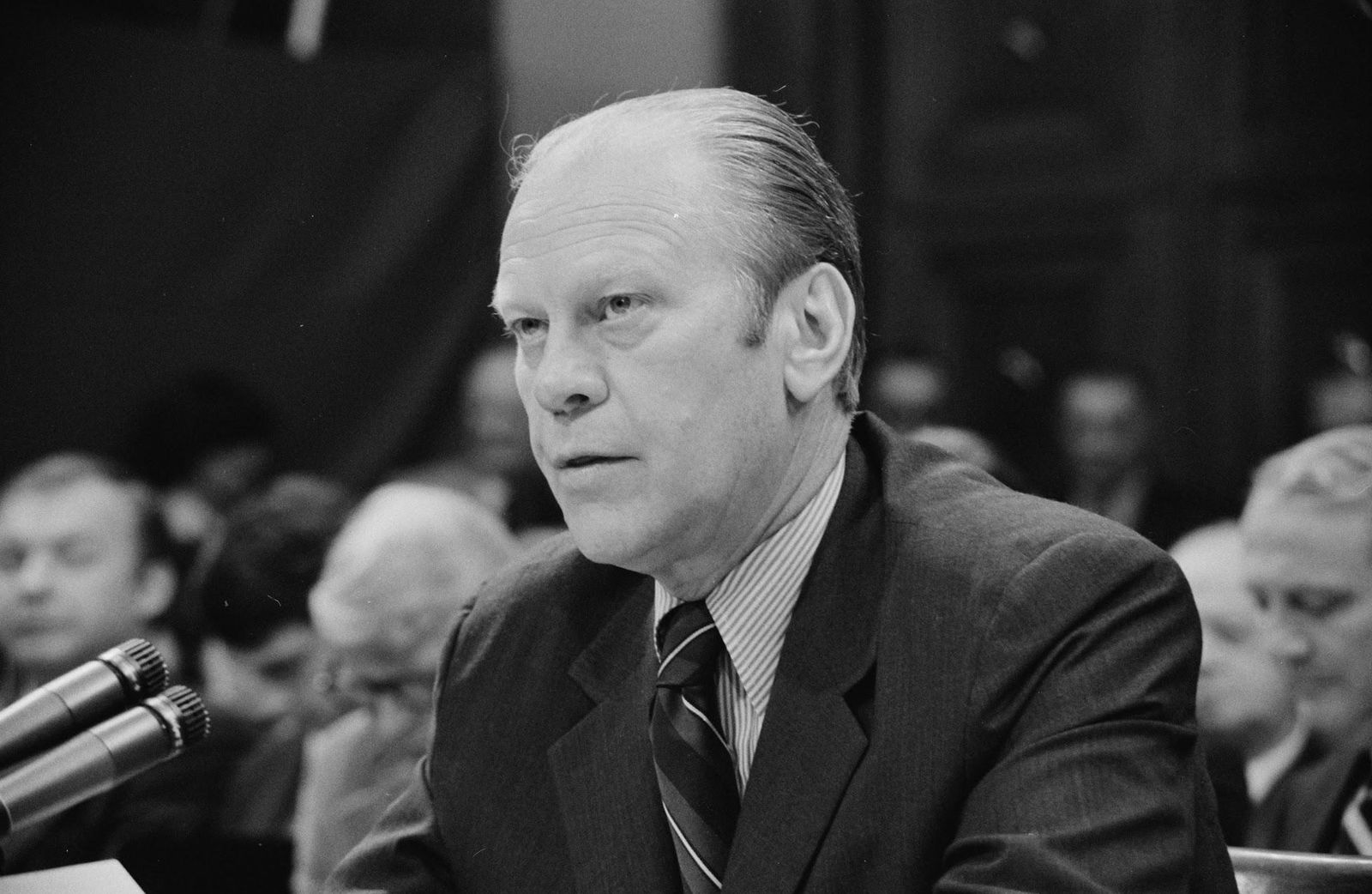
Just 30 days later, his successor Gerald Ford announced from the Oval Office that he was granting Nixon "a full, free, and absolute pardon" for all offenses against the United States committed between 1969 and 1974. No charges had even been filed. The decision was widely condemned. Many historians believe it cost Ford the 1976 presidential election to Jimmy Carter. Nixon accepted the pardon but never admitted criminal guilt, expressing only "regret" for how he had handled the situation.

3
Iva Toguri D'Aquino (1977): The woman they called "Tokyo Rose"

Image: See page for author, Public domain, via Wikimedia Commons

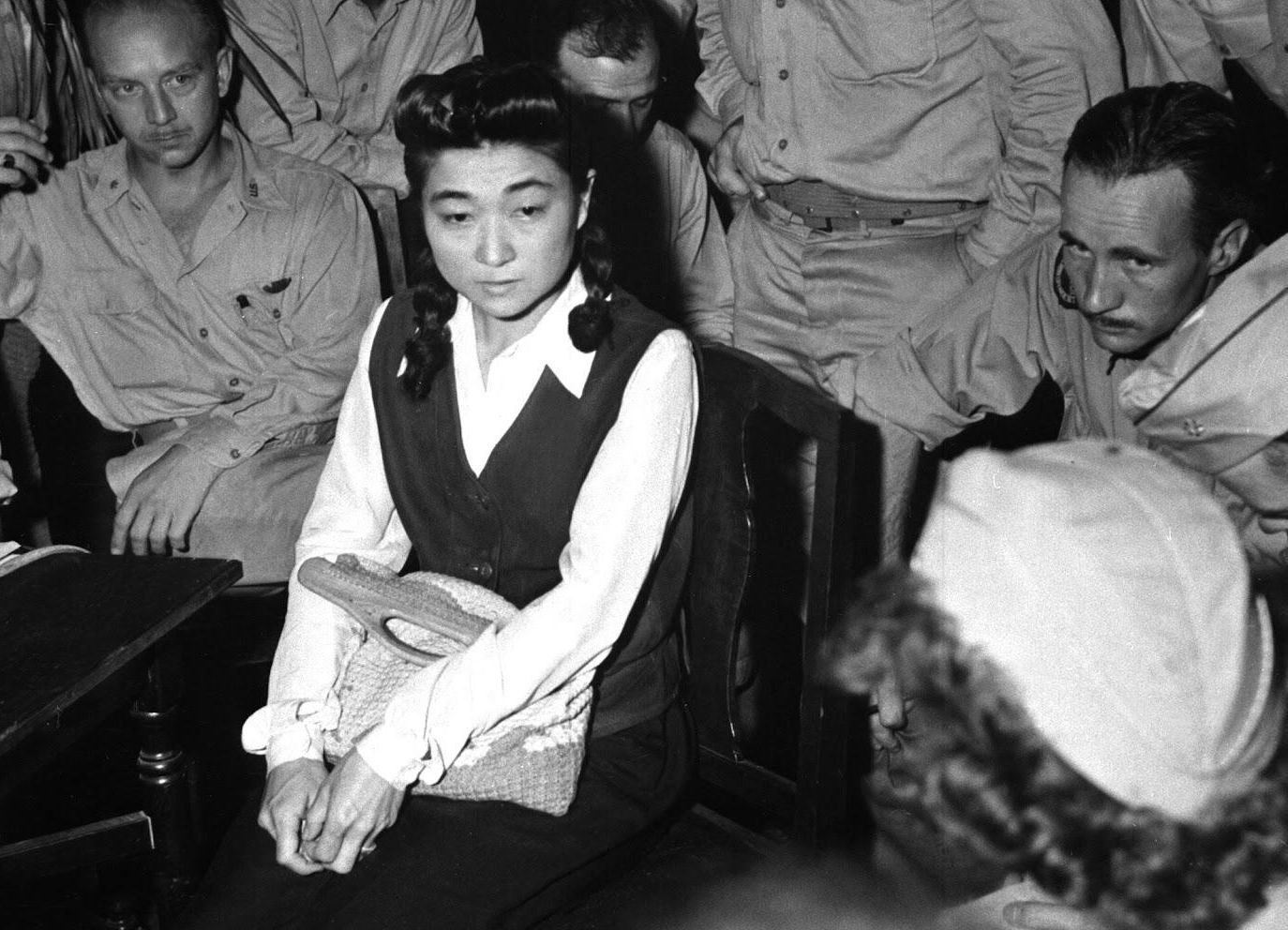
Iva Toguri D'Aquino was a Los Angeles-born 25-year-old visiting a sick relative in Japan when the attack on Pearl Harbor stranded her there in December 1941. The Japanese government declared her an enemy alien and coerced her into broadcasting on Radio Tokyo's Zero Hour program.

This was a Japanese psychological warfare strategy that utilized English-speaking women, eventually all referred to collectively as " Tokyo Rose," to broadcast demoralizing messages intended to weaken Allied troop morale. After Japan's surrender, journalists identified Toguri as one of the voices.

A jury convicted her of treason in 1949, and she was sentenced to 10 years in prison. She served six years. After a 1976 CBS 60 Minutes segment revealed key witnesses had lied, President Gerald Ford granted her a full and unconditional pardon in 1977, on his final day in office. It remains the only presidential pardon ever granted for a treason conviction in U.S. history.

4
Jack Johnson (2018): A champion pardoned 72 years after his death

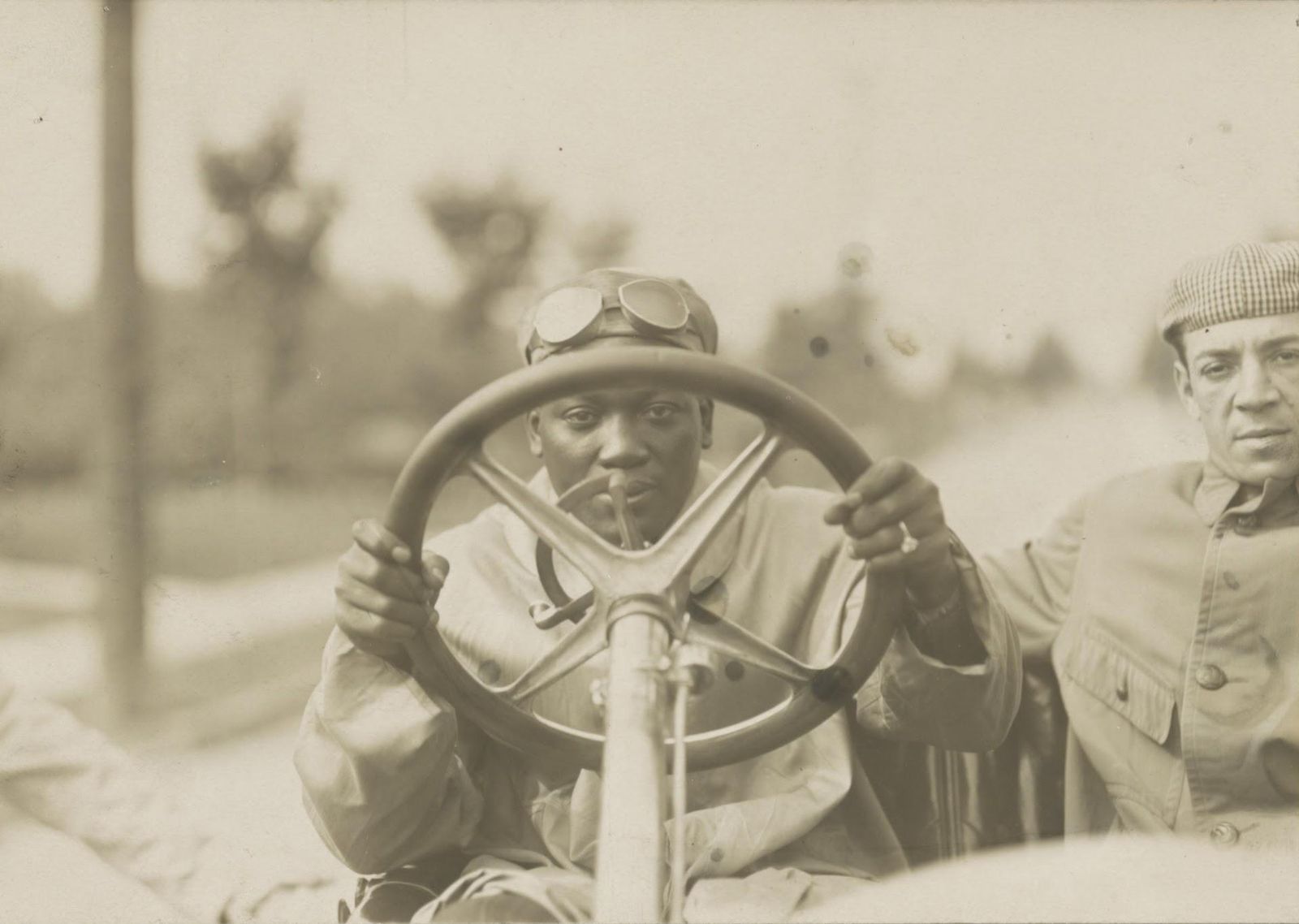
John Arthur "Jack" Johnson was the first Black man ever to hold the world heavyweight boxing championship. In May 1913, a jury convicted him under the Mann Act (a federal law against transporting women across state lines for "immoral purposes") for traveling with his white girlfriend, whom he had since married.

Johnson skipped bail, fled to Canada, and fought two world title defenses in Paris before losing the belt in Havana in 1915. He surrendered to U.S. authorities in 1920 and served nearly a year in Kansas. He died in a car crash at age 68 in North Carolina in 1946.

After years of bipartisan lobbying and a call from actor Sylvester Stallone, President Trump signed Johnson's posthumous pardon in the Oval Office in 2018, 105 years after the conviction.

5
Samuel Mudd (1869): The doctor who set the assassin's leg

Image: unattributed, Public domain, via Wikimedia Commons

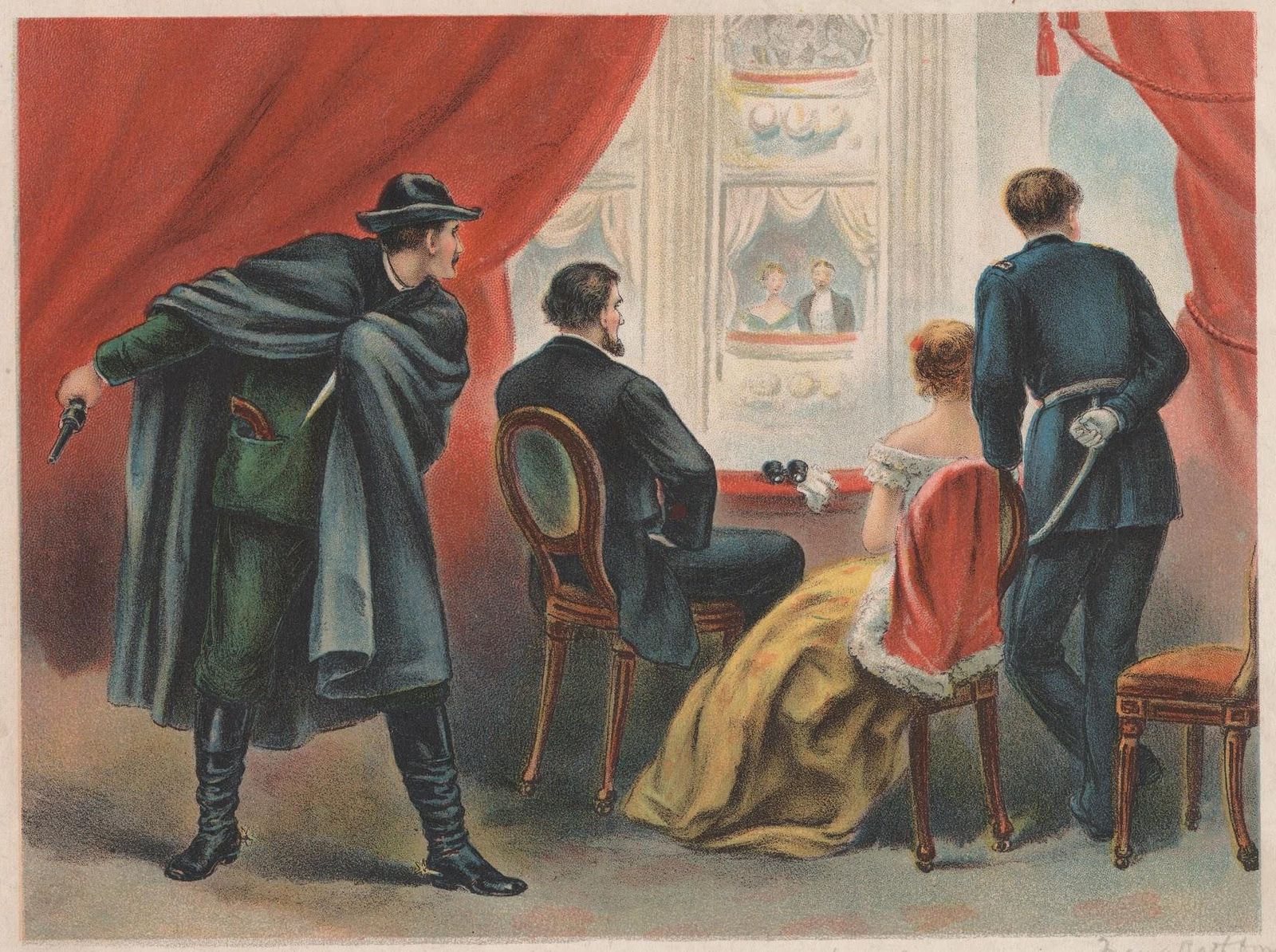
Hours after John Wilkes Booth shot President Abraham Lincoln at Ford's Theatre in Washington, D.C., one April night in 1865, Booth arrived at the Maryland farm of Dr. Samuel Mudd with a broken leg.

Mudd set the fracture and gave Booth shelter. When investigators linked Mudd to Booth, including through prior meetings in 1864, he was tried by a military commission and convicted of conspiracy. Sentenced to life imprisonment with hard labor, he was sent to Fort Jefferson, a remote military prison on an island 70 miles west of Key West, Florida.

In 1867, a deadly yellow fever outbreak killed the prison's doctor. Mudd stepped in, treating patients and helping contain the epidemic. A petition signed by 299 enlisted men and officers was sent to President Andrew Johnson praising Mudd's courage. Johnson granted Mudd a full and unconditional pardon in 1869. Mudd was released on March 8 and returned to his Maryland farm. His conviction was never overturned; the pardon freed him, but the guilty verdict stood.

6
Marc Rich (2001): A fugitive pardoned on the last day

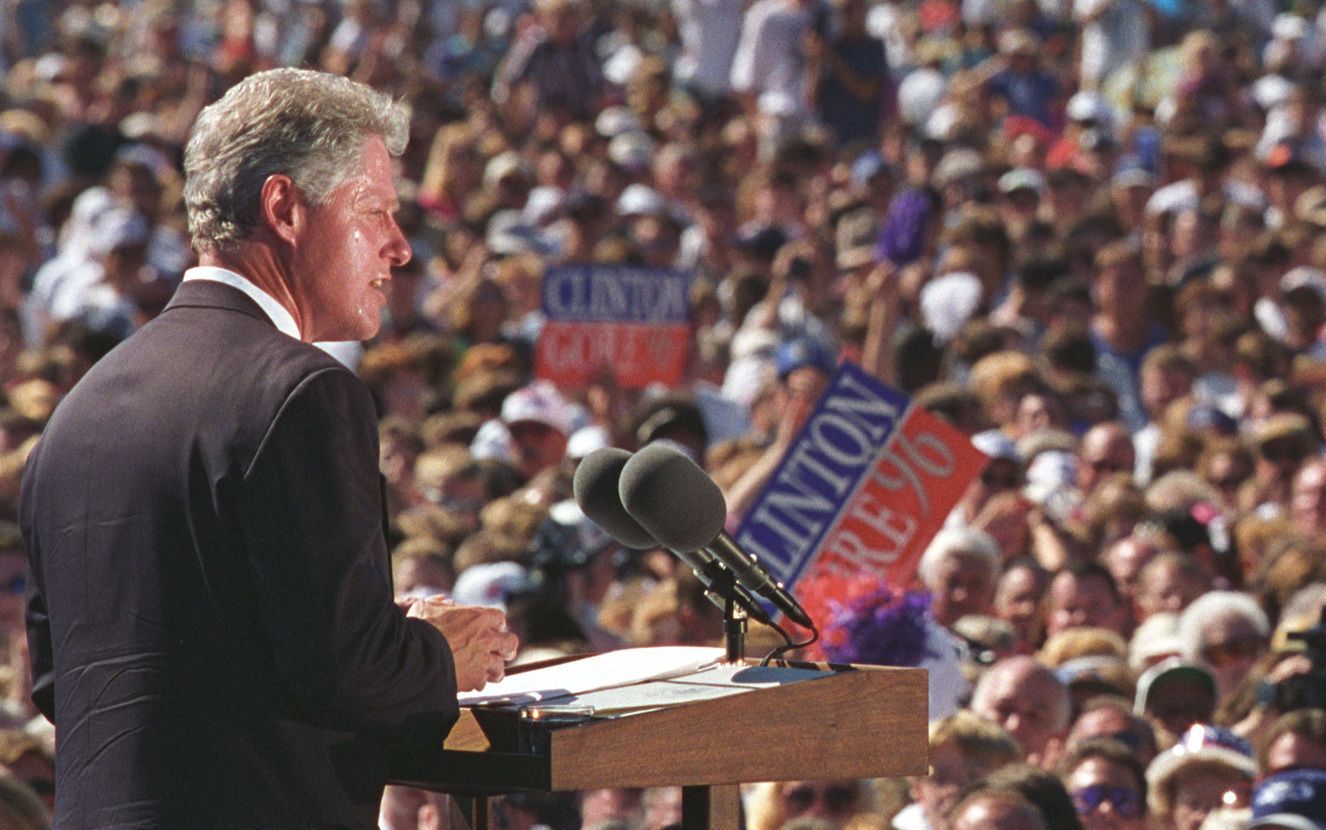
Image: William J. Clinton Presidential Library, CC0, via Wikimedia Commons

Marc Rich was a billionaire commodities trader indicted in 1983 on 65 counts, including tax evasion, wire fraud, and trading oil with Iran during the 1979–1981 hostage crisis. Before facing trial, Rich fled to Switzerland, where he remained a fugitive from U.S. justice for 17 years.

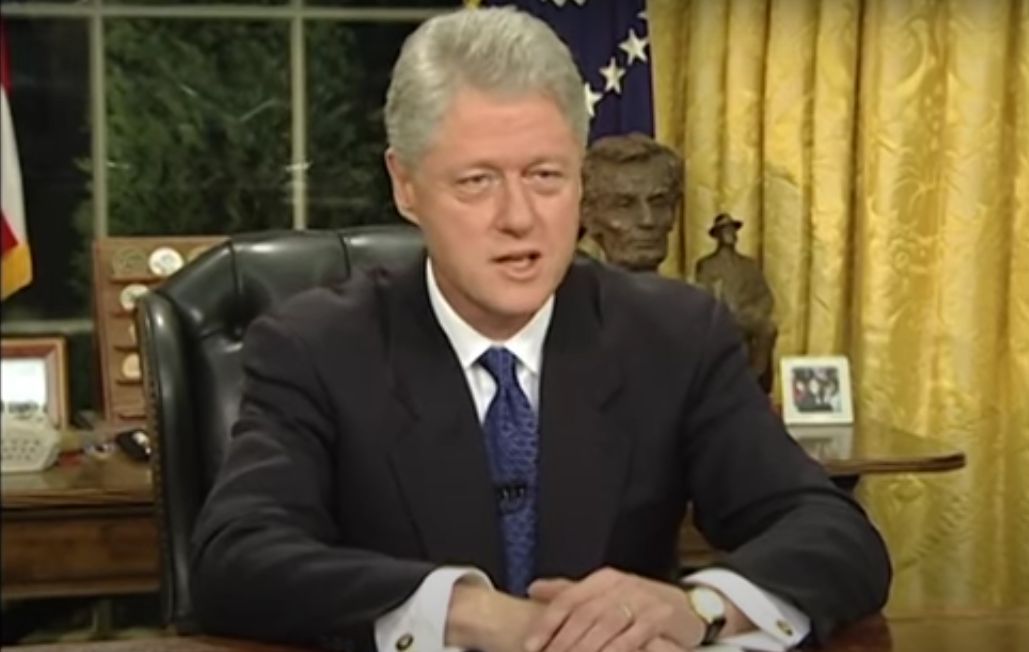
On January 20, 2001, his very last day in office, President Bill Clinton granted Rich a full pardon, bypassing the standard Justice Department review process. T he pardon ignited one of the biggest controversies of Clinton's presidency. Rich's ex-wife Denise had donated more than $1 million to Democratic causes and the Clinton Presidential Library.

A federal investigation led by prosecutor Mary Jo White was launched but ultimately found no criminal wrongdoing by Clinton. Clinton's own Justice Department had recommended against the pardon. Rich died in Switzerland in June 2013 at the age of 78, never having returned to the United States.

7
Patty Hearst (2001): From kidnapped heiress to bank robber

Image: See page for author, Public domain, via Wikimedia Commons

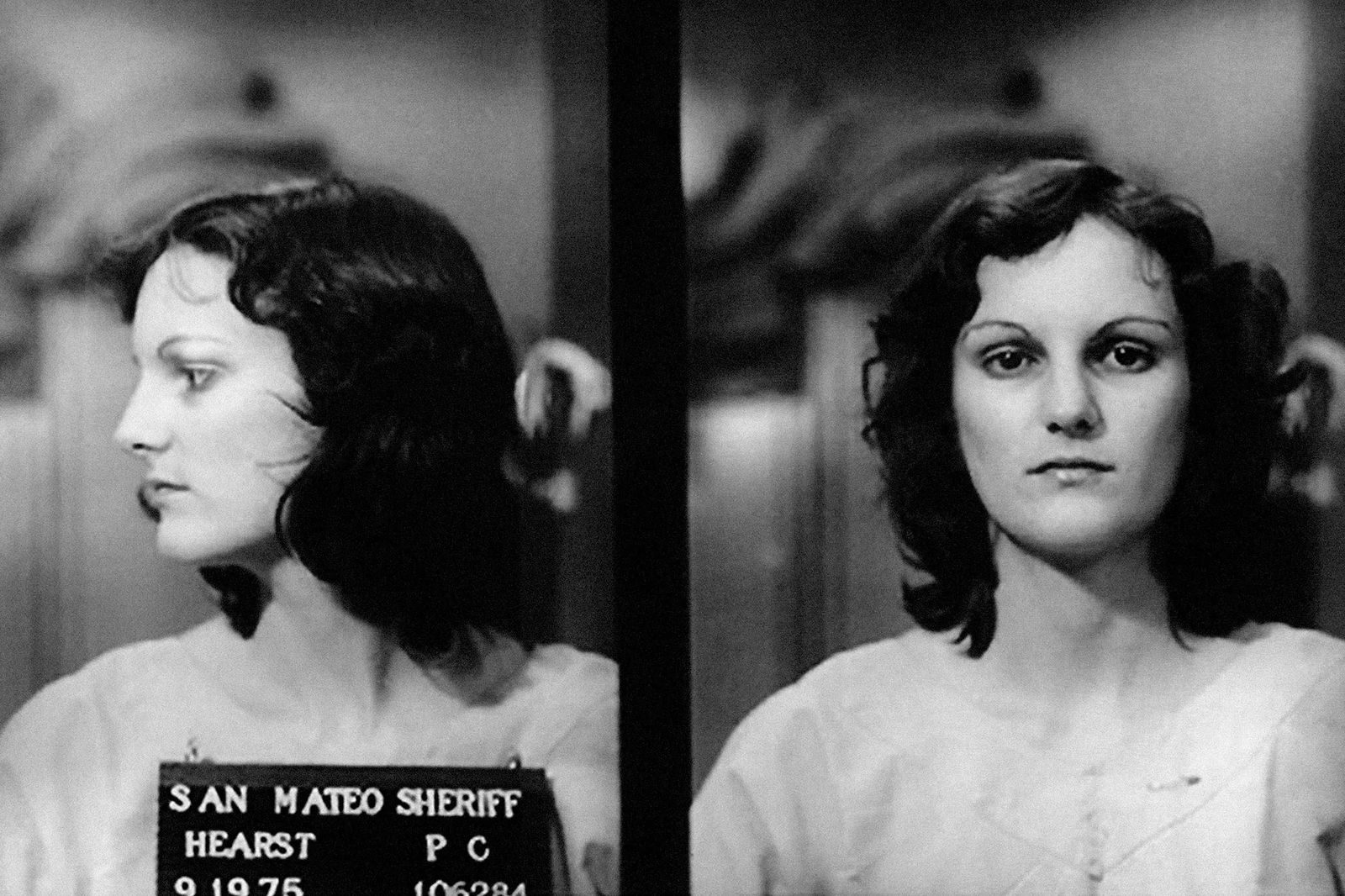
Patricia Hearst, the 19-year-old granddaughter of newspaper magnate William Randolph Hearst, was kidnapped from her apartment in Berkeley, California, in 1974. She was taken by a radical militant group called the Symbionese Liberation Army.

After weeks in captivity, in which she was kept in a closet, blindfolded, she appeared in a bank surveillance video holding a rifle and participating in the robbery of a bank in San Francisco. She was captured in September 1975. Her defense argued she had been brainwashed and acted under duress. A jury rejected that argument, and she was convicted of bank robbery in 1976 and sentenced to 7 years.

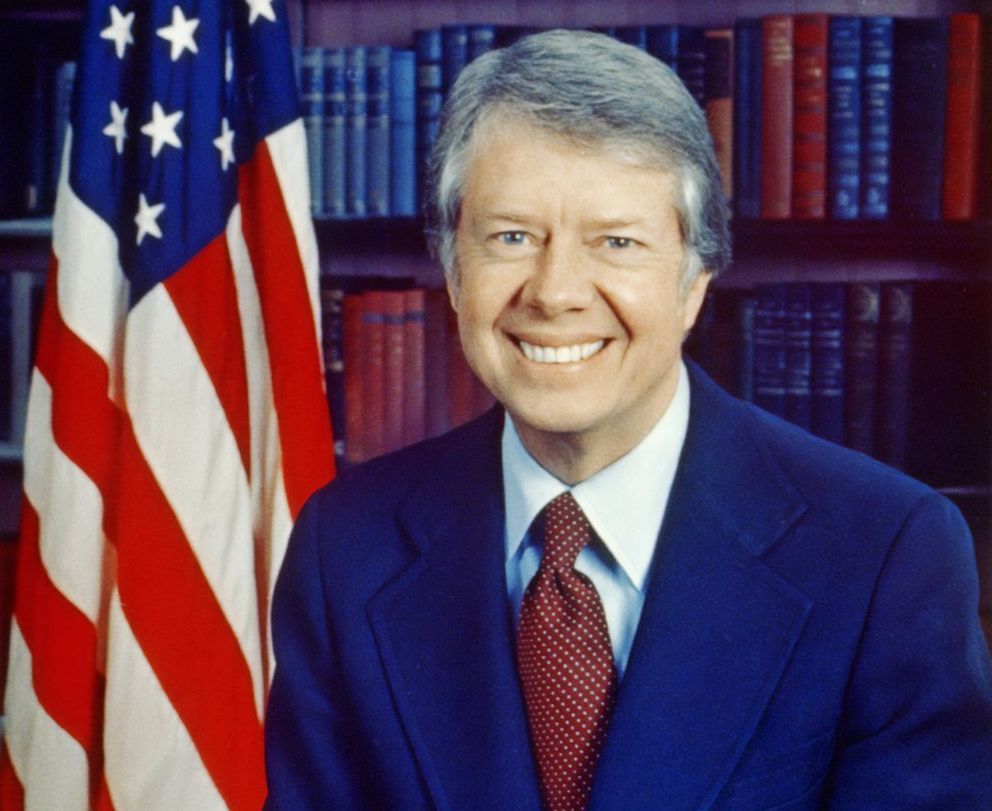
President Jimmy Carter commuted her sentence in 1979 after she had served approximately 22 months. She was released and married her former bodyguard. In January 2001, President Bill Clinton granted her a full pardon in the final hours of his presidency.

8
Vietnam Draft Evaders (1977): The biggest blanket pardon in U.S. history

Image: Library of Congress

On his first full day as president in 1977, Jimmy Carter signed Proclamation 4483, granting an unconditional pardon to all Americans who had violated the Military Selective Service Act in the span of U.S. involvement in Vietnam.

The government estimated that approximately 210,000 men had been formally accused of draft violations , while hundreds of thousands more had never been charged. Many had fled to other countries, roughly 90% to Canada, where they had been welcomed as legal immigrants.

Carter had campaigned openly on the promise, calling it necessary to heal a nation still divided by the war. The pardon did not extend to military deserters. Veterans' organizations were furious. Despite the backlash, an estimated 50,000 of those eligible chose to remain in Canada permanently, never returning home.

9
Scooter Libby (2007 / 2018): The spy scandal at the heart of the White House

Image: Russell F. Roederer, Public domain, via Wikimedia Commons

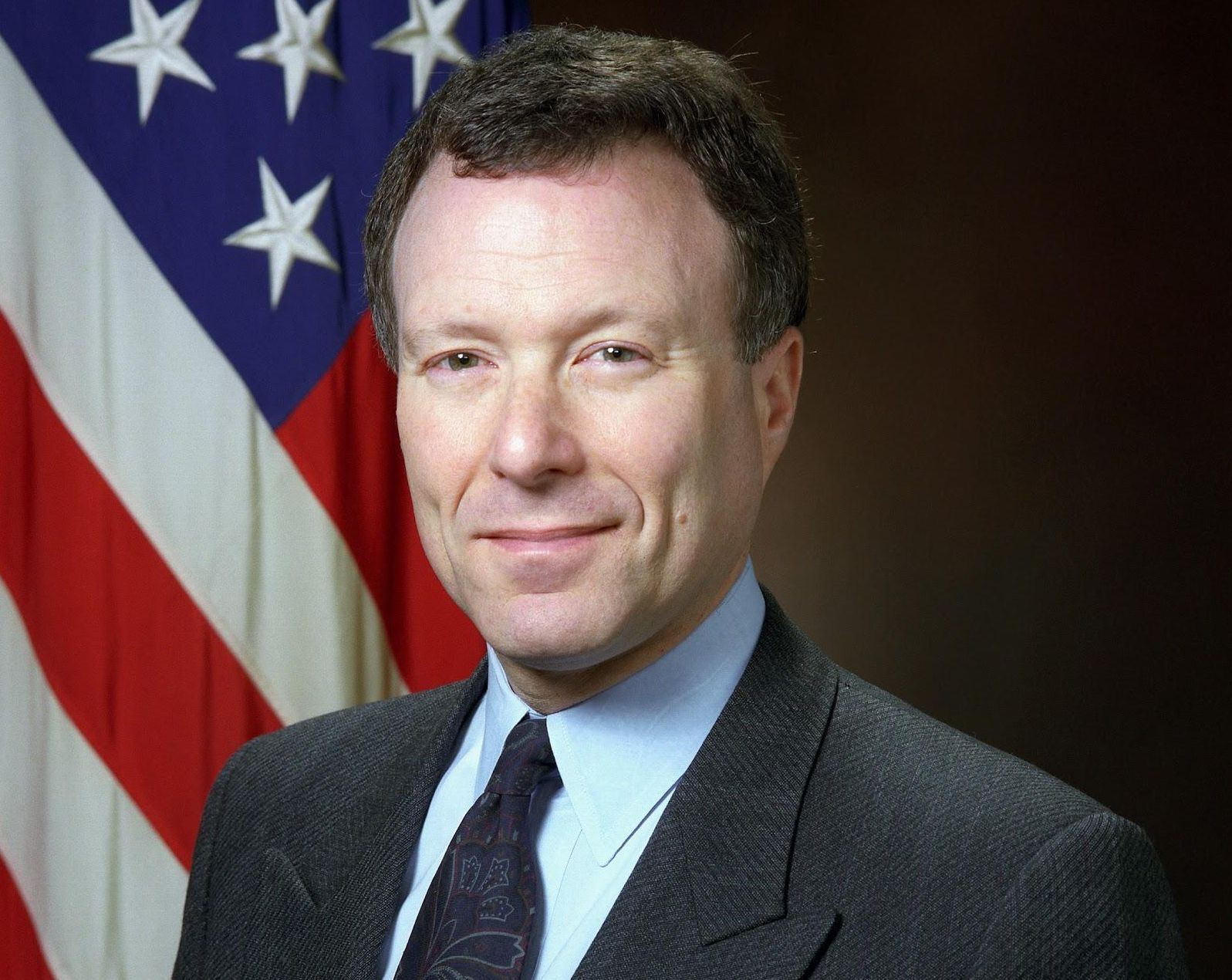
Lewis "Scooter" Libby served as Chief of Staff to Vice President Dick Cheney during the George W. Bush administration. In 2003, the identity of Valerie Plame (a covert CIA officer) was leaked to journalists, apparently in retaliation against her husband, former Ambassador Joseph Wilson, who had publicly challenged the administration's case for the Iraq War.

Though Libby was not charged with the leak itself, he was convicted in 2007 of four felony counts: obstruction of justice, two counts of perjury, and making false statements to the FBI. He was sentenced to 30 months in prison and fined $250,000. Later that same year, President Bush commuted Libby's prison sentence, calling it "excessive," but left the conviction, fine, and probation intact; he declined to grant a full pardon. Eleven years later, in 2018, President Donald Trump issued a full pardon, completely wiping Libby's record clean.

10
Roger Clinton (2001): The president's half-brother

Roger Clinton is the younger half-brother of President Bill Clinton. Roger was given the Secret Service code name "Headache" during his brother's administration. In 1984, Arkansas state police ran an undercover sting operation that caught Roger selling illegal drugs to an informant. He pleaded guilty in 1985 to charges of conspiracy to distribute drugs and served approximately one year in federal prison, completing his sentence in 1986.

14 years later, on his last day in office, President Clinton granted Roger a full pardon, clearing his criminal record. The pardon drew relatively little public outrage compared to the Marc Rich case.

Geography Geography 6 min read

Territorial anomalies

There's a country within the US that was created to avoid double taxation

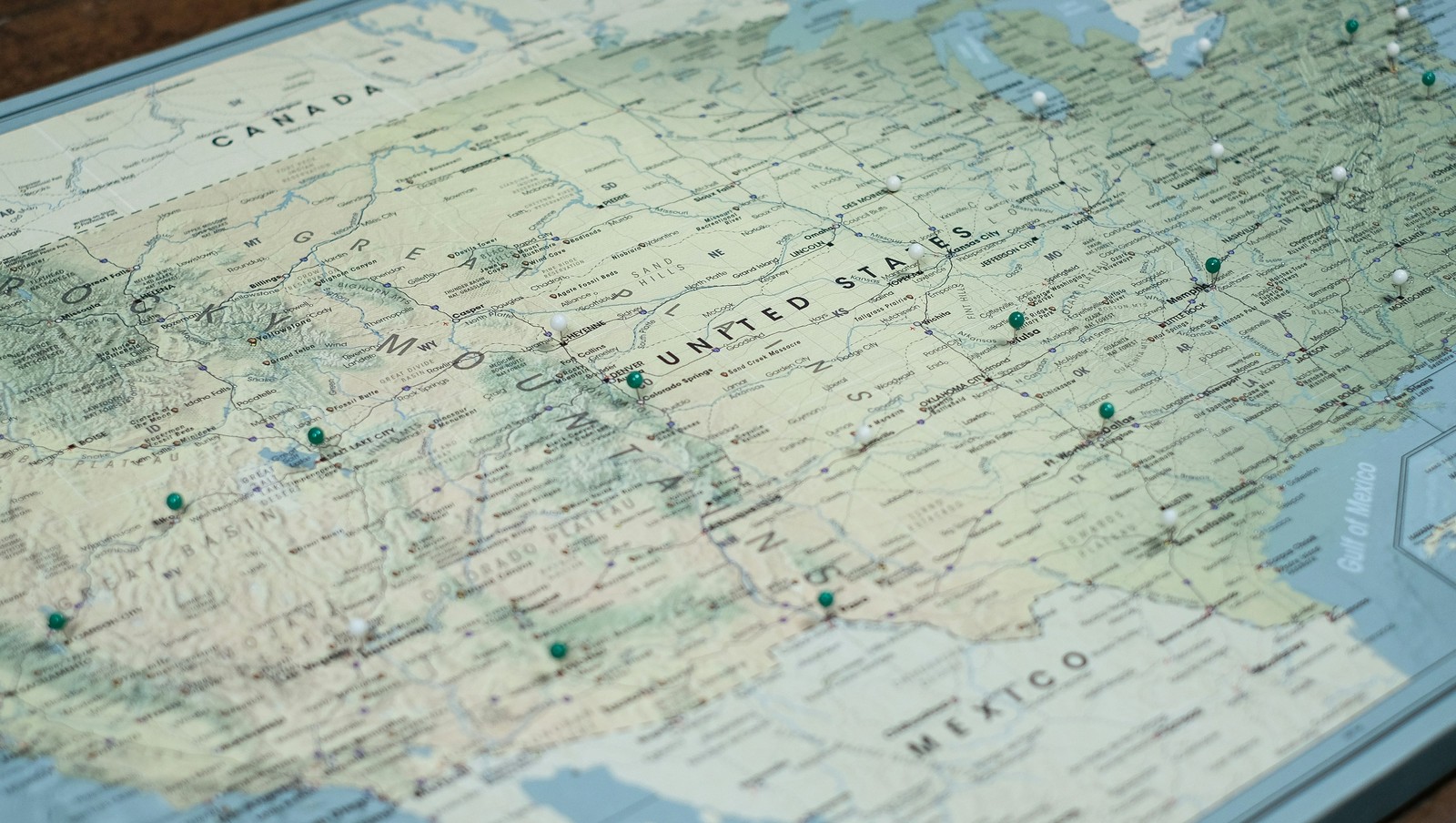
Image: Pin Adventure Map

Ever thought about how the borders in our country were defined ? States that almost became official, U.S. points that are only accessible through Canada's borders, territorial feuds over taxes, and more have constructed the limits of the country we know today. Here are 10 territorial quirks you probably never knew of.

1
Point Roberts, WA: The 49th parallel accident

Image: United States Geological Survey, Public domain, via Wikimedia Commons

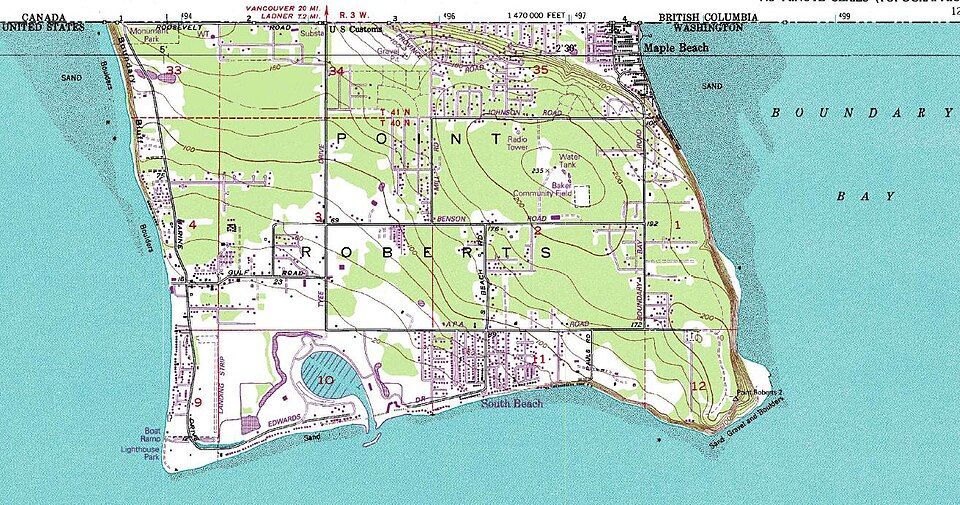
Imagine if you had to cross two borders just to get to the market for a gallon of milk. That’s actually a reality for residents of Point Roberts, Washington. That’s because, following the Anglo-American Convention of 1818, the 49th parallel divided Canada and the U.S. In 1846, the line was extended westward and then officially recognized by the International Boundary Commission in 1925.

However, a tiny tip of the Tsawwassen Peninsula poked out just below that line. Since then, the locals have lived in a boundary quirk. To get to the rest of Washington State by land, they must drive through Canada, show their passports, and do it all over again on the way back.

2
Statue of Liberty: Common misconception

Image: Mohamed Osama

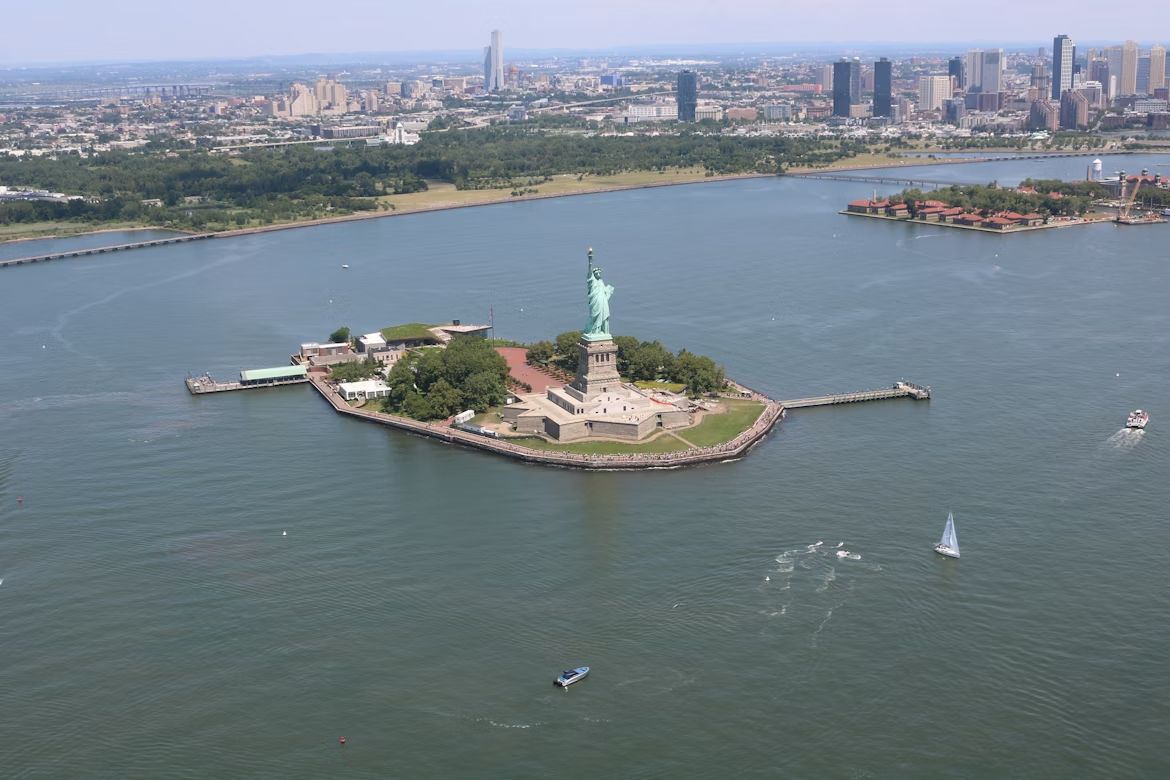
If you want to start a friendly argument at a dinner party, ask whether the Statue of Liberty lives in New York or New Jersey. The funny thing is, both answers are technically right . While the statue physically sits in the waters of the Garden State, Liberty Island is legally an exclave of New York. This dates back to a 1664 land grant by the Duke of York in a document so vague and confusing that it took a 1834 Compact between the two states to settle the deal. New Jersey gets the water and the submerged lands, but New York keeps the monument.

However, the Federal Government actually manages the site through the National Park Service (NPS), providing security and maintenance.

3
The State of Franklin: Failed 14th state

Image: Bennett1203, CC BY-SA 4.0, via Wikimedia Commons

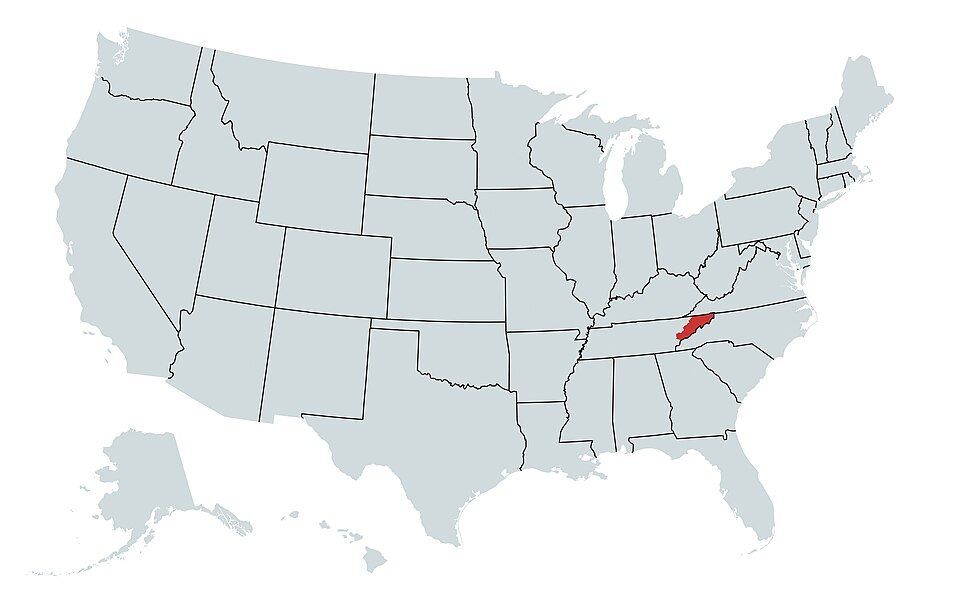
In 1784, three counties in North Carolina felt neglected by their government and decided to strike out on their own . They even elected a governor, John Sevier, and printed their own money. They came just two votes short of being recognized by Congress as a formal state.

Eventually, things got heated, and North Carolina sent troops, leading to a small civil war between the locals. By 1789, the dream of Franklin was buried, and the territory became part of Tennessee.

4
Kentucky Bend

Image: Brian Stansberry, CC BY 4.0, via Wikimedia Commons

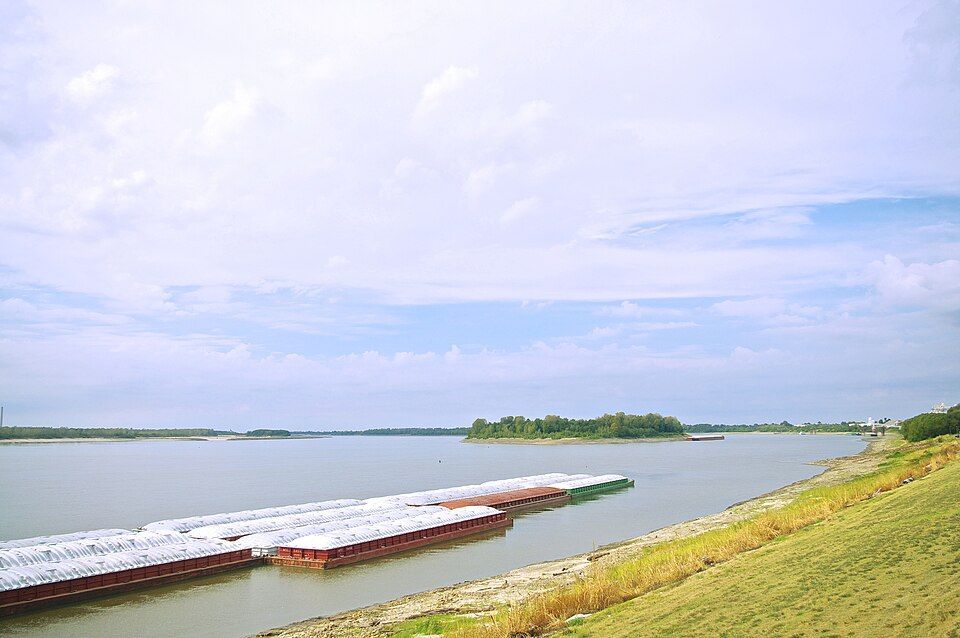
If you look closely at a map, there’s a piece of Kentucky that looks like it doesn’t belong. That’s the Kentucky Bend, also called the New Madrid Bend, a tiny peninsula in Fulton County that is almost completely separated from the rest of the Bluegrass State . The strange situation was the consequence of the massive series of earthquakes that took place in that area between 1811 and 1812, which were so violent they famously caused the Mississippi River to flow backwards for several hours. When the dust settled, the river had carved a new path that looped around this small patch of land, surrounded by Missouri and Tennessee instead of Kentucky. The 9 residents living there today go through Tennessee just to get to their home state.

5
The State of Deseret: The empire that almost was

Image: Carl Radefeld (cartographer); Joseph Meyer (publisher), Public domain, via Wikimedia Commons

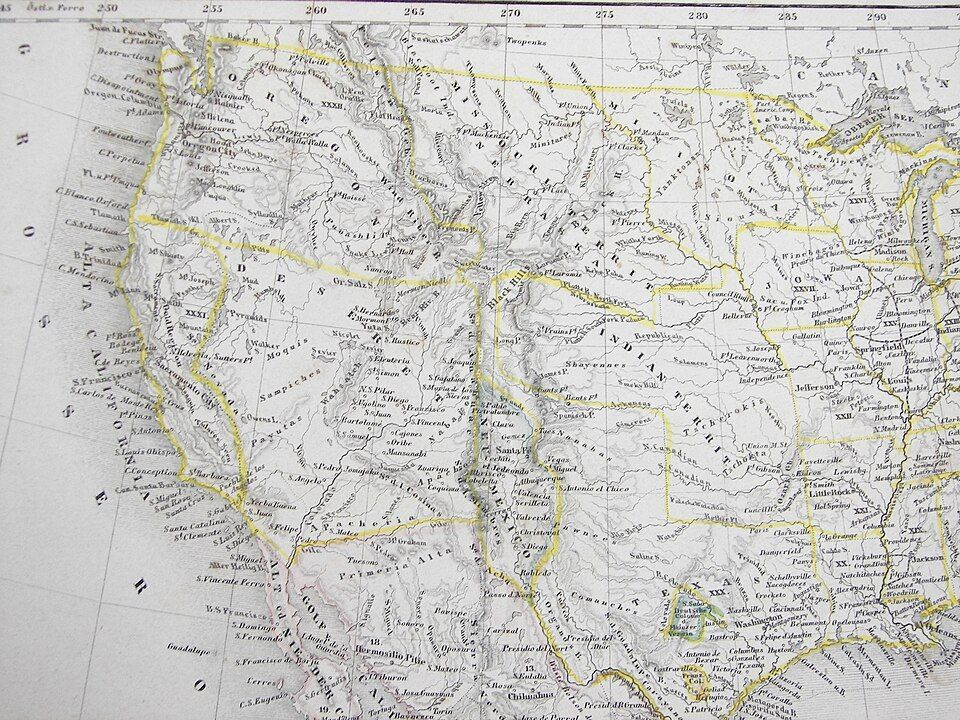
Imagine a state so big it makes Texas look tiny. That almost happened back in 1894, when Mormon pioneers proposed the State of Deseret. The territory comprised what we now know as Utah, most of Nevada, parts of Arizona and Colorado, and a massive chunk of the California coast, including San Diego.

Had it been formalized, it would have been a powerhouse with its own seaport and total control over the West. However, Washington, D.C. wasn’t so keen on one group having that much territory and power, so they whittled it down, and we ended up having the states we know today.

6
The lawless "No Man's Land"

Image: Steve Shook from Moscow, Idaho, USA, CC BY 2.0, via Wikimedia Commons

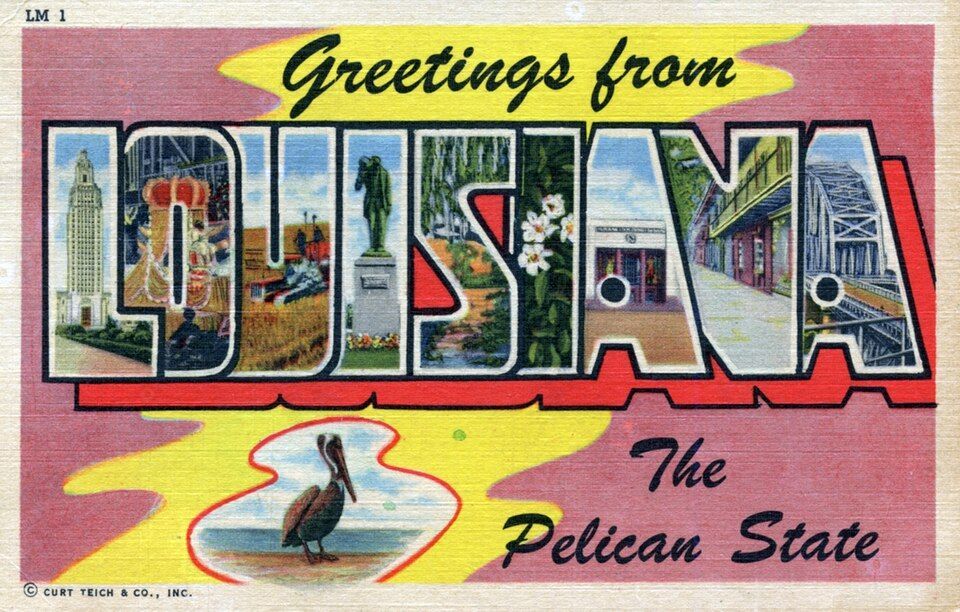
Have you ever wondered what happens when two governments simply give up on a piece of land? Between 1806 and 1821, there was a strip of land in what is now western Louisiana that was, literally, No Man’s Land. Neither the U.S. nor Spain, which owned part of the territory, could agree on the border, so they declared it "Neutral Ground" to avoid armed conflicts . The plan backfired as, with no laws to contain it, it quickly became a favorite for the outlaws in the West —meaning deserters and bandits hiding there were legally untouchable. The conflict was resolved by the 1819 Adams-Onis Treaty, which officially set the Sabine River as the legal boundary.

7
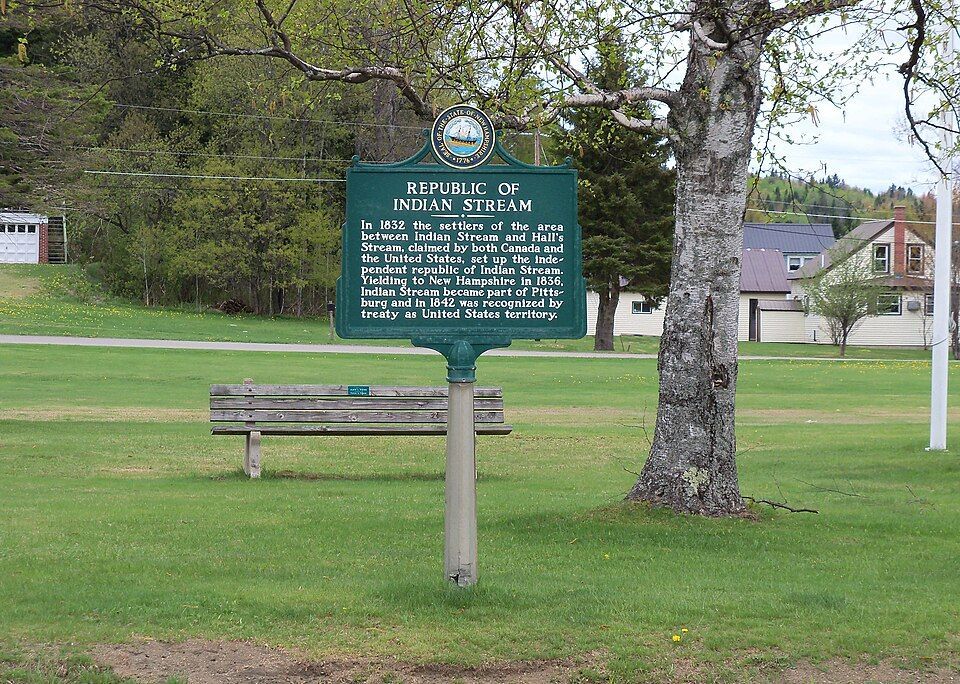
The Republic of the Indian Stream

Image: Jon Platek, CC BY-SA 3.0, via Wikimedia Commons

In the early 1830s, people living in a small area between New Hampshire and Quebec were fed up, and in this case, taxes were the problem. Both Canada and the US were trying to collect taxes, and nobody likes being double-billed . In 1832, the residents essentially said "neither of them can tax us" and formed their own country called the Republic of the Indian Stream. They had their own constitution and Capitol for four years, until 1836, when the militia marched on the disputed territory to reclaim the land. It wasn’t until 1842, when the land dispute and the double taxation were definitively resolved by the Webster–Ashburton Treaty, which assigned the land to New Hampshire.

8
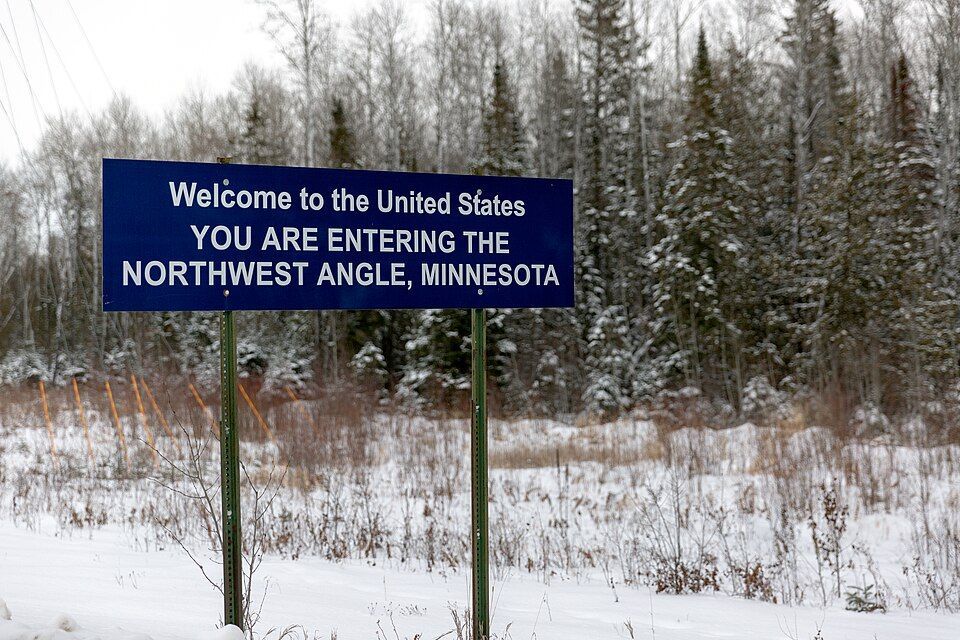
The Northwest Angle: Mapping mistake of 1783

Image: Lorie Shaull, CC BY-SA 4.0, via Wikimedia Commons

When the Treaty of Paris was signed in 1783 to end the Revolutionary War, the mapmakers used a chart that was flat-out wrong. They thought the Mississippi River started much further north than it actually did. Because of that mistake, a piece of Minnesota got cut off from the rest of the country . To this day, the "Northwest Angle" is the only place in the lower 48 states north of the 49th parallel. Much like Point Roberts, you have to cross a massive lake or drive through Canada just to visit it.

9
The District of Columbia’s "lost" corner

Image: Tim Mossholder

If you look at a map of D.C., you’ll notice it’s missing a chunk; it’s not a perfect square as it was originally intended. Originally, the capital was a perfect ten-mile square diamond , taking land from both Maryland and Virginia. But by 1846, things got tense. Residents in the Virginia portion, which included Alexandria and Arlington, were worried the federal government would abolish slavery in the District, which was the backbone of their economy. They successfully petitioned to have Virginia "take back" that portion of the land and subsequently changed the shape of the national capital forever.

10
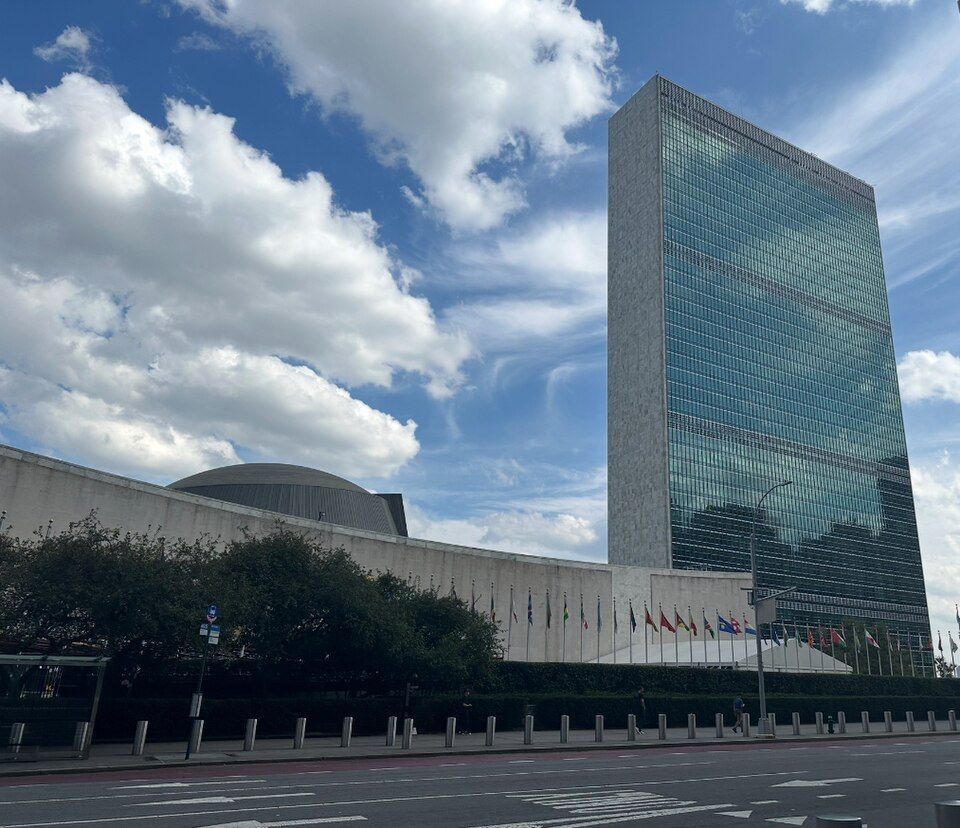
UN Headquarters: International territory

Image: LPulecio-WMF, CC BY 4.0, via Wikimedia Commons

If you want to feel international, go to the United Nations Headquarters on the East River in midtown Manhattan, New York. Once you cross that gate onto the 18-acre site, you are technically leaving the United States. You don’t need to show your passport, but that’s international territory, which means it has its own laws , its own security force, and even its own postal service. It is a legal hole in the middle of New York City.

Explore more American facts

Choose your favorite category!

General
General

As American as apple pie—the very best America has to offer!

Culture
Culture

Delve into the astounding richness of American lore.

Geography
Geography

Hop in and explore vast and diverse American landscapes.

History
History

Discover the key moments that shaped the United States.