History History 6 min read

Why didn’t the British burn Monticello during the Revolutionary War?
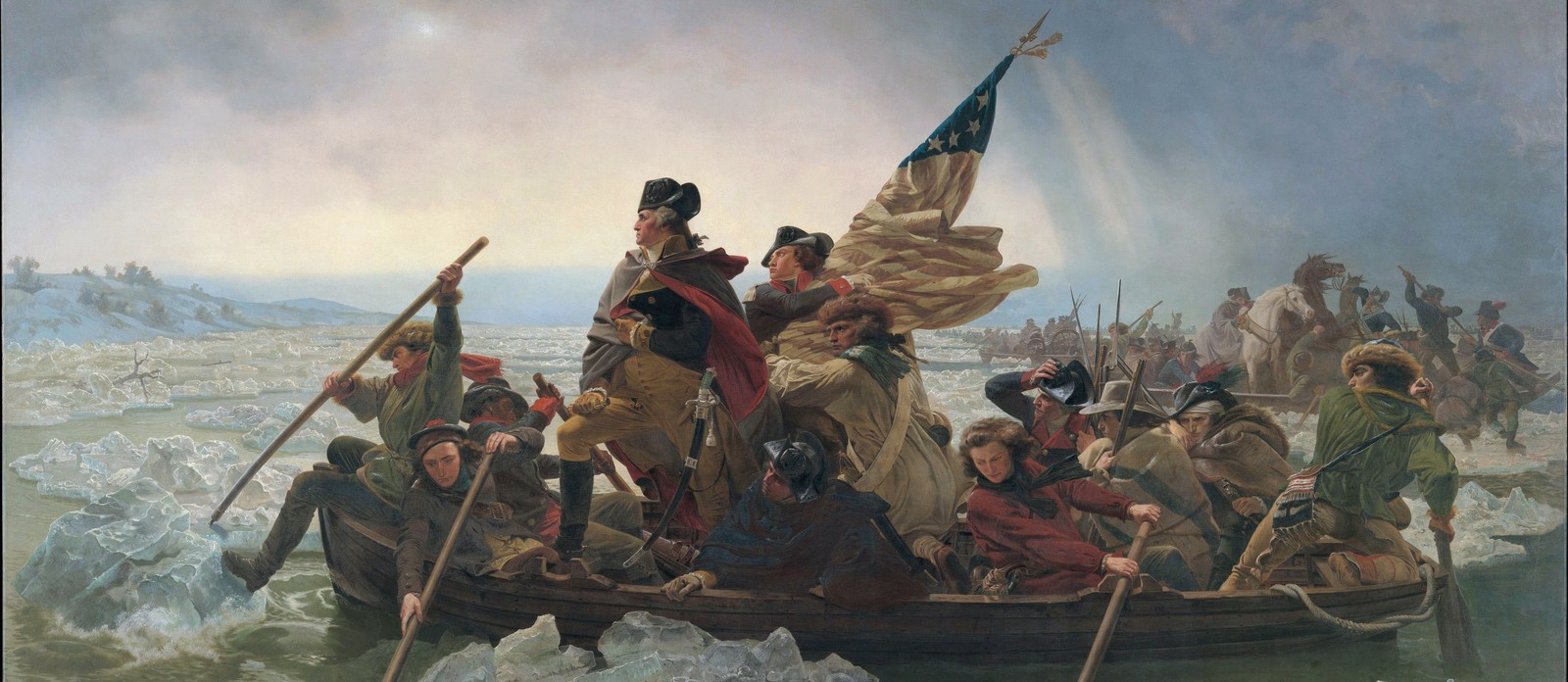
Image: Emanuel Leutze, CC0, via Wikimedia Commons

Our history textbooks do a great job narrating the major battles and political triumphs of the American Revolution, but they often avoid the nitty-gritty details. The truth is, the fight for independence was a messy conflict fought by spies, double agents, and players with opaque motives. Even after 250 years, historians are still trying to solve some of the war’s deepest enigmas. Here are ten of the most fascinating unsolved mysteries from the American Revolution.

1
Who fired the shot heard ‘round the world?
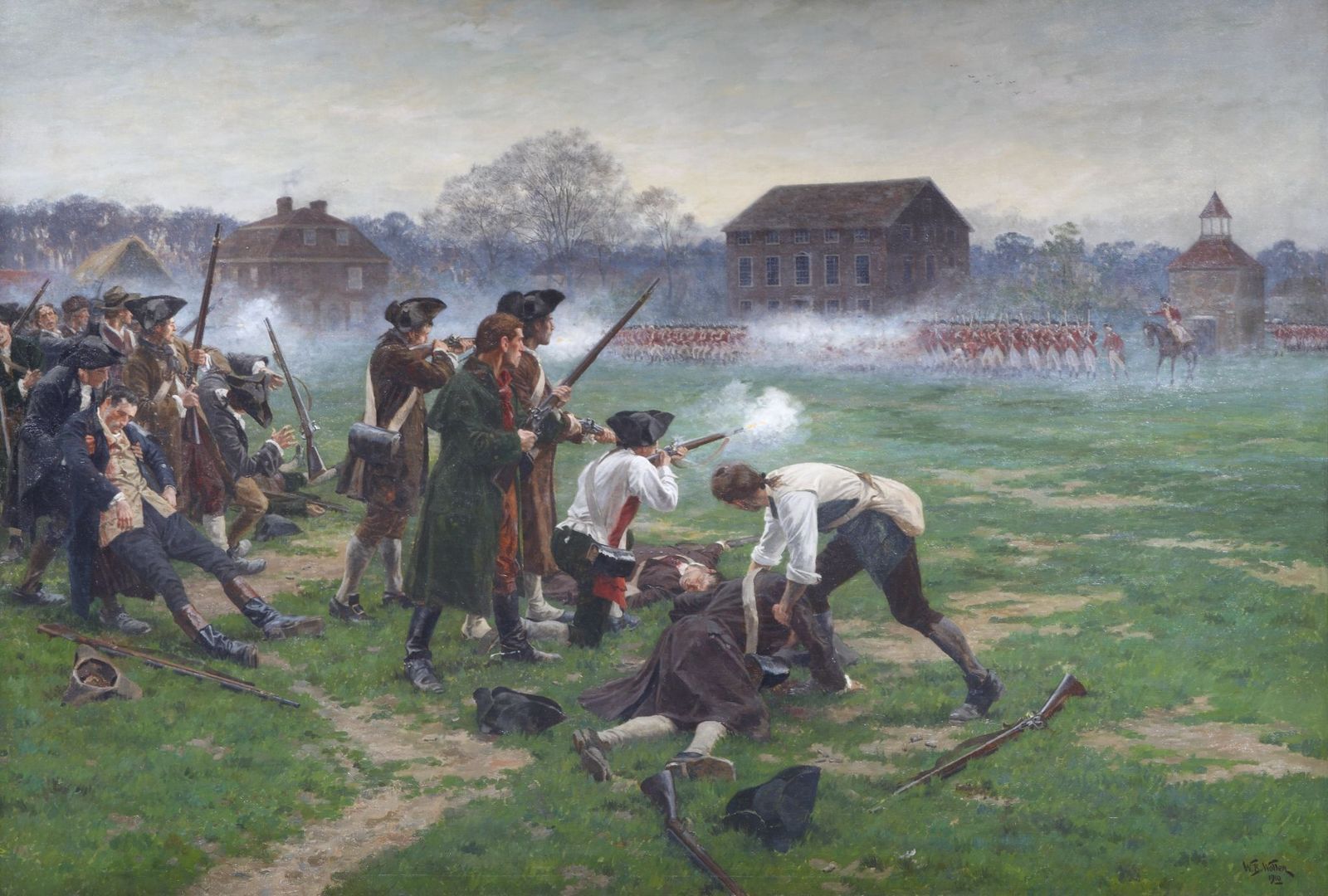
Image: William Barnes Wollen, Public domain, via Wikimedia Commons

The war began on the morning of April 19, 1775, when a small group of local militia faced a column of British Redcoats. The American commander, Colonel John Parker, ordered his men to disperse. The British commander, Major John Pitcairn, ordered his troops to hold their fire. Both sides wanted to avoid a bloodbath.

Suddenly, a shot of gunfire was heard through the air. In the confusion, British soldiers charged with bayonets. Who pulled that first trigger? Some accounts suggest a gunman fired from behind a nearby wall. Others claim a fleeing prisoner sparked the chaos. Because both sides swore under oath that they didn’t shoot first, the catalyst of the war remains a mystery.

2
Who betrayed Nathan Hale?
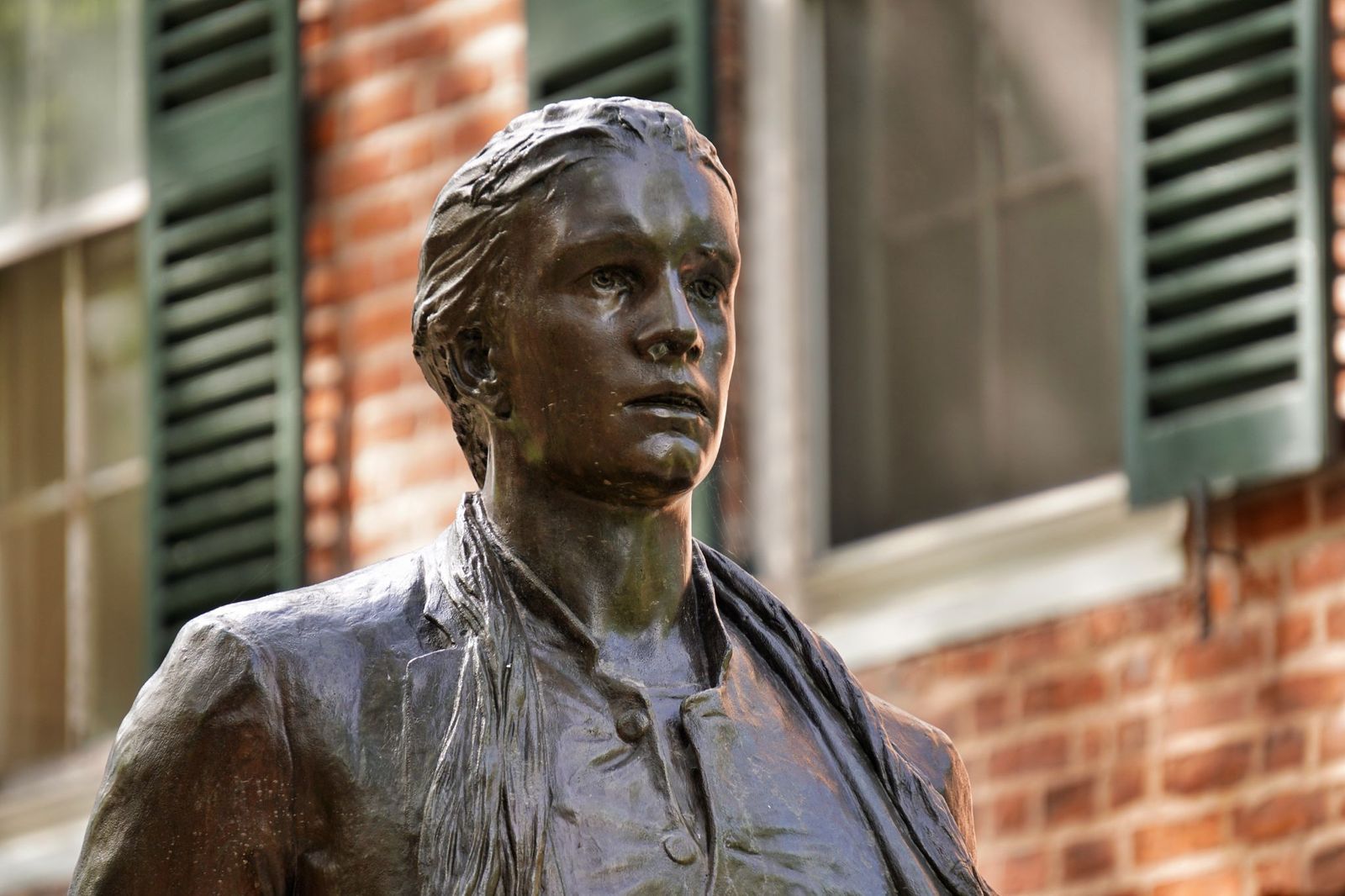
Image: Helioscribe

Nathan Hale is considered one of America’s first tragic heroes. A young Connecticut schoolteacher turned army captain, Hale volunteered to infiltrate British-occupied New York City to gather intelligence. He was an amateur spy, and it didn’t take long for the enemy to catch him with compromising notes hidden in his shoes. He was hanged the next morning, at age 21.

The mystery lies in exactly how he was caught. One theory points to his own cousin, Samuel Hale, a Loyalist who allegedly spotted Nathan in a tavern and reported it to British authorities. Another theory suggests he was tricked by Major Robert Rogers, a legendary British counter-insurgency commander who supposedly suspected Hale and got him to confess his mission over drinks.

3
Who burned New York City in 1776?
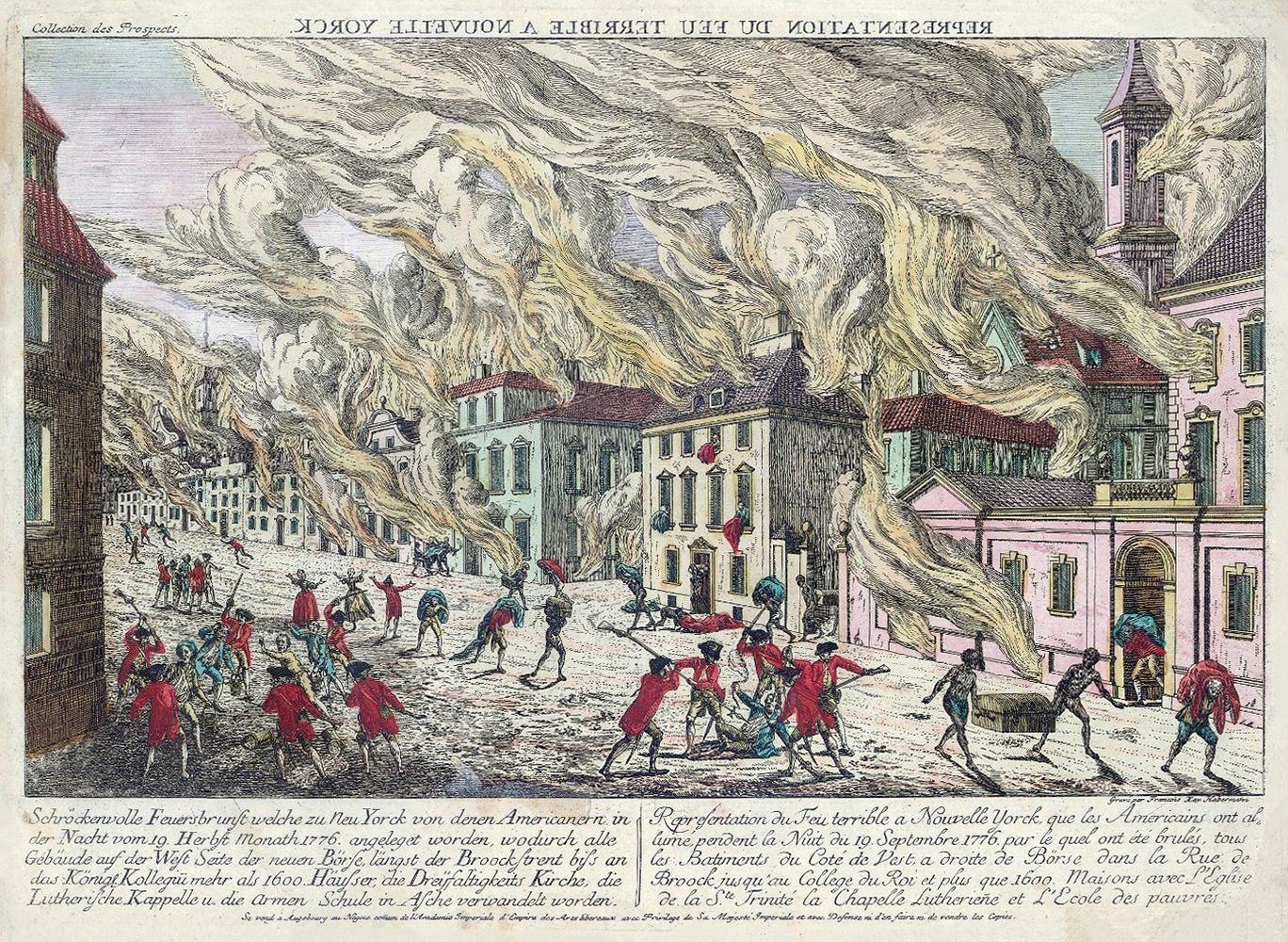
Image: Franz Xaver Habermann, Public domain, via Wikimedia Commons

On September 21, 1776, just days after Nathan Hale’s execution, a fire broke out in the middle of the night. The Great Fire consumed a third of New York City, destroying hundreds of buildings and critical port facilities just when the British military was going to start using the city as their winter base.

The British blamed American arsonists and arrested over 200 people, but no one was ever convicted. Interestingly, George Washington and his collaborators previously debated burning the city, though the Continental Congress ultimately forbade it. Washington publicly denied any involvement, although he privately confessed that the fire was a stroke of luck. Was it a genuine accident, or did radical Patriots take matters into their own hands?

4
Who was Agent 355?

Image: ozrimoz

George Washington’s most successful intelligence network was the Culper Spy Ring, which operated in New York. The ring used an intricate system of invisible ink, hidden drop boxes, and complex ciphers. In their master codebook, the number 355 stood simply for "lady."

Agent 355 was a brilliant female operative who provided vital intelligence. Because her identity was protected by the ring’s leaders, her true name was never written down. Scholars have spent centuries debating whether she was a prominent Loyalist society woman secretly sympathetic to the Patriots, a member of the prominent Floyd family, or a composite character representing multiple female informants.

5
The mystery of Silas Deane
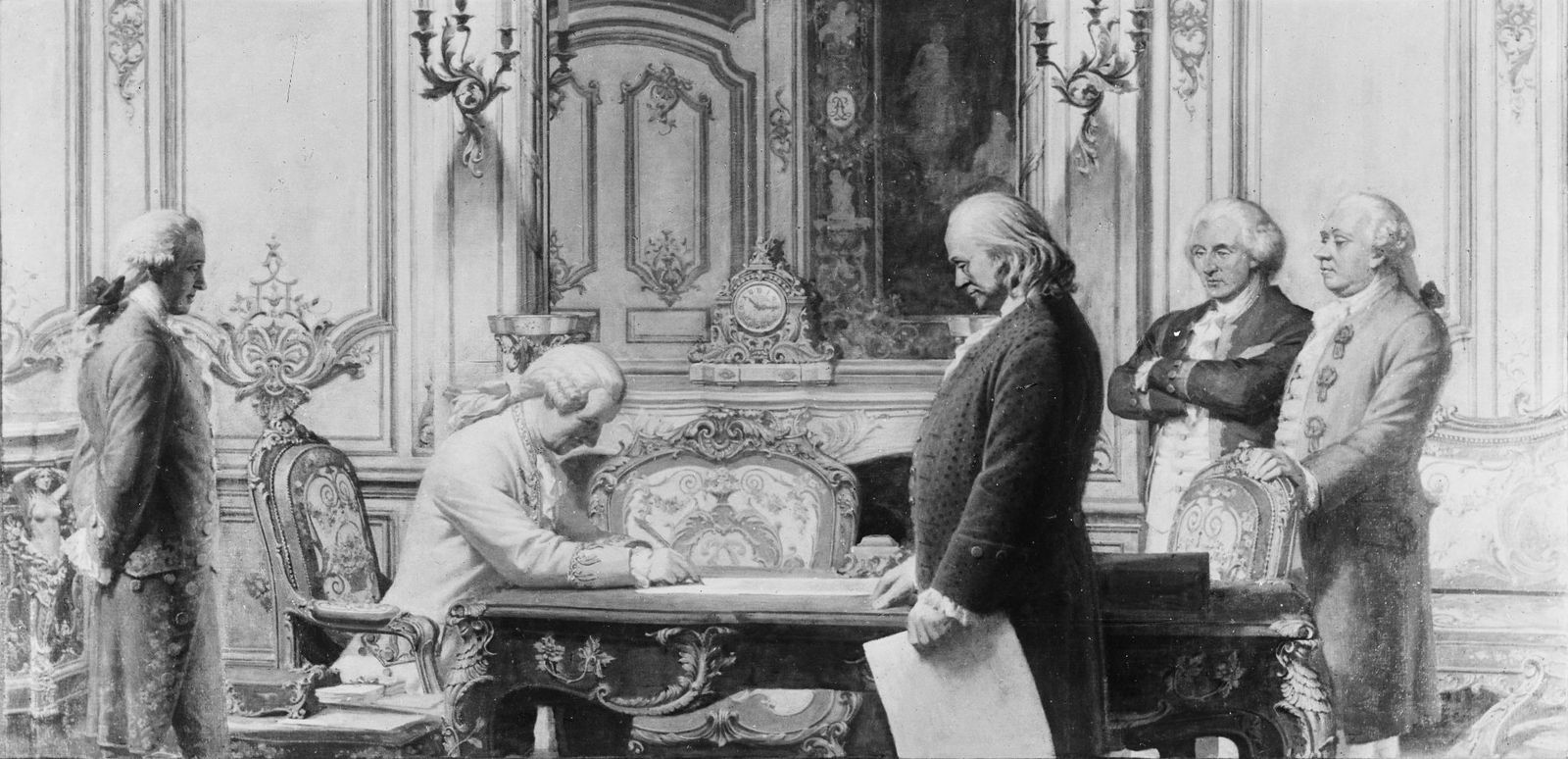
Image: Charles Elliott Mills, Public domain, via Wikimedia Commons

Silas Deane was a Connecticut merchant sent by Congress to France in 1776 as America’s first secret diplomat. He performed well at first, successfully securing shipments of French arms and recruiting foreign officers such as the Marquis de Lafayette. However, he fell into a bitter political dispute with fellow diplomat Arthur Lee, who accused Deane of financial fraud.

Totally in disgrace, a ruined Deane spent years in European exile trying to clear his name. In 1789, when he was 51, he boarded a ship to return to the United States for a congressional hearing. Hours into the voyage, he became ill and died. According to rumors, he had been poisoned. Modern historians suspect his close friend and assistant, Edward Bancroft—a British double agent—murdered Deane to keep him from exposing his wartime espionage.

6
Who told the Patriots in Boston that the British were coming?
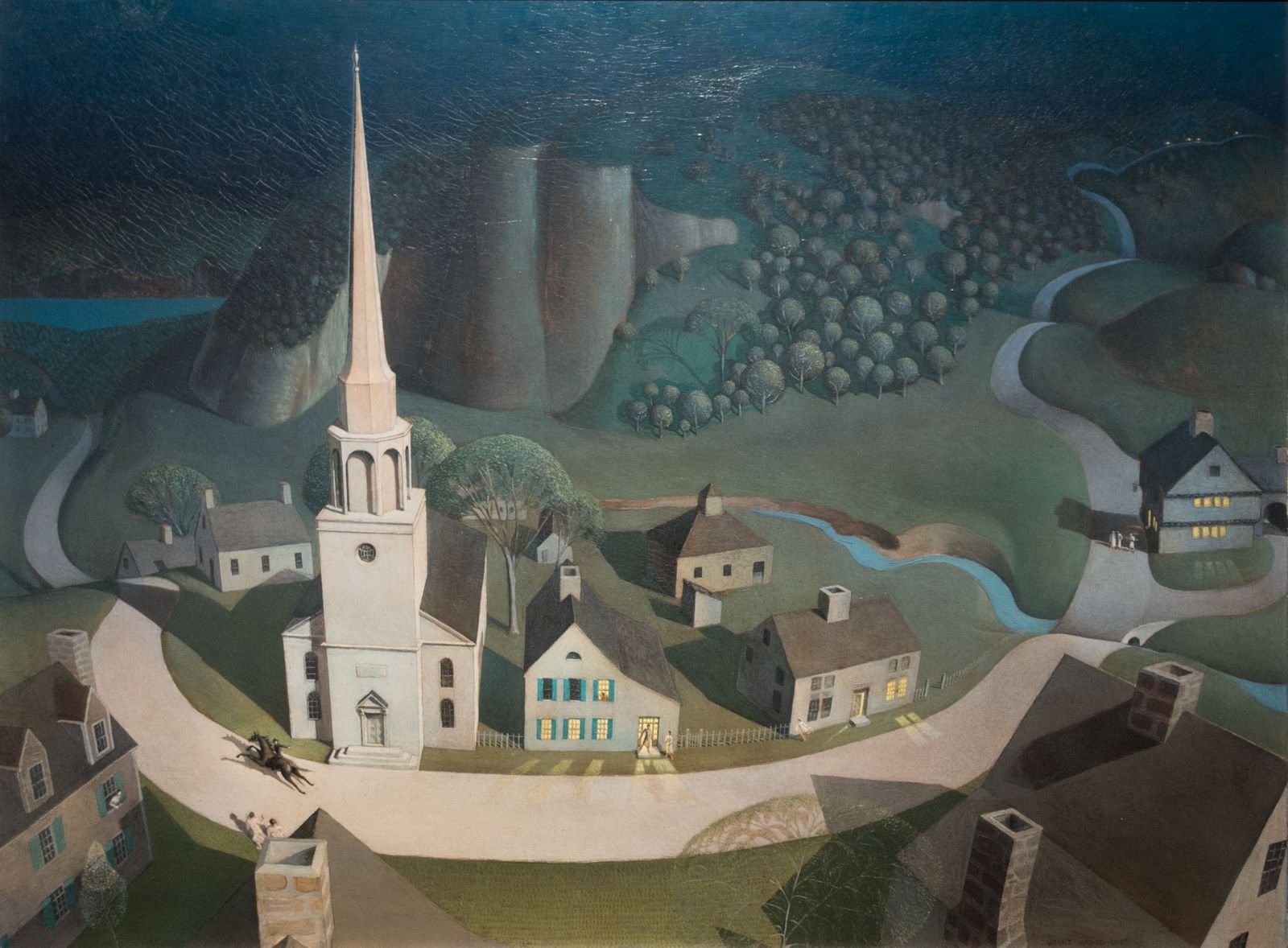
Image: Grant Wood, Public domain, via Wikimedia Commons

Before Paul Revere could take his historic midnight ride, someone had to give the Patriots the warning. On the night of April 18, 1775, Dr. Joseph Warren received precise intelligence that British troops were preparing to march on Lexington and Concord to arrest rebel leaders.

Who leaked this military plan? History has pointed to Margaret Kemble Gage, the American-born wife of the British Commander-in-Chief, General Thomas Gage. Margaret was torn between her love for her husband and her devotion to the land. While her involvement has never been proven, General Gage notably sent his wife away to England shortly after the leak.

7
Was Charles Lee a traitor?
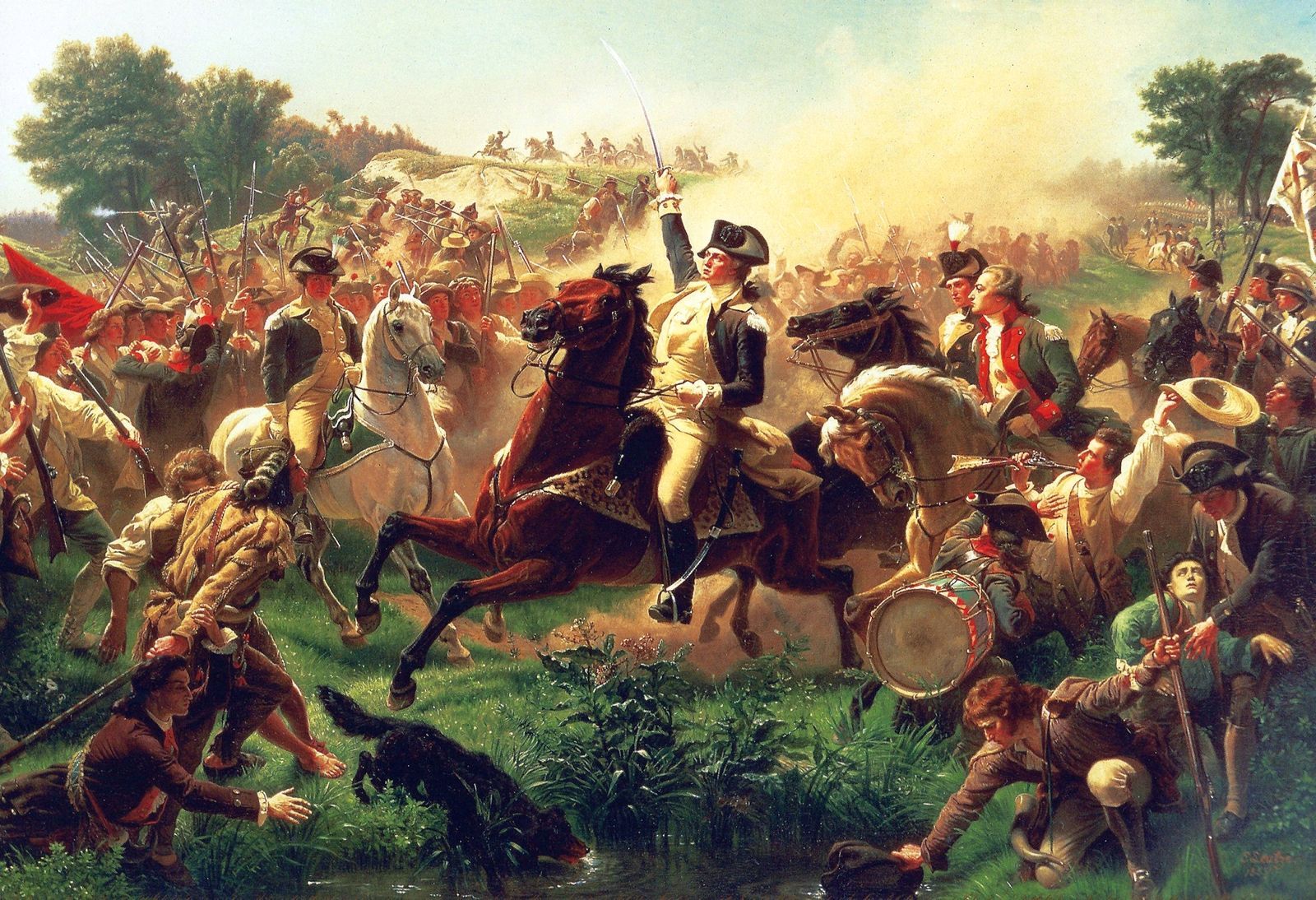
Image: Emanuel Leutze, Public domain, via Wikimedia Commons

General Charles Lee was George Washington’s second-in-command and an experienced military officer. He was also arrogant and frequently criticized Washington’s leadership. In late 1776, Lee was captured by the British in a New Jersey tavern while writing a letter complaining about Washington's deficiencies.

He was exchanged back to the Americans a year later, but his career ended after he disobeyed Washington’s orders at the Battle of Monmouth in 1778. The mystery arose 80 years later, when a lost document surfaced. The document, written in Lee’s own handwriting, outlined a detailed military strategy for the British to defeat the Continental Army. Was Lee a traitor, or was it a strategy to manipulate his captors?

8
Why didn’t the British burn Monticello?
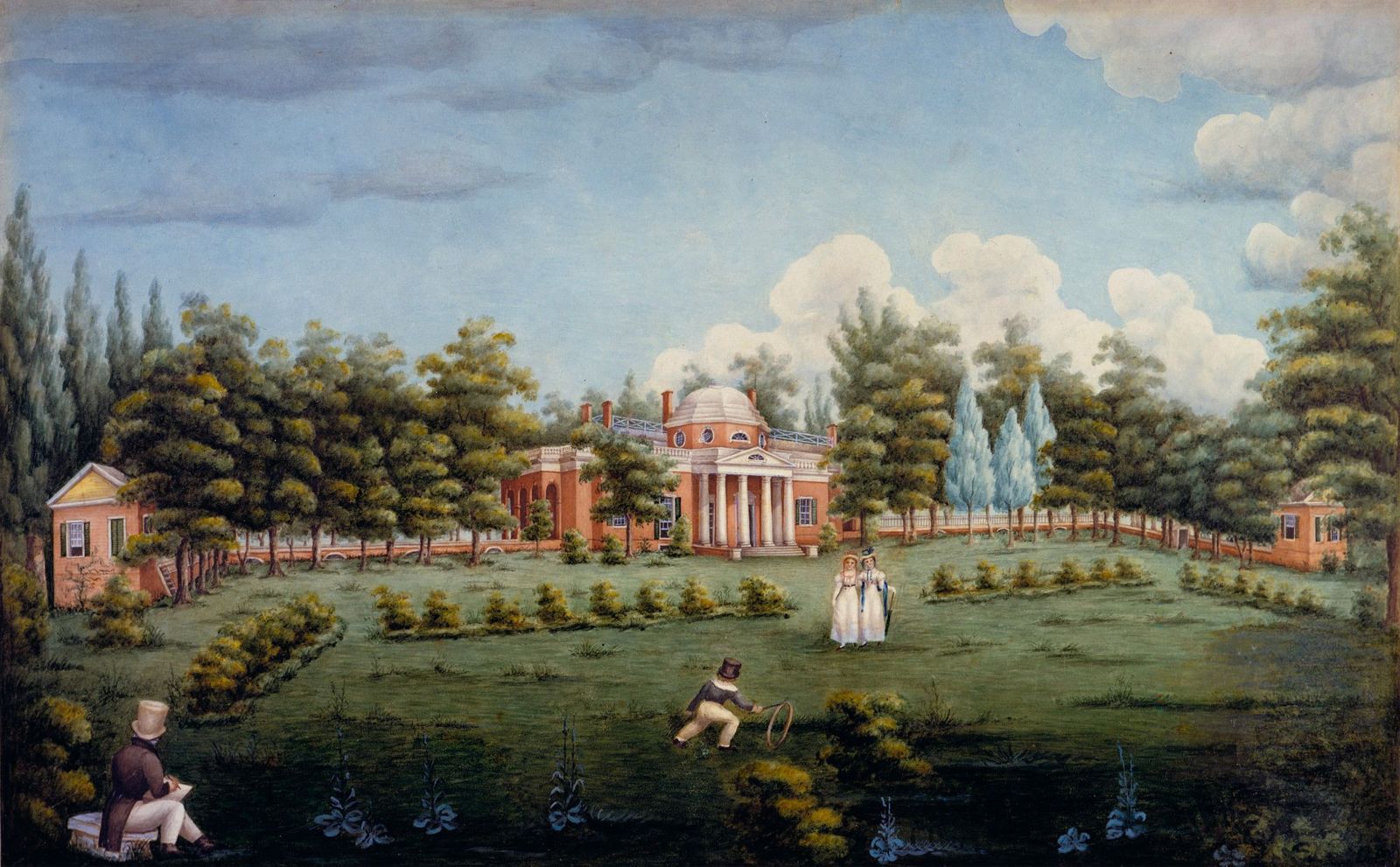
Image: Jane Pitfield Peticolas, Public domain, via Wikimedia Commons

In June 1781, the British cavalry leader Banastre Tarleton—called by Americans "Bloody Tarleton" for his brutal tactics—led a raid on Charlottesville, Virginia. His main objective was to capture Thomas Jefferson, the author of the Declaration of Independence and the state’s governor.

Jefferson managed to escape Monticello, and when Tarleton’s troops occupied his famous estate, they left it entirely untouched, as Tarleton specifically ordered his men not to damage or burn the property. Given that the British often burned the properties of prominent leaders, sparing Monticello was very unusual.

9
Who was Jane McCrea?
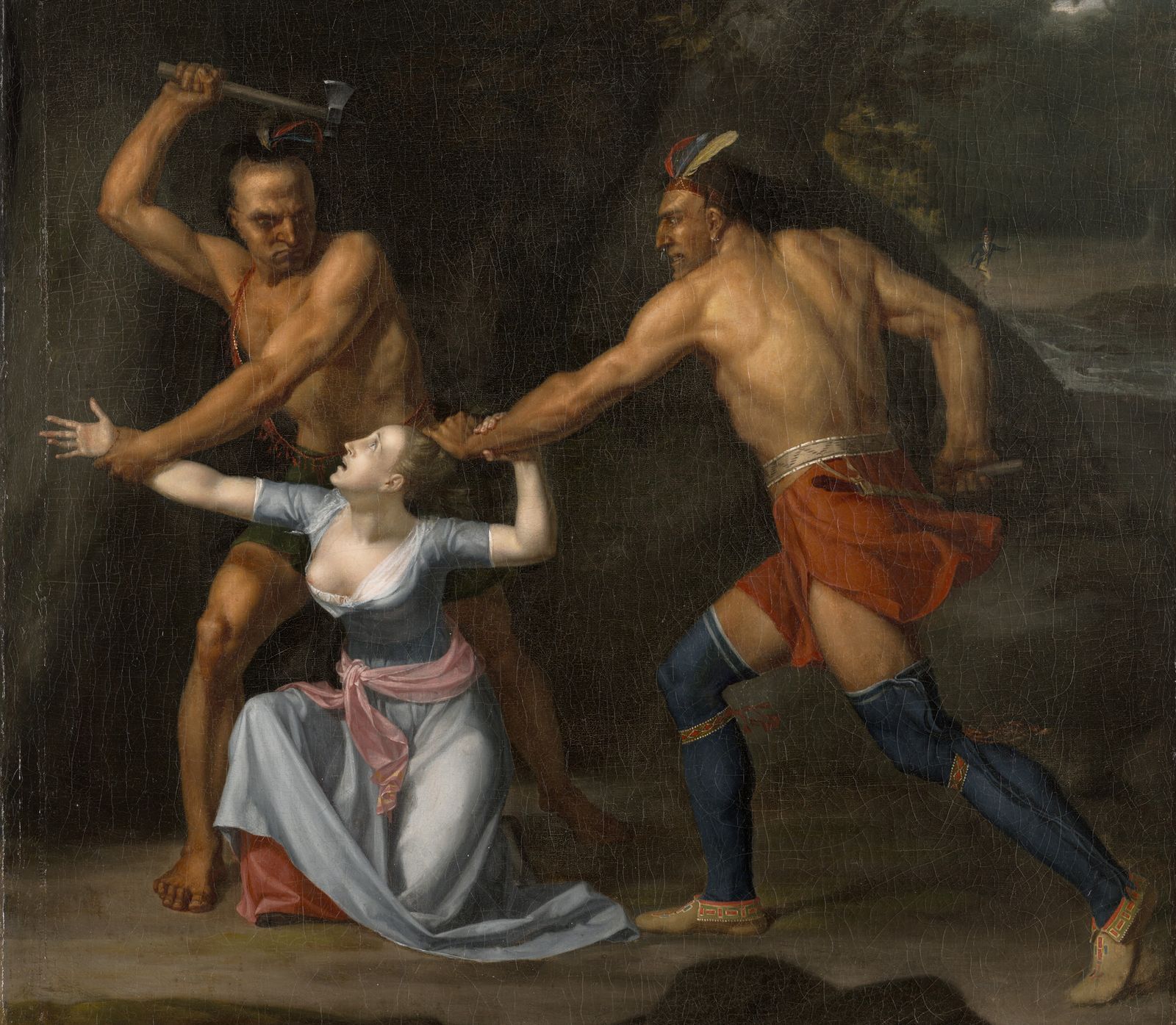
Image: John Vanderlyn, Public domain, via Wikimedia Commons

Jane McCrea was a young woman from a Loyalist family who was engaged to a lieutenant in the British army. In the summer of 1777, she was taken by Native American warriors allied with British General John Burgoyne's advancing army. Shortly after, she was found dead and scalped.

The Patriots turned her death into a propagandistic victory, using the story to terrify frontier colonists into joining the militia. But who actually killed Jane? The native scouts claimed she was accidentally shot by stray bullets fired by pursuing American soldiers. Other accounts insisted she was murdered during an argument between two native factions. The truth remains buried in the fog of war.

10
What happened to Benjamin Church?
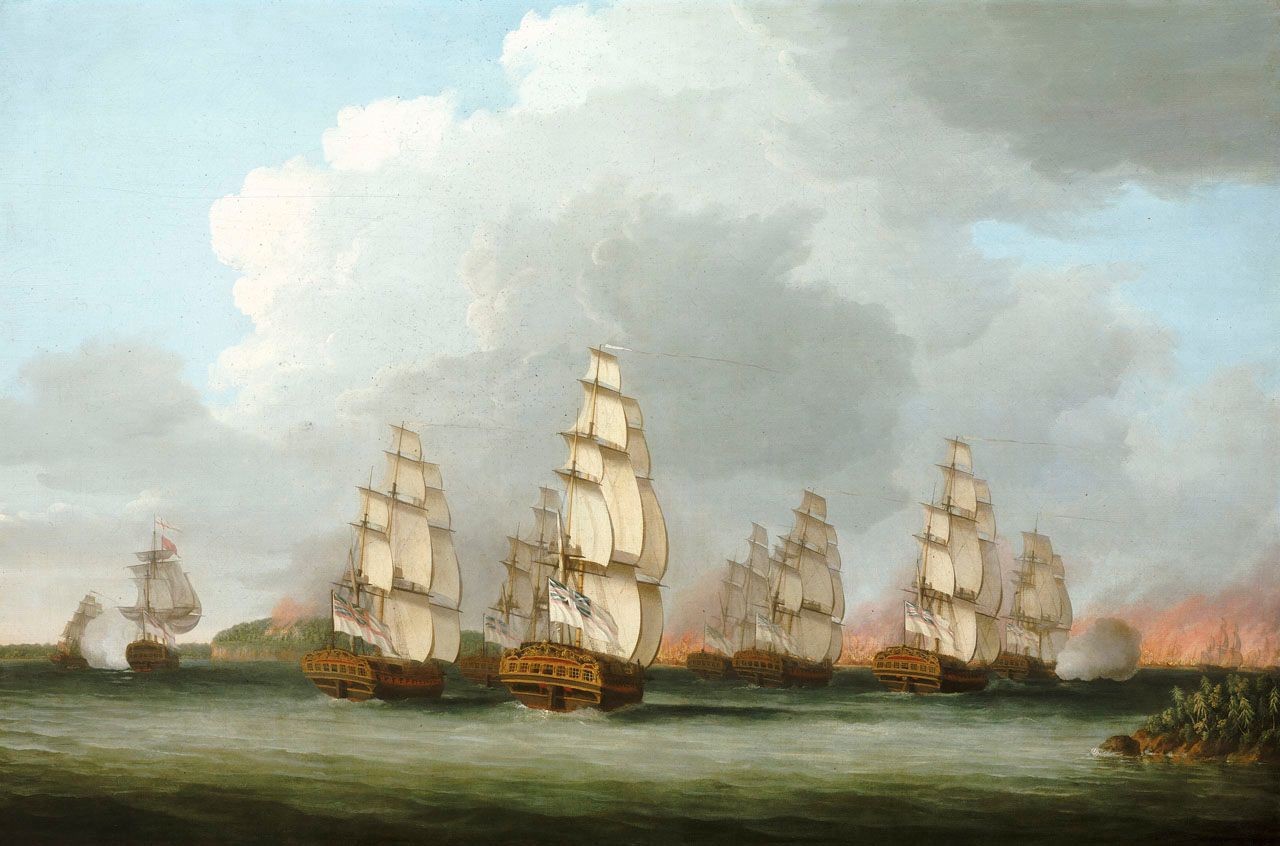
Image: Dominic Serres, Public domain, via Wikimedia Commons

Dr. Benjamin Church was a prominent member of the Boston Sons of Liberty and served as the first Surgeon General of the Continental Army. He was also a traitor. In 1775, Washington’s intelligence team intercepted a coded letter written by Church containing vital information about American troop numbers.

Church was arrested, tried, and sentenced to confinement. In 1778, because of his poor health, he was banished from Massachusetts and boarded a merchant ship bound for the West Indies. The ship sailed into the Atlantic and was never seen again. Did the vessel sink, or did Church use his British connections to stage his disappearance and flee to Europe?

History History 3 min read

Post history

11 shocking facts about the U.S. Postal Service

Image: Ekaterina Belinskaya

If you think that the U.S. Postal Service is just about delivering mail and selling stamps, you’ve got another thing coming. Over its long history, the USPS has encountered some unusual occurrences, like the time someone mailed a child, or how it has a whole department just to decode messy handwriting. Prepare to be surprised by these 11 incredible facts about our postal service!

1
Postal "Army" (of Sorts)

Image: Emily Powers

The U.S. Postal Inspection Service (USPIS), founded in 1775, is the nation’s oldest federal law enforcement agency . It protects the USPS, its employees, and its customers from crimes such as mail fraud, theft, and identity theft.

USPIS agents investigate mail-related crimes, provide security at postal facilities, and work to stop illegal drugs from being transported through the mail system.

2
Zip codes

Image: Tareq Ismail

ZIP codes were introduced by the USPS in 1963 to improve mail sorting and delivery. The five-digit code, short for Zone Improvement Plan, pinpoints specific geographic areas.

The digits represent a region, a city or county, and a local delivery zone . Today, ZIP codes are also used to study demographics and help businesses target mailings to particular areas.

3
The Postal Anthem

Image: Keagan Henman

The "United States Postal Service Anthem," composed by Jack Stamp (yes, that is his real name), honors the USPS and its long-standing service to the nation. It’s a musical tribute to the dedication of postal workers and the agency’s role in American life.

The lyrics highlight the USPS’s core values: honesty, integrity, and reliability, while celebrating its impact on U.S. history and everyday citizens.

4
Guaranteed delivery

Image: Victória Kubiaki

The USPS is legally required to deliver to every U.S. address, no matter how remote . This includes over 153 million addresses, even in hard-to-reach areas.

To meet this huge challenge, USPS uses curbside mailboxes, local post offices, and partnerships with community centers. Virtual mailbox services, such as Stable, also help remote residents access and manage their mail online.

5
A lot of mail

Image: Sam LaRussa

Every day, the USPS handles over 400 million pieces of mail, including 162 million First-Class items. It delivers worldwide to more than 180 countries through its Global Express Guaranteed service and processes approximately 44% of the world’s mail . That is a lot of mail, by any standard.

To manage this massive volume, USPS uses advanced automation tools and operates over 34,000 retail locations, keeping its system fast, efficient, and reliable.

6
Going out West

Image: Jim Strasma

In the 19th century, the USPS played a vital role in developing the American West, providing new settlements with access to mail, supplies, and communication. Post offices and mail routes connected remote areas to the rest of the country.

This network helped settlers stay in touch with loved ones, receive news, and trade goods. Without the USPS, much of the frontier would have remained isolated.

7
Post office in a tavern

Image: Kevin Snow

The first USPS office was established in Boston in 1775, inside a tavern associated with Benjamin Franklin , who served as the first Postmaster General. Franklin viewed mail delivery as key to America’s independence and began developing a postal network.

The office supported routes to Philadelphia and New York, and by 1789, post offices existed in all 13 colonies.

8
A floating post office

Image: Alessio Billeci

The Halibut Cove Post Office in Homer, Alaska (ZIP code 99603, in case you are interested), is unlike any other: it floats on water!

This tiny post office operates from a houseboat that’s permanently docked , serving the local community right from the harbor.

9
Bad handwriting department

Image: Kit (formerly ConvertKit)

We are not sure as to how often this happens, but it must be often. When automated equipment at a USPS processing plant cannot read a piece of letter mail, an image of the mail is captured and sent to the Remote Encoding Center (REC). At the REC, employees review the image and manually enter the address information .

The information is matched up with a valid address, the data is transmitted back to the equipment at the plant, and a barcode is printed on the letter, which can be read by the processing machines.

10
Mail a brick

Image: Math

Yes, you can mail a brick through the U.S. Postal Service. Just write the recipient’s address and return information directly on the brick with a permanent marker .

Once it’s weighed and stamped with the correct postage, your brick is ready to ship.

11
Someone mailed a kid

Image: Jonathan Borba

In 1913, shortly after the Parcel Post service began, some parents mailed their children to relatives. One baby in Ohio was sent to his grandmother just a few miles away .

The child arrived safely, but the incident led to new rules banning people from being sent through the mail.

History History 3 min read

Homebrewed ingenuity

The weirdest things Americans once thought were great ideas

Image: Johnny Briggs

From genuine problem-solving to baffling overengineering, American inventors have produced some truly strange creations. From electric spoons to fragile glass instruments, many of these bold designs were patented, tested, or even briefly sold. Below are 10 inventions that prove innovation isn’t always a hit—even when it comes from brilliant minds.

1
The horse diaper

Image: Lucia Macedo

Designed to catch manure in crowded cities—a problem once so severe that it shaped public infrastructure as well as the entrances to houses—the horse diaper was an invention meant to be strapped beneath working horses pulling carts and carriages.

The idea was to reduce disease and street filth during the horse-powered urban era. While the device saw limited use before automobiles rapidly replaced horses, similar designs are still occasionally used in modern veterinary practice.

2
The baby cage

Image: Taylor Flowe

Built as wire cages attached to apartment windows, so-called "baby cages" allowed infants to get fresh air when outdoor space was unavailable. Some models were guaranteed to safely hold over 30 pounds.

While alarming today and ultimately abandoned due to obvious safety concerns, the designs likely inspired some of the baby-proofing nets used today.

3
The pneumatic subway

Image: Eddi Aguirre

In the late 1860s, American entrepreneur and inventor Alfred Ely Beach set out to prove the feasibility of a human-sized pneumatic subway system beneath New York City, capable of moving both people and cargo using nothing more than air pressure.

The prototype was set up as a public attraction and carried passengers along a tunnel just over 300 feet long, from a station to a dead end. Despite its initial success, bureaucratic obstacles and high costs halted expansion, leaving it as a functional but largely forgotten underground experiment.

4
The mechanical horse

Image: Gabriel Tovar

Created for exercise and riding practice, the mechanical horse used a system of gears, cranks, and pedals to simulate walking and trotting motions while the rider sat in a saddle-like seat. It was marketed to urban riders and cavalry trainees who lacked access to stables or live horses.

Though bulky and impractical for widespread use, the device anticipated modern fitness machines by replicating real-world movements for conditioning and skill retention, rather than simple repetitive exercise.

5
The first metal detector

Image: Fer Troulik

After a failed assassination attempt on President James Garfield, Alexander Graham Bell hastily built an early metal detector in an effort to locate the bullet lodged in his body. The device functioned as intended, but it was unable to find the bullet because metal bed springs interfered with the signal.

Despite this setback, Bell’s early design proved the concept and directly influenced the development of modern metal detectors.

6
The pet-powered butter churn

Image: Matt Bero

In an inventive twist on animal-powered machinery, some 19th-century American farmers rigged small treadwheels for dogs, cats, or even goats to generate kinetic energy for churning butter. The animal ran inside the wheel, turning a rope or pulley connected to the churn.

While technically functional, the system was limited by the animal's willingness to cooperate and the small amount of power it generated.

7
The umbrella hat

Image: Claudio Schwarz

Robert W. Patten, often called the "Umbrella Man," patented one of the first commercially successful hands-free umbrella hats. It strapped a small umbrella directly to the wearer’s head, providing both sun and rain protection while keeping the hands free for work or walking.

His original design even included a mosquito net attached to the canopy. Patten didn’t enjoy much commercial success but became somewhat of an eccentric and comical popular figure, partly due to a series of comics that were inspired by his unusual invention.

8
The one-wheel motorcycle

Image: CJ Toscano

In 1971, American inventor Kerry McLean built and refined a monowheel—a one‑wheeled motorized vehicle in which the rider and engine sit inside the wheel’s circumference.

Since then, various attempts have been made to build on his original design, but it remains a niche vehicle used primarily for entertainment rather than practicality, as riders must be highly skilled simply to turn or even stay upright.

9
The first talking doll

Image: Holly Ward

In 1890, Thomas Edison embedded miniature versions of one of his most popular inventions —the phonograph—inside dolls so they could recite nursery rhymes.

While the idea was innovative, the technology was not yet there. The recordings were fragile, distorted, and often failed to work properly. The dolls were pulled from the market within weeks due to customer complaints, making it one of Edison’s rare commercial failures.

10
The glass harmonica

Image: Francesco Bovolin

Faithful to his eccentricity and inventive spirit, Benjamin Franklin redesigned the existing glass harp into a rotating spindle of glass bowls, played by touching the spinning rims with wet fingers, which he called the "glass harmonica."

The instrument produced eerie, sustained tones unlike anything else of its era. However, its fragile nature made it somewhat impractical, and the rotating mechanism posed a potential danger to the player if anything went wrong.

Explore more American facts

Choose your favorite category!

General
General

As American as apple pie—the very best America has to offer!

Culture
Culture

Delve into the astounding richness of American lore.

Geography
Geography

Hop in and explore vast and diverse American landscapes.

History
History

Discover the key moments that shaped the United States.