Geography Geography 5 min read

Time for a road trip!

Let’s hit the road and journey through the American West Coast!

Image: Dino Reichmuth / Clément Proust

America is undoubtedly the perfect country for a road trip, isn’t it? This beautiful country of ours is filled to the brim with gorgeous landscapes, breathtaking scenery, and well-maintained highways that seamlessly connect all 50 states. However, it shouldn’t come as a surprise that the United States is massive, and a road trip covering the entire country would be a huge (albeit rewarding) endeavor. With that in mind, we have selected 10 of the most amazing stops you should definitely include whenever you’re planning an unforgettable trip through the West Coast states. Enjoy!

1
Pacific Coast Highway

Image: Lance Anderson

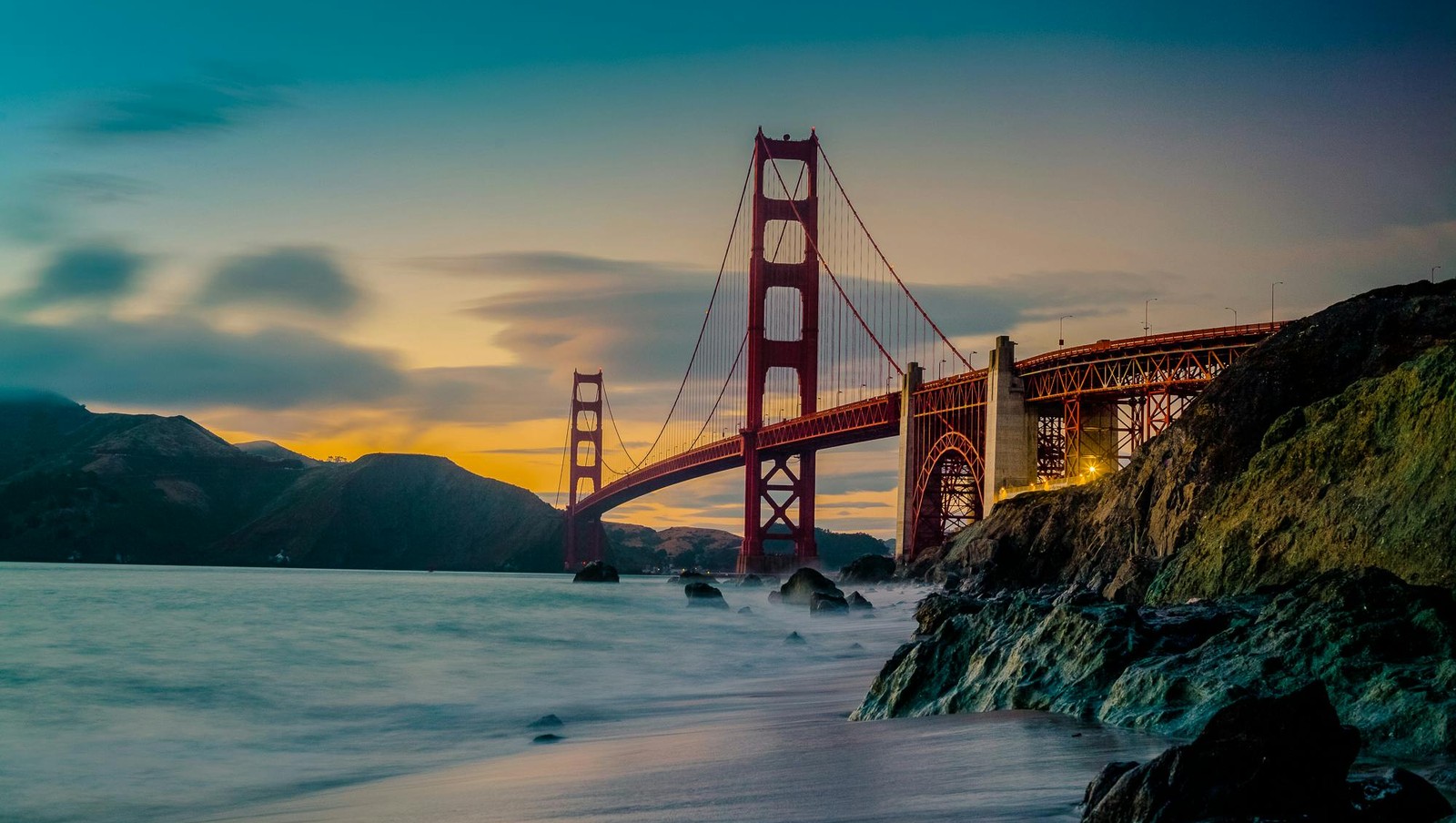
We’ll begin this hypothetical trip of ours in California, and "The Golden State" offers an equally convenient and panoramic way to travel along its stunning coastlines. California State Route 1 is known by many names, such as Cabrillo Highway, Shoreline Highway, or Coast Highway, but it is perhaps best recognized as the "Pacific Coast Highway."

This state route crosses many iconic and gorgeous locations in California, including Big Sur, the San Francisco Bay Area, and the Monterey Bay Area. Beyond its scenic beauty, the Highway is a pop culture icon in its own right, referenced in songs by bands like the Beach Boys and the Decemberists.

2
Yosemite

Image: Jordi Vich Navarro

Yosemite truly needs no introduction. This iconic national park spans 759,620 acres across four California counties, with nearly 95% of its total area designated as wilderness.

From its stunning giant sequoia trees to its breathtaking waterfalls, granite cliffs, and pristine streams, the park offers something for everyone. Yosemite is a quintessential example of the natural beauty America has to offer.

3
Red Rock Canyon State Park

Image: Kristen P

Since we’re still on the California portion of our fictional road trip, let’s make a quick stop at another natural treasure. Red Rock Canyon State Park is renowned worldwide for its stunning rock formations and its arid yet strikingly beautiful scenery.

While the weather is definitively drier than in other parts of California, don’t think for a moment that nature is absent in Red Rock Canyon. In fact, this park is home to the rare Red Rock Canyon monkeyflower, a unique flower found exclusively in this region.

4
California’s Lost Coast

Image: Paulius Dragunas

Last but certainly not least on the California leg of our trip is the stunning region known as the "Lost Coast." Situated in Humboldt and Mendocino counties, this area earned its name because it remains largely natural and undeveloped, the product of a surge in depopulation in the 1930s.

While the inaccessibility of the area is definitively a hurdle—its steep terrain makes establishing roads difficult—we highly recommend it to those adventurous enough to explore on foot. Its pristine, unspoiled landscapes are truly a sight to behold.

5
Willamette Valley

Image: Dan Meyers

Let’s now step into the wonderful state of Oregon to continue our fictional journey. What better place to start our tour through the "Beaver State" than through the beauty of Willamette Valley ? While this region is undeniably vast—stretching 150 miles and encompassing Oregon’s five largest cities—we’d like to highlight a few features that truly make this valley a beautiful area.

Driving through this predominantly agricultural landscape, publicized in the 1820s as a "promised land of flowing milk and honey," means running across rather scenic and bountiful sights. Trust us: watching the golden grapevines shimmer in the autumn sun is just one of the many experiences that make Willamette Valley so magical.

6
Oregon Coast

Image: Kevin Butz

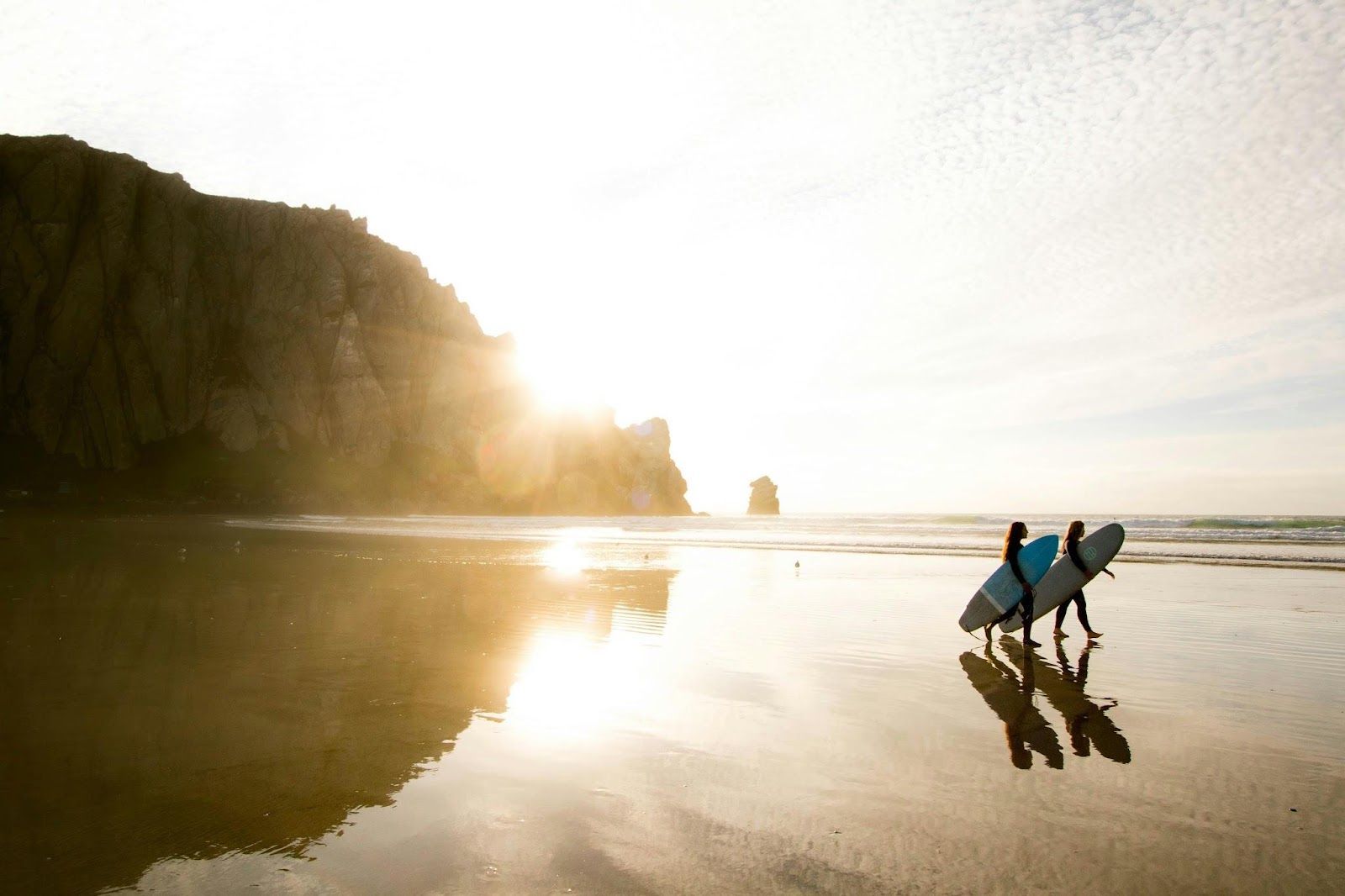
The Oregon Coast not only offers unparalleled and gorgeous sights of the Pacific Ocean, but it's also a unique and massive area that encompasses more than 25 cities, lush landscapes, and a rich variety of birds, marine life, and other wildlife.

As you would expect, the many wonders of this area make the Oregon Coast a popular tourist destination. Those looking for adrenaline-fueled activities may be interested in surfing or sandboarding, while some history buffs might find intrigue in historic landmarks such as Fort Clatsop, Battle Rock, and Oregon’s many lighthouses.

7
Olympic National Park

Image: Georg Eiermann

Now that the route has taken us to the state of Washington, why not visit Olympic National Park and its gorgeous sights? Originally designated as Mount Olympus National Monument by President Theodore Roosevelt, this park is divided into four distinct regions, each hosting three unique ecosystems.

Due to its amazing variety, a single entry could never encompass all the natural wonders this park has to offer. However, we can highlight a few favorites: for instance, Mount Olympus, the tallest peak in the Olympic Mountains, or the Hoh Rainforest, renowned for its stunning Bigleaf maples.

8
The San Juan Islands

Image: David Lang

The San Juan Islands is a four-island archipelago at the border between Washington State and the Canadian province of British Columbia. The Islands are considered the go-to place for birdwatching enthusiasts, boasting the highest concentration of bald eagles in the contiguous United States.

If bird-watching is not your thing, don’t worry—there’s plenty more to see and do on these breathtaking islands. Several ferry tours offer access to some of the best panoramic views of the region, which, as you might imagine, are nothing short of stunning.

9
Denali National Park

Image: Bryson Beaver

We’ve now arrived in the final state of our West Coast road trip. In that sense, what better place to conclude our journey than the "Last Frontier"? With that in mind, let’s begin our exploration of Alaska with what many consider to be the state’s crown jewel: Denali National Park.

Denali holds the distinction of being the highest peak in North America, and while this is truly no small feat, that’s not what makes this area so special. This mountain’s immense size is rivaled only by its breathtaking magnificence. Denali is renowned for its stunning glaciers, lush forests, and diverse wildlife, which includes brown bears, beavers, and Arctic foxes.

10
Kenai Fjords National Park

Image: Kedar Gadge

Kenai Fjords National Park’s beauty is as stunning as it is diverse. Its landscapes are marked by truly unique and stunning features, such as glaciers, islands, and fjords. In addition to its remarkable terrain, the park is home to a wide variety of wildlife, including bald eagles, black bears, and sea otters.

Designated by President Carter in 1978, the park is primarily visited by cruise ships and tour boats. Thousands of visitors are awestruck each day by the grandeur of Kenai Fjords, including the famous Exit Glacier, which is located at the end of the park’s only road.
General General 2 min read

More than just books

Discover 12 things your neighborhood library offers aside from books

Image: chris robert

Think a library’s just for borrowing books? Think again. These days, libraries offer much more than shelves of novels and encyclopedias. From live music recitals and foreign language classes to free Wi-Fi and cozy workspaces, there’s something for everyone. Check out these 12 features that might be waiting for you at your local library!

1
Museum tickets

Image: Moralis Tsai

Many libraries in the U.S. and worldwide offer free passes to museums, zoos, and cultural centers . It's a great way to explore local attractions without spending any money.

Check with your local library to see what’s available. Some even let you reserve passes online.

2
Language classes

Image: Ling App

Many libraries offer free language classes, either in person or through online platforms .

It's a great way to start learning a new language or improve your existing skills. Be sure to check what your local library offers.

3
Wi-Fi

Image: Franck

Many public libraries have partnered with companies like Verizon to offer Wi-Fi hotspots for checkout, helping those without internet access at home or travelers stay connected.

This service helps bridge the digital divide and ensures patrons can access important online resources and services.

4
State Park passes

Image: Joshua J. Cotten

Several libraries across the U.S. offer free passes to local and state parks . This is a great way to explore nature without the added cost.

5
Telescopes

Image: Patrick Hendry

Local astronomical societies and clubs have teamed up with libraries to offer telescopes , just like books.

This gives visitors the chance to explore the night sky in remarkable detail—perfect for beginners and astronomy enthusiasts alike.

6
Video and board games

Image: Karthik Balakrishnan

Many libraries offer game collections to their visitors, including both classic board games and popular video games .

This provides a fun, free way for patrons to enjoy games without needing to buy them.

7
Early literacy programs

Image: Michał Parzuchowski

Librarians are passionate about promoting early literacy and getting kids excited about reading. Many libraries offer age-specific programs at different times, often featuring fun themes and activities to keep young readers engaged.

8
Concerts

Image: BRUNO CERVERA

Many libraries host free concerts throughout the year, featuring a variety of musical genres.

These performances cater to different audiences, providing a great way to enjoy live music without spending a dime .

9
Genealogy

Image: June Hansen

Some libraries offer free access to the library edition of Ancestry.com, allowing users to explore their family history .

Available on-site, it provides the same features as a personal subscription, including access to global records and historical documents.

10
Movies

Image: Marius GIRE

Many libraries not only lend movies but also host free movie screenings. These events often include kids' films during school breaks, holiday specials, and midday showings for all ages .

11
Printers

Image: Mahrous Houses

No printer at home? Some libraries let you email documents for printing at a small fee . They may also offer faxing and copying services. Additionally, many libraries provide access to a range of tools, such as 3D printers, scanners, and more.

12
Computers

Image: Keith Kasaija

Many libraries offer desktop computers with internet access for their patrons to use, free of charge. These stations give visitors a quiet space to complete online tasks, work, or study.

Geography Geography 3 min read

Pushing the limits

From deadly heat to brutal cold: 10 most extreme places in the U.S.

Image: Micaela Parente

The United States is home to some of the most extreme landscapes on Earth. From the hottest deserts to the coldest tundras, America’s diverse geography pushes the limits of nature. Each of these places holds a record for being the highest, lowest, or most intense in some way—whether by temperature, elevation, or sheer remoteness. Buckle up as we take you on a journey through the most extreme places in the U.S., listed in the order they were first explored or recorded.

1
Northern frontier

Image: UC Berkeley, Department of Geography

Location: Point Barrow, AK

Point Barrow, the northernmost point in the U.S., was first explored by Europeans in 1826. Sitting at 71°23′N, it endures long, brutal winters with near-constant darkness.

Winter temperatures drop below -50°F, and the sea remains frozen for much of the year. Despite the conditions, native Iñupiat communities have thrived here for centuries. Today, it remains a key site for Arctic research.

2
Lowest land

Image: Karsten Winegeart

Location: Badwater Basin, CA

First documented in the mid-1800s, Badwater Basin in Death Valley is the lowest point in North America at 282 feet below sea level. It was named after a surveyor’s horse that refused to drink the salty water.

The basin’s extreme location means temperatures here frequently top 130°F in summer. Salt flats stretch for miles, remnants of an ancient lake that dried up thousands of years ago.

3
Hottest spot

Image: Pablo García Saldaña

Location: Furnace Creek, CA

On July 10, 1913, Furnace Creek recorded 134°F, the highest temperature ever measured on Earth. This Death Valley outpost still holds the title for the hottest inhabited place in the U.S.

Despite the heat, Furnace Creek has a permanent population and even a golf course, making it one of the strangest places where people manage to live. The area’s extreme conditions attract researchers studying heat endurance.

4
Coldest cold

Location: Prospect Creek, AK

Alaska’s Prospect Creek hit -80°F in 1971, the lowest temperature ever recorded in the U.S. Originally an outpost for pipeline workers, it’s now abandoned due to its brutal winters.

At this temperature, exposed skin can freeze in seconds, and vehicles must run continuously to avoid freezing. The area sees only a few hours of daylight in winter, making survival nearly impossible without proper equipment.

5
Windiest place

Image: Dan Meyers

Location: Mount Washington, NH

Mount Washington holds the record for the fastest surface wind speed ever recorded outside a tornado: 231 mph, measured in 1934. This New Hampshire peak is notorious for its deadly weather.

Though just 6,288 feet tall, its location at the convergence of several storm systems makes it feel like the roof of the world. Hikers often face hurricane-force winds, whiteouts, and below-zero temperatures even in summer.

6
Wettest town

Image: Martin Zangerl

Location: Kukui, HI

Kukui, on the Hawaiian island of Kauai, receives an average of 460 inches of rain annually. In 1982, it saw a staggering 683 inches, making it one of the wettest places on Earth.

The rain feeds lush tropical forests and countless waterfalls, but the steep terrain means flash floods are a constant danger. Despite its beauty, the relentless downpours make long-term settlement nearly impossible.

7
Deepest cave

Image: Joshua Sortino

Location: Lechuguilla Cave, NM

Discovered in 1986, Lechuguilla Cave is the deepest in the U.S., plunging 1,604 feet below New Mexico’s surface. It remained hidden for centuries due to its small, concealed entrance.

Its vast chambers contain formations found nowhere else on Earth, including giant gypsum chandeliers. Access is restricted to scientists, as the cave’s unique ecosystem is still being studied.

8
Largest volcano

Image: Sherry Jiang

Location: Mauna Loa, HI

Mauna Loa is the world’s largest volcano, covering half of Hawaii’s Big Island. It last erupted in 2022, continuing a pattern of activity dating back over 700,000 years.

Rising 33,500 feet from the ocean floor, Mauna Loa dwarfs even Everest when measured from base to peak. Its slow-moving lava flows have repeatedly reshaped the island’s landscape.

9
Deepest lake

Image: Jeff Hopper

Location: Crater Lake, OR

Formed by a collapsed volcano 7,700 years ago, Crater Lake is the deepest in the U.S. at 1,949 feet. Its intense blue waters come from rain and snowmelt, with no rivers flowing in or out.

The lake’s purity allows sunlight to penetrate to great depths, creating an otherworldly glow. Among its many wonders, the submerged "Old Man of the Lake," a floating log, has been drifting in its waters for over a century.

10
Most remote

Image: Harrison Hargrave

Location: Yellowstone Thorofare, WY

The Yellowstone Thorofare, 32 miles from the nearest road, is the most remote place in the Lower 48. It remains nearly unchanged since its first mapping in the 19th century.

Even experienced hikers struggle here, as grizzly bears, sudden storms, and subzero temperatures make survival difficult. This untouched wilderness offers a rare glimpse of what America once was.

Explore more American facts

Choose your favorite category!

General
General

As American as apple pie—the very best America has to offer!

Culture
Culture

Delve into the astounding richness of American lore.

Geography
Geography

Hop in and explore vast and diverse American landscapes.

History
History

Discover the key moments that shaped the United States.