Geography Geography 5 min read

From farm to fame

The fruits that put these states on the map
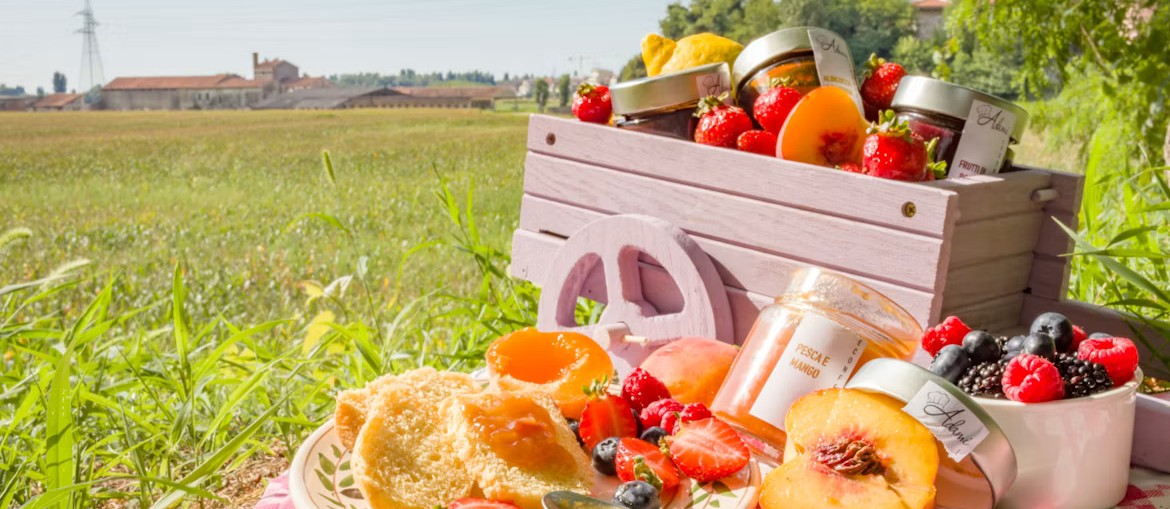
Image: Massimo Adami

From Georgia peaches to Florida oranges, there are certain U.S. states synonymous with a particular fruit. These tasty crops have helped shape local economies, traditions, and how we think about certain parts of the country. They’ve become so closely tied to their home states, in fact, that they’ve become part of the American landscape.

1
Peaches: Georgia
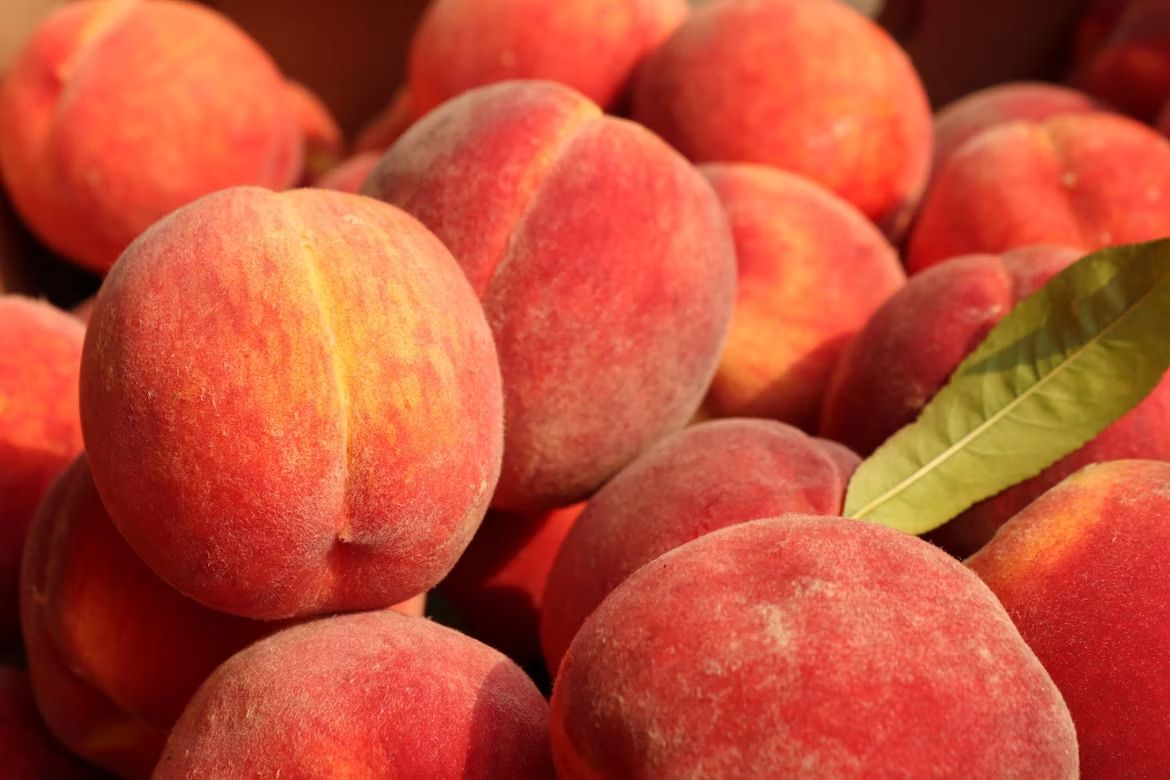
Image: NisonCo PR and SEO

Georgia has been associated with peaches for centuries. Its warm climate, long growing season, and sandy, well-drained soils create ideal conditions for producing sweet, juicy peaches. After the Civil War, peaches also became an important alternative to cotton, giving farmers another profitable crop as Georgia's agricultural economy changed.

Better transportation helped Georgia peaches reach markets far beyond the South, strengthening the stone fruit's reputation. The peach became so closely tied to the state that Georgia earned its famous nickname, the Peach State . Interestingly, Georgia now ranks third in the nation for peach production, behind California and South Carolina.

2
Oranges: Florida
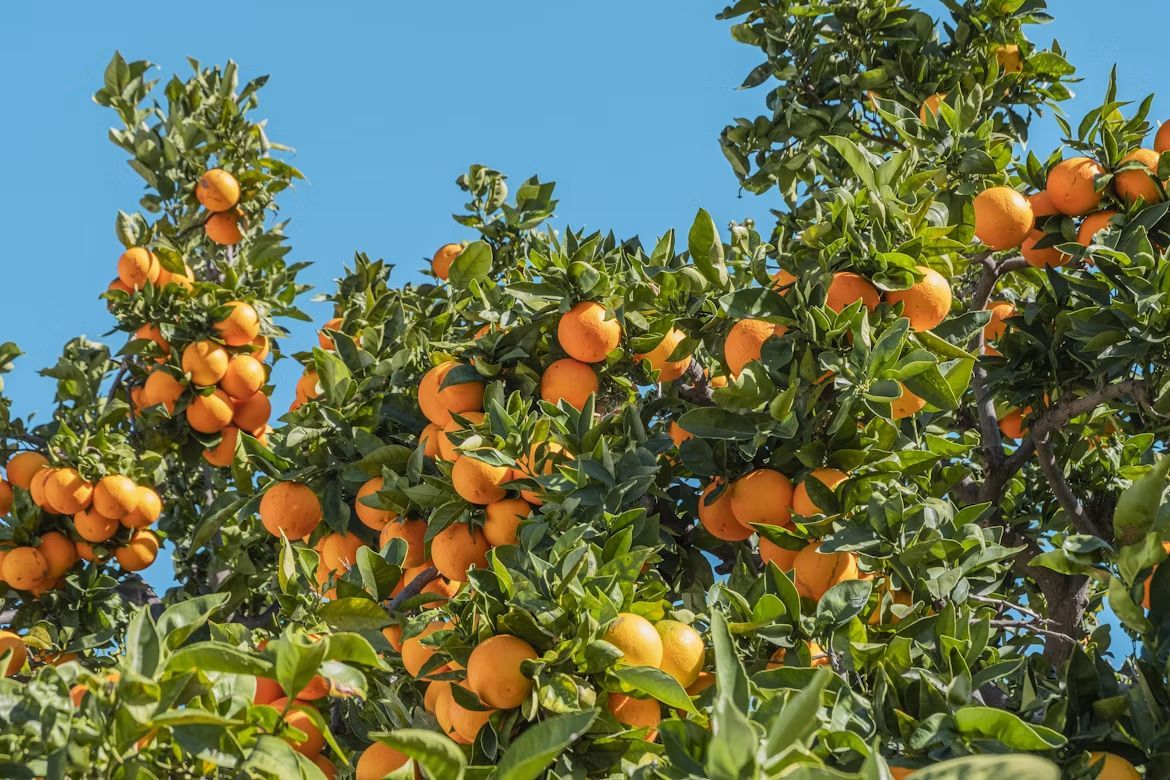
Image: Philippe Gauthier

Florida's identity as a citrus state starts with the orange. Spanish explorers brought citrus to the state in the 1500s, and commercial orange farming took off in the 19th century as railroads made it easier to ship fruit across the country. Today, Florida is the nation's leading citrus-producing state, with oranges at the heart of its industry.

Florida's warm, sunny climate makes it ideal for growing oranges, which became especially important for the state's famous orange juice industry. The fruit is even featured on Florida's state license plate, a fitting symbol of the state's long-standing connection to oranges.

3
Apples: Washington
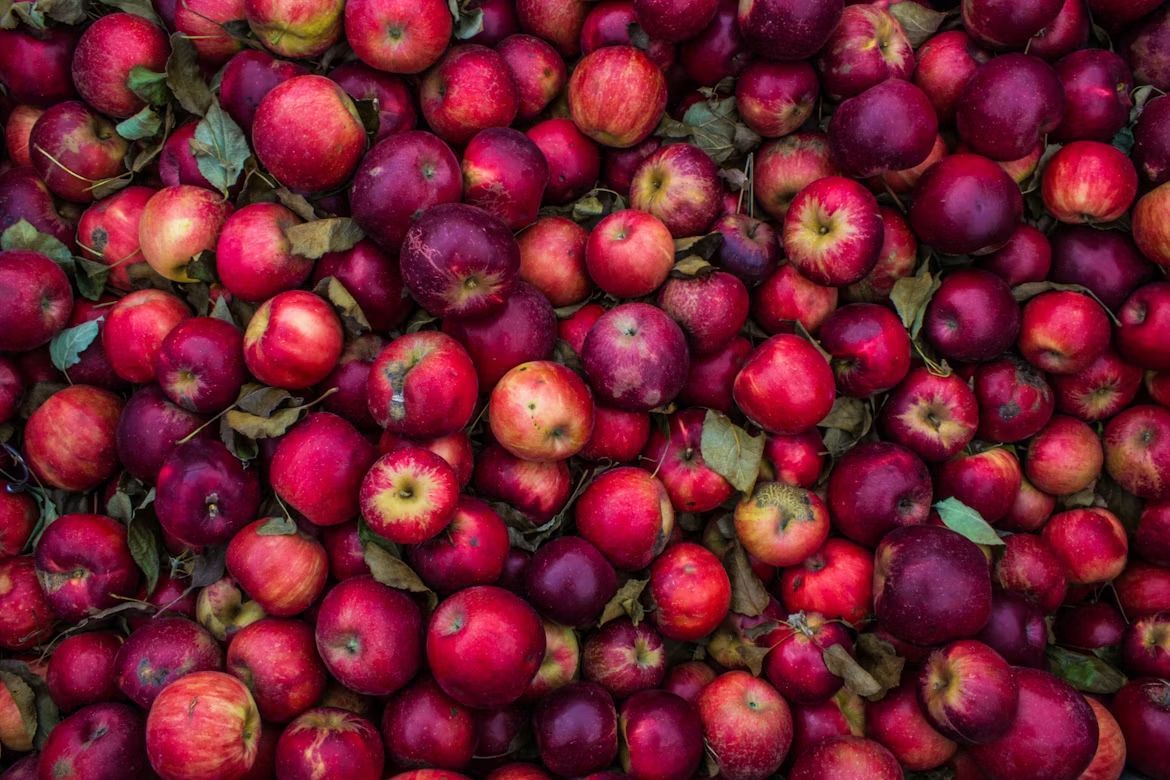
Image: sydney Rae

Washington's cool winters, dry summers, and extensive irrigation create ideal conditions for apple orchards. The state leads the nation in apple production and is also the country's top producer of sweet cherries, making fruit a major part of its agricultural identity.

The Wenatchee and Yakima valleys are especially well known for their orchards. From familiar varieties like Red Delicious and Granny Smith to sweet cherries picked in summer, Washington's fruit crops are enjoyed across the country.

4
Cherries: Michigan
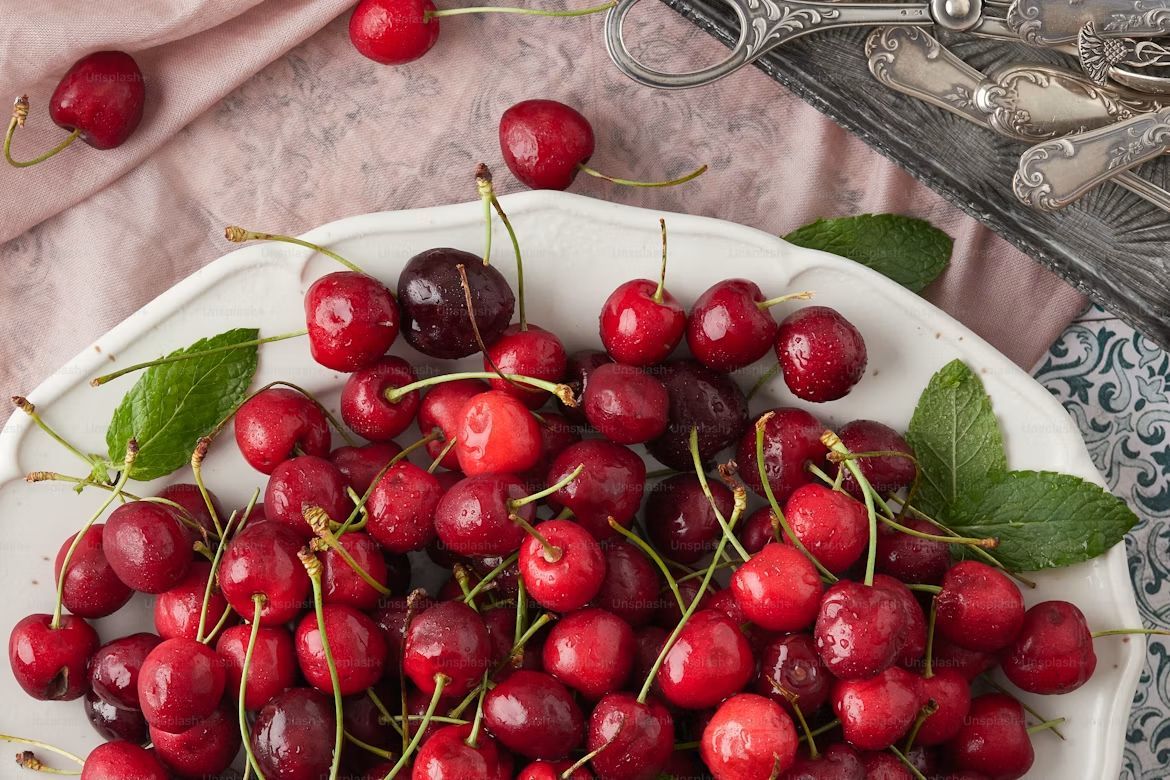
Image: Olivie Strauss

Michigan's Great Lakes climate has proved remarkably well suited to cherries, especially tart cherries. The state's northwestern Lower Peninsula became a major growing region, with Traverse City eventually earning the nickname "Cherry Capital of the World."

Michigan is the nation's leading producer of tart cherries, which are widely used in pies, jams, juices, and other processed foods. Every summer, the cherry harvest becomes part of the state's culture, celebrated with the annual National Cherry Festival in Traverse City.

5
Pineapples: Hawaii
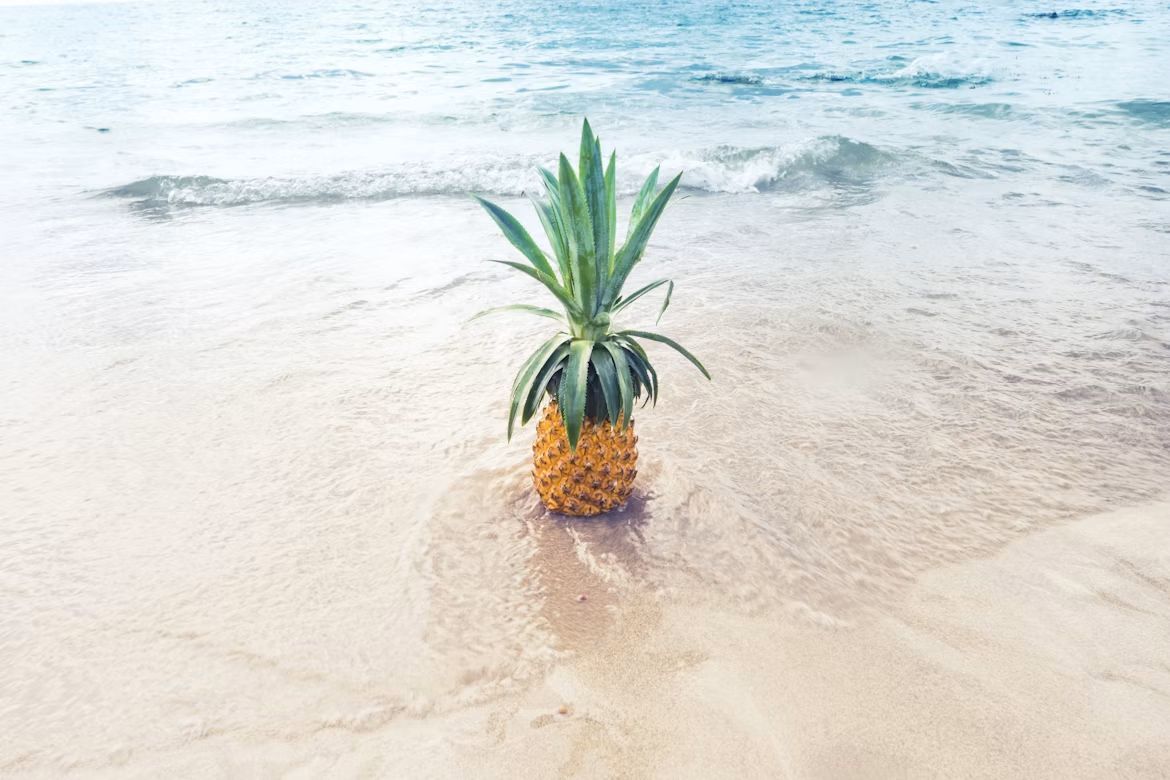
Image: Evi Radauscher

Pineapples were being grown in Hawaii by the early 1800s, and the islands' warm, tropical climate proved ideal for the crop. By the late 19th century, pineapple plantations had expanded into a major industry, with companies growing, processing, and canning the fruit for markets in Hawaii and on the mainland. Production peaked in the 1950s, but rising production costs eventually made Hawaii less competitive.

Hawaii is no longer the pineapple powerhouse it once was, but the fruit remains closely tied to the state's agricultural history. Pineapples are still grown on Oahu and Maui, and the fruit continues to be one of the foods most strongly associated with Hawaii.

6
Grapes: California
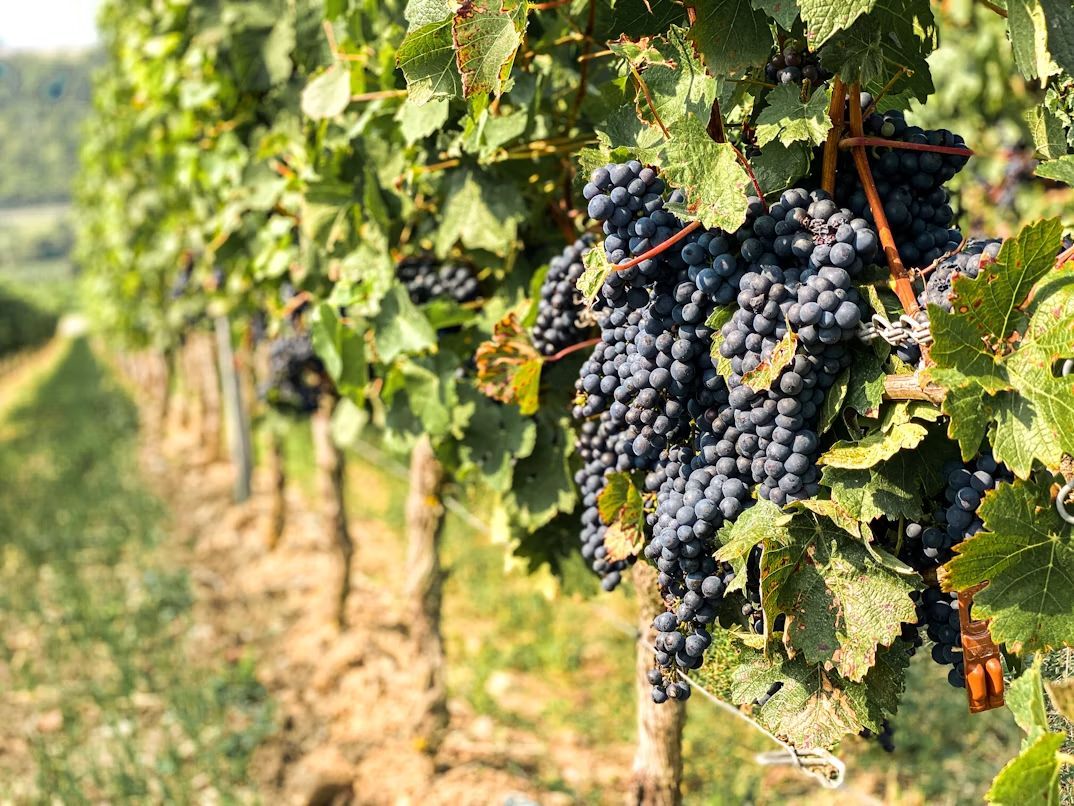
Image: Sophie Backes

California's connection with grapes goes back to the state's earliest days of commercial agriculture. Its combination of abundant sunshine, varied climates, and fertile farmland proved ideal for growing them, helping vineyards spread across the state in the 19th century. That same agricultural advantage has made California a powerhouse for fruit production overall: the state leads the country not only in grapes, but also in strawberries, nectarines, and kiwifruit.

Grapes, however, have a special place in California's identity. From the famous vineyards of Napa and Sonoma to the large agricultural valleys farther south, the state produces grapes for both wine and fresh consumption. Together, these vineyards have helped make California one of the most recognizable fruit-growing regions in the country.

7
Cranberries: Wisconsin
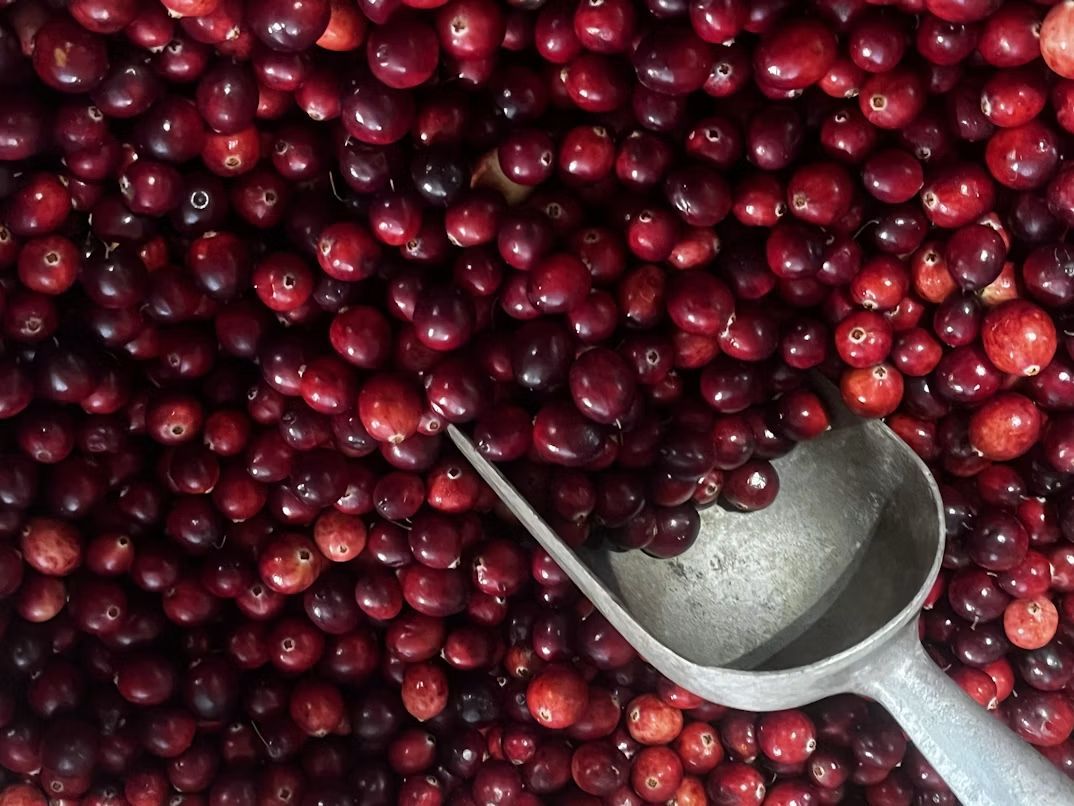
Image: Jeannette de Beauvoir

Wisconsin is the nation's top cranberry producer and has even designated the cranberry as its official state fruit. The state's sandy soils, wetlands, and cool climate provide ideal conditions for growing the berries , which are harvested in bogs each fall.

Massachusetts and New Jersey are also strongly associated with cranberries. Massachusetts has deep historical ties to the fruit dating back to the colonial era, while New Jersey has grown cranberries in the Pine Barrens since at least the 1840s. While both states are also strongly associated with cranberries, Wisconsin stands out as the nation's leading producer.

8
Blueberries: Maine
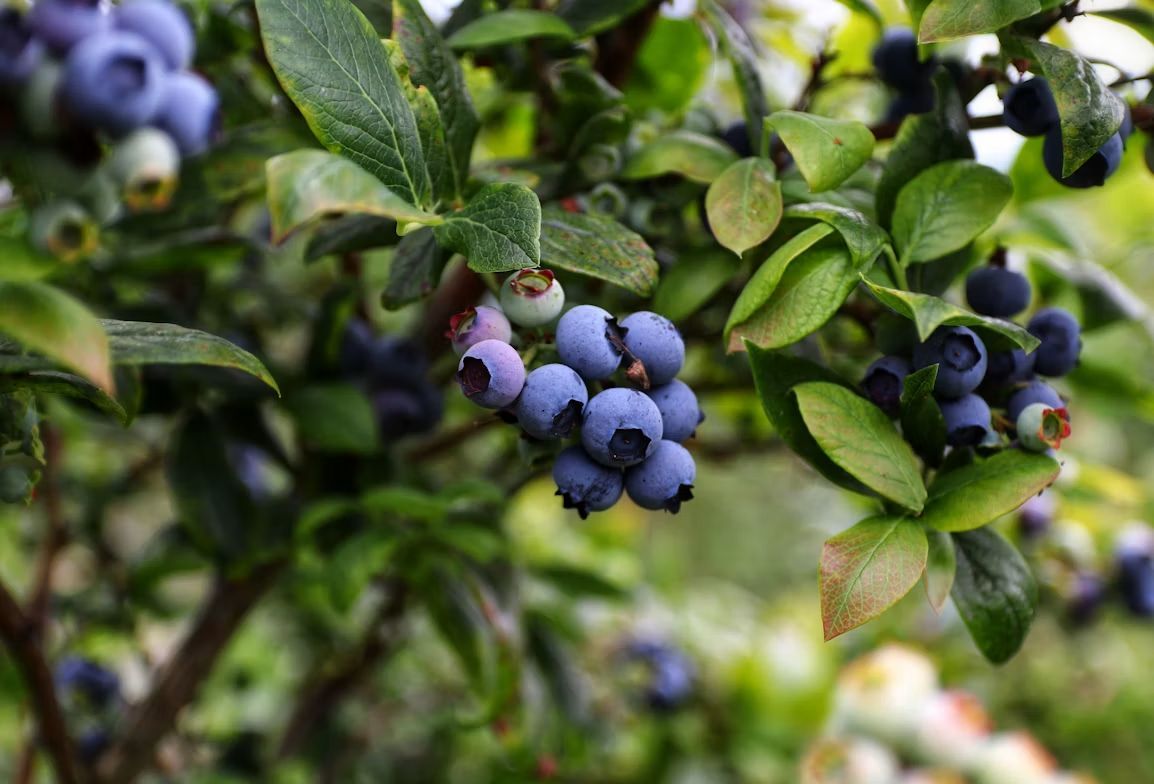
Image: Mario Mendez

Maine is especially famous for its wild blueberries, which are quite different from the larger cultivated berries commonly found in supermarkets. These small berries grow naturally across Maine's rocky fields and coastal barrens, where they have adapted to acidic soils and harsh winters.

Rather than being planted in neat rows like many commercial crops, Maine's wild blueberry fields are naturally occurring landscapes shaped by thousands of years of glacial history. Their distinctive flavor has made them a signature Maine product, turning the tiny berry into a big part of the state's food identity.

9
Pears: Oregon
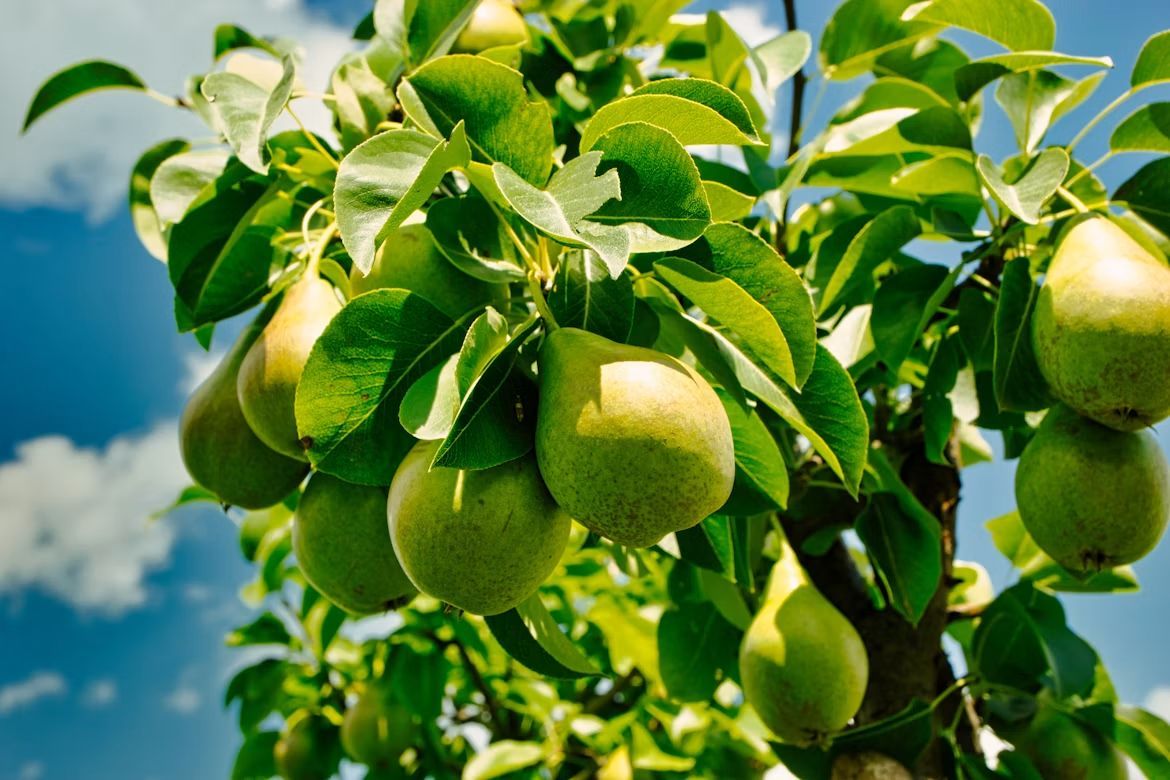
Image: Олександр К

Oregon's Hood River Valley is particularly famous for pears. The area's fertile valley and favorable climate helped establish a thriving orchard industry, and today Hood River County is known for producing more pears than any other U.S. county.

The region is especially renowned for Anjou pears, and pears remain an important part of Oregon's agricultural identity. Drive through the Hood River Valley during blossom season, and the connection becomes easy to see: orchard after orchard covers the landscape, turning the fruit into part of the scenery as well as the economy.

10
Watermelons: South Carolina
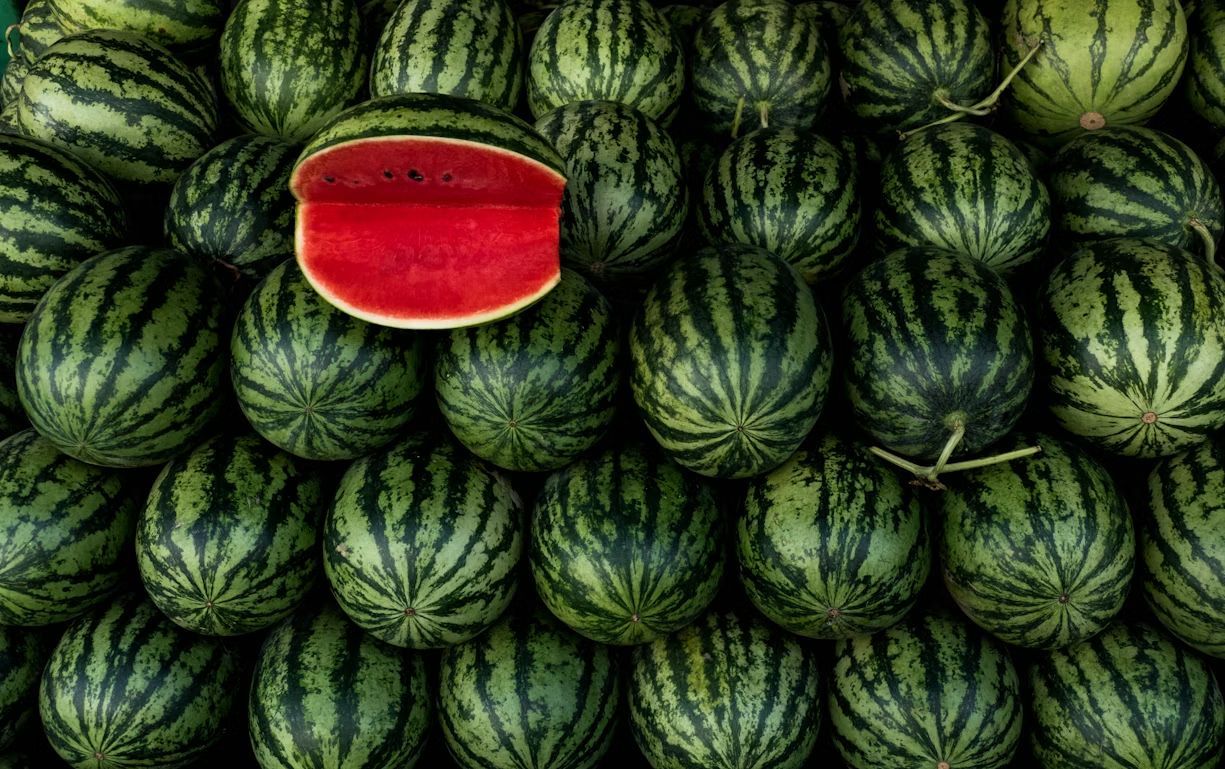
Image: Crina-Miriam Cretu

South Carolina has a long history with watermelon farming, dating back to the 18th century. The state's warm climate and fertile farmland provide good conditions for growing the summer favorite , and watermelons became an important commercial crop in the Lowcountry and other agricultural regions.

The fruit has also become part of South Carolina's summer traditions, appearing at farmers' markets, roadside stands, and local celebrations. For generations of Southerners, a cold slice of watermelon on a hot summer day has been a simple pleasure closely connected with the region's agricultural heritage.
Culture Culture 5 min read

Why does Japan eat KFC for Christmas? The answer will shock you!

Image: Nixx Photography

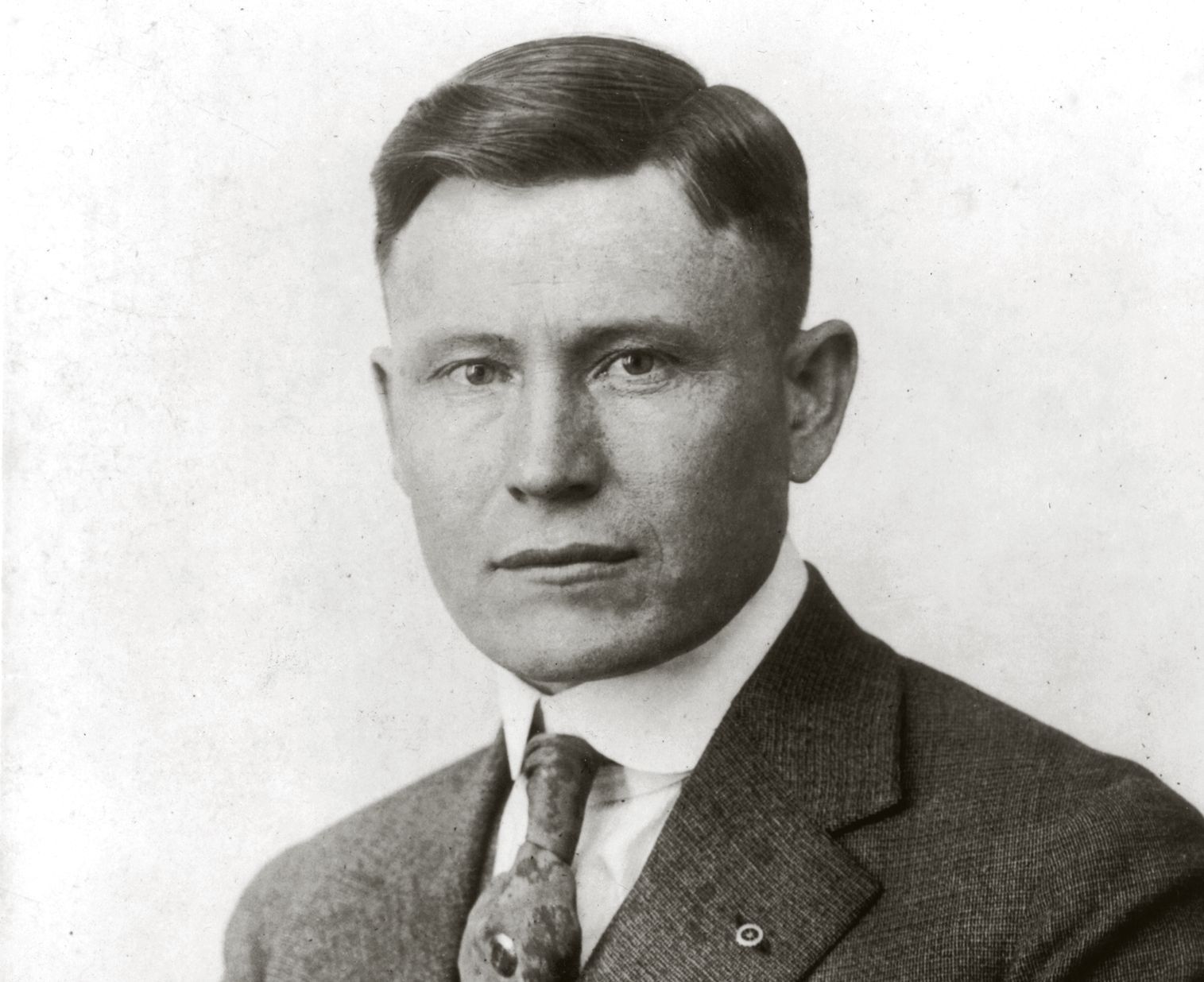
When you think of fast-food royalty, few figures are as universally recognizable as Colonel Harland Sanders. With his iconic white suit, black string tie, and goatee, his image is plastered across tens of thousands of Kentucky Fried Chicken (KFC) locations around the globe. Yet, behind that grandfatherly smile lies a corporate history filled with drama, secret recipes, and unusual marketing decisions. Here are 10 mindblowing facts about KFC and its legendary founder.

1
A rivalry becomes a business success

Image: Unclear, likely someone from the family of Colonel Sanders, Public domain, via Wikimedia Commons

During the Great Depression, Harland Sanders ran a humble Shell station in Corbin, Kentucky. Back then, business was cutthroat, and Sanders found himself in a bitter feud with Matt Stewart, a rival gas station owner who kept painting over Sanders’ highway signs to redirect traffic. After several warnings went unheard, Sanders marched over to confront Stewart.

When Stewart was caught in the act, a physical confrontation quickly escalated. Stewart drew a pistol and shot a Shell manager who was accompanying Sanders, killing him on the spot. Sanders retaliated by firing back and wounding Stewart, who was later arrested and sentenced to prison for murder. With his main competitor safely behind bars, Sanders was able to expand his service station, perfect his pressure-frying method, and ultimately transform his business into a massive commercial success.

2
The KFC you know today exists thanks to Wendy’s

Image: Pavlovska Yevheniia

Although you may view KFC and Wendy’s as distinct competitors, the reality is that the chicken giant owes its structural identity to Dave Thomas, the founder of Wendy’s. In the 1960s, Thomas worked as a head chef and regional manager for the Colonel’s franchises.

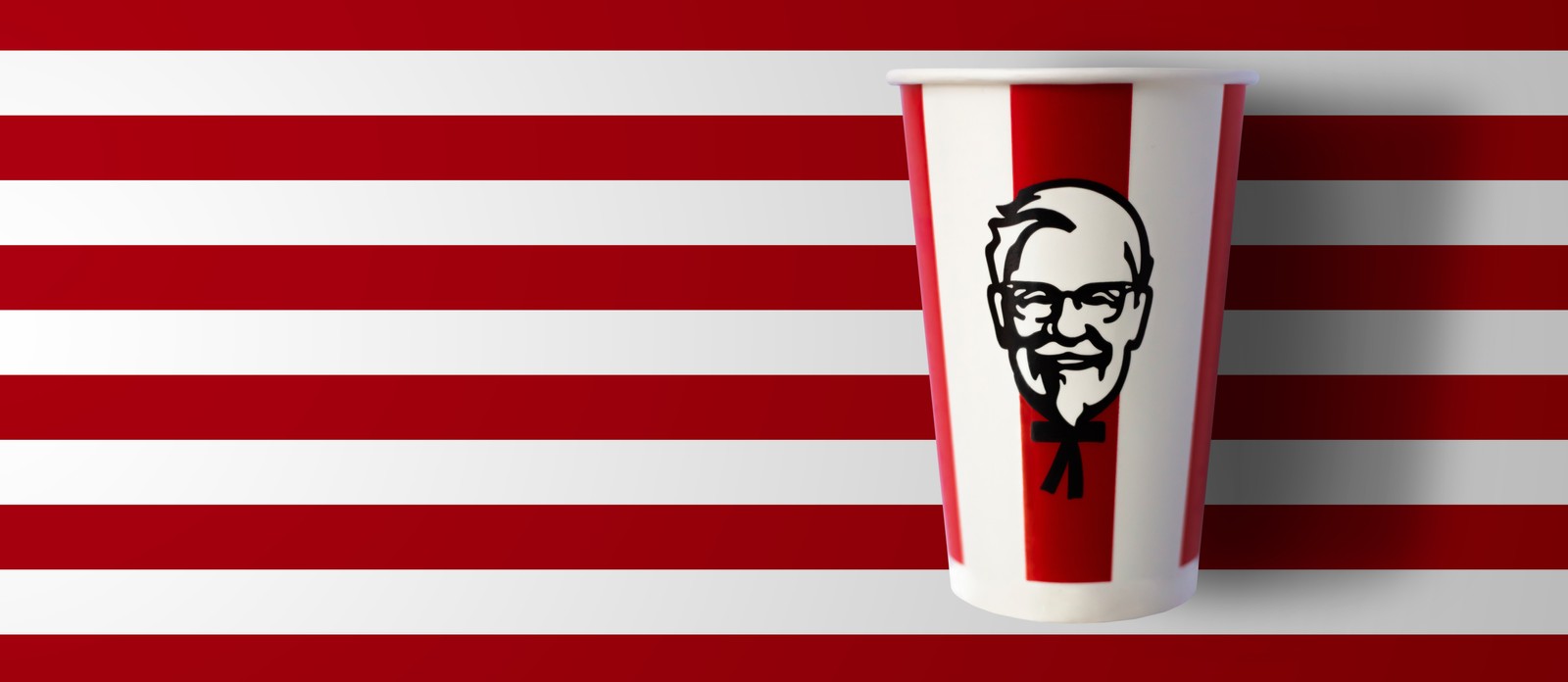
He was a marketing whiz who personally convinced Colonel Sanders to star in his own television commercials, cementing his status as a living mascot. Furthermore, Thomas created the iconic red and white striped bucket design. He became so wealthy from his shares and success at KFC that he used his payout to establish his own burger empire, Wendy’s, in 1969.

3
The secret recipe's security

Image: Patcharaporn Puttipon4289

The legendary blend of "11 herbs and spices" is one of the most famously guarded secrets. Did you know KFC keeps the recipe locked inside a top-secret vault at the corporate headquarters in Louisville, Kentucky?

The vault, encased in thick layers of concrete, is protected by motion sensors, security cameras, and 24/7 guards. To ensure the formula is never leaked, KFC splits the production pipeline: two different companies are hired to mix separate halves of the spice blend. Neither company knows the other's ingredients, and a computer system automatically combines the two halves before the seasoning is shipped out to individual franchises.

4
KFC for Christmas in Japan

Image: Tricky_Shark

In the United States, a Christmas dinner consists of roasted turkey or ham. In Japan, however, Nativity food comes in a cardboard bucket. This wild tradition dates back to 1974, sparked by Takeshi Okawara, the manager of the country's first KFC branch.

After overhearing homesick Western expats lamenting how difficult it was to source a holiday turkey in Japan, Okawara launched the national "Kentucky for Christmas" campaign, which exploded into a cultural phenomenon. Today, an estimated 3.6 million Japanese families celebrate Christmas Eve with KFC, with patrons placing their orders months in advance to avoid long lines.

5
Colonel Sanders hated KFC

Image: WayneRay, CC BY-SA 4.0, via Wikimedia Commons

By 1964, 73-year-old Colonel Snaders felt he was no longer cut out for the pace of corporate life. He sold the Kentucky Fried Chicken company to a group of investors for $2 million, under a contract that allowed the brand to continue using his likeness.

As executives changed the original recipes to cut costs, Sanders grew to hate the food KFC was serving. He began travelling the country, showing up unannounced at franchises to taste the food, throw public tantrums, and openly tell the media that the new gravy tasted like "wallpaper paste" or "sludge". He even attempted to open a rival restaurant and sued KFC for using his image, leading the company to counter-sue him. Eventually, KFC paid him an additional million dollars just to stop making public scenes.

6
KFC Double Down

Image: Boyloso

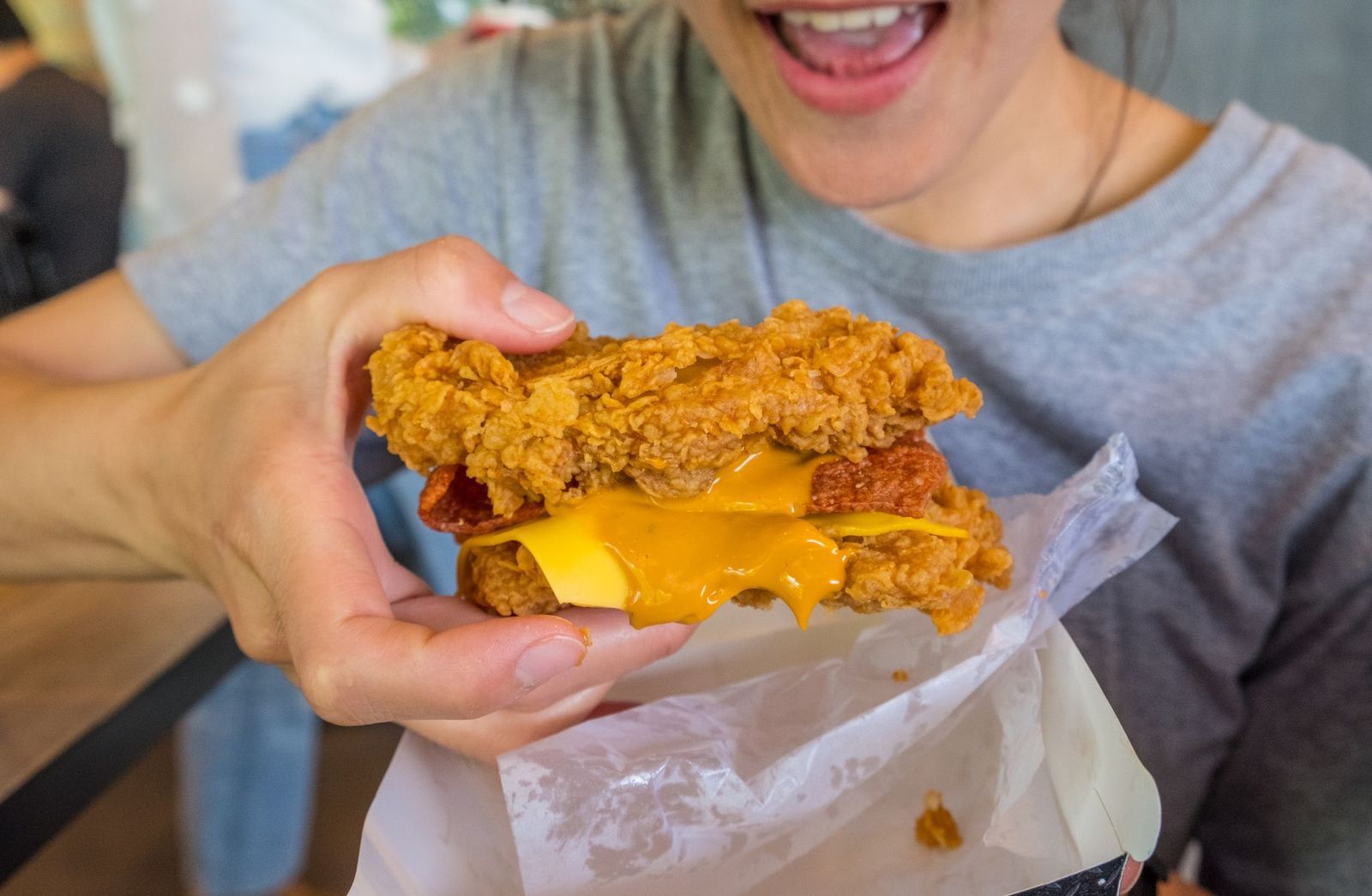
KFC has never been afraid of pushing nutritional boundaries, but in 2010 they certainly hit another level. The Double Down features bacon, Monterey Jack cheese, and a Colonel's special sauce encased between two seasoned, crispy slabs of fried chicken breast instead of bread buns.

The item sparked a media frenzy, with health advocates calling it a dietary disaster and foodies treating it as a dare. Ultimately, it proved to be a commercial hit. As it turns out, when it comes to extreme fast food, consumers are more than willing to ignore the carbs in favor of deliciousness.

7
That time KFC ran out of chicken

Image: richardjohnson

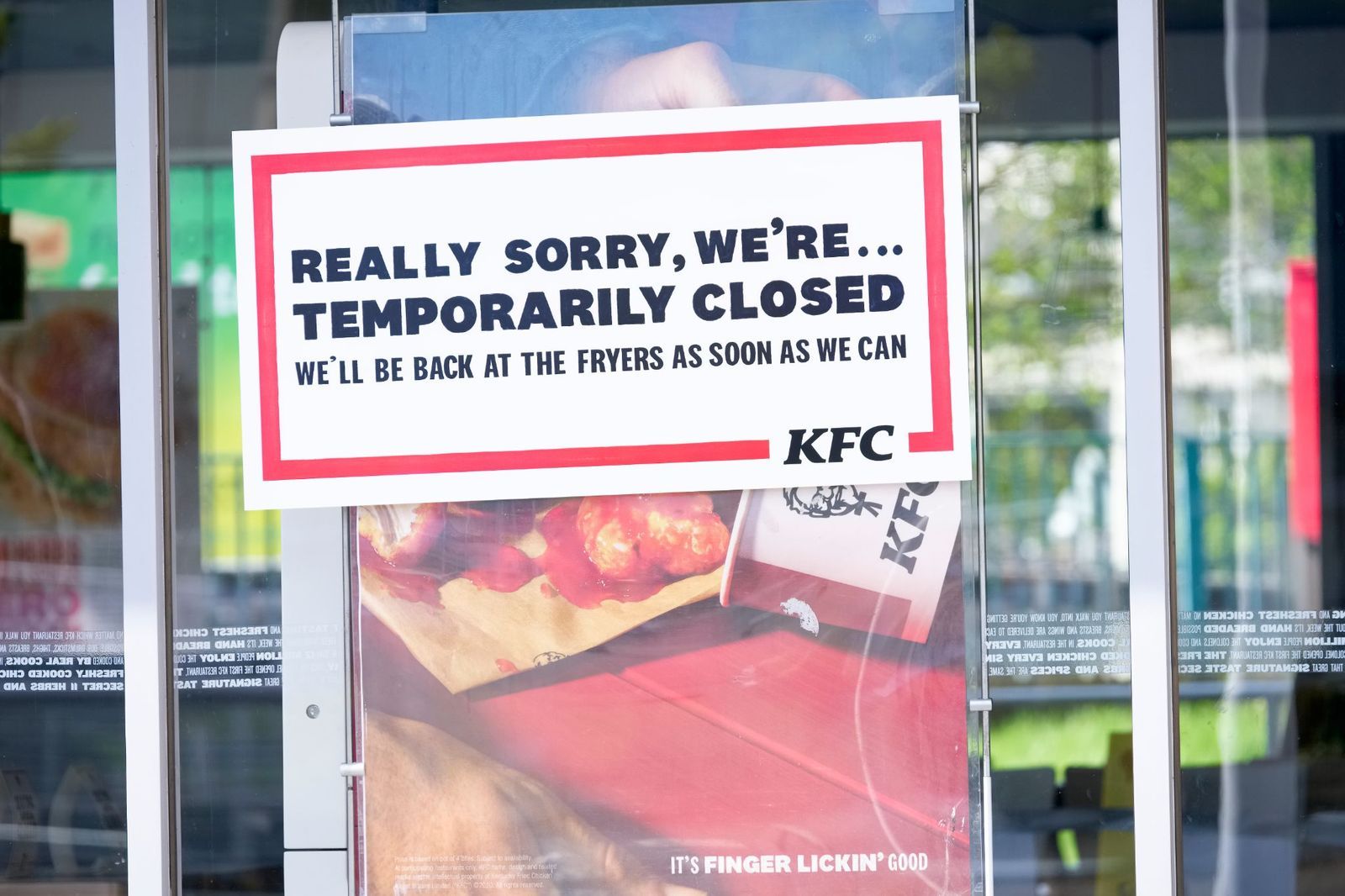
A fried chicken restaurant running out of its main ingredient sounds like a nightmare, but in 2018, it became real for KFC in the United Kingdom. In an effort to optimize logistics and save money, management switched its delivery contract to DHL. The transition went completely wrong, resulting in a supply chain jam that left over 900 UK locations with no chicken to fry.

Hundreds of stores were forced to shut down temporarily, sparking nationwide outrage, with desperate citizens even calling the police to complain. KFC managed to restore its reputation by leaning into self-deprecating humor, purchasing newspaper advertisements that featured an empty bucket rearranged to read "FCK".

8
The problem with the slogan in Chinese

Image: Patcharaporn Puttipon4289

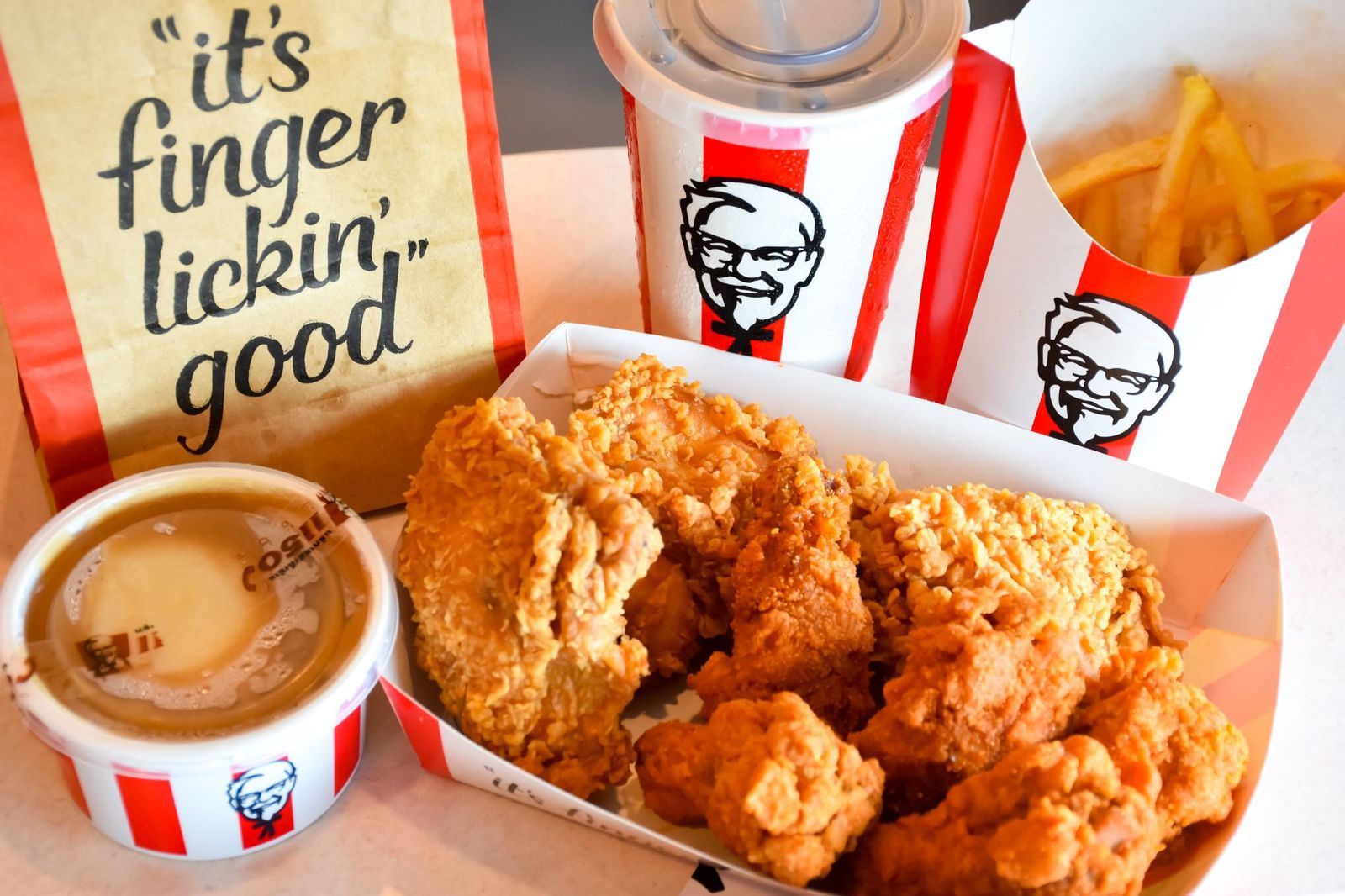
When international fast food brands began expanding into foreign territories in the late 1980s, errors were very common. KFC experienced this firsthand when it opened its first store in Beijing, China, in 1987. The company wanted to proudly display its world-famous catchphrase, "Finger-Lickin' Good", to tempt local diners.

Unfortunately, due to an oversight in Mandarin translation, the slogan was literally translated to "Eat Your Fingers Off". While the phrase initially startled and amused local consumers, the brand quickly corrected the translation mishap to something more culturally appropriate and appetizing.

9
KFC's video game

Image: Ratana21

Decades after the Colonel’s passing, KFC’s marketing division decided to lean into modern internet subcultures. In 2019, the brand shocked the gaming community by releasing an official, anime-style video game titled I Love You, Colonel Sanders! A Finger Lickin’ Good Dating Simulator.

Developed as a visual novel, the free game places the player in a culinary school alongside a young and handsome romanticized version of Colonel Sanders. The goal of the game is to successfully navigate cooking school battles while attempting to woo the chicken chef. Against all odds, the game became a viral sensation.

10
KFC releases its own console

Image: Pixel-Shot

Following the unexpected success of their video game, KFC’s marketing team announced the KFConsole in 2020. Many assumed it was an April Fool’s joke, but it turned out to be a genuine gaming PC.

The most bizarre feature of the console is its custom "Chicken Chamber". This specialized compartment uses the heat generated by the computer’s internal components to keep pieces of fried chicken warm and crispy while you play video games.

Culture Culture 5 min read

Why do these 10 magnificent American estates now stand in ruins?

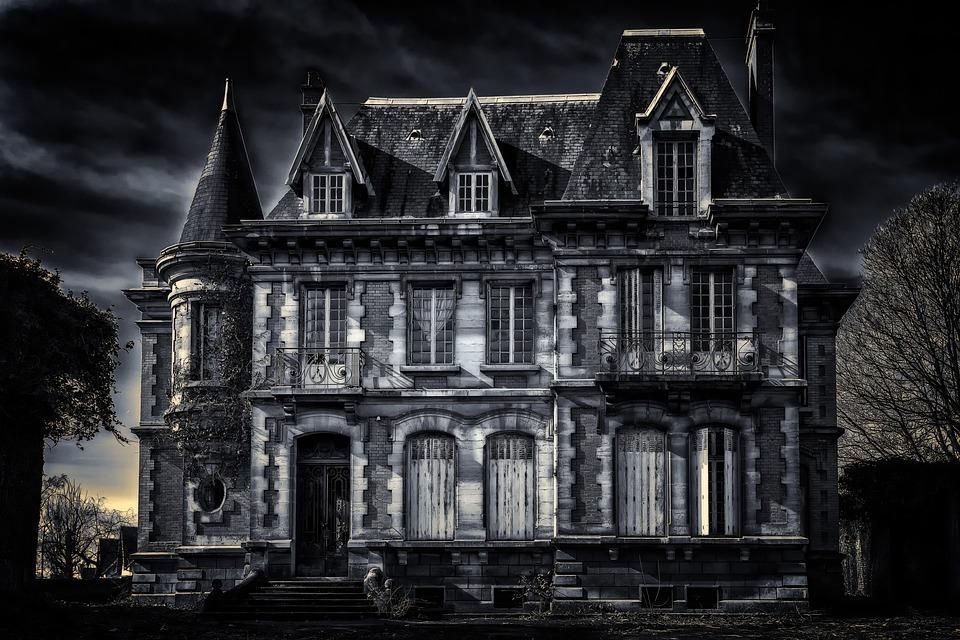
Image: Tama66

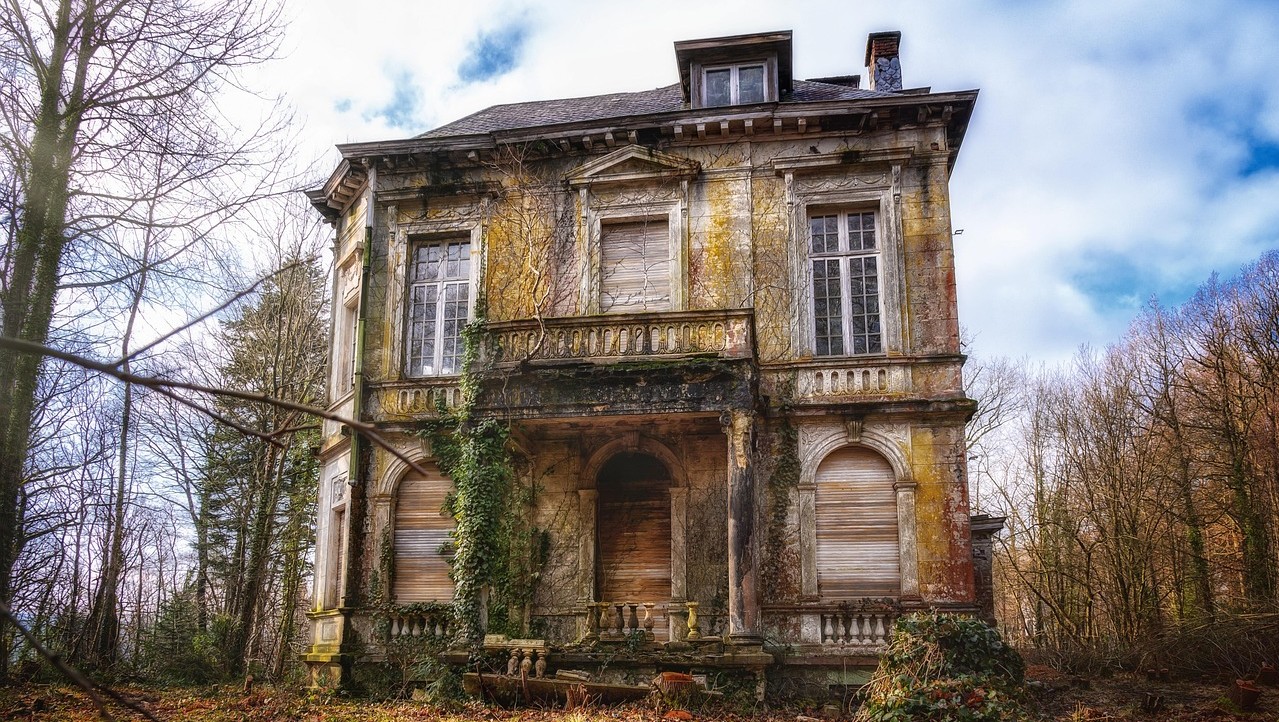
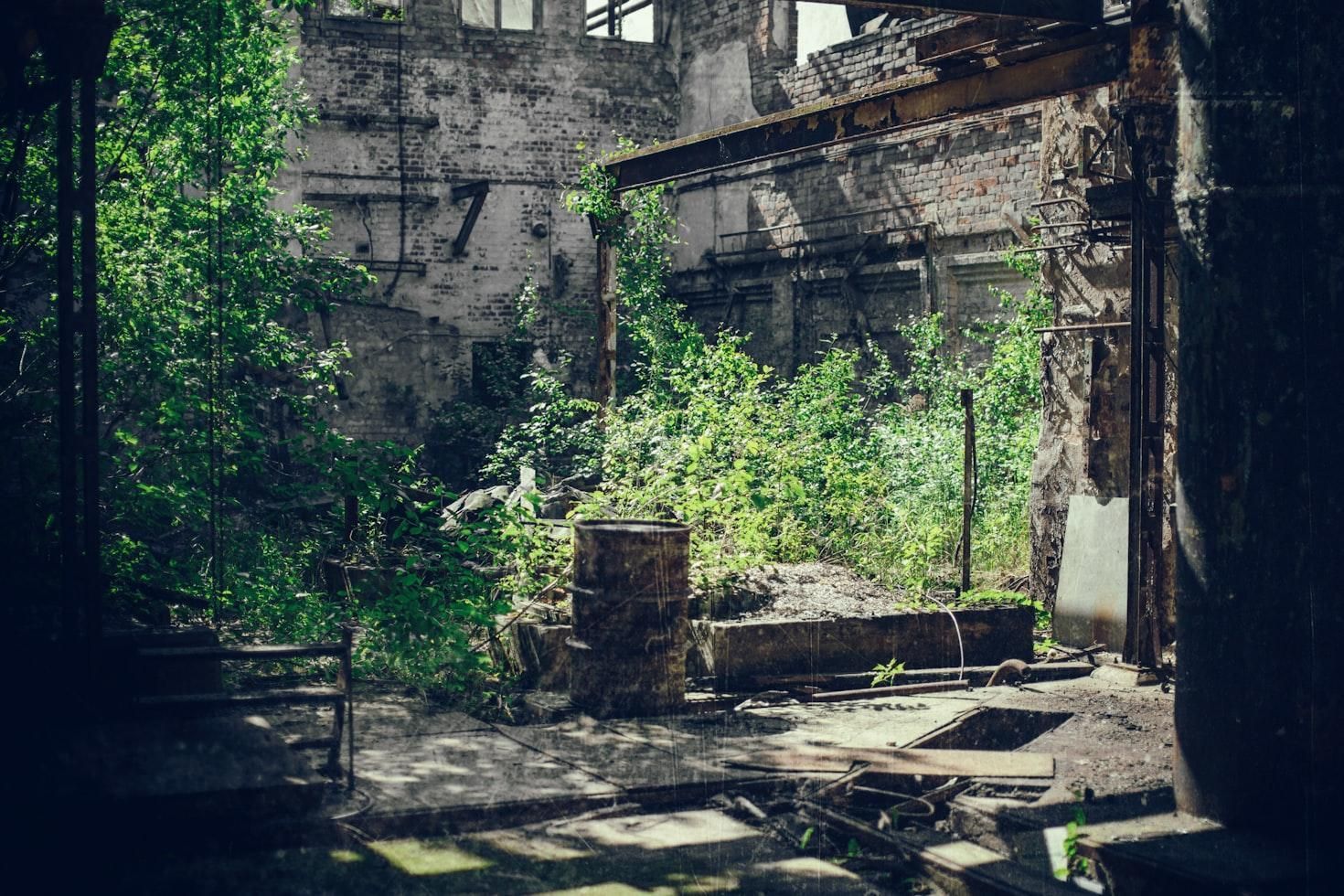
Beyond the manicured lawns of modern suburbs and the gleaming glass of city centers lie the skeletal remains of America’s Gilded Age and eccentric architectural dreams. These abandoned mansions, once symbols of immense wealth or unbridled ambition, now serve as monuments to the passage of time. Whether they were built for defense, ego, or artistic expression, these 10 sites stand as beautiful reminders of the people who once dared to dream about eternity. Would you like to know more? Continue reading!

1
Dundas Castle, Roscoe, New York

Image: Annie Spratt

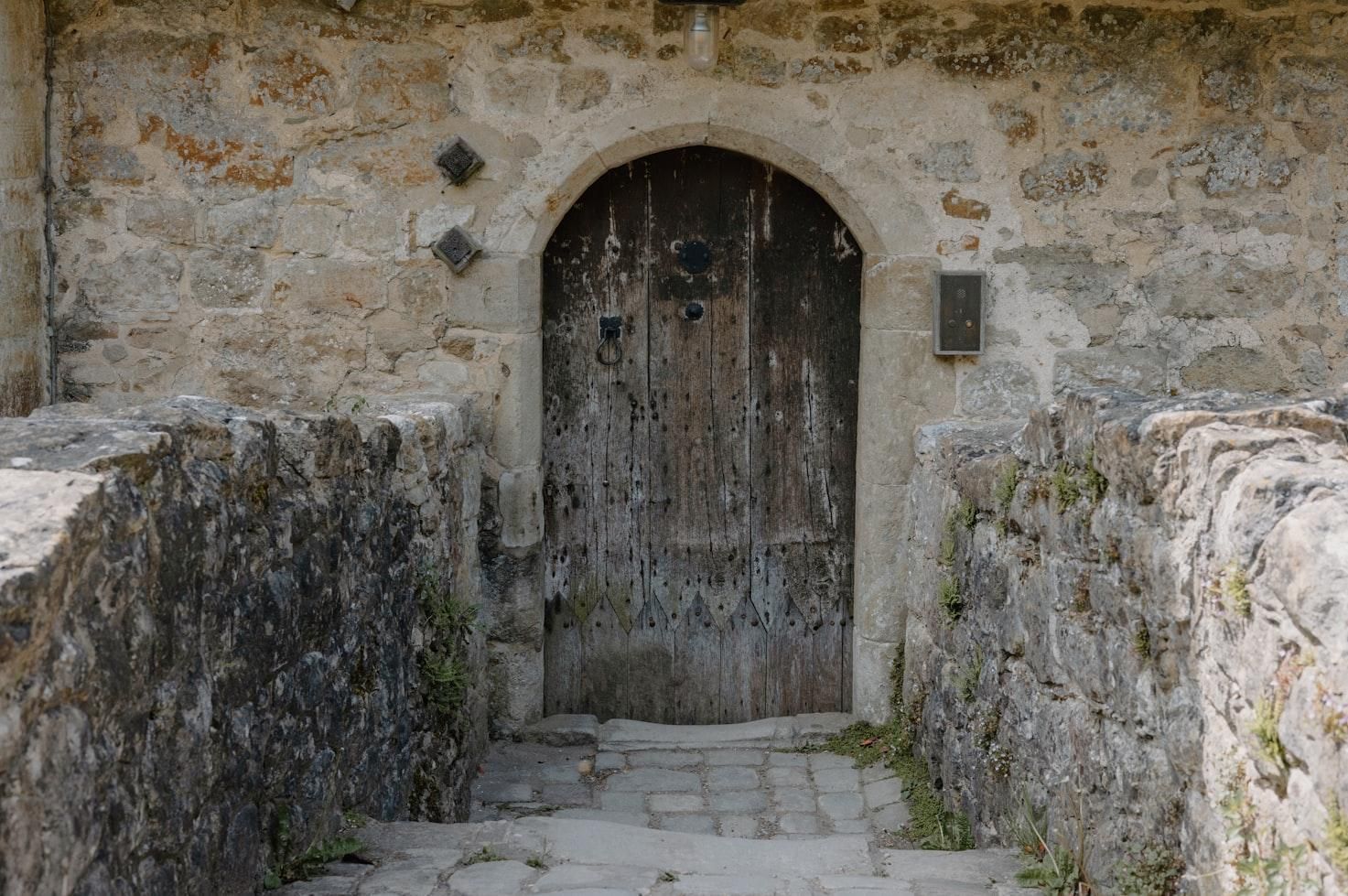
Also known as Craig-e-Clair, this castle was built by Ralph Dundas in the early 20th century. It is an architectural marvel of stone and copper.

Dundas died before the castle was completed, and his wife was reportedly committed to a sanitarium shortly after. Consequently, no member of the Dundas family ever actually lived in the mansion. This has led to the "Ghost of Dundas Castle" legends, with locals claiming to see a woman in white wandering the unfinished halls, waiting for a housewarming party that never happened.

2
Rockwell House, Milledgeville, Georgia

Image: Clem Geiss

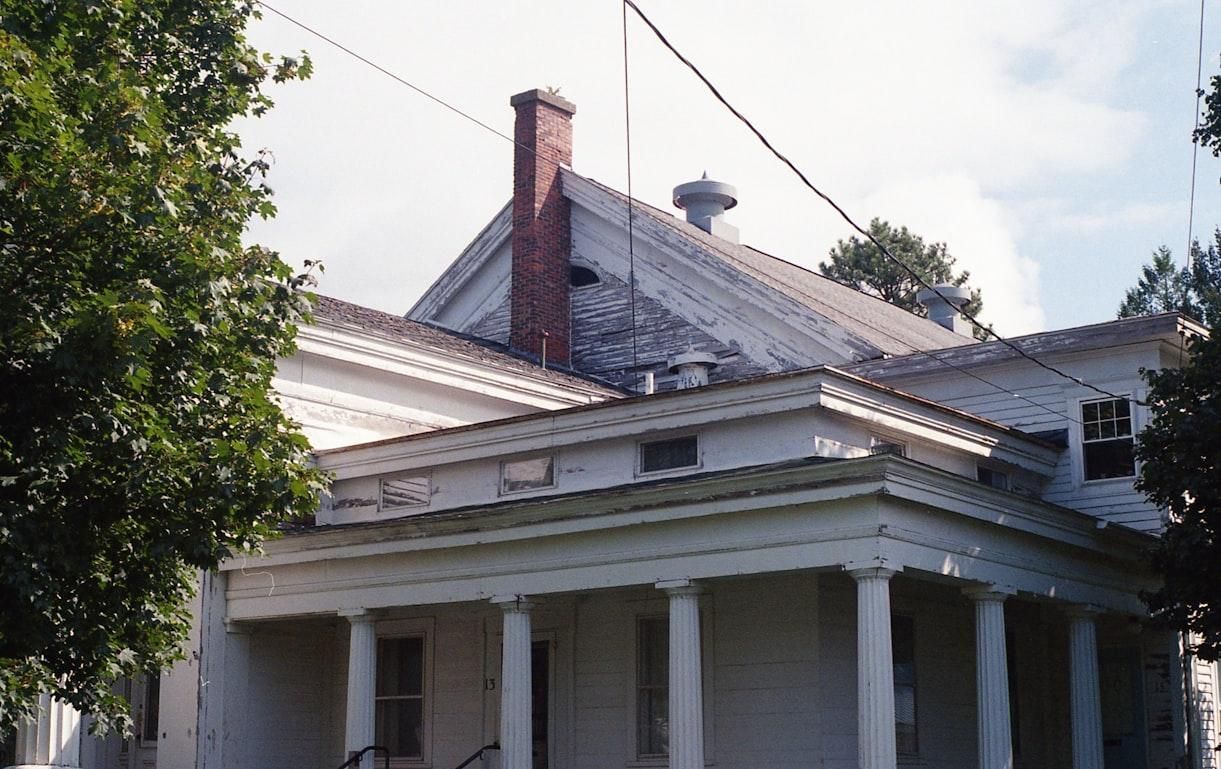
Built in 1838, the Rockwell House is a stunning example of Federal-style architecture, but its beauty is shadowed by a dark past. It was originally built for Colonel Samuel Rockwell, a prominent lawyer.

Local lore whispers about the "Rockwell Ghost," believed to be a young girl who died during a yellow fever outbreak. However, the house’s most tangible secret lies in its survival; it has endured multiple fires and periods of extreme neglect. In recent years, it has become a focal point for preservationists who uncovered hidden structural reinforcements that suggest the house was built to be an impenetrable fortress of its era.

3
Elda Castle, Ossining, New York

Image: Nitrogel

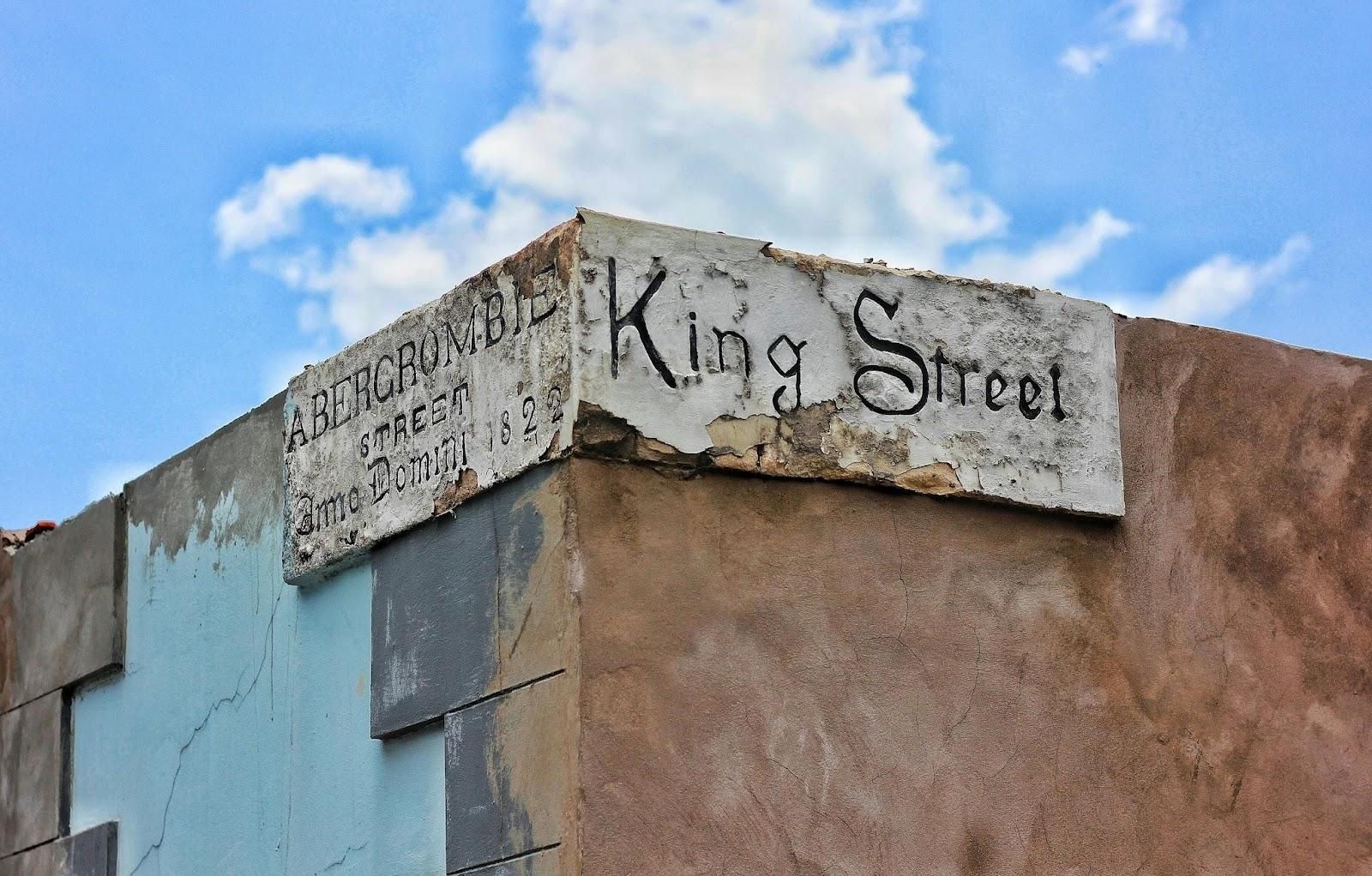
If the name David Abercrombie sounds familiar, it’s because he co-founded the clothing company Abercrombie & Fitch . But in the 1920s, he also built this granite castle, named Elda (an acronym of his children’s names), as a secluded retreat.

The castle features a network of spiral staircases and open-air porches designed to blend the indoors with the rugged wild. Its abandonment, however, is a sheer tragedy. After the family moved out, the castle was used as a research facility and later fell victim to vandals. Legend has it that a fire in the 1940s was started by squatters, leaving behind a charred stone husk that resembles a medieval ruin more than a 20th-century home.

4
Mongo's Castle, Memphis, Tennessee

Image: Denny Müller

A stark contrast to the classical mansions of the South, Mongo’s Castle was the passion project of Mongo Bebe, a man who built his home out of scrap stone, Ashlar blocks, and found materials.

The house is a maze of folk-art eccentricity. The builder intended it to be a community center and a symbol of African-American heritage and self-reliance. It stands today as a decaying puzzle, with many neighbors still unsure of the structural logic behind its towering, uneven walls.

5
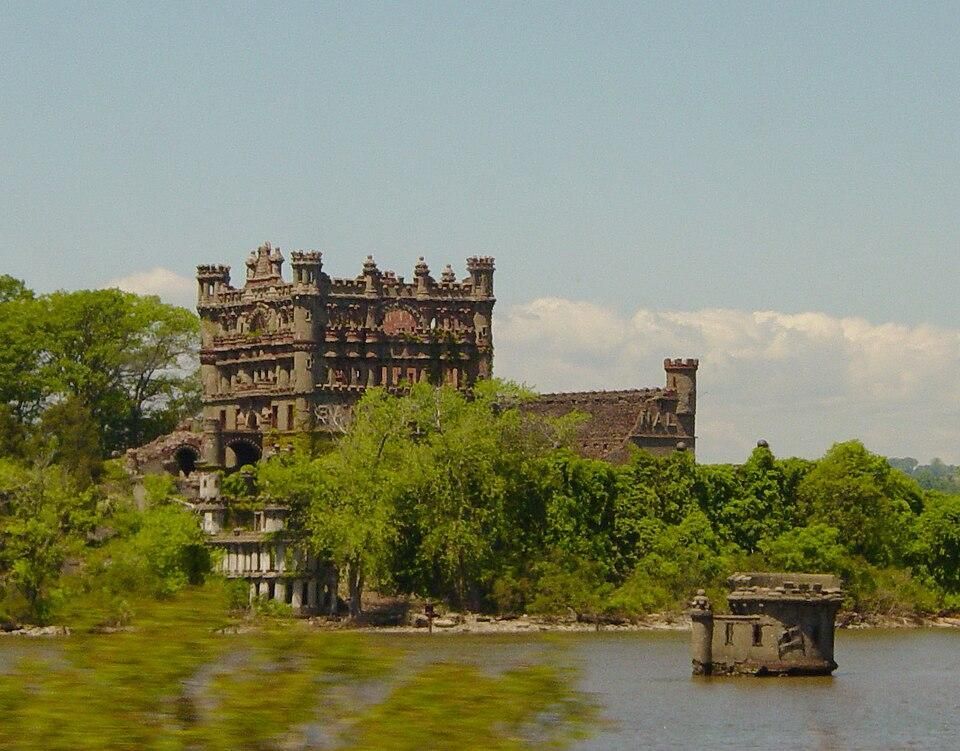
Bannerman's Castle, Pollepel Island, New York

Image: Leonard G., Public domain, via Wikimedia Commons

Rising from the Hudson River, this castle was never intended to be a home; it was a giant advertisement and warehouse for Francis Bannerman VI’s military surplus empire.

In 1920, 200 tons of gunpowder and shells exploded in the castle’s powder house, blowing out a significant portion of the walls. The ground is still considered unstable due to the remnants of military munitions, and the inscriptions on the walls are actually warnings and advertisements for the Bannerman business. Do you dare visit this mansion?

6
Castle Mont Rouge, Rougemont, North Carolina

Image: Florian Delée

This whimsical, onion-domed castle looks like it belongs in the Russian countryside rather than the North Carolina woods. It was designed by sculptor Robert Mihaly, but he ended up abandoning the project in the early 2000s following a personal tragedy and financial hurdles.

The castle remains an "empty sculpture," filled with intricate marble work and unfinished turrets. The bizarre architectural fusion lacks a standard floor plan, making it nearly impossible to convert into a functional residence without destroying its artistic integrity.

7
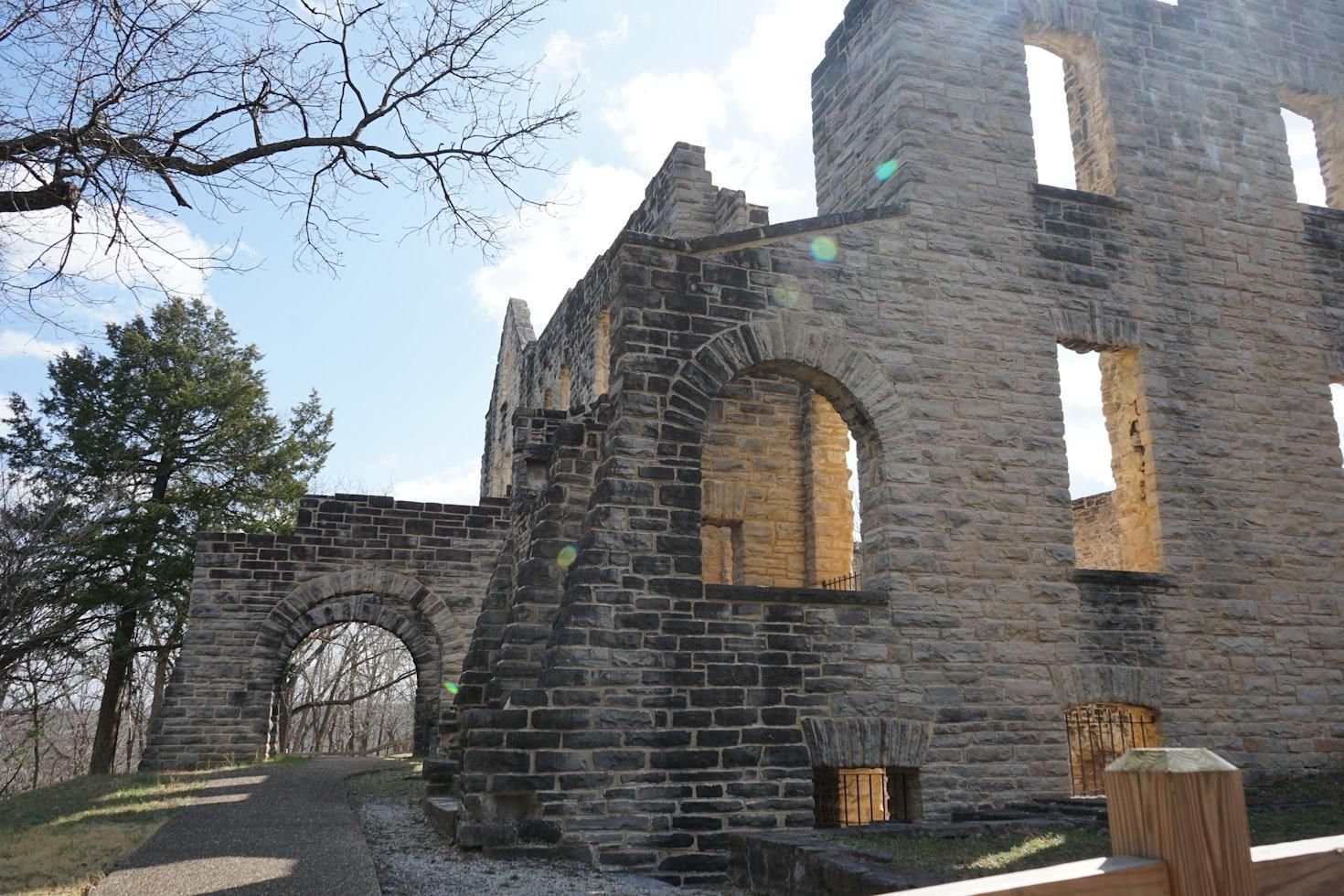
Ha Ha Tonka Castle, Camdenton, Missouri

Image: Hannah McBride

Robert Snyder, a wealthy Kansas City businessman, began building this European-style castle in 1905. He wanted a retreat that overlooked the breathtaking Ha Ha Tonka Spring.

Yet, Snyder never got to see his dream finished; he was killed in one of Missouri’s first recorded automobile accidents just a year after construction began. His sons finished the castle, but it was gutted by a fire in 1942. There’s a hidden network of caves beneath the castle, which were rumored to be used by outlaws and later as a natural "refrigerator" for the estate’s kitchen.

8
Carleton Island Villa, Cape Vincent, New York

Image: Tama66

This once-magnificent villa was built for William Wyckoff, who made a fortune with the Remington Typewriter Company.

The Secret: Wyckoff’s dream turned into a nightmare on the very first night he stayed in the house. He suffered a massive heart attack and died in his sleep. His wife had passed away a month prior, leaving the villa to a son who had no interest in it. The house has stood empty for over 70 years, its secret being the tragic "cursed" timing that prevented it from ever functioning as a family home.

9
Dicksonia Plantation, Lowndesboro, Alabama

Image: Theo Bickel

Dicksonia was a quintessential antebellum mansion, featuring the massive columns and wrap-around porches synonymous with the Old South.

Unlike many plantations that were destroyed during the Civil War, Dicksonia survived the conflict only to be destroyed by a mysterious fire in 1939. Its "ghost pillars," however, remained standing long after the wooden house burned away. These towering brick columns became a haunting landmark , representing the structural skeletons of a forgotten social order.

10
Wyndcliffe, Rhinebeck, New York

Image: Peter Herrmann

This house is the literal origin of the phrase "Keeping up with the Joneses." Though often referred to as a "Mystery Mansion" by urban explorers, this is the ruin of Wyndcliffe, the estate of Elizabeth Schermerhorn Jones.

Elizabeth’s mansion was so grand and intimidating that it prompted her neighbors—including the Astors—to build even larger homes to compete. The secret of Wyndcliffe is the psychological impact of its architecture; it was built to inspire envy, and its current state of absolute decay is a poetic commentary on the fleeting nature of social status.

Explore more American facts

Choose your favorite category!

General
General

As American as apple pie—the very best America has to offer!

Culture
Culture

Delve into the astounding richness of American lore.

Geography
Geography

Hop in and explore vast and diverse American landscapes.

History
History

Discover the key moments that shaped the United States.