History History 7 min read

First ladies’ secrets

The youngest First Lady, the first to give birth in the White House
Image: Casimiro PT

You may know the names of the women who stood beside America’s presidents, but what about their backstories? First ladies are full of surprises: One never made it to the White House, another controlled what reached her husband after a devastating stroke, and one was so committed to preserving American heritage that she saved a portrait of George Washington from a fire. From a first lady who married and gave birth in the White House to the woman who helped bring Washington’s famous cherry blossoms to life, these stories reveal a side of presidential history you may never have heard.

1
Anna Harrison
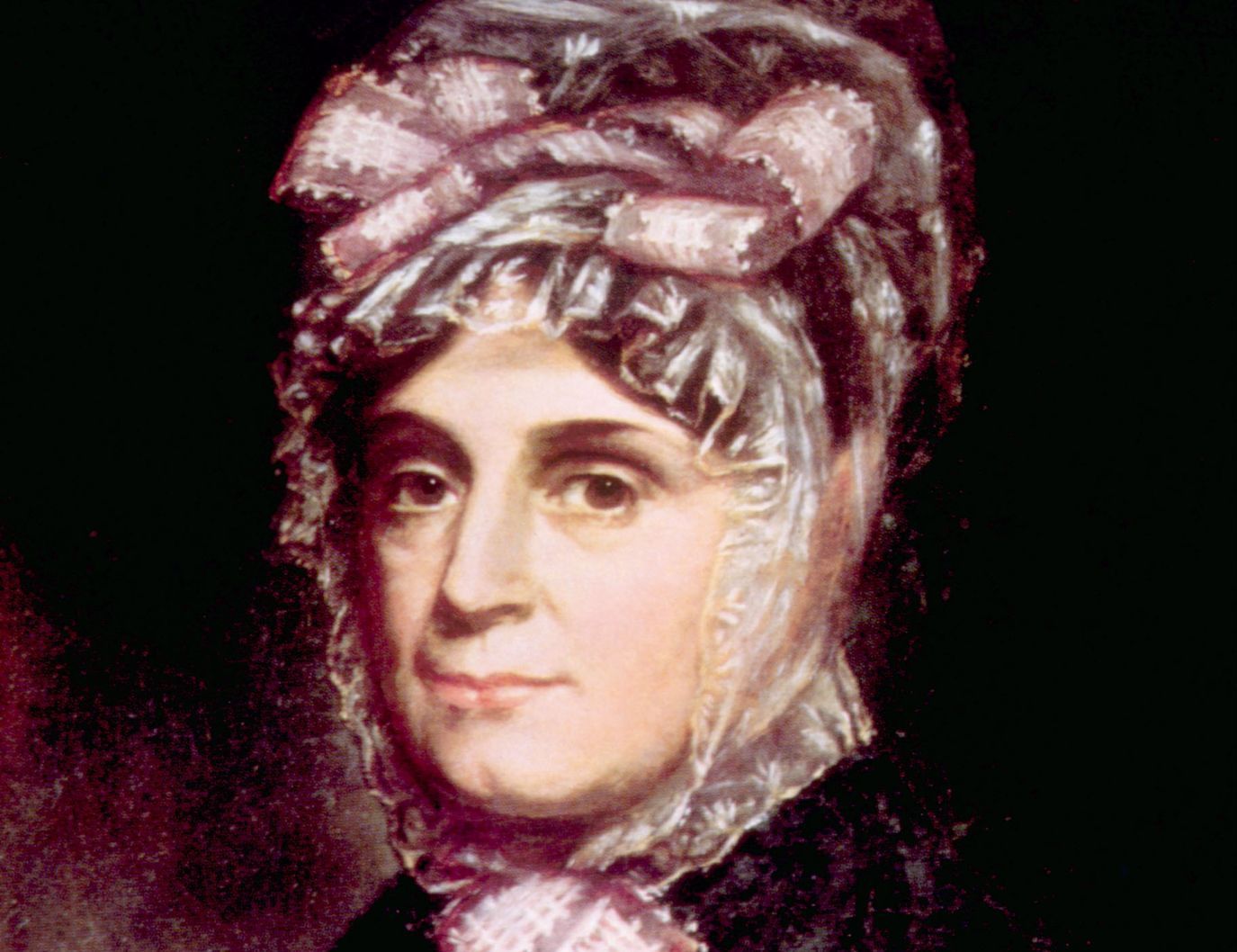
Image: Everett Collection

Anna Harrison was preparing for her belated move to the White House in 1841, when her plans were shattered by some devastating news.

That March, Anna, then 65, was too ill to travel from Ohio to Washington for her husband William Henry Harrison’s inauguration. She was expected to recover and join him later that spring, so her daughter-in-law, Jane Irwin Harrison, served as White House hostess in the meantime. But just one month after taking office, President Harrison died at 68 of a mysterious illness. Anna never made the journey and became the shortest-serving first lady in American history , despite never actually occupying the official role in the capital itself.

2
Edith Kermit Carow Roosevelt
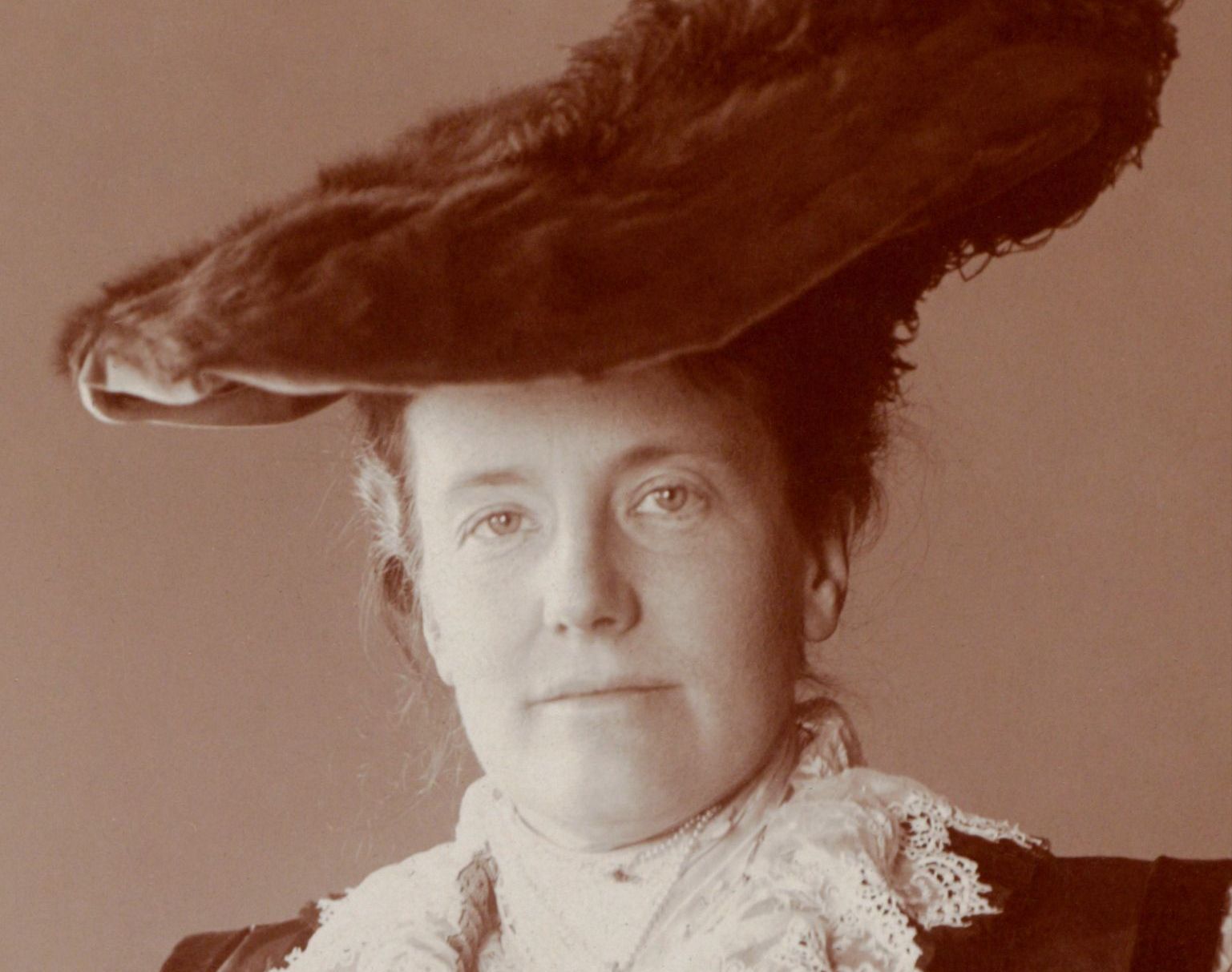
Image: Indopug

The White House may look like a historic home, but by 1901 it was struggling to keep up with presidential life. By 1902, Theodore and Edith Roosevelt’s family had outgrown the cramped residence. Theodore Roosevelt had six children, a growing staff, and too little room for official work.

His second wife, Edith Kermit Carrow Roosevelt, helped shape the major 1902 renovation, working with architect Charles McKim to reorganize the building and its furnishings. The family quarters on the second floor were expanded, and the West Wing was built to move much of the president’s staff out of the residential floor. The project also introduced a more coordinated Colonial Revival style, replacing mismatched décor with a more unified look. Edith’s influence went beyond choosing curtains or furniture: the changes helped separate family life from government business, laying the groundwork for the White House layout people recognize today.

3
Frances Cleveland
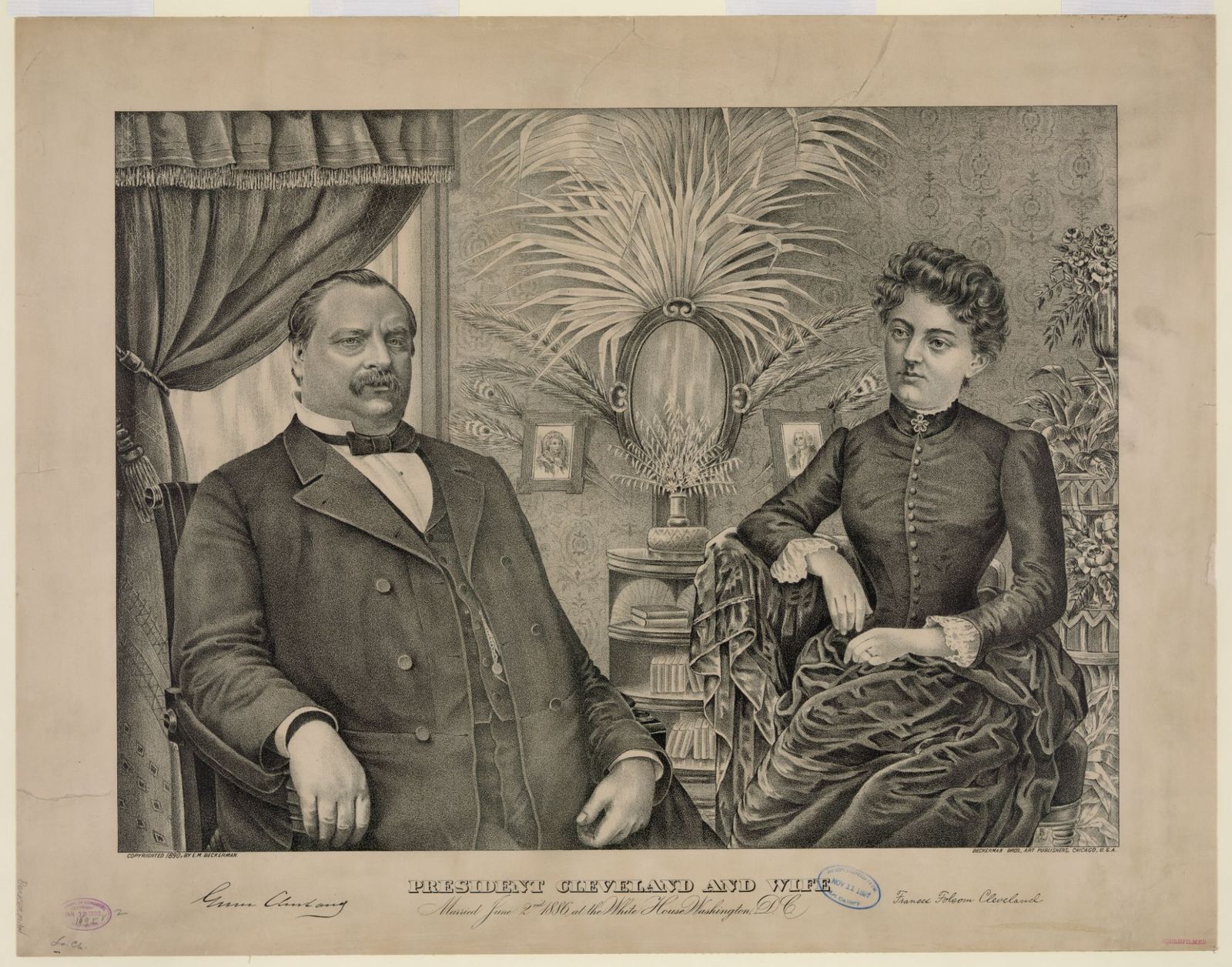
Image: Popular Graphic Arts, Public domain, via Wikimedia Commons

It’s not common to see weddings inside the White House, but President Grover Cleveland made it happen in 1886.

On June 2, he married Frances Folsom in the Blue Room, making her the only first lady to marry a president inside the mansion. Their relationship attracted enormous public interest due to the difference in age: s he was 21, while Cleveland was 49. Frances also remains the youngest first lady in American history— and that’s not all. On September 9, 1893, Frances gave birth to their daughter Esther at the White House, the only child of a president ever born there. With a young family in the Executive Mansion, Frances also worked to protect her children’s privacy, including restricting access to the press to the grounds when needed.

4
Dolley Madison
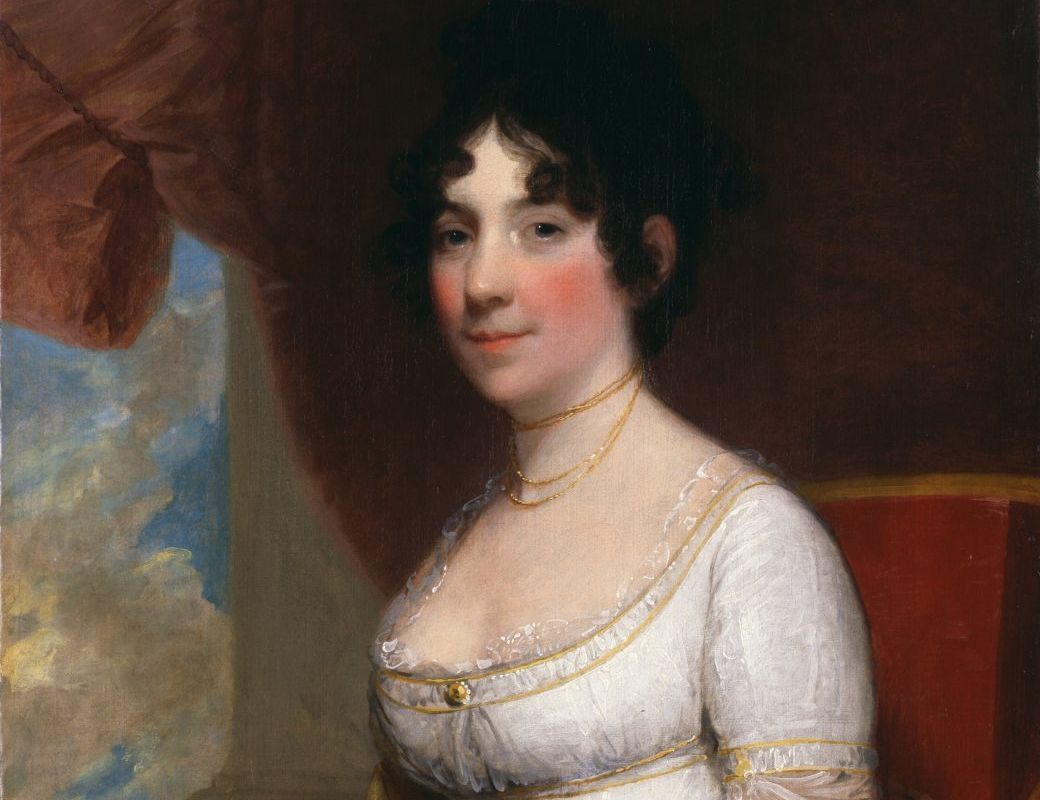
Image: Gilbert Stuart, Public domain, via Wikimedia Commons

In August 1814, British troops marched into Washington, D.C., during the War of 1812, and the White House was in danger. President James Madison had left the capital, but First Lady Dolley Madison stayed long enough to help arrange the removal of important belongings.

That includes a portrait of George Washington painted by Gilbert Stuart in 1797, the first artwork brought into the White House. The story has become one of the best-known episodes in first lady history, although later illustrations sometimes dramatized the rescue. The portrait was a large, framed likeness, not something she could simply tuck under her arm. Official accounts describe the frame being removed so the canvas could be carried away. British forces later set fire to the presidential mansion on August 24, 1814. The painting survived, and Dolley’s quick action helped preserve a powerful symbol of the young republic.

5
Edith Wilson
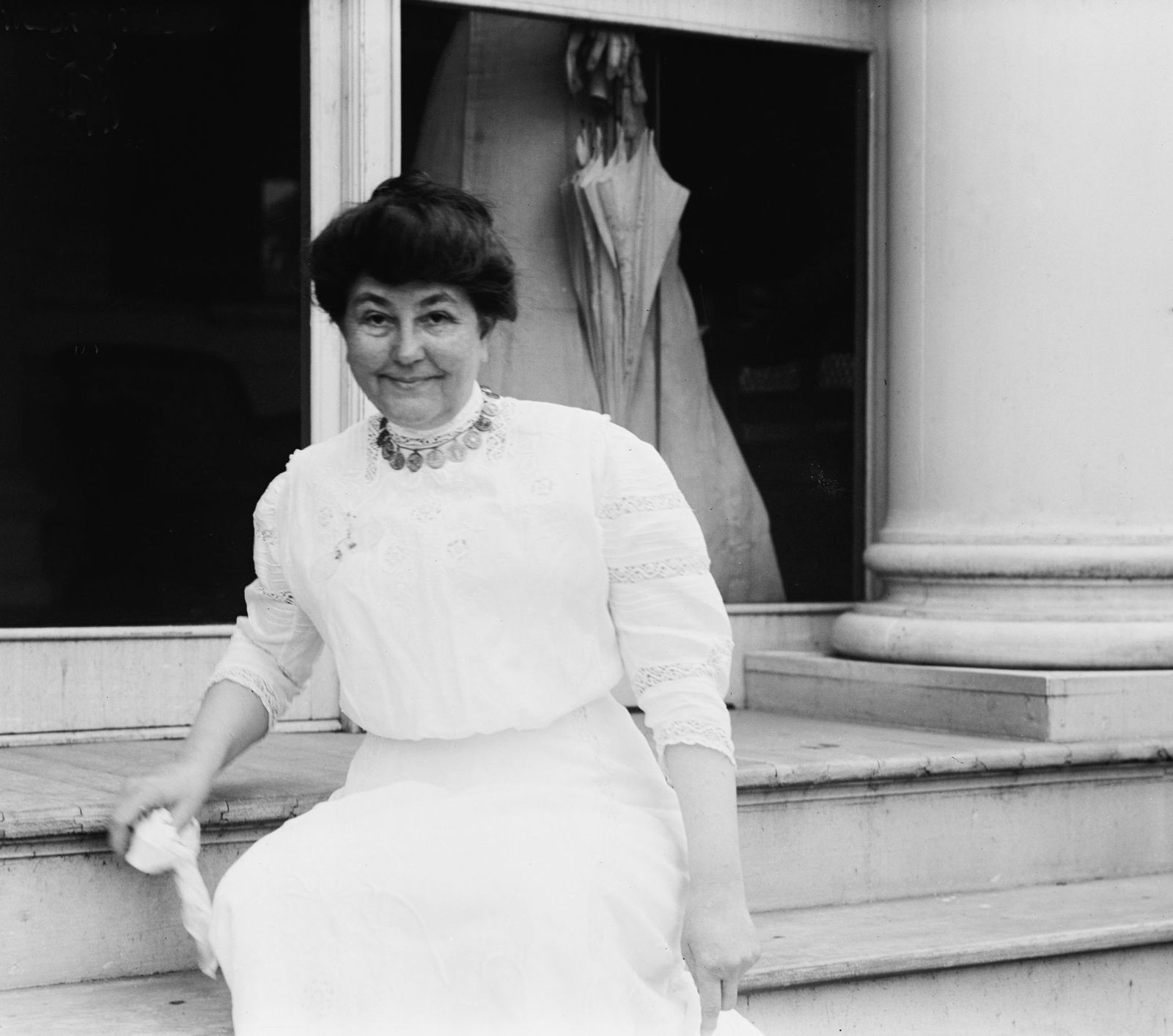
Image: Everett Collection

When a president becomes seriously ill, doctors and advisers step in. But after Woodrow Wilson suffered a major stroke on October 2, 1919, his wife, Edith, became the gatekeeper to the Oval Office’s most important decisions.

Edith, working alongside the president’s physician, Dr. Cary Grayson, screened documents and decided which matters were important enough to bring to her husband. She insisted that Wilson remain in office rather than resign, while limiting access to him. Critics later described her as an unelected ruler, although she maintained that she never made public-policy decisions herself.

6
Helen Taft
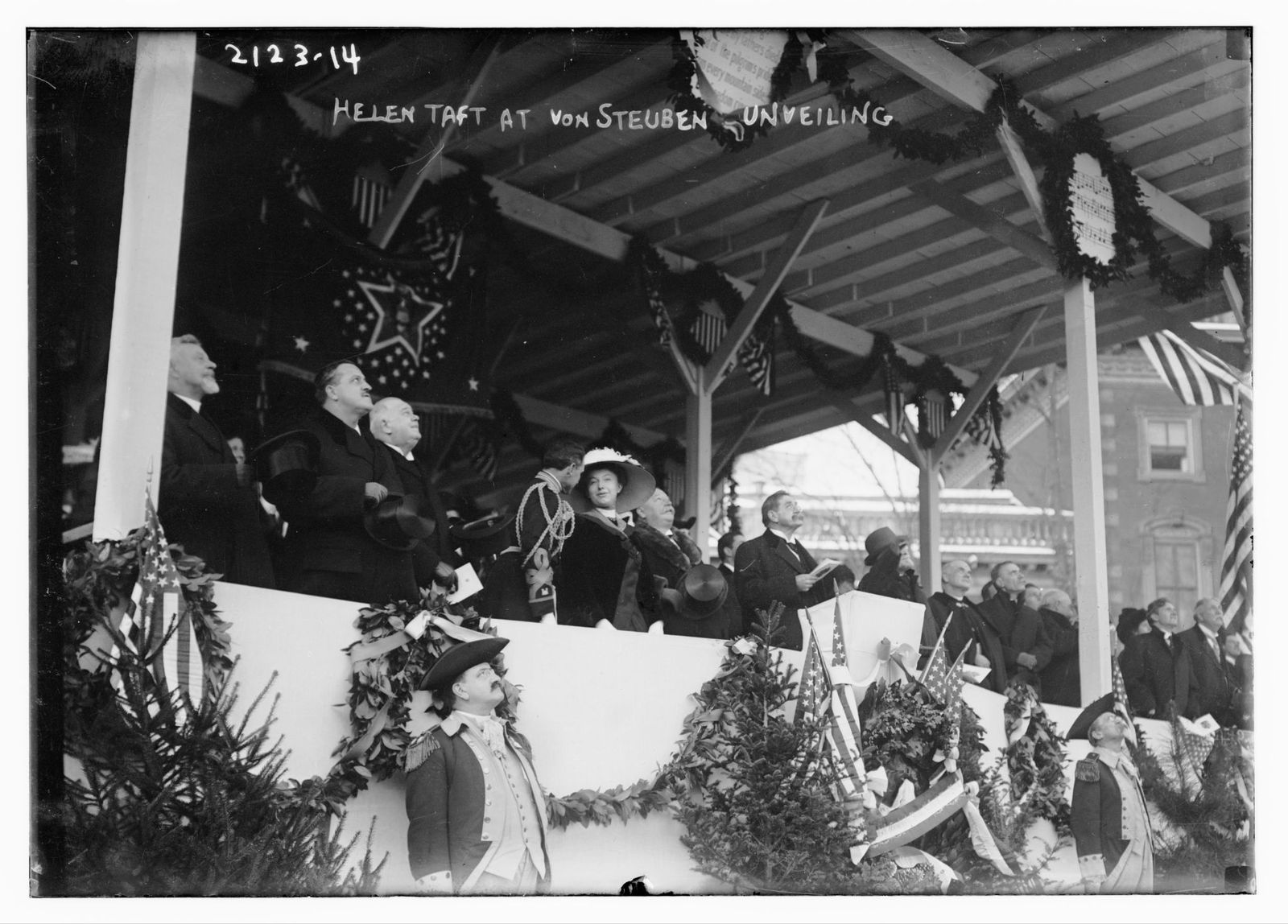
Image: Bain News Service, publisher, Public domain, via Wikimedia Commons

If you’ve ever seen photographs of Washington, D.C., covered in pink cherry blossoms, you can thank a first lady with an eye for natural beauty.

Helen Herron Taft became first lady in 1909 and supported plans to transform Potomac Park into a tree-lined promenade. She worked with writer and Japan traveler Eliza Scidmore, who had advocated for Japanese cherry trees for nearly 25 years. An initial shipment of 2,000 trees arrived in 1910, but inspectors found them so infested with insects that they were destroyed. Tokyo sent a replacement gift of 3,020 trees, and on March 27, 1912, Helen Taft and Iwa Chinda, wife of the Japanese ambassador, planted the first two beside the Tidal Basin.

7
Sarah Polk
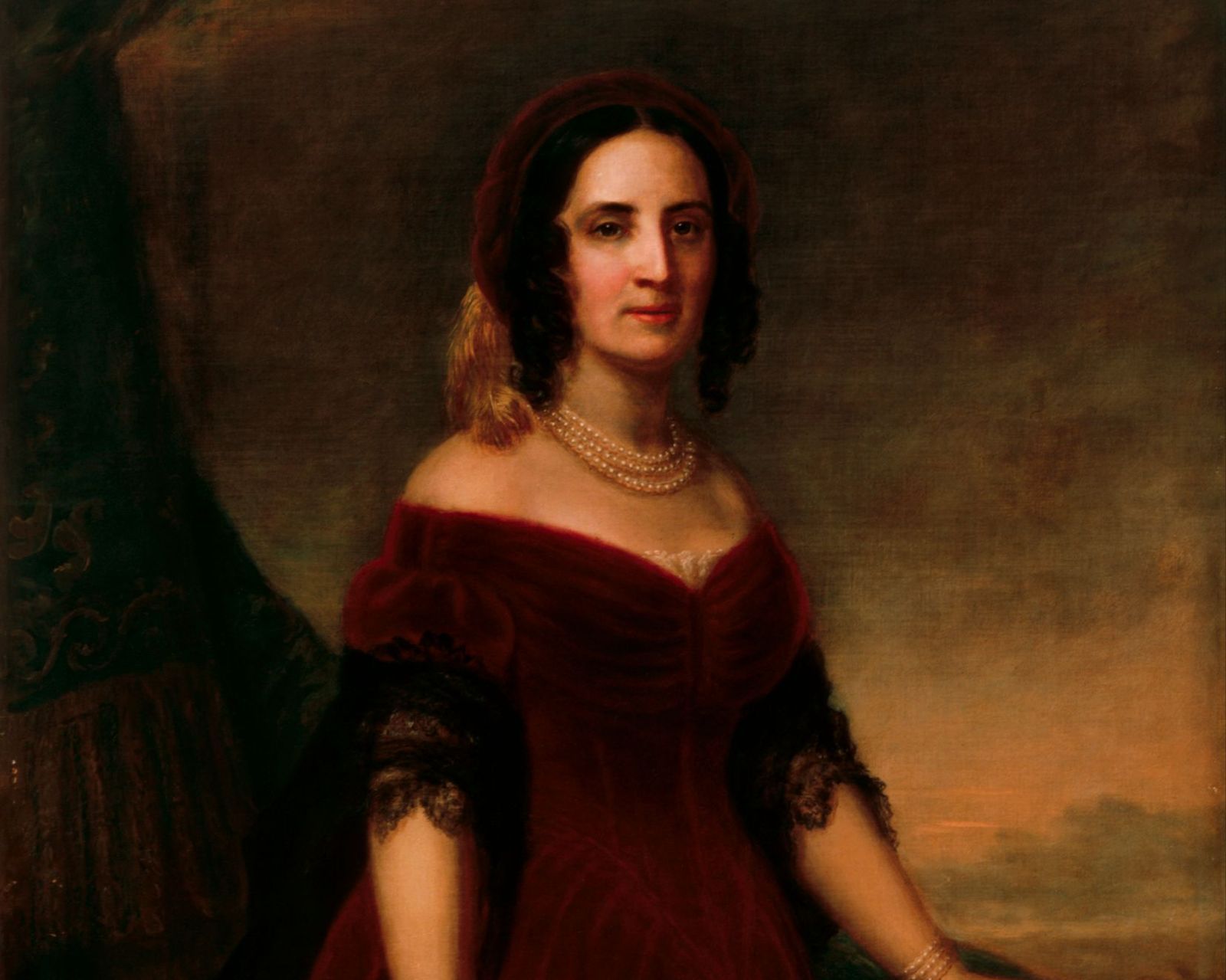
Image: George Dury, Public domain, via Wikimedia Commons

Sarah Childress Polk was no carefree hostess; when she was first lady, there were some strict rules for guests inside the White House.

When her husband, James K. Polk, became president in 1845, she took her responsibilities seriously, paid close attention to politics, and helped manage the household with a firm hand . She was also deeply religious and opposed drinking, so alcohol was not served at White House receptions during the Polk Administration. Some accounts say disgruntled staff members nicknamed her "Sahara Sarah" because they found her rules and strict manners dry and joyless. The nickname makes for a good story, but there are no firmly documented records of this being true. Sarah’s influence wasn’t limited to social rules: she was an educated political partner who discussed public affairs with her husband and followed the news closely.

8
Abigail Adams
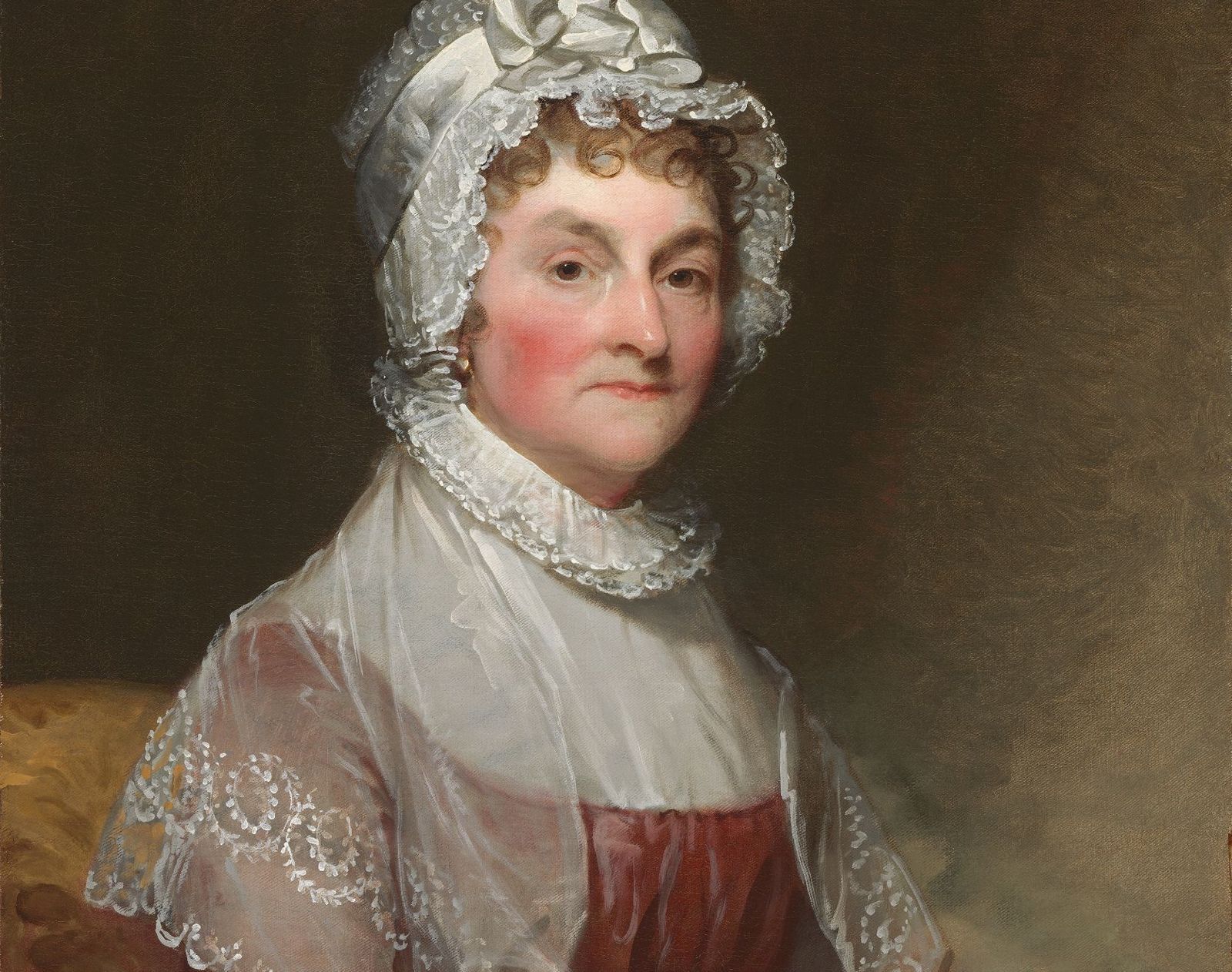
Image: Gilbert Stuart, Public domain, via Wikimedia Commons

Long before women could vote in national elections, Abigail Adams was already pushing her husband to consider their rights.

In a letter dated March 31, 1776, while John was attending the First Continental Congress in Philadelphia, she urged her husband John Adams, then helping shape the new nation’s political future, to "Remember the Ladies, and be more generous and favourable to them than your ancestors," when establishing laws for the emerging republic. She warned against giving husbands unlimited power over their wives and argued for greater fairness. John replied playfully, but the new country’s laws did not deliver the changes Abigail wanted. When John became president in 1797, Abigail served as a trusted adviser and White House hostess. More than a presidential spouse, she was a sharp political thinker who made her views known at a time when women were largely excluded from formal power.

9
Letitia Tyler
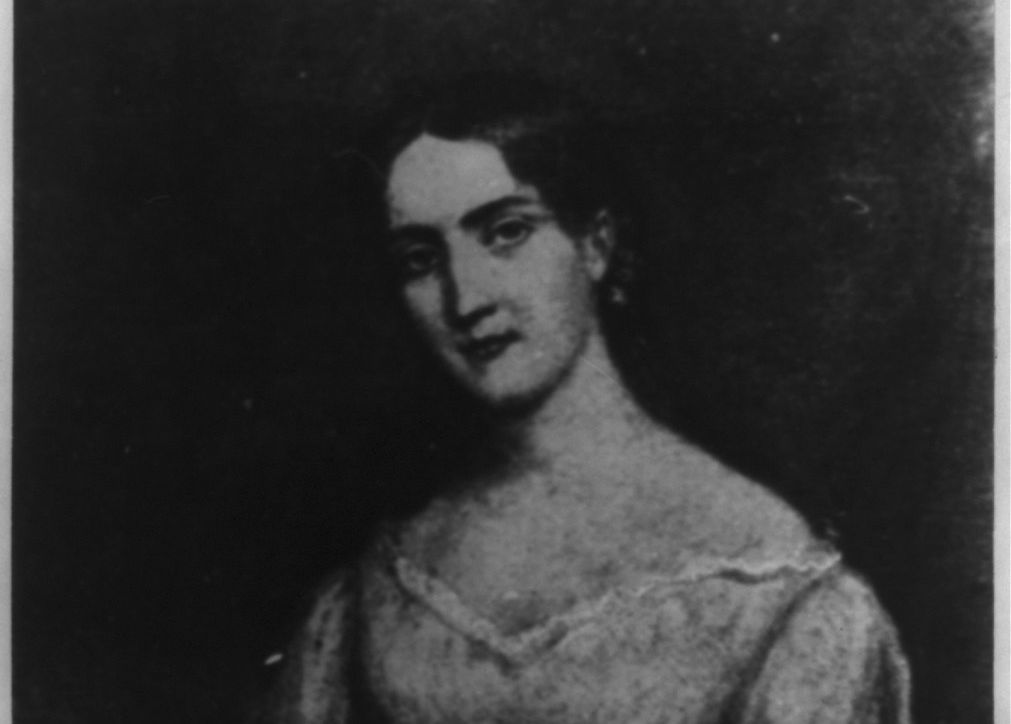
Image: Miscellaneous Items in High Demand, PPOC, Library of Congress, Public domain, via Wikimedia Commons

The White House is usually associated with ceremonies, celebrations, and political history, but it has also been the scene of private grief. At the age of 51, Letitia Christian Tyler, wife of President John Tyler, became the first first lady to pass away inside the mansion due to a fatal stroke on September 10, 1842.

She had been in poor health after a first stroke that left her confined to a chair upstairs, and led a quiet life. It was her daughter-in-law, Priscilla Cooper Tyler, who took on many hostess responsibilities, welcoming guests and organizing social events. Letitia’s death left the president and their large family mourning in the very place where the country conducted its business. She was buried in Virginia, at the plantation where she had been born.

10
Martha Washington
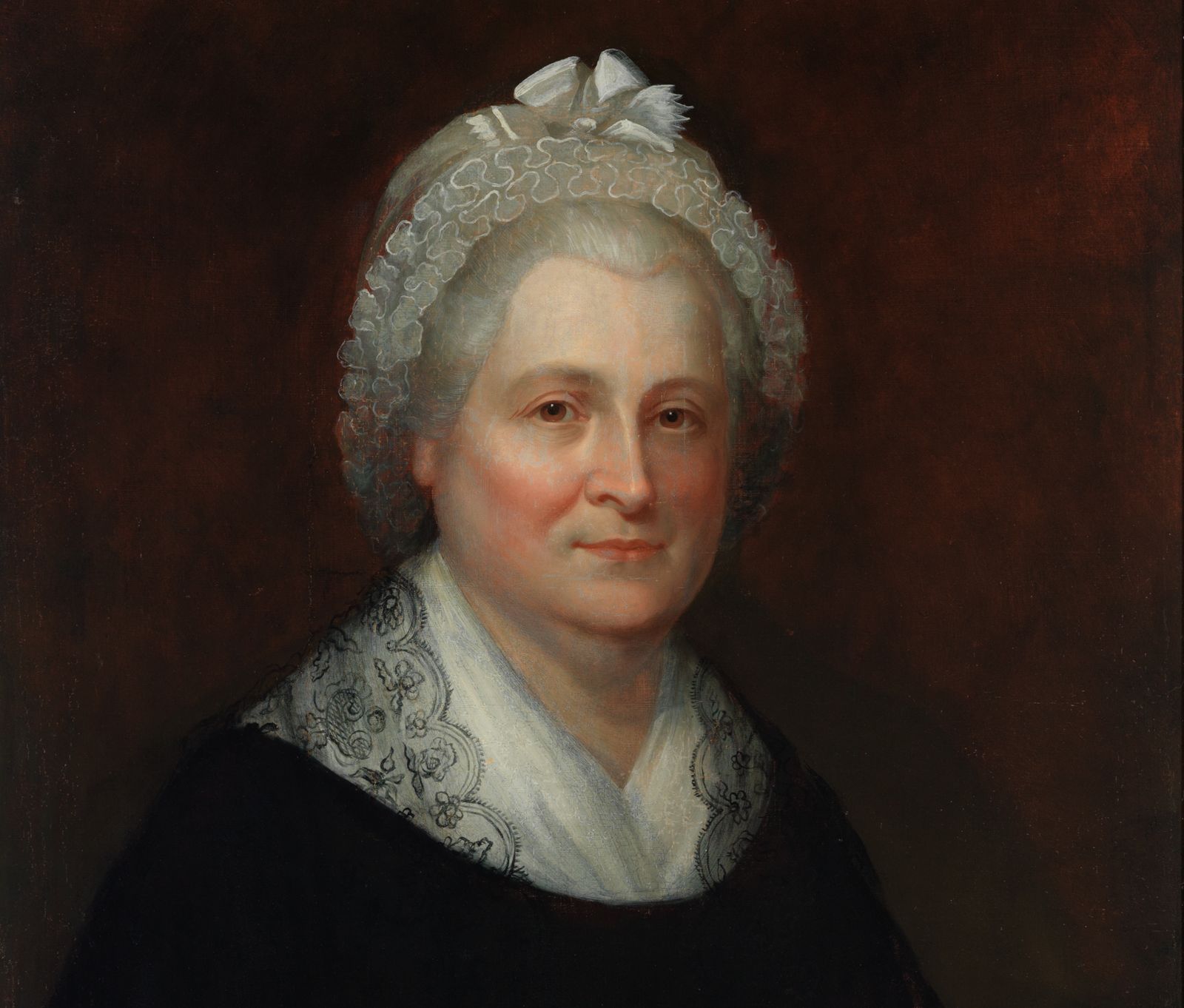
Image: Rembrandt Peale, Public domain, via Wikimedia Commons

Today, seeing a woman’s portrait on money might not seem unusual, but for much of the country’s history it was rare.

Martha Washington, the nation’s inaugural first lady, became the first and, to date, only woman whose portrait appeared on a U.S. paper currency note in her own right. Her likeness was featured on silver certificates issued in 1886, 1891, and 1896, decades after her death in 1802. The 1806 note, held in the Smithsonian’s National Museum of American History collection, shows her bust on the front of a one-dollar silver certificate. These notes were not the same as today’s familiar Federal Reserve bills: they represented silver held by the U.S. Treasury and could be redeemed under the rules of the time.

General General 5 min read

Household tips

You’ll never believe these 12 unusual uses for Coca-Cola

Image: Scott Spedding

Coca-Cola is one of the most widely consumed beverages in the world. Introduced by Colonel John Pemberton in 1886, the recipe for this famous carbonated drink is one of the best-kept secrets in American history. Even though we don't quite know how it's made, we love to drink it along with our favorite foods. But in addition to being delicious, its special ingredients make it an incredible asset for a myriad of household applications. From removing rust to cleaning clothes and various surfaces, discover 12 alternative uses for Coca-Cola that will change your life forever!

1
Rust remover

Image: Bekky Bekks

Did you know that if your metal objects are rusting, you can bring them back to life by soaking them in Coca-Cola overnight? The next morning, you'll find that you can easily clean them and even recover their shine!

Rust removal on old tools, screws, cutlery, coins, bicycles, and even car engines is believed to be due to the sodium benzoate present in Coke. This ingredient is a food preservative that inhibits the growth of bacteria, yeast, and mold. Additionally, studies suggest that it acts as a corrosion inhibitor .

2
Window cleaning

Image: Pixabay

Cleaning glass with a dark, sticky liquid? Sounds silly, doesn't it? Well, believe it or not, the citric acid in Coca-Cola makes for an excellent window cleaner. This is especially true for car windows, which tend to accumulate a lot of dirt and debris.

Pour a can of Coke into a spray bottle and apply it to the window surface you want to clean. Rub it with a rag, and if necessary, scrub it with a soft toothbrush. Then, wipe it all off with a damp cloth to ensure no sticky residue is left. Voilà—enjoy your crystal-clear windows!

3
Cooking

Image: Leighann Blackwood

Since its invention nearly a century and a half ago, Coca-Cola has been the perfect match for a cheeseburger or a slice of pizza. But did you know it can also be used in cooking? Its peculiar and characteristic flavor, along with the sugars and acidity of its secret formula, combine especially well with meats .

It’s ideal for mixing with BBQ sauce to create an excellent marinade or even for baking a whole chicken. Like wine or coffee, Coke can also be used to prepare delicious desserts, such as brownies and ice cream shakes.

4
De-blacken pots

Image: Dan Meyers

Over time and with multiple uses, pots and pans develop a blackened color on the bottom and sides that is difficult to remove.

To restore your favorite kitchen tools to like-new condition, just apply a glass of effervescent Coca-Cola and put it on the stove on low heat. Let it work for at least an hour to loosen the dirt. Then, scrub as usual—you’ll never believe the results!

5
Clean greasy clothes

Image: Annie Spratt

Everyone knows that grease stains are difficult to remove from clothing. Commercial stain removers can be expensive, contain many chemicals, and don’t always work. But there is a much simpler solution: one of Coca-Cola's alternative uses is removing grease stains from clothing .

Just add a can of Coke to your washing machine cycle or apply it directly to the affected area. Coca-Cola can even help deodorize smelly clothes !

6
Remove paint from furniture

Image: Ivars Krutainis

If you have a piece of furniture that has fallen victim to a paint stain —or an innocent marker drawing made by one of your children or grandchildren—and you want to make it look as good as new, dip a rag in Coca-Cola and rub it hard on the affected area.

To finish, simply wipe the area to prevent it from becoming sticky. Yes, it’s as easy as it sounds!

7
Drain cleaning

Image: Semevent

There are mixed feelings about the effectiveness of this trick, but there’s nothing better than trying it yourself to see if it works. Many suggest that applying Coca-Cola to drains can help clear clogs . Simply pour a bottle of the drink down the drain and let it work. Then, finish by pouring a cup of hot water down the drain.

You may be wondering: Is there any scientific evidence to support this claim? One of the ingredients in the most famous soda in the world is phosphoric acid , an anticorrosive that, in the case of Coca-Cola, is used for flavor. But don’t worry—the amount of phosphoric acid in Coca-Cola is safe for human consumption!

8
Insect repellent

Image: alleksana

No, it’s not about applying it to the skin, but using it as bait . If you’re going to be outdoors in an area with lots of insects, pour a glass of Coke into a shallow dish and let the bugs be attracted by its high sugar content (according to studies, one can contains the equivalent of ten teaspoons). You’ll see how they stay there and don’t bother you.

This alternative use of Coca-Cola is great for reducing the need for chemical pesticides in your garden. You can even pour the leftover liquid onto plants that thrive in acidic soil, like camellias and rhododendrons.

9
Relief from bites

Image: Ximena Mora

What happens if you forget to set the Coke bug trap beforehand? If you’re too late and get bitten by a mosquito or a bee, the solution can still be Coca-Cola.

Pour the soda over the bite area (or, better yet, soak a cotton pad and apply it to the specific spot) to help reduce the swelling and provide some relief.

10
Remove gum from hair

Image: Natalia Olivera

Gum stuck in hair can be a great frustration for parents or grandparents of naughty children. Believe us, a trick like this will save you from a big headache! But how does it work? The phosphoric acid in Coca-Cola reacts with the hair's natural oils, affecting the gum's properties. As a result, the gum won’t be able to adhere to the hair and, with the help of a comb, will come off easily.

While the gum may be easy to remove, the hard part is getting the kid to stay still for the duration of the process!

11
Cleaning the bathroom

Image: PeterKraayvanger

Have you run out of cleaning products and have guests coming over? Don’t panic—that abandoned Coke can at the bottom of your fridge is about to save you from the embarrassment of having a dirty toilet. Coca-Cola can be used to clean bathroom wall tiles, the toilet, and the bathtub.

A simple and practical way to do this is to use the spray nozzle from an old cleaning product, screw it onto a bottle of Coke, and spray the soda on the walls. Wait a few seconds, then wipe with a cloth or sponge... and it will be as good as new.

12
Make a science experiment

Image: Lucas Santos

Creating a geyser by mixing Coke and Mentos is practically a rite of passage for most kids—it's explosive, messy, and lots of fun! But how does it work?

Strange as it may sound, it's not a chemical reaction but a physical phenomenon . Mentos have thousands of tiny pores that disrupt the polar attractions between water molecules, creating thousands of nucleation sites ideal for gas molecules to congregate. The bubbles increase in size, causing the liquid to shoot out and rise to the surface, creating a spectacular effect that appeals to both children and adults alike!

General General 4 min read

Beyond the law

Wait… that's not illegal? 11 ‘crimes’ you didn't know are legal

Image: Jan van der Wolf

Sometimes we’re so accustomed to doing things a certain way that doing anything different feels illegal. But not every bit of "common sense" is backed by an actual law. Many widely accepted practices are merely norms or policies—not legislation. From driving barefoot to owning a flamethrower, here are 11 things you might think are illegal… but actually aren’t.

1
Driving barefoot

Image: Ashley Byrd

No federal or state law in the U.S. bans driving barefoot. Though sometimes discouraged for safety reasons, driving barefoot is legal in all 50 states (and in most countries worldwide as well).

While police might ask you to put your shoes on during a traffic stop, it’s merely a suggestion, not a legal requirement. In most modern cars, driving barefoot presents no significant safety risks, but it could affect insurance claims. If you’re involved in an accident while barefoot, you might face increased scrutiny from insurers.

2
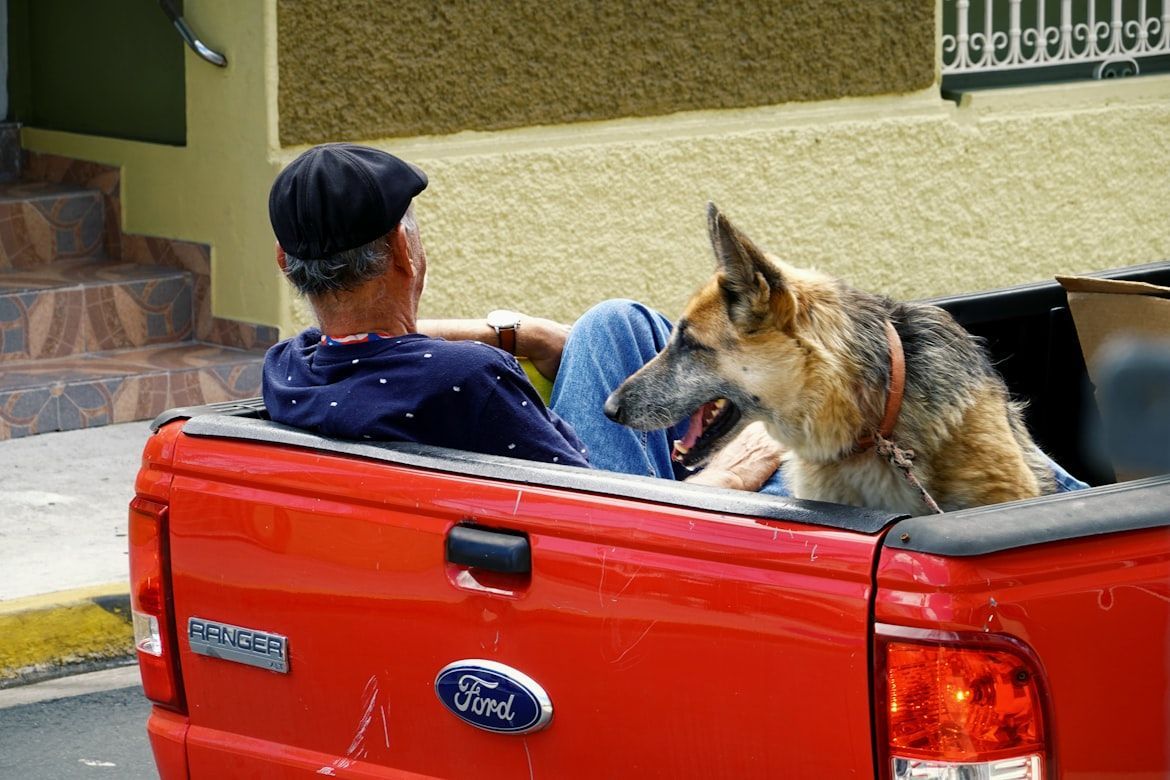
Riding in the back of a pickup truck

Image: Richard Lu

This is a bit of a gray area. There is no federal law regulating the practice, but some states or local jurisdictions may impose restrictions, often including age limits.

In rural areas, most people won’t bat an eye if you ride in the bed. However, it can be considered a safety risk and may serve as an aggravating factor if you’re stopped for speeding or other traffic violations.

3
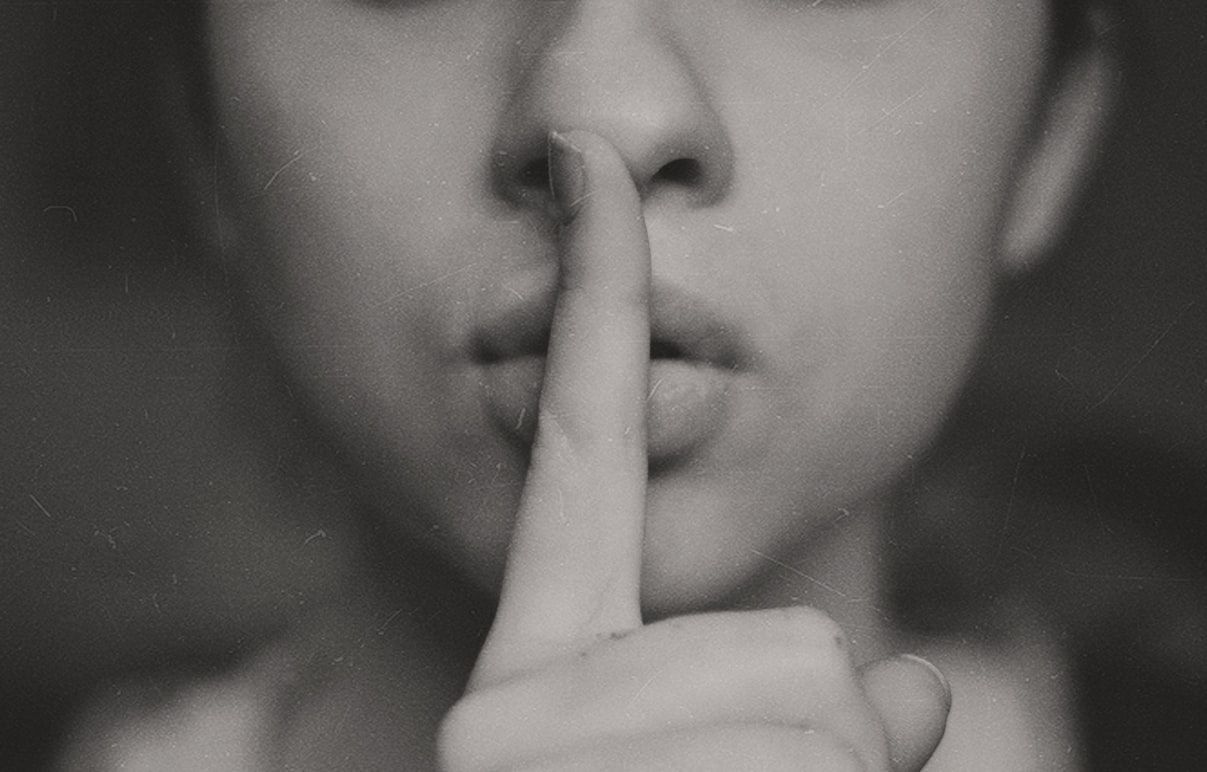
Cursing in public

Image: Kristina Flour

While it’s common courtesy not to go around hurling insults and profanity, the truth is no one can legally require you to stop if you are so inclined.

This is because profanity is generally protected speech. However, "generally" is doing some heavy lifting here, as depending on the context, it could be considered provocation or incitement to violence.

4
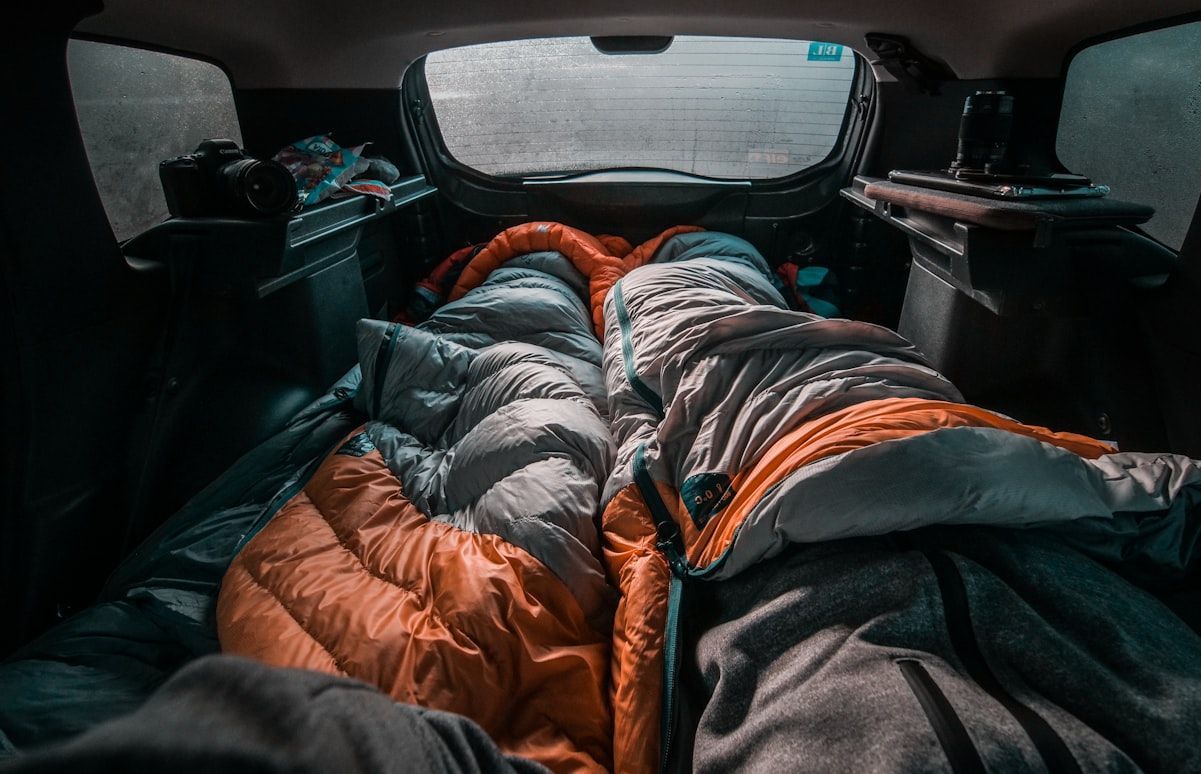
Sleeping in your car

Image: lucas Favre

It’s not illegal to sleep in your car unless local ordinances specifically prohibit it in certain areas, such as city streets or commercial lots.

Often, it has nothing to do with sleeping whatsoever, as in some places, all overnight parking at rest stops is prohibited or limited to just a few hours. Some Walmart lots might allow it, but that’s a private policy—not a law—and you should check with the local manager to be sure.

5
Eating while driving

Image: Dmitriy Frantsev

There’s no blanket law against eating while driving, though it can be considered a distraction. If it leads to unsafe driving, you could be cited.

Washington State’s distracted driving law bans holding electronic devices and allows extra fines for erratic driving caused by distractions , including eating or drinking . Some states, such as New Jersey, have considered banning it entirely, but most proposed laws are too vague to be enforced clearly.

6
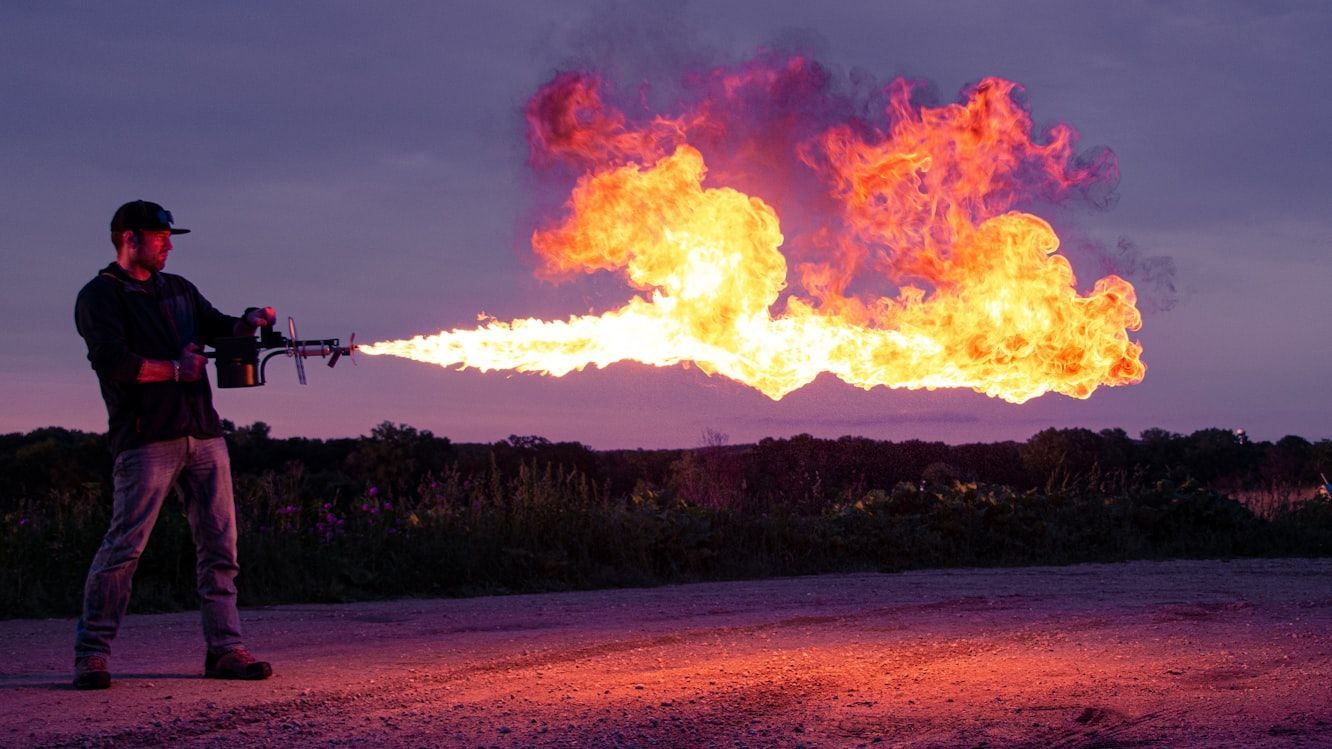
Owning a flamethrower

Image: Tali Despins

Surprisingly, there’s no federal law in the U.S. that bans civilian flamethrower ownership. However, a few states do impose restrictions; California and Maryland have strict laws prohibiting or regulating them.

Some companies even market flamethrowers for agricultural use, like controlled burns or weed clearing. But misuse of a flamethrower can lead to serious legal charges—for instance, arson, reckless endangerment, or other criminal or civil liabilities.

7
Ignoring someone knocking at your door

Image: Aaron Burden

No law requires you to open your door to anyone, including police, unless they have a warrant.

If you're pulled over while driving or stopped on the street, you’re generally required to comply with police instructions. But if you're inside your home with the door closed—and ideally locked—you’re under no obligation to respond at all.

8
Selling homemade food without a license

Image: Museums of History New South Wales

Most states require permits or inspections to sell food commercially. However, many states have "cottage food laws" that allow limited sales of certain homemade goods without a license.

But if you scale up beyond small-batch home production, you’ll likely face a citation—and a hefty fine—from the authorities.

9
Backyard burials

Image: Jennifer Grismer

Believe it or not, there’s no federal law against burying human remains on private property. Many states allow it, provided you have the proper paperwork, such as a death certificate and burial permit. Local zoning laws may regulate factors like location, depth, and proximity to water sources or property lines.

Similarly, pet burials are generally permitted, but local ordinances can vary —so it’s important to check them first.

10
Using a fake name online

Image: Sander Sammy

Unless it’s used for fraud or to impersonate a real person, using an alias on social media or online forums isn’t a crime.

Some platforms may prohibit it in their terms of service, but that’s a civil matter—not a criminal one. Legal issues generally arise only if the alias is used to cause harm, deceive others, or commit financial fraud.

11
Flying the U.S. flag at night without lighting

Image: Shelley Pauls

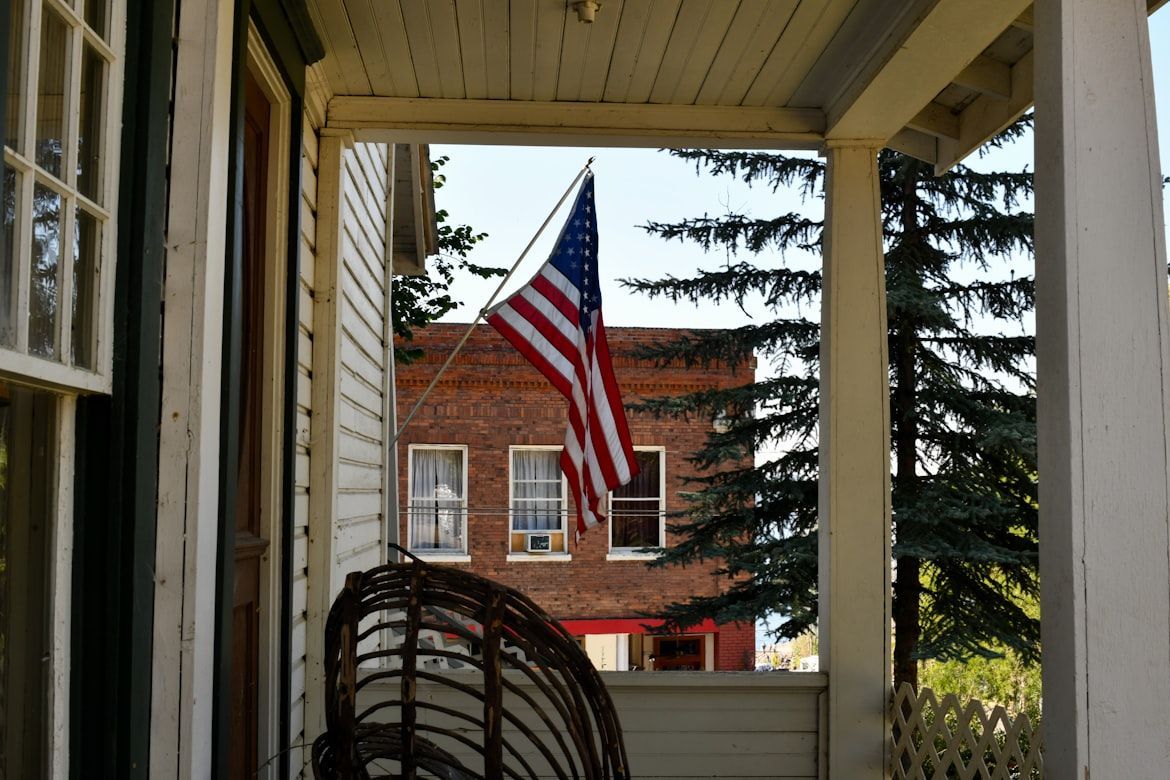
The U.S. Flag Code suggests that the flag should be illuminated if flown at night, but this is just a general guideline, not a legally enforceable law.

Stricter requirements may apply to government buildings, but for private citizens, the code is purely advisory and symbolic.

Explore more American facts

Choose your favorite category!

General
General

As American as apple pie—the very best America has to offer!

Culture
Culture

Delve into the astounding richness of American lore.

Geography
Geography

Hop in and explore vast and diverse American landscapes.

History
History

Discover the key moments that shaped the United States.