History History 6 min read

Game-changing inventions

Why were the digits 9-1-1 chosen? Inventions that changed everything
Image: Viktor Gladkov

We once lived in a world where banks closed by mid-afternoon, summer heat emptied entire cities, and no one quite knew how to call for help during emergencies. That was everyday reality for much of the 20th century, until a wave of practical inventions rewrote the rules. Breakthroughs like air-conditioning, ZIP codes, and barcodes started chain reactions that eventually reshaped our homes, habits, and economy. Here are ten inventions that changed ordinary life for good.

1
Credit cards
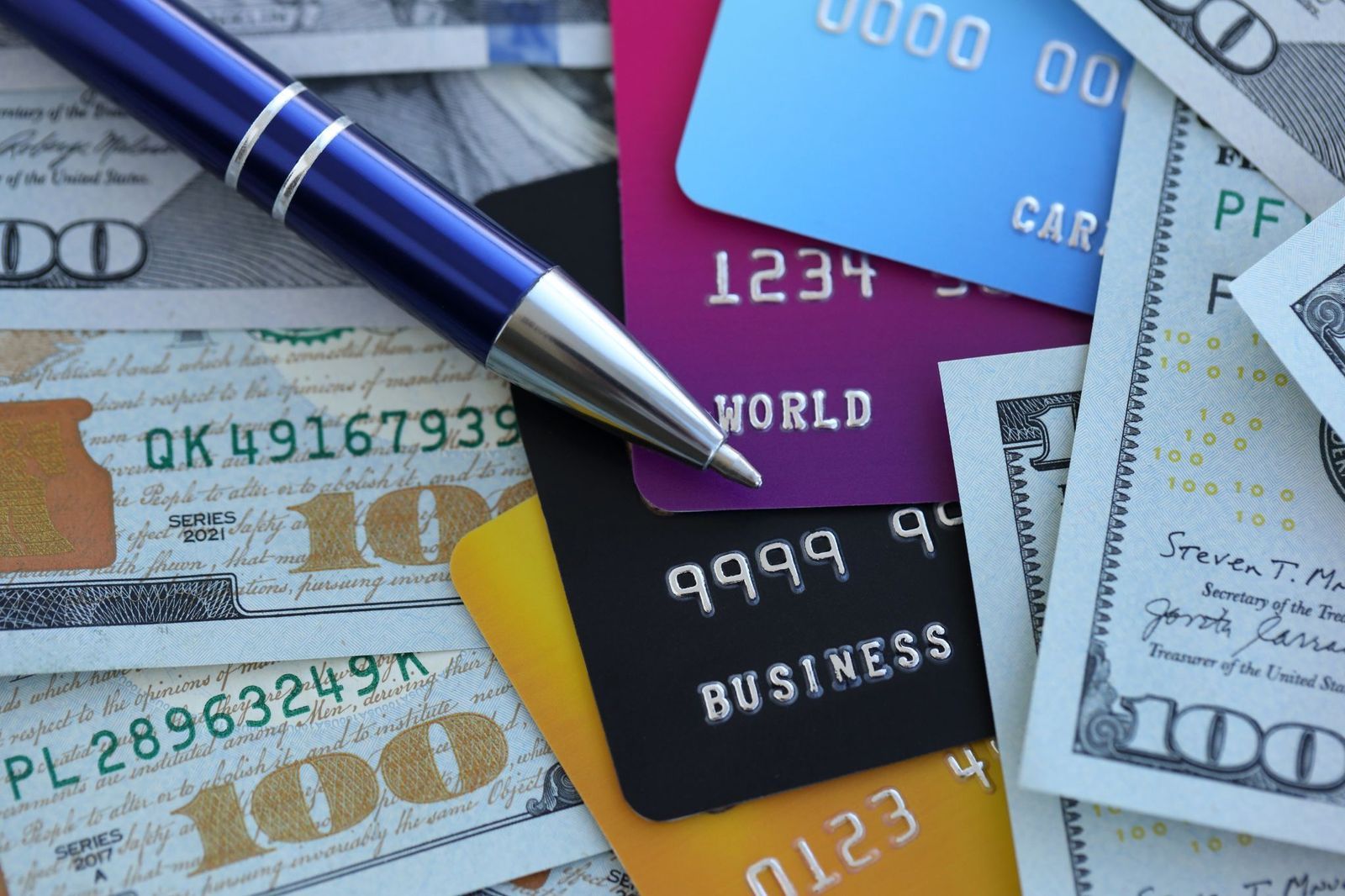
Image: Mehaniq

Before universal payment cards existed, some department stores and oil companies issued "charge plates" or "metal coins" to trusted customers. That was until 1949, when entrepreneur Frank McNamara forgot his wallet and couldn’t pay at a New York restaurant—inspiring him to create Diners Club, a paper charge card that required full settlements each month.

In 1958, Bank of America launched BankAmericard (now Visa), which introduced revolving credit that allowed balances to carry month-to-month. Credit cards cut the link between everyday purchasing and cash on hand , making people more likely to use their money. It changed social taboos around personal debt, and helped the post-WWII suburban boom by allowing families to finance home goods and travel. Credit cards established the consumer habits and financial networks that eventually led to modern e-commerce.

2
The 9-1-1 emergency number
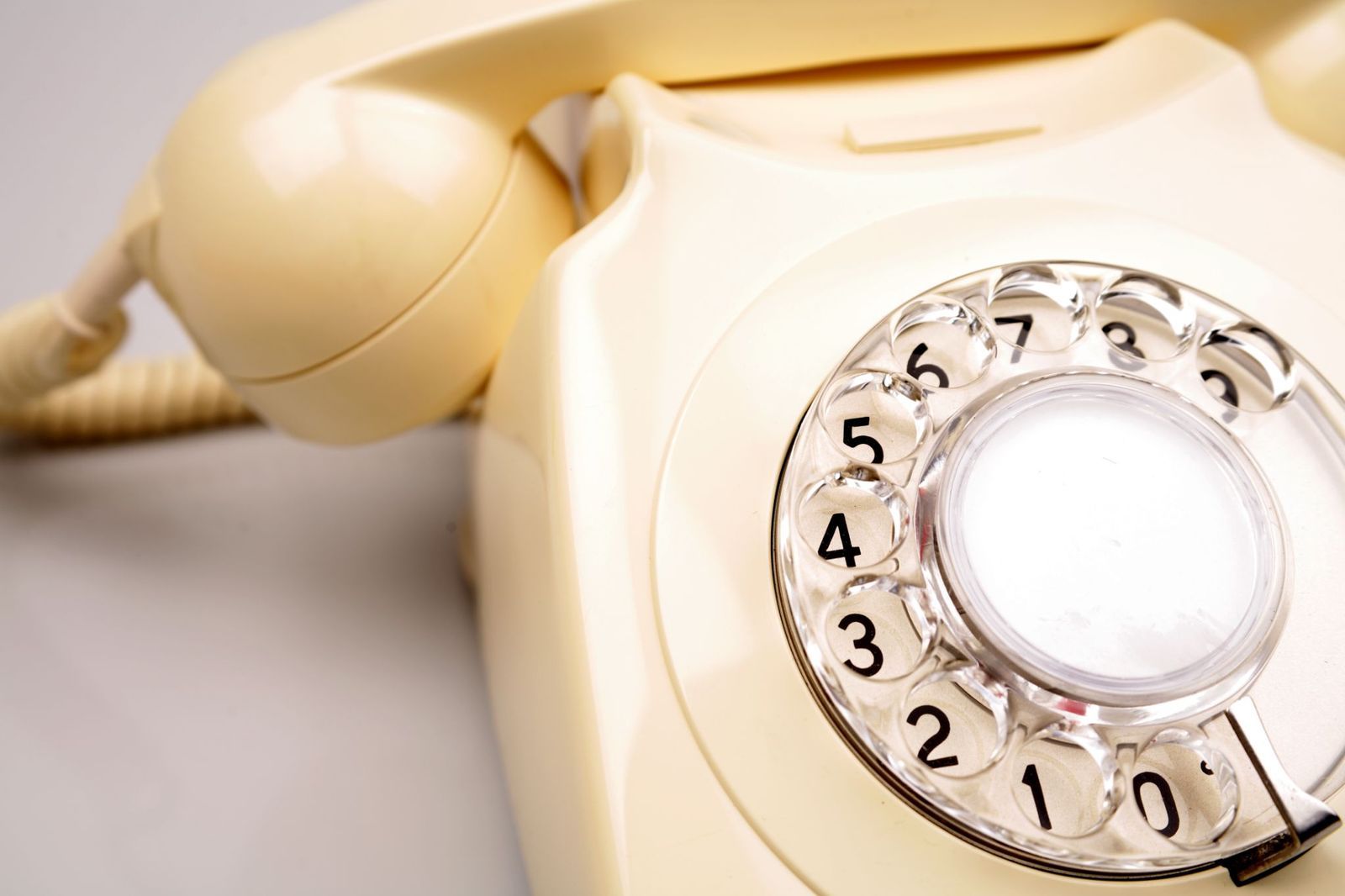
Image: STILLFX

Before a centralized emergency number existed, Americans in crisis had to dial zero for a telephone operator or look up and dial the local 10-digit phone number for their specific police precinct, fire department, or ambulance corps. In 1967, the President’s Commission on Law Enforcement recommended creating a single, easy-to-remember number for reporting emergencies nationwide.

In January 1968, AT&T announced it would reserve the digits 9-1-1 for emergency services. The number was chosen because it was short, easy to dial on rotary phones, and had never been used as an area code. The system drastically reduced response times and forced disparate public services to organize their dispatch centers. It also ingrained a safety standard that could be easily taught to children and save lives.

3
Air conditioning

Image: moo photograph

Heat in the city was once a huge problem. Before modern climate control, intense summer heat crippled industrial output and emptied cities, dictating migration patterns during the season. In 1902, Willis Carrier designed the first electrical air conditioning system to control humidity for a Brooklyn printing plant. By the 1920s, movie theaters adopted climate control to attract summer crowds, and by 1947, mass-produced window units brought affordable cooling into people’s homes.

Air conditioning made hot southern climates livable year-round. This drove a massive demographic shift, with millions migrating toward the Sun Belt . It transformed housing architecture; social life moved indoors and away from traditional porches. Beyond home comfort, ACs expanded the production possibilities for industrial manufacturing and, more recently, for modern server farms.

4
Barcode checkout
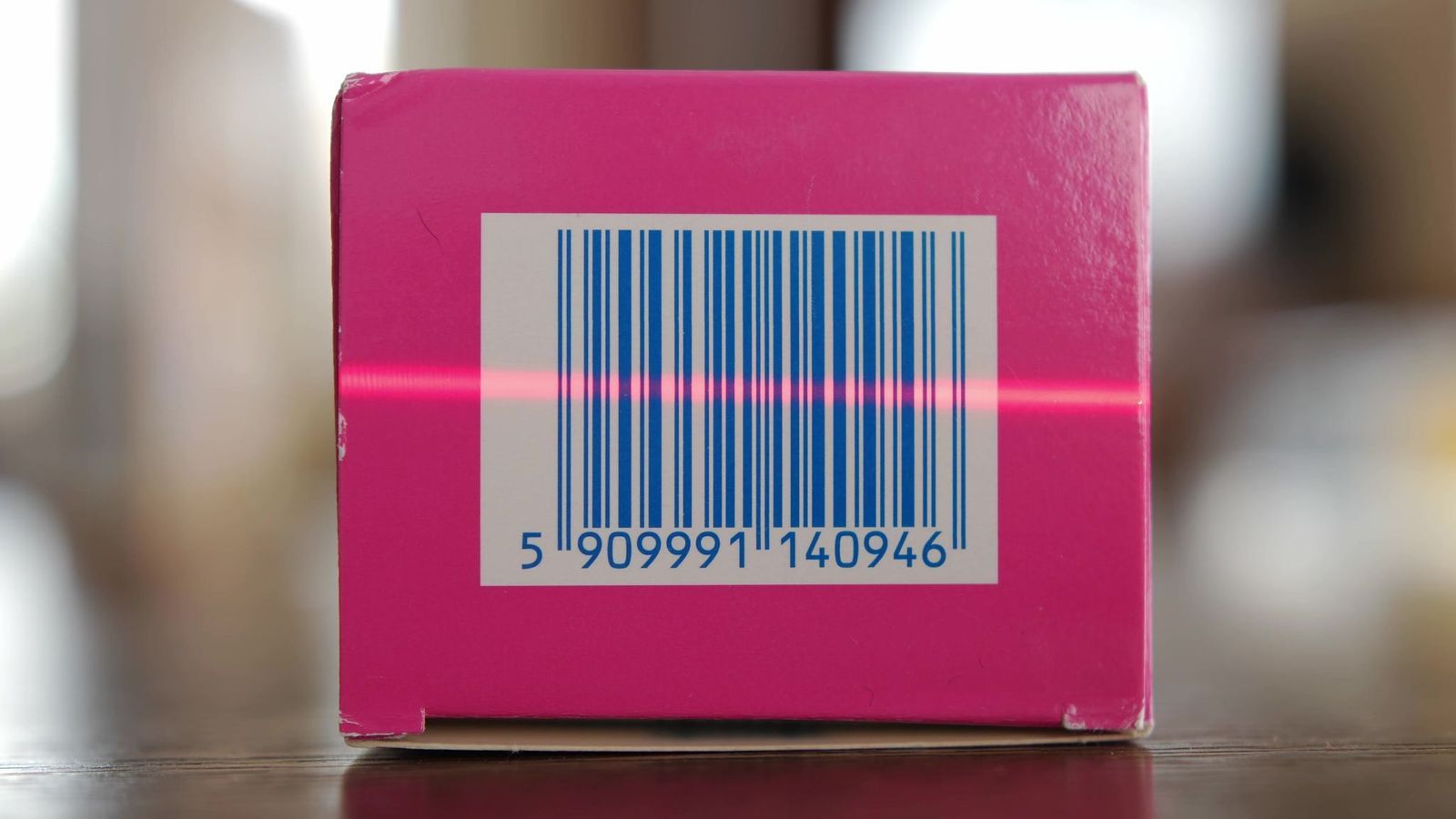
Image: maradek

The concept of the barcode was patented in 1952 by the pair of engineers Norman Joseph Woodland and Bernard Silver. Woodland observed that the dots and dashes used in Morse code could be elongated to form lines and bars; from this, they created a new system to graph a code. But the technology to scan these patterns affordably didn’t exist yet.

The breakthrough came in the early 1970s when the grocery industry adopted the rectangular Universal Product Code (UPC) format and combined it with new laser scanning technology. Fast checkouts and real-time stock tracking revolutionized retailers; codes easily registered what was selling, enabled automated reorders, and so helped the growth of modern big-box retail giants like Walmart.

The first barcode scanned on a commercial product, in 1974, was on the back of a 10-pack of Wrigley’s Juicy Fruit chewing gum, now preserved at the Smithsonian.

5
ZIP codes
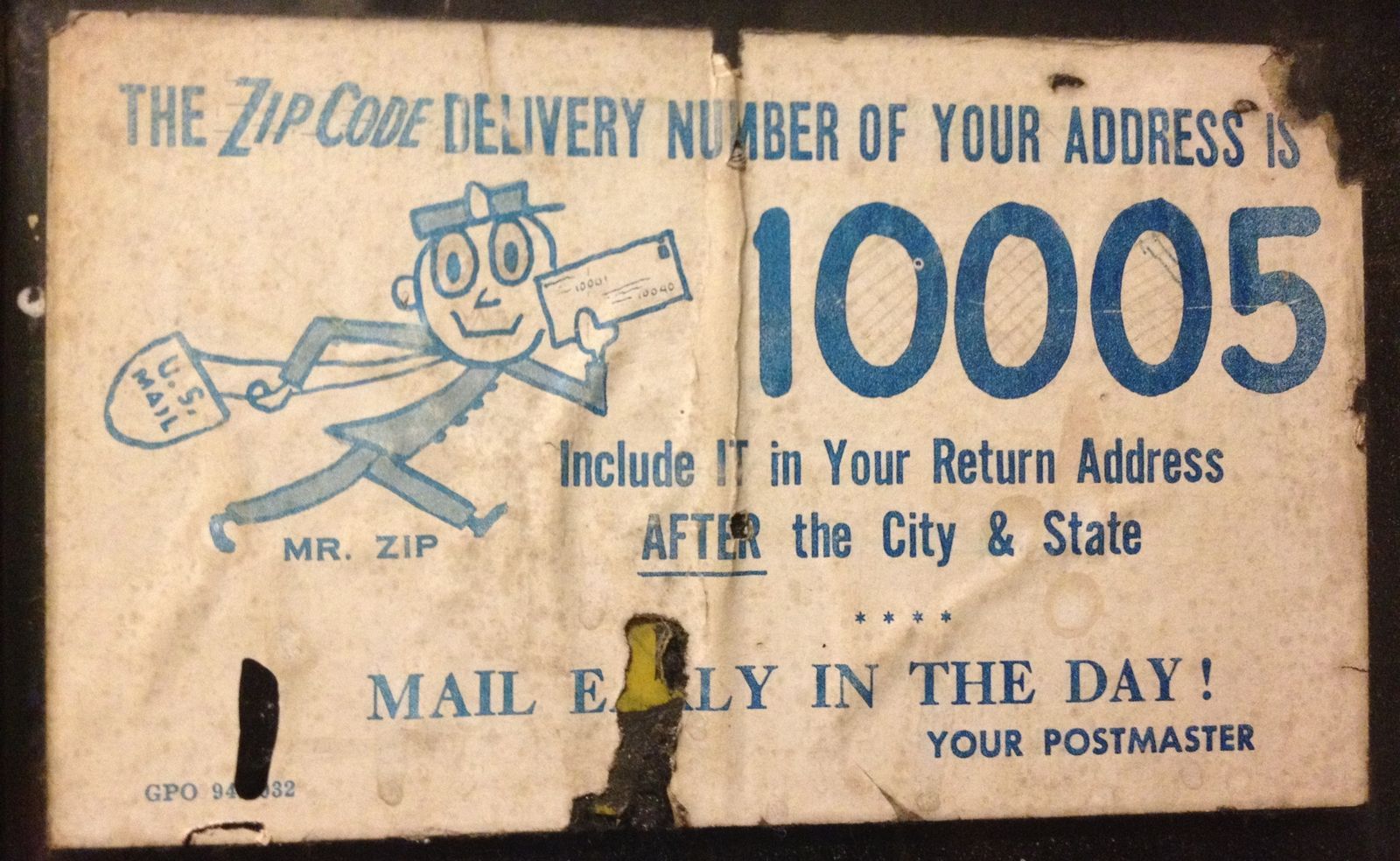
Image: Brianga, CC BY-SA 3.0, via Wikimedia Commons

By 1960, skyrocketing post-war mail volume overwhelmed manual sorting systems in post offices. To eliminate severe delays, the U.S. Post Office introduced the five-digit ZIP (Zone Improvement Plan) Code on July 1, 1963. The numerical sequence organized the country into clear regions, sorting hubs, and local delivery zones. To promote it, they used the cartoon mascot Mr. ZIP.

ZIP codes transformed postal sorting into an automated, machine-readable system that accelerated package and letter delivery. The codes redefined social and geographic identity. Eventually, codes started shaping real estate values and school districts. The same framework was ultimately used for targeted direct-mail marketing and modern e-commerce delivery networks.

6
Interstate highways
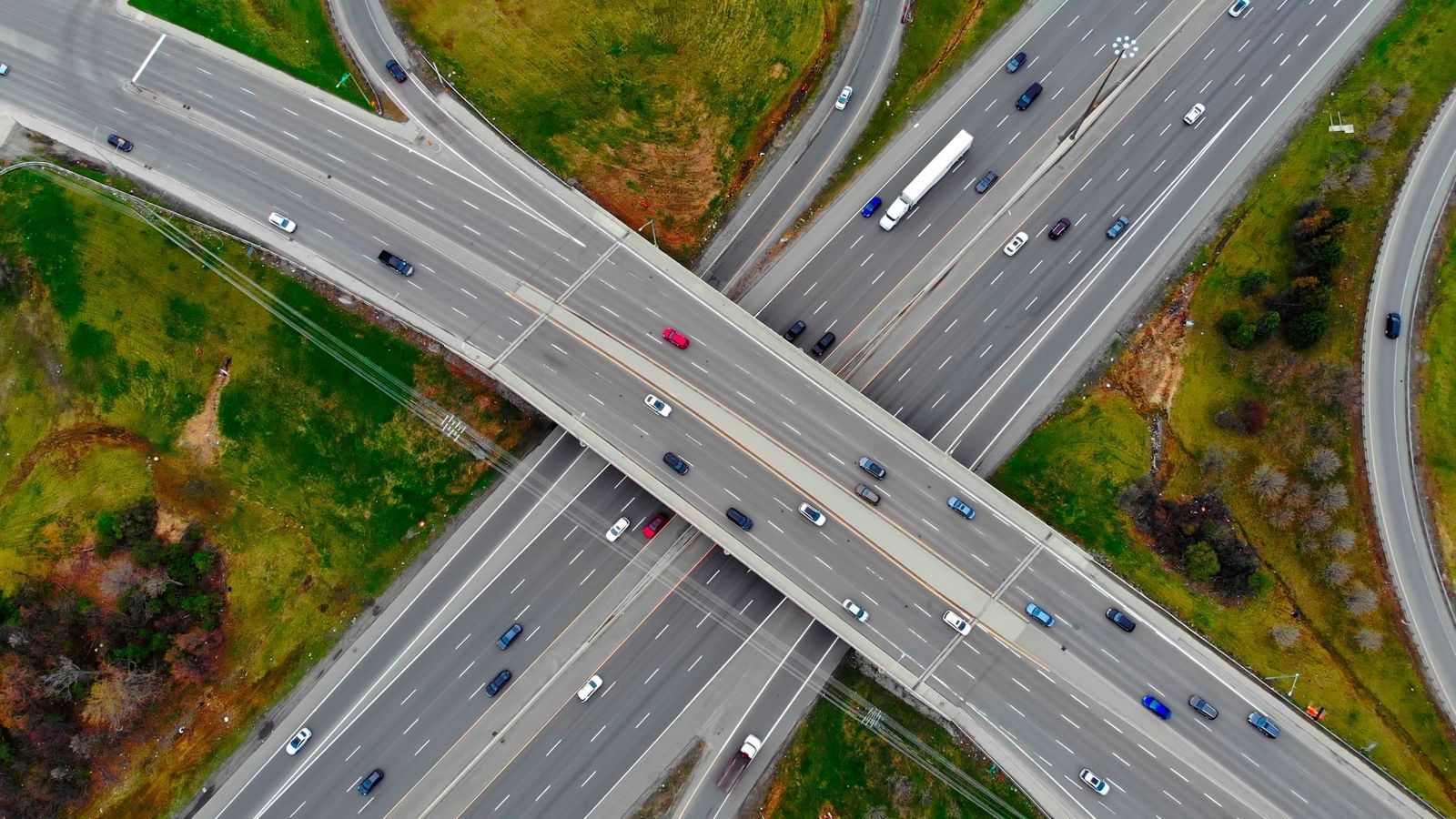
Image: I.K.Media

Before the 1950s, cross-country driving meant navigating slow, two-lane roads and town traffic. That changed when President Dwight D. Eisenhower signed the Federal-Aid Highway Act of 1956. This launched the construction of a 41,000-mile high-speed highway network designed for efficient commercial transport and national defense.

The Interstate Highway System slashed travel times. Long-distance trucking was transformed, and supply chains expanded. It also helped accelerate the mass migration to the suburbs, since workers could commute easily into city centers. The system also gave birth to car culture, roadside motel chains, gas station spots, and fast-food empires.

7
Microwave ovens
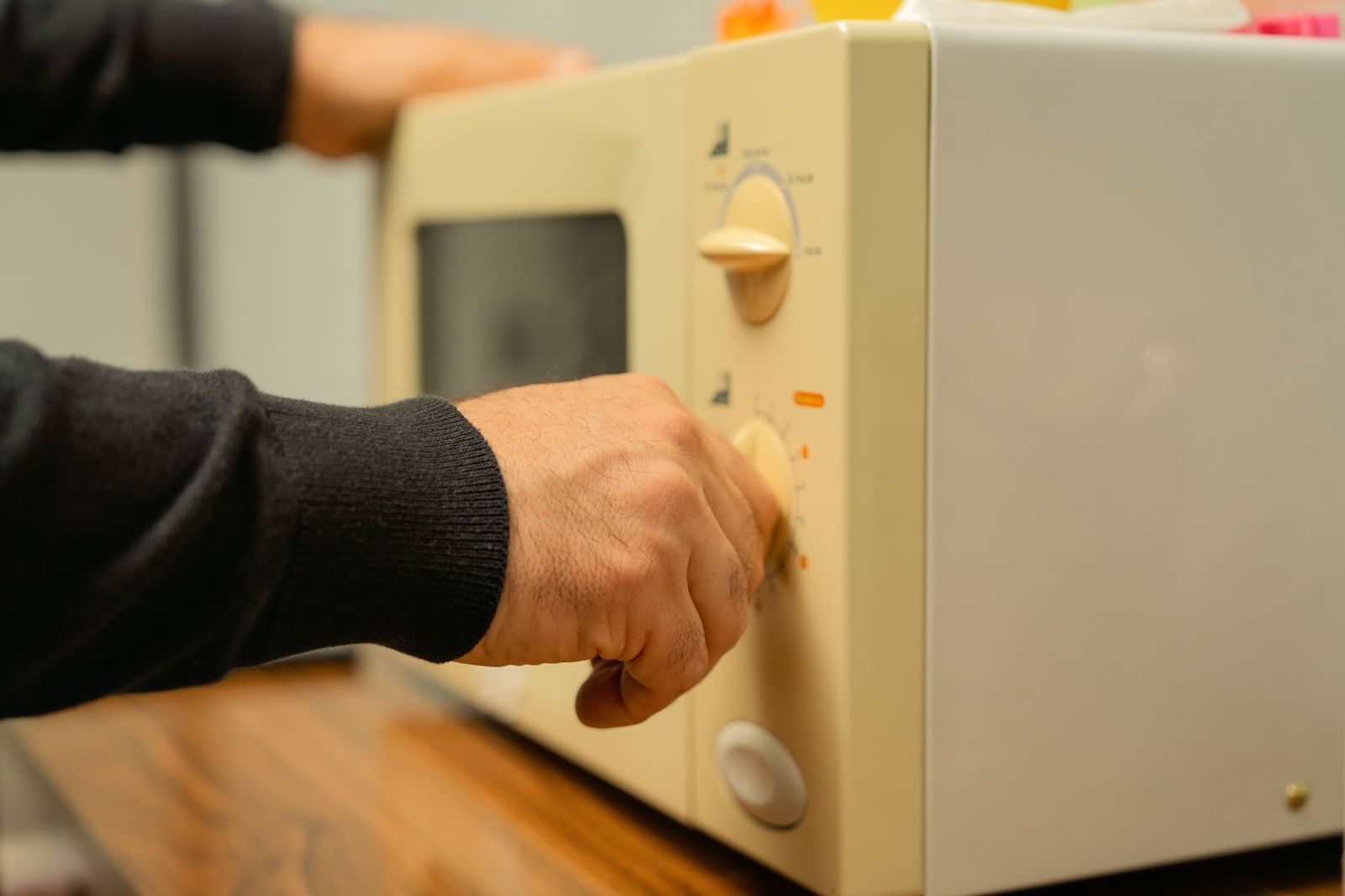
Image: edualonso

The technology behind the microwave was discovered by accident in 1945 by Raytheon engineer Percy Spencer. While working on active radar sets, Spencer noticed that micro electromagnetic waves had melted a candy bar in his pocket. After testing popcorn and an egg, Spencer filed the patent for microwave cooking.

Raytheon introduced the first commercial microwave oven in 1947, called the Radarange, but it was massive and cost $5,000 (around $60,000 today). In the 60s, countertop models were made affordable and revolutionized home cooking, allowing meal preparation and popularizing "TV dinners". This crucial boon in household efficiency coincided with the massive influx of women into the full-time workforce in the 70s and 80s.

8
ATMs
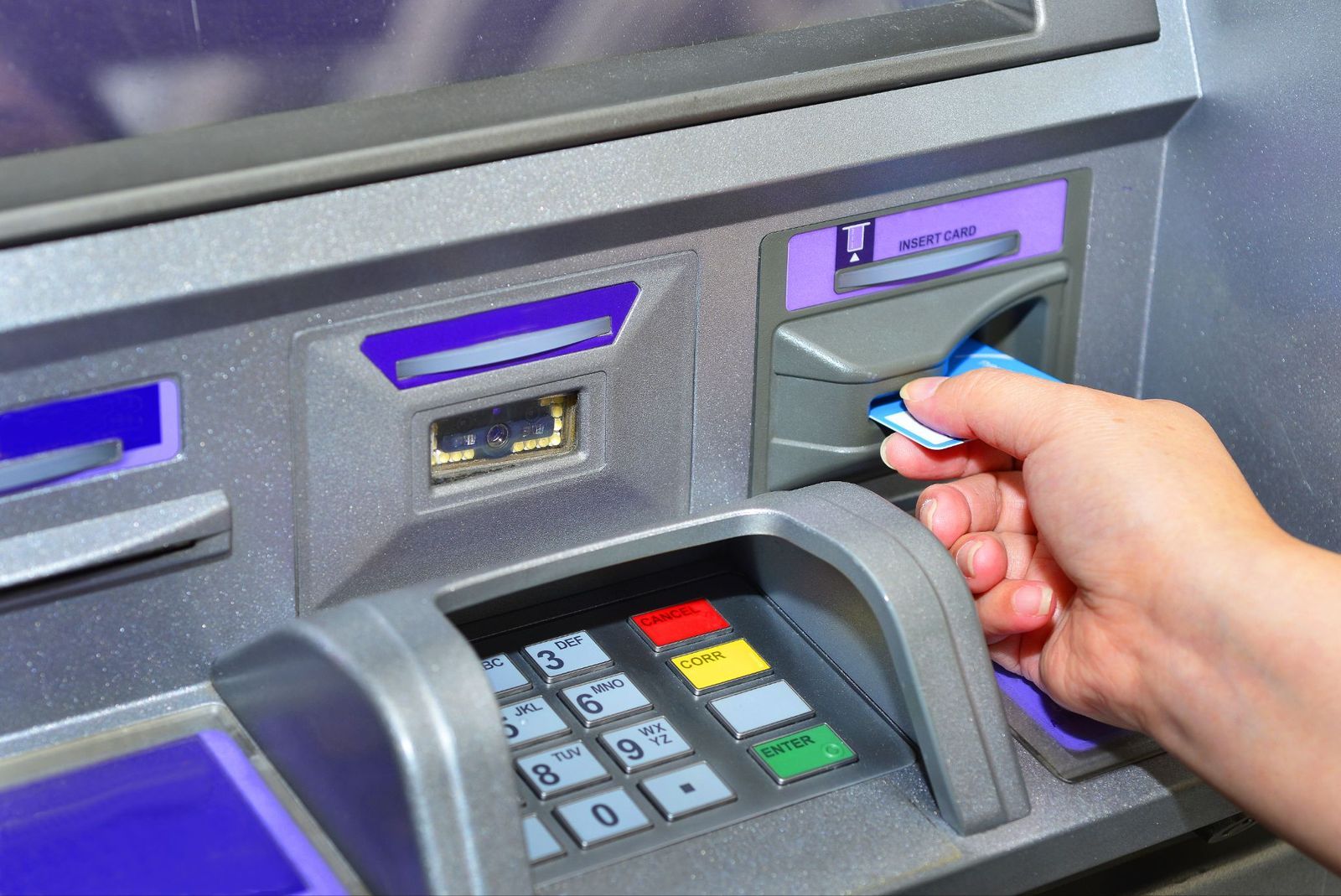
Image: i viewfinder

Until the late 60s, people could only access cash within strict "bankers' hours." This sometimes meant standing in long lines before mid-afternoon branch closures. That changed in 1969, when Chemical Bank installed the first U.S. Automated Teller Machine (ATM) in Rockville Centre, New York.

Once they spread around the country, ATMs granted 24/7 access to personal finances. Interbank networks allowed consumers to withdraw funds nationwide, which propelled retail spending. ATMs also reduced branch operating costs for banks, prompting them to expand locations; many original tellers shifted to customer service and became financial advisors.

9
Restaurant drive-throughs
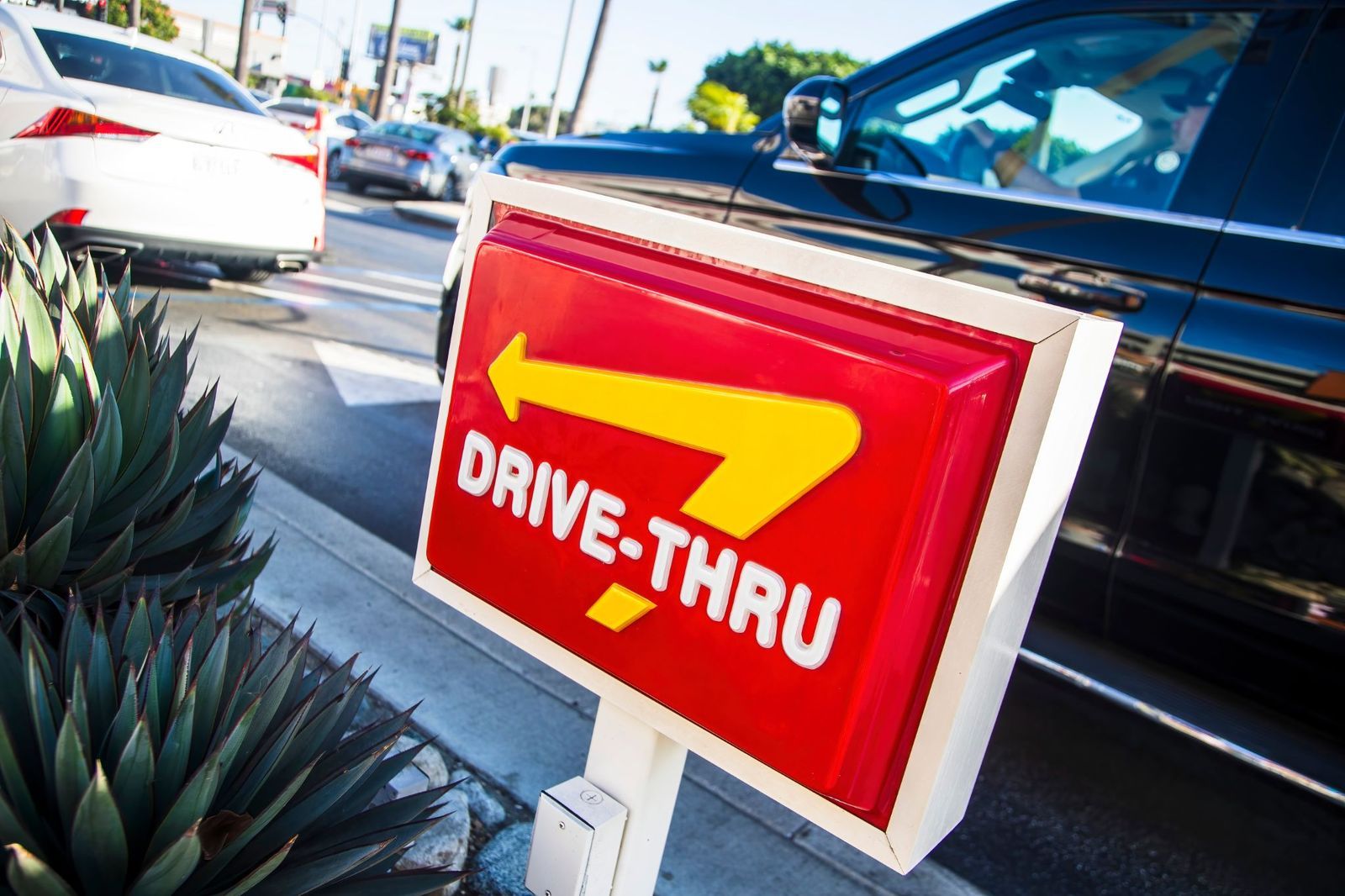
Image: Karolis Kavolelis

In 1948, Harry and Esther Snyder opened the first In-N-Out Burger in California, equipped with a two-way speaker system, a pioneering technology that allowed drivers to order, pick up food, and leave without exiting their vehicles. Before this, many restaurants had relied on carhops at drive-in restaurants, where waiters walked orders to parked cars.

While In-N-Out introduced the speaker system, Jack in the Box commercialized the pure drive-through format in 1951, operating locations without dine-in seating. Other chains, like McDonald’s, later adopted the same system. Drive-thrus went hand-in-hand with the required fast pace of the venues, and became an example of architecture and layout being adapted to prioritize vehicles. Today, drive-throughs account for roughly 70% of total sales for major fast-food chains in the country.

10
Portable cell phones
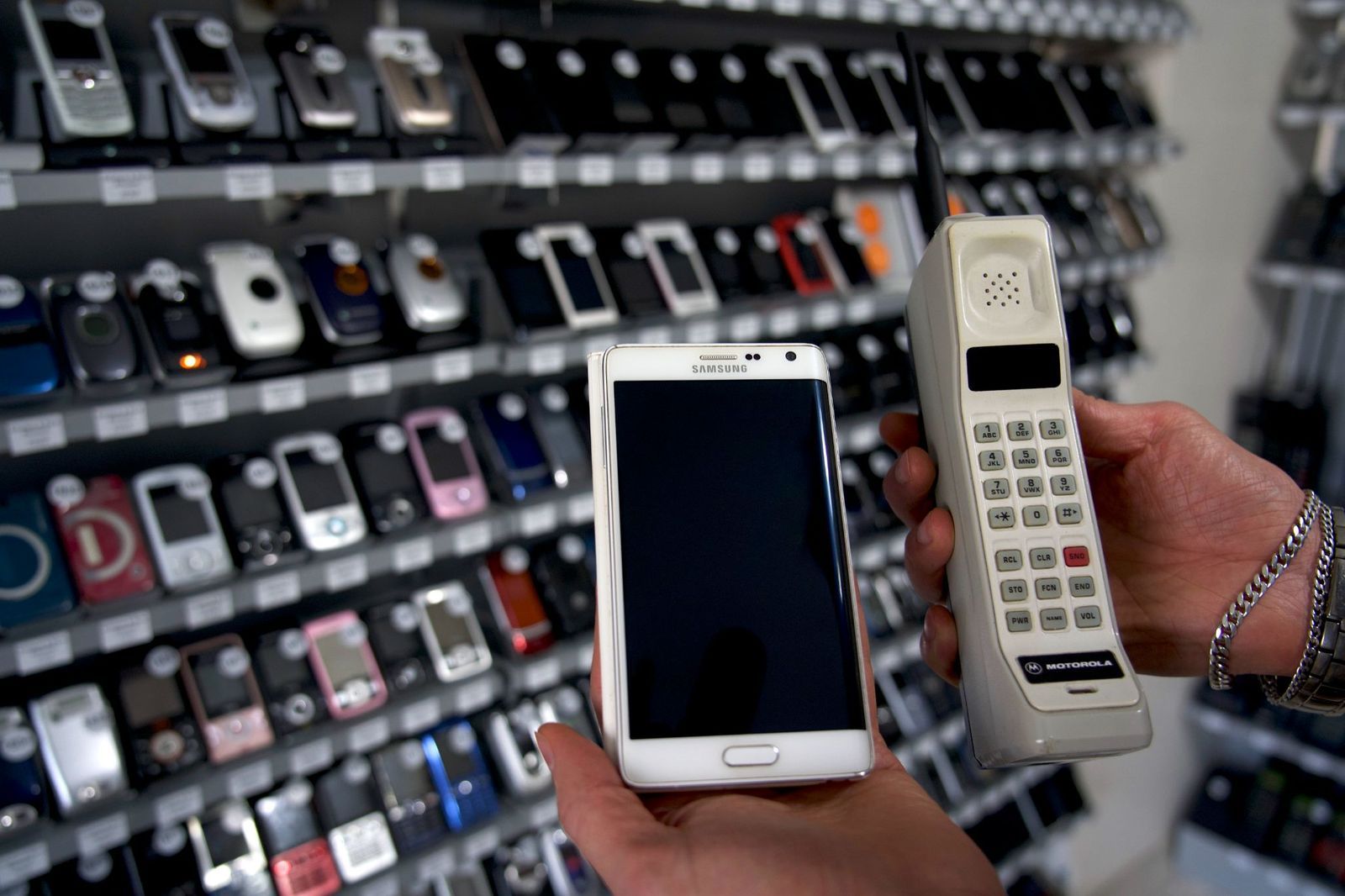
Image: Umut Çolak, Public domain, via Wikimedia Commons

Portable phones already existed by the 50s, but were so heavy and expensive that they could only be housed in car trunks; only government or emergency services had access to this tech for mobile communication. On April 3, 1973, Motorola engineer Martin Cooper made the first public handheld mobile call on a Manhattan street corner. He called his rival at AT&T’s Bell Labs to announce that Motorola had beaten them to personal portability.

Another decade of developments later, in 1983, Motorola commercially released the DynaTAC 8000X, nicknamed "The Brick." During the 1990s, smaller flip phones and affordable prepaid plans allowed millions of people to carry phones in their pockets. By the end of the decade, the culture of constant reachability was setting in. Boundaries between professional and personal hours dissolved. Phones went from location-based landlines to devices for individual users, which established the networks and daily habits that gave way to today's smartphone-driven world.
Culture Culture 5 min read

Why does Japan eat KFC for Christmas? The answer will shock you!

Image: Nixx Photography

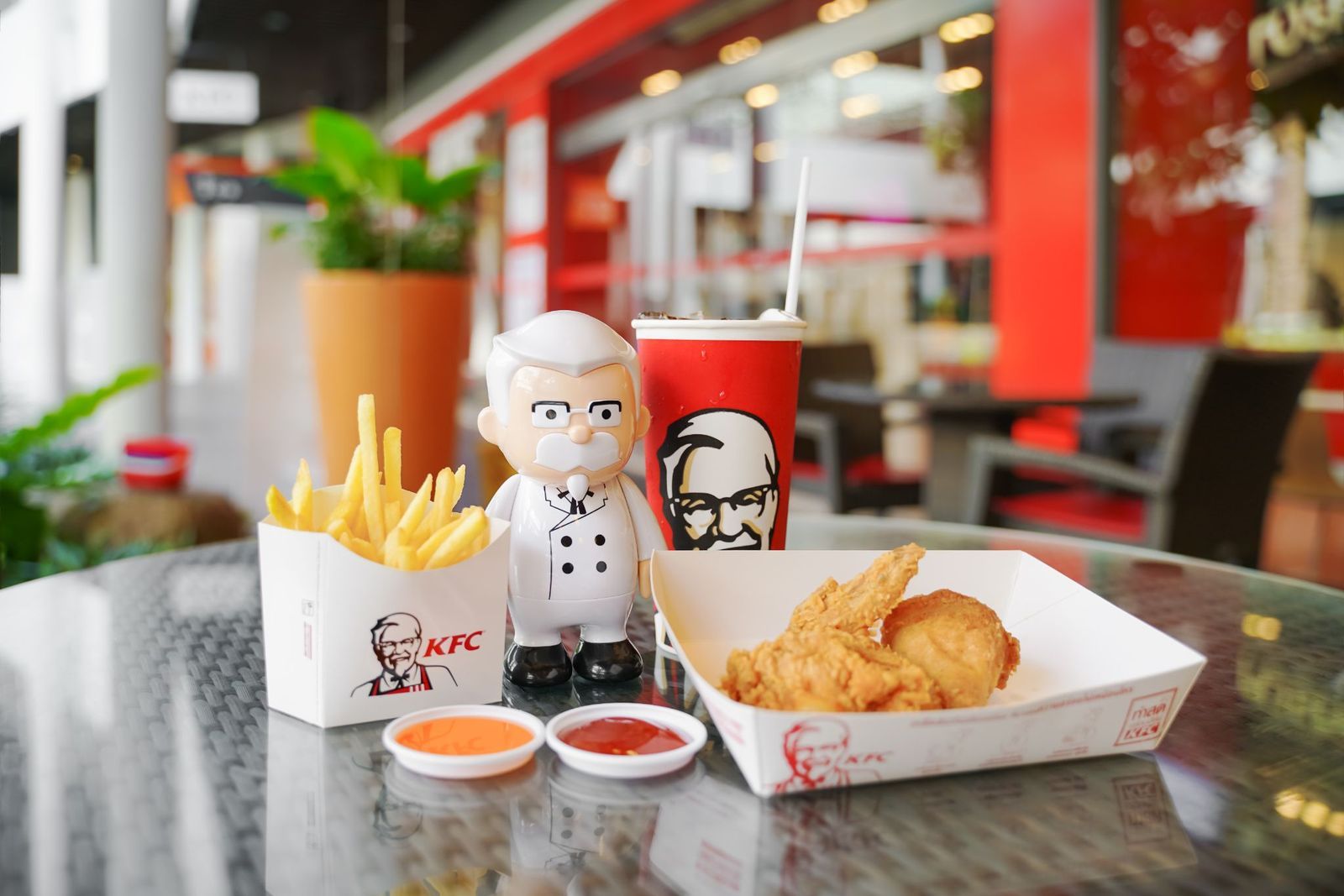
When you think of fast-food royalty, few figures are as universally recognizable as Colonel Harland Sanders. With his iconic white suit, black string tie, and goatee, his image is plastered across tens of thousands of Kentucky Fried Chicken (KFC) locations around the globe. Yet, behind that grandfatherly smile lies a corporate history filled with drama, secret recipes, and unusual marketing decisions. Here are 10 mindblowing facts about KFC and its legendary founder.

1
A rivalry becomes a business success

Image: Unclear, likely someone from the family of Colonel Sanders, Public domain, via Wikimedia Commons

During the Great Depression, Harland Sanders ran a humble Shell station in Corbin, Kentucky. Back then, business was cutthroat, and Sanders found himself in a bitter feud with Matt Stewart, a rival gas station owner who kept painting over Sanders’ highway signs to redirect traffic. After several warnings went unheard, Sanders marched over to confront Stewart.

When Stewart was caught in the act, a physical confrontation quickly escalated. Stewart drew a pistol and shot a Shell manager who was accompanying Sanders, killing him on the spot. Sanders retaliated by firing back and wounding Stewart, who was later arrested and sentenced to prison for murder. With his main competitor safely behind bars, Sanders was able to expand his service station, perfect his pressure-frying method, and ultimately transform his business into a massive commercial success.

2
The KFC you know today exists thanks to Wendy’s

Image: Pavlovska Yevheniia

Although you may view KFC and Wendy’s as distinct competitors, the reality is that the chicken giant owes its structural identity to Dave Thomas, the founder of Wendy’s. In the 1960s, Thomas worked as a head chef and regional manager for the Colonel’s franchises.

He was a marketing whiz who personally convinced Colonel Sanders to star in his own television commercials, cementing his status as a living mascot. Furthermore, Thomas created the iconic red and white striped bucket design. He became so wealthy from his shares and success at KFC that he used his payout to establish his own burger empire, Wendy’s, in 1969.

3
The secret recipe's security

Image: Patcharaporn Puttipon4289

The legendary blend of "11 herbs and spices" is one of the most famously guarded secrets. Did you know KFC keeps the recipe locked inside a top-secret vault at the corporate headquarters in Louisville, Kentucky?

The vault, encased in thick layers of concrete, is protected by motion sensors, security cameras, and 24/7 guards. To ensure the formula is never leaked, KFC splits the production pipeline: two different companies are hired to mix separate halves of the spice blend. Neither company knows the other's ingredients, and a computer system automatically combines the two halves before the seasoning is shipped out to individual franchises.

4
KFC for Christmas in Japan

Image: Tricky_Shark

In the United States, a Christmas dinner consists of roasted turkey or ham. In Japan, however, Nativity food comes in a cardboard bucket. This wild tradition dates back to 1974, sparked by Takeshi Okawara, the manager of the country's first KFC branch.

After overhearing homesick Western expats lamenting how difficult it was to source a holiday turkey in Japan, Okawara launched the national "Kentucky for Christmas" campaign, which exploded into a cultural phenomenon. Today, an estimated 3.6 million Japanese families celebrate Christmas Eve with KFC, with patrons placing their orders months in advance to avoid long lines.

5
Colonel Sanders hated KFC

Image: WayneRay, CC BY-SA 4.0, via Wikimedia Commons

By 1964, 73-year-old Colonel Snaders felt he was no longer cut out for the pace of corporate life. He sold the Kentucky Fried Chicken company to a group of investors for $2 million, under a contract that allowed the brand to continue using his likeness.

As executives changed the original recipes to cut costs, Sanders grew to hate the food KFC was serving. He began travelling the country, showing up unannounced at franchises to taste the food, throw public tantrums, and openly tell the media that the new gravy tasted like "wallpaper paste" or "sludge". He even attempted to open a rival restaurant and sued KFC for using his image, leading the company to counter-sue him. Eventually, KFC paid him an additional million dollars just to stop making public scenes.

6
KFC Double Down

Image: Boyloso

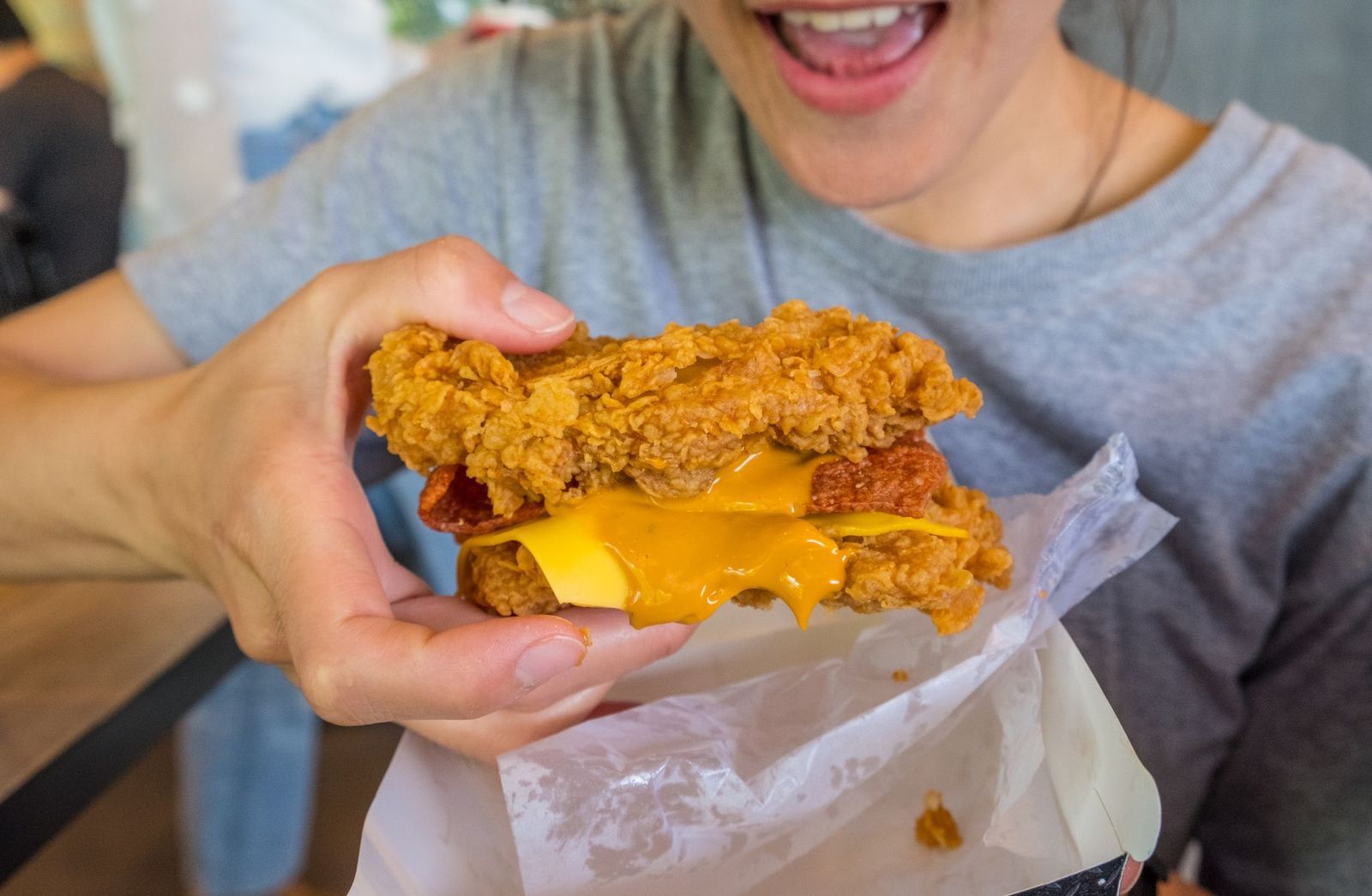
KFC has never been afraid of pushing nutritional boundaries, but in 2010 they certainly hit another level. The Double Down features bacon, Monterey Jack cheese, and a Colonel's special sauce encased between two seasoned, crispy slabs of fried chicken breast instead of bread buns.

The item sparked a media frenzy, with health advocates calling it a dietary disaster and foodies treating it as a dare. Ultimately, it proved to be a commercial hit. As it turns out, when it comes to extreme fast food, consumers are more than willing to ignore the carbs in favor of deliciousness.

7
That time KFC ran out of chicken

Image: richardjohnson

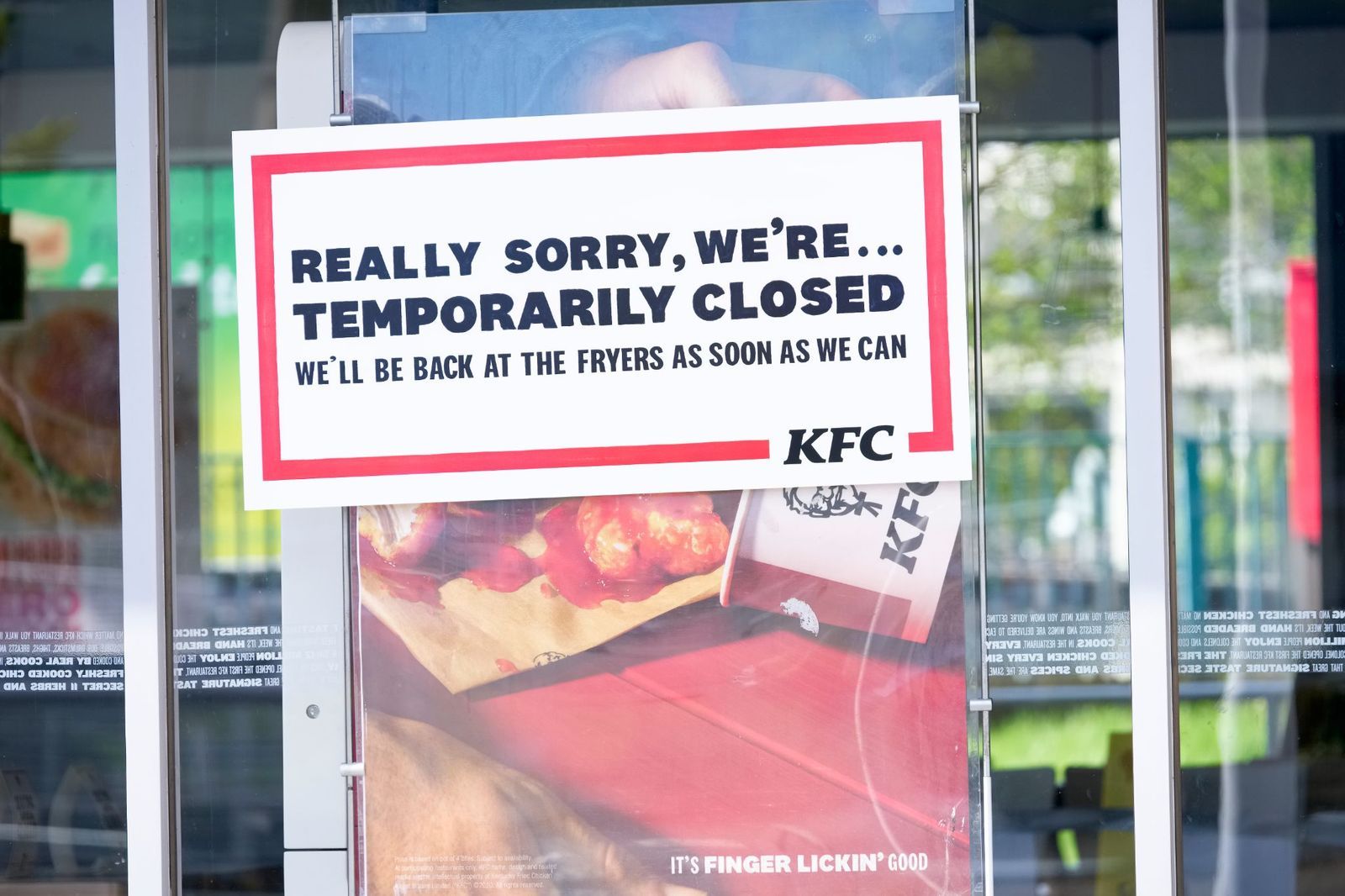
A fried chicken restaurant running out of its main ingredient sounds like a nightmare, but in 2018, it became real for KFC in the United Kingdom. In an effort to optimize logistics and save money, management switched its delivery contract to DHL. The transition went completely wrong, resulting in a supply chain jam that left over 900 UK locations with no chicken to fry.

Hundreds of stores were forced to shut down temporarily, sparking nationwide outrage, with desperate citizens even calling the police to complain. KFC managed to restore its reputation by leaning into self-deprecating humor, purchasing newspaper advertisements that featured an empty bucket rearranged to read "FCK".

8
The problem with the slogan in Chinese

Image: Patcharaporn Puttipon4289

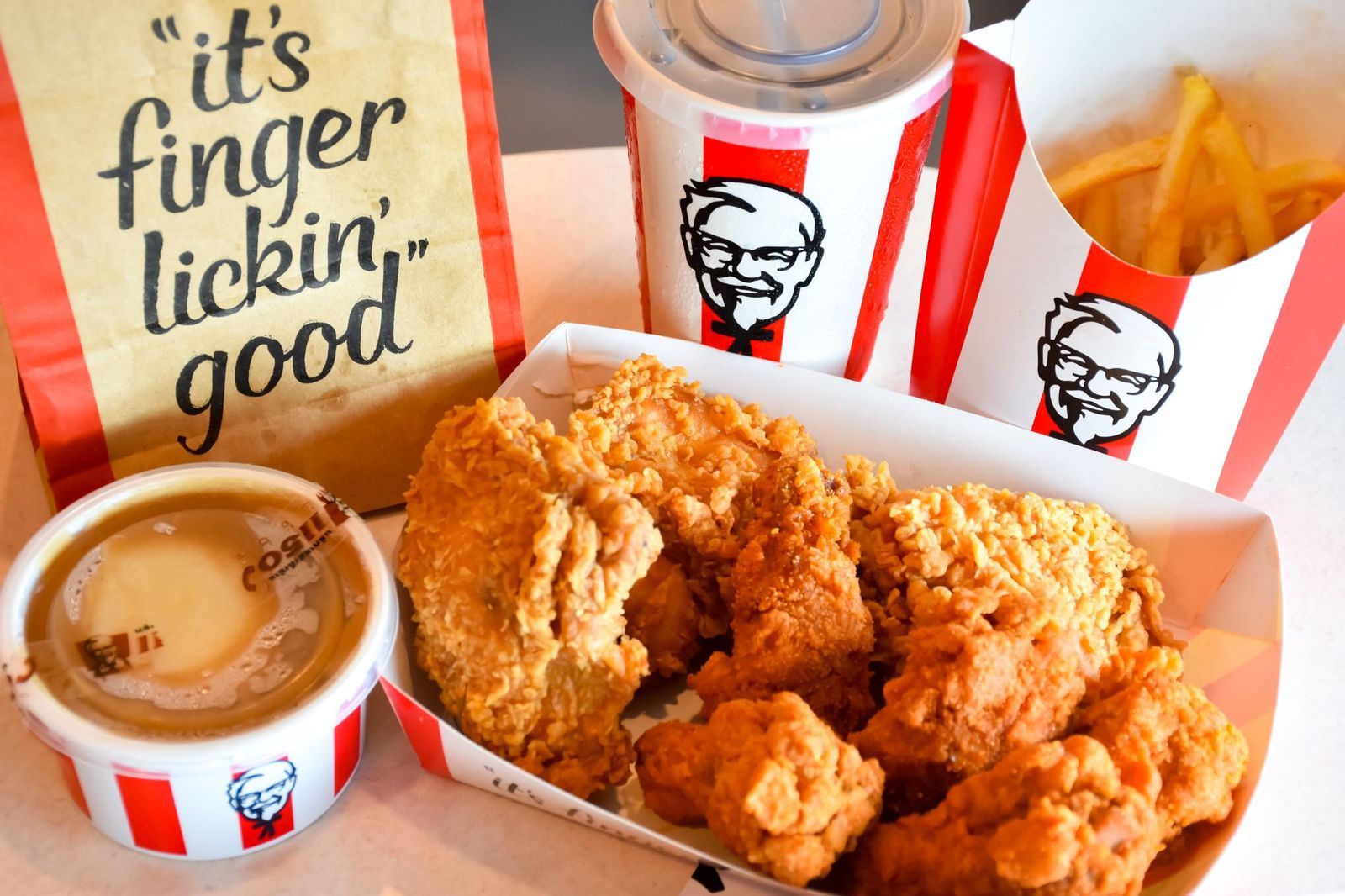
When international fast food brands began expanding into foreign territories in the late 1980s, errors were very common. KFC experienced this firsthand when it opened its first store in Beijing, China, in 1987. The company wanted to proudly display its world-famous catchphrase, "Finger-Lickin' Good", to tempt local diners.

Unfortunately, due to an oversight in Mandarin translation, the slogan was literally translated to "Eat Your Fingers Off". While the phrase initially startled and amused local consumers, the brand quickly corrected the translation mishap to something more culturally appropriate and appetizing.

9
KFC's video game

Image: Ratana21

Decades after the Colonel’s passing, KFC’s marketing division decided to lean into modern internet subcultures. In 2019, the brand shocked the gaming community by releasing an official, anime-style video game titled I Love You, Colonel Sanders! A Finger Lickin’ Good Dating Simulator.

Developed as a visual novel, the free game places the player in a culinary school alongside a young and handsome romanticized version of Colonel Sanders. The goal of the game is to successfully navigate cooking school battles while attempting to woo the chicken chef. Against all odds, the game became a viral sensation.

10
KFC releases its own console

Image: Pixel-Shot

Following the unexpected success of their video game, KFC’s marketing team announced the KFConsole in 2020. Many assumed it was an April Fool’s joke, but it turned out to be a genuine gaming PC.

The most bizarre feature of the console is its custom "Chicken Chamber". This specialized compartment uses the heat generated by the computer’s internal components to keep pieces of fried chicken warm and crispy while you play video games.

Culture Culture 5 min read

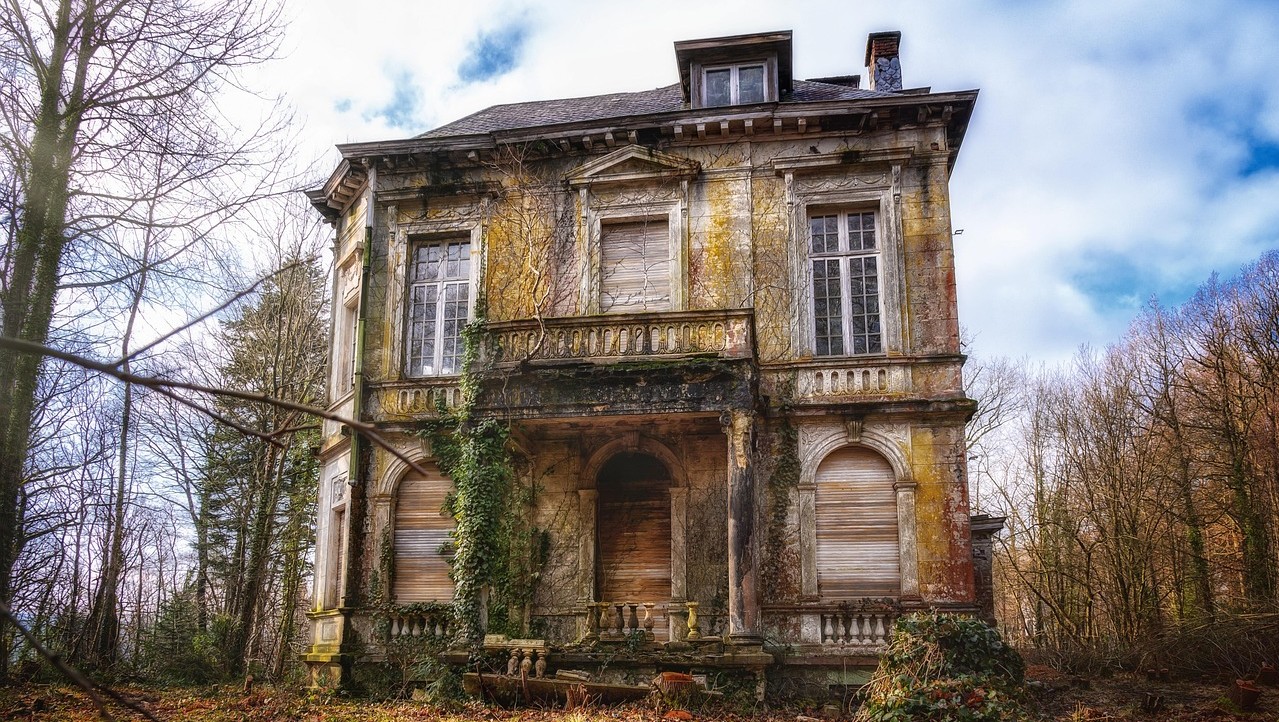
Why do these 10 magnificent American estates now stand in ruins?

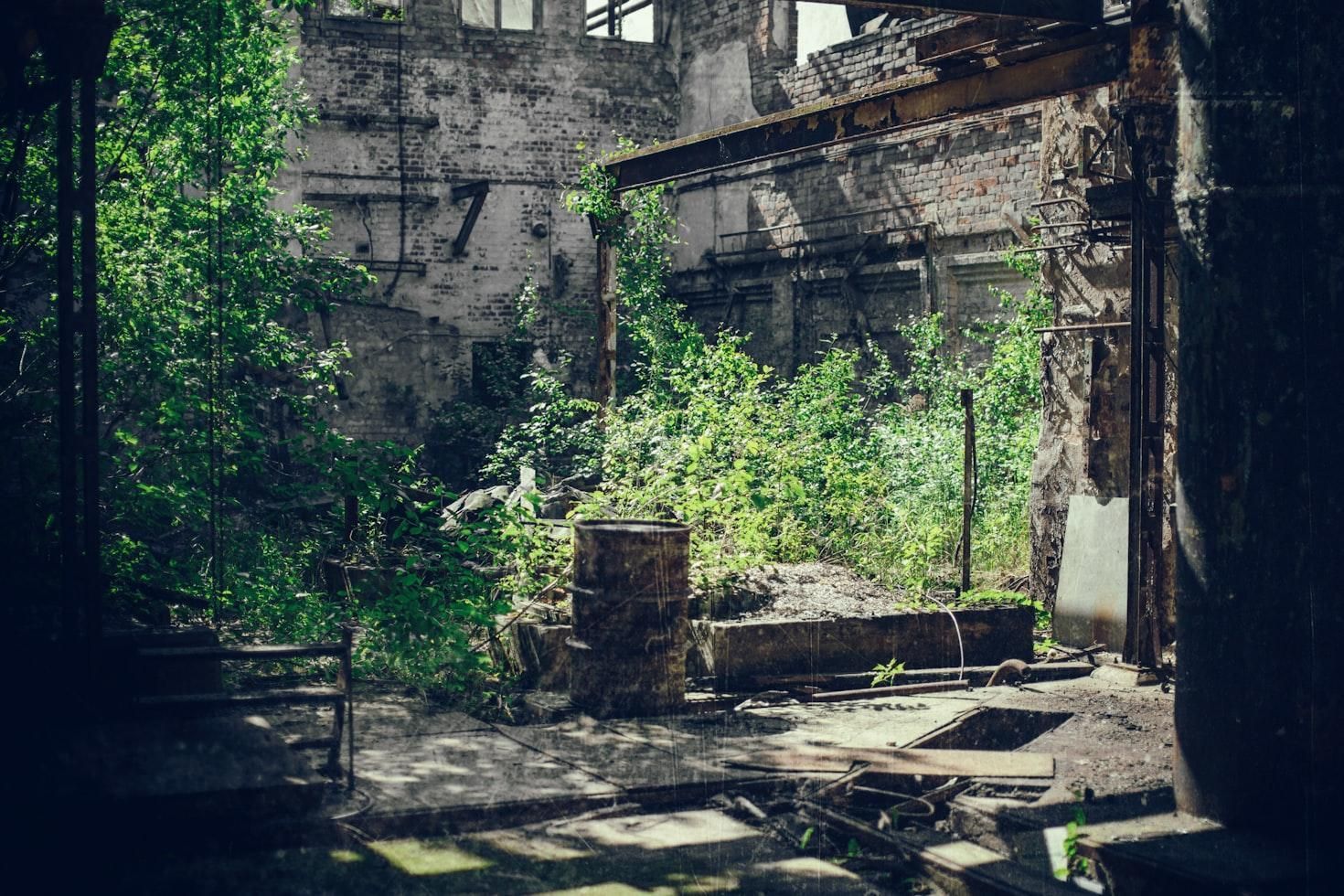
Image: Tama66

Beyond the manicured lawns of modern suburbs and the gleaming glass of city centers lie the skeletal remains of America’s Gilded Age and eccentric architectural dreams. These abandoned mansions, once symbols of immense wealth or unbridled ambition, now serve as monuments to the passage of time. Whether they were built for defense, ego, or artistic expression, these 10 sites stand as beautiful reminders of the people who once dared to dream about eternity. Would you like to know more? Continue reading!

1
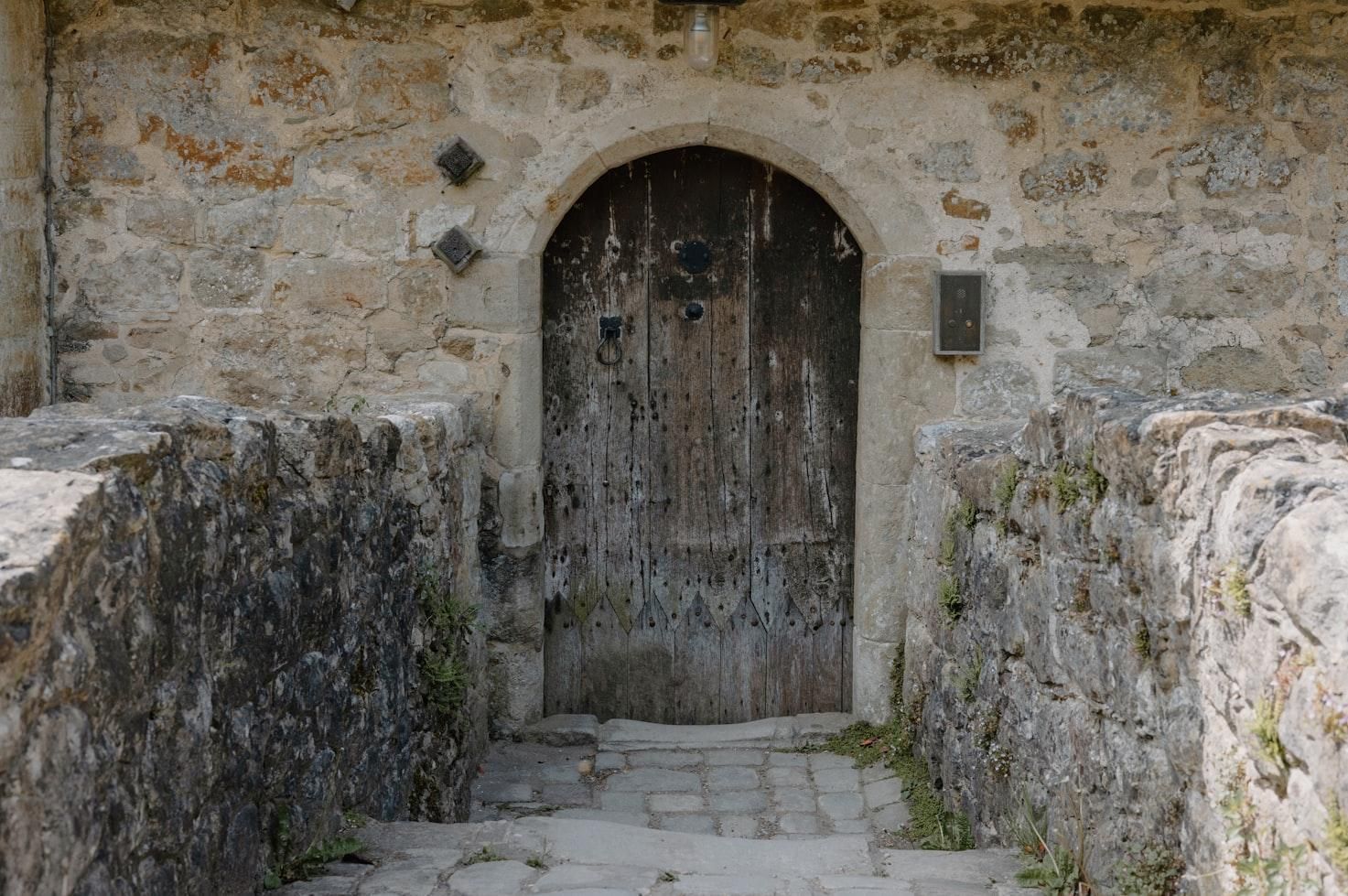
Dundas Castle, Roscoe, New York

Image: Annie Spratt

Also known as Craig-e-Clair, this castle was built by Ralph Dundas in the early 20th century. It is an architectural marvel of stone and copper.

Dundas died before the castle was completed, and his wife was reportedly committed to a sanitarium shortly after. Consequently, no member of the Dundas family ever actually lived in the mansion. This has led to the "Ghost of Dundas Castle" legends, with locals claiming to see a woman in white wandering the unfinished halls, waiting for a housewarming party that never happened.

2
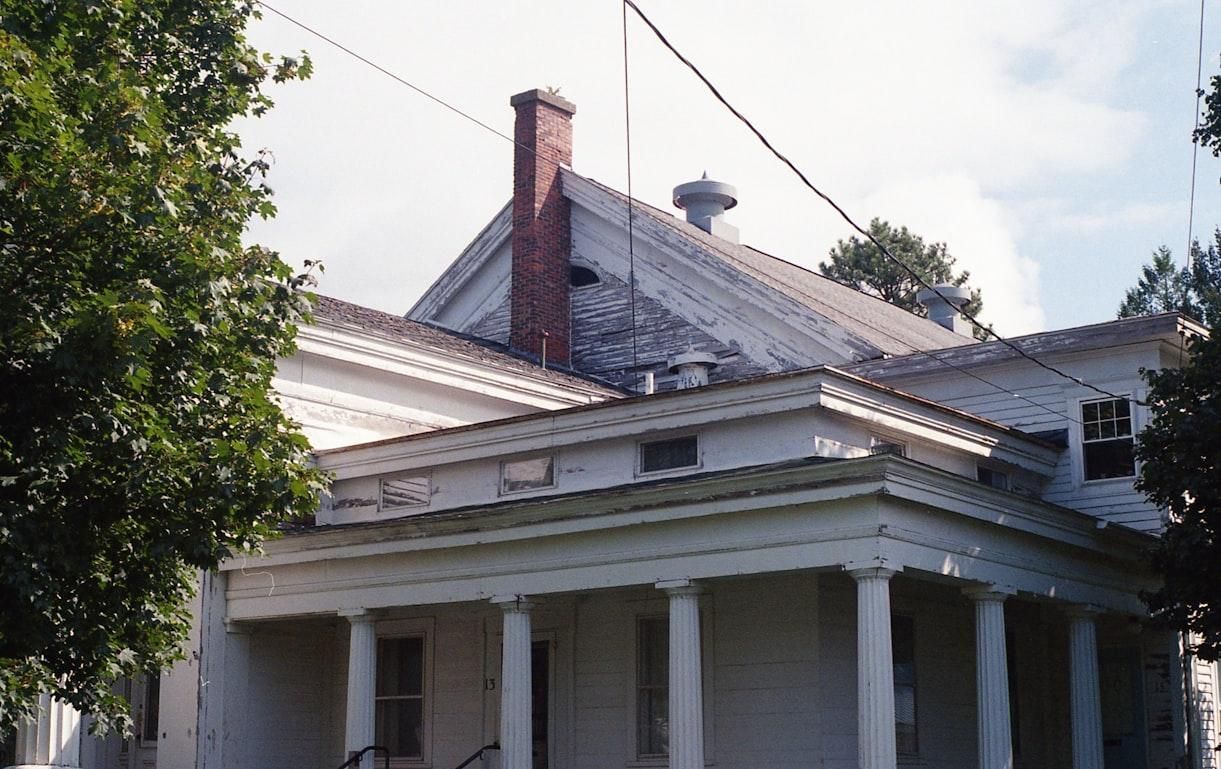
Rockwell House, Milledgeville, Georgia

Image: Clem Geiss

Built in 1838, the Rockwell House is a stunning example of Federal-style architecture, but its beauty is shadowed by a dark past. It was originally built for Colonel Samuel Rockwell, a prominent lawyer.

Local lore whispers about the "Rockwell Ghost," believed to be a young girl who died during a yellow fever outbreak. However, the house’s most tangible secret lies in its survival; it has endured multiple fires and periods of extreme neglect. In recent years, it has become a focal point for preservationists who uncovered hidden structural reinforcements that suggest the house was built to be an impenetrable fortress of its era.

3
Elda Castle, Ossining, New York

Image: Nitrogel

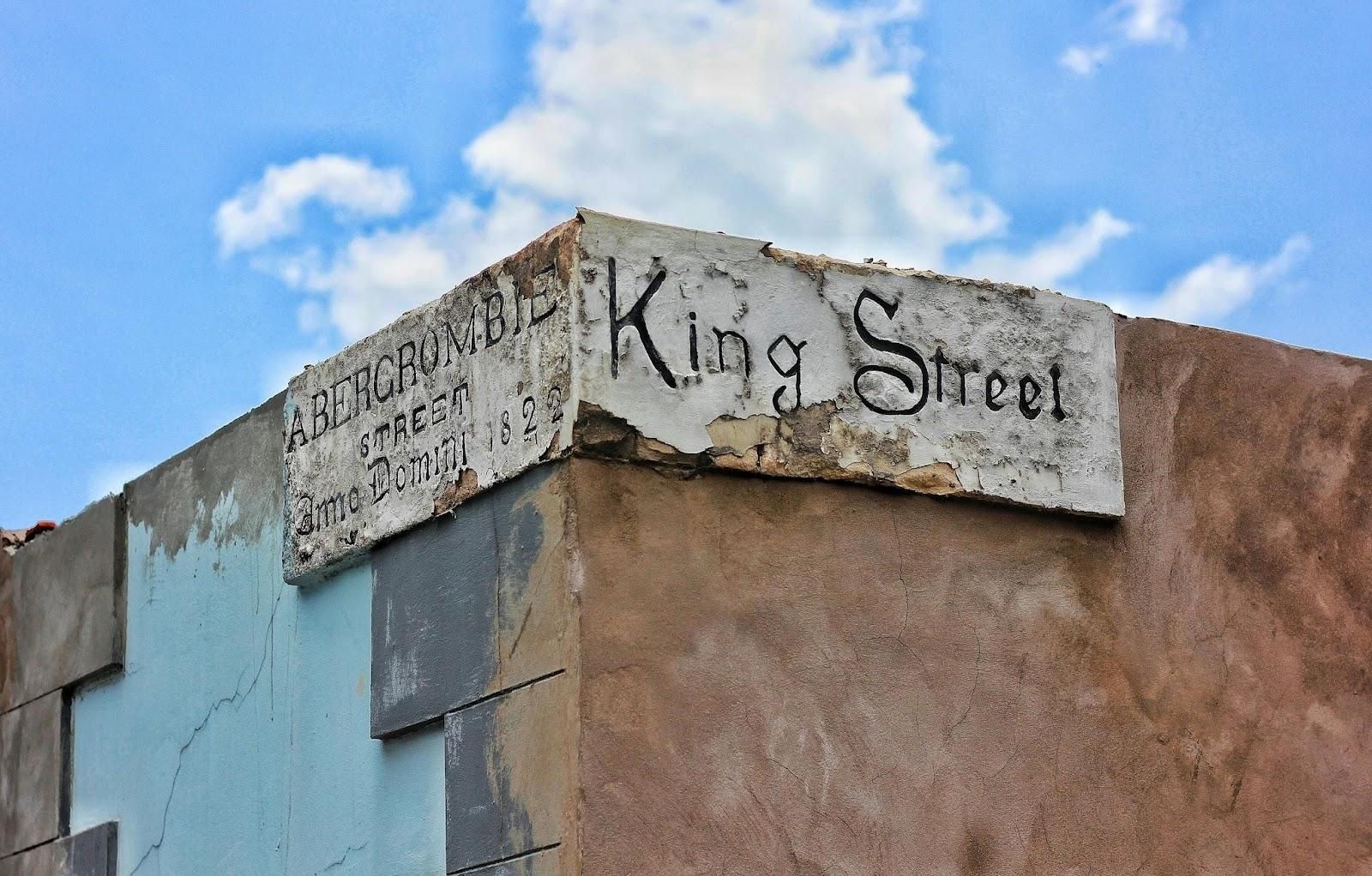
If the name David Abercrombie sounds familiar, it’s because he co-founded the clothing company Abercrombie & Fitch . But in the 1920s, he also built this granite castle, named Elda (an acronym of his children’s names), as a secluded retreat.

The castle features a network of spiral staircases and open-air porches designed to blend the indoors with the rugged wild. Its abandonment, however, is a sheer tragedy. After the family moved out, the castle was used as a research facility and later fell victim to vandals. Legend has it that a fire in the 1940s was started by squatters, leaving behind a charred stone husk that resembles a medieval ruin more than a 20th-century home.

4
Mongo's Castle, Memphis, Tennessee

Image: Denny Müller

A stark contrast to the classical mansions of the South, Mongo’s Castle was the passion project of Mongo Bebe, a man who built his home out of scrap stone, Ashlar blocks, and found materials.

The house is a maze of folk-art eccentricity. The builder intended it to be a community center and a symbol of African-American heritage and self-reliance. It stands today as a decaying puzzle, with many neighbors still unsure of the structural logic behind its towering, uneven walls.

5
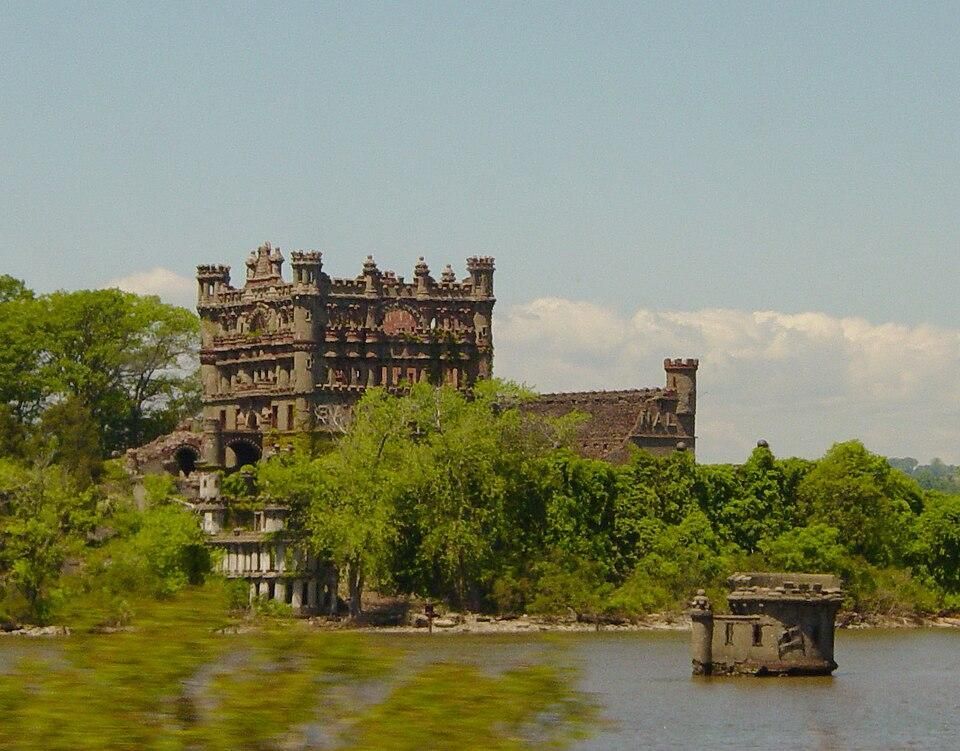
Bannerman's Castle, Pollepel Island, New York

Image: Leonard G., Public domain, via Wikimedia Commons

Rising from the Hudson River, this castle was never intended to be a home; it was a giant advertisement and warehouse for Francis Bannerman VI’s military surplus empire.

In 1920, 200 tons of gunpowder and shells exploded in the castle’s powder house, blowing out a significant portion of the walls. The ground is still considered unstable due to the remnants of military munitions, and the inscriptions on the walls are actually warnings and advertisements for the Bannerman business. Do you dare visit this mansion?

6
Castle Mont Rouge, Rougemont, North Carolina

Image: Florian Delée

This whimsical, onion-domed castle looks like it belongs in the Russian countryside rather than the North Carolina woods. It was designed by sculptor Robert Mihaly, but he ended up abandoning the project in the early 2000s following a personal tragedy and financial hurdles.

The castle remains an "empty sculpture," filled with intricate marble work and unfinished turrets. The bizarre architectural fusion lacks a standard floor plan, making it nearly impossible to convert into a functional residence without destroying its artistic integrity.

7
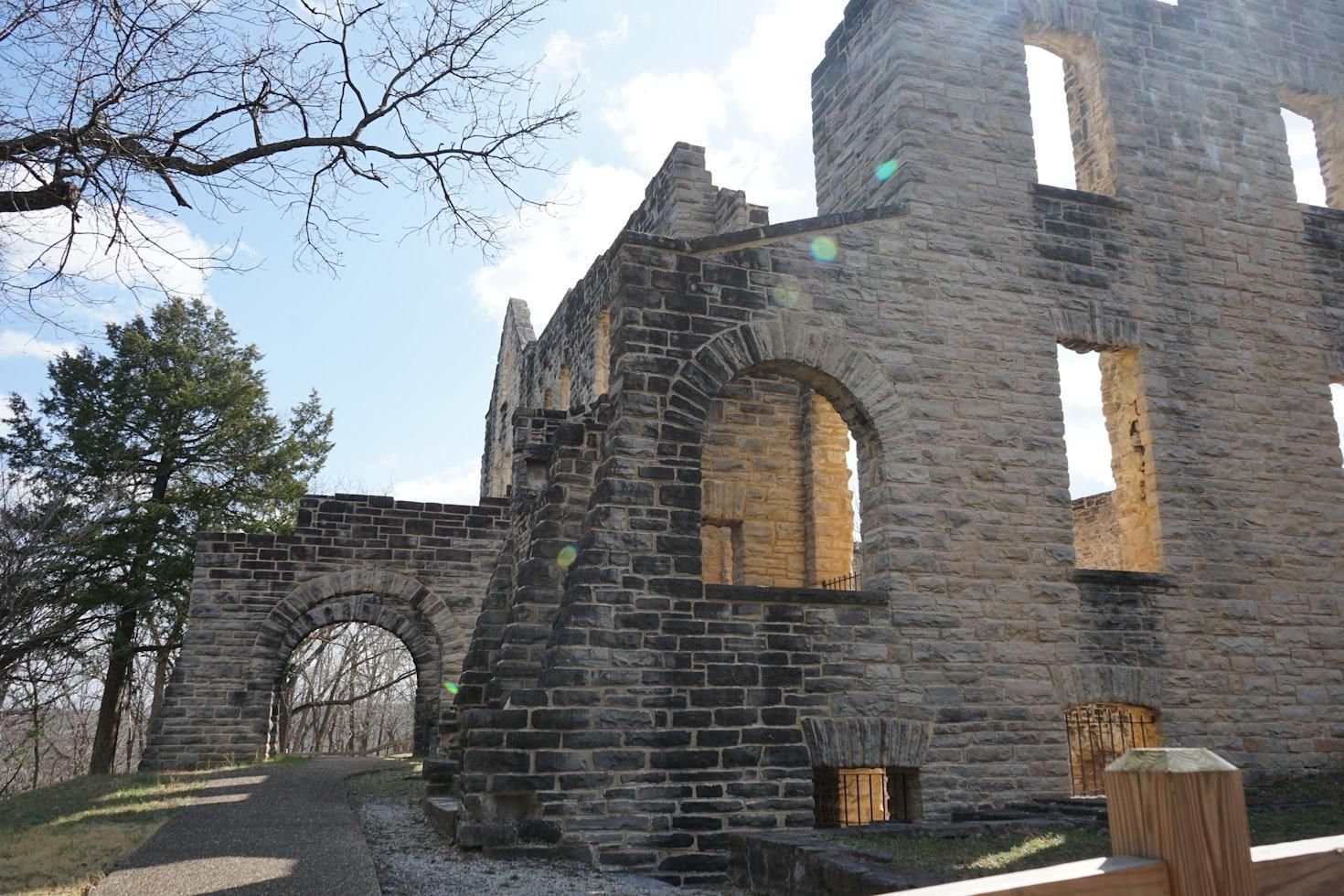
Ha Ha Tonka Castle, Camdenton, Missouri

Image: Hannah McBride

Robert Snyder, a wealthy Kansas City businessman, began building this European-style castle in 1905. He wanted a retreat that overlooked the breathtaking Ha Ha Tonka Spring.

Yet, Snyder never got to see his dream finished; he was killed in one of Missouri’s first recorded automobile accidents just a year after construction began. His sons finished the castle, but it was gutted by a fire in 1942. There’s a hidden network of caves beneath the castle, which were rumored to be used by outlaws and later as a natural "refrigerator" for the estate’s kitchen.

8
Carleton Island Villa, Cape Vincent, New York

Image: Tama66

This once-magnificent villa was built for William Wyckoff, who made a fortune with the Remington Typewriter Company.

The Secret: Wyckoff’s dream turned into a nightmare on the very first night he stayed in the house. He suffered a massive heart attack and died in his sleep. His wife had passed away a month prior, leaving the villa to a son who had no interest in it. The house has stood empty for over 70 years, its secret being the tragic "cursed" timing that prevented it from ever functioning as a family home.

9
Dicksonia Plantation, Lowndesboro, Alabama

Image: Theo Bickel

Dicksonia was a quintessential antebellum mansion, featuring the massive columns and wrap-around porches synonymous with the Old South.

Unlike many plantations that were destroyed during the Civil War, Dicksonia survived the conflict only to be destroyed by a mysterious fire in 1939. Its "ghost pillars," however, remained standing long after the wooden house burned away. These towering brick columns became a haunting landmark , representing the structural skeletons of a forgotten social order.

10
Wyndcliffe, Rhinebeck, New York

Image: Peter Herrmann

This house is the literal origin of the phrase "Keeping up with the Joneses." Though often referred to as a "Mystery Mansion" by urban explorers, this is the ruin of Wyndcliffe, the estate of Elizabeth Schermerhorn Jones.

Elizabeth’s mansion was so grand and intimidating that it prompted her neighbors—including the Astors—to build even larger homes to compete. The secret of Wyndcliffe is the psychological impact of its architecture; it was built to inspire envy, and its current state of absolute decay is a poetic commentary on the fleeting nature of social status.

Explore more American facts

Choose your favorite category!

General
General

As American as apple pie—the very best America has to offer!

Culture
Culture

Delve into the astounding richness of American lore.

Geography
Geography

Hop in and explore vast and diverse American landscapes.

History
History

Discover the key moments that shaped the United States.