History History 5 min read

Do you believe?

Extraterrestrial America: 10 famous unexplained incidents
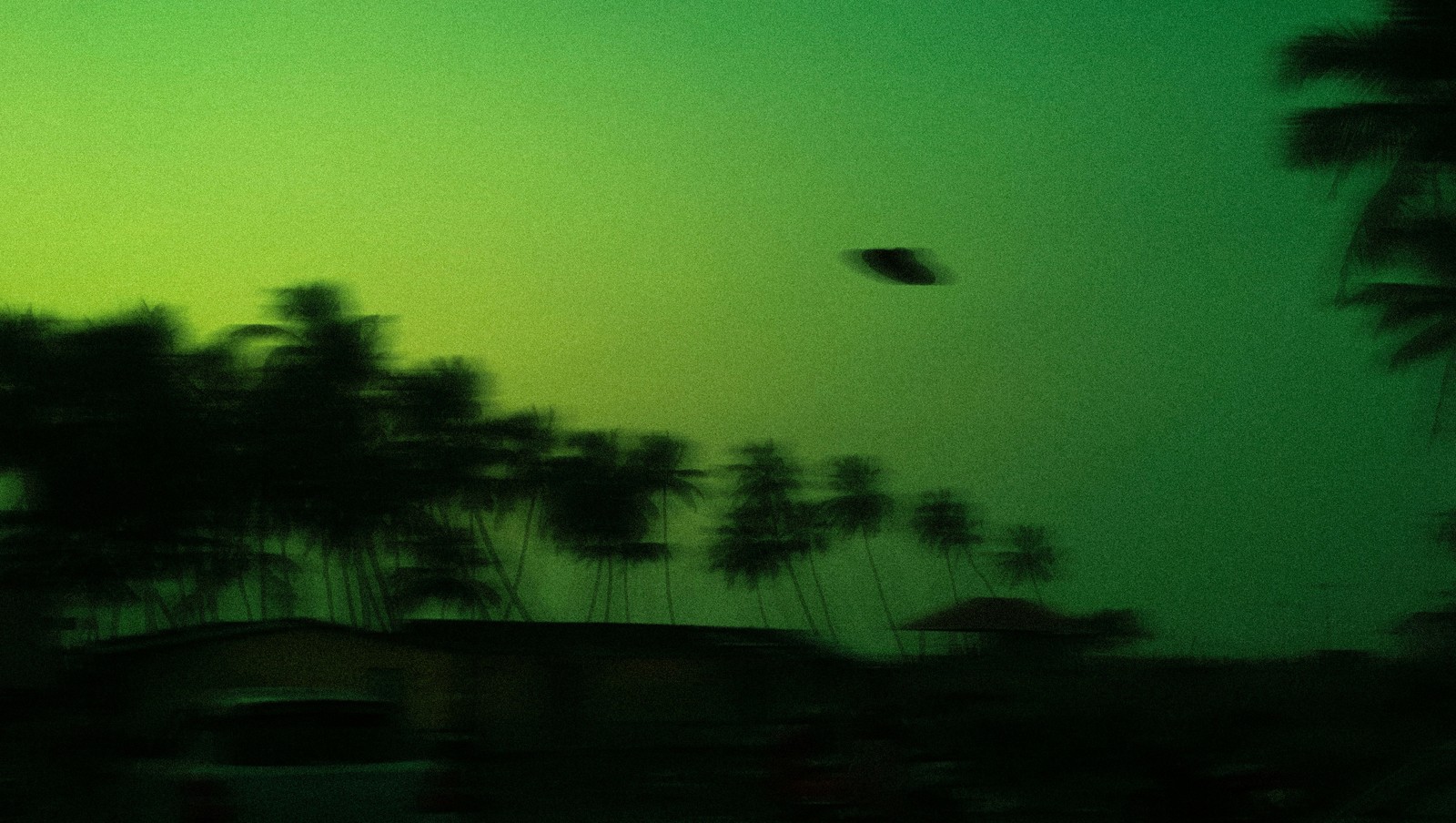
Image: Albert Antony

Humans have long wondered about the existence of beings from other worlds and civilizations more advanced than ours. While no conclusive evidence has been presented, strange sightings have always sparked our collective curiosity. The U.S. is no stranger to these mysterious incidents, and government interference has done little to theories and conspiracies, fueling the rumors instead. Here are 10 famous sightings.

1
Roswell Incident
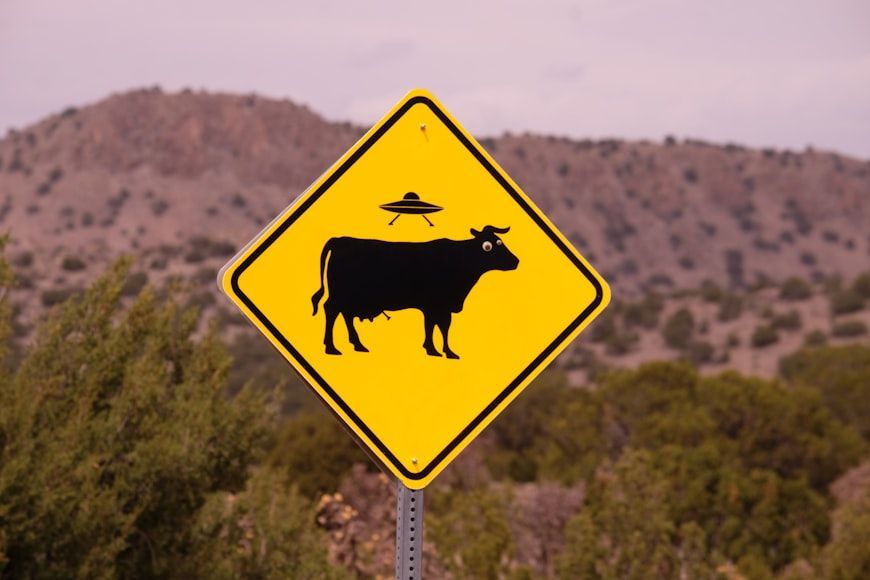
Image: Bruce Warrington

In June 1947, a rancher in Roswell, New Mexico, found strange metallic debris in a field. Soon after, military personnel from a neighboring air base gathered all the evidence and announced they had recovered a flying disc . The following day, however, they retracted their statement, claiming instead that the debris was part of a weather balloon — and suspicions of a conspiracy were born

Years later, government officials stated that the balloon story had been a cover, but there are still disputes about what actually happened. Military sources have since said the balloon was part of a program to detect Soviet nuclear weapons , but the contradicting stories have led many to believe that we don’t know the whole truth about the incident.

2
Washington, D.C. UFO Incident
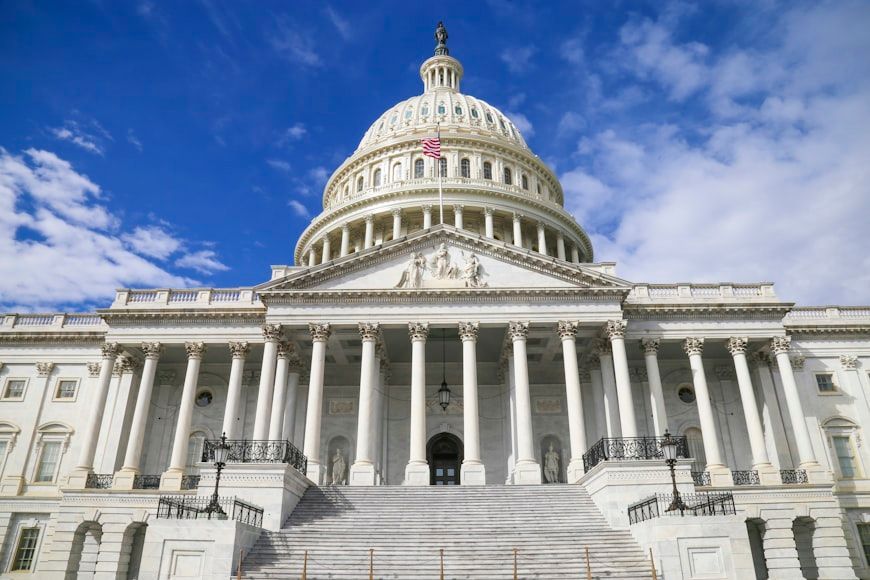
Image: Louis Velazquez

In July 1952, a series of UFO sightings in Washington, D.C., was reported over two consecutive weekends near the White House and the Capitol. These objects were seen visually by pilots and air traffic controllers, and they were also tracked by radar.

Though the air force deployed jets to intercept the UFOs, the pilots reported that these objects had incredible speed and that they were easily outmaneuvered. The incident sparked attention from the media, which led President Truman to create the Robertson Panel, a scientific committee dedicated to investigating UFO sighting reports.

3
Cash–Landrum incident
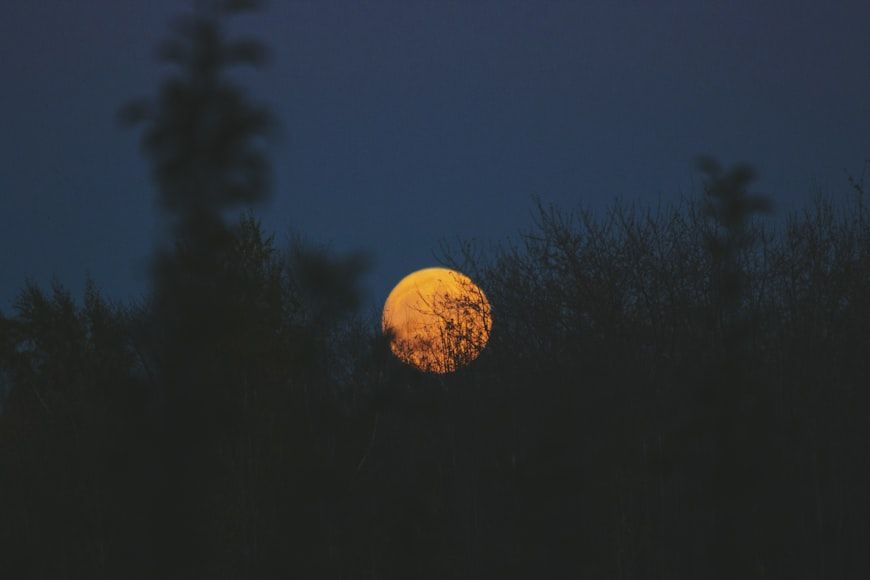
Image: Noah Silliman

In December 1980, Betty Cash and Vickie Landrum, alongside Landrum’s grandson, spotted what they initially thought was an airplane near Dayton, Texas, but was actually a diamond-shaped object, emitting a bright light and hovering near the ground . After getting out of their vehicle to inspect the object, they returned to the car to find it was extremely hot to the touch.

After the alleged UFO left, Cash and Landrum claimed to have seen a military aircraft following it. The three of them experienced burns, nausea, and other symptoms similar to those of radiation sickness , and Cash spent a month hospitalized. The government denied any involvement in the situation, but many investigators and researchers believe this could have been a secret military experiment.

4
The Westchester Boomerang
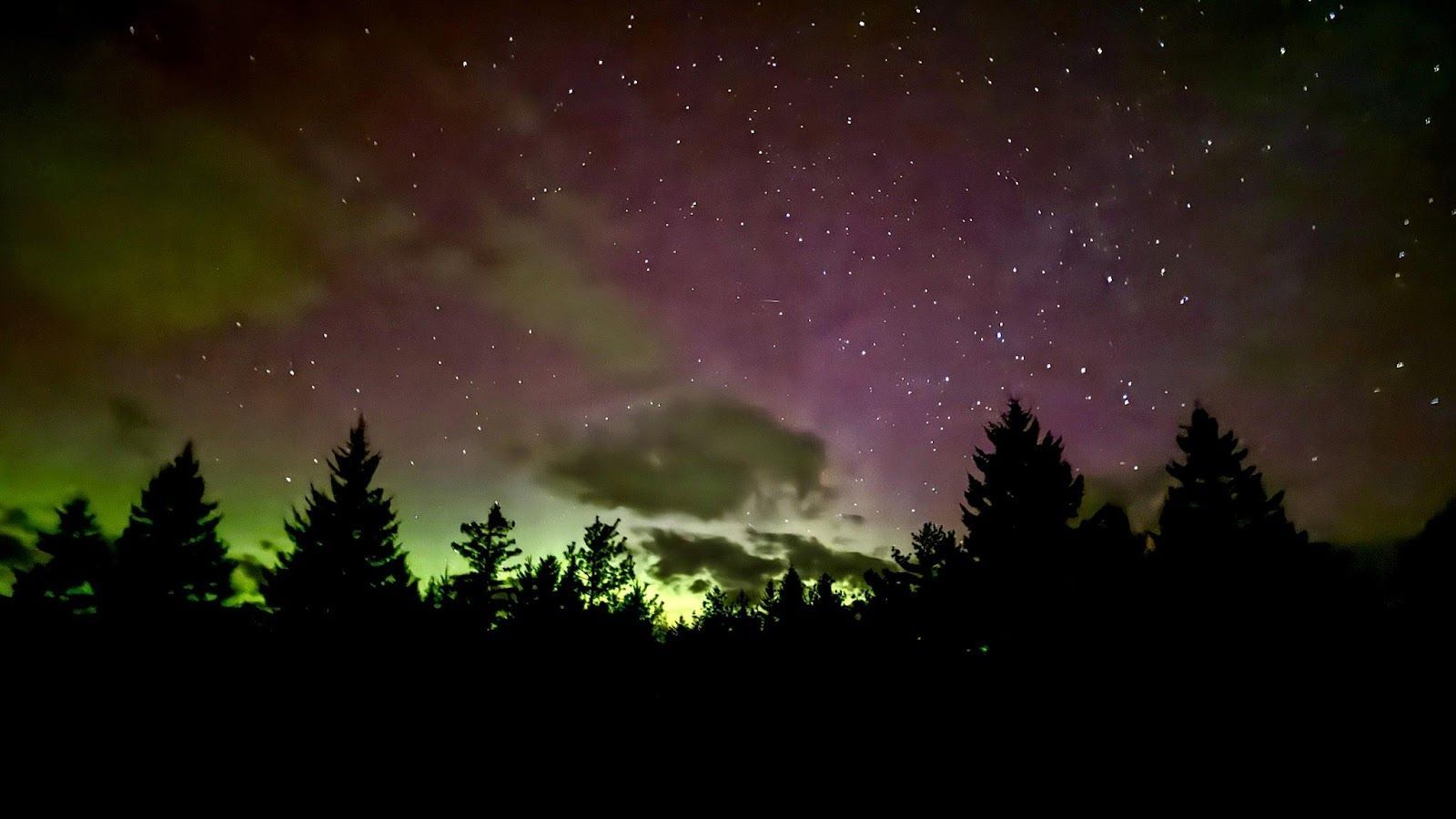
Image: USDAgov, Public domain, via Wikimedia Commons

From 1983 to 1984, residents of Hudson Valley in New York and Fairfield County in Connecticut reported the appearance of large objects that emitted bright lights , flying in a circle or V-shaped formation.

The police later claimed that these were actually a group of Cessna 152s from a neighboring town , and the alleged pilots expressed their amusement at the confusion. However, witnesses claimed that the flying objects could not have been small aircraft, as they made no sound and were able to hover in one spot for extended periods of time.

5
Travis Walton incident

Image: Sebastian Unrau

On November 5, 1975, Travis Walton, a logger working in Heber, Arizona, was reported missing by his crew. They claimed that, returning from work, they had stopped because they saw an unusual light. Walton had walked into the forest following it and had been struck by a beam . Afraid that he had died, his companions fled and alerted the police, but Walton was not found despite intense searches.

Five days later, Walton appeared in Heber, confused and disoriented. He claimed to have been abducted by humanoid aliens, who kept them in their aircraft . He and other witnesses passed the lie detector test, but many people believed the incident was an elaborate hoax.

6
Kenneth Arnold UFO sighting
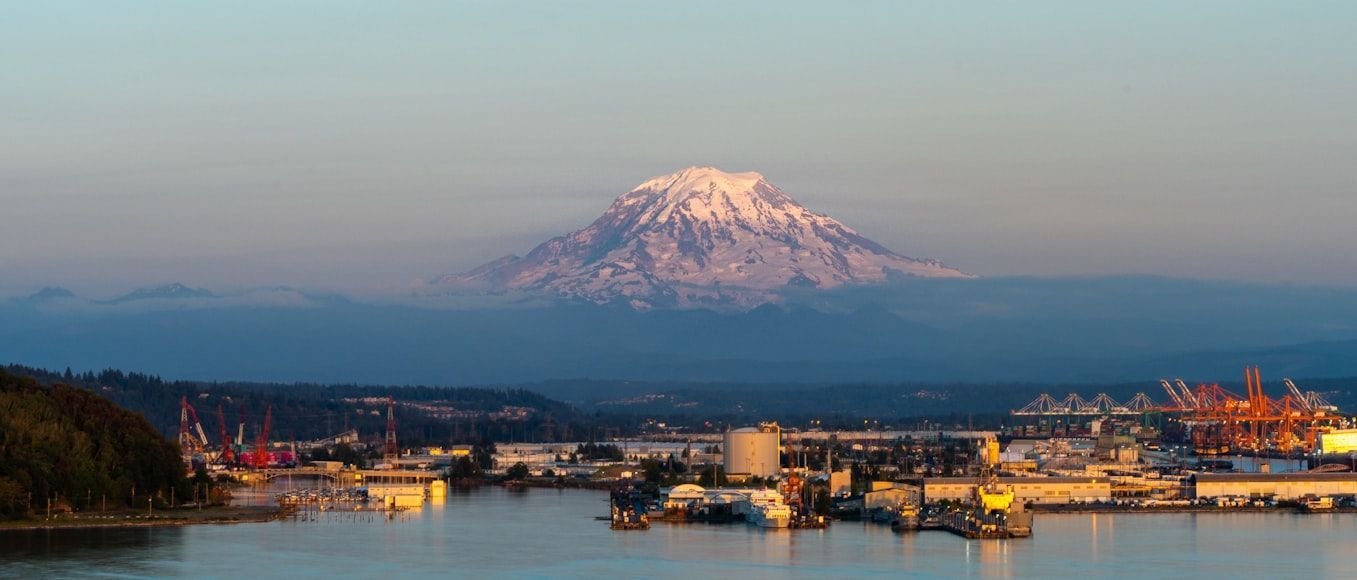
Image: Wei Zeng

In June 1947, Kenneth Arnold, a pilot flying near Mount Rainier in Washington State, reported sighting of several flying objects, which he believed were experimental military aircraft. After an investigation by military officials, they found several witnesses who reported sightings at a similar time and location to Arnold.

Arnold described these aircraft as round objects that moved as a "saucer would if you skipped it across the water". The popularity of the story, the first UFO sighting after World War II, first popularized the term "flying saucer."

7
Stephenville, Texas sighting

Image: Dynamic Wang

Residents of Stephenville, Texas, reported in January 2008 that they had seen a massive flying object, moving at high speed and emitting lights. The witnesses, including a pilot and a police officer, claimed the object was up to a mile long and made no sound.

Though the U.S. Air Force initially denied having planes in the area , they later explained that training maneuvers for 10 F-16 jets had been conducted; this contradiction sparked rumors of a classified military aircraft.

8
Marfa Lights, Texas
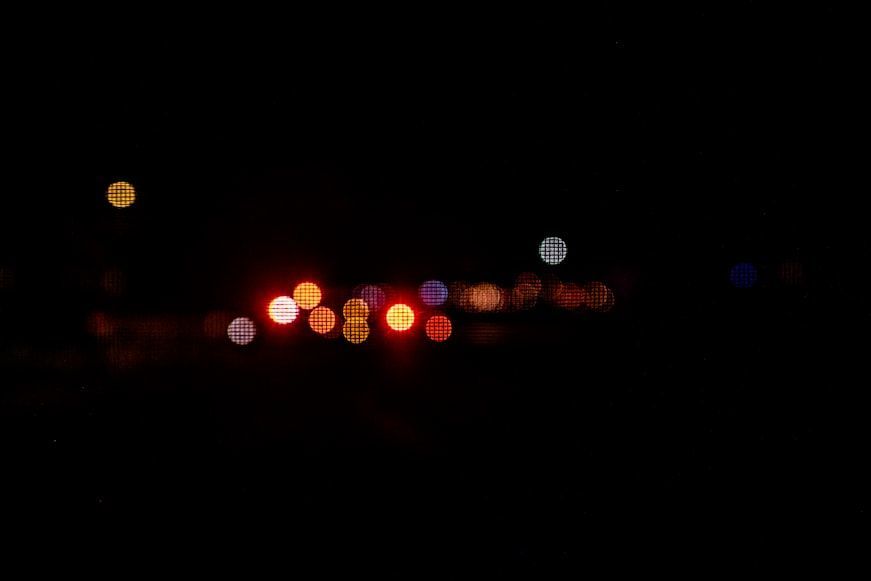
Image: Osman Rana

One of the oldest alleged sightings in America, the first record of the Marfa lights dates back to 1883. These light orbs appear sporadically on the horizon, and their color varies between blue, red, and white. Appearing around 30 times a year, the Marfa lights can still be seen to this day.

Scientists have tried to explain these appearances as an atmospheric phenomenon similar to a mirage, or the reflection of car lights from a highway, but they have failed to reach a definite conclusion. Marfa has become a popular destination for UFO aficionados , which has led the Texas Department of Transportation to build a dedicated viewing area.

9
Japan Airlines Cargo Flight 1628
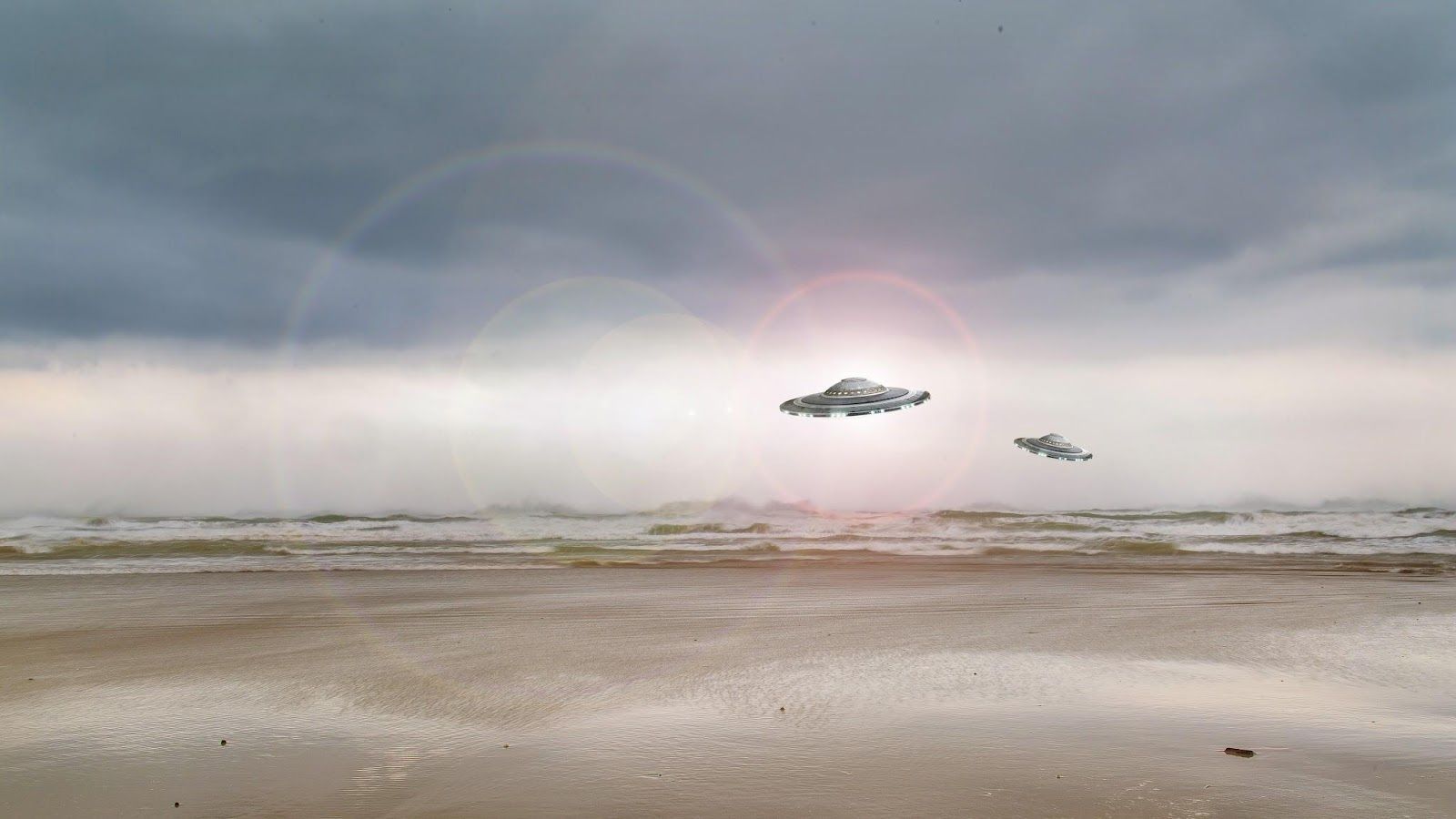
Image: maxime raynal from France, CC BY 2.0, via Wikimedia Commons

On November 17, 1986, the crew of a Japanese cargo plane claimed to have been followed by three flying objects —one massive and two smaller ones— as they flew over Anchorage, Alaska. Media outlets reported that these objects had been captured on a military radar, but government officials later discredited the claims.

After landing in Anchorage, the crew was interviewed by the FBI and the CIA, who allegedly confirmed a radar sighting. However, the agencies have since denied that the meeting ever took place.

10
USS Nimitz "Tic Tac" incident
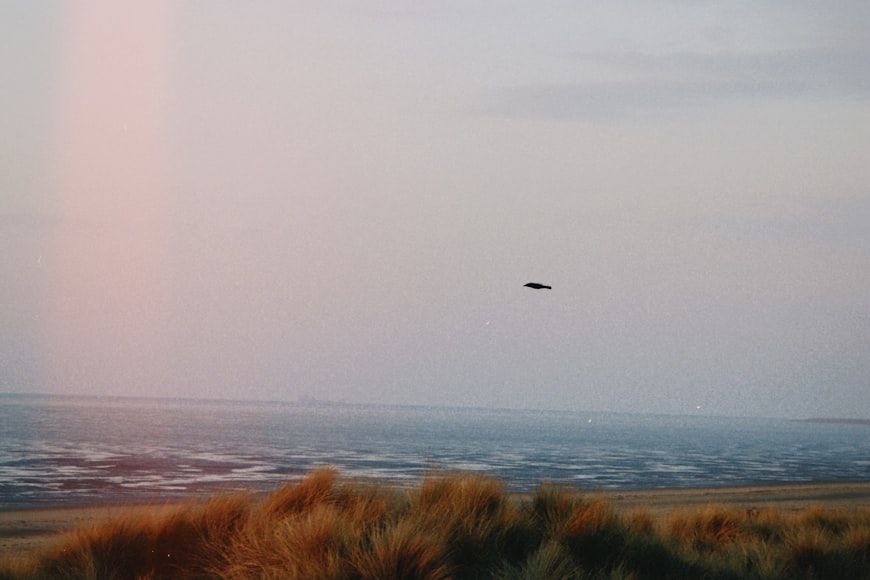
Image: Tanya Barrow

In November 2004, jet pilots from the USS Nimitz aircraft carrier reported encountering a ‘tic tac-shaped’ object with remarkable flying capabilities. Besides the eyewitnesses, the object was captured by the jets’ cameras and tracked by the radar of another aircraft carrier for two weeks.

The videos were classified until 2020, when they were released by the Pentagon after a series of reports by the New York Times . Though several theories have been postulated, there is no official explanation for this incident.
General General 3 min read

US money mysteries

Did you notice this detail on the $100 bill? 10 surprising currency facts

Image: Alicia Razuri

You use it every day, you keep it in a safe place, and yet there are still so many things you may not know about it. Yes, we’re talking about US currency! From their size and composition to the details of their designs, both our bills and coins have a fascinating history behind them, and some secrets you probably never imagined. Join us as we uncover them.

1
Clock change

Image: Jonathan Borba

US currency is full of symbolism, and the $100 bill is no exception. Since 1928, we have seen Independence Hall depicted on the back of this bill. But in 2013, it was redesigned, and one change stands out: the clock tower, which previously showed 4:10, now reads 10:30. Did you notice?

2
Jackie Kennedy’s choice

Image: Florida Memory

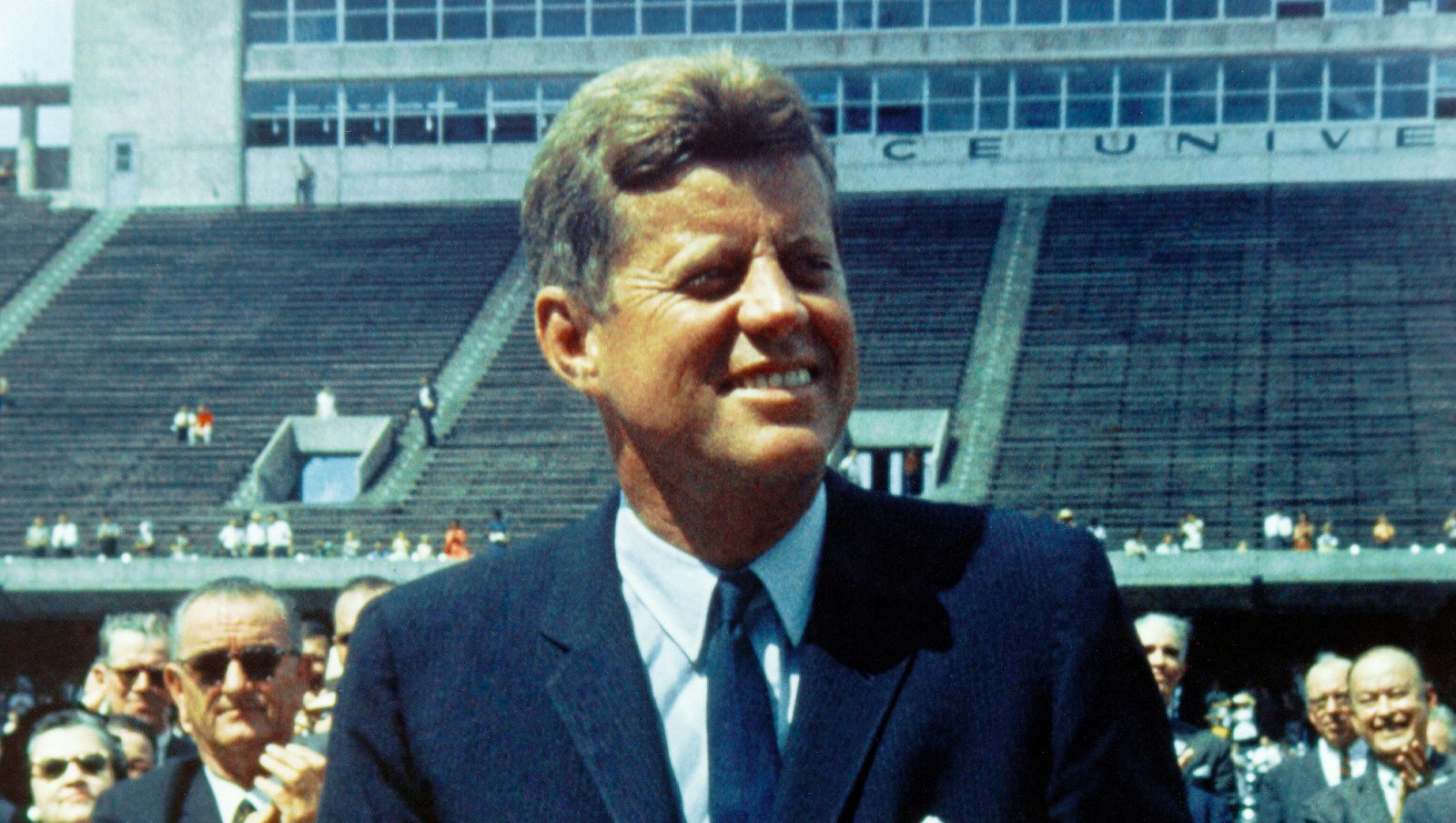
Jackie Kennedy played a key role in designing the coin that would feature the portrait of her ex-husband. When the U.S. Mint planned the Kennedy half dollar in 1964, she was consulted and provided input on various aspects of the coin, including its imagery and symbolism.

3
Not paper

Image: Giorgio Trovato

Although it is called paper money, our bills do not contain any paper at all. In fact, they are made of a blend of 75% cotton, 25% linen, and fine silk fibers embedded. This mixture is not random; it was specially chosen so that your bills can withstand everything: folds, wrinkles, stains, and even an accidental shower in the washing machine.

4
The unfinished pyramid

Image: Marek Studzinski

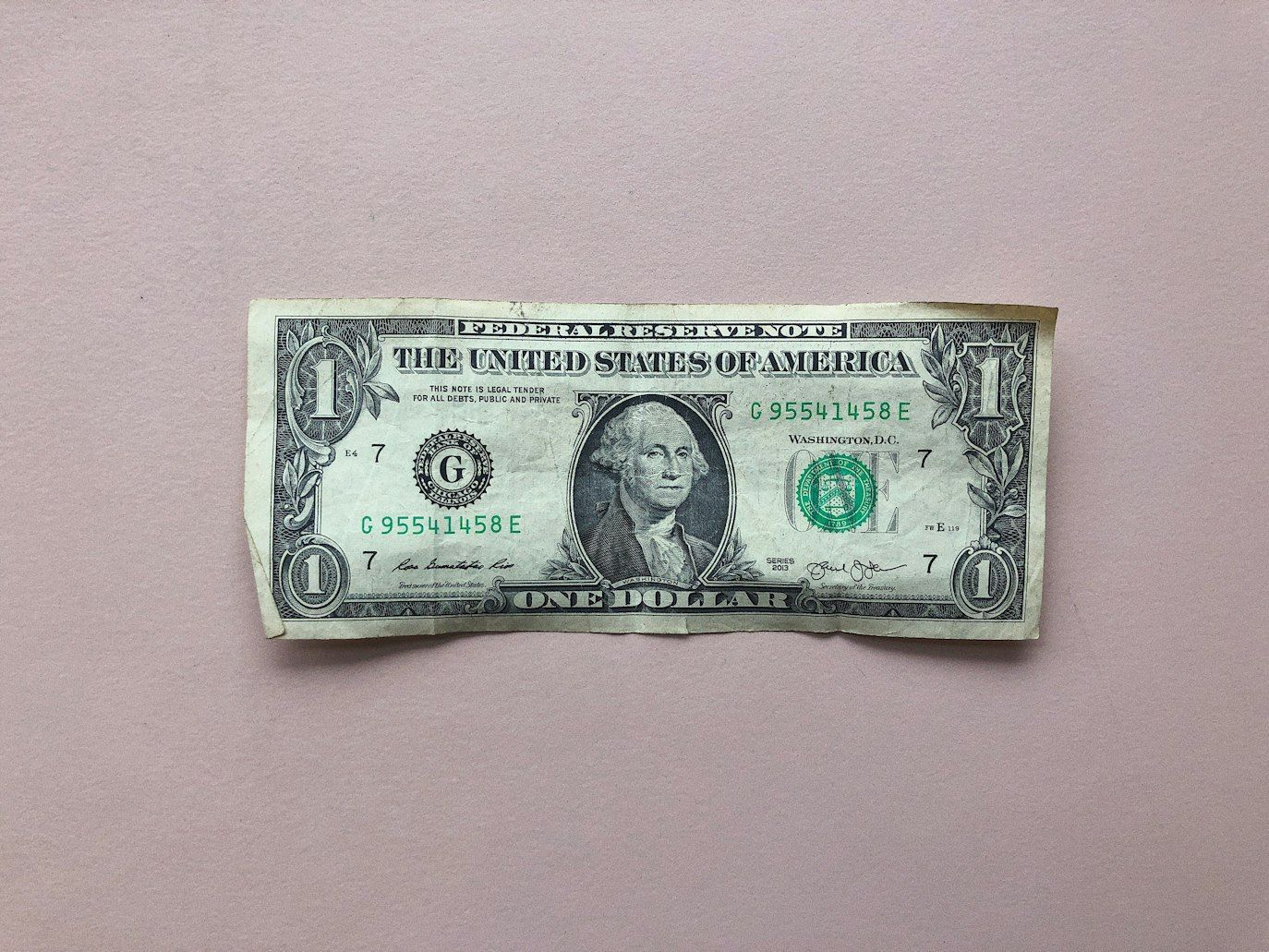
The one-dollar bill also has its secrets and details. On its back, you’ll find an unfinished pyramid, part of the Great Seal of the United States designed in the 1780s. Why unfinished? The pyramid has 13 steps, representing the original 13 colonies, and its incomplete form symbolizes the nation’s ongoing growth and expansion.

5
50% larger

Image: Bozhin Karaivanov

Before 1929, US banknotes were significantly larger, measuring approximately 7.375 x 3.125 inches. Today, collectors refer to these as "large-size" notes, sometimes even nicknamed "Horseblankets." In contrast, modern bills measure just 6.14 x 2.61 inches. The government decided to reduce the bill's size to cut production and design costs.

6
Andrew Jackson’s preference

Image: Giorgio Trovato

Andrew Jackson has been the face of the $20 bill since 1928, when he replaced Grover Cleveland. Ironically, Jackson was opposed to paper money. He didn't trust that form of payment, believing it could be easily manipulated. According to historians, the 7th U.S. President favored "hard money": gold and silver coins.

7
Alexander Hamilton’s portrait

Image: engin akyurt

Most portraits on US bills face left, with one exception: Alexander Hamilton on the $10 bill, the only one facing right (toward the viewer’s left). You might wonder why, but there’s no official explanation; it seems to have been simply a design choice.

8
"In God We Trust"

Image: rc.xyz NFT gallery

In 1956, Congress passed a law declaring "In God We Trust" the national motto, making it mandatory on all U.S. coins and banknotes. But this wasn’t its first appearance: the phrase first appeared in 1864 on the two-cent coin. Beyond faith, it also carried political weight, suggesting that God favored the Union during the Civil War.

9
The change that never happened

Image: Ryan Quintal

In 2015, the Treasury announced plans to redesign the $10 bill, stating that Hamilton's portrait would be replaced by that of an influential woman from US history. However, the change never happened. Why? Those years saw a surge in Hamilton's popularity thanks to the hit musical of the same name, leading the Treasury to backtrack on the replacement plan.

10
Criteria

Image: Live Richer

As is well known, not just any portrait can appear on US currency. But beyond historical significance, the figures on our bills and coins must meet other criteria you might not know: They must also be deceased and well recognized by citizens, ensuring that the people represented are familiar and meaningful to the public.

History History 3 min read

Got mail?

Did you know these 12 facts about the evolution of mail delivery?

Image: Wolfgang Vrede

We take many things for granted, especially when they have been around forever. Their stability is reassuring and commanding. But everything has to start somewhere, and mail delivery certainly has had an interesting history in America. From humble tavern-based post offices to airplanes and ZIP codes, the postal service has a few stories to share. Did you know about these 12?

1
The first post office? A Boston tavern

Image: Mick Haupt

In 1639, the first organized mail service in British North America started at Richard Fairbank’s tavern . The owner collected and distributed mail brought by ship.

Although informal and modest by today’s standards, this post office laid the foundation for communal mail collection and delivery.

2
Enter Benjamin Franklin

Image: Brett Wharton

From 1753, Franklin served as joint Postmaster General for the colonies and undertook a sweeping reform: he organized delivery routes, aligned them with major roads and rivers, and cut the mail travel time between Philadelphia and New York to about 33 hours .

He also introduced the first rate chart, standardizing delivery costs based on weight and distance, turning what had been a scattered courier network into a more reliable, structured mail system.

3
National Postal System founded

Image: David Trinks

With the American Revolution underway, the Second Continental Congress established the first national postal agency in 1775 , appointing Benjamin Franklin as the first Postmaster General.

This new postal service initially handled mostly military and diplomatic correspondence, but the agency laid the groundwork for what would become a national communications service.

4
The Age of Steam: mail by steamboat

Image: mandylin

In 1813, Congress authorized the Postmaster General to contract steamboat companies to carry mail. Soon, steamboats were ferrying mail up and down the East Coast and the Mississippi River .

By 1848, mail even traveled to California via steamship and across the Isthmus of Panama, a three-week voyage.

5
Overland stagecoaches and the Butterfield Overland Mail

Image: Ricky BiggsSr

Between 1858 and 1861, the Butterfield Overland Mail stagecoach service carried U.S. mail across the western frontier, from eastern posts like Memphis and St. Louis to San Francisco .

This service helped connect the eastern U.S. with rapidly growing western settlements long before the completion of the transcontinental railroad.

6
Railroads enter the picture

Image: Jay Kettle-Williams

As railroads expanded, the postal service started to use this new technology: in 1832, the first mail deliveries by train were made.

Rail transport vastly improved speed and reliability compared to horse and stagecoach travel , and became a key advance as mail traffic increased and the nation expanded westward.

7
First U.S. postage stamps

Image: The New York Public Library

In 1847, the first official U.S. postage stamps were issued: a 5-cent stamp featuring none Ben Franklin and a 10-cent stamp featuring George Washington .

Prepaid stamps simplified payment and collection of postage, removing complications from pay-on-delivery systems and helping the postal system function more efficiently.

8
The Pony Express

Image: The New York Public Library

In 1860, the Pony Express started its overland mail route between Missouri and California, nearly 1800 miles of relay horseback riding . The mail took 10 days between endpoints.

Although short-lived (it ended in 1861), the Pony Express demonstrated the demand for rapid cross-country communication.

9
City-wide home delivery

Image: Lesli Whitecotton

In 1863, free city mail delivery began , allowing residents in major cities to receive letters directly at their homes rather than picking them up at a post office.

This represented a major shift: mail became a part of everyday domestic life, not just something dropped off and picked up by hand.

10
Pneumatic tube mail in NYC

Image: The New York Public Library

In 1897, a pneumatic-tube mail system began operation in New York City. Mail could travel underground at high speeds, from the General Post Office to other offices in Manhattan within minutes .

At its peak, the system carried thousands of letters daily: at one point, nearly 30% of New York City mail went through this immense underground network.

11
Parcel post service launches

Image: Olivier Rouge

On New Year’s Day 1913, the U.S. Post Office inaugurated the first official parcel post service , allowing packages, not just letters, to be sent through the mail.

The impact was immediate: within the first five days, millions of packets passed through post offices, fueling mail-order business and expanding commerce everywhere.

12
First airmail route

Image: Qihao Wang

In 1918, the postal service launched the first regularly scheduled air mail route between Washington, D.C., and New York , marking the beginning of mail carried by airplane.

Airplane mail allowed far faster coast-to-coast and long-distance communication, a major leap from sailboats, stagecoaches, or railroads.

Explore more American facts

Choose your favorite category!

General
General

As American as apple pie—the very best America has to offer!

Culture
Culture

Delve into the astounding richness of American lore.

Geography
Geography

Hop in and explore vast and diverse American landscapes.

History
History

Discover the key moments that shaped the United States.