General General 5 min read

Foreign affairs

An ode to diplomacy: 12 extraordinary US embassies around the world
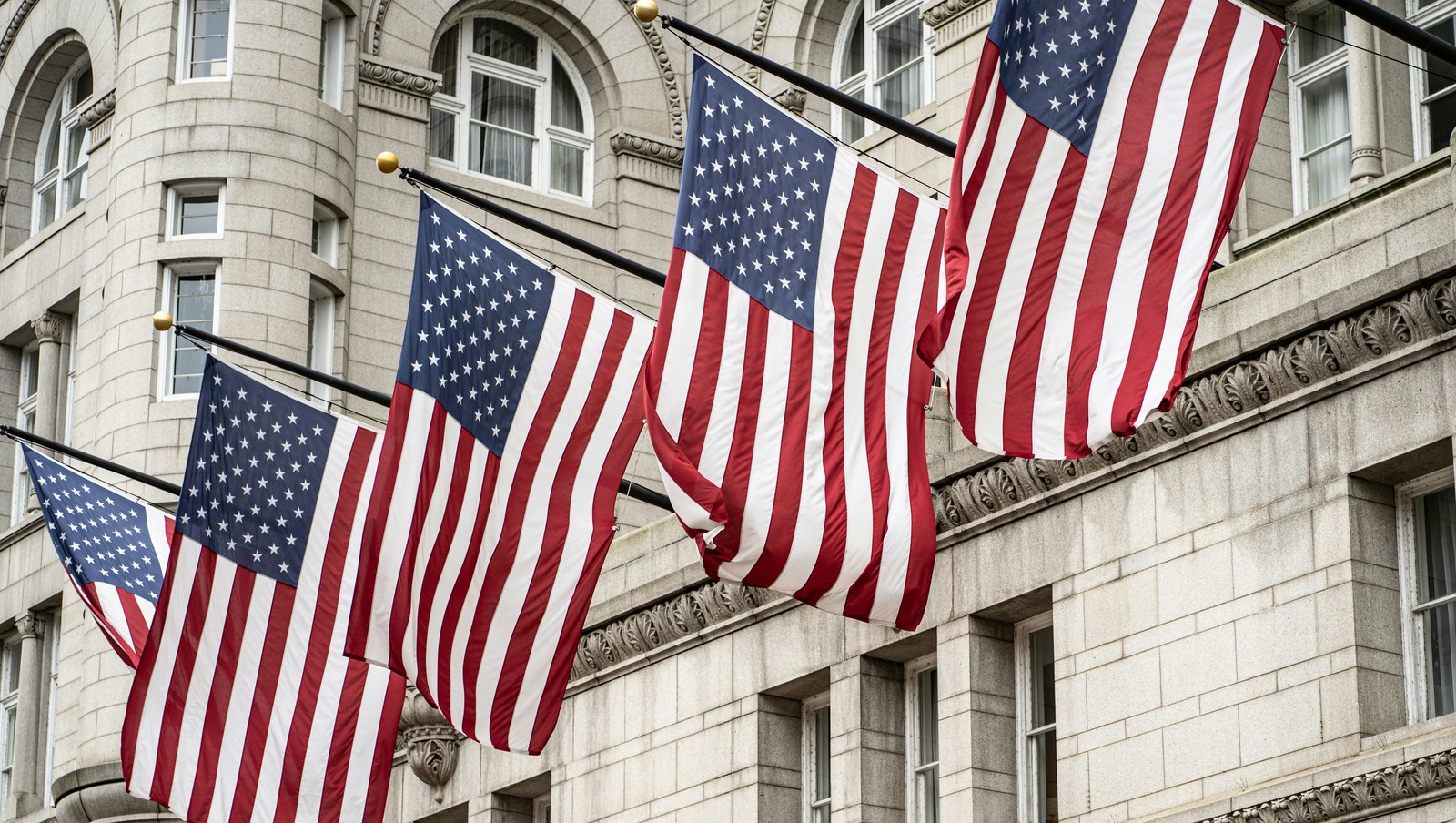
Image: Christian Lucas

You might think an embassy is just a plain office building for diplomats. Well, think again! The United States has some of the most eye-catching, quirky, and downright unique embassies you’ll ever see. From gleaming glass towers to tropical hideaways, these buildings aren’t just about paperwork—they’re part of America’s handshake to the world. Here are 12 beautifully designed US embassies where architecture meets foreign politics.

1
Paris, France
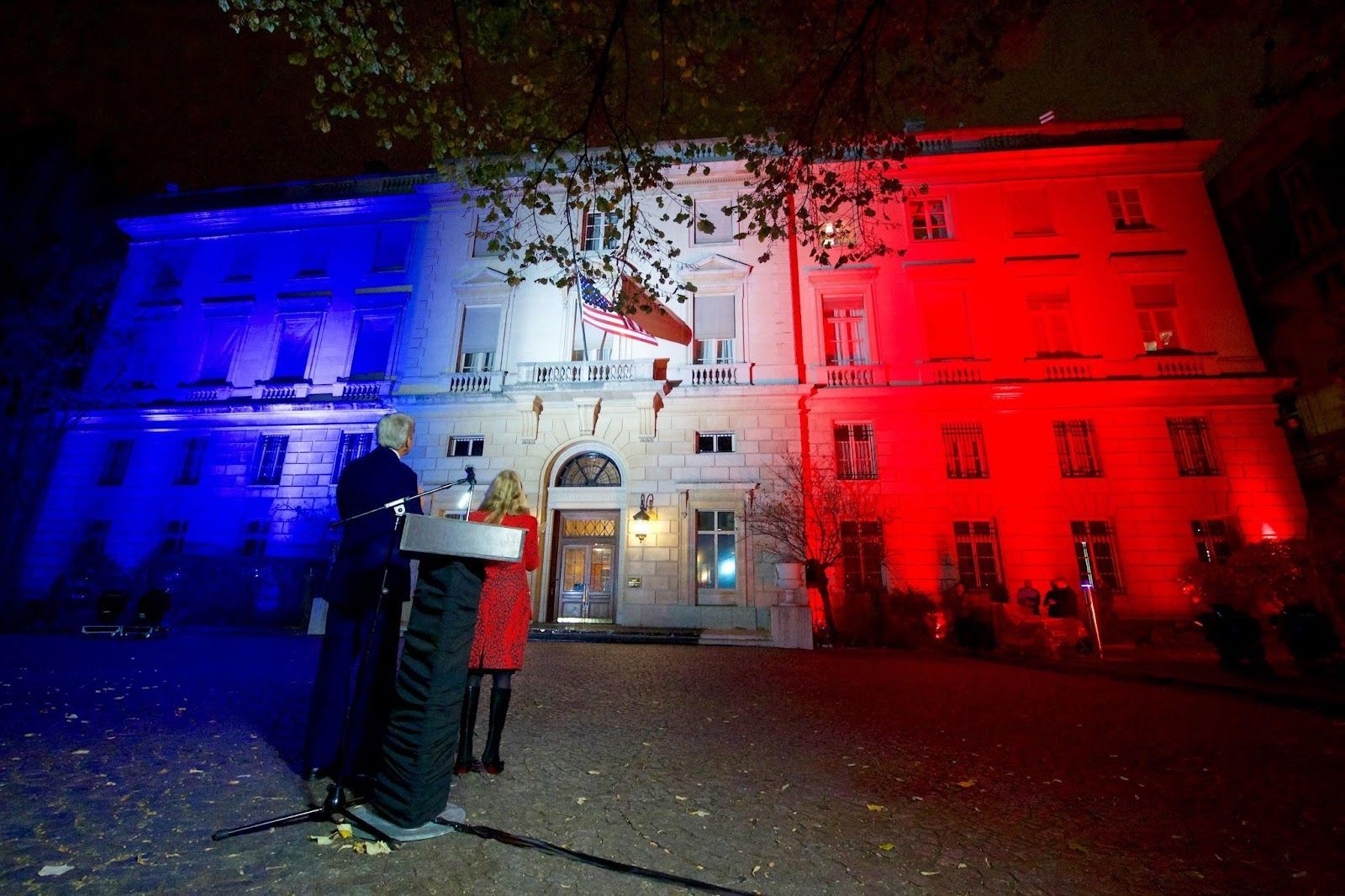
Image: U.S. Department of State from United States, Public domain, via Wikimedia Commons

The U.S. Embassy in Paris is the oldest American diplomatic mission in the world. Benjamin Franklin himself served as the first ambassador, back when the United States was fighting for independence. Today, the chancery building stands on the Place de la Concorde, a spot once used for public executions during the French Revolution. Few embassies can match this mix of American heritage and European history.

2
New Delhi, India
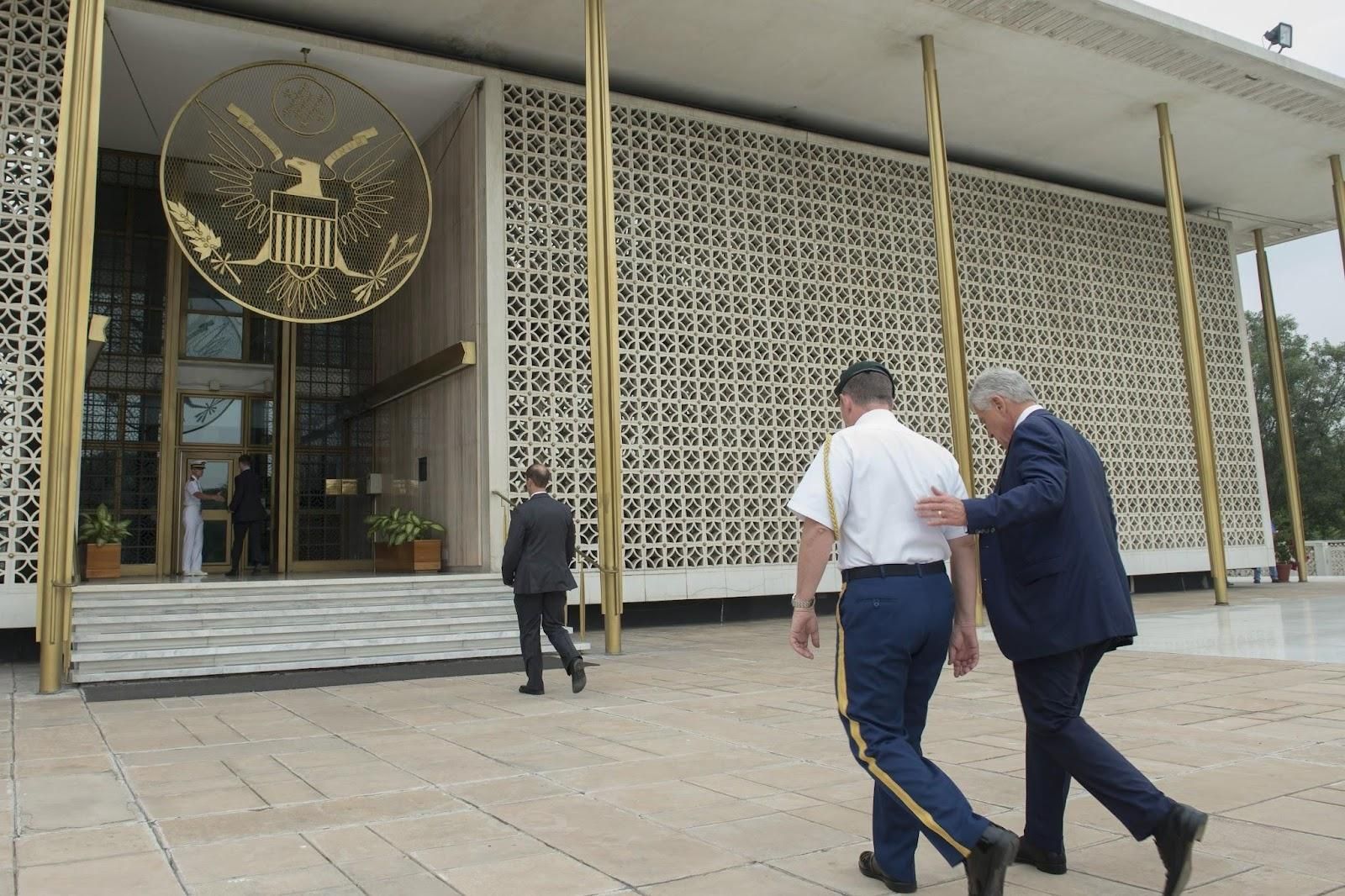
Image: Ash Carter, Public domain, via Wikimedia Commons

Set on 28 acres in a district where nearly every corner is marked by a foreign flag, the U.S. Embassy in New Delhi feels more like a grand estate than a government office. The entrance alone impresses visitors with its broad fountain and big golden Great Seal of the United States.

When it first opened in the 1950s, the complex introduced many locals to the clean lines and bold simplicity of American modernist design. Decades later, the compound still carries that sense of mid-century optimism, standing as both a piece of architectural history and a stage for diplomacy.

3
London, United Kingdom
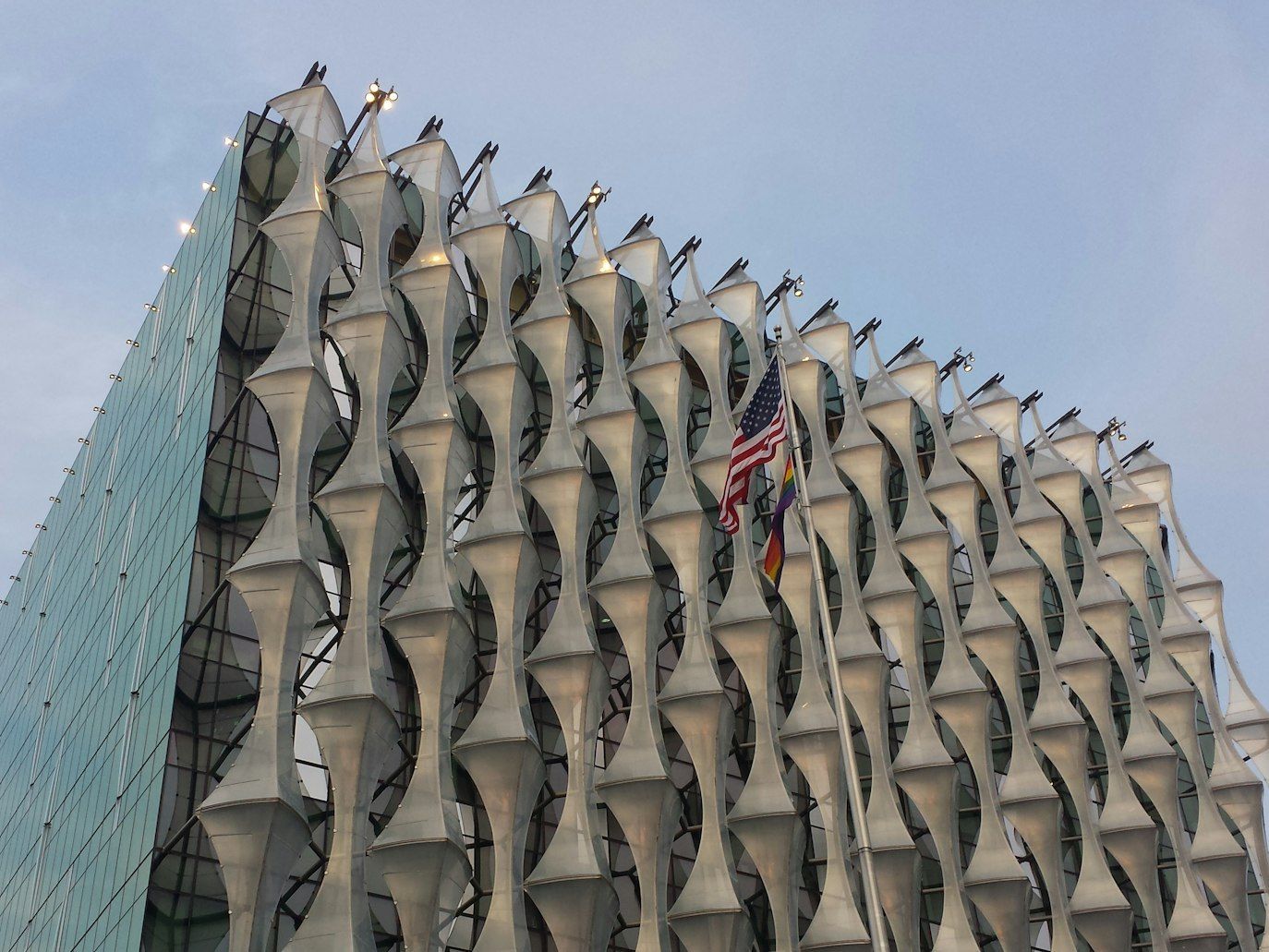
Image: Phil Lev

If James Bond had to hand-deliver a top-secret note to Uncle Sam, this is exactly where he’d go. Opened in 2018, the current building of the U.S. Embassy in London came with a price tag of about $1 billion—yes, billion with a "B." It spans nearly 12 acres along the River Thames, enough to be one of the most enviable addresses in town.

The sleek glass cube design doesn’t just reflect light, it sparkles as if auditioning for a starring role in a spy flick. Its gardens and public walkways also make it one of the few embassies in the world that feels just as welcoming as it does secure.

4
Brasília, Brazil
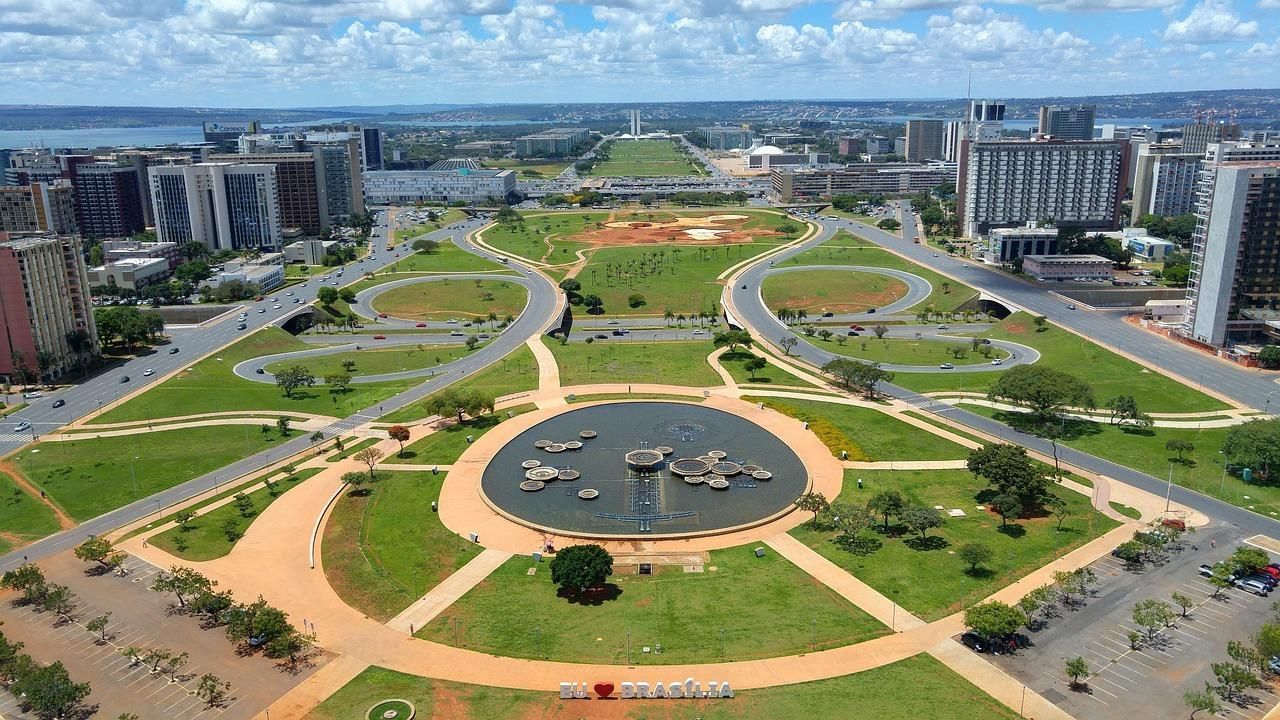
Image: mbastosbr

When Brazil built a new capital in 1960, the United States became the first nation to establish its embassy in the brand-new city of Brasília. The 12-acre compound took another decade to finish, but the wait was totally worth it.

Today, the building unfolds like a tropical retreat with lush courtyards, a marble facade, clusters of palms, and broad office space that seem to invite a slower pace. Inside, the Stars and Stripes waving overhead reminds you that this is less about vacation and more about international business, carried out in unmistakably American style.

5
Yerevan, Armenia
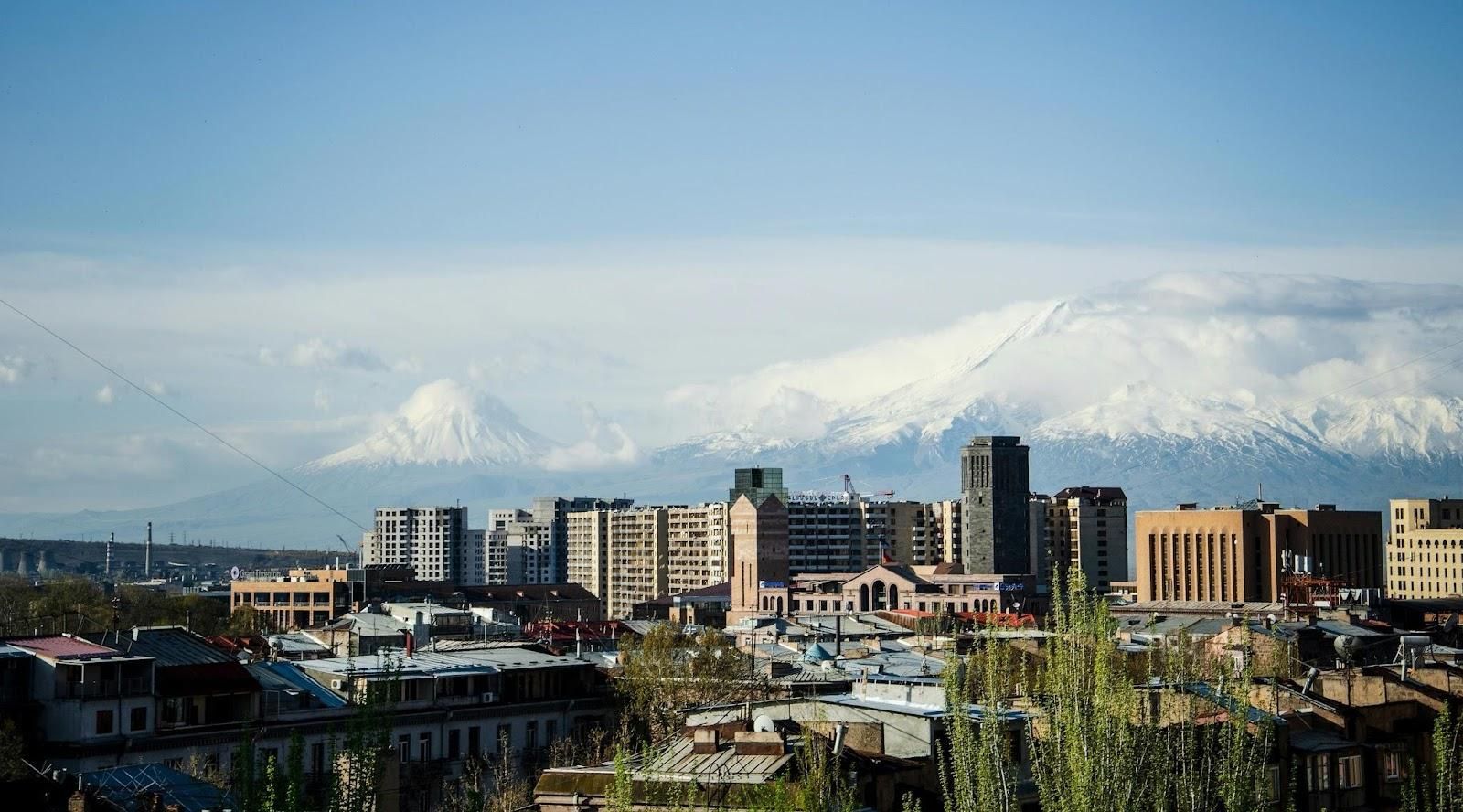
Image: Arina Dmitrieva

If embassies were given awards, the U.S. outpost in Yerevan would easily take home the trophy for "biggest backyard." Sprawled across 22 acres, it’s more park than office, with open lawns rolling out under the backdrop of Armenia’s rugged mountains.

Yet, the real deal is inside. The embassy serves as a gathering spot for locals, hosting cultural festivals, English-language programs, art exhibits, and workshops that make diplomacy accessible and engaging. With its airy design and community-centered vibe, it feels less like a fortress and more like an open invitation to join.

6
Ottawa, Canada

Image: Jane T D.

Right across the northern border, Canada hosts a striking U.S. Embassy right on Ottawa’s Sussex Drive. Spanning 138,000 square feet and completed in 1999, the building simply stands out. With its stainless-steel dome that gleams in the sunlight, it feels like a freshly minted coin.

Step inside and you’ll find an airy glass interior with open spaces, echoing the values of dialogue and solidarity. In a city lined with Gothic revival architecture, the U.S. Embassy rises as both a modern landmark and the stage where American diplomacy meets Canadian friendliness.

7
Tokyo, Japan
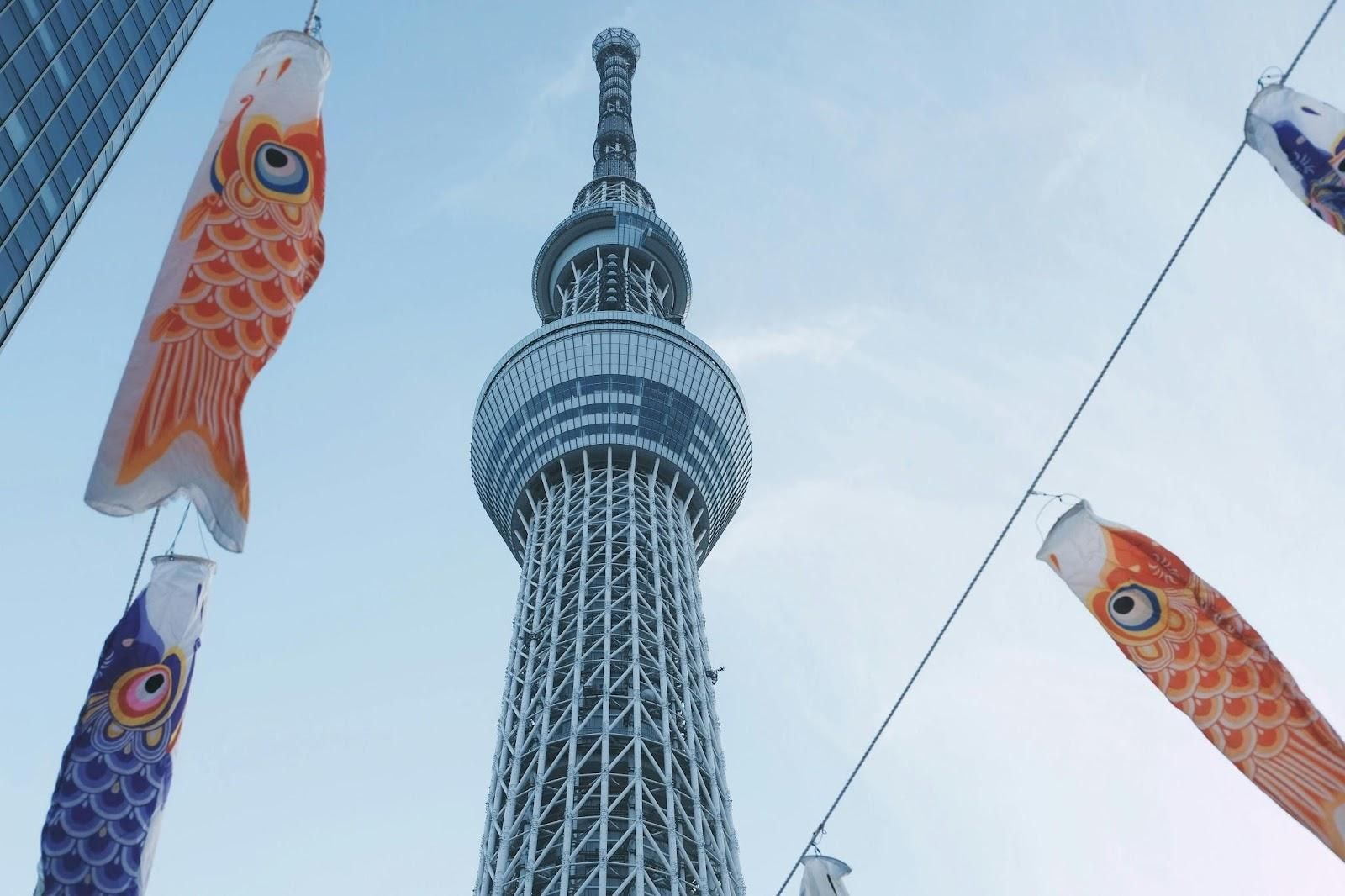
Image: Evgeny Tchebotarev

Set amid Tokyo’s frantic setting, the U.S. Embassy in Japan has stood its ground since the 1970s, quietly observing one of the world’s most dynamic capitals. Step outside its secure walls, and in just minutes you’re in the tranquil embrace of the Imperial Palace gardens, where koi ponds and ancient stone bridges feel worlds apart from the neon lights. Contrast is the essence of this post, rooted in a nation where skyscrapers rise beside shrines, and where diplomacy intertwines with both centuries-old heritage and cutting-edge modernity.

8
Canberra, Australia
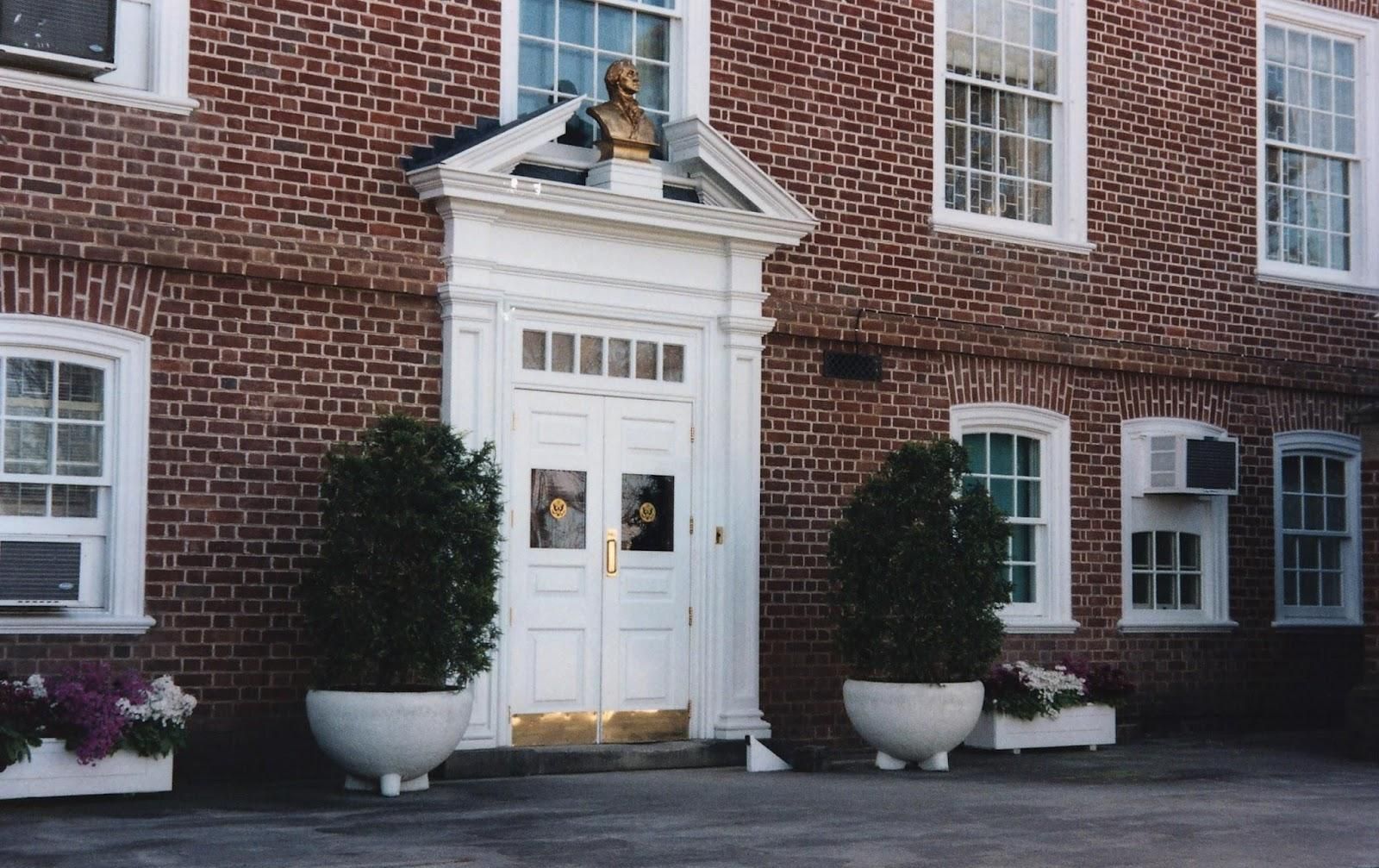
Image: National Archives at College Park - Still Pictures, Public domain, via Wikimedia Commons

Opened in 1963, the U.S. Embassy in Canberra feels like a time capsule from the golden age of mid-century design. With its grand dome and red-brick elegance modeled after Thomas Jefferson’s Monticello, the building brings a piece of Virginia heritage halfway around the world.

Framed by tall eucalyptus trees and the crisp skies of Australia’s capital, it strikes a balance between old-world stateliness and natural charm. For many visitors, this government office is a symbol of American history and Australian hospitality.

9
Buenos Aires, Argentina
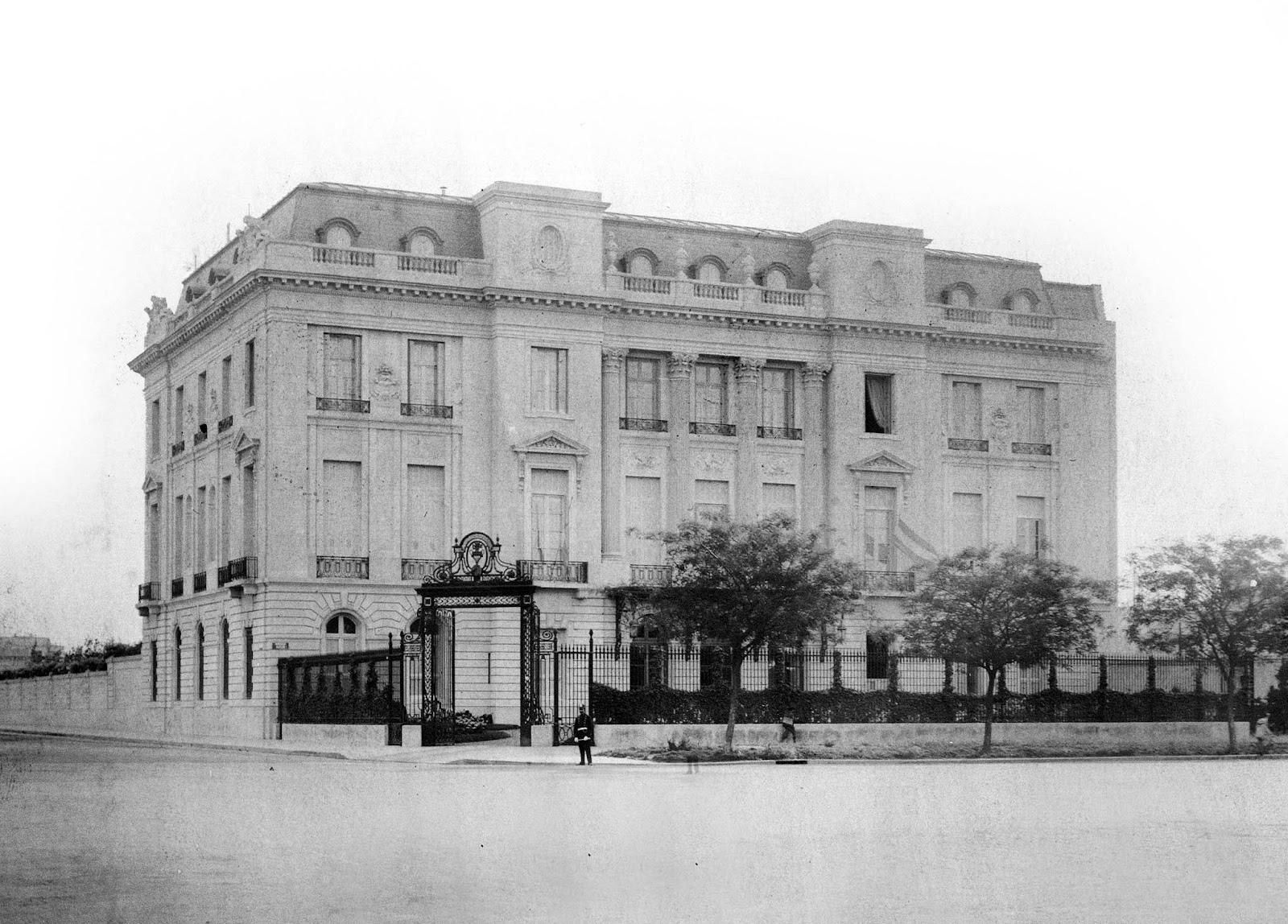
Image: here, Public domain, via Wikimedia Commons

Known as Palacio Bosch, this embassy doesn’t look like an office building at all. Originally built in 1910 for one of Argentina’s wealthiest families, the mansion still carries a Belle Époque aura. With sweeping marble staircases, glittering chandeliers, and fancy salons full of gilded details, it feels like the set for The Great Gatsby .

Outside, the gardens stretch wide and elegant, providing the backdrop for countless receptions where formal diplomacy blends with the warmth of Argentine culture. Guests might hear live music drifting through the air, join in animated conversation, or even share a round of _mate_—a reminder that this embassy is as much a cultural meeting point as it is a place for politics.

10
Oslo, Norway
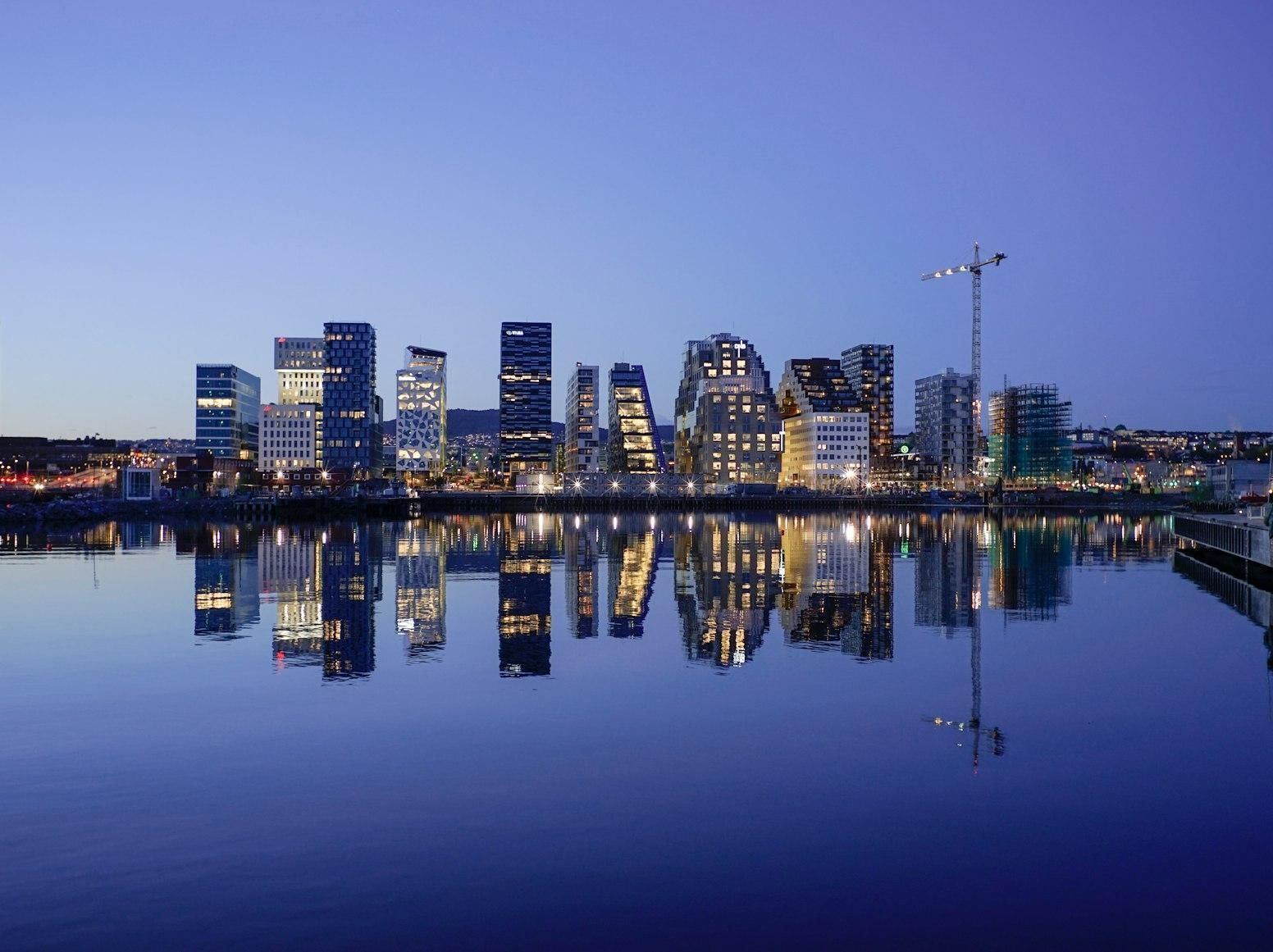
Image: Christoffer Engström

Though smaller in scale than others on this list, the U.S. Embassy in Oslo stands out with a design that mirrors the Norwegian landscape. Its facade pairs sleek glass walls with rugged stone, a blend that feels both contemporary and timeless.

In the summer, the building glimmers in the glow of endless daylight. Come winter, snow transforms its sharp lines into something out of a Nordic fairytale, with frosted rooftops and a quiet stillness in the air. More than just an office, this embassy feels woven into its setting—an architectural nod to Norway’s mix of modern design and deep connection to nature.

11
Mexico City, Mexico
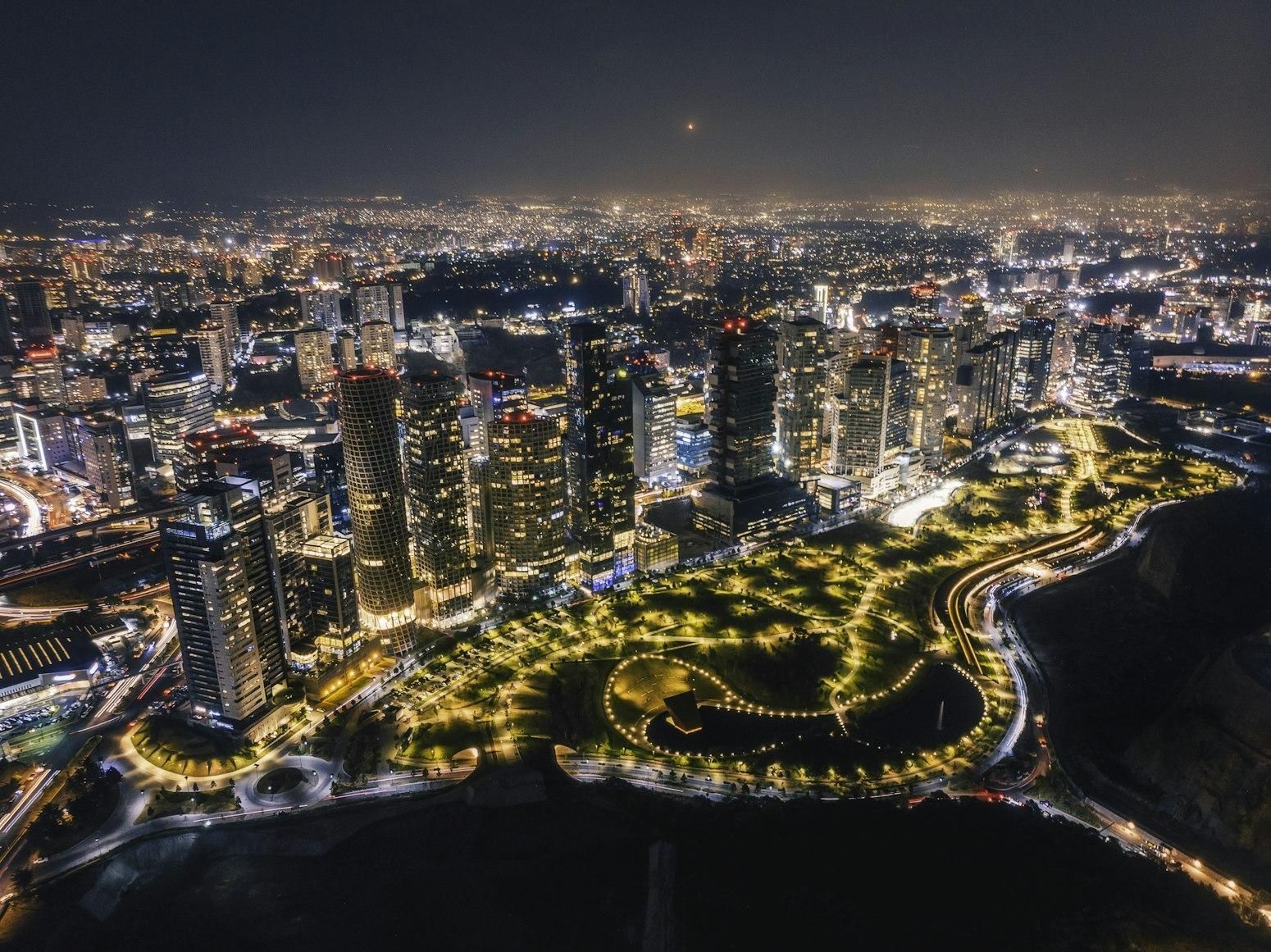
Image: Oscar Reygo

In one of the world’s liveliest capitals, this embassy makes its mark with sheer scale: over 1.8 million square feet of workspace. That makes it one of the largest American embassies , almost a city within a city.

Beyond its size, the U.S. Embassy in Mexico plays a central role in cultural exchanges and international cooperation, making it as vital to daily life as the bustling neighborhoods that surround it.

12
Singapore
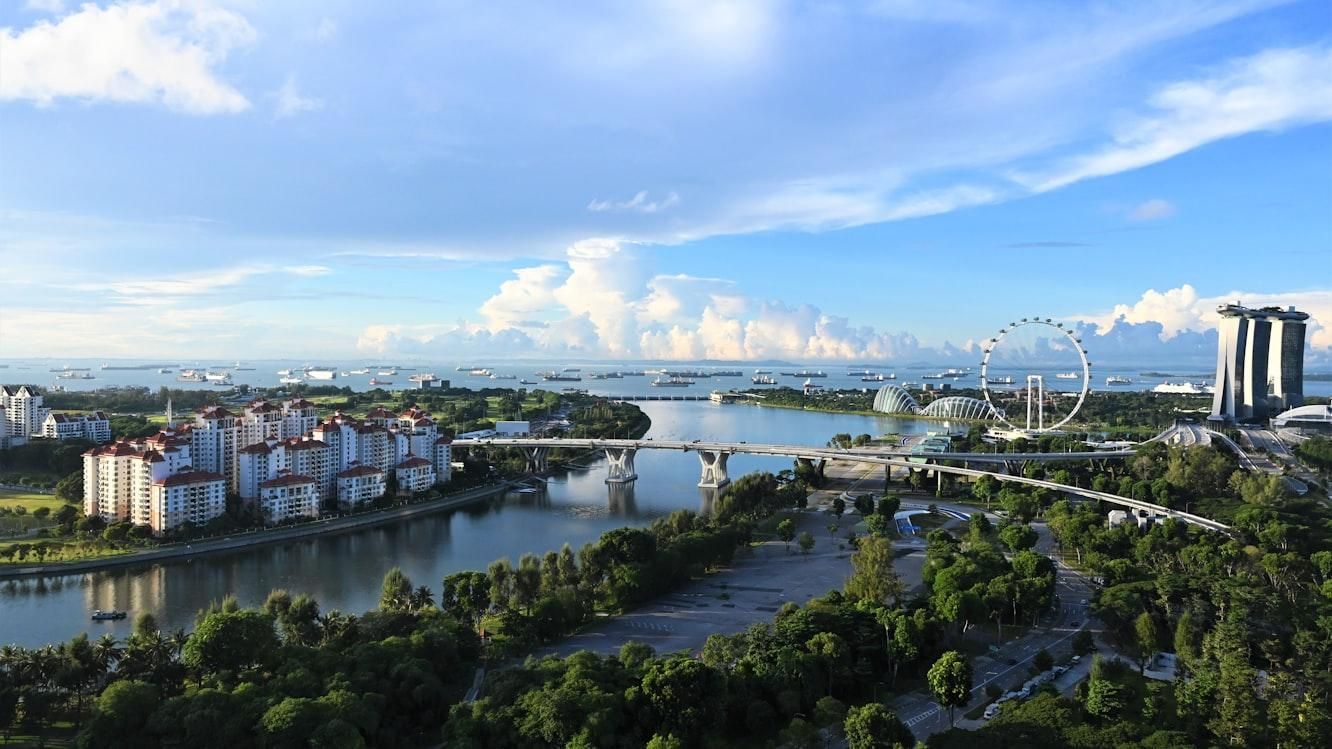
Image: Mark Stoop

Nestled among orchids, palms, and flowering shrubs, the U.S. Embassy in Singapore feels more like a tropical retreat than an office. Its wide, low-slung profile is designed to stay cool in the humid climate, blending seamlessly into the greenery. Just like in the rest of the city, architecture and nature work in harmony, offering a daily reminder that diplomacy can grow strong roots in even the warmest of places.
General General 5 min read

Say cheese!

Did you know American cheese is not actually cheese?

Image: Jonathan Borba

Few foods trigger as much heated debate as the neon-orange, perfectly square slice of American cheese. To culinary purists, it’s an industrial piece of rubber. But to the backyard grill master and the late-night grilled cheese enthusiast, it is a scientific masterpiece of consistency and meltability. The truth is, American cheese has been both witness and party to U.S. history, from World War I to Apollo missions. Before you peel back the wrapper on your next slice, let’s dive into 10 mind-melting facts that prove American cheese is one of the most fascinating—and misunderstood—innovations in food history.

1
It was invented in Switzerland

Image: NastyaSensei

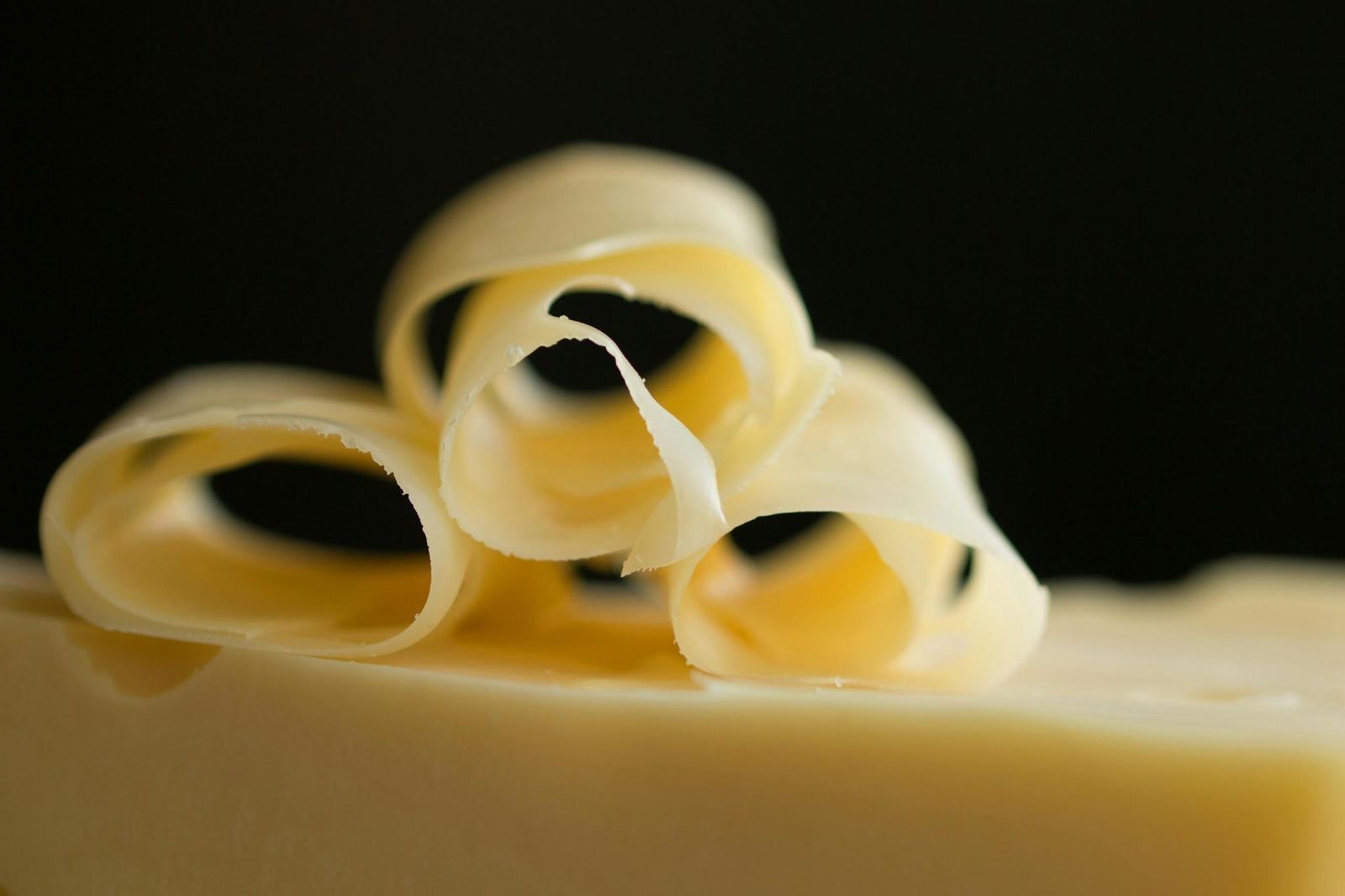
While the name suggests a US origin, the technology that created American cheese actually began in the heart of the Alps. It was developed in 1911 by Swiss researchers Walter Gerber and Fritz Stettler, who were looking for a way to extend the shelf life of their country’s famous Emmental cheese.

The problem with traditional cheese is that it eventually dries out, molds, or separates into a greasy mess when heated. By shredding the cheese, adding sodium citrate, and heating it, the Swiss duo discovered they could create a stable, smooth product that didn't separate. While they weren't trying to create "American" cheese as we know it today, their emulsification process laid the foundational science for every single-wrapped slice produced today.

2
It was popularized by a Canadian

Image: Martylunsford, CC BY-SA 4.0, via Wikimedia Commons

The man responsible for the global dominance of American cheese was James L. Kraft. Ring any bells? Kraft was a Canadian immigrant who moved to Chicago in 1903. While he didn't invent the concept of processed cheese, he perfected the industrial scale of its production and marketing.

Kraft noticed that retailers struggled with cheese spoilage; if a wheel of cheddar didn't sell quickly, it was a total loss. He experimented with various methods of heating and blending cheese until he found a formula that could be canned and shipped long distances without spoiling. In 1916, he received a patent for his "processed cheese," and during World War I, the U.S. government purchased millions of pounds of it for soldiers, cementing its privileged place in the American diet.

3
It was almost called "Embalmed Cheese"

Image: Internet Archive Book Images, No restrictions, via Wikimedia Commons

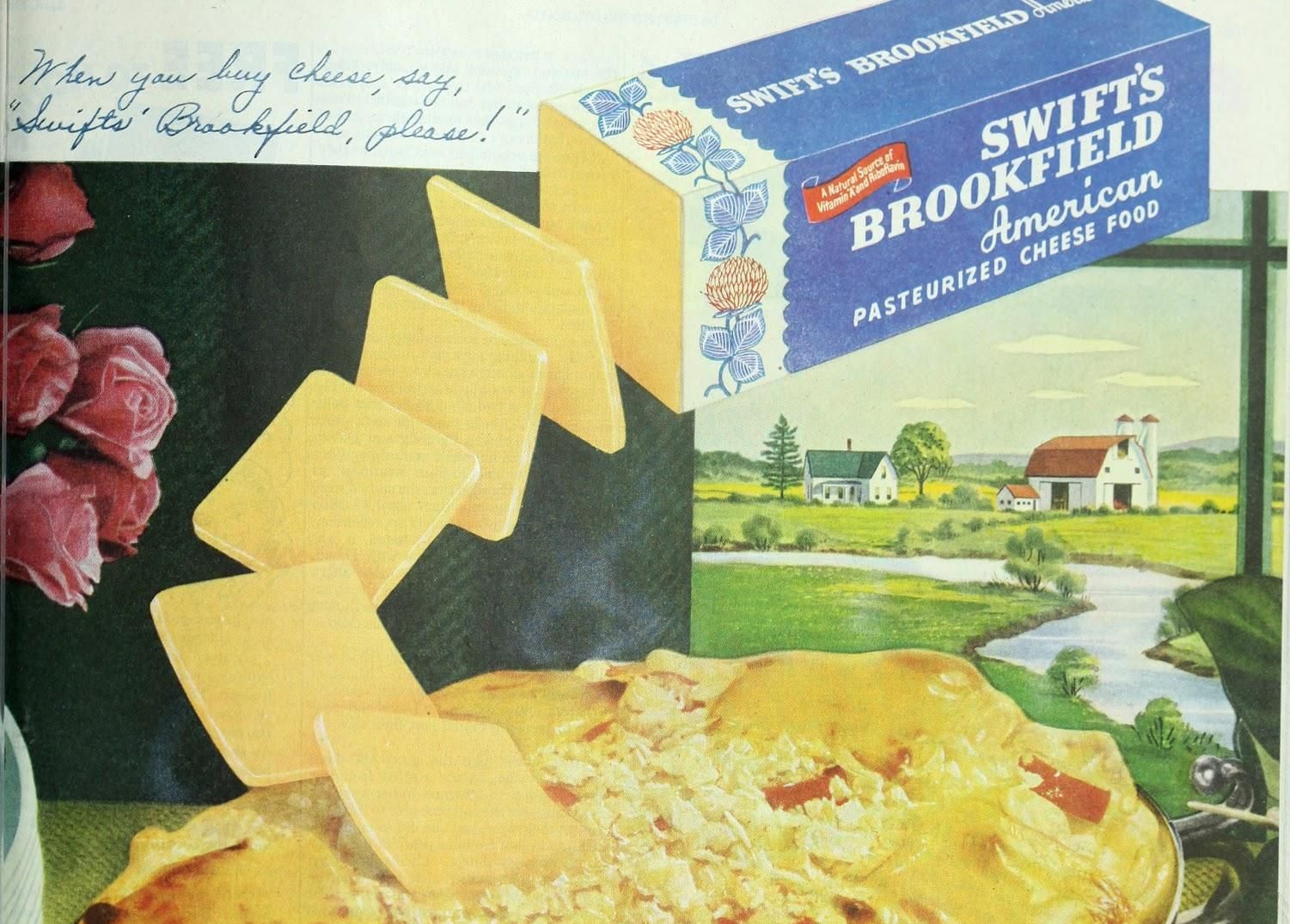
When processed cheese first hit the market, it had its detractors. Traditional cheesemakers were horrified, and so were pure food advocates. These critics argued that the product shouldn't even be called cheese. They’ve even gone so far as to call it "embalmed cheese" because of its unnaturally long shelf life and the chemical emulsifiers used to keep it stable. Yet, Kraft’s marketing prowess and the sheer convenience of the product ultimately won the naming battle. At least in the court of public opinion.

4
Technically, it isn’t cheese

Image: RDNE Stock project

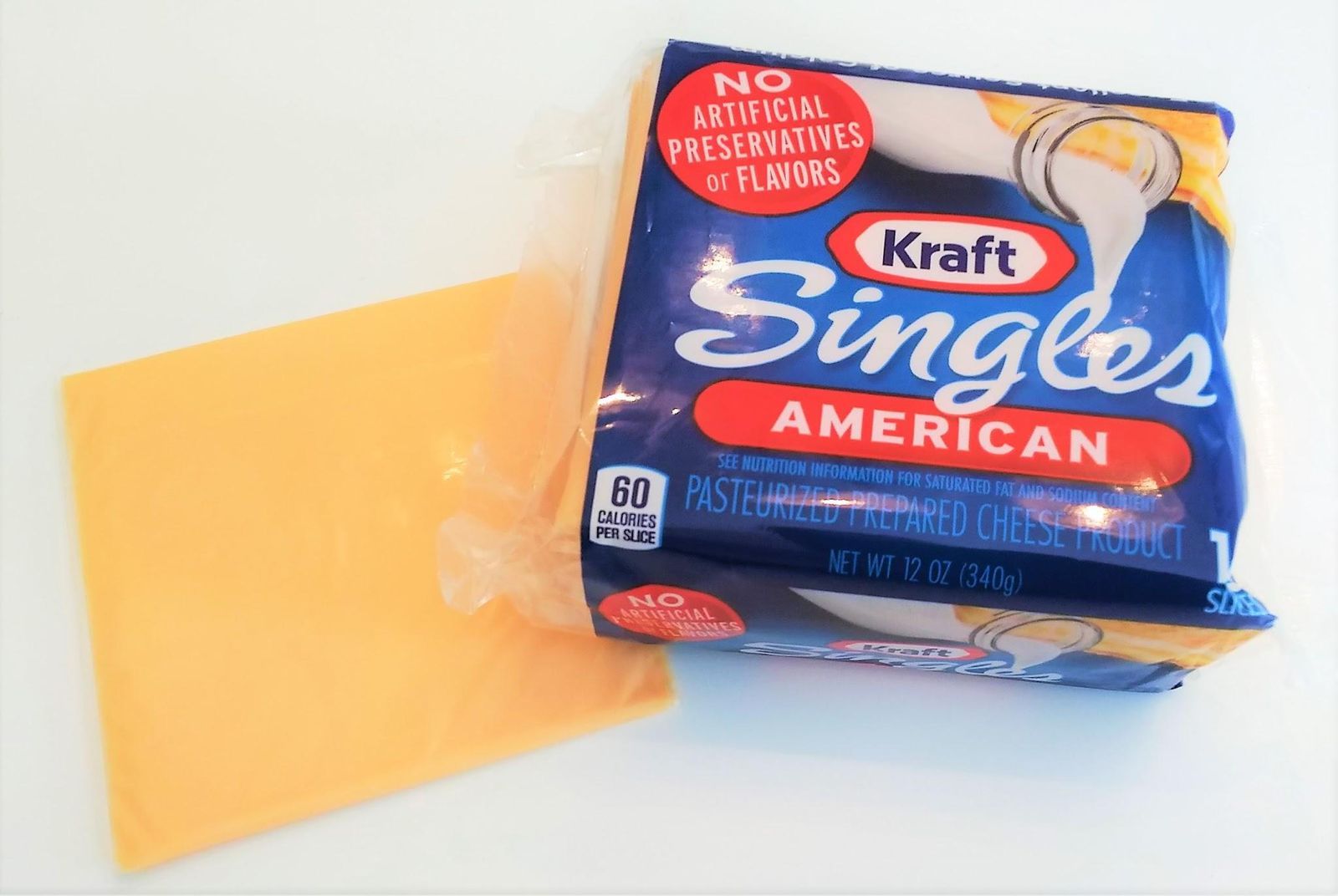
Kraft may have won the battle among the people, but legally, American cheese is not considered cheese. If you look closely at the packaging, you will rarely see the word "cheese" on its own. Because of strict FDA regulations, most varieties are legally classified as "Pasteurized Process Cheese Product" or "Pasteurized Process American Cheese Food."

To be labeled "cheese," a product must be made primarily of milk, salt, and enzymes. Processed American cheese, however, is made by blending real cheese—usually cheddar or Colby—with emulsifying salts, whey, and sometimes extra milk or fats.

5
Any cheese can be made into American cheese

Image: Edita Brus

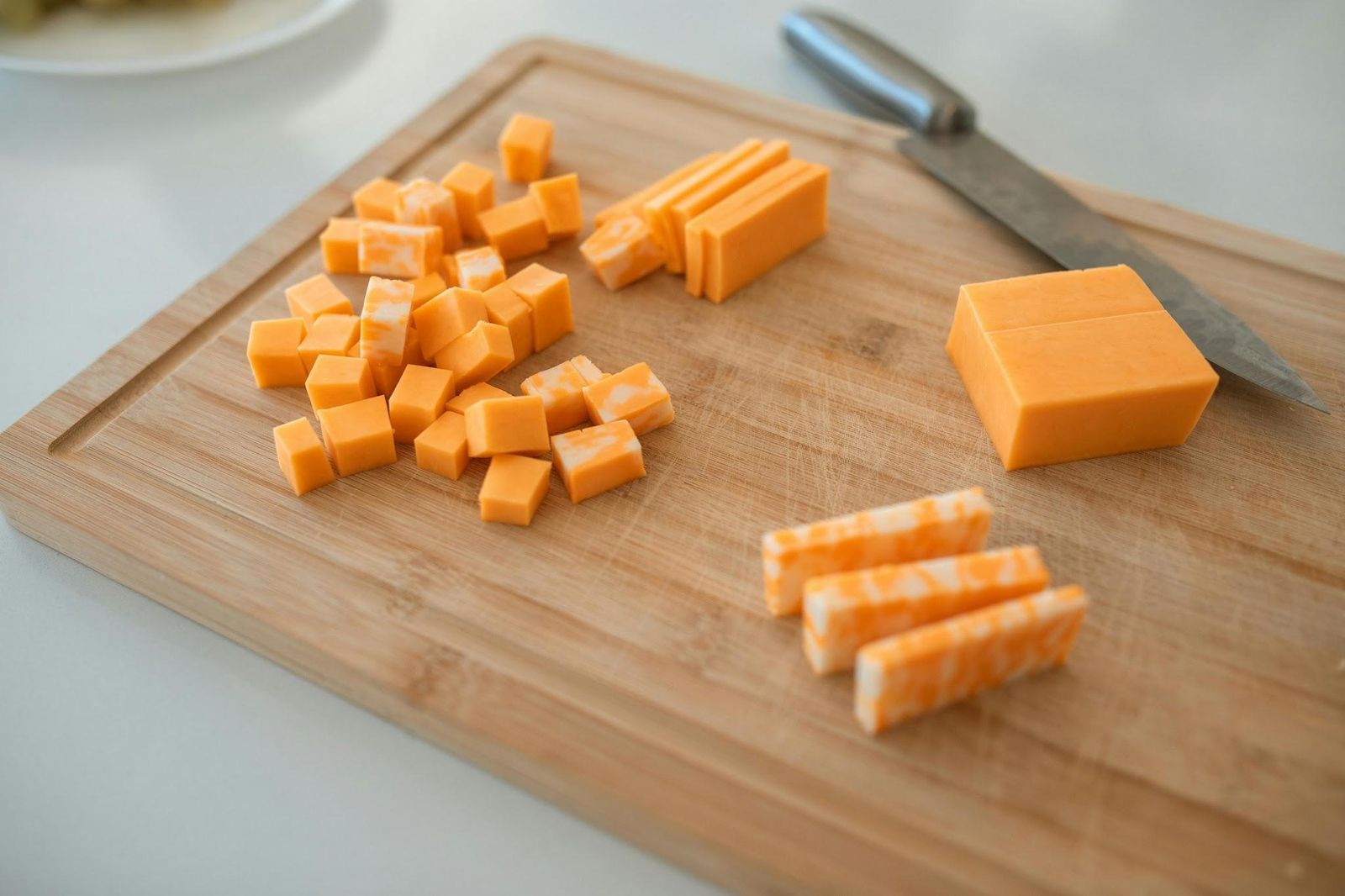
The term "American cheese" refers more to a process than a specific flavor. In theory, you could make "American-style" brie, blue cheese, or parmesan. The defining characteristic is the addition of an emulsifier, which breaks down the proteins and allows the fats and water to stay together.

In fact, some high-end chefs now make their own artisanal American cheese with aged cheddars processed with sodium citrate to create a slice that has the complex flavor of an expensive block but the melting point of a Kraft Single.

6
It isn’t naturally yellow

Image: jianwei zhu

The vibrant orange-yellow hue of American cheese is entirely a cosmetic choice. Traditionally, cheese color varied by the season; when cows ate fresh grass in the summer, their milk contained more beta-carotene, leading to a naturally yellowish cheese. To make their cheese look high-quality all year round, cheesemakers began adding dyes.

American cheese takes this tradition to the extreme. It is typically colored with annatto, a seed from the achiote tree. Without this dye, American cheese would be a pale, creamy white, which is how it is sold in many delis as "White American". Yes, that’s right, there is no flavor difference between the white and yellow versions.

7
It has an extremely low melting point

Image: Vinícius Caricatte

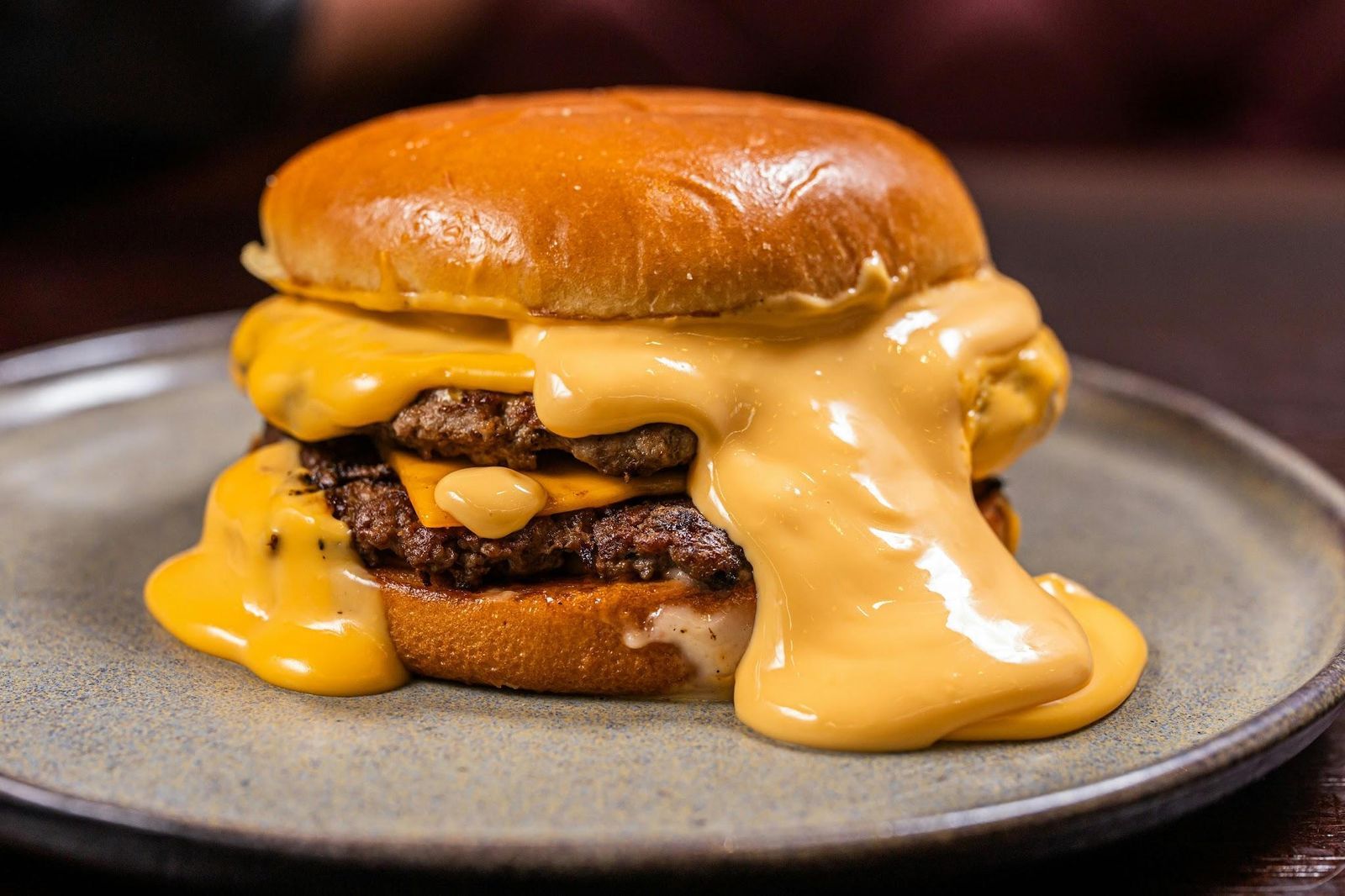
The scientific superpower of American cheese is its meltability. Traditional cheeses have a protein structure that tightens when heated, which is why a slice of aged cheddar on a burger often results in an oily puddle and a rubbery clump.

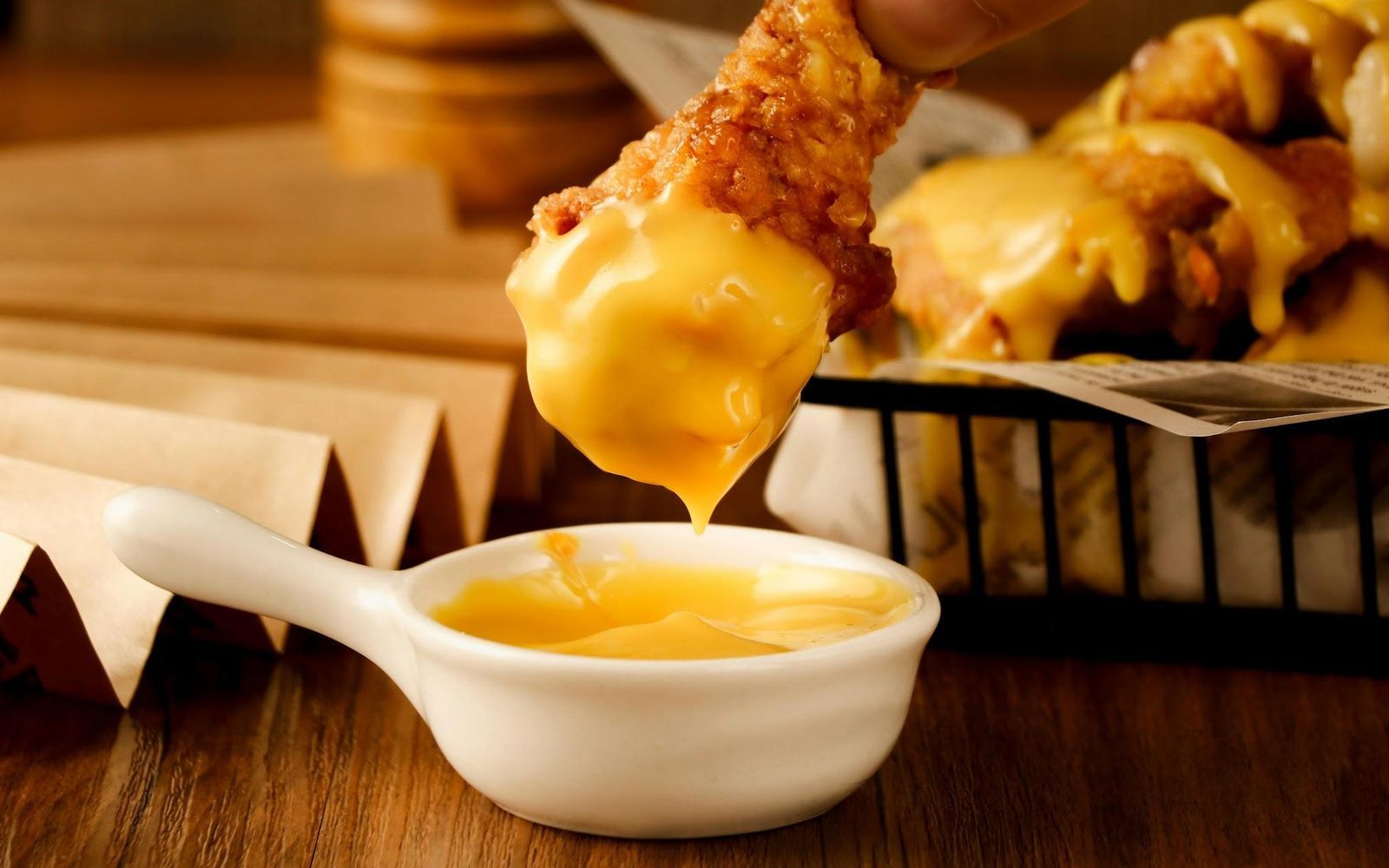
Because of the emulsifying salts, the proteins in American cheese can withstand heat without clumping together. This gives it an incredibly low and stable melting point, transforming the slice into a silky sauce. This is why it remains the undisputed king of grilled cheese sandwiches.

8
It’s been in space

Image: NASA, Public domain, via Wikimedia Commons

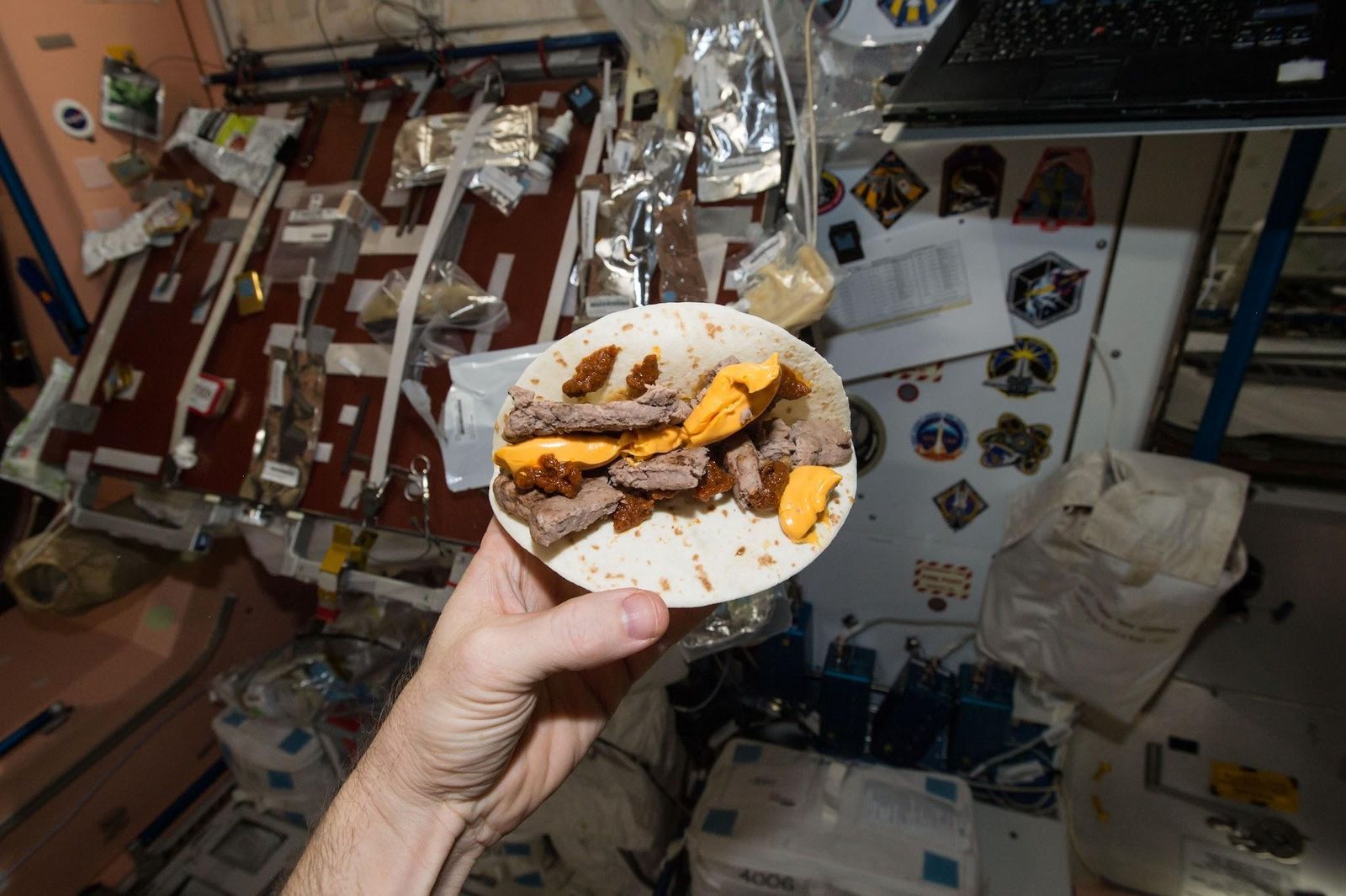
When you're hurtling through orbit in a cramped capsule, you need food that is stable, easy to eat, and won't crumble into thousands of tiny, electronics-clogging pieces. American cheese fit the bill perfectly for early NASA missions.

Processed cheese in tubes or cubes was a staple of the Apollo missions. Because it doesn't separate or sweat oil in varying temperatures and pressures, it was one of the few dairy products that could reliably provide flavor and calcium to astronauts.

9
It helped bring cheese to the masses

Image: Internet Archive Book Images, No restrictions, via Wikimedia Commons

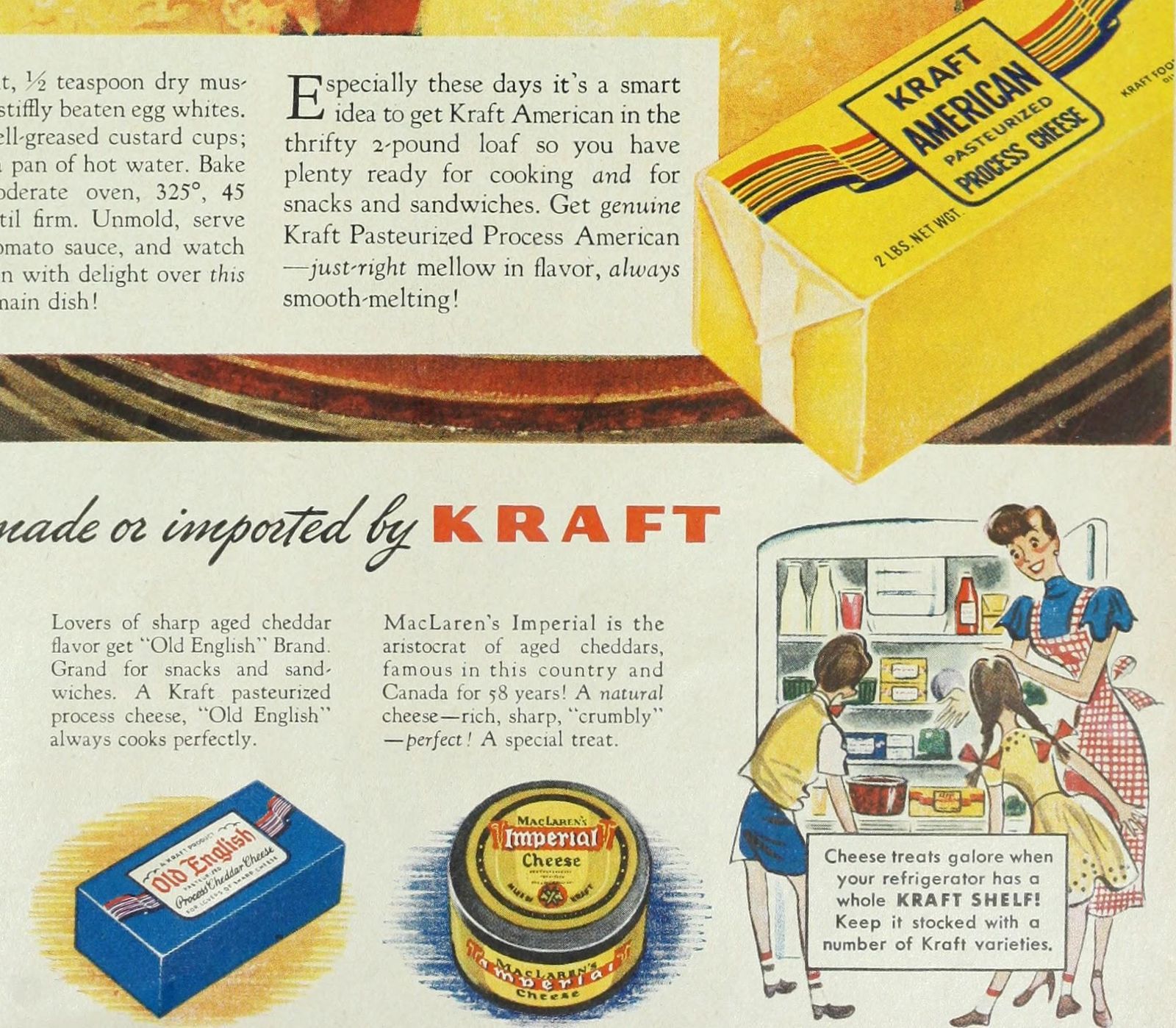
Before the advent of processed cheese, cheese was often a seasonal luxury. It was difficult to transport, expensive to store, and highly variable in quality. James L. Kraft’s invention changed that. By creating a product that was uniform in flavor and shelf-stable, he made cheese affordable and accessible to every corner of the United States.

10
The U.S. Government once gave it out

The U.S. government not only bought tons of American cheese during World War I. In the 1980s, the term "government cheese" became a thing. During a period of dairy surpluses, the government bought millions of pounds of cheese to prop up prices for struggling farmers.

To avoid letting it rot, the Reagan administration began distributing five-pound blocks of cheese to low-income families, seniors, and schools. For many who grew up in that era, that pale orange processed cheese was a lifesaver.

General General 6 min read

Hidden from the public

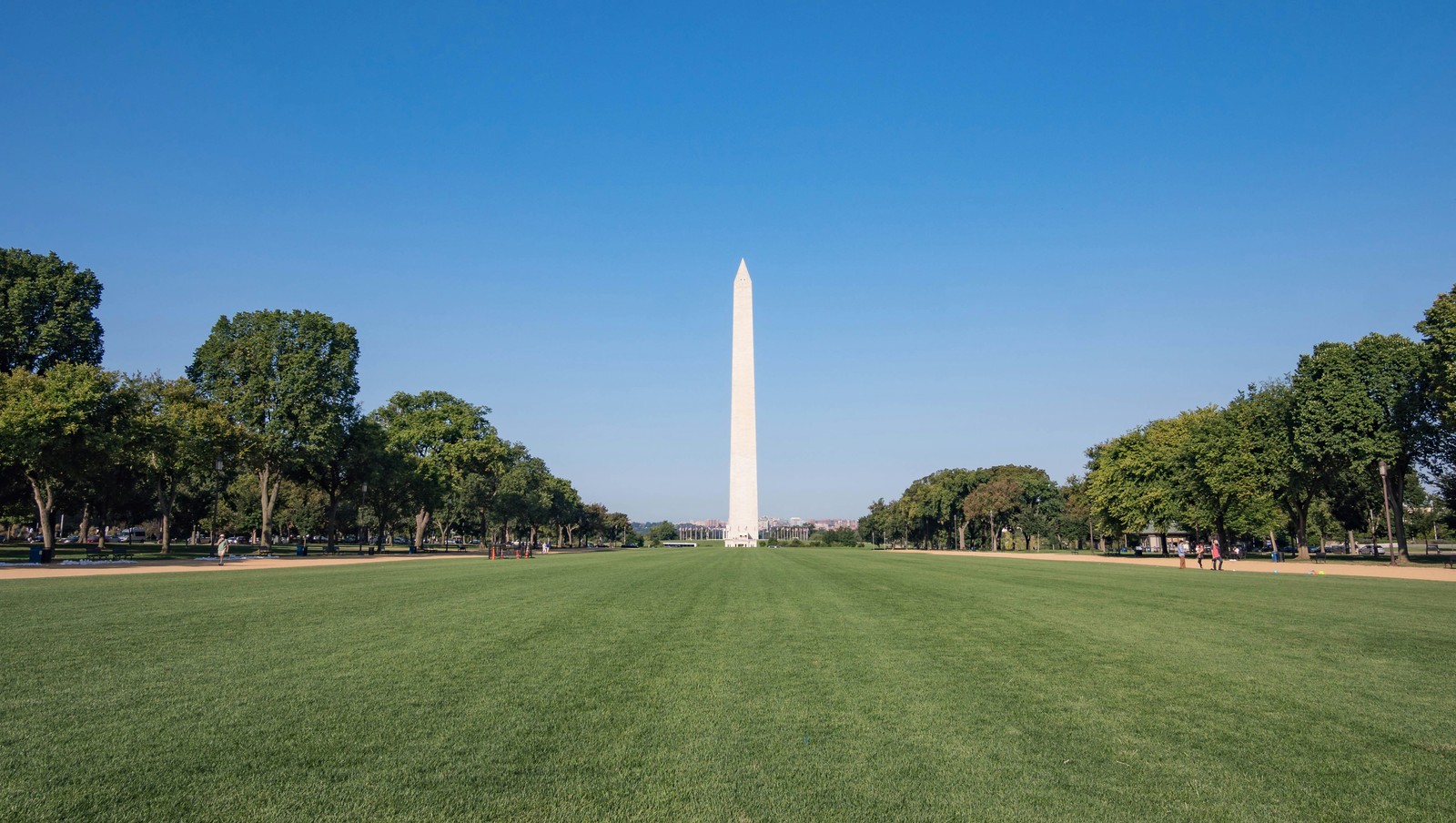
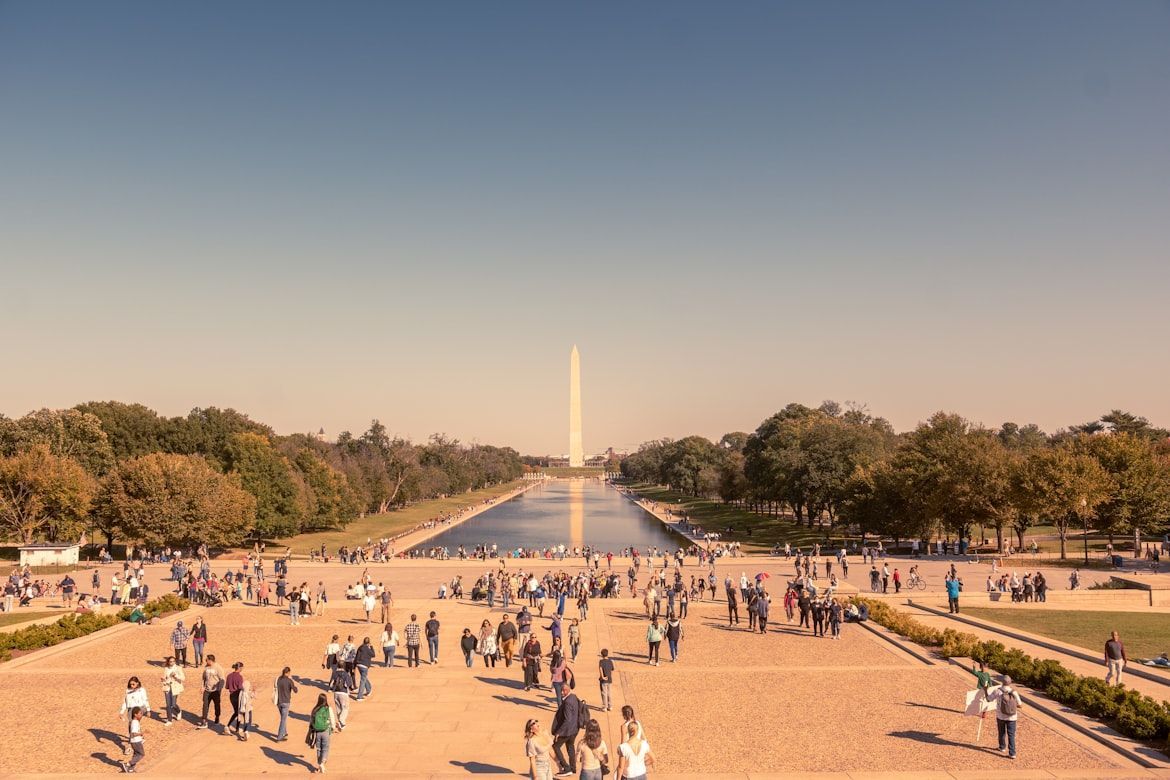
What's hidden beneath the National Mall? It's not what you think

Image: Sonder Quest

Cities like Washington, DC, Philadelphia, and Boston feel so famous that it’s easy to think there’s nothing left to discover in them. But with centuries of history behind them, they’re full of secrets most people never learn about. From underground tunnels linking iconic buildings to hidden rooms inside famous landmarks, today we’re uncovering 10 hidden spots and historical secrets of the cities you thought you knew.

1
National Mall’s hidden tunnel (Washington, DC)

Image: Samuel Girven

The National Mall landscape in Washington, DC, is so familiar that it’s hard to imagine anything hidden beneath it, but there is more going on below the surface than most visitors realize.

Beneath parts of the Mall, a network of underground tunnels connects buildings like the Smithsonian Institution Building, a.k.a "The Castle", with other Smithsonian facilities, including the National Museum of Natural History. They’re mainly used for utilities, secure staff access, and behind-the-scenes operations that keep the museums running smoothly.

2
Mount Rushmore’s secret chamber (Keystone, SD)

Image: Uniq Trek

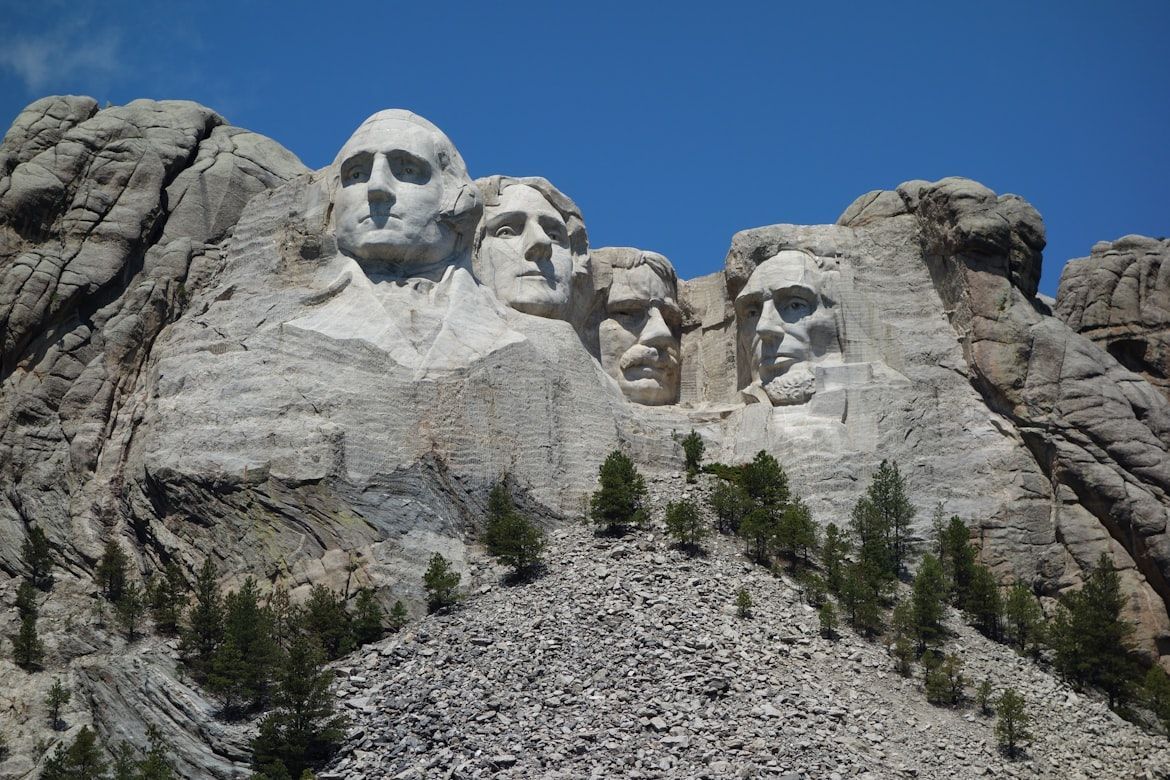
When you look at Mount Rushmore, the first thing you notice is the four faces of George Washington, Thomas Jefferson, Theodore Roosevelt, and Abraham Lincoln, but there’s more than meets the eye. Hidden behind Lincoln’s head is a secret chamber known as the "Hall of Records," a place visitors have rarely ever seen. It was the idea of sculptor Gutzon Borglum, who imagined it as a grand room to hold important US documents and tell our story as a country. Construction began with that goal, but the project was never completed. Today, the chamber remains unfinished, but it's there, waiting to be visited someday.

3
The Las Vegas sign is in another city (technically, Paradise, NV)

Image: Sung Shin

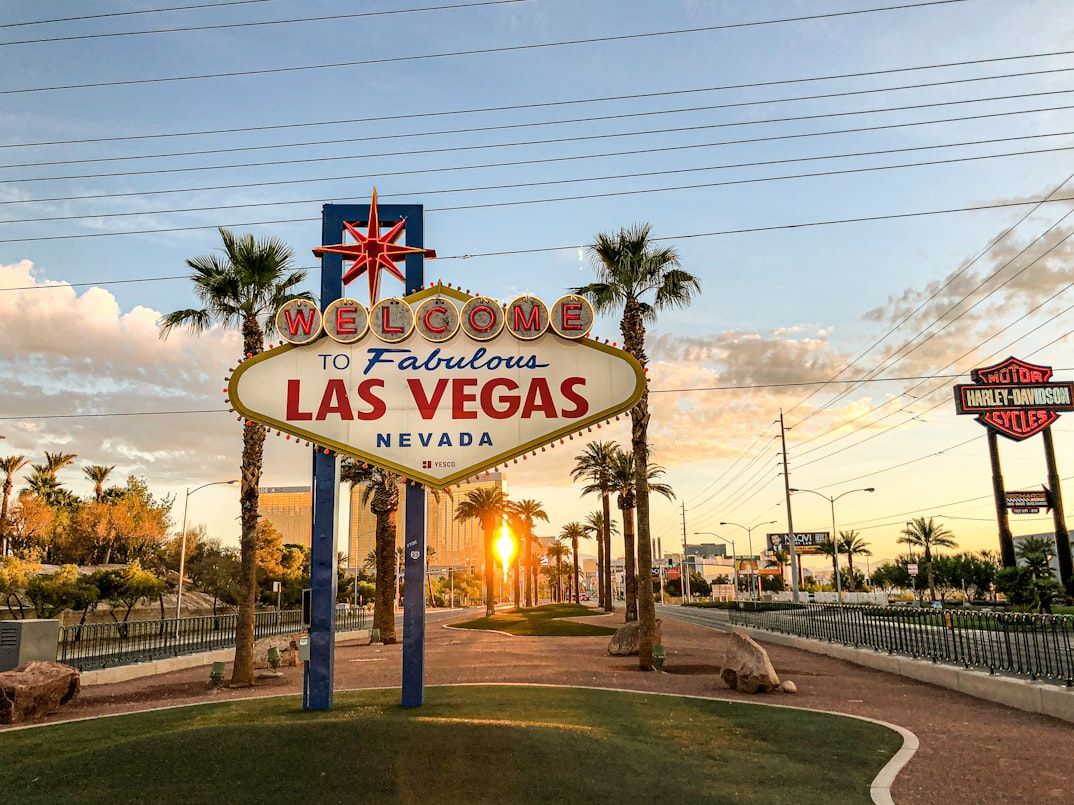
Do you have the classic picture in front of the iconic "Welcome to Fabulous Las Vegas" sign? If you snapped it and then drove to another city, we hate to break it to you, but you weren’t in Las Vegas.

The famous sign, installed in 1959, actually sits a couple of miles outside the city limits. In fact, the sign and most of the Strip are technically located in the towns of Paradise and Winchester, unincorporated communities in Clark County, Nevada, not within Las Vegas itself. And that’s no accident: much of the Strip and its casinos were originally developed outside the city in the 1950s to avoid municipal taxes and regulations.

4
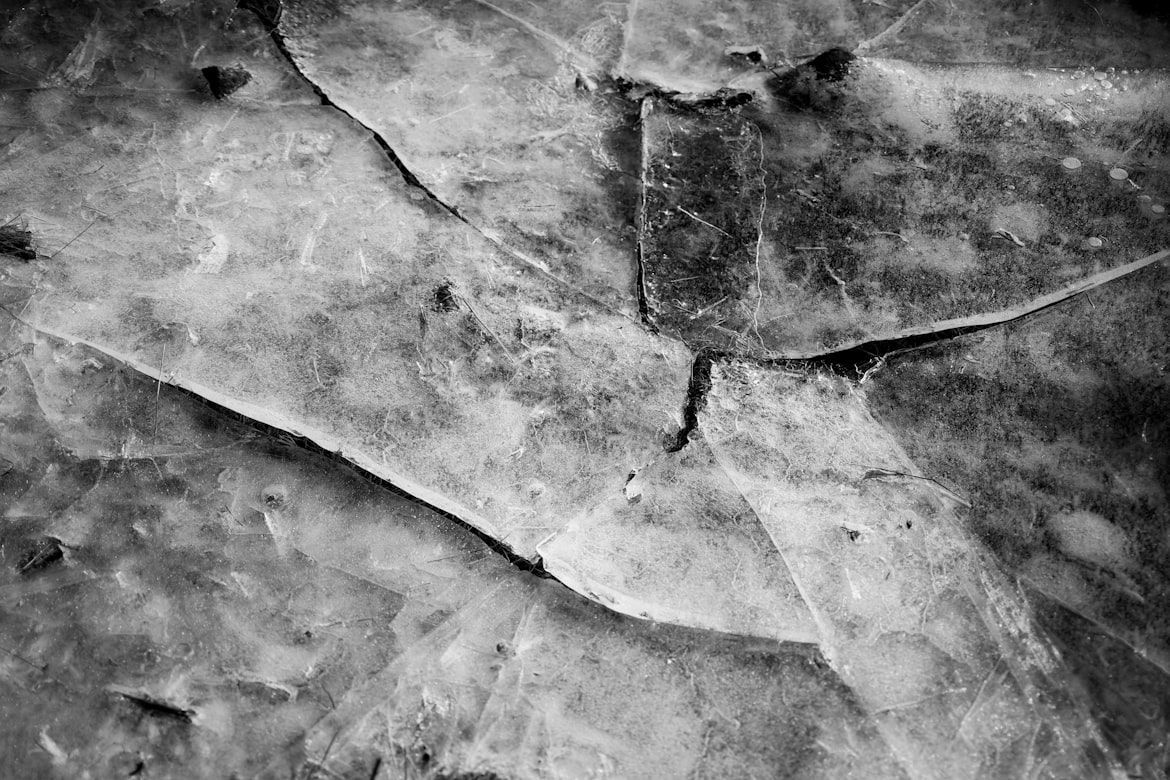
Fragments of the Antarctic ice sheets (Denver, CO)

Image: Marco Bianchetti

Did you know that the Mile High City stores miles of ice from Greenland and Antarctica? Ok, but how?

At Denver’s National Ice Core Laboratory, part of the Federal Science Center, the ice is kept at around -32.8°F. Researchers study it not just to understand Antarctica itself, but also to inspect Earth’s history. Some of these blocks of ice are hundreds of thousands of years old, and from them, scientists can reconstruct ancient temperatures, track greenhouse gas levels, and even identify major volcanic eruptions preserved in the layers.

5
The hatch at the top of City Hall Tower (Philadelphia, PA)

Image: Miscellaneous Items in High Demand, PPOC, Library of Congress, Public domain, via Wikimedia Commons

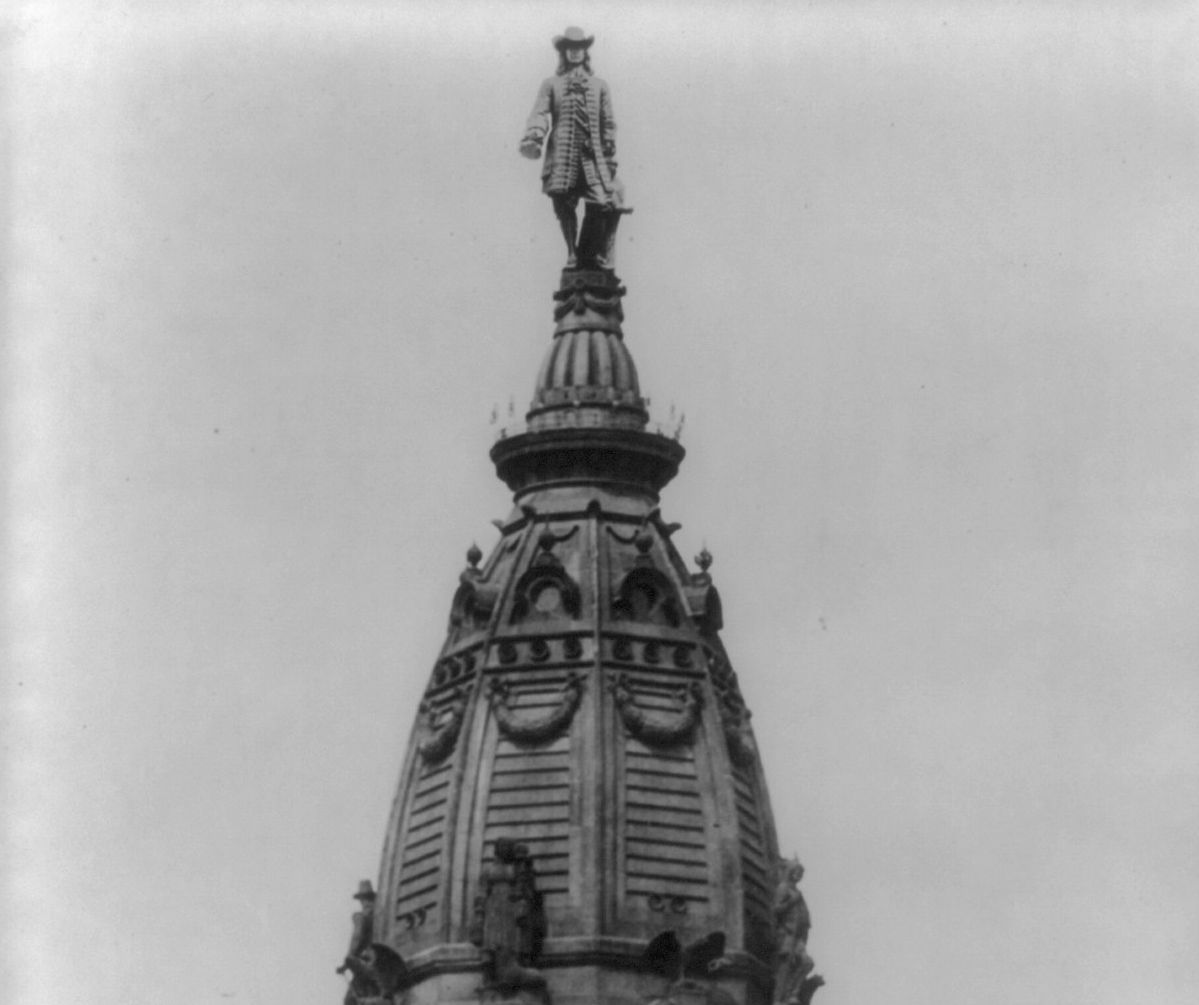
Counting the statue of William Penn at its summit, the tower of Philadelphia City Hall rises about 548 feet, making it the tallest municipal building in the United States. But hidden high above the street, the statue conceals a little-known secret.

At its base is a small hatch, originally built to give workers access for maintenance. It offers an incredible vantage point over the city, but getting there isn’t easy. To reach it, you have to climb narrow stairways and walk through tight, elevated passageways. Would you dare give it a try?

6
A 112,544 square-foot underground bunker (White Sulphur Springs, WV)

Image: Kberg115, CC BY-SA 3.0, via Wikimedia Commons

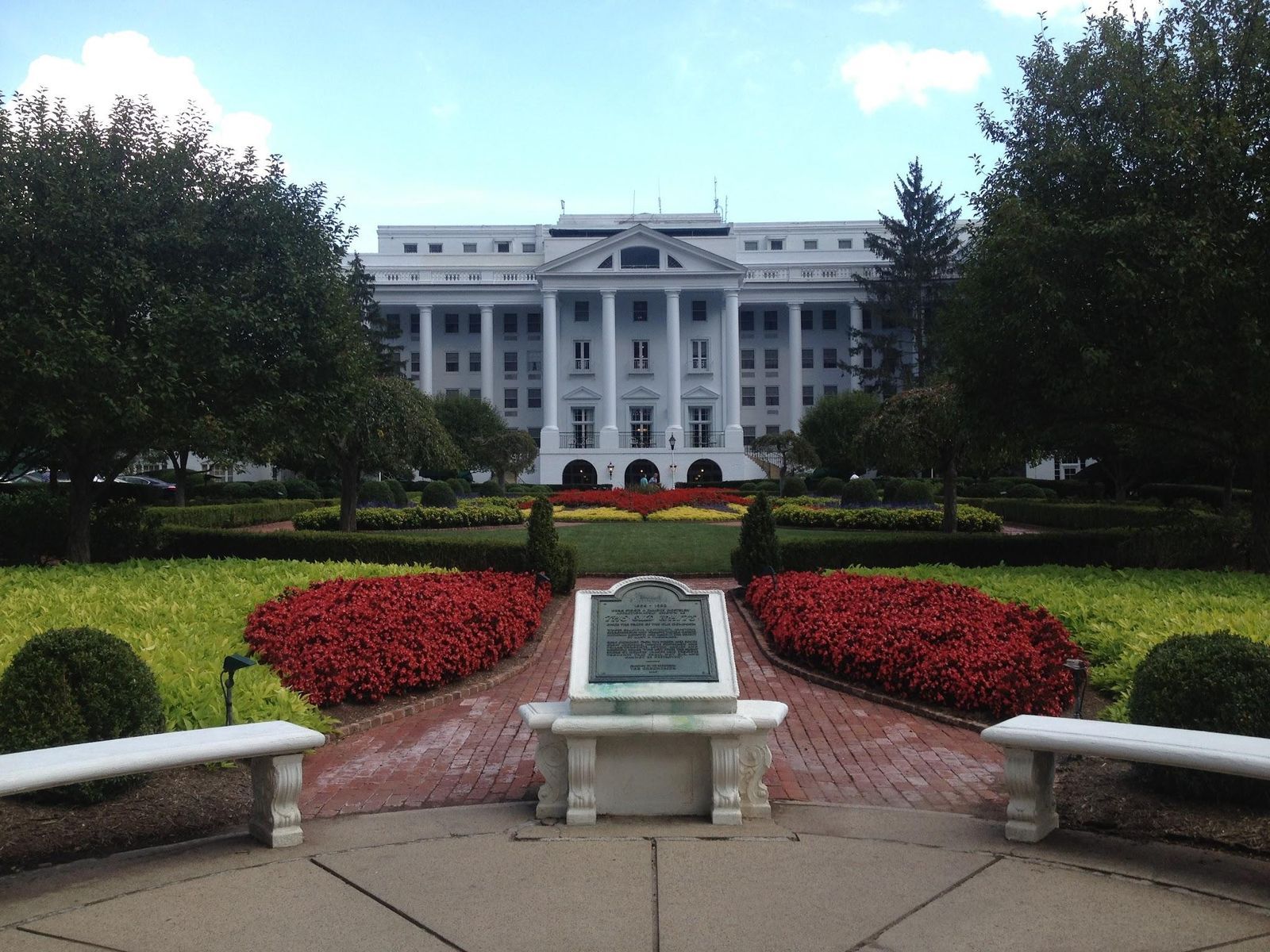
The tense atmosphere and threats of the Cold War led to the construction of thousands of underground bunkers across the US. And one of the most impressive is right beneath the Greenbrier Resort in White Sulphur Springs, West Virginia.

Buried 720 feet into the hillside, this 112,544-square-foot bunker was created to shelter all 535 members of the US Congress in the event of a nuclear attack. Built between 1958 and 1961, it was sealed behind a 25-ton blast door, and it remained a protected secret for more than 30 years.

7
Catacombs underneath City Market (Indianapolis, IN)

Image: Richie Diesterheft, CC BY-SA 2.0, via Wikimedia Commons

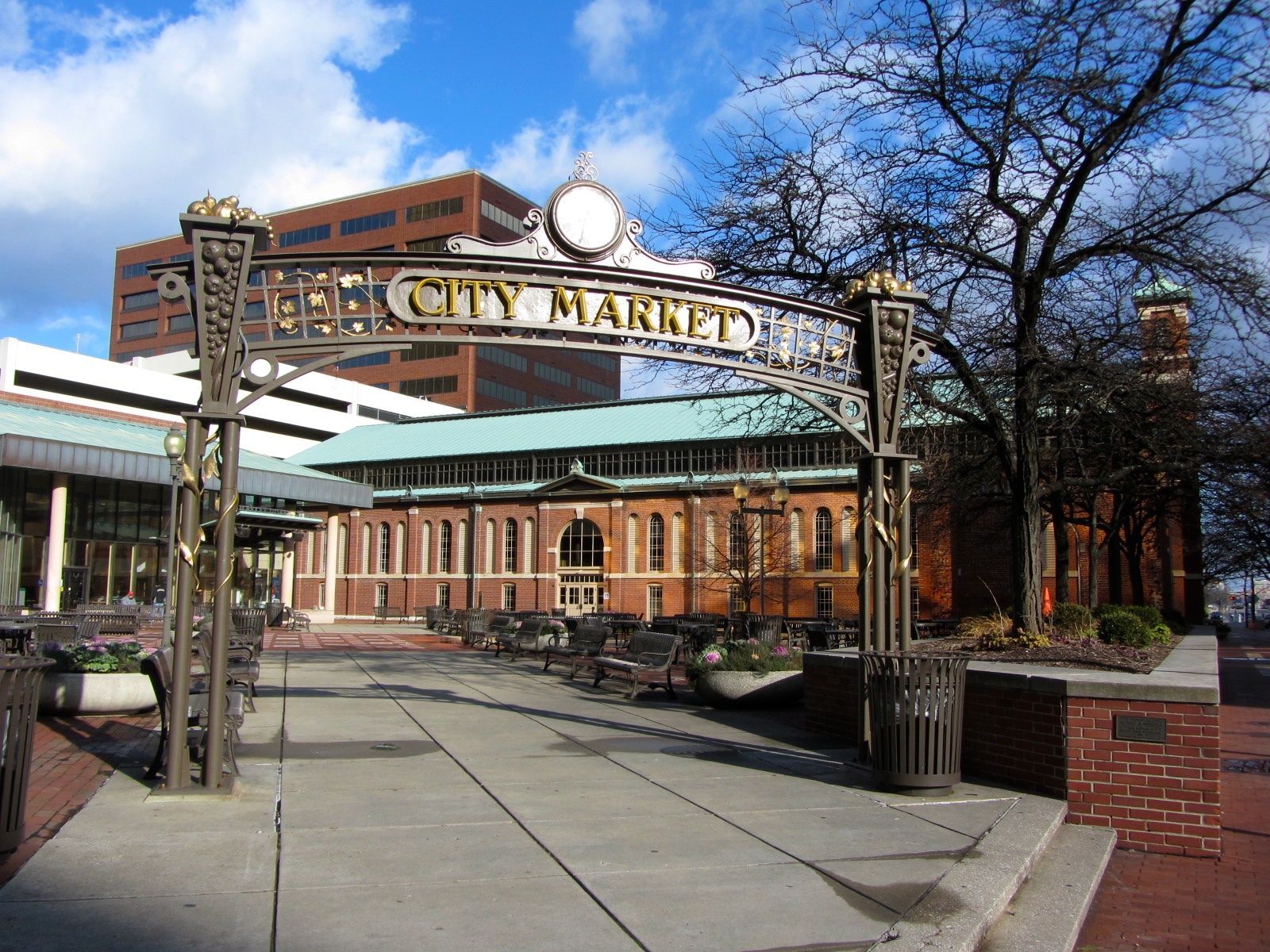
In downtown Indianapolis, the City Market has been a gathering place since 1886, filled with local vendors, cafés, and shops. But there’s more to it than what you see above ground. Beneath the market lies a network known as the City Market’s "catacombs."

Despite the name, the reality isn't quite so macabre; they’re a series of brick archways that once supported Tomlinson Hall, a huge market building demolished in the mid-20th century. Today, this underground space remains as a hidden piece of the city’s past, but unlike many places on this list, it’s occasionally open for guided tours.

8
One of history's biggest art heists (Boston, MA)

Image: King of Hearts, CC BY-SA 4.0, via Wikimedia Commons

We all know Boston as the "birthplace of the American Revolution," home to events like the Boston Massacre and the Boston Tea Party. But there’s another chapter of its history you don’t hear about as often.

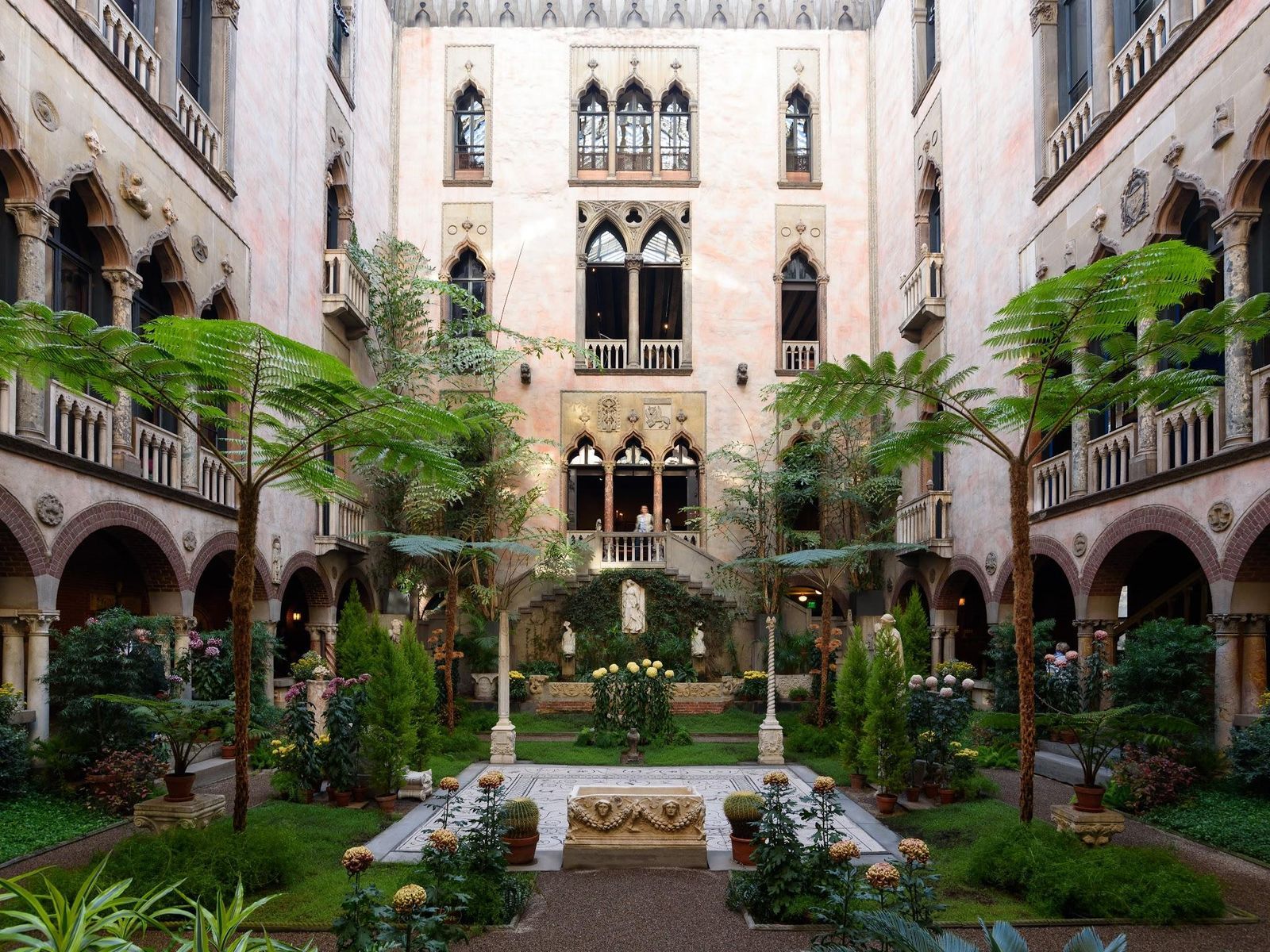
Just over 30 years ago, Boston was the scene of one of the biggest art heists in history. In the early hours of March 18, 1990, two men disguised as police officers entered the Isabella Stewart Gardner Museum, overpowered the guards, and stole 13 invaluable works of art, including pieces by Vermeer, Degas, Rembrandt, and Manet. To this day, the case remains unsolved, and a multi-million-dollar reward is still offered for information.

9
One of the quietest places on Earth (Minneapolis, MN)

Image: Togabi, CC BY-SA 4.0, via Wikimedia Commons

Where do you think the quietest places on Earth are? You might imagine remote landscapes far from civilization, but one of them is actually right in Minneapolis, Minnesota.

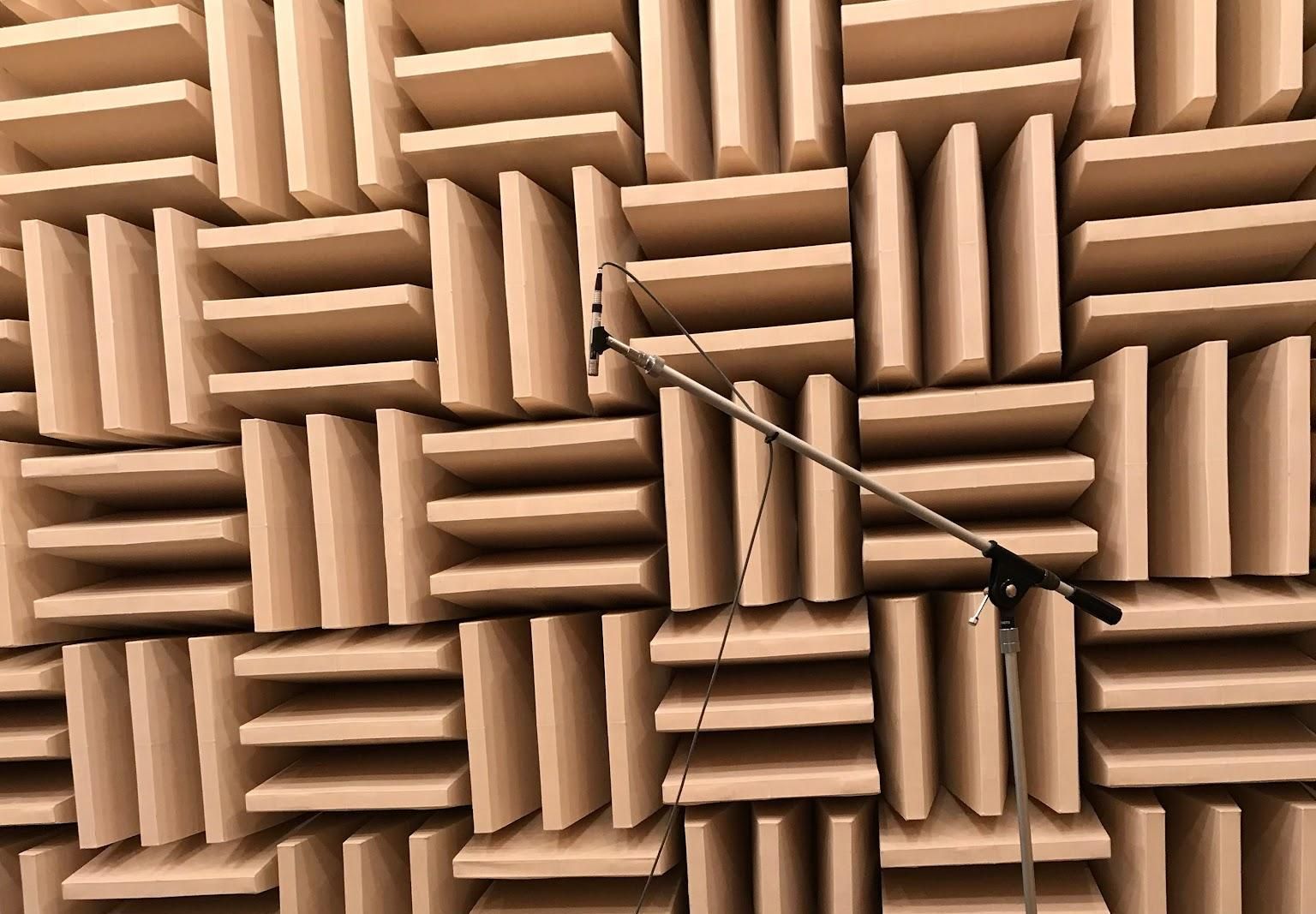
Inside Orfield Laboratories, there’s a room with no windows or natural light, an anechoic chamber that absorbs nearly all sound. That’s right: it blocks almost every noise, making the space even quieter than a vacuum. Visitors say the silence is so intense that you can hear your own heartbeat and even the faintest movements of your body. Simply incredible.

10
A strange law (Los Angeles, CA)

Image: Sean Krieg, CC BY 4.0, via Wikimedia Commons

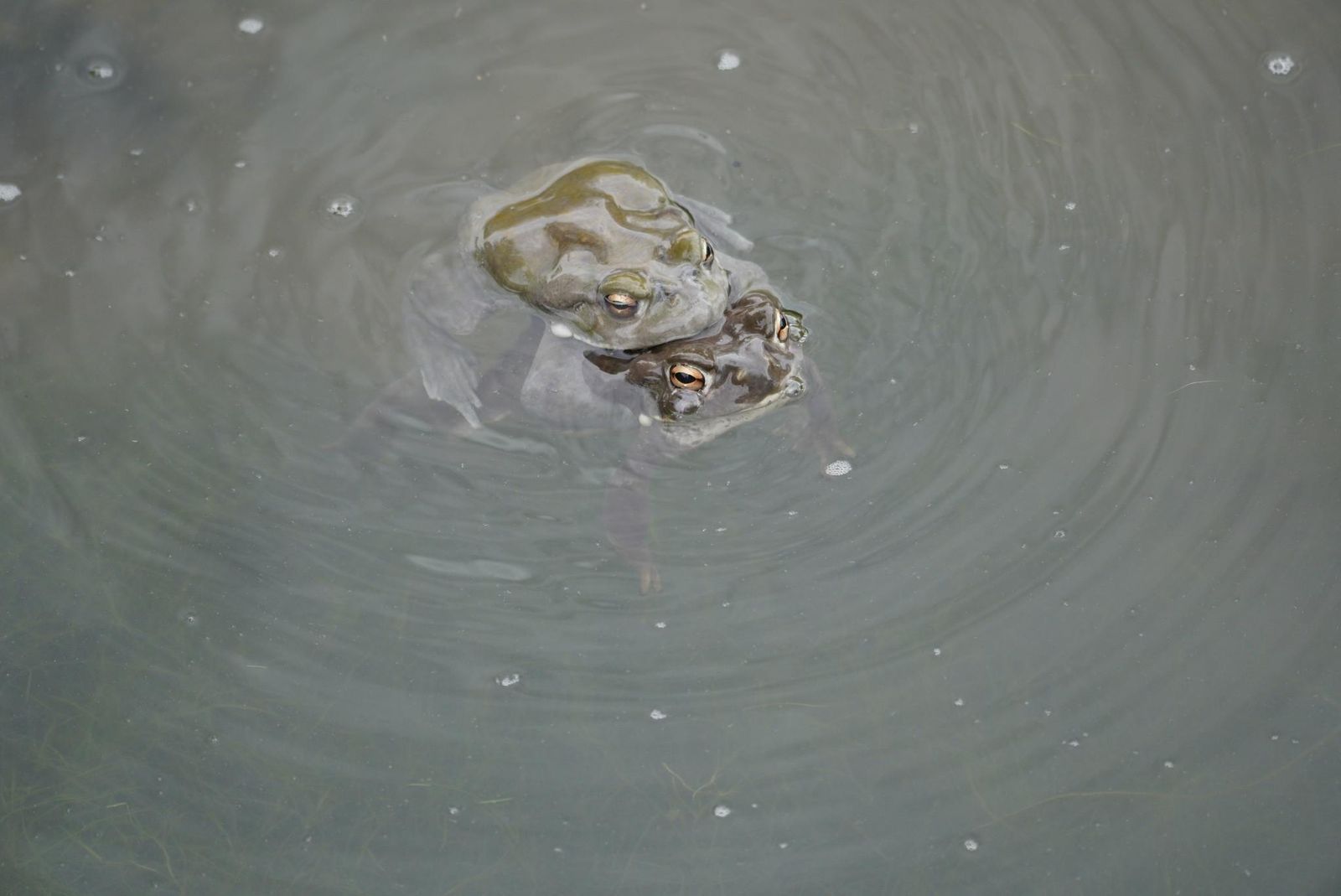
Why would a city actually pass an ordinance saying that licking toads is a bad idea? That’s Los Angeles, a place full of quirks, some charming, some downright strange. Even its laws can be unusual.

The Colorado River toad, found in parts of California, secretes chemicals that can have powerful psychoactive effects on humans. Because of the risks, both possession and use of this substance are illegal statewide. In 1994, cases occurred, including a teacher who was arrested for possessing the toad substance. But Los Angeles went a step further, passing an ordinance that specifically bans licking these amphibians. And let’s be honest, the poor toad probably doesn’t enjoy it either.

Explore more American facts

Choose your favorite category!

General
General

As American as apple pie—the very best America has to offer!

Culture
Culture

Delve into the astounding richness of American lore.

Geography
Geography

Hop in and explore vast and diverse American landscapes.

History
History

Discover the key moments that shaped the United States.