General General 4 min read

Before they led the nation

He walked 18 miles to school: Shocking presidential childhood stories
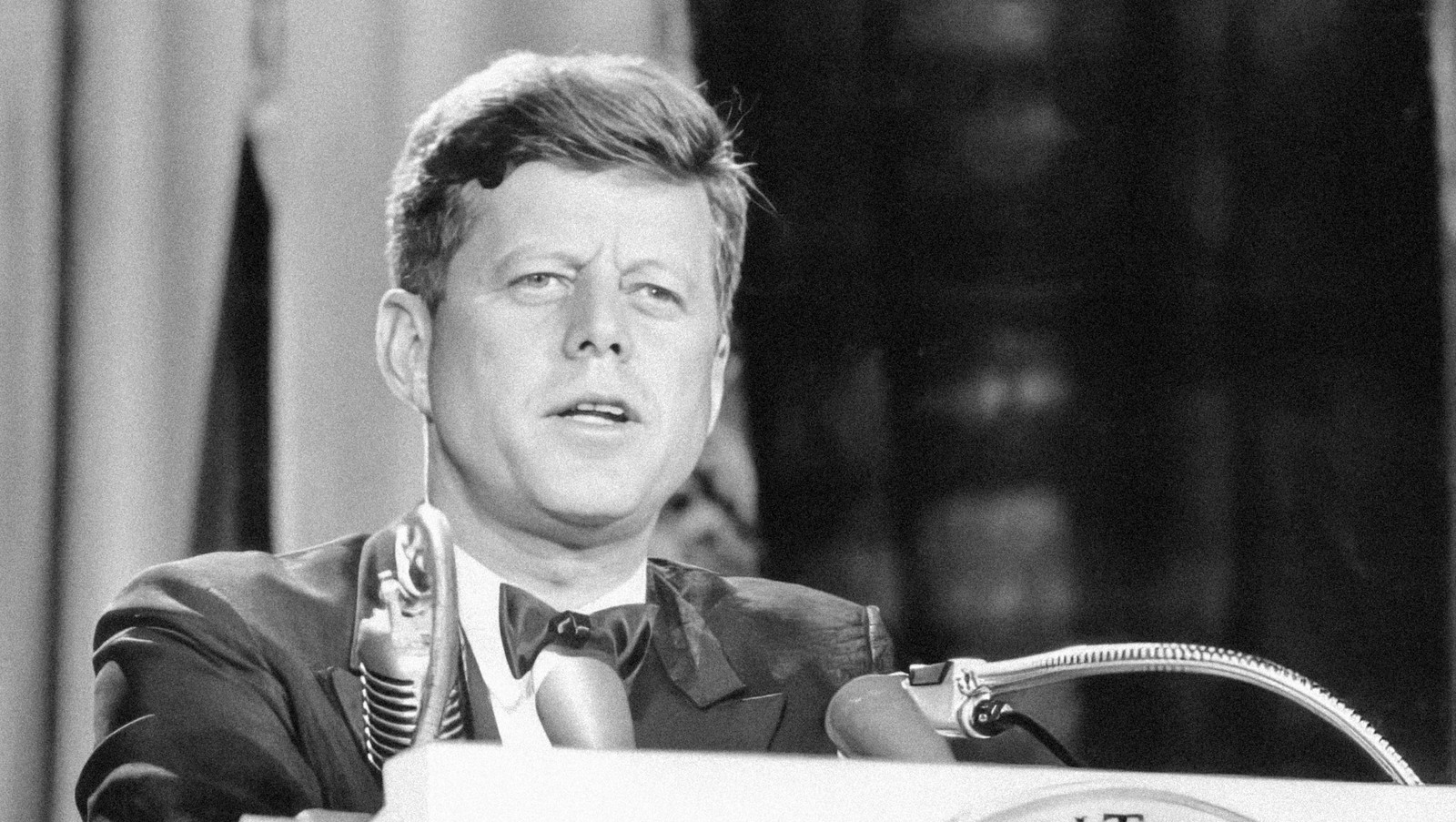
Image: Florida Memory

The figure of the president can feel very serious, but we often forget that behind these leaders were once little kids. From funny pranks to painful moments, today we’ll share 10 surprising facts you probably didn’t know about the childhoods of some of our presidents.

1
John F. Kennedy
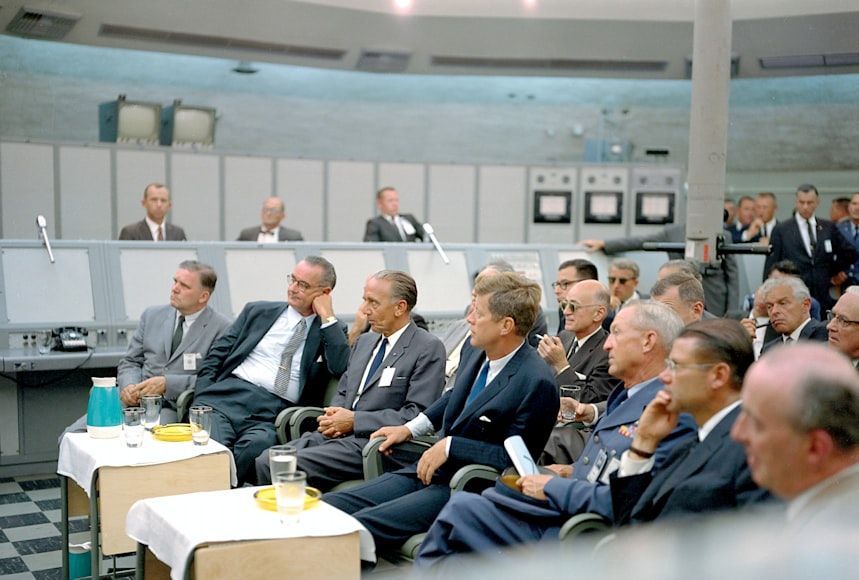
Image: History in HD

JFK, called "Jack" by his family, grew up with eight siblings in a home that encouraged both physical and intellectual competition. His strict upbringing didn’t stop him from forming the "Muckers Club" at Choate School, a group known for pranks and mischief that nearly got him expelled. Still, he was a popular, athletic student, and when he graduated in 1935, his classmates voted him "most likely to succeed."

2
Franklin D. Roosevelt
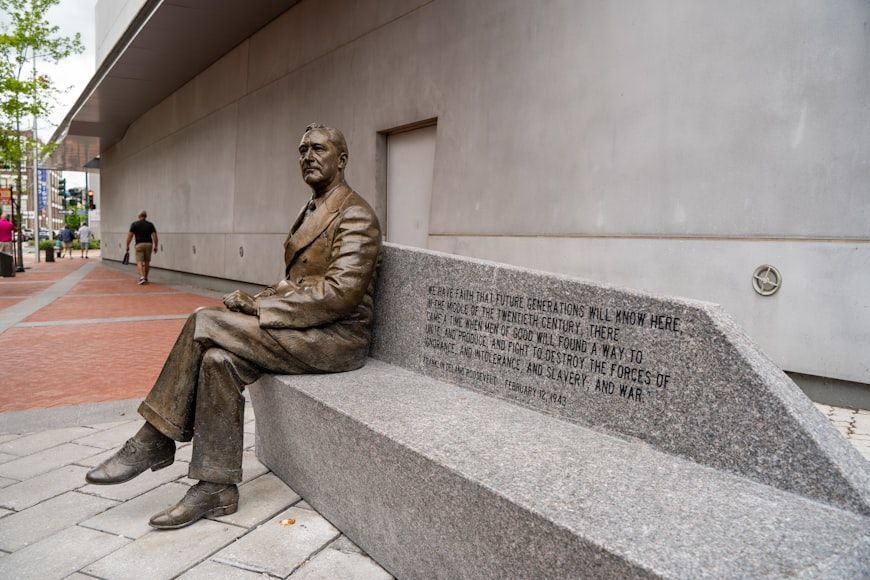
Image: Jessica Tan

FDR grew up in a wealthy household, enjoying every comfort and taking frequent trips to Europe from an early age. He even visited the White House as a child, where he experienced a moment he would remember years later. When he was five, his family met President Grover Cleveland, who looked at little FDR and said, "My little man, I am making a strange wish for you. It is that you may never be president of the United States," referring to the heavy burden of the office. Curious, isn’t it?

3
Dwight D. Eisenhower
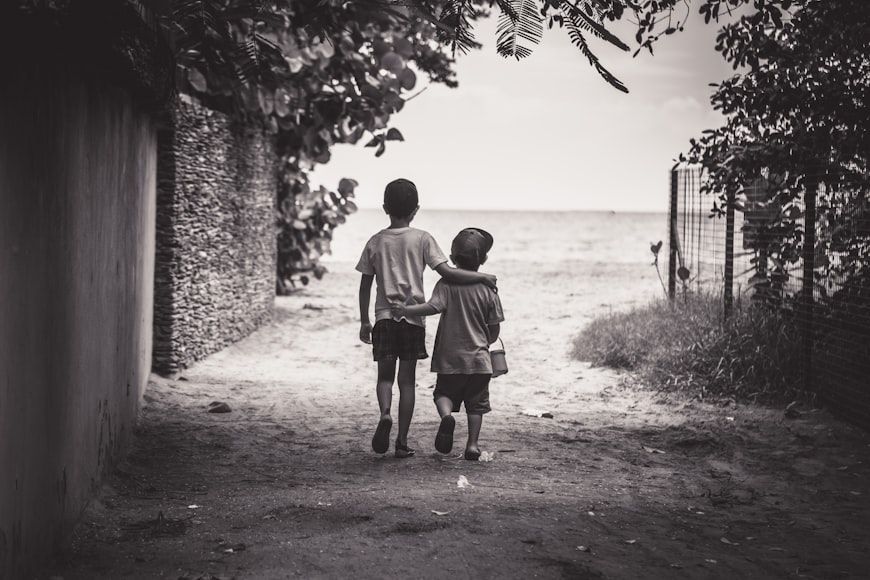
Image: juan pablo rodriguez

Those of us with siblings know just how important they can be, and that was true for young Dwight D. Eisenhower as well. When little Ike was being picked on at school by bullies bigger than him, his older brother Edgar stepped in. One day, Edgar stood up for Ike and made sure the bullies got the message, teaching them (and Dwight) an important lesson.

4
Herbert Hoover
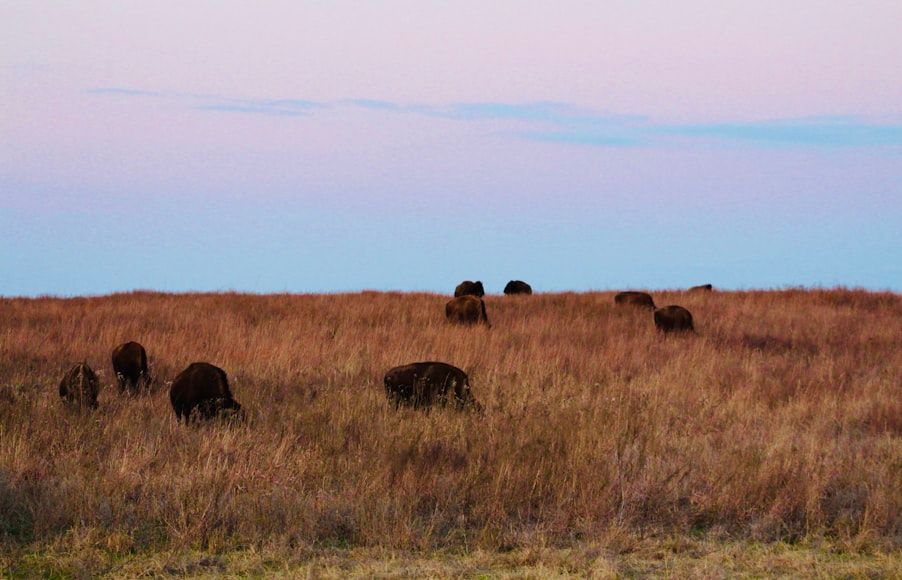
Image: Judy Thomas

Herbert Hoover was still far from becoming president when, at about six years old, he lost his father. He was sent to live with his uncle, a US government agent at the Osage Indian Reservation in Pawhuska, Oklahoma. For a year, young Bertie was surrounded by Native Americans and attended "Indian Sunday School," an experience that later shaped his policies and influenced his choice of Charles Curtis, a member of the Kaw Nation, as vice president.

5
Calvin Coolidge
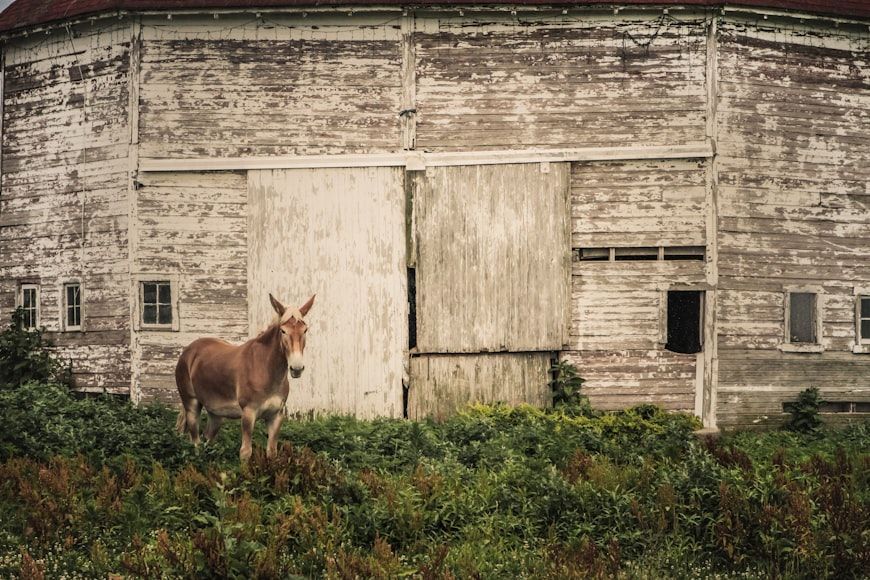
Image: Joe Dudeck

The story goes that in the 1880s, a mule was once found locked inside a classroom at a school in Vermont. Can you imagine the chaos that poor animal must have caused? According to the tale, the culprit was a young Calvin Coolidge, who supposedly did it to get back at a teacher he didn’t like. The story was passed down by people who knew him, and although it was never recorded in official documents, it’s a fun contrast to the quiet, reserved man he later became as president.

6
Bill Clinton
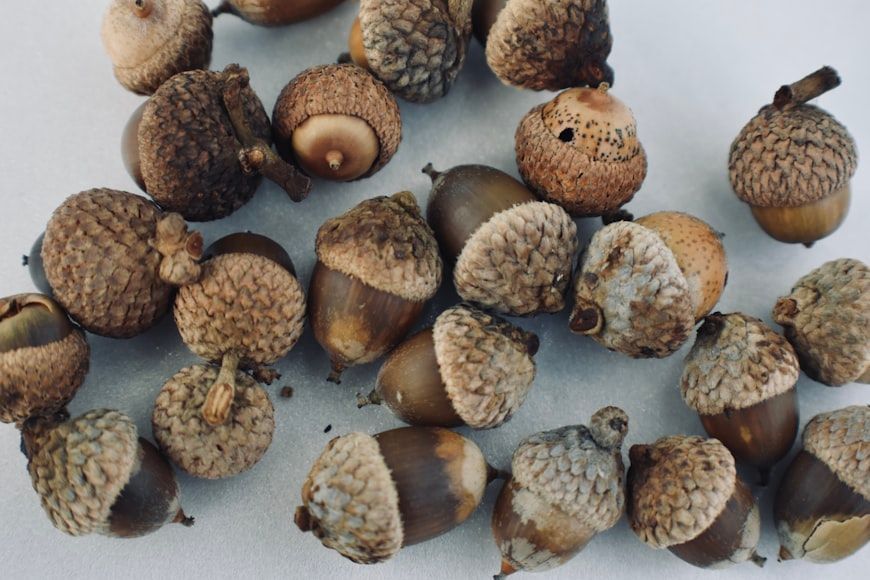
Image: Lesli Whitecotton

Young Bill was often described as "unbearably responsible." According to one story, when he was in high school, a classmate once turned to him and said, "Don’t you ever break any rules? You’re a teenager!" Still, even this calm, rule-following kid had a mischievous moment: with some friends, he once spent a couple of hours tossing acorns at passing cars. Harmless, right? As long as it wasn’t your car!

7
John Tyler
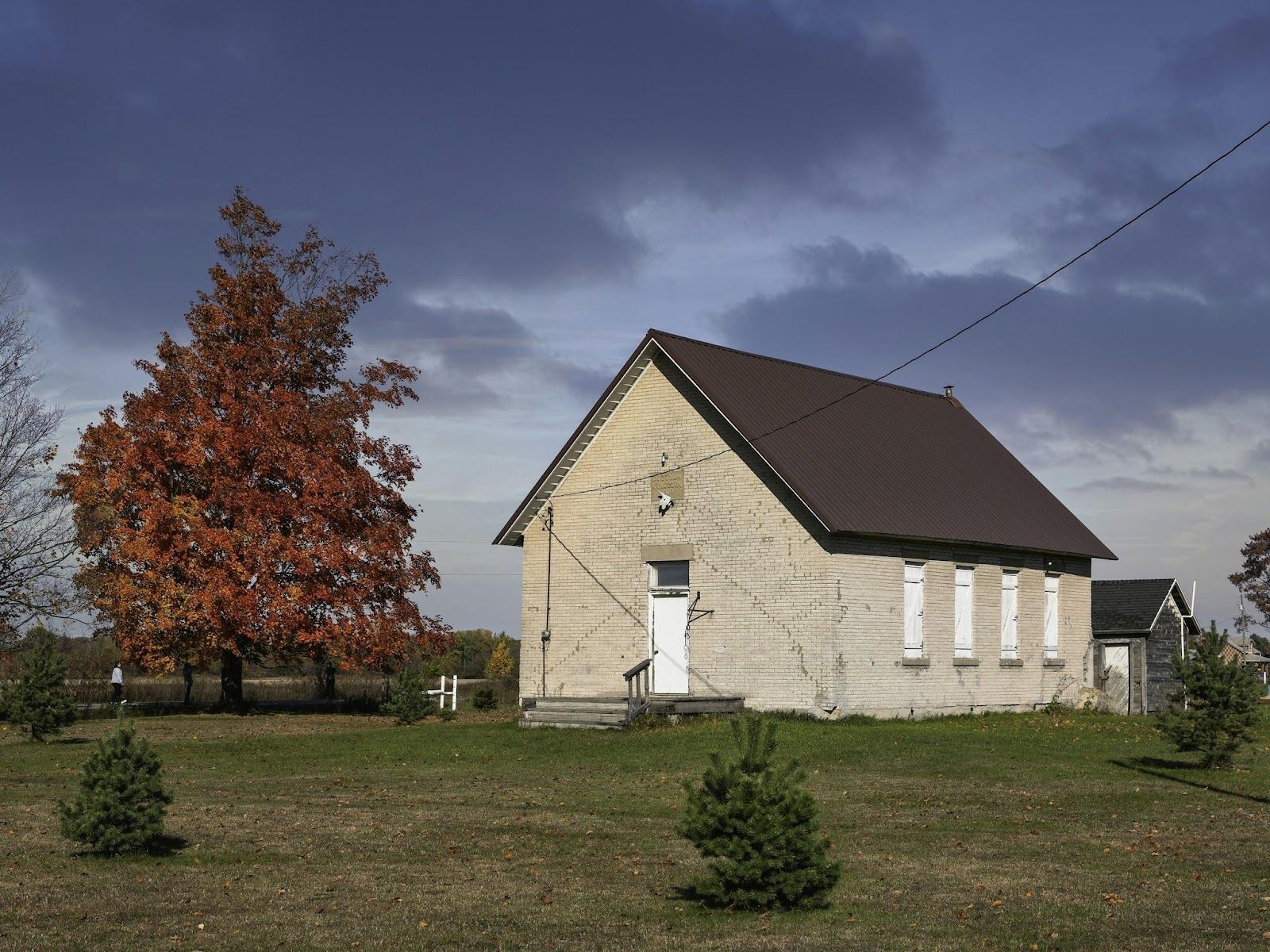
Image: Brad Switzer

Apparently, young John Tyler had a rebellious, righteous spirit. There’s a story from his youth that shows it perfectly: when he was just 10 years old, he led a revolt at his one-room schoolhouse against a teacher who was cruel and despotic. According to the tale, when the teacher complained to his father, Judge John Tyler, he replied, "Sic semper tyrannis!"

8
Abraham Lincoln
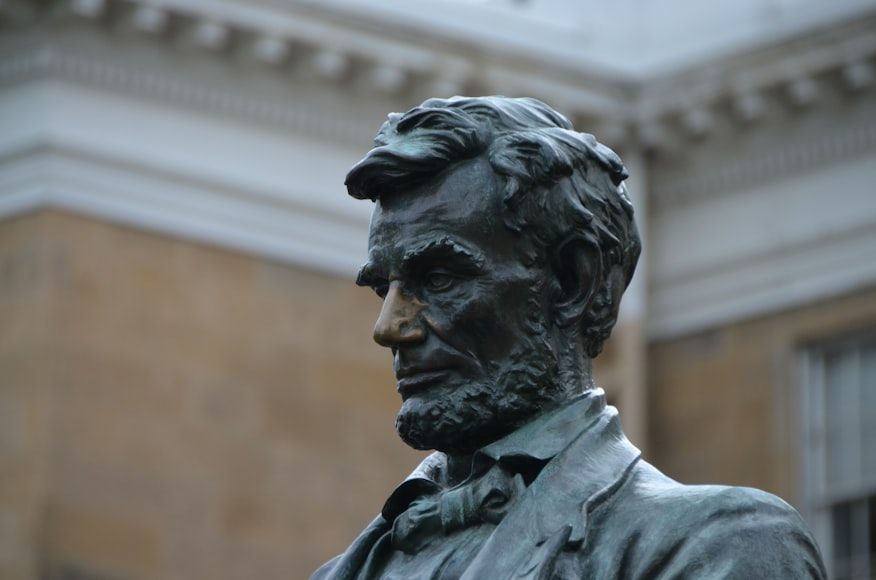
Image: Jacob Thorson

Although she never attended school herself, Abraham Lincoln’s mother believed it was important for her children to get an education, so they began attending one in a nearby town. The thing is, it wasn’t very close: the future president Lincoln and his older sister walked a little over nine miles to school, and another nine back home every day. Talk about perseverance!

9
Ronald Reagan
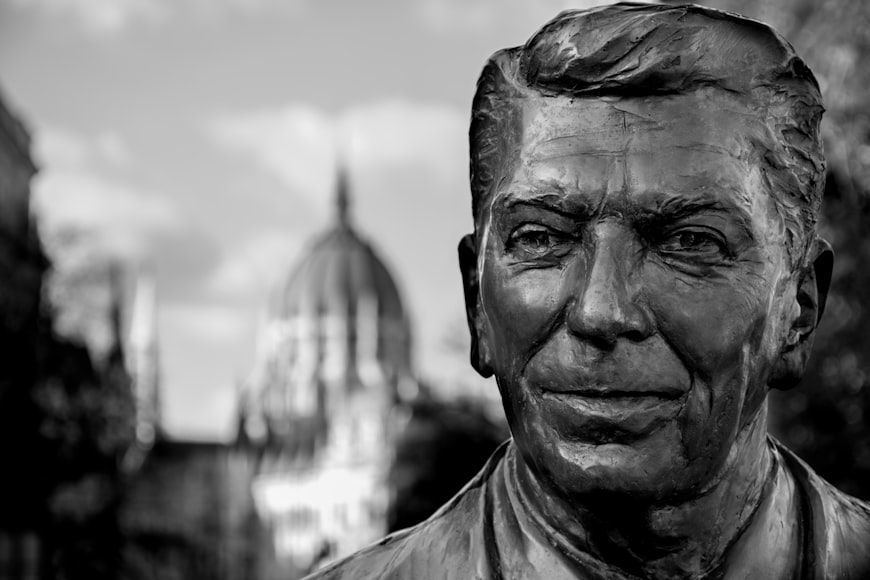
Image: Nicolas HIPPERT

Ronald Reagan was born on February 6, 1911, in Illinois. Although his future would be very bright, his childhood wasn’t easy. From an early age, he struggled with vision problems, which made it hard for him to see clearly and focus on activities he liked, such as sports. But everything changed at 13, when he was finally prescribed his first pair of glasses, and soon landed his first job as a lifeguard. For several summers during his youth, he dove into the water to save people, an experience that, according to Reagan himself, gave him the confidence that stayed with him for the rest of his life.

10
Ulysses S. Grant
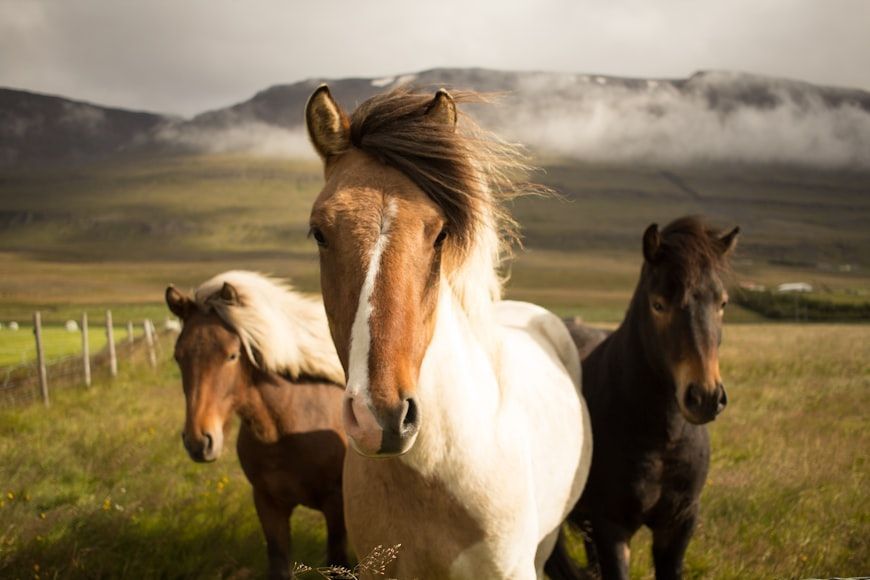
Image: Fabian Burghardt

According to historical sources, Ulysses S. Grant showed an extraordinary ability with horses from an early age. So strong was his talent that people in his town brought him their "problem horses" to train. It is said that, at just 10 years old, he led a 40-mile journey driving a team of horses carrying passengers, a remarkable feat for someone so young!

General General 5 min read

Will it rain?

Take a look at the strangest weather phenomena in the US

Image: NOAA

We are accustomed to being surprised by weather events—unexpected rains, colder days than anticipated, or sudden heat waves. But these everyday surprises have nothing to do with the kind of extreme weather phenomena listed here. From devastating fire tornadoes to benign incidents where distant objects appear closer due to atmospheric conditions, weather is one of the biggest forces of nature and it has made sure to let humankind know it more than once.

1
Fire tornado, California

Image: Zoltan Tasi

A tornado is bad enough, but imagine a fire tornado—you’re entering a whole new level of catastrophe. This is exactly what occurred in 2018 near Redding, California, during the infamous Carr Fire event.

Intense wildfires almost always produce fire devils, fire whirls, and occasionally stronger vortexes resembling the tornadoes associated with severe thunderstorms. Fire tornadoes typically range from 100 to 1,000 feet in diameter , with rotational velocities of up to 90 mph. However, the Redding fire tornado was fueled by winds reaching an astonishing 143 mph .

2
Freak March heat wave, Midwest region

Image: Nadiia Ploshchenko 🇺🇦

High temperatures can be expected in the Midwest region but never for such an extended period during the winter season as occurred from March 14 to March 22, 2012 . Over these eight days, some areas experienced average daily temperatures that were 40°F above normal. Remarkably, even the daily low temperatures in certain locations exceeded the record highs for those dates.

On March 21, the temperature reached 90°F in Lapeer, Michigan—a stark contrast to the subzero temperatures that have often occurred in these same locations at this time of year, when snowpack is typically at its deepest.

3
Two F5 tornadoes at the same place on the same day

Image: Greg Johnson

F5 tornadoes are exceedingly rare. Only a handful of tornadoes of this intensity have been documented outside of the United States. Since 1900, just 104 of these monsters have been recorded anywhere on Earth.

This rarity makes the event on April 3, 1974 , near the town of Tanner, Alabama , even more astounding. Located about 20 miles west of Huntsville, Tanner was struck by two F5 tornadoes within just 30 minutes of each other.

4
The Dust Bowl

Image: Samantha Sheppard

The Dust Bowl, one of the most devastating weather events in American history, has a shared responsibility between nature and human interaction . In the 1930s, poor land management practices and unsustainable farming methods led to prolonged drought and massive dust storms in the Great Plains.

This ecological disaster forced thousands of families to abandon their homes, triggering a mass migration to find better opportunities elsewhere. As the Great Depression intensified, drought and decades of overfarming dried out the topsoil, leading to a series of dust storms from 1933 to 1939 that carried the soil eastward.

5
The Galveston Hurricane

Image: NASA

In 1900 a category 4 hurricane struck the city of Galveston, Texas , with devastating force, claiming an estimated 8,000 lives and causing widespread destruction. This tragedy prompted the construction of a seawall and the implementation of hurricane preparedness measures that continue to shape coastal planning and response strategies that are still in place today.

6
A summer-less year

Image: Todd Diemer

The combination of a tepid spring with late snows and an exceptionally cold summer, featuring frosts in July and August made 1816 a year without a proper summer . On July 4th, the high temperature in Savannah, Georgia, was only 46°F. Finally, there was a drought during early fall that culminated in a killing frost well before the end of September.

The apparent cause of this unusually cold summer was the eruption of the Tambora Volcano, half a world away in Indonesia, in 1815. A tremendous cloud of fine ash and dust was ejected into the stratosphere, where it remained for an extended period, significantly reducing the sun's heat and light and causing a cooldown throughout the Northern Hemisphere.

7
The darkest day

Image: Ganapathy Kumar

On May 19th, 1780, an extremely dark overcast mixed with thick smoke from nearby forest fires made the day feel like night for the people of New England. The mysterious event was first reported at dawn over southwest Vermont, and it slowly traveled southeastward during the day. The last place to report this strange weather was Barnstable, Massachusetts, on Cape Cod, in the late afternoon.

In Boston, the atmosphere darkened noticeably after 9 a.m., to the point where reading newsprint outdoors became difficult. Many New Englanders believed that Judgment Day was at hand.

8
Animal rain

Image: Sanket Rajurkar

It should come as no surprise that the number of people who have heard of raining animals is much higher than the number of those who have actually experienced this phenomenon. After all, these types of rain are highly unusual.

The first documented instance of raining frogs was in Kansas City in 1873. In Texarkana, Texas, another strange form of precipitation occurred—this time in the form of fish falling from the sky. According to science, animal rain occurs when small aquatic animals like frogs, crabs, and small fish are swept up in waterspouts or drafts that occur on the surface of the earth. They are then rained down along with the rain.

9
Technicolor solar storm

Image: Luke Tanis

Unlike the northern lights, which usually appear as blue and green swirls in the sky, solar storms are so intense that they create a kaleidoscope of colors and can also be seen in regions where people have never witnessed them before.

In 2012, one of these events produced a stunning aurora over Crater Lake in Oregon. Scientists believed that two clouds of glowing particles were flung toward Earth by sunspots larger than our planet.

10
Super refraction

Image: Matthijs van Schuppen

Imagine waking up and being able to see much farther than you ever could before. That is exactly what happened in 2013 to the people of northern Ohio. They were stunned to find that they could see the Canadian shoreline, which is not at all possible under normal circumstances.

Locals were able to see Canada because of a rare natural phenomenon known as super refraction, where rays of light are bent downward toward the surface of the Earth. This bending occurs because of changes in air density. During this light-bending, distant objects that are usually hidden from view become visible, as they are reflected in the rays of light.

General General 3 min read

Hometown talk

Think you don’t have an accent? These hometown words say otherwise

Image: Nick Fewings

Just as you can tell someone is from San Francisco by the way they say "corner," or recognize a Bostonian by how they pronounce "car," regional slang can reveal our roots before we even finish a sentence. One little word can remind you of your childhood, family quirks, and the place that shaped you. These homegrown expressions often carry long histories, inside jokes, and local pride. Today, we’ll learn where some favorite regional terms came from and why they stuck around.

1
Jawn

Image: Ethan Hoover

In Philadelphia, "jawn" can mean almost anything! The term grew from African American English and evolved into a catchall word for an object, event, or person. Visitors sometimes get confused, but locals enjoy its flexibility. It works as a little verbal wink that says you belong.

2
Snowbirds

Image: Ashley Satanosky

Florida locals call winter visitors "snowbirds." The playful name popped up when northerners began heading south for warm weather during the cold months, just like those birds. It reflects the state’s seasonal rhythm and the migration pattern that still fills beach towns once the temperatures drop up north.

3
Slush

Image: Osman Rana

Order a "slush" in Boston, and you’ll receive something close to an Italian snow cone. Local ice cream stands helped cement the name, and kids who grew up in Massachusetts often carry a strong opinion about which shop makes the best one.

4
Yinz

Image: Vidar Nordli-Mathisen

People from Western Pennsylvania use "yinz" to call out to a group. It grew from old Scots-Irish speech patterns brought by early immigrants. The sound changed over time, but the community kept the word alive. If you grew up around Pittsburgh, you might slip and say it without even thinking.

5
Rotary

Image: Aubrey Odom

In Massachusetts, a "rotary" is simply a traffic circle. The term stuck thanks to local road planners who liked the older label long after other states switched to "roundabout." If you hear someone gripe about a rotary on their commute, chances are they have roots in the Bay State.

6
Bubbler

Image: Tom Barrett

If someone in Wisconsin asks where the "bubbler" is, they just want a sip of water. The word came from early drinking fountain designs that created a bubbling stream. While the term is also popular in some parts of Rhode Island and Massachusetts, many other parts of the country simply began to use the term "water fountain."

7
On sale liquor

Image: Nicole Geri

Minnesota liquor rules created the terms "on sale" and "off sale." On-sale liquor is what you drink right where you buy it, like at a bar. Off-sale means you take it home before opening it. It sounds like a bargain at first, but it’s just a local way to talk about alcohol laws.

8
Cattywampus

Image: Zachary Farmer

Alabama families use "cattywampus" for anything crooked or out of place. The term has roots in older American slang style that mixed playful sounds with creative spelling. It is one of those words that makes you smile, even if it’s describing your own hair.

9
Bear down

Image: Christoph von Gellhorn

In Arizona, "bear down" is tied to college sports. The phrase began to be used as a battle cry after a student from the University of Arizona left that message for his team in the 1920s. Fans kept the spirit alive, turning it into a tradition that shows pride and determination.

10
Sourdough

Image: Yuanpang Wa

Longtime Alaskans call themselves "sourdoughs." Why? During the early days of settlement, folks relied on sourdough starter when other leavening ingredients were hard to get in such a distant region. The nickname became a badge of endurance and also a hint of humor about tough living.

11
Janky

Image: Jonathan Ng

In parts of New England, "janky" describes something shabby or unreliable. The word has traveled through many communities, but locals in the Northeast use it with a knowing grin. It works for a rickety bench, a questionable motel, or any situation that leaves you raising an eyebrow.

Explore more American facts

Choose your favorite category!

General
General

As American as apple pie—the very best America has to offer!

Culture
Culture

Delve into the astounding richness of American lore.

Geography
Geography

Hop in and explore vast and diverse American landscapes.

History
History

Discover the key moments that shaped the United States.