Geography Geography 3 min read

Funny names

You won't believe it: Hilarious town names that actually exist in the US
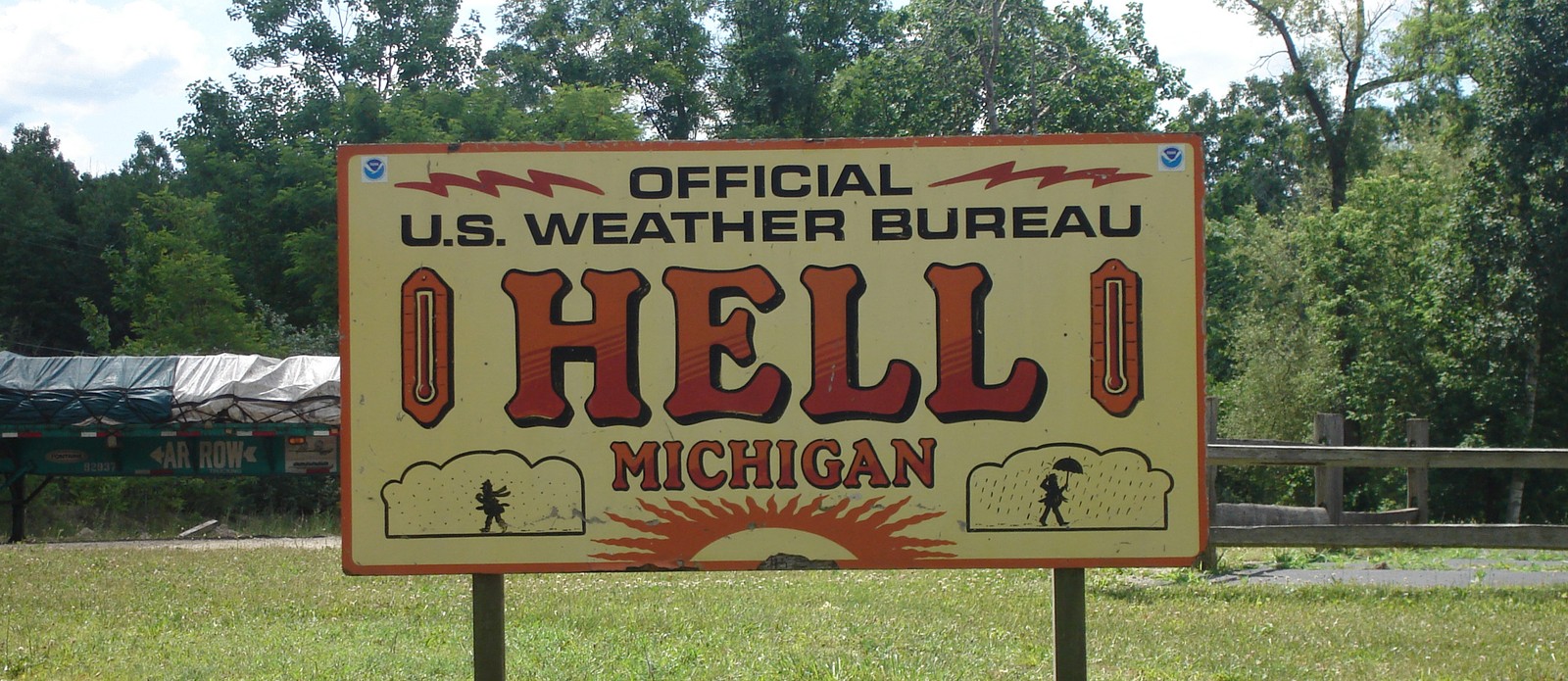
Image: Sswonk, CC BY-SA 3.0, via Wikimedia Commons

Naming a city is a big deal, but not every town ends up with a name full of meaning. While some were carefully named to honor history or local heroes, others got their names by accident, tradition, jokes—or for reasons no one quite remembers! Do you know where "Hell" is located? Discover this and 9 other US towns and cities with the quirkiest, funniest names!

1
Hell, Michigan
Image: Chris Barbalis

About 15 miles northwest of Ann Arbor, Michigan, you'll find the town of Hell. While the name might not sound particularly welcoming, it's actually a playful little community that fully embraces its identity, offering tourists a range of devilish attractions. It's just that it might not be the ideal city to mention when someone asks where you're from.

2
Chicken, Alaska
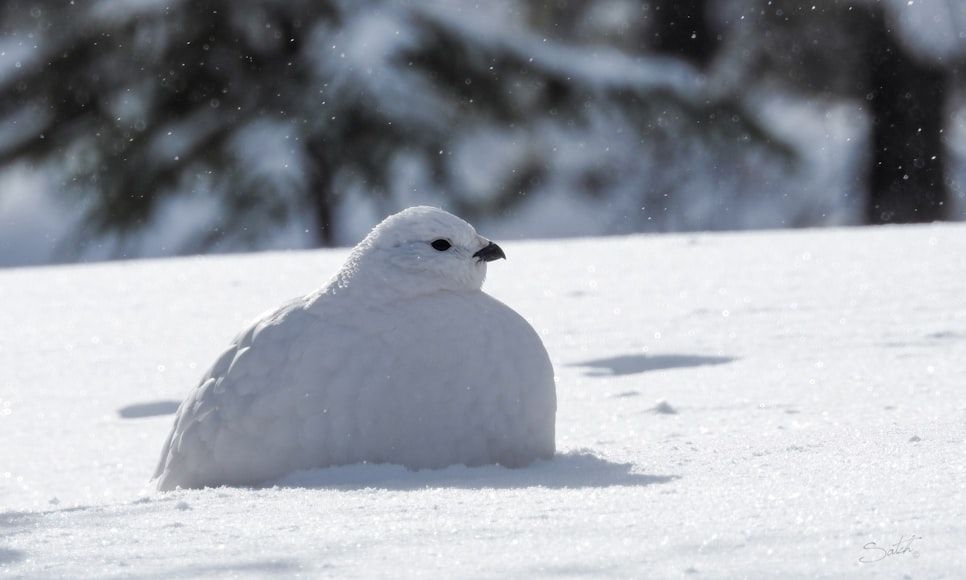
Image: Sacha Bois

In the vast state of Alaska sits the peculiar town of Chicken, best known for its gold mining history. In 1902, the town needed an official name to submit to the Post Office. They originally chose "Ptarmigan," after a local bird, but couldn't agree on how to spell it. Frustrated, they settled on the much simpler "Chicken."

3
Truth or Consequences, New Mexico
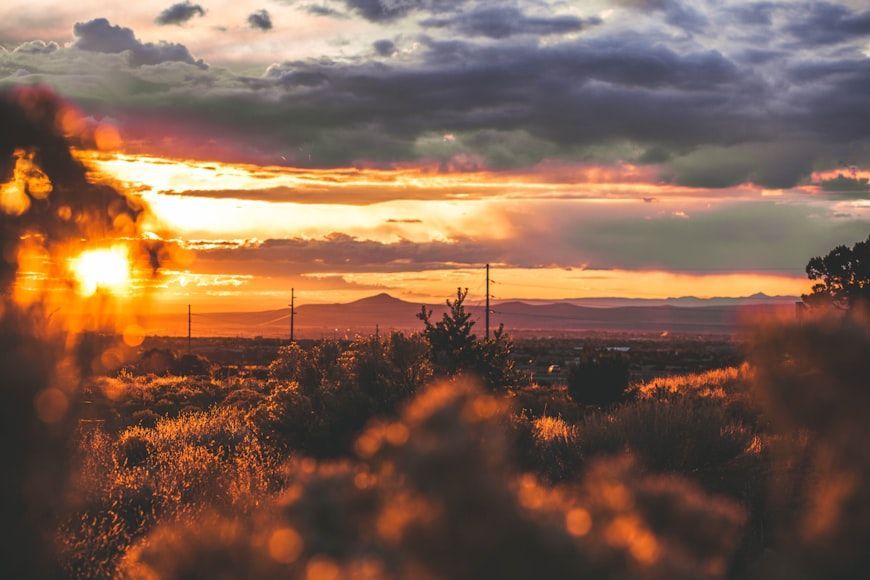
Image: Maddy Baker

Located in Sierra County, along the Rio Grande River in New Mexico, you'll find the town of Truth or Consequences. Sometimes called "T or C," the town was founded in the mid-1800s and originally named "Hot Springs." But everything changed in 1950, when Ralph Edwards—popular radio and TV host—announced that he would broadcast his show, Truth or Consequences , from the first town to rename itself after the program. And that’s exactly what happened!

4
Rough and Ready, California

Image: Nicole Cavelli

Rough and Ready, California, is a town with a distinctive name and history. And in case you're wondering—the answer is yes! It’s named after General Zachary Taylor’s nickname, "Old Rough and Ready," honoring his tough reputation.

5
Ding Dong, Texas
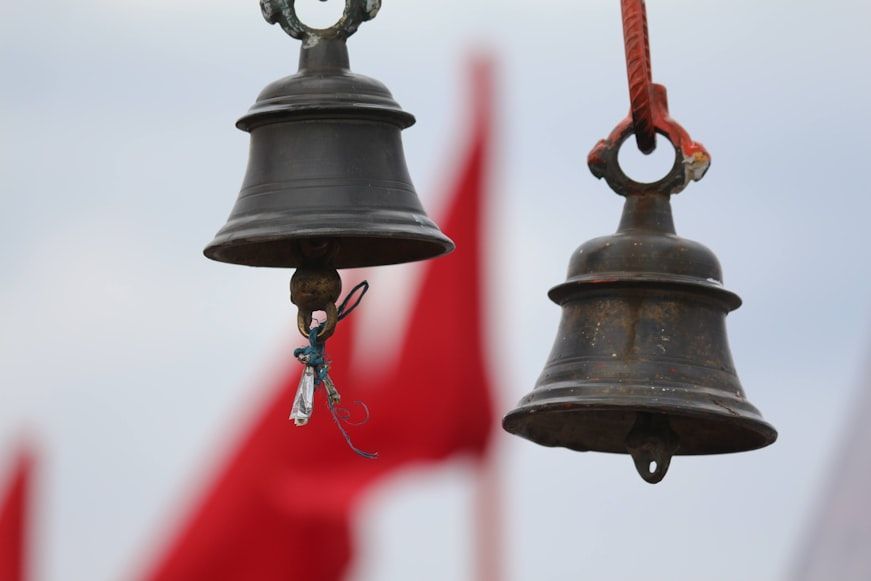
Image: Tarun Tandon

Ding Dong, Texas, is real! It's a tiny community in Central Texas, founded in the 1930s by Zulis and Bert Bell, who ran a local store. A sign on their shop featured two bells labeled with their names and the words "Ding Dong" underneath. The name stuck, and the town was humorously named after the store.

6
Why, Arizona

Image: TALHA KHAN

There's actually a place called "Why," an unincorporated community in southwestern Arizona. The name comes from a Y-shaped intersection where State Routes 85 and 86 once met, right where the town was settled. Have you ever heard of it?

7
Whynot, North Carolina

Image: Markus Winkler

While one town in Arizona is called "Why," another in North Carolina is named "Whynot." That's right! Whynot is an unincorporated community in Randolph County. According to local stories, its name comes from a humorous moment: as townspeople debated possible names, everyone kept saying, "Why not this one?" "Why not that one?" After much debate, someone finally said, "Why not just Whynot?"—and the name stuck.

8
Accident, Maryland
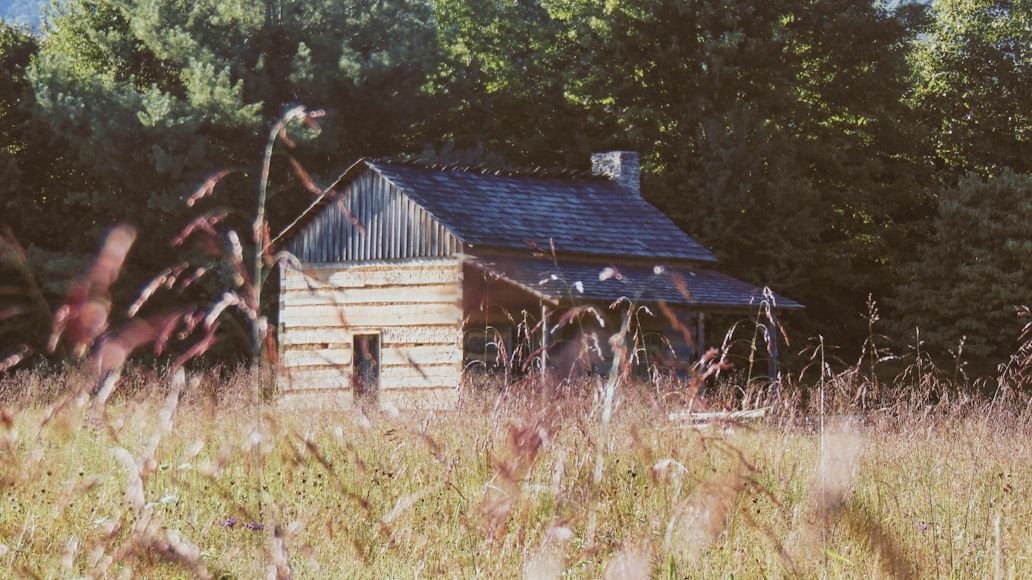
Image: Noah Smith

The charming small town of Accident, Maryland, has a unique history. In the 18th century, two surveyors unknowingly worked on the same land at the same time—and accidentally ended up with identical results. That’s how the area came to be known as "The Accident Tract," which was later shortened to simply Accident .

9
Peculiar, Missouri
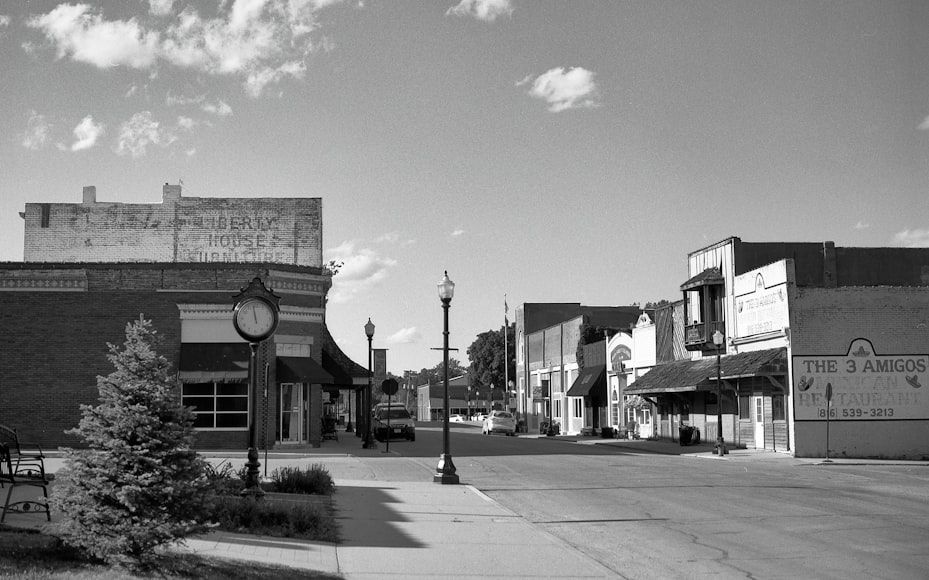
Image: MATHEW RUPP

Covering just about 4 square miles, the city of Peculiar is located in Missouri. While there's no single agreed-upon origin for its name, many believe it came from the frustration of those tasked with naming the town. They submitted several names to the post office, but each one was rejected as already taken. Frustrated, someone finally suggested they pick a "peculiar" name—and that’s exactly what they did!

10
No Name, Colorado
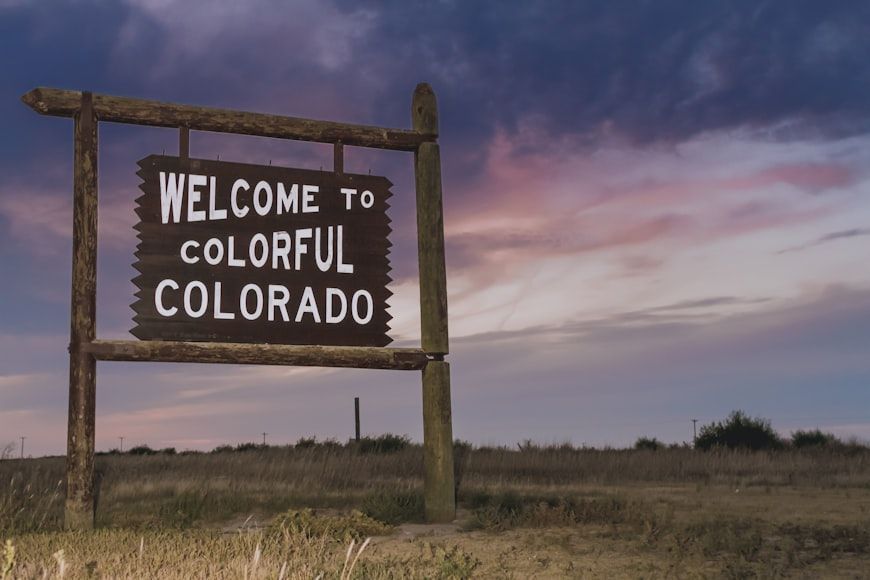
Image: Heyzeus Escribo

Maybe creativity wasn't the strongest point for the founders of No Name, Colorado. Yes, there really is a small community called No Name, located just off Interstate 70. The story goes that while the interstate was being built, the area was already settled but didn't have an official name, so they simply called it "No Name."


History History 3 min read

Black blood

How oil powered the world: a story of America’s most lucrative industry

Image: Provincial Archives of Alberta

Since the first oil well was drilled, the United States’ crude oil industry has been a story of ambition, innovation, and power. Here are 10 pivotal moments—from the first black gold gush to the modern shale surge—that defined the role of oil in America.

1
1851: Early refining emerges

Image: Cedrik Wesche

Just before the drilling boom, chemists like Samuel Kier developed small stills to refine crude oil into kerosene for lamps.

That innovation turned oil from a curiosity into a practical commodity. Kerosene replaced whale oil, making lighting cheaper and more widely available, and it created demand for a reliable crude supply.

2
1859: First commercial well

Image: Provincial Archives of Alberta

On August 27, 1859, Drake Well near Titusville, Pennsylvania, drilled by Edwin L. Drake, became the first purposefully drilled commercial oil well in U.S. history.

This moment ignited the first true American oil boom. Suddenly, it was possible to produce large volumes of crude—not just collect surface seepage—and to refine it into useful fuels.

3
1860s–1870s: Pennsylvania oil rush

Image: Jeff W

Word of the Drake success spread fast, and drilling spiked throughout Pennsylvania. Towns such as Titusville swelled almost overnight as wells and refineries spread along Oil Creek Valley.

Railroads extended into western Pennsylvania to transport oil across the country, embedding petroleum into America’s emerging industrial infrastructure.

4
1890s: Dawn of the automobile

Image: Matthew Lancaster

By the 1890s and into the early 20th century, the rise of the automobile created growing demand for gasoline , which had previously been a relatively minor byproduct of crude oil refining.

This shift moved oil’s primary role away from lighting and industrial lubrication and toward transportation fuel , setting the stage for petroleum to dominate America’s energy needs in the decades that followed.

5
1900s–1910s: Rise of big oil companies

Image: Russel Bailo

Following early successes, oil refining and distribution consolidated. Firms like Standard Oil Company rose to dominate refining, pipelines, and distribution networks.

At the same time, new oil fields and competition still challenged monopolies and spread oil wealth and infrastructure across more regions of the country.

6
1914–1945: Oil & war

Image: Roman

During both World War I and World War II, U.S. oil production and refining capacity became critical to the Allied war effort , fueling ships, vehicles, aircraft, and manufacturing.

That strategic role cemented oil’s position not only in industry but also in American global power, military strategy, and foreign policy.

7
1960: A global oil cartel forms

Image: Christian Harb

On September 14, 1960, the main oil‑exporting nations formed the Organization of the Petroleum Exporting Countries (OPEC) to coordinate oil production and influence prices globally.

Though initially limited in power, OPEC’s rise began to challenge American dominance , setting the stage for decades of geopolitical tension around oil supply.

8
1969: Santa Barbara oil spill

Image: matt brown

In early 1969, a blowout from an offshore drilling platform released tens of thousands of barrels of oil into the waters off California’s coast, devastating marine life and beaches.

The resulting public outrage helped trigger a surge in environmental awareness and regulation, marking a turning point in how the oil industry was perceived socially and politically.

9
1970–1973: Peak and decline

Image: Documerica

By 1970, U.S. conventional oil production reached its peak, but soon after began a decline as domestic fields matured and couldn’t keep up with the growing demand.

As American production fell, the country gradually became more reliant on foreign oil, a shift that would have major economic and political repercussions.

10
2000s–2010s: Top oil producer again

Image: engin akyurt

In the early 2000s, engineers refined techniques like hydraulic fracturing and horizontal drilling. This unlocked vast shale‑oil and shale‑gas reserves previously uneconomical to tap.

From about 2010 onward, U.S. crude oil production rose sharply, reversing decades of decline. By 2019, the country was producing at levels not seen since the early 1970s.

Culture Culture 4 min read

They said, "No Thanks."

These 10 stars did not accept their awards. And they had their reasons!

Image: Mirko Fabian

Have you ever imagined yourself winning an Oscar or an Emmy? While that might sound like a dream come true for many people, some stars have actually turned down major awards. From clashes with fellow nominees to political statements, each had their own reasons. Keep reading to discover why these 10 famous stars said "no thanks" to these recognitions.

1
Marlon Brando

Image: Trailer screenshottrailer at IMDB, Public domain, via Wikimedia Commons

Marlon Brando was one of Hollywood’s most iconic stars, admired for his talent, charisma, and unforgettable roles. He won his first Oscar for On the Waterfront (1954), but things took a very different turn with his second win. When The Godfather earned him another Academy Award in 1972, Brando refused to attend and sent a Native American representative in his place, using the moment to protest Hollywood’s mistreatment and misrepresentation of Indigenous peoples.

2
Tom Cruise

Image: Gabriel Hutchinson Photography, CC BY-SA 4.0 <https://creativecommons.org/licenses/by-sa/4.0>, via Wikimedia Commons

Like many of the actors on this list, Tom Cruise is a global icon whose career has earned him three Golden Globes: Best Actor for Jerry Maguire (1996), Best Actor for Born on the Fourth of July (1989), and Best Supporting Actor for Magnolia (1999). But in 2021, he made headlines for a very different reason: he returned all three awards. According to reports, Cruise did so as a protest against the ethics and lack of diversity within the organization behind the Globes.

3
Woody Allen

Image: Andreas Tai, CC BY-SA 3.0 <https://creativecommons.org/licenses/by-sa/3.0>, via Wikimedia Commons

Woody Allen is known for refusing to participate in awards season, despite earning many nominations throughout his career. With around 24 Academy Award nominations, he has attended virtually none of the ceremonies. He has won four Oscars, but he never went to pick them up, though he did not decline or return them. And it’s not just the Oscars: Allen rarely attends any award ceremonies, including the Golden Globes.

4
George C. Scott

Image: Directed by Stanley Kubrick, distributed by Columbia Pictures, Public domain, via Wikimedia Commons

George C. Scott was one of Hollywood’s great classic stars, celebrated for his powerful work on both stage and screen. And he was also the first actor in history to refuse an Oscar. Not only did he decline nominations for The Hustler (1961) and The List of Adrian Messenger (1963), but he also rejected the Best Actor award he won for Patton (1970). Scott believed that each performance is too unique to be ranked against another, and that art should never be treated like a competition. What do you think?

5
Dolly Parton

Image: https://upload.wikimedia.org/wikipedia/commons/0/08/Dolly_Parton_with_guitar.jpg

Actors aren’t the only ones who turn down awards; musicians do it too. One of them is Dolly Parton, who has declined more than just music honors. She was selected three times for the Presidential Medal of Freedom and turned it down each time. The first two refusals were during the pandemic, and the third came from her concern that accepting might seem politically partisan. In addition, in 2022, she also declined a nomination to the Rock & Roll Hall of Fame, saying she hadn’t yet "earned that right."

6
Katharine Hepburn

Image: Metro-Goldwyn-Mayer Studios; Restored by Adam Cuerden, Public domain, via Wikimedia Commons

The incredible Katharine Hepburn won four Oscars! But she never showed up to collect a single one. She always sent someone else to accept them on her behalf. In fact, she only attended the Oscars once, and it wasn’t to receive an award but to present one. When asked why she stayed away, she summed it up perfectly: "Awards are nothing; my reward is my work."

7
Julie Andrews

Image: Eva Rinaldi, CC BY-SA 2.0 <https://creativecommons.org/licenses/by-sa/2.0>, via Wikimedia Commons

Born in the United Kingdom, Julie Andrews is adored by Americans for many reasons, including the unforgettable films, such as Mary Poppins (1964) and The Sound of Music (1965). But beyond her cinematic gems, she also built a remarkable career in theater. In 1996, she received a Tony nomination for her role in Victor/Victoria , and chose to decline it. Why? Because she was the only member of the entire cast and production recognized, and she simply didn’t think that was fair.

8
Will Smith

Image: photo by Alan Light, CC BY 2.0 <https://creativecommons.org/licenses/by/2.0>, via Wikimedia Commons

In the late 80s, Will Smith and DJ Jazzy Jeff won the first-ever Grammy for Best Rap Performance. But when they learned that their category wouldn’t be televised, they chose to boycott the 1989 Grammy Awards in protest. They didn’t turn down the award itself, but their stand made an impact: the following year, the rap category was broadcast on air, finally receiving the same visibility as the others.

9
Sinéad O'Connor

Image: Globe photo/Dave Shea, Public domain, via Wikimedia Commons

Sinéad O'Connor was world-famous, and in America, we remember her mainly for the unforgettable hit "Nothing Compares 2 U." As a passionate activist, she carried her convictions into her career choices, which led her to turn down her Grammy nomination. She specifically asked that her name be withdrawn, arguing that the Grammys were too commercial and rewarded popularity over ethics, artistry, and musical integrity.

10
Nick Cave

Image: Raph_PH, CC BY 2.0 <https://creativecommons.org/licenses/by/2.0>, via Wikimedia Commons

Australian artist Nick Cave declined his nomination for Best Male Artist at the 1996 MTV Video Music Awards. He even sent a formal letter asking that his name be withdrawn, famously saying: "My muse is not a horse, and I am not in any horse race."

Explore more American facts

Choose your favorite category!

General
General

As American as apple pie—the very best America has to offer!

Culture
Culture

Delve into the astounding richness of American lore.

Geography
Geography

Hop in and explore vast and diverse American landscapes.

History
History

Discover the key moments that shaped the United States.