Geography Geography 3 min read

Michigander, Michigoose?

10 unofficial American demonyms (that should be official)
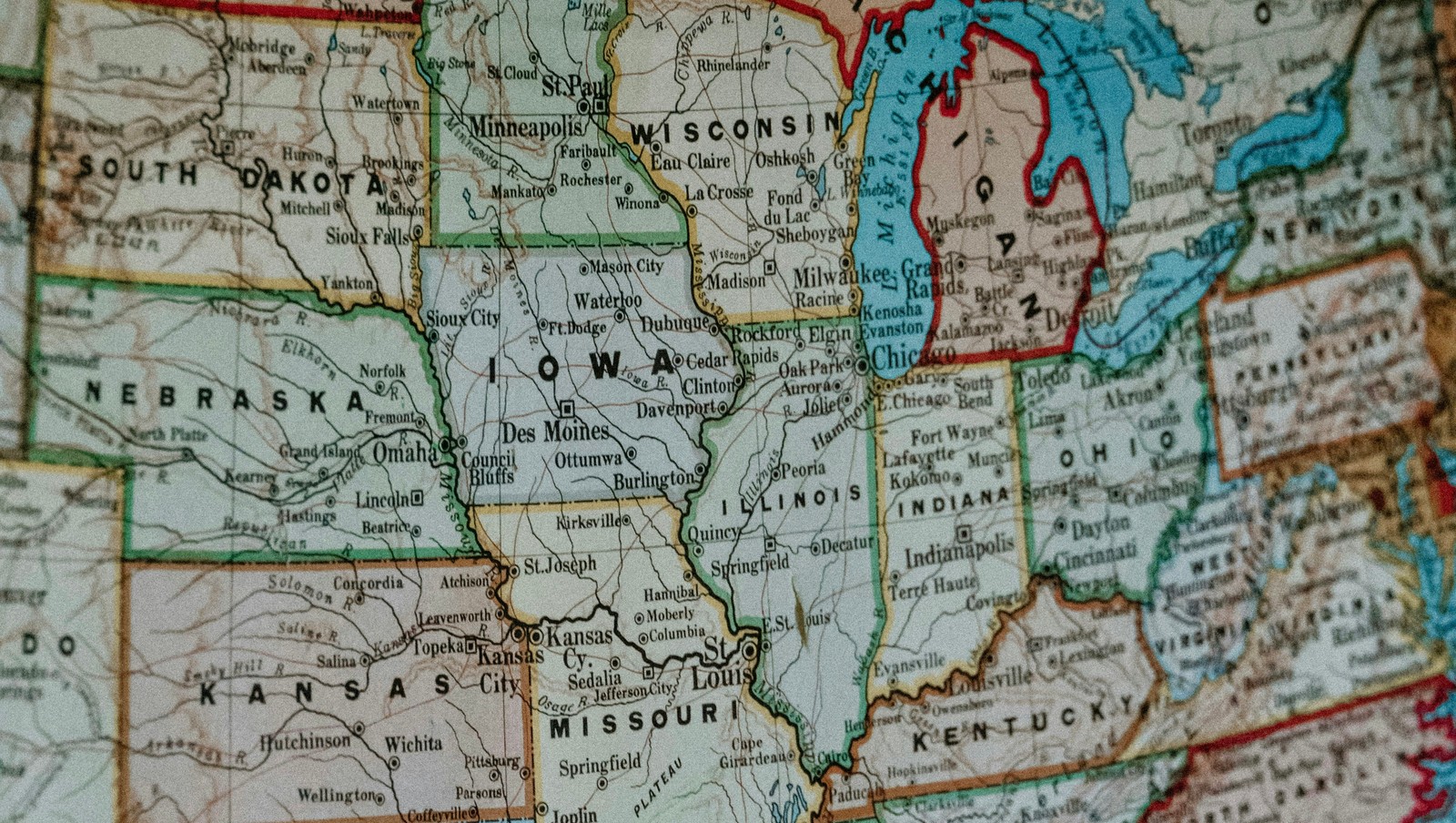
Image: Hans

Demonyms, or the names that identify your place of origin, can be tricky. In the United States, some demonyms have an official status —those of states, for example—while others are a product of use and tradition. Unofficial demonyms or nicknames are also common, and sometimes more widely used than the official version. Let’s have a look at some of them!

1
Hoosier
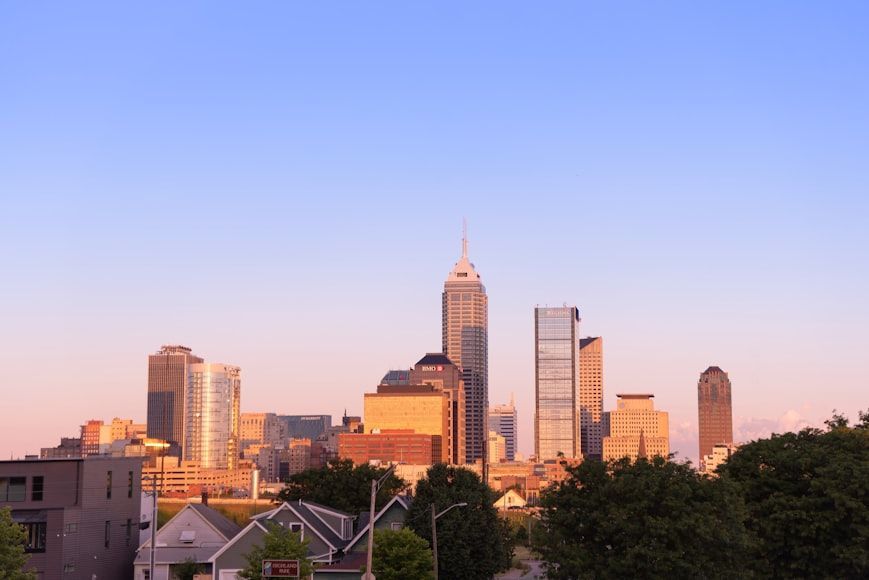
Image: Corbin Mathias

Until recently, the United States Government Publishing Office (or USGPO) still recommended Indianian as the demonym for the state of Indiana, but its residents have been calling themselves Hoosiers for nearly two centuries. While no one really knows where the term originated, it was popularized by John Finley’s poem "The Hoosier's Nest", and Indiana has long been known as "The Hoosier State".

2
Bay Stater
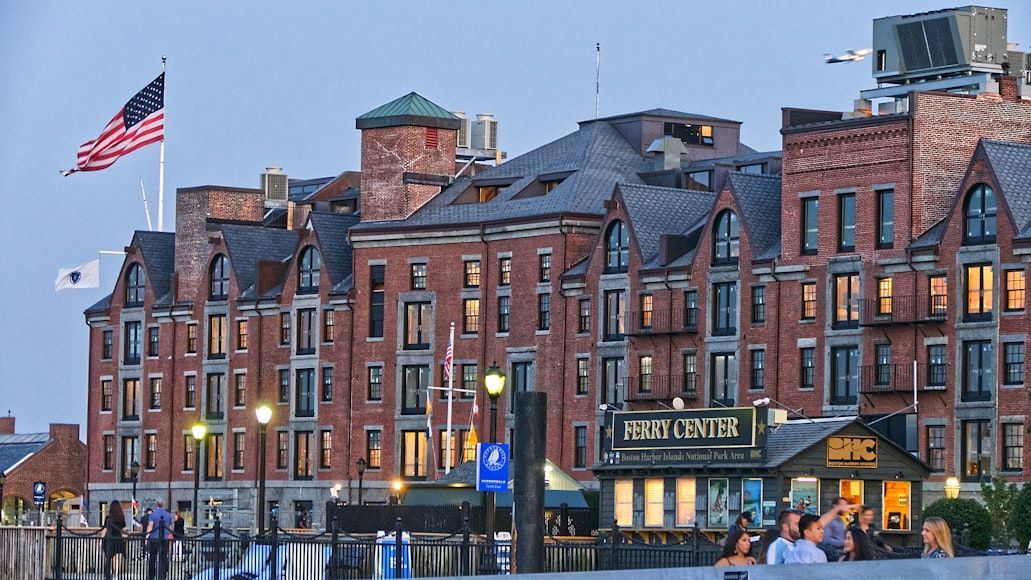
Image: Pascal Bernardon

The USGPO might recommend the use of Massachusettsan , but the people of Massachussets strongly disagree. State laws and regulations officially refer to its residents as Bay Staters , after a common nickname for the state. Given that Massachusetts is formally a Commonwealth, the law also uses the phrase Citizen of the Commonwealth , but it's kind of a mouthful for everyday purposes. We’ll stick with Bay Stater.

3
Accidental
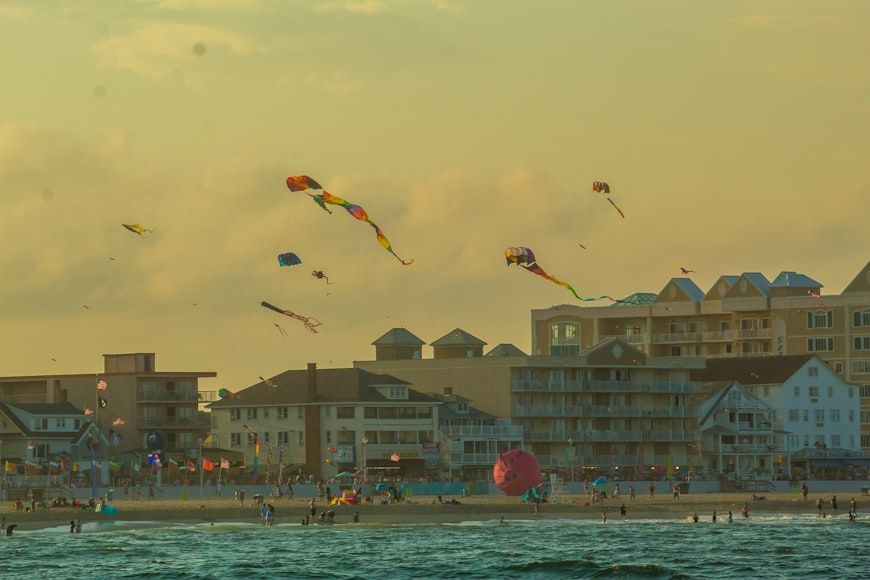
Image: Jeff McLain

One of the earliest settlements in Maryland, the town of Accident is not very big, but it makes up for it with its peculiar name. Naturally, the corresponding demonym for its residents is Accidental , though some sources also claim that the citizens of Accident are to be called Accidents .

4
Granite Stater
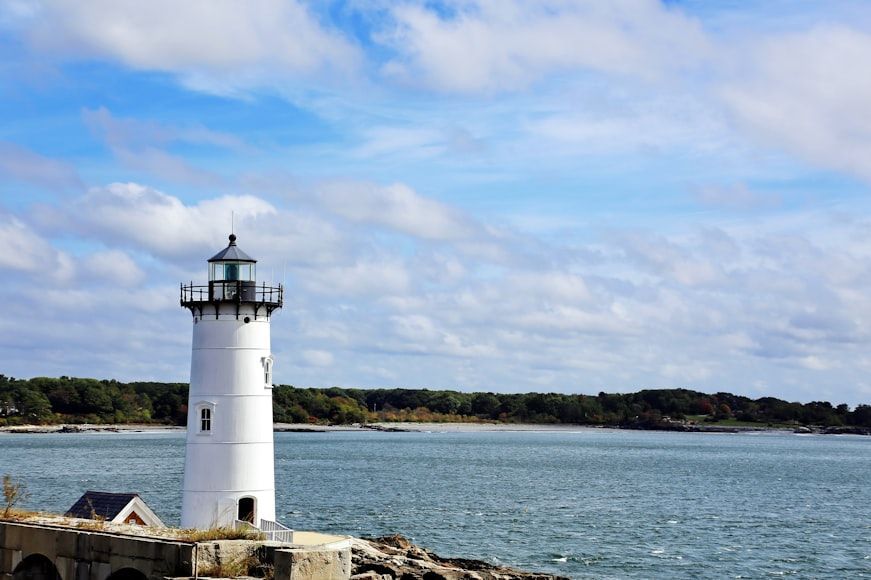
Image: Mark König

Much like Bay Staters, the residents of New Hampshire tend to disagree with the USGPO when it comes to their demonym. The official version is New Hampshirite (for the Federal Government, at least ), but locals favor the term Granite Stater , derived from New Hampshire’s nickname, "The Granite State".

5
Truth-or-Consequencesan
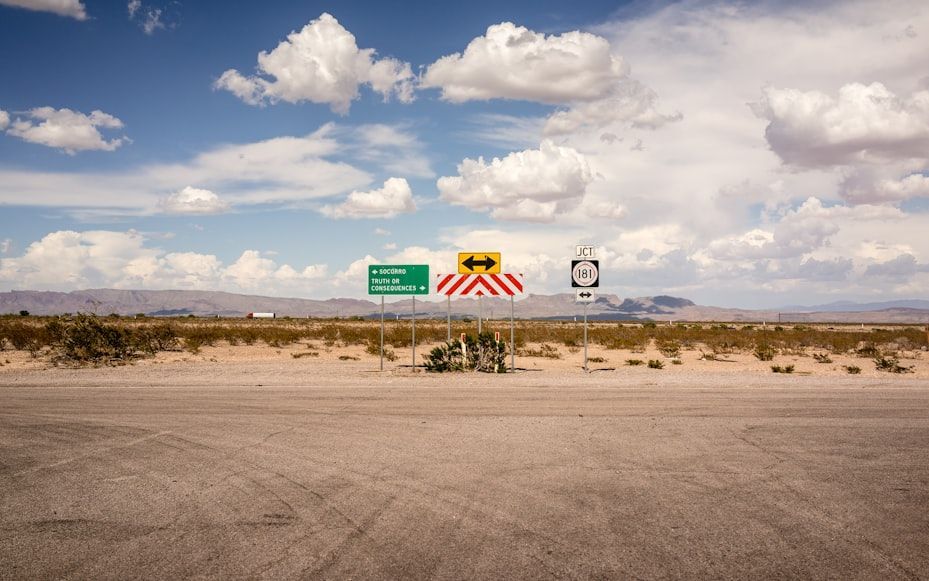
Image: Lachlan Donald

When the town of Hot Springs, New Mexico, decided to change its name to Truth or Consequences for a radio show contest, they either forgot to consider their new demonym or didn’t really care. While they are technically Truth-or-Consequencesans , they refer to the town as T or C, so they say that they are Residents of T or C .

6
Phoenician
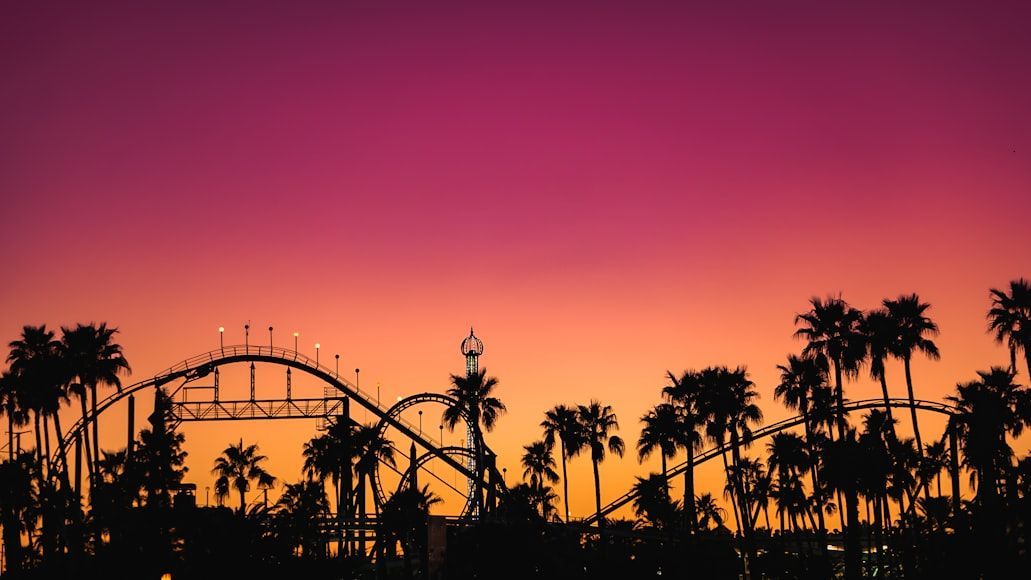
Image: iStrfry , Marcus

Weren’t the Phoenicians an ancient civilization that created the earliest form of our alphabet? Yes, but those lived in ancient Phoenicia. The Phoenicians we are talking about are the residents of Phoenix, Arizona. Some claim that Zoner and Zonan are also common nicknames, but those could be used for any Arizona resident.

7
Nutmegger
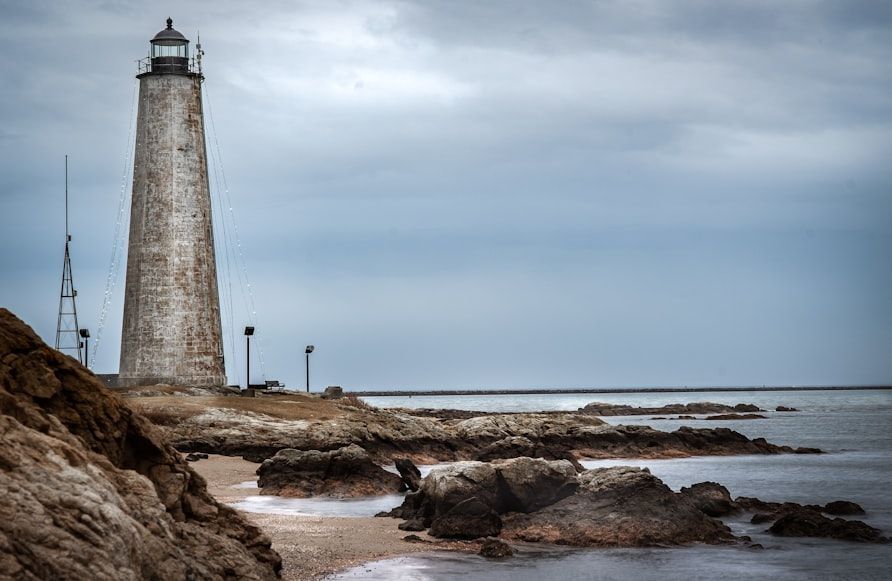
Image: julio angel berroa

Connecticut might be officially known as "The Constitution State", but it’s also called "The Nutmeg State". The origin of this nickname varies according to the sources, but most point to a common scam where Connecticut peddlers would sell wooden nutmegs as the real thing. No matter the story, many Connecticut residents favor the demonym Nutmegger over the USGPO-recommended Connecticuter .

8
Yoopers
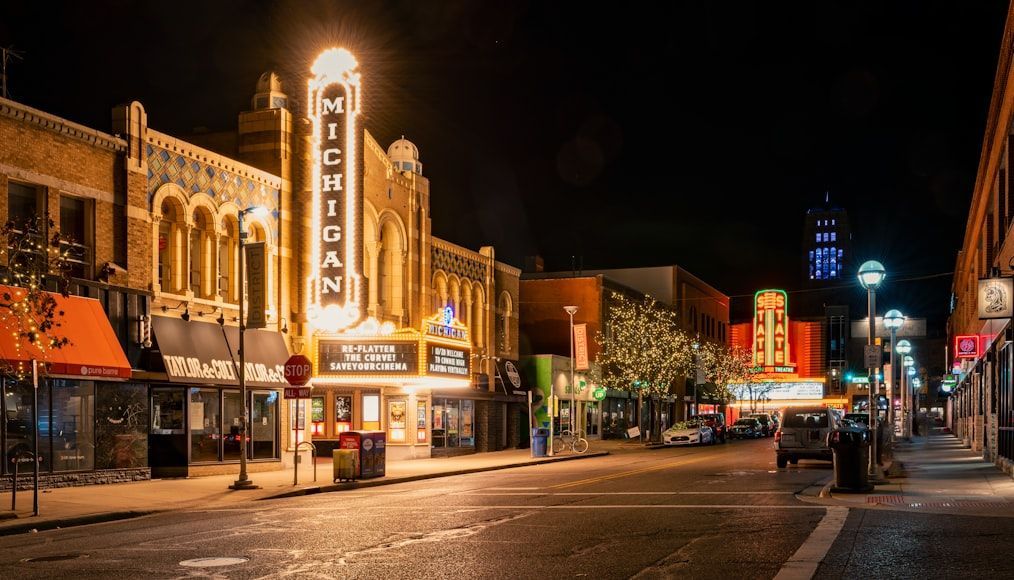
Image: Brad Switzer

Let’s be frank, some of the less-used variants for Michigan’s demonym sound really funny: think Michiganese , Michigine , and Michigoose (as a female version for Michi_gander_). But official names aside, residents of Michigan’s Upper Peninsula commonly refer to themselves as Yoopers , a derivative of U.P. (Upper Peninsula). Rumor has it that they call those from the Lower Peninsula Trolls , because they live ‘under the bridge’, but we can’t attest to this being true.

9
Jayhawk
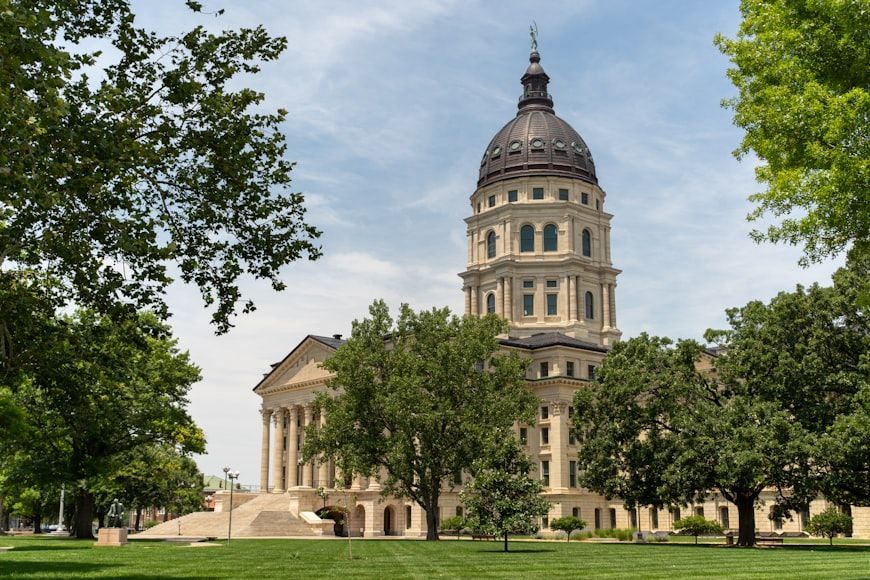
Image: Nils Huenerfuerst

Nowadays, Jayhawk is a common way to refer to residents from Kansas, but this term didn’t always have a positive connotation. Its original form, Jayhawker, used to refer to thieves, and was used derogatively by Confederates to talk about the anty-slavery militias from Kansas. After the Civil War, Kansans appropriated the term as a memento of their state’s contributions to the war.

10
Lanstronaut
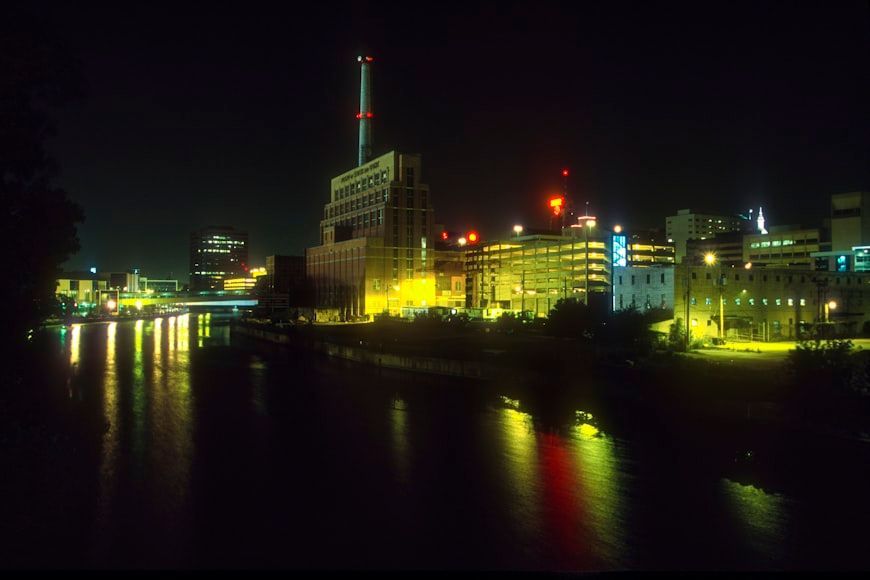
Image: Mick Haupt

Officially, if you live in Lansing, Michigan, you are a Lansingite . However, many Lansing residents have taken to using the term Lanstronaut in recent years, despite Lansing having more to do with the car industry than with space.

Geography Geography 5 min read

Weird American geography

Travel through the 10 strangest town names in the US!

Image: Leah Newhouse

The name of a town or a city often reflects its proud history. For instance, the city of Houston pays homage to Sam Houston, the first President of the Republic of Texas. In that sense, one can’t help but wonder what stories towns like Money, Mississippi, or Friendship, Maine, hide behind their unusual names. With that in mind, get ready to go on a wacky road trip with our selection of 10 of the most unusual names of American towns and cities. Enjoy!

1
Accident, Maryland

Image: Chiara Guercio

We’ll begin this article by quoting the great Bob Ross: "We don’t make mistakes; we make happy accidents". In that sense, a certain small town located in Garrett County, Maryland, is a living testament to the wonderful nature of accidents: Certainly, the town of Accident could use this Bob Ross quote as a town motto.

Nobody really knows where this unusual name comes from, but a popular theory states that when two men were conducting separate surveys in the area, one of them claimed land owned by the other "by accident". While we might never be sure if this story is true or not, people from Accident (or, as they like to be called, "Accidentals") definitively take pride in their weirdly named town.

2
Boring, Oregon

Image: charlesdeluvio

At first glance, the town of Boring, Oregon, seems to encapsulate the slow living of many American towns. While many disgruntled teenagers might call this peaceful lifestyle boring, we choose to consider it "peaceful". In any case, the name of this unincorporated community comes from a rather flashy geographical feature: a lava field.

If this unusual name makes you feel sorry about this town, don’t be: It has found a rather extraordinary group of sister cities. Boring, Oregon, is a proud member of a group known as "Trinity of Tedium", which includes the village of Dull, Scotland, as well as Bland, Australia.

3
Cucumber, West Virginia

Image: Harshal S. Hirve

The cucumber is definitively the star of many delicious salads. This versatile vegetable provides a fresh and unique taste to any dish. You would think that all the 74 residents of Cucumber, West Virginia, are big fans of this green delicacy, but in fact, the naming of this town seems to be in reference to entirely different reasons.

This mining-centered community was named after either Cucumber Creek, which is in the town’s proximity, or after the abundant cucumber trees in the area (which sadly don’t produce the green vegetables we know and love).

4
Mexican Hat, Utah

Image: Melanie Rosillo Galvan

With a population of only 31, the town of Mexican Hat in Utah is named after a peculiarly shaped landmark. A strange rock overlooks the northeast side of town, shaped just like an upside-down sombrero . This rock has 2 different climbing routes that ascend it, in case you want to take a trip and see this hat-shaped landmark in all its magnificence.

Mexican Hat was founded in 1908 by E.L. Goodridge, a man seeking oil in the area. While his efforts were unsuccessful, this settlement would eventually result in one of the most oddly named towns in America.

5
Chicken, Alaska

Image: Stephen Mierendorf

There’s no denying that America loves chicken: After all, we are the country that consumes the most chicken in the world. In that sense, it stands to reason that one of our many towns chose to celebrate our favorite domesticated bird. However, the history behind the naming of Chicken, Alaska, actually tells a different story.

This town was settled in the 19th century by gold miners rushing to Alaska during this state’s gold rush. When, in 1902, the site established a post office, it required a community name, and the settlers decided to name the newly-formed town after a type of game bird called ptarmigan. However, since no one was able to spell "ptarmigan" correctly, they ultimately settled on the much more spellable "Chicken".

6
Hot Coffee, Mississippi

Image: Alex Padurariu

Don’t you agree that thanking coffee for everything it does for us should be enough reason for this homage? The small community of Hot Coffee, Mississippi, pays a warm tribute to that miraculous drink that helps millions start their day right.

The community was established in the 19th century, located at the crossroads between two major travel routes. Logically, an inn was built to house weary travelers. A local man called L.J. Davis built a store and hung a sign designed to attract out-of-town customers that simply read: "the best hot coffee around". Davis’ store became a local landmark, and his excellent coffee soon became such a staple that it would eventually become the town’s name.

7
Truth or Consequences, New Mexico

Image: Photography Maghradze PH

On a certain day in March 1950, the city of Hot Springs, New Mexico, heard a weird yet exciting pitch on the radio: Ralph Edwards, the host of the popular NBC show "Truth or Consequences" , announced that he would broadcast a 10-year anniversary show from the first American town that chose to rename itself after the show.

By the end of that month, Hot Springs had collectively chosen to change its name, renaming itself "Truth or Consequence". Edwards not only held his end of the bargain, broadcasting the special show from the town, but also remained a lifelong friend of this city. He visited the town during the first weekend of May for the next 50 years, in an event that turned into a local Fiesta still celebrated today.

8
Nothing, Arizona

Image: Marta Nogueira

We get it: Naming a town must be difficult. Having said that, we think the founders of this now-abandoned town probably just winged it. Nothing, Arizona, was founded in the late 70s as an extremely small settlement: At its height, it had a population of 4.

While small and only comprising a small convenience store and a gas station, Nothing quickly became a popular tourist attraction. The town sign famously included the following phrase: "Thru-the-years-these dedicated people had faith in Nothing, hoped for Nothing, worked at Nothing, for Nothing."

9
No Name, Colorado

Image: Valentin Antonucci

Apparently, the name "placeholder" was already taken when it came time to name this small Colorado town. Located in Garfield County, No Name has a population of 117. Contrary to popular belief, this town’s name is not a result of a lack of creativity but rather a reference to the No Name Creek and the No Name Canyon, which are nearby. And in fact, both the town and these landmarks pay homage to an event in Colorado’s history.

In 1869, John Wesley Powell set out on an expedition to map out the Colorado River. Powell’s expedition included several boats, which featured names like "Emma Dean" and "Maid of the Canyon". Among them was the "No-Name", a boat that proved that even the most inconspicuous names can leave a huge mark.

10
Friendship, Maine

Image: Duy Pham

What’s life without friends? If there’s someone that can attest to that it’s the residents of Friendship, Maine . After all, they decided to name their town after one of the most important things in life.

You might be familiar with Friendship from the many examples of popular culture that feature this town. For instance, the 1995 film "Casper" takes place entirely in Friendship (which seems only fitting, since Casper is known as "the friendly ghost"). Also, many American authors have written about the town in their stories. Most notably, the short story "The Run of Yourself" by Richard Ford is set in Friendship.

General General 4 min read

The American Dream

10 famous actors who became U.S. citizens

Image: Nathan DeFiesta

Many foreign actors adopt an American persona in order to fit into certain roles. After all, Hollywood is one of the world's largest film industries. But some actors have decided to make America their home beyond acting, which has led them to apply for citizenship and become naturalized Americans. Here are 10 actors who were born elsewhere and became U.S. citizens later in life!

1
Arnold Schwarzenegger

Image: Tom Def

Let’s kick it off with someone everybody knows. In case the excessive use of consonants in his last name wasn’t enough of a clue, Arnold Schwarzenegger was born and raised in Austria, where he built a successful career in bodybuilding. After winning major bodybuilding titles, he moved to the U.S., where he continued competing and later transitioned into acting. He became a U.S. citizen in 1983 and went on to serve as Governor of California from 2003 to 2011.

2
Elizabeth Taylor

Image: Daniele Levis Pelusi

One of the brightest stars of 1950s Hollywood, Elizabeth Taylor is known for her unforgettable performances in classics such as Cleopatra , Cat on a Hot Tin Roof , and Who’s Afraid of Virginia Woolf? Born in London in 1932 to American parents from Arkansas, Taylor held dual British-American citizenship from birth. Although she was initially raised in the UK, her family returned to the U.S. when World War II broke out. There, she began what would become a triumphant acting career, earning her first starring role at age 12 in National Velvet .

3
Charlize Theron

Image: barendlotter

Born in Benoni, in what was then the Transvaal province of South Africa, Charlize Theron began her career as a model and later trained as a dancer. While trying (and failing) to get into the film industry, she got her breakthrough thanks to her not being American: she famously caught the attention of a talent agent while arguing with a bank teller who refused to cash her check because she was a foreigner. She became a U.S. citizen in 2007 and has retained her South African citizenship.

4
Liam Neeson

Image: K. Mitch Hodge

Liam Neeson was born and raised in Ballymena, Northern Ireland, and started his career as a theater performer in Belfast and Dublin. After being cast in a minor role in the film Excalibur (1981), he built a successful career in both the UK and the U.S. Neeson acquired American citizenship in 2009 and said he was inspired by the overwhelming support he received from Americans following the tragic death of his wife, Natasha Richardson.

5
Cary Grant

Image: thomas cook

One of the biggest stars of Hollywood’s Golden Age, Cary Grant was born Archibald Alec Leach in Bristol, England. He first came to the U.S. as a teenager in 1920 as part of a theater troupe, and eventually transitioned into film, becoming famous for his romantic comedies before expanding into other genres. In 1942, he became a U.S. citizen and legally changed his name to Cary Grant.

6
Maureen O’Hara

Image: Mike Fox

Maureen O’Hara might not have been born an American, but she earned her place in one of the most American film genres of all: the Western. Born Maureen FitzSimons in Dublin, Ireland, she got her first major role in Alfred Hitchcock’s Jamaica Inn (1939), where she was billed as Maureen O’Hara, a stage name chosen for her by the studio. She rose to stardom soon after with her leading role in John Ford’s How Green Was My Valley (1941), and went on to become iconic in Westerns and adventure films. She became a naturalized U.S. citizen in 1946.

7
Helen Mirren

Image: Hulki Okan Tabak

Ilyena Lydia Mironoff was born in the UK as part of an exiled Russian noble family who eventually changed their surname to Mirren. She started her career as a theater performer in the Royal Shakespeare Company, and went on to achieve major success in film and television. Though she became a U.S. citizen in 2017, she had considered herself American for a long time. In an interview, she revealed that witnessing the 9/11 attacks in New York City gave her an "epiphany" about where her allegiance lay, which helped prompt her decision to become a U.S. citizen.

8
Anthony Quinn

Image: Jorge Aguilar

Many people are surprised to learn that Anthony Quinn was not American-born. Originally named Manuel Antonio Rodolfo Quinn Oaxaca, he was born in Chihuahua, Mexico, to a Mexican mother of Indigenous heritage and an Irish immigrant father. After a short stint as a boxer, he began a successful acting career and became the first Mexican-born actor to win an Academy Award, ultimately winning two Oscars. He became a U.S. citizen in 1947.

9
Olivia de Havilland and Joan Fontaine

Image: Jeremy Yap

Famous actresses, rivals, and sisters Olivia de Havilland and Joan Fontaine were born in Tokyo, Japan, to British parents, making them British subjects from birth. Both were brought up in the United States after their mother moved the family to California. Their careers in Hollywood were marked by a well-publicized sibling rivalry: according to biographies, their mother favored Olivia and discouraged Joan from using the family name, prompting her to adopt the stage surname Fontaine .

Olivia de Havilland became a naturalized U.S. citizen in 1941, just months before the U.S. entered World War II, and she actively contributed to the war effort, including touring to support troops. Her sister Joan gained citizenship a few years later, in 1943.

10
Greta Garbo

Image: Sofia Sforza

Born in Stockholm, Sweden, as Greta Lovisa Gustafsson, Greta Garbo became one of the defining stars of Hollywood’s early Golden Age. After appearing in a supporting role in the Swedish film The Saga of Gösta Berling (1924), she caught the attention of Metro-Goldwyn-Mayer executives, who brought her to Hollywood to begin what became a legendary silent-film career, one that only grew stronger with the transition to sound. After nearly two decades in film, Garbo famously retired from acting in 1941 and later became a U.S. citizen in 1951.

Explore more American facts

Choose your favorite category!

General
General

As American as apple pie—the very best America has to offer!

Culture
Culture

Delve into the astounding richness of American lore.

Geography
Geography

Hop in and explore vast and diverse American landscapes.

History
History

Discover the key moments that shaped the United States.