Culture Culture 4 min read

How to blend in with the locals

12 regional slang words that you might want to learn
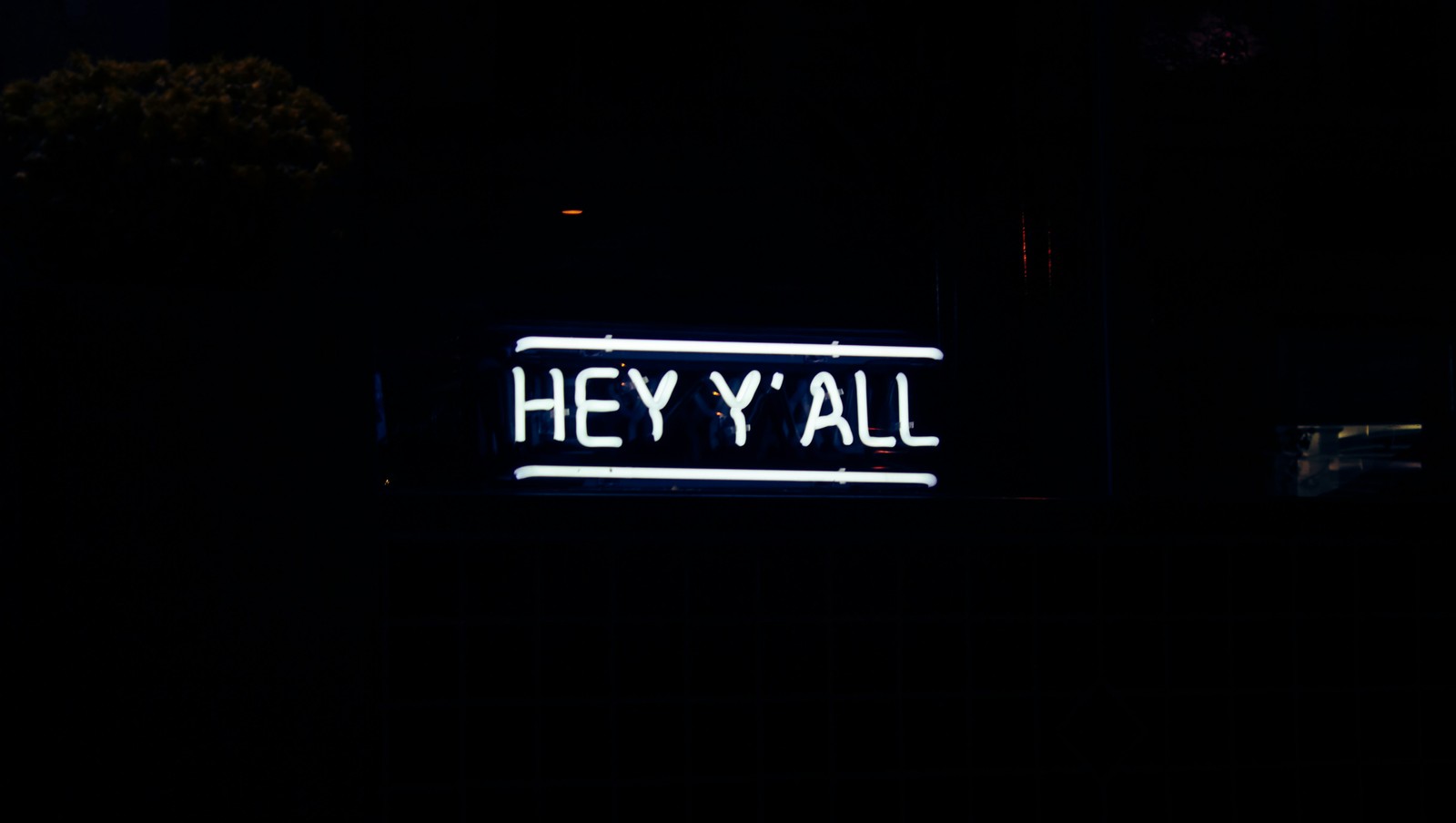
Image: DJ Johnson

English might be the official language of all Americans, but this doesn’t mean it’s spoken the same everywhere. Across the 50 states and the territories, slang is just another way to express the idiosyncrasies of each region and its unique realities. Check out these slang phrases; they might come in handy in the future.

1
Philadelphia: Jawn
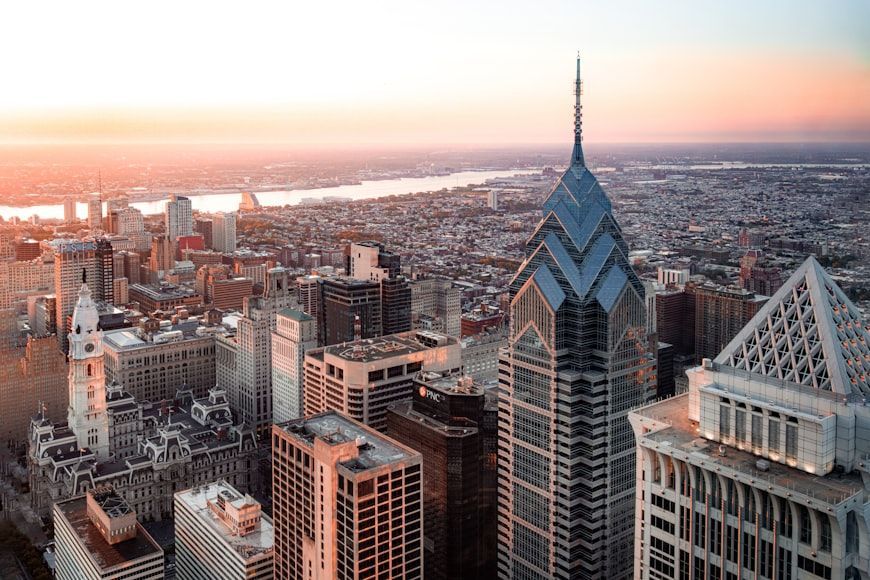
Image: ActionVance

Meaning: used as a placeholder for a noun.

When in Rome, do as the Romans do. When in Philly, be aware that the word jawn can and will be used in every sentence, no matter if the jawn in question is a thing, person, event, or place. If it’s a noun, it can be jawn’ed.

2
New England: Grinder
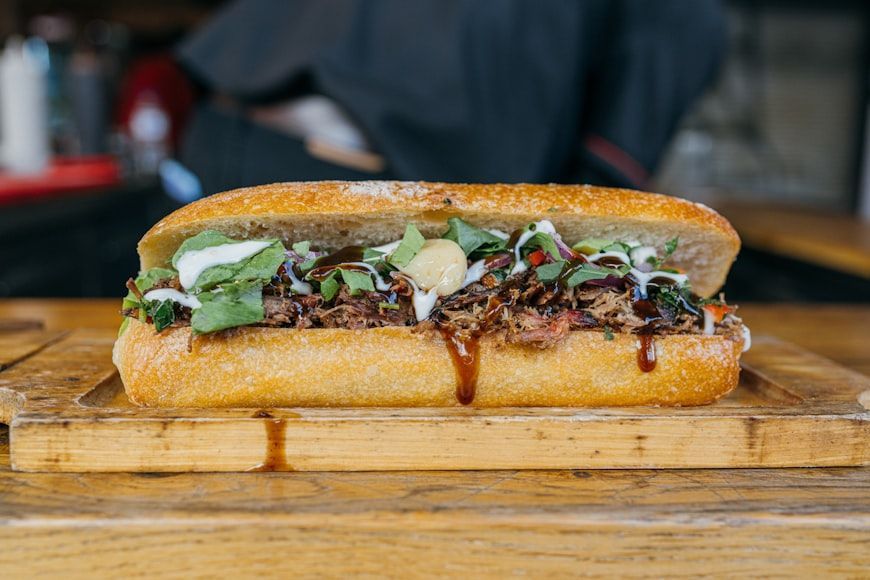
Image: Yoad Shejtman

Meaning: a sub sandwich.

Subs must be one of the most widely known American sandwiches, and rightfully so. Its possibilities when it comes to fillings are seemingly endless, no matter your personal tastes. But you must consider that not every sub is called a sub. If you are passing through New England and fancy a sandwich, looking for a grinder will get you there quicker.

3
Midwest: Schnookered

Image: Vinicius amnx Amano

Meaning: wasted, scammed.

Is there a connection between excessive alcohol consumption and being easy to deceive? Midwesterners apparently think so, because they use the same term for both situations. We tend to agree, nothing good can come from doing business while under the influence.

4
New York: Schlep
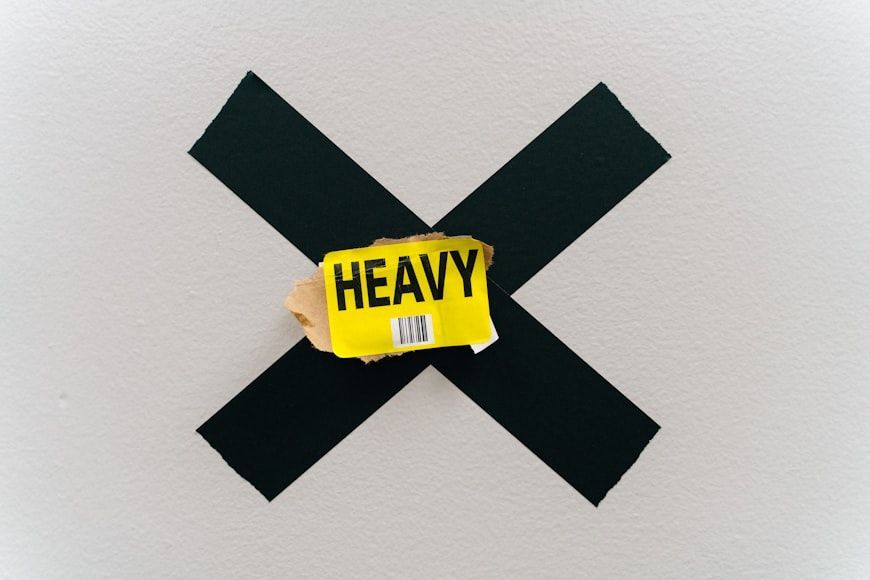
Image: Keagan Henman

Meaning: a difficult task, to carry something with difficulty.

As far as hectic places go, New York seems to be leading the rankings. No wonder they have a dedicated slang repertoire for difficult situations. If you are planning on visiting the Big Apple, take it easy; you will most likely encounter a schlep.

5
Florida: No-see-ums

Image: Aditya Vyas

Meaning: tiny biting midges.

Ah, Florida! The land of cruises, alligators, and invisible attacking bugs. These welcoming critters are known for attacking at dawn and leaving itchy marks that will sting for days. They go by the government name of Ceratopogonidae, but the no-see-ums nickname seems more accurate.

6
Boston: Regular
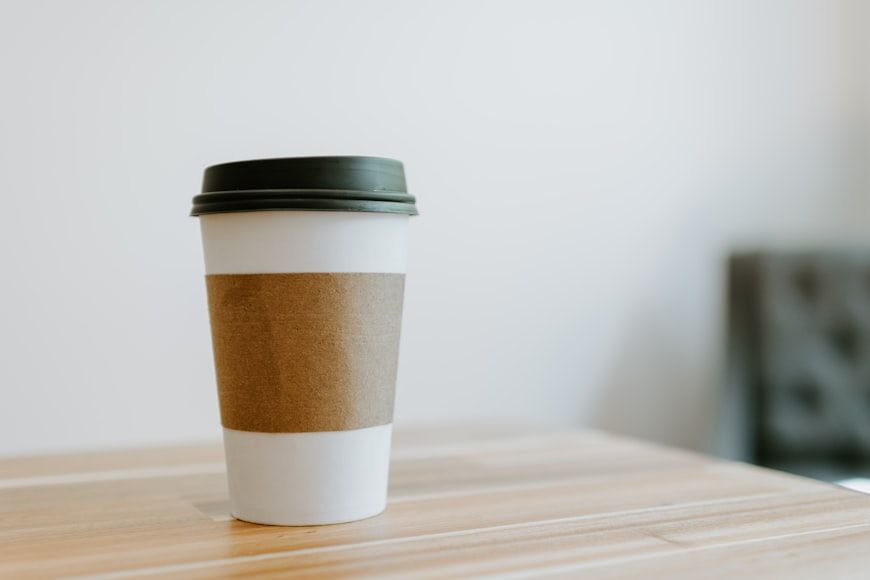
Image: Kelly Sikkema

Meaning: coffee with cream and sugar.

Forget about americanos, lattes, and espressos, a regular is the Boston way to go. Associated with a popular Dunkin’ order, it will come already creamed and sugared. Not advisable for diabetics and lactose intolerants.

7
Puerto Rico: A mi, plín!
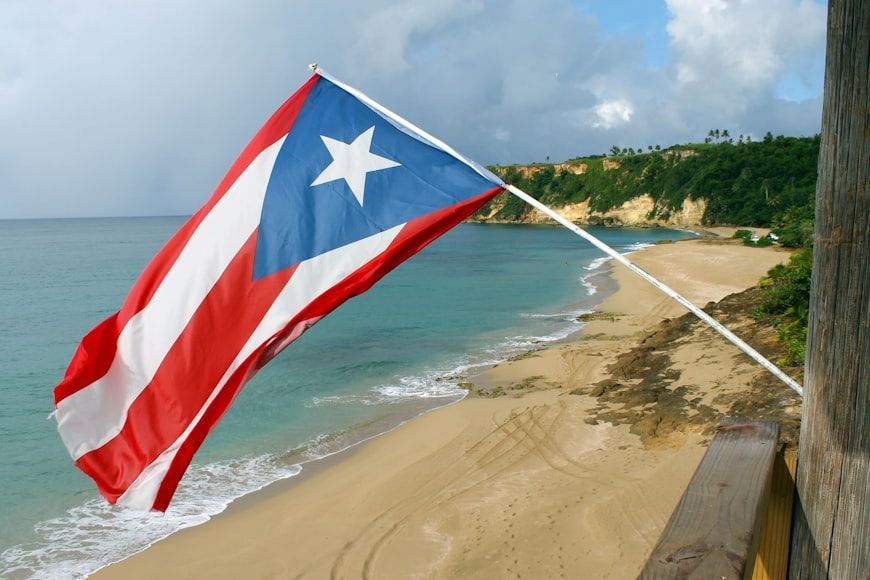
Image: Ana Toledo

Meaning: I don’t care.

Puerto Rican slang can be hard to decipher even if you speak some Spanish, but this makes it even more unique. This phrase —literally translated as ‘to me, plin’— is commonly used to express that something or someone is of no concern to you. What is a ‘plin’? We don’t really know, but to us, plin!

8
Pacific Northwest: The mountain is out
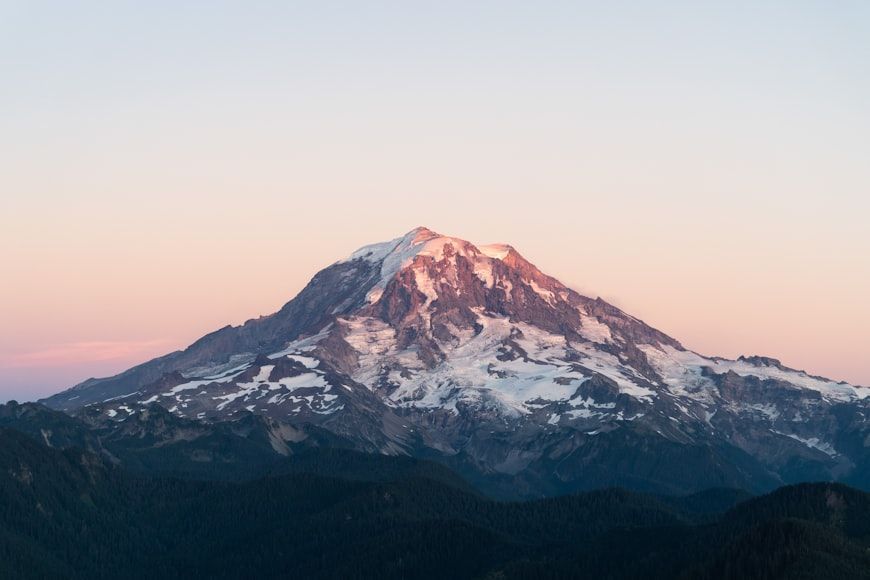
Image: Caleb Riston

Meaning: there is good weather

Mount Rainier is one of the icons of Seattle and the Pacific Northwest, even though the stormy weather can often make it difficult to admire. On the days when the sky is clear and cloudless, this natural wonder "is out" and can be seen in its entirety. For the locals, the mountain being out has become synonymous with lovely weather and sunny skies.

9
Texas: Fixin’ to
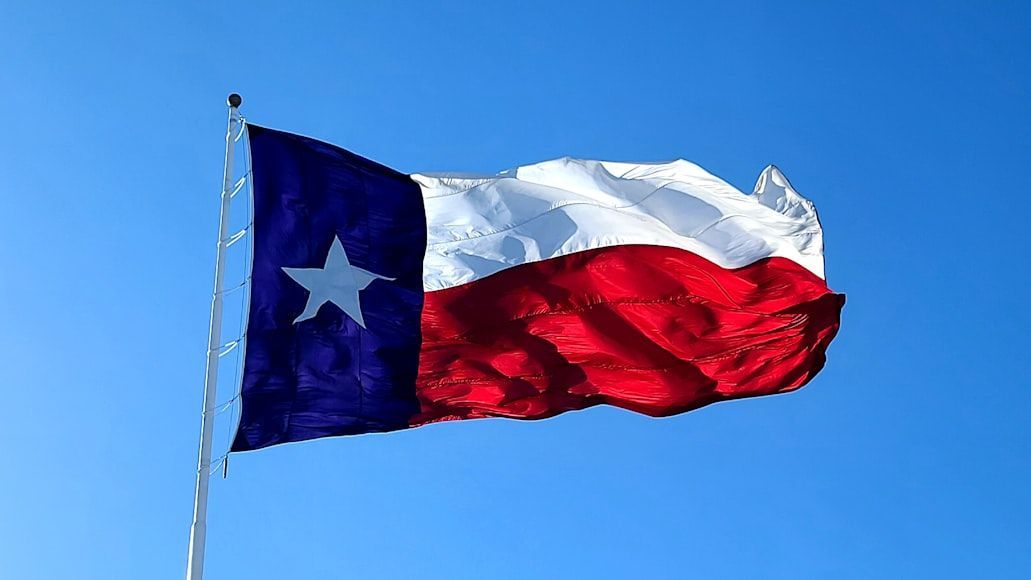
Image: Pete Alexopoulos

Meaning: about to.

We are including this phrase as Texan slang, but you might hear it from Southerners of other states. What do they use it for? Not to talk about repairs, but to say they are about to do something or getting ready for something. Important: do not confuse it with ‘fixins’, a way to refer to side dishes or condiments.

10
Alaska: Sourdough
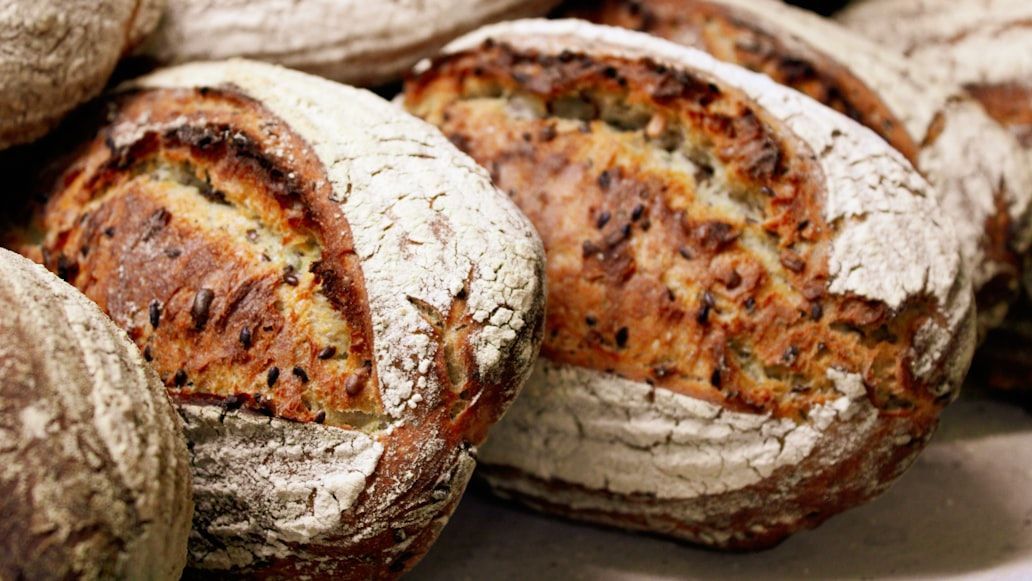
Image: DDP

Meaning: a long-time resident.

Alaska is filled with natural wonders, but it has always been a tough place to live in, especially during the time of the pioneers. These brave people relied on a few food sources, one of them being sourdough starter to make bread and biscuits. In time, seasoned Alaskans came to be referred to as ‘sourdough’, as a way of honoring their resilience and love for the territory. Opposite to a ‘sourdough’, you can find a ‘cheechako’ or newcomer.

11
Utah: RM
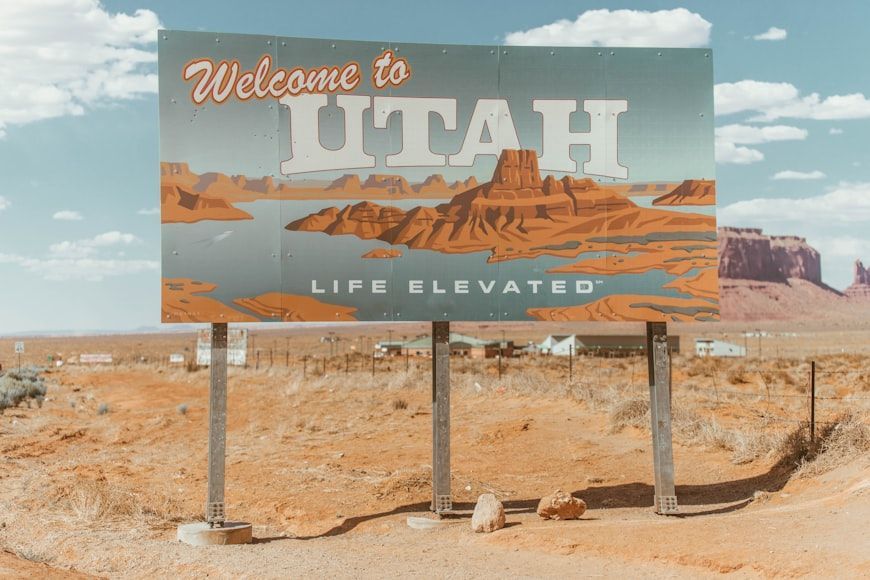
Image: Taylor Brandon

Meaning: someone who returned from their missionary service.

Utah is known for many things, one of them being its high number of Church of Jesus Christ of Latter-day Saints members (commonly known as Mormons). Many members of the Church choose to serve as missionaries, an activity that can take them to a different state or even a different country for up to two years. Once they come back, they might be referred to as RM, or ‘returned missionary’.

12
Hawaii: Da kine
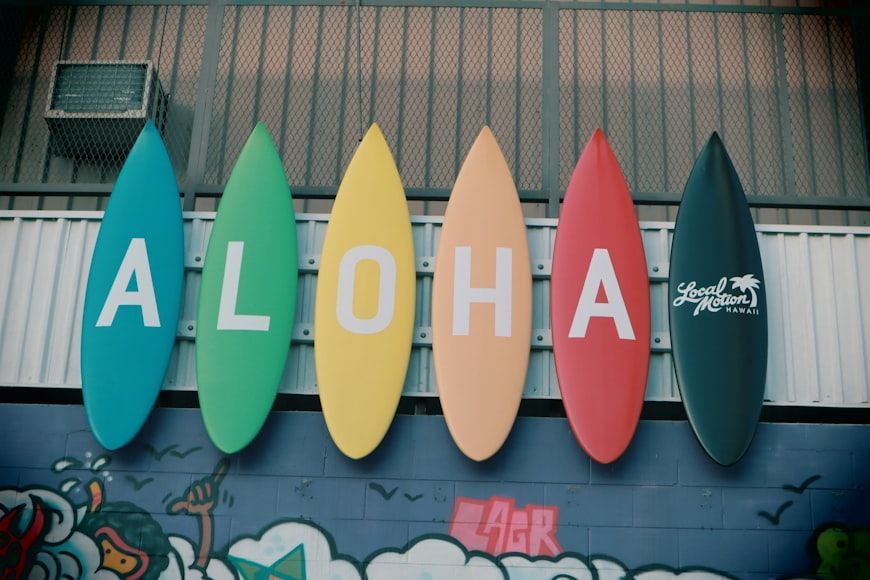
Image: little plant

Meaning: placeholder for something.

If you are in Hawaii, you might notice locals using this phrase to refer to various things, similar to how other English speakers use ‘whatsit’ as a placeholder. A common phrase in Hawaiian Pidgin, ‘da kine’ can be used for objects, people, places, ideas, and much more.

Culture Culture 6 min read

FROM THE PAGES OF OUR CHILDHOODS

Boom! Kapow! Celebrate These 10 Iconic American Superheroes!

Image: Yulia Matvienko

Superhero stories are usually referred to as "modern mythology", and with good reason: After all, it’s easy to see the connection between heroes like Hercules or Gilgamesh with the wondrous tales of these men and women graced with powers and abilities beyond our comprehension. However, an argument could be made that modern superheroes teach us a substantially more important lesson: Through their desires to defend justice and defeat evil, these heroes teach us that we too can be better.

We have chosen ten of the most groundbreaking American superheroes that have inspired generations of Americans throughout history. Wondering if your favorite childhood hero made it to this list? Keep on reading and find out!

1
Superman

Image: Jon Tyson

It’s a bird! It’s a plane! No, it’s our first entry to this article! For many, the "Man of Steel" is the epitome of an American superhero : Not only is he one of the oldest superheroes still in circulation, but he is also a die-hard defender of truth, justice, and the American Dream.

Superman’s story has been told countless times, but here’s a quick summary just in case: Born in the far-away planet of Krypton, Kal-El was sent to Earth as a baby, where he was adopted and named Clark by Martha and Jonathan Kent. Young Clark discovered his amazing powers at an early age, and grew to become Superman, the "Man of Tomorrow".

2
Batman

Image: Obi - @pixel8propix

Right along with Superman, Batman is perhaps the world’s most famous superhero. What’s interesting is that, although both superheroes are equally iconic, they couldn’t be more different: While Superman is a superpowered public figure, who regularly engages with the American people in a friendly manner, Batman is a dark and mysterious figure , who fights evil-doers from the shadows and has no superpowers other than his superhuman determination (and his fair share of high-tech gadgets!).

Bruce Wayne, the man behind Batman, has a backstory that’s almost as dark as his alter ego: Born into the wealthy Wayne family, Bruce's parents Thomas and Martha were tragically murdered when he was eight years old. Determined to fight the evil that took his family away from him, Bruce spent his life and fortune to become Batman, Gotham City’s Dark Knight.

3
Spider-Man

Image: Jean-Philippe Delberghe

Up until the emergence of this beloved superhero, whatever our childhood heroes did for a living was not particularly important. For instance, Clark Kent is a Pulitzer-winning reporter, while Bruce Wayne comes from an extremely wealthy family. However, what separates Spider-Man from the rest (besides his groundbreaking arachnid powers ) is the fact that he had to juggle his superhero activities with his education and part-time photography job. In a sense, Peter Parker was the first to show us that superheroes could also come from struggling backgrounds.

When he was first published in 1962, Spider-man was also one of the youngest superheroes out there: At age 15, Peter Parker was bitten by a radioactive spider, which gave him his amazing and uncanny abilities . Spiderman can climb up walls, swing around skyscrapers, and sense danger with his trusted "Spider-sense".

4
Iron Man

Image: Igor Bumba

Even before being immortalized by actor Robert Downey Jr . in what’s probably the most lucrative film franchise in history, Iron Man was already one of Marvel’s most recognizable superheroes. Created by Stan Lee and Jack Kirby in 1962, this hero drew his abilities from machines’ raw power and mankind’s insurmountable ingenuity.

Unlike many superheroes, Tony Stark’s backstory is characterized by his search for redemption: Born into a wealthy family, he sought to dismantle his family’s lucrative arms-dealing business after he witnessed first-hand the horrors his products caused. Tony used his superior intellect to design and construct his iconic "Iron Man" suit , a metal exoskeleton armor that grants him flight, superhuman strength, and access to repulsor blasts and other high-tech gadgets.

5
Wonder Woman

Image: Dale de Vera

Comic books are usually considered a boys’ club, but the truth is that not all superheroes are male. We could have chosen from a myriad of iconic female heroes, but we finally settled on one of DC’s powerhouses : Wonder Woman. Though she recently saw a resurgence in popularity thanks to her 2017 jump to the big screen, this Amazonian warrior has always been a force to be reckoned with.

Princess Diana comes from the island of Themyscira, a fictional island home to the warrior race of the Amazons. Wonder Woman’s strength is almost unmeasurable, and she also possesses the gifts of flight, speed, and invulnerability. She is also armed with her indestructible bracelets and her iconic "Lasso of Truth" , which forces those trapped in it to reveal their secrets. Fun fact: Wonder Woman’s creator William Moulton Marston invented the lasso while working on his other groundbreaking invention, the modern lie detector.

6
The Hulk

Image: Hermes Rivera

When Robert Louis Stevenson published his 1886 novella Strange Case of Dr. Jekyll and Mr. Hyde , he wasn’t aware that he was also creating the basis of one of the world’s most iconic superheroes. While The Hulk is known mostly for his brutish strength and uncontrollable rage , this seemingly simple superhero also deals with mankind’s fear of its own dark side, and what happens when this more violent aspect of ourselves is let loose.

You are probably aware of the Hulk’s origin story: Dr. Bruce Banner, a brilliant scientist, was hit with a heavy dose of gamma rays after an experiment went wrong. This accident transformed Dr. Banner, turning him into the green-skinned, rampaging Hulk whenever his anger reaches a breaking point. While his powers are definitively destructive, over the years the Hulk has turned into a force of good, and a superhero in his own right.

7
X-Men

Image: Erik Mclean

The first superhero team to make it to this list, the X-Men introduced the world to "mutants", the next step of human evolution. Mutants displayed fantastical powers from an early age, although some of their mutations made them look threatening or off-putting to society. In the end, prejudice was one of the X-Men’s greatest foes, and a recurring theme throughout this series’ 60 years.

The X-Men saw a resurgence in popularity throughout the 90s and early 2000s, in part thanks to an amazing TV adaptation and a series of films produced by 20th Century Fox. Among the team’s most famous roster, we have the X-Men’s leader Cyclops (who can shoot energy beams from his eyes), Storm (a mutant that can control the weather), and Wolverine (who can heal almost instantly, and whose skeleton was reinforced with an unbreakable metal).

8
The Flash

Image: Joel Muniz

Superman might be "faster than a speeding bullet", but the Justice League’s undisputed speedster is definitively The Flash. While his superspeed power might seem simple, it is anything but: Flash is connected to an extradimensional energy source known as "the Speed Force", which allows him to move, think, and react at superhuman speed.

While the first character to take this name was Jay Garrick in 1939, the Flash most people are familiar with is Barry Allen, who was granted the powers of the Speed Force after an experiment gone wrong. His red suit and lightning-fast reflexes have made him one of the most recognizable heroes in history.

9
Thor

Image: Manuel Salinas

As we mentioned before, many believe superheroes to be our modern myths. However, what’s fascinating about this superhero is that it perfectly combines the standard characteristics of a comic book hero with the amazing feats of the most adventurous Nordic god . Thor Odinson, Marvel’s iconic otherwordly protector, is definitively the best of both worlds.

When Jack Kirby and Stan Lee created Thor in 1962, they kept many aspects of the Nordic deity: Marvel’s Thor has super-human strength, can control thunder, and is always aided by his enchanted hammer, Mjolnir . However, the modern adaptation added a new layer: Deemed too arrogant by his father Odin, Thor was banished to Earth, where he became our planet’s trusted guardian.

10
Captain America

Image: Marjan Blan

We’ll end this list with an American icon. In 1940, worried by the advancement of WW2, writer Joe Simon and artist Jack Kirby sought to create a superhero that would both encompass the values of American life and fight to preserve peace and justice in the free world. And with that, Captain America was born.

The Captain’s story has been told many times: Steve Rogers was a frail but brave American who was administered a "Super Soldier" serum that gave him super-human speed, strength, and reflexes. However, one of Cap’s superpowers that is usually overlooked is his tenacity, both in comics and in real life: After being canceled in the 1950s, this character was brought to life once again by Stan Lee, who designed the modern version of Captain America that we now know and love.

General General 5 min read

WHEN WAS YOUR LAST VISIT TO THE MALL?

Did You Know These 10 Huge Malls Are Closed Or Closing Its Doors?

Image: Christian Wiediger

There is no "Too big to fail" in the world of retail. Even big businesses, with access to deep pockets, market research, and countless advisors, can bite the dust just like your local corner store. Or, perhaps, not in exactly the same way, but with very similar results.

The huge malls built in the 70s, 80s, and 90s have been enduring traffic decline for a couple of decades now, due to the rise of online shopping which, along with the rising price of property taxes, costs, rent, and vacancy, the COVID-19 pandemic and a few other factors, these commercial behemoths have been forced to close their doors. Take a look at ten of these once-bustling buildings and see if you ever frequented one of them.

1
Randall Park Mall, Ohio

Image: Carl Raw

Randall Park Mall opened in 1976 when huge retail complexes were designed to be at the heart of their communities. It was one of the largest indoor malls in the country, with more than 200 shops. However by 2009, following years of declining business and the more immediate impact of the Great Recession, Randall Park Mall closed its doors.

Encompassing nearly 2.2 million square feet of space and reportedly costing $175 million to build, Randall Park Mall was deemed such a colossal miscalculation that it closed after only 33 years in operation and was demolished before reaching forty years.

2
Circle Centre Mall, Indiana

Image: Michael Weidemann

Circle Centre opened to the public on September 8, 1995, incorporating existing downtown structures such as the former L. S. Ayres flagship store. Real efforts were made in its design to incorporate historic elements, such as the retention of the facades of buildings that had previously existed on the site.

Most malls rely on their department and anchor stores to survive, but, with the closure of Nordstrom in 2011 and of Carson's on April 29, 2018, the mall has been left without any department stores. In response to the changing retail conditions, the mall has explored non-traditional uses; for example, in 2014 The Indianapolis Star moved its offices into part of the space vacated by Nordstrom.

3
East Hills Shopping Center, Missouri

Image: Alexander Kovacs

East Hills Shopping Center is an enclosed shopping mall that opened in 1965, as one of the first malls in the Midwestern U.S. After enjoying several decades of success during the early days of malls, East Hills lost many tenants throughout the 1990s.

The COVID-19 pandemic brought many businesses to a close. On August 27, 2022, Dillard's permanently closed its doors followed by Party City in April 2023. The mall currently features JCPenney as its only anchor tenant.

4
Exton Square Mall, Pennsylvania

Image: mostafa meraji

The Exton Square Mall opened its doors in March 1973. Among its earlier memories, it holds the distinction of hosting the first Chick-fil-A restaurant on its premises.

In recent years, the mall has experienced an increase in vacancy rates, due to declining mall traffic and ongoing competition from the larger King of Prussia mall located 14 miles away. Many of the remaining stores are non-traditional tenants such as medical offices, a chess club, an art studio and gallery, and a chamber of commerce office.

5
Pittsburgh Mills Galleria, Pennsylvania

Image: Alexander Kovacs

Pittsburgh Mills Galleria is a dead mall that opened to much fanfare on July 14, 2005, but it never achieved the success its owners had hoped for. Only a year after opening, Lucky Strike Lanes closed and was eventually replaced with two restaurants and a banquet hall.

As of February 2023, there are only about 20 stores left, including 6 major chain stores. The food court, which once housed two full-service restaurants, a Starbucks, 10 counter restaurants, and several push-cart vendors, is now completely vacant.

6
Midway Mall, Ohio

Image: Pascal Bernardon

Midway Mall originally opened on September 22, 1966. Its anchor stores were Higbees, JCPenney, and Sears but over the years, brands changed and eventually left. As of 2023, with former anchor Dunham's Sports closing its branch there, it is considered a dead mall.

In 2023, the Lorain County Port Authority voted to buy and develop the mall site but, on May 1, 2024, the port authority sold the property to Industrial Commercial Properties, which intends to turn the mall into an industrial park.

7
Signal Hill Mall, North Carolina

Image: Ervan Sugiana

Signal Hill Mall was a regional enclosed shopping mall that opened in 1973 with more than 40 stores. The mall experienced a great deal of decline since the 2010s, losing most of its major stores throughout the decade and receiving significant media attention as an example of what is popularly known as a dead mall.

As of 2022, the mall has continued to decline, and despite discussions about the possibility of the mall being repurposed for non-retail use, nothing has been done. The mall is occasionally used as a space for community and recreational events by Statesville residents but that is all the activity on its premises.

8
Century III Mall, Pennsylvania

Image: Raymond Kotewicz

The eighth entry on this list hailing from Pennsylvania is an already abandoned mall. Century III Mall was built on a former slag dump and it operated from 1979 to 2019 - almost 40 years, which is not a bad number for a mall. It was the third-largest shopping mall in the world when it opened, but it has since been surpassed by much larger malls.

Following a similar route to the ones we have seen before, its occupancy rate fell from 40 percent in January 2016 to 10 percent by December 2017. Demolition of the mall began on March 26, 2024, starting with the attached external parking garage structure, but it will take a year until the entire structure is gone.

9
Gwinnett Place Mall, Georgia

Image: Casey Lovegrove

Stranger Things fans might recognize this building as the "Starcourt Mall" featured in the third season of the series. Once the leading mall in the region, Gwinnett Place Mall is now largely vacant.

It was challenged by the openings of the Mall of Georgia in 1999 and Sugarloaf Mills in 2001 and lost a large part of its customer base. It also failed to attract any new anchor stores for several years. In 2008, Gwinnett Technical College opened an International Education Center in the mall, where students take foreign language classes. Not much of a mall anymore.

10
Hawthorne Plaza Shopping Center, California

Image: David Valentine

Let us close the list with Hawthorne Plaza , an abandoned enclosed shopping mall with 134 stores that opened in February 1977. It included an indoor mall with three anchor stores and freestanding stores. Despite its initial popularity, the mall went into decline in the 1980s and 1990s.

The number of occupied stores declined from 130 in the late 1980s to around 70 in 1998. The mall's final anchor, JCPenney, closed in 1998 and the mall itself closed in 1999. The southern section of the mall across from the parking structure was demolished in 1998 and rebuilt as a strip mall. It currently includes a supermarket, a pharmacy, and some small restaurants.

Explore more American facts

Choose your favorite category!

General
General

As American as apple pie—the very best America has to offer!

Culture
Culture

Delve into the astounding richness of American lore.

Geography
Geography

Hop in and explore vast and diverse American landscapes.

History
History

Discover the key moments that shaped the United States.