Culture Culture 6 min read

Wives of democracy

From Martha Washington to Melania Trump: 10 facts about the First Ladies

Image: Florida Memory / Cristina Staver

The contributions the First Ladies of our country have made to this great nation are often overlooked. But none of the exemplary ladies that have held the title served without leaving a substantial mark in the White House. For that reason, we have decided to commemorate 10 First Ladies by bringing to the spotlight their achievements, their marriages, and their many strengths. While we would love to feature every single First Lady in this article, we would need much more space to do so. However, these 10 iconic women are often referred to as an example of the amazing characteristics that all First Ladies share. Without further ado, enjoy!

1
Martha Washington

Image: Boston Public Library, CC BY 2.0

Let’s begin with the inaugural first lady of our country. In May 1789, Martha Washington inaugurated the role of First Lady of the United States when she arrived in New York City to meet her husband, George Washington. Interestingly, the name "First Lady" wouldn’t be used until some time later. Instead, Martha was simply referred to as "Lady Washington".

As you would expect, Martha Washington installed practices that went on to become traditions held by many future First Ladies, including receptions to the general public during New Year’s Eve. Furthermore, President Washington asked Martha to hold special drawing room events at their residence. These social gatherings became instrumental in forming what was known as the "Republican Court" , an influential group of American intellectuals and politicians.

2
Rosalynn Carter
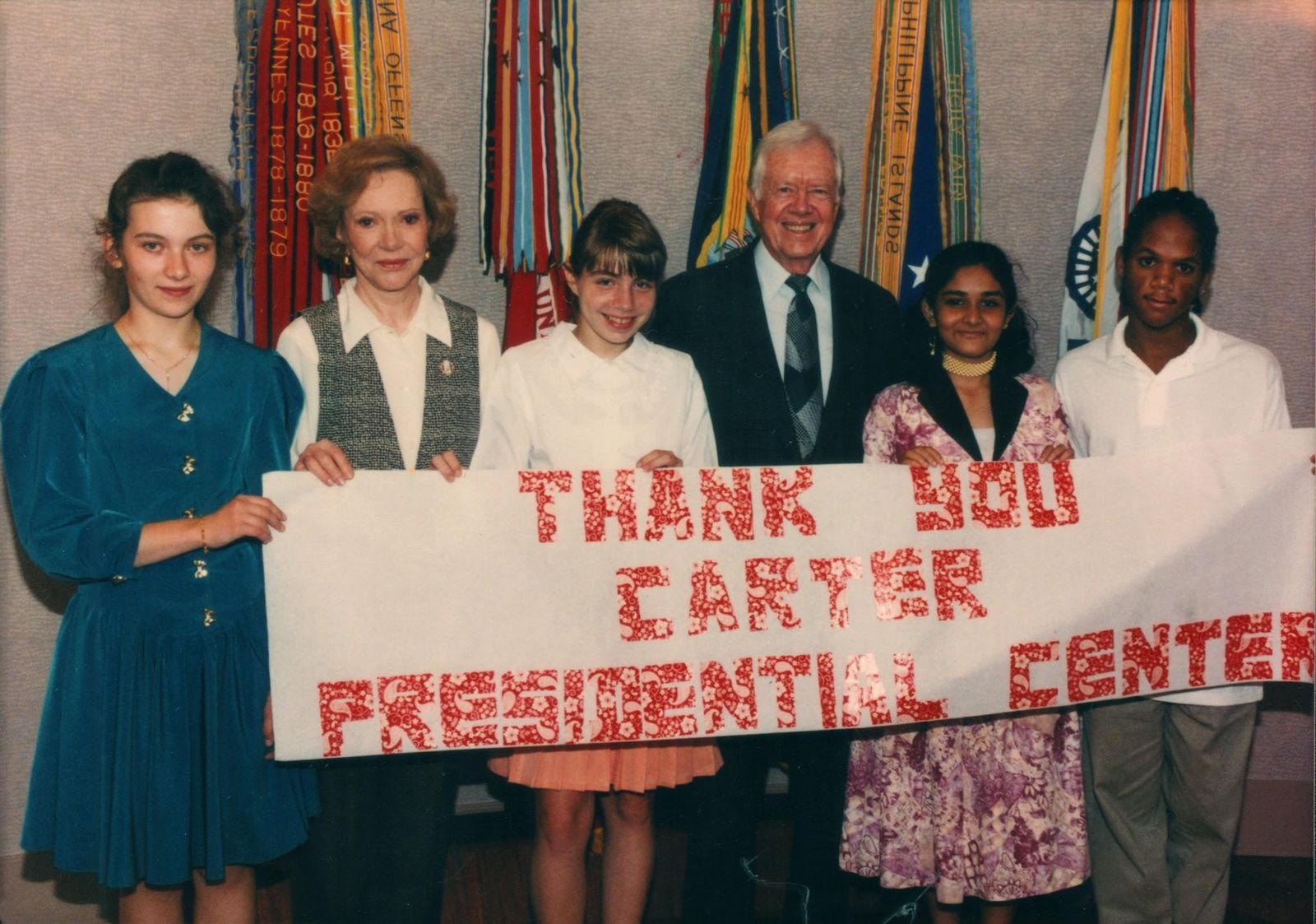
Image: Tatiana V. Konokotina, CC BY 4.0

According to Rosalynn Carter , she first became attracted to her husband, future president Jimmy Carter, when she saw him in a photograph dressed in his U.S. Navy uniform. What followed is a long and prosperous love story, which only ended in 2023 after Rosalynn passed away at the age of 96 years old.

During her tenure as First Lady, Rosalynn became an advocate for mental health and women’s rights, and she continued to support these causes through her work in the Carter Center. Both Rosalyn and President Carter were awarded the Presidential Medal of Freedom in 1999.

3
Barbara Bush
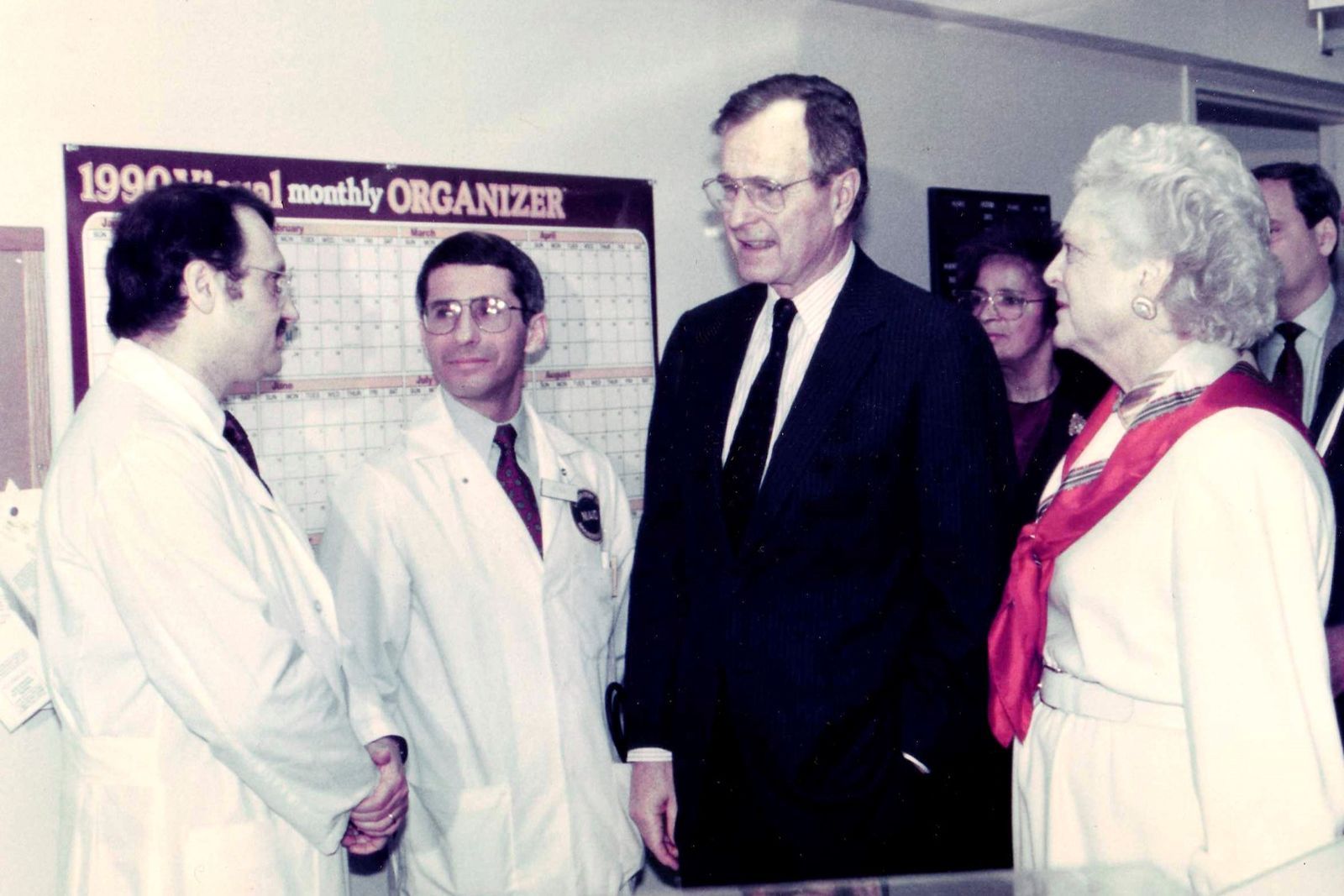
Image: NIAID, CC BY 2.0

Few First Ladies hold the honor of being both the wife and the mother of a U.S. President, and Barbara Bush is one of them. She served as the First Lady during the presidency of George H. W. Bush, who acted as the 41st U.S. President from 1989 to 1993.

Although she presented herself in an almost apolitical manner, Barbara often engaged in charity work, most notably in campaigns to fight illiteracy. After her husband’s presidency ended, she continued to work in campaigning for her sons, including our 43rd President, George W. Bush.

4
Eleanor Roosevelt
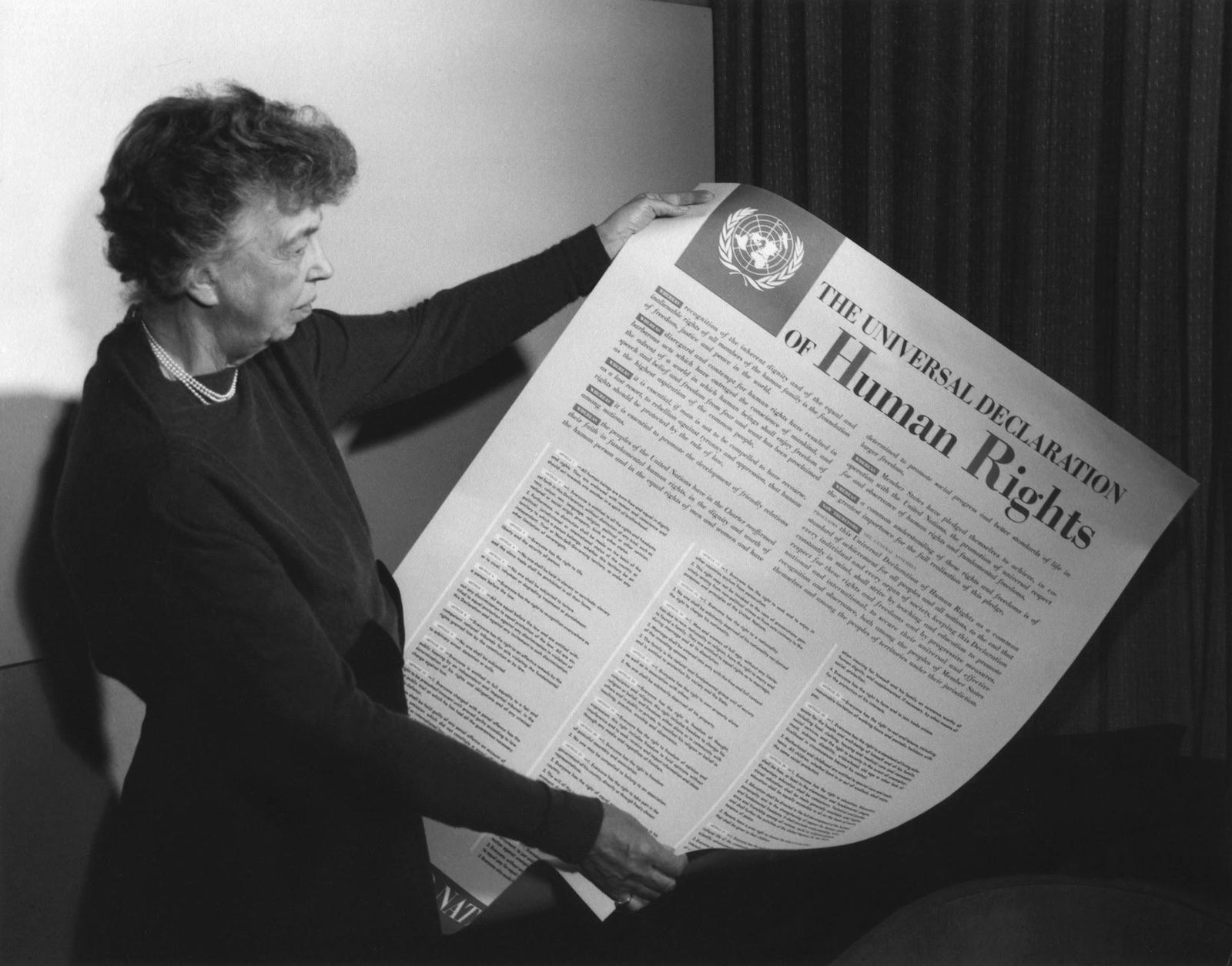
Image: FDR Presidential Library & Museum, CC BY 2.0

Eleanor Roosevelt is remembered as the longest-serving First Lady in U.S. history. However, the legacy of this amazing figure is not limited to this fact. Roosevelt is considered to be one of the most groundbreaking First Ladies in history, completely revolutionizing the function.

Roosevelt took an active role during her husband’s terms, actively engaging in public events, travels, and cultural activities. Not only that, she was instrumental in President Roosevelt’s involvement with the then-newly formed United Nations. Eleanor served as a delegate to the U.N. General Assembly, acting as the leading figure behind the drafting of the Universal Declaration of Human Rights.

5
Nancy Reagan
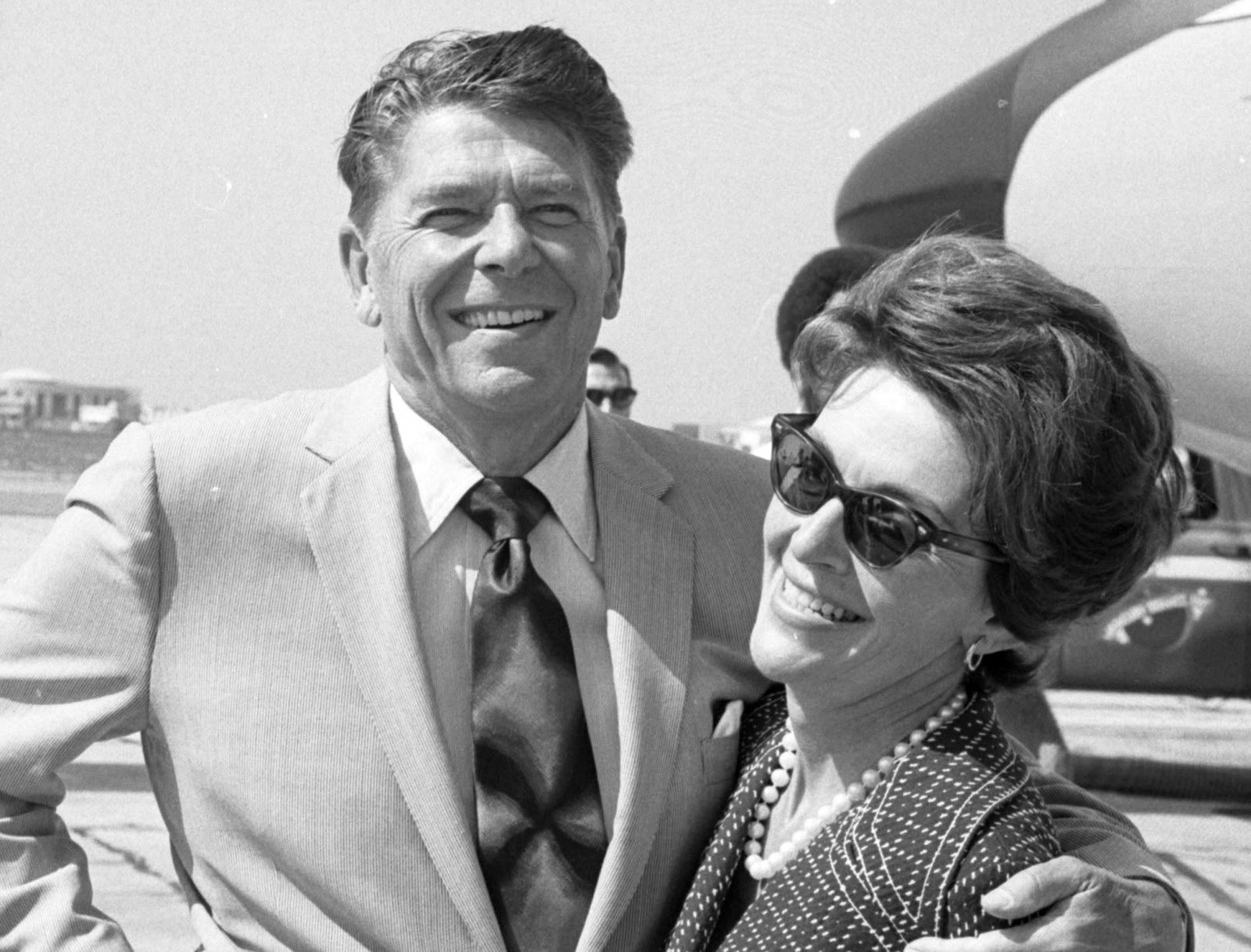
Image: Bill Varie, Los Angeles Times, CC BY 4.0

Just like her husband, Nancy Reagan’s career before the White House was filled with the glamour and excitement of Hollywood. Between the 1940s and 1950s, she starred in several blockbusters such as "The Next Voice You Hear...", "Night into Morning", and "Donovan s Brain", acting under her maiden name Nancy Davis.

In 1952, she married then-fellow actor Ronald Reagan, the president of the Screen Actors Guild at the time. Nancy first served as First Lady of California when her husband was governor of the state, and later on as First Lady of the country in 1981.

6
Lady Bird Johnson
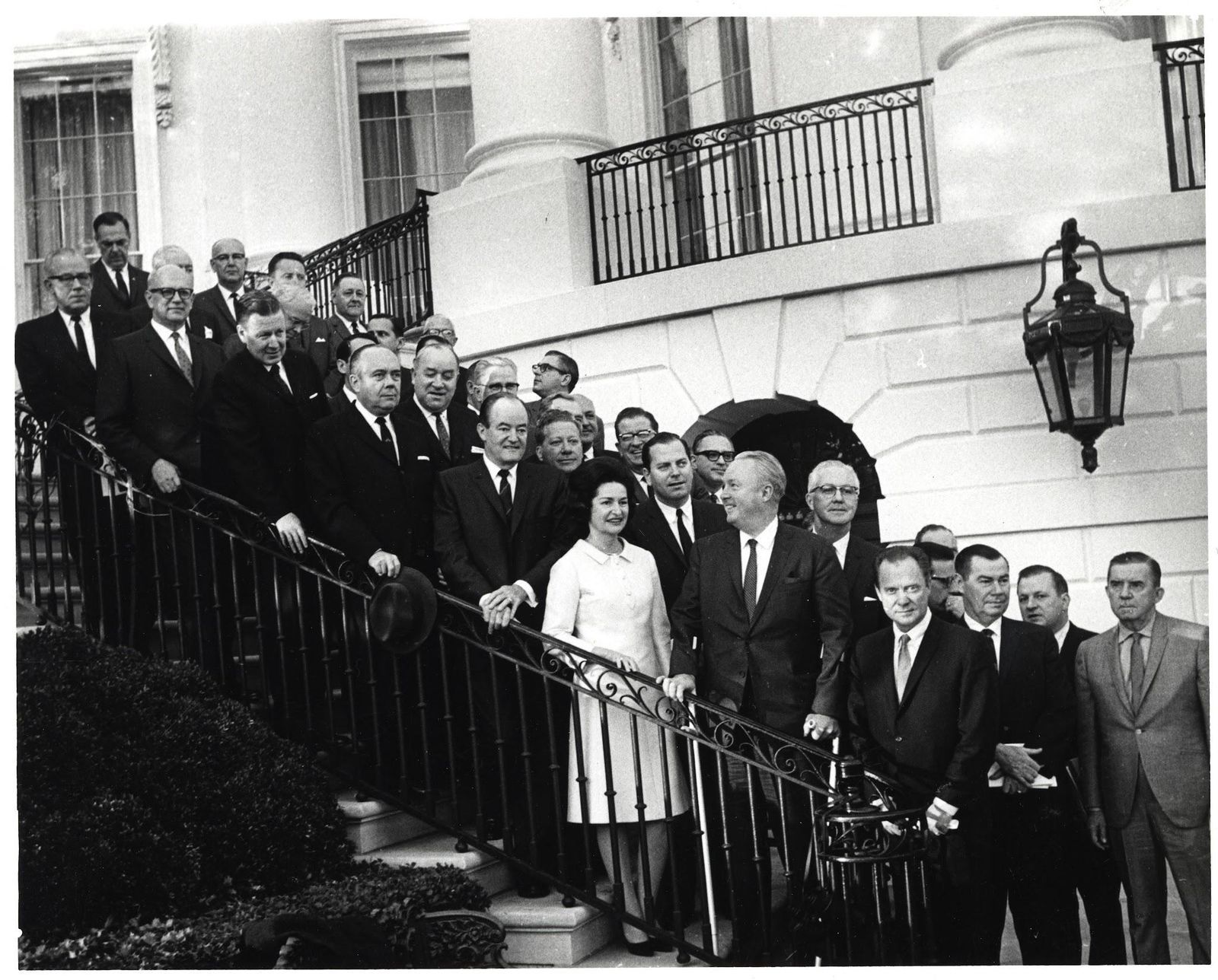
Image: City of Boston Archives from West Roxbury, United States, CC BY 2.0

Some First Ladies (although not many) are better known by their nicknames, and that’s certainly the case with " Lady Bird" Johnson . Born Claudia Alta Taylor in Karnack, Texas, this First Lady’s nickname comes from the fact that her nursemaid apparently stated that young Claudia was as "pretty as a ladybird".

When she was in her early 20s, Lady Bird met a young congressional aide named Lyndon B. Johnson after a mutual friend introduced them. The First Lady would later declare that she felt "like a moth drawn to a flame" on that first meeting. A few weeks after their first dates, the couple married and went on to have two daughters, Lynda Bird and Luci Baines.

7
Jackie Kennedy
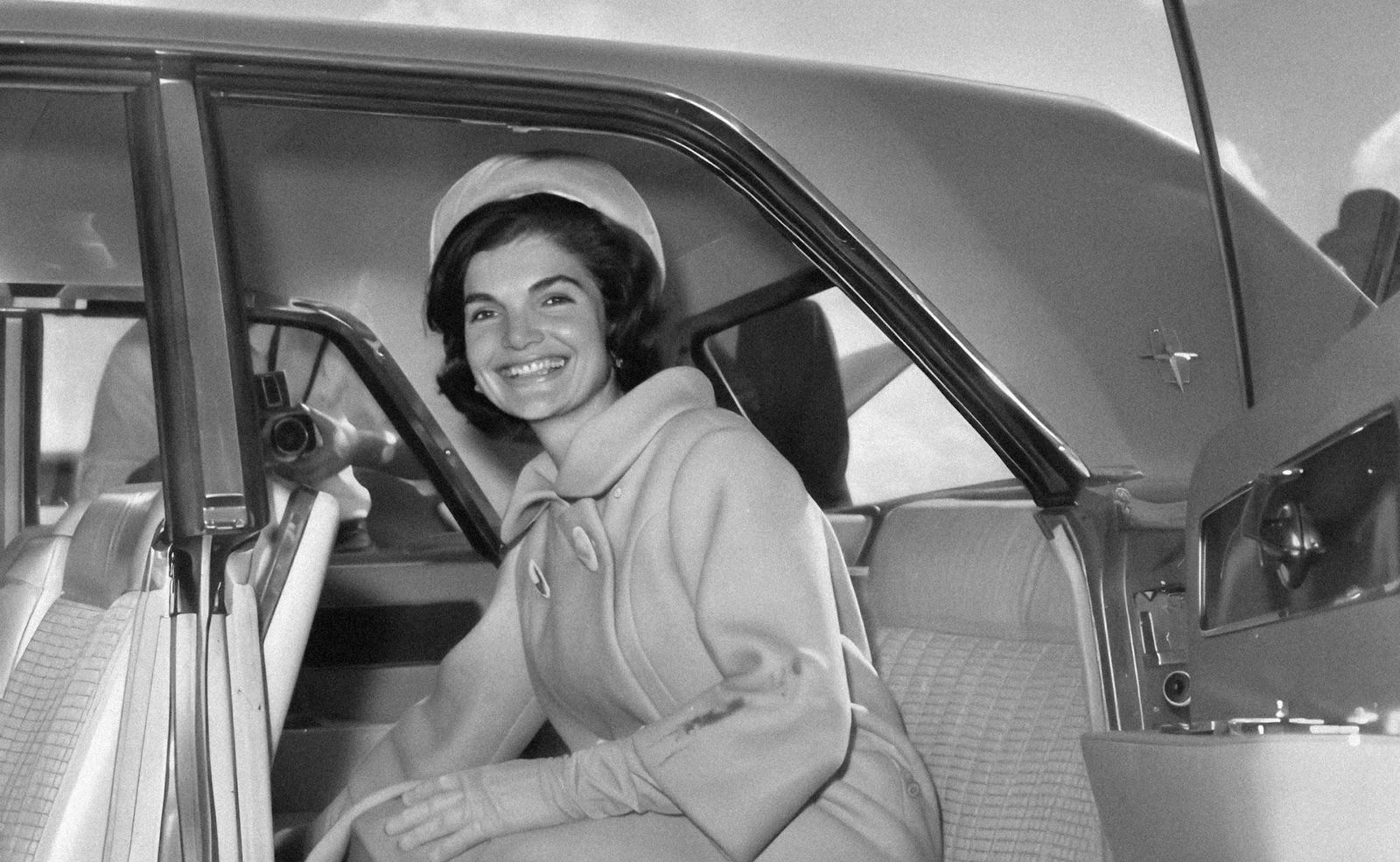
Image: Florida Memory

For many Americans, First Ladies are the pinnacle of glamour. Their impeccable manners and warm personalities perfectly match their classy outfits. In that sense, Jacqueline "Jackie" Kennedy is considered to this day an international icon, known for her daring yet elegant attire and her devotion to their family and her country.

Jackie met President Kennedy, then U.S. Representative for Massachusetts, at a dinner party held by journalist Charles L. Bartlett. A year later, in 1953, the couple married in an event that was listed as the social event of the season. Jackie took a rather active role in her duties as First Lady. She conducted a massive restoration process of the White House and often joined her husband on many trips abroad, becoming a beloved cultural ambassador for America.

8
Hillary Clinton
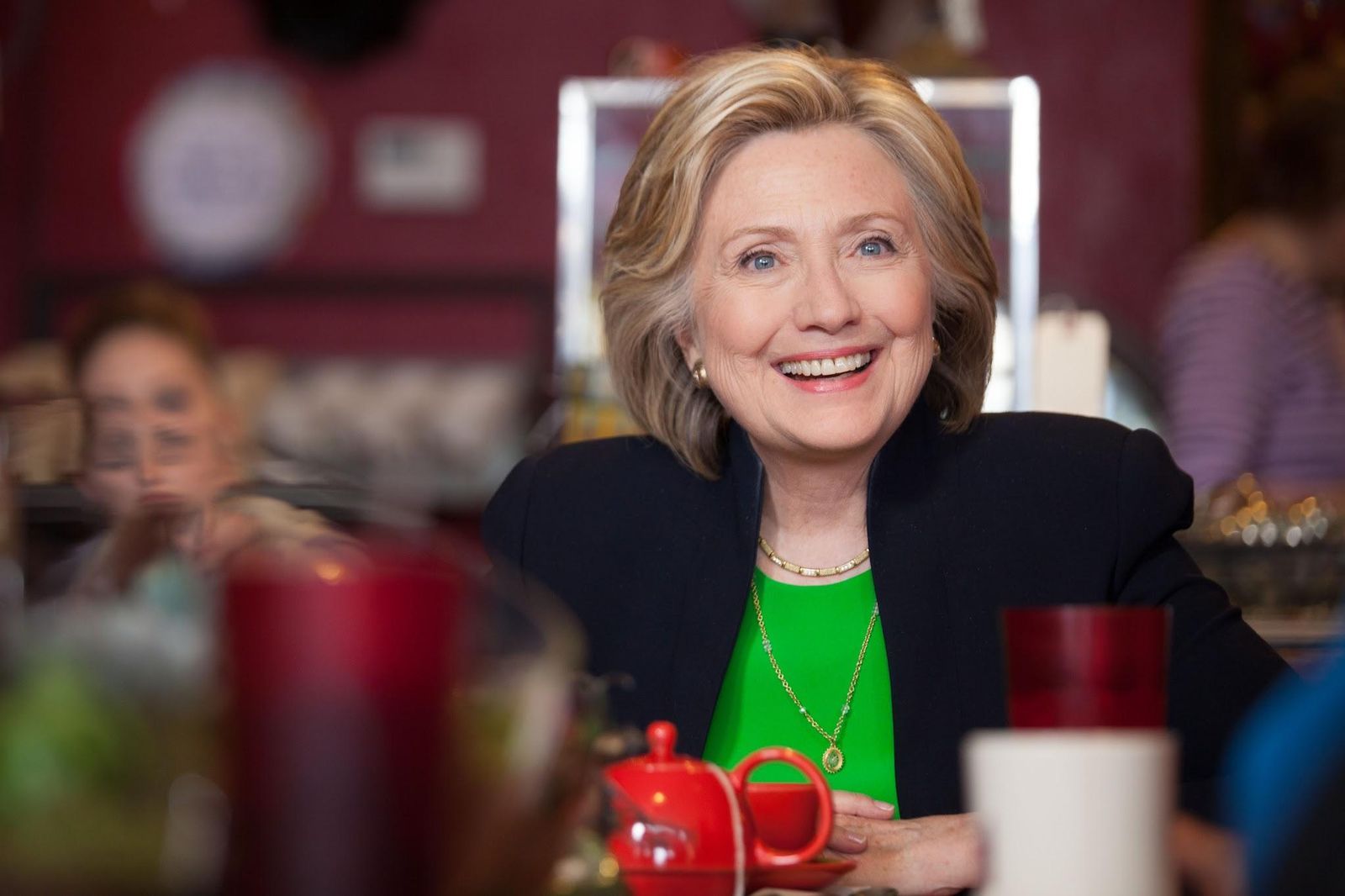
Image: Hillary for Iowa, CC BY 2.0

Hillary Clinton is definitively the person on this list with the most political experience. She was Secretary of State, Senator for the State of New York, and presidential candidate. However, we shouldn’t overlook the fact that she dutifully served as First Lady of the United States while her husband was in the White House.

While the world knew her as Hillary Rodham, she entered Yale Law School in the early 70s, where she met a fellow law student by the name of William "Bill" Clinton. They married in 1975 and welcomed their only daughter, Chelsea, in 1980.

9
Michelle Obama
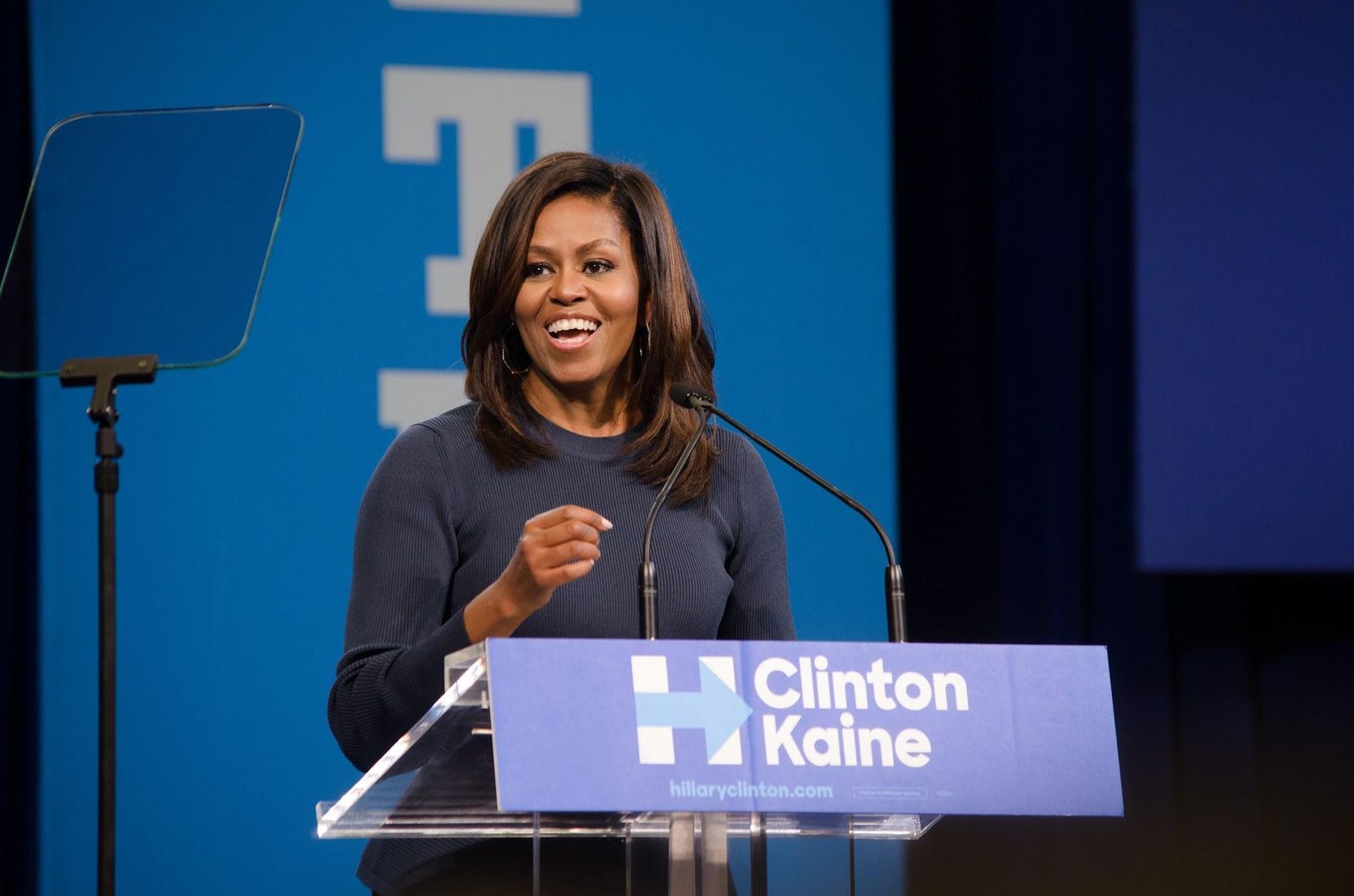
Image: Tim Pierce from Berlin, MA, USA, CC BY 2.0

Following her graduation from Princeton University, a young lawyer by the name of Michelle LaVaughn Robinson started working in a Chicago law firm, focusing on marketing and intellectual property law. During her time in this office, she met another young lawyer named Barack Obama. Did any of them know that they were meeting their future spouse?

Let’s now jump to the year 2009: Barack Obama was the first African-American President of our country, and Michelle Obama became the First Lady of the United States. During her time in the White House, Michelle took a stand against many difficulties, like poverty, childhood obesity, and illiteracy.

10
Betty Ford
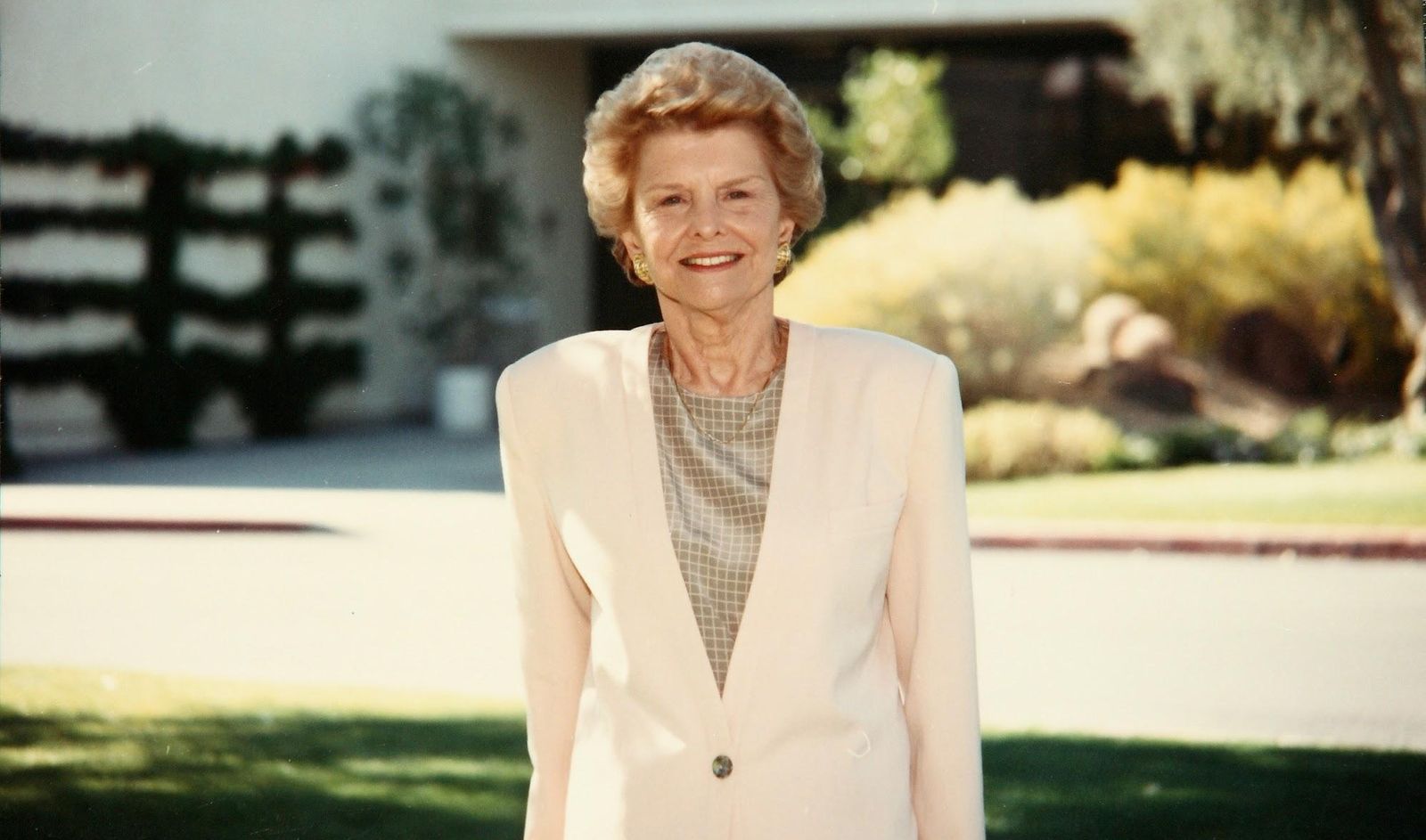
Image: Image courtesy of Betty Ford Center, Attribution, via Wikimedia Commons

Elizabeth Anne "Betty" Ford holds the unique distinction of being the only person on this list to have been both the First and Second Lady of our country. She acted as the latter while her husband Gerald Ford served as Vice President to Richard Nixon, and she became the First Lady when Nixon resigned from the presidency.

However unexpected her rise to the role was, Betty Ford is fondly remembered as one of the most courageous First Ladies of our country; she was not afraid to speak her mind and get involved in politics. During her time in the White House, she became known as a passionate defender of the Equal Rights Amendment, as well as a public spokesperson for breast cancer awareness.
History History 4 min read

The strangest battles ever fought

11 of America’s shortest wars and strangest battles in history

Image: Chandler Cruttenden

Some of America’s most memorable conflicts weren’t long campaigns but rather quick clashes, odd standoffs, or brief fights that, for one reason or another, became well known. These short or unusual events often reveal how chaotic, improvisational, or downright strange these kinds of situations can be in real life. Take a look at 11 of these curious affairs involving our nation.

1
The Pig War (1859)

Image: Pascal Debrunner

A boundary dispute on San Juan Island nearly escalated into a U.S.-British war after an American farmer shot a British-owned pig that was rooting in his garden . Troops rushed in, tensions rose, and both sides came to the verge of open conflict.

Thankfully, the "war" ended without a single human casualty. Diplomacy prevailed, leaving history with a famously absurd standoff where the only fatality was the unfortunate hog that started it all.

2
The Toledo War (1835-36)

Image: Leo Escala

Believe it or not, Michigan and Ohio once squared off over a slim strip of land containing the city of Toledo . Militias mobilized, tempers flared, and political rhetoric soared past anything that the dispute really deserved.

The conflict produced only one injury: a sheriff was stabbed with a pocket knife. It ended with Michigan receiving the Upper Peninsula as compensation.

3
The Aroostook War (1838-39)

Image: Jason Abdilla

A mix of lumberjacks, militias, and confused officials sparked a border showdown between Maine and British Canada. Though the name sounds dramatic, the "war" consisted mostly of shouting, arrests, and paperwork .

Still, it lasted less than a year and recorded no combat deaths. Its odd blend of frontier folklore and diplomatic missteps gave it a reputation as one of America’s most harmless "wars."

4
Battle of Lake Erie (1813)

Image: National Historical Museum of Sweden (NHM)

In a fierce naval engagement that lasted only a few hours, Commodore Oliver Hazard Perry secured control of Lake Erie during the War of 1812 . His quick, decisive victory shifted momentum in the northern theater of the war.

The battle is remembered for its speed and for Perry’s bold message: "We have met the enemy, and they are ours."

5
Battle of Blair Mountain (1921)

Image: Art Institute of Chicago

For five tense days in West Virginia, thousands of coal miners armed themselves against hired gunmen, local law enforcement, and eventually federal troops . It became the largest labor uprising in U.S. history.

Despite its scale, the conflict ended quickly once the Army intervened. Its strange blend of union struggle, machine guns, and biplanes made it one of the most dramatic yet short-lived labor battles ever fought.

6
Battle of Athens, Tennessee (1946)

Image: Thi Nguyen Duc

World War II veterans took matters into their own hands and clashed with a corrupt county political machine after years of election wrongdoing. In a single night of gunfire and sieges, the veterans seized the jail and exposed the fraud .

By morning, order was restored and democracy reclaimed. The brief uprising became a legendary example of ordinary Americans pushing back against local tyranny.

7
Shelling of Fort Stevens (1942)

Image: Ray Graciano

During World War II, a Japanese submarine surfaced off the Oregon coast and fired on Fort Stevens for roughly fifteen minutes . The startled gunners held their fire to avoid revealing their positions.

No lives were lost, and damage was minimal. Still, the brief attack stands out as one of the only direct assaults on the U.S. mainland during the war.

8
Battle of Palmito Ranch (1865)

Image: Rosanne Rapata

Fought in Texas weeks after the Confederacy had effectively collapsed, this short skirmish featured U.S. and Confederate troops battling despite the war’s official end . Confusion and poor communication kept the fighting alive.

The engagement lasted only a few hours but became the Civil War’s final battle. Its odd timing makes it a historical footnote with a bizarre twist.

9
Battle of Ambos Nogales (1918)

Image: Art Institute of Chicago

A border misunderstanding escalated into a sudden firefight between U.S. and Mexican troops in the twin towns of Nogales, Arizona, and Nogales, Sonora. The shooting lasted only a few hours but drew civilians into chaos.

The brief clash prompted both governments to rethink border security. It remains the only World War I-era battle fought on U.S. soil involving foreign troops .

10
The Great Locomotive Chase (1862)

Image: Naveed Ahmed

Union raiders stole a Confederate locomotive and sparked a dramatic pursuit through northern Georgia. The "battle" unfolded across railroad tracks and small towns over the course of a few hours.

Though unconventional, it was officially a military operation and became legendary for its daring and scope. The episode showed how even a train theft could become an act of war.

11
Little Belt Affair (1811)

Image: The New York Public Library

This brief naval encounter between USS President and HMS Little Belt lasted less than an hour. Confusion over signals led to sudden gunfire and heavy damage to the British vessel.

The brief clash worsened tensions between the two nations and helped push the U.S. and Britain toward the War of 1812.

Culture Culture 6 min read

How do the most powerful blow off steam?

Which US President spent a quarter of his presidency at a ranch in Texas?

Image: Robert LeRoy Knudsen, Public domain, via Wikimedia Commons

Running the White House is a highly demanding job, so throughout history, many presidents have found ways to relieve the pressure and stress of leading at the highest level of government. When not shaping the path of the nation, presidents have enjoyed a variety of hobbies and pastimes that provide them with leisure time to relax, unwind, and clear their minds. From golfing and swimming to reading and painting, here are 12 U.S. Presidents who found the perfect balance between pleasure and duty.

1
George Washington

Image: Alonzo Chappel, CC0, via Wikimedia Commons

Founding Father and first president of the United States, George Washington, enjoyed many recreational activities during his free time. He was a true outdoorsman—he loved hunting and fishing and was a devoted gardener and farmer .

It’s common knowledge that after deciding not to run for a third term, he retired to his Virginia farm and dedicated the rest of his life to farming. But one fact you may not know is that, in his youth, Washington was a frequent dancer —and rumor has it, he was even extremely good at it! He considered dancing an important social interaction, describing it as "so agreeable and innocent an amusement."

2
Franklin D. Roosevelt

Image: National Archives and Records Administration, Public domain, via Wikimedia Commons

Franklin D. Roosevelt, the only president to be elected to four consecutive terms, led the country through the critical years of the Great Depression and World War II. To maintain a clear mind while navigating such tumultuous times, Roosevelt embraced a number of pastimes. He collected books , stamps , and ship models , for example.

In addition, he was an avid swimmer . After losing the ability to walk due to polio, Roosevelt began swimming three times a week to strengthen his muscles. Following his election, the New York Daily News donated a swimming pool to the White House so he could continue his practice.

3
James A. Garfield

Image: Unknown; part of Brady-Handy Photograph Collection., Public domain, via Wikimedia Commons

Before becoming the 20th president, James A. Garfield enjoyed fishing , hunting , and playing billiards . But he was also exceptionally intelligent and studious.

Though many people may know Garfield for serving just four months in office, he was also the first ambidextrous president of the United States . Not only could he write with both hands, but when asked a question, he could simultaneously write the answer in ancient Greek with one hand and Latin with the other. Pretty impressive, don’t you think?

4
Calvin Coolidge

Image: National Photo Company Collection, Public domain, via Wikimedia Commons

The 30th president of the United States liked riding horses so much that he had an electronic horse installed in the White House. The device had two speeds—trot and canter—and he rode it every day.

That said, Calvin Coolidge was a taciturn man of few words, who enjoyed taking afternoon naps, earning him the nickname "Silent Cal." He also had a very particular sense of humor . He reportedly enjoyed pressing the alarm buttons in the Oval Office or hiding in the garden shrubbery to startle his Secret Service agents.

5
Jimmy Carter

Image: Tuntematon, Valkoisen talon valokuvaajat (01/20/1977 - 01/20/1981), Public domain, via Wikimedia Commons

Throughout his life, Jimmy Carter was a curious man who never stopped doing things. He studied nuclear physics in college, could read two thousand words a minute, wrote numerous books, and even won a Nobel Peace Prize in 2002.

But what did this brilliant man like to do in his spare time? Carter had a variety of hobbies, including painting , poetry , tennis , cycling , fly fishing , and skiing . However, the one activity in which he perhaps excelled most was woodworking . After retiring, the 39th president of the United States set up a garage workshop on his Georgia ranch, where he built furniture that was later auctioned to benefit the Carter Center.

6
John Quincy Adams

Image: Pieter Van Huffel, 1769 - 1844, CC0, via Wikimedia Commons

John Quincy Adams was notoriously meticulous and kept a diary detailing his daily routine. Thanks to this, we now know that the sixth president of the United States liked to relieve the stress of the presidency with an early morning swim .

After waking up around 4 or 5 a.m., Adams would walk two miles to the Potomac River and leave his clothes on the shore before taking a swim. According to lore, one morning, a reporter named Anne Royall snatched his clothes and demanded that the president give her an interview. Adams had no choice but to answer her questions while standing deep in the river, completely naked.

7
Harry S. Truman

Image: Abbie Rowe, Public domain, via Wikimedia Commons

Harry S. Truman governed the United States from 1945 to 1953, right after World War II—a difficult and stressful time, to be sure. To blow off some steam, the 33rd president liked to immerse himself in one of his two long-time passions: reading and music .

Truman had eye problems, which prevented him from participating in sports. As a result, he became an avid reader from an early age—in fact, he once boasted of having read every book in the library by the age of 14. He was also a very skilled piano player , having started lessons at the age of seven.

8
Lyndon B. Johnson

Image: Yoichi Okamoto, Public domain, via Wikimedia Commons

Living up to the legacy of one of the most popular presidents in American history can't be easy. But it appears that the 36th president of the United States knew just how to maintain a good balance between responsibility and leisure. During his five-year administration, Lyndon B. Johnson spent 490 days —about a quarter of his presidency— at the LBJ Ranch in Stonewall , Texas, combining work and vacation so seamlessly that the place became known as "The Texas White House."

At this ranch, Johnson had an extensive collection of vehicles . Among them was the Amphicar, an amphibious passenger car built in the 1960s, which he used to play pranks on his visitors.

9
Richard Nixon

Image: White House Photographer, Public domain, via Wikimedia Commons

Not many people know this, but Richard Nixon was an artistic man. He enjoyed theater—he even met his future wife during a community theater audition—and he could play five musical instruments : piano, saxophone, violin, clarinet, and accordion.

But he was also into sports. In addition to being a huge football fan, he and First Lady Pat Nixon enjoyed bowling . In fact, the Nixons were responsible for moving the White House bowling alley back to the Executive Mansion after it had been relocated to a nearby building years earlier.

10
George W. Bush

Image: Series: Photographs Related to the George W. Bush Administration, 1/20/2001 - 1/20/2009Collection: Records of the White House Photo Office (George W. Bush Administration), 1/20/2001 - 1/20/2009, Public domain, via Wikimedia Commons

During his free time, George W. Bush enjoyed golfing, biking, attending baseball games, and reading American history. He was also a very competitive runner .

However, when the 43rd president of the United States left office, he was only 62 years old—plenty of time to acquire a new pastime. In the years following his time in the White House, Bush surprised many by turning to painting . "I’m a painter," he told Jay Leno on The Tonight Show .

11
Dwight D. Eisenhower

Image: ddd

To relieve the stress of leadership, Dwight D. Eisenhower maintained a number of hobbies that he cultivated throughout his life. One of his main passions was golf , which he played during and after his presidency. He even kept a small putting green in the White House garden and had a four-hole practice course installed at Camp David.

But that’s not all. Ike enjoyed fishing, hunting, shooting, watching Western movies, and playing bridge. He was also an avid painter who often captured natural landscapes and gave them as gifts to friends. After leaving the White House, Ike settled on a farm near Gettysburg, Pennsylvania, where he raised Black Angus show cows that won blue ribbons at state and county fairs.

12
John F. Kennedy

Image: Robert LeRoy Knudsen, Public domain, via Wikimedia Commons

John F. Kennedy was an exercise enthusiast and something of a jock. He played many sports : golf, tennis, swimming, baseball, and football. Despite being an athletic man, he enjoyed smoking between four and five cigars a day—his favorite brands were Upmanns and Monticellos!

But perhaps the hobby that most helped him relax from the tensions of the presidency was boating. Like many members of his family, John F. Kennedy loved to sail and was often photographed at sea with his wife and young children.

Explore more American facts

Choose your favorite category!

General
General

As American as apple pie—the very best America has to offer!

Culture
Culture

Delve into the astounding richness of American lore.

Geography
Geography

Hop in and explore vast and diverse American landscapes.

History
History

Discover the key moments that shaped the United States.