General General 4 min read

American hidden food treasures

10 regional American dishes you've probably never heard of
Image: Petter Boccia

America's culinary landscape stretches far beyond burgers and apple pie. Tucked away in small towns and regional pockets across the country are dishes so obscure that even Food Network hasn't discovered them yet. Let's take a delicious road trip through America's most wonderfully weird regional specialties .

1
1. Goetta (Cincinnati, Ohio)

Image: Austin Ban

Goetta is a mixture of ground meat, steel-cut oats, and spices that Cincinnati has been frying up since German immigrants brought the recipe over in the 19th century. It's pronounced "get-uh," and locals are passionate enough about it to hold an annual Goettafest.

The oats give it a texture that's simultaneously crispy and tender when pan-fried, creating something that's part sausage patty, part savory oatcake. Cincinnatians slice it thick and serve it alongside eggs, or get creative with goetta burgers and sandwiches.

2
2. Pasties (Michigan's Upper Peninsula)

Image: Annie Spratt

The Upper Peninsula of Michigan is practically its own country, and its national dish is the pasty— a handheld meat pie that Cornish miners brought to the copper mines in the 1800s . These aren't dainty; they're hefty D-shaped pockets of pastry stuffed with beef, potatoes, rutabaga, and onions that could double as hand warmers in a blizzard.

The genius of the pasty was its portability and built-in plate. Today, you'll find pasty shops scattered across the U.P., each claiming the most authentic recipe.

3
3. Frito Pie (New Mexico)

Image: Dollar Gill

This isn't plated food— it's literally served in a torn-open bag of Fritos corn chips, topped with red or green chile, cheese, and onions . You eat it with a plastic fork while standing at a high school football game or state fair.

The dish embodies New Mexico's chile-obsessed culture, where "red or green?" is practically the state motto. The Fritos get soggy in all the right ways, absorbing the spicy chile while maintaining just enough crunch to remind you they're there.

4
4. Scrapple (Mid-Atlantic, especially Pennsylvania)

Image: Theme Photos

Scrapple is what happens when Pennsylvania Dutch settlers decided that absolutely nothing from a pig should go to waste. It's a loaf made from pork scraps, cornmeal, and spices, then sliced and fried until crispy .

The texture is distinctive—crispy on the outside, soft and almost pâté-like inside. Philadelphians and Delawareans grow up eating it alongside eggs, though the rest of the country largely treats it with deep suspicion.

5
5. Burgoo (Kentucky)

Image: Artur Kornakov

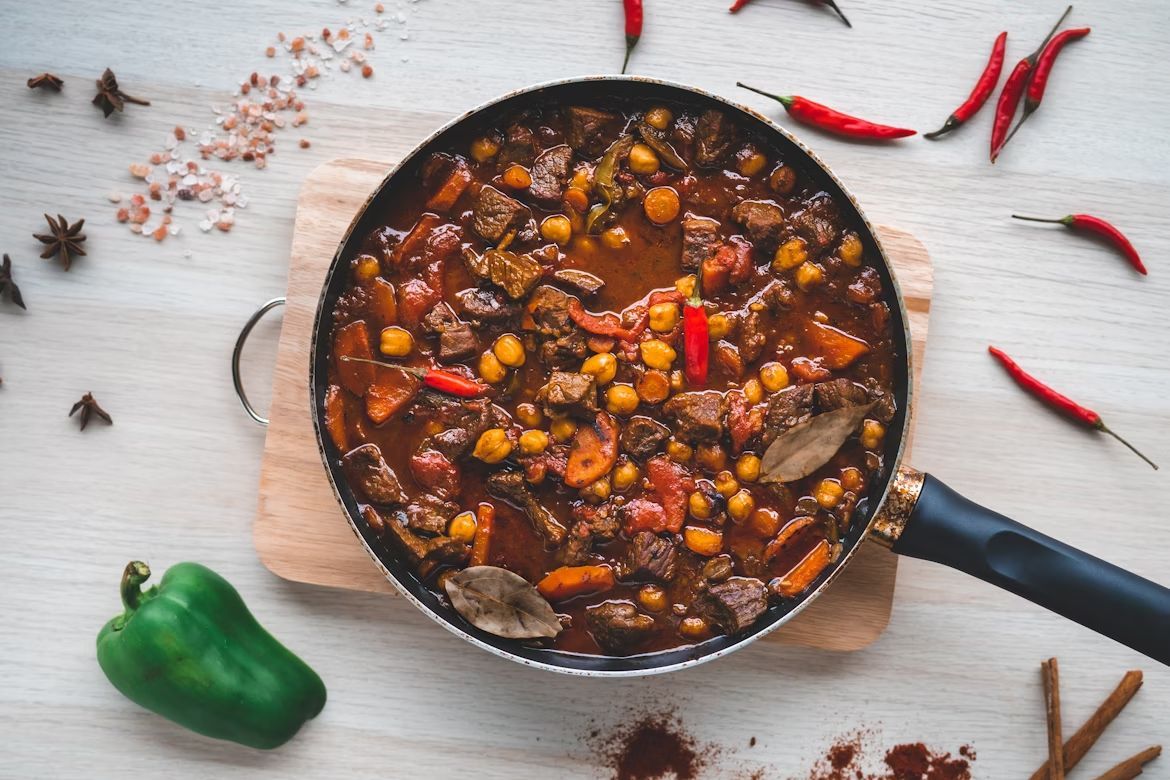
Kentucky's contribution to the stew hall of fame is burgoo, a thick, slow-cooked concoction that traditionally contained whatever meat was available—sometimes mutton, sometimes squirrel. Today's versions stick to more conventional proteins like chicken, pork, and beef, mixed with every vegetable imaginable in a tomato-based broth.

Burgoo is serious social food, cooked in enormous quantities for church gatherings, Derby parties, and political rallies. The cooking process takes hours, sometimes overnight, until everything breaks down into a thick, hearty mixture that's more texture than individual ingredients.

6
6. Chicken Bog (South Carolina)

Image: Douglas Fehr

It's a one-pot dish of chicken, rice, sausage, and spices cooked together until the rice absorbs all the flavorful liquid . The "bog" refers to the thick, creamy consistency, though no actual wetlands are harmed in the making.

This dish turns up at family reunions, church suppers, and fundraisers throughout the Pee Dee region of South Carolina. It's essentially a drier, heartier cousin of chicken and rice, with smoked sausage adding a smoky punch.

7
7. Tavern Sandwich (Iowa)

Image: Jessica Tan

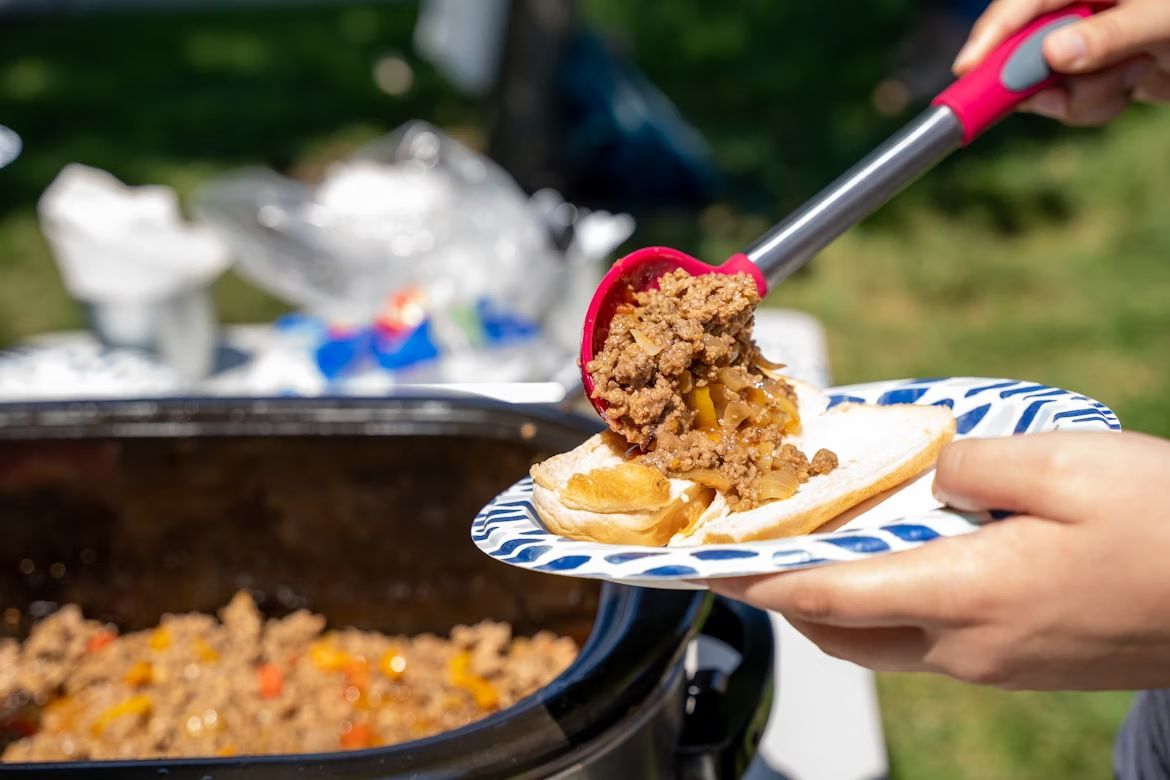
Iowa's tavern sandwich is what happens when a sloppy joe goes to finishing school. It's seasoned ground beef served on a bun, but unlike a sloppy joe, there's no tomato-based sauce . Just perfectly spiced, slightly steamed ground beef piled high and falling apart in the most dignified way possible.

The sandwich gained fame through the Maid-Rite restaurant chain, founded in Iowa in 1926. The meat is cooked with a secret blend of seasonings and stays loose rather than being formed into a patty.

8
8. Boiled Peanuts (The Deep South)

Image: Tom Herman

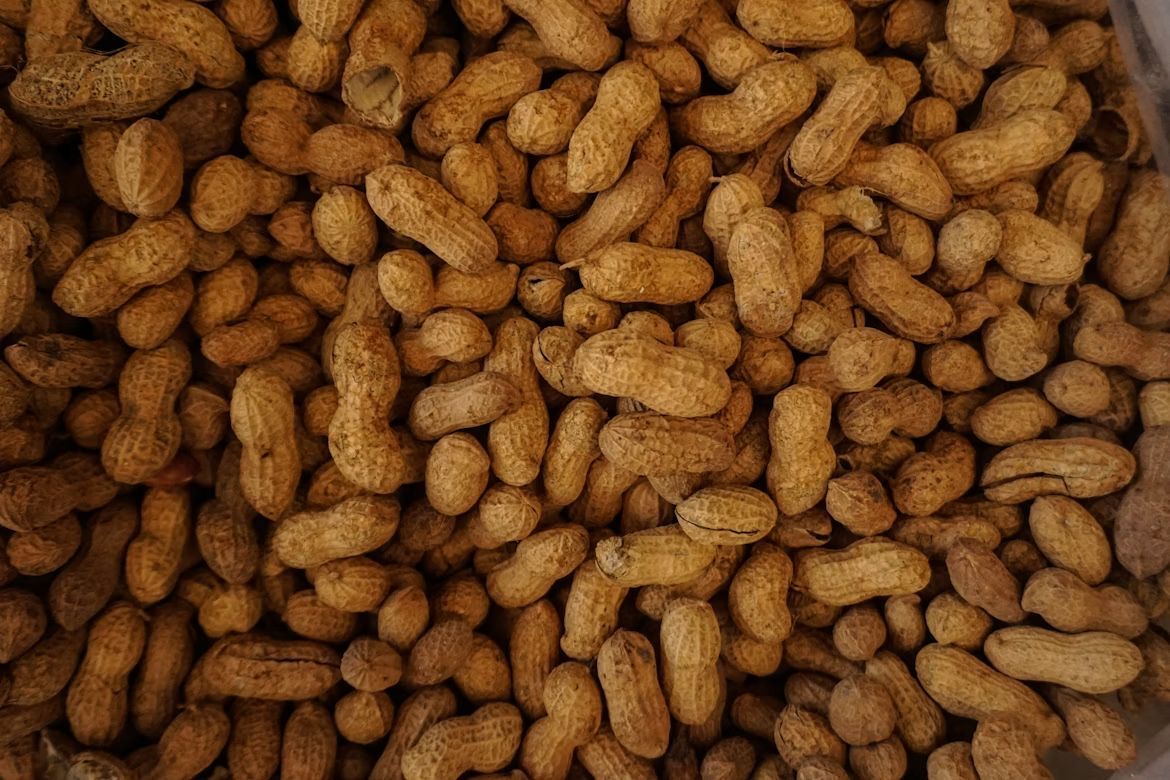
These soggy legumes are sold from roadside stands in the Carolinas, Georgia, Alabama, and beyond, often out of slow cookers perched on card tables. They're warm, salty, and utterly unlike any peanut you've eaten at a ballgame .

The texture shocks first-timers—soft and almost bean-like rather than crunchy. You pop open the shell, squeeze the peanuts into your mouth, and toss the hull. Cajun-spiced versions add heat to the mix.

9
9. Runza (Nebraska)

Image: ClickerHappy

Nebraska's state snack is the runza, a rectangular pocket of yeast dough stuffed with seasoned ground beef, cabbage, and onions . German-Russian immigrants brought this handheld meal to the Great Plains, where it became so beloved that an entire fast-food chain bears its name.

The beauty of the runza is its portability and balanced flavors. The sweet, slightly tangy cabbage cuts through the savory beef, all wrapped in soft, golden bread. Nebraskans eat them at football games, after school, and whenever they need portable comfort.

10
10. Slug Burger (Mississippi)

Image: Mike

Mississippi's slug burger has nothing to do with garden pests and everything to do with Depression-era ingenuity. When meat was expensive, cooks in Corinth stretched ground beef by mixing it with flour, potato flakes, or even cornmeal before forming patties and deep-frying them .

Today, this crispy, slightly bready burger remains a regional treasure, especially during the annual Slugburger Festival. The extenders give it a unique texture—crunchier outside, denser inside than a regular burger. It's served on white bread or a bun with mustard, pickles, and onions.

Geography Geography 4 min read

YOU CAN HAVE YOU CAKE AND EAT IT TOO

Mountain holidays for beach lovers: 10 American spots that have it all

Image: Brand Barmore

The eternal argument of whether to spend the holidays sunbathing on the beach or hiking in the mountains can be elegantly avoided if one of the following ten spots enters the discussion. These are magical landscapes where water, beaches, and mountains, or steep, forested hills, create a picturesque environment for the lucky visitor. Read on to find out where your next vacation could be.

1
Ventura County, California

Image: Paul Hanaoka

A place that hosts the annual Mountains 2 Beach Marathon is a sure bet if you are looking for a place that combines mountains and beaches. Mountain hiking and the classic California coastline lie within 26.2 miles of each other. Located northwest of Los Angeles, Ojai sits in a valley, and the village is dotted with art galleries, farmers markets, and high-desert hikes in the nearby Los Padres National Forest.

When the season is right, many trails can be followed through scrubland, sometimes revealing cascading waterfalls along the Rose Valley Falls Trail. But for waves, visitors head downhill to Ventura, a classic coastal town.

2
Westmoreland State Park, Virginia

Image: Alex wolf mx

Westmoreland State Park in Virginia was established in 1936 by the Civilian Conservation Corps. Covering 1,299 acres, the park offers sweeping vistas of the coastal plain and the Potomac River.

You can hike, boat, swim, camp, or fish in the majestic wilderness. And if you’re looking for an amazing view of the area, you can head to the natural attraction of Horsehead Cliffs, which rests high above the water.

3
Astoria, Oregon

Image: Nils Huenerfuerst

Oregon is likely one of the first states that come to mind when we think of a combination of beach and mountain. The coastal town of Astoria sits at the estuary of the Columbia River and the Pacific Ocean. It is perhaps most famous as the filming location of the 1980s film The Goonies .

The Pacific Northwest’s beaches have a picturesque quality that is hard to find elsewhere. Hiking trails are just outside the backdoor: the Cathedral Tree-Coxcomb Hill Trail, for example, starts at a 300-year-old Sitka spruce and climbs 164 stairs to offer views of the town, the Coastal Range, and the Pacific Ocean.

4
Herring Cove Beach, Massachusetts

Image: Quino Al

Herring Cove Beach is a national seashore located in Cape Cop and it’s recognized as part of the Cape Cod National Seashore. It’s a popular spot among Provincetown locals featuring warm, calm waters flowing from the Atlantic Ocean.

Activities in the area include swimming, walking along the coastal dunes, or exploring the Beech Forest Trail via bike or on foot.

5
Lake Tahoe, California, and Nevada

Image: Tim Peterson

A familiar name and for good reason, Lake Tahoe offers a beautiful shoreline without being anywhere near the coasts. Destinations like Sand Harbor Beach feature wide expanses of sand, freshwater swimming areas, and beach coves dedicated to snorkelers and divers.

This is the largest alpine lake in the U.S., so the pine-studded hills of the Sierra Nevadas practically tumble into the waters. This makes hiking easily accessible. The Rubicon Trail traces the shores of Emerald Bay and features incredible panoramic views, cliffs, coves, waterfalls, and even a lighthouse along the 13-mile round-trip route.

6
Fort Wetherill State Park, Rhode Island

Image: Praswin Prakashan

Located in Rhode Island, Fort Wetherill State Park is known for its historical significance in controlling the East Passage of Narragansett Bay. During the colonial era, a strategic battery was established to control this passage.

Because of its coastal location, the fort was also used during World War II. Nowadays, visitors come to explore this park and its coastal fort, which perches high atop granite cliffs.

7
Chimney Bluffs State Park, New York

Image: Frank Eiffert

Chimney Bluffs State Park is the spot where colossal rocky spires meet calm, collected waters. This park in New York sits along Lake Ontario on the south shore. To get a good view of the stunning chimney peaks and formations, you should hike the Chimney Bluffs Trail. The park is pet friendly too, so you can bring along your furry friends for the ride.

8
Calvert Cliffs State Park, Maryland

Image: Gary Cole

Calvert Cliffs State Park is not only one of the few parks with both mountains and ocean but it also displays a prized collection of 600 prehistoric fossil species. Between 10 and 20 million years ago, the cliffs at the park were submerged under the sea. But as the water receded, erosion and exposure of the cliffs occurred, unveiling massive fossils.

Visitors can walk, lounge at the soft sandy beach, investigate these fascinating fossils, trek near forested treelines, or admire the unusual cliffs that extend along the Calvert Peninsula.

9
Echo Lake State Park, New Hampshire

Image: Aaron Burden

Echo Lake State Park boasts two stunning ledges: White Horse Ledge and Cathedral Ledge, as well as a lake called Echo Lake. Each of these spots features scenic views of the area and top-notch sites for a family picnic. You can swim, walk, or hike the White Horse Ledge Loop Trail, a 3.1-mile loop.

10
Acadia National Park, Maine

Image: Peregrine Photography

Alongside Oregon parks, Acadia National Park is a prime example of a place that combines mountainous and seaside ambiance. Situated along the Atlantic coastline in Maine, it’s no wonder this impressive scenery attracts visitors for all types of recreational experiences, especially during the fall.

Rocky beaches, towering granite peaks such as the famous Cadillac Mountain, and miles and miles of natural treasure troves perfect for hikers are among the many features this park has to offer.

General General 4 min read

Ever wondered where presidents live?

Where did presidents escape when the White House got too stressful?

Image: Martin Falbisoner, CC BY-SA 3.0, via Wikimedia Commons

Ever wonder what kind of digs a president calls home when they’re not stress-eating in the Oval Office? It turns out our commanders-in-chief have surprisingly eclectic tastes in real estate. From sprawling plantation estates to modest farmhouses , these presidential pads offer a peek behind the curtain of American history. So grab your walking shoes and your sense of historical curiosity—here are ten presidential homes that welcome visitors.

1
Mount Vernon (George Washington) - Mount Vernon, Virginia

Image: Matt Briney

George Washington's Mount Vernon isn't just a house—it's basically an 18th-century empire. Sitting majestically on the Potomac River, this sprawling estate was where our first president played gentleman farmer when he wasn't, you know, founding a nation.

The estate includes the mansion, beautiful gardens, Washington's tomb, and even a working distillery where they still make whiskey using his original recipe. Fair warning: the place is huge, so plan to spend at least half a day exploring.

2
Monticello (Thomas Jefferson) - Charlottesville, Virginia

Image: James DeMers

Thomas Jefferson didn't just write the Declaration of Independence—he also designed one of America's most ingenious homes. Monticello is an architectural marvel, packed with Jefferson's clever inventions, from a seven-day clock to a bed alcove between two rooms .

Perched atop a mountain with stunning views of Virginia's countryside, Monticello reflects Jefferson's obsessions: architecture, science, wine, and collecting artifacts. You'll see his extensive library, scientific instruments, and even the desk where he penned some of America's most important documents.

3
Hermitage (Andrew Jackson) - Nashville, Tennessee

Image: Antony-22, CC BY-SA 4.0, via Wikimedia Commons

Andrew Jackson's Hermitage proves that Old Hickory had a softer side—at least when it came to interior decorating. This Greek Revival mansion near Nashville showcases surprisingly elegant taste for a guy who basically invented political mudslinging. The home features original wallpaper, family furnishings, and enough period detail to make any history buff swoon.

The grounds include Jackson's tomb, beautiful gardens, and the Tulip Grove mansion where his nephew lived . There's also a museum that doesn't shy away from the more controversial aspects of Jackson’s legacy, including his policies toward Native Americans.

4
Sagamore Hill (Theodore Roosevelt) - Oyster Bay, New York

Image: Laura Nyhuis

If you've ever wondered what a president's "Summer White House" looks like, Sagamore Hill delivers in spades. Teddy Roosevelt's Long Island retreat is filled with hunting trophies, books, and artifacts from his adventures around the globe .

The rambling Victorian mansion overlooks Oyster Bay and perfectly captures TR's larger-than-life personality. You'll see the study where he conducted presidential business while supposedly on vacation, because apparently, Teddy Roosevelt didn't understand the concept of "unplugging."

5
Springwood (Franklin D. Roosevelt) - Hyde Park, New York

Image: Jessica Tan

Springwood is where Roosevelt returned throughout his presidency, seeking refuge from Washington's pressures and the challenges of polio. The house tour includes the room where he was born .

The estate also features his presidential library—the first of its kind—and the rose garden, where both Franklin and Eleanor are buried. The Top Cottage, FDR's personal retreat on the property, shows insight into how he adapted to living with paralysis.

6
Harry S. Truman House - Independence, Missouri

Image: urbanvibe14

Harry Truman's home in Independence is refreshingly normal—which makes sense for a man who went from haberdasher to president without losing his everyman touch. This white Victorian house belonged to his wife Bess's family, and the Trumans lived there before, during, and after his presidency.

The house looks like the Trumans just stepped out for groceries, with original furnishings, Harry's hat hanging in the hall, and Bess's piano in the parlor . It's a time capsule of mid-20th-century American life, proving that you don't need a mansion to make history.

7
Lyndon B. Johnson Ranch - Stonewall, Texas

Image: WikiImages

The Texas White House, as LBJ called it, is where the 36th president went to escape Washington's fishbowl and reconnect with his Hill Country roots. The ranch is still a working cattle operation, which somehow makes it even more authentically Texan. You can tour the ranch house, see LBJ's famous Amphicar (half car, half boat, all LBJ showmanship), and visit the one-room schoolhouse where his education began .

The ranch is part of Lyndon B. Johnson National Historical Park, which also includes his birthplace and the family cemetery where he's buried. The house itself is modest but comfortable, filled with Western art and the kind of leather furniture you'd expect from a Texas rancher.

8
Jimmy Carter Boyhood Farm - Plains, Georgia

Image: WikiImages

Before he was president, Jimmy Carter was just a peanut farmer's kid growing up in rural Georgia without electricity or running water. The restored farmhouse and grounds show what life was like in 1930s rural America . The pump in the yard wasn't decorative; it was how they got water.

Visiting the Carter farm is like stepping into a time machine. You'll see the commissary where tenant farmers bought supplies, the blacksmith shop, and the outhouse that served as the family's "facilities."

9
Ronald Reagan Ranch - Santa Barbara, California

Image: Nicolas HIPPERT

Perched in the Santa Ynez Mountains with sweeping Pacific views, this 688-acre ranch was where the Gipper went to ride horses, clear brush, and make decisions that shaped the 1980s. The rustic adobe house is surprisingly modest : no movie-star mansion here, just a comfortable retreat.

Tours are limited and require advance booking, but they're worth the effort. You'll see Reagan's Jeep, the tack barn where he kept his horses, and the house where he and Nancy entertained world leaders like Mikhail Gorbachev.

10
George W. Bush Prairie Chapel Ranch - Crawford, Texas

Image: History in HD

While Bush's Crawford ranch isn't open for public tours (yet), it deserves mention as a modern presidential retreat that captured the nation's imagination. The environmentally conscious "Western White House" featured geothermal heating, a rainwater collection system, and lots of brush for W to clear while contemplating post-9/11 America . It's where he hosted everyone from Vladimir Putin to Tony Blair, proving that Texas hospitality works in any era.

Explore more American facts

Choose your favorite category!

General
General

As American as apple pie—the very best America has to offer!

Culture
Culture

Delve into the astounding richness of American lore.

Geography
Geography

Hop in and explore vast and diverse American landscapes.

History
History

Discover the key moments that shaped the United States.