Culture Culture 4 min read

They said, "No Thanks."

These 10 stars did not accept their awards. And they had their reasons!
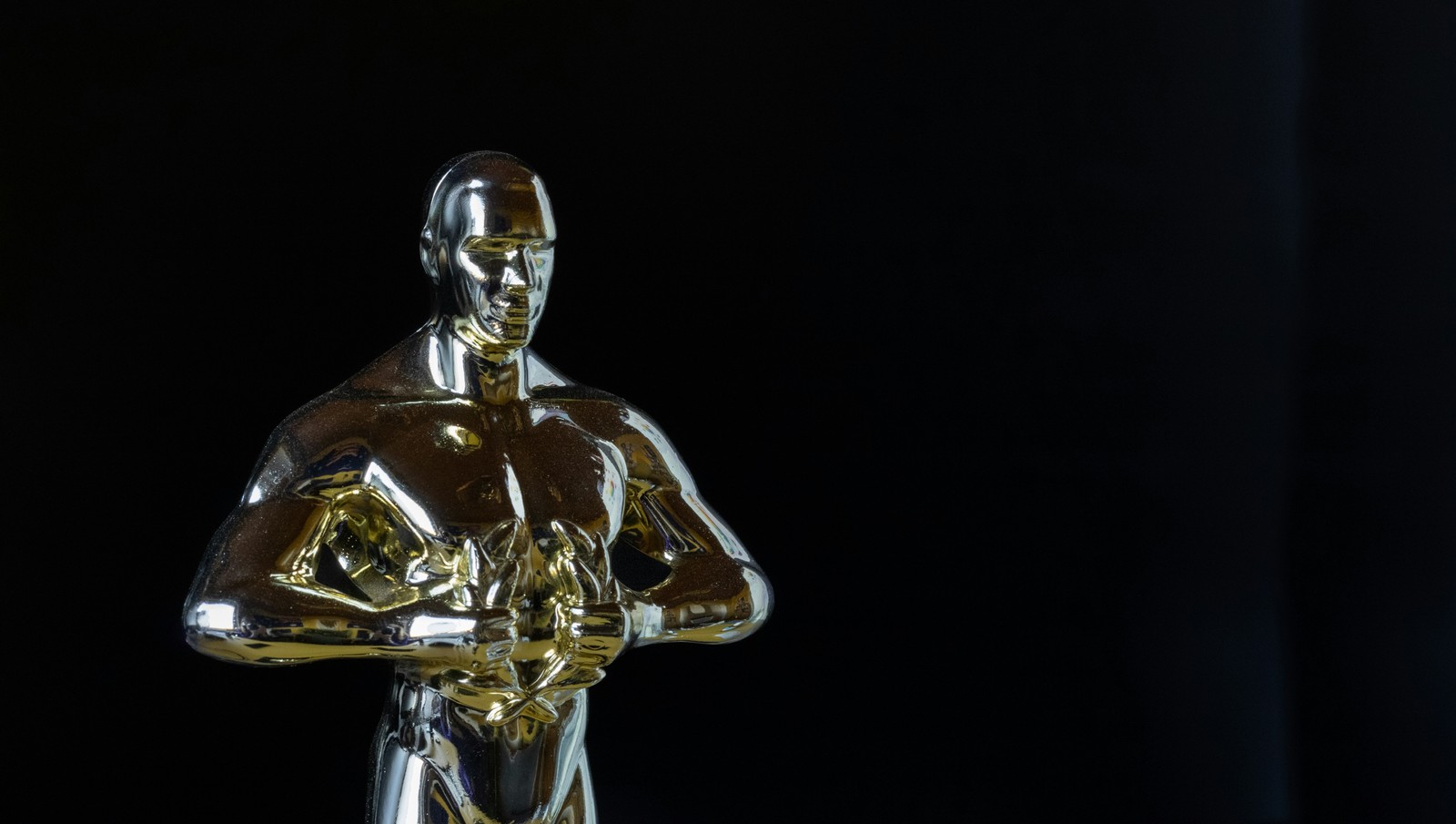
Image: Mirko Fabian

Have you ever imagined yourself winning an Oscar or an Emmy? While that might sound like a dream come true for many people, some stars have actually turned down major awards. From clashes with fellow nominees to political statements, each had their own reasons. Keep reading to discover why these 10 famous stars said "no thanks" to these recognitions.

1
Marlon Brando
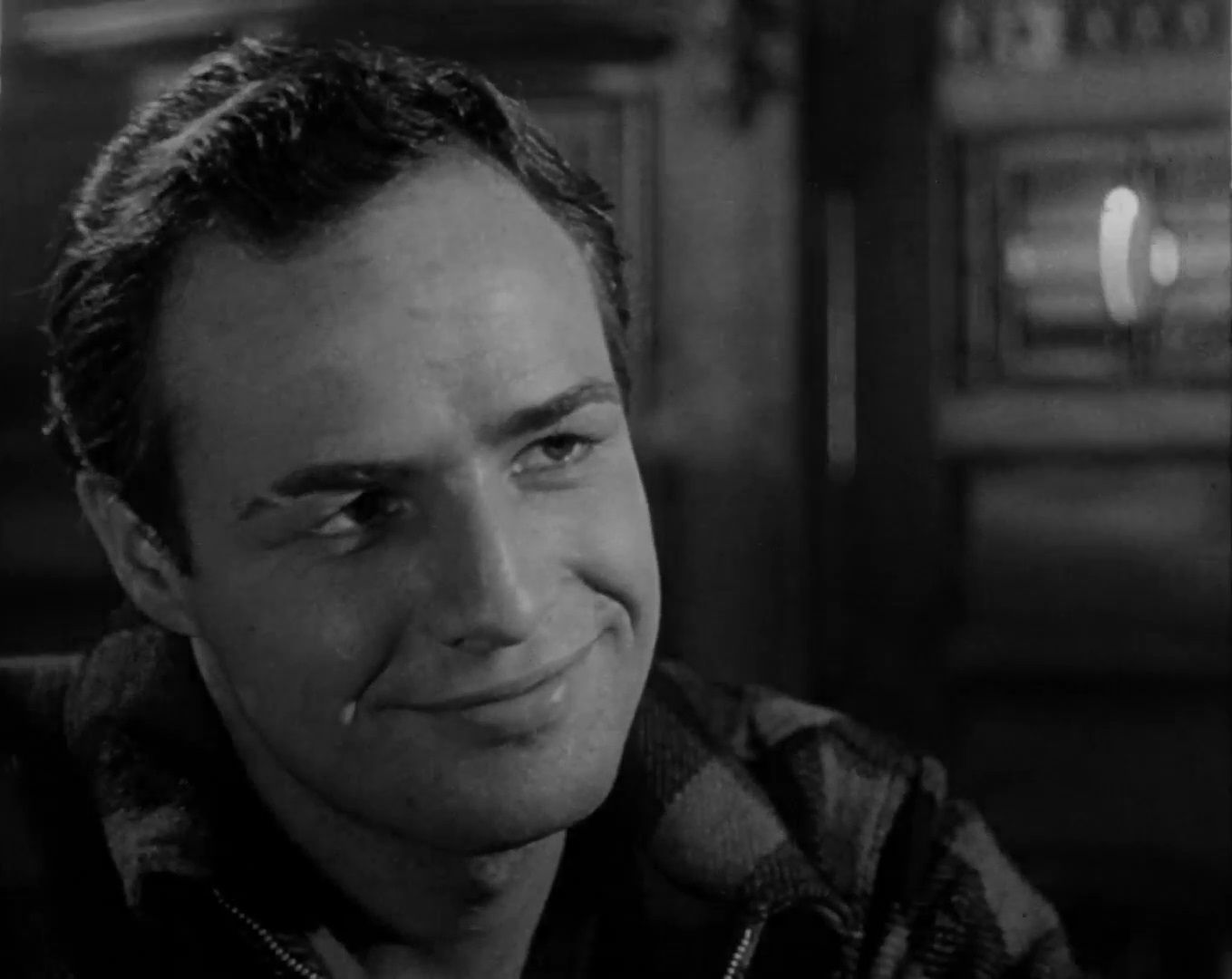
Image: Trailer screenshottrailer at IMDB, Public domain, via Wikimedia Commons

Marlon Brando was one of Hollywood’s most iconic stars, admired for his talent, charisma, and unforgettable roles. He won his first Oscar for On the Waterfront (1954), but things took a very different turn with his second win. When The Godfather earned him another Academy Award in 1972, Brando refused to attend and sent a Native American representative in his place, using the moment to protest Hollywood’s mistreatment and misrepresentation of Indigenous peoples.

2
Tom Cruise
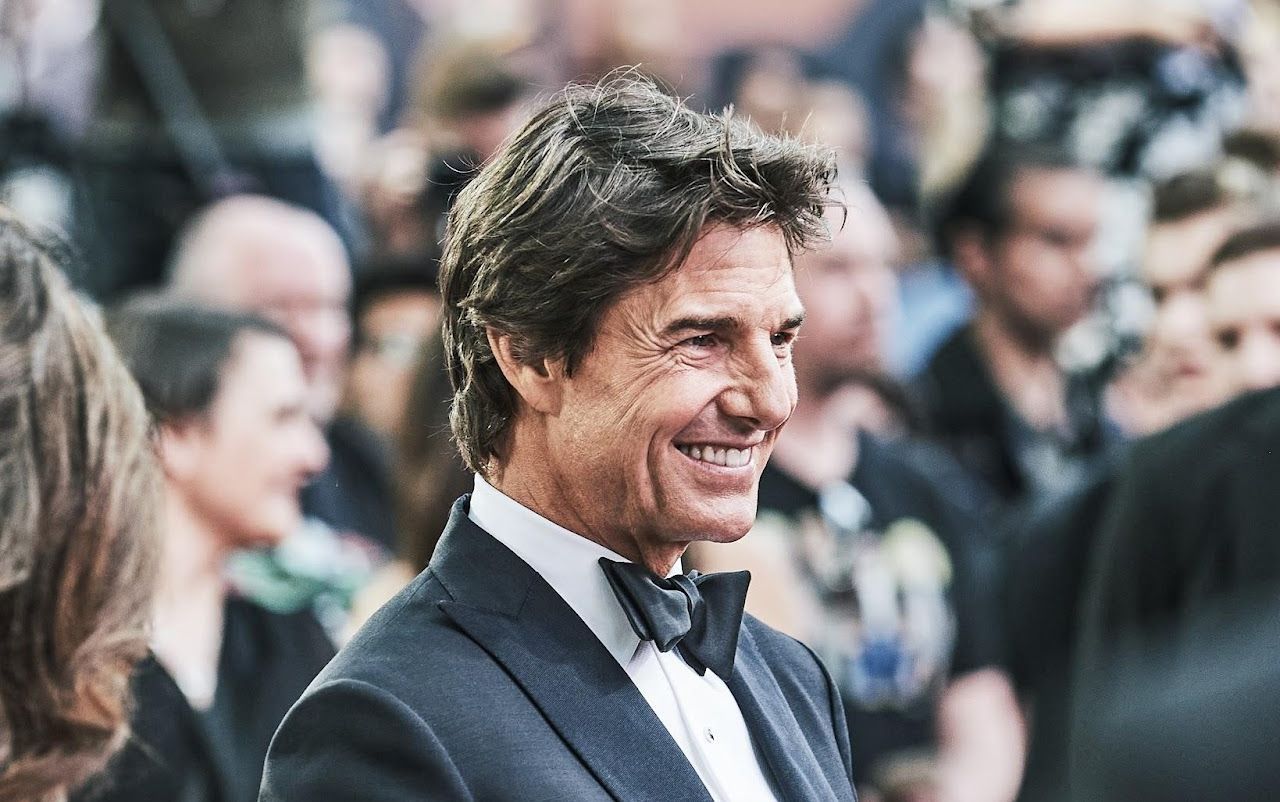
Image: Gabriel Hutchinson Photography, CC BY-SA 4.0 <https://creativecommons.org/licenses/by-sa/4.0>, via Wikimedia Commons

Like many of the actors on this list, Tom Cruise is a global icon whose career has earned him three Golden Globes: Best Actor for Jerry Maguire (1996), Best Actor for Born on the Fourth of July (1989), and Best Supporting Actor for Magnolia (1999). But in 2021, he made headlines for a very different reason: he returned all three awards. According to reports, Cruise did so as a protest against the ethics and lack of diversity within the organization behind the Globes.

3
Woody Allen

Image: Andreas Tai, CC BY-SA 3.0 <https://creativecommons.org/licenses/by-sa/3.0>, via Wikimedia Commons

Woody Allen is known for refusing to participate in awards season, despite earning many nominations throughout his career. With around 24 Academy Award nominations, he has attended virtually none of the ceremonies. He has won four Oscars, but he never went to pick them up, though he did not decline or return them. And it’s not just the Oscars: Allen rarely attends any award ceremonies, including the Golden Globes.

4
George C. Scott
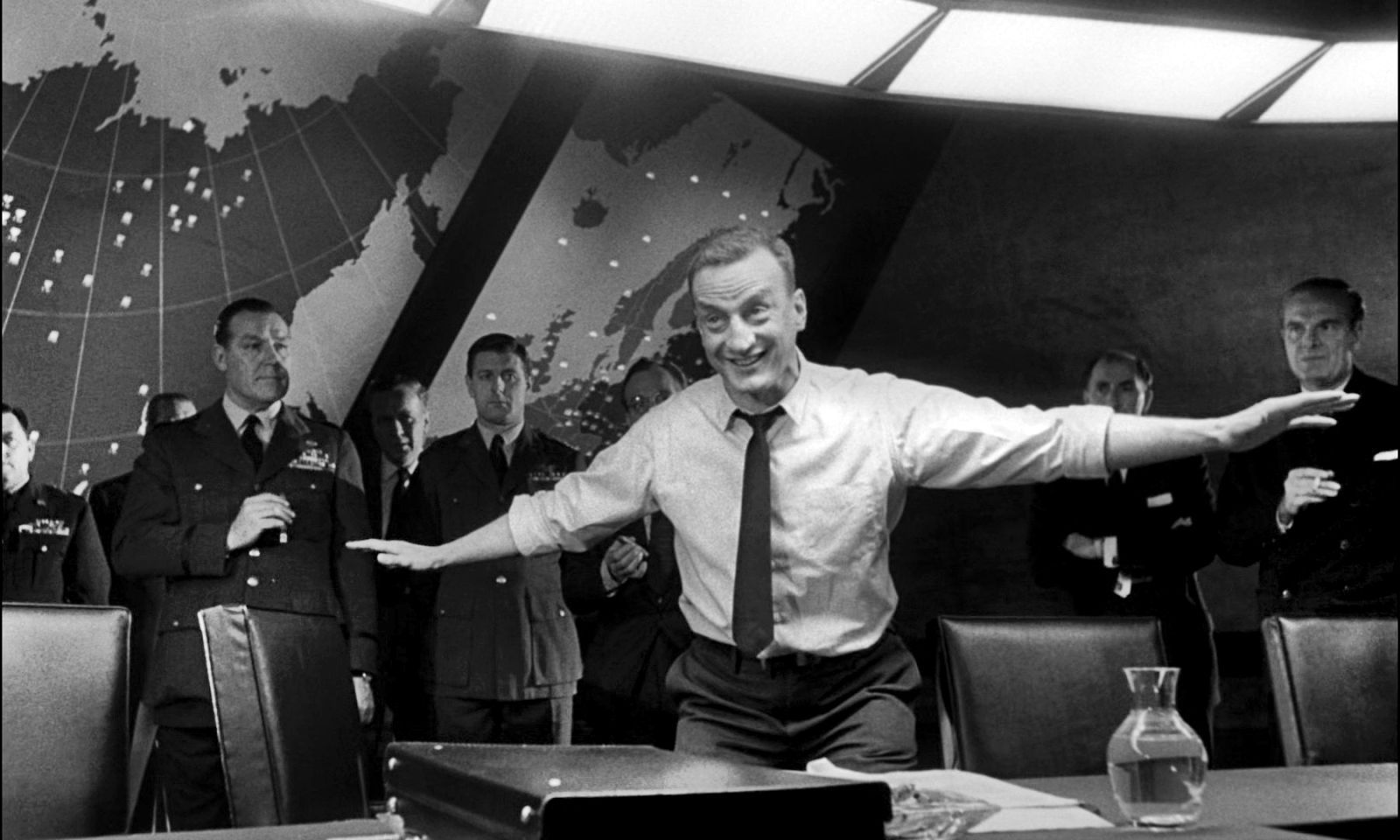
Image: Directed by Stanley Kubrick, distributed by Columbia Pictures, Public domain, via Wikimedia Commons

George C. Scott was one of Hollywood’s great classic stars, celebrated for his powerful work on both stage and screen. And he was also the first actor in history to refuse an Oscar. Not only did he decline nominations for The Hustler (1961) and The List of Adrian Messenger (1963), but he also rejected the Best Actor award he won for Patton (1970). Scott believed that each performance is too unique to be ranked against another, and that art should never be treated like a competition. What do you think?

5
Dolly Parton

Image: https://upload.wikimedia.org/wikipedia/commons/0/08/Dolly_Parton_with_guitar.jpg

Actors aren’t the only ones who turn down awards; musicians do it too. One of them is Dolly Parton, who has declined more than just music honors. She was selected three times for the Presidential Medal of Freedom and turned it down each time. The first two refusals were during the pandemic, and the third came from her concern that accepting might seem politically partisan. In addition, in 2022, she also declined a nomination to the Rock & Roll Hall of Fame, saying she hadn’t yet "earned that right."

6
Katharine Hepburn
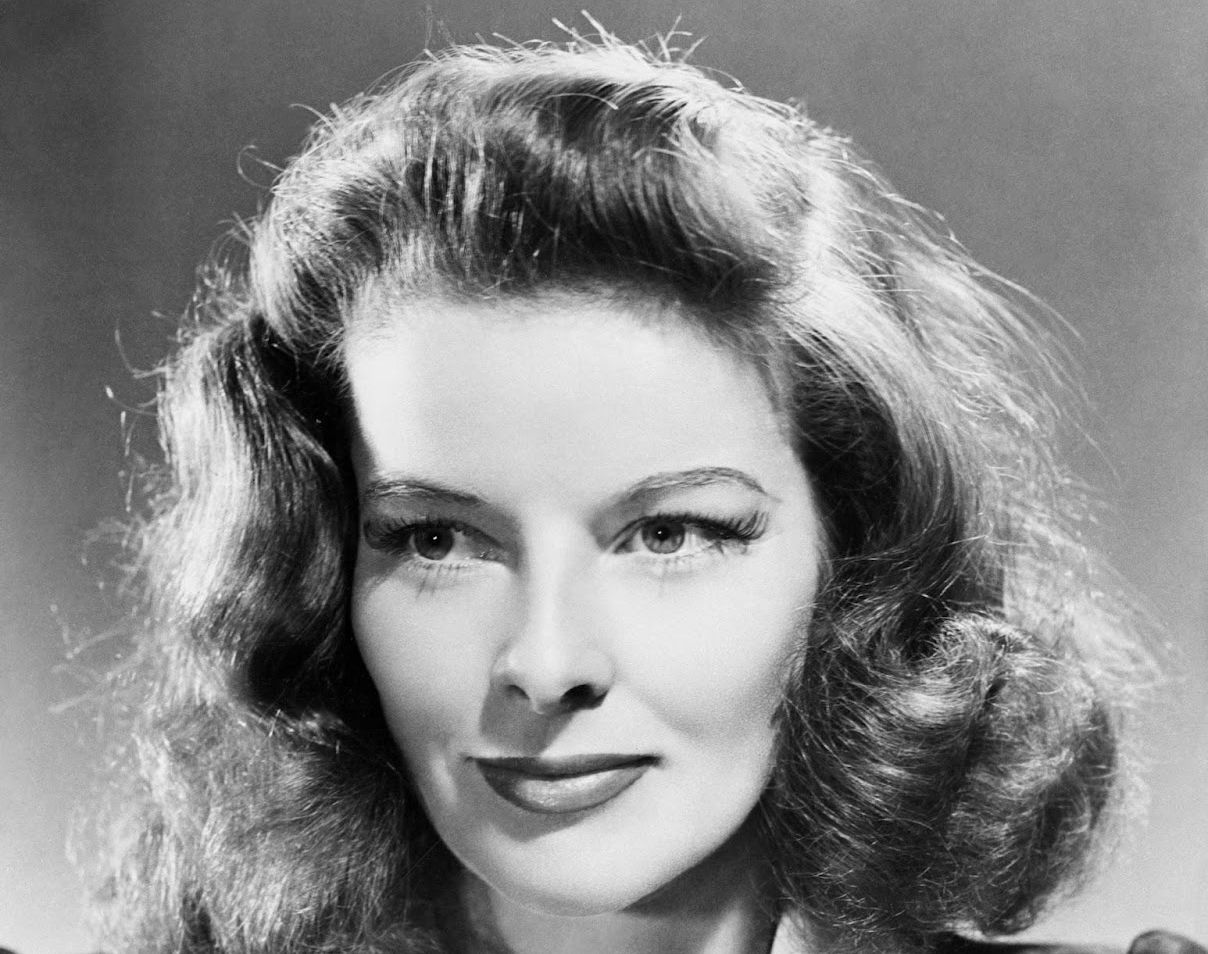
Image: Metro-Goldwyn-Mayer Studios; Restored by Adam Cuerden, Public domain, via Wikimedia Commons

The incredible Katharine Hepburn won four Oscars! But she never showed up to collect a single one. She always sent someone else to accept them on her behalf. In fact, she only attended the Oscars once, and it wasn’t to receive an award but to present one. When asked why she stayed away, she summed it up perfectly: "Awards are nothing; my reward is my work."

7
Julie Andrews
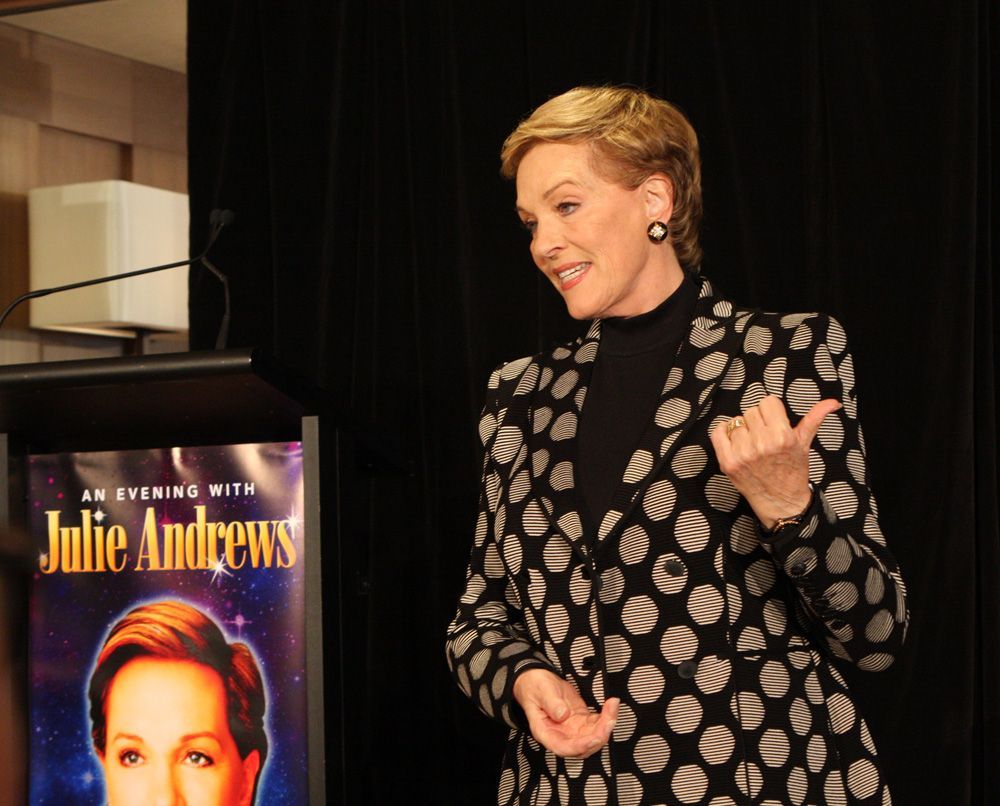
Image: Eva Rinaldi, CC BY-SA 2.0 <https://creativecommons.org/licenses/by-sa/2.0>, via Wikimedia Commons

Born in the United Kingdom, Julie Andrews is adored by Americans for many reasons, including the unforgettable films, such as Mary Poppins (1964) and The Sound of Music (1965). But beyond her cinematic gems, she also built a remarkable career in theater. In 1996, she received a Tony nomination for her role in Victor/Victoria , and chose to decline it. Why? Because she was the only member of the entire cast and production recognized, and she simply didn’t think that was fair.

8
Will Smith
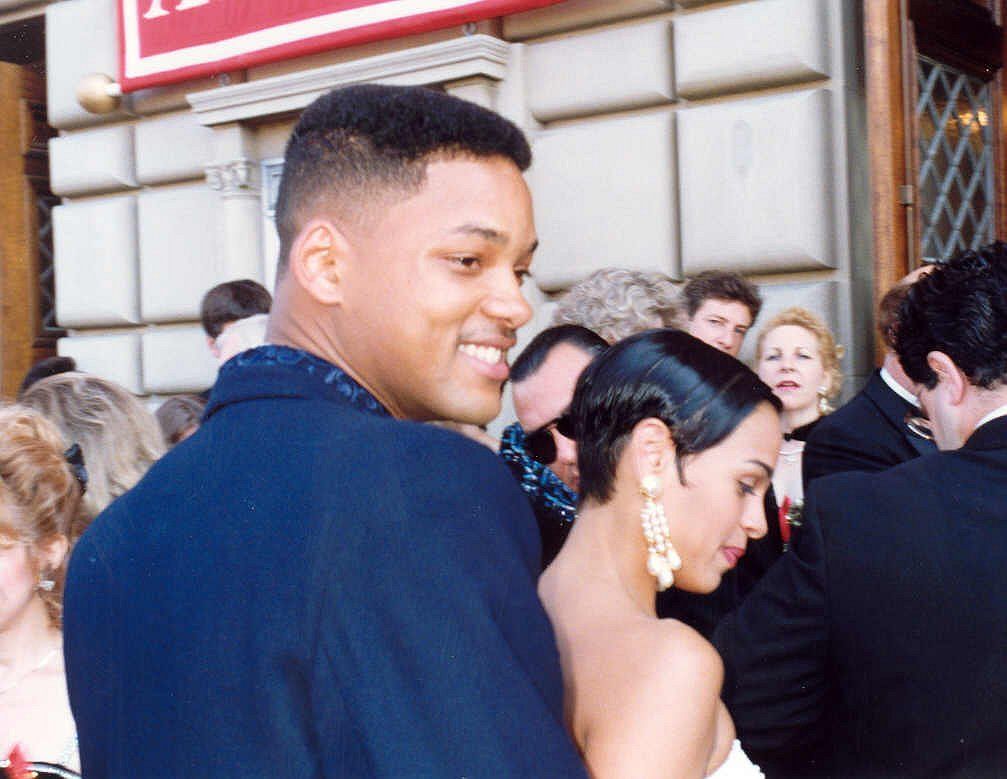
Image: photo by Alan Light, CC BY 2.0 <https://creativecommons.org/licenses/by/2.0>, via Wikimedia Commons

In the late 80s, Will Smith and DJ Jazzy Jeff won the first-ever Grammy for Best Rap Performance. But when they learned that their category wouldn’t be televised, they chose to boycott the 1989 Grammy Awards in protest. They didn’t turn down the award itself, but their stand made an impact: the following year, the rap category was broadcast on air, finally receiving the same visibility as the others.

9
Sinéad O'Connor

Image: Globe photo/Dave Shea, Public domain, via Wikimedia Commons

Sinéad O'Connor was world-famous, and in America, we remember her mainly for the unforgettable hit "Nothing Compares 2 U." As a passionate activist, she carried her convictions into her career choices, which led her to turn down her Grammy nomination. She specifically asked that her name be withdrawn, arguing that the Grammys were too commercial and rewarded popularity over ethics, artistry, and musical integrity.

10
Nick Cave
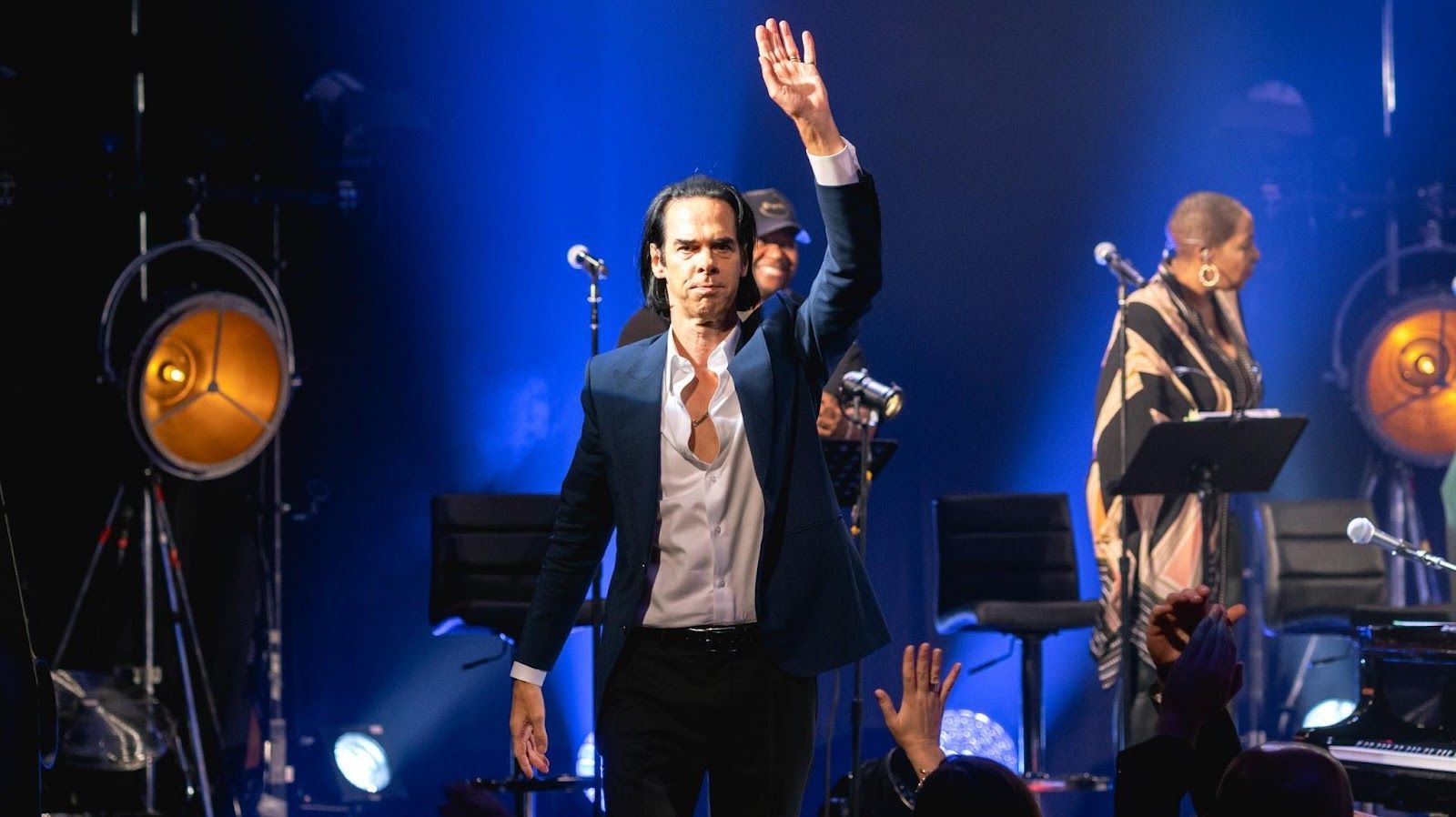
Image: Raph_PH, CC BY 2.0 <https://creativecommons.org/licenses/by/2.0>, via Wikimedia Commons

Australian artist Nick Cave declined his nomination for Best Male Artist at the 1996 MTV Video Music Awards. He even sent a formal letter asking that his name be withdrawn, famously saying: "My muse is not a horse, and I am not in any horse race."
Geography Geography 3 min read

What's behind American cities' nicknames? Prepare to be surprised!

Image: Trev W. Adams

We love giving our cities all sorts of nicknames—and American cities wear them like badges of honor! But do you know where they come from? Some seem obvious, while others have mysterious origins, but all have a unique connection to the places they describe . Join us for a fun guessing game as we explore the nicknames of six iconic U.S. cities, with their surprising origins revealed in the second half of this list .

1
The Big Apple: New York City

Image: Nik Shuliahin

Everybody knows "The Big Apple" refers to New York— the city that never sleeps . But why, exactly? Is it because there’s a worm (the subway) underneath it? Or is it a metaphor for something we strive for?

2
The Big Easy: New Orleans

Image: mana5280

It sure feels easy to stroll through New Orleans, a city known for its laid-back atmosphere and rich cultural energy, where jazz bands can spontaneously form on any corner and lively public celebrations are always just around the bend. But what’s the story behind its nickname?

3
Motor City: Detroit

Image: Doug Zuba

The most populous city in Michigan, the nickname "Motor City" certainly feels right for its bustling streets and large industrial background —but what exactly led to the adoption of this powerful nickname?

4
Sin City: Las Vegas

Image: Grant Cai

We all know the famous adage: "What happens in Vegas, stays in Vegas." Given the city’s notorious nightlife and gambling scene , it’s understandable—you might prefer to forget how you lost all your savings on a slot machine. But is that the only reason it earned its infamous nickname?

5
The Windy City: Chicago

Image: Ozzie Stern

Situated on the shores of Lake Michigan, Chicago's nickname might seem to stem from its exposure to harsh weather —but sometimes, the obvious answer isn’t the correct one. Is it really the weather, or is something stranger at play?

6
The Mile High City: Denver

Image: Emmanuel Appiah

Is Denver really a "Mile High" city because of its geographical proximity to the towering Rockies, or is it just a nod to its ever-expanding skyline? Keep reading to find out!

And now, the answers:

7
The Big Apple: Horse-racing origins

Image: Taylor Sondgeroth

The nickname originated in the 1920s as horse-racing slang , where "The Big Apple" informally referred to New York’s prize racetracks. Jazz musicians later popularized it, and a 1970s tourism campaign ultimately cemented it as a symbol of the city’s cultural and financial prominence.

8
The Big Easy: Chill and jazz

Image: Robson Hatsukami Morgan

If you followed our line of thought—you were right! This nickname emerged from the city's reputation for its relaxed lifestyle and vibrant jazz scene . While there are many theories about who first used the term—and whether it was originally meant to be derogatory—one thing is certain: all New Orleanians agree it 100% reflects the city’s unique blend of music, culture, and laissez-faire attitude.

9
Motor City: Infinite assembly lines

Image: Austrian National Library

Detroit earned its nickname as the birthplace of the American auto industry. Henry Ford’s revolutionary assembly line and the rise of car manufacturing giants cemented the city’s status as the global automotive capital of the 20th century. In fact, it remains home to the headquarters of America’s largest auto manufacturers—General Motors, Ford, and Chrysler.

10
Sin City: Prohibition defiance

Image: Jakub Dziubak

For a city founded by religious missionaries, "Sin City" is certainly an ironic nickname. In truth, its origins trace back to the construction of the nearby Hoover Dam in the 1930s. Thousands of workers flocked to the city in search of lodging and—presumably—entertainment. This led to the rapid rise of casinos and a thriving underground alcohol industry that—during Prohibition—was as profitable as it was illegal.

11
The Windy City: Long-winded speeches

Image: Kristina Paparo

While many assume it refers to Chicago’s weather, the nickname was actually coined by journalists mocking the boastful speeches of local politicians as they aggressively promoted the city as the ideal location for the World’s Fair. The term was meant to highlight the "hot air" of their rhetoric rather than the city's literal windiness.

12
The Mile High City: A matter of altitude

Image: Bill Griepenstroh

Denver sits exactly 5,280 feet one mile above sea level , earning its nickname, the "Mile High City," quite literally. Its natural elevation, combined with stunning Rocky Mountain views, makes it truly unique. Even more interesting, Denver’s altitude leads to some unusual effects: golf balls can travel up to 10% farther than at sea level, and alcohol tends to hit harder since high altitudes reduce the body's ability to process it efficiently.

General General 2 min read

American wisdom

You’ve heard these American idioms—but their true origins will shock you

Image: Meelika Marzzarella

From colonial times to the modern day, American idioms reflect how the country grew, fought, worked, and talked. From quitting cold turkey to the whole nine yards, these sayings captured the spirit of each era. Some came from the battlefield, others from the frontier or factory floor. But all of these expressions here earned a place in everyday speech—and they still tell a uniquely American story.

1
Manifest Destiny

Image: Wayne Hollman

(1840s – Westward Expansion)

Coined in 1845 by journalist John L. O’Sullivan, "Manifest Destiny" justified America’s push westward, claiming it was the nation’s divine right and duty. Though sometimes controversial, it shaped the national mindset and defined 19th-century American expansionism.

2
Talk turkey

Image: Tyler Donaghy

(1800s – Rural America)

"Talking turkey" originally meant speaking plainly, especially during trade or bargaining sessions around Thanksgiving time. The phrase evolved from settlers' interactions with Native Americans and each other.

3
The whole nine yards

Image: Museums Victoria

(1940s – WWII era)

This phrase likely originated in World War II aviation. Fighter pilots reportedly gave "the whole nine yards" when they unloaded all their ammunition —about 27 feet of bullets. It now means going all out, and its roots in wartime tales made it a lasting piece of American lingo.

4
Cold turkey

Image: Andres Siimon

(1920s – Prohibition era)

"Cold turkey" first emerged in drug withdrawal circles during the 1920s, describing a sudden and complete stop, often painful and abrupt. It became more widespread during Prohibition, when people abruptly quit drinking.

5
Pull yourself up by your bootstraps

Image: Nathan Dumlao

(1930s – Great Depression)

Originally a sarcastic quip about doing the impossible, the phrase took on a new life during the Depression, urging Americans to self-rely and push through adversity. By WWII, it had become a proud motto for working-class Americans.

6
Loose lips sink ships

Image: John Kostyk

(1940s – WWII propaganda)

Created by the U.S. Office of War Information, this saying warned citizens and soldiers against careless talk that might aid enemy spies. It was one of the most effective propaganda slogans of WWII.

7
Duck and cover

Image: Stephen Cobb

(1950s – Cold War drills)

Coined in a 1951 civil defense film, this phrase taught schoolchildren to seek shelter from nuclear blasts. While its actual effectiveness was debatable, "duck and cover" captured the anxious era of nuclear tension. It’s since become shorthand for futile emergency preparedness.

8
Jump on the bandwagon

Image: Museums of History New South Wales

(19th century – American politics)

Originating in the 1848 campaign of circus showman Dan Rice, politicians literally used bandwagons to draw crowds. The term evolved as others "jumped on" to align with the popular cause. It now refers to any late but enthusiastic adoption of a trend.

9
Cut to the chase

Image: Jeremy Yap

(Hollywood – silent film era)

Early films often built up slowly, so impatient viewers and editors began saying, "cut to the chase" —the action scene. Now it means getting straight to the point.

10
Put a sock in it

Image: Denny Müller

(1920s – Gramophone era)

Before volume knobs, people muffled early gramophones by stuffing socks in the horn. The phrase quickly became slang for "be quiet."

Explore more American facts

Choose your favorite category!

General
General

As American as apple pie—the very best America has to offer!

Culture
Culture

Delve into the astounding richness of American lore.

Geography
Geography

Hop in and explore vast and diverse American landscapes.

History
History

Discover the key moments that shaped the United States.