General General 3 min read

First ladies’ tales

These First Ladies saved Washington's portrait and crashed frat parties

Image: Pedro Gutierrez

Sure, we all remember the men who sat in the Oval Office. But the women at their side? They’ve been style icons, quiet influencers, behind-the-scenes bosses—and a few had quirks that might make you raise an eyebrow. Some shaped policy. Others shaped fashion. A couple even snuck into frat parties. These facts about First Ladies prove they were anything but background characters.

1
Mamie Eisenhower was all in on pink

Image: Jei Lee

Mamie loved pink—she loved it so much that she committed fully to it. Her wardrobe? Pink. Her bathroom? Pink. Her Christmas decorations? You guessed it. The obsession grew so much in the 1950s that people started calling that particular shade "Mamie Pink." Entire kitchens and bathrooms across the country followed suit. Basically, she was the original style influencer!

2
Eleanor Roosevelt had a press corps, but no men were allowed

Image: The Climate Reality Project

If we’re talking about extraordinary First Ladies, Eleanor Roosevelt takes first place. She wasn’t passive at all; she really used her power. For example, she held more than 300 press conferences as First Lady, but only invited female journalists. Why? To ensure women reporters could keep their jobs during the Great Depression. That’s how you use your platform!

3
Edith Wilson quietly took over after her husband’s stroke

Image: Amy Hirschi

When President Woodrow Wilson suffered a stroke in 1919, his wife Edith didn’t just support him—she actually stepped in. She screened his communications, reviewed paperwork, and even made some decisions on his behalf. Some historians say she was essentially running the country. No title. No credit. But she kept things going. What a loyal First Lady!

4
Michelle Obama won a Grammy for reading

Image: 2H Media

Not all Grammys go to singers, you know! Michelle Obama, for example, won one in 2020 for Best Spoken Word Album, narrating her memoir Becoming . It’s just one more thing to add to her impressive list: lawyer, mom, health advocate, style icon—and Grammy winner. Not bad, huh?

5
Dolley Madison saved a piece of American history

Image: Walter Martin

When the British were about to burn Washington in 1814, Dolley Madison didn’t just pack up the silver—she made sure George Washington’s portrait was removed from the wall and carried to safety. That same painting still hangs in the White House today. Remarkably, Dolley hosted elegant tea parties even while preserving national artifacts.

6
Pat Nixon was the first to rock pants in public

Image: BBiDDac

In the early 1970s, it was a big deal when Pat Nixon wore trousers to a public event. Up until that point, First Ladies stuck to dresses. Well, women in general, right? Her choice stirred up headlines, but let’s be real: it was a practical move. Sometimes comfort is the statement.

7
Lou Hoover could speak fluent Chinese

Image: Cherry Lin

Lou Hoover was no ordinary First Lady. She spoke Mandarin Chinese fluently, and she and her husband Herbert used it to have private conversations in public—pretty genius, honestly. She also held a degree in geology and could out-hike most people in D.C. Did you know any of this?

8
Jackie Kennedy smoked a lot in private

Image: Daniele Levis Pelusi

To the public, Jackie Kennedy was a fashion icon: pillbox hats, white gloves, and perfect posture. Behind the scenes, however, she was a heavy smoker. The public didn’t find out until much later. She wasn’t any less of a lady because of this—but you know, they show us whatever they want, right?

9
Melania Trump was a model and a polyglot

Image: Clarissa Watson

Melania Trump brought something completely different to the East Wing. She’s the only First Lady who worked as a professional fashion model and the only one whose first language wasn’t English. She speaks five languages. Say what you want—in whatever language—she’ll probably understand it.

10
Rosalynn Carter sat in on cabinet meetings

Image: Hoàng Ngọc Huy

Rosalynn Carter wasn’t content to just host luncheons—she sat in on Cabinet meetings, the first First Lady to do so since Eleanor Roosevelt. Why? Because she wanted to be fully informed when supporting her husband’s decisions.

11
Barbara Bush once crashed a frat party
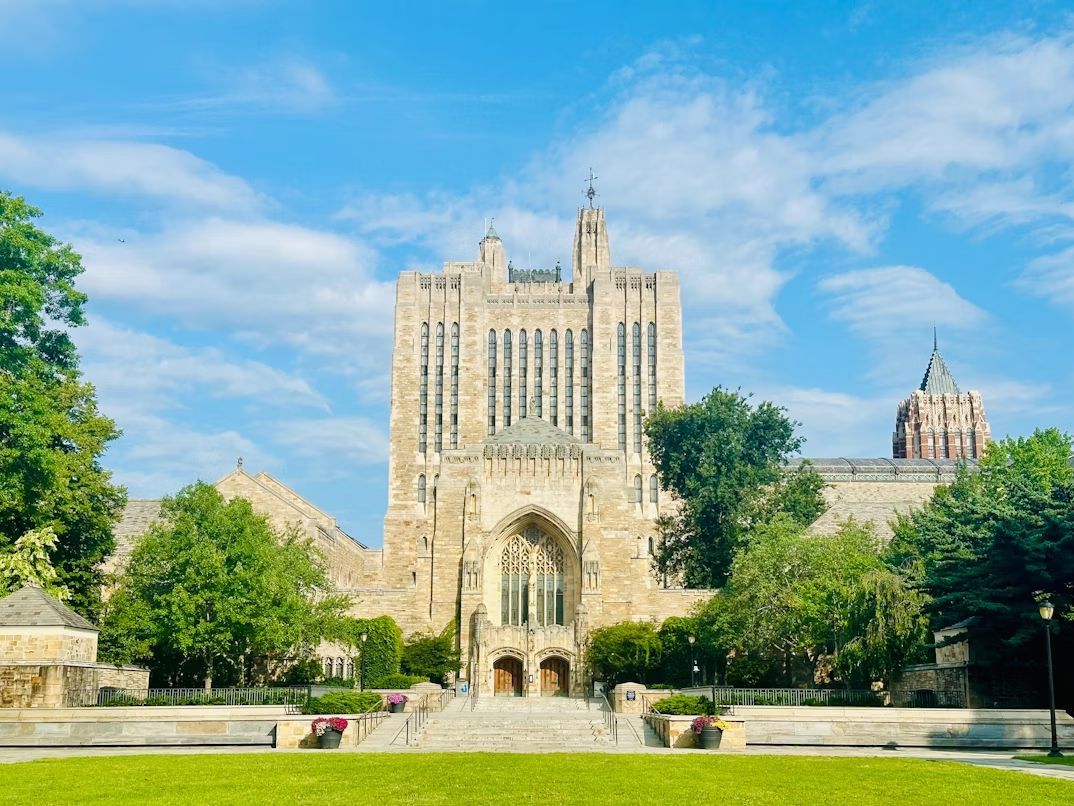
Image: Richard Liu

Long before she became America’s grandma, Barbara Bush had a fun, mischievous side. While visiting George at Yale, she once showed up at a frat party in costume—and blended right in. There goes the stereotype that First Ladies are all etiquette and pearls.


General General 5 min read

Survival foraging in America

These 10 plants could save you from starvation

Image: Alisa Golovinska

Ever felt those hunger pangs while hiking through the countryside and wondered if you could forage to fuel up in an emergency? You absolutely can—if you know where to look. America is blessed with a variety of wild edible plants that could help you out in a pinch—and maybe even add a fresh twist to your next salad. From versatile cattails to delicious blackberries, nature’s pantry offers a surprising amount of nutrition to those who know what to seek. But remember, not every plant is safe, so don’t just sample everything you see. That’s why we’ve compiled this list of 10 common wild edible plants in the U.S. to help you forage smartly!

1
Cattails

Image: Vlad Tchompalov

If you’ve ever seen a cattail and thought it looked kind of yummy, you were on the right track! Cattails grow abundantly in marshy areas across the U.S., and nearly every part of this plant is edible. Often called the "supermarket of the swamp," cattails are incredibly rich in carbohydrates and are a highly versatile food source. These plants not only provide nutrition but also materials for shelter and fire-starting, making them a top resource for wilderness survival in America.

The roots, once cleaned and cooked, have a potato-like quality and can also be dried and ground into flour. Impressively, they even outperform potatoes in starch yield per acre. Young shoots are edible as well, offering a fresh bite when raw or a tender taste when boiled, much like asparagus.

2
Dandelions

Image: Keegan Houser

Often dismissed as a pesky weed, dandelions are actually among the most nutritious plants you can find in the wild. In fact, dandelions are considered even more nutritious than broccoli or cabbage! Every part of the dandelion is edible, from the leaves to the roots. With a taste and texture similar to chicory, the leaves are packed with vitamins A and C and be eaten raw in salads or cooked like spinach.

The bright yellow flowers can also be used to make tea, while the roots can be roasted as a coffee substitute. Dandelion tea is loaded with powerful antioxidants, including beta-carotene and polyphenols, and studies suggest it may benefit heart health.

3
Wild Asparagus

Image: Gil Ndjouwou

Who knew you could harvest your own asparagus in the wild? Wild asparagus grows across much of the U.S., particularly in moist, sunny areas. While it looks similar to its cultivated cousin, wild asparagus tends to be thinner and tougher. When foraging, look for young shoots, which are more tender and can be eaten raw or cooked.

Like its commercial counterpart, wild asparagus is high in fiber and vitamins, offering a nutritious snack or even a potential side dish in a survival situation.

4
Acorns

Image: Annie Spratt

You’re likely already familiar with acorns, the nuts of oak trees. Found abundantly across the U.S., particularly in forests and woodlands, these wild nuts are indeed edible after some processing. Acorns contain bitter tannins, which can be toxic and need to be removed by repeated boiling or soaking in water.

Once safe to eat, acorns can be either roasted or ground into flour. Though they don’t taste like much, they’re packed with carbohydrates, fats, and proteins. Historically, acorns were a staple food for Native Americans and ancient cultures worldwide, proving their value as a survival resource.

5
Cactus (Prickly Pear)

Image: George Pagan III

In the arid landscapes of the American Southwest, prickly pear cacti offer both nourishment and hydration. The pads (nopales) and the fruit (tunas) are not only edible but are also staples in Mexican cuisine.

The cactus fruit, known as a prickly pear, is super sweet and can be eaten raw right off the plant. Depending on ripeness, the flavor ranges from mildly sweet to syrupy. Packed with vitamin C and water, prickly pear cacti can be a true lifesaver if you find yourself stranded in the desert.

6
Wild Onions

Image: Zoe Schaeffer

Wild onions grow widely across the U.S., thriving in fields, forests, and even backyards. Their bulbs, stems, and leaves are all edible and can be used just like store-bought onions to add flavor and nutrition to any meal. But foragers, beware—there’s an important distinction to keep in mind!

A highly toxic lookalike called death camas can be easily mistaken for wild onions, and as its name kindly suggests, it can have potentially lethal effects if consumed. The easiest way to tell them apart? Wild onions have a strong onion scent, while death camas has no odor. When in doubt, always trust your nose. That being said, unless you are 100% confident in your ability to identify wild onions, it’s wise to consult an expert or avoid foraging them altogether.

7
Pine Nuts

Image: Leila Issa

Pine trees are scattered across America, and their seeds—pine nuts—are a nutritional powerhouse. These small seeds, found inside pine cones, are rich in fats and proteins, making them a concentrated source of energy. In fact, pine nuts have sustained Native American tribes for centuries.

While they are labor-intensive to harvest, the effort is worthwhile. Packed with calories and bursting with flavor, they are an abundant and reliable food source. But it doesn't end there—surprisingly, most parts of a pine tree can be consumed, including the bark, needles, cones, and resin, either as food or for medicinal purposes.

8
Chicory

Image: Christopher Luther

Chicory is often found along roadsides and in open fields throughout the U.S. The plant is recognizable by its bright blue flowers, and while its leaves can be eaten like lettuce, its roots are also useful—they can be roasted and used as a coffee substitute.

During the American Civil War, soldiers used chicory to stretch their coffee supplies, and even today some beer brewers occasionally use roasted chicory to add a bitter flavor to stout varieties.

9
Blackberries

Image: Eric Prouzet

Who hasn't enjoyed picking a few blackberries during a walk? Blackberry bushes thrive across the country, especially in sunny, open areas. These delicious berries are loaded with vitamins C and K, along with fiber, making them an excellent survival food when in season. Additionally, their leaves can be brewed into a soothing tea.

Wild raspberries and strawberries are similarly plentiful in the American backcountry. Their unmistakable appearance and sweet flavor make them a great choice for novice or inexperienced foragers to safely enjoy nature’s pantry.

10
Clover

Image: Kelly Sikkema

Who knew that stumbling upon a clover patch could bring more than just good luck? Clover grows abundantly across the U.S., from lawns to meadows, and both its leaves and flowers are edible. The flowers are often dried to make tea, while the leaves can be tossed directly into salads or soups an added nutritional boost.

Rich in protein and minerals, clover has historically served as fodder for livestock, but it can also provide essential nutrition for humans, especially in a survival situation! Its versatility certainly makes it a valuable addition to any forager's repertoire.

General General 4 min read

WHICH ONE WOULD YOU LIVE IN?

Which Are The 10 Most Popular Architectural Styles In America?

Image: Todd Kent

Land of the free, home of the brave, right? As far as architecture is concerned, that is very much true. As long as you can imagine it (and afford it, and get your blueprints approved), you can make it. America has many different styles of architecture , some more eccentric, some more unassuming. In this list, we have favored the latter and compiled ten of the most popular ones in the country because, as Tom Waits says, "What makes a house grand, ain't the roof or the doors. If there's love in a house, it's a palace for sure".

1
Townhouse

Image: Aman Kumar

Most commonly found in cities, townhouses have spacious layouts, more amenities than the condo styles, and lower maintenance than most residential homes. They’re typically two or three-story homes, usually sharing one or two walls with adjacent properties, and a rooftop deck to enjoy sprawling views.

While the most famous examples are the ones from New York or San Francisco, thanks to TV series and movies, these types of homes can be found all over the country.

2
Cape Cod

Image: Phil Hearing

Cape Cod houses bring to mind the classic American cottage style but with a weekend feel to them. This type of home design migrated from the UK to the United States, maintaining its symmetrical design and central chimney.

These houses feature a steep roof to keep snow from accumulating, dormer windows for added light, wood siding and shutters to keep the heat in, and hardwood floors for comfort and practicality.

3
Modern

Image: Avi Werde

Funny how the word "modern" is used to define things that happened 100 years ago, right? Emerging in the 1920s to embrace minimalism and reject the more ornate house styles, modern house styles include progressive elements such as asymmetrical exteriors, flat roofs, and integrated outdoor spaces.

Many modern interiors also feature minimal to zero molding and trim, neutral color palettes, and metal accents to accentuate the simplicity of its design.

4
Farmhouse

Image: Raychel Sanner

A house design that has been around for a long time, the farmhouse style was created back in the early 1700s, as housing for farmers and is all about practicality.

Modern farmhouses still showcase many of the same features from the original design such as large, wraparound front porches, clapboard siding, large fireplaces, wood floors, eat-in kitchens, and oversized kitchen sinks.

5
Craftsman

Image: Lernestorod

This style became increasingly popular in the 1900s and has remained a staple throughout the 21st century. Craftsman style adds charm to any neighborhood with its exterior features, including shingles, low-pitched roofs, and covered front porches.

These types of houses feature interior details such as thick trim, prominent ceiling beams, and built-in shelving and seating.

6
Contemporary

Image: James Kovin

A style often compared to modern style architecture, contemporary is very much a trend these days among house builders. These homes have simple forms without elaborate ornamentation or detail.

Showcasing geometric lines, large windows and doors to bring in light, and open floor plans, contemporary homes often incorporate sustainable and eco-friendly building materials, textures, and components, exposed roof beams, and flat or low-pitched roofs.

7
Cottage

Image: Czapp Botond

As the name implies, cottage houses of the 1920s and 30s were inspired by the cozy cottage-style houses of the English countryside, but with a more modern twist.

This style of house typically has a steep, thatched roof, arched doorways, and shuttered windows. They can be found in semi-rural areas, closed communities, and holiday spots, among other places.

8
Mid-Century Modern

Image: Lenalensen

A style that has been well represented in modern media, the mid-century modern style is part of the modernism movement and dates back to post-World War II, and remained popular throughout the 1970s.

This design is characterized by minimalism. Think of clean lines and floor-to-ceiling windows, open layouts, and a mix of natural and manufactured materials for the interior elements like wood, stone, steel, and plastic.

9
Colonial

Image: Mateus Campos Felipe

Another early style, colonial architecture has maintained its allure in many parts of the United States. These classic homes are known for their vintage charm, decorative doorways, and symmetrical window placement.

Many of these houses will be similar to the Cape Cod-style home because of their symmetry and side-gabled roofs but with two or three stories, fireplaces, and brick or wood exteriors.

10
Ranch

Image: Michal Průcha

A style that dates back to the 1930s, ranch homes grew in popularity during the 1950s and 1960s, and are still popular today. This architecture is known for its simple, single-story floor plan, low-to-the-ground look, often with an open layout and occasional basement.

With a smaller yard, attached garage, and a low-pitched roof, the ranch-style home often features large windows and sliding glass doors, encouraging an indoor-outdoor living style. A ranch can also be called a ‘rambler,’ depending on which region in the country it is located.

Explore more American facts

Choose your favorite category!

General
General

As American as apple pie—the very best America has to offer!

Culture
Culture

Delve into the astounding richness of American lore.

Geography
Geography

Hop in and explore vast and diverse American landscapes.

History
History

Discover the key moments that shaped the United States.