History History 7 min read

The surprising life of FDR

Why did he work late into the night? 10 surprising facts about FDR
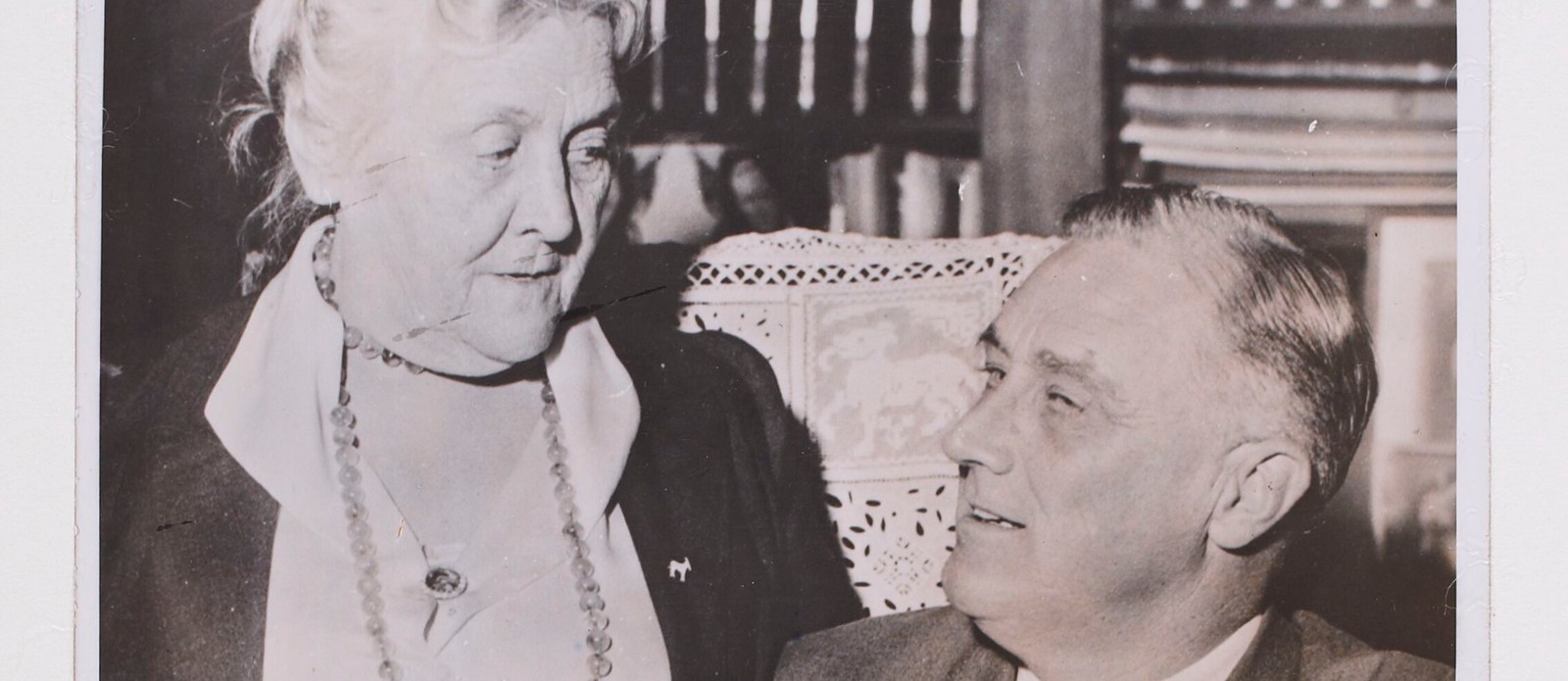
Image: Bibliothèque nationale de France, Public domain, via Wikimedia Commons

You probably know Franklin Delano Roosevelt as the president who guided America through the Great Depression and World War II, launched the New Deal, and helped create Social Security. But that's only part of the story. This was also the president who served hot dogs to the British royal family, became the first commander in chief to fly while in office, relied on lucky charms, and never lost his love of practical jokes. He was related to more presidents than you might realize and had a few surprising quirks that rarely make it into history books. Here are 10 fascinating facts about FDR that they didn't teach you in school.

1
He served hot dogs to British Royalty
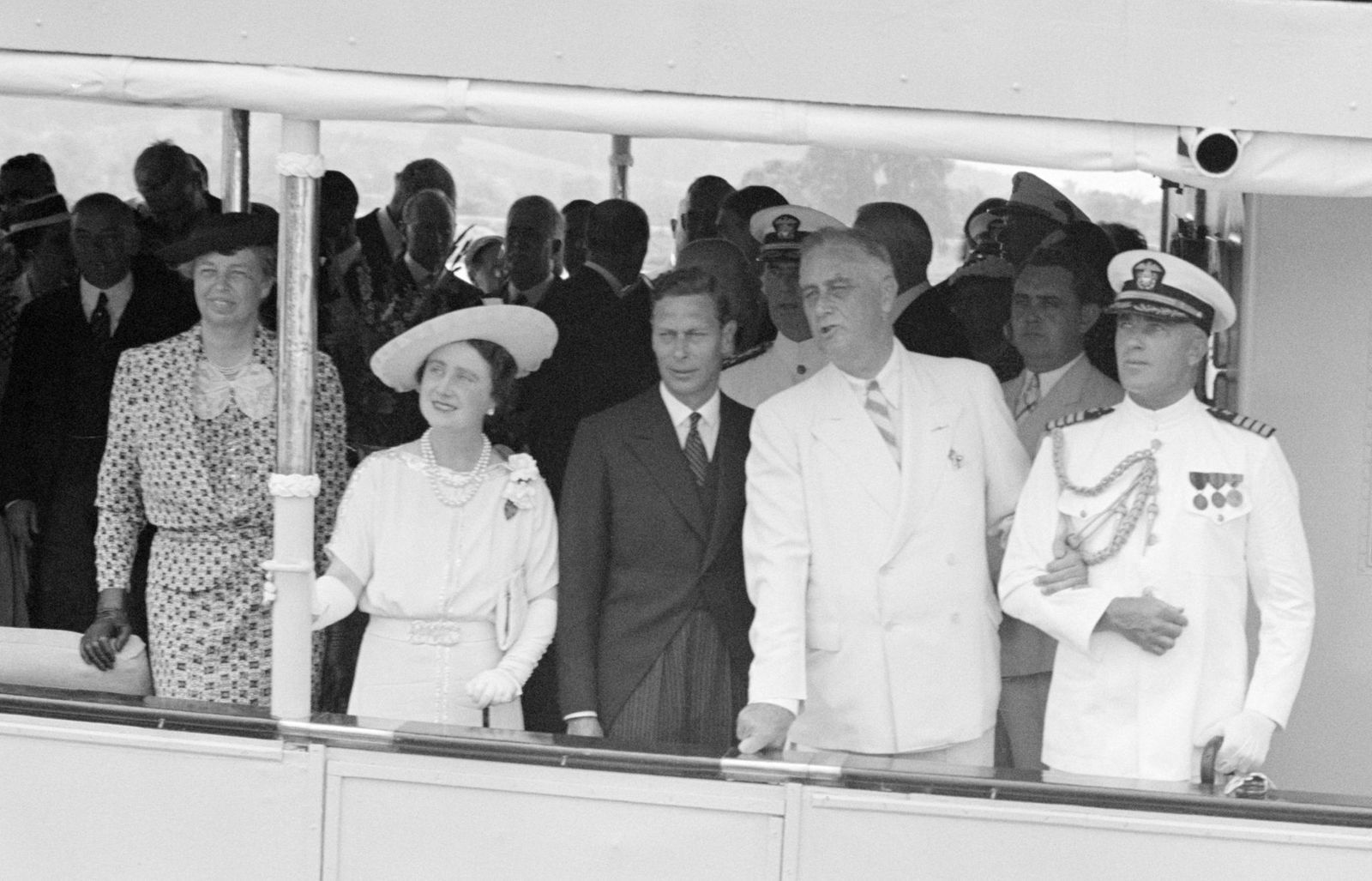
Image: Harris & Ewing, photographer, Public domain, via Wikimedia Commons

In 1939, for the first time ever, a sitting US president hosted the reigning British monarchs on American soil. And it wasn’t just a formal state meeting; it was a picnic.

On June 11 of that year, President Franklin D. Roosevelt and First Lady Eleanor Roosevelt welcomed King George VI and Queen Elizabeth to their home in Hyde Park, New York. Instead of an elaborate diplomatic banquet, the menu was unexpectedly simple and quintessentially American: hot dogs and beer. According to FDR, the queen politely tried hers with a knife and fork, while the king ate several with his hands and seemed to enjoy them. Behind the scenes, the visit was more than symbolic, yet folksy hospitality. With war already looming in Europe, both sides were quietly strengthening ties that would soon become crucial during WWII.

2
The first sitting president to fly on a plane
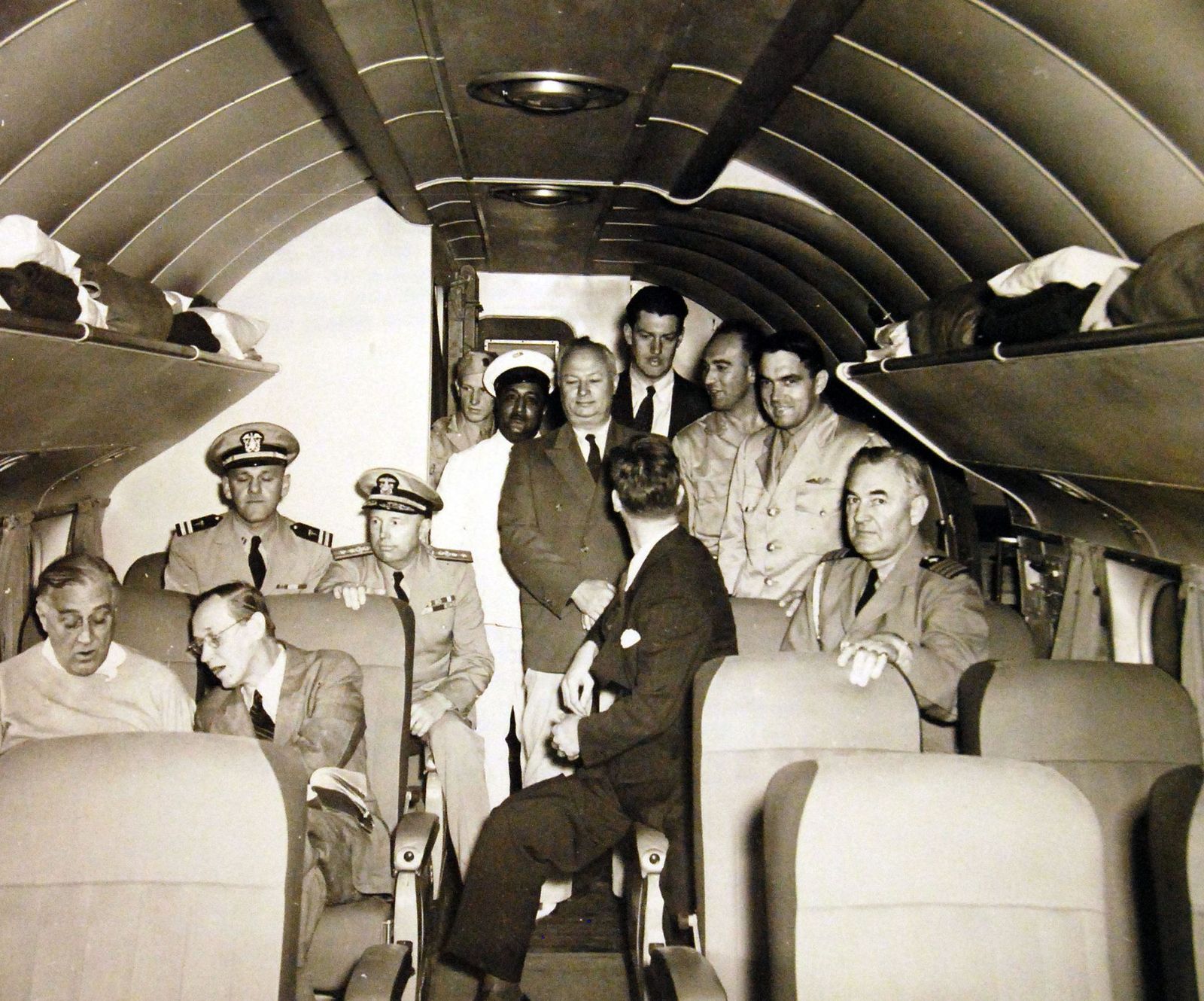
Image: National Museum of the U.S. Navy, Public domain, via Wikimedia Commons

While FDR made history in many ways, one of his lesser-known firsts took place thousands of feet above the ground.

On January 11, 1943, in the middle of WWII, he became the first sitting US president to fly in an airplane. At a time when air travel was still far from routine, he embarked on a secret 7,000-mile journey from Miami, Florida, to Bathurst, Gambia, before continuing to Casablanca, Morocco. The trip wasn't taken for leisure; German U-boats had made Atlantic sea travel risky, so Roosevelt crossed the ocean aboard a Boeing 314 flying boat known as the Dixie Clipper . His destination was the Casablanca Conference, where he met with British Prime Minister Winston Churchill to discuss wartime strategy.

3
Highly superstitious
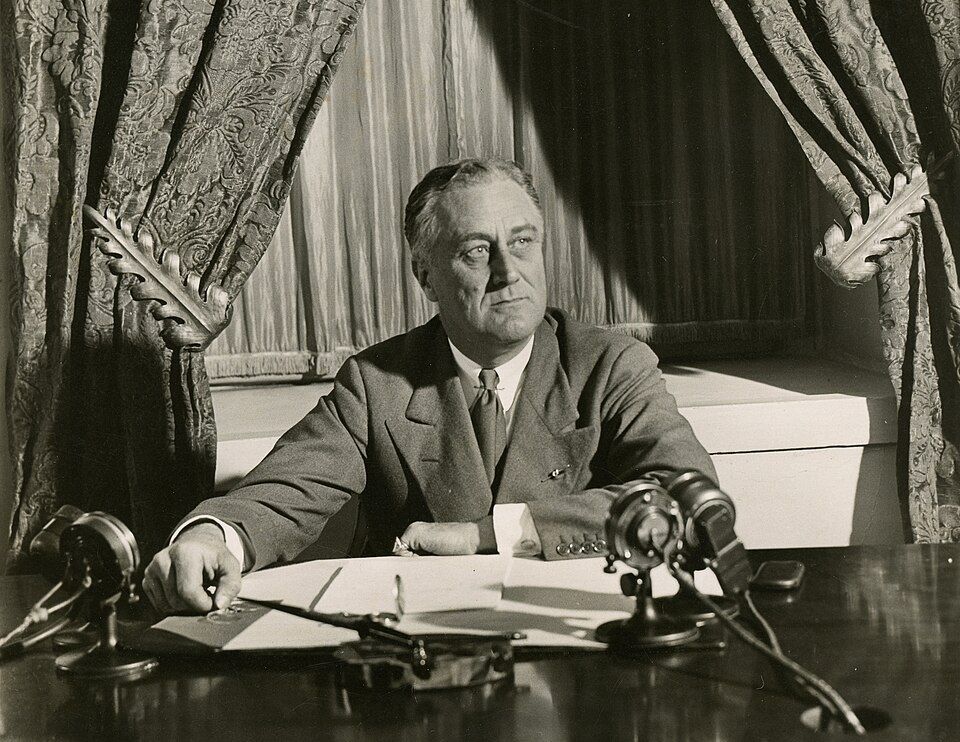
Image: Franklin D. Roosevelt Presidential Library and Museum, Public domain, via Wikimedia Commons

Are you the type to knock on wood to avoid bad luck? Or would you walk under a ladder without a second thought? If you're in the first group, you would have fit right in with Franklin D. Roosevelt.

FDR famously declared that "the only thing we have to fear is fear itself," but he also had a surprisingly superstitious side. According to people who worked with him in the White House, Roosevelt kept his desk and personal items arranged in a precise order that he believed brought good luck. He also disliked the number 13: family members and aides recalled that he avoided hosting dinners with 13 guests and was reluctant to begin important trips on Friday the 13th. He even had a lucky charm, a brown felt fedora that he wore during all four of his presidential campaigns. We can't say it didn't work.

4
He loved practical jokes
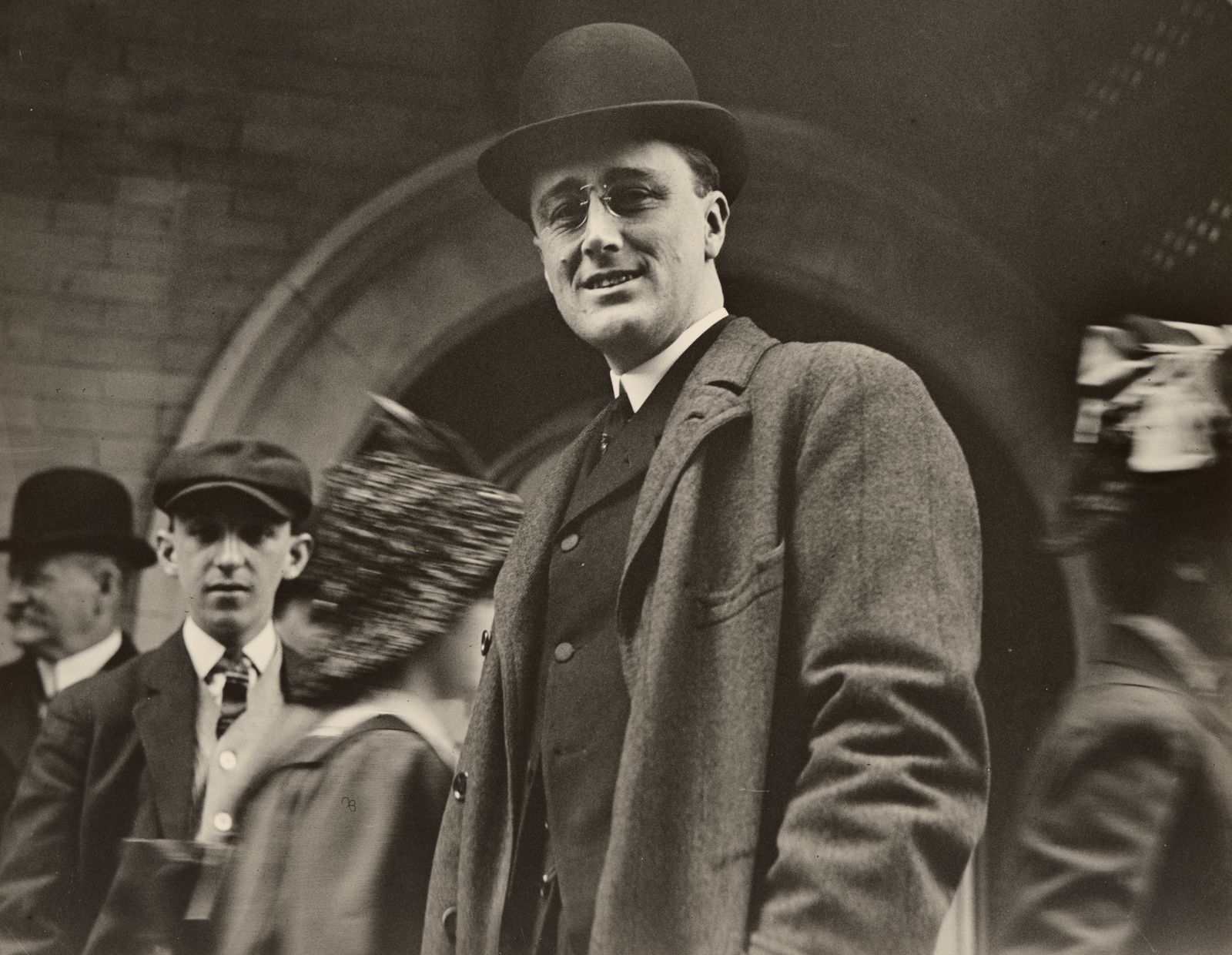
Image: Underwood & Underwood, Public domain, via Wikimedia Commons

With all his responsibilities, talents, and interests, FDR still found time to joke around.

According to his biographers, Roosevelt loved practical jokes and kept his playful streak throughout his life, even pulling pranks well into his presidency. In the tense world of politics, that sense of humor became one of his trademarks. He enjoyed classic gags, including putting bubbling powder in drinking glasses to surprise White House guests, or slipping completely made-up words into conversations and then watching with delight as his staff scrambled to check the dictionary. Friends and aides also noted that he had a unique ability to laugh off rumors, criticism, and political attacks that might have rattled other leaders.

5
Peculiar work schedules
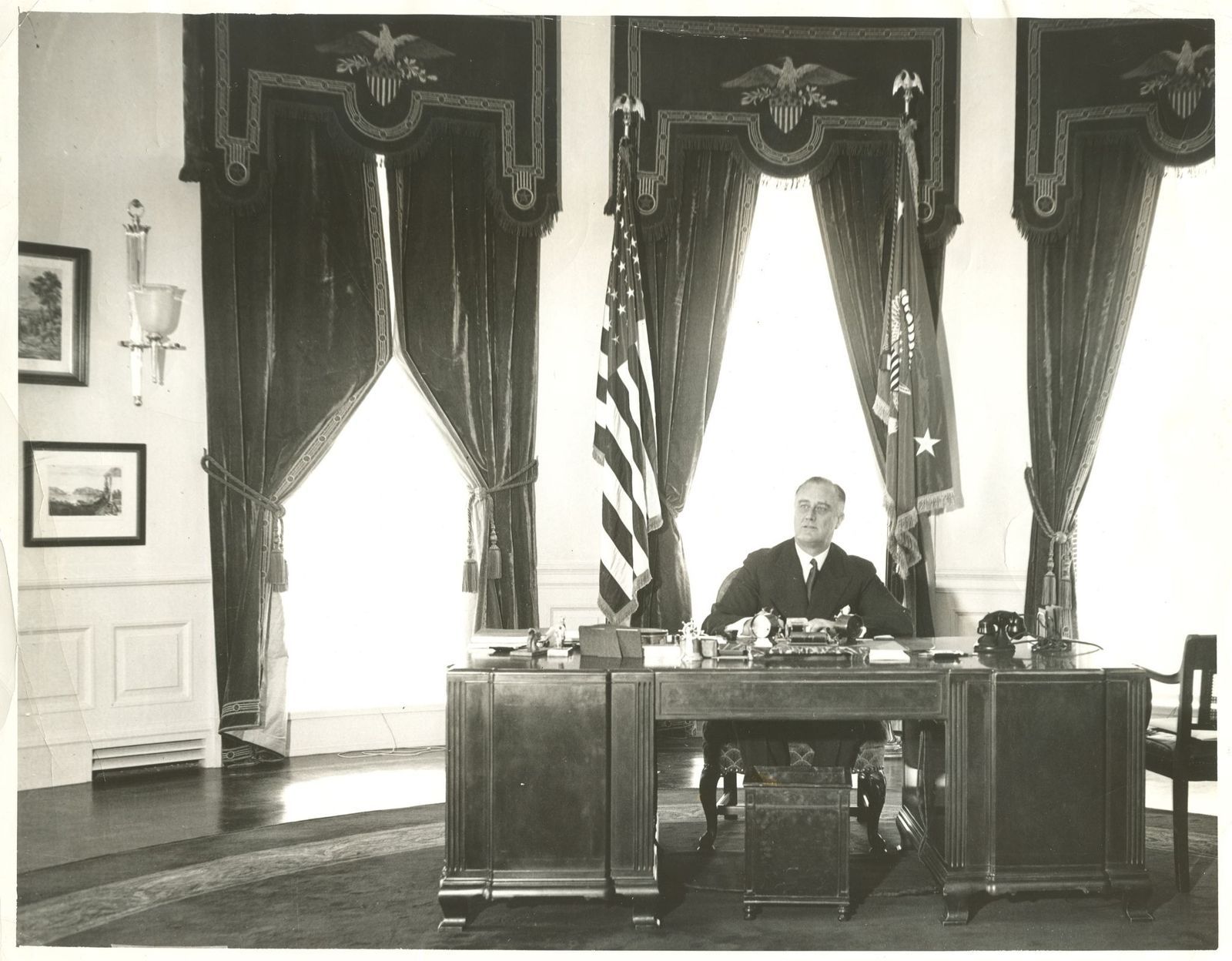
Image: Franklin D. Roosevelt Presidential Library and Museum, Public domain, via Wikimedia Commons

Jokes didn't distract FDR from his work. If anything, they helped him cope, and he certainly had plenty of work to do. In fact, Roosevelt was known for his unusual working hours.

Unlike many other presidents who were early risers, he often worked late into the night and typically didn't begin his day until around 9 am. During WWII, while overseeing a global conflict, he regularly spent his evenings reviewing reports, making decisions, and meeting with advisers long after most Americans had gone to bed. What makes this even more impressive is that he maintained this pace as his health steadily declined. Doctors urged him to slow down and limit his workload, but Roosevelt frequently ignored that advice. For a wartime commander-in-chief, there was always one more decision to make.

6
He appointed the first female cabinet member
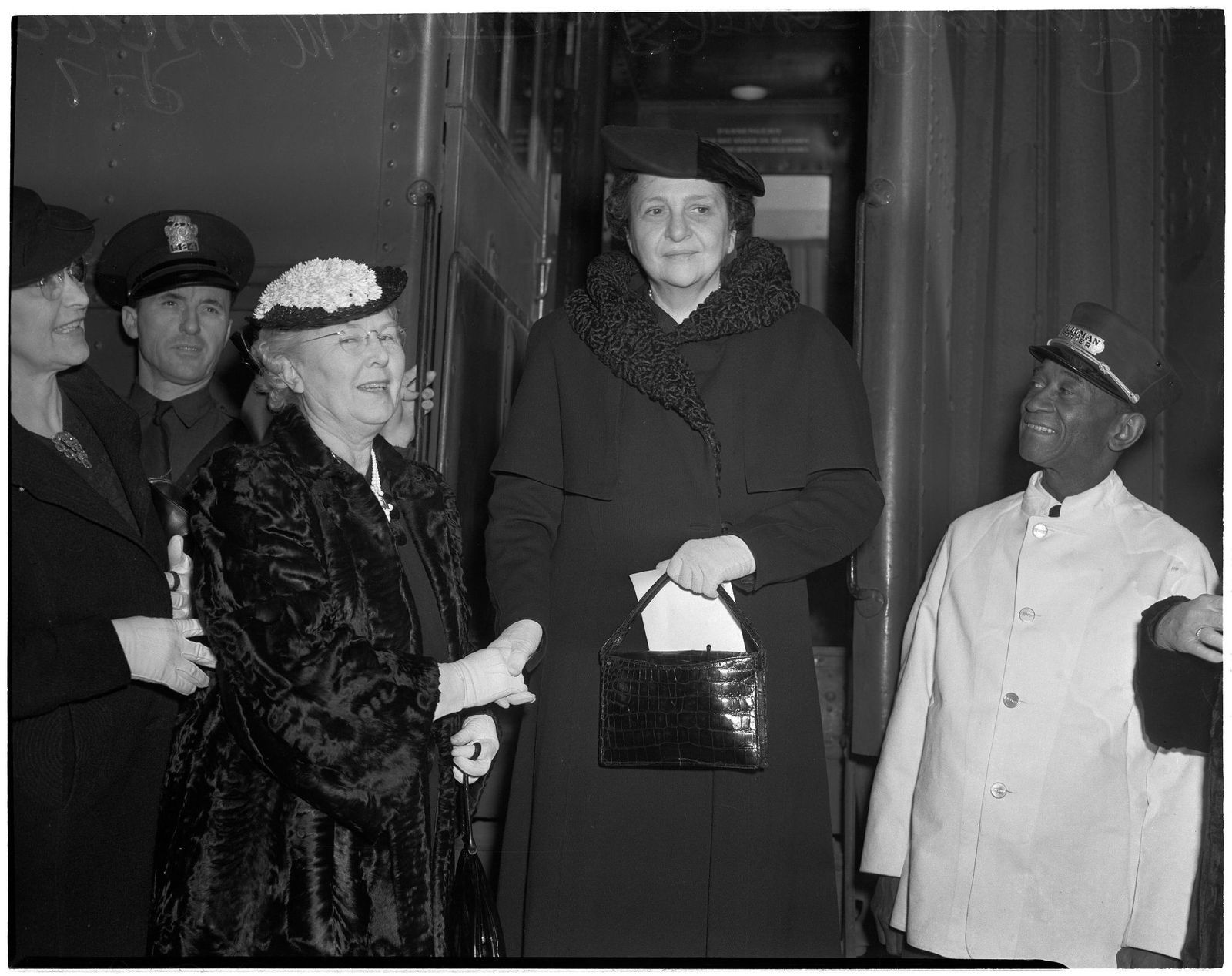
Image: Los Angeles Daily News, CC BY 4.0, via Wikimedia Commons

Among his many historic firsts, FDR was the inaugural POTUS to appoint a woman to a Cabinet position, a decision that reflected both his political instincts and his willingness to recognize talent and intelligence where he found it.

In 1933, he chose labor advocate Frances Perkins as Secretary of Labor. It turned out to be one of the most consequential appointments of his presidency. Perkins served from 1933 to 1945, making her the longest-serving Secretary of Labor in American history. And as if that weren't enough, she became one of the chief designers of the New Deal.

7
11 presidential relatives
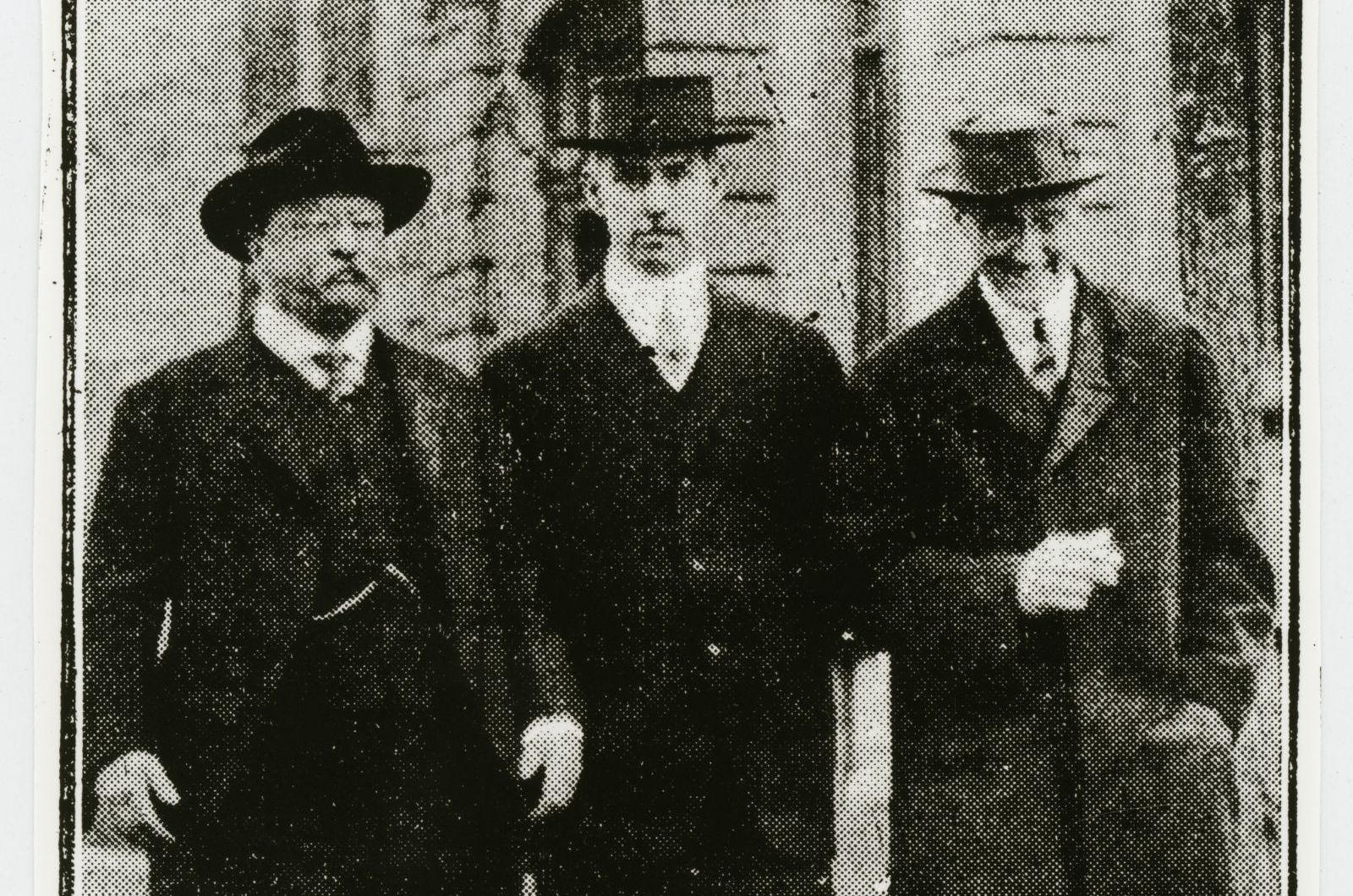
Image: Franklin D. Roosevelt Presidential Library and Museum, Public domain, via Wikimedia Commons

Most people know that Franklin D. Roosevelt and Theodore Roosevelt were related: the 32nd president was a distant cousin of the 26th. But few realize just how extensive FDR’s presidential family tree really was.

In fact, genealogists have traced Franklin Roosevelt’s family connections to at least 11 US presidents. FDR was not only related to Theodore Roosevelt and his own wife, Eleanor Roosevelt (his fifth cousin once removed), but also to an impressive number of other commanders in chief. Among those connected to him by blood were George Washington (with whom he shared ancestors from English nobility and the early settlers of Virginia), John Adams, John Quincy Adams, James Madison, and William Harrison. Through marriage and extended family ties, he was also related to Ulysses S. Grant, Benjamin Harrison, Zachary Taylor, Martin Van Buren, and William Howard Taft.

8
His illness may not have been polio
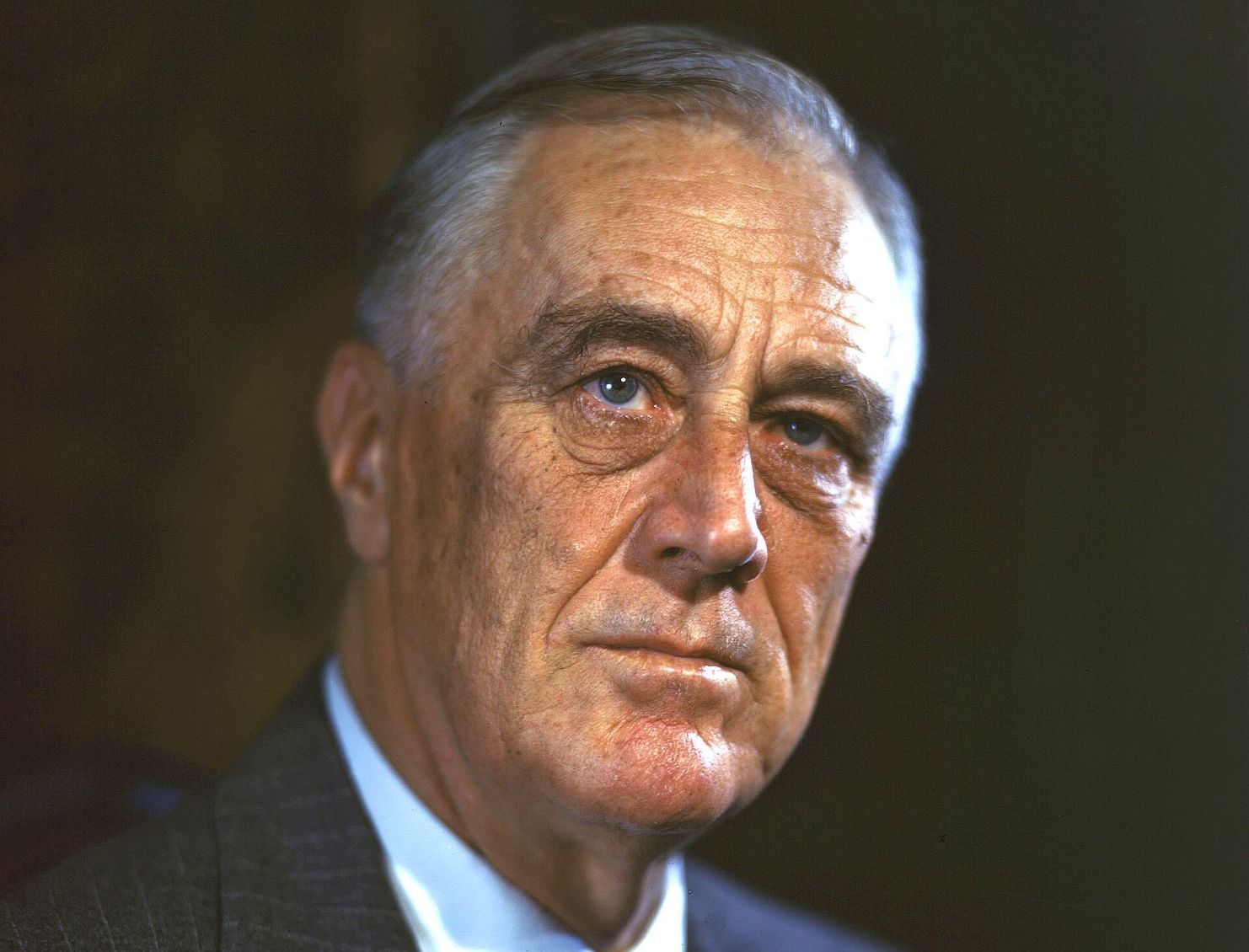
Image: Leon Perskie, CC BY 2.0, via Wikimedia Commons

As is well known, FDR was struck by a serious illness in 1921 at age 39 that left him permanently unable to walk unaided. But during his presidency, he worked hard to keep public attention focused on his leadership rather than on his body, so while Americans understood he had been diagnosed with polio, few knew about the paralysis.

To stand at public events, Roosevelt relied on heavy steel leg braces and canes that helped him project confidence and strength throughout his presidency. However, although doctors at the time diagnosed him with polio, some modern medical researchers have suggested that his symptoms may have been more consistent with Guillain-Barré syndrome (GBS), a rare autoimmune disorder.

9
He didn’t graduate from law school
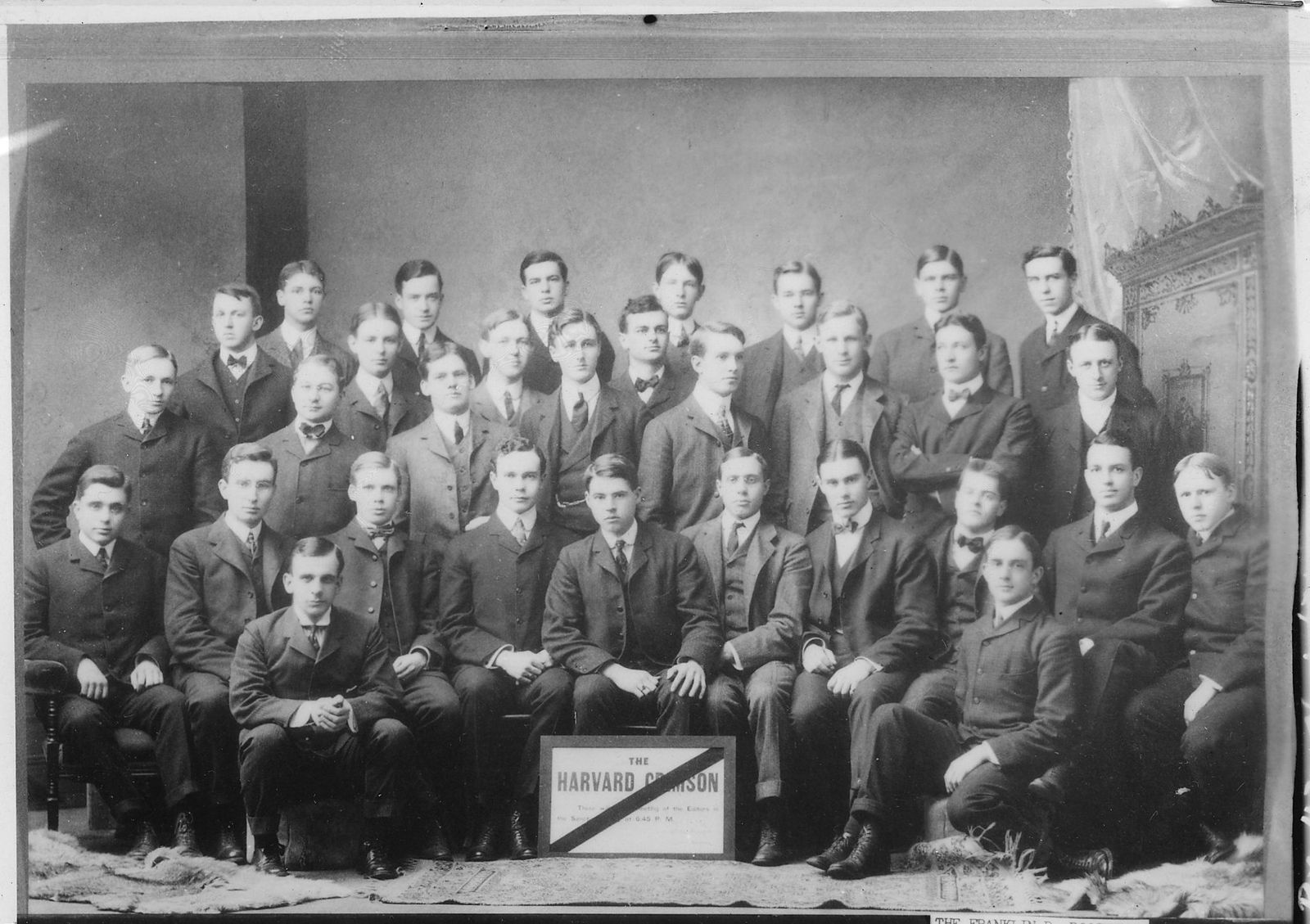
Image: National Archives and Records Administration, Public domain, via Wikimedia Commons

FDR was a bright and curious man who threw himself into subjects that fascinated him, but when something failed to hold his interest, he wasn't afraid to move on.

After earning a History degree from Harvard University in 1903, he enrolled at Columbia Law School, but he found that he simply didn't enjoy it. According to the Miller Center at the University of Virginia, Roosevelt showed little enthusiasm for the legal profession, and maybe that’s why he never achieved a Law degree. Even so, he passed the New York bar exam and began practicing after it, but the experiment lasted only a few years. Then, in 1910, an opportunity came along that interested him far more: local Democrats in New York asked him to run for the state Senate. Roosevelt eagerly accepted, and his political career was underway.

10
Expert in many fields
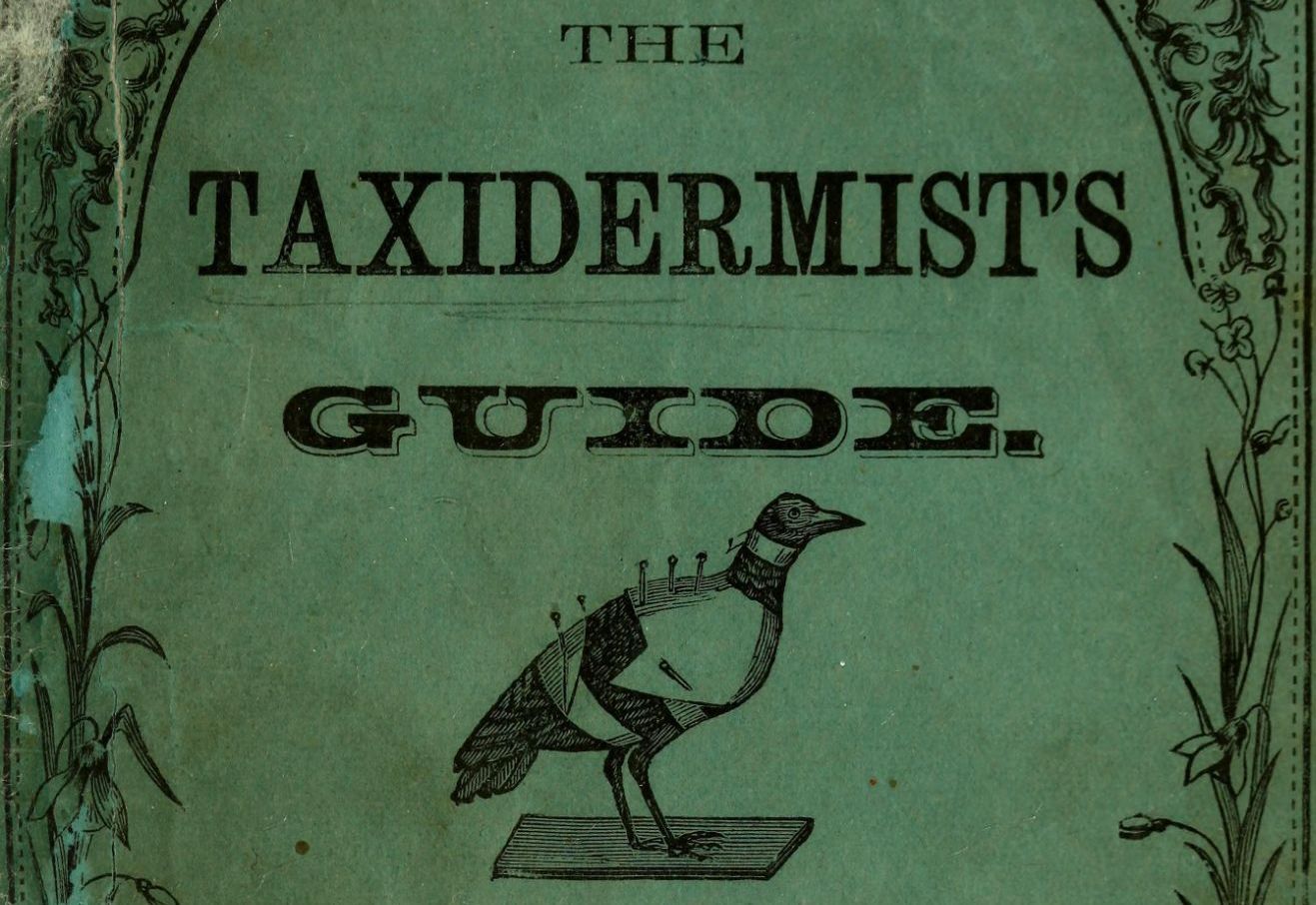
Politics and wartime strategy weren't FDR's only talents. Long before he entered the White House, he acquired a deep interest in nature.

Growing up in Dutchess County, New York, Roosevelt developed a fascination with birds that went far beyond a childhood hobby. By age 11, he was already learning taxidermy, eventually becoming a skilled self-taught naturalist and bird expert. Over the years, he identified and cataloged roughly 300 bird species. His detailed field journals and collection of more than 300 Dutchess County specimens are still considered some of the most complete records of local bird life from that era.

Culture Culture 5 min read

It’s called popular wisdom for a reason

Do you leave your hat anywhere? Be careful not to summon misfortune

Image: Peter Burdon

The United States of America is a melting pot of cultures and traditions, which means many superstitious beliefs can be traced back to other places. Think, for example, of beliefs around black cats or cemeteries. But some superstitions were born here, out of the unique idiosyncrasies of each American region. Why is the color of a porch such a big deal? Why are the woods dangerous? Is it crucial where I place my hat? Popular wisdom has an answer for all these questions, and more.

1
The cowboy hat on the bed

Image: Olivier Piquer

For a proper cowboy, a hat is as important as their horse or saddle. This means that there’s a protocol around this garment that needs to be followed, one important rule being that a hat should never be placed on top of a bed.

Why? There are several explanations, including the idea of bad spirits living in your hair, the old custom of placing a deceased person’s hat on top of their coffin, or the more practical reasoning of wanting to avoid lice. No matter the origin, no respectable cowboy would place his hat on the bed unless he wanted to attract misfortune his way.

2
The Appalachian woods

Image: Elijah Mears

The Appalachian Mountains are filled with myths and legends, and certain rules are passed down and followed by nearly everyone, even those most skeptical about the supernatural. Many of these rules concern the woods and how one should behave in them : don’t go into the woods from dusk till dawn, don’t leave the marked trail, ignore any unknown voice calling you, and don’t look too closely into the trees.

While these rules could be explained by the simple reason of the woods being the hiding place of bandits in the past, and a difficult place to navigate in the dark, they have also been regarded as a place filled with spirits and supernatural beings, which no one wants to come across.

3
Seeing Mothman

Image: James Wainscoat

A local cryptid celebrity in Point Pleasant, West Virginia, the Mothman has allegedly been sighted several times since the 1960s. Many legends and beliefs have formed around his figure, one of them being that coming across the Mothman is a sign of an impending tragedy .

This belief gained strength after several reported sightings occurred just before the collapse of the Silver Bridge in 1967. Since then, the Mothman has been considered a harbinger of doom and a bad omen.

4
A mirror to ward off the devil

Image: Denny Müller

Louisianans have many myths and beliefs, especially those rooted in Cajun culture. Influences from French Acadia, Spain, and Western Africa have been incorporated into popular wisdom in a distinctly unique way.

One Cajun custom advises the use of a mirror to repel M’su Diable or "Mr. Devil." M’su Diable is known for being very vain, so he will never waste the opportunity to admire himself. If you hang a mirror in the porch, next to the door, he will stay there all night instead of entering the house, and the sunrise will scare him off.

5
Eating black-eyed peas on New Year’s Eve

Image: Nguyen Dang Hoang Nhu

Each holiday has certain foods associated with it, many of which are considered non-negotiable. For many Southern households, New Year’s Eve is synonymous with black-eyed peas, which are said to attract good luck and prosperity for the coming year.

While it’s a popular belief, this custom has distinctly historical origins. After the Civil War, black-eyed peas became a staple food across the South and saved more than one family from starvation. Today, they are often paired with collard greens, which are said to represent dollar bills.

6
Rocking an empty chair

Image: Robin Jonathan Deutsch

Irish and Scottish settlers brought with them a deeply rooted belief: you shouldn’t rock an empty cradle, cause you might wake the spirits. Across the South and the Appalachians, this belief transformed over time and became attached to another object: the rocking chair.

Often placed on porches or near the fire, a rocking chair moving on its own was believed to be occupied by a supernatural being . If someone rocked an empty chair, the spirits might consider this an invitation into the house.

7
The color of the porch

Image: Thomas Park

If you like the look of Southern front porches, you may have noticed that they often feature a pale blue ceiling. The use of haint blue—a collection of pale blue-green shades —is not an aesthetic choice, but a spirit-warding custom stemming from the enslaved Gullah Geechee people.

By painting the ceiling (and sometimes doors, windows, and shutters) blue, spirits might confuse it with the sky and pass through it, or with water, and avoid it. Over time, the tradition of haint blue— haint being an alternative spelling of _haunt_—spread throughout the South.

8
Bananas on a boat

Image: Ian Talmacs

Bananas are a pretty convenient fruit: they’re tasty, nutritious, and come naturally prepackaged. But don’t try saying that to Alaskan fishermen. They’ll tell you that bananas should never be brought on a boat, or no fish will be caught.

There are two possible origins of this belief. Some say the aversion to bananas stems from the old ships that carried this fruit—they sailed as fast as possible to prevent the cargo from spoiling, which disturbed the water and scared away fish. Others say that overripe bananas attract fruit flies and were believed to cause other food to spoil.

9
The tail of the cow

Image: Screenroad

Florida has historically been the state most prone to hurricanes, which has led to the development of superstitions and beliefs around the subject. A common belief involves cows, or more specifically, their tails.

If a cow holds its tail straight up, many Floridians say it means a hurricane is on the way . There are many scientific reasons for cows to hold their tail upright, and none have to do with weather prediction, but as far as we know, Floridians have not been proven wrong yet.

10
Whistling at night

Image: Lukas Robertson

Many cultures across the world refrain from whistling at night to avoid attracting spirits and malevolent beings. For Hawaiians, it is not just any spirit**. A whistle after dark might attract the** Huakaʻi pō or Nightmarchers , the ghosts of ancient Hawaiian warriors.

If you happen to come across them, your only hope is to lie on your stomach and avoid looking at them as a sign of respect. If you are lucky enough to be a descendant of a warrior, they will recognize you and protect you. But just to be on the safe side, it’s best to leave the whistling for daytime.

Culture Culture 6 min read

KINGS OF COMEDY

These 10 legendary comedians will tickle your funny bone!

Image: Tim Mossholder

They say that laughter is the best medicine . If that old saying is true, then the 10 American comedians featured in this article are the most skilled doctors in the country! These masters of laughter have brought countless smiles to generations of Americans throughout history. They have entertained us, taught us invaluable life lessons, and even helped bring a little light to the darkest moments in our past. With that in mind, sit back and enjoy this homage to 10 of the most talented American comedians in history! Enjoy!

1
Marx Bros

Image: Braydon Anderson

We’ll start strong with the family of actors considered by many to be the most groundbreaking comedians of their generation: the five Marx Brothers. They truly took the world by storm, leaving an unforgettable mark that forever changed Hollywood.

Throughout a career that lasted over 40 years, the Marx Brothers starred in 14 films, five of which were included in the American Film Institute's list of the greatest 100 comedies of all time. While it is indeed a gargantuan task to select the best moments from this remarkable career, we feel inclined to select 1933’s Duck Soup and 1935's A Night at the Opera as our top picks.

2
Abbot and Costello

Image: Los Angeles Daily News, CC BY 4.0

In the very likely event that you’ve ever played a game of baseball, we can almost guarantee that someone jokingly asked you, "Who’s on first?" in a marked Jersey accent. After all, any American born after the 1950s knows this legendary Abbott & Costello routine, which is considered by many to be one of the finest pieces of comedy ever conceived.

This iconic duo met in New York City in 1935. After Bud Abbott’s comedy partner fell ill before a performance at the Eltinge Burlesque Theater, Lou Costello substituted for him, marking their first unforgettable performance. Many believe the duo’s groundbreaking chemistry was already present in that very first show. Over the course of their nearly 20-year career, Abbott & Costello produced several hilarious routines, including "Niagara Falls," "The Piano Bit," and, of course, "Who’s on First?"

3
Jerry Seinfeld

Image: Alan Light, CC BY 2.0

Years before he starred in his groundbreaking Show About Nothing , Jerry Seinfeld was a scrawny and hilarious comedian making appearances on talk shows like The Tonight Show Starring Johnny Carson and Late Night with David Letterman . While this young comedian’s talent was evident, little did anyone know that Jerry Seinfeld would soon become the world’s most famous comedian.

The TV show Seinfeld ran for 9 seasons between 1988 and 1998, winning a myriad of accolades and awards in the process. Part of the charm was that Jerry’s off-screen persona seemed like a carbon copy of his character: he was witty, sarcastic, and hysterically funny. After Seinfeld concluded, Jerry went on to produce several successful comedy specials, as well as the Emmy-nominated show Comedians in Cars Getting Coffee .

4
Johnny Carson

Image: Arthur Osipyan

While Johnny Carson was not the first host of The Tonight Show , he is definitively considered a pioneer in late-night TV history. This groundbreaking comedian hosted the iconic talk show for 30 years, earning the well-deserved title of "King of Late-Night Television" in the process.

It’s difficult to describe how immense Carson’s influence was, not only on the history of talk shows but also in American culture in general. It only takes someone mimicking a swing of a golf club for anyone to realize they are paying tribute to this legendary comedian. Johnny received numerous awards during his lifetime, including six Primetime Emmys and the Presidential Medal of Freedom.

5
Conan O’Brien

Image: Jay Dixit, CC BY 4.0

Conan O’Brien is truly a blue-collar comedian. Now, by no means are we trying to convey that other comedians didn’t work hard to get where they are; we are simply pointing out that Conan’s comedy resume dates back to his early twenties when he started writing for groundbreaking shows like Saturday Night Live and The Simpsons .

In 1993, Conan debuted as a late-night host with Late Night with Conan O'Brien . What followed was a 28-year career filled with hilarity and creativity, which only ended after Conan announced he would be retiring and taking a well-deserved break from performing. However, he still continues to host a hilarious series of podcasts called Conan O'Brien Needs a Friend .

6
Jackie Gleason

Image: Jazz Guy from New Jersey, United States, CC BY 2.0

If you happen to visit New York City (or if you are a New Yorker yourself), take a stroll to Port Authority Bus Terminal, and you’ll come across an eight-foot-tall bronze statue of a cheerful and lively bus driver. If you take a closer look, you’ll notice that this is not a homage to any real-life bus driver. In fact, the man depicted in the statue is none other than the legendary comedian Jackie Gleason , portraying Ralph Kramden, his iconic character from The Honeymooners .

First broadcast in 1955, The Honeymooners was a groundbreaking sitcom that depicted the life of bus driver Ralph Kramden and his wife Alice. This show served as the inspiration for countless other sitcoms, including America’s favorite prehistoric family, The Flintstones .

7
Robin Williams

Image: Alan Light, CC BY 2.0

Robin Williams’ legacy expands throughout several generations: People in the ‘70s adored him in Mork and Mindy , he inspired many ‘80s moviegoers with his films Good Morning Vietnam and Dead Poets’ Society , and he filled the childhoods of millions of ‘90s kids as the wisecracking genie from Aladdin .

What’s perhaps most astounding about Williams’ acting is the remarkable range he displayed. The fact that his performances in drama could move us to tears doesn’t diminish the effectiveness of his comedy chops. Not only that, but hundreds report that off-screen, Williams was an incredibly kindhearted and warm person, always ready to go the extra mile to make someone smile.

8
Chris Rock

Image: Maarten van den Heuvel

Don’t let the title of his Emmy-nominated TV show fool you: Not everybody hates Chris Rock . In fact, we are willing to go even further and state that, despite being known for his crude and sarcastic style, he is still one of America’s most beloved comedians.

Chris Rock's first jump to prominence came when he joined the main cast of Saturday Night Live in 1990. After that, he went on to perform in several stand-up specials and provided hilarious comic relief in films such as Lethal Weapon 4 , The Longest Yard, and Death at a Funeral .

9
Steve Martin

Image: Marianna Diamos, Los Angeles Times, CC BY 4.0

In 1967, thousands of American families tuned in to watch another episode of the extremely popular game show The Dating Game . While that particular installment came and went without a second thought, it marked legendary comedian Steve Martin ’s first appearance on national television. Little did anyone know that it wouldn’t be by any means his last.

It was only a few years after that appearance on The Dating Game that Martin took the world by storm. By the mid-1970s, he was already showcasing his hilarious routines on shows like The Tonight Show Starring Johnny Carson , The Muppets, and Saturday Night Live . Today, at 79 years old, Martin continues to be as hysterical as ever, starring in the acclaimed show Only Murders in the Building .

10
Charlie Chaplin

Image: Edo Nugroho

While it is true that Charlie Chaplin was English, it would feel wrong not to include such a Hollywood legend in this list. In that regard, we have reserved the last spot for someone who many consider to be the best comedian of all time. Chaplin’s career goes as far back as the early days of cinema, first appearing as his iconic "Tramp" character in the 1914 film Kid Auto Races at Venice .

What’s perhaps most remarkable about Chaplin’s legacy is not only his hilarious and groundbreaking skits but also his unique ability to both inspire and entertain his audience. We’ll close this article by remembering what is probably his most famous line of dialogue (and that’s saying something for a mostly silent actor): the final speech in his 1940 film The Great Dictator .

Explore more American facts

Choose your favorite category!

General
General

As American as apple pie—the very best America has to offer!

Culture
Culture

Delve into the astounding richness of American lore.

Geography
Geography

Hop in and explore vast and diverse American landscapes.

History
History

Discover the key moments that shaped the United States.