History History 3 min read

The many faces of the flag

Our flag has changed 27 times: Explore its evolution

Image: Joshua Hoehne

The Stars and Stripes are now recognized around the world, but the US flag didn’t always look the way it does today. While the red, white, and blue colors have been there from the beginning, the design has changed about 27 times! And so have the rules for handling it. If you want to see what our flag looked like in the past, or learn more about the protocols and traditions surrounding it, keep reading!

1
1776
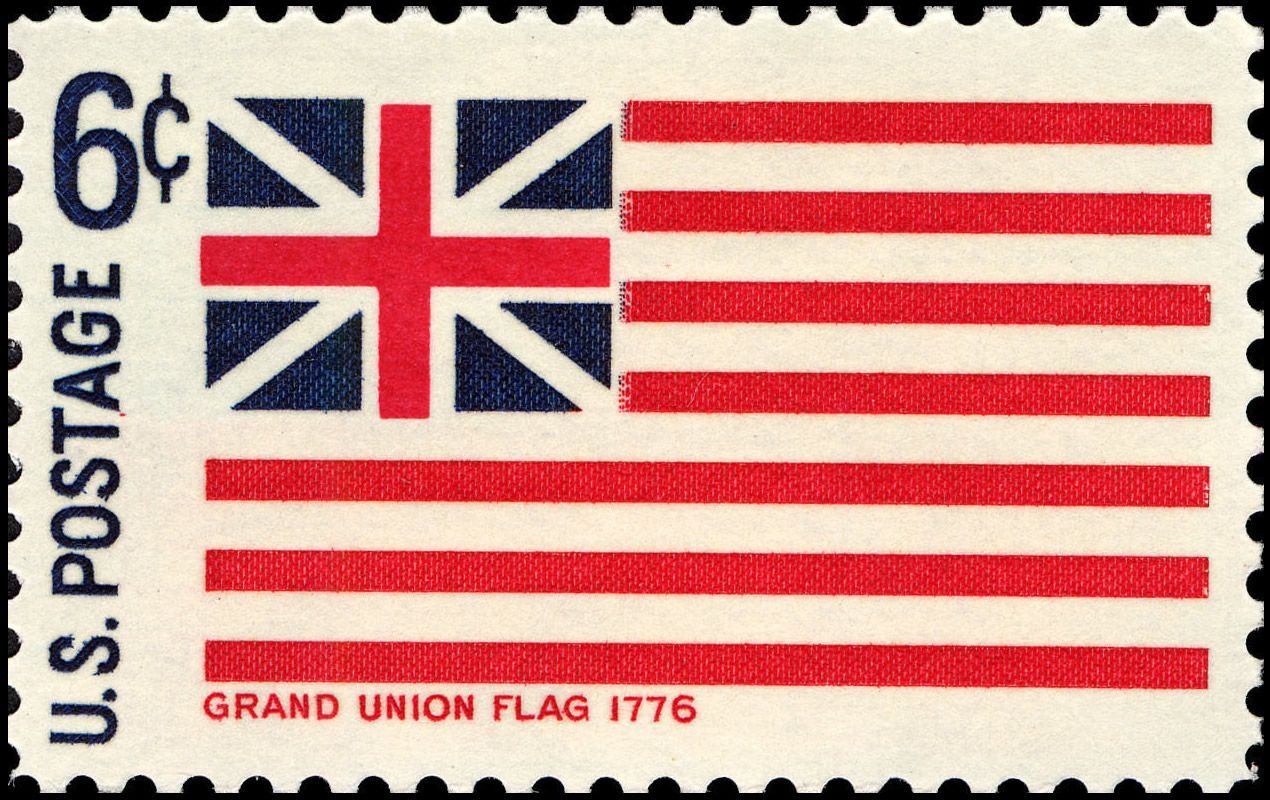
Image: Bureau of Engraving and Printing., Public domain, via Wikimedia Commons

During the American Revolution, the Grand Union Flag, also called the Continental Colors, was created to represent the colonies. It featured 13 alternating red and white stripes (symbolizing the original colonies), but instead of stars in the upper left corner like we see today, it displayed the Union Jack.

2
1777
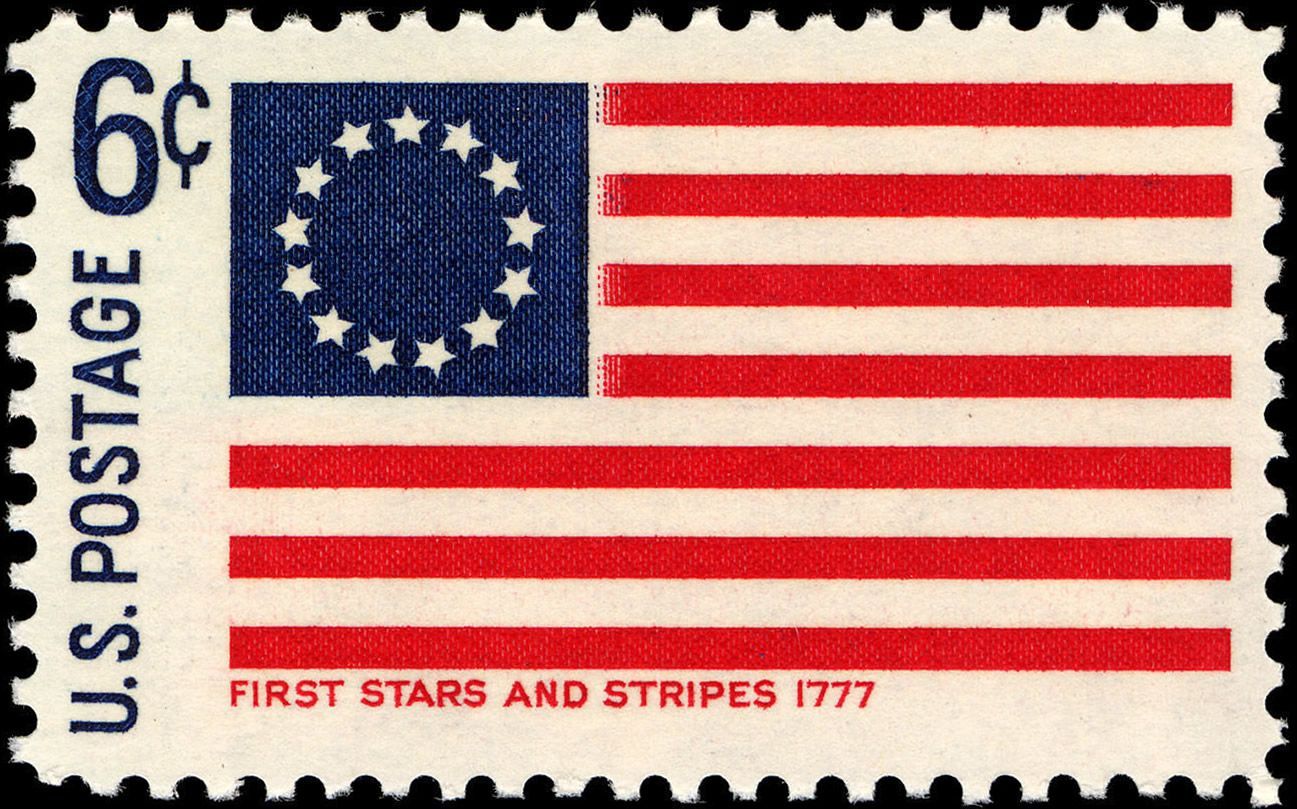
Image: Bureau of Engraving and Printing., Public domain, via Wikimedia Commons

In 1777, following the Declaration of Independence, the Continental Congress adopted the first official flag of the United States. It featured 13 alternating red and white stripes, which still honor the original colonies today. Replacing the Union Jack, it introduced a new element that would be key for the rest of its history: 13 white stars set in a blue field, or canton, arranged in a circle to symbolize equality and unity among the states.

3
1795
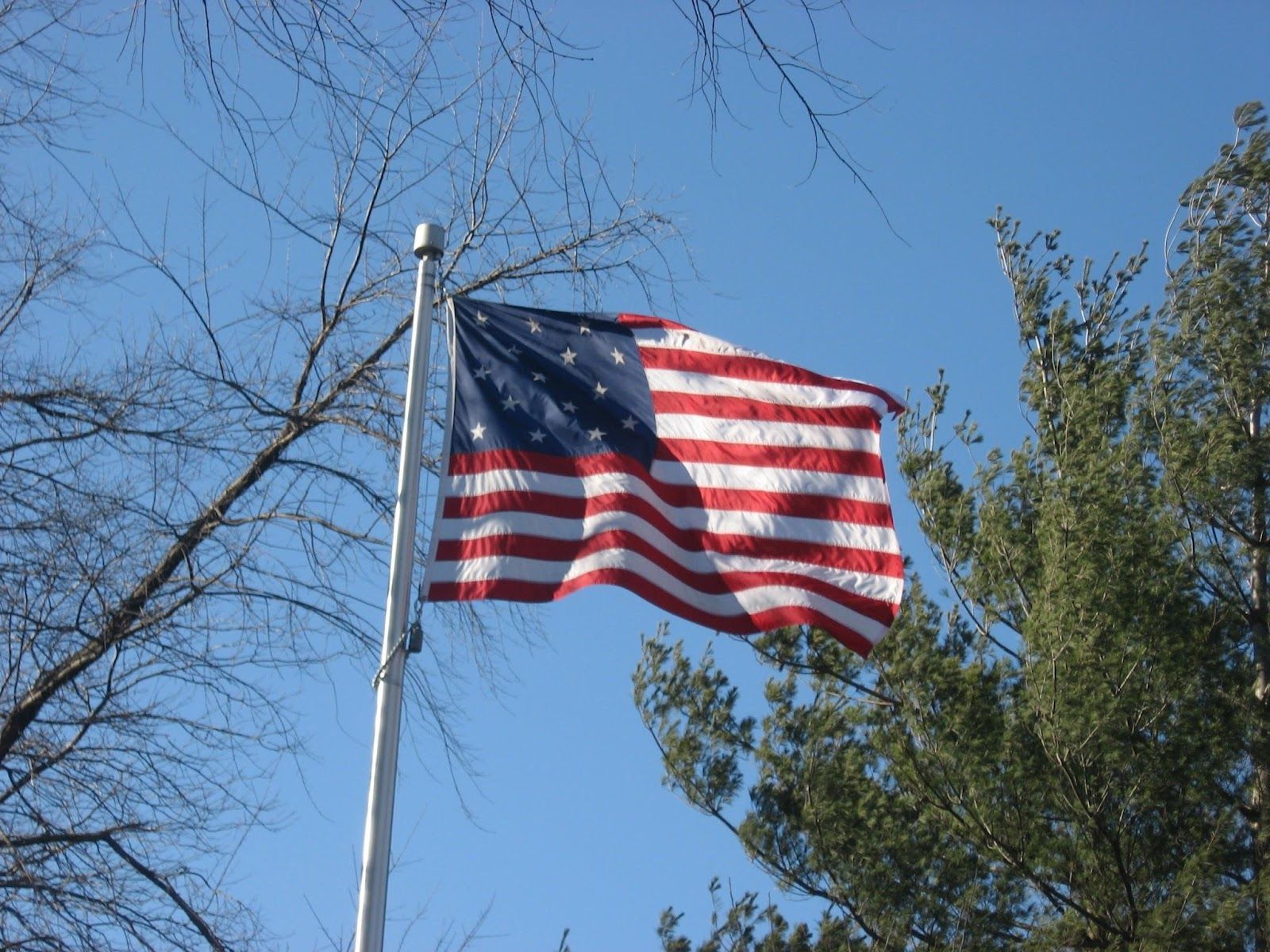
Image: Nyttend, Public domain, via Wikimedia Commons

It wasn’t until 1795 that the flag changed again, when two more stars and two additional stripes were added to represent the recently admitted states of Vermont (1791) and Kentucky (1792). This version was the only US flag to feature more than 13 stripes and later became known as "The Star-Spangled Banner", since it was the very flag that inspired Francis Scott Key to write the poem that would later be the lyrics of the national anthem.

4
1818
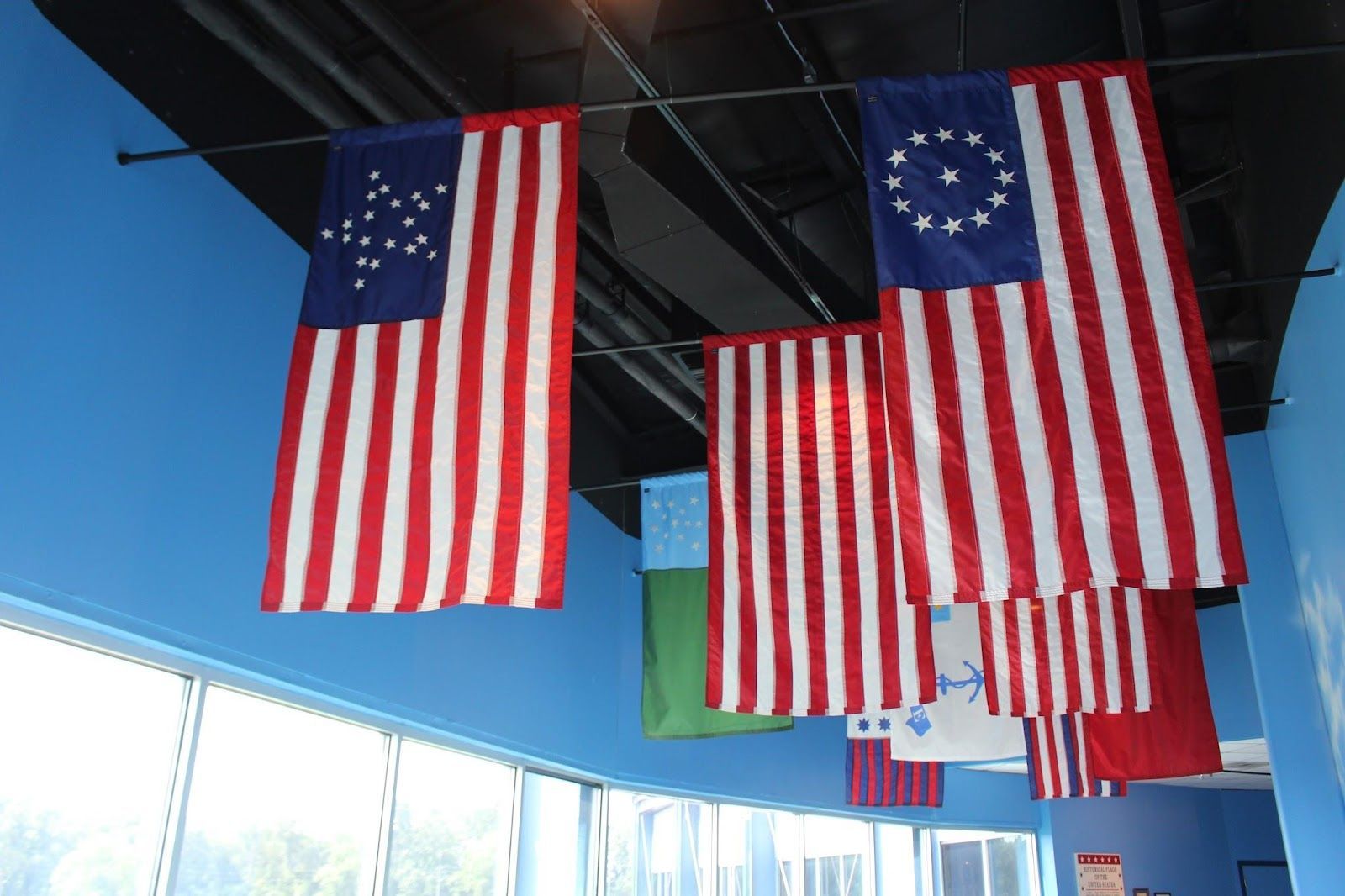
Image: Michael Rivera, CC BY-SA 4.0 <https://creativecommons.org/licenses/by-sa/4.0>, via Wikimedia Commons

In 1818, the flag’s design changed once again. The 15 stripes were reduced back to 13 to permanently honor the original colonies. Five new states had joined the Union, bringing the total number of stars to 20. These stars were sometimes arranged in straight rows and other times in the shape of a large star, which earned this version the nickname "The Great Star Flag."

5
1912
Image: This image is a work by Wikipedia and Wikimedia Commons user Aktron.When reusing, please credit me as: Aktron / Wikimedia Commons. I would appreciate being notified if you use my work outside Wikimedia.More of my work can be found in my personal gallery.csen+/−csenmkplsr+/−, CC BY-SA 3.0 <https://creativecommons.org/licenses/by-sa/3.0>, via Wikimedia Commons

Each new state joining the Union meant one more star on the flag. In 1912, when New Mexico and Arizona were added, the number of states reached 48, so their stars also took their place. That year, President Taft issued an executive order setting the official proportions of the flag and specifying that the stars should be arranged in six horizontal rows of eight.

6
1960
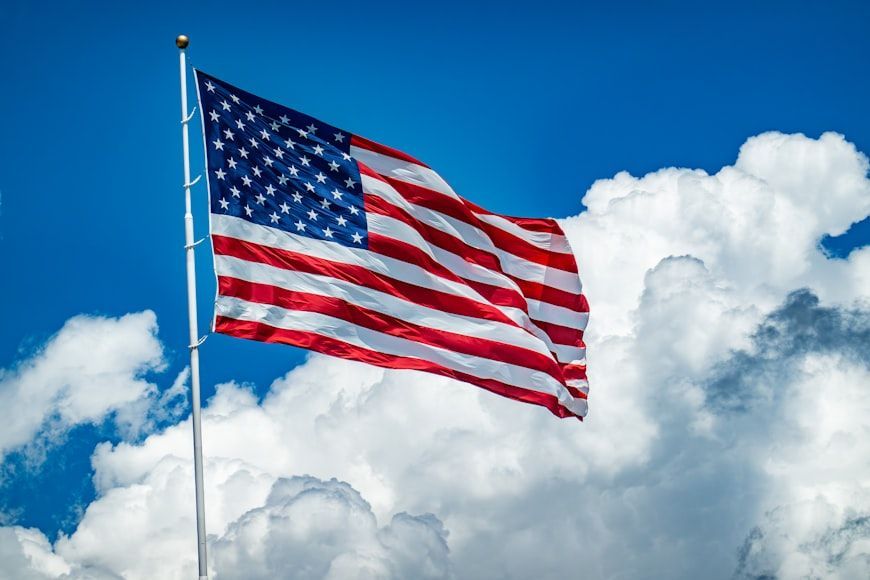
Image: chris robert

The most recent design change came in 1960. After Alaska and Hawaii joined the Union in 1959, two more stars were added, bringing the total to 50. They were arranged in nine alternating rows of six and five stars, like the official flags you see displayed across the country today.

7
Flag time
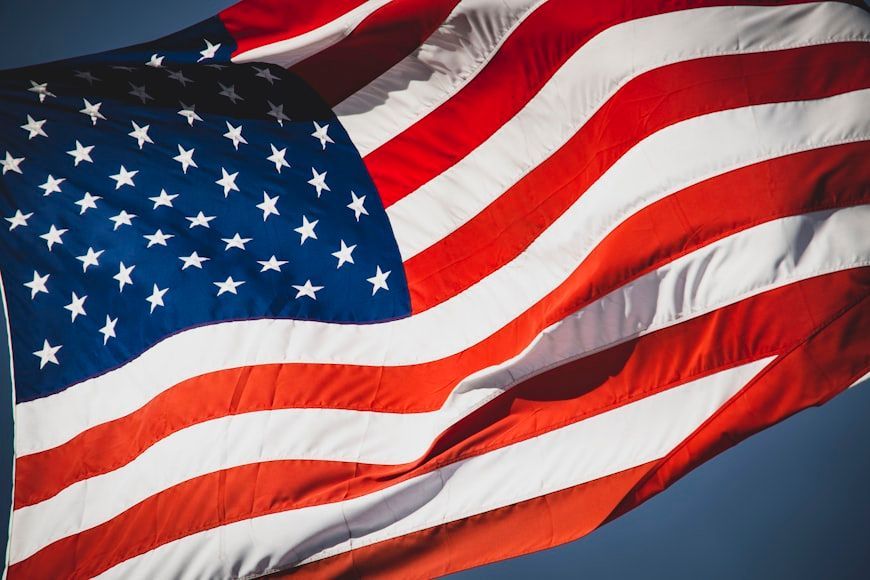
Image: Jon Sailer

Beyond its official design, the US flag follows a set of protocols established over the years. One key rule specifies the time to display it: generally, the flag should be flown from sunrise to sunset. If displayed at night, it must be properly illuminated.

8
Weather conditions
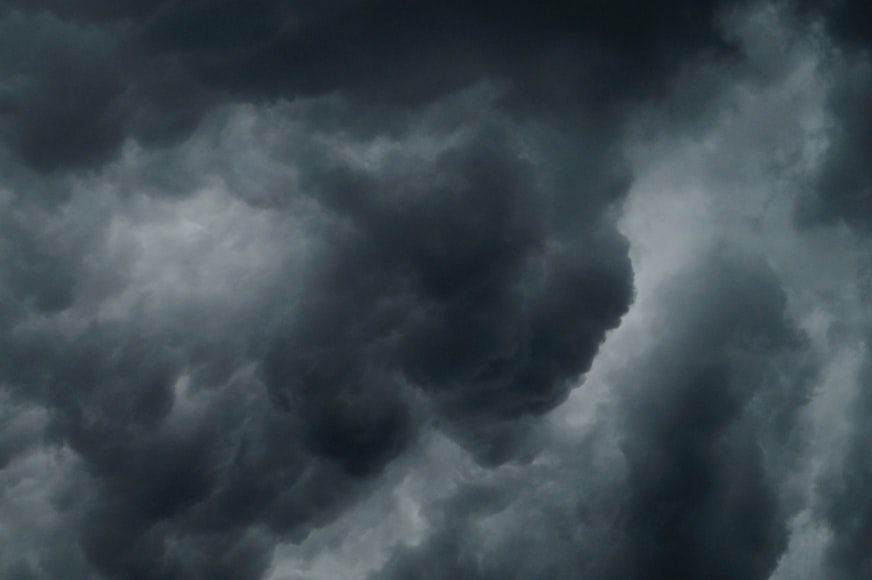
Image: Anandu Vinod

The flag code doesn’t just set the time of day; it also indicates the proper weather conditions for display. According to the protocol, the flag should not be flown in bad weather, such as rain, snow, or storms, unless it’s an all-weather flag designed for such conditions.

9
Position
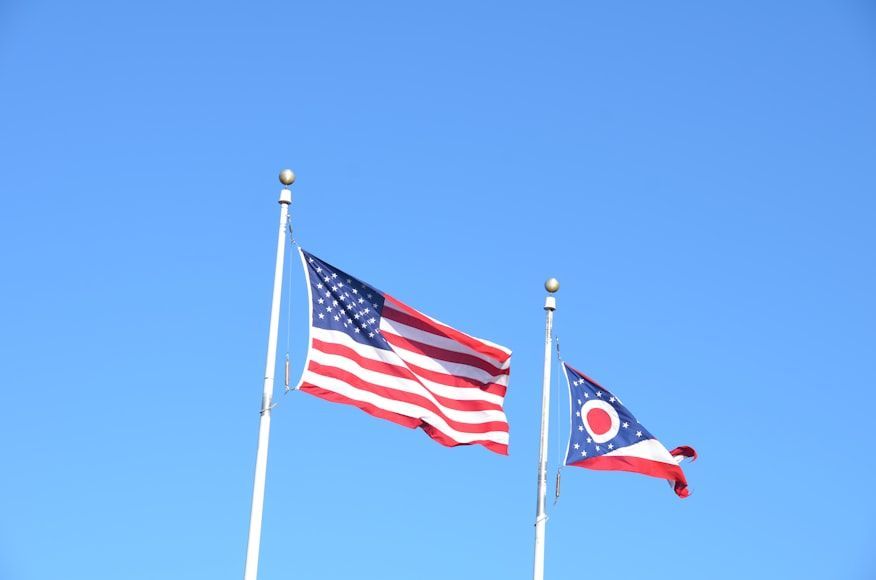
Image: Roger Starnes Sr

Of course, the flag must always have the blue canton in the upper left corner. But there are more rules for its position. When flown with other symbols, such as state flags, the national flag must be in the center and slightly higher. Additionally, if it needs to be lowered from the flagpole, the flag must never touch the ground.

10
Don'ts
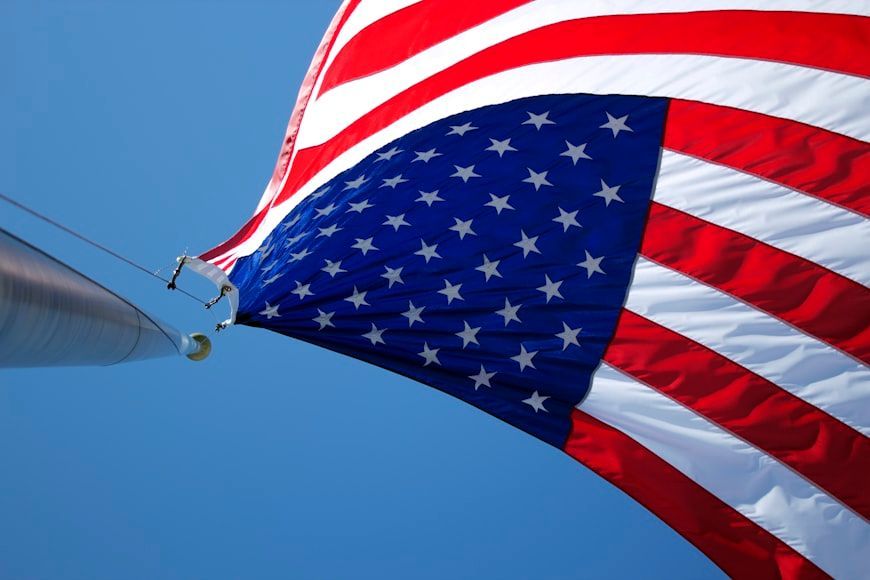
Image: Alex Martinez

If you need to handle the flag, it’s important to know the proper way. But it's also crucial to know what not to do. Some of the key "don'ts" include never letting it touch the ground, avoiding creasing it, not writing or drawing on it, and one that might surprise many: don’t use it as clothing or decoration.

Culture Culture 5 min read

Timeless Baddies

Mwahaha! Do you remember these 10 iconic American villains?

Image: Patrick Collins

What’s a good story without a bad guy ? For every knight in shiny armor, there needs to be a wickedly devious character to foil any do-gooder’s plan. Villains are a big part of what makes storytelling a compelling medium, so we decided to pay tribute to them with these 10 quintessential antagonists from American films, shows, and comic books. Get ready to practice your villainous laugh alongside these iconic characters!

1
The Joker

Image: Miggy Rivera

We’ll start with comic books’ most nefarious villain . Should an alien visit us tomorrow, it would be very hard to explain that a playing card-themed maniac is an archetypical antagonist to a bat-themed superhero. And yet, ever since appearing in Batman’s very first solo comic book, the Joker has proved again and again why he is known as "the Clown Prince of Crime".

Just like Batman, the Joker doesn’t have any superpowers besides his cunning and wicked sense of humor. Although definitively insane, he is remarkably smart, which is shown by his expertise as a chemist. He is responsible for creating his signature "Joker venom", a chemical compound capable of forcing anyone to smile.

2
The Green Goblin

Image: Uélvis Santana

The Green Goblin is to Spiderman what The Joker is to Batman. Another bad guy with a flare for theatricality (though almost all comic-book villains do), this flying menace soars through the air on his "Goblin Glider", his patented flying device.

Contrary to his superhero antagonist, this villain’s backstory is simple and selfish: wealthy industrialist Norman Osborn became this alter-ego to rule organized crime in New York City. Nowadays, Willem Dafoe’s portrayal of the Green Goblin in the 2001 "Spiderman" movie is perhaps this character’s most remembered iteration.

3
Hans Gruber

Image: Matt The Artist

There are many reasons why "Die Hard" is considered the very best action movie in history, from its groundbreaking setting to its amazing dialogue and fast-paced action. However, one of the most influential factors behind this movie’s legacy is Hans Gruber , the sophisticated and soft-spoken nemesis of John McClane.

Wonderfully portrayed by Allan Rickman, Gruber arrives at the fictional Nakatomi Plaza under false pretenses, with the sole purpose of stealing millions in bearer bonds. Rickman's superb performance almost made us feel bad when his plans got foiled by a certain adventurous NYPD detective. An action movie that made us feel bad about its bad guy! Can you imagine that?

4
Darth Vader

Image: André Volkmann

Should we add a spoiler warning for one of the most iconic reveals in the history of cinema? We won’t disclose it in the very (extremely) slim chance that you haven’t seen "The Empire Strikes Back". However, we are absolutely sure that you are familiar with science fiction's most memorable villain, even if you haven’t seen a single scene in any "Star Wars" movie.

Truly, Darth Vader needs no introduction: From his menacing mask, cold demeanor, and lightsaber skills, this Sith knight is truly a force to be reckoned with. What’s perhaps most iconic about Vader is his deep and powerful voice, provided by Hollywood legend James Earl Jones.

5
Wicked Witch of the West

Image: Ksenia Yakovleva

Granted, the 2003 musical "Wicked" made us realize that Elphaba, also known as "The Wicked Witch of the West" , was a truly nuanced character. However, by the time she received her dishonorable title in "The Wizard of Oz", Elphaba had become a dastardly green-skinned witch, hellbent on foiling the plans of Dorothy and her friends.

Margaret Hamilton’s performance in the 1939 version of "The Wizard of Oz" was so iconic that it cemented the look that most media witches would have over time: You can thank Hamilton for the pointy black hats, green make-up, and terrifying cackles you hear every Halloween.

6
Norman Bates

Image: Maxime Roedel

Just like with our Darth Vader entry, we have to ask: Is anyone not aware of the groundbreaking twist in Alfred Hitchcock’s most famous movie? We’ll once again have to tread lightly, but that doesn’t mean we can properly remember Norman Bates , the bone-chilling villain from "Psycho".

Portrayed by Anthony Perkins in the original 1960 movie and its 3 sequels, Norman Bates is the shy, mild-mannered proprietor of the "Bates Hotel", co-owned by Norman and his mother. However, anyone watching this classic thriller for the first time will quickly realize that there’s something sinister hiding in this hotel.

7
Hannibal Lecter

Image: Elchino portrait

You would expect someone nicknamed "Hannibal the Cannibal" to be a feral brute with an insatiable bloodlust, but Dr. Hannibal Lecter is, above all, well-mannered. While he definitively has the bloodlust part going, Lecter has been described as a soft-spoken, intelligent, and cultured monster since his first appearance in the 1981 horror novel "Red Dragon".

Most of us remember this character from Anthony Hopkins’ character in "Silence of the Lambs" and "Red Dragon", but did you know that there was a previous film portrayal of Hannibal Lecter? Scottish actor Brian Cox portrayed him in the 1981 film "Manhunter", although under the last name "Lecktor".

8
Xenomorphs

Image: Hossam el-Hamalawy, CC BY 2.0

When posters for the movie "Alien" first appeared in movie theaters, they had a simple yet terrifying tagline: "In space, no one can hear you scream". This 1979 horror masterpiece by Ridley Scott introduced the world to the now-iconic "Xenomorph", the perfect killing machine that haunts outer space.

Part of what makes the Xenomorph so memorable is its groundbreaking design, a huge departure from the traditional aliens depicted up to that point. It helps that they were designed by Swedish artist H.R. Giger, who in turn based them on his own 1976 surrealist painting "Necronom IV".

9
Lex Luthor

Image: Jon Tyson

Who knew that the perfect nemesis for "The Man of Steel" would be a bald billionaire? Lex Luthor is Superman’s lifelong and most-famous nemesis, always plotting to bring the world’s most powerful superhero to his knees.

In a way, the fact that Luthor has no superpowers other than his remarkable intellect is particularly fitting: While heavy-hitters like Doomsday or Metallo can physically hold their own against Superman, Luthor’s human greed and resourcefulness ultimately prove to be the biggest threat to this hero.

10
HAL 9000

Image: Axel Richter

We’ll end with the only robotic villain in this article. When audiences first met the artificial intelligence known as HAL 9000 in Stanley Kubrick’s groundbreaking "2001: A Space Odyssey", they were perplexed by how a single red light talking in a monotone yet calm voice could be so downright terrifying.

In truth, that’s part of what makes HAL such an incredible villain: He is not a sadistic, murderous monster, but rather a cold and calculating machine run by logic. HAL chooses to destroy the astronauts aboard the "Discovery One" only because he considers them a threat to the spacecraft’s plans. So, in a sense, this machine was only doing what it was programmed to do.

Geography Geography 4 min read

New identities

Rebranded: 10 US cities that changed their names and the reasons why!

Image: Jon Tyson

Can you picture cheering for the New Amsterdam Giants or the Jernigan Magic ? We can’t either! Cities like New York, Orlando, and Los Angeles are staples of American identity—we can’t imagine the country without them. But believe it or not, some of these cities had different names in the past! Join us as we explore 10 US cities that once went by different names and discover the reasons behind their transformations.

1
Los Angeles, California

Image: Venti Views

The Spanish settlers who arrived in the area in the 18th century originally named it El Pueblo de Nuestra Señora la Reina de los Ángeles , which translates to "The Town of Our Lady the Queen of the Angels." Elegant, but kind of a mouthful for a town name! Over time, the Spanish name stuck, but it was shortened to the more practical "Los Angeles." The city officially adopted this name when it was incorporated in 1850, the same year California became a state.

2
New York City, New York

Image: Colton Duke

Before becoming the one and only New York we know today, the city went by a different name. In the 17th century, the Dutch settlers who arrived in the area called it New Amsterdam . However, when the English seized control in 1664, they renamed it New York in honor of the Duke of York.

3
Seattle, Washington

Image: Michael Discenza

Seattle is more than its iconic Space Needle; it has a long history that shaped the city we know today. When European settlers arrived in the area in 1851, they named their settlement New York and added the Chinook word Alki , meaning "by and by," "someday," or "later," suggesting it would one day become as big as New York City. However, in 1852, they changed the settlement’s name to Seattle in honor of Chief Sealth, a Duwamish and Suquamish leader.

4
Portland, Oregon

Image: Zack Spear

Early settlers referred to the area as The Clearing because it stood out from the dense forests typical of the Pacific Northwest. But in 1845, an event occurred that would change everything. Portland’s two founders, Asa Lovejoy from Boston, Massachusetts, and Francis W. Pettygrove from Portland , Maine, each wanted to name the new settlement after their hometown. So how did they decide? Simple: they flipped a coin . Of course, you know who won!

5
Kansas City, Missouri

Image: Farhodjon Chinberdiev

Kansas City was originally founded as the Town of Kansas in 1850, named for its location near the Kansas River. As it quickly grew, it was reincorporated just three years later as the City of Kansas . Finally, in 1889, it officially became Kansas City.

Fun fact: Kansas City, Missouri, was actually founded before the state of Kansas!

6
Charleston, South Carolina

Image: Tyrone Sanders

Before it became the city we know today, Charleston had another name, though not so different. When it was first settled in 1670, the English named it Charles Town in honor of King Charles II. However, over time, the name gradually evolved in pronunciation to Charleston. In 1783, after the Revolutionary War, the city was officially renamed Charleston.

7
San Diego, California

Image: Sean Mullowney

San Diego was the first site on the US West Coast settled by Europeans, which is why it's often called "the Birthplace of California." When Spanish explorers arrived in the area in 1542, they named the bay after a different saint: San Miguel . But years later, in 1602, explorer Sebastián Vizcaíno renamed it San Diego, in honor of San Diego de Alcalá (Saint Didacus of Alcalá).

8
Orlando, Florida

Image: Aditya Vyas

In 1840, the first settlers arrived in what we know today as Orlando. They were the Jernigan family, who named the place after themselves. A post office with that name was even established in 1850. However, about 6 years later, Jernigan officially changed to Orlando. Although the exact reason isn't entirely clear, there are several theories. A popular one claims it was named after Orlando Reeves, a soldier who may have died in the area during the Seminole Wars. Another well-known theory suggests the name came from Orlando , a character in Shakespeare’s As You Like It .

9
Cincinnati, Ohio

Image: Matt Koffel

In the 1780s, the first settlement in this area was called Losantiville , a name created from a mix of words meaning "The town opposite the mouth of the Licking River." But in 1790, the first governor of the Northwest Territory, who was also a member of the Society of the Cincinnati (named in honor of the Roman general Lucius Quinctius Cincinnatus), disliked Losantiville and decided to change it to its present name.

10
Atlanta, Georgia

Image: Christopher Alvarenga

Atlanta didn't just have one or two names; it had three! By the mid-19th century, the area where the city stands today had become a transportation hub where several railroad lines converged. Because of this, in 1837, the area was called Terminus , meaning "the end of the line." Then, in 1843, the name was changed to Marthasville , in honor of Martha, the daughter of Georgia Governor Wilson Lumpkin. Finally, just two years later, the city was renamed Atlanta. This name is believed to be a shortened form of "Atlantic," referring to the Western and Atlantic Railroad.

Explore more American facts

Choose your favorite category!

General
General

As American as apple pie—the very best America has to offer!

Culture
Culture

Delve into the astounding richness of American lore.

Geography
Geography

Hop in and explore vast and diverse American landscapes.

History
History

Discover the key moments that shaped the United States.