Timeless classics
Once iconic, now gone: 10 beloved brands that disappeared
Image: RegionalQueenslander, CC BY-SA 4.0, via Wikimedia Commons
The world is full of brands, logos, and slogans. But some names from the past hold a special place in our memories. They shaped our childhoods and teenage years, and even though they’ve vanished, we’ll never forget them. From the once successful Sears to childhood favorites like Blockbuster and Burger Chef, today we’re taking a look back at 10 beloved American brands that are gone.
1
Blockbuster
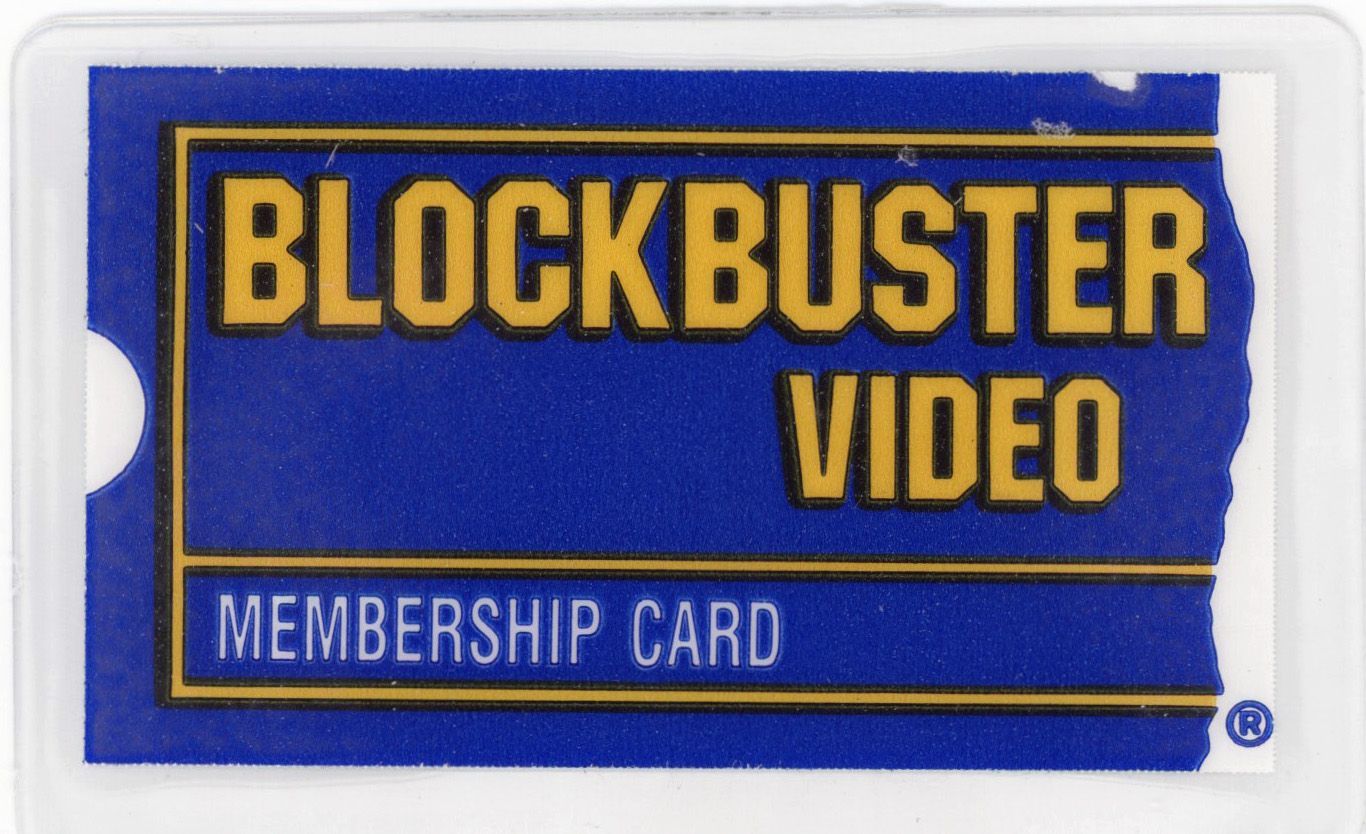
Image: Blockbuster LLC, Public domain, via Wikimedia Commons
During the ’80s and ’90s, Friday nights had an almost mandatory stop: Blockbuster. Founded in Dallas, Texas, the blue-and-yellow giant brought Hollywood into Americans’ living rooms with its VHS. At its peak, it had nearly 10,000 stores worldwide.
But something happened in 1997: Netflix. First a DVD-by-mail competitor, Netflix became a streaming service in 2007, and that was one of the main events that helped bring Blockbuster down. By 2010, the iconic brand had filed for bankruptcy. There is only one remaining store located in Bend, Oregon.
2
Sears
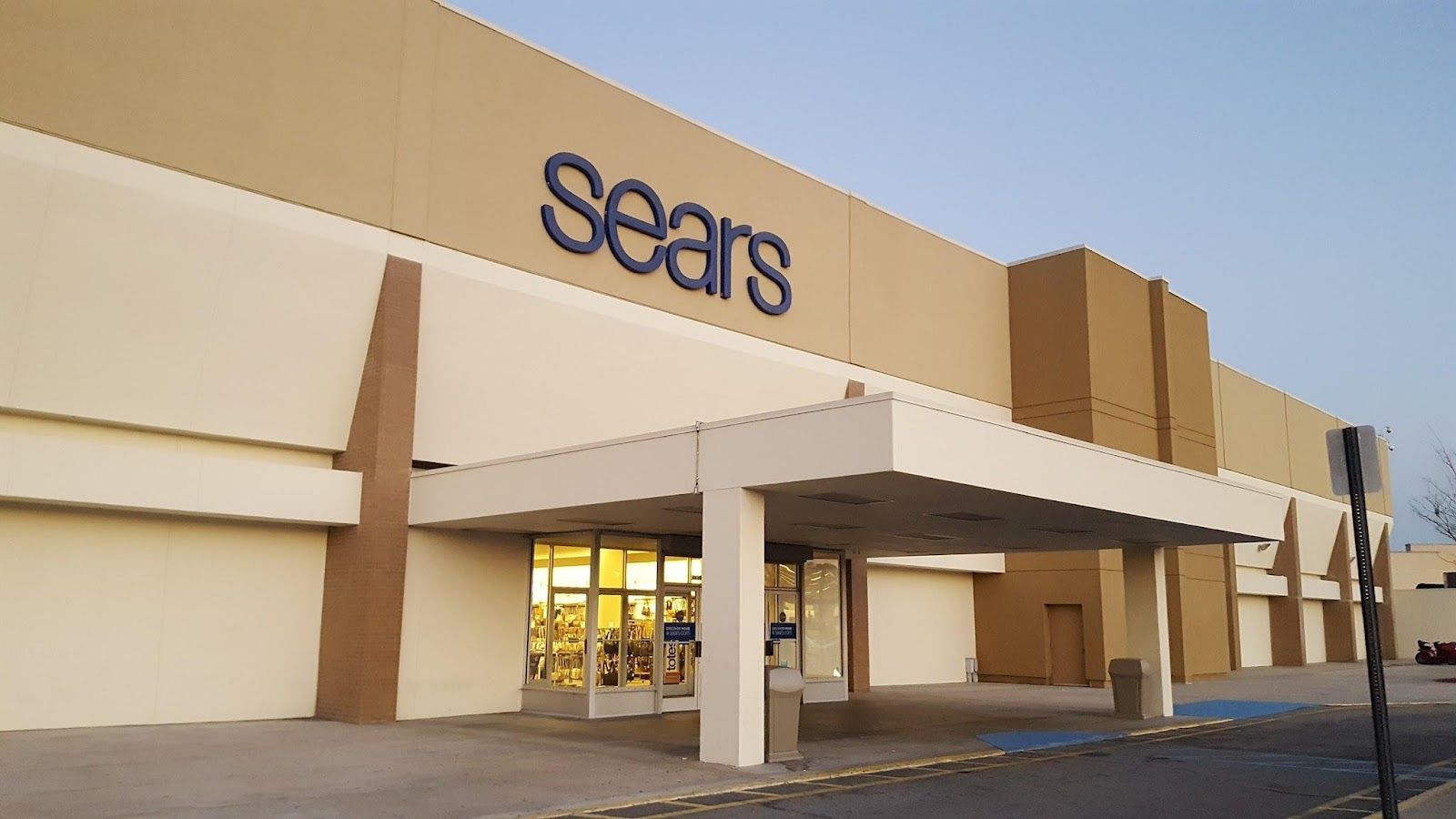
Image: Mike Kalasnik from Jersey City, USA, CC BY-SA 2.0 <https://creativecommons.org/licenses/by-sa/2.0>, via Wikimedia Commons
We’ve all spent an afternoon at Sears. From clothes and accessories to home goods and tools, Sears simply had it all. Founded in 1892 as a mail-order company, it grew throughout the 20th century into a retail powerhouse with hundreds of stores, becoming the shopping stop for many American families.
But as shopping habits changed and competition from giants like Walmart intensified, Sears failed to reinvent itself. After years of decline, the company filed for bankruptcy in 2018. Today, only a handful of stores remain.
3
Pontiac
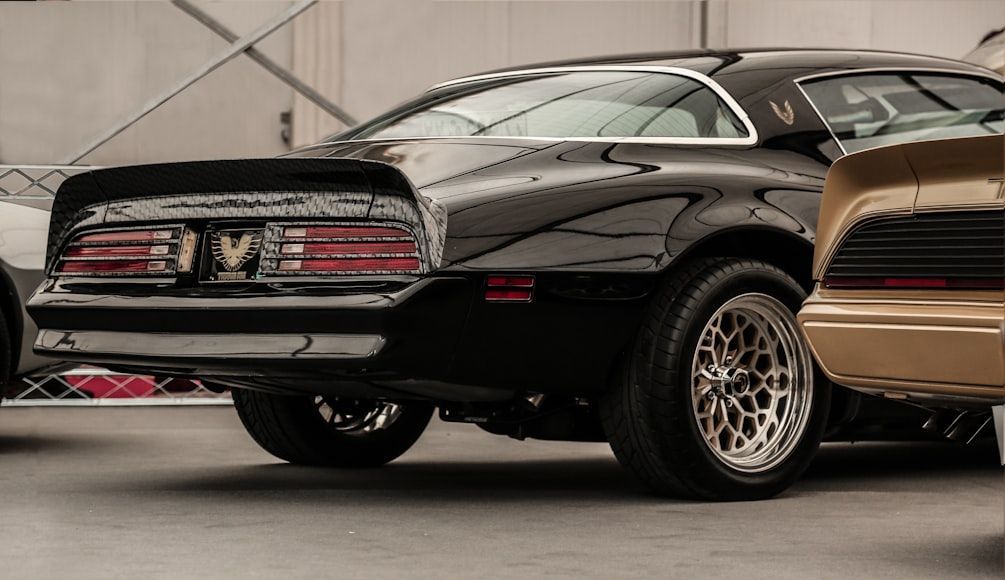
Image: Ali Moharami
If we say GTO, Firebird, or Trans Am, you know exactly what we’re talking about, right? Of course you do! Pontiac was once one of America’s most iconic car brands, reaching its peak of fame between the 1950s and 1970s.
But after a financial crisis, General Motors decided to discontinue Pontiac in 2010 as it struggled to keep pace with other divisions like Chevrolet and Cadillac.
4
Oldsmobile
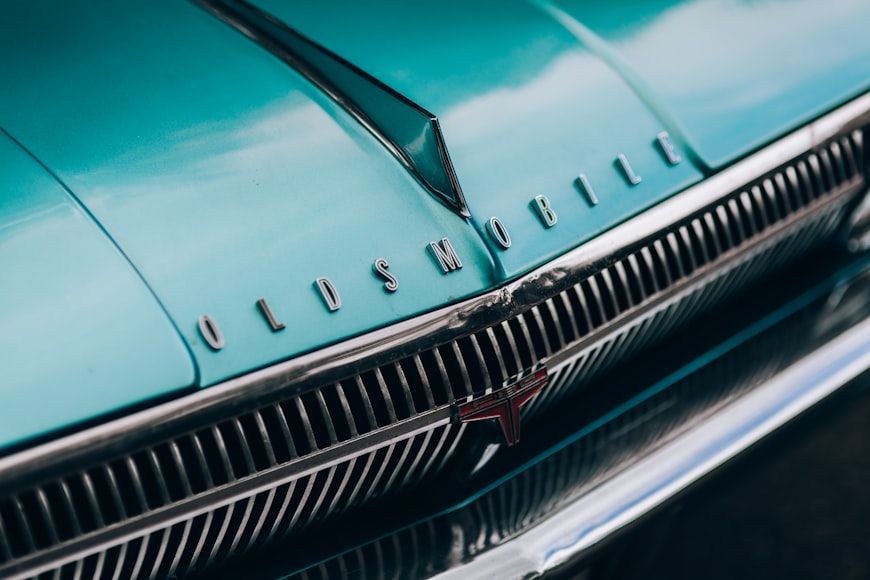
Image: Hombre
Pontiac wasn’t the only big name General Motors said goodbye to. Many of us still remember Oldsmobile, founded in 1897 and once a symbol of American innovation. But as sales began to decline through the 1990s and early 2000s, the brand slowly faded and was discontinued in 2004.
5
Woolworth’s
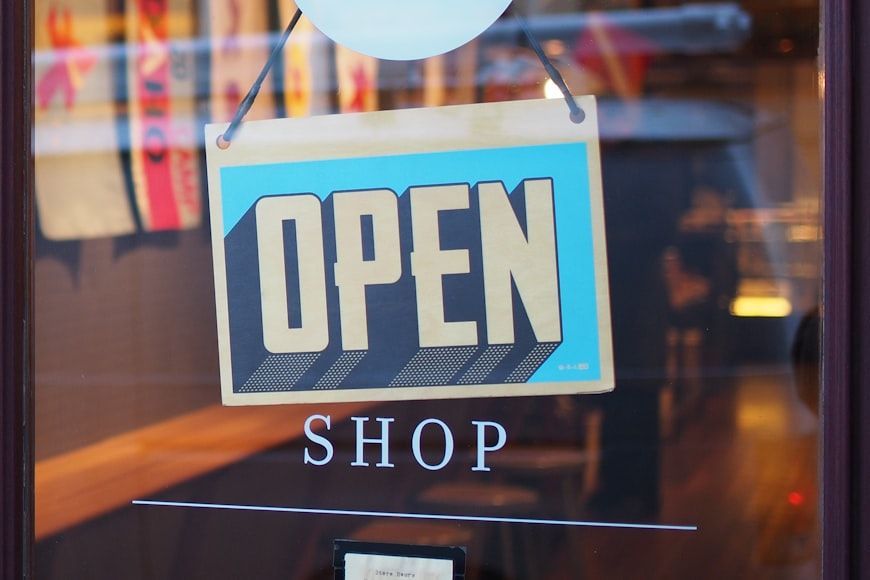
Image: Mike Petrucci
Do you remember Woolworth’s? Founded in New York in 1879, it introduced a revolutionary idea for its time: everyday items at low, fixed prices.
As a pioneer of the five-and-dime store, it grew into one of the largest retail chains in the world. But, much like what happened with Sears, fierce competition had a huge impact, and the brand eventually closed its last American stores in 1997.
6
Compaq
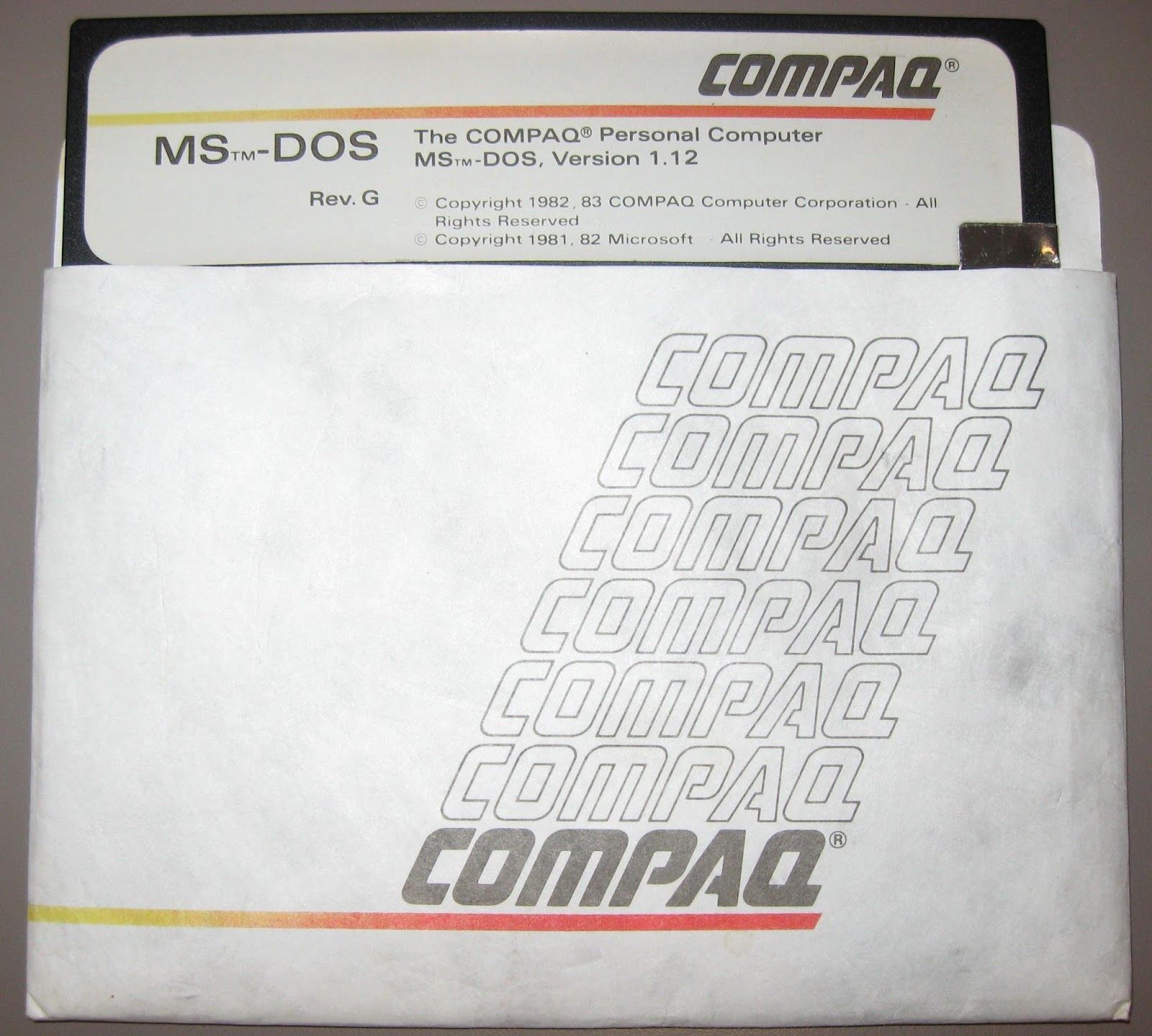
Image: Brian R. Lueck, Public domain, via Wikimedia Commons
Many of us had a Compaq at some point. Founded in 1982 in Houston, Texas, this personal computer brand quickly became one of the biggest names in the tech world. However, as new competitors filled the market in the 1990s, sales began to decline. Over time, the brand faded away, and by the early 2010s, Compaq was gone.
7
Pan Am
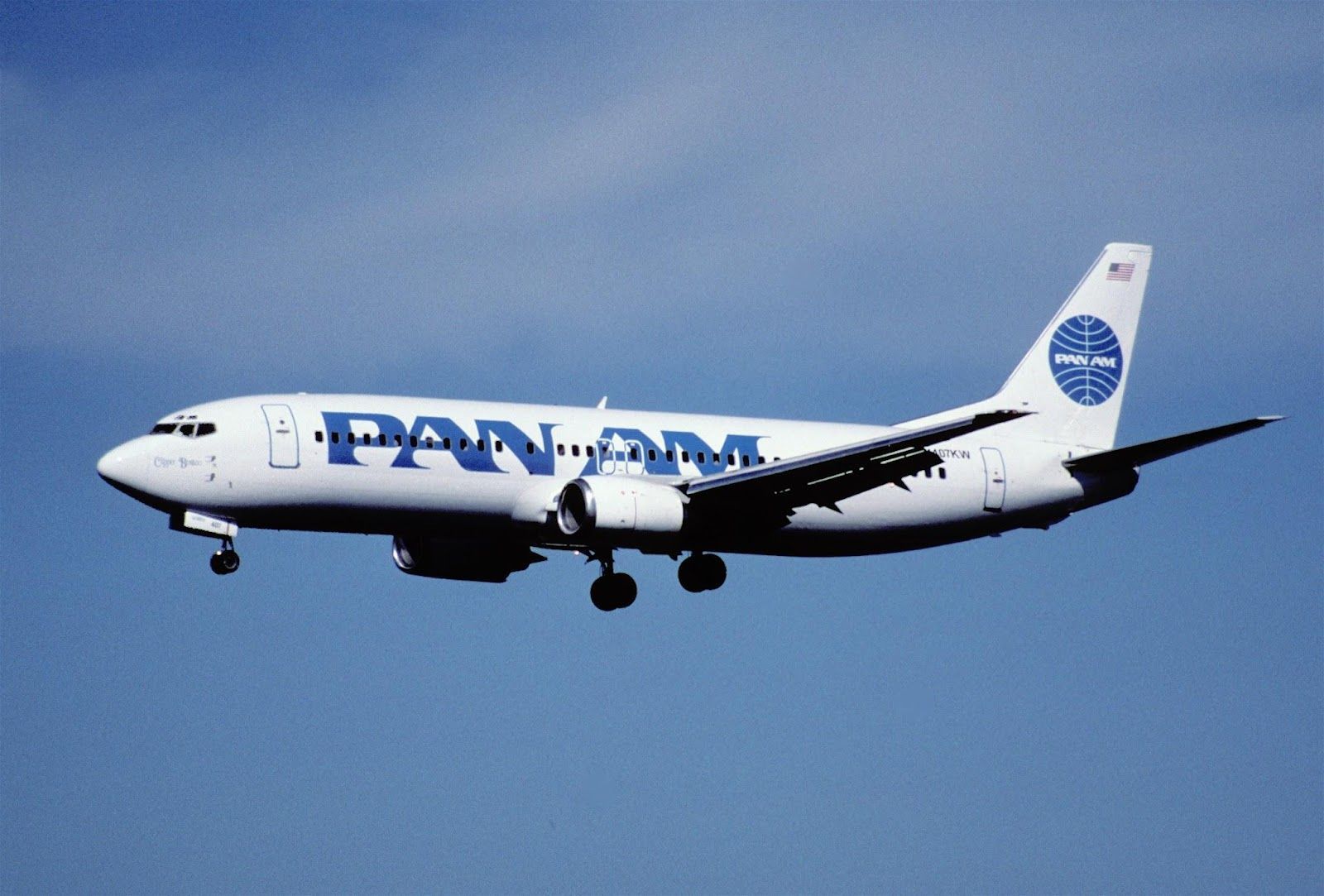
Image: Aero Icarus from Zürich, Switzerland, CC BY-SA 2.0 <https://creativecommons.org/licenses/by-sa/2.0>, via Wikimedia Commons
Whether you loved flying or not, everyone knew Pan Am. Founded in 1927 as a small mail carrier, it grew into one of America’s most famous airlines, serving millions of passengers around the world.
Until the 1970s, it was practically synonymous with air travel. But the 80s arrived with a mix of rising fuel costs, competition, and financial troubles that led to its bankruptcy in 1991. Did you ever fly with them?
8
TaB
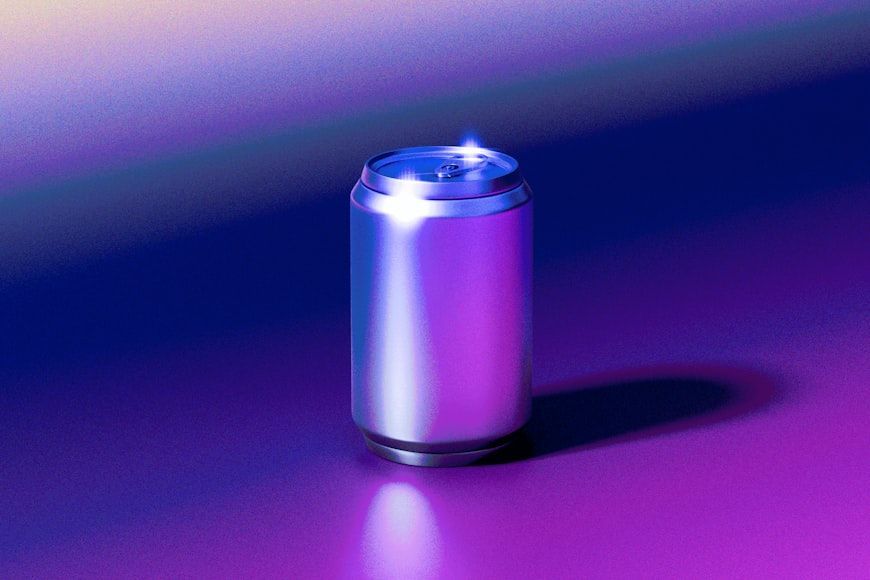
Image: luthfi alfarizi
In the 1960s, the concept of "diet soda" gained popularity, and that’s when Coca-Cola introduced TaB, which claimed to be "sugar-free!" on its famous pink can. But when Diet Coke arrived, TaB’s sales collapsed, and the competition was over. Still, during the ’70s and ’80s, TaB had its big moment in the spotlight: You either loved it or hated it, no in-between. Which side were you on?
9
Borders
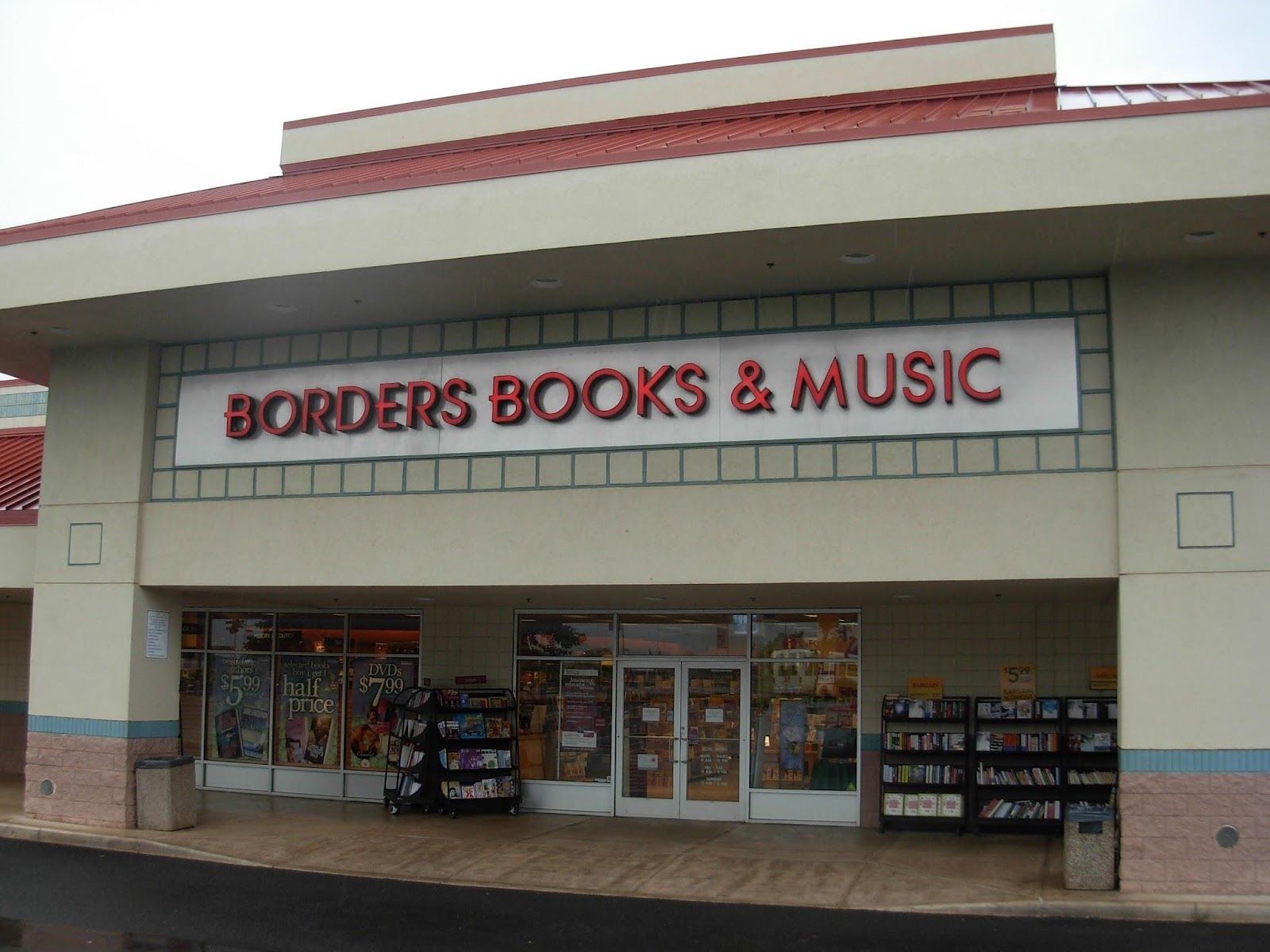
Image: brewbooks from near Seattle, USA, CC BY-SA 2.0 <https://creativecommons.org/licenses/by-sa/2.0>, via Wikimedia Commons
In recent decades, digital technology has become a major part of our lives. And while it has brought many benefits, it has also hurt certain industries. Borders was one of them.
The rise of online retailers, the emergence of e-readers like Amazon’s Kindle, and the growing popularity of digital books caused the bookstore chain to lose ground. Unable to keep up with the competition, sales declined so badly that the company declared bankruptcy in 2011.
10
Burger Chef
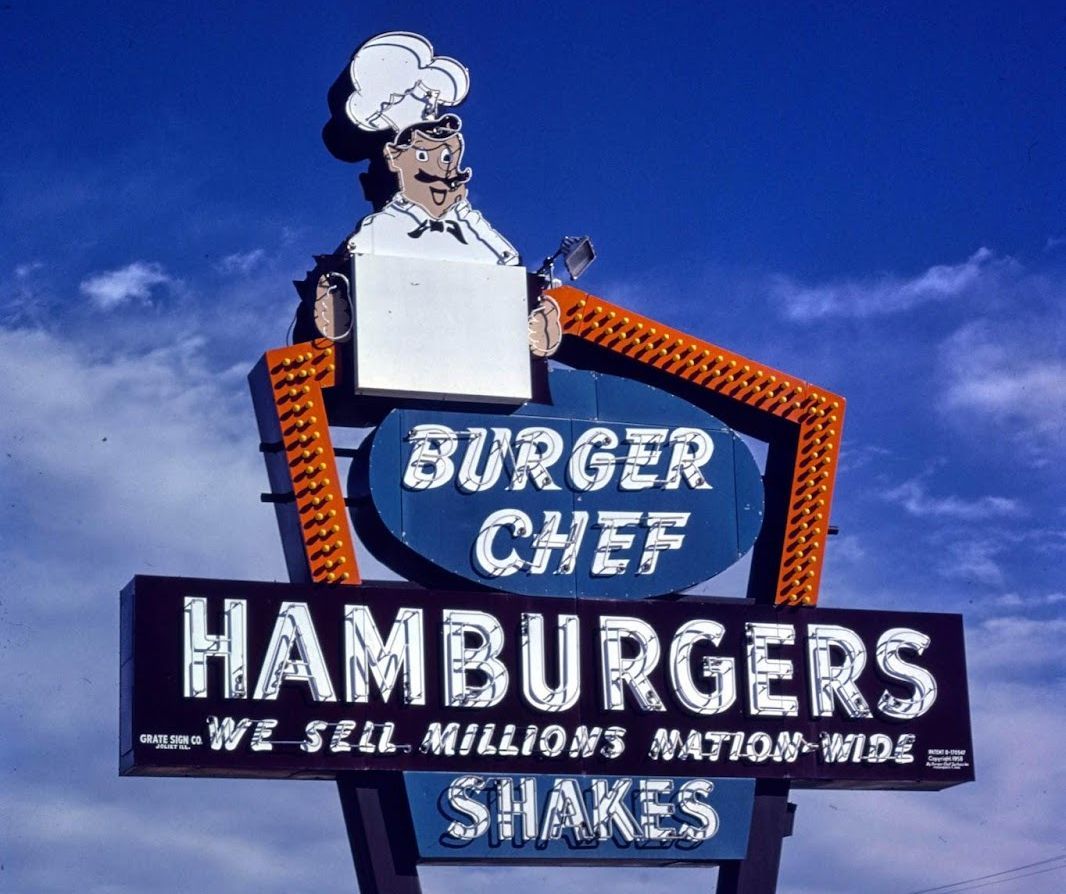
Image: John Margolies, Public domain, via Wikimedia Commons
Some may say that McDonald’s has no competition. But it did: Burger Chef. Founded in 1954 in Indianapolis, it was one of the first fast-food restaurants and quickly gained a huge customer base.
By the 1970s, it had become one of the Golden Arches’ biggest competitors, reaching more than 1,200 locations nationwide. It was even the first to introduce the "kids’ meal." However, everything changed in the 1980s, when the company was bought out, and many of its restaurants were converted to other brands. Its last remaining store closed in 1996.