Geography Geography 5 min read

Southern charm

Howdy y’all! 10 fascinating facts about the American South

Image: Blake Emge

It would be impossible to capture the essence of American culture without considering its Southern states. With a rich history and breathtaking landscapes, the South is a cornerstone of America’s identity , no matter where you call home. And, as the birthplace of some of the most influential trends in American music, as well as the setting for many historical milestones, few regions have contributed this much to our nation’s heritage. Join us on a fun road trip as we explore 10 intriguing facts about the American South —from blues music to rocket science!

1
Musical roots
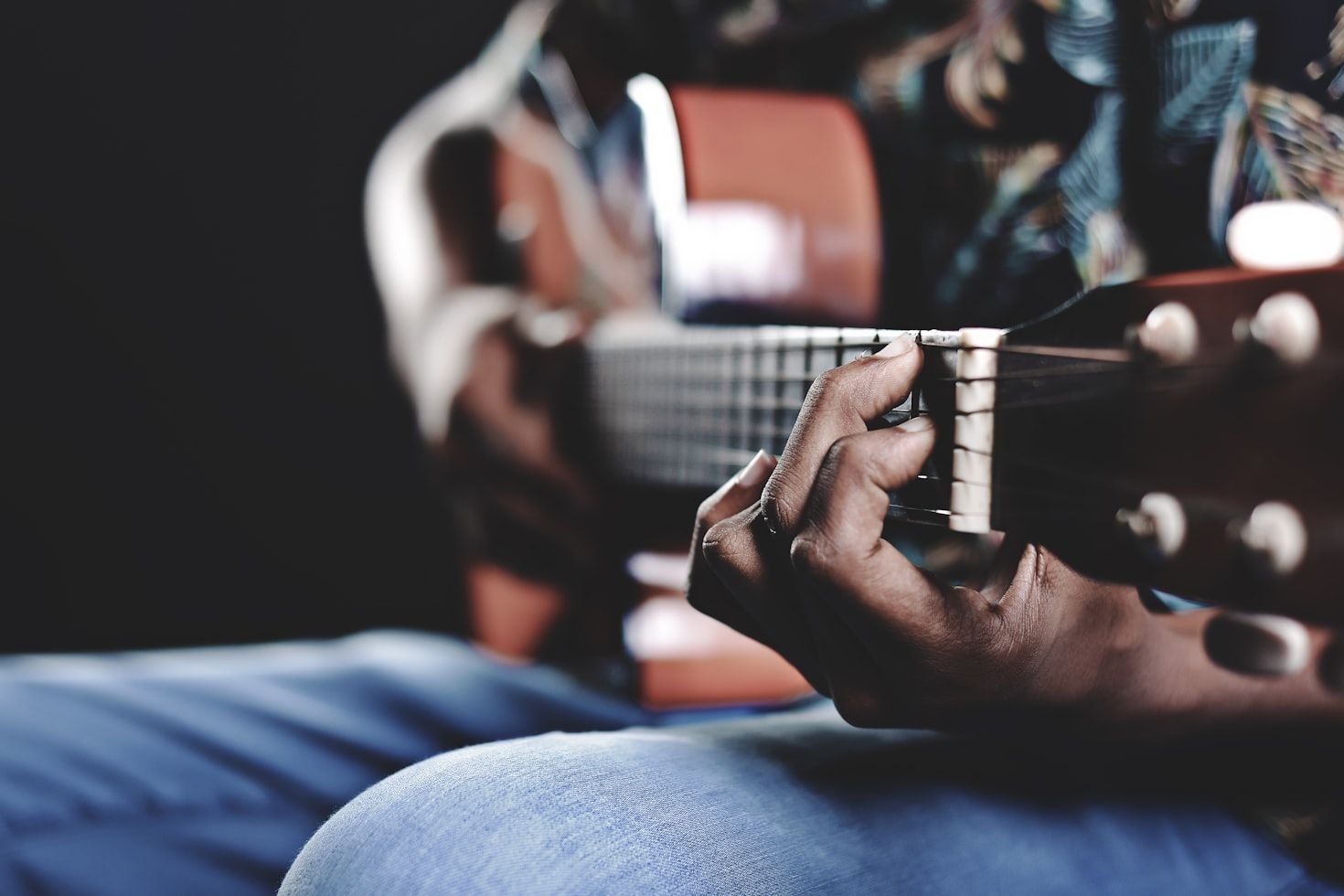
Image: Ahmed Rizkhaan

The American South is the birthplace of some of the most influential music genres in history, including blues and jazz. The blues, which originated in the Mississippi Delta in the late 19th century, captured the deep emotional and social experiences of African Americans in the post-Reconstruction South.

As the blues spread throughout the country, its rhythms and melodies laid the groundwork for jazz, which emerged in the vibrant streets of New Orleans in the early 20th century. These new sounds created a new musical language that favored improvisation and complex rhythms. By the 1920s, jazz had become a defining feature of American culture, solidifying the South's role as a cradle of American music.

2
The Lone Star state

Image: Perry Merrity II

Before joining the United States, Texas was an independent nation known as the Republic of Texas. After winning its independence from Mexico in 1836, Texas existed as a sovereign state for nearly a decade, with its own president, currency, and military.

The Lone Star flag, first adopted during this period, symbolized Texas's independent spirit and remains a proud emblem of the state today. Although the Republic of Texas was short-lived, with Texas officially becoming the 28th state of the Union in 1845, its legacy endures in the fierce yet friendly spirit of its inhabitants.

3
First successful powered flight

Image: History in HD

Although the Wright brothers were native Ohioans, the first successful powered flight took place in North Carolina on December 17, 1903. The historic flight occurred in the sand dunes of Kitty Hawk, where the Wright brothers chose to test their aircraft due to the area's steady winds and soft landing surfaces.

The achievement marked a pivotal moment in aviation history, proving that controlled, powered flight was possible. The site of this groundbreaking event is now commemorated by the Wright Brothers National Memorial.

4
Southern hospitality

Image: Aleks Marinkovic

Southern hospitality is more than just a stereotype—it's a deeply rooted tradition that has shaped the culture of the American South for centuries. This ethos of politeness, generosity, and warmth towards guests can be traced back to the region’s agrarian past, where communities were often isolated and people relied on one another for support.

This tradition was further reinforced over time by particular social customs, such as the importance of entertaining visitors with elaborate meals and ensuring that guests feel like part of the family. Southern hospitality is so integral to the region's identity that it’s become a hallmark of the South.

5
Mississippi River

Image: Mathew Benoit

Spanning over 2,300 miles, the Mississippi River is the second-longest river in the United States and plays a critical role in the nation’s geography and economy. Flowing from its source in Minnesota to the Gulf of Mexico, it traverses ten states, including several Southern states like Louisiana, Mississippi, and Arkansas.

A vital artery for transportation and commerce since the early days of American history, the Mississippi also played a crucial role during the Civil War, with control of the river being a strategic priority for both Union and Confederate forces. To this day, the river continues to be a key waterway, supporting local industries and remaining a central part of the cultural and ecological identity of the region.

6
Oldest city in America

Image: Michael J. Vega

St. Augustine, Florida, holds the title of the oldest continuously occupied city of European origin in the United States. Founded in 1565 by Spanish explorer Pedro Menéndez de Avilés, St. Augustine predates the founding of Jamestown and Plymouth by several decades.

As a strategic outpost for the Spanish Empire, the city played a crucial role in defending Spain’s claims to the New World, particularly against British and French incursions. The Castillo de San Marcos, a massive stone fortress completed in 1695, still stands as a testament to the region's rich history.

7
Southern delights

Image: Alex Haney

Southern cuisine, known for dishes like fried chicken, barbecue, and biscuits, is considered a cornerstone of American food culture. In fact, the popularity of Southern food has spread nationwide, with restaurants and festivals celebrating these flavors from coast to coast.

A true melting pot of cultures, the region’s beloved cuisine has a rich history with roots that can be traced back to Native American, African, and European influences. The ingredients reflect the region’s agricultural history, with many recipes using corn or corn-derived products. Southern cuisine also includes iconic dishes like jambalaya and gumbo from Louisiana, which highlight the region’s French and Creole influences.

8
Space pioneers

Image: Brian McGowan

NASA’s southern centers have been pivotal in shaping the U.S. space program. The Marshall Space Flight Center in Huntsville, Alabama, was crucial in developing the Saturn V rocket that made the moon landing possible. The Johnson Space Center in Houston, Texas, is the hub for astronaut training and mission control, and the Kennedy Space Center in Florida has been the launch site for every manned mission since 1968.

To this day, the South’s importance in space and scientific endeavors remains uncontested: NASA centers in the region lead astronaut training and are essential for rocket launches, maintaining their status as pioneers of space exploration.

9
Bourbon & Moonshine

Image: Jeff Frank

Bourbon, often considered America's native spirit, has deep roots in the South, particularly in Kentucky, where it is produced under stringent guidelines. To be classified as bourbon, the whiskey must be made from a mash bill of at least 51% corn and aged in new charred oak barrels. This specific process, along with Kentucky’s unique limestone water, gives bourbon its distinctive flavor and character.

But the tradition extends way beyond just bourbon. The craft of homebrewing various types of alcoholic beverages has long been a vital part of the region’s cultural heritage. For example, during Prohibition, the South became notorious for its moonshine —illegally brewed, high-proof spirits (essentially clear, unaged whiskey)—which were smuggled across the country.

10
Southern Drawl

Image: Joe Lavigne

The Southern accent, often referred to as the "Southern drawl," is one of the most recognizable in the United States. This unique dialect evolved from a mix of British, Irish, and African influences during the early settlement of the region.

The drawl's elongated vowels and slow cadence might even reflect the South's agricultural origins, where life moved at a more leisurely pace. The accent has evolved over centuries and is now recognized as a defining feature of Southern identity, often evoking a sense of charm and regional pride.

History History 6 min read

Paranormal activity

Have you heard of the eerie ghost town of Dudleytown?

Image: Mathew MacQuarrie

We all grew up hearing scary stories, legends, and myths. America is home to many spooky tales that could give even our bravest readers goosebumps. From evil spirits wandering the woods at night to mysterious sea monsters that lurk along the coasts, many of these stories remain unexplained to this day. If you consider yourself one of the bold, we invite you to read 10 of the most terrifying stories and legends from our land. Are you in?

1
Captain Tony's Saloon

Image: Nicolas Hoizey

Key West, Florida, is home to one of America's best-known bars: Captain Tony's Saloon. This mythical bar is not only famous for its drinks; it has a quirk that sets it apart from others. It's said to be haunted.

The building housing the bar today was built in the 19th century as a morgue. In 1865, a hurricane hit the area, taking everything in its path, including what was inside the morgue, if you know what we mean. Legend has it that the spirits, fueled by anger, remained to haunt the place for eternity. Decades later, a chilling discovery was made. During renovations, workers unearthed something macabre beneath the structure: bones.

For centuries and continuing to this day, different types of paranormal activity have been reported on the site, including cold spots, whispers, and even sightings of apparitions.

2
The Mothman

Image: David Clode

No one can deny that the 1960s was a tumultuous decade. But, in addition to the social and political issues that dominated the country and the world, West Virginia also witnessed a paranormal story.

In the mid-60s, a group of people claimed to have spotted a humanoid creature with large wings and red eyes silently watching them from a distance in remote areas of Point Pleasant. This story gave rise to the Mothman myth.

After the initial reports, more sightings followed, each more disturbing than the last. But what really makes your skin crawl is the detail most of these accounts share: the Mothman's creepy stare.

3
The Bell Witch

Image: Freestocks

If we discuss celebrity ghosts, we can't forget the Bell Witch, one of America's most famous specters.

The myth, which dates back to the early 19th century, tells the story of the Bell family, who lived on a farm in Tennessee. Legend has it that they began hearing strange noises in their home, and the spooky phenomena quickly increased. Objects moved on their own, and voices seemed to speak directly to the family. The spirit, later known as the Bell Witch, is said to have haunted the Bells for years, and even after the family members' passing, similar episodes continued to be reported at the site.

4
Dudleytown

Image: Adisa F

There is a valley in northwestern Connecticut that hides several spooky stories. Known as the Dark Entrance Forest, this area of "The Constitution State" is much more than just a scary name.

Located there lies an abandoned settlement: the mythical Dudleytown. The area was already inhabited by some people back in the early 1700s. Sadly, as the land wasn't fertile, the population declined. But it seems that was not the only reason.

It's said that the settlement was cursed: crop failures, diseases, and different types of paranormal events took place here. According to legend, the first inhabitants were descendants of an English nobleman accused of treason who fled to America and brought the curse with them.

5
Huggin' Molly

Image: Steinar Engeland

According to the people of Abbeville, Alabama, a famous specter haunts the streets, terrifying both children and adults —though she seems to have a particular preference.

We're talking about Huggin' Molly, a ghostly figure of a woman around 7 feet tall, dressed in a long black gown. She is known for letting out bloodcurdling screams in the night while she haunts children. The myth goes that if the ghost catches a child, she hugs them so tightly that it feels like suffocation.

The legend has persisted for centuries, and many claim to have seen or heard the figure of Huggin' Molly up close.

6
The Headless Horseman

Image: Dawid Tkocz

Washington Irving's 1820 short story, "The Legend of Sleepy Hollow," gave popularity to this ghostly figure. The Headless Horseman is depicted as a specter who rides through the night in search of his lost head. According to Irving's story, he was a soldier who died tragically, and his spirit wanders at night unable to find peace.

Over the years, many people have claimed to have seen the Headless Horseman or heard the sound of his horse's hooves in the Sleepy Hollow area.

7
Qalupalik

Image: Nsey Benajah

Huggin' Molly is not the only scary figure that terrifies children. In Arctic shorelines, more precisely off the coasts of Alaska and northern Canada, a creature that doesn't seem to be from this world is said to be roaming shallow waters.

We're talking about the Qalupalik, marine cryptids that resemble mermaids, those half-fish, half-human creatures from ancient mythologies.

According to lore, Qalupalik have long hair, fishtails, fins on their head, back, and arms, and webbed hands and feet. Legend has it that they emit a humming sound to warn those who stray too close to the water, as they search for human prey with a favorite target: children.

8
Sasquatch

Image: Francois Brill

The Pacific Northwest is the main stage for the legendary Sasquatch, also known as Bigfoot. This iconic ape-like figure, said to inhabit forests and mountainous areas, is characterized by its enormous size, giving rise to its name.

The myth has its roots in Native American folklore. Different native cultures tell similar stories about a large, monstrous, hairy, big-footed creature that appears in the wild at night and emits terrifying sounds. As if all this weren't enough, a detail makes it even scarier: it stands and walks on two legs.

In the 20th century, the myth gained strength after reports of huge, unexplained footprints in the Pacific Northwest.

9
The Jersey Devil

Image: Igam Ogam

If you've been to New Jersey (and even if you haven't), you've probably heard of the creepy Jersey Devil.

This infamous tale originated during the 18th century in the mysterious Pine Barrens. According to myth, a woman cursed her 13th child, who then transformed into a devilish creature with bat wings, hooves, and a goat's head.

Over the centuries, there have been multiple reports of strange winged creatures and chilling shrieks through the Pine Barrens. But it all escalated dramatically in the early 20th century when a wave of consecutive sightings triggered what was dubbed "The Jersey Devil Panic."

10
The Flatwoods Monster

Image: James Kovin

According to the story, in the 1950s, a strange rumbling sound was followed by a bright light in the sky, which reportedly came from an object that eventually landed near Flatwoods, West Virginia. When a group of people approached the scene, they were shocked by what they found. It was a tall, monstrous figure with an elongated head, glowing eyes, and a body that seemed to be encased in metal.

Investigators suggest that the light in the sky could have been a meteor, and the glowing eyes described by witnesses were likely those of a common owl. However, many people claimed to have seen this strange creature of totally unknown origin.

History History 4 min read

What’s in a name?

Would you have used "BackRub" daily? The original names of popular brands

Image: Iulia Buta

Which name do you like better for the world’s biggest search engine: Google or BackRub? Believe it or not, a lot of people were supporting the latter at some point. It’s hard to imagine a world where "BackRubbing" information is a daily habit! Here, we go over the original names of very famous brands and explore why they didn't stick. Do you wish any of them had been used?

1
BackRub

Image: Deepanker Verma

Before it became the verb we all use today, Google was known as BackRub. The name referred to the search engine’s ability to analyze backlinks (links from one webpage to another) as a way to rank search results.

But it sounded more like a massage parlor than a tech startup. In 1997, they wisely rebranded to Google, a twist on "googol," the term for the number 1 followed by 100 zeros.

2
Brad’s Drink

Image: NIKHIL

It was going to carry around the nickname of its creator forever. Caleb Bradham was a pharmacist in New Bern, North Carolina. He invented a drink back in 1893 as a refreshing, energizing tonic for digestion, which included pepsin , a digestive enzyme.

A few years later, Brad decided on a more marketable name than his own : Pepsi-Cola.

3
Taco-Tia

Image: Jeswin Thomas

Glen Bell owned Bell’s Drive-In, a stand selling hot dogs, when he noticed long lines outside a Mexican restaurant. He decided he needed to learn how to make tacos.

Over a few years, he refined his concept and opened a new chain selling Mexican food, which received several names over time, including Taco-Tia. Eventually, he landed on Taco Bell. It was conveniently Americanized , easy for mainstream customers to remember and pronounce, and suggested a memorable logo.

4
Sound of Music

Image: Josip Ivankovic

At first, this mega-electronics retailer was all about stereos. Founded in the 60s, Sound of Music specialized in home audio equipment. But after a tornado wrecked their main store in the 80s, they ran a massive clearance sale and told people they would get their "best buy" there.

By the end of the day, they had pretty much sold out. The sale was such a hit that, in 1983, they decided to rebrand entirely as "Best Buy".

5
Tote’m Stores

Image: Piccinng

Once upon a time, you didn’t pop into a 7-Eleven—you got your goods home from Tote’m Stores. The chain got its original name because customers "toted" their purchases.

In 1946, to highlight their revolutionary new hours (7 a.m. to 11 p.m.—wild for the time), they wisely rebranded as "7-Eleven."

6
Blue Ribbon Sports

Image: NEXT Distro

If it had been called "Blue Ribbon Sports," there would probably not be a swoosh . This company began as a distributor for Japan’s Onitsuka Tiger running shoes.

But in the 70s, as they launched their own footwear line, they realized they needed a brand with more bite. They chose "Nike," after the Greek goddess of victory. The swoosh logo was designed that same year for just $35.

7
AuctionWeb

Image: appshunter.io

The original name was straightforward, but also boring. eBay's original incarnation was AuctionWeb, launched in 1995 by Pierre Omidyar as a side project under his larger personal domain, eBay.com (which stood for his consulting firm Echo Bay Technology Group ). When he found that the domain echobay.com was already taken by a mining company, he settled on ebay.com. Later, as the online auction section became wildly successful, Omidyar dropped AuctionWeb entirely and adopted eBay as the company name.

8
Pequod

Image: Gema Saputera

The founders of this coffee shop were inspired by Herman Melville’s Moby-Dick. They wanted the quality of the coffee to be connected with seafaring and adventure . So, their first choice was "Pequod," the name of Captain Ahab’s doomed whaling ship.

That name didn’t have enough of a punch, however, so they decided to go for a wink at another character in the same book, with a much more marketable sound: Starbucks.

9
Pete’s Super Submarines

Image: Mustafa Fatemi

It was the 60s when 17-year-old Fred DeLuca opened a sandwich shop in Connecticut with financial help from a family friend: Dr. Peter Buck. In his honor, DeLuca named it "Pete’s Super Submarines."

The business grew, however, and the name was a bit of a mouthful. They needed a name that was shorter, catchier, and easier to advertise on the radio. They rebranded as "Subway," winking both at their food (subs) and the fast, urban lifestyle they hoped to serve.

10
Cadabra

Image: ANIRUDH

Too spooky, right? Amazon nearly had a name that conjured magic tricks. In 1994, Jeff Bezos registered the name "Cadabra," short for abracadabra . That lasted until someone pointed out how much like "cadaver" the name sounded.

Bezos then considered "Amazon," the name of the immense river. Not only did it suggest something vast, exotic, and full of potential, but it also placed the brand at the top of alphabetical listings —an old-school SEO move.

Explore more American facts

Choose your favorite category!

General
General

As American as apple pie—the very best America has to offer!

Culture
Culture

Delve into the astounding richness of American lore.

Geography
Geography

Hop in and explore vast and diverse American landscapes.

History
History

Discover the key moments that shaped the United States.