History History 3 min read

Got mail?

Did you know these 12 facts about the evolution of mail delivery?

Image: Wolfgang Vrede

We take many things for granted, especially when they have been around forever. Their stability is reassuring and commanding. But everything has to start somewhere, and mail delivery certainly has had an interesting history in America. From humble tavern-based post offices to airplanes and ZIP codes, the postal service has a few stories to share. Did you know about these 12?

1
The first post office? A Boston tavern
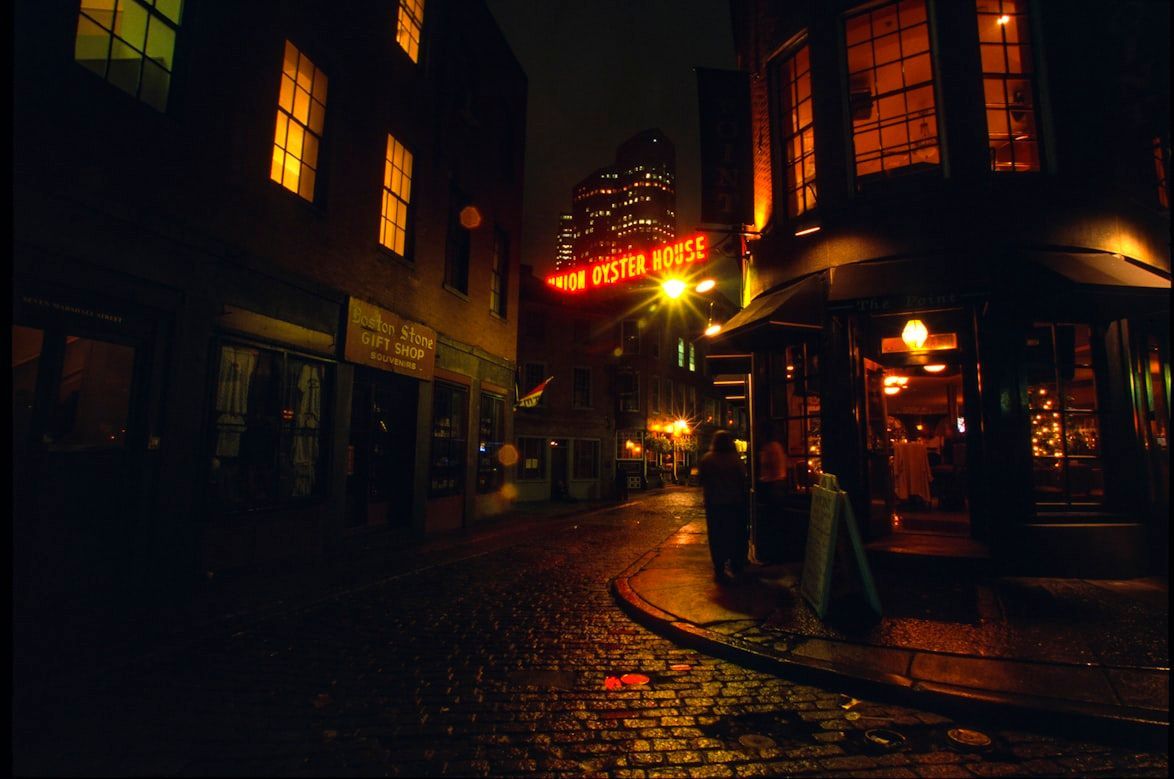
Image: Mick Haupt

In 1639, the first organized mail service in British North America started at Richard Fairbank’s tavern . The owner collected and distributed mail brought by ship.

Although informal and modest by today’s standards, this post office laid the foundation for communal mail collection and delivery.

2
Enter Benjamin Franklin
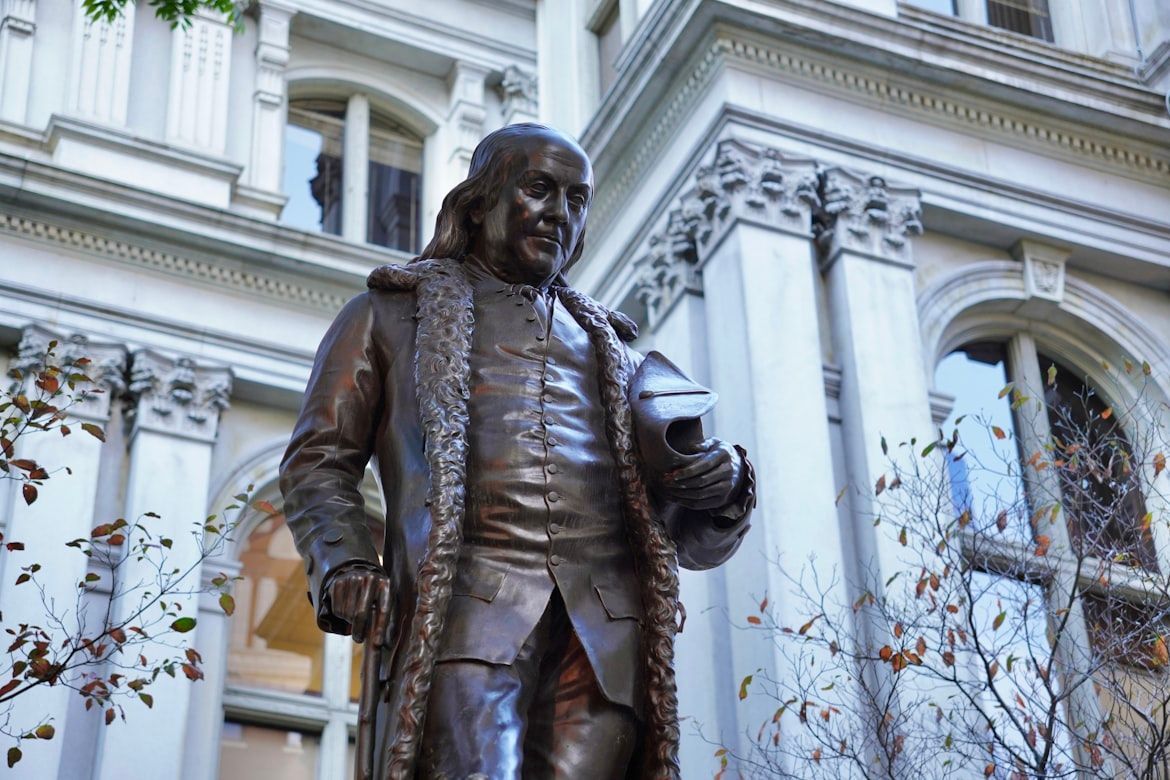
Image: Brett Wharton

From 1753, Franklin served as joint Postmaster General for the colonies and undertook a sweeping reform: he organized delivery routes, aligned them with major roads and rivers, and cut the mail travel time between Philadelphia and New York to about 33 hours .

He also introduced the first rate chart, standardizing delivery costs based on weight and distance, turning what had been a scattered courier network into a more reliable, structured mail system.

3
National Postal System founded
Image: David Trinks

With the American Revolution underway, the Second Continental Congress established the first national postal agency in 1775 , appointing Benjamin Franklin as the first Postmaster General.

This new postal service initially handled mostly military and diplomatic correspondence, but the agency laid the groundwork for what would become a national communications service.

4
The Age of Steam: mail by steamboat
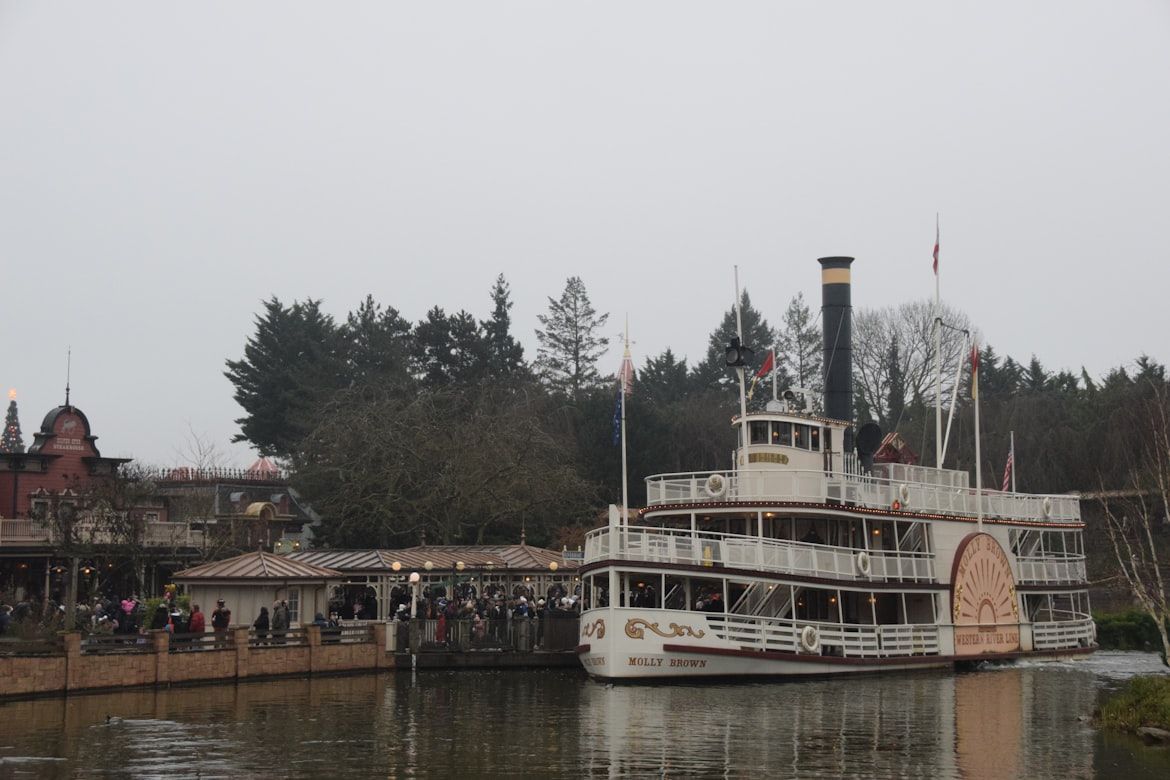
Image: mandylin

In 1813, Congress authorized the Postmaster General to contract steamboat companies to carry mail. Soon, steamboats were ferrying mail up and down the East Coast and the Mississippi River .

By 1848, mail even traveled to California via steamship and across the Isthmus of Panama, a three-week voyage.

5
Overland stagecoaches and the Butterfield Overland Mail
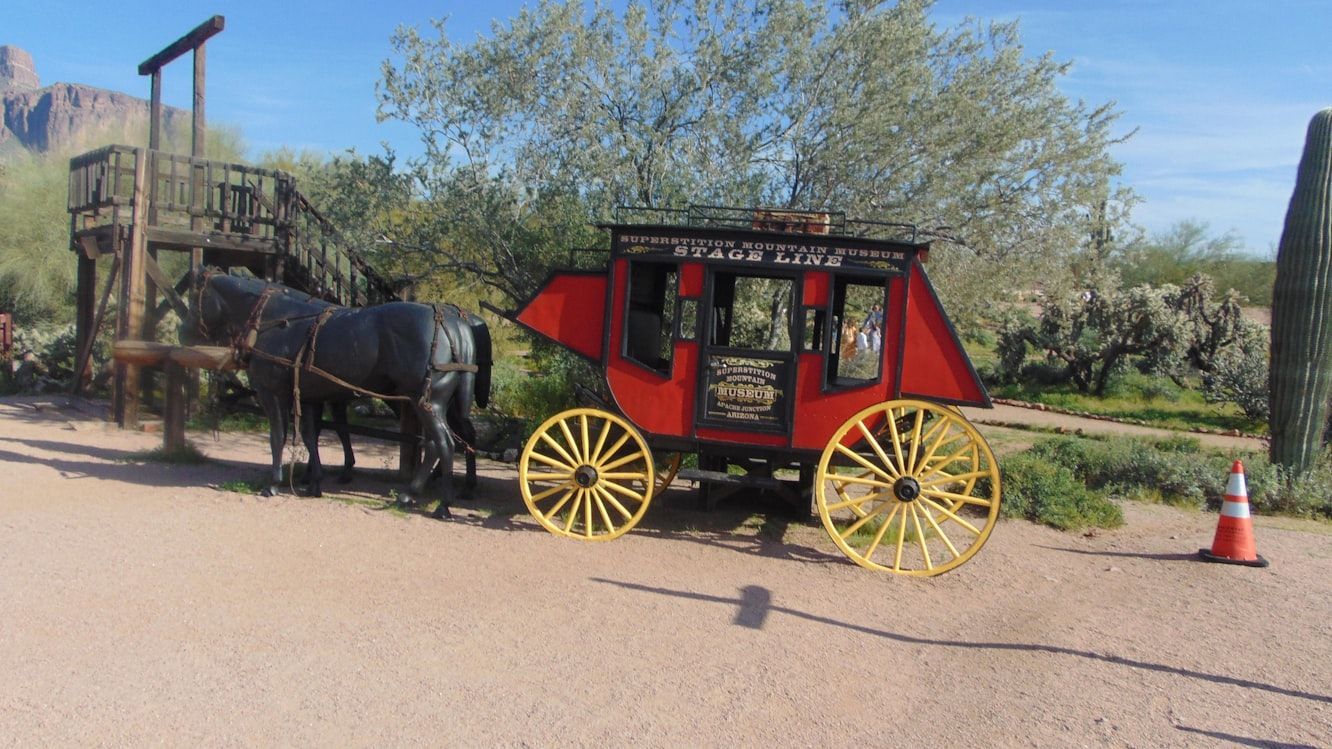
Image: Ricky BiggsSr

Between 1858 and 1861, the Butterfield Overland Mail stagecoach service carried U.S. mail across the western frontier, from eastern posts like Memphis and St. Louis to San Francisco .

This service helped connect the eastern U.S. with rapidly growing western settlements long before the completion of the transcontinental railroad.

6
Railroads enter the picture

Image: Jay Kettle-Williams

As railroads expanded, the postal service started to use this new technology: in 1832, the first mail deliveries by train were made.

Rail transport vastly improved speed and reliability compared to horse and stagecoach travel , and became a key advance as mail traffic increased and the nation expanded westward.

7
First U.S. postage stamps
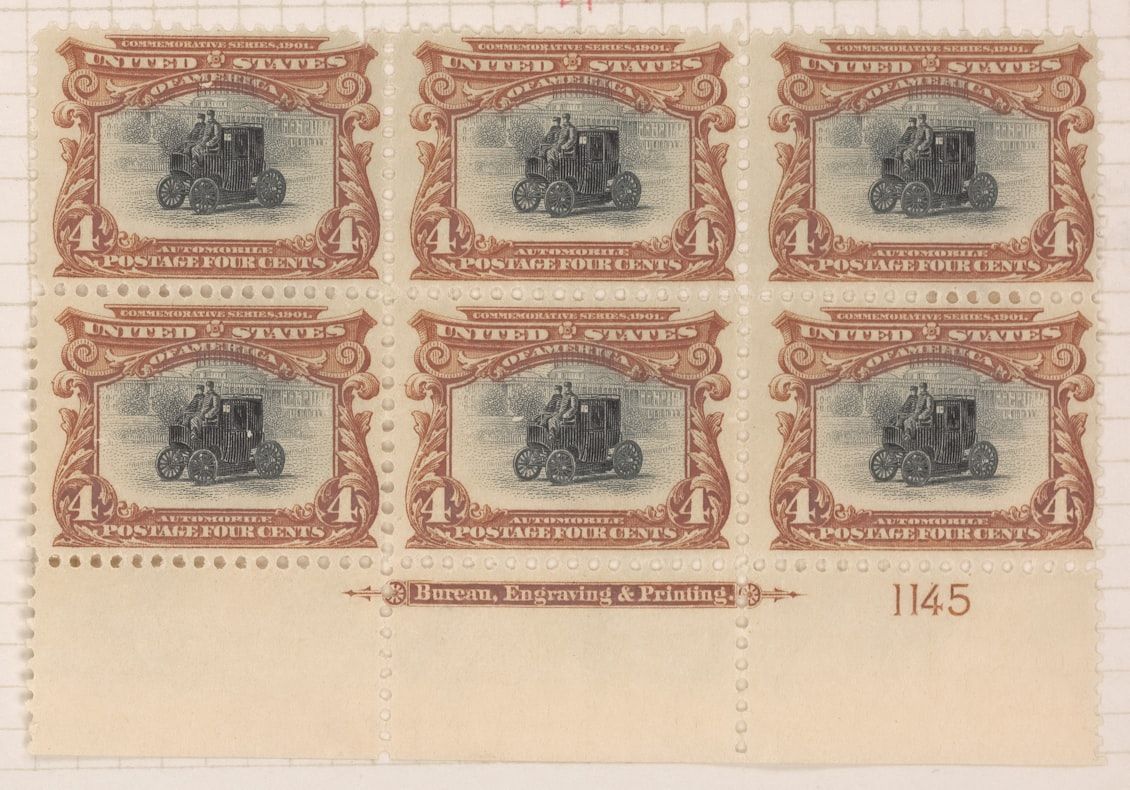
Image: The New York Public Library

In 1847, the first official U.S. postage stamps were issued: a 5-cent stamp featuring none Ben Franklin and a 10-cent stamp featuring George Washington .

Prepaid stamps simplified payment and collection of postage, removing complications from pay-on-delivery systems and helping the postal system function more efficiently.

8
The Pony Express
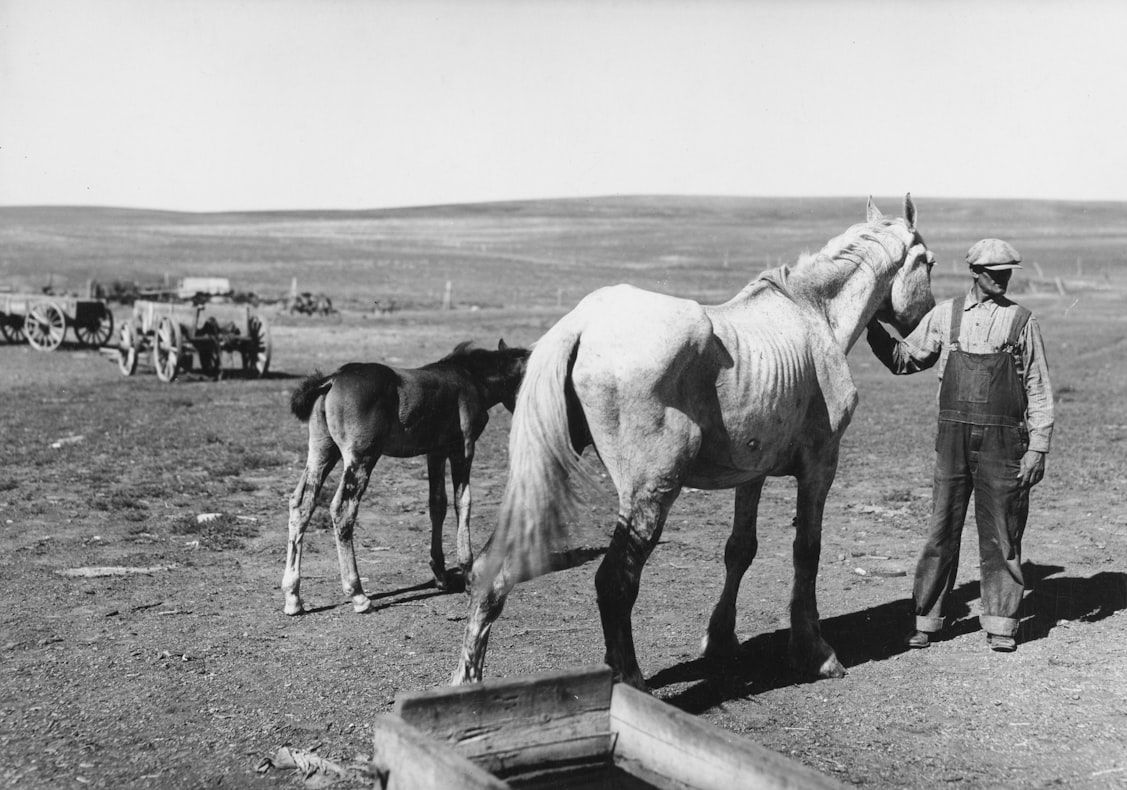
Image: The New York Public Library

In 1860, the Pony Express started its overland mail route between Missouri and California, nearly 1800 miles of relay horseback riding . The mail took 10 days between endpoints.

Although short-lived (it ended in 1861), the Pony Express demonstrated the demand for rapid cross-country communication.

9
City-wide home delivery
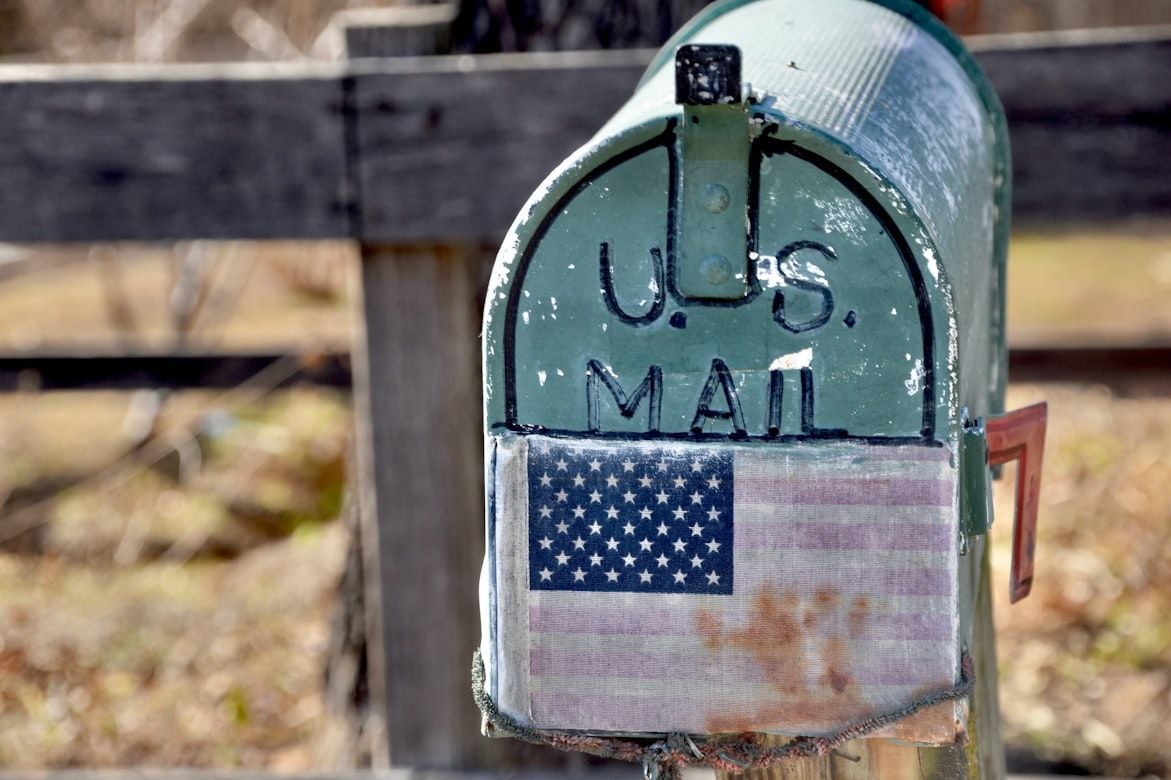
Image: Lesli Whitecotton

In 1863, free city mail delivery began , allowing residents in major cities to receive letters directly at their homes rather than picking them up at a post office.

This represented a major shift: mail became a part of everyday domestic life, not just something dropped off and picked up by hand.

10
Pneumatic tube mail in NYC

Image: The New York Public Library

In 1897, a pneumatic-tube mail system began operation in New York City. Mail could travel underground at high speeds, from the General Post Office to other offices in Manhattan within minutes .

At its peak, the system carried thousands of letters daily: at one point, nearly 30% of New York City mail went through this immense underground network.

11
Parcel post service launches

Image: Olivier Rouge

On New Year’s Day 1913, the U.S. Post Office inaugurated the first official parcel post service , allowing packages, not just letters, to be sent through the mail.

The impact was immediate: within the first five days, millions of packets passed through post offices, fueling mail-order business and expanding commerce everywhere.

12
First airmail route

Image: Qihao Wang

In 1918, the postal service launched the first regularly scheduled air mail route between Washington, D.C., and New York , marking the beginning of mail carried by airplane.

Airplane mail allowed far faster coast-to-coast and long-distance communication, a major leap from sailboats, stagecoaches, or railroads.

Geography Geography 4 min read

YOU CAN HAVE YOU CAKE AND EAT IT TOO

Mountain holidays for beach lovers: 10 American spots that have it all

Image: Brand Barmore

The eternal argument of whether to spend the holidays sunbathing on the beach or hiking in the mountains can be elegantly avoided if one of the following ten spots enters the discussion. These are magical landscapes where water, beaches, and mountains, or steep, forested hills, create a picturesque environment for the lucky visitor. Read on to find out where your next vacation could be.

1
Ventura County, California

Image: Paul Hanaoka

A place that hosts the annual Mountains 2 Beach Marathon is a sure bet if you are looking for a place that combines mountains and beaches. Mountain hiking and the classic California coastline lie within 26.2 miles of each other. Located northwest of Los Angeles, Ojai sits in a valley, and the village is dotted with art galleries, farmers markets, and high-desert hikes in the nearby Los Padres National Forest.

When the season is right, many trails can be followed through scrubland, sometimes revealing cascading waterfalls along the Rose Valley Falls Trail. But for waves, visitors head downhill to Ventura, a classic coastal town.

2
Westmoreland State Park, Virginia

Image: Alex wolf mx

Westmoreland State Park in Virginia was established in 1936 by the Civilian Conservation Corps. Covering 1,299 acres, the park offers sweeping vistas of the coastal plain and the Potomac River.

You can hike, boat, swim, camp, or fish in the majestic wilderness. And if you’re looking for an amazing view of the area, you can head to the natural attraction of Horsehead Cliffs, which rests high above the water.

3
Astoria, Oregon

Image: Nils Huenerfuerst

Oregon is likely one of the first states that come to mind when we think of a combination of beach and mountain. The coastal town of Astoria sits at the estuary of the Columbia River and the Pacific Ocean. It is perhaps most famous as the filming location of the 1980s film The Goonies .

The Pacific Northwest’s beaches have a picturesque quality that is hard to find elsewhere. Hiking trails are just outside the backdoor: the Cathedral Tree-Coxcomb Hill Trail, for example, starts at a 300-year-old Sitka spruce and climbs 164 stairs to offer views of the town, the Coastal Range, and the Pacific Ocean.

4
Herring Cove Beach, Massachusetts

Image: Quino Al

Herring Cove Beach is a national seashore located in Cape Cop and it’s recognized as part of the Cape Cod National Seashore. It’s a popular spot among Provincetown locals featuring warm, calm waters flowing from the Atlantic Ocean.

Activities in the area include swimming, walking along the coastal dunes, or exploring the Beech Forest Trail via bike or on foot.

5
Lake Tahoe, California, and Nevada

Image: Tim Peterson

A familiar name and for good reason, Lake Tahoe offers a beautiful shoreline without being anywhere near the coasts. Destinations like Sand Harbor Beach feature wide expanses of sand, freshwater swimming areas, and beach coves dedicated to snorkelers and divers.

This is the largest alpine lake in the U.S., so the pine-studded hills of the Sierra Nevadas practically tumble into the waters. This makes hiking easily accessible. The Rubicon Trail traces the shores of Emerald Bay and features incredible panoramic views, cliffs, coves, waterfalls, and even a lighthouse along the 13-mile round-trip route.

6
Fort Wetherill State Park, Rhode Island

Image: Praswin Prakashan

Located in Rhode Island, Fort Wetherill State Park is known for its historical significance in controlling the East Passage of Narragansett Bay. During the colonial era, a strategic battery was established to control this passage.

Because of its coastal location, the fort was also used during World War II. Nowadays, visitors come to explore this park and its coastal fort, which perches high atop granite cliffs.

7
Chimney Bluffs State Park, New York

Image: Frank Eiffert

Chimney Bluffs State Park is the spot where colossal rocky spires meet calm, collected waters. This park in New York sits along Lake Ontario on the south shore. To get a good view of the stunning chimney peaks and formations, you should hike the Chimney Bluffs Trail. The park is pet friendly too, so you can bring along your furry friends for the ride.

8
Calvert Cliffs State Park, Maryland

Image: Gary Cole

Calvert Cliffs State Park is not only one of the few parks with both mountains and ocean but it also displays a prized collection of 600 prehistoric fossil species. Between 10 and 20 million years ago, the cliffs at the park were submerged under the sea. But as the water receded, erosion and exposure of the cliffs occurred, unveiling massive fossils.

Visitors can walk, lounge at the soft sandy beach, investigate these fascinating fossils, trek near forested treelines, or admire the unusual cliffs that extend along the Calvert Peninsula.

9
Echo Lake State Park, New Hampshire

Image: Aaron Burden

Echo Lake State Park boasts two stunning ledges: White Horse Ledge and Cathedral Ledge, as well as a lake called Echo Lake. Each of these spots features scenic views of the area and top-notch sites for a family picnic. You can swim, walk, or hike the White Horse Ledge Loop Trail, a 3.1-mile loop.

10
Acadia National Park, Maine

Image: Peregrine Photography

Alongside Oregon parks, Acadia National Park is a prime example of a place that combines mountainous and seaside ambiance. Situated along the Atlantic coastline in Maine, it’s no wonder this impressive scenery attracts visitors for all types of recreational experiences, especially during the fall.

Rocky beaches, towering granite peaks such as the famous Cadillac Mountain, and miles and miles of natural treasure troves perfect for hikers are among the many features this park has to offer.

Explore more American facts

Choose your favorite category!

General
General

As American as apple pie—the very best America has to offer!

Culture
Culture

Delve into the astounding richness of American lore.

Geography
Geography

Hop in and explore vast and diverse American landscapes.

History
History

Discover the key moments that shaped the United States.