General General 5 min read

Historic castles across America worth visiting

These incredible American castles are hiding in plain sight

Image: Pascal Bernardon

America might not have medieval knights or dragon legends, but we've got castles—lots of them, actually . Built by eccentric millionaires, romantic dreamers, and people who apparently had too much money and not enough hobbies, these stone fortresses dot the landscape from coast to coast.

1
Bannerman Castle, New York
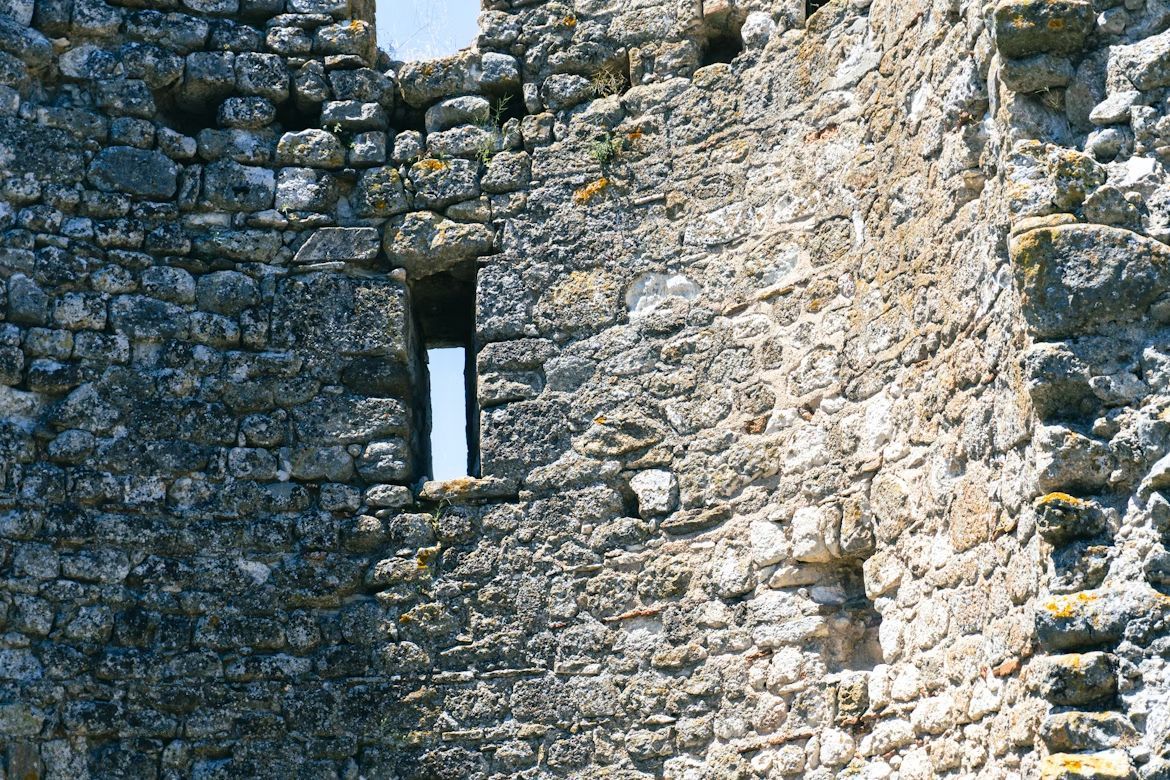
Image: Erim Berk Benli

This crumbling fortress sits on a tiny island in the Hudson River, looking like something straight out of a Gothic novel . Francis Bannerman VI built it in 1901 to store his surplus military weapons because, apparently, his wife refused to keep thousands of munitions in the basement anymore.

The castle partially exploded in 1920 when some gunpowder got a little too excited, and it's been slowly deteriorating ever since. You can kayak out to the island or take a boat tour to see the ruins up close, where nature is slowly reclaiming the stone walls in a beautiful, apocalyptic sort of way.

2
Fonthill Castle, Pennsylvania
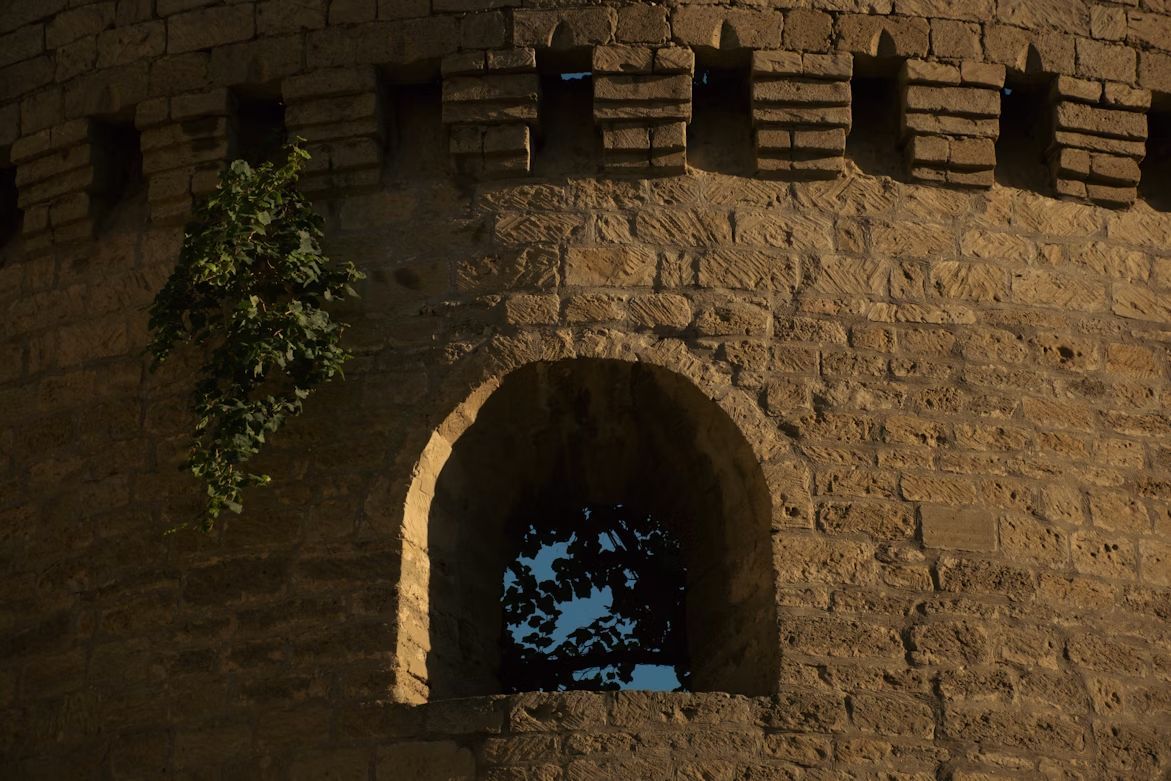
Image: Leyla M

Henry Mercer built this concrete monstrosity between 1908 and 1912. The guy was obsessed with tiles and built his castle as a showcase for his handmade ceramic collection , resulting in 44 rooms, 32 stairwells, and 18 fireplaces.

The castle has no blueprints because Mercer apparently just made it up as he went along, adding rooms and towers whenever the mood struck.

3
Gillette Castle, Connecticut
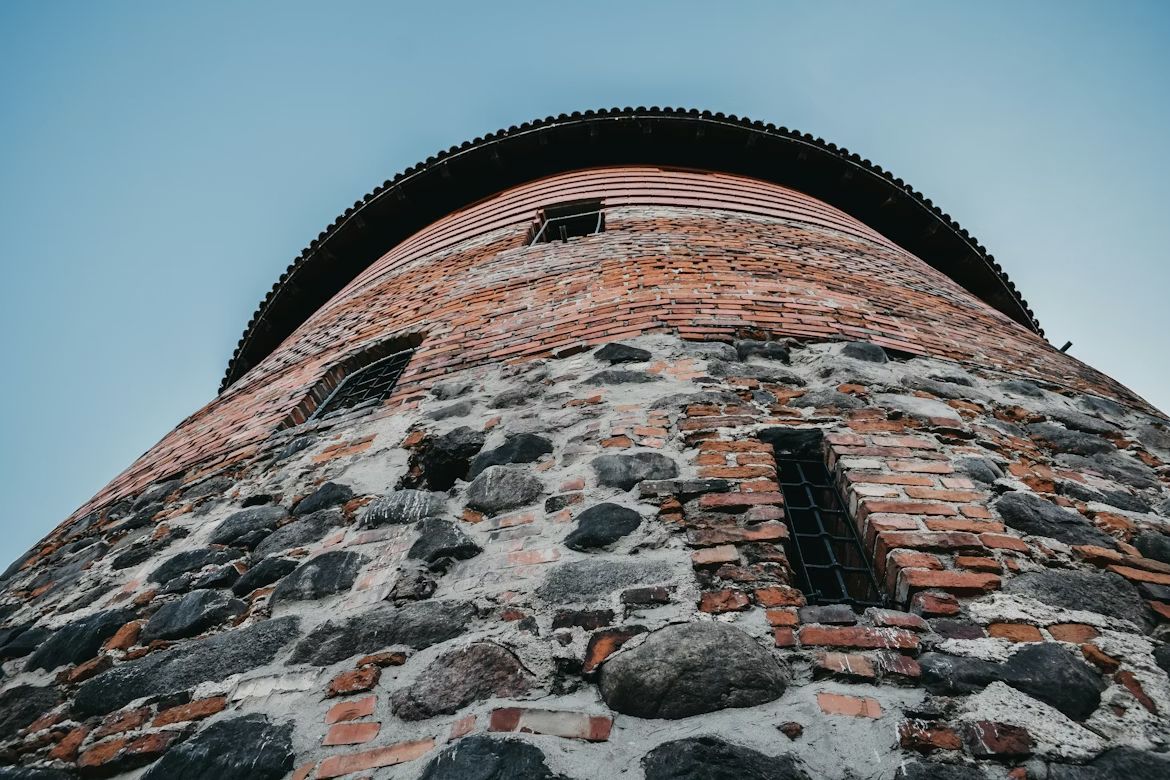
Image: Darya Tryfanava

William Gillette, famous for playing Sherlock Holmes on stage, built this eccentric castle in the 1910s and filled it with spy mirrors, secret doors, and wooden locks he carved himself . The place looks like someone dropped a medieval fortress into a blender with a detective novel.

The castle has 47 doors, none of which work like normal doors should, because Gillette apparently thought regular doorknobs were for boring people. Now it's a state park where you can wander through rooms designed by someone who clearly never met a quirk he didn't like.

4
Boldt Castle, New York
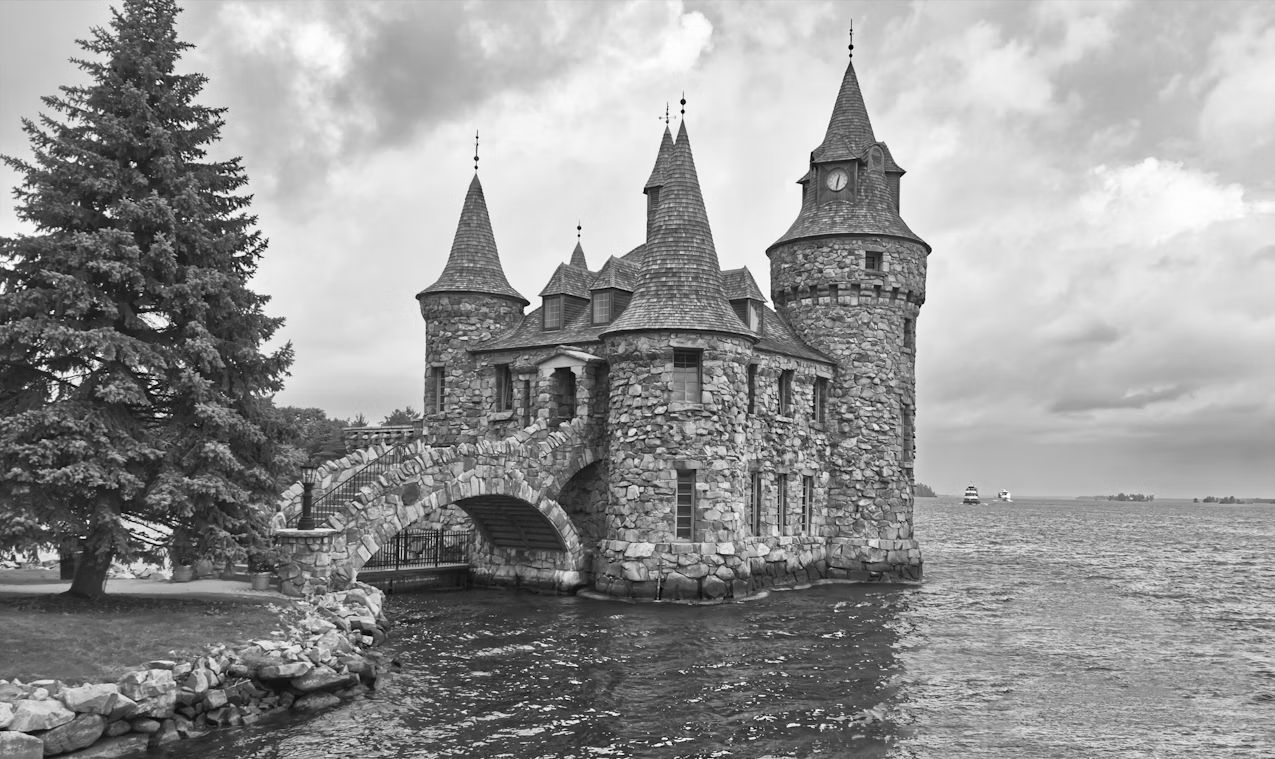
Image: Pascal Bernardon

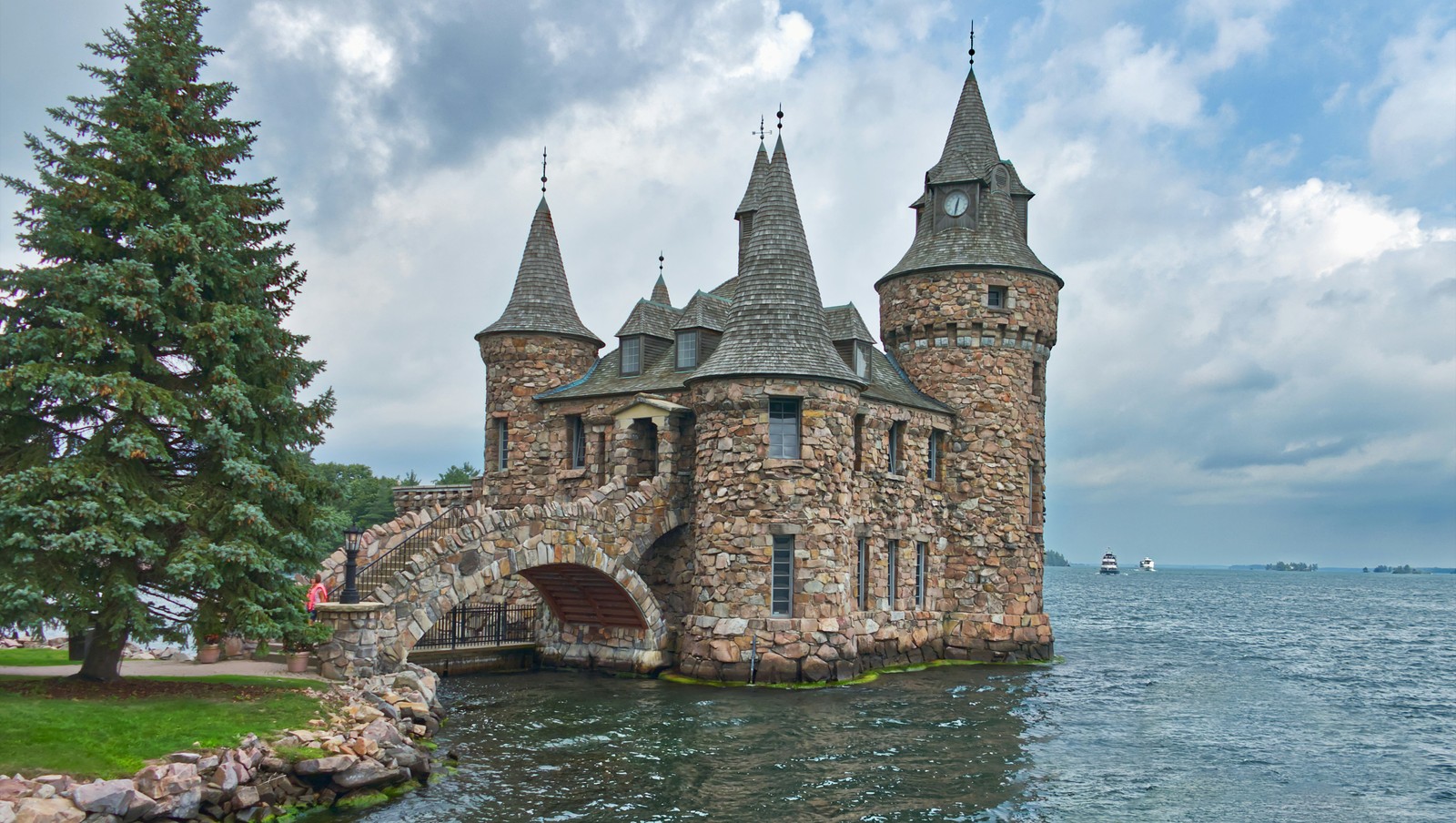
George Boldt started building this Rhineland-style castle in 1900 as a Valentine's Day gift for his wife Louise . Then she died suddenly in 1904, and he immediately halted construction and never returned, leaving behind a monument to heartbreak on Heart Island in the Thousand Islands.

The castle sat abandoned for 73 years until the Thousand Islands Bridge Authority took it over and began restoration. Today you can visit via ferry and explore the grand halls, the powerhouse, and the perfectly intact bowling alley.

5
Castello di Amorosa, California
Image: Museum of New Zealand Te Papa Tongarewa

This one's a bit of a cheat since it was built in 2007, but it's so ridiculously authentic that it deserves a spot . Winemaker Dario Sattui spent 14 years and $40 million building a 13th-century Tuscan castle in Napa Valley, complete with a moat, drawbridge, and torture chamber, because apparently wine tastings needed more medieval flair.

The castle used 8,000 tons of hand-chiseled stone and over a million antique bricks imported from Europe. You can tour the dungeons, great hall, and of course, taste wine in a setting that makes you feel like you should be wearing chainmail instead of your Costco polo shirt.

6
Belvedere Castle, New York
Image: Birmingham Museum Trust

Perched on Vista Rock in Central Park, this miniature castle was built in 1869 as a Victorian folly —basically an expensive decoration that serves no practical purpose. It's now home to the Henry Luce Nature Observatory and offers panoramic views of the park, which is considerably more useful than its original job of just looking pretty.

The castle got a major renovation in the 1980s after decades of neglect left it looking more "haunted" than "enchanting." Today it's one of Central Park's most popular spots.

7
Bishop Castle, Colorado
Image: Art Institute of Chicago

Jim Bishop started building this castle by himself in 1969 and worked on it for over 55 years until his death in 2024 . The hand-built stone structure rises 160 feet into the Colorado sky and includes towers, walkways, and a dragon that breathes actual fire—all constructed by one incredibly dedicated (and possibly slightly unhinged) man.

There are no railings on many of the precarious walkways because Bishop didn't believe in them. Admission is still free, though you might want to update your will before climbing to the top of the tallest tower, where the views are spectacular, and the safety regulations remain charmingly absent.

8
Searles Castle, Massachusetts
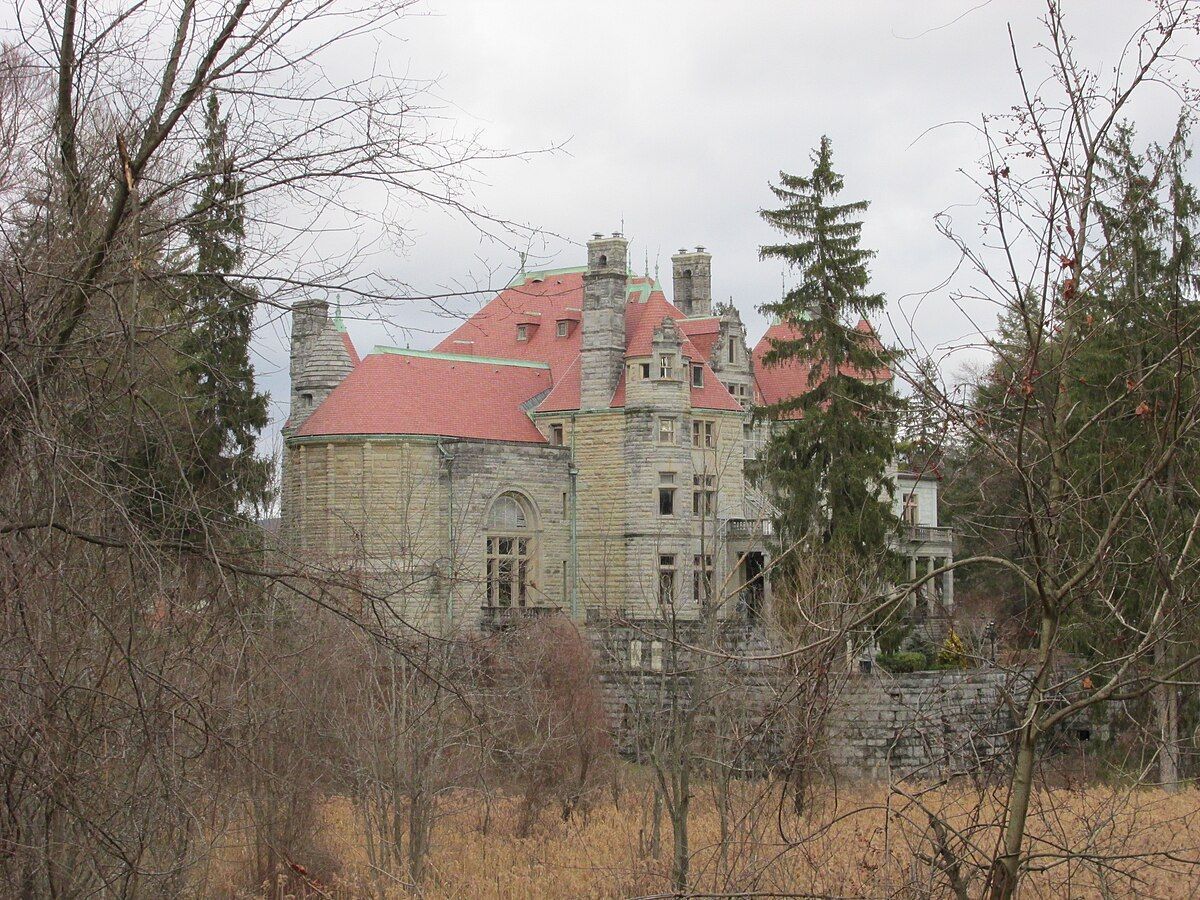
Image: John Phelan

Edward Searles built this castle in 1888 in Great Barrington, Massachusetts, creating a 40-room mansion that combined Romanesque and Gothic styles into something that can only be described as "aggressively architectural." The castle features stained glass windows, carved woodwork, and enough turrets to repel a small army.

After changing hands several times, the castle is now home to the John Dewey Academy. You can't tour the interior since it's a school, but you can admire the exterior and imagine what it's like to do algebra homework in a building that looks like it should contain dragons.

9
Kip's Castle, New Jersey
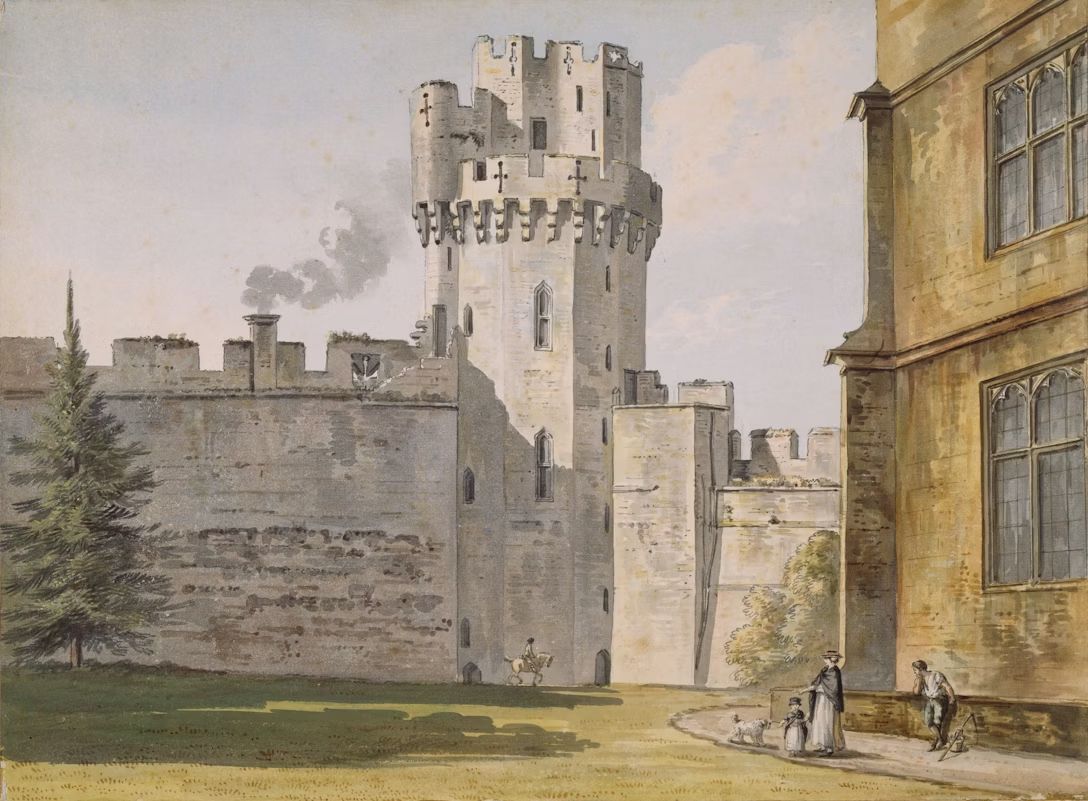
Image: Birmingham Museum Trust

This English Tudor-style castle was built in 1902 by textile businessman Frederic Kip on a mountain in Montclair . The castle features towers, battlements, and spectacular views of Manhattan, proving that even early 1900s commuters wanted homes with dramatic flair and manageable drive times.

The castle has been through various owners and purposes, including a brief stint as a Prohibition-era speakeasy, because apparently nothing says "secret illegal bar" like a castle. Today it's used for private events, but the grounds are part of a county park where you can hike around and pretend you're visiting distant relatives who happen to be slightly eccentric nobility.

10
Chateau Laroche (Loveland Castle), Ohio
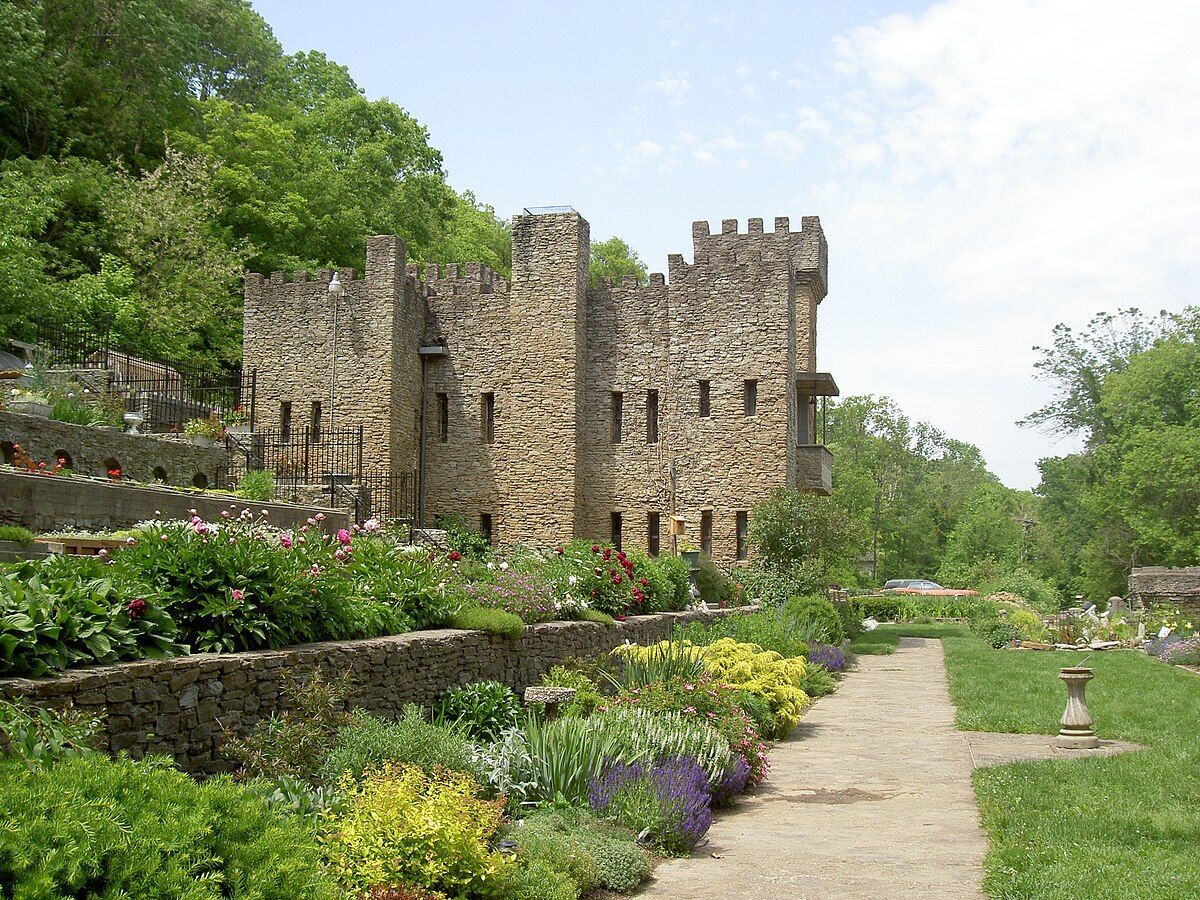
Image: ConlonTT

Harry Andrews started building this medieval castle in 1929 using stones from the Little Miami River , spending over 50 years creating his dream fortress. Andrews was inspired by his time in Europe during World War I and decided Ohio needed more castles, which is hard to argue with.

He built most of it himself using ancient techniques, including a primitive pulley system and sheer determination. Today, the castle is maintained by the Knights of the Golden Trail, a Boy Scout-like organization Andrews founded. You can tour the castle for a few bucks and marvel at what one man with too much time and enough river rocks can accomplish.

History History 3 min read

Stars, stripes, and surprises

What's written on the back of the Declaration of Independence?

Image: Paul Weaver

The 4th of July is all about fireworks, parades, and patriotic pride, and for good reason! It marks the birth of our nation's independence. But the way to that historic day wasn't easy. It was full of challenges, quirks, and a few surprising twists. Did you know some Founding Fathers wanted to celebrate Independence on July 2nd? Or that there's actually something written on the back of the Declaration? Get ready to discover 10 fun and little-known facts about the 4th of July that might surprise you!

1
July 2nd

Image: Joe deSousa

In a letter to his wife Abigail, John Adams predicted that July 2nd would go down in history. Why? Well, because that's the day in 1776 when the Continental Congress voted in favor of independence from Great Britain. But while the vote happened on the 2nd, the Declaration of Independence wasn't officially signed until the 4th, so that's the date we celebrate!

2
Secret signers

Image: Pierre Bamin

The signing of the Declaration of Independence wasn't as simple as it might seem. In fact, signatures were added over time, from July to August. In addition, the names of the signers were kept secret from the public for six months! Why? Because if the fight for independence had failed, those who signed the document would have been labeled traitors, and under British law, that meant a punishment of death.

3
Washington invites

Image: phil cruz

In the middle of the Revolutionary War, 1778 marked the second anniversary of the Declaration of Independence. As Commander-in-Chief of the Continental Army, George Washington wasn't about to let the anniversary go unnoticed, so he ordered a double ration of rum for his soldiers to celebrate the holiday. Cheers!

4
Something written on the back

Image: Anne Nygård

There's actually something written on the back of the Declaration of Independence. This handwritten note appears upside down at the bottom of the back of the parchment, and it reads: "Original Declaration of Independence dated 4th July 1776." Just like we label the files we save on our computers today, it's believed they added the note to help identify the original document from other copies.

5
We are many more now

Image: Rob Curran

Many courageous people did everything they could to make the Independence dream a reality and help the nation grow. And it did grow! While there's no exact official data from that time, the US Census Bureau estimates that about 2.5 million people lived in America in 1776. By the most recent census in 2020, that number had grown to about 332 million!

6
John Adams' idea

Image: Jingda Chen

It's hard to imagine the 4th of July without the classic barbecues, parades, and -of course- fireworks lighting up the sky. But even though these traditions are now a staple, there was a first time for all of them. It's said that John Adams himself, in that letter to his wife Abigail, suggested using fireworks and illuminations to celebrate this important day.

7
Busy hospitals

Image: camilo jimenez

While fireworks are beautiful and help raise patriotic spirit during Independence Day celebrations, it's also true that they can sometimes be dangerous. In fact, it's been reported that hospitals see more patients than usual on July 4th due to fireworks-related injuries.

8
Thomas Jefferson's laptop

Image: Alicia Razuri

Of course, laptops didn't exist at the time of the drafting and signing of the Declaration of Independence, but that's a fun way to describe the lap desk Thomas Jefferson used to write it. That's right: The father of the Declaration of Independence didn't need a grand marble desk or anything fancy to put his ideas into words.

9
Surprising coincidences

Image: Thomas Park

The 4th of July isn't just the day America officially declared its independence; it also holds some incredible historical coincidences. On Independence Day in 1826, both Thomas Jefferson and John Adams died, exactly 50 years after the birth of the nation they helped create. Five years later, in 1831, James Monroe became the third president to die on the 4th of July.

But it's not all about endings: President Calvin Coolidge was born on the 4th of July, 1872, making him the only US president born on Independence Day.

10
Millions of hot dogs

Image: Ball Park Brand

It's clear we Americans love hot dogs, and for good reason! This iconic food is closely tied to one of the most important days in our nation's history. According to the National Hot Dog and Sausage Council (yes, that's a real thing), Americans typically eat around 150 million hot dogs on Independence Day alone. 150 million!

Geography Geography 3 min read

A banana museum?

From Spam to PEZ: Some of the strangest museums in America

Image: Ti Wi

Think museums are all about fine art and ancient fossils? Think again. Across the U.S., there are museums dedicated to just about anything —including bananas, playable vintage arcades, and even mustard. From the world's largest PEZ dispenser collection to a palace made of corn, here are some of the most unexpected museums you never knew existed!

1
The Spam Museum

Image: Hannes Johnson

Spam, Spam, Spam! In Austin, Minnesota, you can walk into a playful, interactive, and nostalgic tribute to the iconic canned meat.

If you are interested, you can learn everything about Spam’s history, its production, and its cultural impact. Maybe we can understand why unwanted emails came to be called after it!

2
The International Banana Museum

Image: Aleksandar Pasaric

Would you be interested in walking around a banana museum? In Mecca, California, you can. A bright yellow wonderland dedicated to all things this fruit.

Banana phones, banana toys, and even banana-flavored candies are some of the gems you can find there. The museum's curator spent decades assembling this collection, the world’s largest assortment of banana-related items, according to Guinness World Records.

3
The Burlingame Museum of PEZ Memorabilia

Image: Jason Leung

Did you ever get a PEZ dispenser that you kept for years and years? That sort of nostalgia is what’s behind this museum in Burlingame, California.

You can take a trip down memory lane celebrating iconic PEZ dispensers that people loved. It includes vintage and interesting models, fun for collectors, enthusiasts, and PEZ fanatics.

4
The Salt and Pepper Shaker Museum

Image: Tim Mossholder

Do you remember the cutest, funniest, or cleverest salt and pepper shakers you’ve ever seen? You may find a similar set in Gatlinburg, Tennessee.

This museum displays the incredible variety and artistry of salt and pepper shakers. Sets range from vintage to modern, made from materials like porcelain, wood, and metal.

5
The Neon Museum

Image: Ben Lambert

The Neon Museum is in Las Vegas. Where else? It preserves and displays the dazzling history of Sin City's neon signs.

The "Neon Boneyard" features iconic signs from closed casinos and businesses. It's a vibrant glimpse into the city's past and design aesthetic.

6
The Museum of Bad Art

Image: Melissa

The point of this museum in Somerville, Massachusetts, is to expose art that is "too bad to be ignored."

Sure, appreciating technically perfect and beautiful paintings is easy. But a far more interesting outing would be to walk around this museum smiling at pieces that look like painters’ bloopers! What is a bad painting, anyway?

7
The American Sign Museum

Image: Mikechie Esparagoza

Not for the sensitive ones; you might be overstimulated at the Sign Museum! Located in Cincinnati, Ohio, this one traces the evolution of American signage and advertising culture , from hand-painted signs to electric displays.

8
The National Mustard Museum

Image: Simona Sergi

If you do not like mustard, you might want to steer clear of the National Mustard Museum in Middleton, Wisconsin. This is a flavorful exploration of the condiment, with thousands of international varieties.

Visitors can sample different mustards and learn about their origins. It’s the largest collection of mustards in the world!

9
The Houdini Museum

Image: Hugh Green

Yes, in Scranton, Pennsylvania, there is a museum dedicated to the life and illusions of the legendary Harry Houdini. Exhibits include his personal artifacts, magic props, and escape tools. If you are interested in the world of magic and illusion, this is a must-see!

10
American Oddities Museum

Image: Giorgio Trovato

Home to the bizarre: The museum celebrates the weird history of America, with exhibits on UFO sightings, haunted dolls, and outlandish inventions.

This might be a spooky kind of museum, but endlessly intriguing. It holds everything from skeletons of two-headed animals to eerie antique medical devices. Fans of the strange and unexplained will love the collection.

11
Arcadia: America's Playable Arcade Museum

Image: Garrett johnson

Located in McLean, Illinois, this place is a paradise for retro game lovers. It’s packed with classic pinball and vintage video games from the golden era of gaming.

The collection spans decades, featuring everything from Pac-Man to rare, forgotten arcade cabinets. Unlike many museums, visitors can actually play the exhibits —so prepare to challenge friends and relive childhood memories!

12
The National Museum of Funeral History

Image: Suhyeon Choi

It’s not as sad as it seems, we promise. This museum in Houston, Texas, gives a respectful and informative look at funeral customs across cultures and time.

Its goal is to explore the universal human experience of death and mourning by looking at how several cultures deal with someone’s passing. Displays include hearses and ornate items from Egyptian mummification rituals to presidential funerals.

Explore more American facts

Choose your favorite category!

General
General

As American as apple pie—the very best America has to offer!

Culture
Culture

Delve into the astounding richness of American lore.

Geography
Geography

Hop in and explore vast and diverse American landscapes.

History
History

Discover the key moments that shaped the United States.