Not as common as you think
Aren’t doggy bags and tipping not the norm when dining abroad?
Image: Diane Picchiottino
Dining in the U.S. comes with its own set of unwritten rules. Many of these customs feel perfectly normal to Americans, but can surprise visitors from other parts of the world. From how meals are served to how bills are paid, there are many differences that we only notice when we visit other countries. Take a look at 12 of these habits you probably take for granted, but that are uncommon outside of the U.S.
1
Tipping is expected, not optional
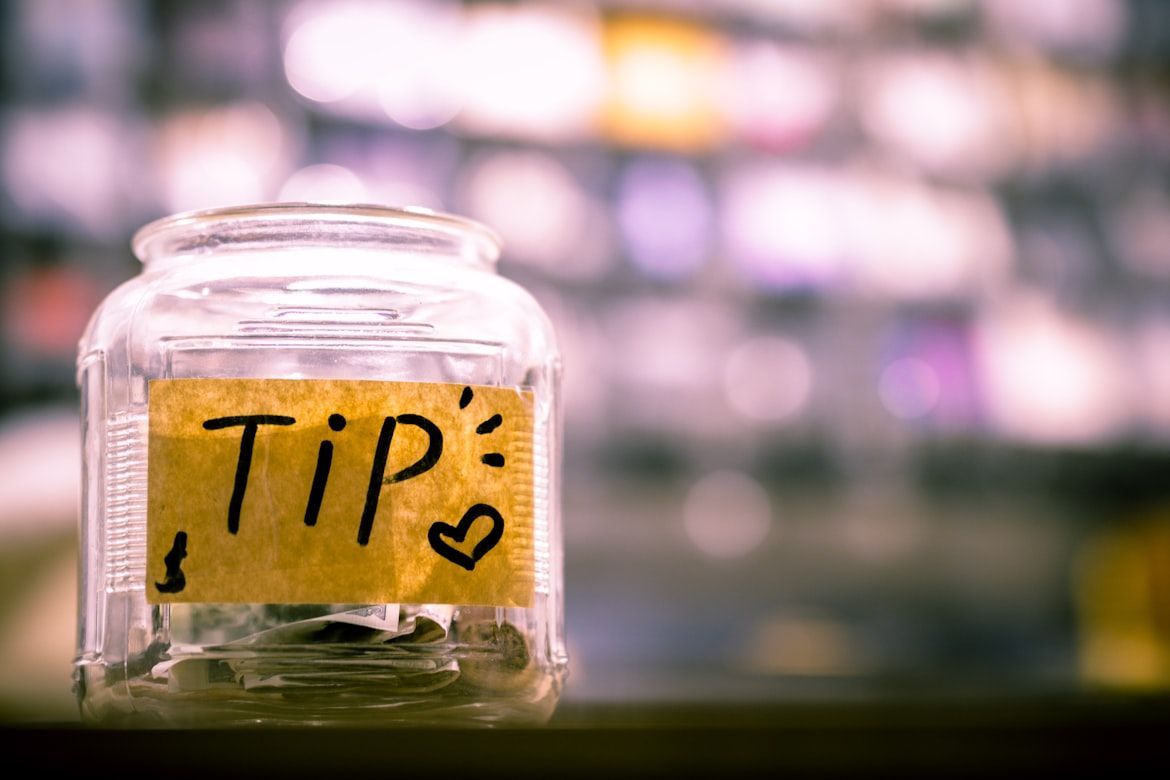
In the U.S., leaving a tip is considered part of the cost of the meal, not a bonus . Diners typically add 15 to 20 percent to the bill, especially in full-service restaurants.
This practice exists because many servers earn lower base wages and depend on tips. In many other countries, service charges are already included in the bill, making the American system feel unusual or even confusing.
2
Free refills are the norm
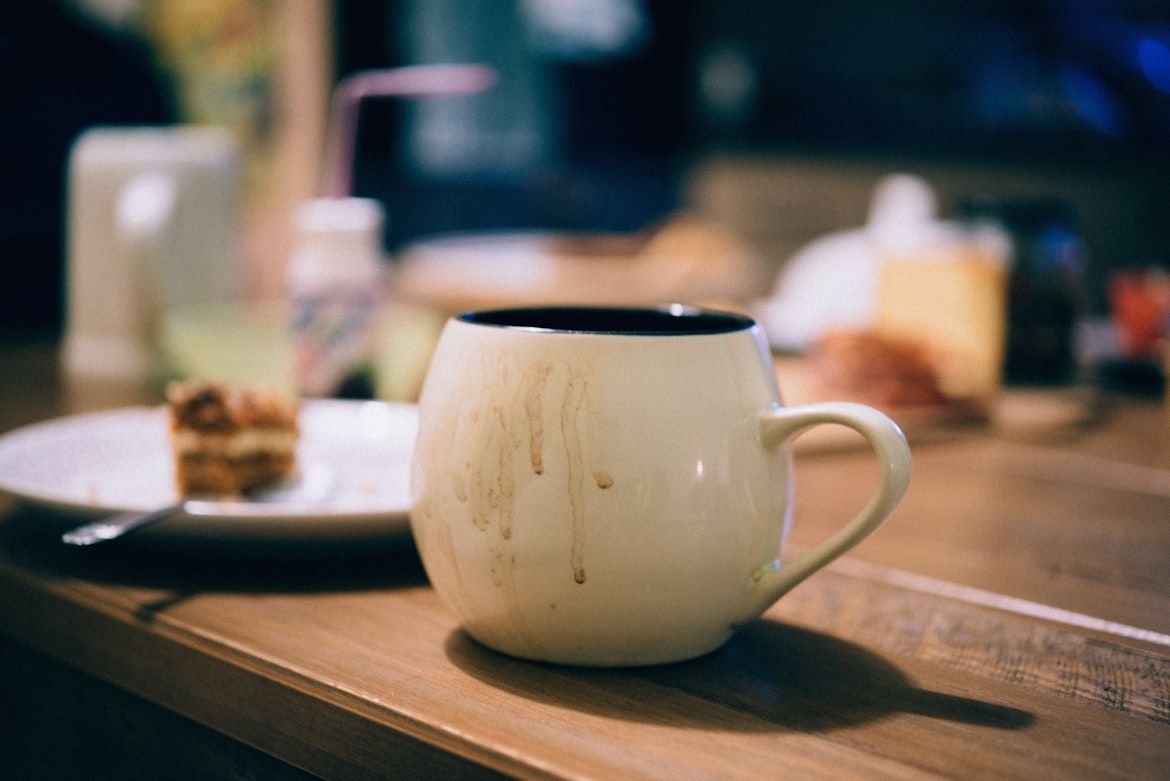
Many American restaurants offer unlimited refills on soft drinks, iced tea, and coffee . Once you order a beverage, it often keeps coming at no extra cost.
Elsewhere, each drink is typically billed separately, and refills are rarely free. For visitors to the U.S., this can feel surprisingly generous compared to their dining experiences at home.
3
Ice comes with everything
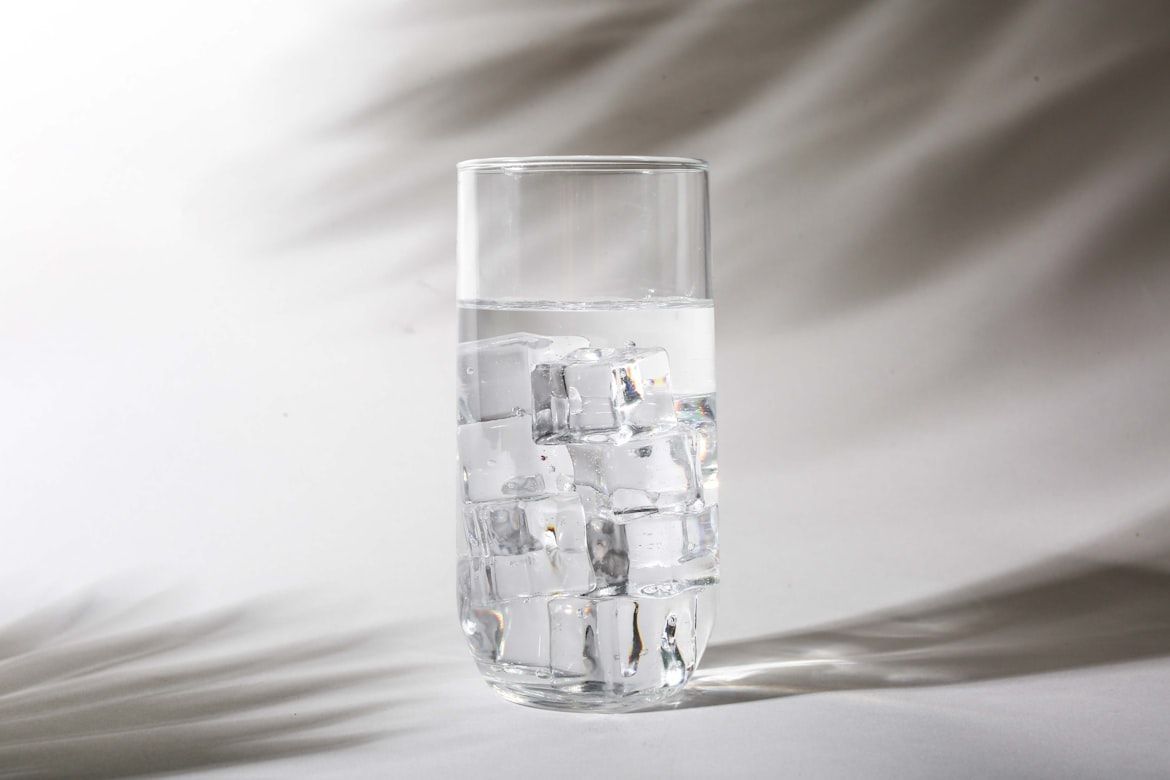
In the U.S., drinks are often served filled with ice, whether it’s soda, water, or even juice . It’s considered a refreshing standard, especially in warmer climates.
In many other countries, ice is used sparingly or avoided altogether. Some people prefer drinks at room temperature, making the American preference for ice stand out immediately.
4
Portions are huge
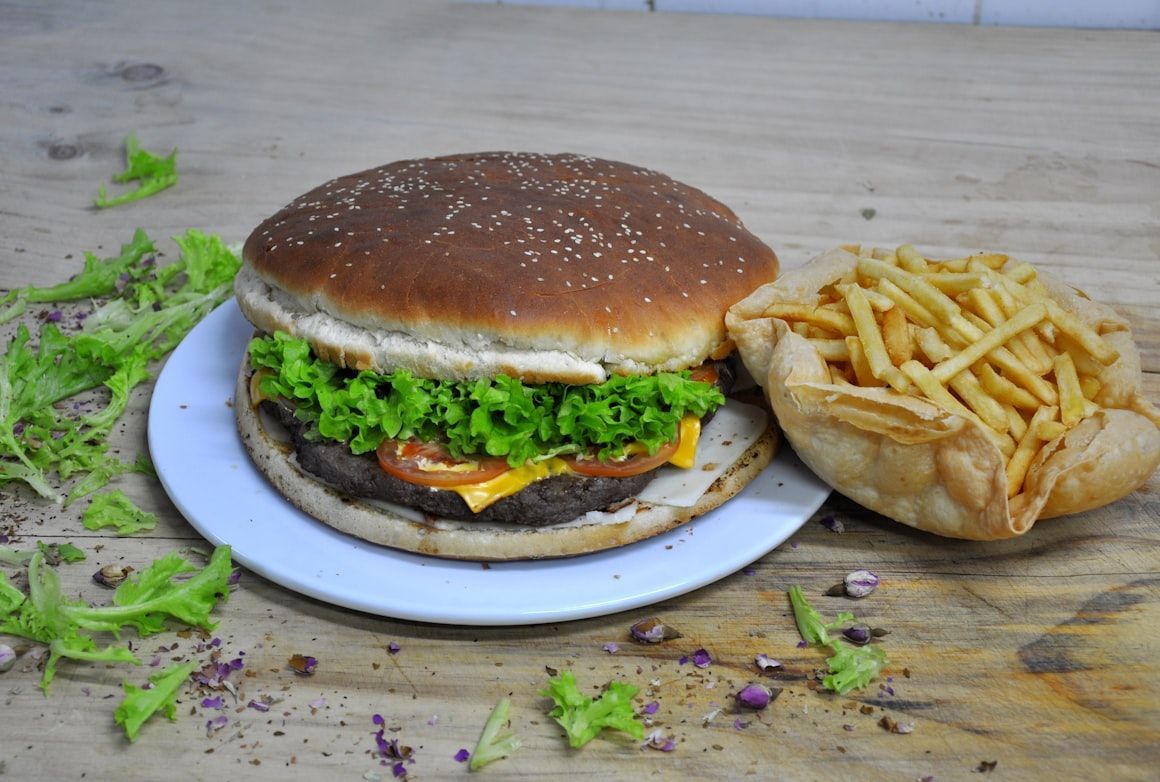
American restaurant portions are known for their size. Many meals are large enough to serve more than one person or to provide leftovers for later .
In contrast, other countries tend to serve smaller, more balanced portions. The American approach reflects a culture of abundance, but it can be unexpected for first-time visitors.
5
Taking leftovers home is typical
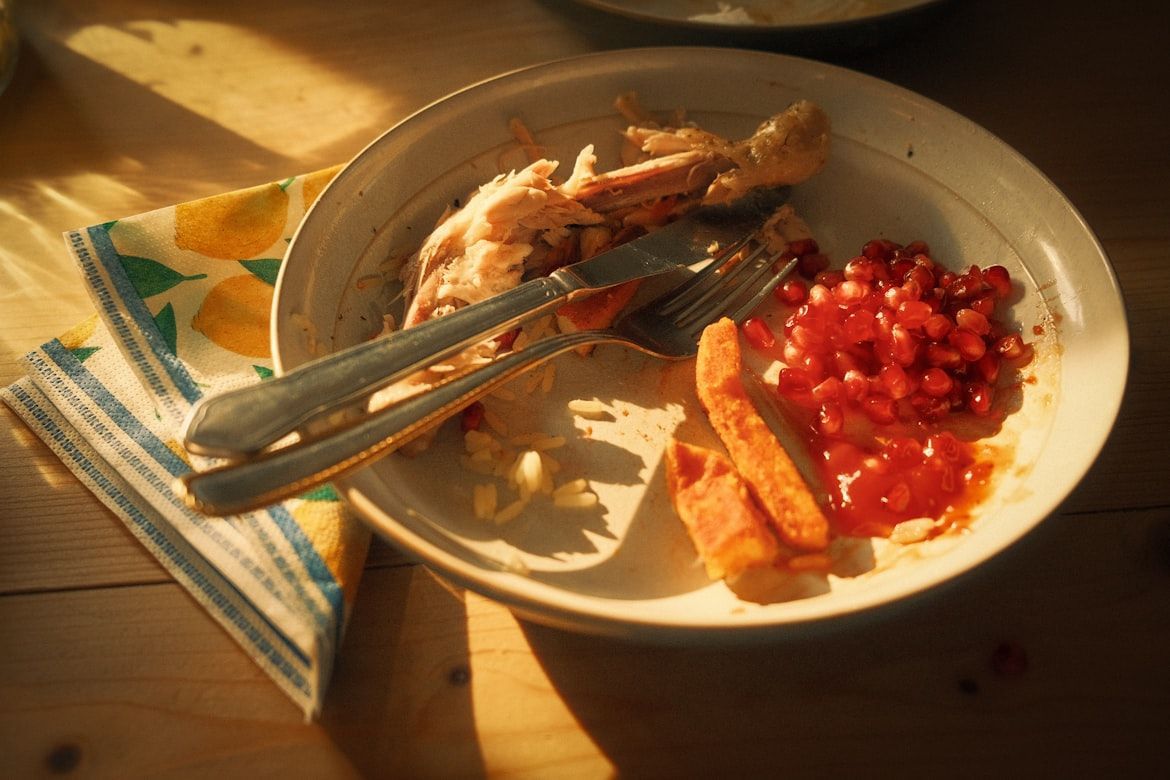
Asking for a take-home container, also known as a "doggy bag," is a normal part of dining in the U.S. Restaurants are prepared for it, and many people expect to leave with leftovers.
In some countries, this practice is less common or even discouraged. The American "doggy bag" reflects both larger portion sizes and a practical approach to reducing food waste.
6
Waiters check in frequently
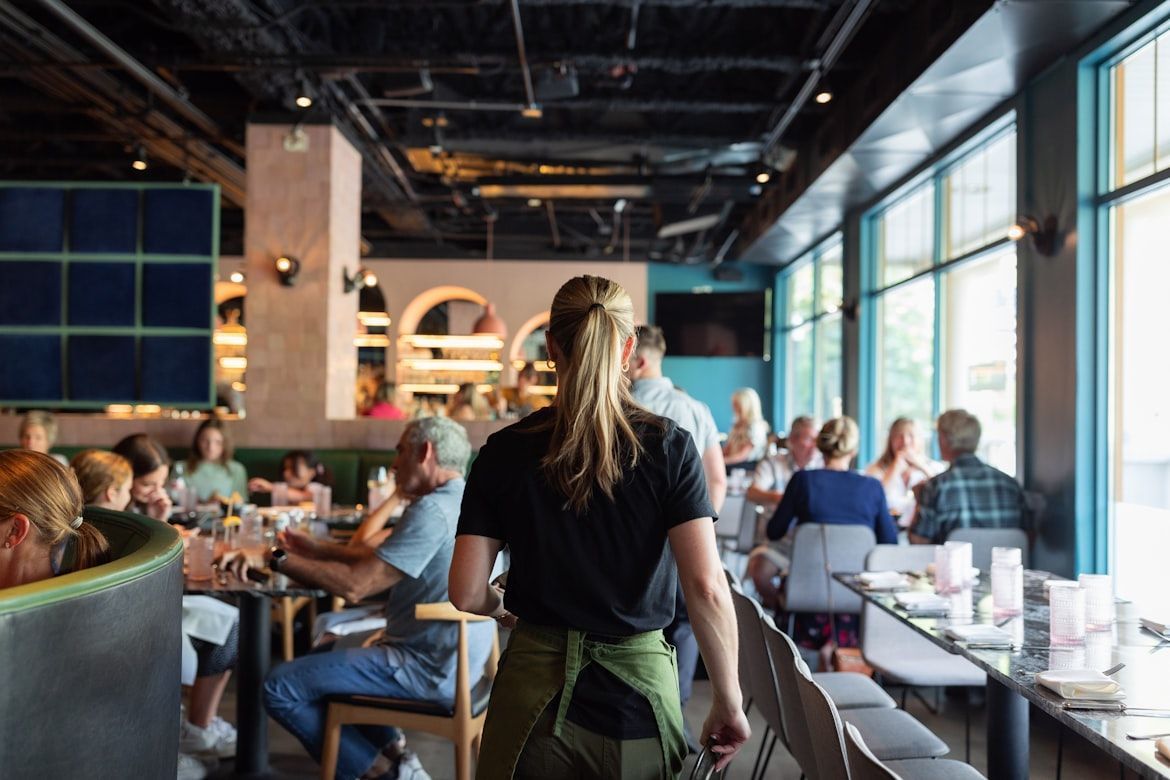
In the U.S., servers often return to the table several times during a meal . They may ask how everything tastes, refill drinks, or check whether anything else is needed.
While meant to be attentive, this can feel intrusive to foreign visitors. In many other cultures, less interruption is preferred, and diners typically signal the server only when necessary.
7
Customizing your order is normal
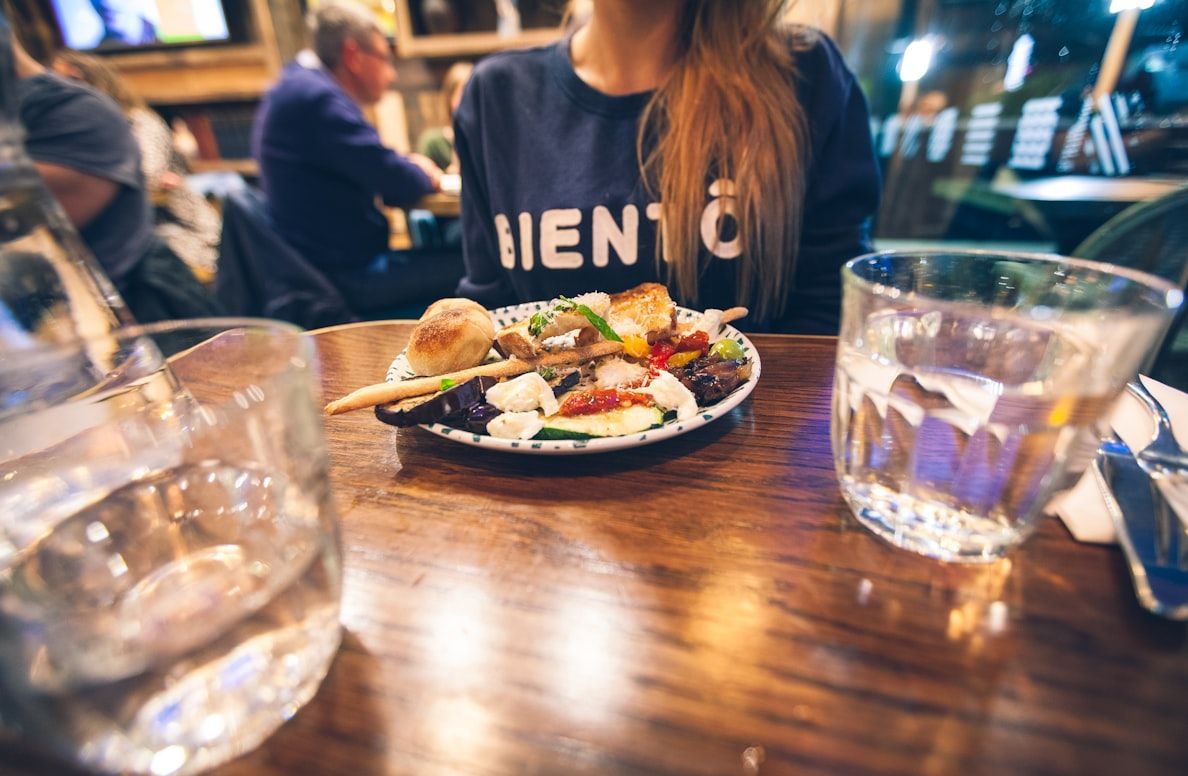
In the U.S., it's common to request changes to a dish, such as removing ingredients or adding extras . Restaurants are usually flexible and expect these requests.
In other parts of the world, altering a menu item may be frowned upon. The American habit reflects a strong emphasis on personal choice and individual preferences.
8
Tap water is served automatically
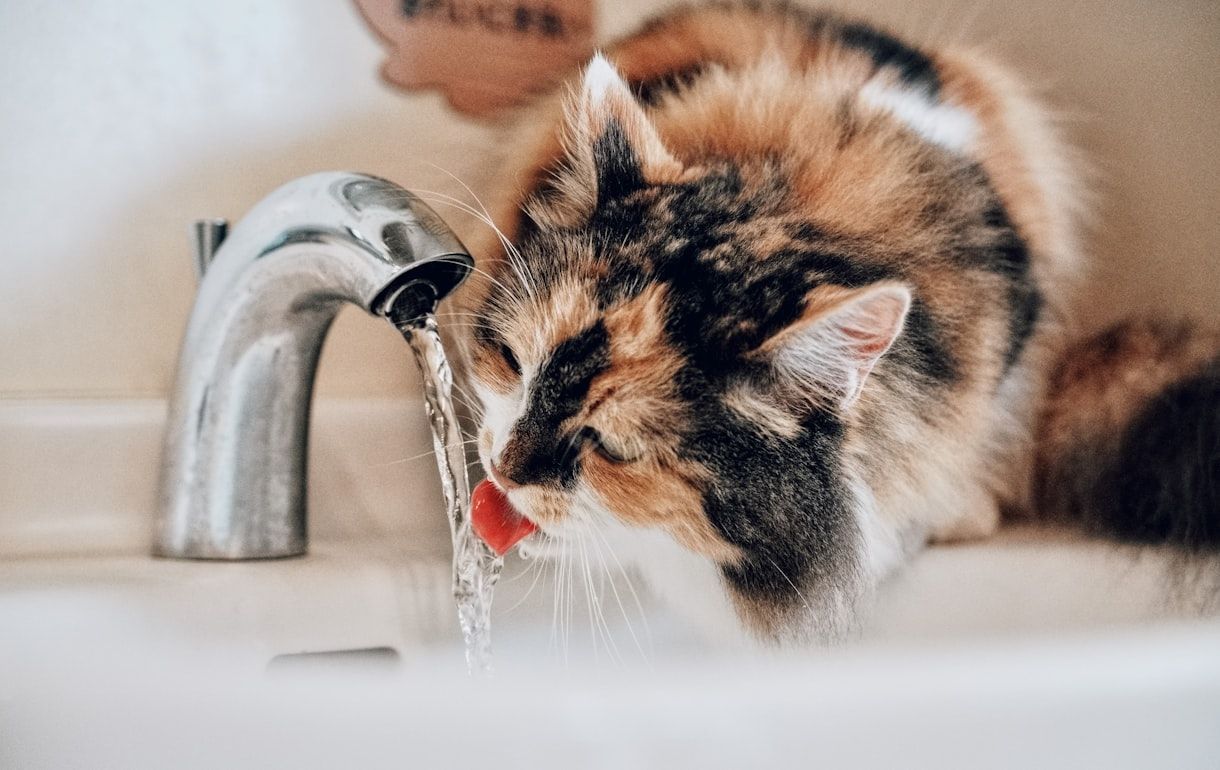
In American restaurants, a glass of tap water is often brought to the table without being requested . It is typically free and refilled throughout the meal.
In many other countries, bottled water is the default and must be ordered separately.
9
Meals tend to move quickly
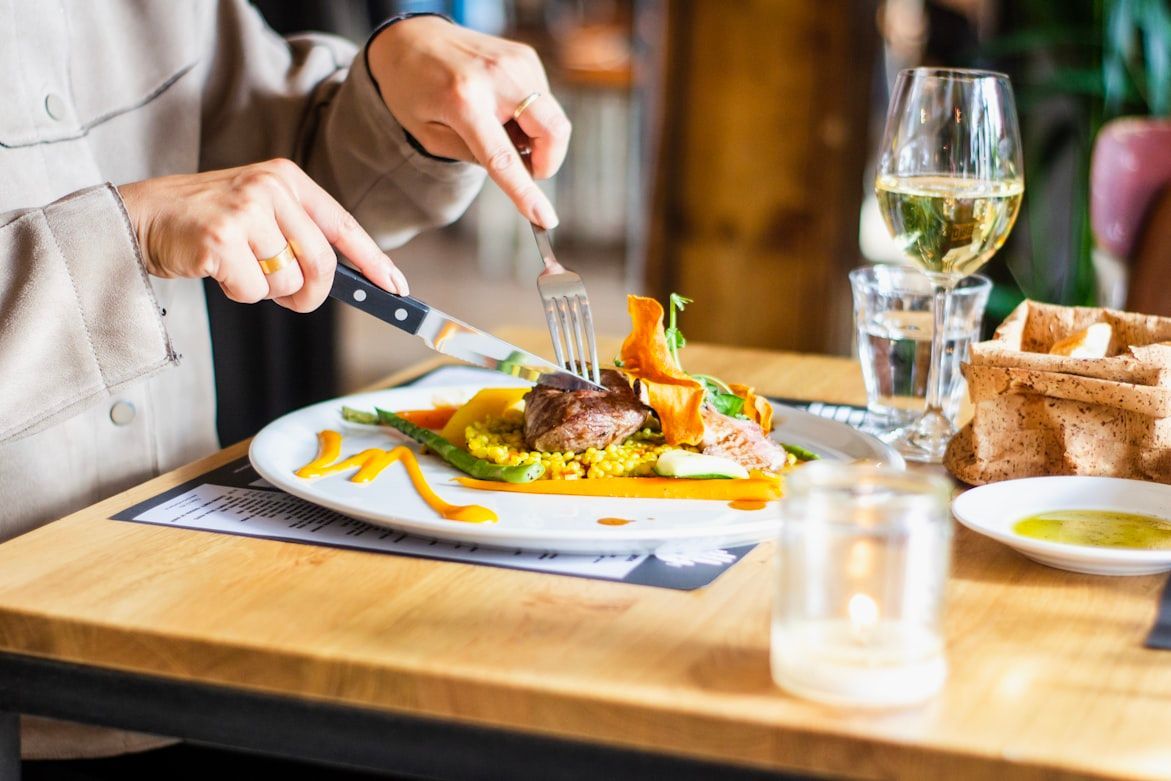
Dining in the U.S. often follows a faster pace. Food arrives quickly, and the bill may be brought shortly after the meal is finished .
In contrast, in many other cultures, meals are meant to be long, relaxed experiences. The American approach reflects efficiency and a faster daily rhythm.
10
Splitting the bill is common
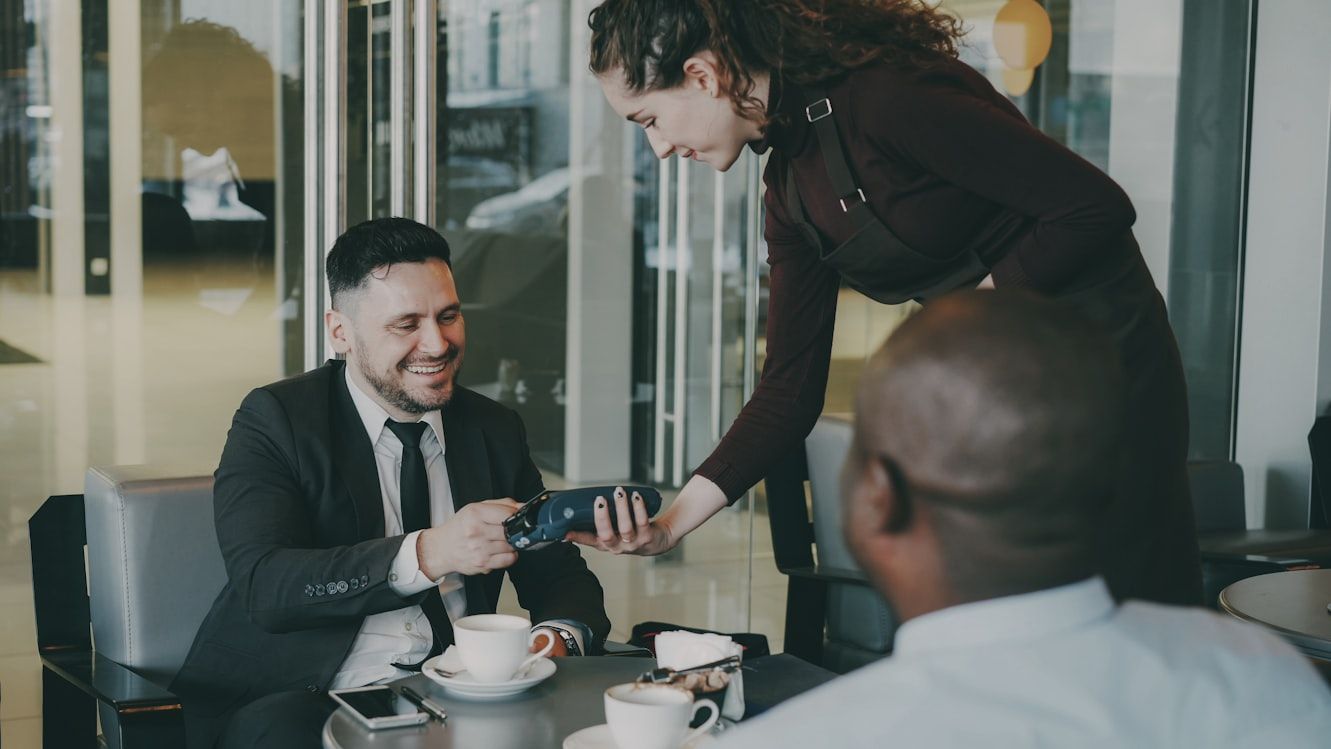
In the U.S., restaurants commonly allow separate checks , making it easy for each person to pay their share. This is especially helpful in group settings.
In many other countries, splitting the bill can be more complicated or is actively discouraged. The American system emphasizes convenience and individual responsibility at the table.
11
Sweet foods are common at breakfast
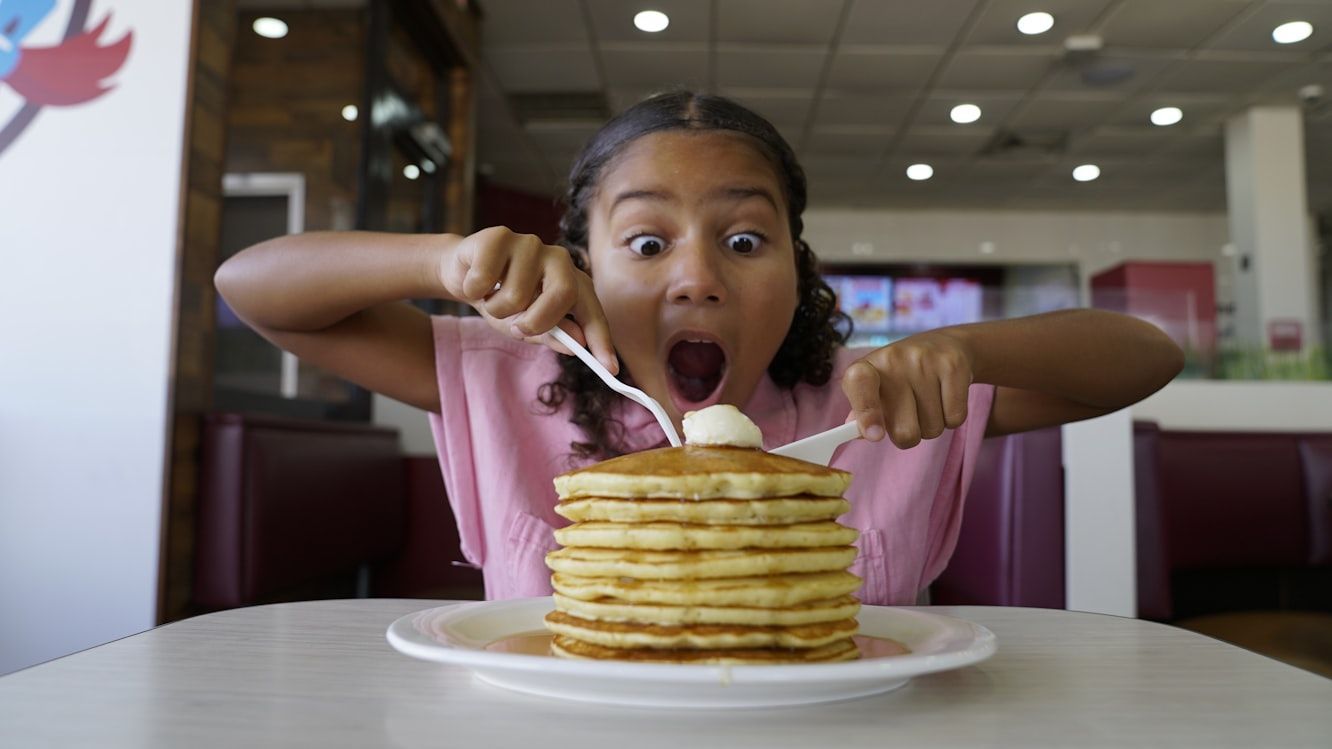
Breakfast in the U.S. often includes sweet items such as pancakes, waffles, pastries, or cereal, alongside eggs, bacon, and toast. Syrup and sugar are common additions at the start of the day.
In many other countries, breakfasts tend to be exclusively savory, featuring foods like bread, cheese, or eggs. The American preference for sweetness can feel like a treat to visitors.
12
Dining is generally casual
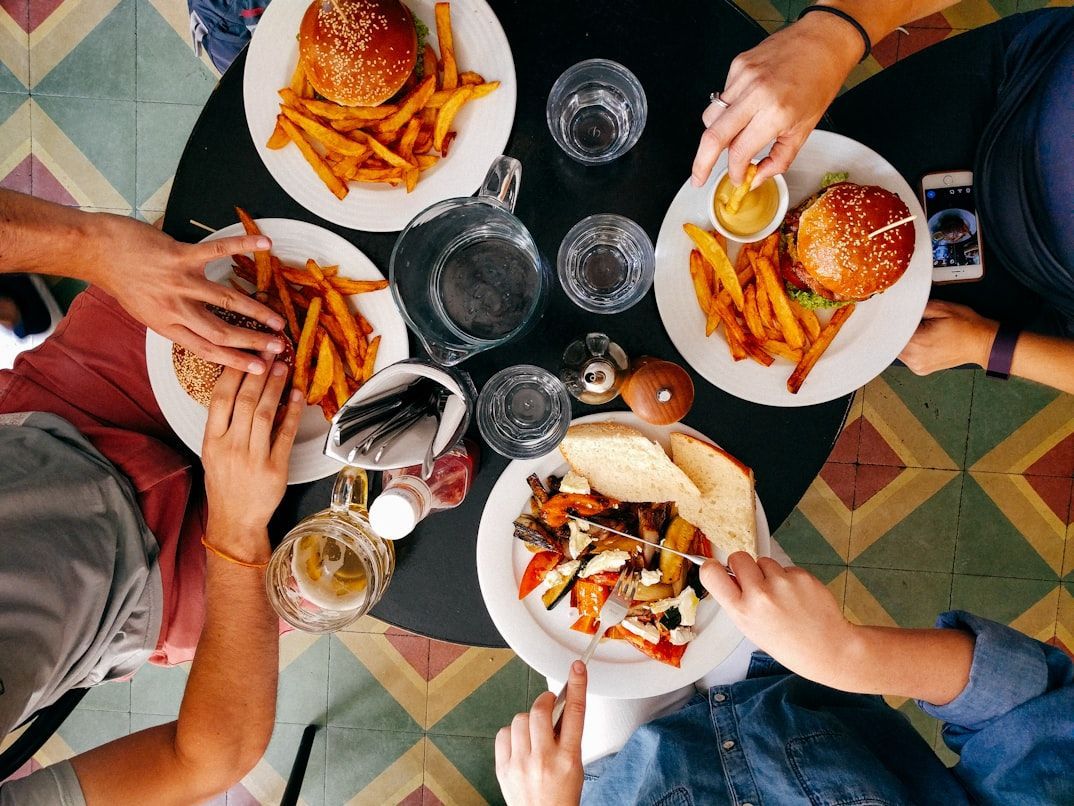
While there are many exceptions at five-star, fine dining establishments, American dining culture is typically relaxed, with fewer formal rules about dress or behavior . People often eat out in casual clothing and informal settings.
In other countries, meals, especially dinner, can be more formal events. The American style reflects a focus on comfort rather than tradition.