Culture Culture 4 min read

What if…?

You won’t believe who almost replaced Harrison Ford in Star Wars!

Image: GR Stocks

Some movie characters have become so iconic that it’s hard to picture anyone else in the role. But the truth is, many of these parts almost went to completely different actors. Can you imagine Al Pacino as Han Solo? It nearly happened! In this article, we’ll explore that story and nine other cases where famous characters almost end up with a different face.

1
Han Solo- Al Pacino
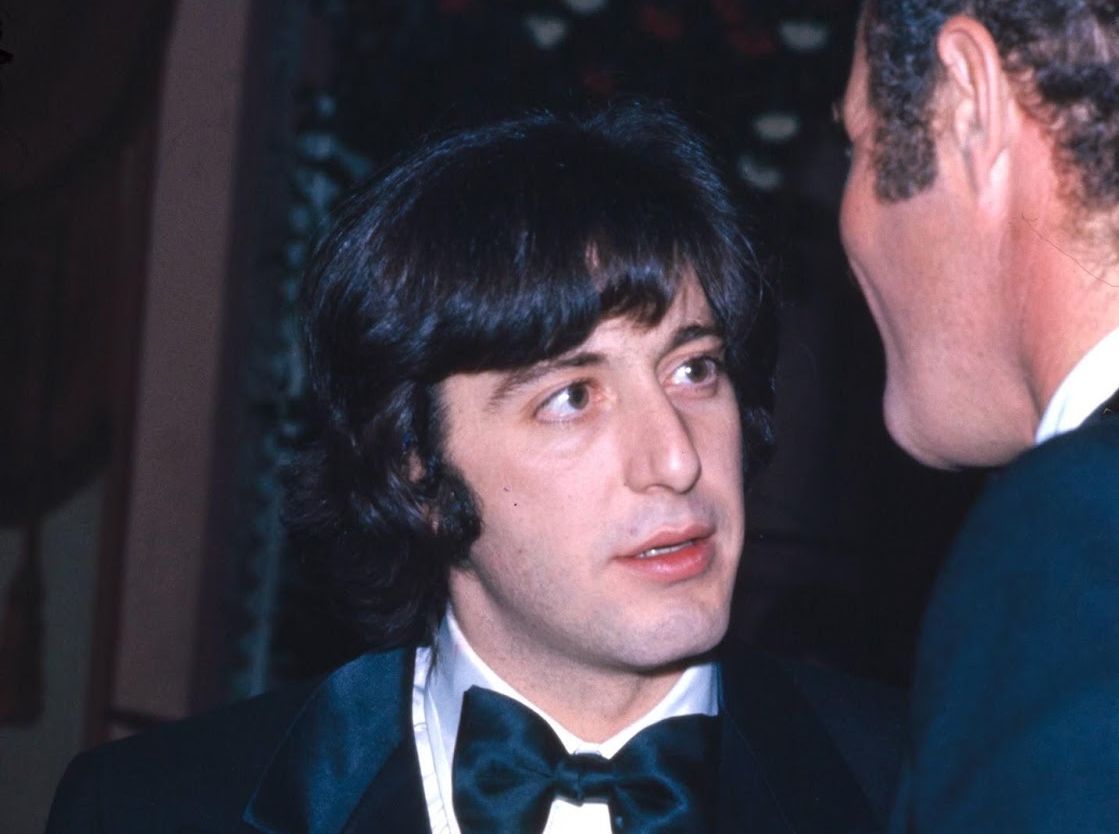
Image: Gotfryd, Bernard, photographer, Public domain, via Wikimedia Commons

Can you imagine the legendary Han Solo played by anyone other than Harrison Ford? Hard to picture, right? But it nearly happened: Al Pacino was actually offered the role. According to Pacino, he got the Star Wars script before it became a massive hit, but he "didn’t understand it" and decided to pass.

2
Jack Nicholson- Michael Corleone

Image: Larry Bessel, Los Angeles Times, CC BY 4.0 <https://creativecommons.org/licenses/by/4.0>, via Wikimedia Commons

It’s true that the great Jack Nicholson had no shortage of incredible roles and performances. But did you know he almost played one of cinema’s most iconic gangsters, Michael Corleone? However, Nicholson felt that "an Italian-American character should be played by an Italian-American actor" and passed on the role, which ultimately went to the brilliant Al Pacino.

3
Pretty Woman- Molly Ringwald
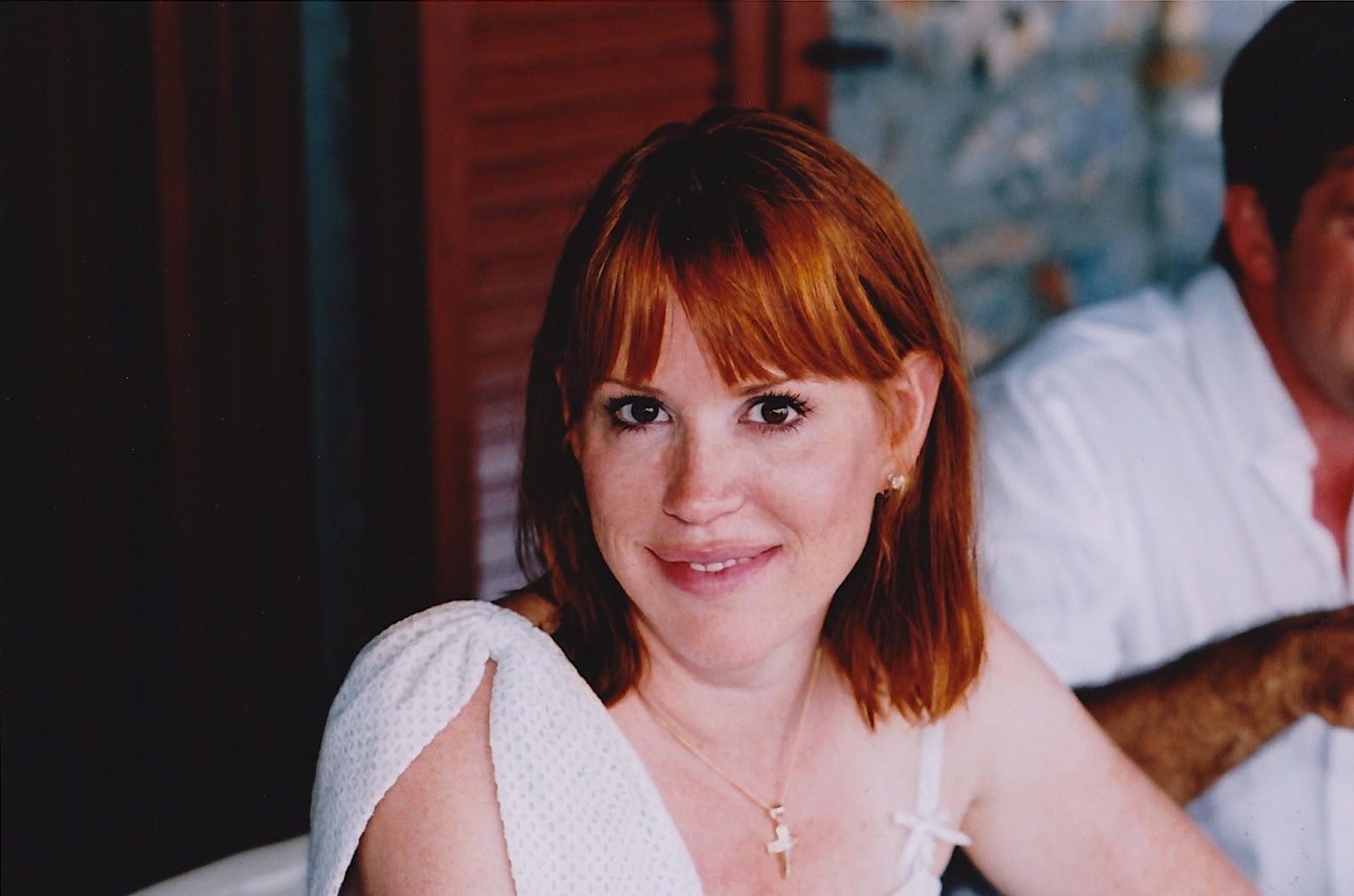
Image: Panio Gianopoulos, CC BY-SA 3.0 <https://creativecommons.org/licenses/by-sa/3.0>, via Wikimedia Commons

Pretty Woman (1990) is undeniably one of the iconic films of the ’90s, made unforgettable by the stellar performances of Richard Gere and Julia Roberts. But did you know the role of Vivian almost went to someone else? Molly Ringwald, star of Sixteen Candles (1984) and The Breakfast Club (1985), was originally considered, but she turned it down because she didn’t feel comfortable with the role.

4
Jack from Titanic- Matthew McConaughey
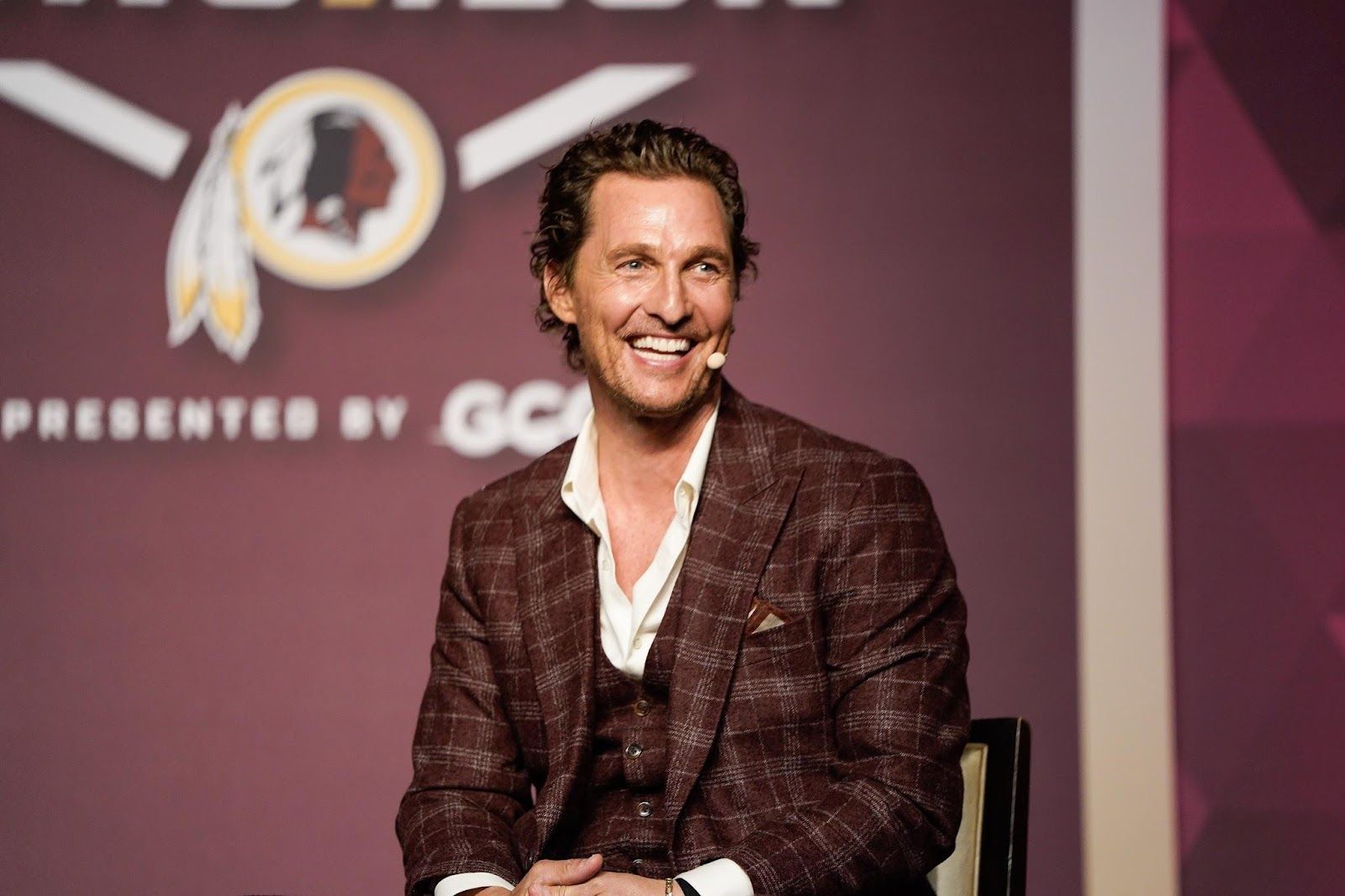
Image: All-Pro Reels from District of Columbia, USA, CC BY-SA 2.0 <https://creativecommons.org/licenses/by-sa/2.0>, via Wikimedia Commons

Can you picture a young Matthew McConaughey as the lovely Jack in Titanic (1997)? Hard to imagine, right? But it almost happened! Although he was five years older than Leonardo DiCaprio, both auditioned for the role. McConaughey came close to landing it but ultimately lost out because he refused to drop his Southern accent.

5
Catwoman- Madonna
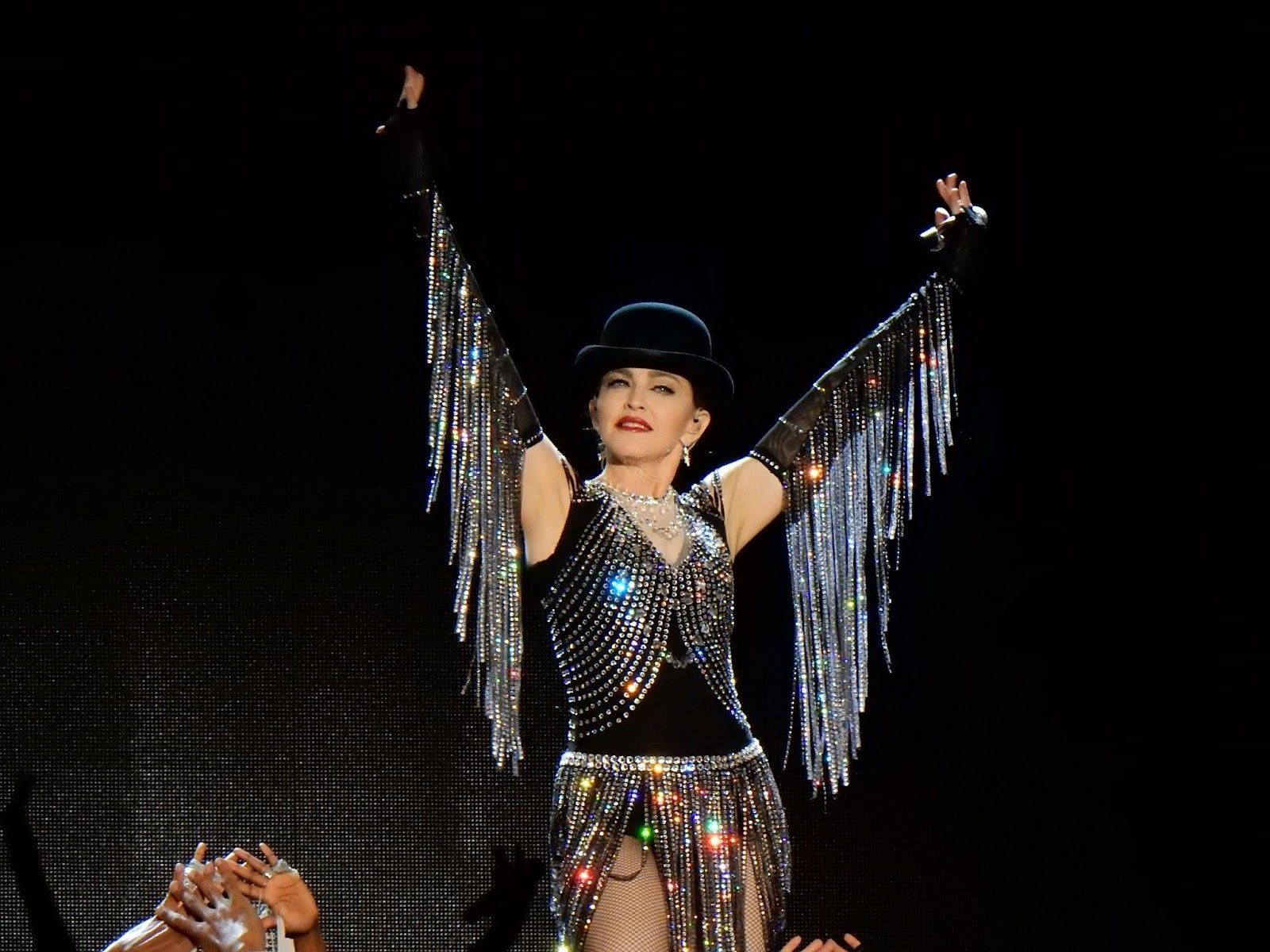
Image: chrisweger, CC BY-SA 2.0 <https://creativecommons.org/licenses/by-sa/2.0>, via Wikimedia Commons

When we think of Catwoman, Michelle Pfeiffer instantly comes to mind, as she gave us one of the most iconic portrayals of the character in Batman Returns (1992). But the role wasn’t always meant for Pfeiffer. That’s right! Catwoman almost went to the legendary Madonna. Believe it or not, the singer was originally offered the role but didn’t find it appealing at the time. Years later, she admitted she regretted passing it up.

6
Django- Will Smith
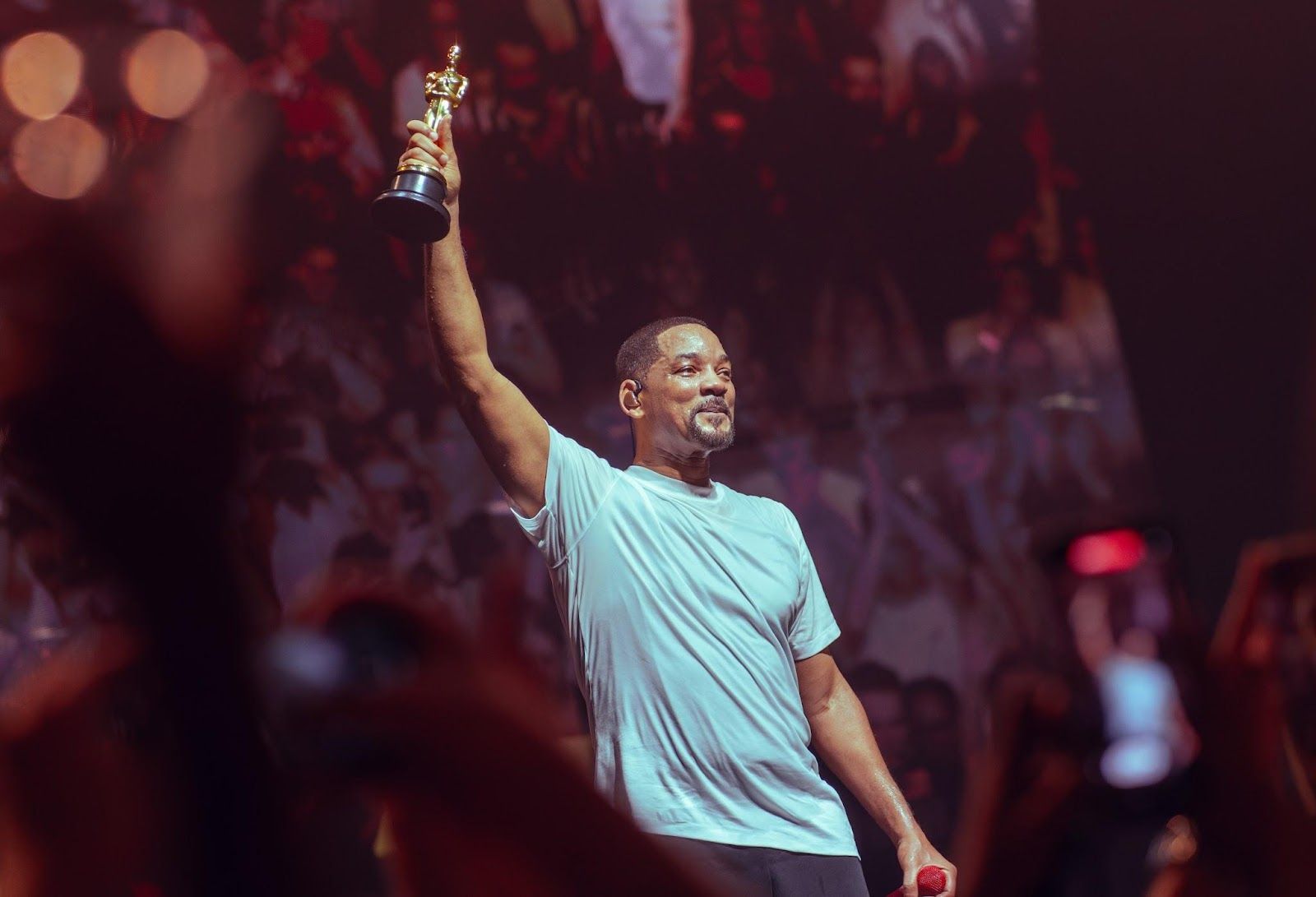
Image: Raph_PH, CC BY 4.0 <https://creativecommons.org/licenses/by/4.0>, via Wikimedia Commons

In 2012, Quentin Tarantino brought us Django Unchained , inspired by the 1966 Spaghetti Western classic Django . The film was a hit, with Jamie Foxx shining as the lead. But it could have looked very different, as another actor was originally offered the role: Will Smith. After reading the script, he passed, feeling that Django was overshadowed by other characters and that the story focused too much on vengeance.

7
Mrs. Smith- Gwen Stefani

Image: Lorie Shaull from St Paul, United States, CC BY-SA 2.0 <https://creativecommons.org/licenses/by-sa/2.0>, via Wikimedia Commons

Mr. & Mrs. Smith (2005) isn’t just one of the sexiest films of recent years; it’s also where Brad Pitt and Angelina Jolie met and fell in love. But we almost missed out on this iconic couple! Why? Well, besides Angelina, other actresses and artists were considered for the role. One of them was singer Gwen Stefani, who said she "almost got it" but chose to focus on her music career instead.

8
Neo- Will Smith

Image: Gage Skidmore from Peoria, AZ, United States of America, CC BY-SA 2.0 <https://creativecommons.org/licenses/by-sa/2.0>, via Wikimedia Commons

We don’t know how many roles Will Smith has turned down over the years, but he appears twice on this list! This time, it’s the legendary Neo from The Matrix franchise. According to Smith, when they offered him the role, he had also been offered Captain James West in Wild Wild West (1999) and ultimately chose that one instead.

9
Captain America- John Krasinski

Image: Gabriel Hutchinson, CC BY-SA 4.0 <https://creativecommons.org/licenses/by-sa/4.0>, via Wikimedia Commons

John Krasinski won our hearts as the clever Jim in The Office . But did you know he nearly became a superhero? He was close to playing Captain America! Although he even auditioned, Krasinski later joked that when he saw Chris Hemsworth in his Thor costume, he realized the role and the movie weren’t quite for him.

10
Iron Man- Tom Cruise
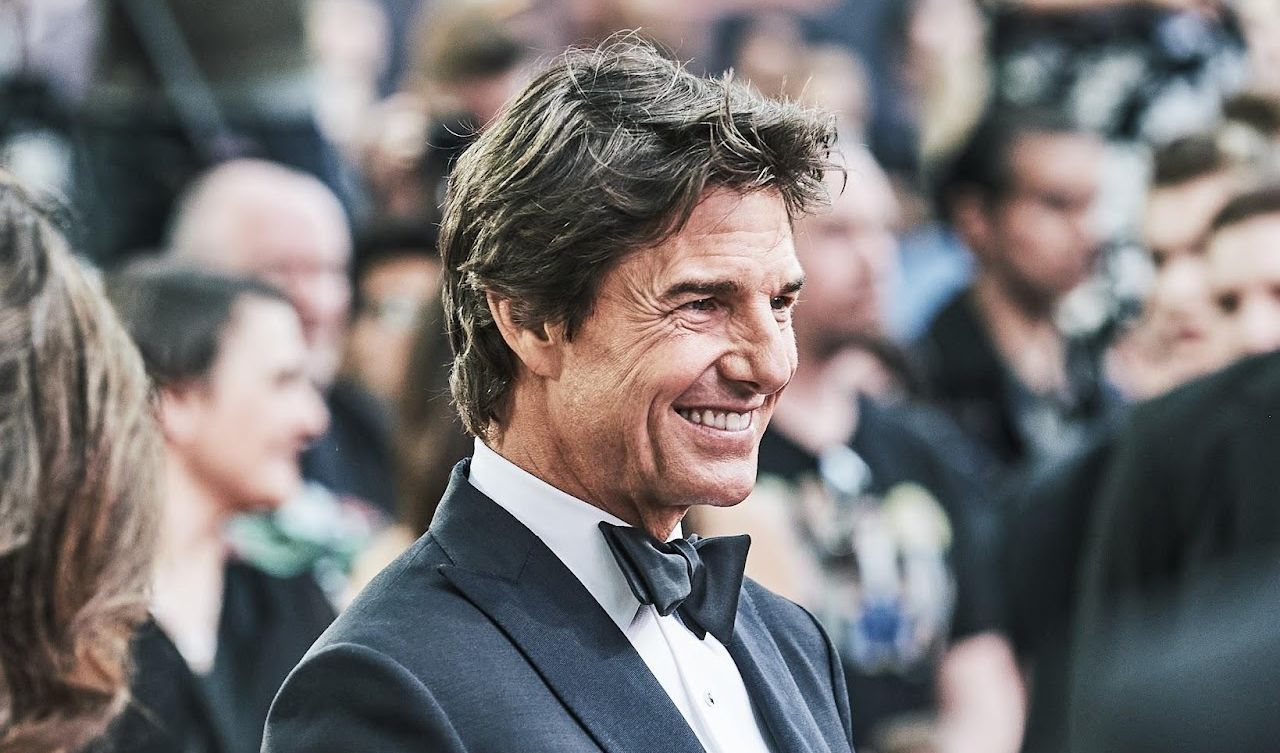
Image: Gabriel Hutchinson Photography, CC BY-SA 4.0 <https://creativecommons.org/licenses/by-sa/4.0>, via Wikimedia Commons

Iron Man, the genius billionaire who uses his brains and wealth for good, is a Marvel icon we all know and love thanks to Robert Downey Jr.’s brilliant performance. But did you know we almost saw Tom Cruise dressed up as a superhero? That’s right! He was seriously considered for the role, though the way the project was pitched didn’t quite convince him.

General General 6 min read

Save the date!

National Days: 10 extra (and quirky) reasons to toast!

Image: chicken mackay

Halloween, Thanksgiving, and the 4th of July are the true classics that nobody misses, but life’s too short to skip out on quirky celebrations too, right? While birthdays and anniversaries are wonderful, there’s something uniquely fun about having a random day to honor something totally unexpected! From cow-milking up in the air to imagining pets with thumbs, our country has a national day for nearly everything you can imagine (and some you probably can’t). Let’s dive into 10 fun and bizarre holidays you didn’t know existed, and maybe inspire you to celebrate them, too. Ready for some good laughs and odd facts? Let’s get started!

1
Cow Milked While Flying in an Airplane Day

Image: Adam Sherez

Let’s kick off this list with a day that nobody ever imagined would be a thing, but here we are nonetheless! Have you ever heard of cows taking to the skies? Well, in 1930, that became true. A cow named Elm Farm Ollie became the first to fly in an airplane and be milked while airborne! This curious day, observed on February 18th, honors Ollie’s mile-high milking session.

You might be wondering why they did this in the first place. It was actually a scientific experiment to test the cow’s ability to produce milk during flight. And it was great publicity for the aircraft they used to do it. A classic win-win, and a quirky holiday on the side!

2
Namesake Day

Image: Jamie Street

Do you know that feeling when you walk up to a certain group for the first time and, among the introductions, you discover someone shares your name? You may not have anything else in common with that person, but the invisible string is there and that’s thanks to having the same name.

In our country, there’s even a day dedicated to celebrating our namesakes . That is every first Saturday in March, though the reason or origin behind this day remains unclear. However, it is a perfect opportunity to celebrate our shared identities.

3
Sock Monkey Day

Image: Denisse Leon

This list is getting crazier and crazier and don’t say you weren’t warned! But isn’t it fun to learn that there is a National Sock Monkey Day in our country? This holiday celebrates one of America’s quirkiest homemade toys: the sock monkey!

Traditionally made from Rockford Red Heel socks, these little guys have been around since the 1890s, although some also say that they were the result of the Great Depression.

Regardless, when can you celebrate this charming tradition? March 7th is the official day to honor this cheerful craft. It’s a day for making, gifting, or simply hugging a sock monkey in appreciation. With a little patience and a pair of old socks, you might even make one yourself! Embrace your inner child and get crafty on Sock Monkey Day!

4
National Senior Citizens Day

Image: Clay Banks

This one is not crazy at all! If anything, this one should be a must-celebrate for everyone! August 21st is all about recognizing the wisdom and experience that come with age. Established by President Reagan in 1988, National Senior Citizens Day encourages respect and appreciation for older generations.

Now, what motivated this holiday? As medical technology improved over time, life expectancy increased dramatically. While it was common to live for 30 years in the Late Middle Ages, by the 20th century, people were reaching 50 or even 60 years. That progress alone was reason enough to celebrate—and thus, this special day was born!

5
National Fried Chicken Day

Image: Tyson

If we gave you thirty seconds to name the most American things you can think of, how long would it take for fried chicken to make your list? It would probably be the second or third item on your list, right? Well, now you can see why fried chicken has a national day too!

July 6th is National Fried Chicken Day, a day to revel in one of America’s tastiest comfort foods! From crispy Southern-style to spicy Nashville hot, fried chicken has a place in the hearts (and stomachs) of many. The origins of fried chicken are a blend of Scottish and West African cooking traditions, but today it’s an American staple.

Not that we need much of a reason to have a nice bucket of fried chicken, but isn’t it extra special to indulge on its very own day?

6
Put on Your Own Shoes Day

Image: Nathan Dumlao

Don’t we all do that every single day of our lives? So, what makes this a special holiday? Put on Your Own Shoes Day on December 6th may seem simple, but when you read into it, you’ll find it’s a subtle nod to independence.

The truth is information regarding the origins of this day is not abundant, but we can confidently say that it’s more of a symbolic celebration. It’s a day to help our little ones learn how to tie their shoes, or maybe take their first steps. It’s also a metaphor that, adults as we are, we have made it this far, after all, independence comes in many forms, even lacing up your shoes! So, walk proudly on this quirky holiday and celebrate your strides toward independence!

7
National Ghost Hunting Day

Image: Erik Müller

No, this is not the same as Halloween, of course. But, if you may, it’s kind of a warm-up for the spooky season, since this one takes place on the last Saturday in September, exactly a month before Halloween, making it the perfect prelude to all things eerie.

For those who enjoy a good scare , National Ghost Hunting Day was created in 2016 and is perfect for thrill-seekers and fans of the paranormal. Groups often venture to "haunted" spots armed with flashlights, cameras, and a lot of curiosity. It’s also a chance to explore local legends and folklore about ghosts and spirits. Even if you stay home, you can participate by watching a ghost-hunting show. Get your flashlight ready and have a ghoulishly good time!

8
National Nothing Day

Image: Edwin Splisser

What? That’s right, this one is indeed a National Day and it has been ever since 1973 when Harold Coffin, an American newspaper columnist suggested that there were too many useless commemorative days . This is getting meta, don’t you think?

Anyway, National Nothing Day is celebrated every January 16th, and it is, quite literally, a day to do absolutely nothing! It was originally conceived as a way to avoid celebrations, this day offers a "holiday from holidays." There are no obligations, no parades, and no need to mark the occasion in any way. In short, this day is a license to relax. You may be wondering what should you do to celebrate and the answer is right there: Nothing!

9
National Spaghetti Day

Image: Jeswin Thomas

Spaghetti is not exclusive to America, it’s a dish gifted to the world by the Italians. But America, with its classic intense feelings about the things that make it great, felt the need to create a day specifically designed to have a delicious bowl of Spaghetti . And honestly? We love it!

January 4th is National Spaghetti Day, a pasta dream come true! The best part is that there are as many variations and toppings as there are people who enjoy it. Whether you love it with marinara, meatballs, or pesto, there’s a recipe for everyone.

Many celebrate by whipping up a pasta dish or visiting their favorite Italian restaurant. Whatever you choose, twirl some spaghetti and toast to this delicious day!

10
National If Pets Had Thumbs Day

Image: Jamie Street

Imagine if your cat could open the fridge or your dog could hitchhike! If only, right?

March 3rd is National If Pets Had Thumbs Day in our country, a humorous look at what life would be like if pets had opposable thumbs.

The day makes us all wonder about the possibilities, and maybe even the mischief if we know our furry friends, of a more skillful pet . What would be the first thing you’d do? Some pet owners share funny stories or create scenarios imagining what their pets might do with that extra dexterity.

This holiday is all about celebrating the quirks and charm of our pets. Get ready to laugh, because a thumbs-up from your pet might be closer than ever!

History History 5 min read

The foundation of the American nation

The Founding Fathers of America: 10 interesting facts

Image: The New York Public Library

We all know who the Founding Fathers were, but we seldom think of them as human beings rather than heroes who gave shape to our country . Despite their amazing deeds, they still were a group of men of varied origins, ideologies, beliefs, and concerns, which led to more than one discussion and rivalry. Let’s learn some more about them!

1
There is no official ‘Founding Fathers’ list

Image: The New York Public Library

Who can be called a Founding Father? The term was coined by Senator Warren G. Harding in 1916 and is used to refer to the leaders of the Revolutionary movement, but there’s no set list . While it is mainly used for key figures such as George Washington, Thomas Jefferson, John Adams, Benjamin Franklin, Alexander Hamilton, John Jay, and James Madison, the term applies broadly to those who signed the Declaration of Independence and the Constitution .

2
4th of July deaths

Image: Stephanie McCabe

The legal separation of the Thirteen Colonies from the British Crown was voted by the Continental Congress on July 2nd, 1776, but was formally adopted on July 4th , immortalizing the date for the rest of American history. But did you know that it is also the death anniversary of three Founding Fathers?

Thomas Jefferson and John Adams both died July 4, 1826, on the 50th anniversary of the Declaration of Independence, while James Monroe died five years later, on July 4th, 1831. Interestingly, John Adams disliked the date chosen for celebrations, as he believed the day of the vote to be more significant.

3
Refusal to sign the Constitution

Image: Howard Chandler Christy, Public domain, via Wikimedia Commons

The Constitutional Convention took place in 1787, from May to September. The Constitution of the United States was presented on September 28, 1787 , but nearly two years had to pass for it to be ratified by all the states, superseding the nation’s first constitution, the Articles of Confederation.

Not all signing constituents agreed on the final seven articles, among them Benjamin Franklin, but three of them in particular —George Mason, Edmund Randolph, and Elbridge Gerry— flat out refused to sign the document . Mason suggested the addition of a bill of rights, but was denied, a suggestion that would ultimately inspire the drafting of the Bill of Rights by James Madison.

4
A lawyer for the enemy

Image: National Archives at College Park, Public domain, via Wikimedia Commons

The Boston Massacre of 1770 was part of the incidents that prompted the start of the Revolutionary movement in the colonies. British soldiers stationed in Massachusetts to support the implementation of the Townshend Acts were confronted by an angry crowd. Overwhelmed, the soldiers opened fire without authorization, resulting in five deaths and six wounded.

During the subsequent trial, Founding Father John Adams worked as a defense lawyer for the British soldiers charged , a decision that prompted public criticism. However, he was a firm believer in the right to a fair trial for everyone, and argued that most soldiers had acted in self-defense. In the end, only two soldiers were convicted of manslaughter, a verdict Adams agreed with.

5
The origins

Image: Alex Boyd

None of the Founding Fathers was born an American (for obvious reasons), but most of them were born in the American colonies and had British origins . Out of the 56 signers of the Declaration of Independence, 47 were born in what is now U.S. territory.

The other nine? Eighth of them came from the British Isles : Two were English-born (Button Gwinnett, Robert Morris), three were Irish (George Taylor, Matthew Thornton, and James Smith), two were Scottish (James Wilson, John Witherspoon), and one was Welsh (Francis Lewis). The last one, Alexander Hamilton, was born in the British West Indies , now St. Kitts and Nevis.

6
The first signature

Image: David Nitschke

Have you ever wondered why people ask for a ‘John Hancock’ when they need a signature? It is all because of Founding Father John Hancock. One of the wealthiest men in the Thirteen Colonies, Hancock was a merchant (and smuggler) by trade, served as president of the Continental Congress, and as Governor of the Commonwealth of Massachusetts after the Revolution.

Why is he associated with a signature? John Hancock was the first person to sign the Declaration of Independence, and his signature stands out because it is visibly larger than the rest. According to legend, he claimed to have made it big so King George would be able to read it.

7
The anti-slavery clause that wasn’t

Image: Hussain Badshah

It is no secret that many Founding Fathers were slaveholders, but there was no unified opinion on the subject. Some, such as George Washington, freed their slaves in their wills, while others, such as Franklin, Paine, Hamilton, and Adams, were passionate abolitionists. Thomas Jefferson was a curious case: while he owned numerous slaves all his life, he was against the international slave trade and believed that America had to abolish slavery gradually to avoid civil unrest.

In his first draft of the Declaration of Independence, Jefferson included his conflicted views on slavery in a paragraph condemning King George III for his role in the Transatlantic Slave Trade and the affronts to liberty caused by this. Ultimately, this clause had to be removed due to the objections of many delegates who supported slavery.

8
The vice president

Image: Ian Hutchinson

When the Constitutional Convention considered the best way to choose a chief executive (a.k.a., the president), they weren’t even considering the figure of the vice president , and had decided that the Senate would elect its own president. After creating the Electoral College, they realized that, being a new country, state loyalty would most likely outweigh loyalty to the union. The solution? Each elector had to choose two candidates, one of which should be from a different state. The two most-voted candidates would be president and vice president, respectively.

The first elected vice president, John Adams, was not happy with the position . He had received a huge amount of votes, but George Washington had still won in a landslide. Although he regarded the position as the "most insignificant office that ever the invention of man contrived", he took on his role as President of the Senate with the utmost dedication.

9
Confidence in the Constitution

Image: Adam Nir

It is difficult to believe that any Founding Father thought the Constitution to be perfect. After all, not only did some refuse to sign it, but they also included the possibility of amending it to better protect the stability and liberties of the country.

Some Founding Fathers, however, lacked confidence in the Constitution as a document. Benjamin Franklin expressed his disapproval of certain clauses . Still, he was not sure they could write one better, so he decided to sign it, faults and all, preferring to doubt himself than halt the constitutional process. On the other hand, Washington believed the Constitution to be much better than the Articles of the Confederation, but he expressed his doubts about the document lasting for more than twenty years.

10
A varied group of men

Image: Nathaniel Currier, CC0, via Wikimedia Commons

The centuries passed, and the wigs on the portraits have created the illusion of the Founding Fathers being a group of old men , but this is not exactly right. Although Benjamin Franklin was around 70 years old during the Revolutionary War, most Founding Fathers were young enough to fight and were between 30 and 45 years old.

The differences of age, background, and ideology between the Founding Fathers were the cause of many discussions, enmities, and rivalries, but these differences contributed to the foundation of the United States of America.

Explore more American facts

Choose your favorite category!

General
General

As American as apple pie—the very best America has to offer!

Culture
Culture

Delve into the astounding richness of American lore.

Geography
Geography

Hop in and explore vast and diverse American landscapes.

History
History

Discover the key moments that shaped the United States.