General General 4 min read

It’s hip to be square!

These are not the Colorado & Wyoming you know: 12 incredible local facts
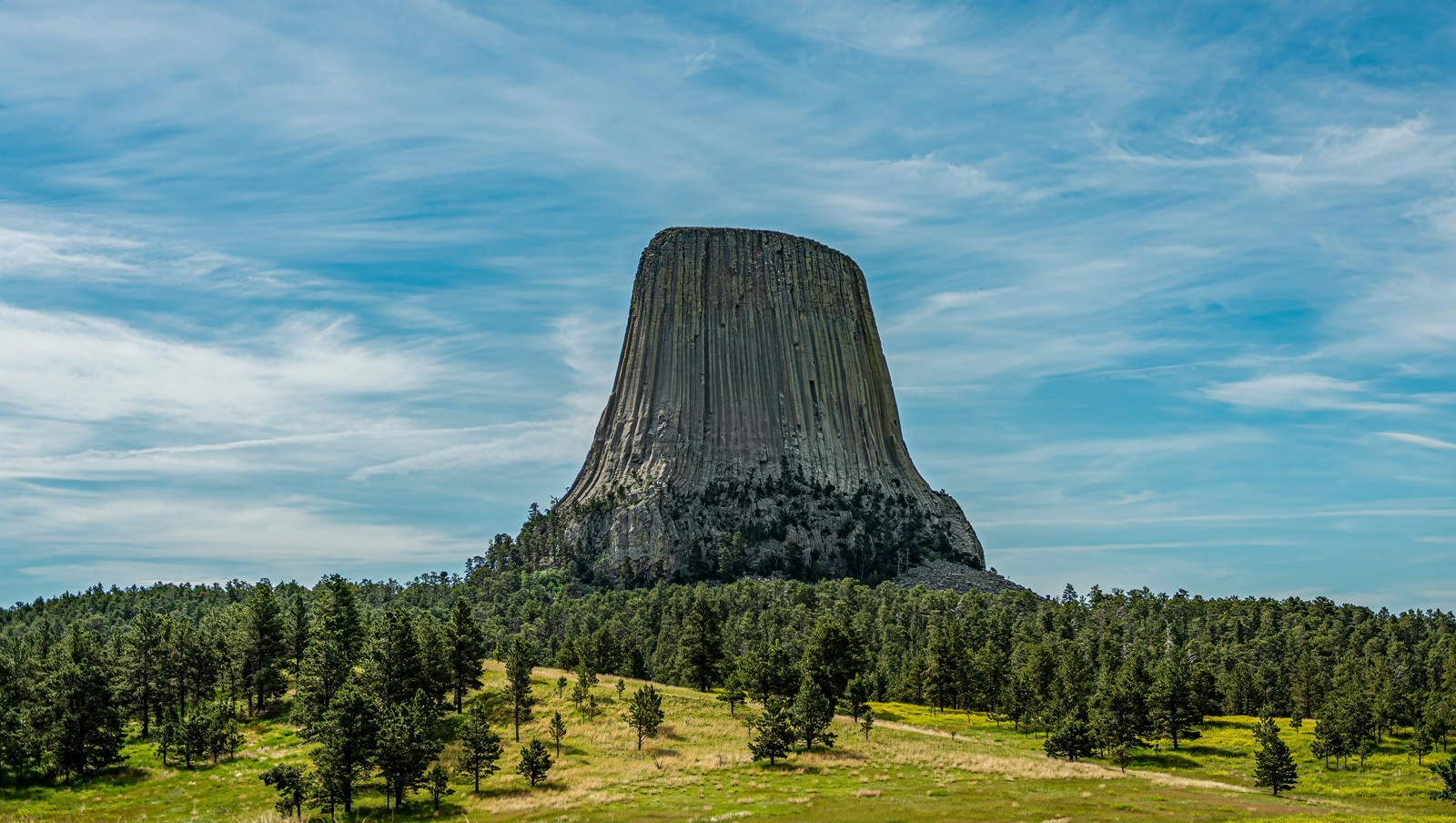
Image: Stephen Walker

While technically there are no perfectly square states in the U.S. due to geographical limitations, Colorado and Wyoming come the closest to fitting that description when looking at them on a map . These "square" states are packed with fascinating stories. Did you know that a headless chicken from Colorado once lived for 18 months? Or that the world’s longest shootout reenactment still takes place in Wyoming? Take a look at these 12 incredible facts and choose your favorite!

1
Colorado once rejected the Winter Olympics
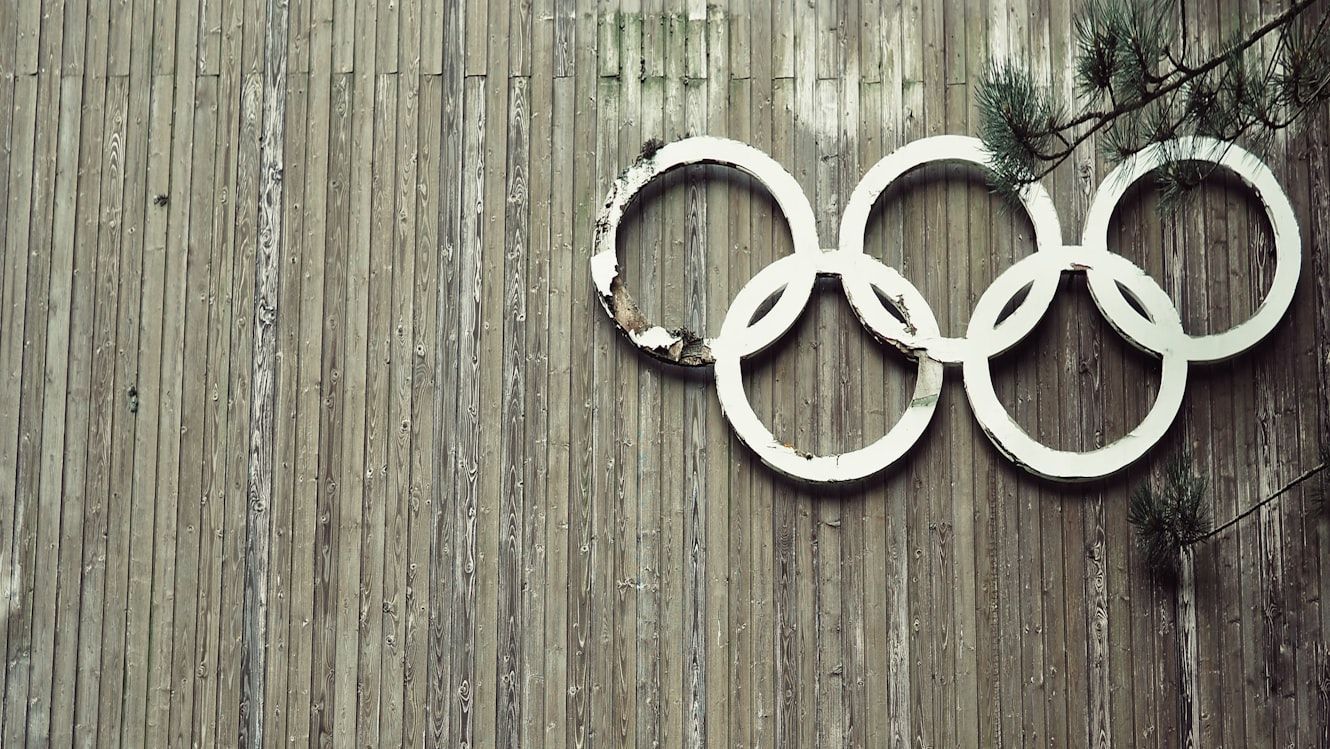
Image: Umanoide

In the 1970s, Colorado turned down the opportunity to host the Winter Olympics in Denver. Voters opposed the plan due to concerns about cost, environmental damage, and overcrowding .

This made Colorado the only U.S. state in history to reject the Olympics—even though it’s home to the U.S. Olympic Committee. The decision reflected a strong commitment to protecting the state’s environment and way of life.

2
Wyoming has only two escalators
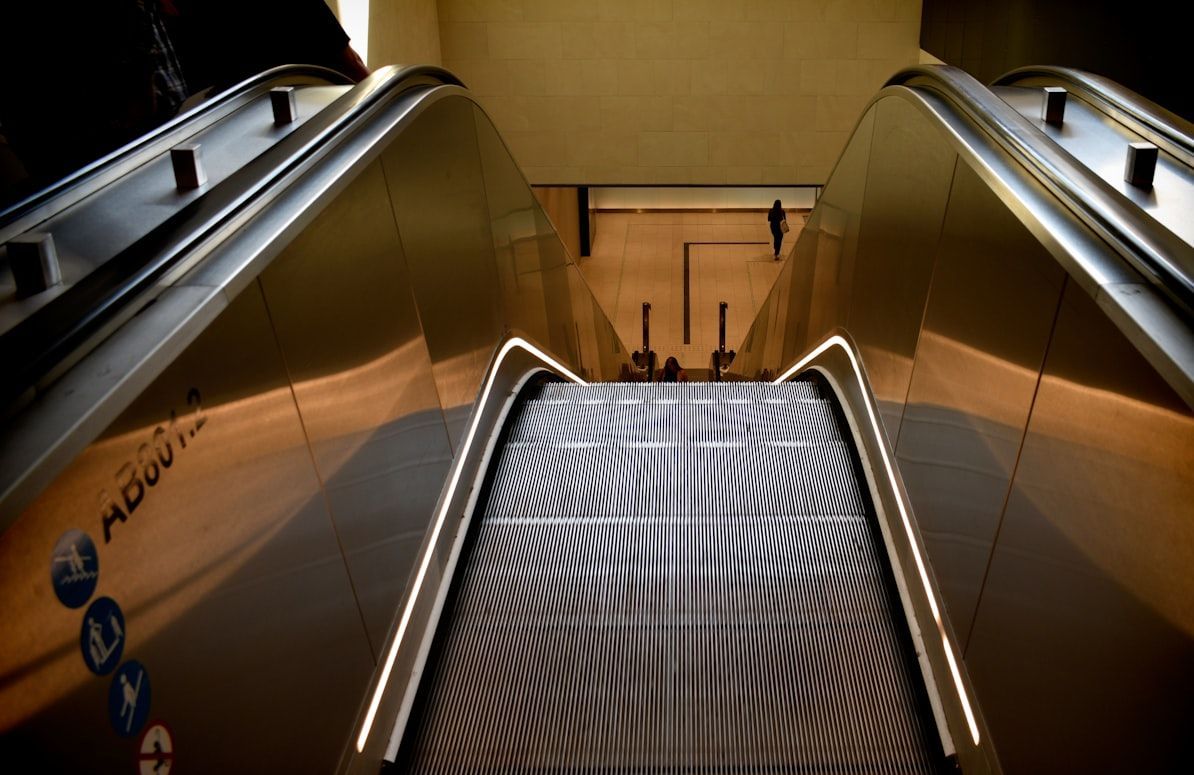
Image: Andres Siimon

Wyoming has just two escalators, both located in Casper— one at First Interstate Bank and the other at Hilltop National Bank.

A third once existed at a JCPenney in Cheyenne but was removed when the store relocated to Frontier Mall. The two remaining escalators operate in both directions and remain the only ones in the state.

3
The highest vehicular tunnel in America is in Colorado
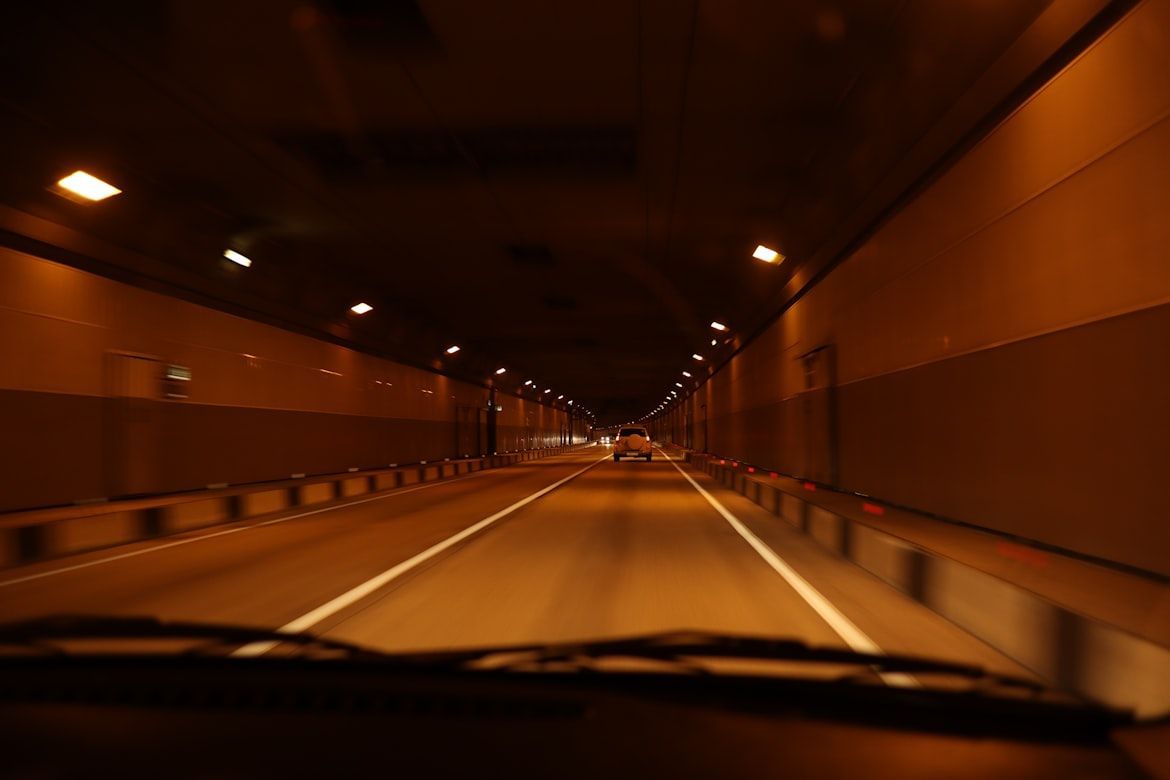
Image: Igor Tverdovskiy

The Eisenhower Tunnel on I-70 in Colorado is the highest vehicular tunnel in the United States , sitting at an elevation of 11,158 feet. It stretches 1.6 miles beneath the Rocky Mountains.

Built to improve winter travel across the Continental Divide, the tunnel is both a vital transportation route and an impressive feat of engineering, connecting the eastern and western regions of Colorado.

4
Shootout reenactments in Wyoming
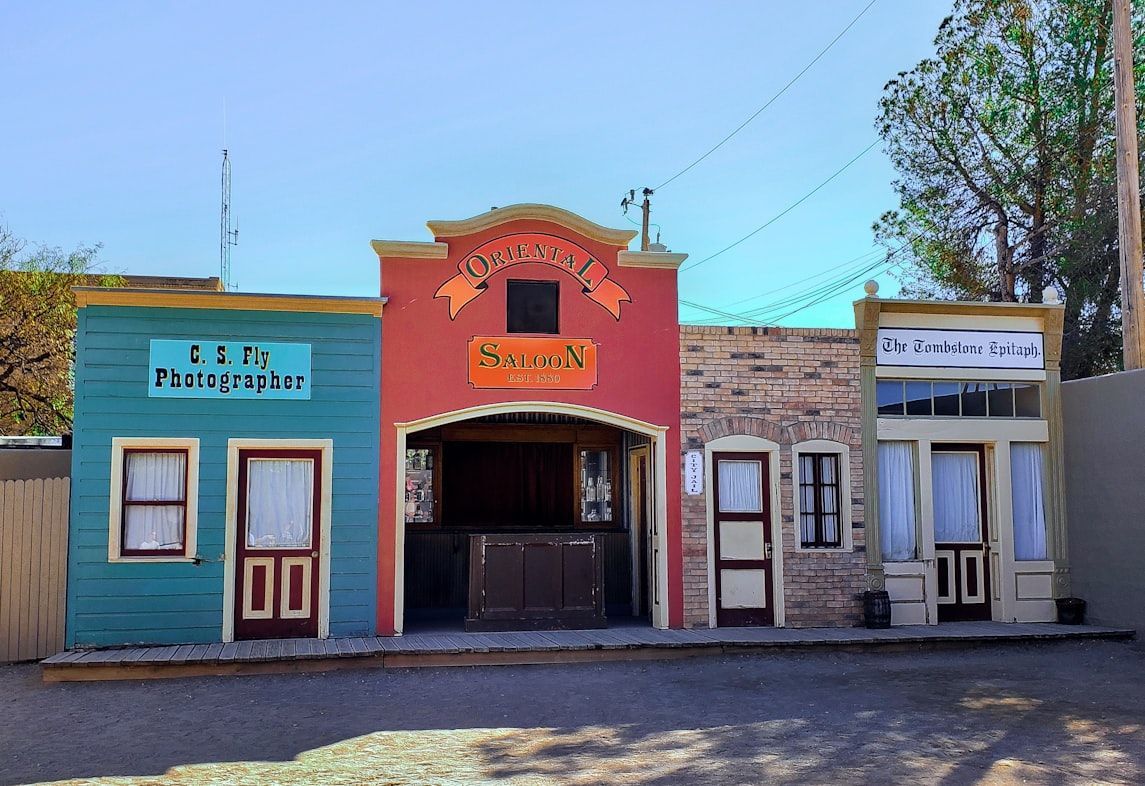
Image: Kevin Dunlap

Since 1957, Jackson Hole, Wyoming, has hosted the world’s longest-running shootout reenactment. It takes place six days a week in the town square. While the event doesn’t portray a particular historical shootout, it is still fun to watch.

The event runs from Memorial Day through Labor Day, Monday through Saturday, beginning at 6:00 p.m. each evening.

5
The world’s largest flat-top mountain is in Colorado
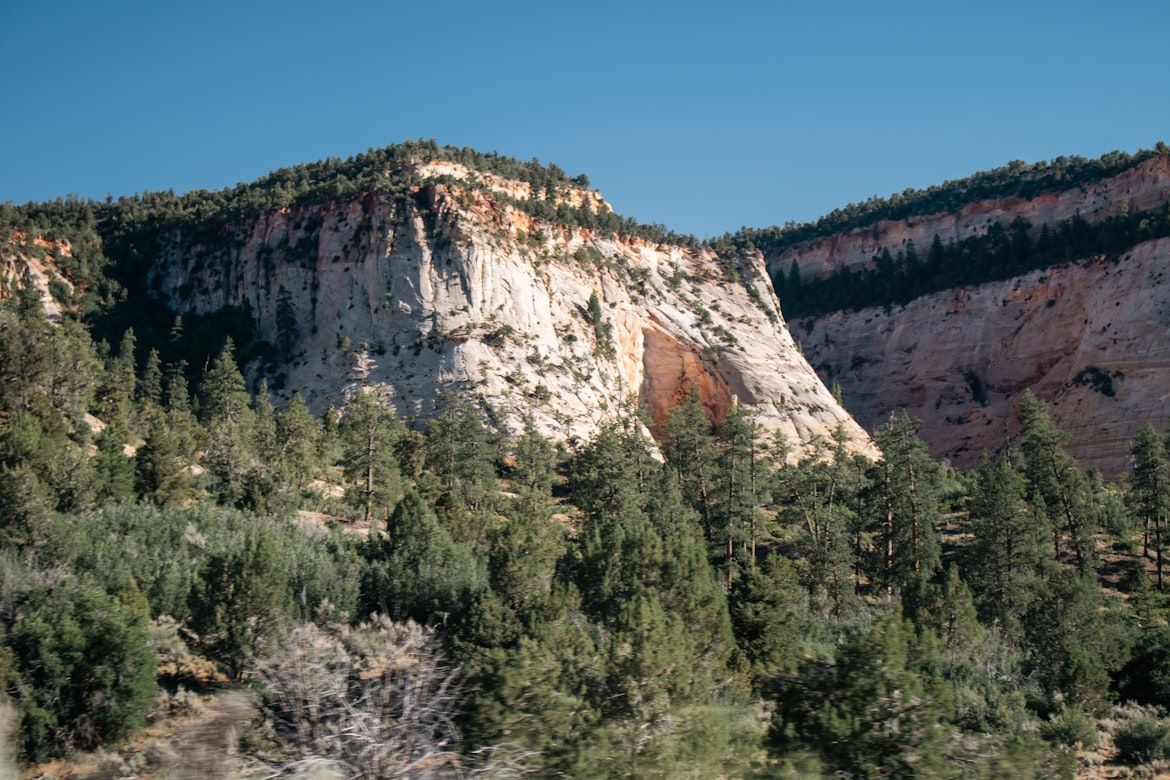
Image: Zoshua Colah

Grand Mesa, located in western Colorado, is the largest flat-top mountain in the world in terms of surface area . It spans over 500 square miles and rises more than 10,000 feet above sea level. The mesa offers sweeping views and breathtaking natural beauty.

The area is rich in forests, alpine lakes, and wildlife, making it a favorite destination for fishing, hiking, and skiing. It’s a must-see for nature lovers and outdoor enthusiasts.

6
Ghost stories from Wyoming
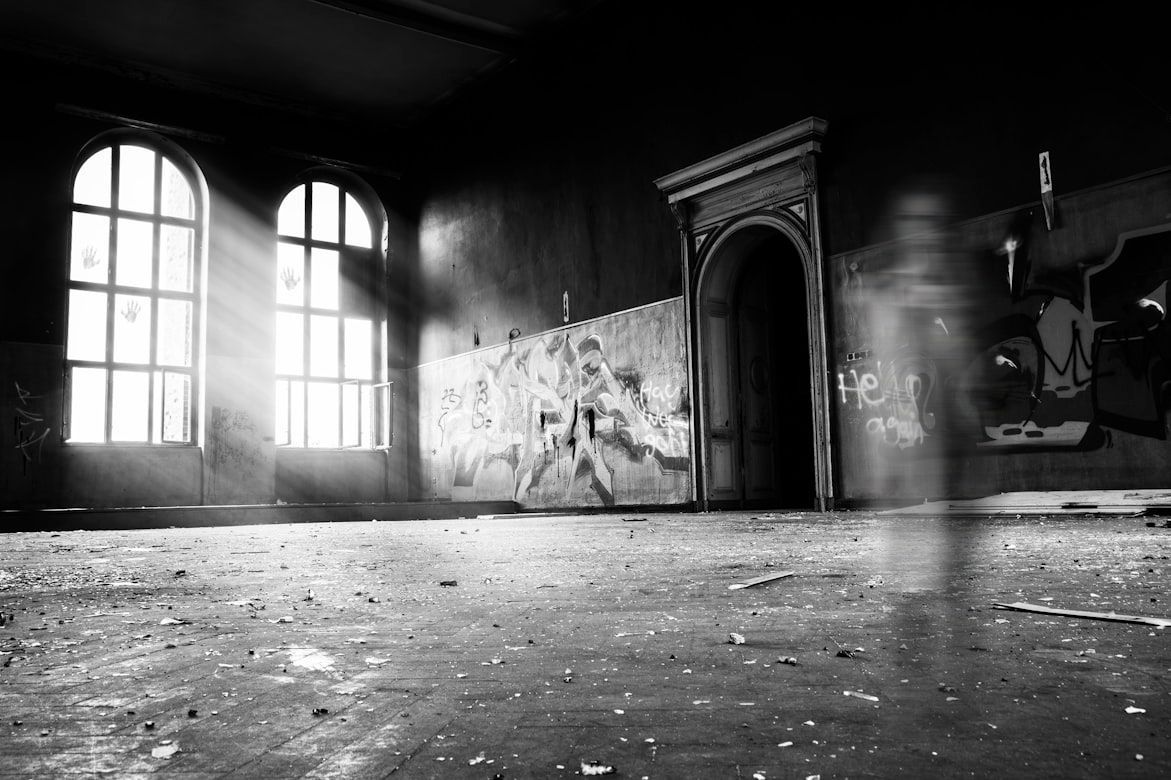
Image: Erik Müller

Yellowstone National Park—Wyoming’s most famous landmark—is said to be haunted. Over the years, many ghost sightings have been reported throughout the park.

The most well-known spirit is the Headless Bride , believed to be a young woman who was murdered by her husband-to-be . Readers will be relieved to know that the event never actually happened. The entire story is a famous piece of local folklore, albeit a very curious one.

7
Colorado once had 3 Governors in a single day
Image: Fr. Daniel Ciucci

On March 17, 1905, Colorado experienced a rare political event—three different governors held office in a single day. Alva Adams resigned after allegations of election fraud , including suspicious vote counts in his favor.

He was replaced by his opponent , James H. Peabody , who had contested the results. However, Peabody agreed to step down immediately—on the condition that his lieutenant governor, Jesse F. McDonald, would succeed him . And so, all three men held the governorship within 24 hours.

8
A parachuting daredevil landed atop Devil's Tower in Wyoming
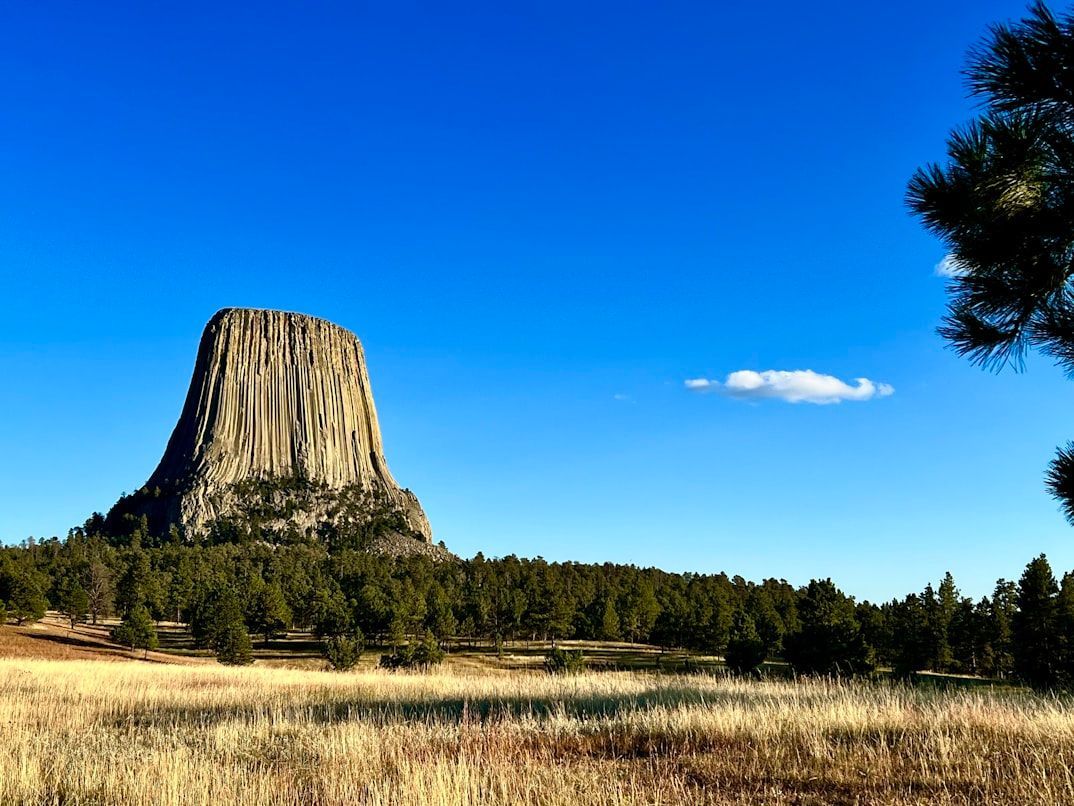
Image: Richard Hedrick

In 1941, George Hopkins parachuted from a plane onto the summit of Devil's Tower as a publicity stunt. However, his plan to descend by rope failed when the rope fell out of reach. Park officials kept him supplied with food while he was stranded for six days . Eventually, a team of seven climbers rescued him—while more than 7,000 spectators watched from below.

Today, the tower’s dramatic rock columns attract climbers year-round. All climbers must register and check in before and after their climbs. The site closes to climbers during the month of June out of respect for Native American cultural practices.

9
Colorado Rose Onyx can only be found in the state Capitol building
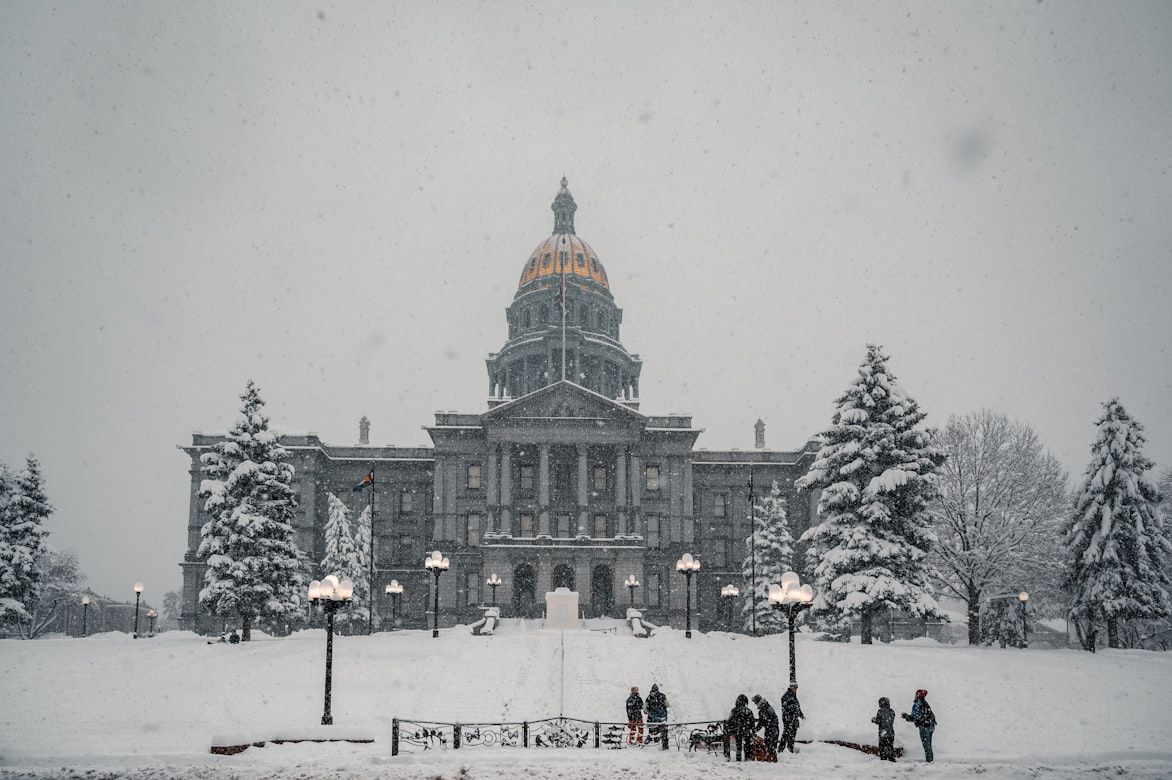
Image: Colin Lloyd

Colorado Rose Onyx is a rare decorative stone found only in Colorado . It was quarried in Beulah and used entirely in the construction of the Colorado State Capitol.

Because the entire known supply was used in the building, none remains available today—making it one of the rarest decorative stones in the world.

10
Wyoming King-size bed
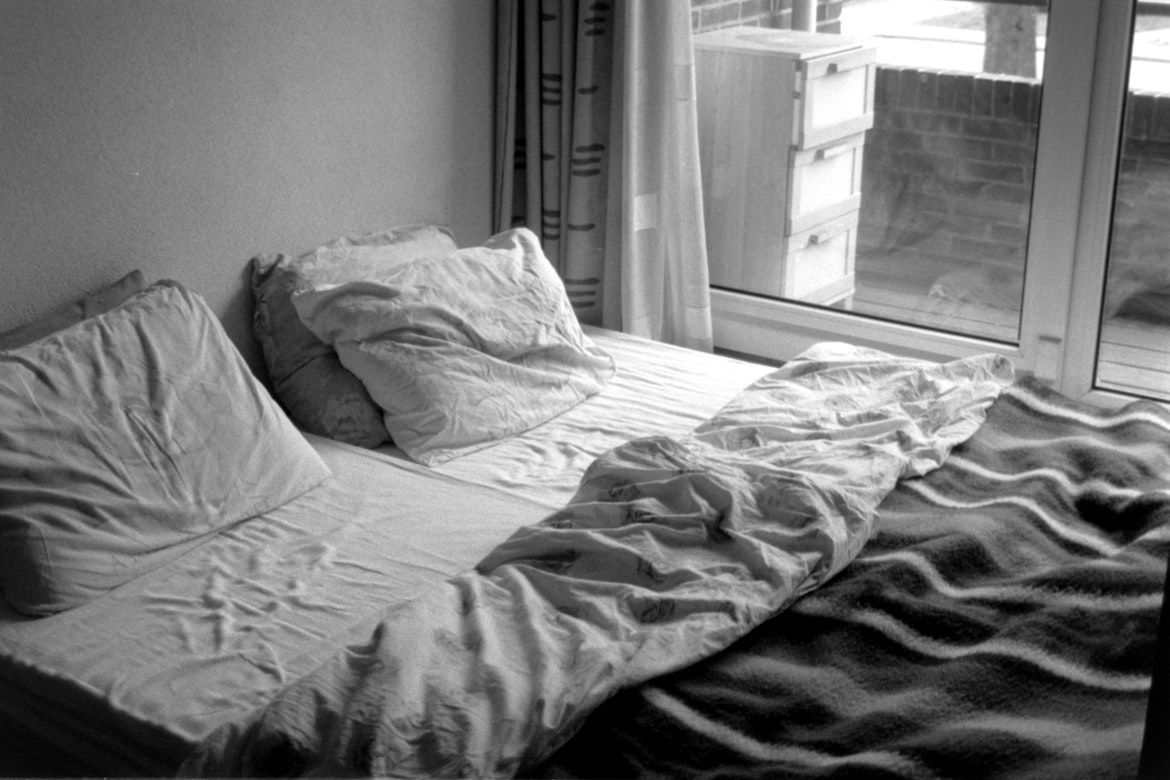
Image: elhaaim

Most people are familiar with the California king-size bed, but few know that there’s also a Wyoming king-size bed. It measures 84 by 84 inches, making it a full foot wider than a California King .

Other oversized options include the Texas King and the massive Alaskan King, which offer even more space for those who want extra room to stretch out.

11
Mike, the headless chicken from Colorado
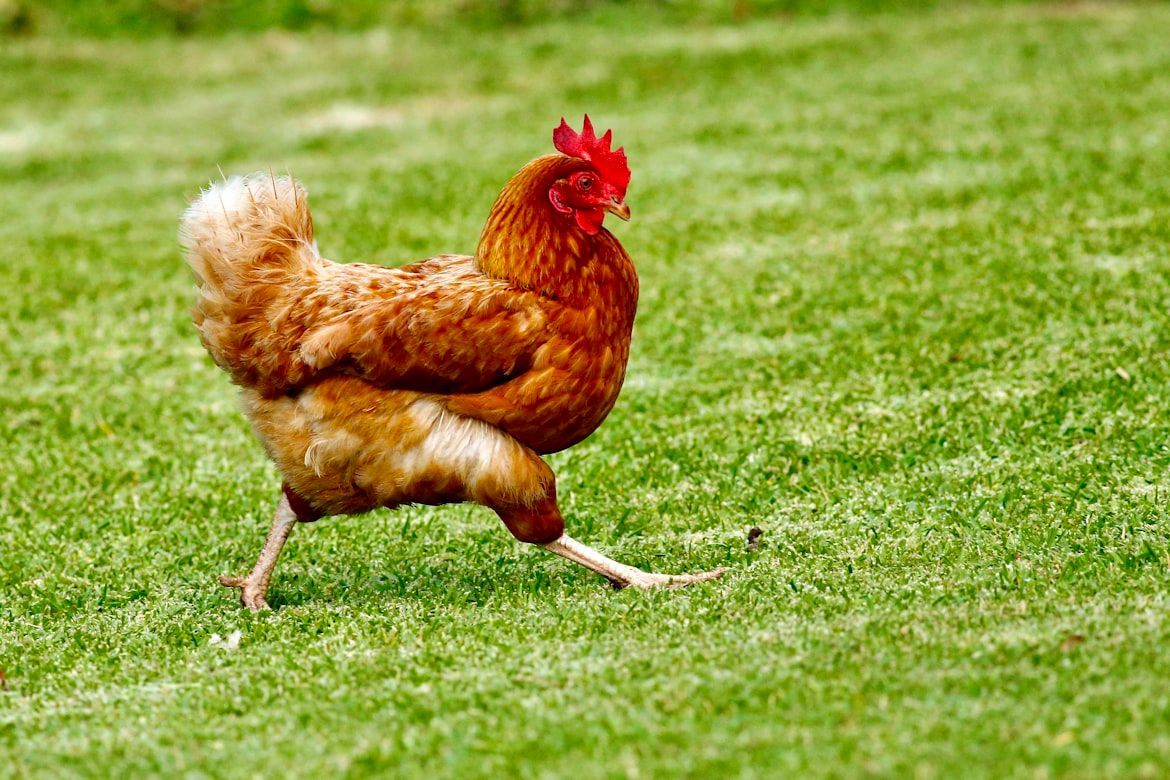
Image: James Wainscoat

In Fruita, Colorado, locals honor "Mike the Headless Chicken" with a festival and a statue. The odd celebration is rooted in a real event that occurred in 1945.

Farmer L.A. Olsen tried to behead Mike for dinner, but the chicken surprisingly survived . Remarkably, Mike lived for 18 months without a head.

12
A Wyoming town was sold for $900,000
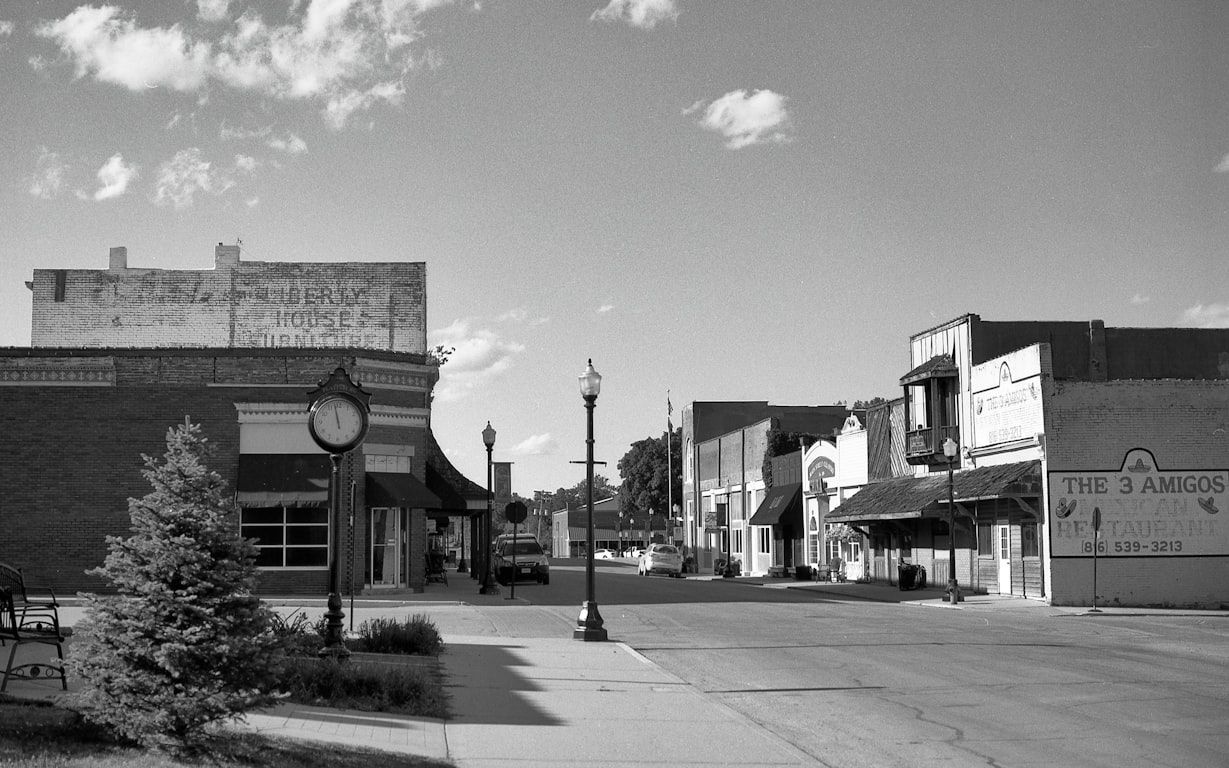
Image: MATHEW RUPP

Bufford, a Wyoming town, lost its residents over a span of 150 years through a classic combination of railroad rerouting, urbanization, and personal family life cycles. In 2016, the town, which had just one resident , was sold for $900,000 . The buyer was an anonymous Vietnamese businessman.

The 4-hectare town included a gas station, a store, and a home. Don Sammons, who moved there from Los Angeles in 1980, owned the whole town after his wife passed away.
General General 5 min read

Foreign affairs

An ode to diplomacy: 12 extraordinary US embassies around the world

Image: Christian Lucas

You might think an embassy is just a plain office building for diplomats. Well, think again! The United States has some of the most eye-catching, quirky, and downright unique embassies you’ll ever see. From gleaming glass towers to tropical hideaways, these buildings aren’t just about paperwork—they’re part of America’s handshake to the world. Here are 12 beautifully designed US embassies where architecture meets foreign politics.

1
Paris, France

Image: U.S. Department of State from United States, Public domain, via Wikimedia Commons

The U.S. Embassy in Paris is the oldest American diplomatic mission in the world. Benjamin Franklin himself served as the first ambassador, back when the United States was fighting for independence. Today, the chancery building stands on the Place de la Concorde, a spot once used for public executions during the French Revolution. Few embassies can match this mix of American heritage and European history.

2
New Delhi, India

Image: Ash Carter, Public domain, via Wikimedia Commons

Set on 28 acres in a district where nearly every corner is marked by a foreign flag, the U.S. Embassy in New Delhi feels more like a grand estate than a government office. The entrance alone impresses visitors with its broad fountain and big golden Great Seal of the United States.

When it first opened in the 1950s, the complex introduced many locals to the clean lines and bold simplicity of American modernist design. Decades later, the compound still carries that sense of mid-century optimism, standing as both a piece of architectural history and a stage for diplomacy.

3
London, United Kingdom

Image: Phil Lev

If James Bond had to hand-deliver a top-secret note to Uncle Sam, this is exactly where he’d go. Opened in 2018, the current building of the U.S. Embassy in London came with a price tag of about $1 billion—yes, billion with a "B." It spans nearly 12 acres along the River Thames, enough to be one of the most enviable addresses in town.

The sleek glass cube design doesn’t just reflect light, it sparkles as if auditioning for a starring role in a spy flick. Its gardens and public walkways also make it one of the few embassies in the world that feels just as welcoming as it does secure.

4
Brasília, Brazil

Image: mbastosbr

When Brazil built a new capital in 1960, the United States became the first nation to establish its embassy in the brand-new city of Brasília. The 12-acre compound took another decade to finish, but the wait was totally worth it.

Today, the building unfolds like a tropical retreat with lush courtyards, a marble facade, clusters of palms, and broad office space that seem to invite a slower pace. Inside, the Stars and Stripes waving overhead reminds you that this is less about vacation and more about international business, carried out in unmistakably American style.

5
Yerevan, Armenia

Image: Arina Dmitrieva

If embassies were given awards, the U.S. outpost in Yerevan would easily take home the trophy for "biggest backyard." Sprawled across 22 acres, it’s more park than office, with open lawns rolling out under the backdrop of Armenia’s rugged mountains.

Yet, the real deal is inside. The embassy serves as a gathering spot for locals, hosting cultural festivals, English-language programs, art exhibits, and workshops that make diplomacy accessible and engaging. With its airy design and community-centered vibe, it feels less like a fortress and more like an open invitation to join.

6
Ottawa, Canada

Image: Jane T D.

Right across the northern border, Canada hosts a striking U.S. Embassy right on Ottawa’s Sussex Drive. Spanning 138,000 square feet and completed in 1999, the building simply stands out. With its stainless-steel dome that gleams in the sunlight, it feels like a freshly minted coin.

Step inside and you’ll find an airy glass interior with open spaces, echoing the values of dialogue and solidarity. In a city lined with Gothic revival architecture, the U.S. Embassy rises as both a modern landmark and the stage where American diplomacy meets Canadian friendliness.

7
Tokyo, Japan

Image: Evgeny Tchebotarev

Set amid Tokyo’s frantic setting, the U.S. Embassy in Japan has stood its ground since the 1970s, quietly observing one of the world’s most dynamic capitals. Step outside its secure walls, and in just minutes you’re in the tranquil embrace of the Imperial Palace gardens, where koi ponds and ancient stone bridges feel worlds apart from the neon lights. Contrast is the essence of this post, rooted in a nation where skyscrapers rise beside shrines, and where diplomacy intertwines with both centuries-old heritage and cutting-edge modernity.

8
Canberra, Australia

Image: National Archives at College Park - Still Pictures, Public domain, via Wikimedia Commons

Opened in 1963, the U.S. Embassy in Canberra feels like a time capsule from the golden age of mid-century design. With its grand dome and red-brick elegance modeled after Thomas Jefferson’s Monticello, the building brings a piece of Virginia heritage halfway around the world.

Framed by tall eucalyptus trees and the crisp skies of Australia’s capital, it strikes a balance between old-world stateliness and natural charm. For many visitors, this government office is a symbol of American history and Australian hospitality.

9
Buenos Aires, Argentina

Image: here, Public domain, via Wikimedia Commons

Known as Palacio Bosch, this embassy doesn’t look like an office building at all. Originally built in 1910 for one of Argentina’s wealthiest families, the mansion still carries a Belle Époque aura. With sweeping marble staircases, glittering chandeliers, and fancy salons full of gilded details, it feels like the set for The Great Gatsby .

Outside, the gardens stretch wide and elegant, providing the backdrop for countless receptions where formal diplomacy blends with the warmth of Argentine culture. Guests might hear live music drifting through the air, join in animated conversation, or even share a round of _mate_—a reminder that this embassy is as much a cultural meeting point as it is a place for politics.

10
Oslo, Norway

Image: Christoffer Engström

Though smaller in scale than others on this list, the U.S. Embassy in Oslo stands out with a design that mirrors the Norwegian landscape. Its facade pairs sleek glass walls with rugged stone, a blend that feels both contemporary and timeless.

In the summer, the building glimmers in the glow of endless daylight. Come winter, snow transforms its sharp lines into something out of a Nordic fairytale, with frosted rooftops and a quiet stillness in the air. More than just an office, this embassy feels woven into its setting—an architectural nod to Norway’s mix of modern design and deep connection to nature.

11
Mexico City, Mexico

Image: Oscar Reygo

In one of the world’s liveliest capitals, this embassy makes its mark with sheer scale: over 1.8 million square feet of workspace. That makes it one of the largest American embassies , almost a city within a city.

Beyond its size, the U.S. Embassy in Mexico plays a central role in cultural exchanges and international cooperation, making it as vital to daily life as the bustling neighborhoods that surround it.

12
Singapore

Image: Mark Stoop

Nestled among orchids, palms, and flowering shrubs, the U.S. Embassy in Singapore feels more like a tropical retreat than an office. Its wide, low-slung profile is designed to stay cool in the humid climate, blending seamlessly into the greenery. Just like in the rest of the city, architecture and nature work in harmony, offering a daily reminder that diplomacy can grow strong roots in even the warmest of places.

Culture Culture 2 min read

Wild words

Hold your horses! 10 phrases born on the American frontier

Image: Documerica

The American frontier shaped more than just maps—it shaped the way people talked. From cattle trails to mining camps, settlers coined many blunt and vivid expressions that have stuck. These everyday phrases still carry the grit of survival, the humor of hardship, and the improvisation of a world built fast. Here are 10 common sayings whose roots run straight into frontier soil.

1
Circle the wagons

Image: Dana Davis

Pioneer wagon trains literally circled their wagons at night for protection.

Creating a closed ring helped shield families, livestock, and supplies from raids, wild animals, and harsh weather—and the formation later evolved into a metaphor for any type of unified, defensive action.

2
Hold your horses

Image: Cemrecan Yurtman

Frontier riders needed to keep horses steady at all times, but particularly in chaotic and potentially dangerous settings like stage stops and river crossings.

By the mid-1800s, the phrase became a common command, later evolving into a figurative call for patience.

3
On the warpath

Image: Andrew James

This term originated as an English rendering of a Native American expression for wartime mobilization—specifically the route or course taken toward an impending conflict.

Euro-American settlers later adopted the phrase, and by the late 19th, century newspapers were using it metaphorically to describe anyone behaving aggressively or angrily.

4
Branding iron

Image: Jonny Gios

Ever wonder where the term "brand name" comes from? Frontier ranchers used heated irons to mark ownership on their cattle.

The idea of a distinctive identifying mark later moved into the commercial world, where "brand name" came to signify a recognizable product or company identity.

5
Come hell or high water

Image: Furkan Elveren

Ranchers driving cattle across rough terrain used this phrase to signal determination despite floods, storms, conflict, and whatever else the wild frontier could throw at them.

The earliest known printed use appears in an 1882 issue of The Burlington Weekly Hawk Eye, an Iowa newspaper. Railroads later adopted it in contracts requiring delivery despite natural obstacles.

6
Riding shotgun

Image: Paul Einerhand

In Wyatt Earp’s era, the seat beside a stagecoach driver was reserved for an armed guard carrying a shotgun to deter bandits.

By the early 20th century, the job had vanished, but the expression endured as a casual claim for the front passenger seat.

7
Belly up to the bar

Image: Vidar Nordli-Mathisen

Saloon bars on the frontier often lacked stools, so patrons had to stand and lean their bellies directly against the counter.

The phrase soon came to mean approaching something boldly, whether at a bar or any other challenge.

8
Kick the bucket

Image: Lucas van Oort

Rural butchers often suspended animals from a beam called a "bucket," and they sometimes kicked during slaughter.

The phrase was popular on farms and frontier towns, eventually becoming a euphemism for dying.

9
Dead ringer

Image: Annie Spratt

Frontier horse racers engaged in plenty of shady practices—and one of the most common was substituting a horse with a look-alike, a "ringer," to scam bets.

When the substitute was an exceptionally close match, it was called a "dead ringer," emphasizing its perfect likeness.

10
High noon

Image: CHUTTERSNAP

Before standardized clocks or reliable rail schedules, "high noon" was an easy way to tell time by noting the sun at its highest point.

It also became associated with showdowns and other events because midday offered the clearest visibility.

Explore more American facts

Choose your favorite category!

General
General

As American as apple pie—the very best America has to offer!

Culture
Culture

Delve into the astounding richness of American lore.

Geography
Geography

Hop in and explore vast and diverse American landscapes.

History
History

Discover the key moments that shaped the United States.