Geography Geography 6 min read

Territorial anomalies

There's a country within the US that was created to avoid double taxation
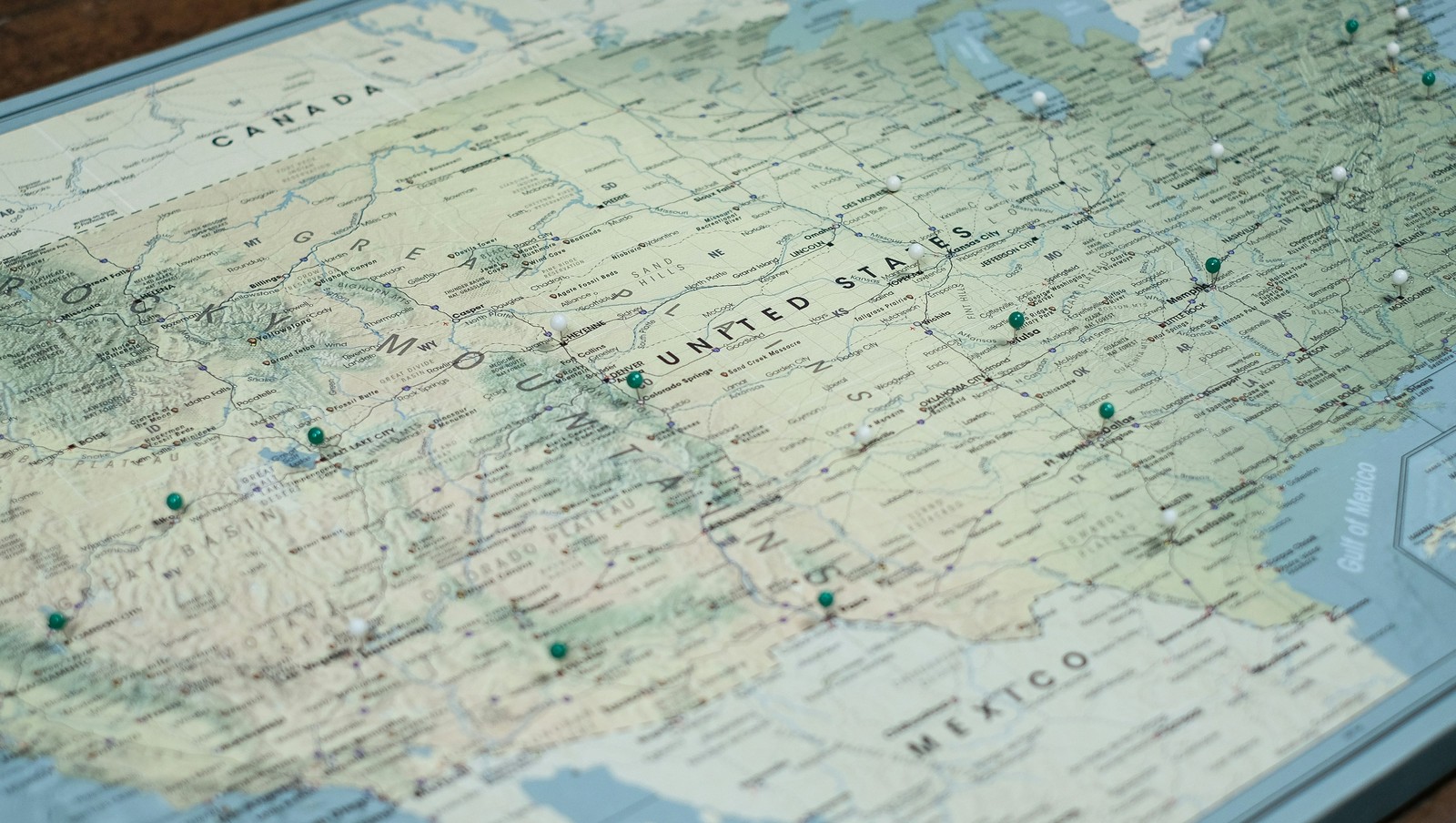
Image: Pin Adventure Map

Ever thought about how the borders in our country were defined ? States that almost became official, U.S. points that are only accessible through Canada's borders, territorial feuds over taxes, and more have constructed the limits of the country we know today. Here are 10 territorial quirks you probably never knew of.

1
Point Roberts, WA: The 49th parallel accident
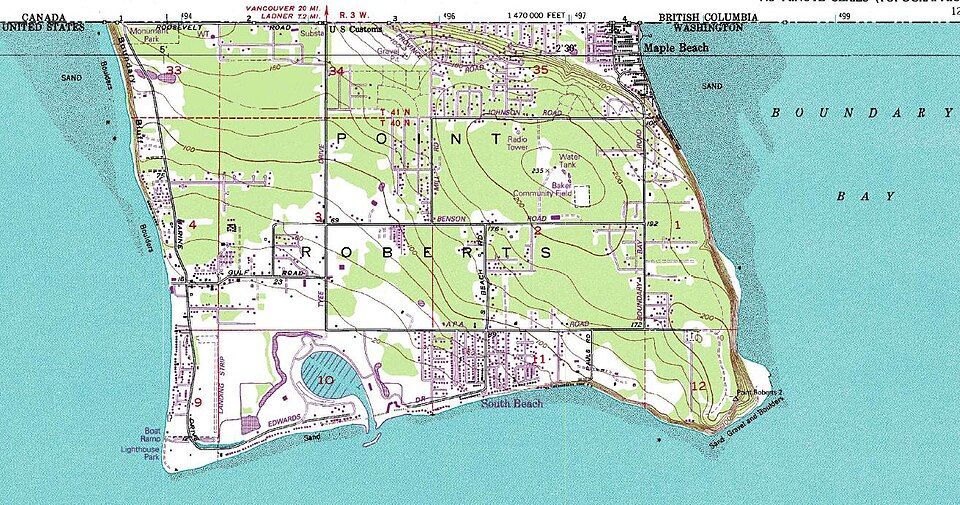
Image: United States Geological Survey, Public domain, via Wikimedia Commons

Imagine if you had to cross two borders just to get to the market for a gallon of milk. That’s actually a reality for residents of Point Roberts, Washington. That’s because, following the Anglo-American Convention of 1818, the 49th parallel divided Canada and the U.S. In 1846, the line was extended westward and then officially recognized by the International Boundary Commission in 1925.

However, a tiny tip of the Tsawwassen Peninsula poked out just below that line. Since then, the locals have lived in a boundary quirk. To get to the rest of Washington State by land, they must drive through Canada, show their passports, and do it all over again on the way back.

2
Statue of Liberty: Common misconception
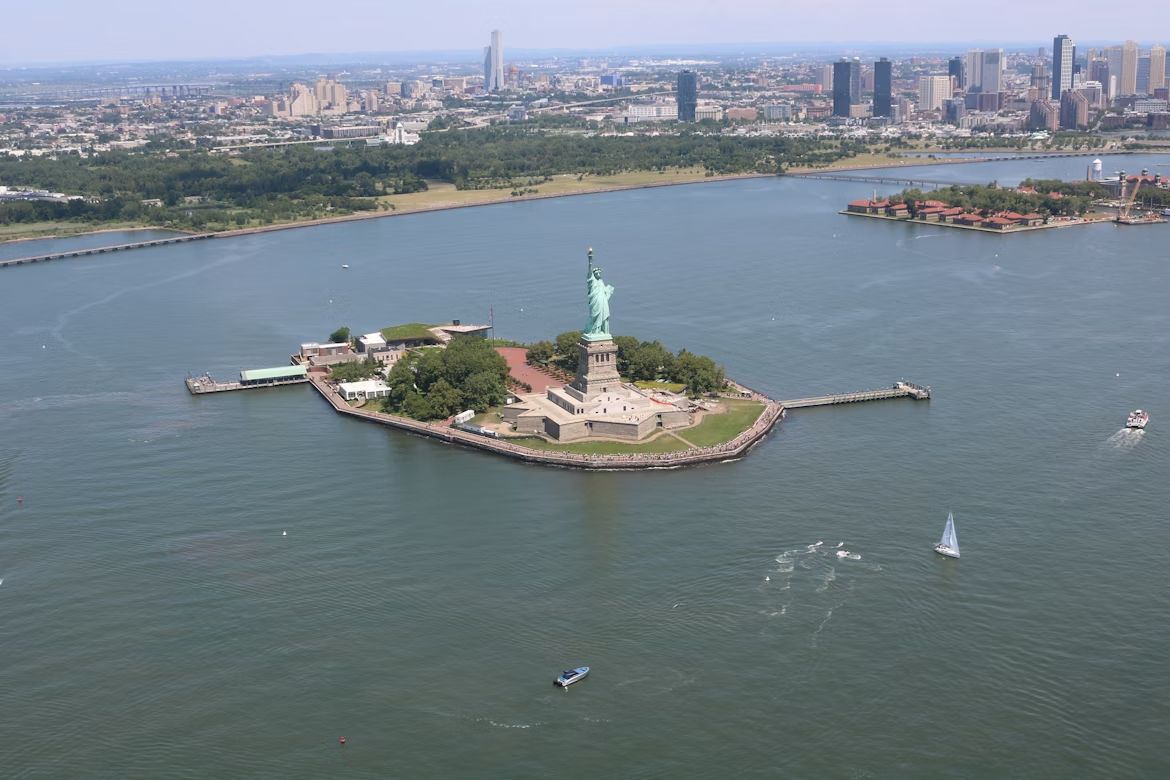
Image: Mohamed Osama

If you want to start a friendly argument at a dinner party, ask whether the Statue of Liberty lives in New York or New Jersey. The funny thing is, both answers are technically right . While the statue physically sits in the waters of the Garden State, Liberty Island is legally an exclave of New York. This dates back to a 1664 land grant by the Duke of York in a document so vague and confusing that it took a 1834 Compact between the two states to settle the deal. New Jersey gets the water and the submerged lands, but New York keeps the monument.

However, the Federal Government actually manages the site through the National Park Service (NPS), providing security and maintenance.

3
The State of Franklin: Failed 14th state
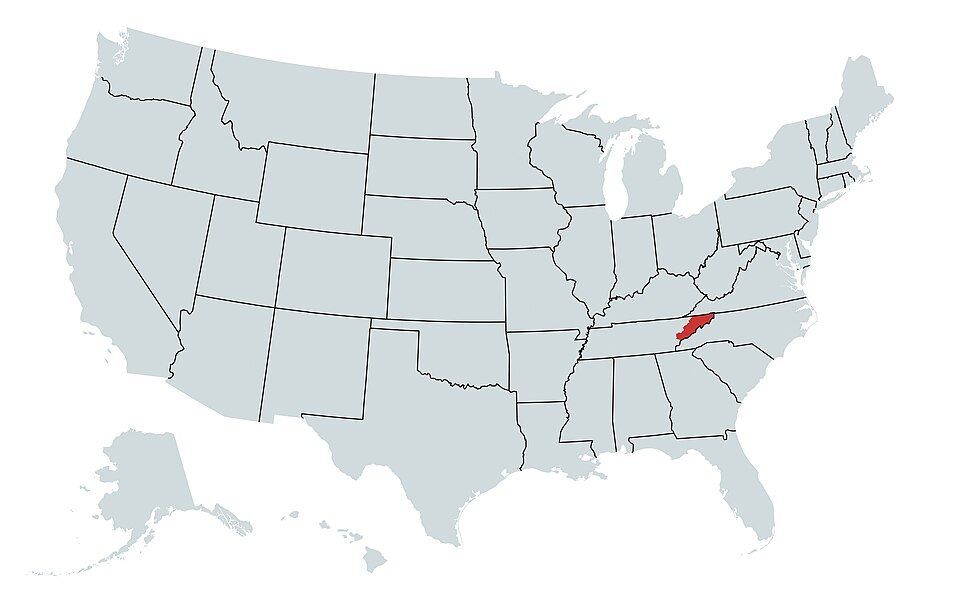
Image: Bennett1203, CC BY-SA 4.0, via Wikimedia Commons

If you think Tennessee was the 14th state to join the Union, there’s a catch. Before Tennessee, there was Franklin. In 1874, three counties in North Carolina felt neglected by their government and decided to strike out on their own . They even elected a governor, John Sevier, and printed their own money. They came just two votes short of being recognized by Congress as a formal state. Eventually, things got heated, and North Carolina sent troops, leading to a small civil war between the locals. By 1879, the dream of Franklin was dead and buried, and the territory became part of Tennessee.

4
Kentucky Bend
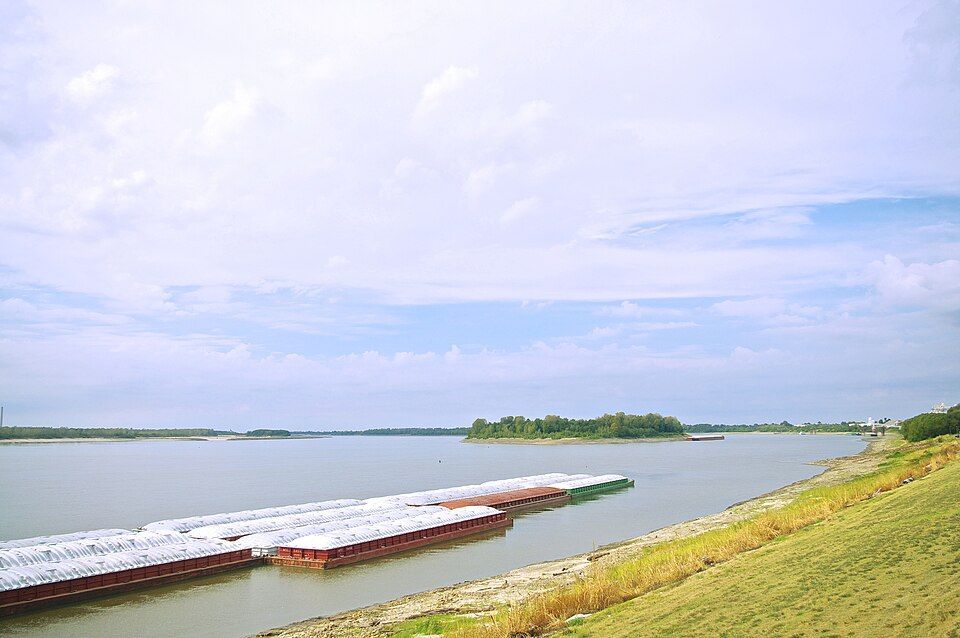
Image: Brian Stansberry, CC BY 4.0, via Wikimedia Commons

If you look closely at a map, there’s a piece of Kentucky that looks like it doesn’t belong. That’s the Kentucky Bend, also called the New Madrid Bend, a tiny peninsula in Fulton County that is almost completely separated from the rest of the Bluegrass State . The strange situation was the consequence of the massive series of earthquakes that took place in that area between 1811 and 1812, which were so violent they famously caused the Mississippi River to flow backwards for several hours. When the dust settled, the river had carved a new path that looped around this small patch of land, surrounded by Missouri and Tennessee instead of Kentucky. The 9 residents living there today go through Tennessee just to get to their home state.

5
The State of Deseret: The empire that almost was
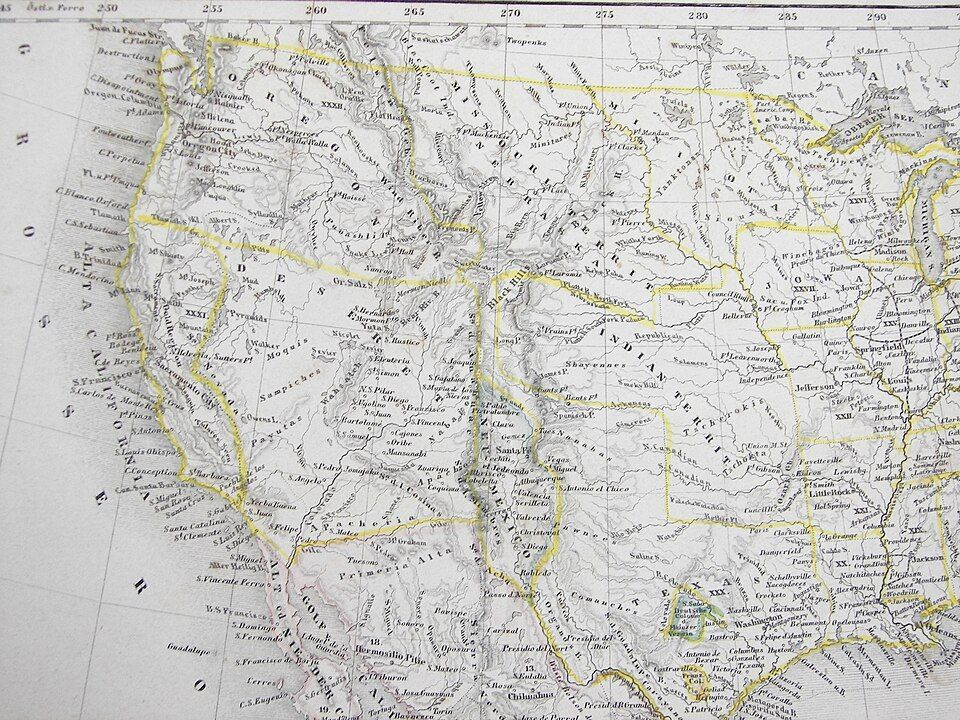
Image: Carl Radefeld (cartographer); Joseph Meyer (publisher), Public domain, via Wikimedia Commons

Imagine a state so big it makes Texas look tiny. That almost happened back in 1894, when Mormon pioneers proposed the State of Deseret. The territory comprised what we now know as Utah, most of Nevada, parts of Arizona and Colorado, and a massive chunk of the California coast, including San Diego.

Had it been formalized, it would have been a powerhouse with its own seaport and total control over the West. However, Washington, D.C. wasn’t so keen on one group having that much territory and power, so they whittled it down, and we ended up having the states we know today.

6
The lawless "No Man's Land"
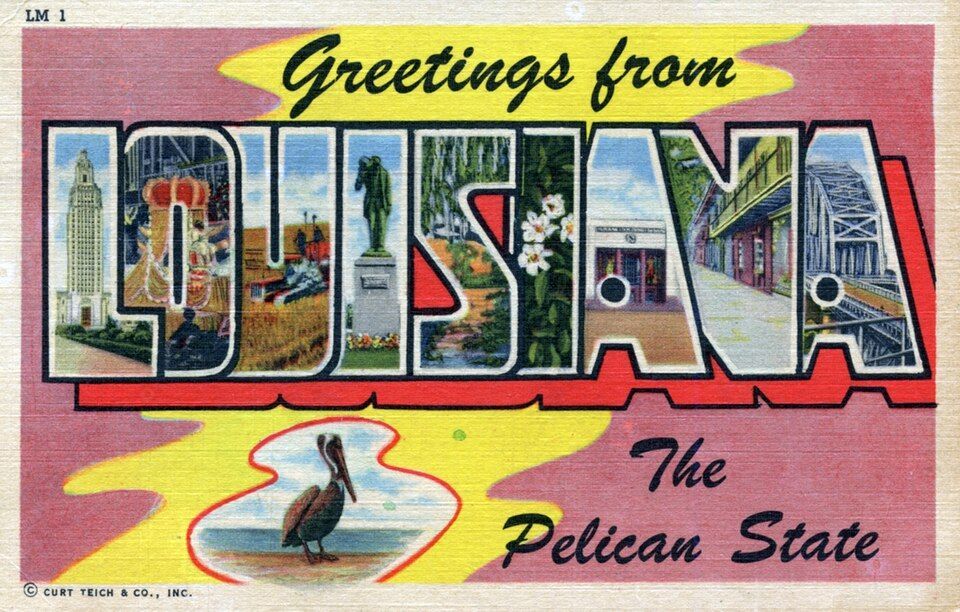
Image: Steve Shook from Moscow, Idaho, USA, CC BY 2.0, via Wikimedia Commons

Have you ever wondered what happens when two governments simply give up on a piece of land? Between 1806 and 1821, there was a strip of land in what is now western Louisiana that was, literally, No Man’s Land. Neither the U.S. nor Spain, which owned part of the territory, could agree on the border, so they declared it "Neutral Ground" to avoid armed conflicts . The plan backfired as, with no laws to contain it, it quickly became a favorite for the outlaws in the West —meaning deserters and bandits hiding there were legally untouchable. The conflict was resolved by the 1819 Adams-Onis Treaty, which officially set the Sabine River as the legal boundary.

7
The Republic of the Indian Stream
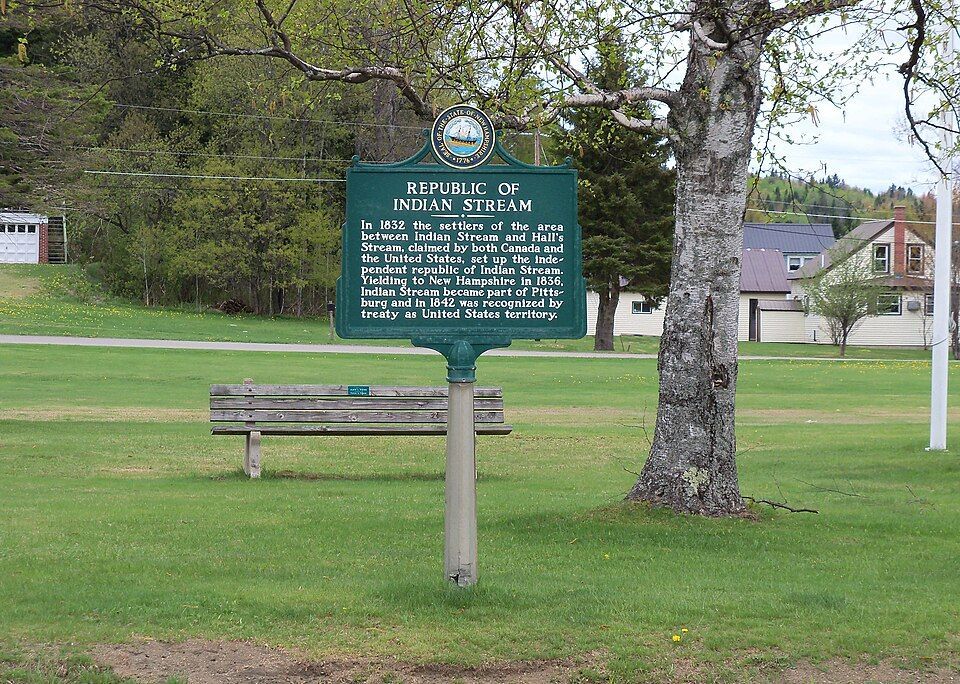
Image: Jon Platek, CC BY-SA 3.0, via Wikimedia Commons

In the early 1830s, people living in a small area between New Hampshire and Quebec were fed up, and in this case, taxes were the problem. Both Canada and the US were trying to collect taxes, and nobody likes being double-billed . In 1832, the residents essentially said "neither of them can tax us" and formed their own country called the Republic of the Indian Stream. They had their own constitution and Capitol for four years, until 1836, when the militia marched on the disputed territory to reclaim the land. It wasn’t until 1842, when the land dispute and the double-taxation was definitively resolved by the Webster–Ashburton Treaty, which assigned the land to New Hampshire.

8
The Northwest Angle: Mapping mistake of 1783
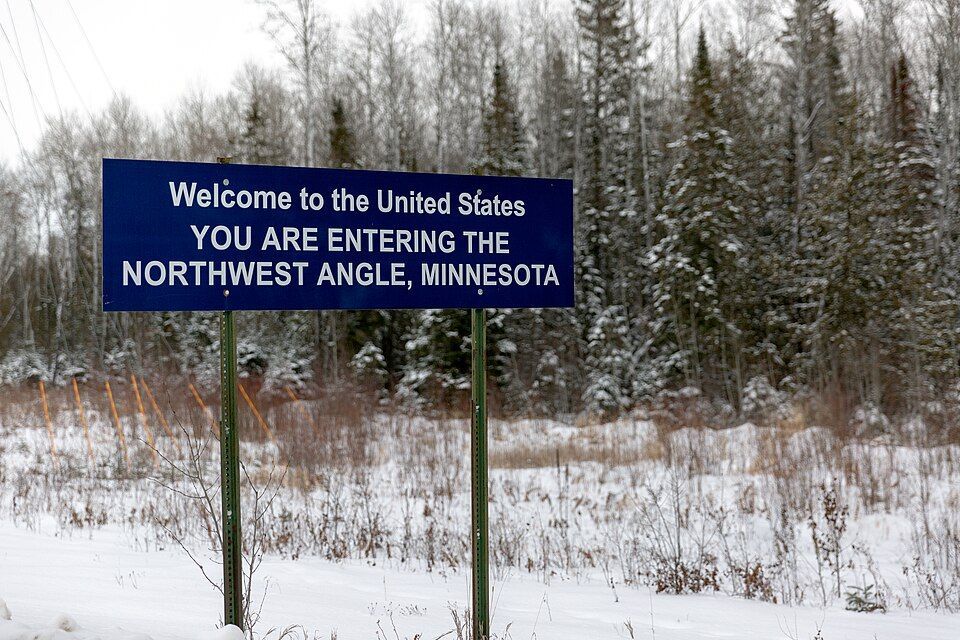
Image: Lorie Shaull, CC BY-SA 4.0, via Wikimedia Commons

When the Treaty of Paris was signed in 1783 to end the Revolutionary War, the mapmakers used a chart that was flat-out wrong. They thought the Mississippi River started much further north than it actually did. Because of that mistake, a piece of Minnesota got cut off from the rest of the country . To this day, the "Northwest Angle" is the only place in the lower 48 states north of the 49th parallel. Much like Point Roberts, you have to cross a massive lake or drive through Canada just to visit it.

9
The District of Columbia’s "lost" corner
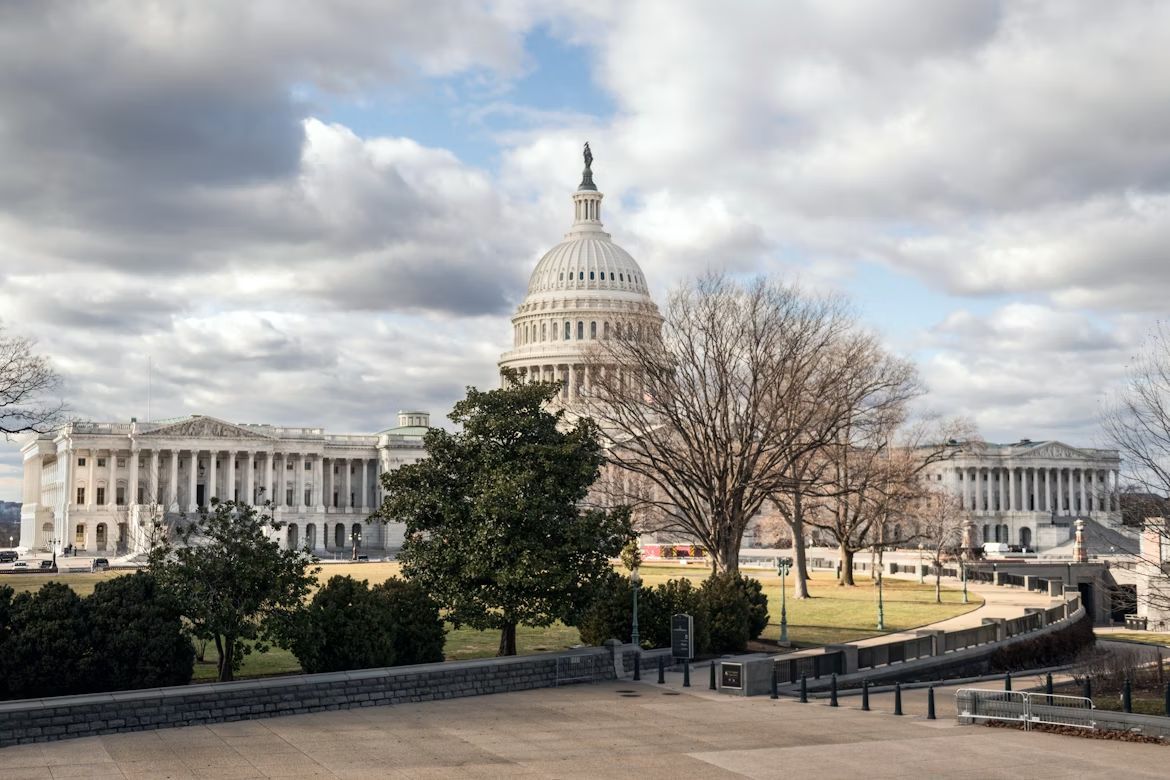
Image: Tim Mossholder

If you look at a map of D.C., you’ll notice it’s missing a chunk; it’s not a perfect square as it was originally intended. Originally, the capital was a perfect ten-mile square diamond , taking land from both Maryland and Virginia. But by 1846, things got tense. Residents in the Virginia portion, which included Alexandria and Arlington, were worried the federal government would abolish slavery in the District, which was the backbone of their economy. They successfully petitioned to have Virginia "take back" that portion of the land and subsequently changed the shape of the national capital forever.

10
UN Headquarters: International territory
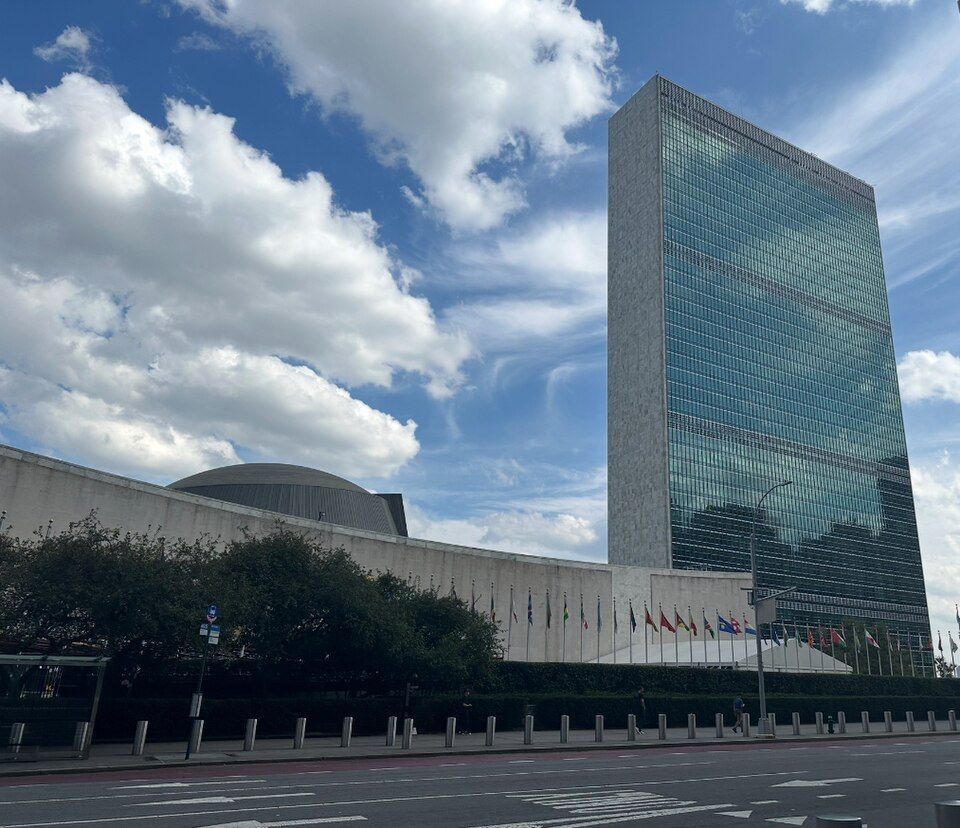
Image: LPulecio-WMF, CC BY 4.0, via Wikimedia Commons

If you want to feel international, go to the United Nations Headquarters on the East River in midtown Manhattan, New York. Once you cross that gate onto the 18-acre site, you are technically leaving the United States. You don’t need to show your passport, but that’s international territory, which means it has its own laws , its own security force, and even its own postal service. It is a legal hole in the middle of New York City.

General General 4 min read

DID YOU KNOW THESE 10 REGIONALISMS?

Asking for a pancake in Michigan: 10 American foods with varying names

Image: charlesdeluvio

Like love, food is a universal language that bonds us together through shared experiences. However, much like love, the world of food and dishes can also change its names from place to place. Listed below are ten examples of everyday foods that are known by different names in various parts of the country. Stick around until the end, and you will learn some curiosities, including where you should ask for a mango if you want a bell pepper!

1
Pancakes

Image: Ala

Imagine you are a tourist in Michigan and decide to go for pancakes. You enter a suitable establishment, sit at the counter, and ask… what, exactly? Yes, most people call them pancakes, and there is a fair chance that you will receive just that without further questions, but if you want to speak like a local, you will ask for flapjacks .

The "flap" part of flapjack is derived from the word the British used to mean "flip." As for the "jack" part, historians say it may refer to the small size of the pancake because "jack" referred to something that was small. You’ll hear pancakes more in the North and flapjacks in the South, but there are exceptions, such as the Flapjack Shack in Traverse City, Michigan.

2
Dessert Toppings

Image: Kate Trysh

For many Americans, dessert toppings for ice creams and milkshakes are like cheese on a pizza: a must. If you happen to be one of them and are visiting New England, you should know that the local word for toppings is " with jimmies. "

Jimmies are a subgroup of the larger category of dessert toppings known as sprinkles, although people across the U.S. might use the terms interchangeably. Jimmies are cylindrical sprinkles, but some people use the word to refer specifically to chocolate or colored varieties. As for round sprinkles, they are technically marketed as nonpareils.

3
Cold Sandwiches

Image: Allen Rad

The word "sandwich" has come to represent practically any food that is stuffed between two pieces of bread and can be eaten—usually—with your hands. But in certain regions of America, this ubiquitous food item goes by different names.

Pennsylvania has its own term: hoagie . Back in the day, the Italian-American community lived in an area called Hog Island, and local cooks were known for their big "Hog Island Sandwiches," which eventually became known as "hoagies." In New England, many people call a sandwich a grinder . That’s because it’s traditionally made from Italian bread, which has a thicker crust than the typical sandwich bread.

4
Stuffing or Dressing?

Image: Louis Hansel

In the northern parts of the U.S., stuffing refers to the thick mixture of seasoned breadcrumbs or croutons often used to fill poultry dishes.

But, in the southern parts of the country, the word used to describe that is dressing . Yes, the same word that is used in the North to describe any kind of liquid topping for salads. It can be confusing, right?

5
Pop or Soda?

Image: Taylor Swayze

Soft drinks are referred to by different names in different parts of the country. If you are on the East Coast, along the Illinois-Missouri border, in southeastern Wisconsin, California, or nearby areas, you probably call it soda .

However, if you are from the Great Plains region or the Midwest, you likely refer to it as pop . And, if you refer to it as Coke or cola —whether it’s Coca-Cola or something else—you’re most likely from the South.

6
Jelly donuts as Bismarck

Image: Leon Ephraïm

Jelly donuts are quintessentially American. These delicious pastries filled with sweet jelly are everywhere—and for good reason. However, in the midwestern region of the country, as well as in Alberta and Saskatchewan in Canada, jelly donuts have a different name altogether.

That is because the German immigrants who settled in the region named the dessert "Bismarck" after the 19th-century Prussian chancellor, Otto von Bismarck because those pastries were a favorite snack of his.

7
Milkshakes as "frappes"

Image: Sebastian Coman Photography

A milkshake and a frappe are pretty much the same thing across most of the country—and even the world, we dare say. However, that’s not the case in New England. If you were to ask for a milkshake in that area, you would receive a slightly different—but equally delicious—beverage.

Nearly everywhere else in the U.S., a milkshake is made with milk, ice cream, and syrup blended together. But in New England, that's a recipe for a frappe . A milkshake in that part of America consists of just milk and syrup, shaken or blended until a foamy head appears.

8
Casseroles as a hotdish

Image: sheri silver

A casserole is a warm dish made by layering meat, vegetables, and noodles, along with a can of condensed soup thrown into the mix and then taken to the oven. However, in Minnesota, that same recipe is called a hot dish.

According to Howard Mohr, author of How to Talk Minnesotan , "A traditional main course, hotdish is cooked and served hot in a single baking dish and commonly appears at family reunions and church suppers."

9
Poached Egg vs. Dropped Egg

Image: Unsplash

New England has appeared a couple of times already on this list, and it’s about to make another appearance. In most parts of the country, the cooking technique of gently dropping an egg into boiling water is called "poaching an egg."

But in New England, the name for this technique has a much more literal term, calling this particular preparation a dropped egg .

10
Peppers and Mangoes

Image: Paul Morley

We’ll close this list with perhaps the most curious case of regional naming we came across. In the Midwestern region of the country, a "mango" does not refer to the tropical fruit commonly known as a mango.

Instead, if a midwesterner asks for a mango at a local grocery store, they will receive a mild, green bell pepper . The suggested explanation for this is that as green bell peppers ripen, they develop red-gold splotches that make them look similar to mangos.

History History 4 min read

Fur, feathers, and fame

The first pets: The surprising, funny, and furry side of history!

Image: Sara Kurfeß

Before social media and spin doctors, some of the most beloved figures in Washington had four legs or wings. From dogs to horses, rabbits, and even raccoons, presidents have shared the White House with a colorful parade of creatures. These pets weren’t just sidekicks; they were family, confidants, and sometimes even headline-makers.

1
George Washington’s hungry hound

Image: Mitchell Orr

George Washington didn’t just lead a new nation; he also led a lively pack of dogs . His favorite, Vulcan, became a bit of a legend after sneaking into the kitchen and stealing a ham right before a fancy dinner party. Washington’s home was full of animals, from hounds with names like Sweet Lips and Madam Moose to strong horses such as Nelson and Blueskin, who carried him through the Revolution. The father of our country clearly had a soft spot for man’s best friend.

2
Thomas Jefferson’s exotic companions

Image: 🇸🇮 Janko Ferlič

When Thomas Jefferson returned from France, he brought back more than political ideas. He also brought home a dog named Bergere, who had puppies during the voyage. Later, explorers Lewis and Clark sent him two bear cubs that lived for a time at Monticello. Jefferson also kept birds, which showed a curious and gentle side to the man remembered for serious debates and historic documents.

3
Abraham Lincoln’s family menagerie

Image: Sergiu Vălenaș

Abraham Lincoln’s household was full of affection, laughter, and animals. His loyal dog, Fido, stayed behind in Springfield when the family moved to Washington, but Lincoln made sure he was cared for. The White House soon filled up with two playful goats named Nanny and Nanko , horses, cats named Tabby and Dixie, and even a few rabbits. Lincoln’s kindness toward animals mirrored his compassion for people.

4
Theodore Roosevelt’s White House zoo

Image: Jaroslaw Slodkiewicz

Theodore Roosevelt didn’t just bring energy to politics; he brought it to pet ownership too. His home was a whirlwind of fur, feathers, and scales. Alongside horses and dogs, there were guinea pigs, a macaw, a badger, a snake named Emily Spinach, and even a bear called Jonathan Edwards. Roosevelt’s six kids were always introducing new creatures, turning the White House into a joyful, unpredictable zoo.

5
Woodrow Wilson’s tobacco-chewing ram

Image: Livin4wheel

Woodrow Wilson’s presidency wasn’t all about policy and world affairs. He also had a ram named Old Ike, who was known for chewing on cigars . Wilson kept a flock of sheep on the White House lawn during World War I to help raise money for the Red Cross by selling their wool. Along with dogs, birds, and a cat named Puffins, the Wilson White House looked more like a small farm than a seat of government.

6
Calvin Coolidge’s cheerful chaos

Image: Christian Hess Araya

If anyone rivaled Roosevelt’s menagerie, it was Calvin Coolidge. He and his wife, Grace, were devoted animal lovers. Their White House included twelve dogs, two cats, seven birds, a donkey named Ebenezer, two raccoons called Reuben and Rebecca, and even a bobcat named Smoky. Rob Roy, their white collie, was so beloved that he appeared in Grace Coolidge’s official portrait. With so many paws and claws around, quiet moments were rare, but laughter was constant.

7
Franklin D. Roosevelt’s loyal Fala

Image: Chris Arthur-Collins

Few pets have reached celebrity status quite like Franklin Roosevelt’s Scottish terrier, Fala . The little dog went everywhere with the president and even had his own fan club. When critics accused Roosevelt of forgetting Fala during a trip to Alaska, the president jokingly denied it in a speech that won over the crowd. Fala stayed faithfully by his side through good times and bad, a symbol of loyalty during some of the nation’s hardest years.

8
John F. Kennedy’s household of charm

Image: Gary Bendig

The Kennedys filled the White House with laughter and animals. Their pets included Pushinka, a gift from Soviet leader Nikita Khrushchev, who had puppies with the family’s dog, Charlie. The Kennedys gave the puppies to children who wrote to them. They also had horses, cats, birds, hamsters, and even a rabbit named Zsa Zsa . Caroline’s pony, Macaroni, became a favorite of photographers and fans, perfectly matching the family’s youthful, warm image.

9
Lyndon B. Johnson’s famous beagles

Image: Doğan Alpaslan DEMİR

Lyndon B. Johnson’s dogs, Him and Her, became almost as well known as their owner. Johnson once caused a stir by lifting one of them by the ears for a photo, but he truly loved his pets. He kept several dogs, along with birds and hamsters that entertained his family. Johnson was the last president to keep anything beyond the usual cats and dogs at the White House, marking the end of a particularly lively era for presidential pets.

10
Ronald Reagan’s ranch companions

Image: Florin Palamarciuc

For Ronald Reagan, animals were part of the good life. His dogs, Lucky and Rex, often joined him at the family ranch, where he could ride horses and enjoy the open air away from Washington. Rex even had his own miniature White House doghouse . The Reagans saw their pets as family and often talked about how much joy they brought to their lives, proof that even presidents need a wagging tail to make a house feel like home.

Explore more American facts

Choose your favorite category!

General
General

As American as apple pie—the very best America has to offer!

Culture
Culture

Delve into the astounding richness of American lore.

Geography
Geography

Hop in and explore vast and diverse American landscapes.

History
History

Discover the key moments that shaped the United States.