General General 3 min read

Only ours

Wait... doesn't everyone do that? 10 US traditions that confuse the world

Image: Courtney Hedger

If you're from the United States, there are plenty of things we do every day that feel completely normal... until you leave the country. From the legal drinking age of 21 to eating dinner very early, many familiar American customs leave foreigners scratching their heads. Want to know what makes us stand out? Here are 10 uniquely American traditions that the rest of the world finds strange!

1
Legal drinking age
Image: Elevate

When was the first time you tried a beer? Probably at 21 or later. While that's completely normal here in the US, it can seem a bit strange to people in other parts of the world. Why? In America, you can vote, serve on a jury, and even get married in some states at 18, but you still can't legally buy alcohol until you're 21. In many other countries, the legal drinking age is 18—or even younger—and that's why they find our law unusual.

2
The faces of real estate agents

Image: Tierra Mallorca

We're used to walking through a neighborhood and seeing signs with real estate agents' faces in front of homes for sale. But in other countries, that's pretty unusual! In many places, real estate transactions are more impersonal; you deal with an agency, not a specific person. Here in the US, we like to put a face to the name. Getting to know the person helping you buy or sell a home feels more personal and trustworthy. It makes sense, right?

3
Our coins

Image: Shot by Cerqueira

Many of us don't even notice this until we travel abroad, but some of our coins don't actually show their value! Sure, you'll see words like "Five Cents," "One Cent," or even "One Dime," but there's no actual number printed on them. When you think about it, that's kind of strange, right? Especially when most countries display the value on their coins using numbers.

4
American flag everywhere
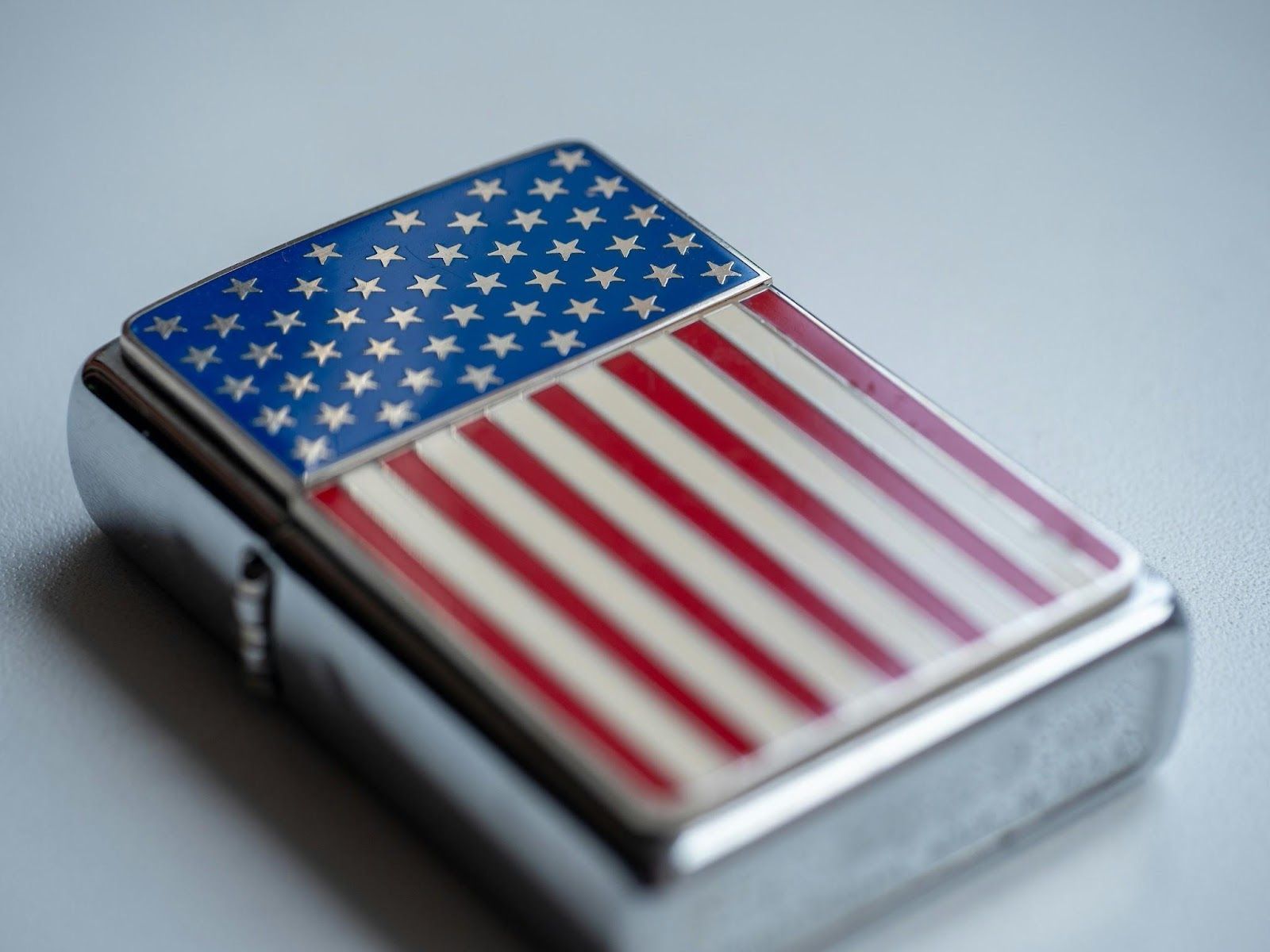
Image: camera obscura

In many countries, their national flag is used only for formal or official purposes, but that's not the case in the US. We tend to see the American flag literally everywhere, not just at official functions or holiday celebrations, but also on all kinds of products and imagery. From T-shirts and caps to food packaging and even swimsuits, our flag is a constant presence in everyday life.

5
No bad words on TV

Image: Kevin Woblick

If you're in America and turn on your TV right now, you'll find everything from romantic scenes to shows about zombies or violent crimes, but you'll rarely hear any bad language. Our television generally doesn't include insults or swear words, while in other countries they often do, even in shows that air during times when children might be watching.

6
Dinner before 8 PM
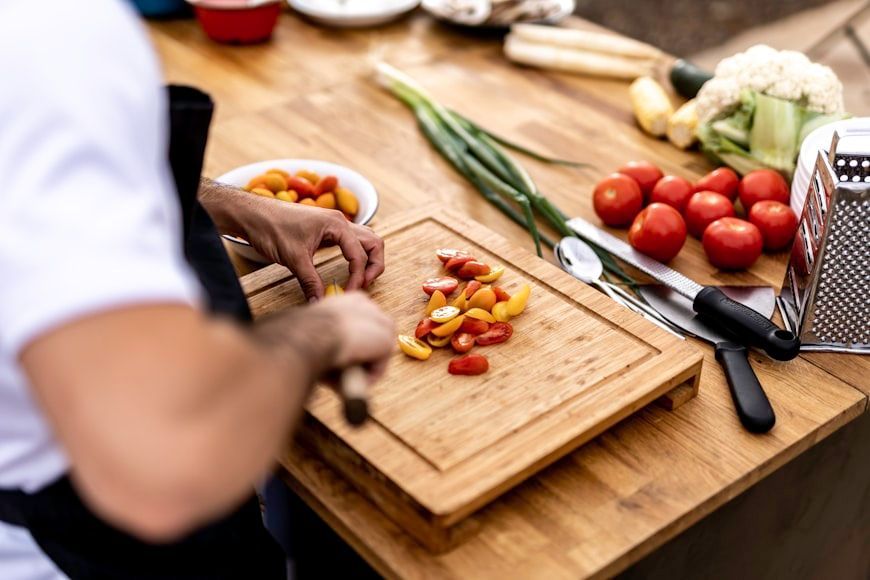
Image: Or Hakim

Depending on the region, dinner in the United States is often served before 8 p.m., and sometimes even before 7 p.m. But in many other countries, that's considered too early. In Latin America, for example, most people eat dinner between 8 and 11 p.m.!

7
The Imperial System
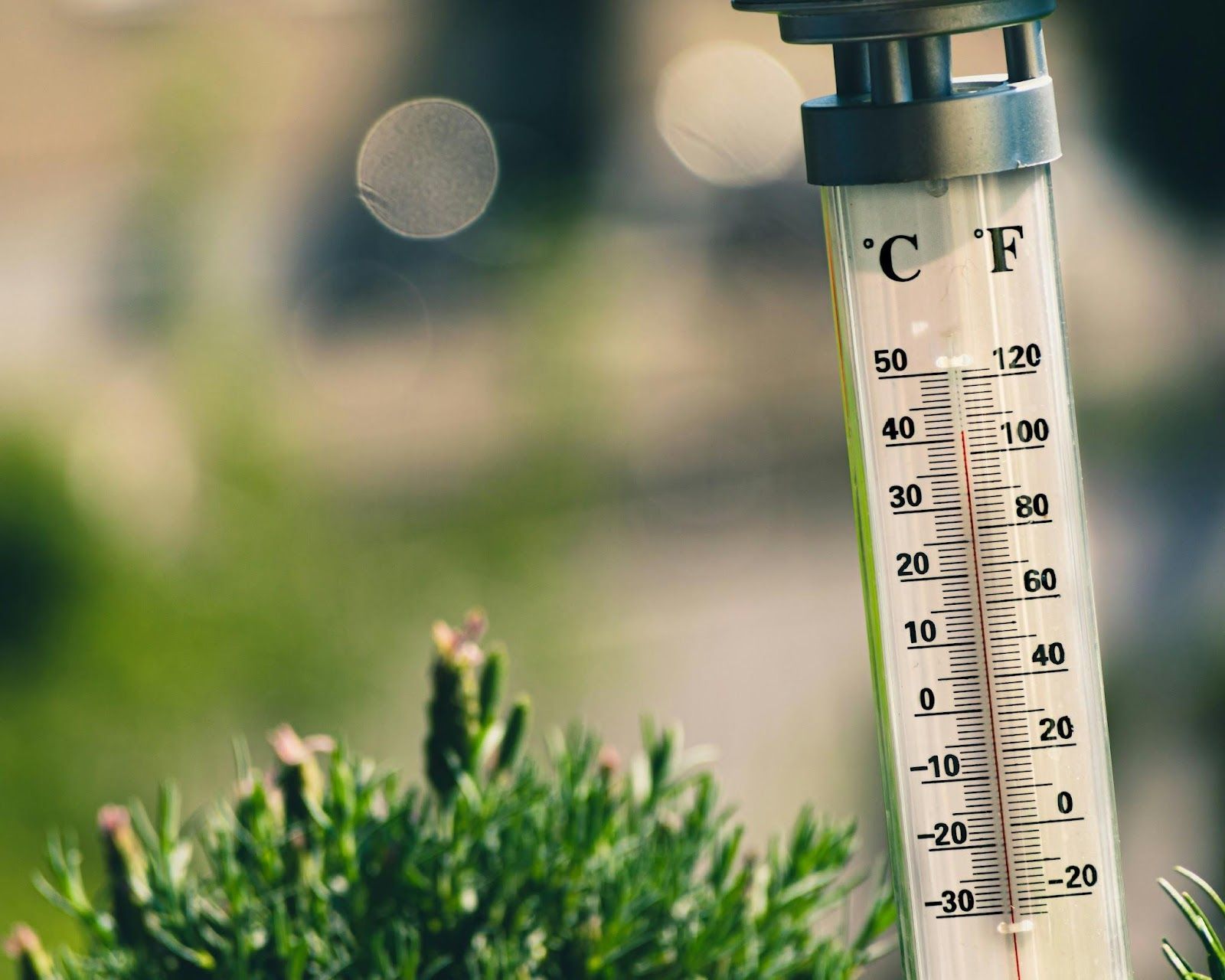
Image: Jarosław Kwoczała

We Americans use miles, feet, pounds, and degrees Fahrenheit, but this is often very confusing for visitors from other parts of the world. We are totally used to the Imperial System, but in most countries, the Metric System reigns supreme, with everything measured in meters, kilometers, kilograms, and degrees Celsius.

8
Big portions
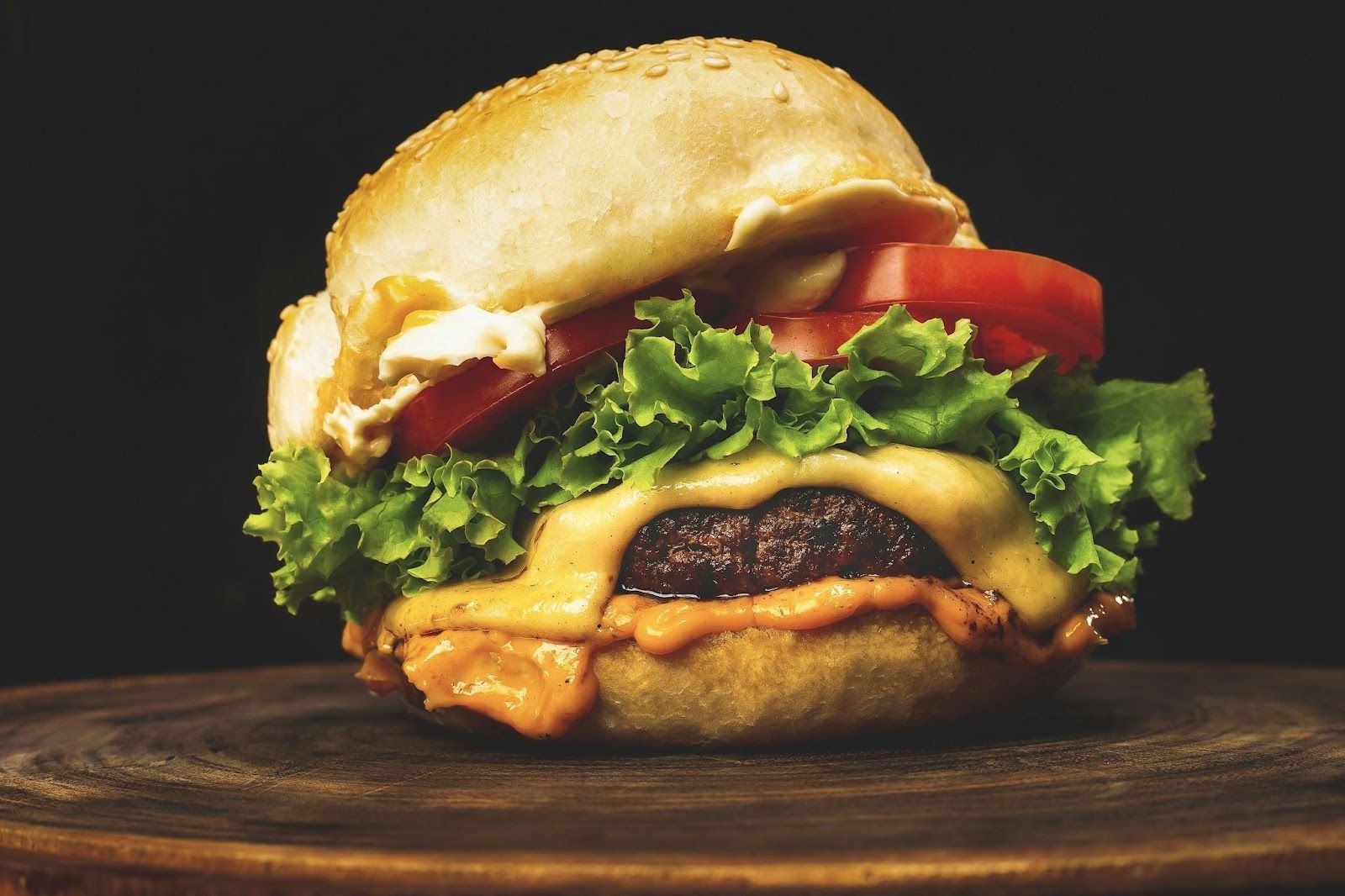
Image: mafe estudio

Large portions are deeply ingrained in our daily lives. Whether it's restaurant meals, snack packs, or soft drinks, everything tends to be bigger in America. This can be surprising for foreigners who come here and order food, since in many other countries, dishes are smaller, and the custom of taking leftovers home after eating at a restaurant isn't as common as it is in the US.

9
Turkey pardon
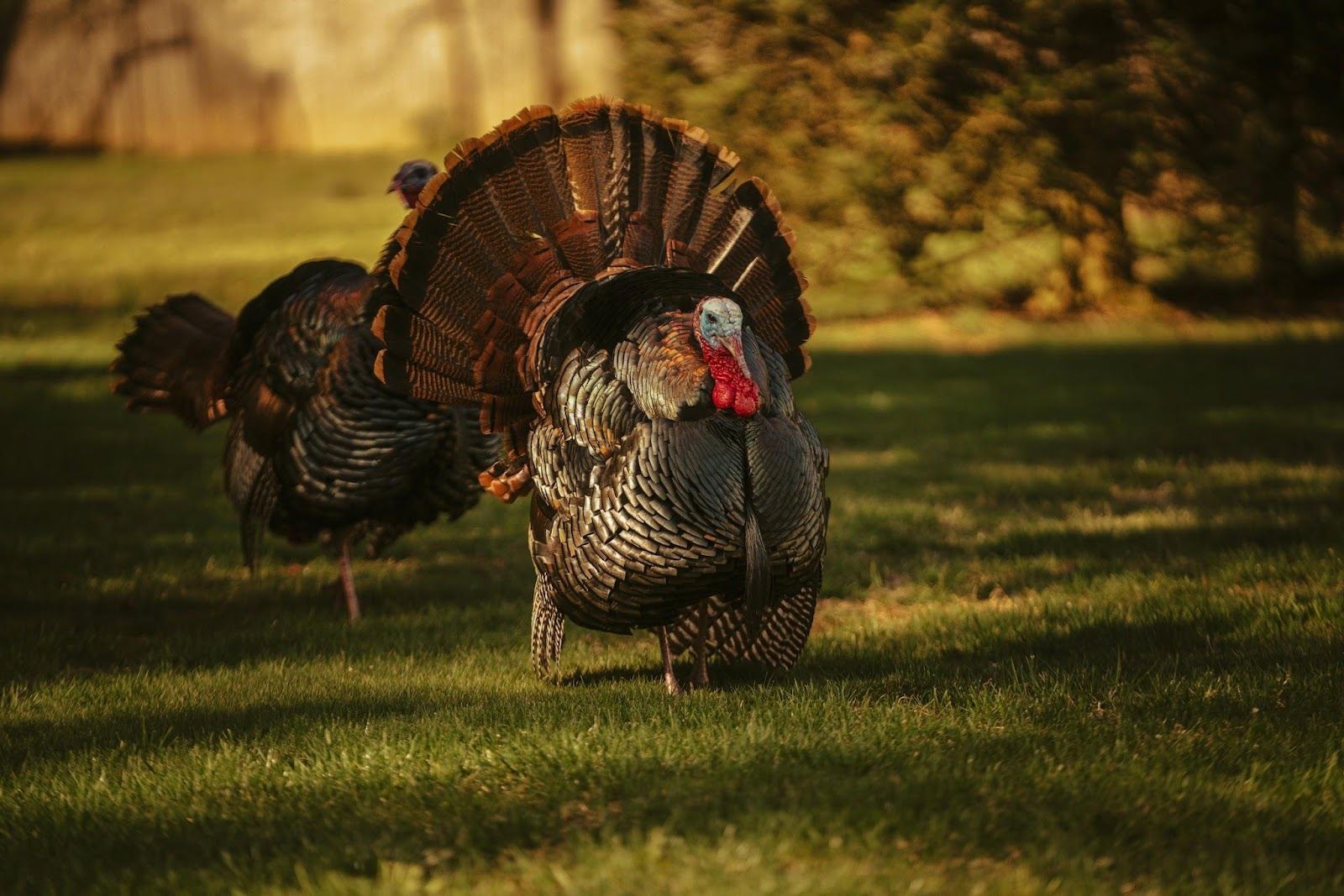
Image: Tyler Donaghy

The pardoning of the turkey by the US president is a big event for many Americans. But in other parts of the world, where Thanksgiving isn't celebrated, it can come as a surprise. To foreigners, this formal ceremony involving a turkey might seem quite strange. Since Thanksgiving traditions aren't part of their history, this custom is uniquely American.

10
Alumni homecoming

Image: Carol Highsmith's America

Perhaps you've had the chance to participate in Homecoming, the annual event that celebrates university spirit with parties, sports games, and other activities for students returning to campus. While it's a big part of our college tradition and communities are deeply involved, it's quite different in other parts of the world, where the return to school usually happens with little fanfare.

Culture Culture 4 min read

They said, "No Thanks."

These 10 stars did not accept their awards. And they had their reasons!

Image: Mirko Fabian

Have you ever imagined yourself winning an Oscar or an Emmy? While that might sound like a dream come true for many people, some stars have actually turned down major awards. From clashes with fellow nominees to political statements, each had their own reasons. Keep reading to discover why these 10 famous stars said "no thanks" to these recognitions.

1
Marlon Brando

Image: Trailer screenshottrailer at IMDB, Public domain, via Wikimedia Commons

Marlon Brando was one of Hollywood’s most iconic stars, admired for his talent, charisma, and unforgettable roles. He won his first Oscar for On the Waterfront (1954), but things took a very different turn with his second win. When The Godfather earned him another Academy Award in 1972, Brando refused to attend and sent a Native American representative in his place, using the moment to protest Hollywood’s mistreatment and misrepresentation of Indigenous peoples.

2
Tom Cruise

Image: Gabriel Hutchinson Photography, CC BY-SA 4.0 <https://creativecommons.org/licenses/by-sa/4.0>, via Wikimedia Commons

Like many of the actors on this list, Tom Cruise is a global icon whose career has earned him three Golden Globes: Best Actor for Jerry Maguire (1996), Best Actor for Born on the Fourth of July (1989), and Best Supporting Actor for Magnolia (1999). But in 2021, he made headlines for a very different reason: he returned all three awards. According to reports, Cruise did so as a protest against the ethics and lack of diversity within the organization behind the Globes.

3
Woody Allen

Image: Andreas Tai, CC BY-SA 3.0 <https://creativecommons.org/licenses/by-sa/3.0>, via Wikimedia Commons

Woody Allen is known for refusing to participate in awards season, despite earning many nominations throughout his career. With around 24 Academy Award nominations, he has attended virtually none of the ceremonies. He has won four Oscars, but he never went to pick them up, though he did not decline or return them. And it’s not just the Oscars: Allen rarely attends any award ceremonies, including the Golden Globes.

4
George C. Scott

Image: Directed by Stanley Kubrick, distributed by Columbia Pictures, Public domain, via Wikimedia Commons

George C. Scott was one of Hollywood’s great classic stars, celebrated for his powerful work on both stage and screen. And he was also the first actor in history to refuse an Oscar. Not only did he decline nominations for The Hustler (1961) and The List of Adrian Messenger (1963), but he also rejected the Best Actor award he won for Patton (1970). Scott believed that each performance is too unique to be ranked against another, and that art should never be treated like a competition. What do you think?

5
Dolly Parton

Image: https://upload.wikimedia.org/wikipedia/commons/0/08/Dolly_Parton_with_guitar.jpg

Actors aren’t the only ones who turn down awards; musicians do it too. One of them is Dolly Parton, who has declined more than just music honors. She was selected three times for the Presidential Medal of Freedom and turned it down each time. The first two refusals were during the pandemic, and the third came from her concern that accepting might seem politically partisan. In addition, in 2022, she also declined a nomination to the Rock & Roll Hall of Fame, saying she hadn’t yet "earned that right."

6
Katharine Hepburn

Image: Metro-Goldwyn-Mayer Studios; Restored by Adam Cuerden, Public domain, via Wikimedia Commons

The incredible Katharine Hepburn won four Oscars! But she never showed up to collect a single one. She always sent someone else to accept them on her behalf. In fact, she only attended the Oscars once, and it wasn’t to receive an award but to present one. When asked why she stayed away, she summed it up perfectly: "Awards are nothing; my reward is my work."

7
Julie Andrews

Image: Eva Rinaldi, CC BY-SA 2.0 <https://creativecommons.org/licenses/by-sa/2.0>, via Wikimedia Commons

Born in the United Kingdom, Julie Andrews is adored by Americans for many reasons, including the unforgettable films, such as Mary Poppins (1964) and The Sound of Music (1965). But beyond her cinematic gems, she also built a remarkable career in theater. In 1996, she received a Tony nomination for her role in Victor/Victoria , and chose to decline it. Why? Because she was the only member of the entire cast and production recognized, and she simply didn’t think that was fair.

8
Will Smith

Image: photo by Alan Light, CC BY 2.0 <https://creativecommons.org/licenses/by/2.0>, via Wikimedia Commons

In the late 80s, Will Smith and DJ Jazzy Jeff won the first-ever Grammy for Best Rap Performance. But when they learned that their category wouldn’t be televised, they chose to boycott the 1989 Grammy Awards in protest. They didn’t turn down the award itself, but their stand made an impact: the following year, the rap category was broadcast on air, finally receiving the same visibility as the others.

9
Sinéad O'Connor

Image: Globe photo/Dave Shea, Public domain, via Wikimedia Commons

Sinéad O'Connor was world-famous, and in America, we remember her mainly for the unforgettable hit "Nothing Compares 2 U." As a passionate activist, she carried her convictions into her career choices, which led her to turn down her Grammy nomination. She specifically asked that her name be withdrawn, arguing that the Grammys were too commercial and rewarded popularity over ethics, artistry, and musical integrity.

10
Nick Cave

Image: Raph_PH, CC BY 2.0 <https://creativecommons.org/licenses/by/2.0>, via Wikimedia Commons

Australian artist Nick Cave declined his nomination for Best Male Artist at the 1996 MTV Video Music Awards. He even sent a formal letter asking that his name be withdrawn, famously saying: "My muse is not a horse, and I am not in any horse race."

General General 5 min read

Survival foraging in America

These 10 plants could save you from starvation

Image: Alisa Golovinska

Ever felt those hunger pangs while hiking through the countryside and wondered if you could forage to fuel up in an emergency? You absolutely can—if you know where to look. America is blessed with a variety of wild edible plants that could help you out in a pinch—and maybe even add a fresh twist to your next salad. From versatile cattails to delicious blackberries, nature’s pantry offers a surprising amount of nutrition to those who know what to seek. But remember, not every plant is safe, so don’t just sample everything you see. That’s why we’ve compiled this list of 10 common wild edible plants in the U.S. to help you forage smartly!

1
Cattails

Image: Vlad Tchompalov

If you’ve ever seen a cattail and thought it looked kind of yummy, you were on the right track! Cattails grow abundantly in marshy areas across the U.S., and nearly every part of this plant is edible. Often called the "supermarket of the swamp," cattails are incredibly rich in carbohydrates and are a highly versatile food source. These plants not only provide nutrition but also materials for shelter and fire-starting, making them a top resource for wilderness survival in America.

The roots, once cleaned and cooked, have a potato-like quality and can also be dried and ground into flour. Impressively, they even outperform potatoes in starch yield per acre. Young shoots are edible as well, offering a fresh bite when raw or a tender taste when boiled, much like asparagus.

2
Dandelions

Image: Keegan Houser

Often dismissed as a pesky weed, dandelions are actually among the most nutritious plants you can find in the wild. In fact, dandelions are considered even more nutritious than broccoli or cabbage! Every part of the dandelion is edible, from the leaves to the roots. With a taste and texture similar to chicory, the leaves are packed with vitamins A and C and be eaten raw in salads or cooked like spinach.

The bright yellow flowers can also be used to make tea, while the roots can be roasted as a coffee substitute. Dandelion tea is loaded with powerful antioxidants, including beta-carotene and polyphenols, and studies suggest it may benefit heart health.

3
Wild Asparagus

Image: Gil Ndjouwou

Who knew you could harvest your own asparagus in the wild? Wild asparagus grows across much of the U.S., particularly in moist, sunny areas. While it looks similar to its cultivated cousin, wild asparagus tends to be thinner and tougher. When foraging, look for young shoots, which are more tender and can be eaten raw or cooked.

Like its commercial counterpart, wild asparagus is high in fiber and vitamins, offering a nutritious snack or even a potential side dish in a survival situation.

4
Acorns

Image: Annie Spratt

You’re likely already familiar with acorns, the nuts of oak trees. Found abundantly across the U.S., particularly in forests and woodlands, these wild nuts are indeed edible after some processing. Acorns contain bitter tannins, which can be toxic and need to be removed by repeated boiling or soaking in water.

Once safe to eat, acorns can be either roasted or ground into flour. Though they don’t taste like much, they’re packed with carbohydrates, fats, and proteins. Historically, acorns were a staple food for Native Americans and ancient cultures worldwide, proving their value as a survival resource.

5
Cactus (Prickly Pear)

Image: George Pagan III

In the arid landscapes of the American Southwest, prickly pear cacti offer both nourishment and hydration. The pads (nopales) and the fruit (tunas) are not only edible but are also staples in Mexican cuisine.

The cactus fruit, known as a prickly pear, is super sweet and can be eaten raw right off the plant. Depending on ripeness, the flavor ranges from mildly sweet to syrupy. Packed with vitamin C and water, prickly pear cacti can be a true lifesaver if you find yourself stranded in the desert.

6
Wild Onions

Image: Zoe Schaeffer

Wild onions grow widely across the U.S., thriving in fields, forests, and even backyards. Their bulbs, stems, and leaves are all edible and can be used just like store-bought onions to add flavor and nutrition to any meal. But foragers, beware—there’s an important distinction to keep in mind!

A highly toxic lookalike called death camas can be easily mistaken for wild onions, and as its name kindly suggests, it can have potentially lethal effects if consumed. The easiest way to tell them apart? Wild onions have a strong onion scent, while death camas has no odor. When in doubt, always trust your nose. That being said, unless you are 100% confident in your ability to identify wild onions, it’s wise to consult an expert or avoid foraging them altogether.

7
Pine Nuts

Image: Leila Issa

Pine trees are scattered across America, and their seeds—pine nuts—are a nutritional powerhouse. These small seeds, found inside pine cones, are rich in fats and proteins, making them a concentrated source of energy. In fact, pine nuts have sustained Native American tribes for centuries.

While they are labor-intensive to harvest, the effort is worthwhile. Packed with calories and bursting with flavor, they are an abundant and reliable food source. But it doesn't end there—surprisingly, most parts of a pine tree can be consumed, including the bark, needles, cones, and resin, either as food or for medicinal purposes.

8
Chicory

Image: Christopher Luther

Chicory is often found along roadsides and in open fields throughout the U.S. The plant is recognizable by its bright blue flowers, and while its leaves can be eaten like lettuce, its roots are also useful—they can be roasted and used as a coffee substitute.

During the American Civil War, soldiers used chicory to stretch their coffee supplies, and even today some beer brewers occasionally use roasted chicory to add a bitter flavor to stout varieties.

9
Blackberries

Image: Eric Prouzet

Who hasn't enjoyed picking a few blackberries during a walk? Blackberry bushes thrive across the country, especially in sunny, open areas. These delicious berries are loaded with vitamins C and K, along with fiber, making them an excellent survival food when in season. Additionally, their leaves can be brewed into a soothing tea.

Wild raspberries and strawberries are similarly plentiful in the American backcountry. Their unmistakable appearance and sweet flavor make them a great choice for novice or inexperienced foragers to safely enjoy nature’s pantry.

10
Clover

Image: Kelly Sikkema

Who knew that stumbling upon a clover patch could bring more than just good luck? Clover grows abundantly across the U.S., from lawns to meadows, and both its leaves and flowers are edible. The flowers are often dried to make tea, while the leaves can be tossed directly into salads or soups an added nutritional boost.

Rich in protein and minerals, clover has historically served as fodder for livestock, but it can also provide essential nutrition for humans, especially in a survival situation! Its versatility certainly makes it a valuable addition to any forager's repertoire.

Explore more American facts

Choose your favorite category!

General
General

As American as apple pie—the very best America has to offer!

Culture
Culture

Delve into the astounding richness of American lore.

Geography
Geography

Hop in and explore vast and diverse American landscapes.

History
History

Discover the key moments that shaped the United States.