Culture Culture 5 min read

The ultimate playlist

Two better than one: The 12 greatest music duets of all time

Image: isaac macdonald

Why record a song alone when you can amplify your voice alongside another great artist? That’s surely what Diana Ross and Lionel Richie thought when they released "Endless Love" in 1981 . Music history is filled with memorable duets that have captured the hearts of listeners around the world. When talented artists come together, magic happens—and the result is often a timeless masterpiece. Here are 12 of the best duets and musical collaborations that have left a lasting mark on American culture.

1
Diana Ross & Lionel Richie: "Endless Love"

Image: Ethan Smith

Did you know that this pop music classic was actually composed for a movie? Diana Ross and Lionel Richie recorded "Endless Love" for the Motown label, and it was used as the theme song for the 1981 film of the same name, starring Brooke Shields and Martin Hewitt.

Produced by Richie, the song was released as a single from the film’s soundtrack. Although the film was a flop, the song became the top hit single in the United States that year. It reached number one on the Billboard Hot 100 chart and remained there for nine consecutive weeks.

2
Sonny & Cher: "I Got You Babe"
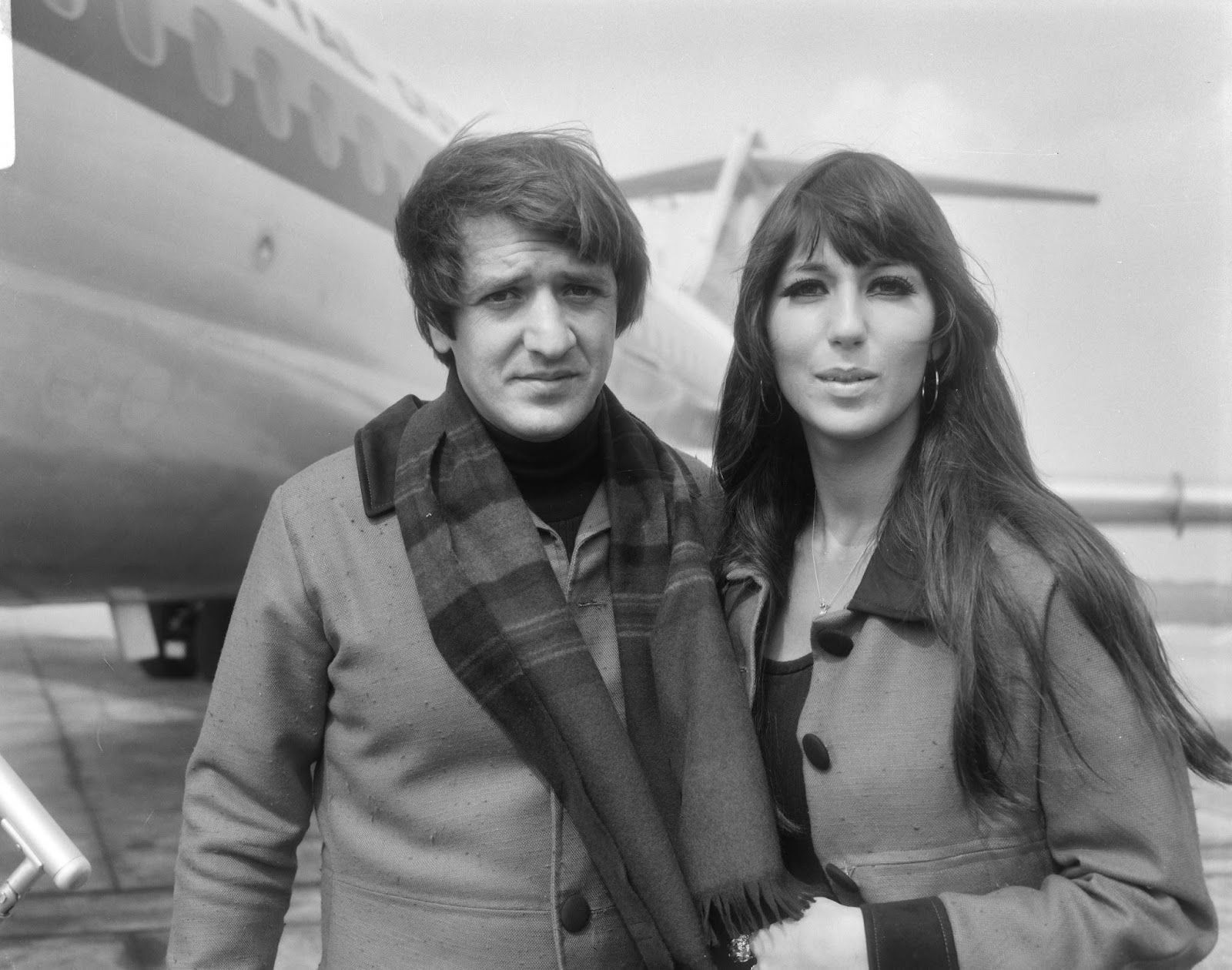
Image: Joop van Bilsen / Anefo, CC0, via Wikimedia Commons

"I Got You Babe" is arguably the biggest hit by Sonny & Cher, one of the most iconic musical duos in history . Sonny Bono wrote it late one night in their basement for his wife, Cher.

Recorded in 1965, the song became a smash hit, reaching number one on the Billboard Hot 100 chart. "I Got You Babe" is a beautiful hymn to love and loyalty , and it has been covered by various artists over the years.

3
Barbra Streisand & Donna Summer: "No More Tears (Enough Is Enough)"
Image: Gritte

Considered one of Donna Summer’s standout songs , "No More Tears (Enough Is Enough)" was recorded with Barbra Streisand in 1979. The song became so popular that several vocalists have recorded their own versions over the years.

Neither Donna nor Barbra ever performed the duet live together, but Streisand sang an excerpt during her Back to Brooklyn concert tour in 2012. At the time, she remarked that if Donna were still alive, she would have loved to perform it with her.

4
Michael Jackson & Paul McCartney: "Say Say Say"

Image: Pavel Danilyuk

The former Beatle had already collaborated with the King of Pop on "The Girl Is Mine," featured on Jackson’s Thriller album. The song was so successful that they teamed up again to record "Say Say Say," the lead single from McCartney’s fourth solo album , Pipes of Peace .

Jackson wrote most of the lyrics, and the legendary George Martin produced the track. It was released in 1983 , along with a music video in which the duo plays a pair of con men selling a miracle potion. The video also featured cameos by Linda McCartney and La Toya Jackson.

5
Aretha Franklin & George Michael: "I Knew You Were Waiting (For Me)"
Image: melojordan94

Did you know this song wasn’t originally written as a duet? It was composed by Dennis Morgan and Simon Climie with Tina Turner in mind . Eventually, Aretha Franklin got the job, and the label later suggested a collaboration with George Michael.

Aretha and George released "I Knew You Were Waiting (For Me)" in 1987. Both artists later stated that they had a great time recording the song and the music video that followed. And it shows, because the tune reached number one on the Billboard Hot 100 and topped charts around the world.

6
Bill Medley & Jennifer Warnes: "(I’ve Had) The Time of My Life"

Image: Chris Duan

Performed by Bill Medley and Jennifer Warnes, "(I’ve Had) The Time of My Life" was released in 1987 as part of the soundtrack for the movie Dirty Dancing . This pop ballad, with rock and soul influences, conveys a sense of celebration and joy, highlighting the importance of special moments that leave lasting memories.

The song was such a huge hit that it reached number one on the Billboard Hot 100 chart and won the Oscar for Best Original Song , the Golden Globe for Best Original Song, and the Grammy for Best Pop Performance by a Duo or Group with Vocals.

7
Nancy & Frank Sinatra: "Somethin’ Stupid"
Image: Elviss Railijs Bitāns

The original version of this song was recorded in 1966 by C. Carson Parks and his wife, Gaile Foote, but it only became widely known in 1967 when Nancy Sinatra performed it with her father, Frank.

It may seem a little unusual for a father and daughter to sing a romantic duet, but their version of "Somethin’ Stupid" became a massive international hit . Although the song was revived in 2001 by another duo—British singer Robbie Williams and Australian actress Nicole Kidman—Nancy and Frank’s rendition remains the most iconic.

8
Kenny Rogers & Dolly Parton: "Islands In The Stream"

Image: 42 North

When the anti-disco backlash nearly ended their reign, the Bee Gees shifted their focus to writing hits for other artists. Originally, "Islands in the Stream" was intended as a soul song for Diana Ross or Marvin Gaye. However, it ended up becoming the quintessential country-pop duet—and one of the biggest hits of Kenny Rogers and Dolly Parton’s careers.

The song is named after Ernest Hemingway’s posthumous novel, but its lyrics speak to the joy of finding that one person you’ve been searching for your whole life. Pretty romantic, don’t you think?

9
Paul McCartney & Stevie Wonder: "Ebony And Ivory"

Image: Osman Rana

Paul McCartney and Stevie Wonder released "Ebony and Ivory" in 1982, and it was an instant hit. Written by McCartney, the song addresses racial integration , using the black and white keys of a piano—working together to create harmony—as a metaphor.

Fun fact: McCartney and Wonder filmed their parts of the music video separately due to scheduling conflicts, but the final result was seamless nonetheless.

10
Joe Cocker & Jennifer Warnes: "Up Where We Belong"
Image: Paul Seling

This powerful and emotional ballad, performed by Joe Cocker and Jennifer Warnes, was released in 1982. The song was created for the soundtrack of the movie An Officer and a Gentleman and captures the essence of overcoming challenges and transcending through love.

"Up Where We Belong" won several major awards, including the Academy Award for Best Original Song, the Grammy Award for Best Pop Performance by a Duo or Group with Vocals, and the Golden Globe Award for Best Original Song . The combination of Cocker’s and Warnes’ passionate vocal performances and the rich instrumentation has made this song an enduring classic.

11
Marvin Gaye & Tammi Terrell: "Ain't No Mountain High Enough"
Image: AndNowProjekt

There’s nothing like the charismatic and luscious voices of Marvin Gaye and Tammi Terrell to convince us of love’s healing power. "Ain’t No Mountain High Enough" was released as a single in 1967 and became a huge hit.

This romantic anthem is just one of the iconic collaborations by the duo that helped define the Motown era, thanks to their vocal harmonies and onstage chemistry . Their list of great soul duets also includes "Your Precious Love," "Ain’t Nothing Like the Real Thing," and "You’re All I Need to Get By," among others.

12
John Travolta & Olivia Newton-John: "You’re The One That I Want"
Image: Mesh

Anyone who has seen the movie Grease is probably a fan of this iconic tune. Immortalized on screen in 1978 by Olivia Newton-John and John Travolta, the song transcended the boundaries of cinema, topped charts worldwide, reached number one in several countries, and became one of the best-selling singles of all time .
History History 4 min read

More than small steps

Fascinating facts you probably didn't know about the Apollo missions

Image: Brian McGowan

There are dozens of movies about the Apollo missions –and with good reason! Sure, we all know the legendary anecdotes about Apollo 11, like how many people were watching or the by-now-legendary words that Armstrong uttered. But what happened in the rest of the missions? Here are some of the most interesting stories from the twelve men who walked on the Moon and the teams who got them there!

1
"One small step" vs. "Man, that may have been a small one…"

Image: NASA

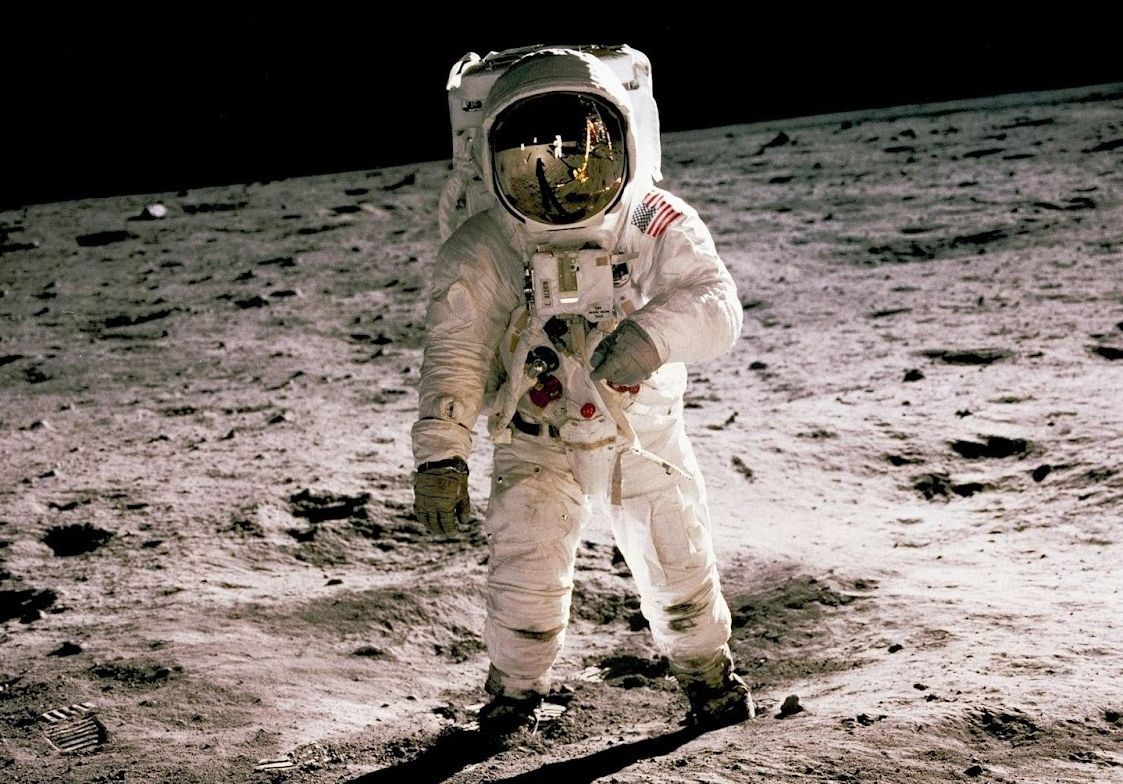
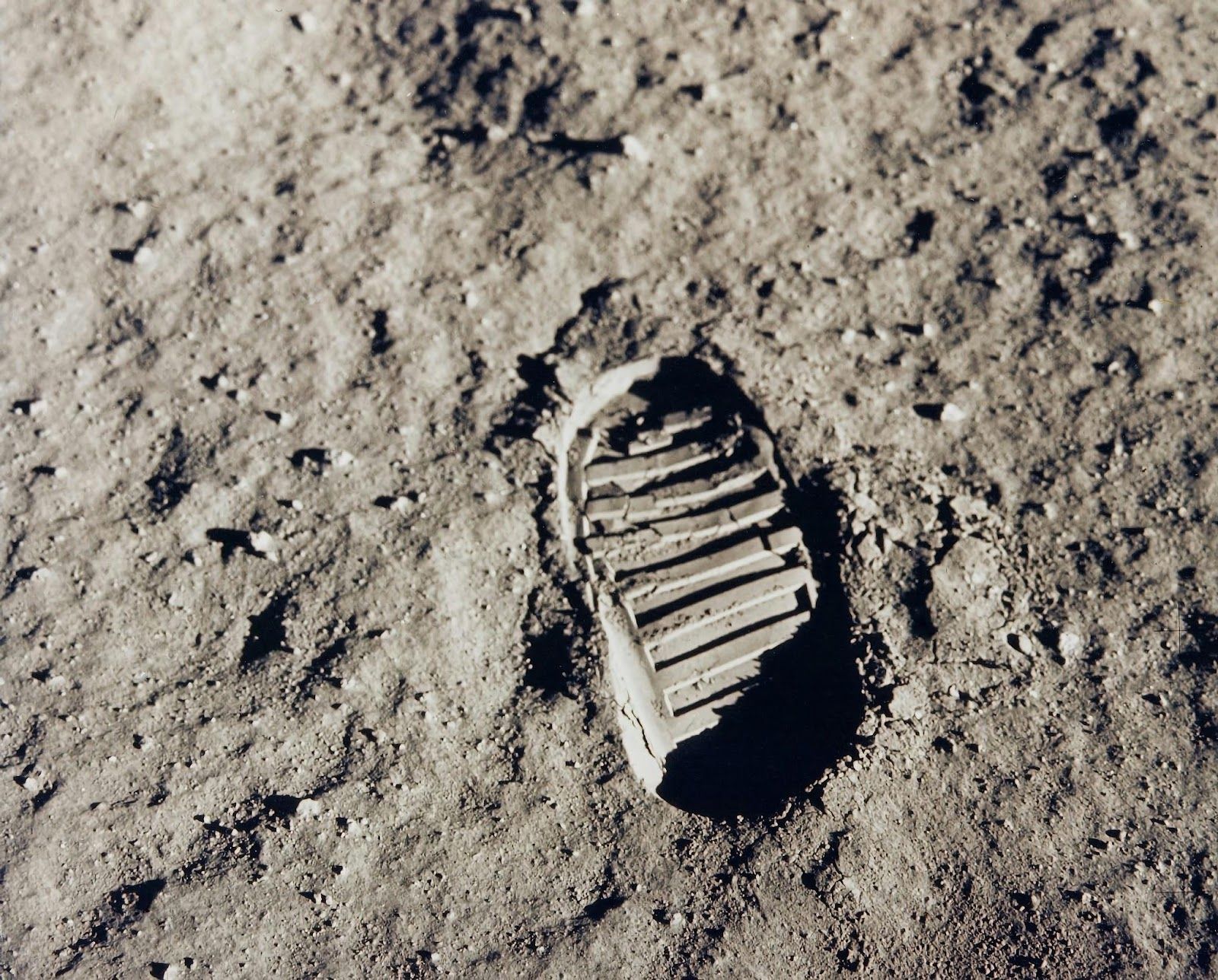
Neil Armstrong stepped onto the lunar surface with his carefully planned line: "That is one small step for a man , one giant leap for mankind." Pete Conrad from Apollo 12 decided to have some fun with that.

Conrad was short, and he had bet a reporter five hundred dollars that he could say whatever he wanted when he stepped down. This is the line he went for, as documented in NASA transcripts: "Whoopie! Man, that may have been a small one for Neil, but that is a long one for me ."

2
Apollo 12 and the lightning strike that tried to end everything

Image: USGS

Apollo 12 was struck by lightning not once but twice, only 36 seconds after launch. The electrical surge wiped out telemetry in Mission Control.

The flight looked doomed until flight controller John Aaron said the now legendary instruction: "Try SCE to Aux." Conrad responded with, "What the hell is that?" because almost no one remembered what SCE meant.

Luckily, Alan Bean understood what to do. He flipped the switch, the instruments rebooted, and Apollo 12 kept flying.

3
Apollo 13 was just as dramatic as the movie showed

Image: David Trinks

The explosion of an oxygen tank in Apollo 13’s service module really did turn the mission into a race against time. The line "Houston, we have a problem" is Hollywood’s adaptation, however. The real line, spoken by Jack Swigert and repeated by Jim Lovell, was "Houston, we have had a problem."

Other real drama: the crew used the Lunar Module as a lifeboat, battled rising CO₂ levels, manually aligned the spacecraft using Earth’s horizon, and returned home with only a sliver of battery life left.

4
Apollo 16 astronauts drove a moon rover like teenagers with a new car

Image: NASA

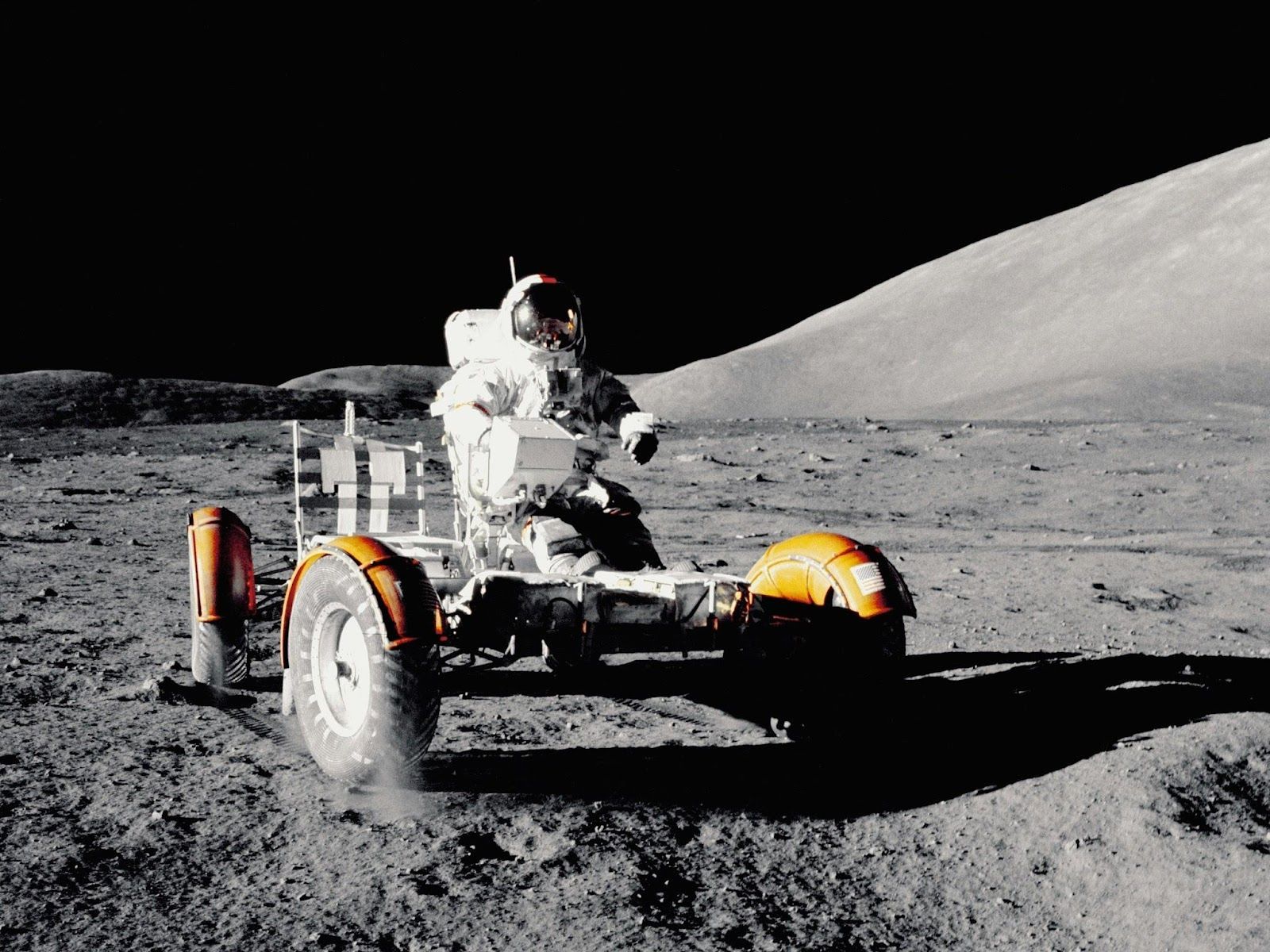
The lunar rover was a marvel: lightweight, foldable, and capable of reaching 13 to 18 km/h depending on conditions.

John Young and Charlie Duke from Apollo 16 were so thrilled with it that Mission Control had to repeatedly remind them not to drive too fast on uneven terrain.

Duke even recorded one of the wildest moments of the program when Young yelled, "Look at that… look at that!" as dust flew up behind them.

5
The dust that drove astronauts nuts

Image: NASA Hubble Space Telescope

Moon dust is sharp, sticky, and electrostatically clingy. Astronauts from Apollo 11 onward complained that it smelled like burnt gunpowder and got everywhere. Harrison Schmitt from Apollo 17 suffered "lunar hay fever" after breathing dust tracked into the cabin.

NASA later became mildly obsessed with studying how dangerous that dust might be… and it turns out it is genuinely abrasive to suits and could be risky to lungs.

6
Apollo 11 and the computer that said "nope"

Image: History in HD

Just minutes before landing on July 20, 1969, the Apollo Guidance Computer flashed a "1202" program alarm. In non-NASA terms, the computer was overloaded and essentially panicking .

But guidance officer Steve Bales had trained for this exact situation and cleared the crew to proceed. Armstrong later said this call was one of the mission’s most decisive moments. So yes, the first Moon landing almost got canceled by a stressed-out computer.

7
The golf shot that echoed through history

Image: Stockholm Paris Studio

On Apollo 14, Alan Shepard smuggled a makeshift golf club head along with two golf balls.

On the moon, he attached it to a sample collection tool and made the most famous swing in the Solar System. The ball truly did travel far, although probably not the "miles and miles" Shepard joked about. Still, it remains the only round of lunar golf ever played.

8
Apollo 15’s postal controversy

Image: Tolga deniz Aran

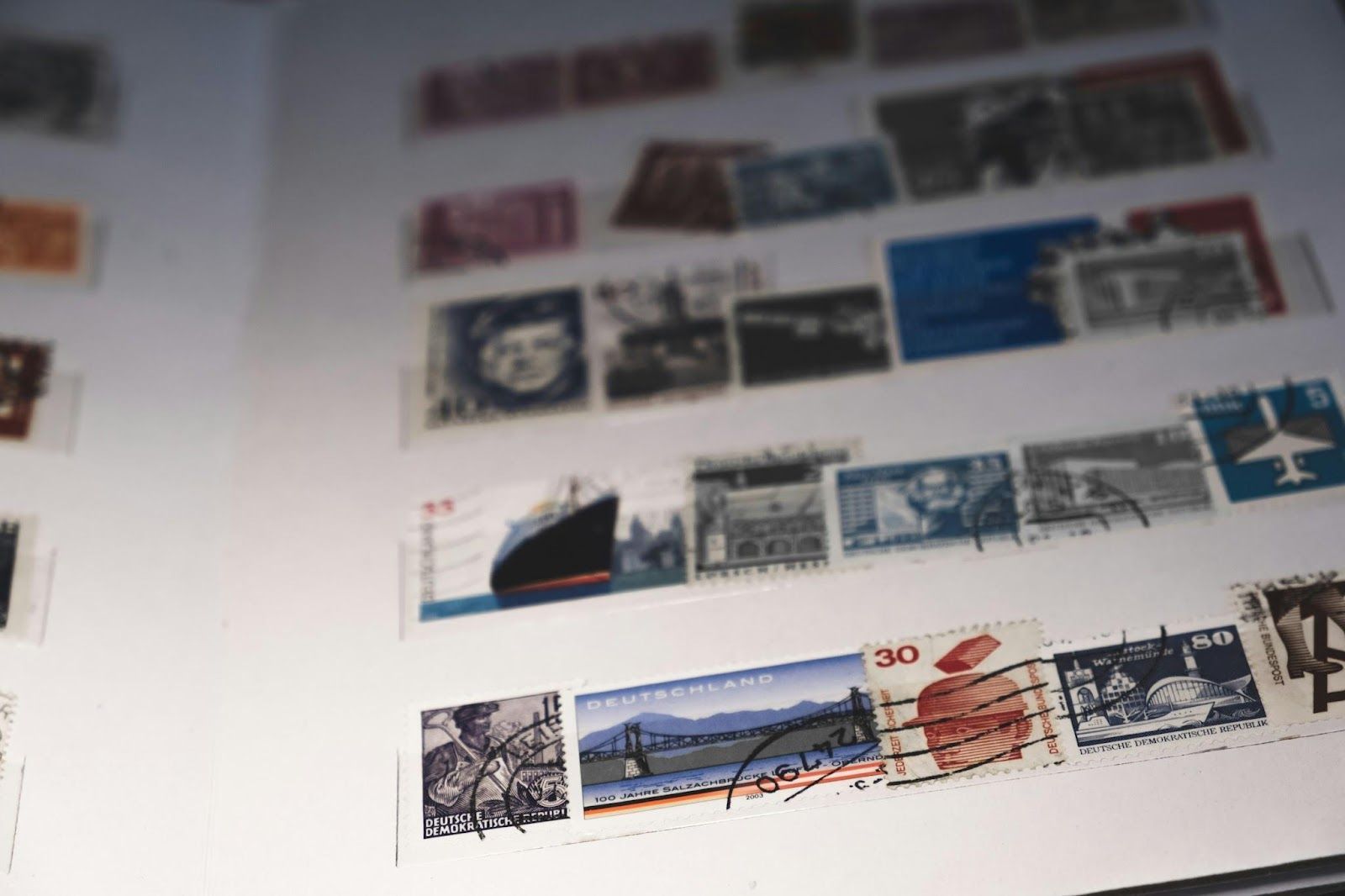
The Apollo 15 astronauts carried unauthorized stamped envelopes to sell to collectors later.

This became a scandal when the deal came to light. NASA was furious, the crew was reprimanded, and the agency tightened rules on what astronauts could take to space.

The event is fully documented and remains one of the strangest side stories of the program.

9
Twelve people walked on the moon

Image: NASA

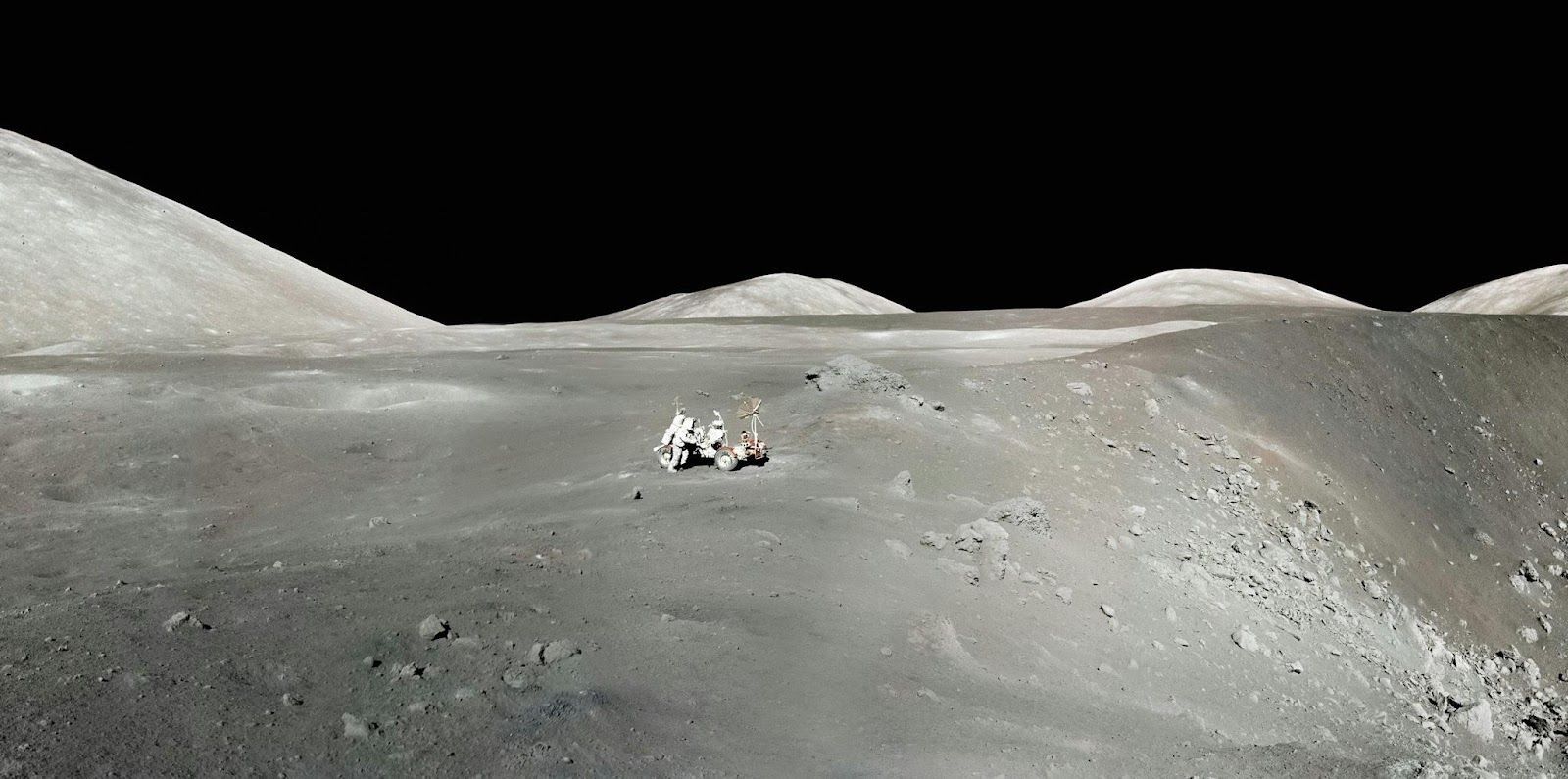
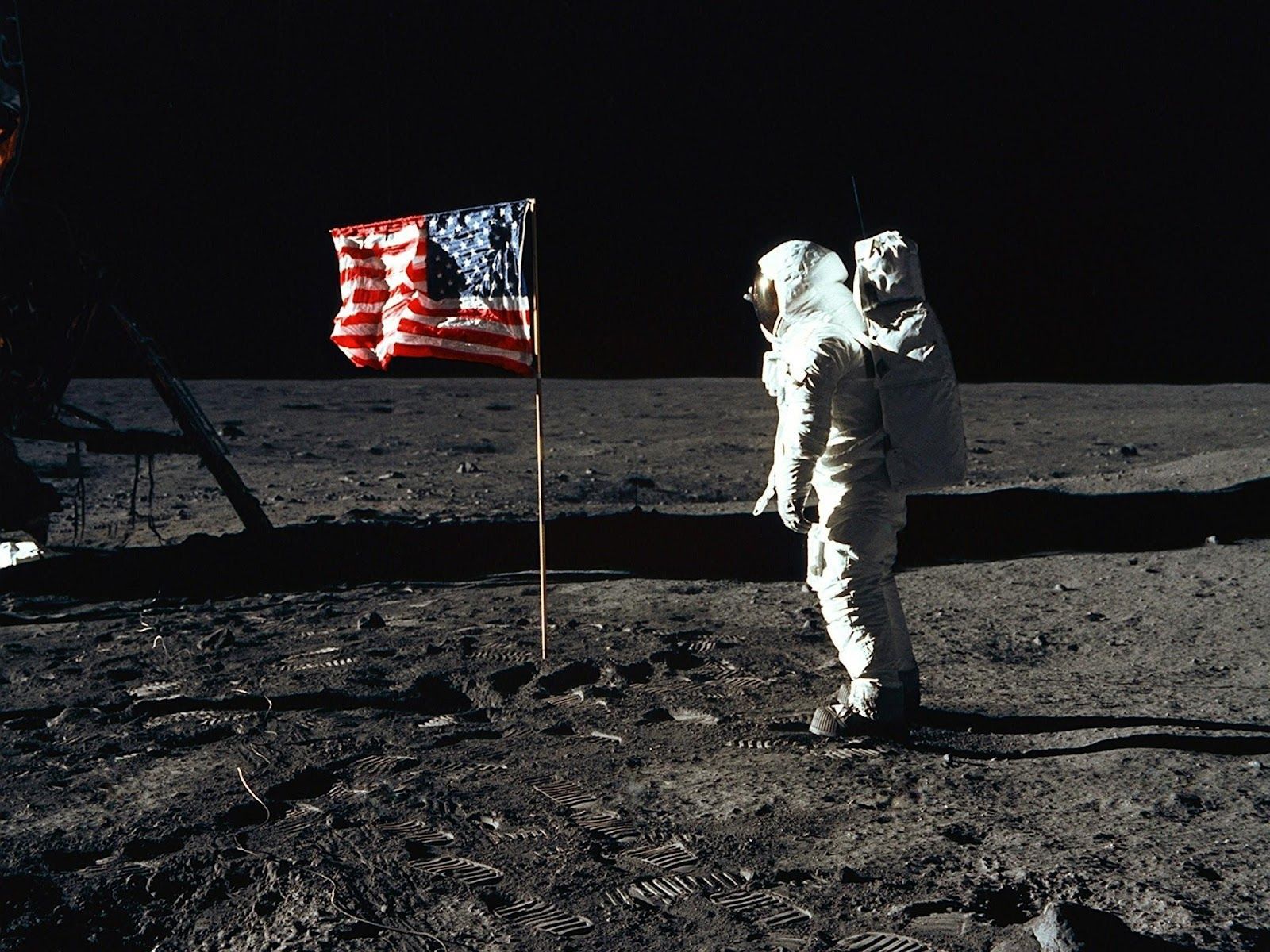
Between 1969 and 1972, exactly twelve astronauts walked on the lunar surface.

The list, in chronological order, is: Armstrong, Aldrin (Apollo 11), Conrad, Bean (Apollo 12), Shepard, Mitchell (Apollo 14), Scott, Irwin (Apollo 15), Young, Duke (Apollo 16), and Cernan and Schmitt (Apollo 17). Cernan remains the last human to have walked on the Moon.

10
The last moonwalk included a love letter

Image: NASA

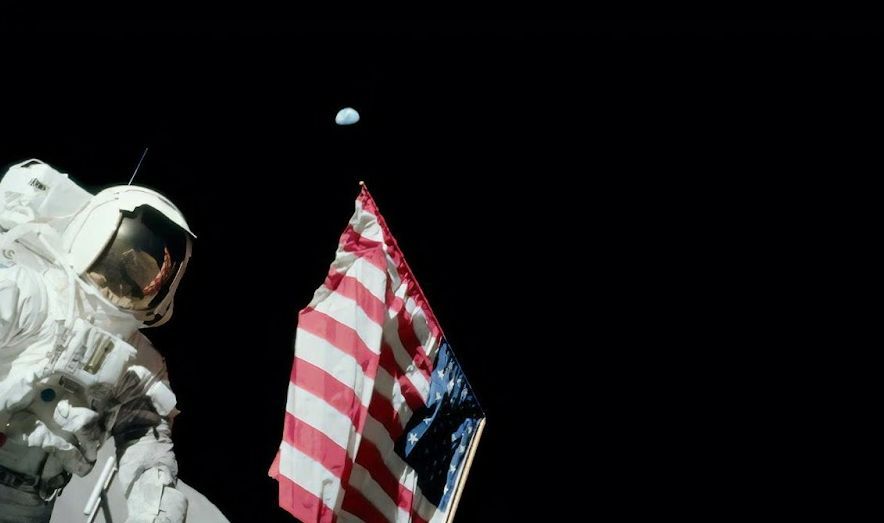
During Apollo 17, Gene Cernan traced his daughter’s initials TDC on the lunar dust.

As he said his farewell words on the Moon, he hoped the world would continue exploring. His last line: "We leave as we came and, God willing, as we shall return, with peace and hope for all mankind."

Culture Culture 6 min read

Monopoly helped soldiers escape, and 9 other toys with double lives

Image: LungLee

When we think of iconic toys like the Slinky or LEGOs, we usually picture kids killing time on a rainy afternoon. But look a little closer, and you’ll find that some of the most famous playthings have double lives. From saving soldiers on the front lines to helping astronauts in lunar orbit, these gadgets have stepped out of the toy chest and straight into national service. Here is a look at 10 classic toys that did much more than entertain and amuse.

1
Monopoly

Image: Steve Cukrov

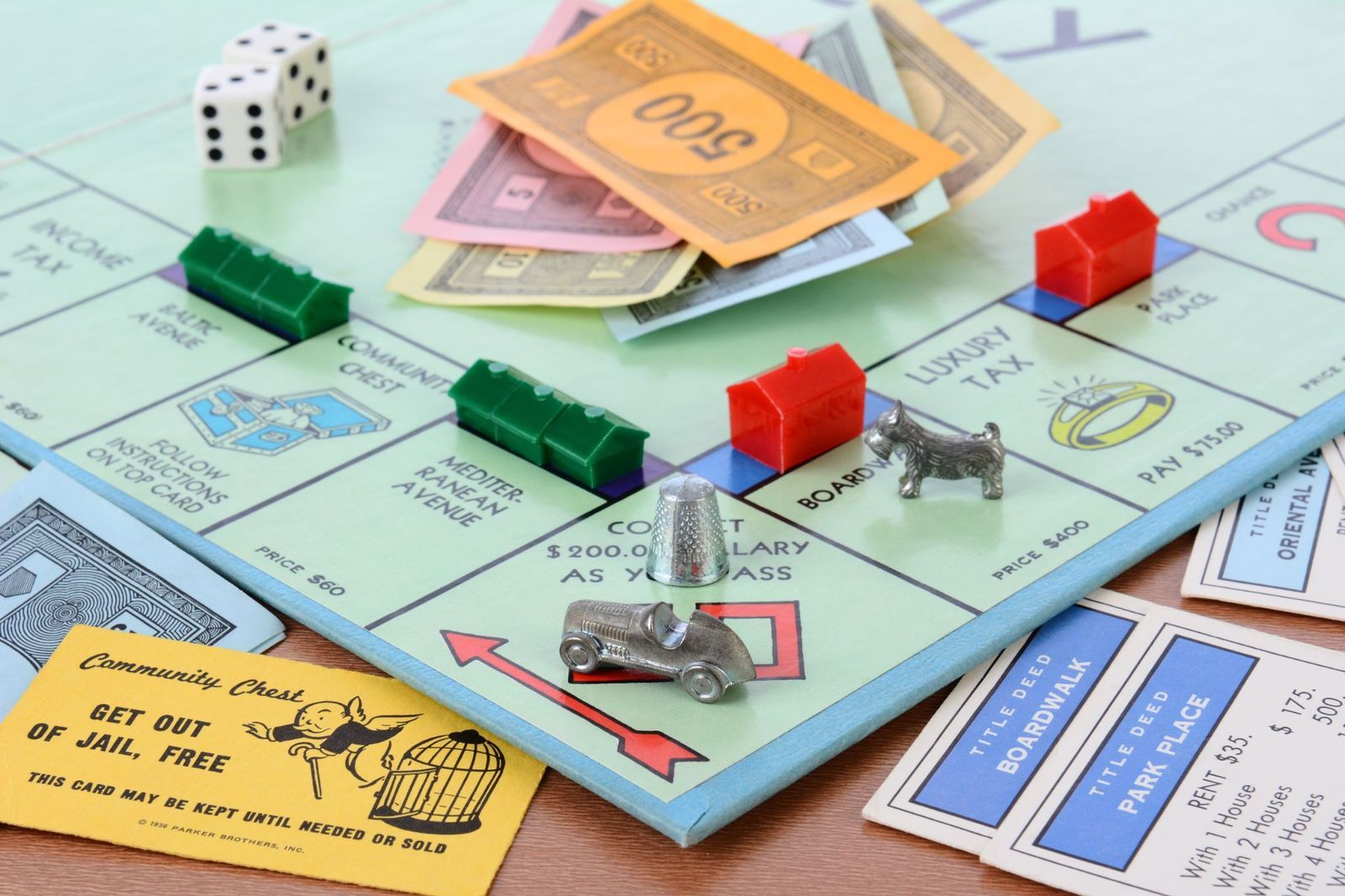
Did you know that Monopoly played a key role in the European theater of World War II? Originally conceived in 1903 by Elizabeth Magie Phillips as The Landlord's Game to highlight the inequities of capitalism, the board game was later rebranded by Parker Brothers in 1934.

When thousands of Allied soldiers, including Americans, were captured by German forces during WWII, the British Secret Service began manufacturing specialized editions to be smuggled into prisoner camps inside Red Cross packages. The German guards welcomed the games as harmless ways for prisoners to pass the time. Little did they know, these boxes contained customized silk maps, real local currency, and precise escape routes hidden within the board and game pieces. Intelligence experts estimate that up to 10,000 Allied soldiers successfully escaped enemy capture because of these rigged board games.

2
Silly String

Image: sonya etchison

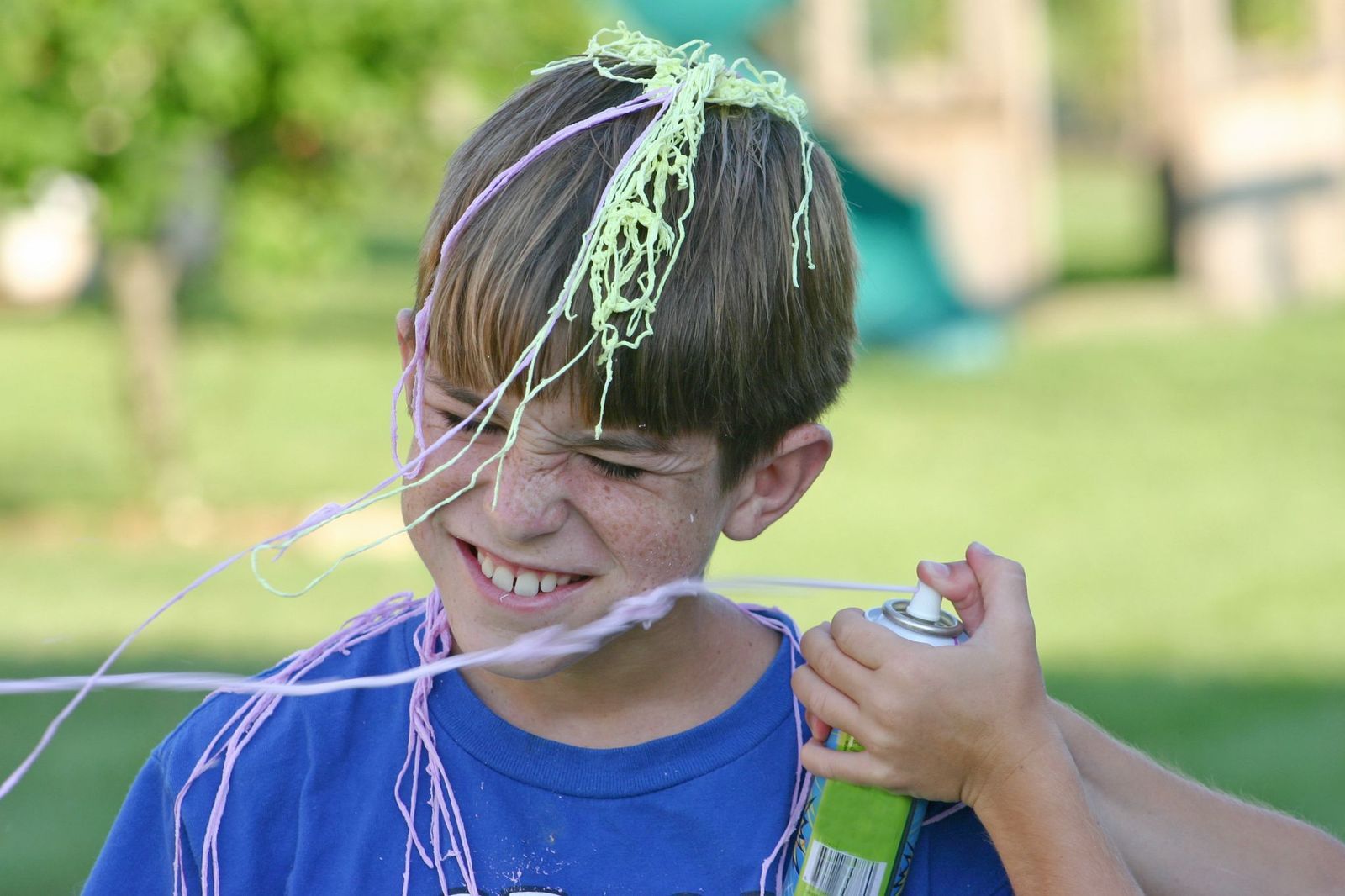
In the early 1970s, inventors Leonard A. Fish and Robert P. Cox were working on an aerosol spray-on cast for broken limbs. Although they failed spectacularly, they patented the sticky mess as "foamable resinous composition." Eventually, American toy company Wham-O picked it up and re-labeled it as Silly String.

Decades later, this joke device went to war. In 2006, while stationed in Iraq, Specialist Todd Shriver and his unit found themselves lacking official gear to safely detect the invisible tripwires used to detonate explosives. Because the spray of Silly String could shoot more than 10 feet away and was very light, it became an unlikely but useful tactical tool.

3
Slinky

Image: VanoVasaio

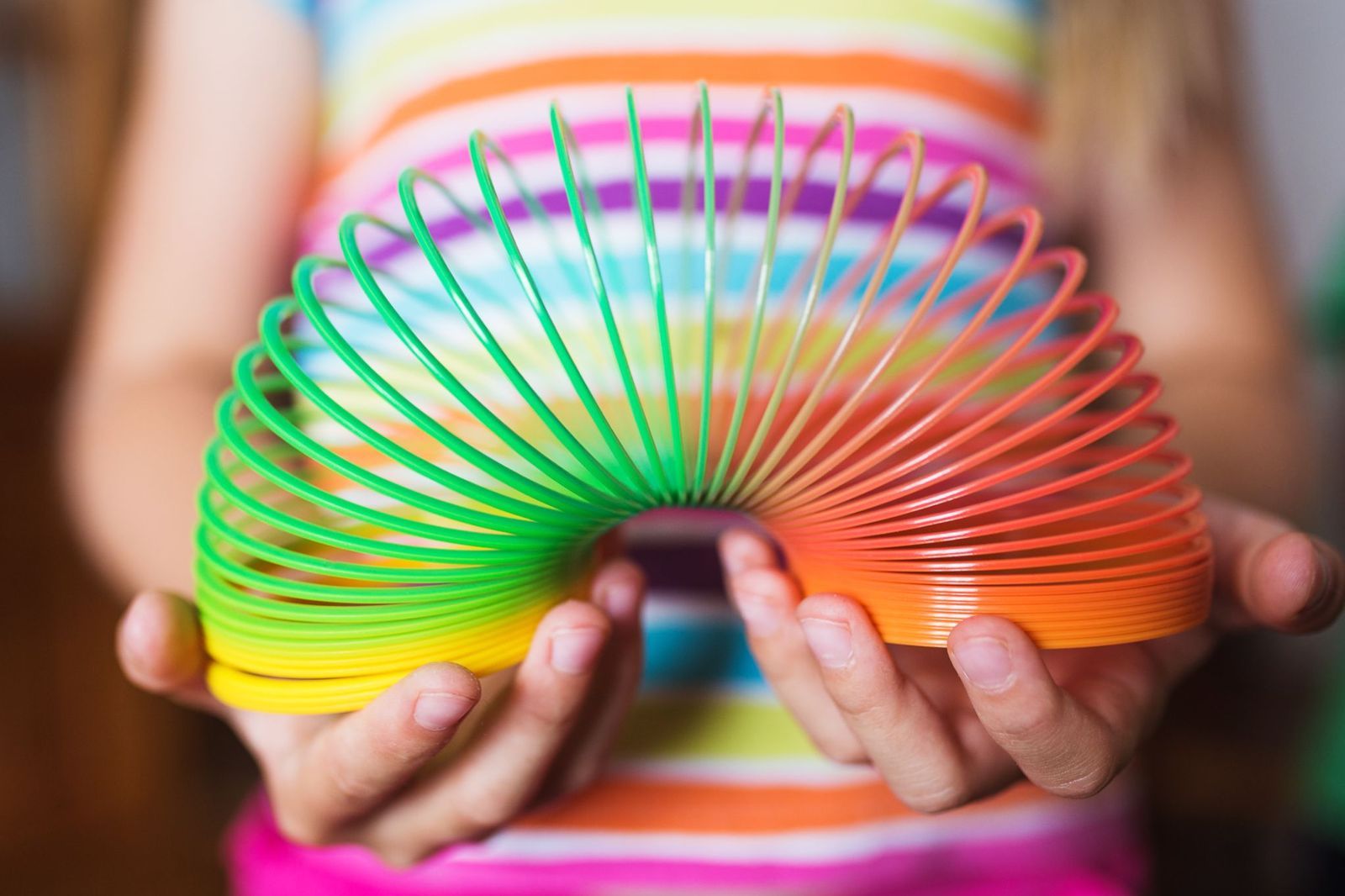
In 1943, naval engineer Richard James was attempting to design a spring system for naval battleships. When he accidentally knocked one of his prototypes off a shelf, he watched in fascination as it walked down a stack of books, onto his desk, and onto the floor. The Navy never bought his invention, but the world got the Slinky, selling over 100 million units in its first two years alone.

Years later, the toy’s military purpose came into fruition during the Vietnam War. U.S. communications troops operating in dense jungles frequently struggled with terrible radio reception. They quickly discovered that a standard steel Slinky could be stretched out and tossed over high tree branches to serve as an effective improvised antenna.

4
View-master

Image: I'm Conqueror

When the View-Master made its grand debut at the 1939 New York World’s Fair, it was marketed as an alternative to scenic postcards. Co-inventors Wilhelm Gruber and Harold Graves paired standard stereoscopes with circular cardboard reels containing seven 3D color film images, which allowed people to marvel at the Grand Canyon from the comfort of their homes.

By 1942, the United States military realized that this photographic novelty could become a useful tool. In the midst of WWII, the U.S. Armed Forces purchased more than 100,000 View-Master viewers and commissioned thousands of custom-made reels. Instead of tourist images, these reels featured detailed, three-dimensional models of enemy aircraft, naval vessels, and artillery. It allowed troops to practice identification, making it a critical asset for gunners and pilots.

5
Silly Putty

Image: Science History Institute, CC BY 4.0, via Wikimedia Commons

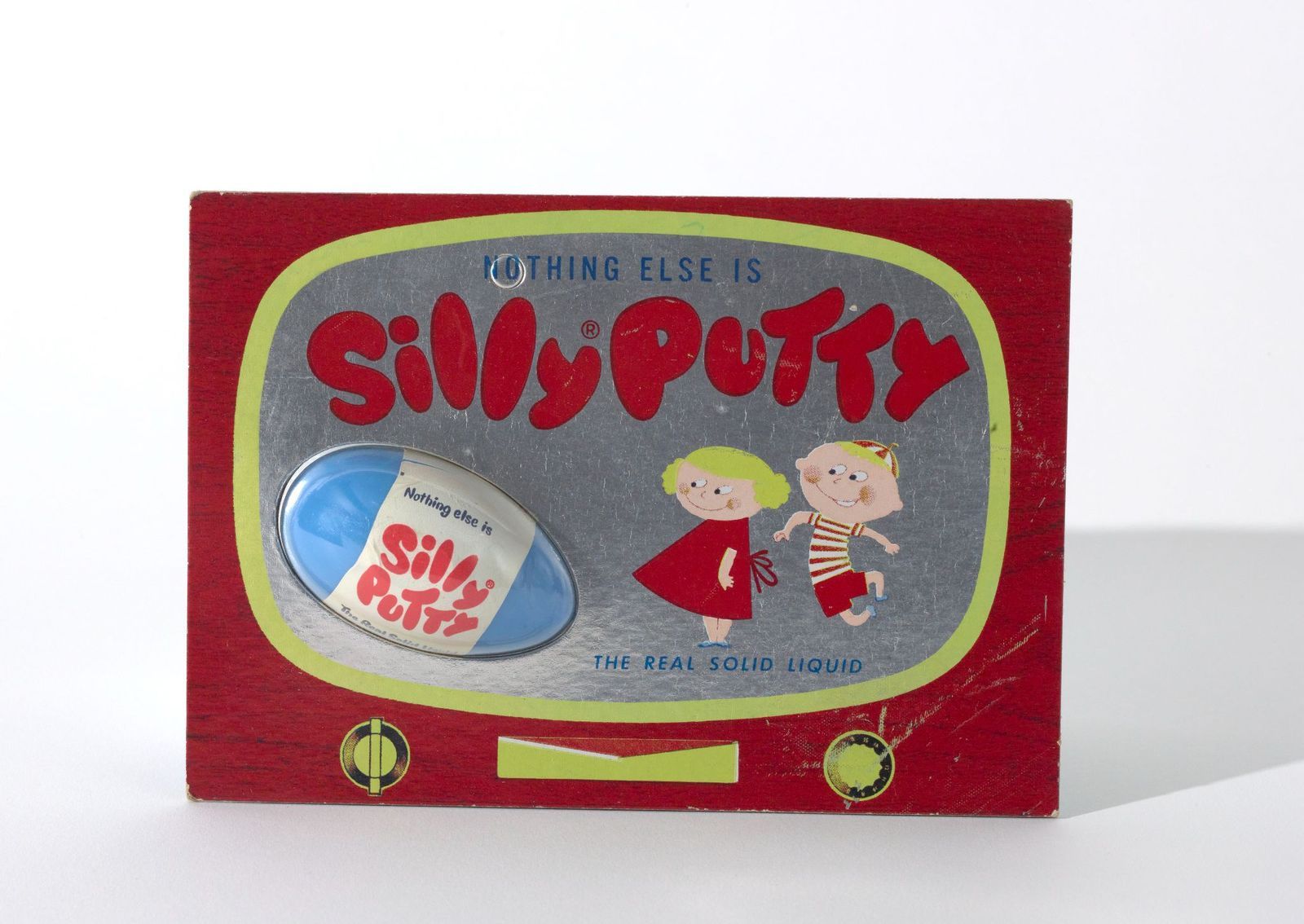
Silly Putty is another marvel of accidental wartime engineering. During WWII, the United States faced shortages of natural rubber due to several blockades. In an attempt to create a cheaper alternative, General Electric engineer James Wright mixed silicone oil with boric acid. The result didn’t work for tires, but it became a hit when packaged inside plastic eggs.

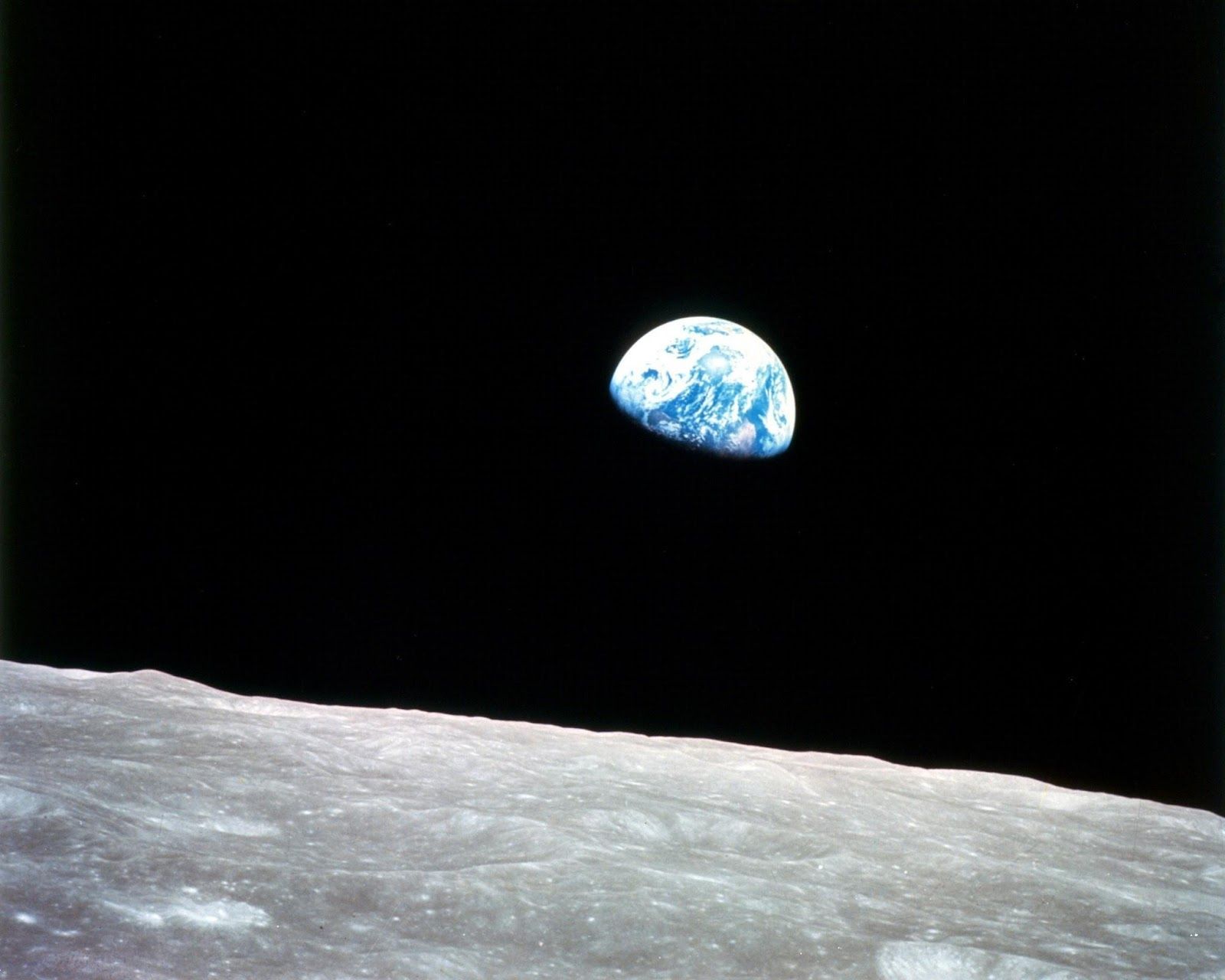
Eventually, this gooey and bouncy material caught the attention of NASA. In 1968, the crew of Apollo 8 packed Silly Putty into their spacecraft. In the zero-gravity environment, the astronauts used the sticky compound to secure their gear to the walls to prevent it from floating away around the cabin.

6
Buzz Lightyear

Image: Sunny studio

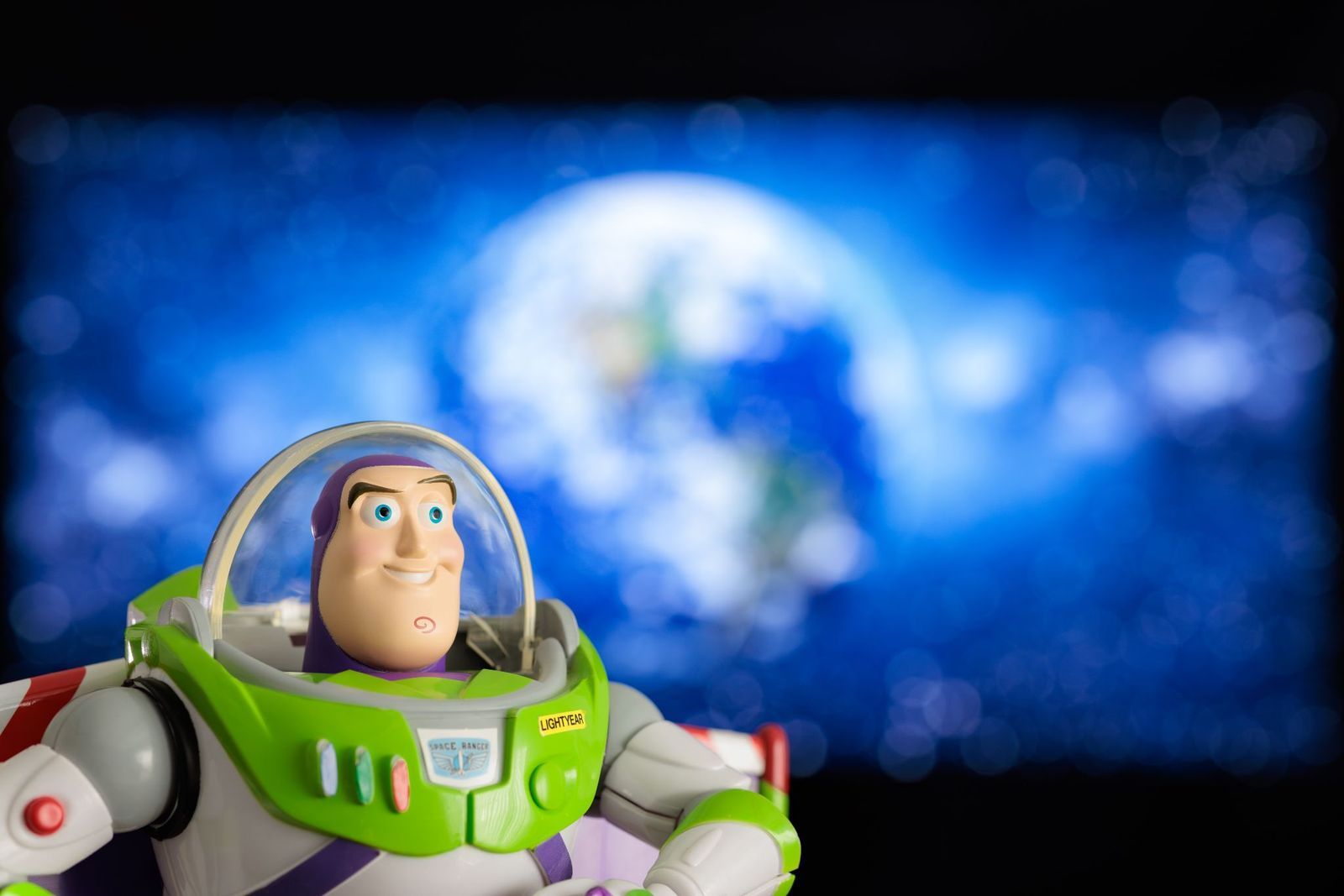
While Buzz Lightyear began his life as a fictional space ranger in Pixar’s 1995 hit Toy Story, the physical action figure manufactured by Thinkway Toys achieved a few real-world milestones that would make Andy proud.

In 2008, NASA launched an authentic Buzz Lightyear action figure into space aboard the Space Shuttle Discovery. Buzz spent a staggering 15 months living aboard the International Space Station. There, he worked alongside astronauts to film educational videos designed to teach school children across America about weightlessness, orbital mechanics, and microgravity physics.

7
LEGO

Image: Rahmazudi_zudi23

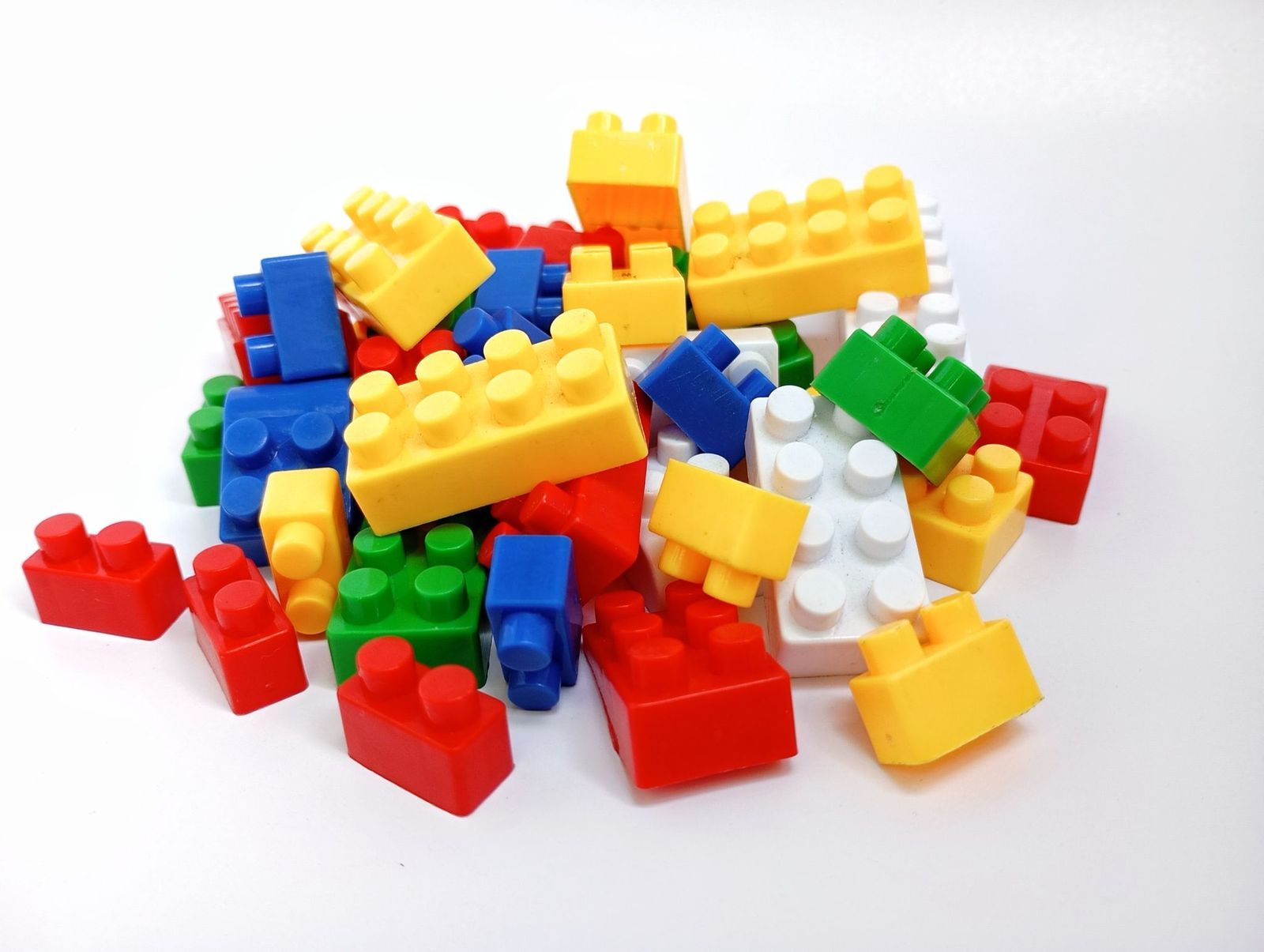
The famous toy company was founded by Danish carpenter Ole Kirk Christiansen in 1949. While LEGO first reached the US in the early 1960s, the plastic interlocking bricks didn’t become massively popular until the 1970s. Once American children adopted the new toy, it completely reshaped modern STEM education.

Although schools had experimented with bricks for decades, LEGO allowed teachers to develop structured curricula designed to teach kindergarteners fine motor skills and spatial mathematics. By the time those students reached high school, LEGO’s advanced kits were serving as the backbone for introductory robotics, engineering, and programming courses nationwide.

8
Mr. Potato Head

Image: esthermm

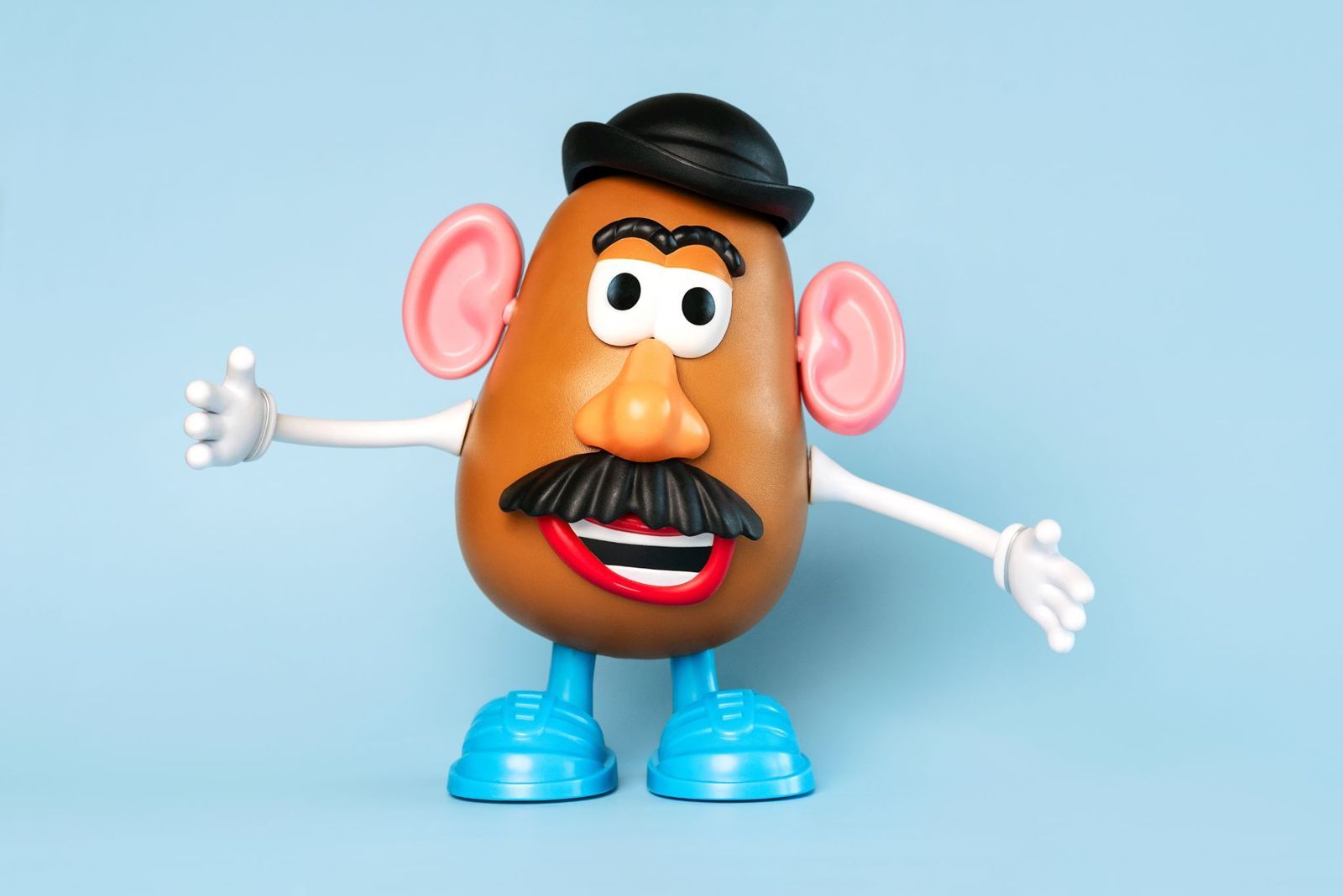
Created by American inventor George Lerner in 1951 and distributed by Hasbro, the original Mr. Potato Head didn’t include a plastic body, just sharp metal pins attached to plastic facial features. Despite the risk of children stabbing themselves, the toy made history as the very first toy ever advertised on television.

From there, Mr. Potato Head had a surprising career as a public servant. In 1985, he received four legitimate votes during the mayoral election in Boise, Idaho. In 1987, he officially dropped his plastic pipe to become the face of the American Cancer Society's "Great American Smokeout" anti-smoking campaign. He later joined forces with the League of Women Voters to boost voter turnout and today acts as an official travel ambassador for the state of Rhode Island.

9
Cabbage Patch Kids

Image: Keith Homan

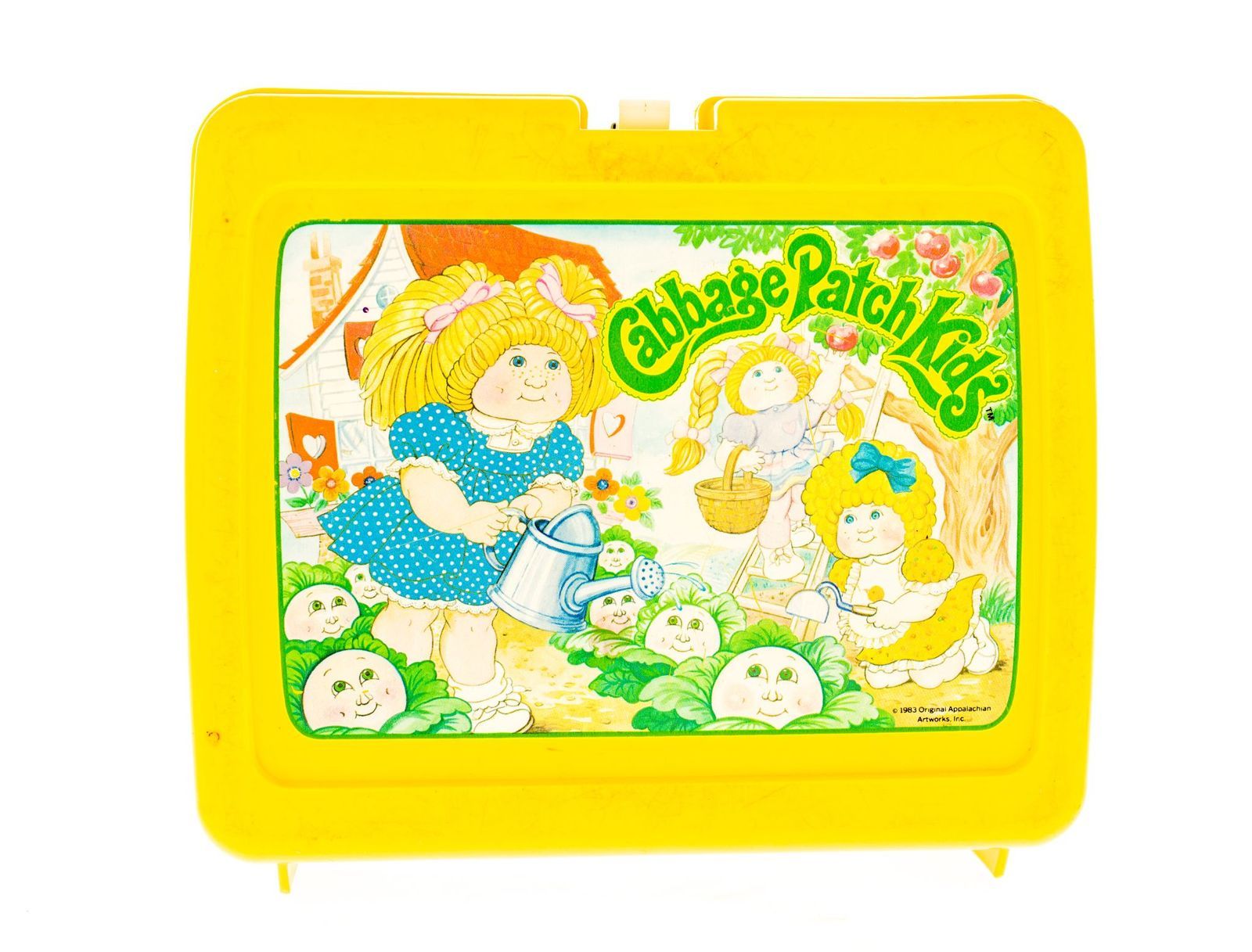
When American businessman Xavier Roberts first created his "Little People" in 1978, nobody could have predicted that they would spark Black Friday riots by 1983. But beyond the hysteria, Cabbage Patch Kids went on to become national ambassadors.

In 1992 and 1996, the United States Olympic Committee selected the dolls as the first-ever official mascot of the US Olympic Team, traveling with the athletes to Barcelona and Atlanta. In 1999, the U.S. Postal Service immortalized them on a stamp celebrating the icons of 1980s American culture. Over the years, the franchise has collaborated with NASA on science education and raised thousands of dollars for disaster relief efforts.

10
Teddy Bear

Image: Abstract Art Background

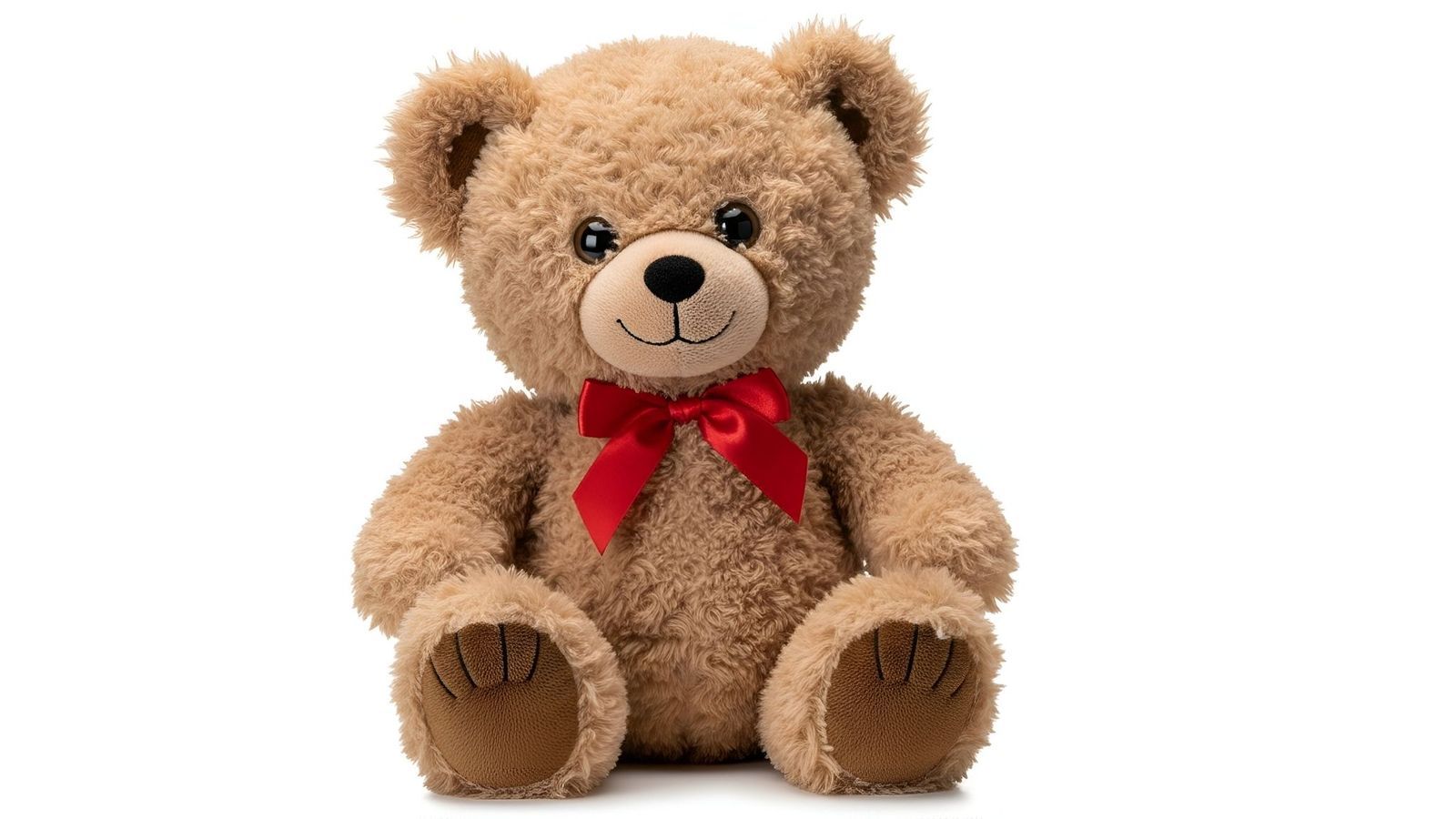
Did you know Teddy Bears were born in the United States? In 1902, a Russian-born businessman and inventor named Morris Michtom was inspired by a cartoon published in The Washington Post to create what would become the most beloved toy in America. The cartoon depicted President Theodore Roosevelt showing compassion for a bear on a hunting trip in Mississippi.

Morris Michtom made a small plush bear cub, sent it to Roosevelt, and asked for permission to use his nickname, Teddy. After the president’s blessing, Mitchom placed the doll in the window of his Brooklyn store with the caption "Teddy’s bear." The success was so great that he began mass- producing them, and within a few years, he founded the Ideal Novelty and Toy Company, which would become the largest doll-making firm in the United States.

Explore more American facts

Choose your favorite category!

General
General

As American as apple pie—the very best America has to offer!

Culture
Culture

Delve into the astounding richness of American lore.

Geography
Geography

Hop in and explore vast and diverse American landscapes.

History
History

Discover the key moments that shaped the United States.